Running Shoes
Best Stability Running Shoes for Every Type of Run
From soft daily trainers to race day racers, eight stability-focused picks covering daily training, tempo work, long runs, recovery days, and racing.
Introduction
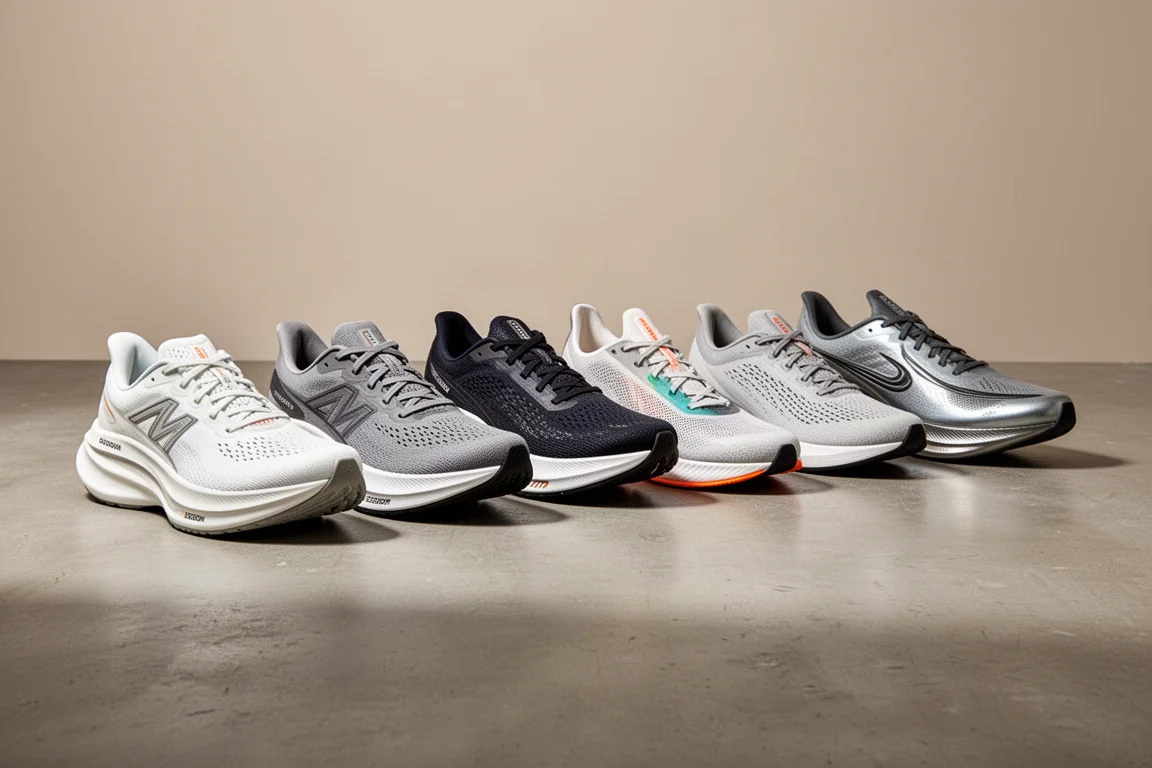
Stability running shoes have come a long way from the stiff, corrective models of the past. This roundup covers the best stability picks for every type of run: soft and firm daily trainers, a tempo shoe, a long run shoe, a recovery day option, and race day choices for overpronators who still want speed.
Two Types of Stability
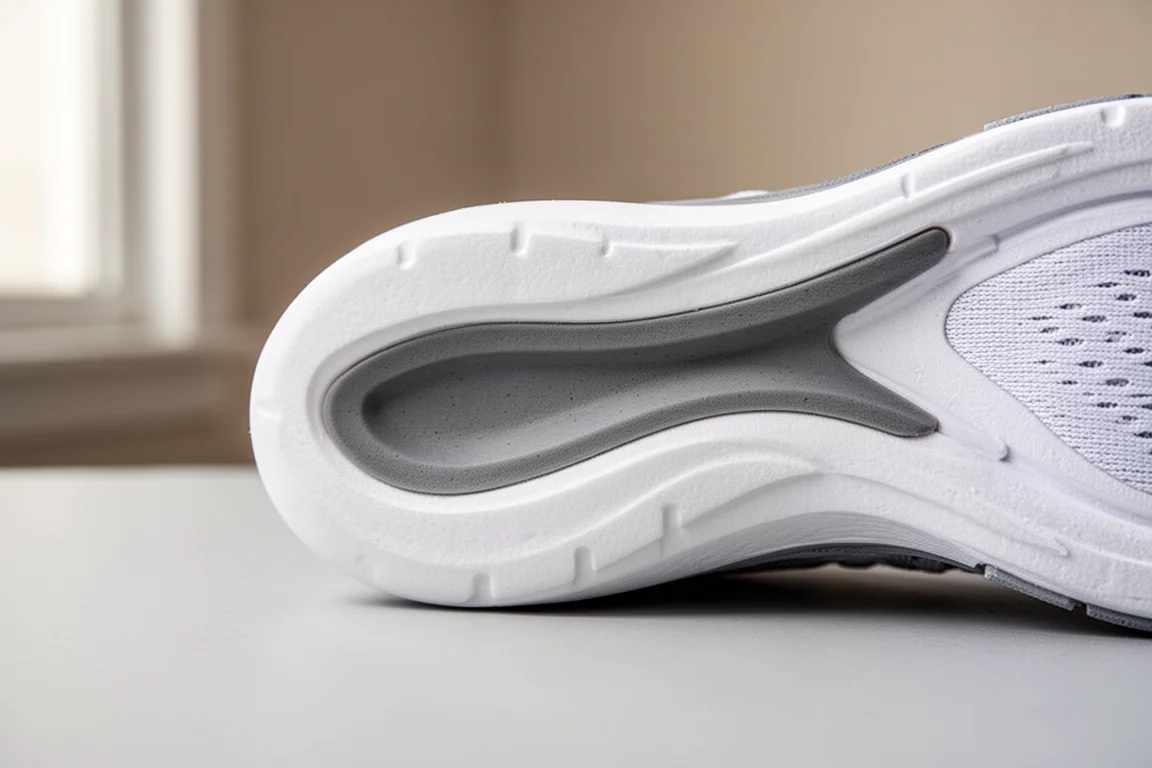
Traditional stability shoes use medial posts on the inside of the midsole to hold an overpronating foot in place. This approach is more intrusive, adds a bit of weight, and works best for runners with severe overpronation who need prescriptive correction for their form.
The second type is inherent stability. These shoes skip the posts entirely and rely on wider platforms, more stable foams, and construction choices in the midsole and upper. Some may carry minor prescriptive elements, such as a plastic heel clip, but they are generally milder, more moderate stability shoes. Serious overpronators will usually be better served by the traditional style.
Best Daily Trainer (Soft): ASICS Gel-Kayano 30
The Gel-Kayano 30 is a max stack stability shoe that uses inherent stability rather than aggressive medial posting. It features a thick 40mm stack of FF Blast Plus foam with a gel unit in the heel, delivering a plush, protective, cushioned feel underfoot.
It is a strong choice if you enjoy soft max-cushion shoes but need more stability than those designs typically offer. It is not the fastest option and sits at a heavier 10.7 oz for a US men’s size, but for protective daily miles it is an easy recommendation.
View more details for ASICS Gel-Kayano 30
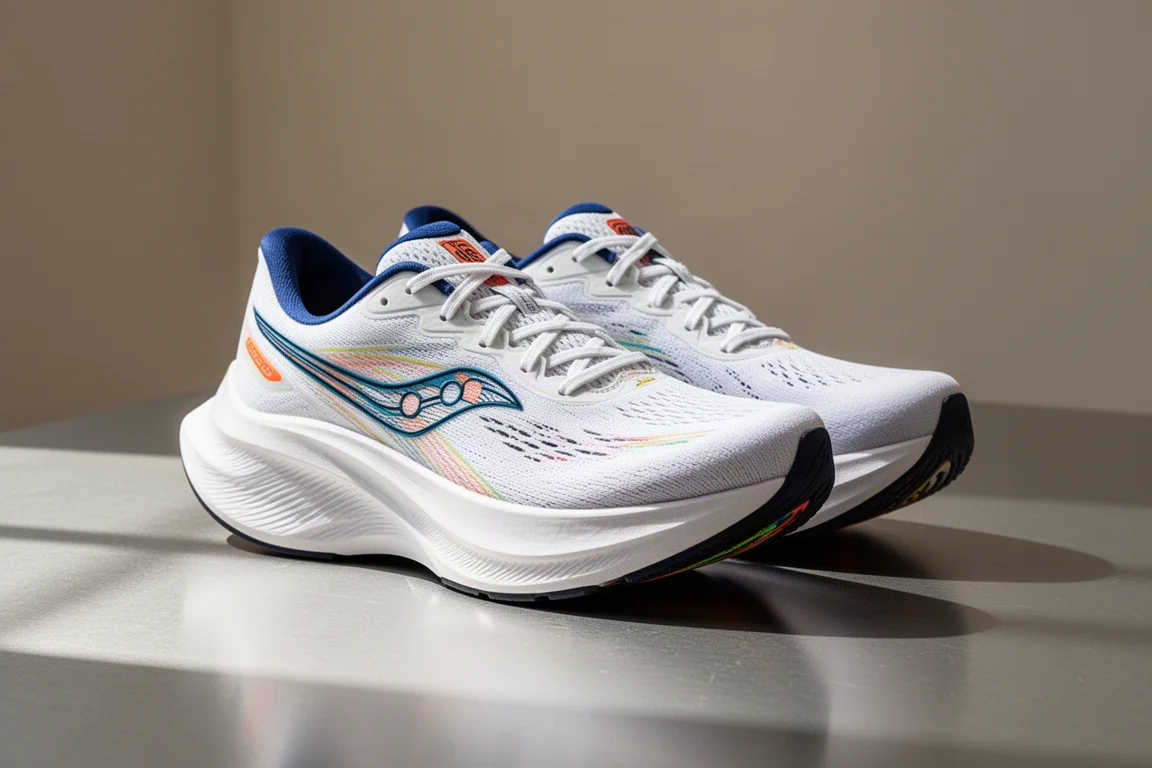
Best Daily Trainer (Firm): Saucony Guide 16
The Guide 16 uses Saucony’s PWRRUN foam, an EVA-based blend found across the brand’s range, and provides a solid, traditional, firmer ride. It is not the most exciting shoe, but it is responsive when you pick up the pace and avoids any mushy feeling underfoot.
Like the Kayano, it takes a moderate stability approach, but it comes in around 8 oz, making it the lighter and nimbler option. If you want a daily trainer with a snappier feel that can handle slight uptempo work, this is the pick.
Best Tempo Shoe: Saucony Tempus
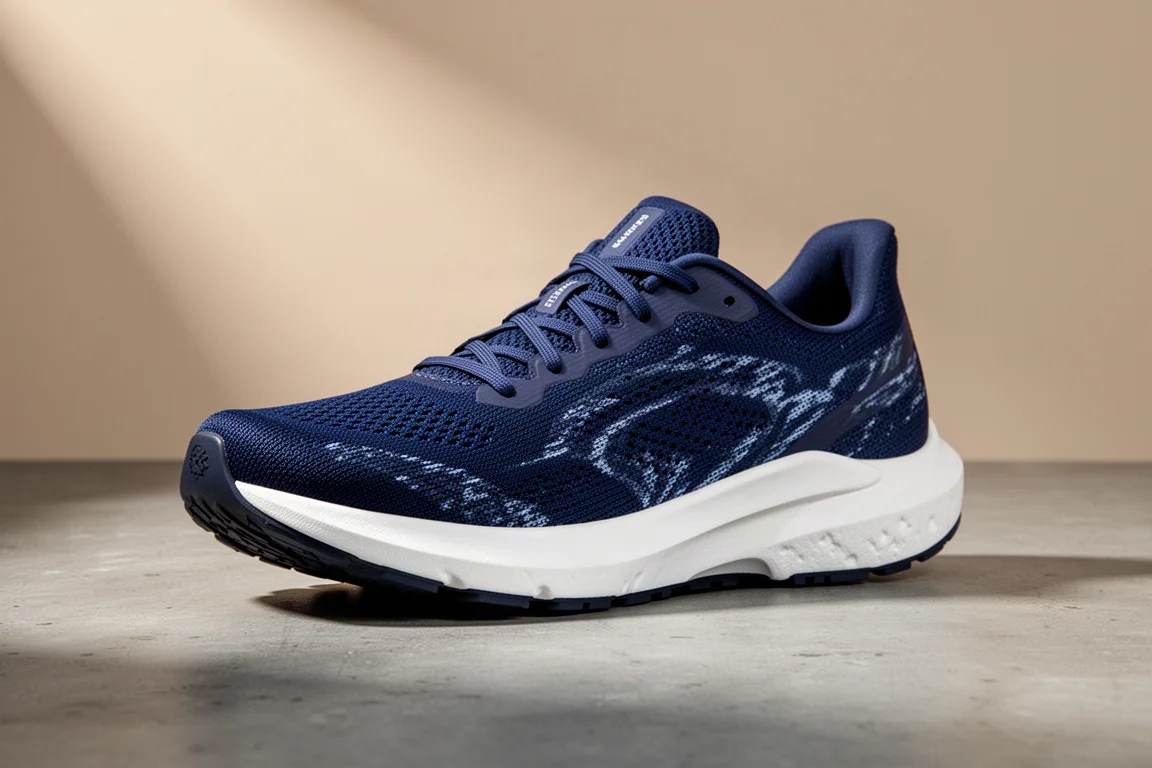
The Tempus is one of the only stability shoes on the market that uses a super foam. Its midsole is a dual-foam compound: PWRRUN, the firmer EVA, stabilizes the heel area, while PWRRUN PB, the PEBA-based compound, sits in the forefoot and midfoot for a responsive bed of foam.
The result is a nice toe-off, good balance, and a rockered feeling when you push into marathon pace or faster. It works well for marathon pace workouts, doubles as a more exciting daily trainer, and is a viable racing option for serious overpronators who do not want a super shoe on race day.
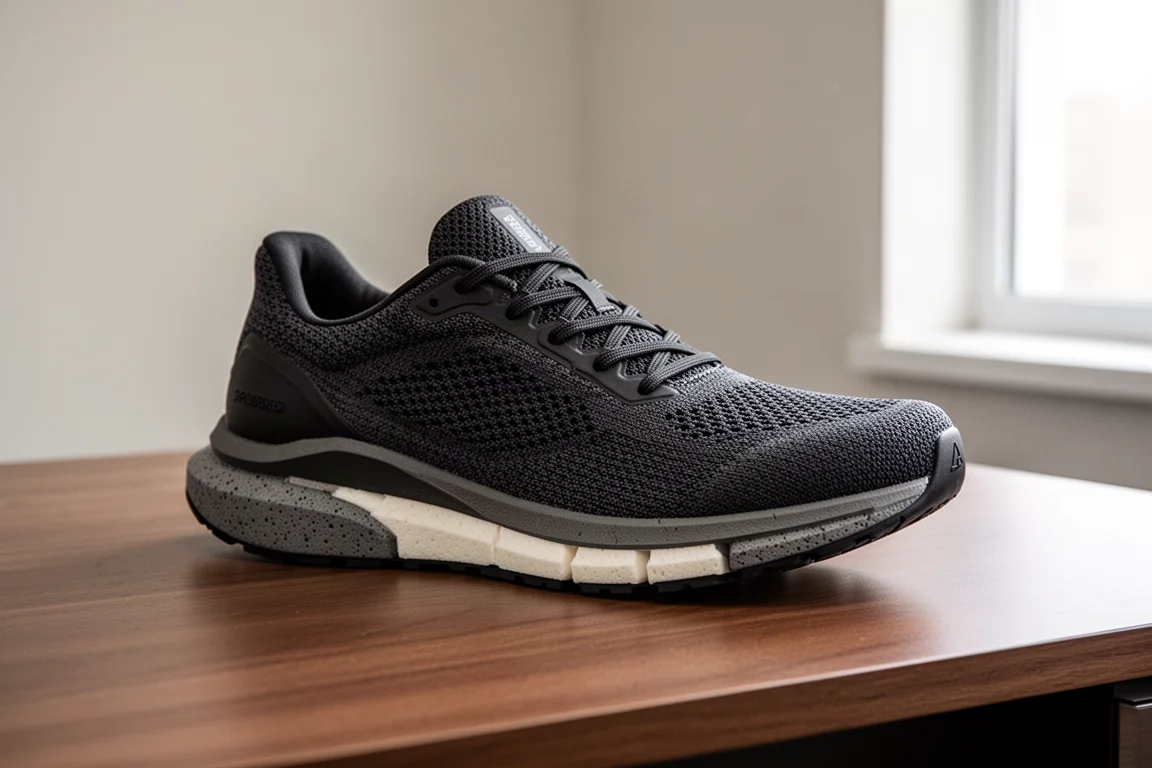
Best Long Run Shoe: New Balance 860v13
The 860v13 has a moderate stack with 27mm of foam in the heel and 17mm in the forefoot for a 10mm drop. Its foam sits right in the middle of the soft-firm continuum, which is exactly what you want for long runs: firm enough to keep turnover in late stages, soft enough not to feel harsh as the miles add up.
It leans traditional in its stability, which suits long efforts well, since fatigue tends to bring out the most overpronation in the final stretch of a long run. The lower stack also keeps it on the lighter side, making it easier to keep the legs turning over when tired.
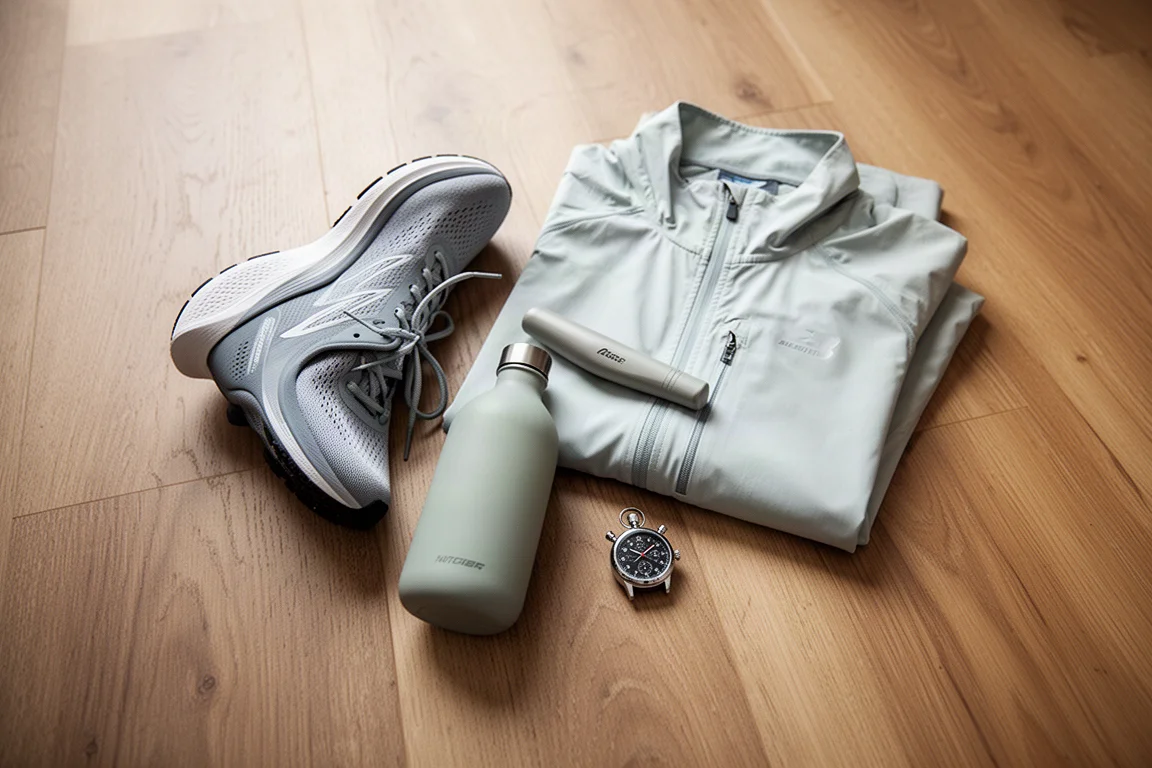
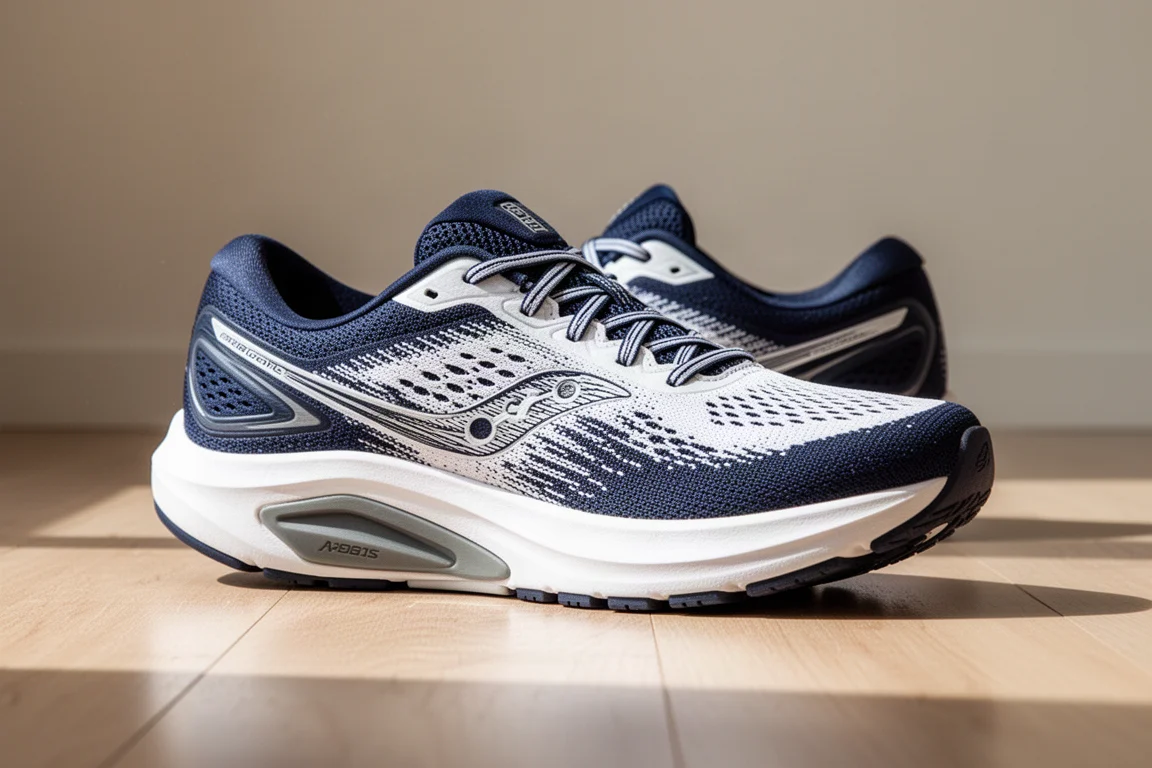
Best Recovery Run Shoe: Saucony Endorphin Shift 3
The Endorphin Shift 3 executes its brief, cushioned, comfortable, and relaxed miles, better than almost any shoe around. It uses an inherent stability setup with a plastic heel clip at the back, a tall stack of PWRRUN foam (39mm heel, 35mm forefoot, 4mm drop), and an aggressively rockered platform.
That combination makes it exceptionally easy to run at a relaxed pace on days when you are beat up. The lighter weight, the rocker, and the firmer foam all help when turnover feels difficult, which is exactly when a recovery shoe earns its place.
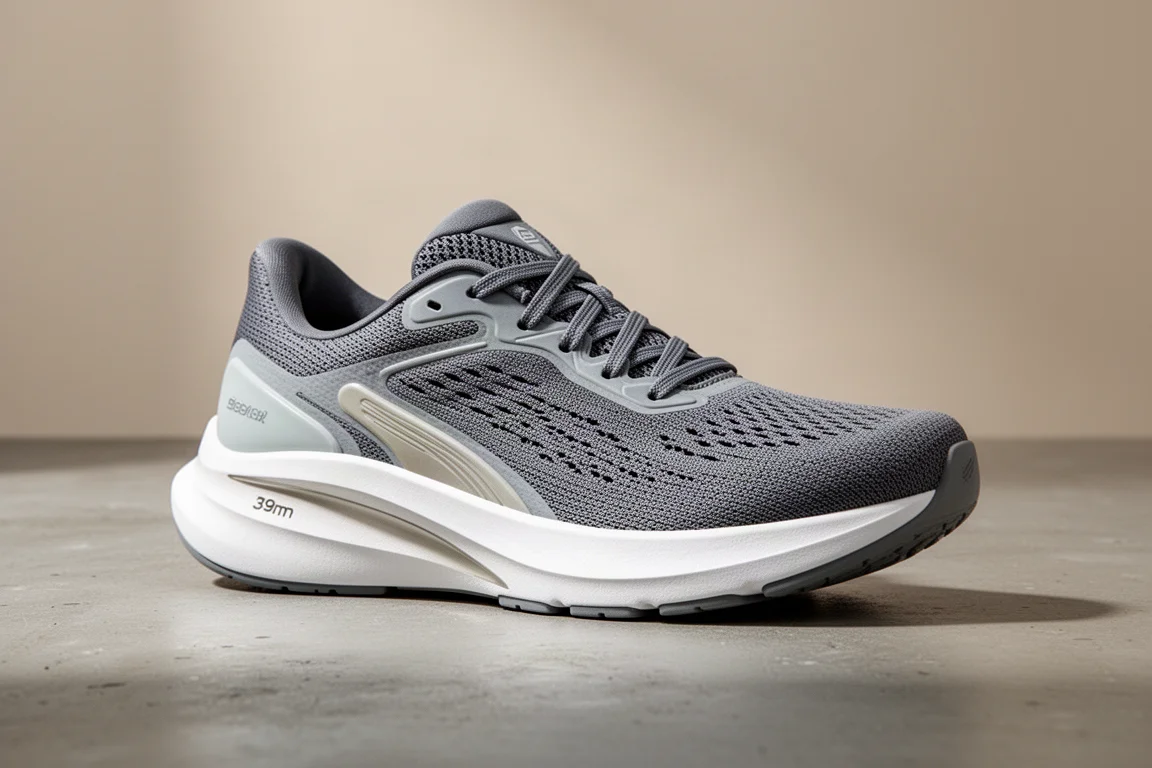
Best Race Day Shoes: Endorphin Pro 3, Hoka Rocket X, and Nike Vaporfly
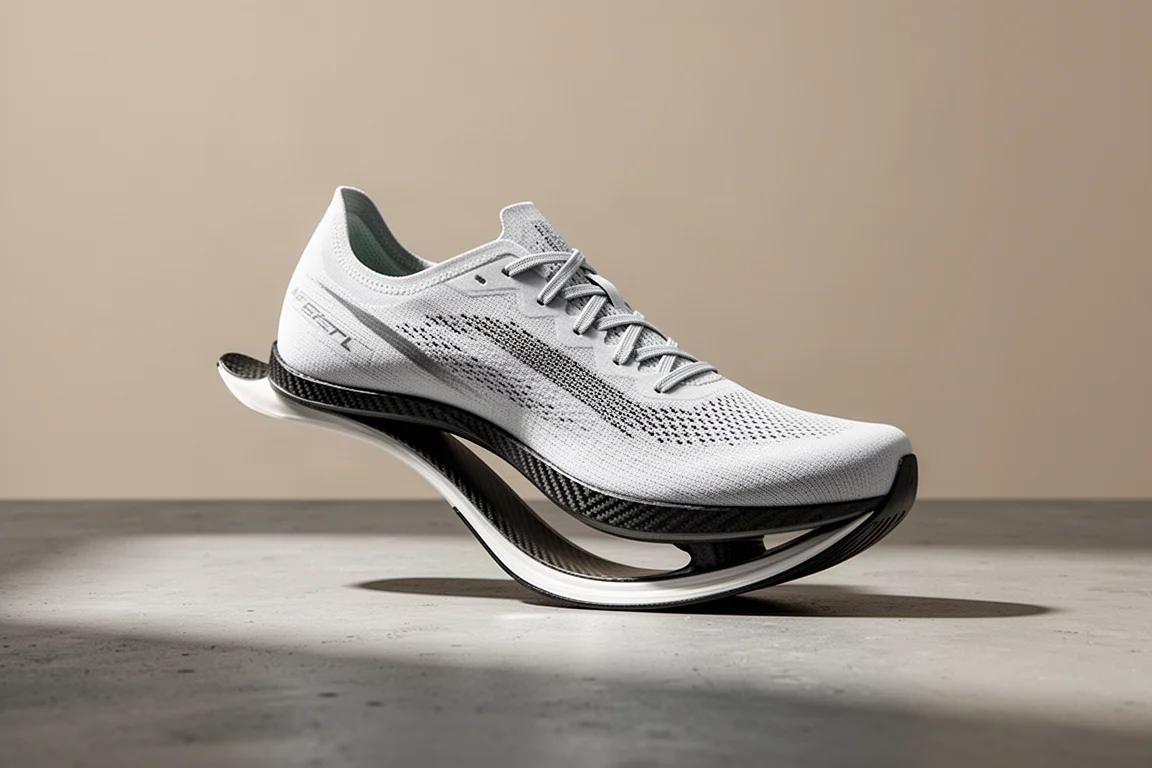
There is not yet a dedicated carbon fiber racer designed as a stability shoe, but some race day options are more stable than others. The Nike Vaporfly is a top-tier racer, but it is likely not a great choice if you have serious overpronating needs: its heel is narrower than most and its ZoomX foam is unstable if you need more support in the heel and ankle area.

The Saucony Endorphin Pro 3 is the better pick if you want a carbon plated shoe with some support. Its PWRRUN PB foam is inherently firmer than ZoomX, adding platform stability, and the heel foam is a lot wider than the Vaporfly’s. If you want something a bit more aggressive than the Pro 3, the Hoka Rocket X is a solid alternative with a unique spoon-shaped plate in the forefoot.
View more details for Saucony Endorphin Pro 3
Overall Buying Advice
Start by identifying how much correction you actually need. Serious overpronators should prioritize traditional stability with medial posts, while mild to moderate overpronators can take advantage of the newer inherent stability designs, which are lighter and less intrusive. Then match the shoe to the role in your rotation: a soft or firm daily trainer, a tempo option, a long run workhorse, a recovery shoe, and, if you race, one of the more stable plated options above.
Conclusion
Stability running no longer means one rigid shoe type. Whether you need maximum cushioning for daily miles, a firmer trainer for uptempo work, a super-foam tempo shoe, a balanced long run partner, an easy spin option, or a plated racer that still offers support, there is a well-executed stability pick for every run on this list.
Further reading
Related Reviews

Running Shoes
Best Road-to-Trail Running Shoes: Three Versatile Options for Mixed Terrain
A practical guide to three road-to-trail running shoes that handle both pavement and mild trails, with clear strengths and trade-offs for different runner types.

Running Shoes
Best Running Shoes for Achilles Tendonitis: Three Options Explained
Three running shoes with different heel drops and support features designed to help reduce Achilles tendon pain during walking and running.

Running Shoes
Best Running Shoes for Women: Five Top Choices Ranked
A ranked guide to five women's running shoes, from versatile daily trainers to high-performance racing options, with real strengths and trade-offs for each.