Running Shoes
Best Stability Running Shoes 2026: Three Picks That Build Confidence Into Every Stride
Three stability and guided-ride trainers that stand out for trust, versatility, and smart midsole design rather than old-school medial posts.
Introduction
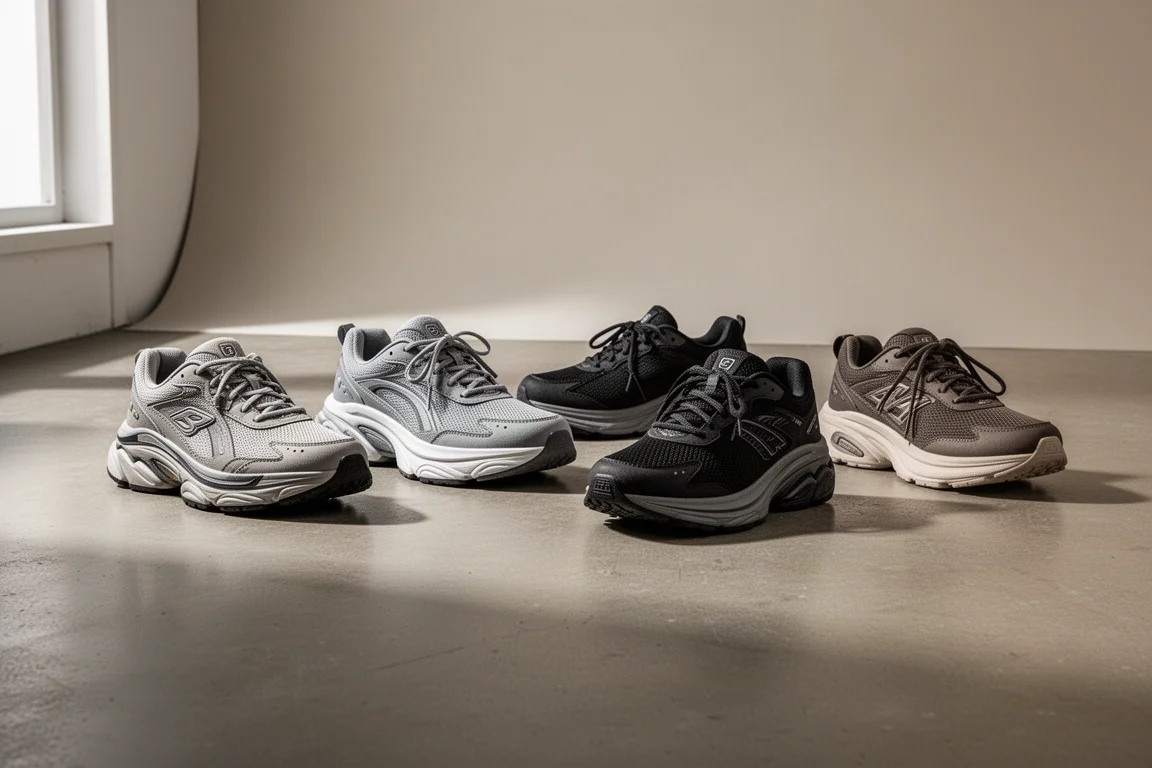
Stability shoes have moved on. The best ones no longer rely on a stiff plastic post jammed into the midfoot; instead, they use geometry, foam layering, and wraparound sidewalls to guide your stride while keeping the ride comfortable. This roundup covers three shoes that approach that goal in very different ways: a plush, structured stability trainer, a lightweight guided super-foam shoe, and a no-frills budget option that punches well above its price.
What Makes a Stability Shoe Worth Trusting
Confidence is the recurring theme with every shoe in this category. It comes from traction, a wide platform, an upper that locks down without over-stretching, and a ride that guides rather than forces. A shoe does not need a traditional medial post to be stable; it needs stability elements built into the design in a way that supports your natural mechanics.
That framing matters when comparing the picks below, because each of these shoes earns its stability label differently.
Mizuno Wave Horizon 6: Stability Pick of the Year
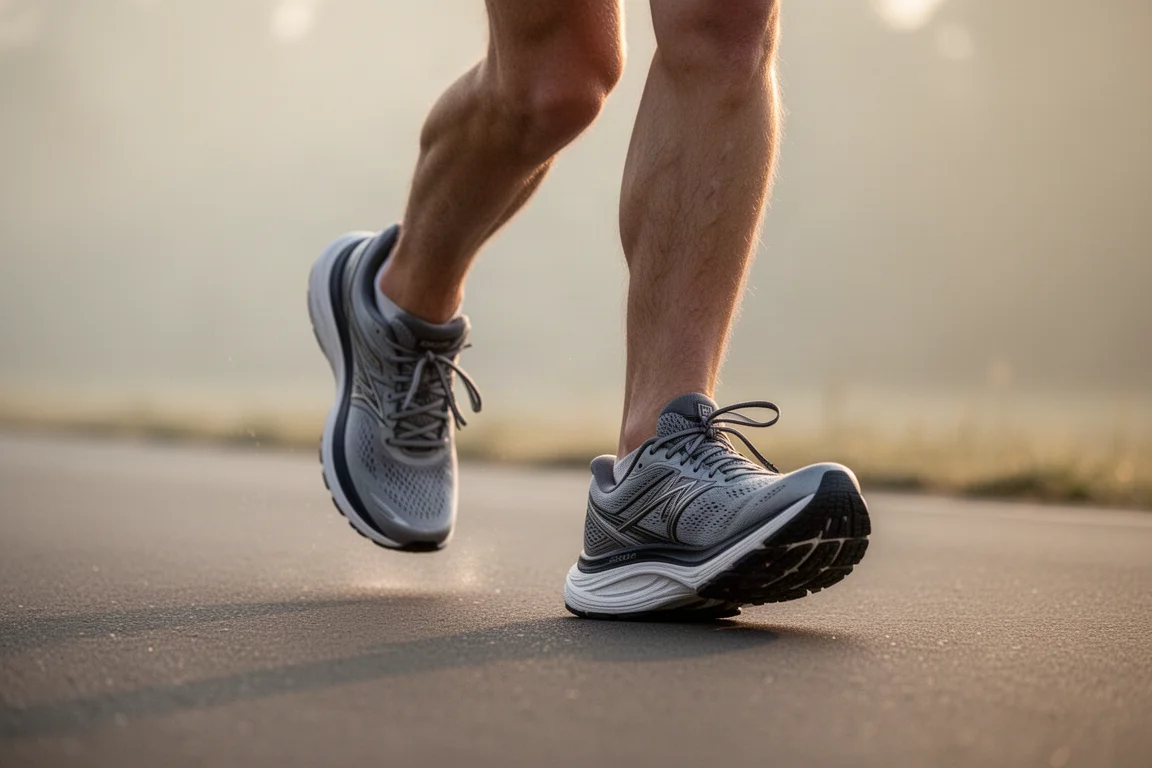
The Mizuno Wave Horizon 6 is a stability shoe that has improved year after year, and this version earned a landslide pick in the stability category. The upper locks down well: it stretches just enough to be accommodating without letting your foot wander. The platform is relatively wide underfoot, and traction is solid throughout.
The interesting part is the midsole construction. Mizuno uses a chassis-style build with a soft core sitting in the midline of the shoe, encapsulated by a firmer midsole around it, plus their Euphoric EVA. That is three different densities working together, designed to make the shoe stable without simply adding a rigid post. The softer core extends further in on the medial side, and the outsole wraps around and hugs the inner line of the shoe, functioning almost like a post on its own.
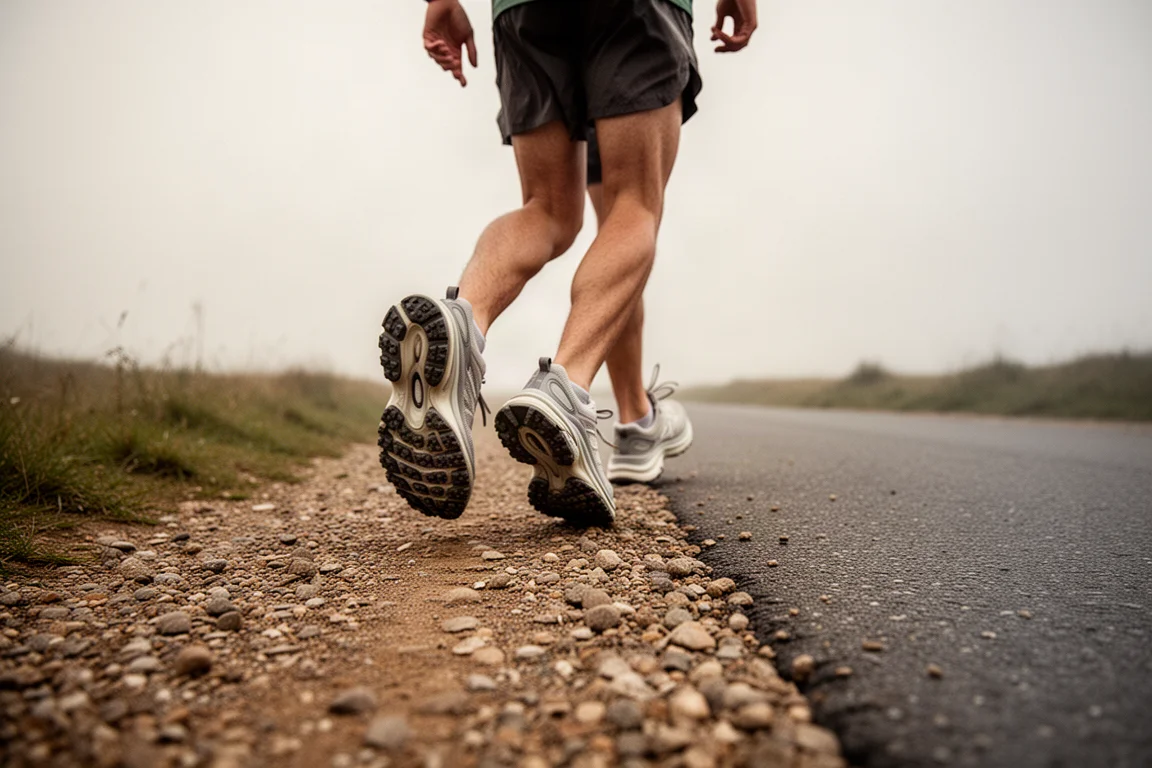
Specs: 38 millimeters in the heel, 30 millimeters in the forefoot, a slightly heavier 11.2 ounces, and a price of $170. If you want maximum structure done thoughtfully, this is the one.
Saucony Tempest: A Guided Ride With Super Foam
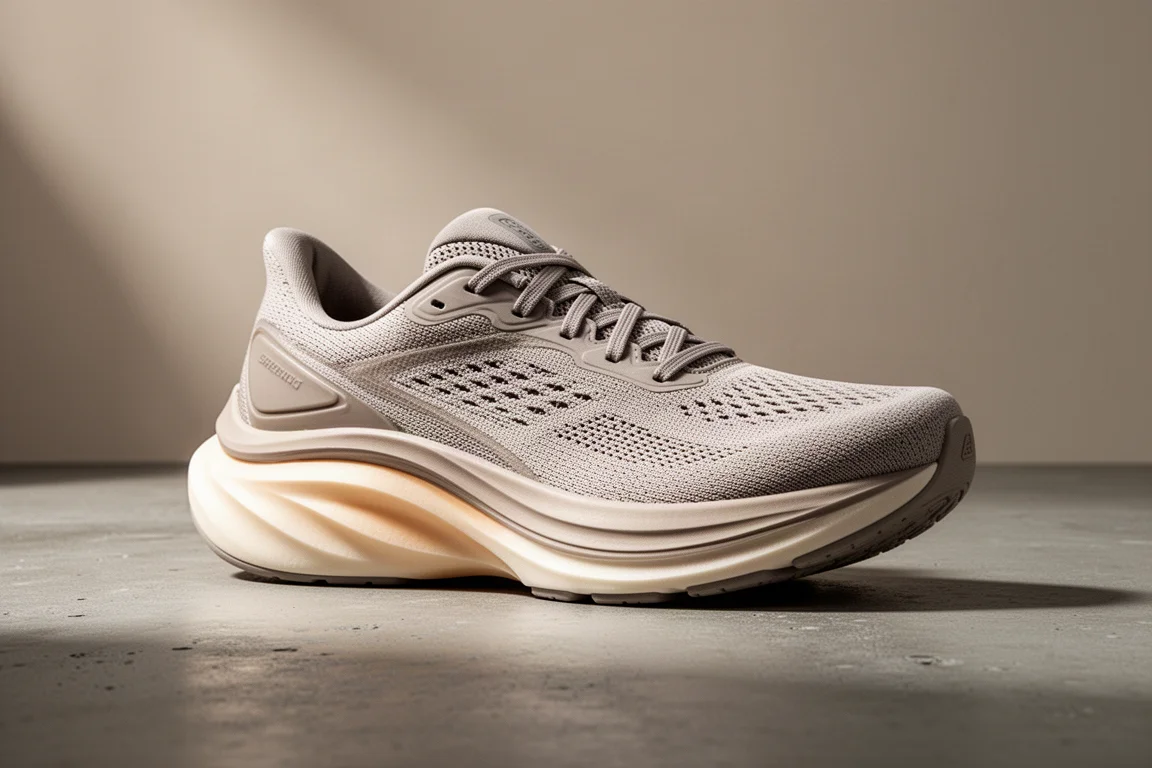
The Saucony Tempest is the spiritual successor to the Hurricane, but it is a completely different shoe. At 8.9 ounces for a men’s size 9 and 7.9 ounces for a women’s size 8, it sits firmly in lightweight trainer territory, with taller stacks of 36.5 millimeters in the heel and 28.5 millimeters in the forefoot for an 8-millimeter drop.
The midsole uses Poweron PB, Saucony’s more performance-oriented super foam. Stability comes from wraparound external portions of PowerRun foam on both the lateral and medial sides. If your foot drifts too far in either direction, the geometry helps guide it back, following the preferred movement path philosophy: the shoe is not pushing you one way, it is just getting you forward.
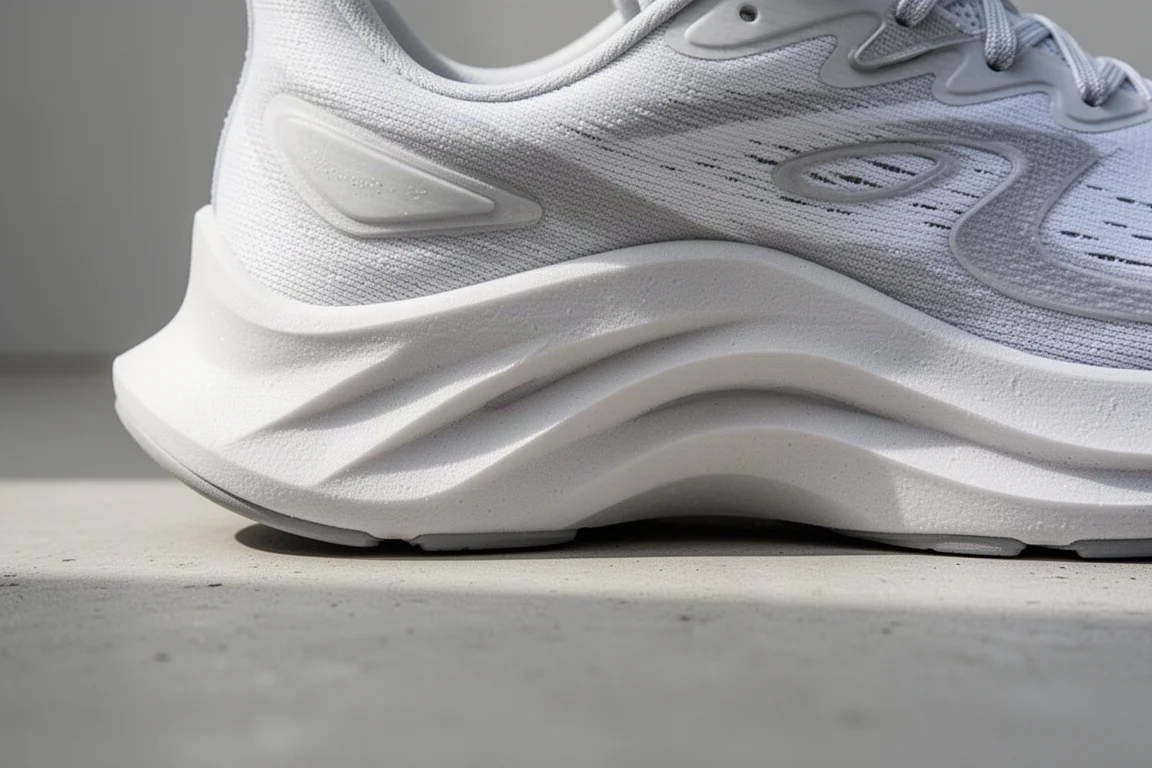
That combination makes the Tempest unusually versatile. Runners with stability needs who want super foam for a marathon or half marathon can genuinely race in it, while it also works as a lightweight daily trainer. Notably, a testing team that includes people usually very sensitive to stability methods ran substantial miles in it with no issues, which speaks to how well the guidance is tuned.
Asics EvoRide 3: The Affordable, Versatile Pick
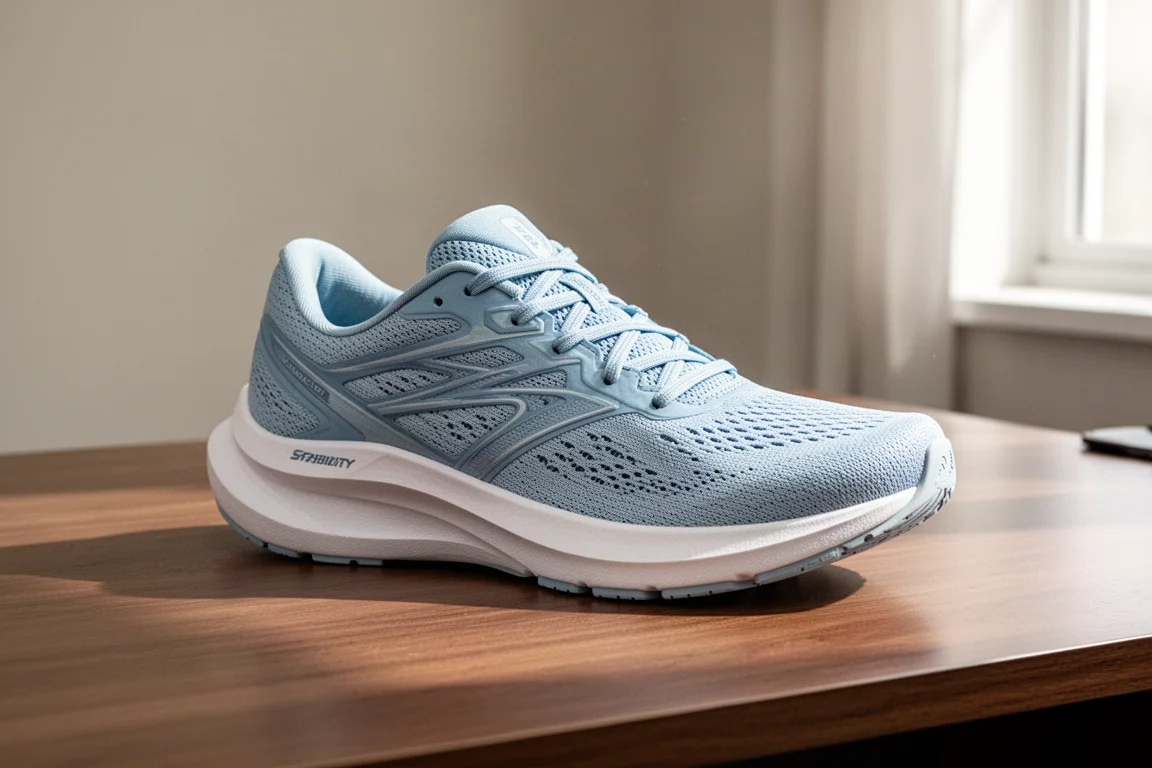
The Asics EvoRide 3 came in at $120, which puts it in a strong position for anyone shopping under that mark alongside its competition. It is a very simple, very lightweight platform, and it came remarkably close to earning a trainer-of-the-year nod in testing.
This is a no-frills shoe, and that is the point. If you are expecting a new-generation bouncy super-foam midsole, this is not that. What you get instead is a nimble, trustworthy ride that stands apart from much of what else is on the market, and it is versatile enough to slot into many roles in a rotation.
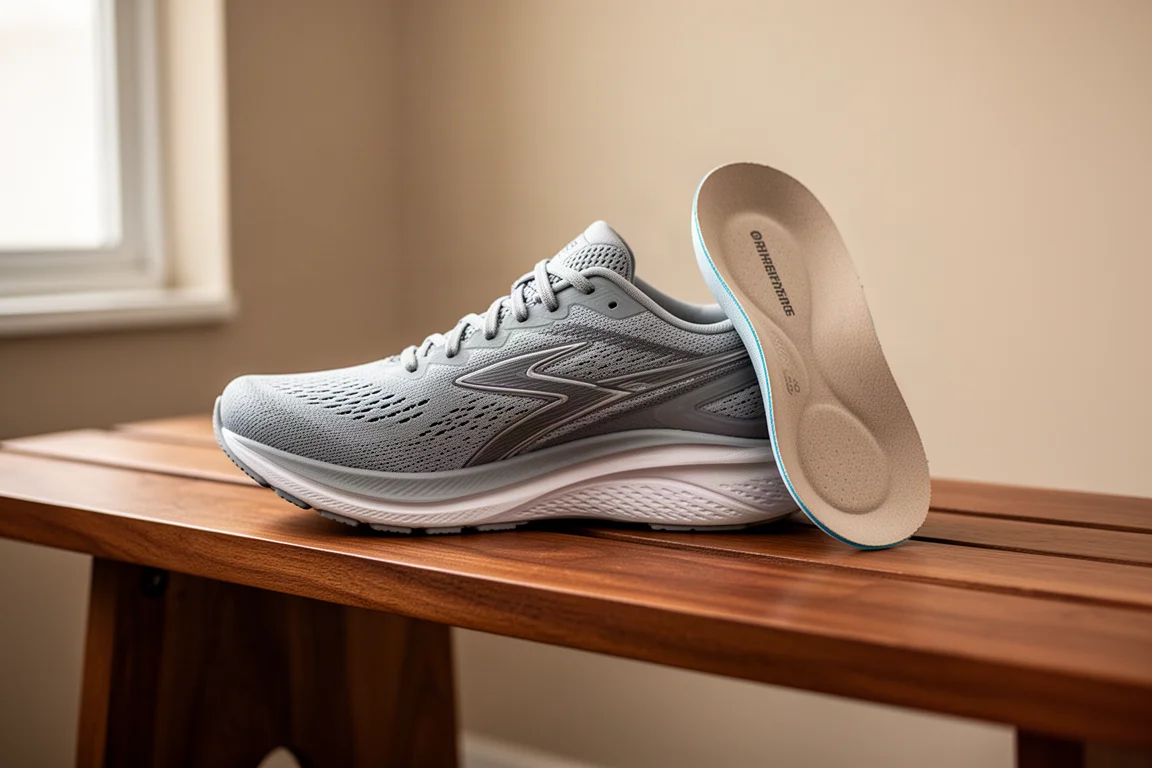
At its price point, it is absolutely worth looking out for if you value simplicity and dependability over flash.
Overall Buying Advice
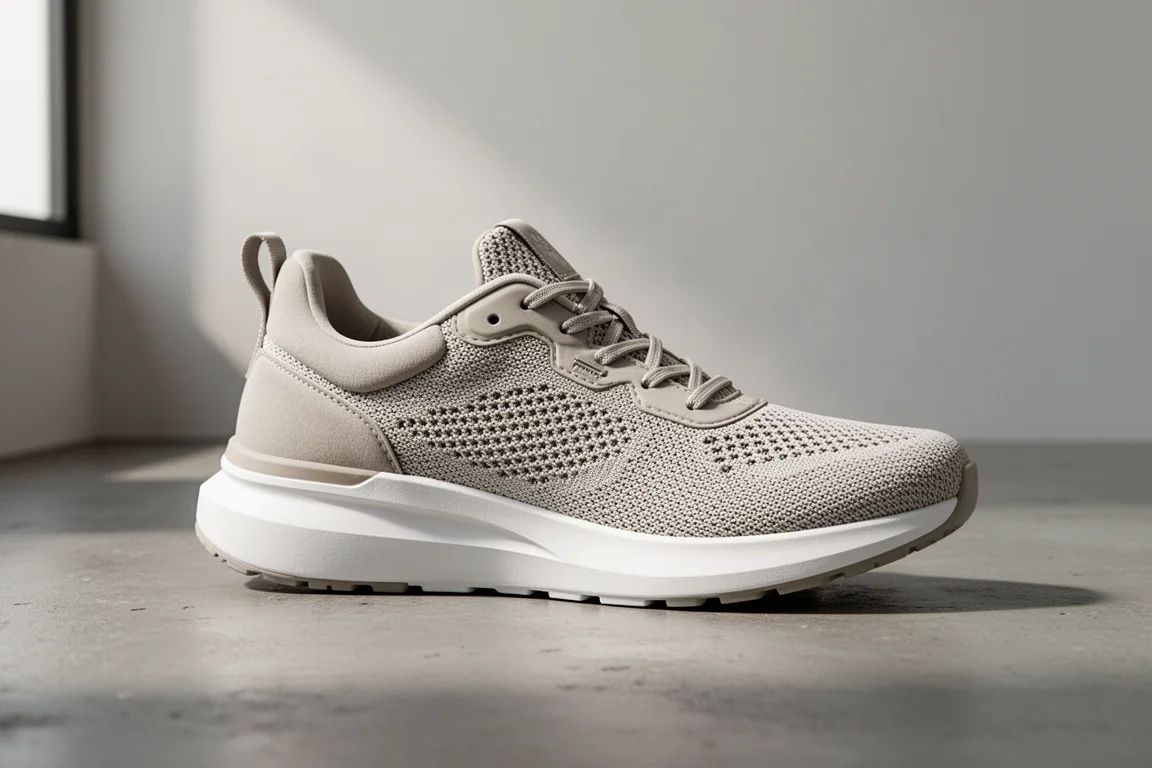
Each of these shoes solves stability differently. The Wave Horizon 6 is the most classically stable, using layered foam densities and a wrapped outsole instead of a hard post, and suits runners who want a wide, locked-down platform. The Saucony Tempest is the pick for runners who want genuine stability and super foam in a lightweight package, whether for training or longer races. The EvoRide 3 is the value play: simple, light, and dependable at $120.
Match the shoe to your needs. If you need maximum guidance, go Horizon. If you want stability without giving up performance foam, go Tempest. If you want an honest, affordable daily trainer, go EvoRide 3.
Conclusion
Stability in 2026 is about guidance, not force. These three shoes prove you can get a confident, trustworthy ride through smarter design, whether you spend $120 or $170. Pick based on how much structure you actually need, and any of them will reward you with miles you can rely on.
Further reading
Related Reviews

Running Shoes
Best Road-to-Trail Running Shoes: Three Versatile Options for Mixed Terrain
A practical guide to three road-to-trail running shoes that handle both pavement and mild trails, with clear strengths and trade-offs for different runner types.

Running Shoes
Best Running Shoes for Achilles Tendonitis: Three Options Explained
Three running shoes with different heel drops and support features designed to help reduce Achilles tendon pain during walking and running.

Running Shoes
Best Running Shoes for Women: Five Top Choices Ranked
A ranked guide to five women's running shoes, from versatile daily trainers to high-performance racing options, with real strengths and trade-offs for each.