Running Shoes
Best Stability Running Shoes of 2025: Five Trainers That Got It Right
Stability options shrank in 2025, but the daily trainers that survived are better than ever. Here are five pairs worth a close look.
Introduction
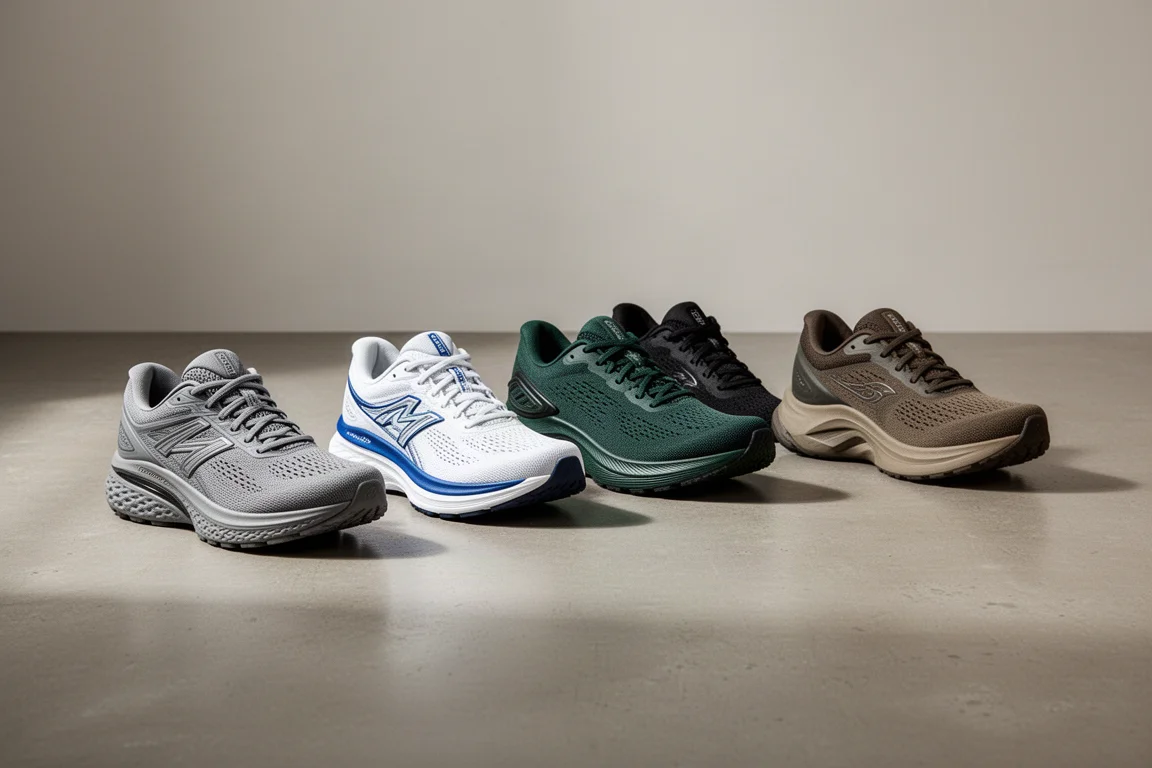
2025 was not the strongest year for stability shoes. Several lightweight options and nearly all the racing models disappeared, leaving the category smaller than it has been in years. The upside: the daily trainers that remain are genuinely good, and a few of them rank among the best training shoes of the year outright.
This guide covers five pairs, each suited to a different type of runner. If you have stability needs, the goal is to help you figure out which one fits your feet, your gait, and your training.
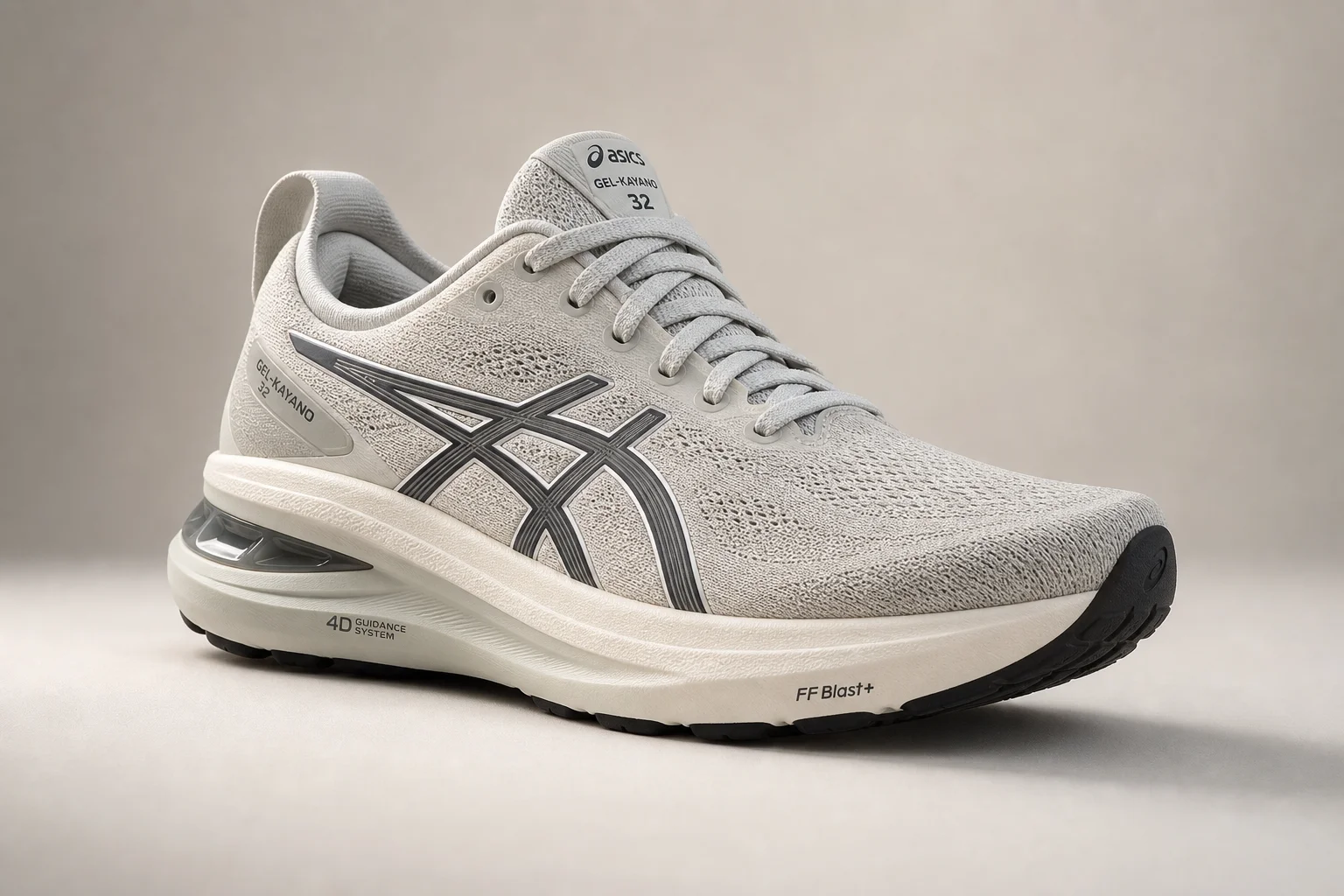
ASICS Gel-Kayano 32
The ASICS Gel-Kayano 32 was the standout stability shoe of the year, and arguably one of the best training shoes overall. In a men’s size 10 it weighs around 11 ounces (310 g), with a 40 mm heel, 32 mm forefoot, and an 8 mm drop, the first time in the series’ 30-plus year history that it has dropped to 8 mm.
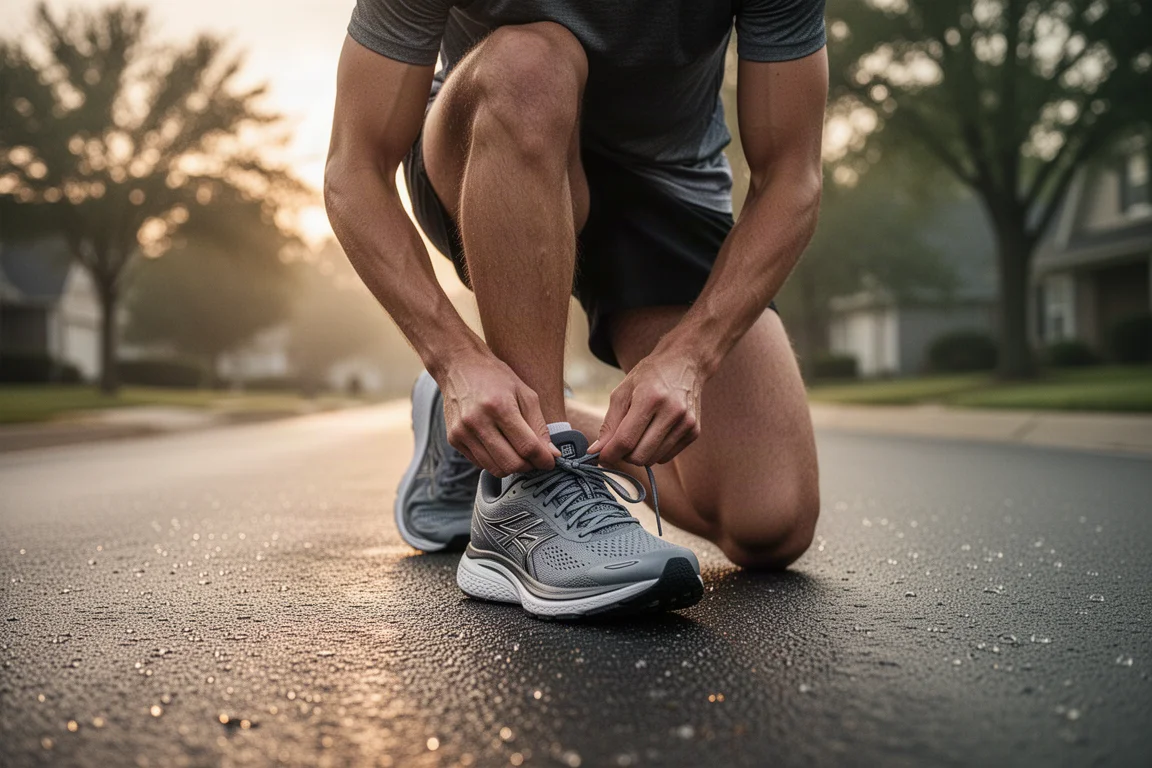
The stability runs full length from heel to forefoot, biased more toward the medial side than lateral. A 4D Guidance System uses a resilient, bouncy foam that pushes back on landing, which makes the shoe feel far livelier than most max-support trainers. It is not fast, but for long runs, easy days, and standing all day, it is excellent. Durability is strong too: over 200 miles in, the midsole is holding up well, with only modest outsole wear for a very hard-wearing tester. The upper starts snug and opens into a secure, comfortable fit.
Saucony Hurricane 25
The Hurricane 25 is a total redesign after the heavier, clunkier version 24. It is light for the category at about 10.5 ounces (290 g) in a men’s size 10, with a 38 mm heel, 32 mm forefoot, and a 6 mm drop, plus a much improved heel bevel.
It uses full-length PowerRun PB foam, a super-foam that delivers a bouncy ride, with mild medial support in the heel and midfoot. The geometry sits the foot in a slight wedge position at the heel, though the forefoot is less stable than the rear. The upper offers a lower-volume fit with more forefoot room.
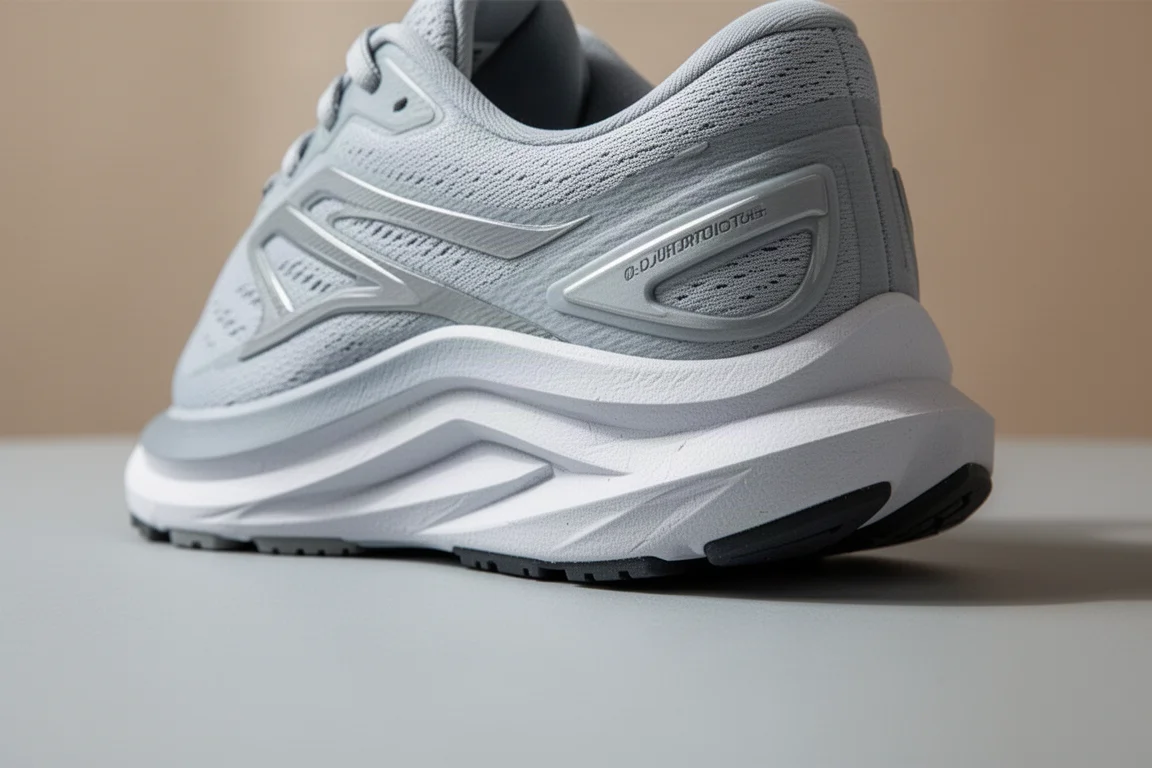
This is one of the only lighter super-foam stability shoes on the market. It suits runners with mild heel and midfoot stability needs who also want a wide-fitting forefoot and a bouncy ride without a stiff plate. Runners with higher stability needs may find it insufficient. At around 100 miles, durability has been very good.
Puma ForeverRun Nitro 1
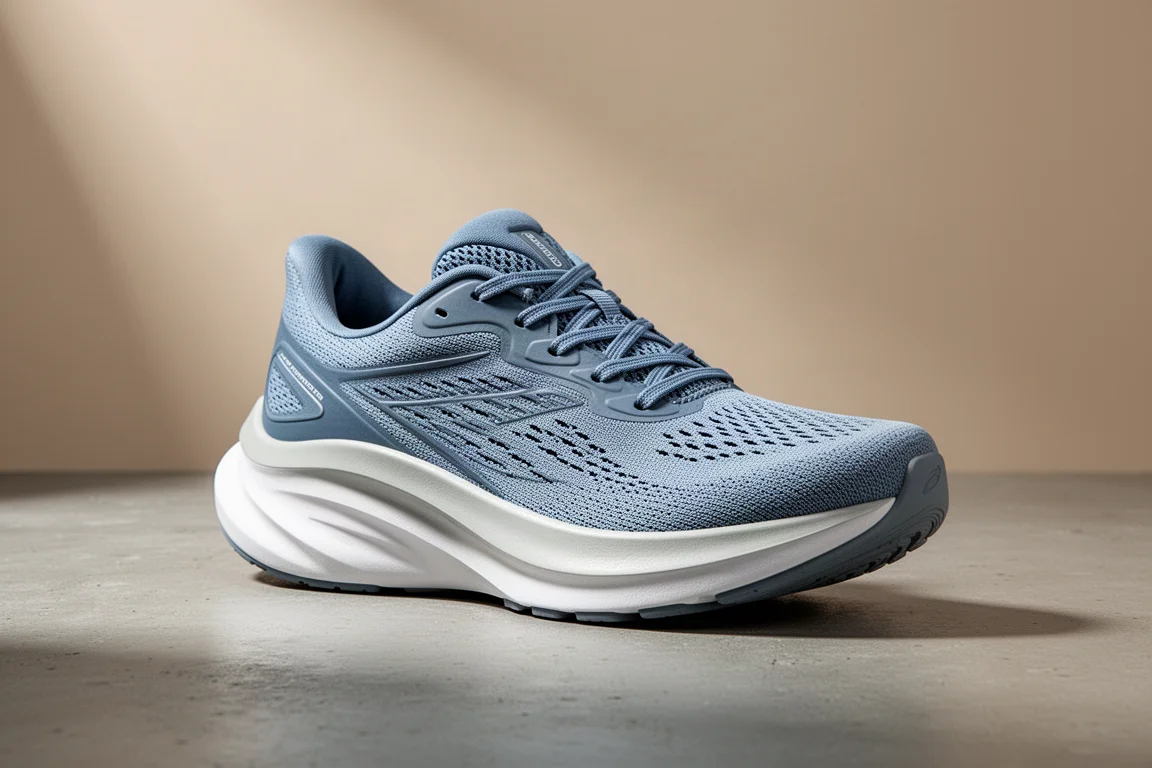
The Puma ForeverRun Nitro was a genuine surprise. It weighs about 10.9 ounces (308 g), right in Kayano territory and a touch heavier than the Hurricane. The previous version’s clunky heel and weak upper have been largely smoothed out, though the upper still could use a little refinement; it is secure in classic Puma fashion, fits wider with a lower volume, and stretches in over time.
The heel bevel and rearfoot transition are dramatically improved, with extra cushioning at the back for heel strikers. This is true central guidance: it does not push you in any direction, it simply keeps you centered. The Nitro foam bounces well, so while it is not a fast shoe, it has some pace versatility and shines on long, steady miles.
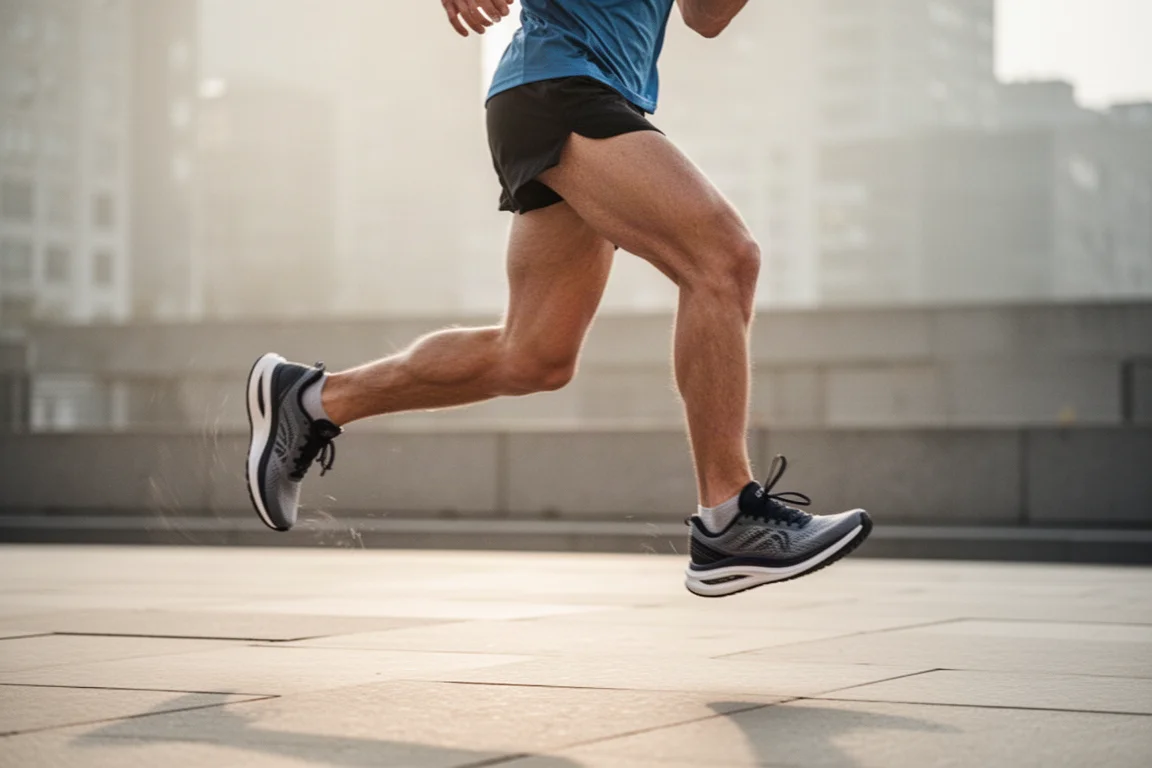
This suits heel strikers who want more foam under the heel and runners who prefer neutral-feeling guidance that keeps them in the middle. Around 100 miles in, it has been thoroughly enjoyable.
Adidas Supernova Solution 2
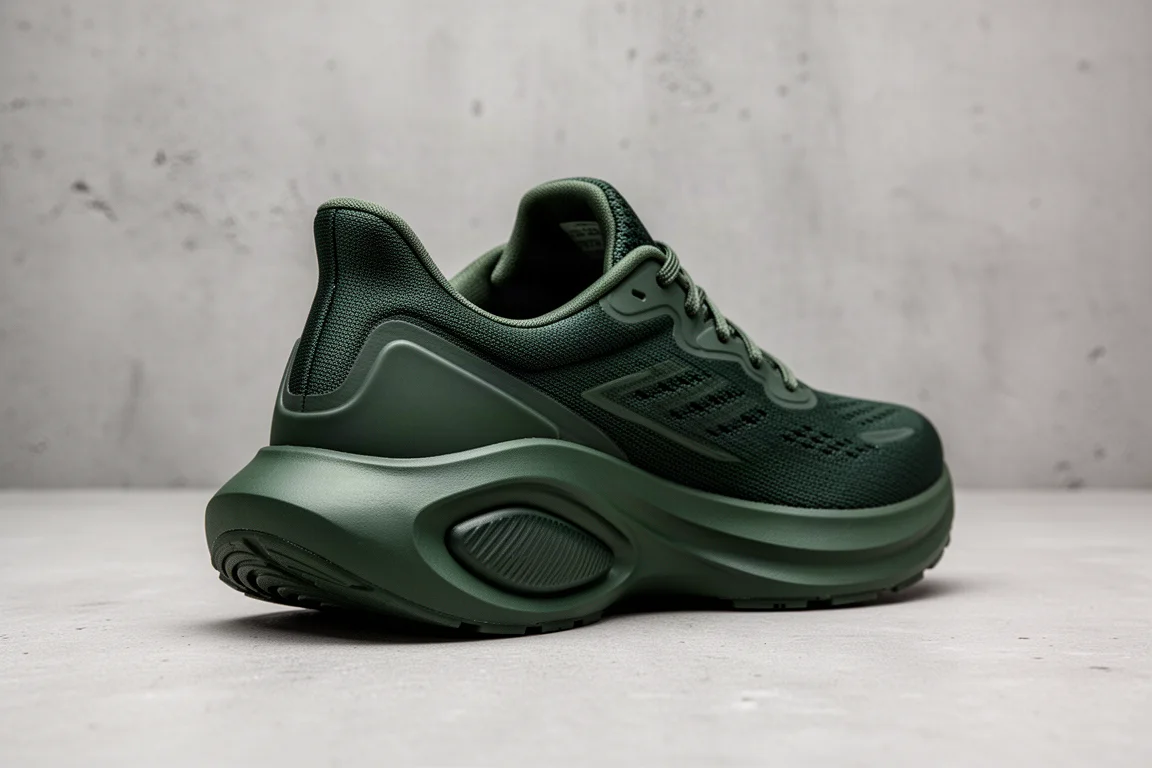
The Supernova Solution 2 is one of the few lightweight stability shoes left on the market, and the lightest of this group at 9.6 ounces (272 g) in a men’s size 10. Its DreamStrike Plus midsole is technically PEBA foam, giving it a lively character, with a bouncy heel and a smooth heel transition despite a posterior flare.
The stack is 36 mm in the heel and 26 mm in the forefoot for a 10 mm drop. The forefoot can feel a little firm on longer runs, but this is one of the few shoes here you can genuinely pick up the pace in, making it a candidate for tempo runs, uptempo work, and even plate-free stability racing. Support is mild and mostly at the heel.
The upper is a touch wider up front but snugs nicely through the midfoot and heel, and the outsole is very durable. Across long runs, easy miles, and workouts, it has held up impressively over 100-plus miles.
Brooks Launch GTS 22
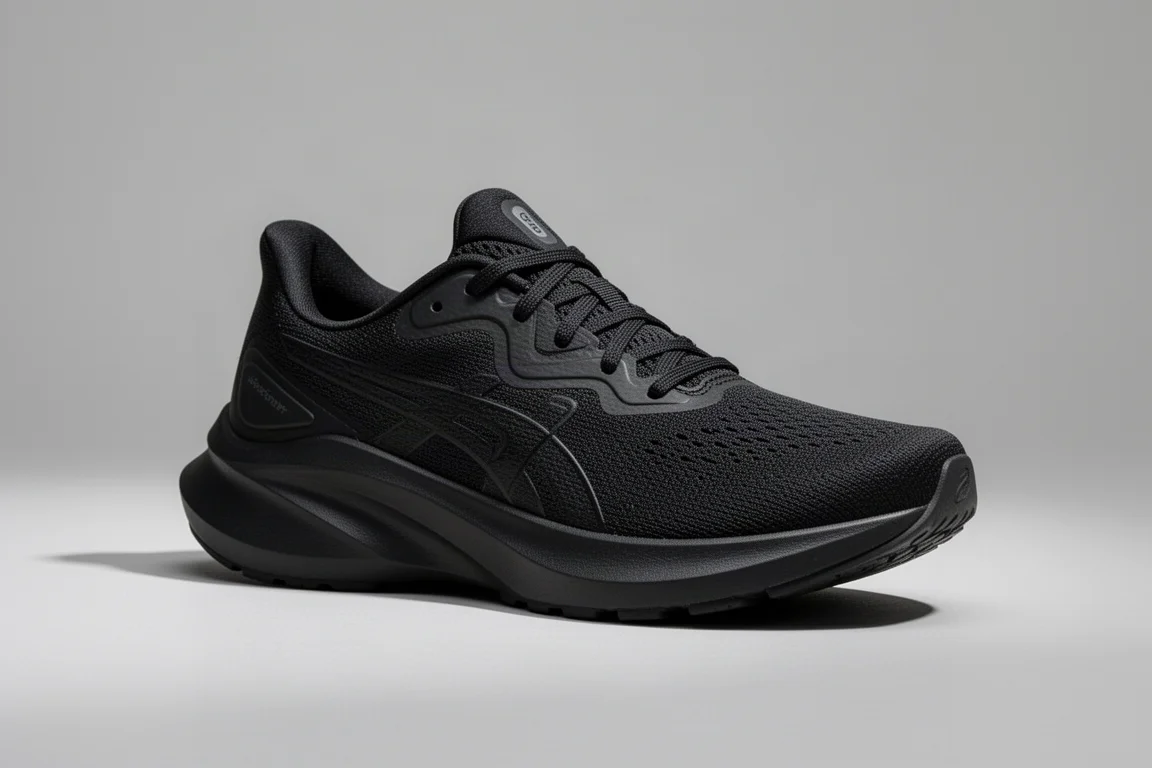
The Brooks Launch GTS 22 is the most aggressively stable shoe in this group, but it is also one of the heaviest at 11.1 ounces (314 g) in a men’s size 10, with a 39 mm heel, 29 mm forefoot, and 10 mm drop. The DNA tuning adds some heel bounce, and a strong medial post sits inside the guide rails. There is no full-length support, so it will not help if you need forefoot stability.
The upper is thick and secure and fits noticeably narrow, making this the best pick in the group for narrow feet. Durability is good as it approaches 100 miles, though it is a bit of a clunker. For heel and rearfoot strikers who need serious stability, this is the one.
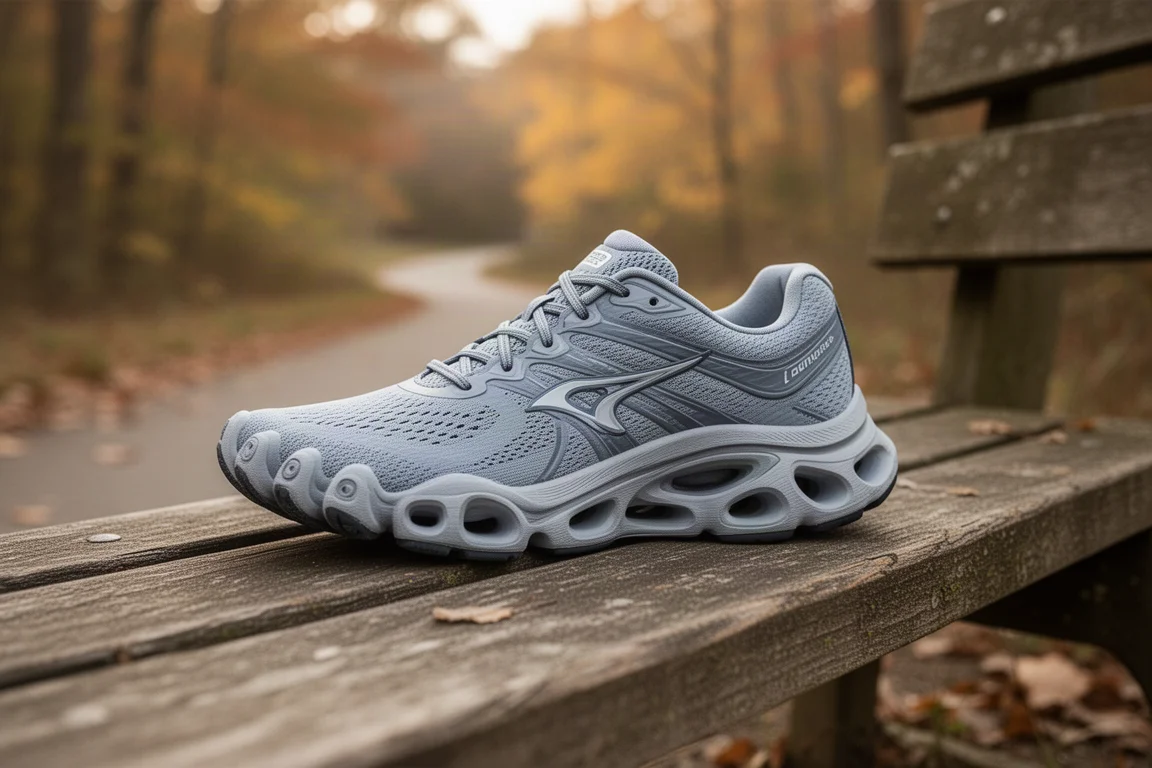
Topo Aura
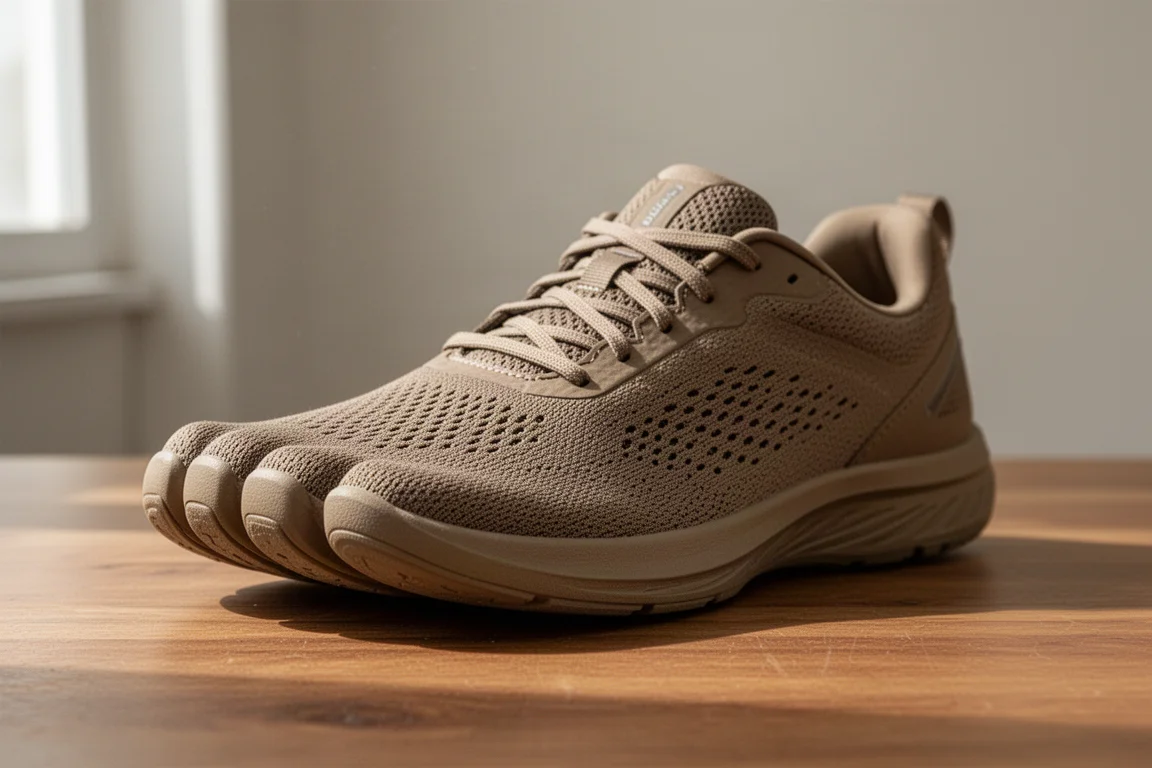
The Topo Aura was a surprise honorable mention and one of the few stability shoes with an anatomic toe box. It has the lowest drop of the group: 38 mm heel, 33 mm forefoot, a 5 mm drop, with a medial post for support.
It is a bit heavier and does not have much bounce, but the wide, anatomic forefoot is extremely comfortable, and it doubles as an excellent walking shoe. If you want a more natural, foot-shaped fit with some built-in stability, this is the option.
Which Shoe Should You Buy?
- Maximum medial stability, all-day comfort: ASICS Gel-Kayano 32
- Bouncy super-foam ride with mild support: Saucony Hurricane 25
- Centered guidance for heel strikers: Puma ForeverRun Nitro 1
- Lightweight and tempo-capable: Adidas Supernova Solution 2
- Aggressive support and a narrow fit: Brooks Launch GTS 22
- Anatomic toe box with low drop: Topo Aura
It is also worth keeping an eye on 2026: a lighter Nike Structure Plus and a Saucony Tempest 3 with PowerRun HG are rumored to be coming, which could finally bring back a true stability racing shoe.
Conclusion
Stability running lost quantity in 2025 but gained quality. Whether you need full-length support, a bouncy daily trainer, a lightweight tempo option, or a foot-shaped last, at least one of these five should fit your needs, and each has proven durable over real mileage.
Further reading
Related Reviews

Running Shoes
Best Road-to-Trail Running Shoes: Three Versatile Options for Mixed Terrain
A practical guide to three road-to-trail running shoes that handle both pavement and mild trails, with clear strengths and trade-offs for different runner types.

Running Shoes
Best Running Shoes for Achilles Tendonitis: Three Options Explained
Three running shoes with different heel drops and support features designed to help reduce Achilles tendon pain during walking and running.

Running Shoes
Best Running Shoes for Women: Five Top Choices Ranked
A ranked guide to five women's running shoes, from versatile daily trainers to high-performance racing options, with real strengths and trade-offs for each.