Running Shoes
Best Stability Running Shoes 2024: Six Supportive Picks for Every Kind of Runner
Six stability shoes for overpronators, from traditional medial-post designs to modern wide-platform trainers, with guidance on which suits your training.
Introduction
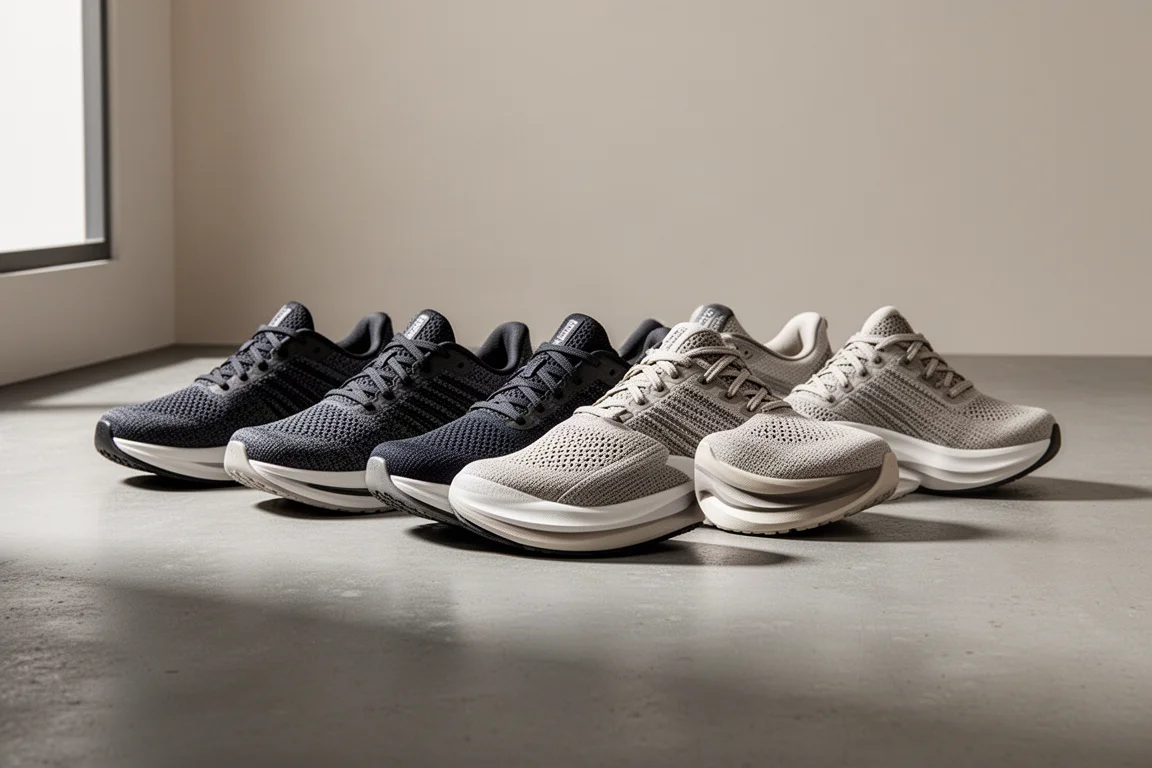
Stability shoes have quietly become one of the most interesting categories in running. If you overpronate or simply want a shoe that keeps your foot locked in through long miles, 2024 brings a strong spread of options from every major brand, spanning both traditional medial-post designs and the newer wide-platform, softer-foam approach.
This roundup covers six picks: the Saucony Tempest 2, Hoka Arahi 7, Brooks Hyperion GTS 2, Saucony Guide 17, Brooks Glycerin 21 GTS, and Saucony Hurricane 24. Each earns its place for a different type of runner and a different type of run.
How Stability Shoe Design Has Changed
Traditionally, stability shoes used a supportive post along the medial side, the inner part of the shoe, to hold the foot in place. Over the last two to four years, many brands have moved away from that setup toward naturally stable platforms with wider bases, which allow more stable landings, especially in the heel area.
There are mixed opinions here. Some runners prefer the traditional, supportive, locked-in feeling of a plastic post, but the tradeoff is weight: those shoes tend to be heavier with big, clunky plastic pieces. Modern stability shoes have dropped in weight and often feel softer underfoot, which not every stability runner loves. This list includes both types, so you can choose the approach that fits your stride.
Best Fast Daily Trainer: Saucony Tempest 2
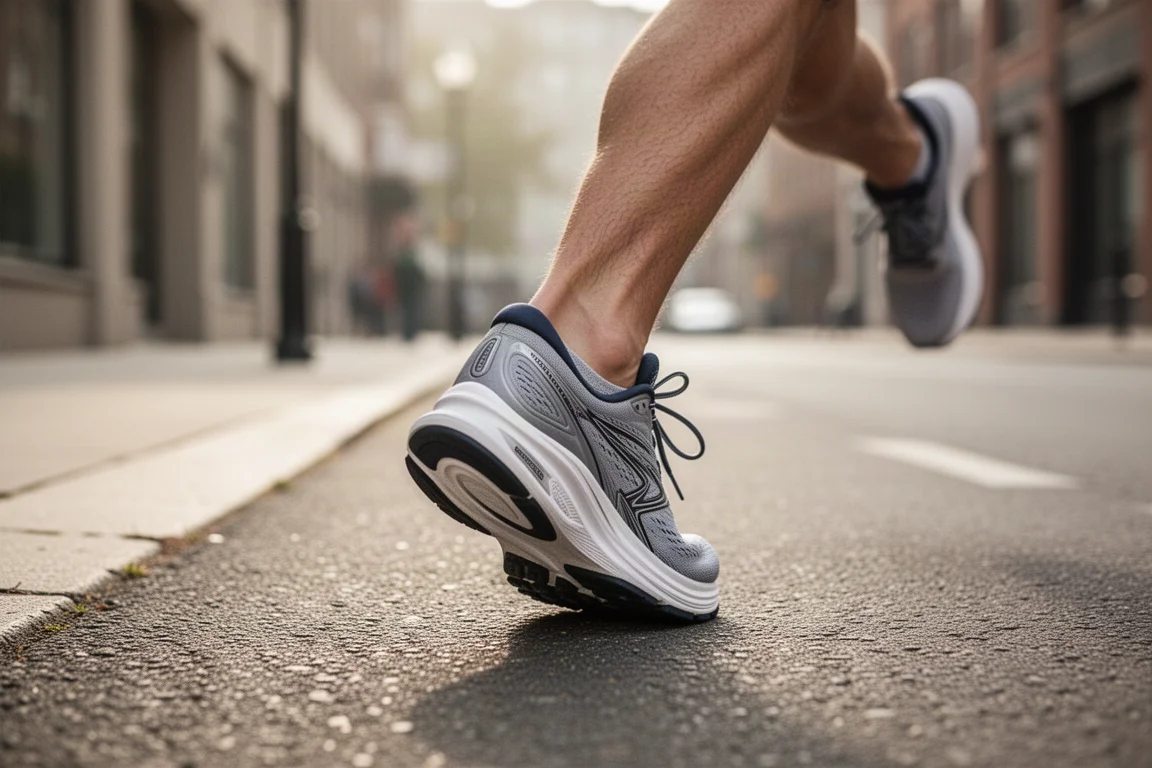
The Saucony Tempest is one of the most loved and unique stability shoes to come out in recent years. Instead of a plastic medial post, it uses a modern stability setup with a core of PWRRUN PB super foam wrapped in a stable EVA, giving it a bouncy, responsive feel while still keeping the ride planted.
Version 2 keeps the midsole unchanged and focuses on a revised upper that looks slightly more padded and comfortable. If you liked the first Tempest, you will like this one. It works best as a faster daily trainer, lighter than many stability shoes, though it is not a race day shoe for faster runners. Since the midsole carries over, the first-generation Tempest at a discount may be the smarter buy if the upper tweaks do not matter to you.
Best Cushioned Workhorse: Hoka Arahi 7
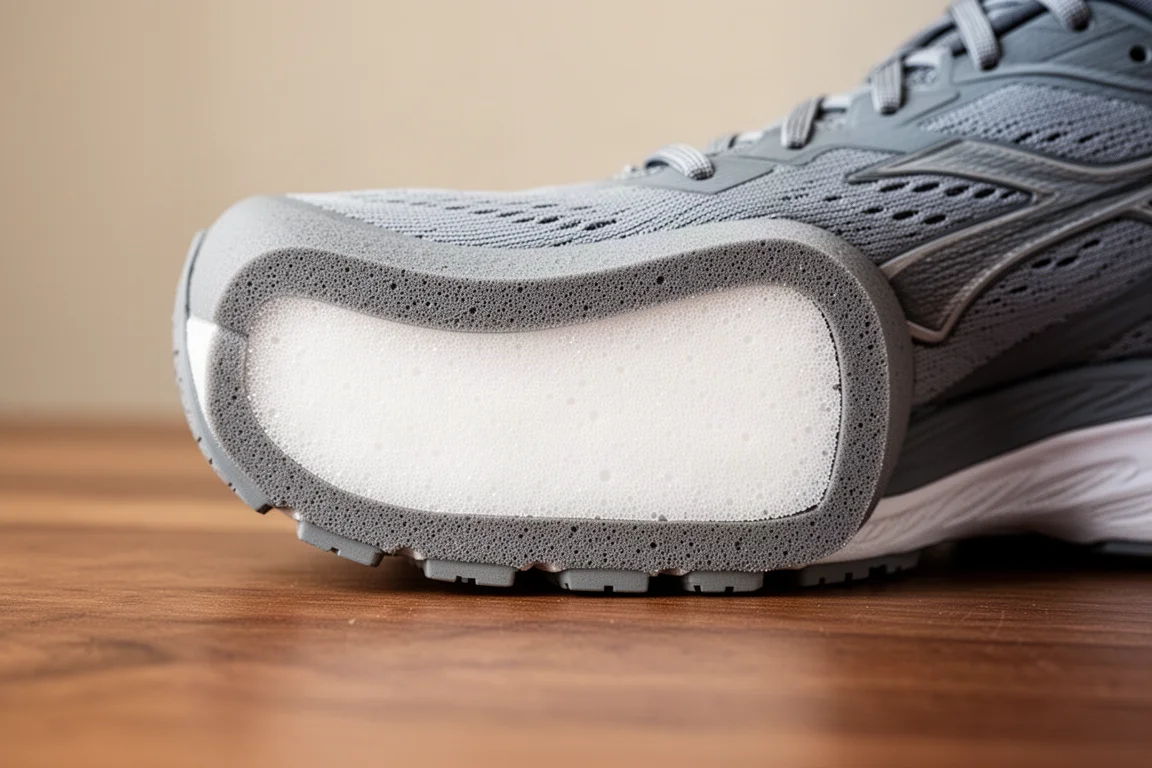
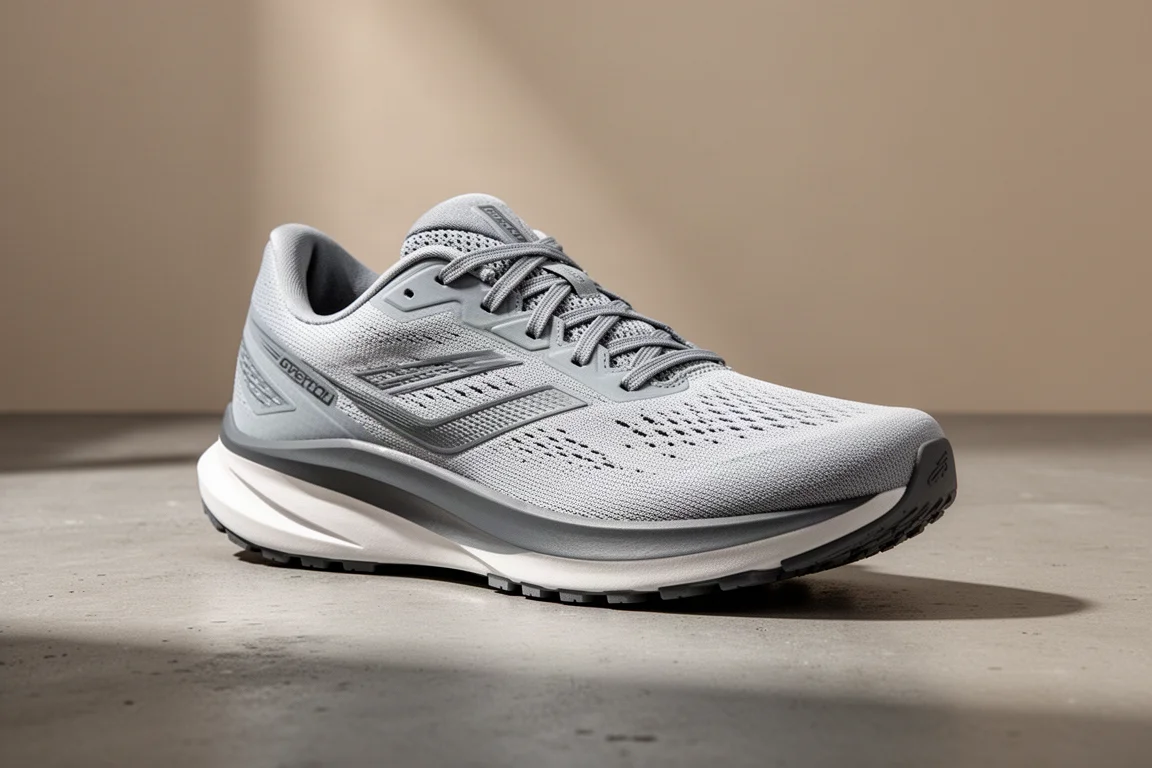
The Arahi is Hoka’s stable version of the Clifton. Rather than a neutral, softer compression-molded EVA midsole, it adds a J-Frame piece that locks the heel in place and creates a more stable landing platform around the back of the shoe, so the foot does not wobble on every strike.
The Arahi 7 is an evolution of the Arahi 6 rather than a revolution: a more comfortable upper, refreshed design language, but no radically new foams or tech. If you want a comfortable, cushioned stability daily trainer that is not bouncy or ultralight, this is a solid workhorse. It suits high-mileage blocks, like marathon or half marathon training, where everyday runs of six to ten miles need to take the burden off your legs.
Best Lightweight Workout Shoe: Brooks Hyperion GTS 2
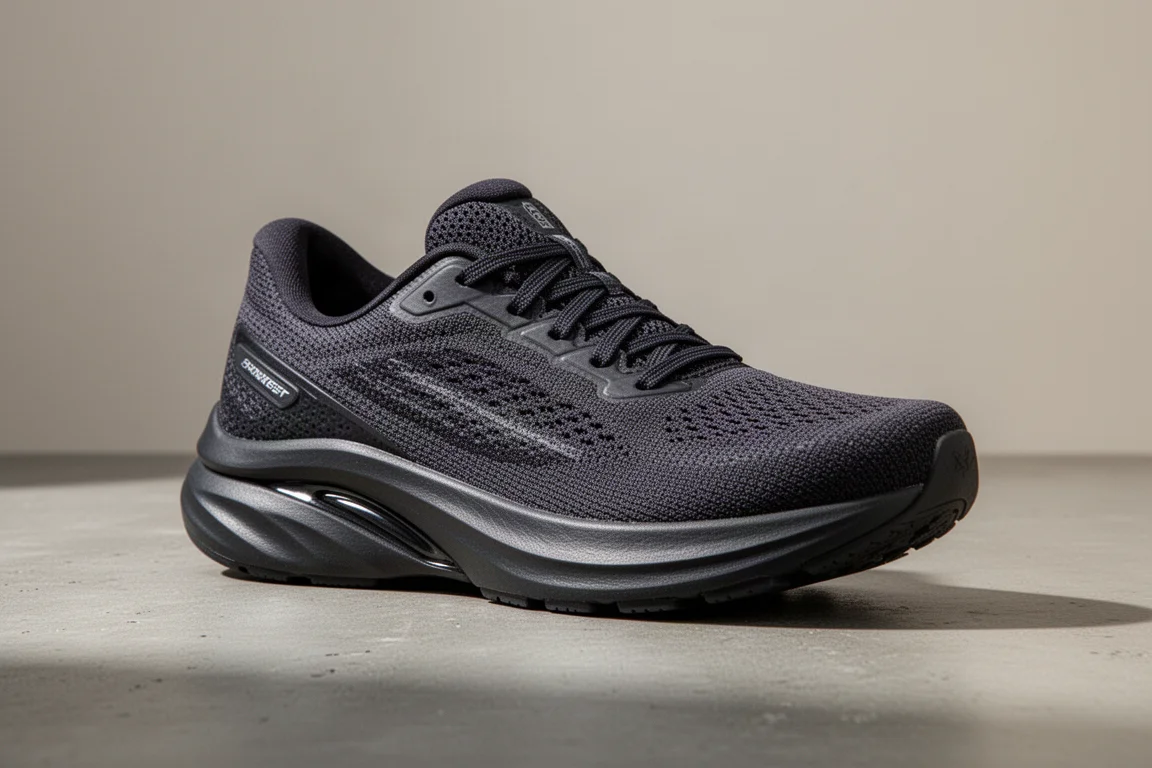
Brooks is the only brand that carries most of its models in both neutral and stable versions, appending GTS, short for Go-To Support, to indicate the stability model. The Hyperion GTS 2 is their stability workout shoe, and version 2 brings real changes: stack height goes up 4 mm, and a new DNA FLASH V2 foam makes the ride notably softer than the first version.
It remains relatively low stacked, sitting in the low 30s of millimeters compared to the 40 mm stacks common in modern super-foam workout shoes, and it keeps a traditional medial support post. With an expected weight in the low 8 ounce range, it is one of the most competitive, if not the fastest, stability shoes on the market. It is non-plated, so it will not have the snap of a plated neutral speed shoe, but as a dedicated lightweight, flexible stability option for track days, workouts, and tempo runs, nothing else quite matches it.
Best Firm Recovery Shoe: Saucony Guide 17
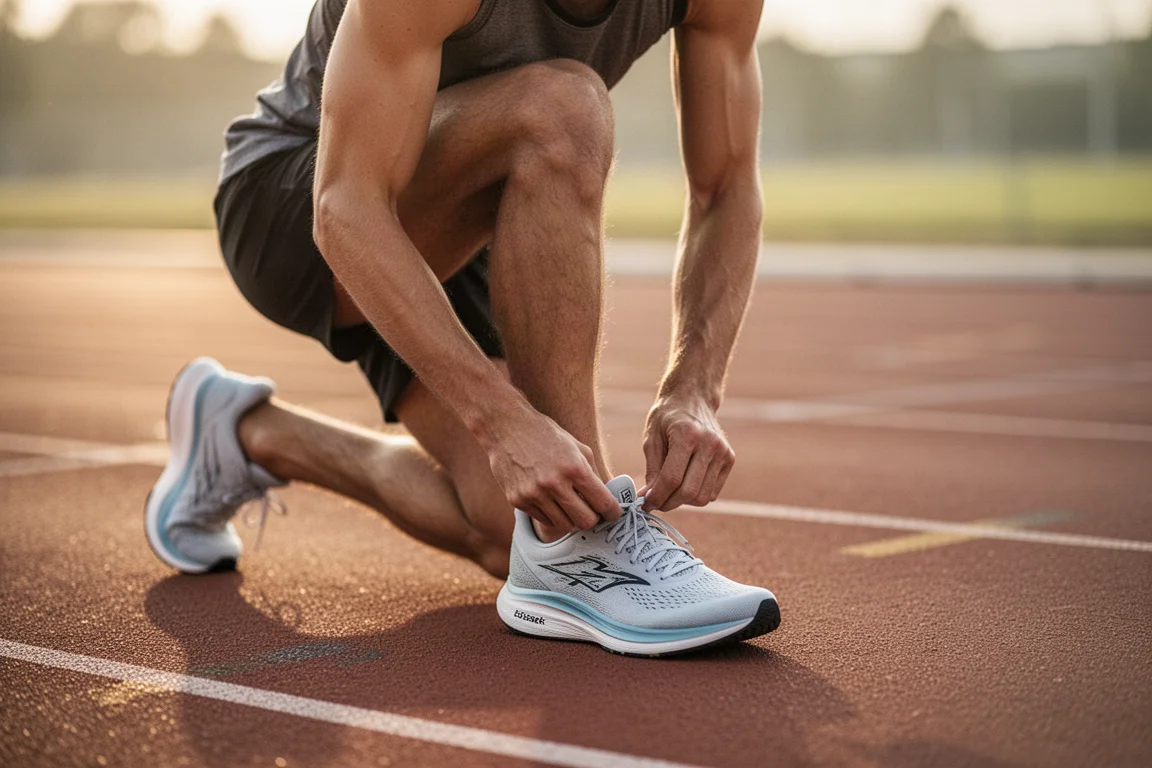
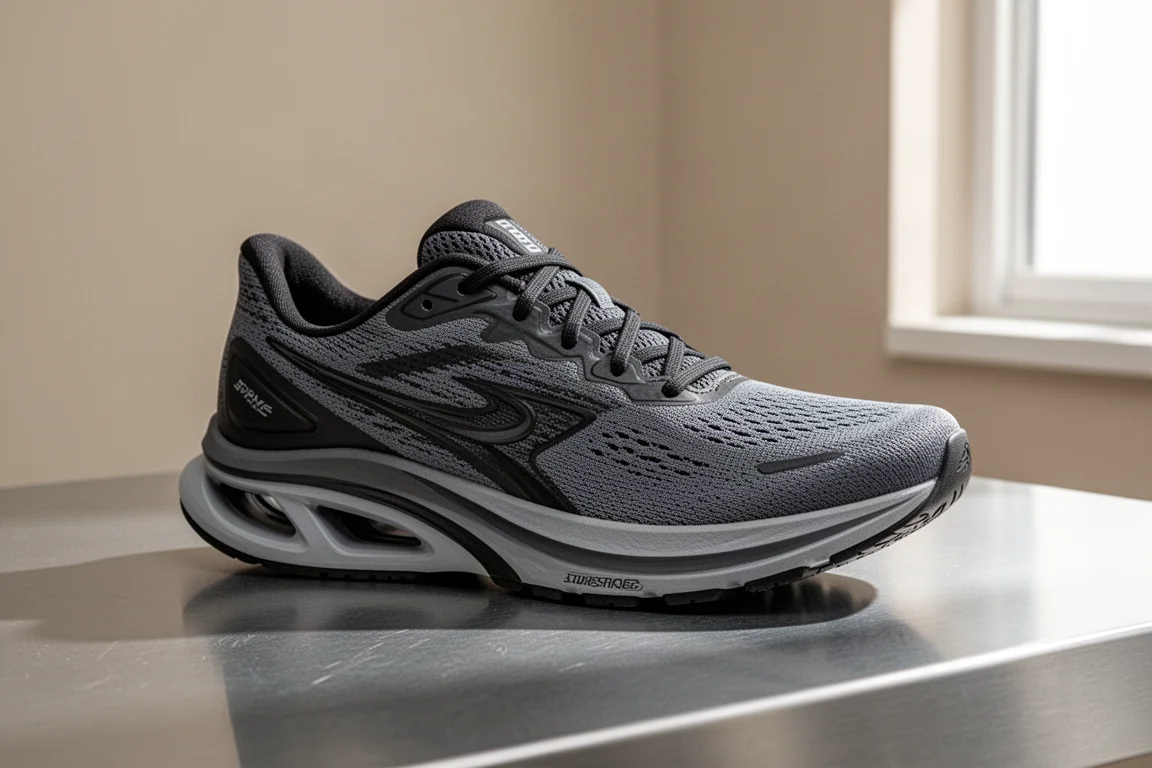
The Guide 17 is a big departure from the Guide 16, which was nearly identical to the Saucony Ride. This version increases the stack height, leans into max cushion, and adds a heavily rockered profile, effectively taking the slot once filled by the Saucony Endorphin Shift 3.
Like the Shift 3, it keeps a wide base, raised sidewalls that let the foot sit down in the bed of the shoe, and PWRRUN EVA foam, which is firmer than most recovery shoe foams. That makes it a great choice for recovery days and slower efforts if you dislike super soft shoes and need some stability, particularly for bigger runners who put a lot of force into the shoe. Compared to the Asics Gel-Kayano 30, it should feel firmer and easier to navigate, since PWRRUN is less cumbersome underfoot.
Best Plush Traditional Stability: Brooks Glycerin 21 GTS
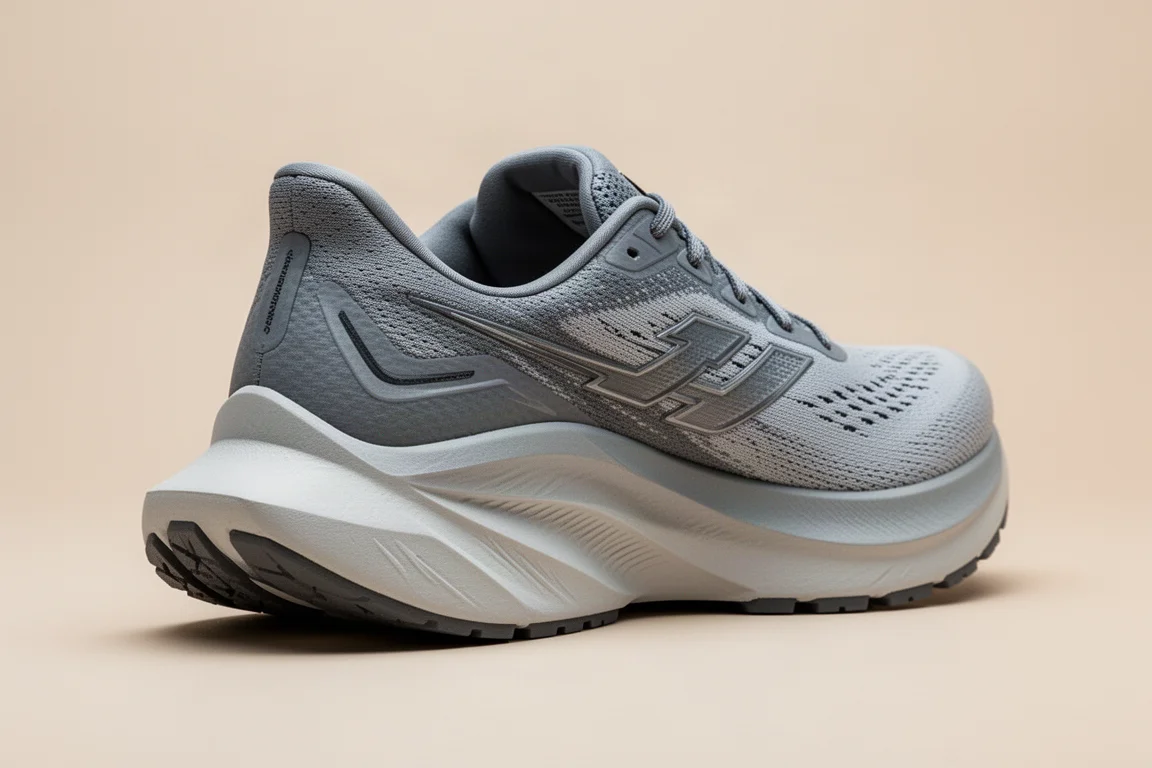
If the Guide 17 sounds too firm, the Glycerin 21 GTS is the softer recovery option. As with the Hyperion GTS 2, Brooks offers this model with a supportive stable last, including medial posts, while retaining the super comfy foam of the regular Glycerin.
The foam is very soft, and the shoe has a more traditional Brooks feel with a higher drop than Brooks’ other max cushion shoe, the Ghost Max. It leans heavier on foot, so it suits heel strikers who value durability, reliability, and a plush, stable ride over raw speed. If you want soft and stable rather than firm and stable, this is the recovery shoe for you.
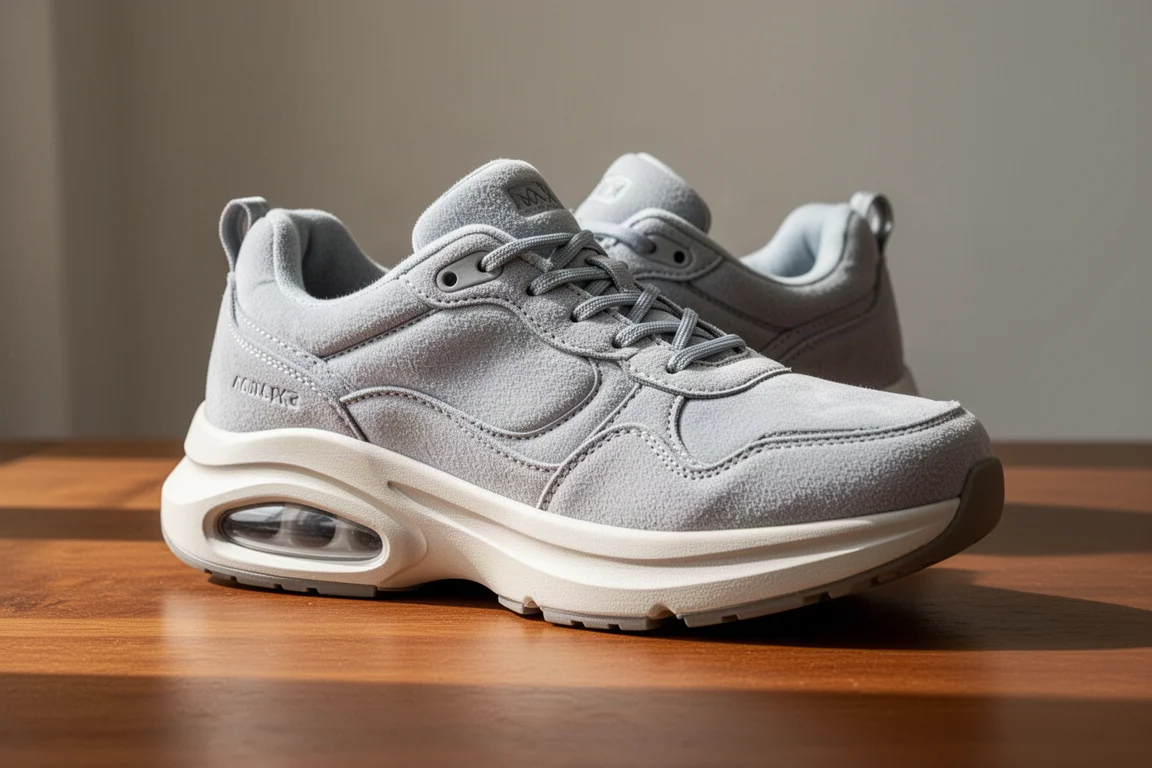
Best Soft Stable Recovery Shoe: Saucony Hurricane 24
The Hurricane 24 is the other Saucony shoe stepping in for the Endorphin Shift 3, and while it is not a dedicated stability model for overpronators, it has mild inherent stability built into its design. It uses a layered dual-foam midsole: a thick stack of soft PWRRUN PB PEBA foam on top, with a thinner slice of firmer EVA PWRRUN on the bottom.
That layering puts the soft foam against your foot for a cushioned ride, while the firmer bottom layer adds stability and makes the platform less wiggly on landing. Raised sidewalls, which Saucony brands as its Center Path technology, further lock the foot in place. If you love max cushion shoes but find them too unstable, say the Nike Invincible feels too wiggly for you, this is a strong alternative. It also delivers that soft, bouncy premium foam with more support than the Saucony Triumph thanks to its wider base.
Which Stability Shoe Should You Buy?
Match the shoe to the run. For a fast daily trainer with modern foam, the Tempest 2 is the pick. For cushioned high-mileage work, the Arahi 7 delivers. The Hyperion GTS 2 is the clear choice for workouts and tempo days. For recovery, choose the Guide 17 if you prefer firmer foam and the Glycerin 21 GTS or Hurricane 24 if you want maximum plushness, with the Hurricane offering the most inherently stable soft ride of the group.
If you are unsure which setup suits you, consider whether you prefer the locked-in feel of a medial post or the broader, more natural platform of modern designs. Both approaches now offer genuinely good shoes.
Conclusion
Stability running in 2024 is no longer a compromise. Whether you need a lightweight workout shoe, a durable daily trainer, or a plush recovery option, there is a supportive shoe here that fits the role without the clunky feel stability shoes were once known for.
Further reading
Related Reviews

Running Shoes
Best Road-to-Trail Running Shoes: Three Versatile Options for Mixed Terrain
A practical guide to three road-to-trail running shoes that handle both pavement and mild trails, with clear strengths and trade-offs for different runner types.

Running Shoes
Best Running Shoes for Achilles Tendonitis: Three Options Explained
Three running shoes with different heel drops and support features designed to help reduce Achilles tendon pain during walking and running.

Running Shoes
Best Running Shoes for Women: Five Top Choices Ranked
A ranked guide to five women's running shoes, from versatile daily trainers to high-performance racing options, with real strengths and trade-offs for each.