Running Shoes
Best Stability Running Shoes 2021: Nine Picks From a Physical Therapy Perspective
Nine stability and neutral-stability running shoes that earned top marks for guided, comfortable miles, including the New Balance Vongo v5, Mizuno Wave Horizon 5, and Asics Gel-Kayano 28.
Introduction
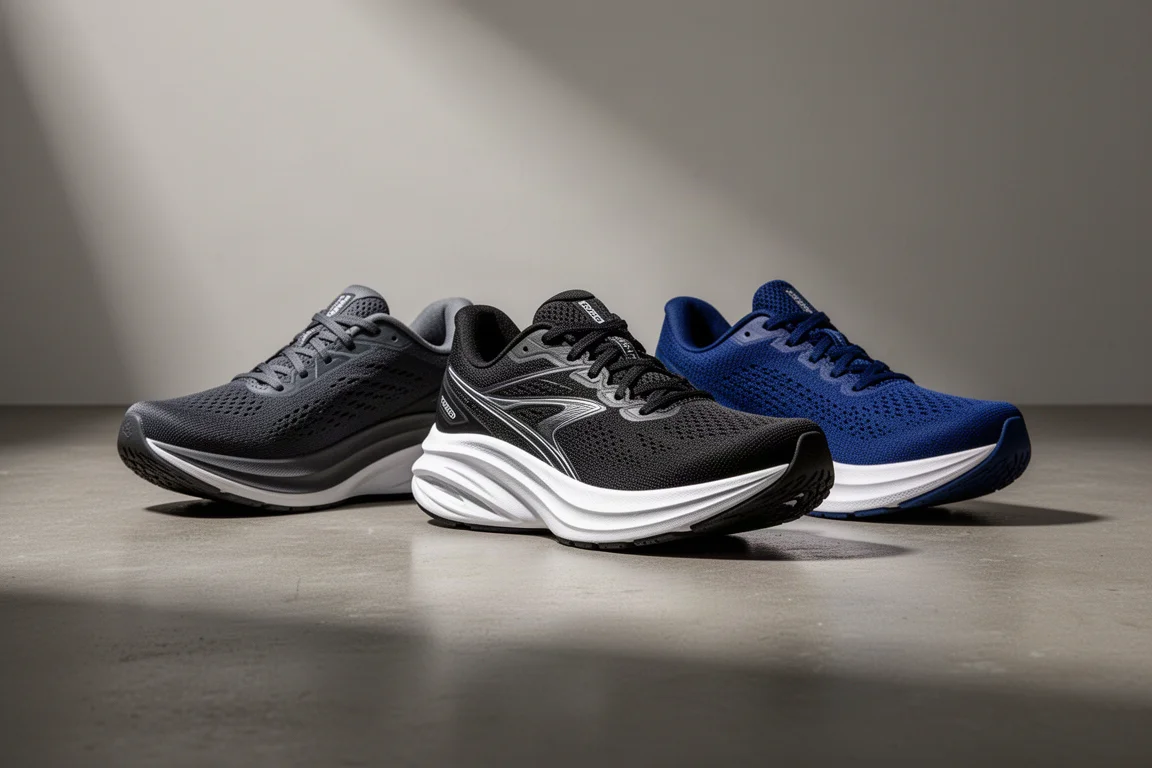
Stability running shoes have quietly become some of the most comfortable options on the market. The best 2021 releases borrowed the soft, bouncy foams normally reserved for premium neutral trainers, then wrapped them in guidance-based construction that works with your foot instead of pushing into it. This roundup covers both pure stability models and the growing group of neutral shoes that are simply stable by design.
What Counts as a Stability Shoe
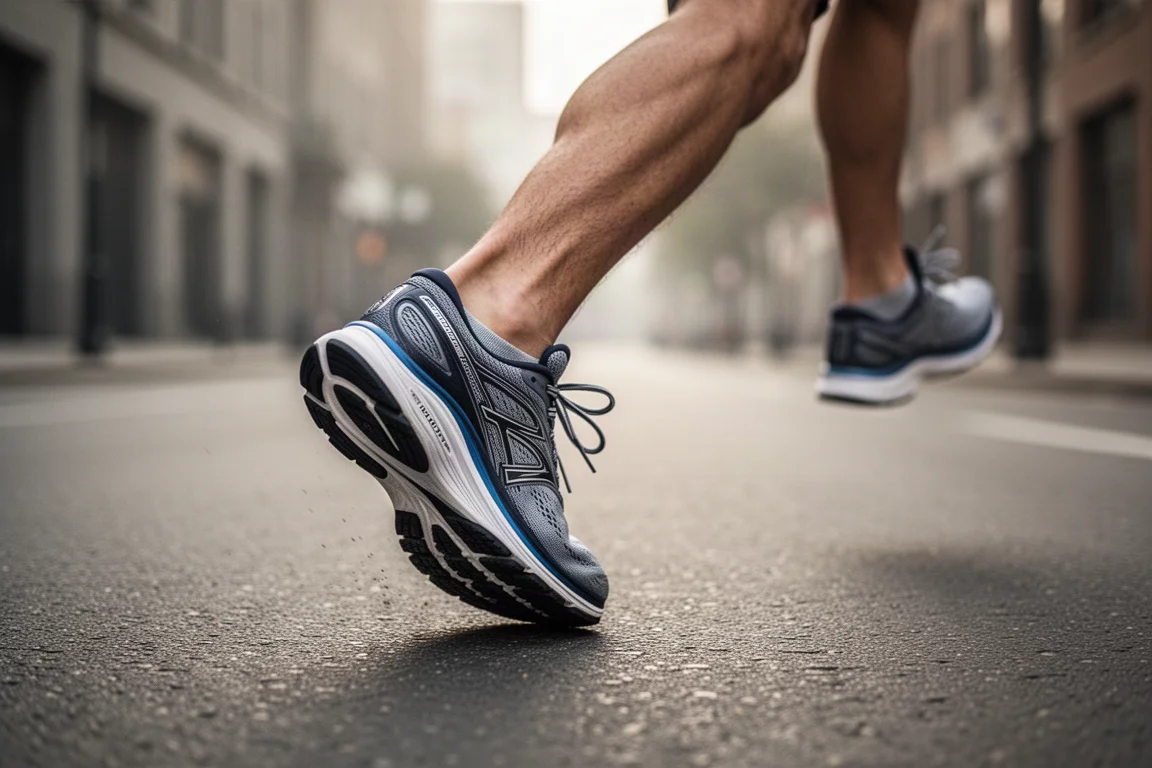
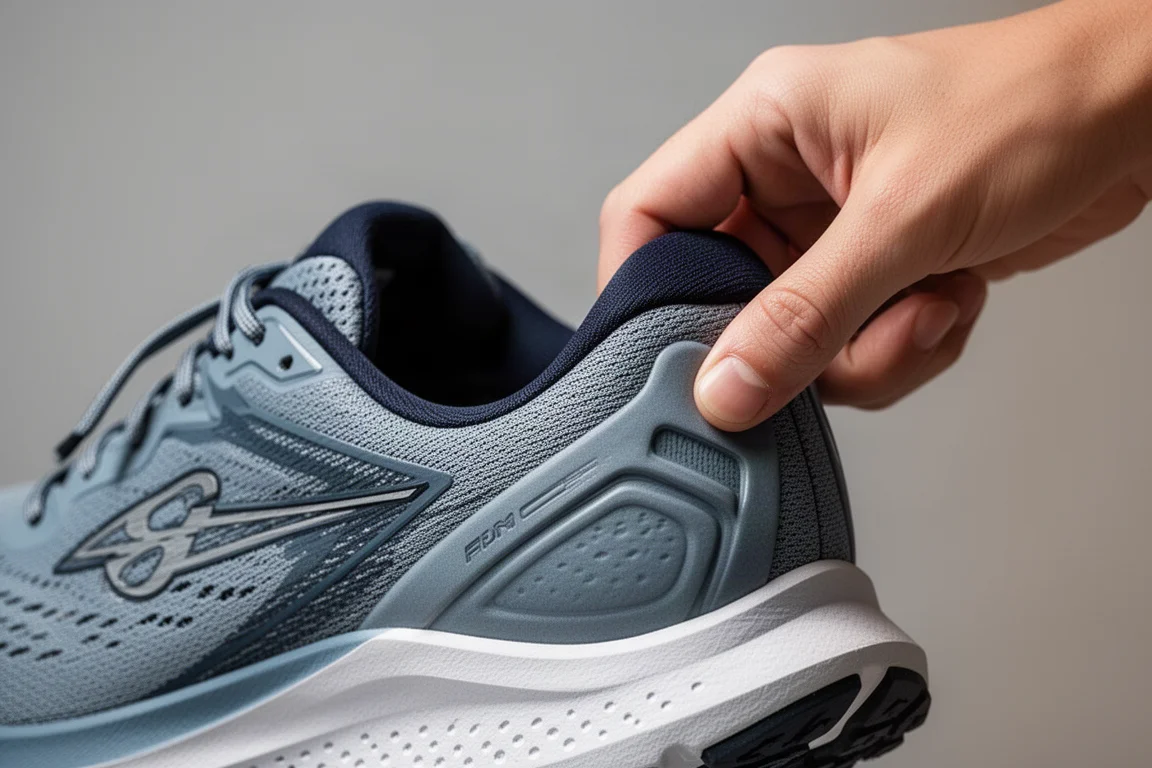
For this roundup, a stability shoe is one with intentional design to help guide the foot as it moves across the platform, using formal stability construction. That includes medial posts, guide rails, sidewalls, or simply a wider platform. A shoe the brand itself labels as a stability model also qualifies, even if it relies on geometry rather than traditional posting.
The other half of the list is neutral stability: shoes built without formal stability measures whose construction still makes them more stable than most neutral trainers. As thinking around pronation has shifted over the past two decades, a real subset of runners does not need a corrective shoe at all, just one with a stable platform.
Best Pure Stability Shoes of 2021
Mizuno Wave Horizon 5
The Mizuno Wave Horizon 5 is built on geometry and guidance rather than a firm post, which makes it a strong option for anyone who cannot tolerate posting. The full-length Mizuno Energy foam is far more bouncy than past versions, so although the shoe is heavy at roughly 11 to 12 ounces and you notice the weight for the first few steps, it feels much lighter once you settle into your stride. The stability is not biased in one direction: the flared geometry guides both medially and laterally, keeping either type of runner on the platform. It comfortably handled 15 to 20 mile runs without the fatigue that usually appears in stability shoes. The upper is on the thicker side and takes a little breaking in, and the fit runs slightly wider in the forefoot, which suits Mizuno’s traditional shape.

Asics Gel-Kayano 28
The Gel-Kayano 28 marks a major shift for Asics. The Flight Foam Blast midsole, shared with the Novablast, delivers a soft, bouncy ride you would not expect in a stability shoe, while the DuoMax post holds up the midfoot and adds structure. Dual internal and external heel counters in the posterior aspect help guide the shoe down through contact. At around 10.9 ounces it is not light, so it is not a tempo shoe, but it shines on longer recovery runs and easy daily mileage. The lighter foam, sidewalls, and redesigned heel counter all point to a more corrective, less clunky direction for the franchise.
Saucony Hurricane 23
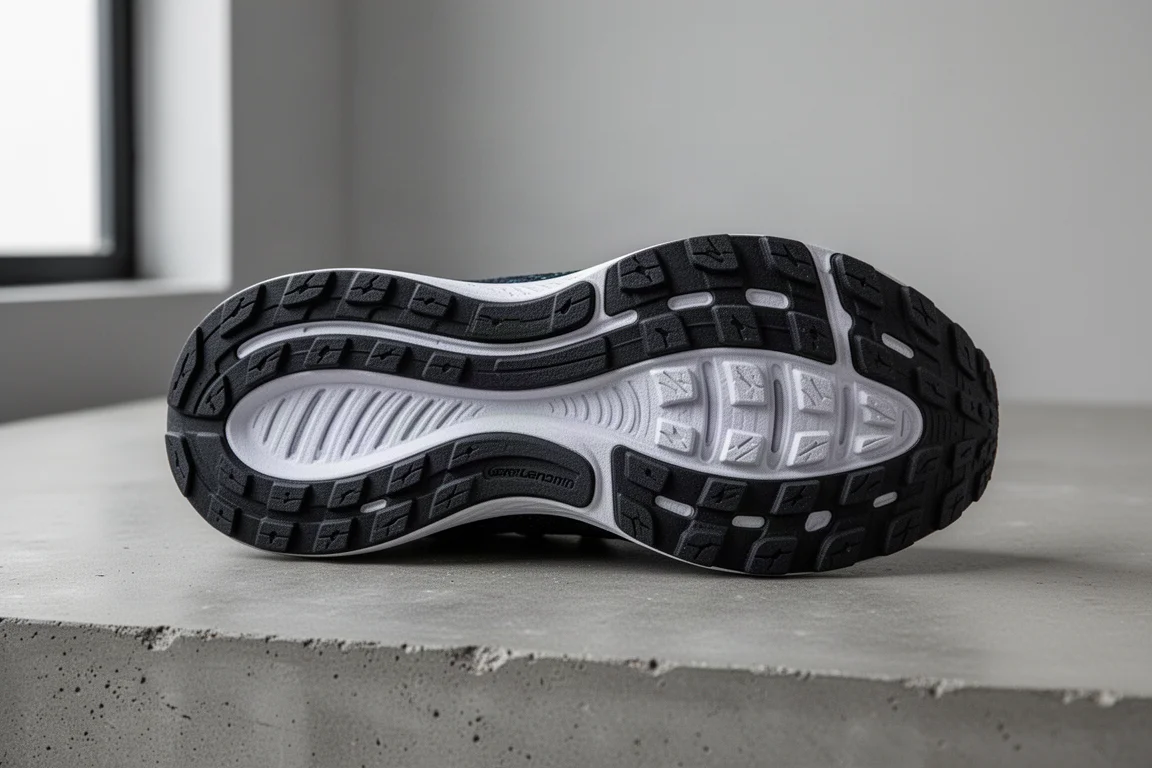
The Saucony Hurricane 23 is a premium stability trainer on the heavier end, essentially a well-built tank. The full-contact outsole is extremely durable and could plausibly look decent after 400 miles. The PWTRUN+ midsole is on the softer side but still carries a responsive bounce despite the weight. Underneath, a rearfoot post extends through the midfoot and stops just short of the forefoot, and a cut-out in the medial outsole reveals a hard plastic piece. When you land and roll over it, you feel a firm hold under the navicular without any jamming into the foot. It is one of the best-integrated true posts of the year and worked even for a tester who normally cannot tolerate posts at all.
New Balance Vongo v5
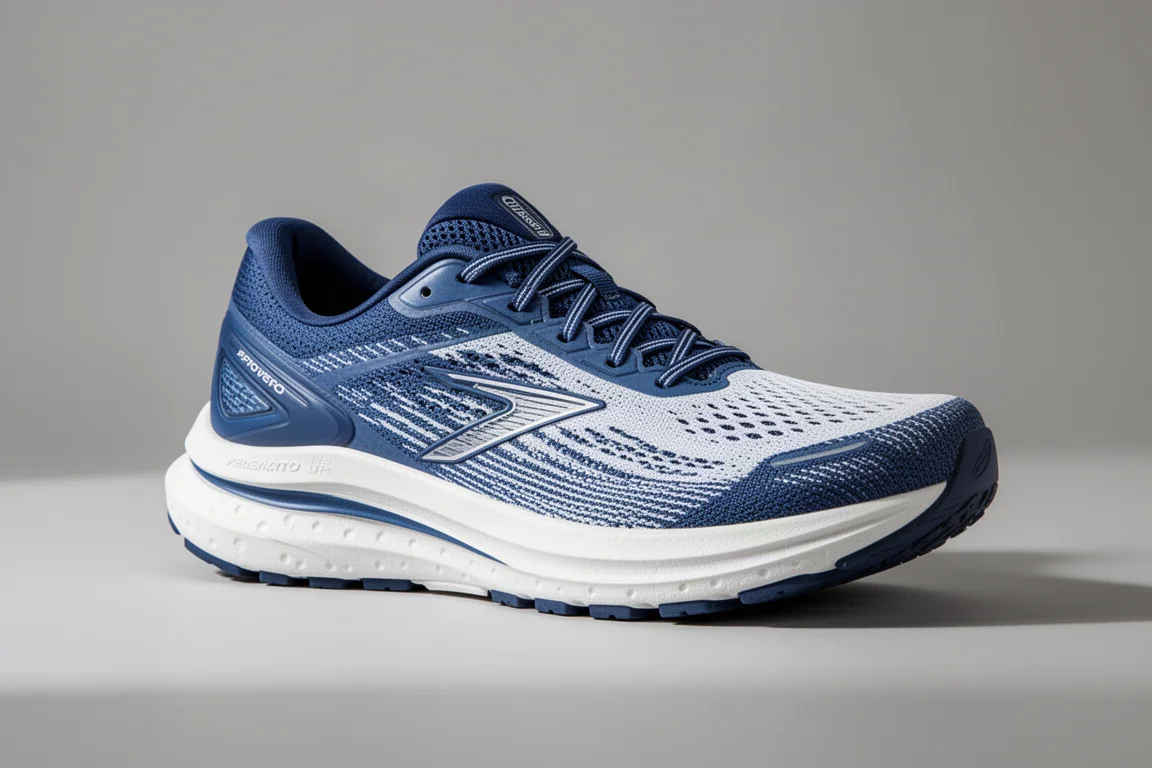
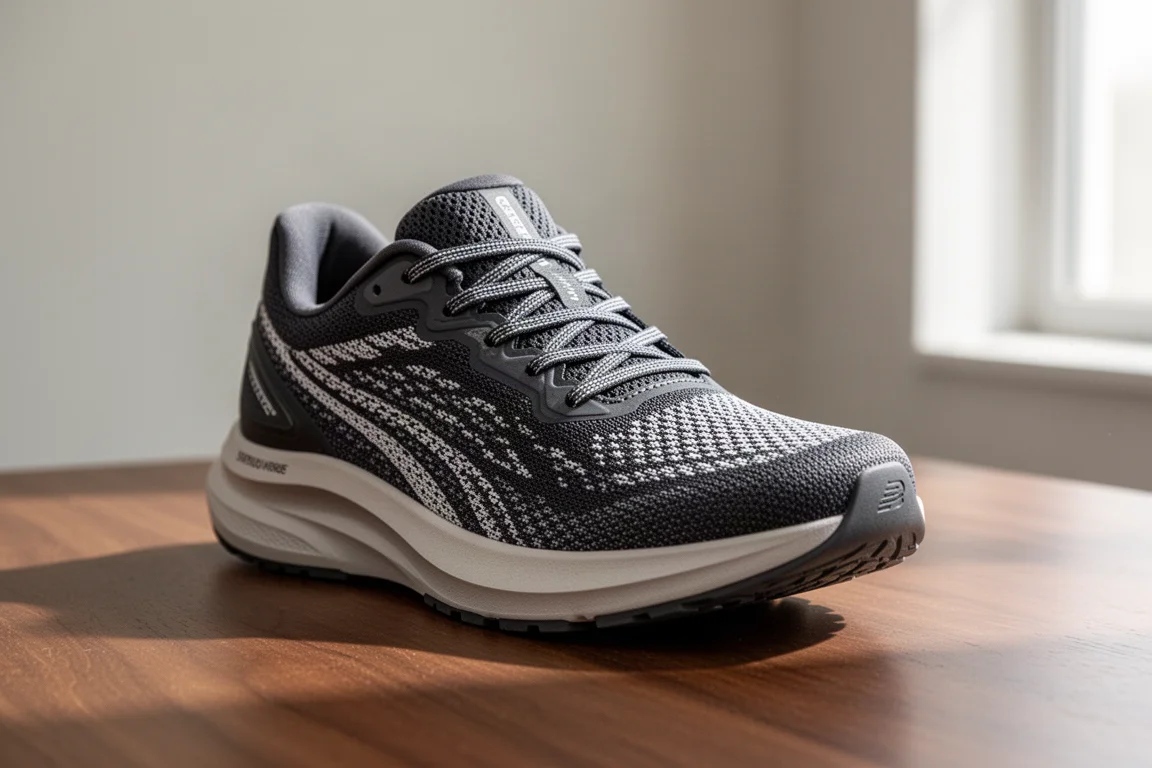
The New Balance Vongo v5 was the unanimous consensus pick, ranking first for every contributor. It uses the same premium plush midsole as the Fresh Foam 1080, paired with a HypoKnit upper that locks the foot down securely and feels incredibly cozy. The stability comes from injected pellets in the midsole that grow denser toward the medial side, what New Balance calls gradient stability technology. Because the medial wedge is continuous and integrated, it never feels like a hard post under the arch; it reads as gentle padding and guidance. It sits under 10 ounces at 9.7. Contributors wore it for eight to ten hour clinic days in comfort, and patients repeatedly reported excellent durability while marathon training. The clean all-black colorway even works as a lifestyle shoe with jeans.
Best Neutral Stability Shoes of 2021
Saucony Endorphin Shift 2
The Saucony Endorphin Shift 2 refines the original with a more secure upper whose overlays act like sidewalls, making version two more stable than its predecessor. The extended external heel counter comes down into the midsole on the medial side, sharing load in a way that worked well even for a runner recovering from Achilles issues who could not handle a traditional stability shoe. The softer midsole improved heel transition, and despite being a little heavier, it handled plenty of up-tempo long runs. Note that many runners size up half a size because the overlays run tight and can cause numbness. Saucony has signaled that the next version will fall into its structured cushioning category, which fits the shoe’s character well.
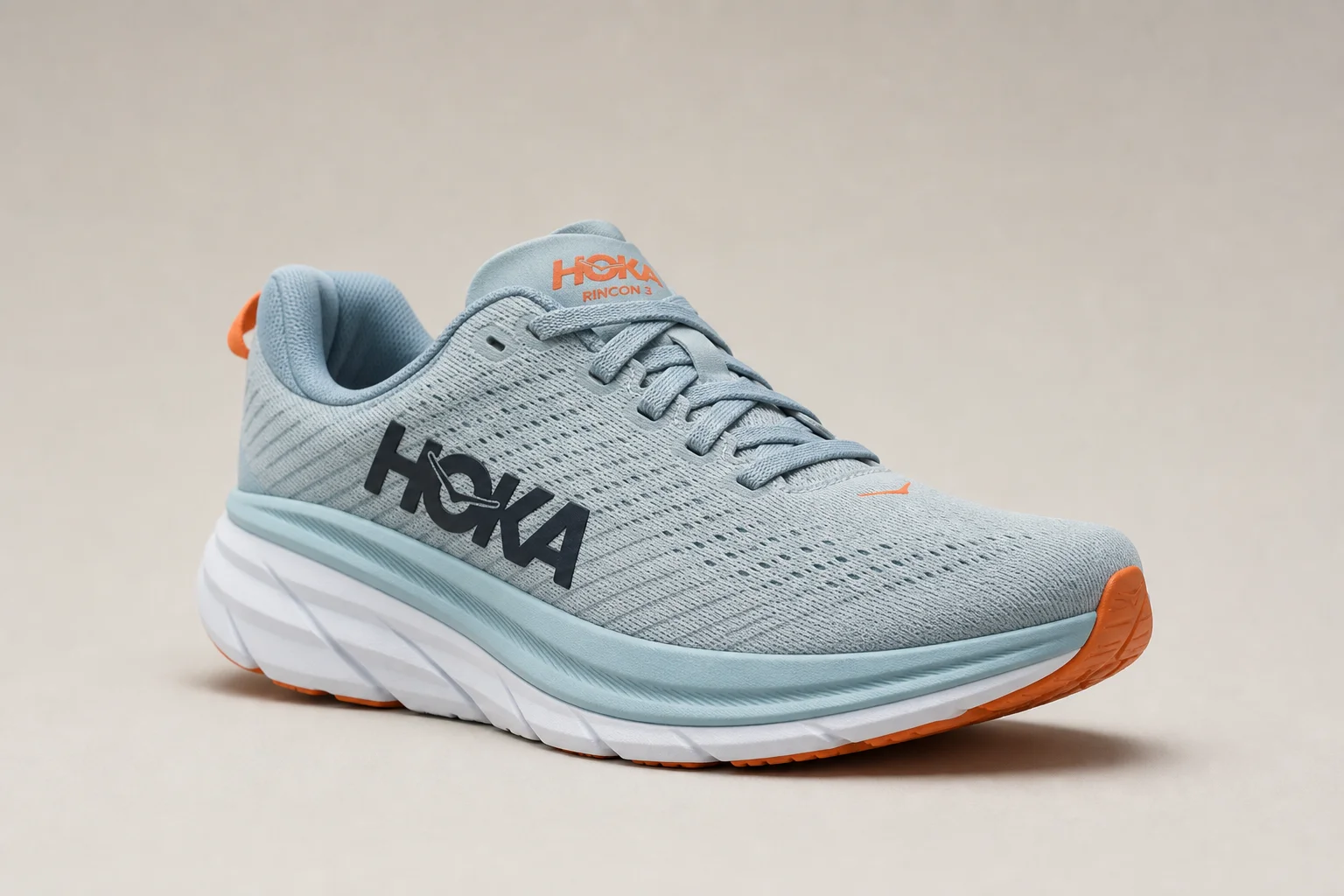
Hoka Rincon 3
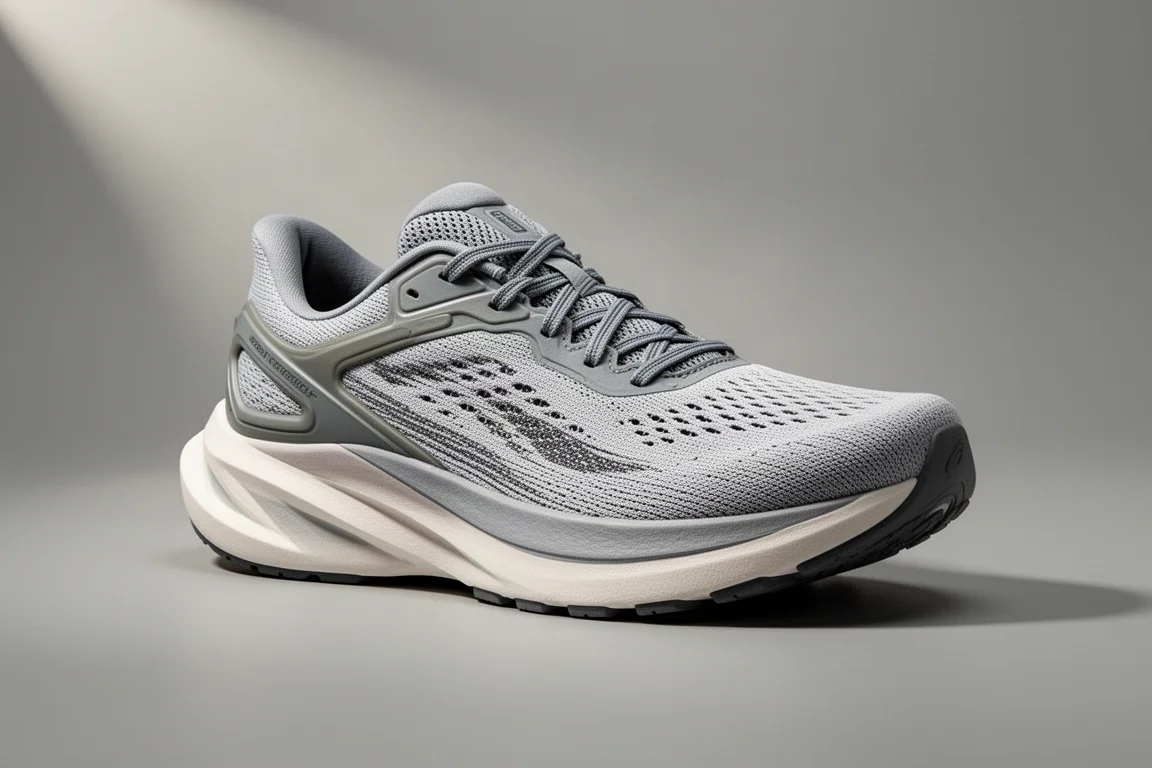
The Hoka Rincon 3 earns its neutral-stability credentials the way most Hokas do, through a wide platform under the shoe. What pushes it further is the deep, wide cutout under the heel, where the foot sinks slightly into the midsole at contact. That gives a touch of guidance whether you roll inward or outward, and the firmer-than-typical Hoka ride keeps the platform feeling cradled rather than mushy. The traditional Hoka fit is the main caveat: if you get blisters from Hoka uppers, the Rincon 3 will probably do the same unless you are happy to build up calluses.
Asics Noosa Tri 13
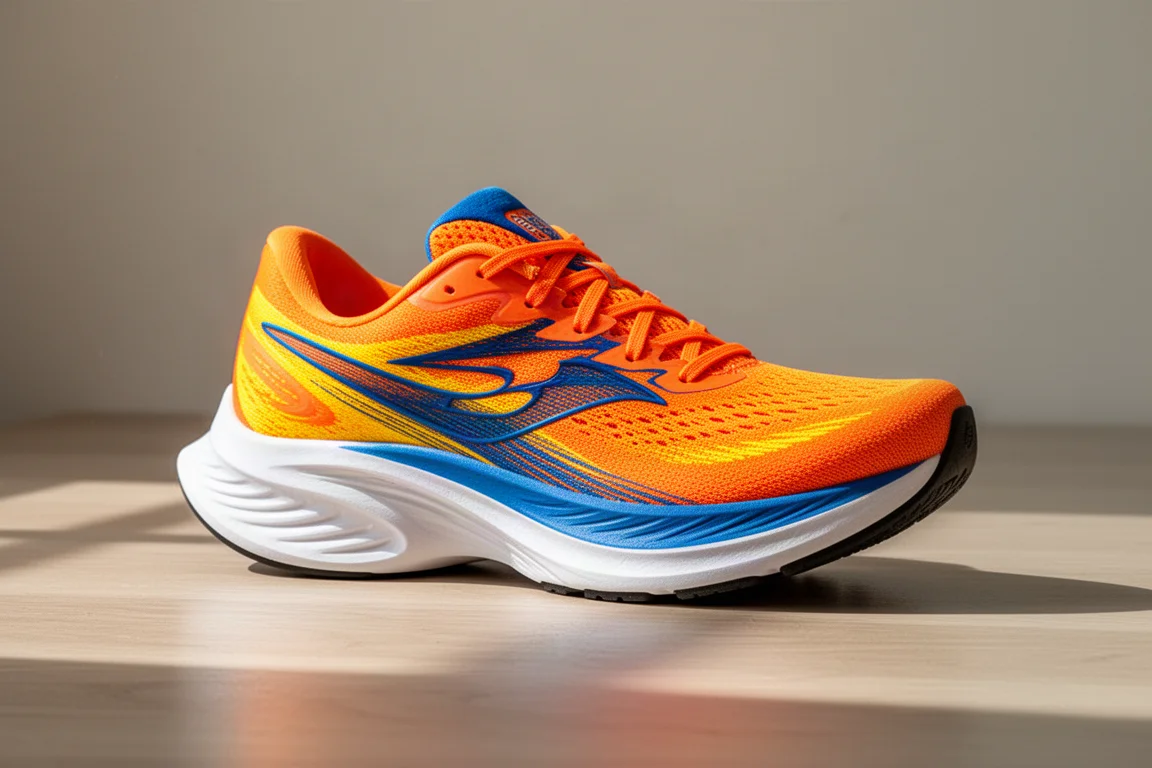
The Noosa Tri 13 looks flashy, but the construction is genuinely stable. A slightly wider sole, Asics’ GuideSole toe-spring geometry that keeps the foot planted and rolling forward, and a stiffer Flight Foam forefoot all add up to a stable, forward-driving ride. It is designed for triathlons, when tired legs after the swim and bike need some guidance, but it works just as well for daily training and tempo efforts. One tester ran up to 20 miles in it without socks and got zero blisters, and at around eight ounces with a plate-like stiffness, it is a popular alternative for runners who struggle with carbon-plated shoes.
On Cloudswift
The On Cloudswift brings guidance through a deep midline groove running from rearfoot to forefoot, paired with subtle rocker geometry and On’s characteristically firmer Helion foam. The full-length speedboard adds structure through the entire shoe, and the upper locks the foot onto the platform well. Deep flex grooves give the forefoot more flexibility than many stability options, and the ride is surprisingly responsive on quicker runs. It is marketed as an urban running shoe and can handle light off-road terrain, and it looks good enough to wear well beyond your runs.

Overall Buying Advice
If you want maximum stability with none of the post-into-your-foot feeling, the New Balance Vongo v5 and Mizuno Wave Horizon 5 are the standouts, both relying on integrated, geometry-based guidance. If you tolerate or even like a traditional medial post, the Saucony Hurricane 23 integrates one better than almost anything else this year. For heavy neutral shoes with stable construction, the Gel-Kayano 28 covers recovery miles while the Endorphin Shift 2, Noosa Tri 13, and Wave Rider 25 cover faster days.
The clearest trend across all of these: quality foams like Fresh Foam X, Flight Foam Blast, and Mizuno Energy are showing up in stability shoes, bringing weights down and rides up. Expect more lightweight, faster stability options in the next couple of years.
Conclusion
Stability in 2021 no longer means stiff, heavy corrective shoes. The nine picks here prove you can get a guided, stable platform with the cushioning and bounce of a premium neutral trainer. Choose based on how much formal guidance you need, then let comfort and ride quality make the final call.
Further reading
Related Reviews
Running Shoes
Best Road-to-Trail Running Shoes: Three Versatile Options for Mixed Terrain
A practical guide to three road-to-trail running shoes that handle both pavement and mild trails, with clear strengths and trade-offs for different runner types.
Running Shoes
Best Running Shoes for Achilles Tendonitis: Three Options Explained
Three running shoes with different heel drops and support features designed to help reduce Achilles tendon pain during walking and running.
Running Shoes
Best Running Shoes for Women: Five Top Choices Ranked
A ranked guide to five women's running shoes, from versatile daily trainers to high-performance racing options, with real strengths and trade-offs for each.