Running Shoes
Best Speed Training Shoes: Our Favorite Fast Trainers Right Now
From the marathon-proven Adidas Boston 12 to low-slung bargains like the New Balance Rebel v3, these fast trainers cover every kind of workout and runner.
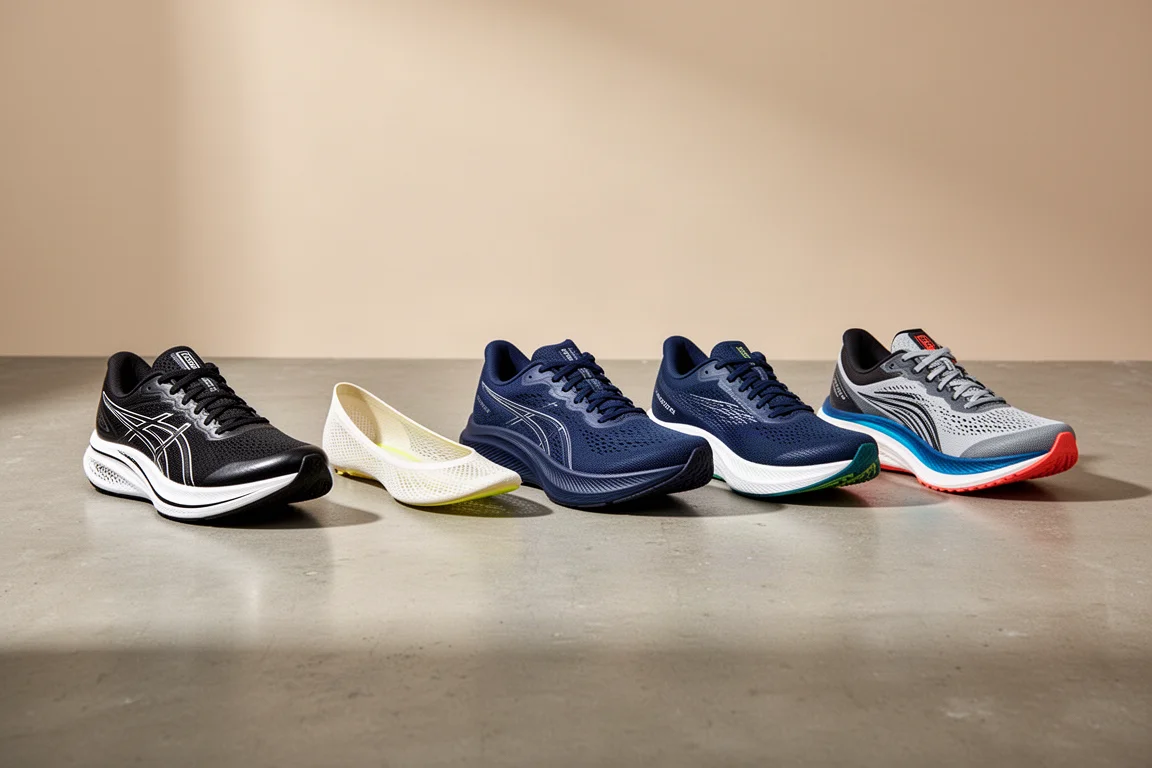
Introduction
Speed training shoes occupy a strange middle ground in the running market. They are not full racing shoes, and they are not everyday trainers. Most use a plastic or other non-carbon plate paired with racing-style foam, which makes them a little gentler on the legs than a super shoe, while still offering more snap than a standard daily trainer.
This roundup covers our favorite speed training shoes, why each one earns its spot, and which runners each is best suited to. The picks lean toward marathon-style training, but there is something here for run club joggers and short-interval specialists too.
What Is a Speed Training Shoe?
Racing shoes get carbon fiber plates. Speed training shoes typically get plastic plates or other reinforcements, combined with faster-responding foam. The result is a shoe that asks less of your legs than a race day weapon but still pushes the pace along.
That definition matters because the category is broad. Some picks below are light and low to the ground for fast intervals. Others are cushioned enough to hold up over two-hour long runs with tempo work embedded in them. Picking the right one starts with knowing what kind of workouts you actually do.
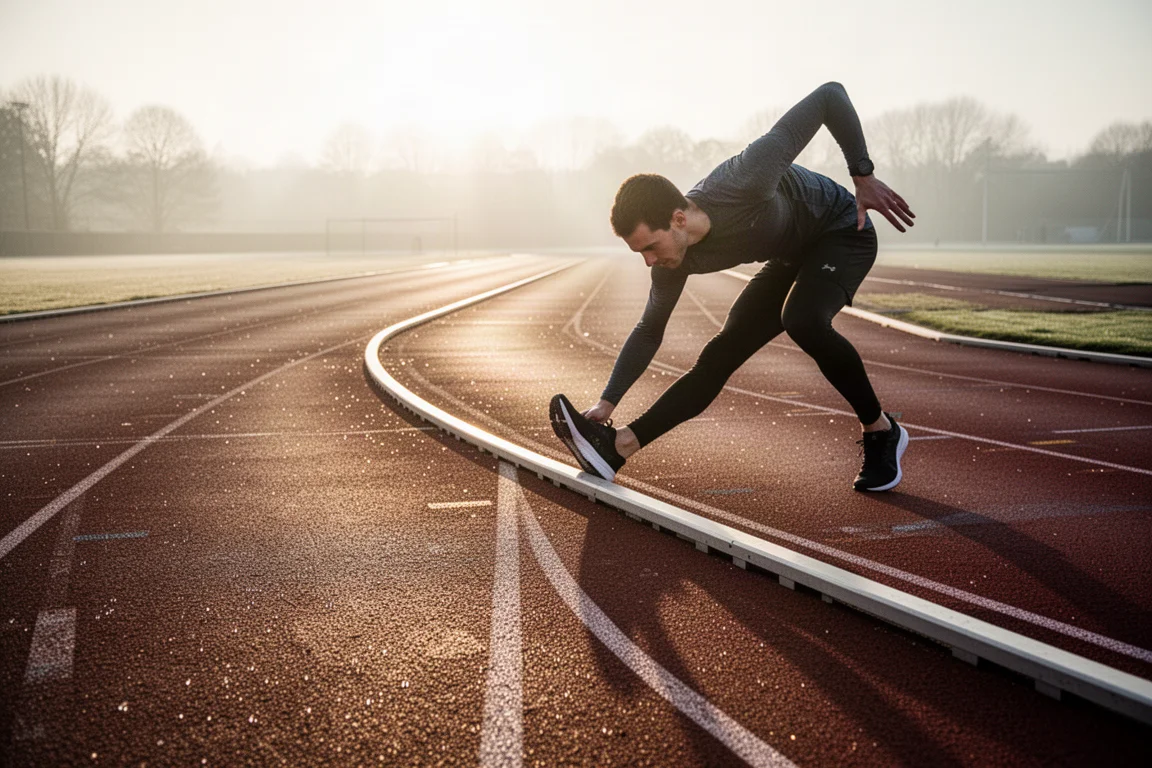
Best Overall: Adidas Boston 12
The Adidas Boston 12 is the most versatile speed training shoe here for marathon-style running. The midsole is where the magic lives: a top layer of Light Strike Pro over a bottom layer of Light Strike 2.0, a slightly softer version of the brand’s standard training foam. That two-foam setup gives the shoe structure at speed and enough comfort for slower running, which is exactly where single-foam competitors can feel mushy.
The outsole uses Continental rubber, and it shows. After 300 miles, the outsole on our test pair looks almost pristine, making this one of the more durable options in the category. Glass fiber rods add a little stiffness, more than a fully flexible trainer but less than a carbon racing shoe.
There are trade-offs. The upper is oddly loose at the heel, enough to fit two or three fingers between the upper and ankle, and the shoe is firm out of the box, needing a proper break-in before it feels its best. For a durable marathon training shoe that handles long runs over two hours and fast threshold workouts equally well, though, nothing here matches it.
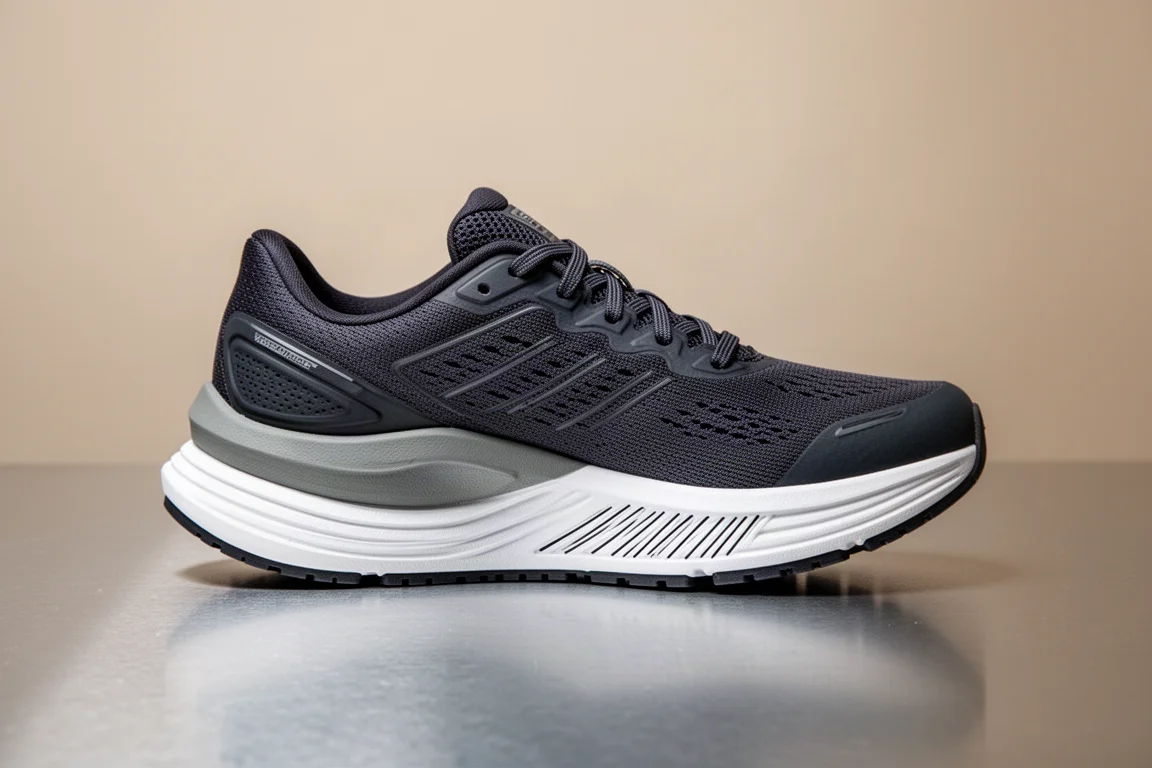
Best for Most Runners: Hoka Mach 6
Not everyone is chasing a marathon. If your long run is five or six miles, or you just want a shoe that makes running feel fun, the Hoka Mach 6 is the pick for most people. It is a genuine hybrid: fast enough for up-tempo work, comfortable enough for everyday miles.
The stack is substantial, 37 mm in the heel and 32 mm in the forefoot, nearly max-cushion territory, and the supercritical EVA foam feels bouncy and easy underfoot. It is a shoe you can happily wear for a 30-minute treadmill session or a 90-minute effort at marathon pace.
The main weakness is the outsole. Rubber coverage is limited, and the exposed foam sits right in the high-wear zone for heel strikers, so durability is a question mark for high-mileage use. As a fun, comfortable, fast-feeling shoe for most kinds of running, though, it is hard to beat.
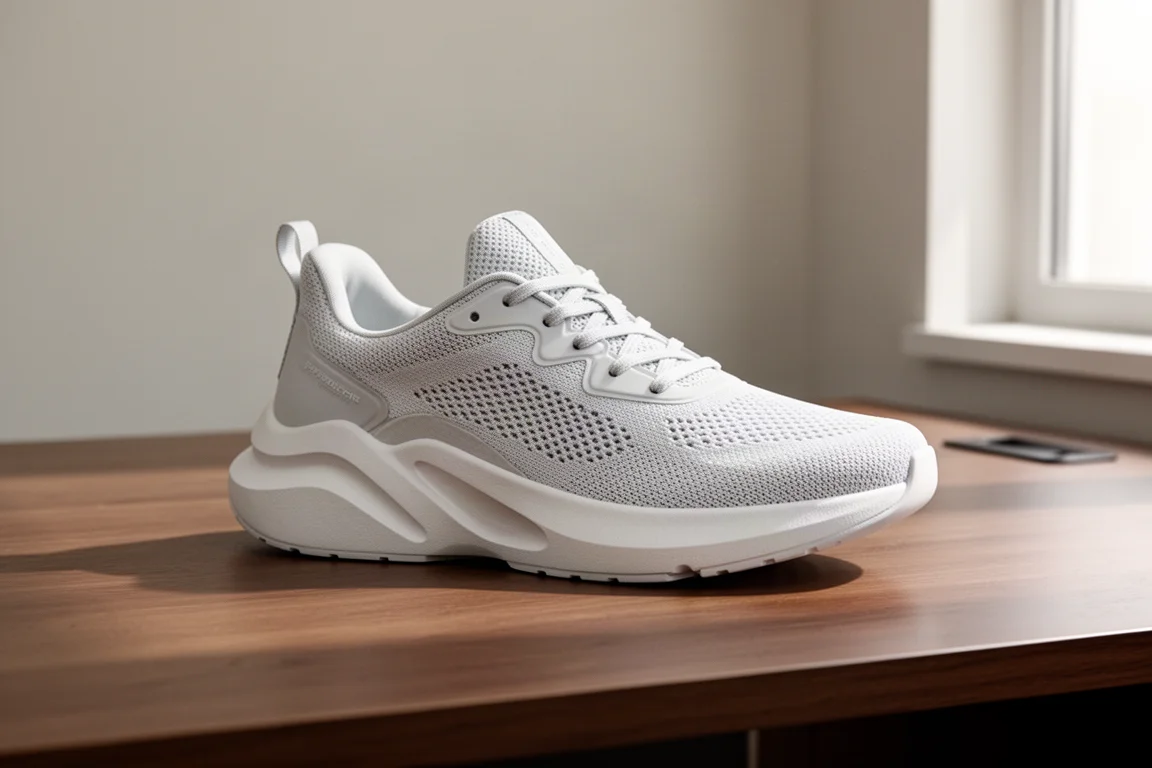
Best Low-Stack Ground Feel: New Balance Rebel v3
The New Balance Rebel v3 is almost the last of a dying breed: a lower-stack, lightweight shoe that gives you real ground feel and control over the platform. If you do not want a 40-plus millimeter cushioned behemoth, this is the best pick for that connected, flexible experience.
The FuelCell foam is soft and bouncy, and the moderate drop makes it a useful rotation partner for runners trying to build lower-leg strength or work on form and efficiency. Research on low-stack shoes is thin, but rotating shoes with different drops and geometries is one of the few evidence-backed injury-prevention strategies available.
Durability is solid, with our pair showing only expected wear around 250-plus miles. It is also the deal pick of this roundup, regularly found on sale for under $100. The current generation successor leans more daily trainer than speed shoe, which makes the Rebel v3 an even better bargain for fast work.
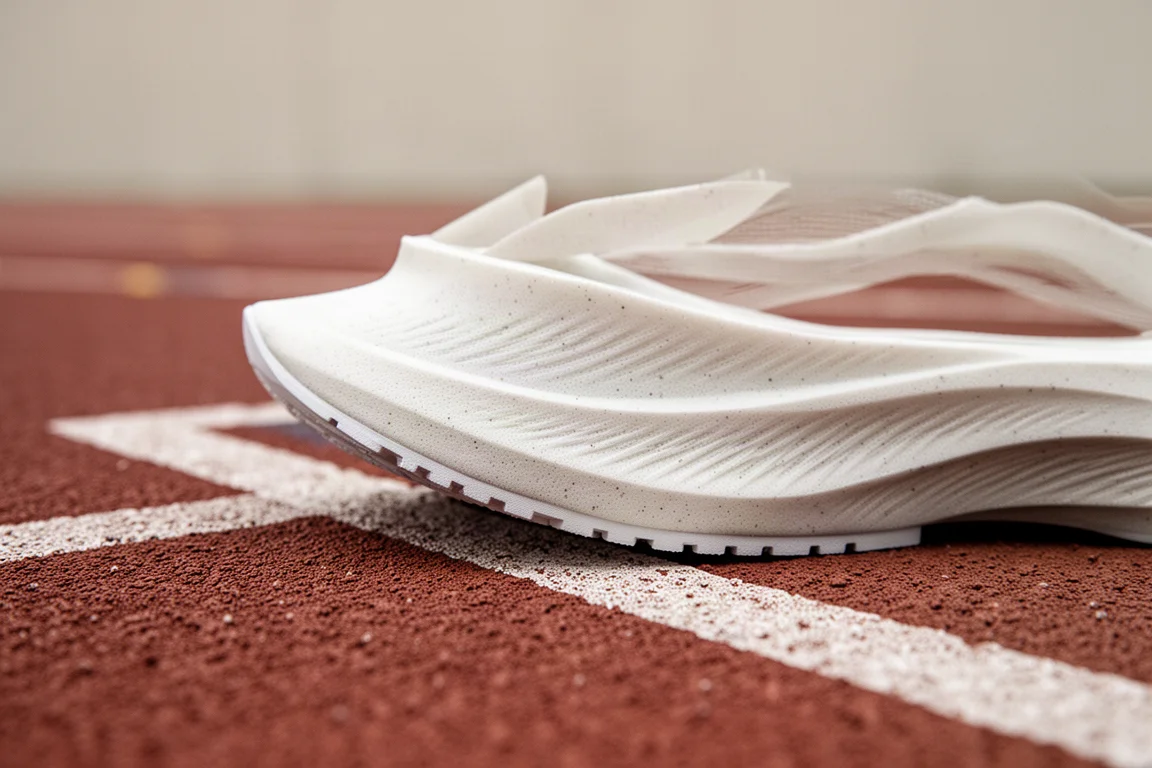
If you are in a training phase where leg strength, mechanics, and ground connection matter more than plush protection, this is the shoe for that phase.
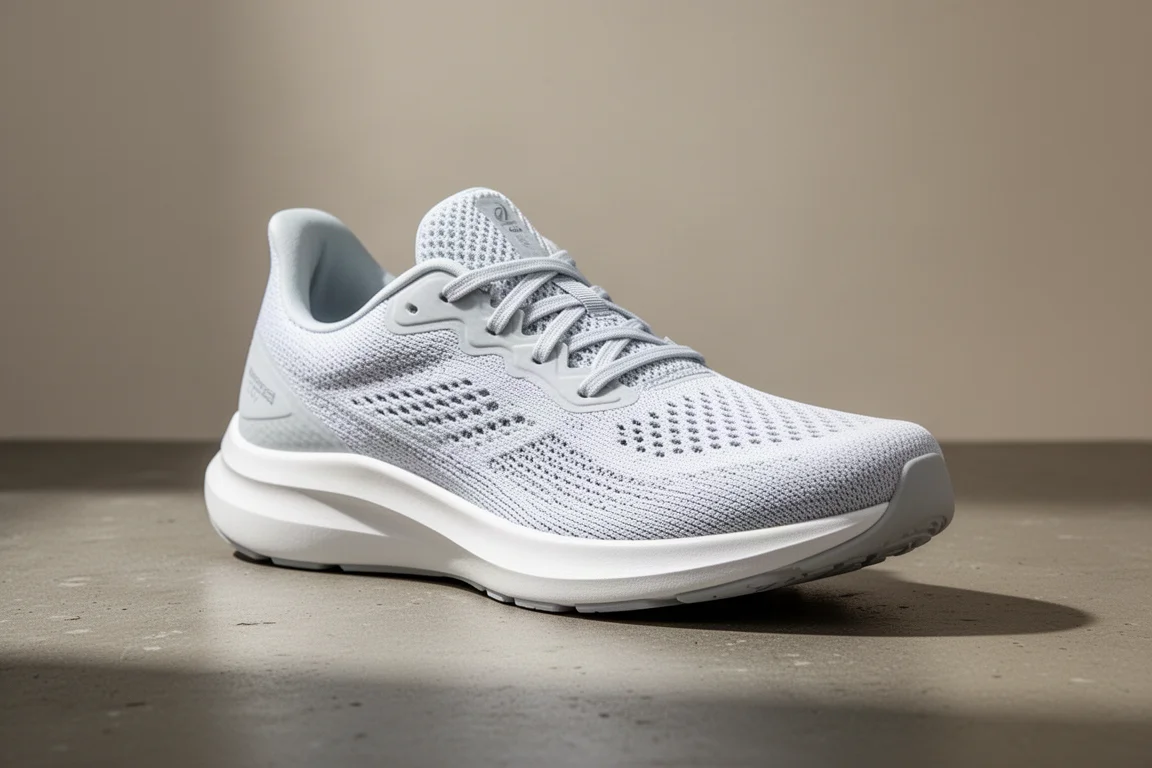
Best Value Speed Trainer: Saucony Endorphin Speed 3
Sometimes the previous generation is the smarter buy. That is the case with the Saucony Endorphin Speed 3, which captures the spirit of the Endorphin Speed series better than the current version. The geometry of the sole rolls you along nicely without forcing you to alter your form, and the PWRRUN PB foam delivers a fun, bouncy ride that feels great straight out of the box with zero break-in.
It has a plastic plate, a decent amount of stability from a widened heel, and enough cushioning to handle almost any run you throw at it. We would not choose it for very long runs as a heavier, heel-striking runner, but plenty of people race half marathons and even full marathons in it.
Outsole durability is decent rather than excellent, and an aggressive heel striker may chew through the rear after 300 miles. But on sale at around $130, it is one of the best value speed training shoes you can buy right now.
Best Race Shoe to Train In: Saucony Endorphin Pro 4
The Saucony Endorphin Pro 4 blurs the line between racing shoe and training shoe. It undercuts the entire carbon racing market at $225, while offering the same core tech: a carbon fiber plate with beaded PEBA foam, a nice rolling rocker, and surprisingly good outsole grip from a lattice traction pattern.
This is the shoe for marathon pace long runs, the 16-plus mile sessions where you want to get comfortable running race pace in your race shoe before race day. It performed through a 2:55 marathon in training, felt great on sub-6-minute miles, and never forced any change in mechanics at any pace.
Durability expectations are high based on the previous version, which lasted nearly 300 miles. If you want one shoe that can do both race-pace workouts and the race itself, this is the top pick.
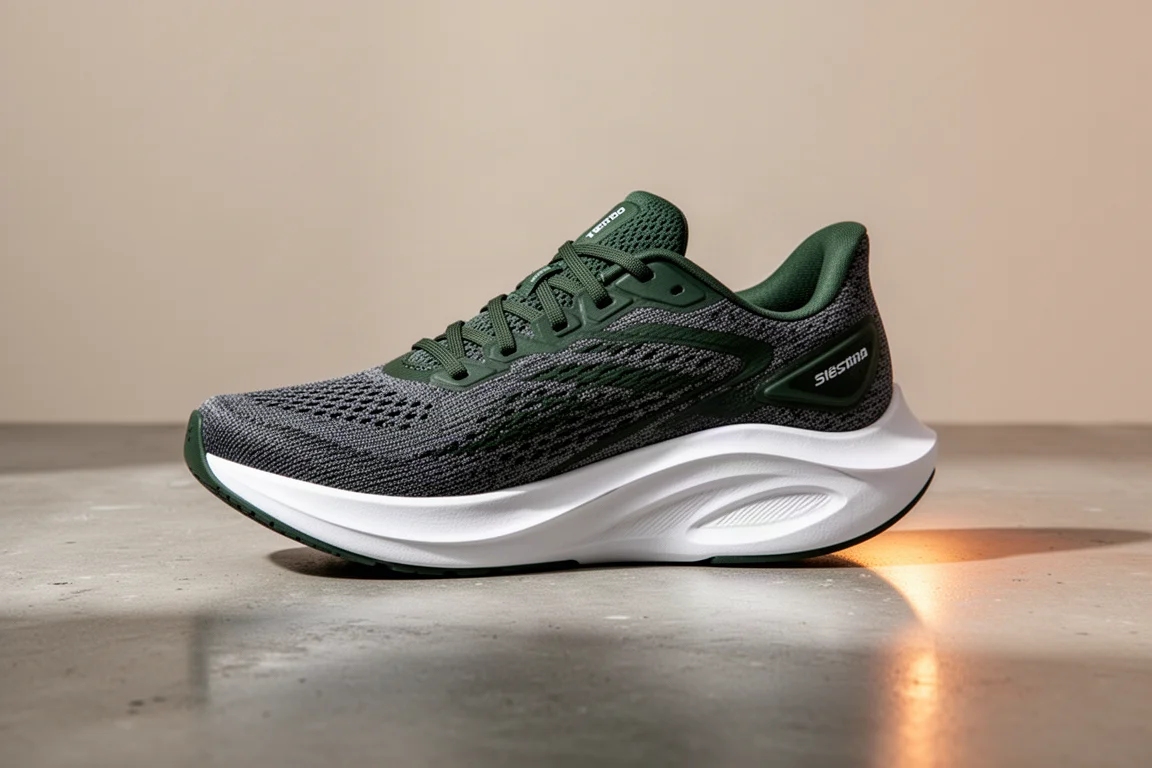
The one-piece upper with a stretchy tongue keeps the fit secure, and the colorway alone is reason enough to give it a second look.
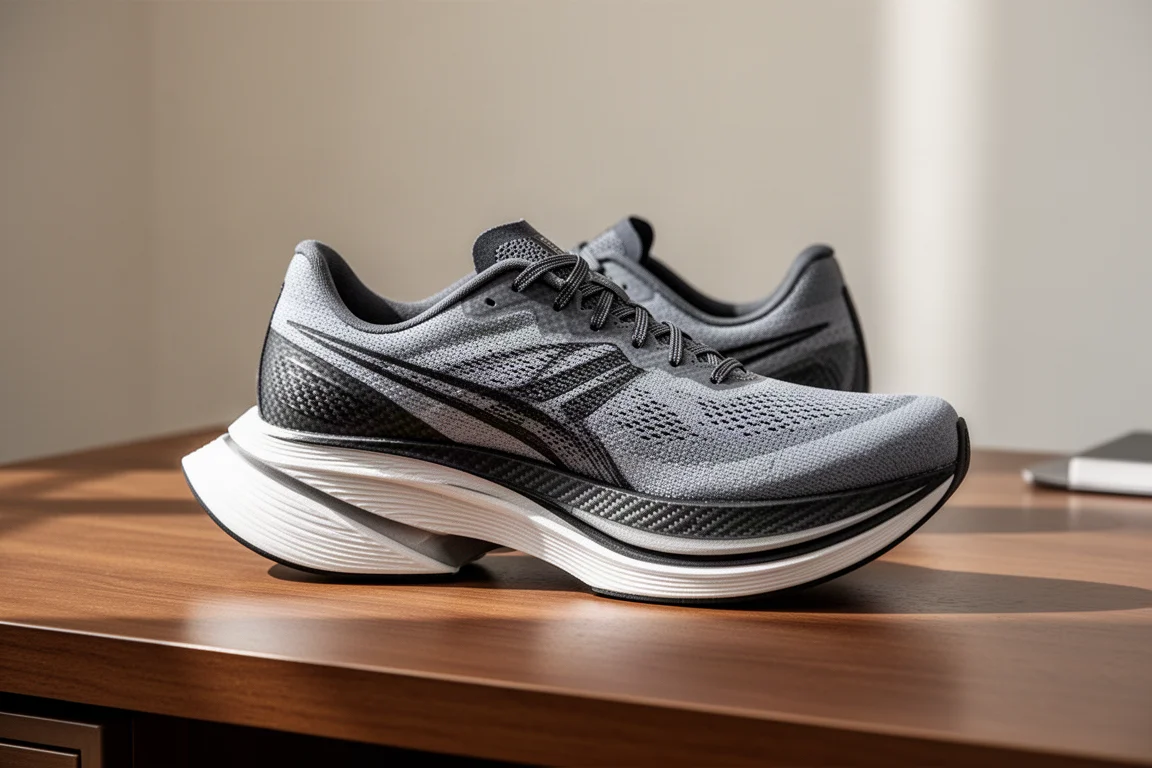
Best Max-Cushion Speed Shoe: Hoka Skyward X
The Hoka Skyward X comes with a big caveat: very limited testing miles so far. But early impressions are strong. It mixes PEBA foam with supercritical EVA, with the EVA adding support and the PEBA adding bounce, plus a carbon fiber plate the brand calls a suspension system.
At 333 g, it is on the heavier side, so this is not a shoe for short intervals. It is aimed squarely at marathon-style training: long runs with big blocks of marathon pace and threshold work embedded, the kind of session where an hour of hard running is stacked inside 22 miles. For that use, the combination of bounce, protection, and support felt genuinely good.
If your training centers on long runs with quality inside them, and you want comfort without a dead ride, keep this one on your radar and wait for fuller testing before committing.
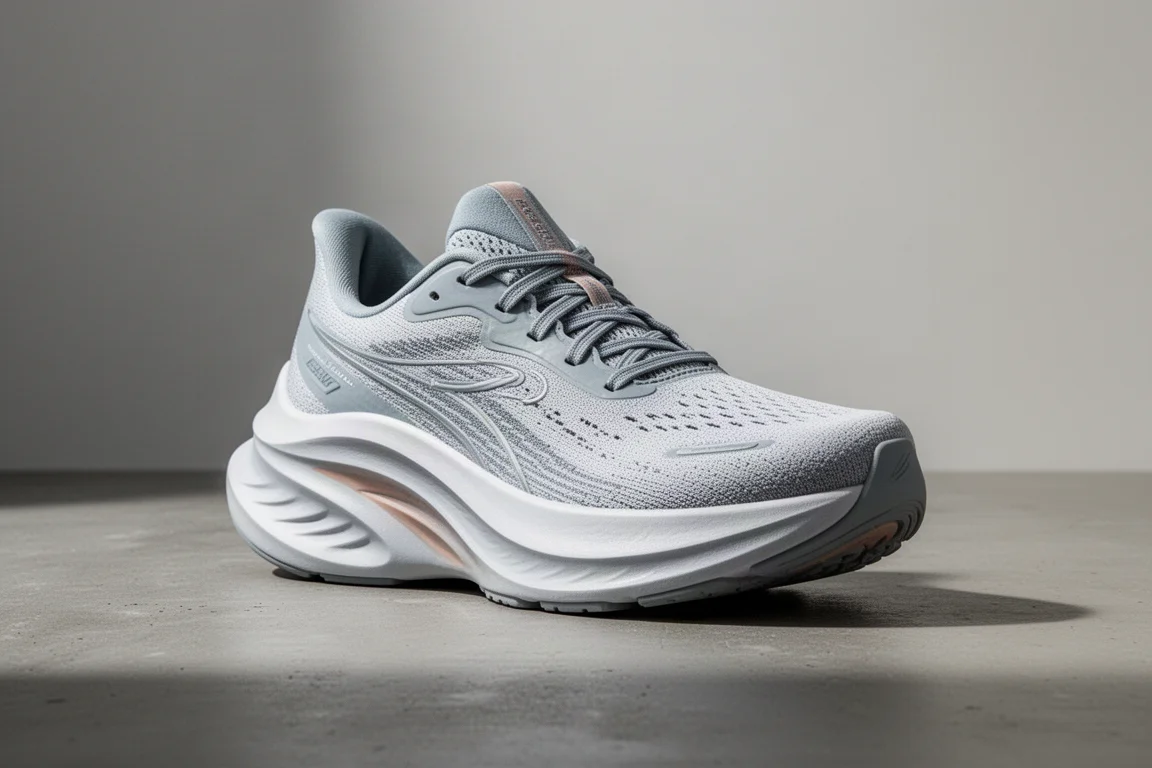
Best Plateless Speed 2 Replacement: Topo Cyclone 2
The Topo Cyclone 2 is for runners who loved the soft, bouncy feel of the classic Endorphin Speed 2 but would rather skip the plastic plate. It is light at 209 g, featherlike on the foot, and nimble enough for short, fast repetition work where you want to feel quick and close to the ground.
It will not replace a high-cushion daily trainer for big mileage, and it did not suit a high-mileage marathon block in our testing. But as a dedicated short-and-fast shoe, or as a plateless alternative to the Rebel v3, it is a very appealing option.
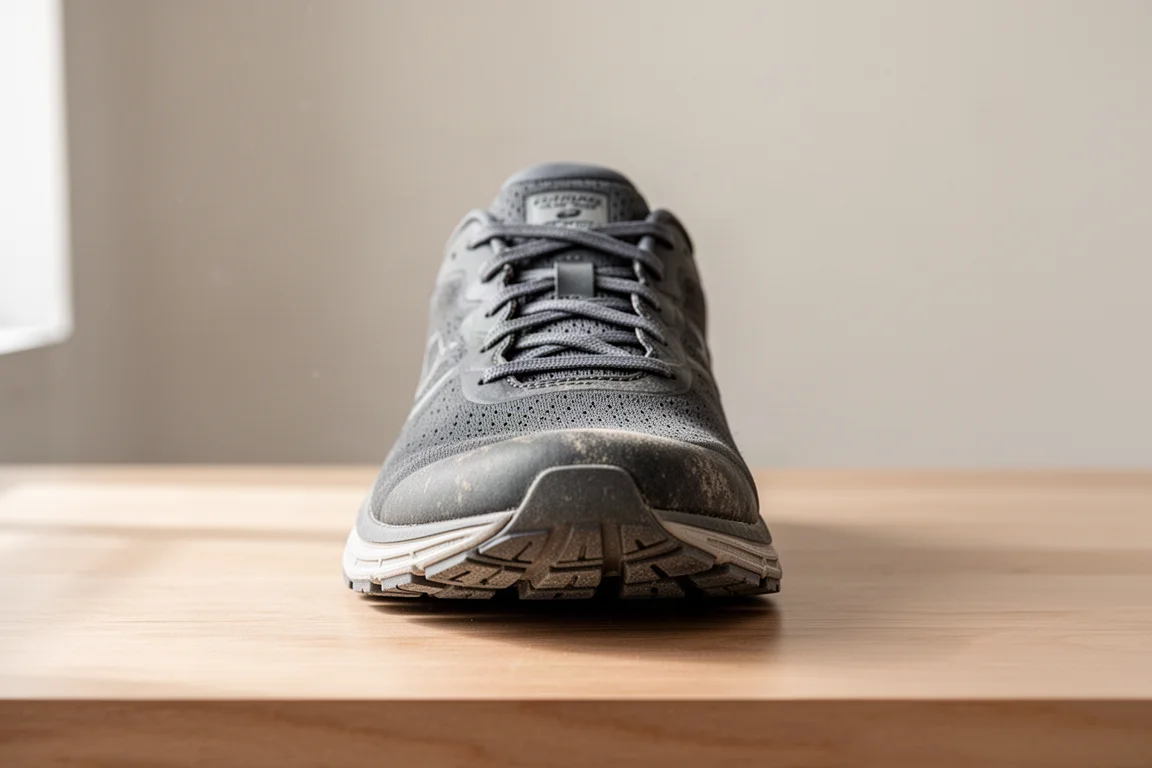
Best Plated Everyday Speed Shoe: Puma Deviate Nitro 2
The Puma Deviate Nitro 2 is an awesome overall package: a plated shoe with real pep that works for everyday miles and speed sessions alike. If you want that soft, fun, plated feel in an updated format with more grip than the original, this is the one.
It is genuinely durable, holding up well over long stretches, and it is frequently found on sale for around $130. The only meaningful downside is a slightly narrow fit, which may bother wider-footed runners. A third version is on the way, which makes this generation an even better deal hunting target.
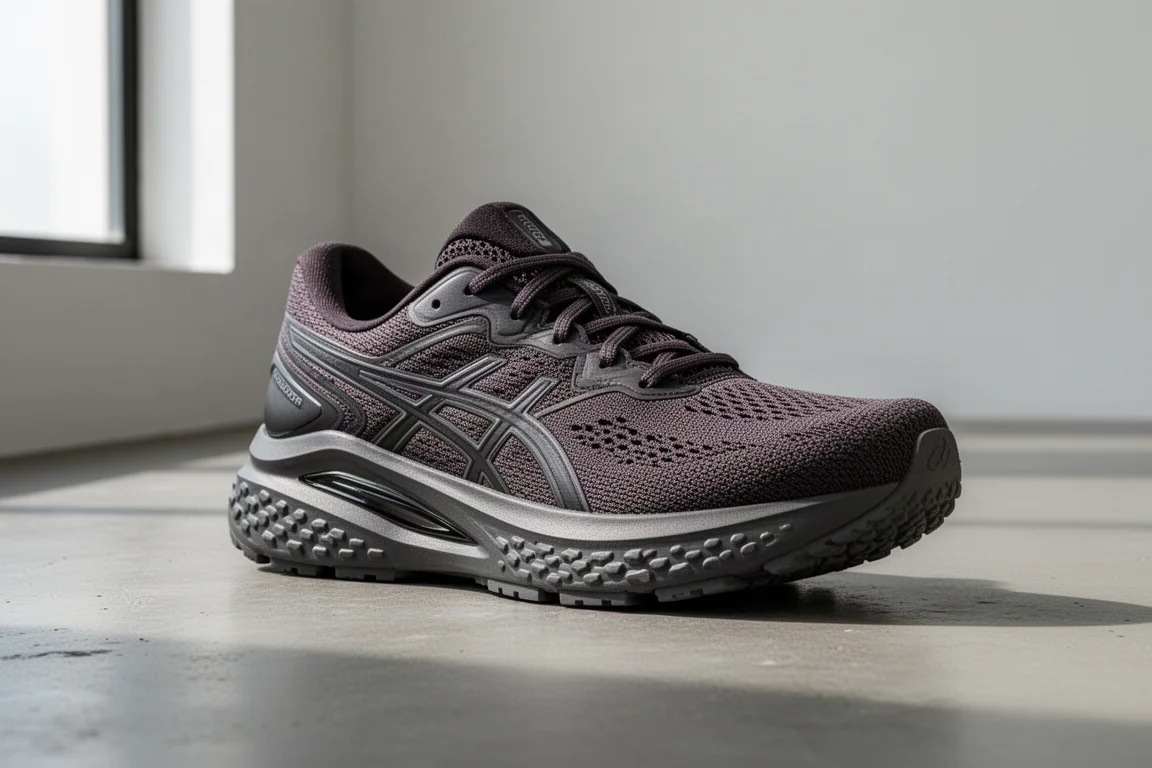
Best Aggressive Rocker: Mizuno Wave Rebellion Flash 2
The Mizuno Wave Rebellion Flash 2 is a funky one. The heel geometry is so exaggerated that the rear of the shoe does not even touch the ground; only the midfoot does. The result is an aggressive rocker that puts you right up on your toes, reinforced by a stiff, structured midsole with a bounce that leans firm rather than soft.
In a track session of 6x800 meters slightly faster than threshold pace, it felt genuinely fun. We would not choose it for long runs, but for tempo runs up to about an hour, it could be a great fit. More testing is still needed before a full endorsement, but runners who want a rockered, propulsive feel are already enjoying it.
One to Watch: Adidas Takumi Sen 10
The Adidas Takumi Sen 10 is positioned as a 5K and 10K racing shoe, but hobby runners use this style of shoe to support longer-distance training too. Its predecessor, the Takumi Sen 8, was a longtime favorite: once you were running faster than marathon pace, it cut through workouts like nothing else. The catch was availability, which was nearly impossible, and a narrow, awkward fit.
Early impressions of the Takumi Sen 10 are mixed. The Light Strike Pro midsole looks slightly different from the previous version, suggesting a possible foam reformulation, and it did not impress immediately out of the box the way the Sen 8 did. The foam also likely needs break-in time to show what it can do.
This is not a full recommendation yet, just a watch-list entry. Given the pedigree, it could climb rapidly once it gets proper fast-session mileage.
How to Choose the Right Speed Training Shoe
Think in workout types. For long runs with marathon pace or threshold blocks, choose cushioned and structured shoes like the Boston 12, Skyward X, or Endorphin Pro 4. For short intervals and repetition pace, prioritize light weight and ground feel, like the Cyclone 2 or Rebel v3. For everything in between, the Mach 6 and Deviate Nitro 2 cover a huge range.
Also think about your rotation. Rotating shoes with different drops and different ride geometries is one of the few supported ways to spread load across your legs, so owning one low, one cushioned, and one plated speed shoe is a legitimate strategy, not just consumer excess.
Finally, watch the deals. The Rebel v3 under $100, the Endorphin Speed 3 at $130, and the Deviate Nitro 2 around $130 show that last generation’s speed shoes are often the smartest purchases in running right now.
Conclusion
There has never been a better time to shop the speed training category. The Boston 12 is the durable marathon-training benchmark, the Mach 6 is the fun hybrid most runners will love, the Rebel v3 and Speed 3 are outstanding value, and the Endorphin Pro 4 doubles as a race shoe you can actually train in. Match the shoe to your actual workouts, keep an eye on sales, and your fast days will thank you.
Further reading
Related Reviews

Running Shoes
Best Road-to-Trail Running Shoes: Three Versatile Options for Mixed Terrain
A practical guide to three road-to-trail running shoes that handle both pavement and mild trails, with clear strengths and trade-offs for different runner types.

Running Shoes
Best Running Shoes for Achilles Tendonitis: Three Options Explained
Three running shoes with different heel drops and support features designed to help reduce Achilles tendon pain during walking and running.

Running Shoes
Best Running Shoes for Women: Five Top Choices Ranked
A ranked guide to five women's running shoes, from versatile daily trainers to high-performance racing options, with real strengths and trade-offs for each.