Backpacking Tents
Best Solo Backpacking Tents: Ultralight, Budget, Freestanding and Winter Picks
Eight one-person backpacking tents grouped by weight, price, pitch style and storm-worthiness, with the trade-offs that matter before you buy.
Introduction
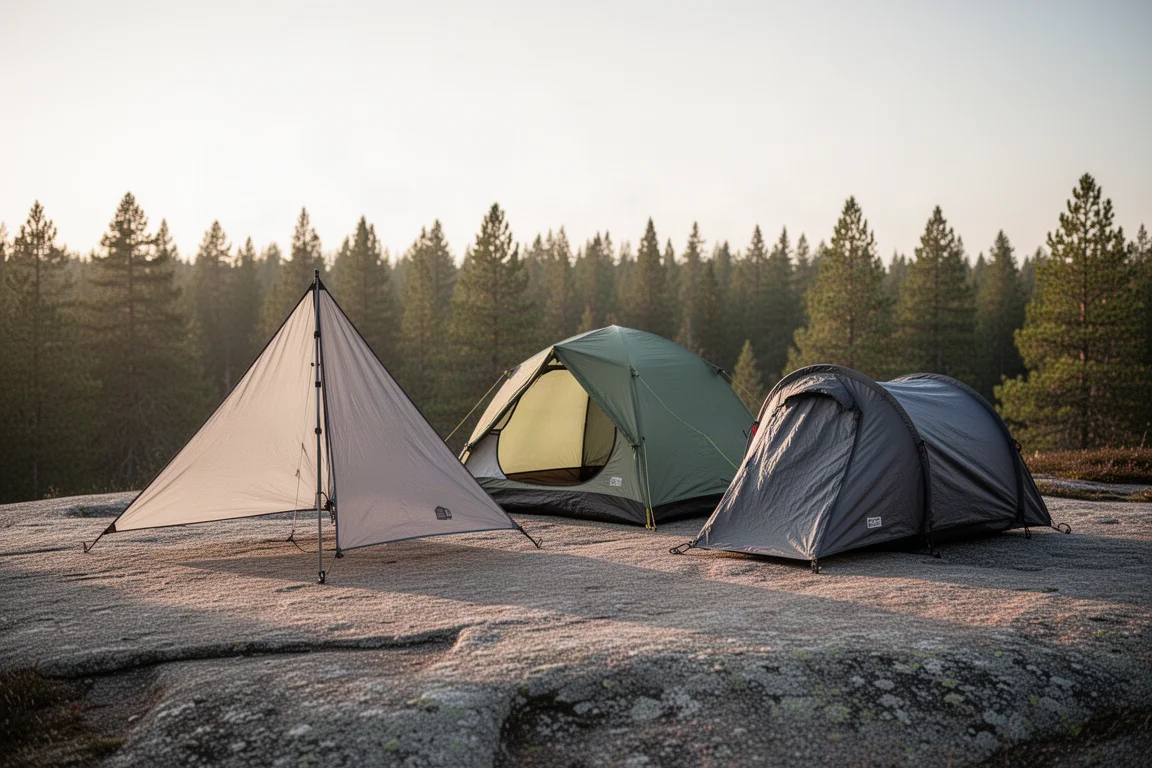
Solo backpacking tents rarely get the attention that two-person shelters receive, even though many backpackers spend their first seasons hiking alone. A one-person shelter usually means less weight in the pack, a smaller footprint for tight campsites, and a faster pitch at the end of a long day.
The catch is that solo tents vary enormously. Some are featherweight trekking pole designs that hold up in serious weather, while others are freestanding shelters you can pick up and move without a single stake. The eight tents below are grouped into five categories: ultralight, budget, freestanding, all-around, and winter.
What to Look For in a Solo Backpacking Tent
Weight is the headline figure, but it is not the only one. A shelter that saves a few hundred grams and then soaks up water through its fly will not feel light on the second day of a wet trip. Fabric choice matters. Dyneema does not absorb water at all, so condensation on the inside and rain on the outside stay on the surface where they can be wiped away instead of being carried. Polyester-based fly fabrics such as sil-poly behave in a similar way, while sil-nylon absorbs more water and can sag when it is wet.
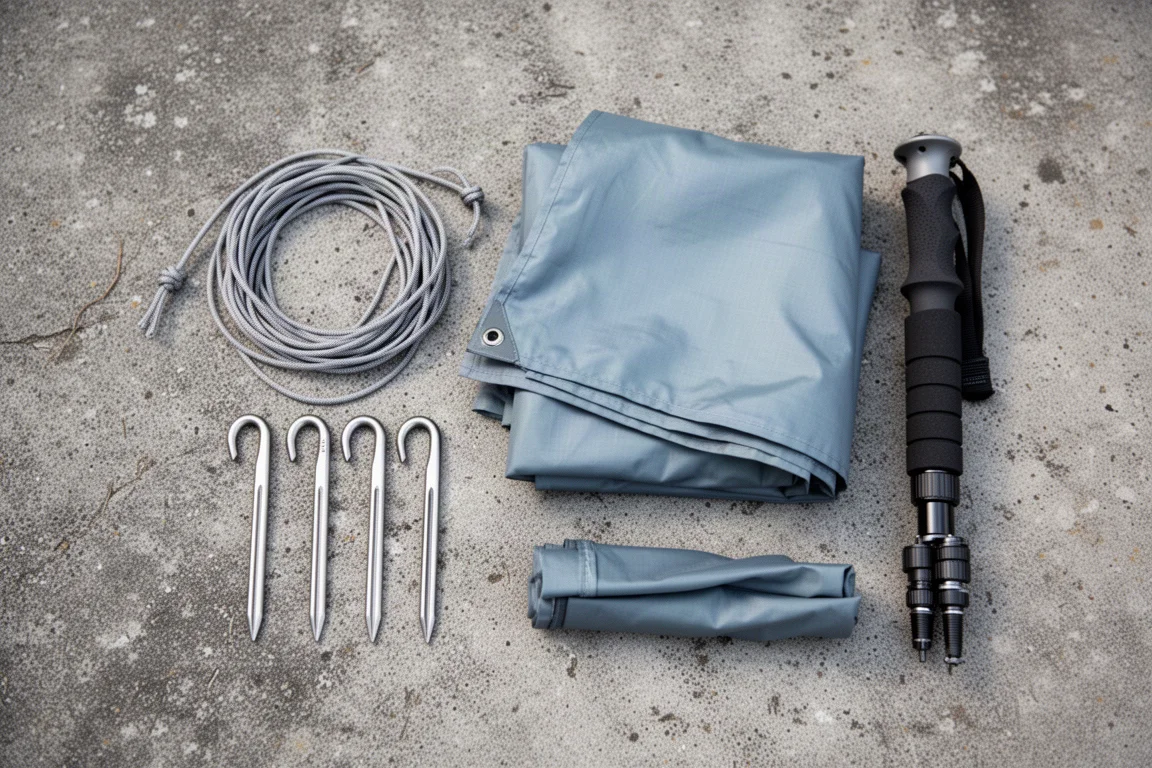
Pitch style is the second decision. A trekking pole shelter is light and packs down small, but it needs a pole and usually several stakes. A freestanding tent goes up without stakes at all, which helps on sand, rock, or any ground where a full set of pegs is hard to place.
Interior volume deserves more attention than it usually gets. A tent that fits a wide sleeping pad with room to spare is a different experience from one that fits you and nothing else. Taller backpackers should check usable length first, because a shelter that feels generous at 5 foot 10 can feel cramped above 6 foot 2. Ventilation, door design, and how the shelter behaves when it has to go up in the rain complete the picture.
Best Ultralight Tent: Zpacks Plex Solo Lite
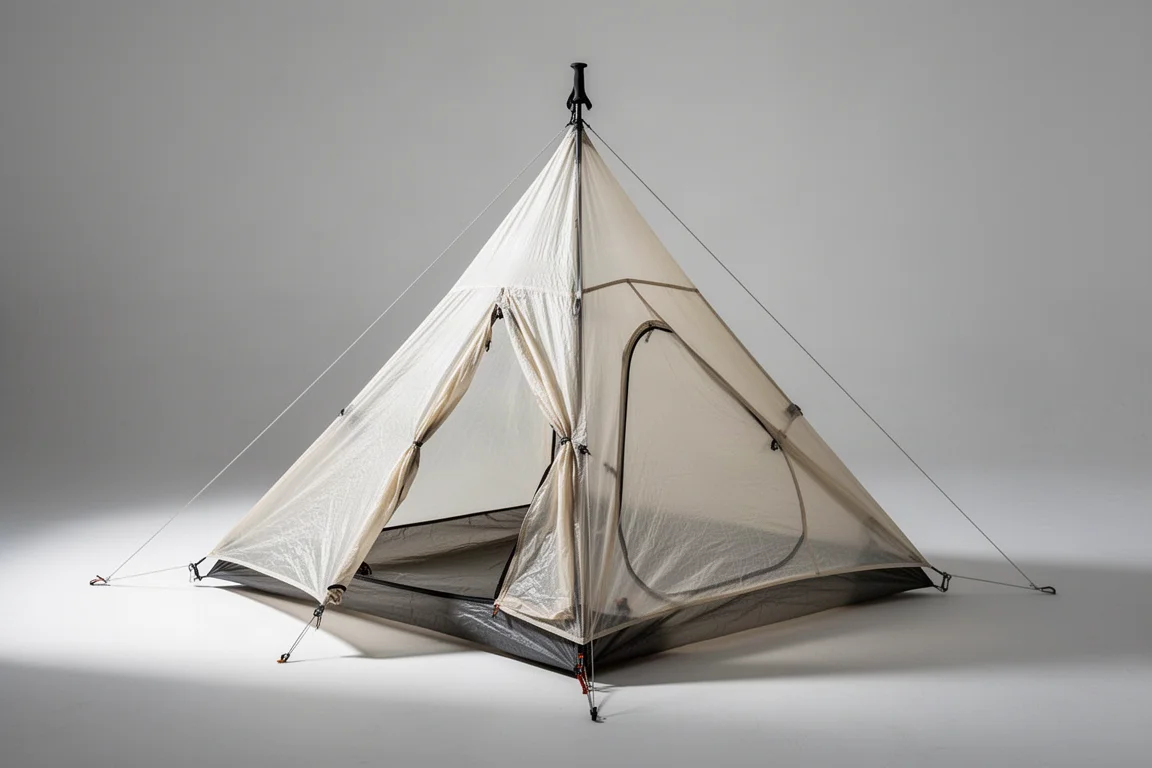
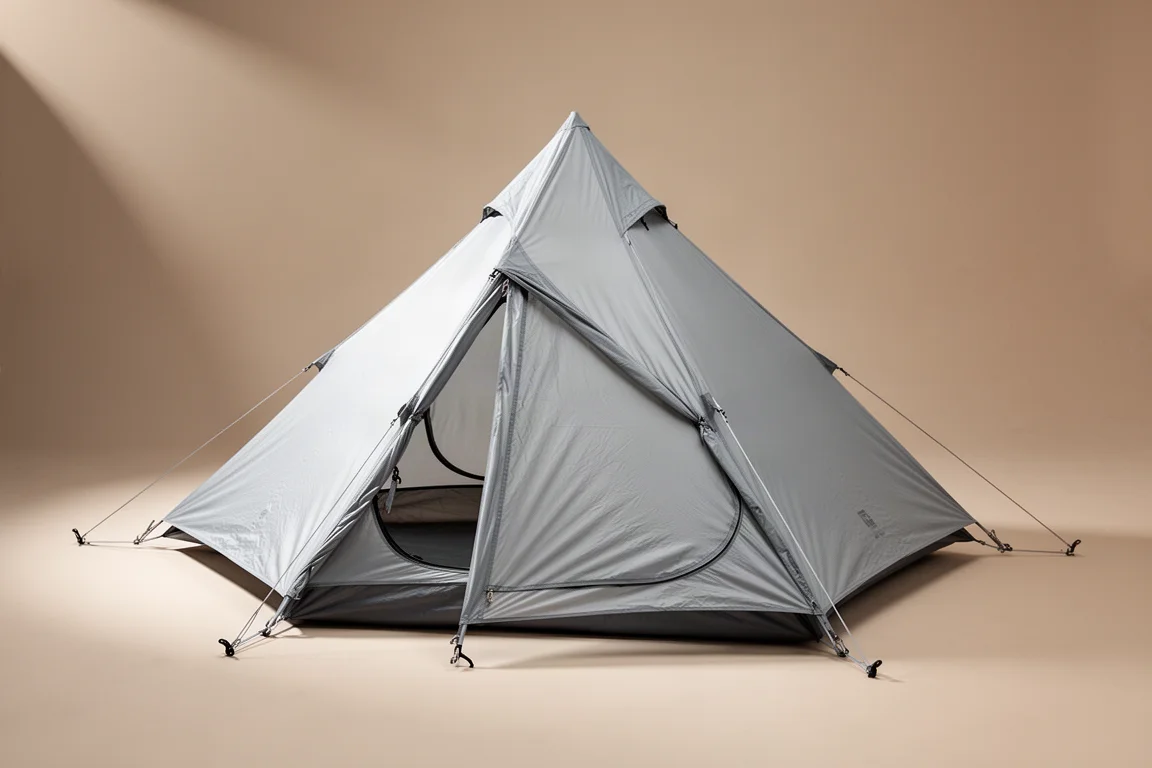
The Zpacks Plex Solo Lite takes the ultralight category because it pairs a very low weight with more storm-worthiness than its slim profile suggests. Shelters in this style have held up in high wind and heavy rain, and the pitch is fast: under two minutes once the sequence is familiar.
Dyneema is what makes the low weight possible, and it brings a second benefit that matters on multi-day trips. Because the fabric does not absorb water, condensation inside and rain outside wipe away cleanly, so nothing is carried as extra water weight.
Space is the limitation. A 5 foot 10, 180 pound user has enough room to sit up, change clothes, and move around a little, but this is not a big tent by any measure. Above roughly 6 foot 2 it starts to feel cramped, while anyone under 6 foot will find it genuinely roomy. Fastpacking is a natural fit, since the packed tent is compact enough to disappear inside a fastpacking pack, and the same applies to thru-hikes where covering miles matters more than camp comfort.
Alternative: Durston X-Mid Pro 2
If space matters more than the absolute lowest weight, the Durston X-Mid Pro 2 addresses the one weakness of a small solo shelter. As a two-person tent it offers a much larger interior, and it is likely to be one of the most common shelters on long thru-hikes such as the Pacific Crest Trail and the CDT for years to come.
Best Budget Tent: 3F UL Gear Lanshan 1
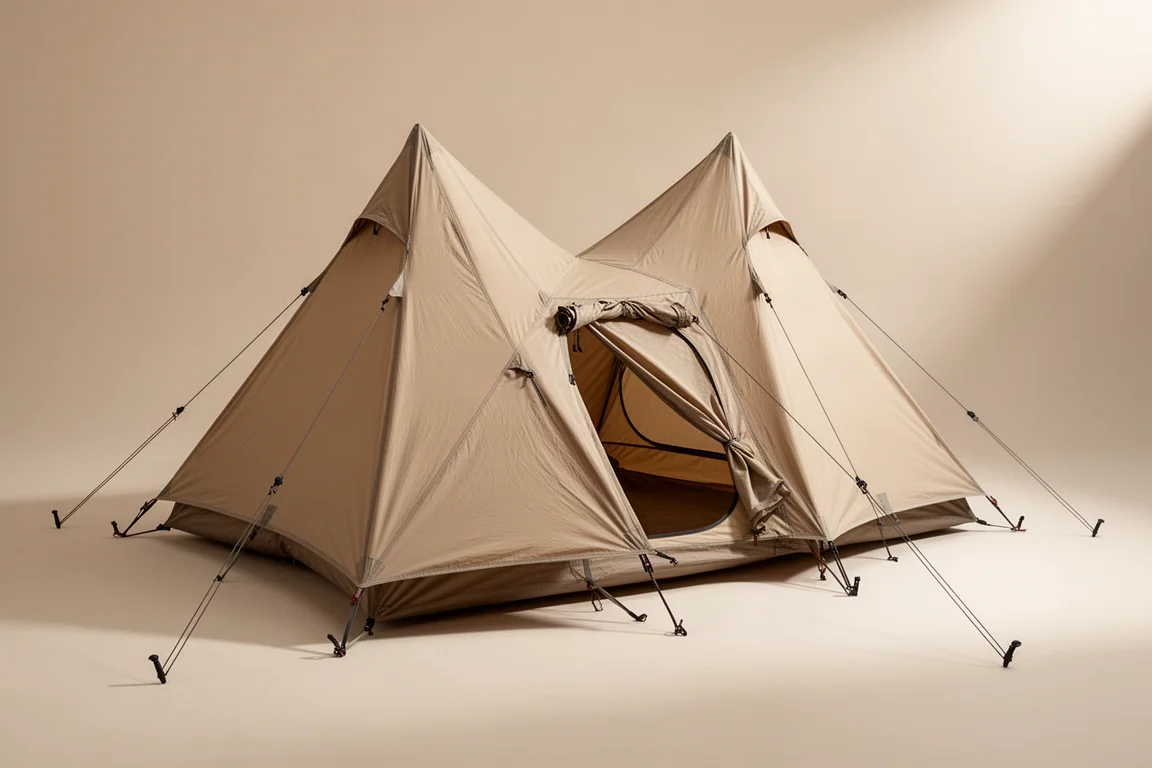
The 3F UL Gear Lanshan 1 is the budget pick, and it earns the place on price and weight together. It weighs 790 grams and sells for around $100, with sales bringing it close to that figure fairly often.
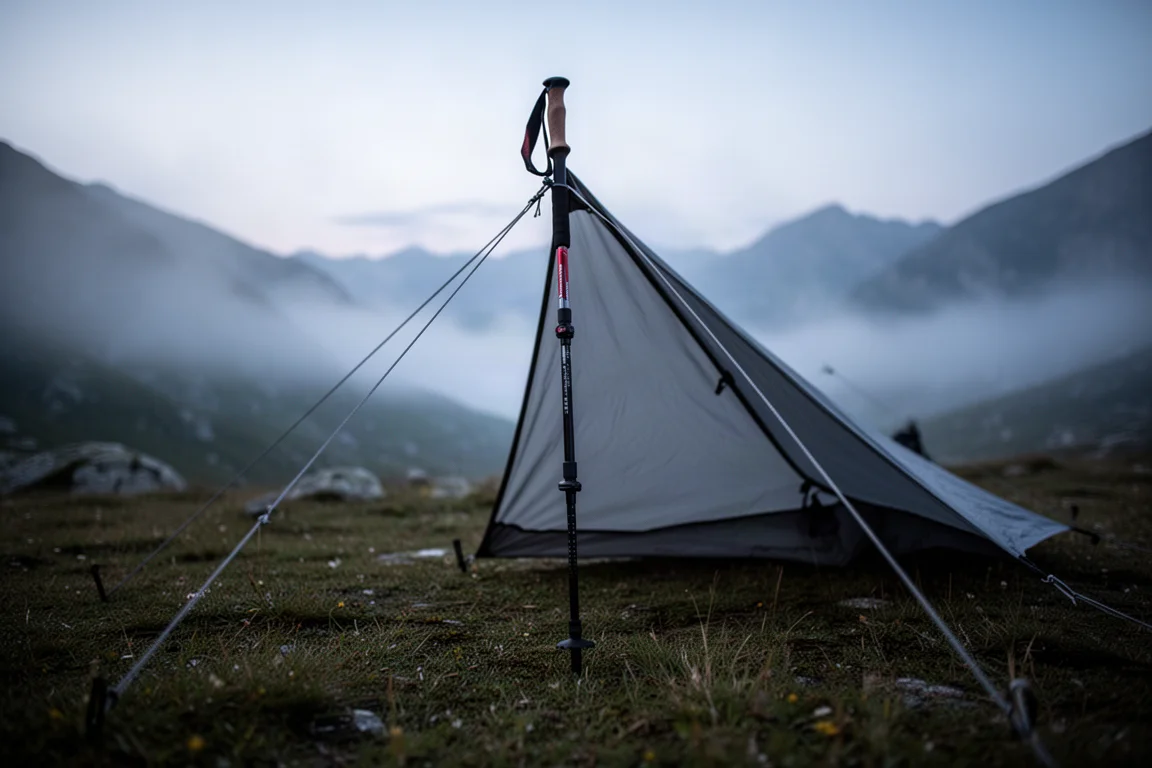
This is a non-freestanding design, so a single trekking pole runs up through the middle of the shelter to provide its structure. That makes it one of the quickest tents to pitch and a forgiving option for newer backpackers. It is also a double wall tent. A single wall is simpler if you prefer to wipe condensation off the fly directly, but plenty of people appreciate the physical barrier the inner provides.
Packed size is modest: it ships in a 10 litre stuff sack but compresses much smaller. For backpackers who head out on solo trips occasionally rather than constantly, it covers the essentials with very little outlay. Rival budget shelters such as the Naturehike trekking pole and Cloud Up tents tend to weigh more, and the natural step up is the Six Moon Designs Lunar Solo, which costs roughly twice as much but adds interior space and a sil-poly fly.
Best Freestanding Tent: Marmot Tungsten UL 1P
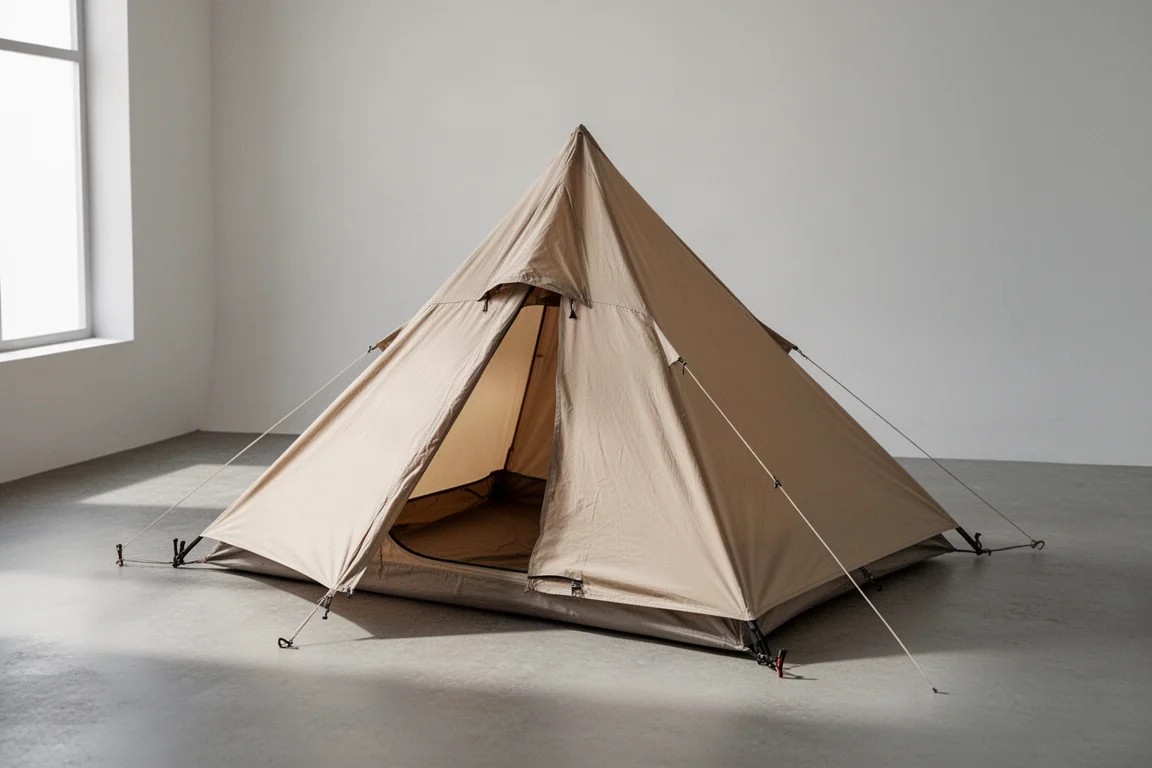
The freestanding category came down to a close call between the Marmot Tungsten UL 1P and the Nemo Dragonfly 1P, and price settled it in favour of the Marmot. The requirements were straightforward: the tent had to pitch without any stakes, be easy to reposition once it is up, and work well as an all-round shelter.
The Tungsten UL uses a sil-poly fly, which absorbs less water than sil-nylon and does not sag when wet. Weight is under a kilogram, which is impressive for a freestanding tent of this size, and users between roughly 6 foot and 6 foot 3 fit inside without trouble. Ventilation is solid thanks to a vent in the fly and plenty of mesh, and the footprint is noticeably smaller than non-freestanding rivals such as the Lanshan 1 and the Plex Solo.
The trade-off is common to freestanding tents: there is no all-in-one or fly-first pitch, so the inner goes up first and the fly follows. In rain, that means the inner gets wet before it is covered.
Alternative: Nemo Dragonfly 1P
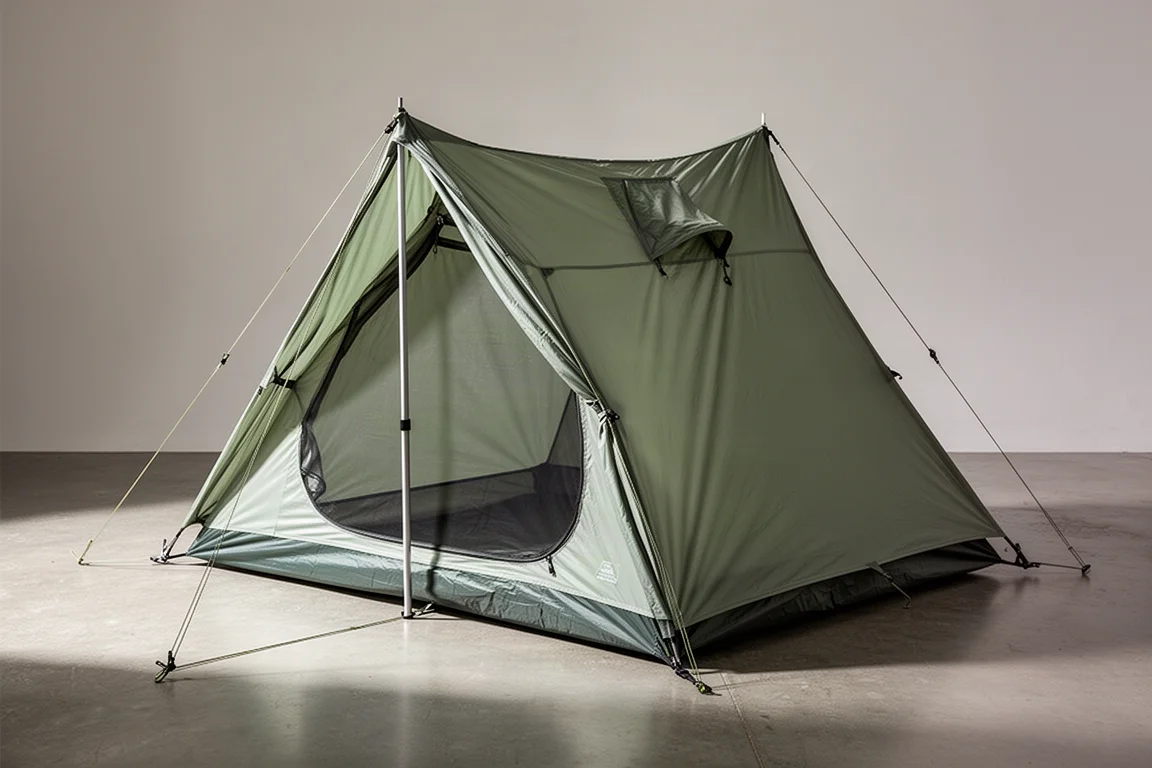
The Nemo Dragonfly 1P shares most of the Tungsten’s advantages and could have taken the category. It uses a polyester-blend fly fabric with much the same water behaviour as sil-poly, and it stands apart by being a little lighter, more expensive, and likely better in weather. There are more stake-out and guy-out points, and the profile should shed wind more effectively.
Best All-Arounder: Six Moon Designs Lunar Solo
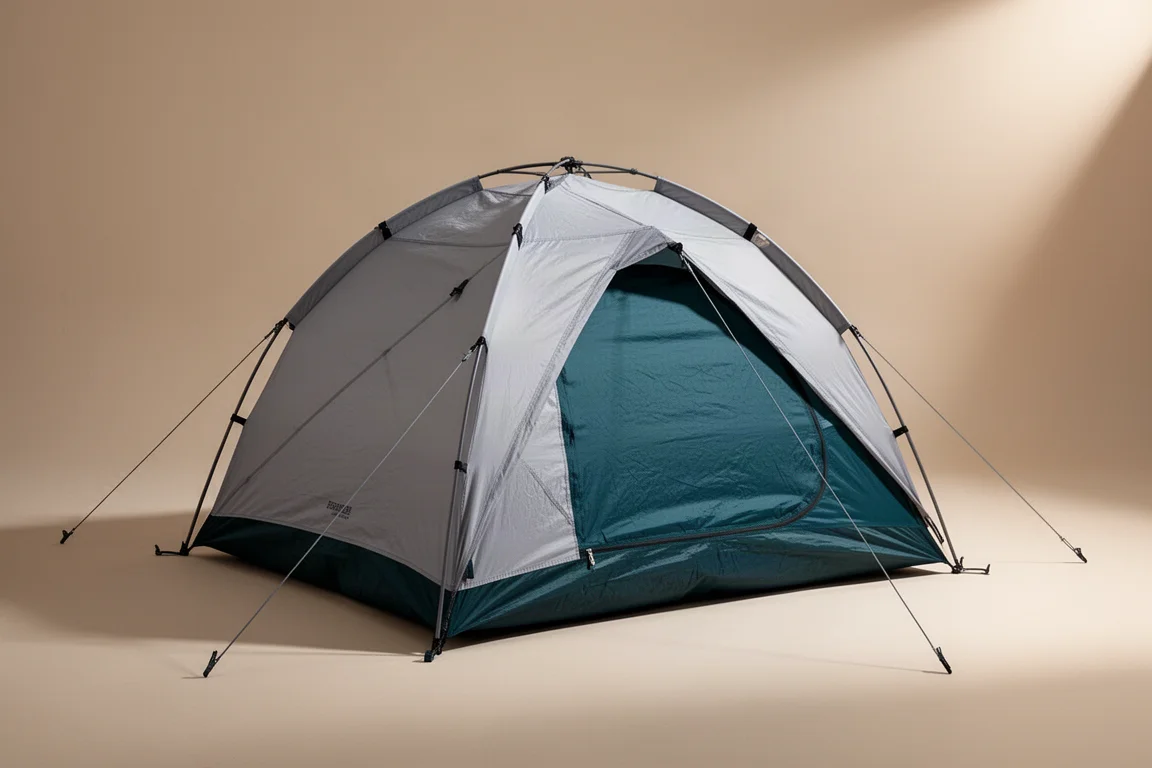
The Six Moon Designs Lunar Solo wins the all-around category on the balance it strikes between weight, ease of use, weather performance, and cost. It weighs 740 grams, costs $260, and offers a wide floor that fits a broad sleeping pad with room left beside you for gear or a pet.
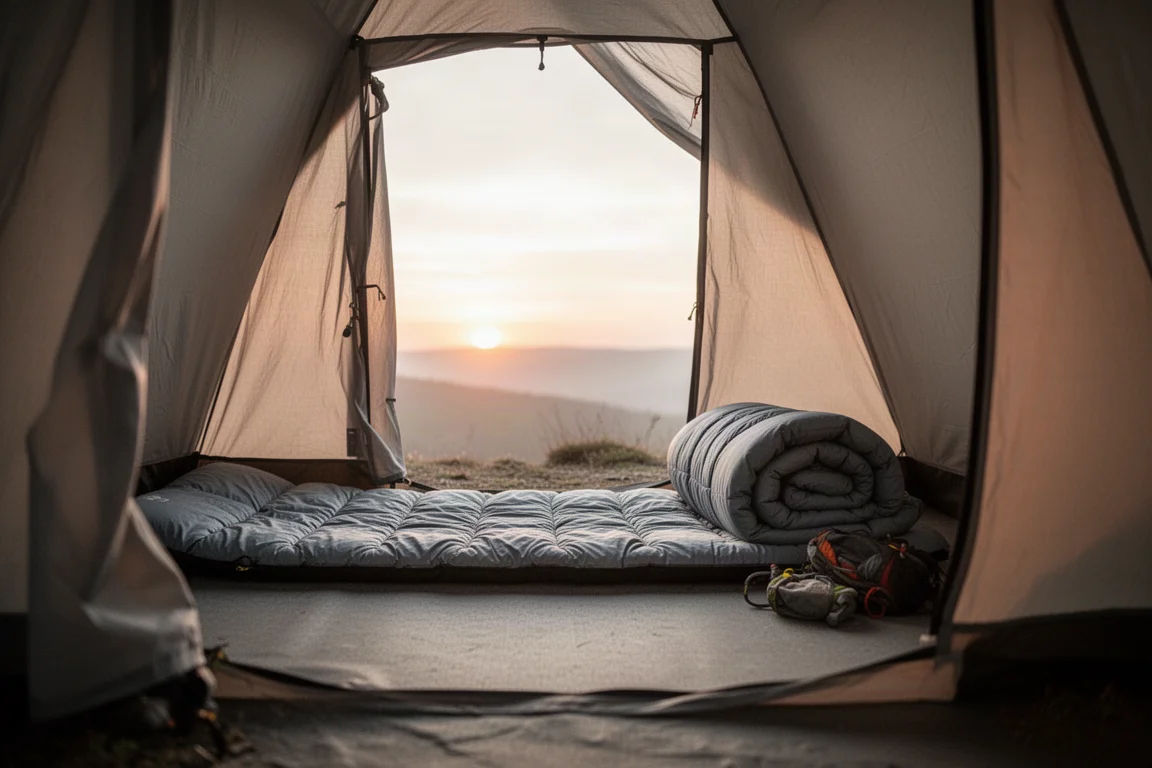
The fly uses a sil-poly material, so it brings the water-shedding benefits of a polyester-based fabric. The door is unusually versatile: it slides higher or lower along its guideline, which lets you tune ventilation or open up a view for a sunrise or sunset. The one task to plan for is seam sealing, which you do yourself before the first trip.
Alternative: Durston X-Mid 2
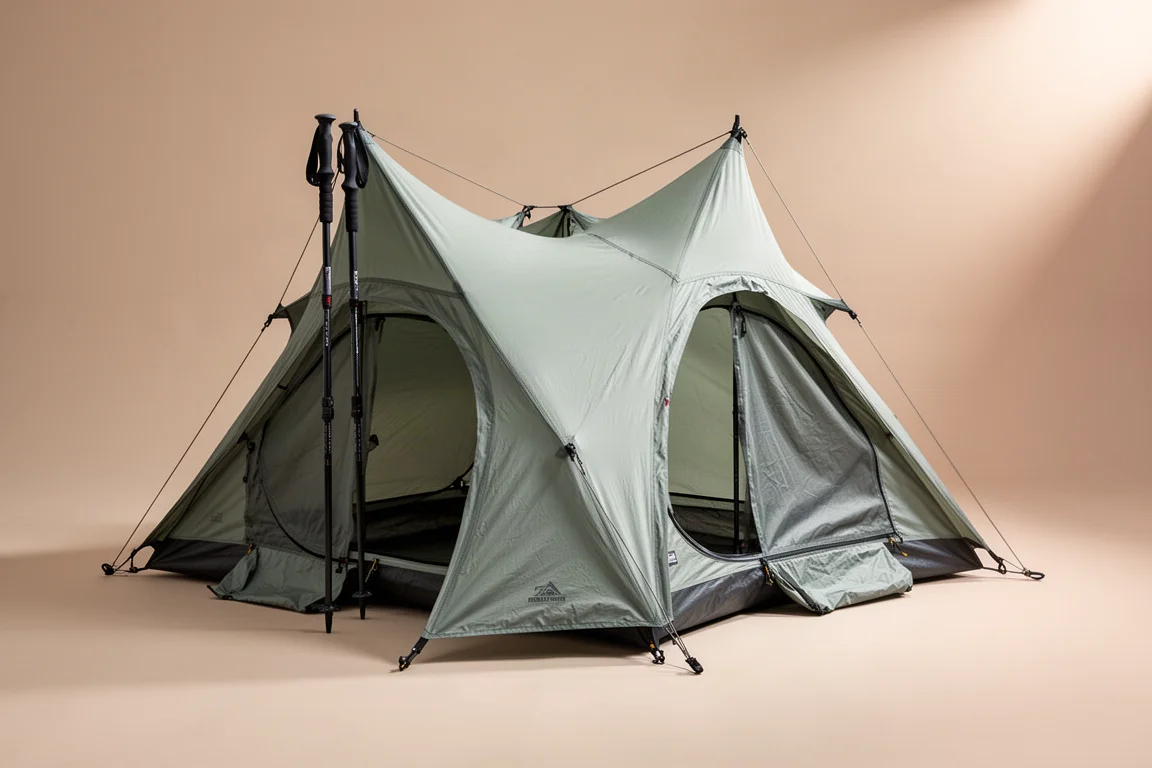
For anyone who finds the Lunar Solo a little tight, the Durston X-Mid 2 is the natural step up. This is the non-Pro version, so it costs considerably less than the Dyneema model while adding some weight. It is a double wall tent with a very spacious interior, it still comes in around 1,000 g, and it works just as well as a two-person shelter when you are not hiking alone.
Best Winter Tent: Samaya 2.0
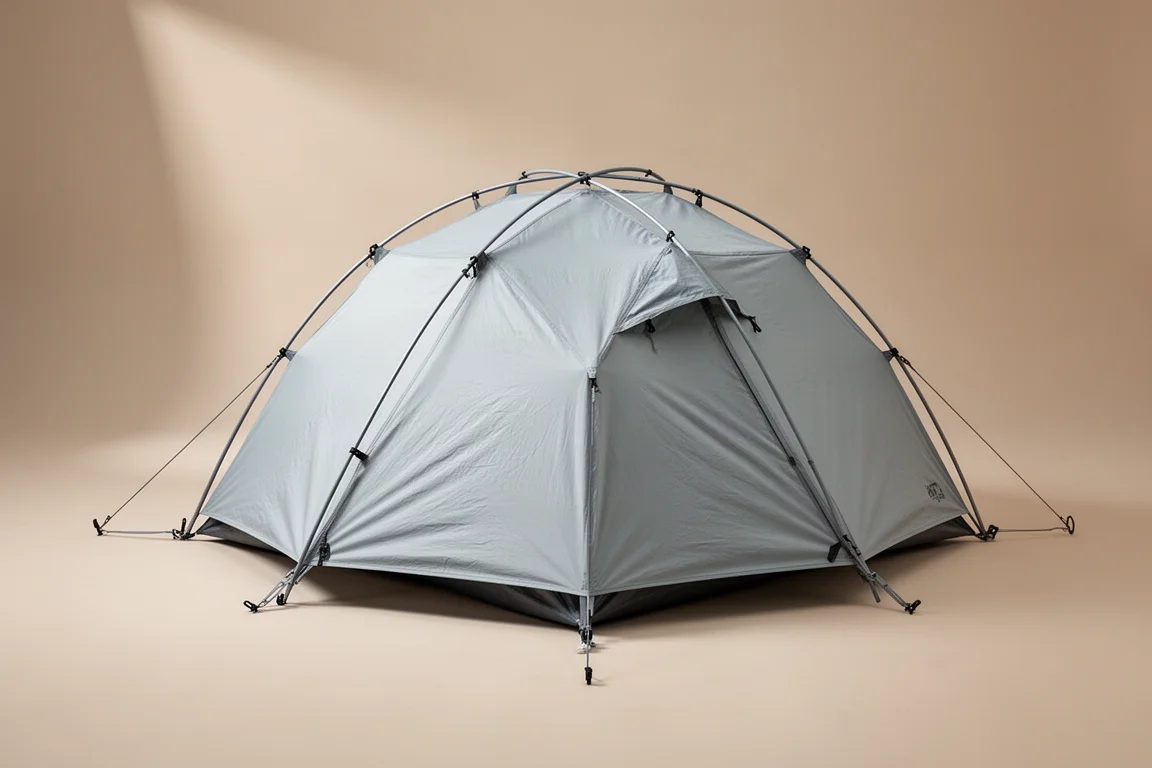
The Samaya 2.0 is the winter pick, and it is a rare combination. It is built from Dyneema and is extremely storm-worthy, which was the first requirement for this category. It is also roomy enough inside to hunker down through a storm, and light enough to carry without regret.
Being freestanding matters most in winter. On granular, sugary snow it can be pitched straight away rather than waiting an hour or two for the surface to firm up, which makes camp setup much quicker. Just over 1,300 grams is a remarkable figure for a shelter this strong, and for a solo camper the interior is genuinely spacious. It is advertised as a two-person tent, though two occupants would need to be comfortable with each other.
The downside is price. At $1,100 it is by far the most expensive tent here, and there are not many alternatives that combine this level of storm-worthiness with this weight and interior volume.
Buying Advice for Solo Backpacking Tents
Match the shelter to the trip rather than to the spec sheet. If you are fastpacking or thru-hiking and counting every gram, the Zpacks Plex Solo Lite is the lightest way to get a storm-worthy shelter, provided you fit inside it. If you only head out alone a few times a year, the 3F UL Gear Lanshan 1 delivers much of the same pitch experience for around $100.
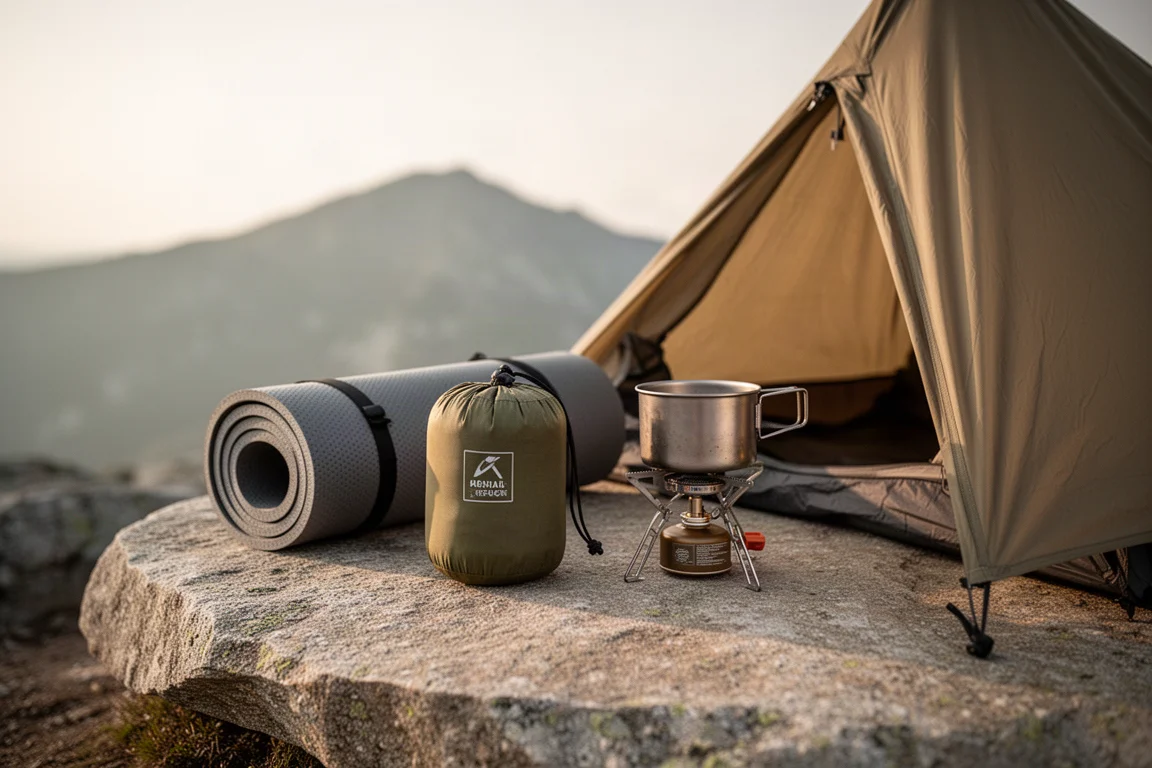
Freestanding designs are the practical choice for sandy or rocky ground and for campsites where space is tight. The Marmot Tungsten UL 1P is the value option there, with the Nemo Dragonfly 1P as the lighter and more weather-ready upgrade. If you want a single tent that handles almost everything, the Six Moon Designs Lunar Solo is the most balanced pick, and the Durston X-Mid 2 adds space for a modest weight penalty. Winter campers who need maximum storm protection should look at the Samaya 2.0.
Conclusion
There is no single best solo backpacking tent, only the one that matches how you camp. Ultralight Dyneema shelters reward hikers who move fast and pack small. Budget trekking pole tents get newer backpackers out on trail for very little. Freestanding tents solve difficult ground, all-around shelters cover the widest range of trips, and a dedicated winter tent is worth the outlay if you camp in storms. Pick the category that fits your trips, then check the interior dimensions against your own height before you commit.
Further reading
Related Reviews
Backpacking Tents
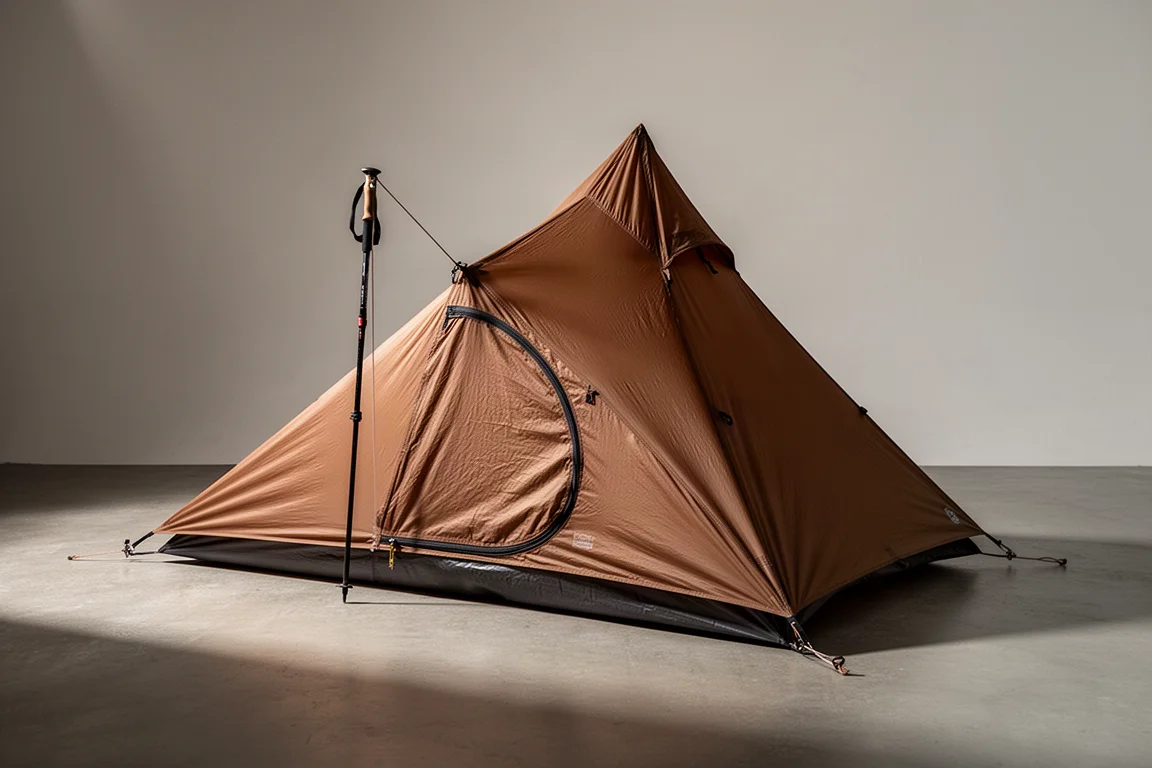
3F UL Lanchan Pro 1 Review: A 1 lb 8 oz Single-Wall Trekking Pole Tent
A practical look at the 3F UL Lanchan Pro 1, a single-wall trekking pole shelter with a 1 lb 8 oz weight, 20D silnylon fabrics, and a roomy 90 x 31 x 49 inch interior.
Backpacking Tents
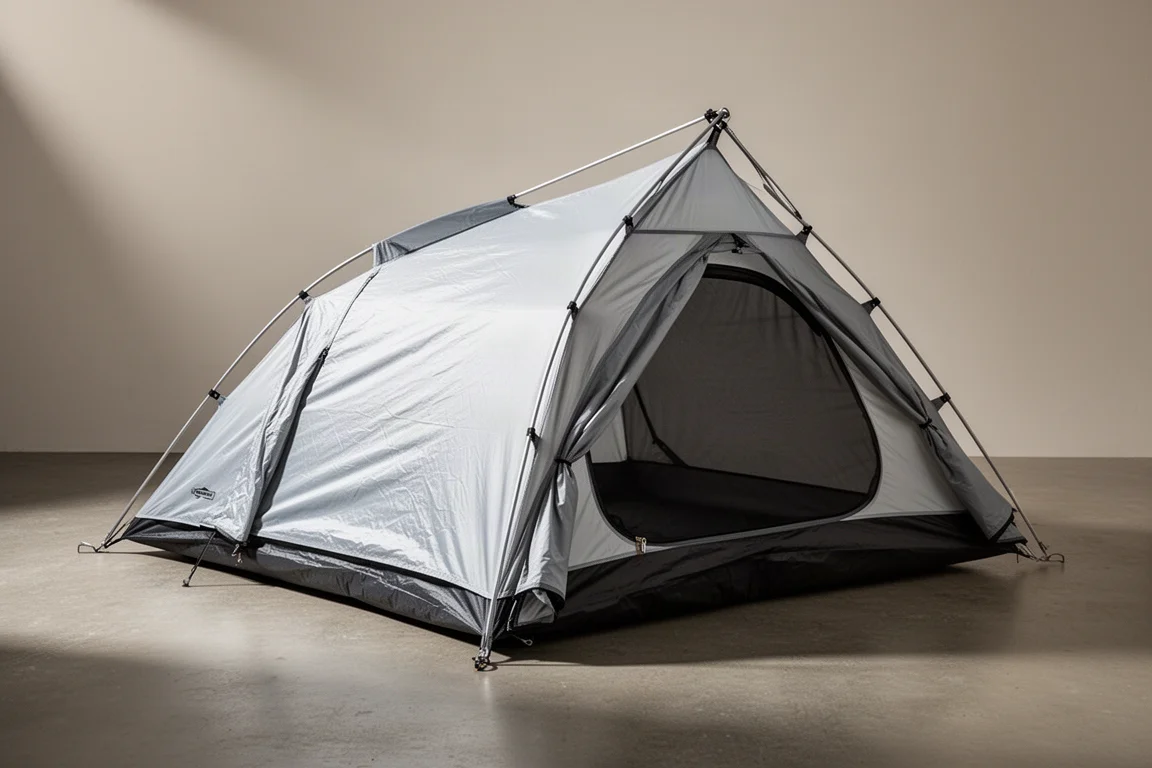
3F UL Taiji 2-Person Tent: A Convertible Backpacking Shelter Worth a Closer Look
A practical look at the 3F UL Taiji two-person tent, covering its materials, true two-person interior, fly-first pitching, and the seasonal inner swap that lets one shelter cover more of the year.
Backpacking Tents
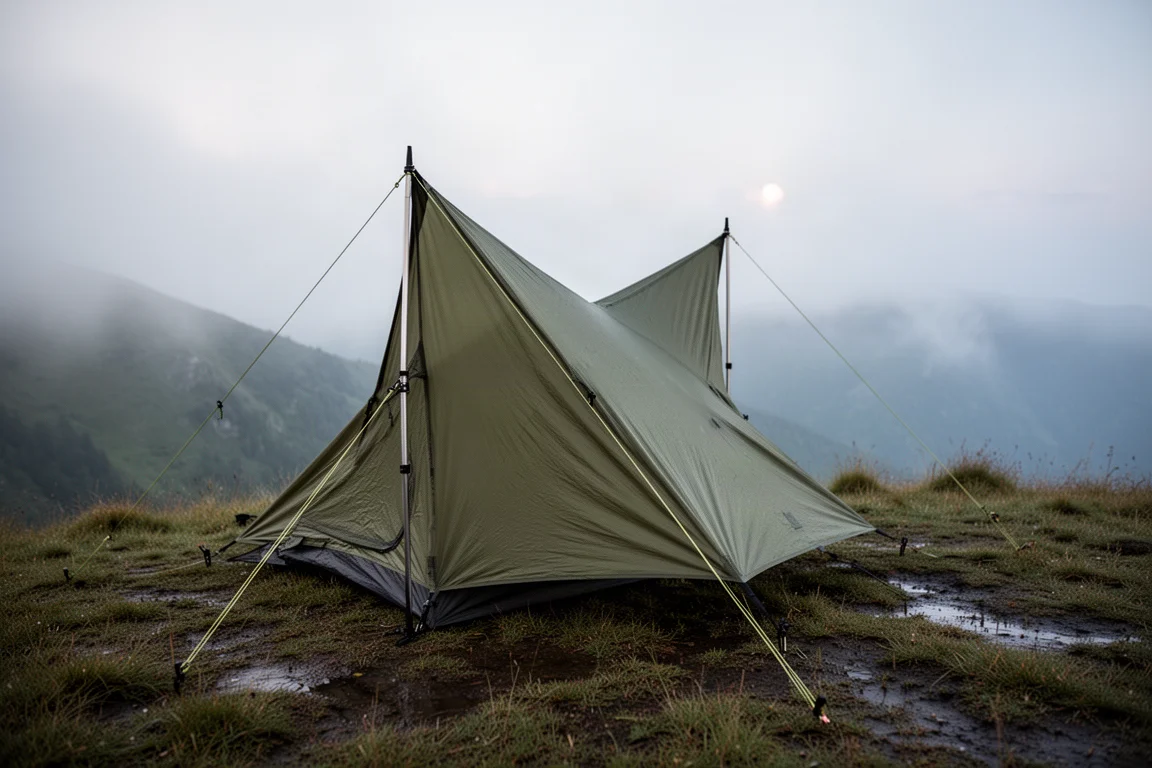
3FUL Lanshan Twoerson Pro Review: A Light Trekking Pole Shelter That Struggled in Rain
A two-person trekking pole shelter with a 2026 redesign, pitched with sticks and put through a night of steady rain. Here is what worked, what did not, and what to check before buying.