Outdoor Gear
Best Solo Backpacking Tents: One-Person and Two-Person Options Compared
Seven backpacking tents compared across one-person and two-person formats, with clear guidance on footprint, weight, wind stability, and interior space.
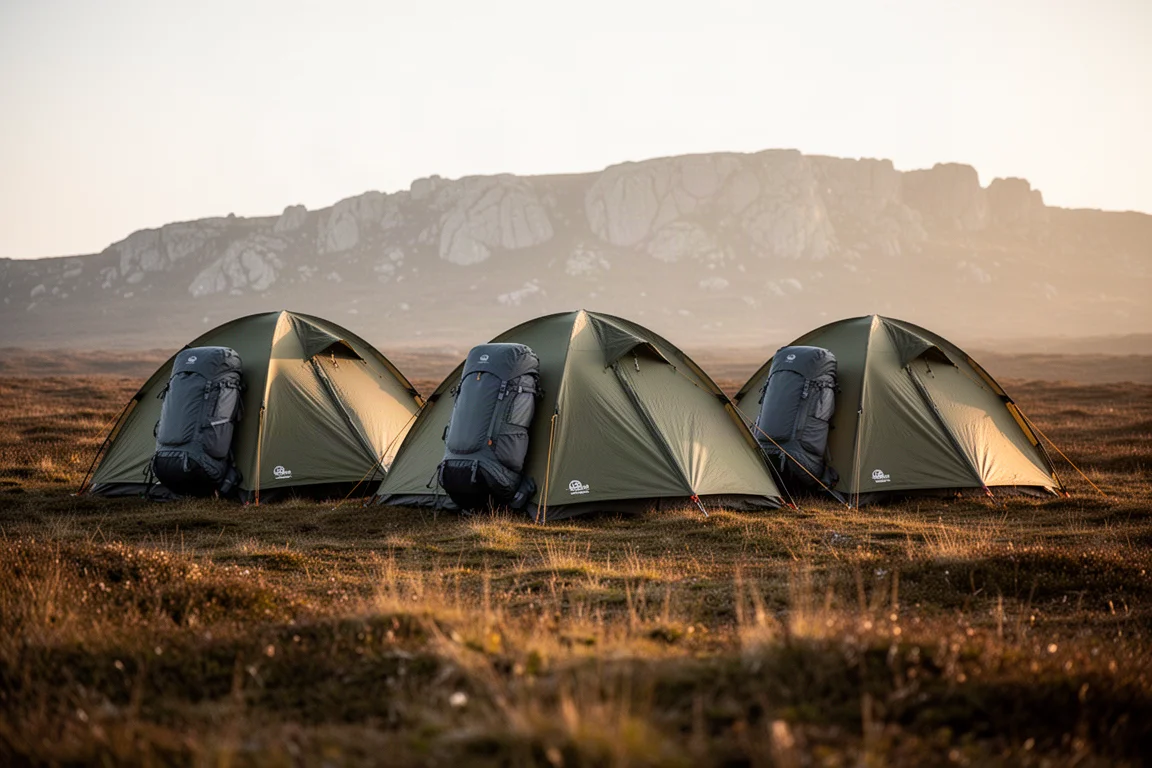
Introduction
Few gear decisions split solo backpackers more than the choice between a one-person and a two-person tent. The smaller shelter wins on pack size, weight, and the ability to squeeze into awkward pitches. The larger one wins on interior comfort, gear storage, and the simple fact that you are not sleeping pressed against the wall.
This guide covers seven tents that sit across both camps, from compact solo shelters to a roomier three-person option and one deliberately wide middle ground. The aim is to make the trade-offs clear enough that you can match a tent to the way you actually camp.
What Changes Between a One-Person and a Two-Person Tent
The most obvious difference is footprint. A one-person tent takes up far less ground, which matters when the only flat spots are small pockets between rocks or under tree cover. That smaller footprint also makes it easier to camp discreetly where you would rather not be noticed.
Pack size and weight follow the same pattern. A solo tent packs down smaller and carries lighter, though the gap is often narrower than people expect. Moving up to the two-person version of the same model might add only a few hundred grams while roughly doubling the usable interior.
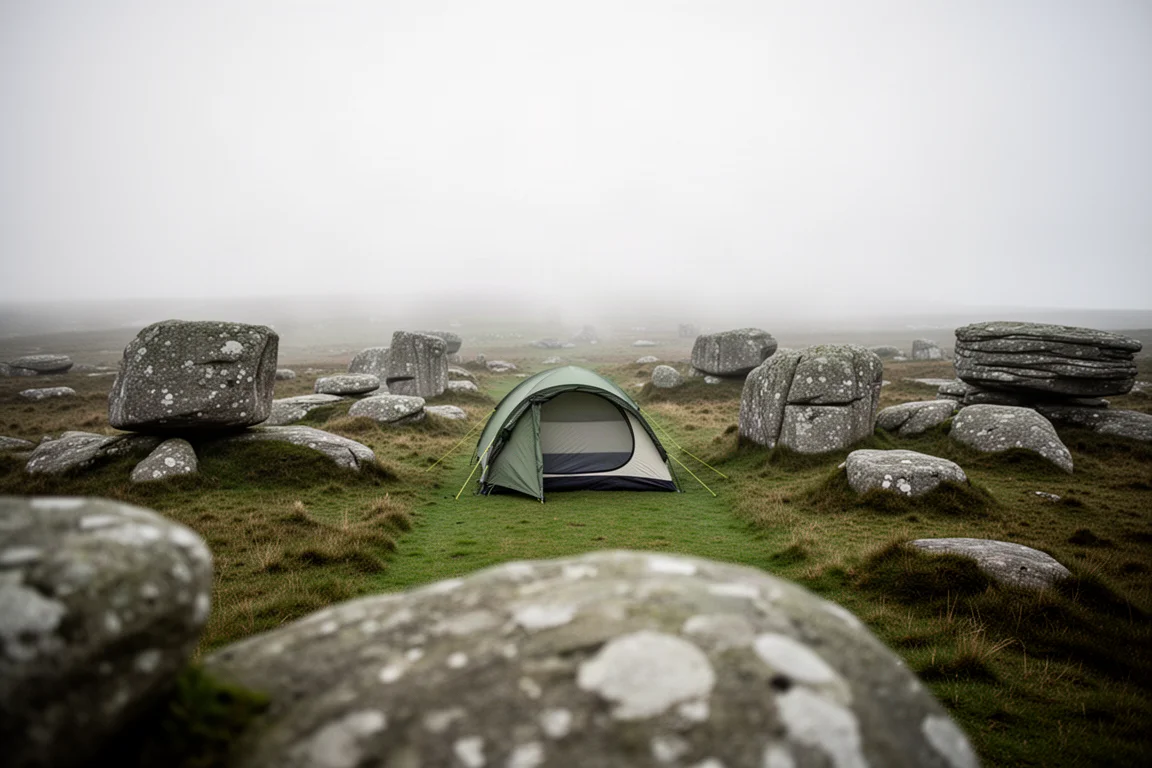
Wind performance is a subtler point. Smaller panels on a one-person tent tend to shed wind better, and a lower profile presents less surface for gusts to push against. In practice, a compact solo shelter can feel more robust in exposed conditions than its larger sibling, and an end-on pitch gives the wind even less to work with.
Interior volume is where the two-person tent pulls ahead. There is more room to sit up, more room to spread out, and typically two doors and two storage areas, so two occupants are not climbing over each other. A one-person tent usually offers only a small internal pocket area, which is fine for a phone or a power bank but not for wet boots.
Warmth and condensation cut both ways. A smaller interior heats up faster and holds warmth longer during long winter nights, which is a real advantage when you are confined for 12 to 14 hours. Condensation, though, is driven mainly by conditions rather than tent size. A shelter with more ventilation manages it better, but any tent will gather moisture when the weather is right for it.
Terra Nova Helm 1
The Helm 1 is one of Terra Nova’s most popular solo shelters, and it is a good example of what a well-sorted one-person tent can do. Its angular shape creates small, stiff panels that shed wind effectively, and it feels noticeably more stable in a blow than the two-person Helm 2.
The inner is mainly solid with a half-mesh section, which keeps some ventilation while retaining warmth in colder months. A fully mesh inner would be cooler in summer, but the mixed design is a sensible compromise for year-round use.
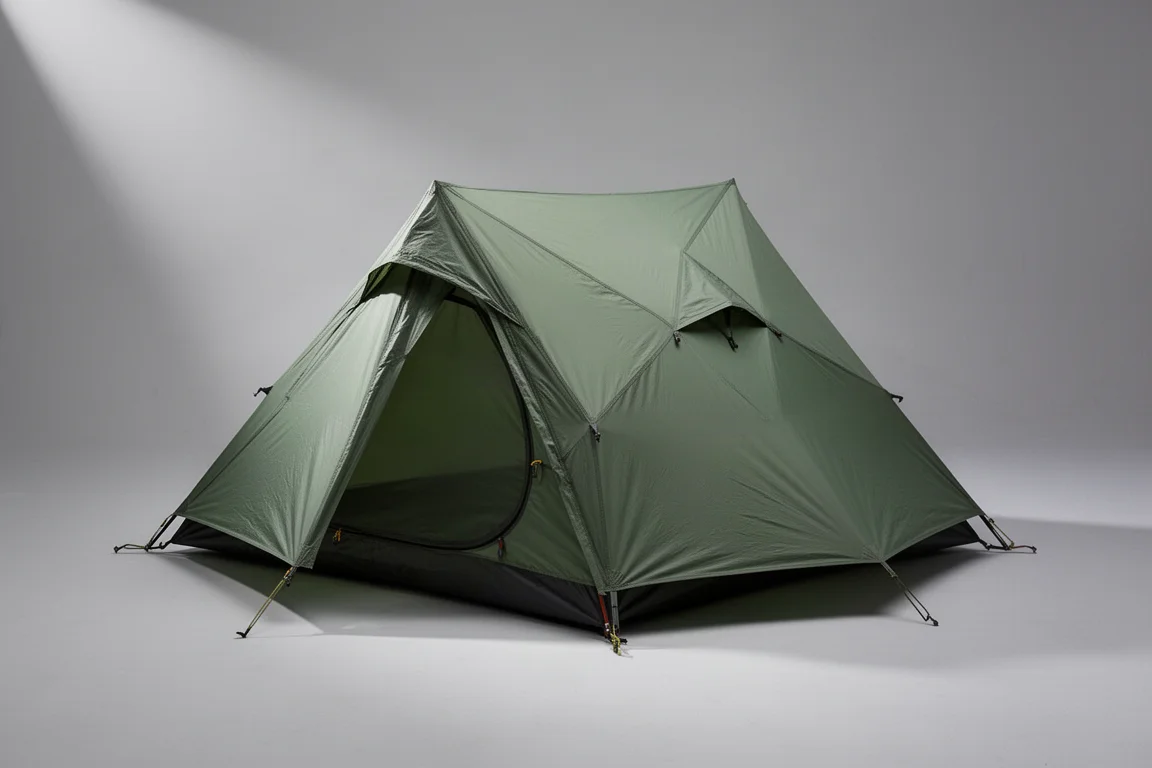
Terra Nova Helm 2
The Helm 2 takes the same approach and scales it up for two people. You gain interior space, a more comfortable place to sit out long evenings, and the ability to keep a pack inside rather than leaving it in the vestibule.
That extra volume comes with a larger footprint and a slightly heavier carry, and the bigger panels give up some of the wind-shedding composure of the solo version. For two occupants, though, the additional room is usually worth it.
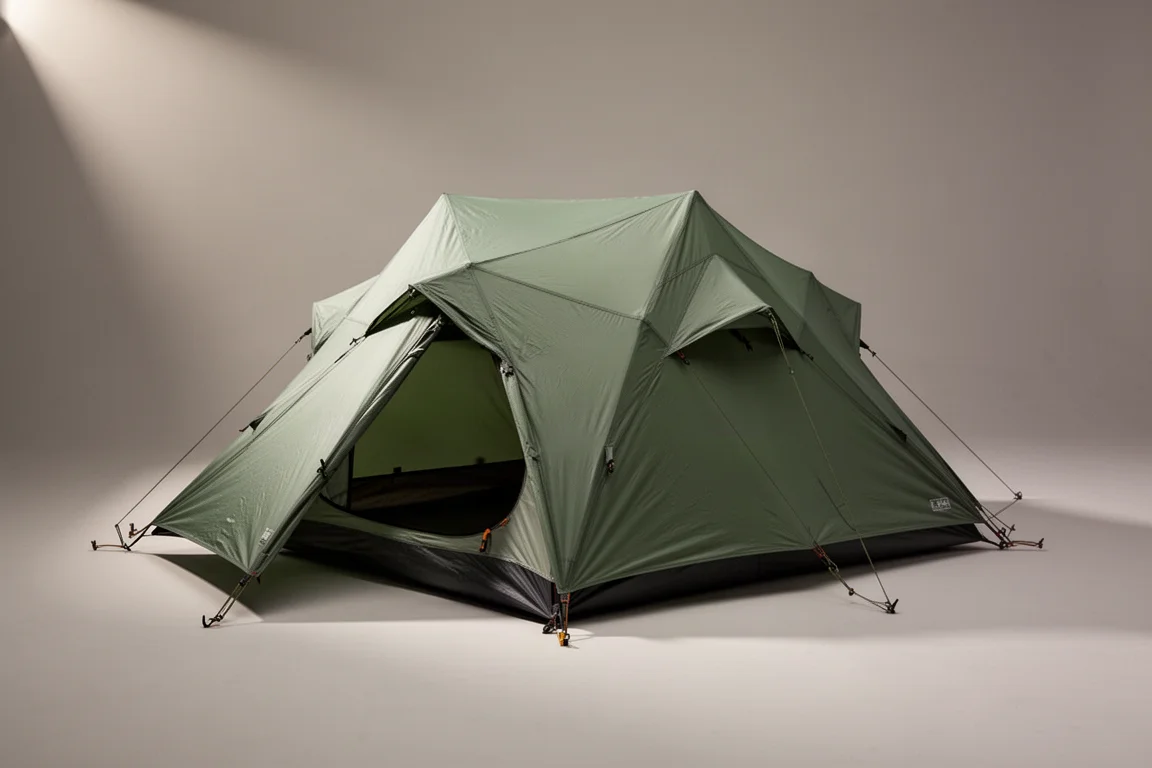
Terra Nova Southern Cross 1
The Southern Cross 1 is a compact solo tent built around a very small footprint. That is its defining strength: when you do not know what the ground will look like, a shelter this size gives you a much better chance of finding somewhere to pitch it.
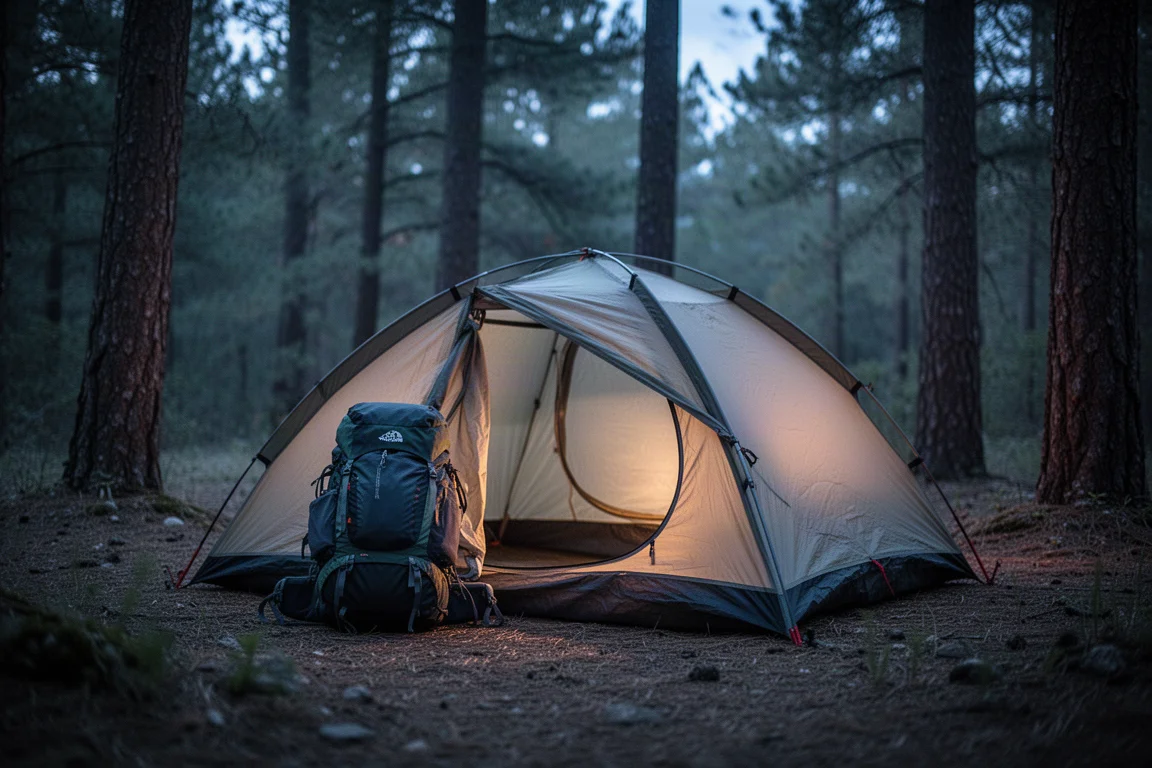
For backpackers who like to keep moving and settle wherever the day ends, that flexibility is worth more than a few extra centimetres of interior space.
Wild Country Panacea 1
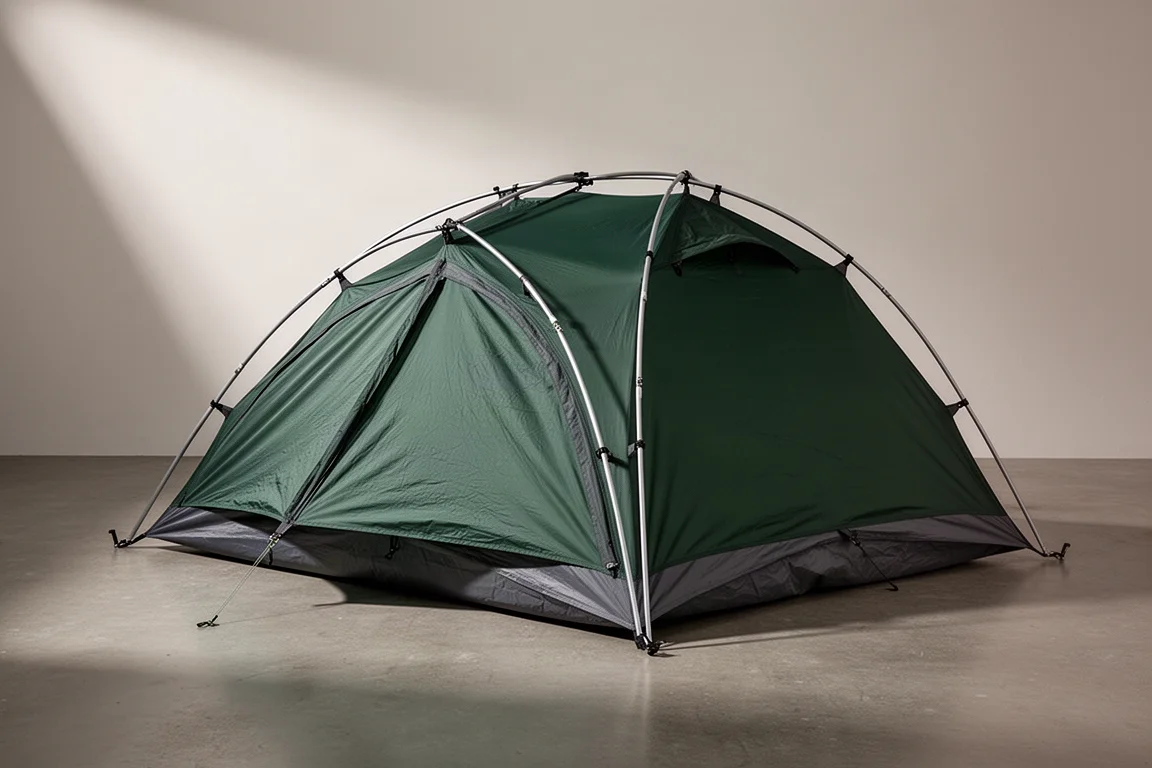
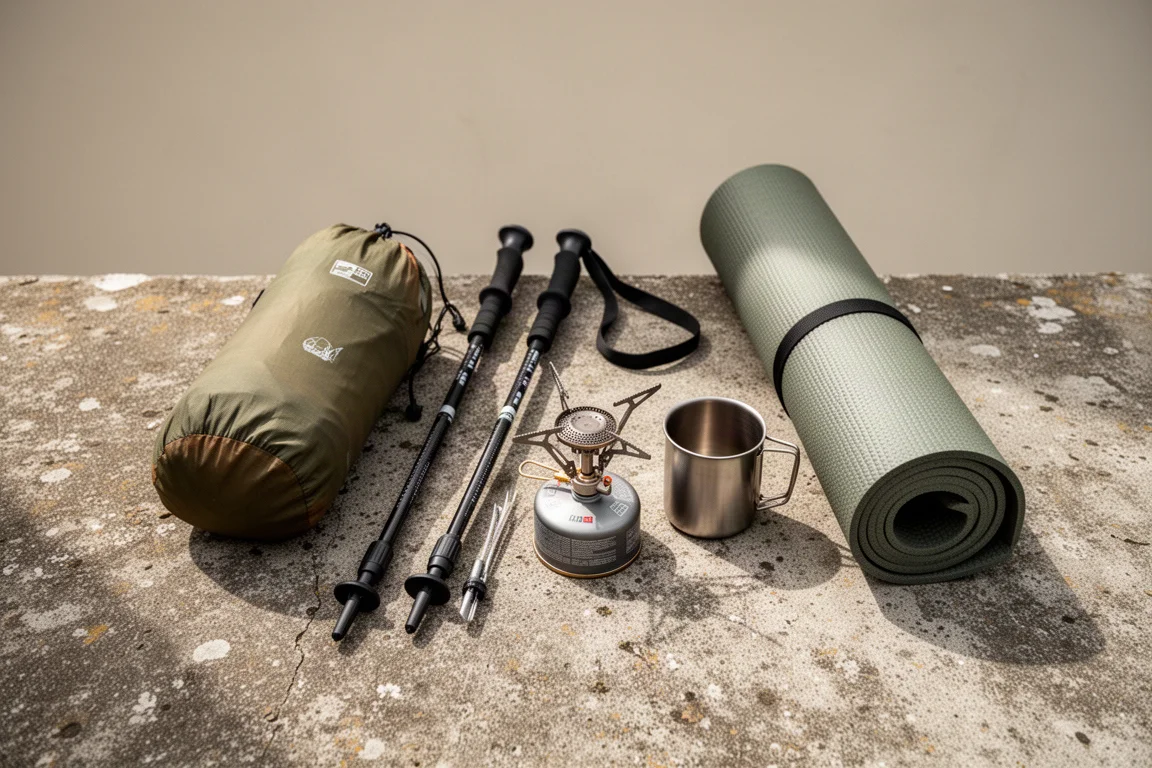
The Panacea 1 is a lightweight solo tent with a useful trick: trekking poles can be added to stiffen the structure and add stability when the wind picks up. It is an option that costs nothing extra in weight if you already carry poles.
For solo trips where conditions can change quickly, that ability to reinforce the shelter is a genuinely practical feature rather than a gimmick.
Wild Country Panacea 2
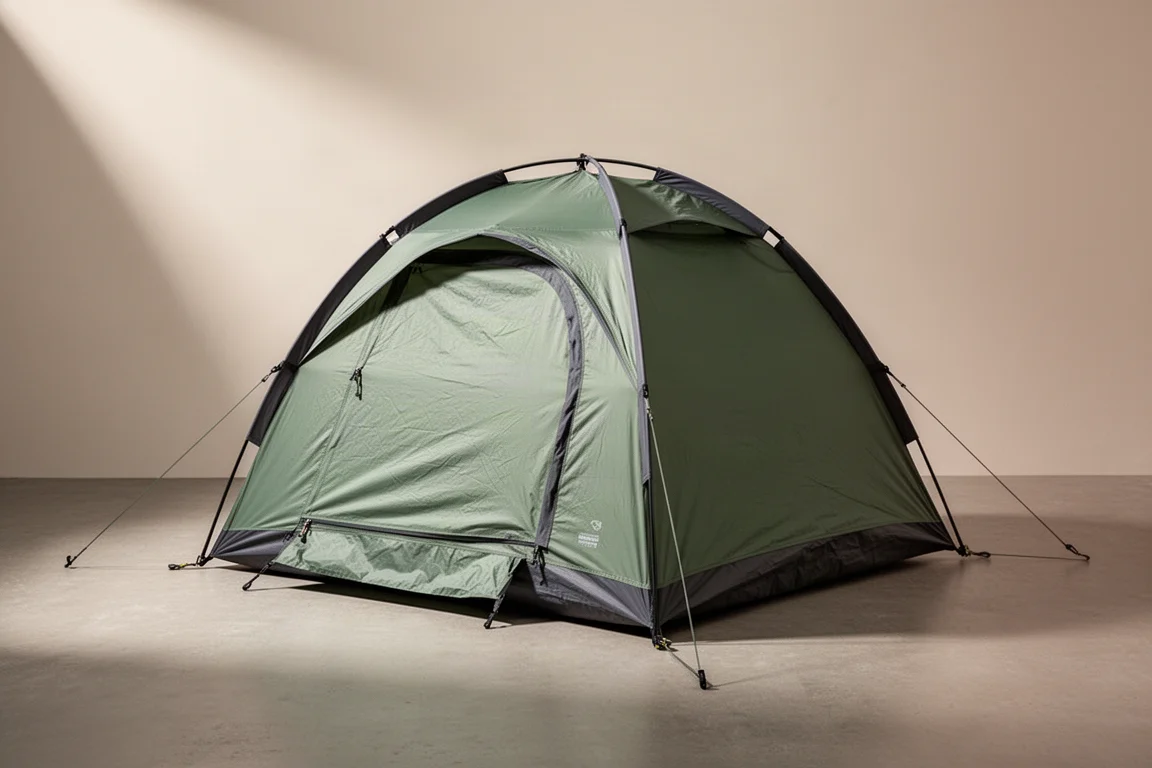
The Panacea 2 is the two-person counterpart, following the same design philosophy with more room inside. If you sometimes camp with a partner or simply want space to spread out, it covers both cases without moving into three-person territory.
Hilleberg Nallo 3
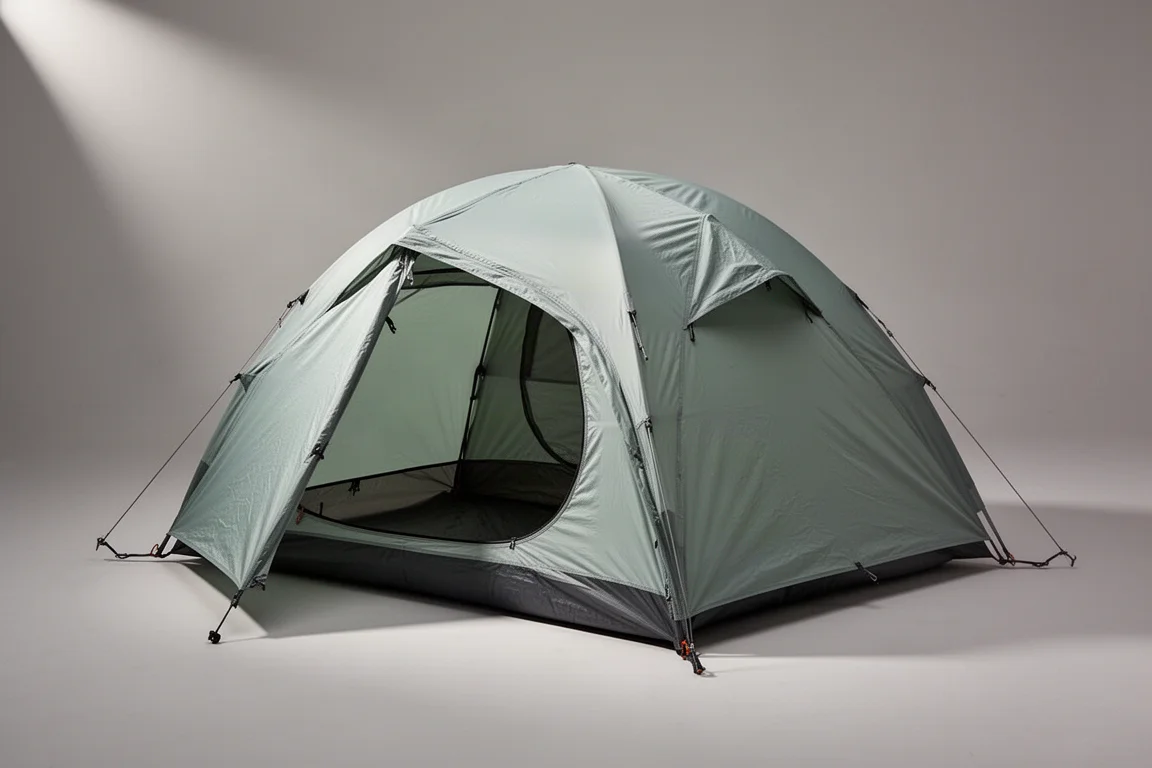
The Nallo 3 is a three-person tent that makes a case for going bigger than you strictly need. It is only around 200 grams heavier than the smaller version, yet it adds a substantial amount of interior space, which is a persuasive trade for anyone who values room.
The catch is the footprint. A tent this size needs a larger, flatter pitch, which rules out the tight, awkward spots that a solo shelter handles with ease.
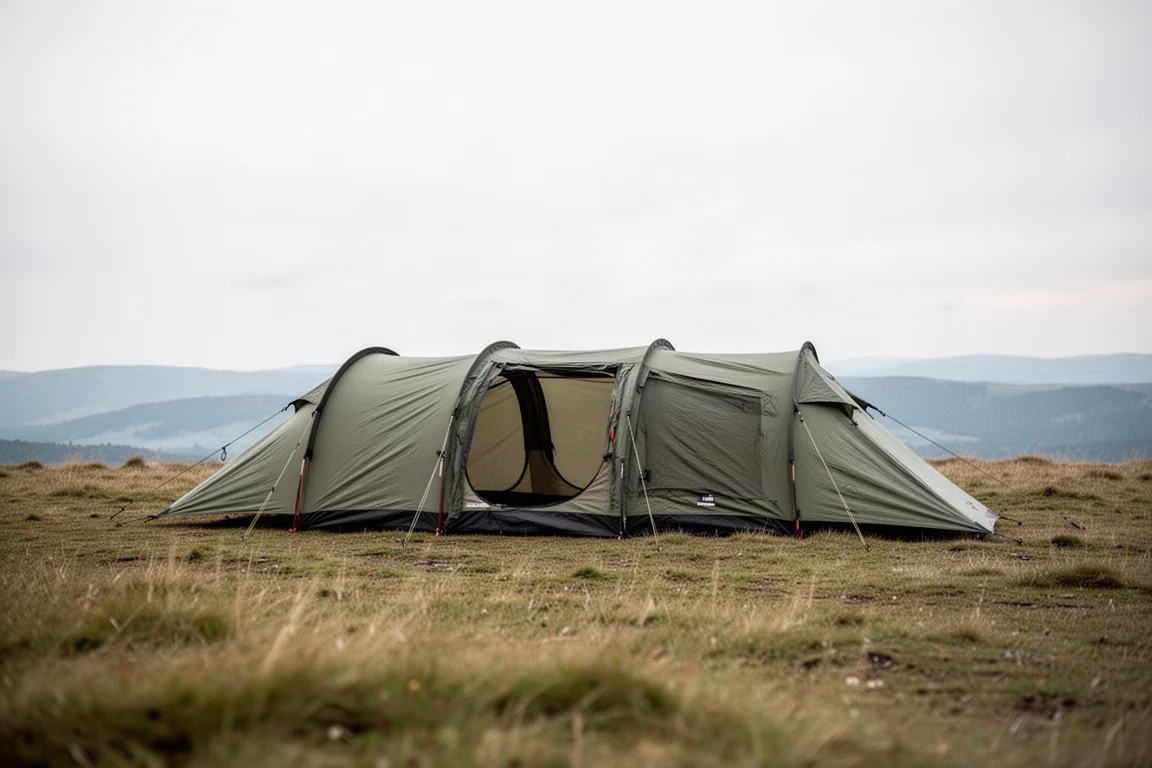
If your camping is mostly on established pitches and open ground, that limitation rarely matters. If you camp in rocky or wooded terrain, it can decide the trip.
Hilleberg Gunne
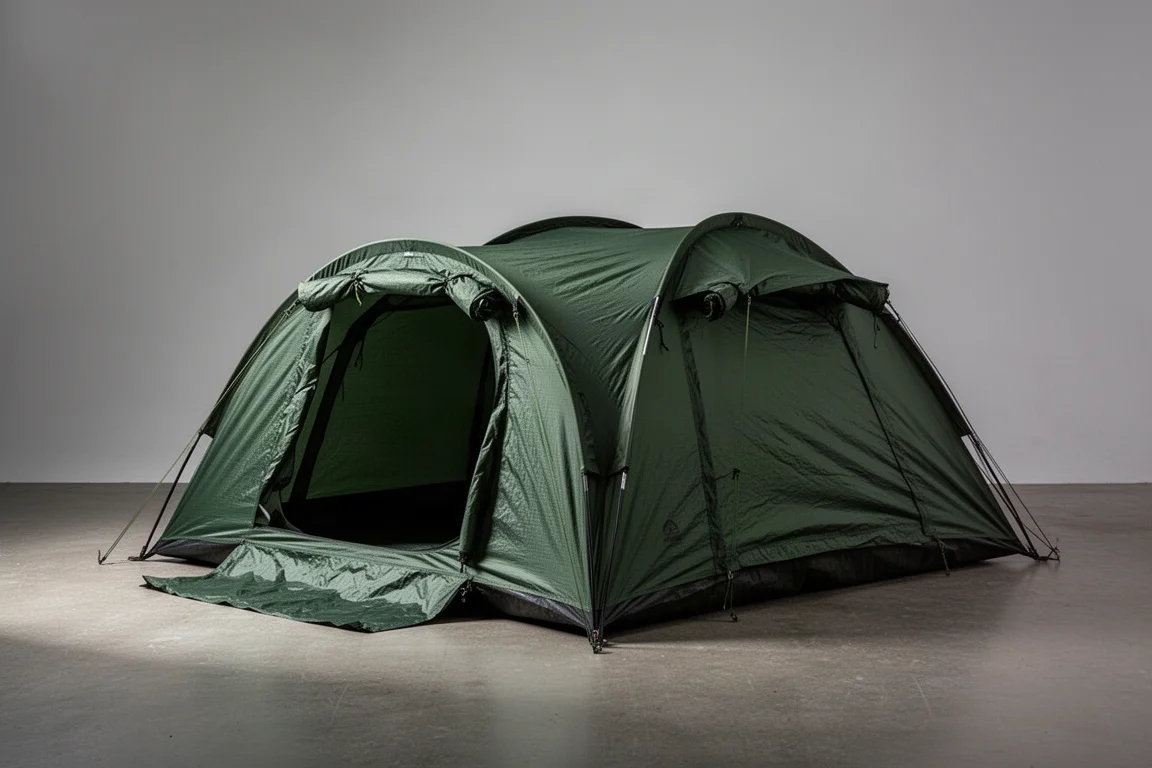
The Gunne sits between categories. With roughly a metre of width, it behaves like a one-and-a-half person tent: still compact to carry, but wide enough to bring all your gear inside and to spread out a little. For winter trips where you may be held up inside for long hours, that extra width is a real comfort.
It is a good answer for solo campers who find a true one-person tent too tight but do not want the footprint or the weight of a full two-person model.
Buying Advice
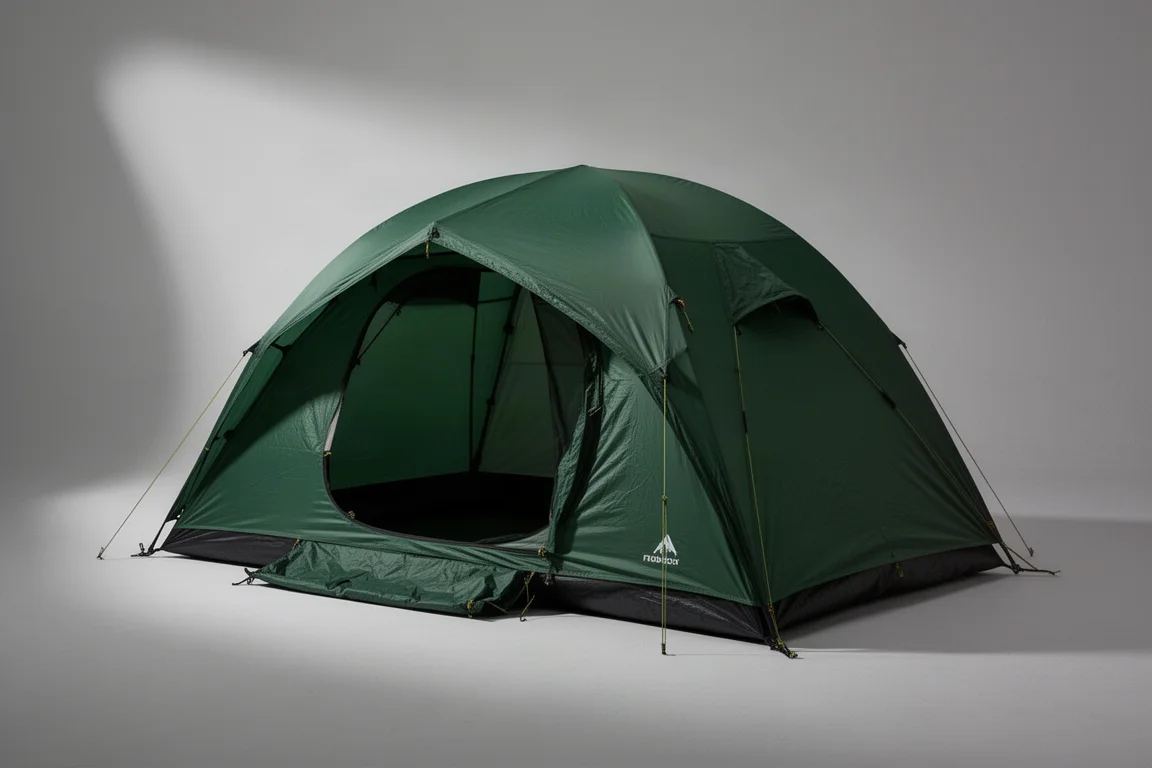
Start with where you pitch rather than how much space you want. If your trips involve tight, uneven, or exposed ground, a one-person tent will get you out of trouble far more often, and its smaller panels will handle wind better.
If your camping is mostly on open, established pitches and you value comfort, moving up a size makes sense. The weight penalty is often smaller than expected, especially when comparing a one-person tent with the two-person version of the same model.
Think about the season too. For cold-weather camping with long hours inside, extra interior volume is welcome, but a smaller tent is easier to keep warm. Ventilation matters more than size when it comes to condensation, so favour a design that manages airflow well.
Finally, be honest about how much room you actually need. A slightly wider solo shelter can be the sweet spot: enough space to bring gear inside and spread out, without the pitch restrictions of a full two-person tent.
Conclusion
There is no universal winner between one-person and two-person tents. A solo shelter wins on footprint, pack size, weight, wind stability, and warmth, at the cost of interior space and the option to bring a companion. A larger tent wins on comfort and storage, at the cost of where you can pitch it.
Match the tent to the terrain you actually camp in, and either choice will serve you well.
Further reading
Related Reviews
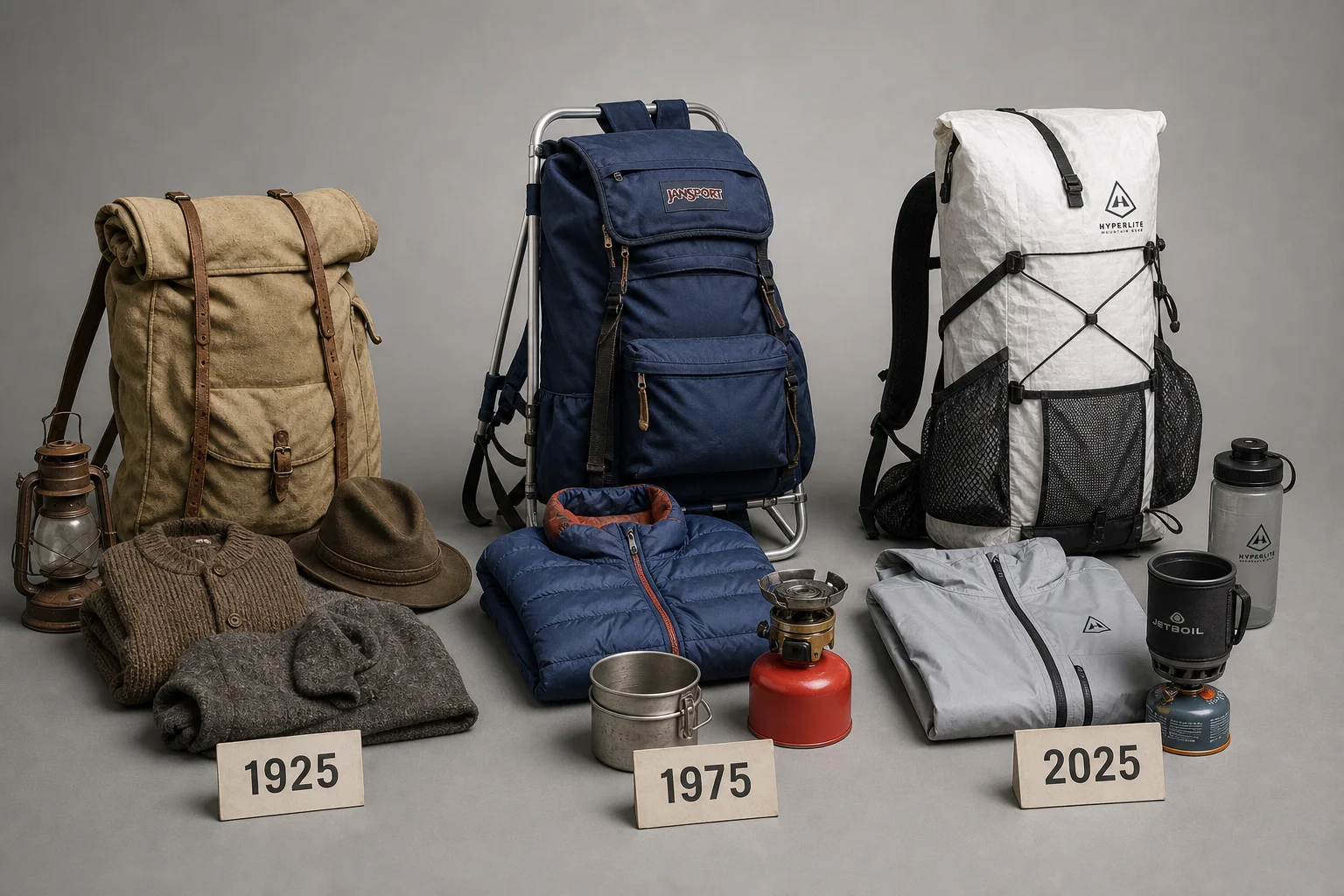
Outdoor Gear
Backpacking Gear Evolution: 100 Years of Technology Compared
We tested backpacking gear from 1925, 1975, and 2025 across a three-day hike in Yosemite. Here's how technology has transformed comfort, weight, and the outdoor experience.
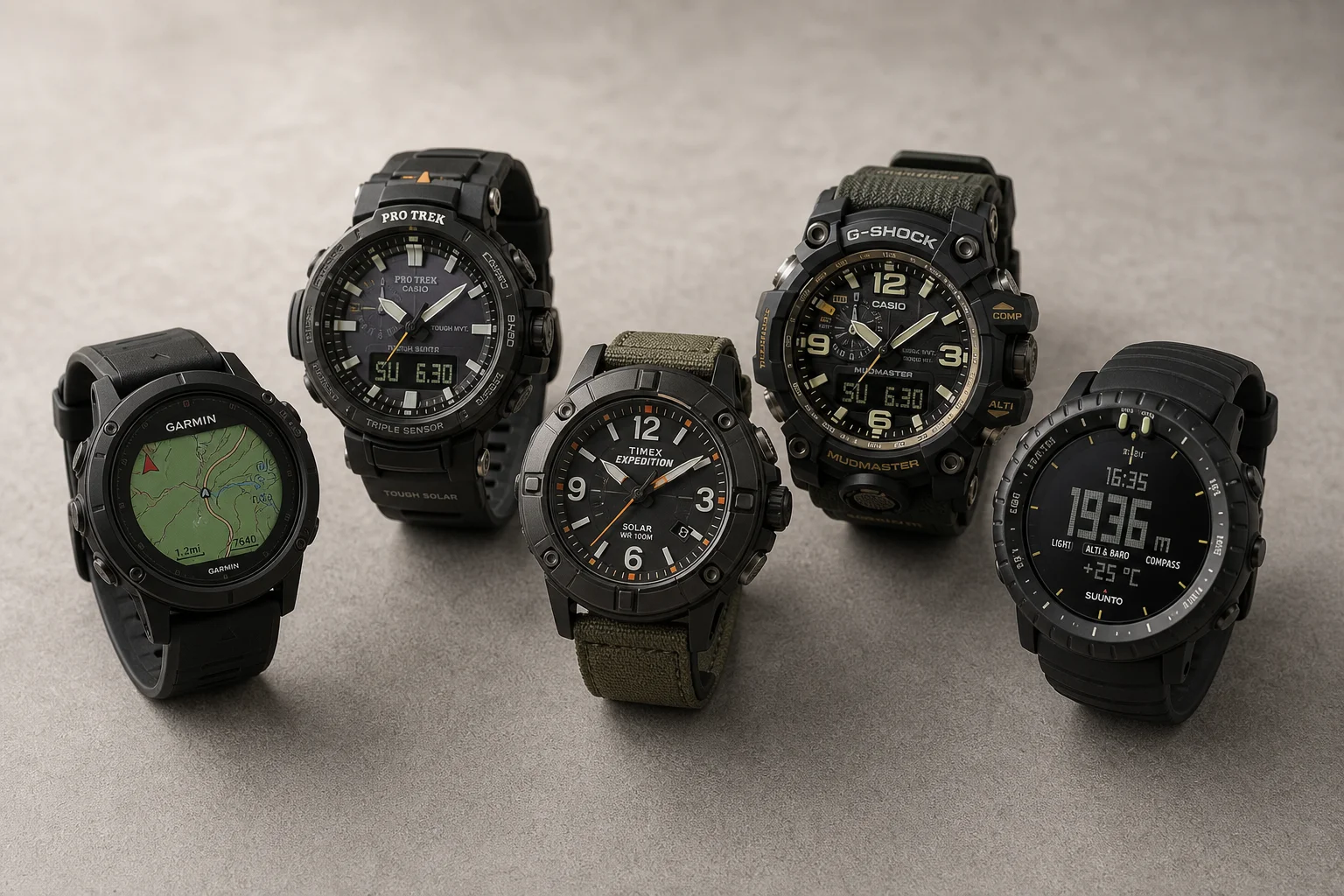
Outdoor Gear
Best Affordable Hiking Watches: Five Rugged Options for Outdoor Adventures
Five durable hiking watches that balance ruggedness, functionality, and value for outdoor enthusiasts who need reliable GPS tracking and weather resistance.
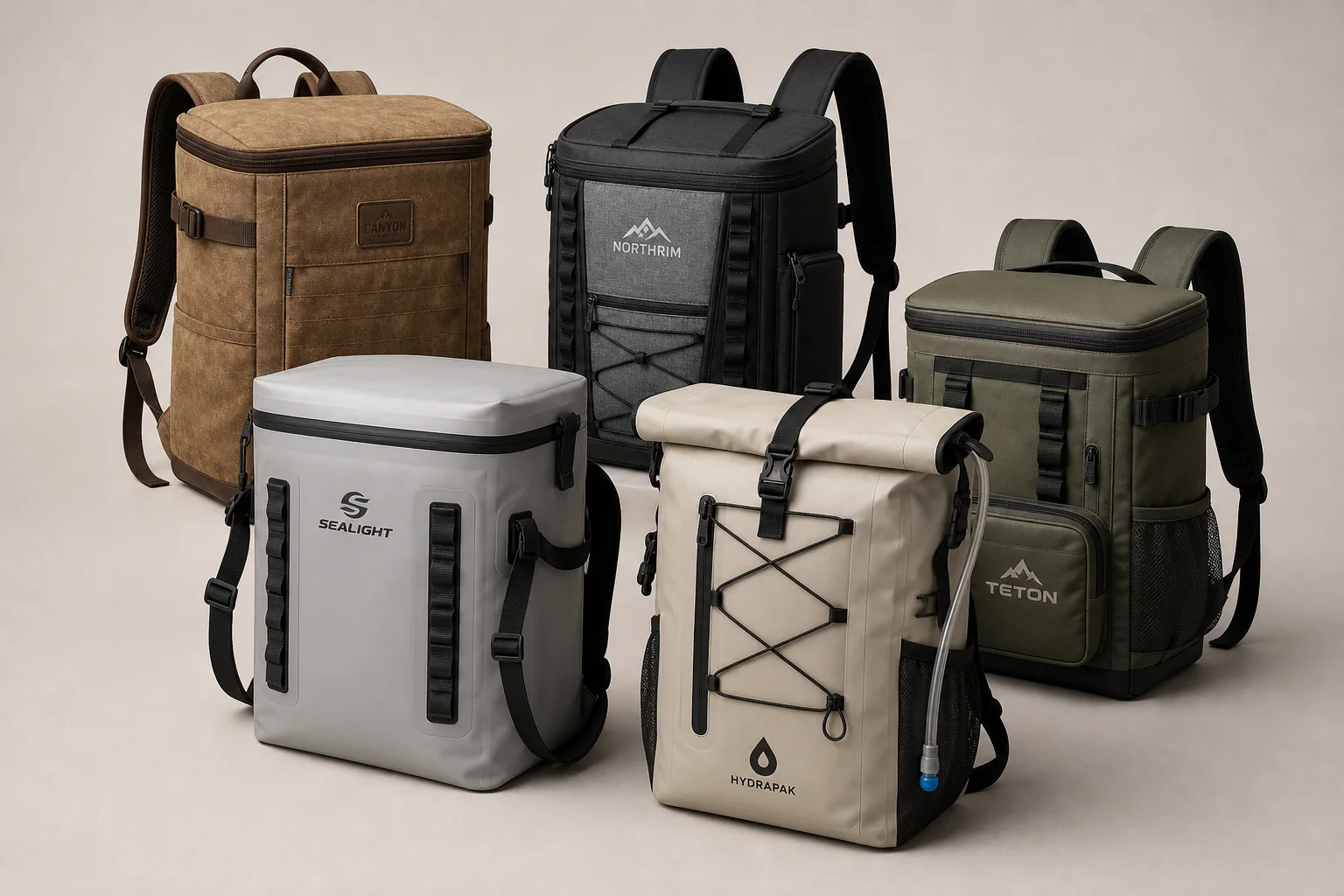
Outdoor Gear
Best Backpack Coolers 2026: Five Practical Options for Outdoor Adventures
Five backpack coolers with distinct cooling capabilities, storage features, and design trade-offs to help you choose the right one for your outdoor needs.