Backpacking Tents
Best Solo Backpacking Tents 2026: Five Category Winners and the Alternatives Worth Knowing
A practical guide to the best solo backpacking tents across five categories, from ultralight Dyneema shelters to budget double-wall designs and a storm-worthy winter tent.
Introduction
Choosing a one-person tent is one of the first real decisions a backpacker makes, and it shapes everything that follows: pack volume, base weight, how quickly camp comes together at the end of a long day, and how comfortable a rainy afternoon inside the shelter feels. A dedicated solo tent is lighter and more compact than a two-person model, and it can be pitched in tighter spots where a larger footprint simply will not fit.
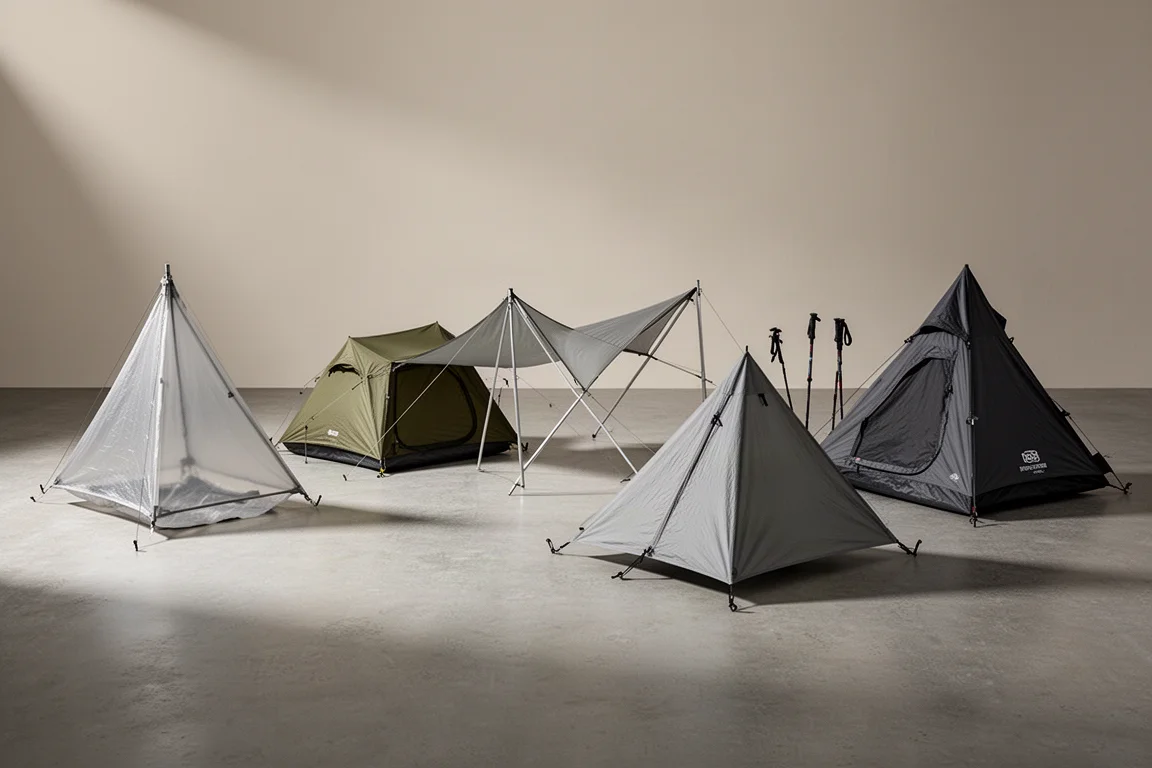
This guide covers five solo shelters, each chosen for a different priority: minimum weight, budget, freestanding convenience, all-around balance, and winter storm performance. A few worthwhile alternatives are included at the end for anyone who wants more interior space or a different balance of price and weight.
How We Evaluated These Solo Tents
Each tent was matched to the job it is best at rather than ranked on a single scale. For the ultralight category, weight came first, but only alongside enough interior space to sit out a storm and a pitch that goes up quickly. The budget pick had to be affordable, simple enough for newer backpackers, and proven over many seasons of real use. Freestanding tents were judged on whether they could be set up without stakes and moved around once pitched. The all-around pick balanced weight, weather performance, cost and interior room. The winter pick had to be genuinely storm-worthy while staying light enough to carry.
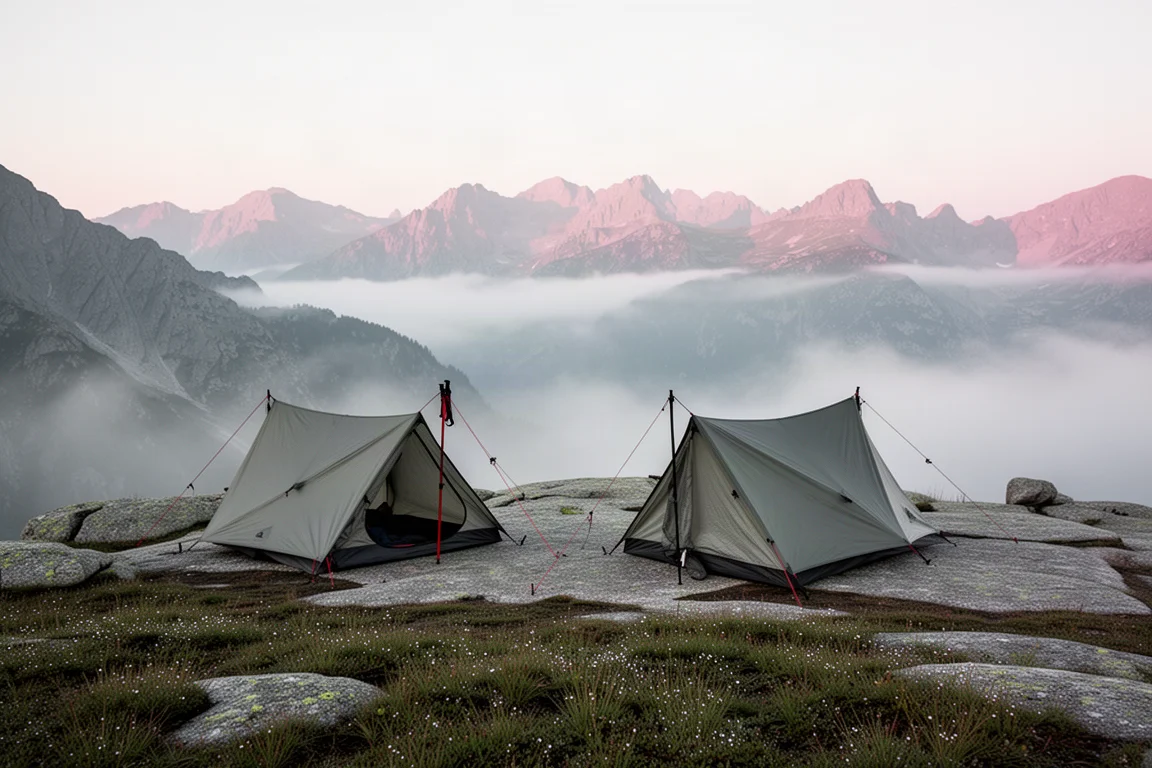
Every category also comes with one honest drawback, noted in each section below, because no solo shelter is perfect. Setup style matters as much as headline weight. Trekking-pole shelters are the quickest for many hikers to pitch and the lightest to carry, while freestanding designs trade a little weight for the ability to stand up on sand, rock or hard-packed ground where stakes are difficult. Fabric choice matters too: polyester-based fly materials do not absorb water or sag when wet, which keeps carried weight down after a rainy night.
Best Ultralight Solo Tent: Zpacks Plex Solo
Low weight is the whole point of this category, and the Plex Solo delivers it without feeling fragile. It is built from Dyneema composite fabric, which keeps packed weight low and, just as importantly, does not absorb water. Condensation on the inside or rain on the outside can be wiped away rather than carried, which matters on multi-day trips where every gram of soaked fabric adds up.
The shelter is also far more storm-worthy than its minimalist shape suggests. Tents in this style hold up well in strong wind and heavy rain, and the pitch is quick: a single trekking pole supports the structure, and setup typically takes under two minutes. Interior space is generous enough for a hiker around six feet tall to sit up, change clothes and move around, and the packed size is small enough to disappear into a fastpacking pack.
The trade-off is space for larger hikers. Anyone over roughly 6 ft 2 in will start to feel cramped inside, and claustrophobic sleepers may prefer a roomier design. For fastpacking trips, long thru-hikes and any itinerary where mile after mile of walking matters more than camp comfort, it is hard to beat.
Best Budget Solo Tent: 3F UL Gear Lanshan 1
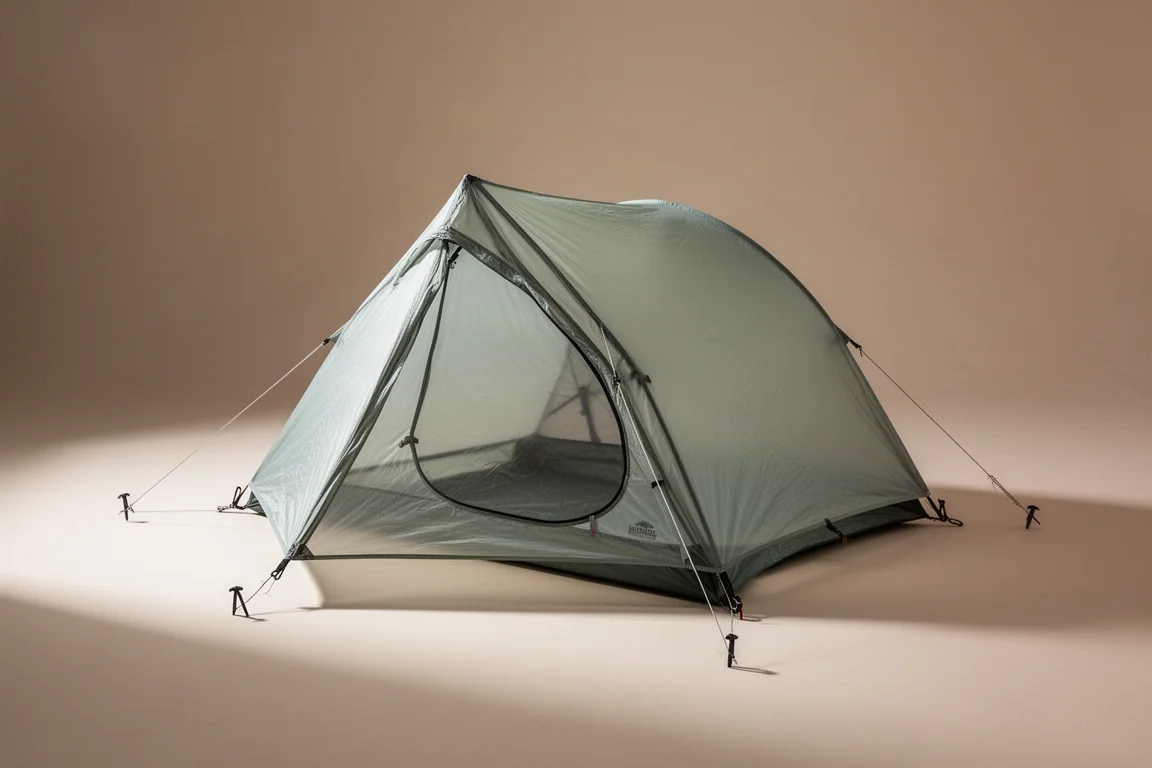
The Lanshan 1 has been around for years and has earned a loyal following for good reason. The non-pro version weighs only about 790 g and typically sells for around $100, so it is one of the least expensive ways to cut serious weight from a pack.
Like other trekking-pole shelters, it uses a single pole up the middle for structural support, which makes it fast and simple to pitch. It is also a double-wall design, so there is a physical barrier between the sleeper and the fly. That separation is a real benefit for anyone who dislikes waking up next to a wet fly, though single-wall fans will point out that a fly you can wipe down never gets heavy with condensation.
The packed size is reasonable: it ships in a 10-liter stuff sack but compresses much smaller with a little effort. It is a strong choice for backpackers who only get out on solo trips occasionally and want to save weight without spending much.
Best Freestanding Solo Tent: Marmot Tungsten UL 1P
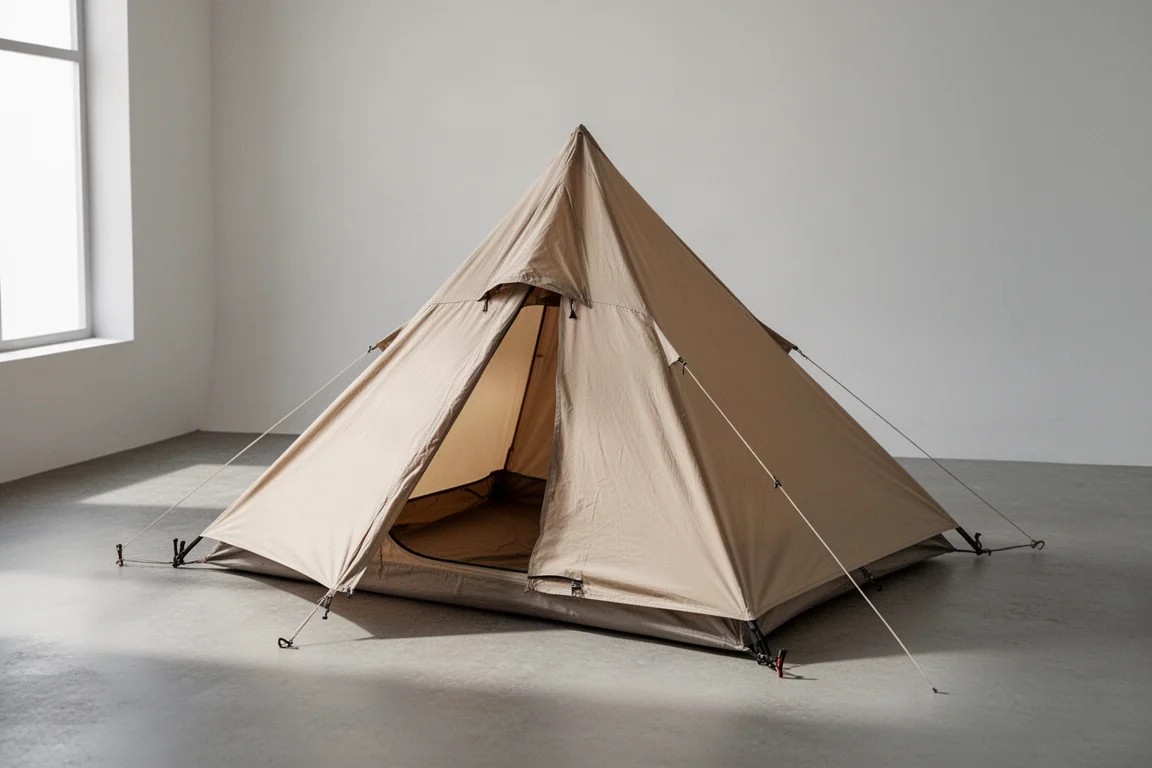
Freestanding shelters earn their place when the ground will not cooperate. Sand, loose rock and hard-packed sites make ten stakes a chore, and a freestanding tent can be pitched, picked up and repositioned without redoing the whole thing. One-person freestanding models also tend to have a smaller footprint than trekking-pole shelters, which helps in tight campsites.
The Tungsten UL 1P uses a sil-poly fly that absorbs less water than sil-nylon and does not sag when wet. It weighs under a kilogram, which is impressive for a freestanding design, and hikers between roughly 6 ft 1 in and 6 ft 3 in fit inside without trouble. Ventilation is handled well through a vent in the fly and extensive mesh in the inner body.
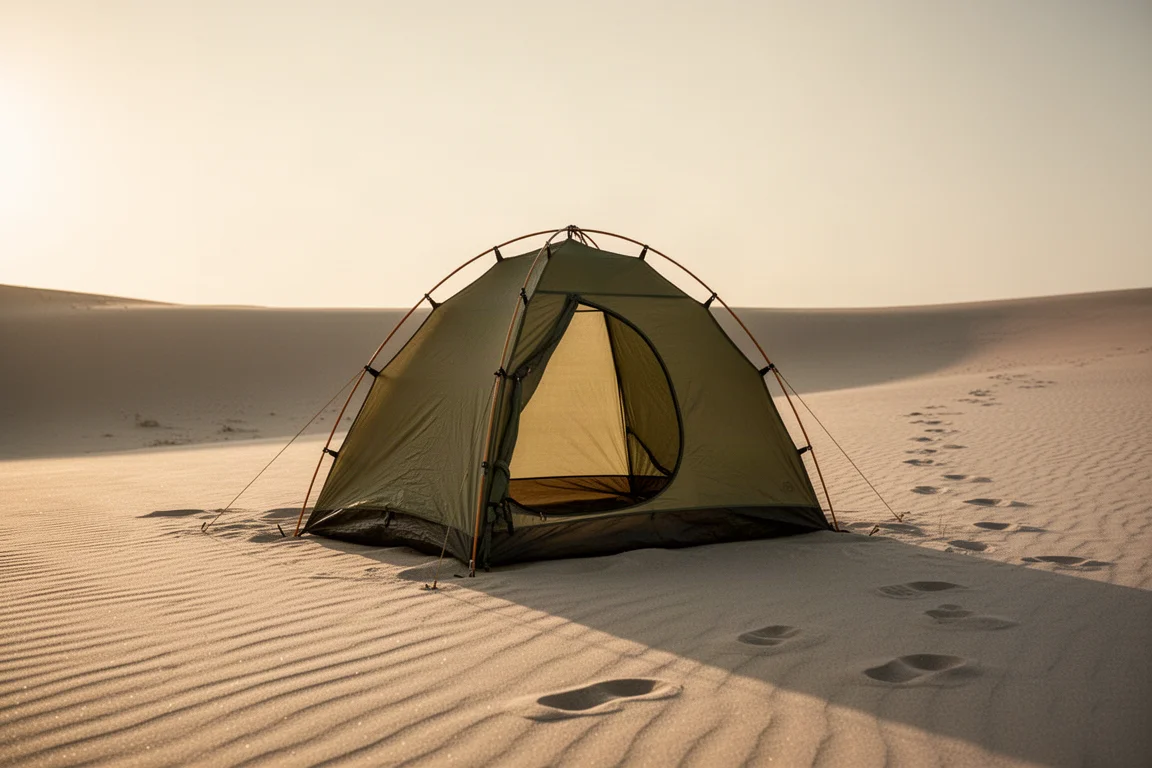
The main drawback is the pitch sequence: the inner tent must go up first, with the fly added on top, so in rain the inner gets wet before it is protected. A fly-first or all-in-one pitch would be a welcome future update.
It could have gone either way between this tent and the Nemo Dragonfly 1P, and the decision came down to price.
Best All-Around Solo Tent: Six Moon Designs Lunar Solo
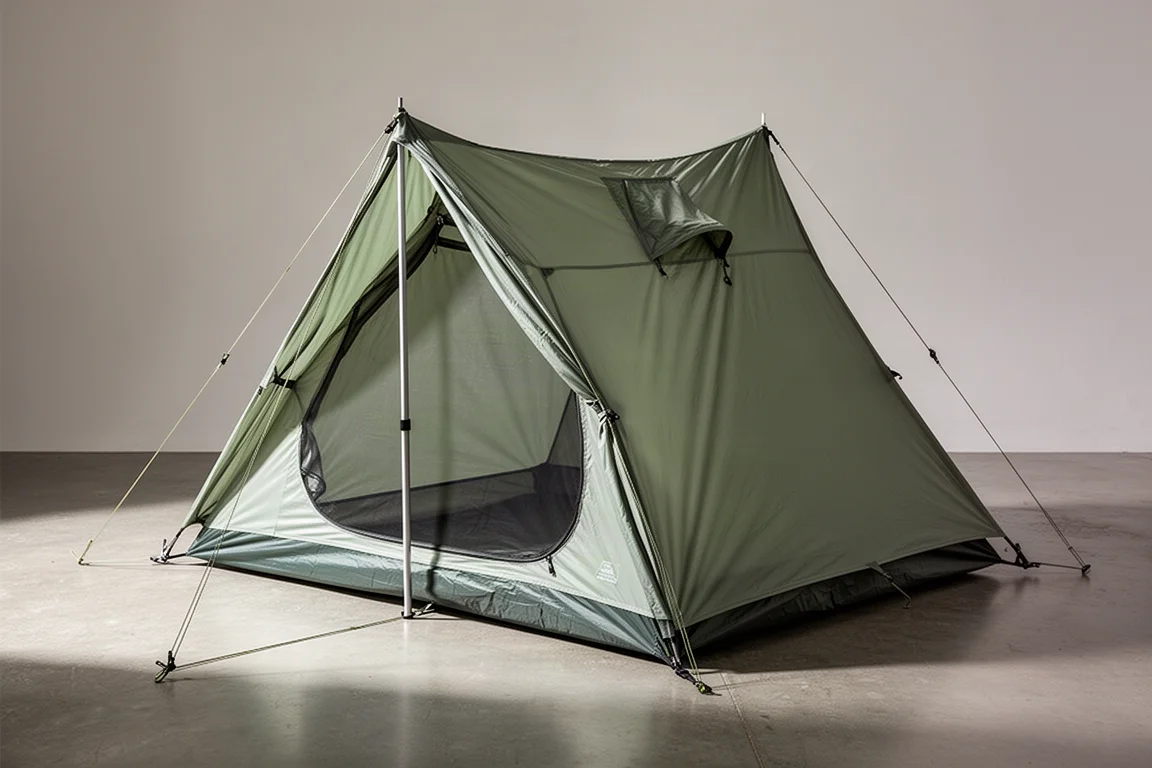
Some tents do not win on a single metric; they win because nothing about them is a problem. The Lunar Solo balances weight, weather performance, cost and interior space well enough to suit almost any solo trip. It weighs about 740 g and costs $260, and the floor is unusually wide, so a broad sleeping pad still leaves room beside you for gear or a small pet.
The fly is made from sil-poly, which brings the usual benefits: less water absorption and no sagging when wet. The door is a genuinely clever detail, sliding higher or lower along its guideline to tune ventilation or open up a view for sunrise and sunset.
The one catch is seam sealing, which has to be done by hand before the tent is fully weather-ready. That is a small, one-time job for a shelter that works as well on a weekend overnight as it does on a long-distance route.
Alternatives Worth Considering
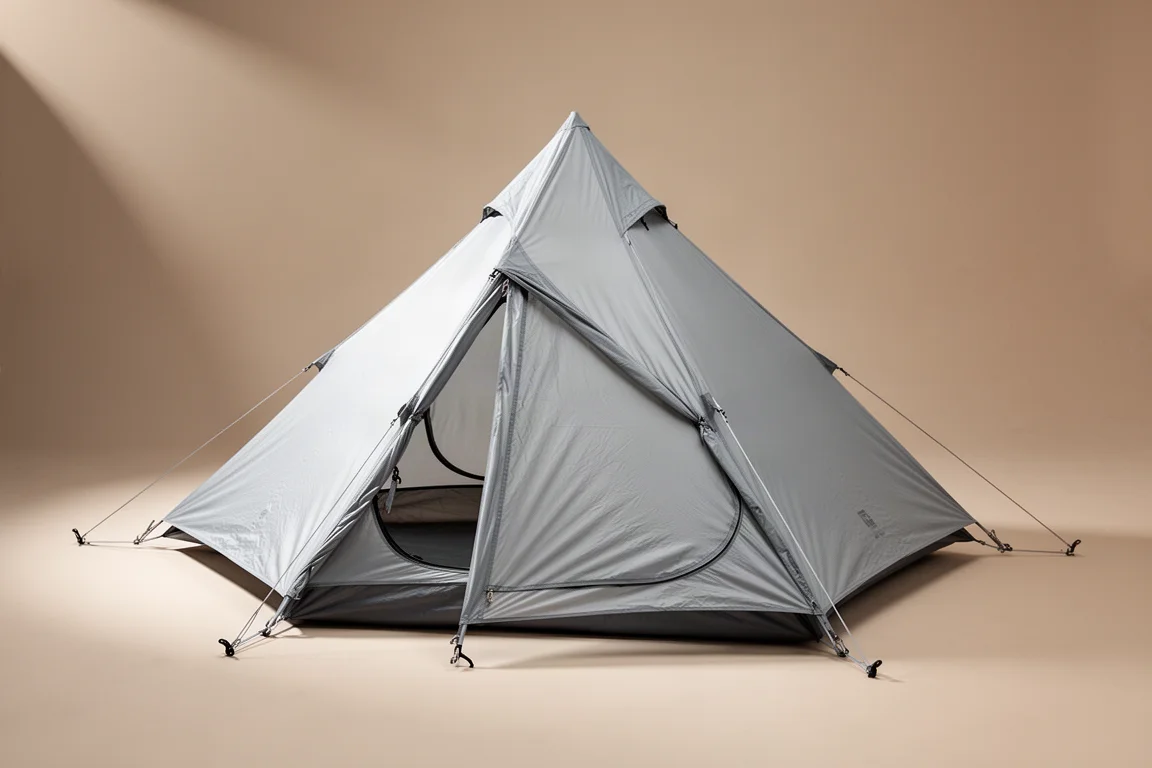
Not every hiker wants the same trade-off, and each category above has a strong runner-up. The options below cover more interior space, a lighter freestanding pitch, and a heavier but affordable alternative.
These are worth a look if the category winners are close to what you want but not quite right in one specific way.
Durston X-Mid Pro 2: More Space at Ultralight Weight
The clearest answer to the Plex Solo’s main weakness, interior room, is to move up to a two-person shelter. The X-Mid Pro 2 is built from Dyneema and stays very light for its size, so it keeps the ultralight advantage while adding a lot more space inside. For long thru-hikes where camp comfort matters over months on trail, a two-person Dyneema shelter of this type is a compelling option.
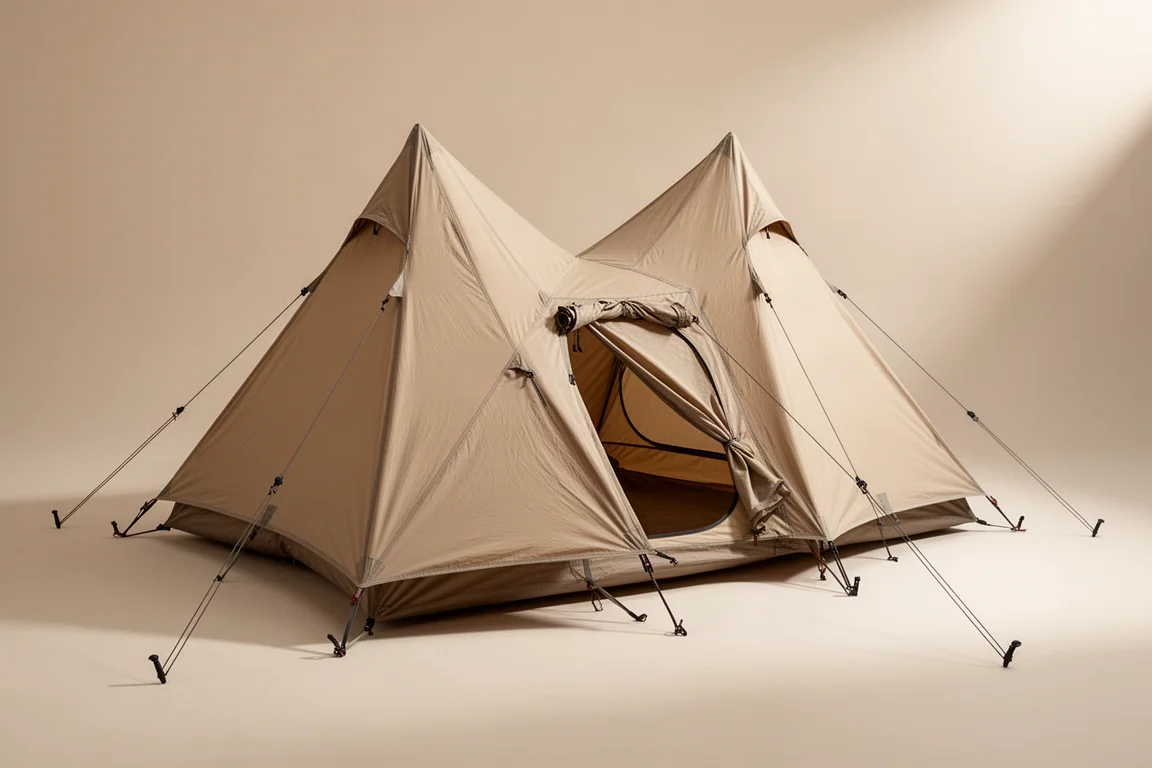
Durston X-Mid 2: The Non-Pro Two-Person Option
The standard X-Mid 2 keeps much of the same spacious layout but uses a double-wall design and costs considerably less than the Pro version, at the price of a little extra weight, around 1,000 g. That double wall gives a physical barrier between sleeper and fly, and the interior is generous enough to work as a solo shelter with room to spare or as a comfortable two-person tent.
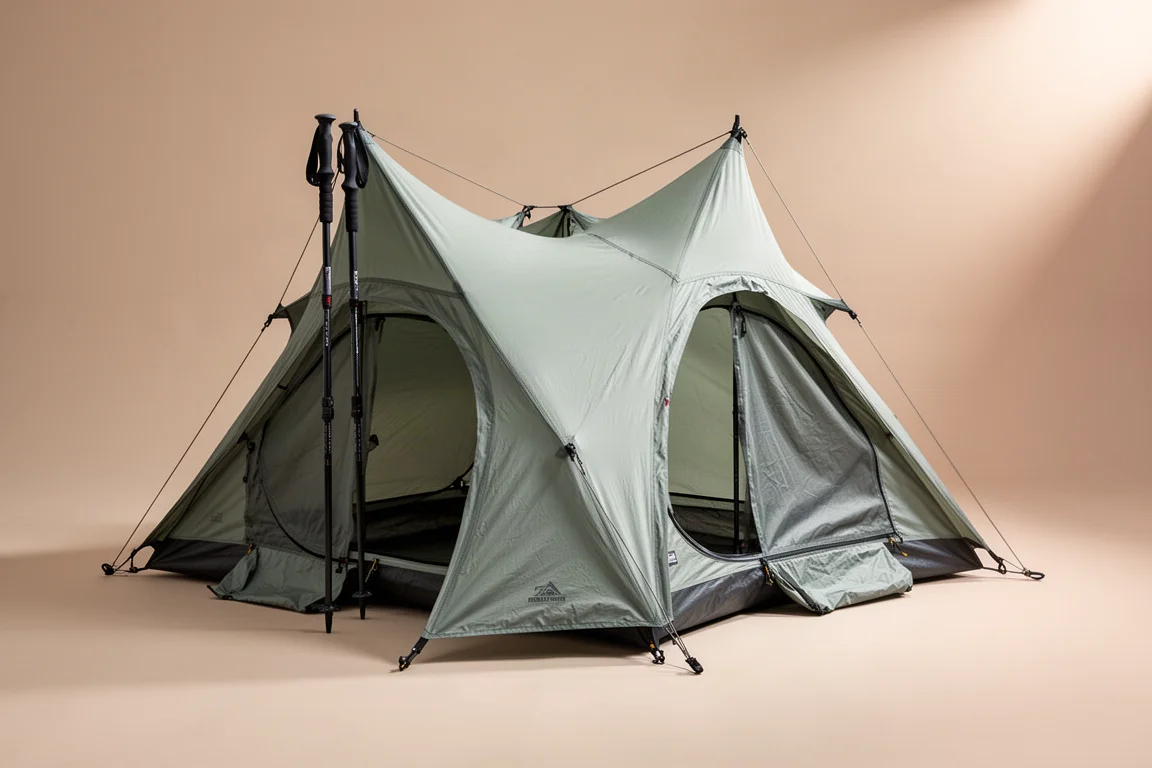
Nemo Dragonfly 1P: A Lighter Freestanding Alternative
The Dragonfly 1P shares most of the Tungsten UL’s strengths while being a little lighter and a little more expensive. Its fly uses a polyester-based fabric with similar water-resistant properties to sil-poly. It also has more stake-out and guy-out points and a profile that should shed wind better, which makes it the more weather-capable of the two freestanding options.
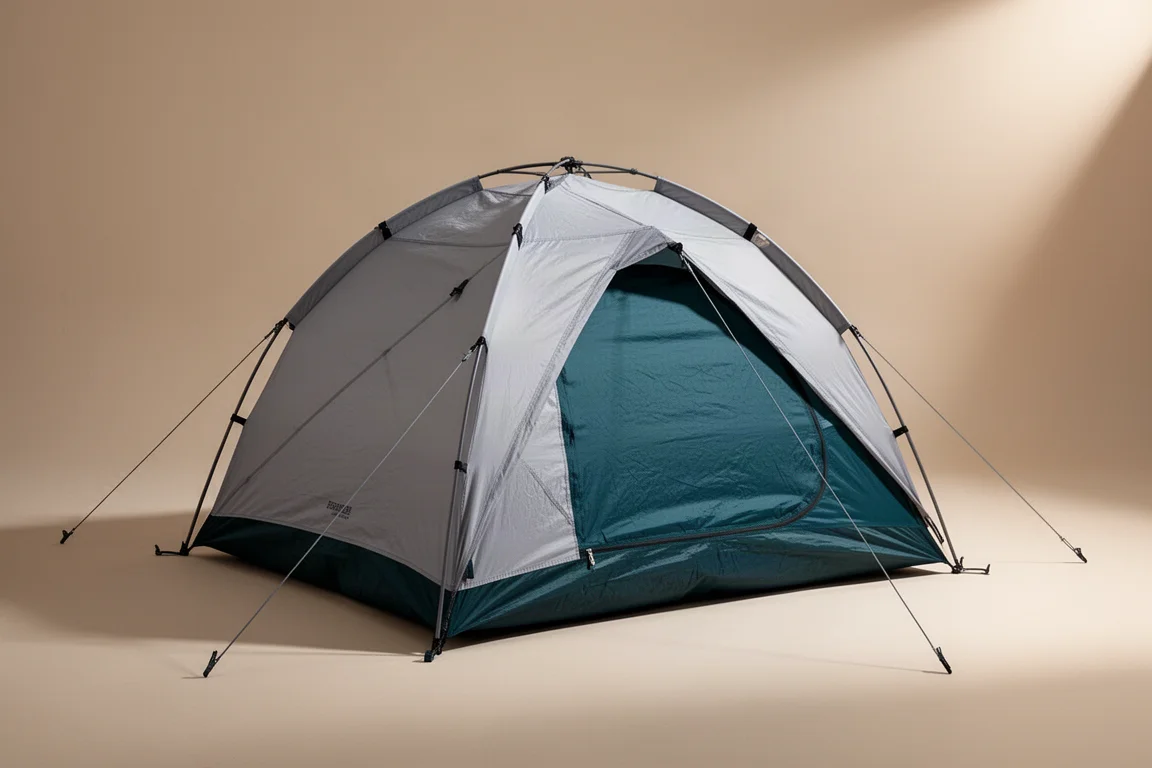
Naturehike Cloud Up: A Heavier Budget Option
Budget alternatives such as the Cloud Up are worth knowing about, though most of them weigh more than the Lanshan 1. If weight is the priority, spending a little more moves you toward something like the Lunar Solo instead.
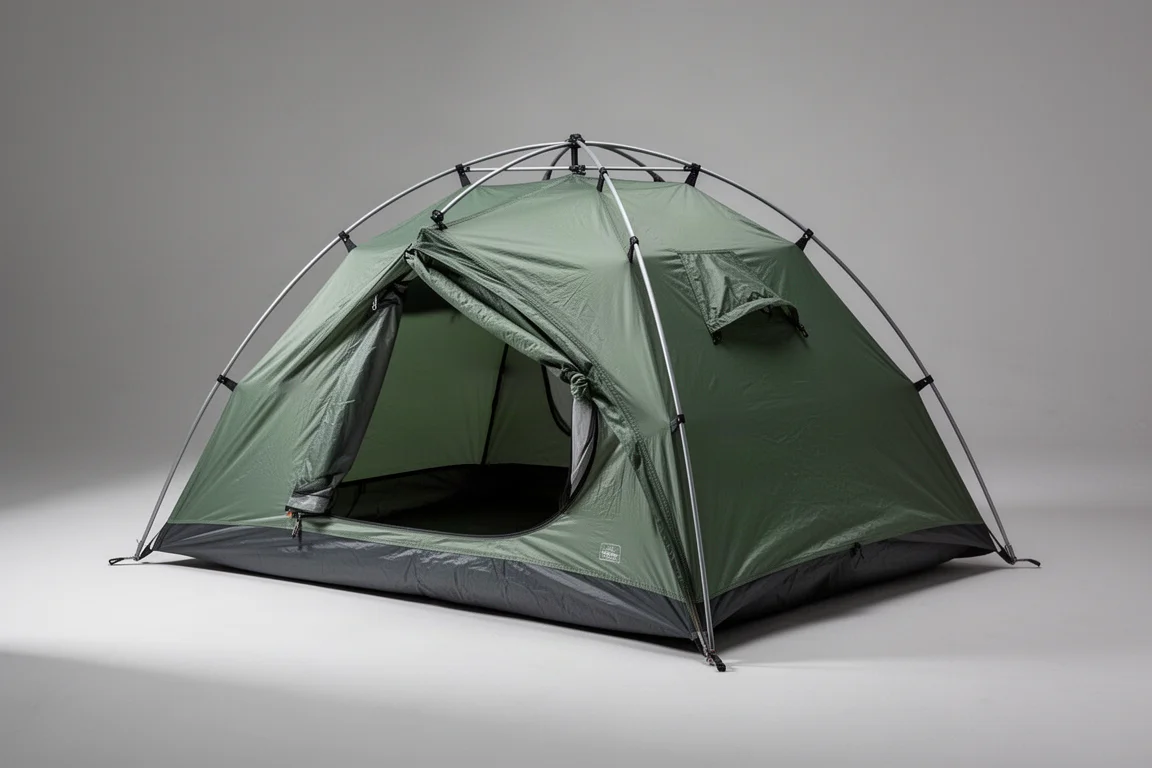
Best Winter Solo Tent: Samaya 2.0
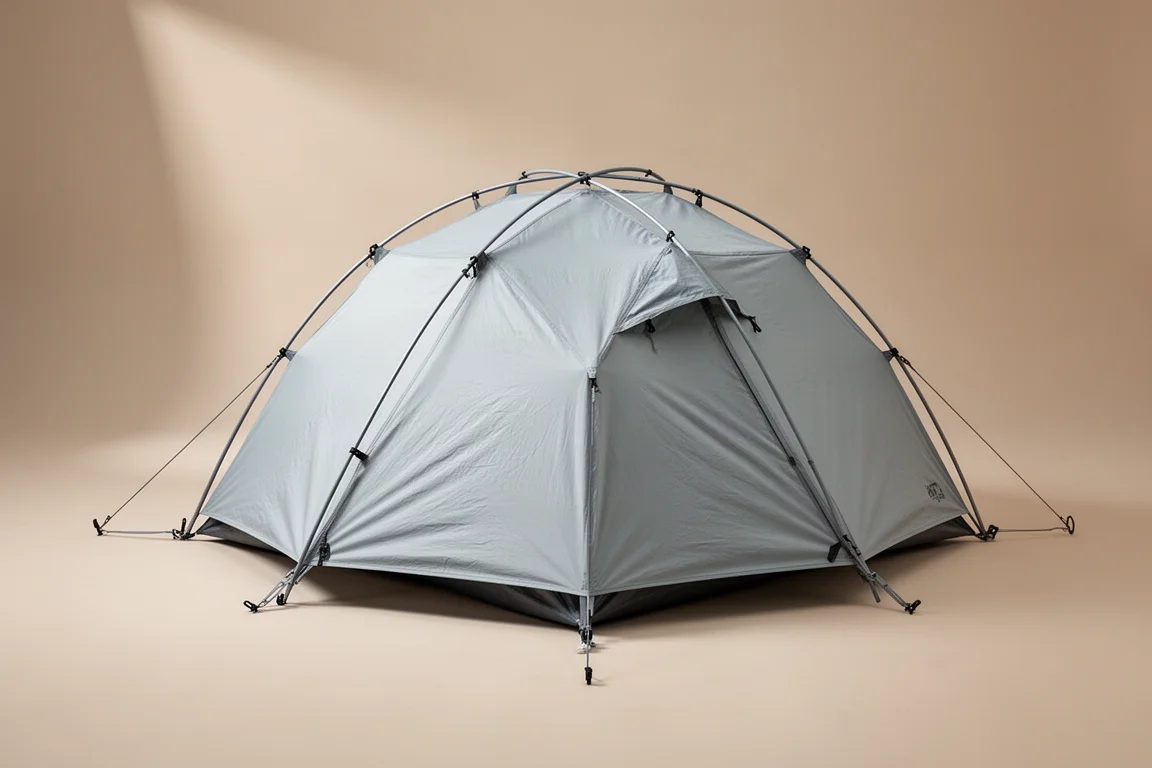
Winter camping puts different demands on a shelter. It has to handle serious weather, offer enough room to sit out a storm for hours, and still be light enough to carry on snow. Finding one tent that does all three is difficult, which is what makes the Samaya 2.0 stand out. It is built from Dyneema and is exceptionally storm-worthy for its weight, at just over 1,300 g.
Being freestanding is a real advantage on winter trips. On granular, sugary snow, a freestanding shelter can be pitched immediately instead of waiting an hour or two for the surface to firm up, which makes camp faster to establish at the end of a short, cold day.
Interior space is generous for one person. It is advertised as a two-person tent, but two occupants would need to be very comfortable with each other. The obvious downside is price: at $1,100 it is by far the most expensive option here, and there are not many alternatives that combine ultralight weight, generous space and this level of storm performance.
Buying Advice
Start with the terrain and conditions you actually camp in, then let weight and price follow. If you hike long days on established trails and count every gram, a trekking-pole Dyneema shelter is the lightest and quickest route, provided you are comfortable in a compact interior. If you camp on sand, rock or hard ground, or you simply prefer a shelter that stands on its own, a freestanding tent is worth the small weight penalty.
Budget matters too, and the gap between the least and most expensive options here is wide. A roughly $100 double-wall trekking-pole tent covers most occasional solo trips, while a mid-priced sil-poly shelter adds room and better wet-weather behaviour. The premium end buys the lowest weights, the most storm-worthy construction and the most interior space.
Whichever way you go, check two things before buying: the interior length against your height, and whether the tent needs seam sealing or an inner-first pitch. Both affect how the shelter performs on the first wet night, and both are easy to overlook when you are comparing numbers on a spec sheet.
Conclusion
Five categories, five very different answers, and the right one depends on how you camp. The Zpacks Plex Solo wins on weight for fastpacking and long thru-hikes, the 3F UL Gear Lanshan 1 delivers the same trekking-pole simplicity for around $100, and the Marmot Tungsten UL 1P is the pick when stakes will not go in easily. The Six Moon Designs Lunar Solo is the safest all-round recommendation for mixed trips, and the Samaya 2.0 is the shelter to choose when winter weather is the main concern.
If interior space is the sticking point, the two-person Durston X-Mid options solve it without giving up too much weight, and the Nemo Dragonfly 1P is the stronger freestanding choice in poor weather. Match the tent to the trips you actually take, and any of these will serve you well.
Further reading
Related Reviews
Backpacking Tents
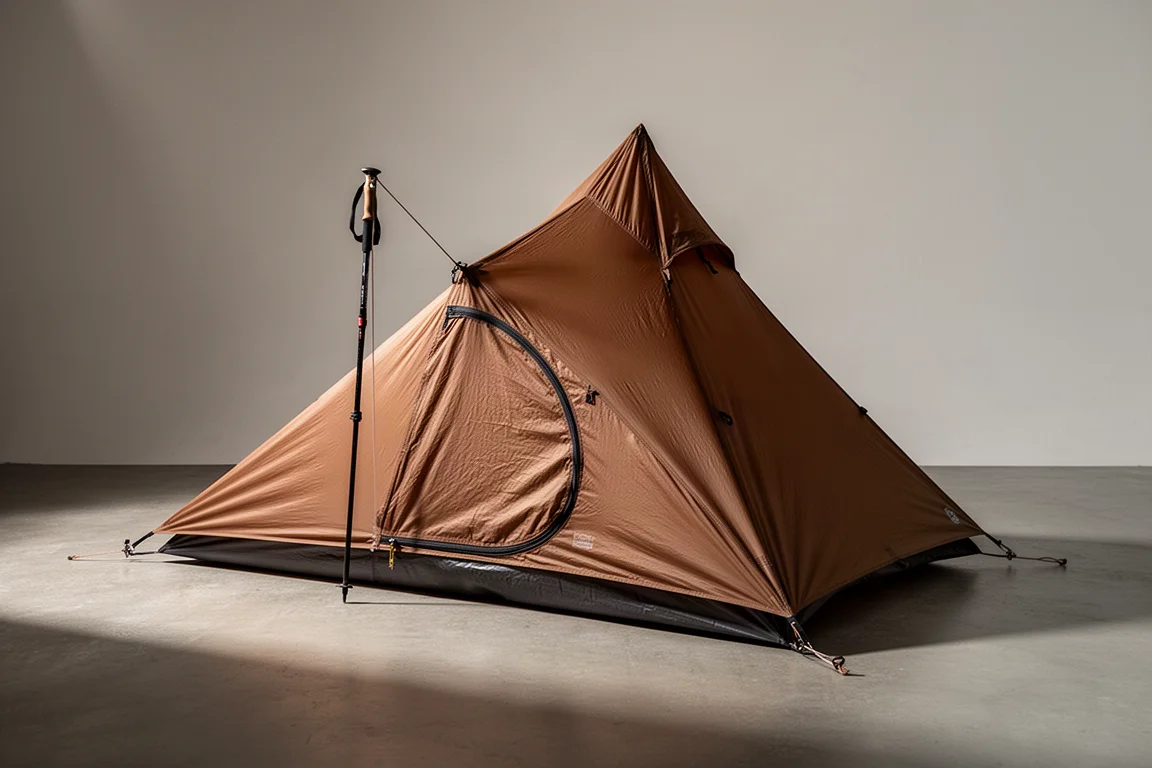
3F UL Lanchan Pro 1 Review: A 1 lb 8 oz Single-Wall Trekking Pole Tent
A practical look at the 3F UL Lanchan Pro 1, a single-wall trekking pole shelter with a 1 lb 8 oz weight, 20D silnylon fabrics, and a roomy 90 x 31 x 49 inch interior.
Backpacking Tents
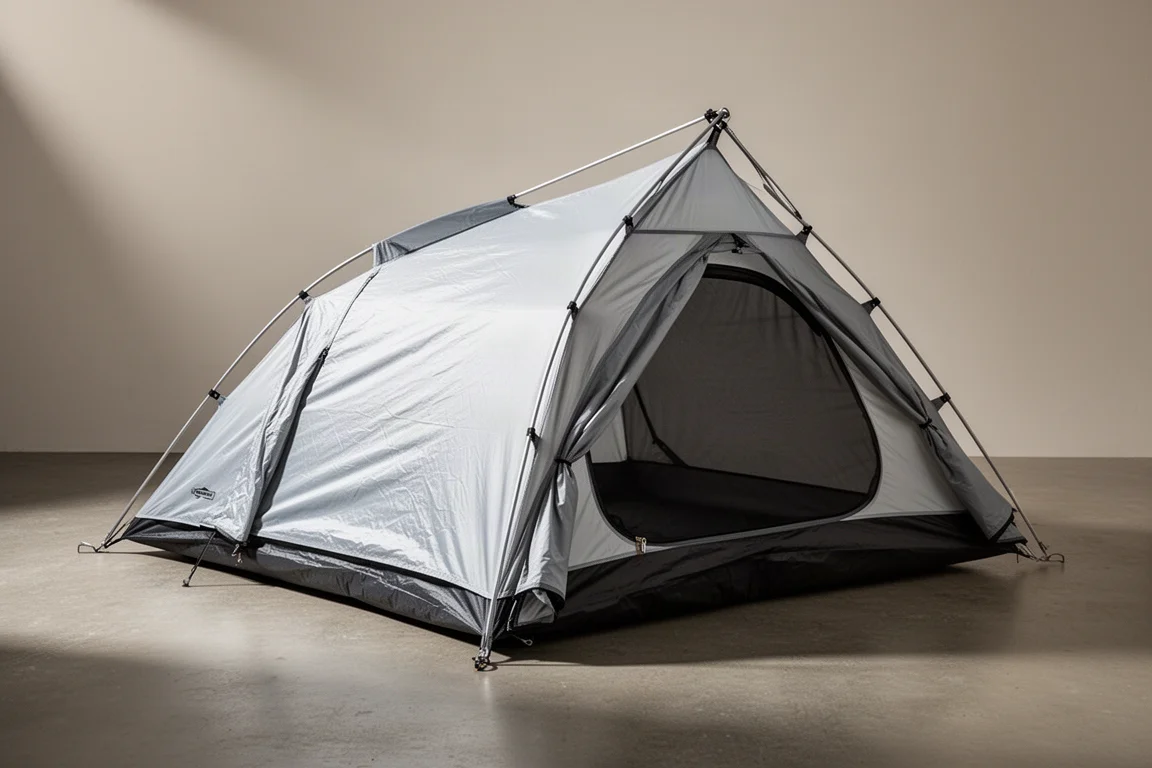
3F UL Taiji 2-Person Tent: A Convertible Backpacking Shelter Worth a Closer Look
A practical look at the 3F UL Taiji two-person tent, covering its materials, true two-person interior, fly-first pitching, and the seasonal inner swap that lets one shelter cover more of the year.
Backpacking Tents
3FUL Lanshan Twoerson Pro Review: A Light Trekking Pole Shelter That Struggled in Rain
A two-person trekking pole shelter with a 2026 redesign, pitched with sticks and put through a night of steady rain. Here is what worked, what did not, and what to check before buying.