Snowboards
Best Snowboards for Progressing Intermediates: Nine Boards Worth Buying
A practical roundup of snowboards for progressing intermediate riders, from soft camber park shapes to predictable flat-to-rocker all-mountain options.
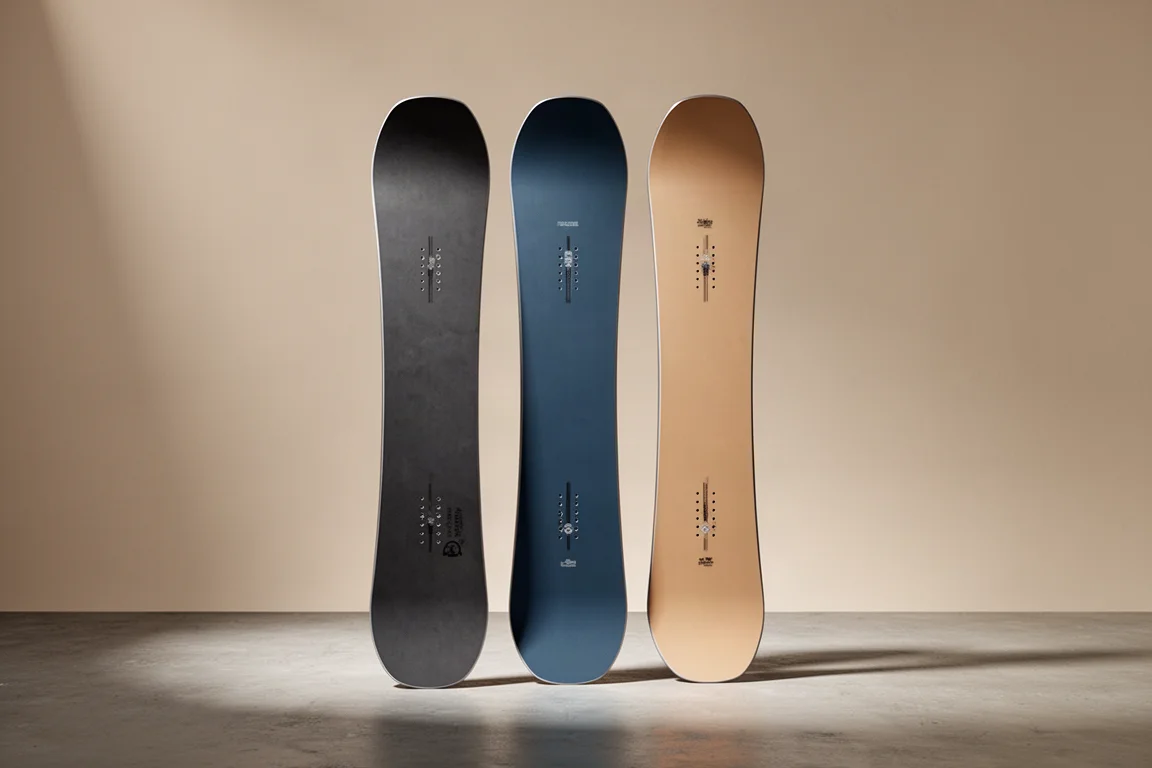
Introduction
The step from first-season riding to genuinely confident intermediate riding is where board choice starts to matter most. A board that is too soft and too forgiving can feel vague once your turns tighten up, while an aggressive expert shape tends to punish the mistakes you are still making. The sweet spot sits between the two: predictable enough to trust, responsive enough to grow into.
This roundup covers nine snowboards that fit that brief. Five earn a place in the ranked top five, three more are strong honorable mentions that narrowly missed the cut, and one is a camber alternative to the top pick for riders who want a more engaged feel underfoot.
How to Choose a Snowboard for Progressing Intermediates
Three characteristics shape how a board behaves as your riding improves, and they are worth understanding before you compare models.
The first is profile. A camber-dominant board loads energy through the middle, which rewards you with pop and edge grip once you learn to work it. A flat-to-rocker profile is more relaxed: it floats, it forgives, and it stays predictable at lower speeds. Neither approach is better in isolation; they simply ask different things of the rider.
The second is flex. A soft, forgiving flex keeps the board manageable while you dial in your turns, but you still want some snap so the board gives something back when you push against it.
The third is shape. A directional outline with a small setback lets you shift your stance back and keep the nose up when the snow gets deep, without giving up much on a groomer.
Edge hold on hard, icy surfaces is the compromise to watch. A board that feels lively everywhere else can still feel vague underfoot on bulletproof ice, so weigh that carefully if ice is a regular feature of your season.
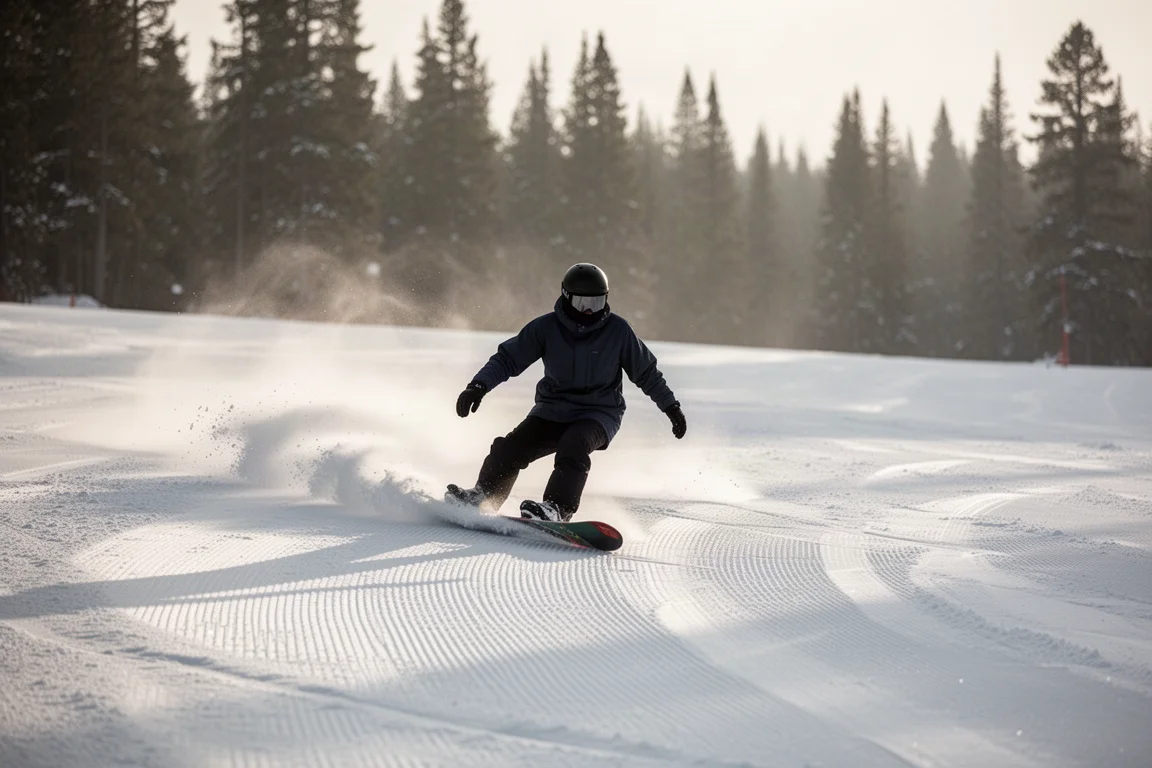
The most useful question to ask is where you actually ride. A board chosen for the hill in front of you will do more for your progression than one chosen for the trip you take once a year.
5. Capita Pathfinder Camber
The Pathfinder Camber is soft, flexible, and built around a camber profile with a slight setback. It leans a little parkish, but it is not a single-purpose board: it will ride the whole mountain with you.
That combination suits riders learning on smaller hills, whether that is a short Midwest resort or an East Coast slope. The camber gives you something to work against, so you learn to load the board and finish turns on edge rather than skidding through them.
It is the kind of board that can carry a rider from the lower end of intermediate through to a solid upper intermediate level. At that point you will have a much clearer idea of what you want next.
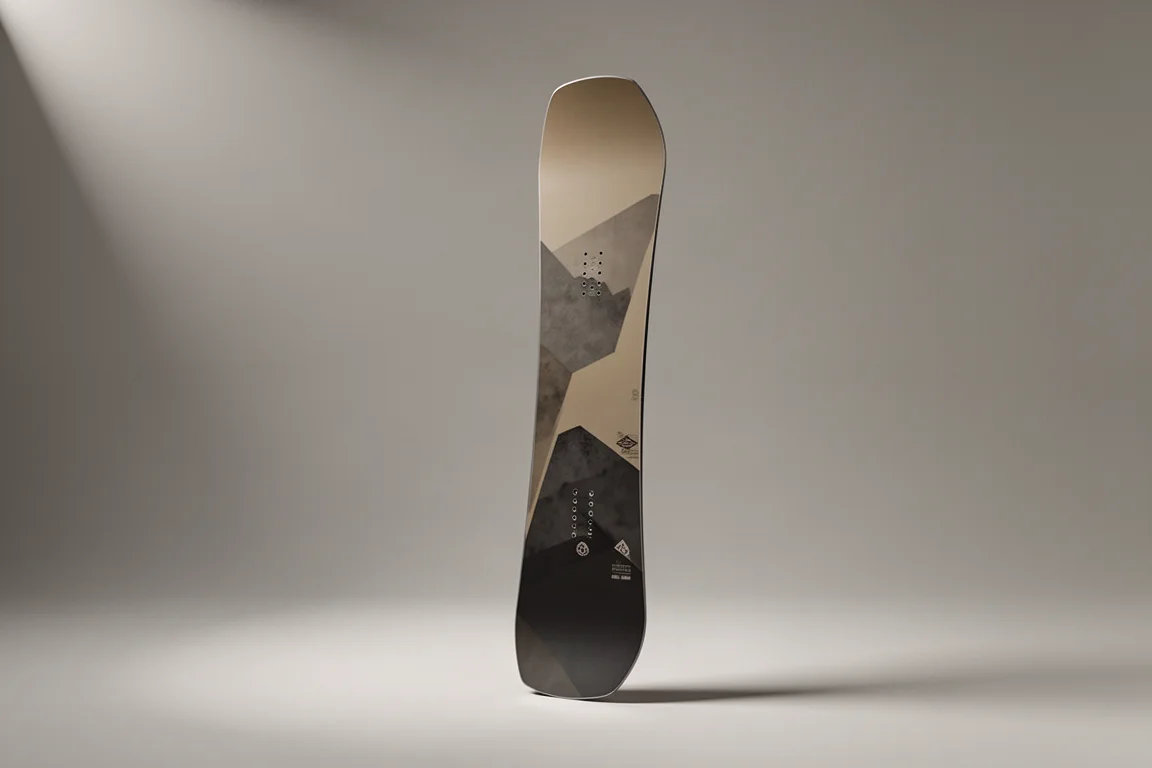
4. Rome Warden
The Warden is a genuinely fun board to ride around the mountain. Its slightly directional shape means you can set the stance back and keep it afloat when the snow is deep, while the turn shape is dialled enough to rail a clean carve.
The flex is soft and forgiving, but it still has snap, so loading the camber and popping off a roller feels rewarding rather than vague. It is the more approachable sibling of a pro-model board in the same line.
For a progressing intermediate, that balance is the point: it feels like a board you can grow into rather than one you will immediately outgrow.
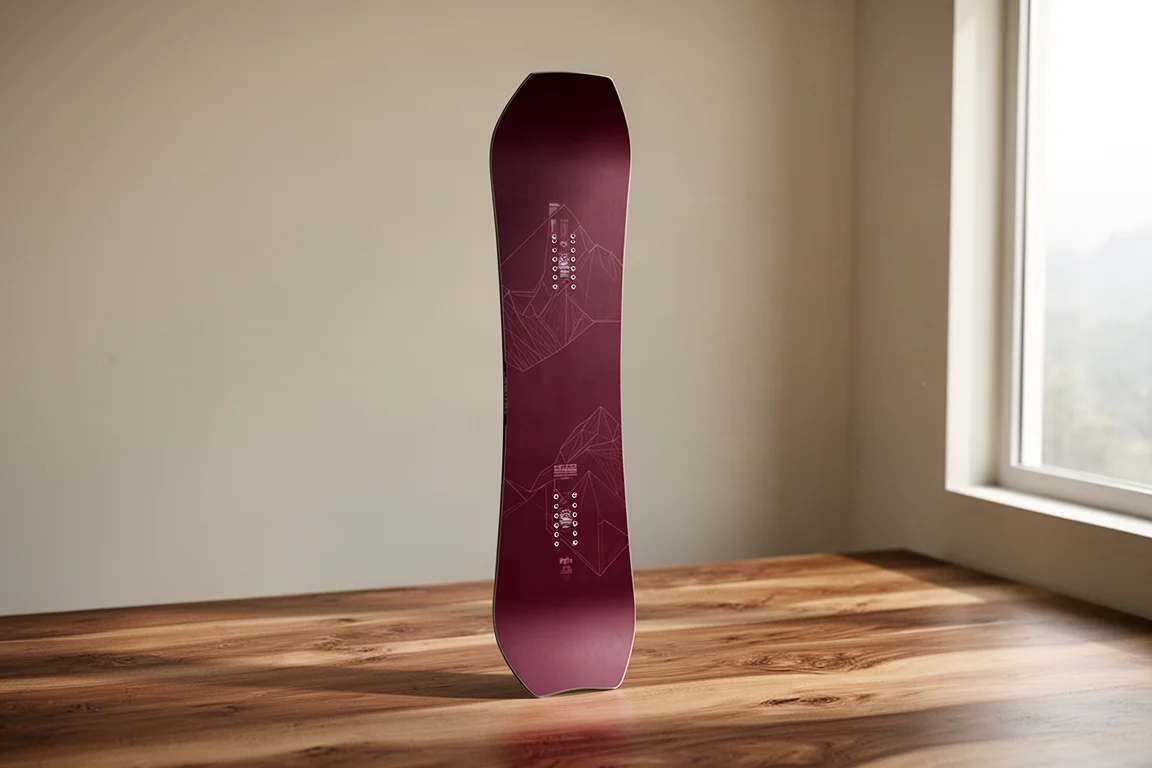
3. Salomon Craft
The Craft is one of the more underrated all-mountain shapes in the Salomon line, and it is an easy recommendation for riders who want to progress without stepping onto a demanding pro-level board.
Its camber profile is well suited to loading up for pop or driving hard into a carve. It butters, it handles powder, it pops off rollers, and it works in the park. The main trade-off is the sidecut: on ice, edge grip is not as strong as the rest of the board’s behaviour would suggest.
That weakness doubles as a lesson. Riding a board that asks you to stay light and precise on your edges builds a skill most progressing riders still need to develop.
If your local hill is firm and icy more often than not, weigh that trade-off carefully before you commit. In softer conditions, the Craft is a genuinely versatile option.
2. Yes Dicey
The Dicey carries a cam rocker profile, and that is exactly why it lands this high. You keep the load and snap of camber underfoot, so you can drive into the board when you are hammering through mellow turns, while the tip and tail stay playful enough for buttering and pressing.
The defining quality is predictability. Nothing about the ride surprises you, which makes it easy to trust when you push into new terrain or higher speeds, and it means there is more room to push before you find the ceiling.
1. K2 Ray Gun
The Ray Gun takes the top spot because it does the hardest thing well: it stays out of your way. Its flat-to-rocker profile lets you go out, ride, and improve without fighting the board.
It is good in powder and on groomers, it can be taken into the park, and it works as a genuine all-around option. The ride is predictable with essentially no learning curve, which is why it suits riders who do not want to outgrow a board within a season.
It is not the best board here in any single category, and it is not the worst either. What it offers is consistency: you know what you are getting every time you strap in. Push it far enough and you will eventually want something more specialised, and that is a sign of progress rather than a flaw.
K2 Ray Gun Pop: The Camber Alternative
If the flat-to-rocker profile of the Ray Gun sounds too relaxed, the Ray Gun Pop is the camber version of the same idea. It is the board to look at when you want camber underfoot but you are not ready to leave the easy-going, all-around character of the Ray Gun family behind.
The choice between the two comes down to what you want the board to do for you. Flat to rocker is the more forgiving starting point; camber asks a little more of your edge control and gives a little more back when you load it.
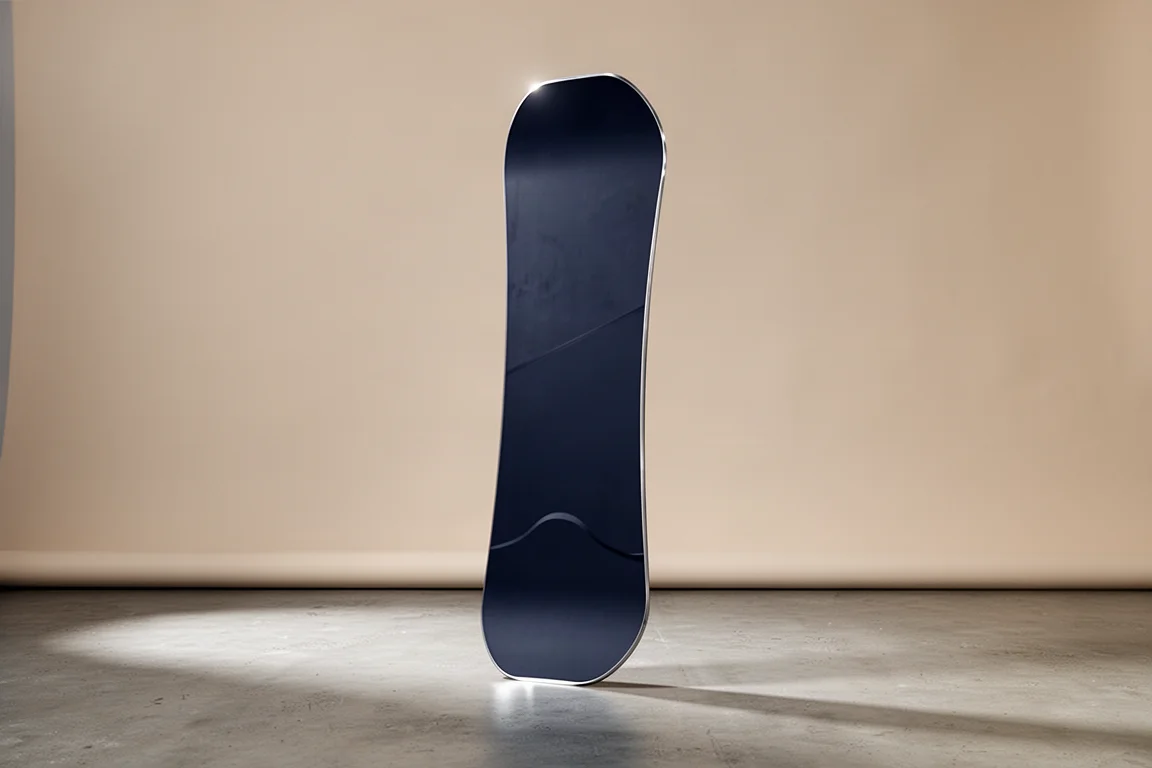
Honorable Mention: Nitro SMP
The Nitro SMP was a close call. It is a strong option for a progressing intermediate and only narrowly missed a place in the ranked five, which says more about the depth of this category than about the board itself.
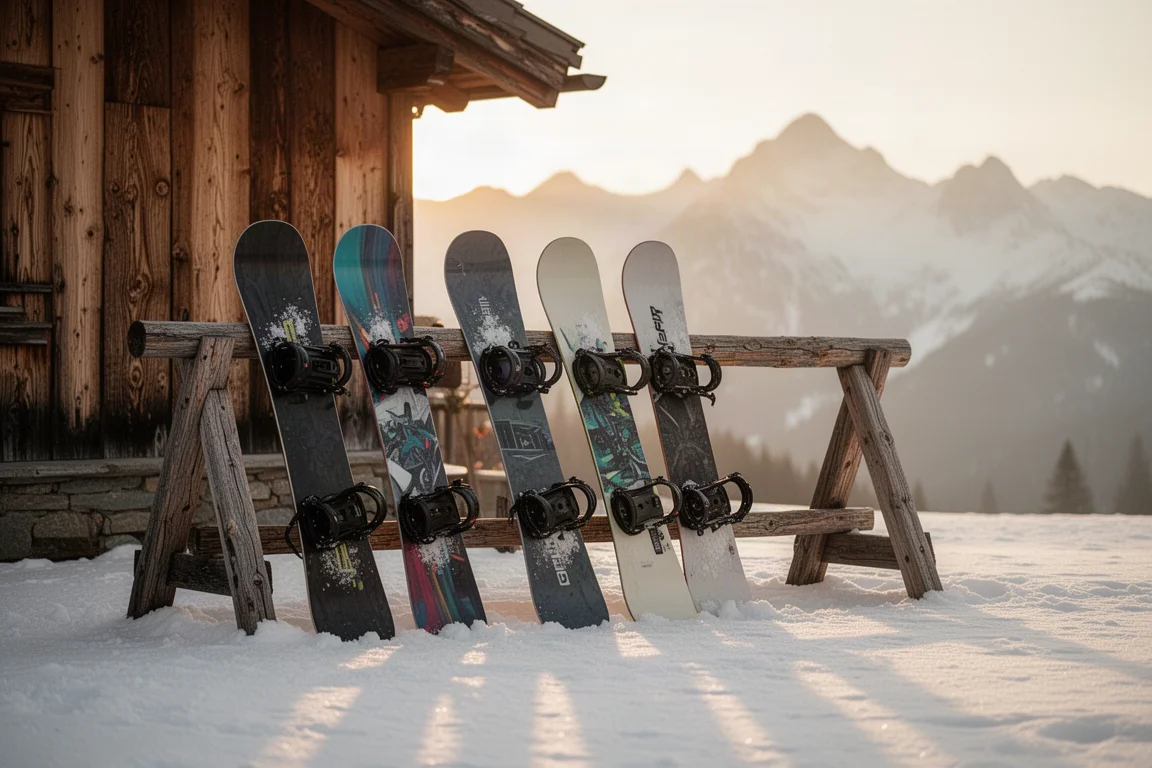
If none of the five boards above matches what you are looking for, the SMP is worth putting on your shortlist and comparing on profile and flex alongside the rest of the field.
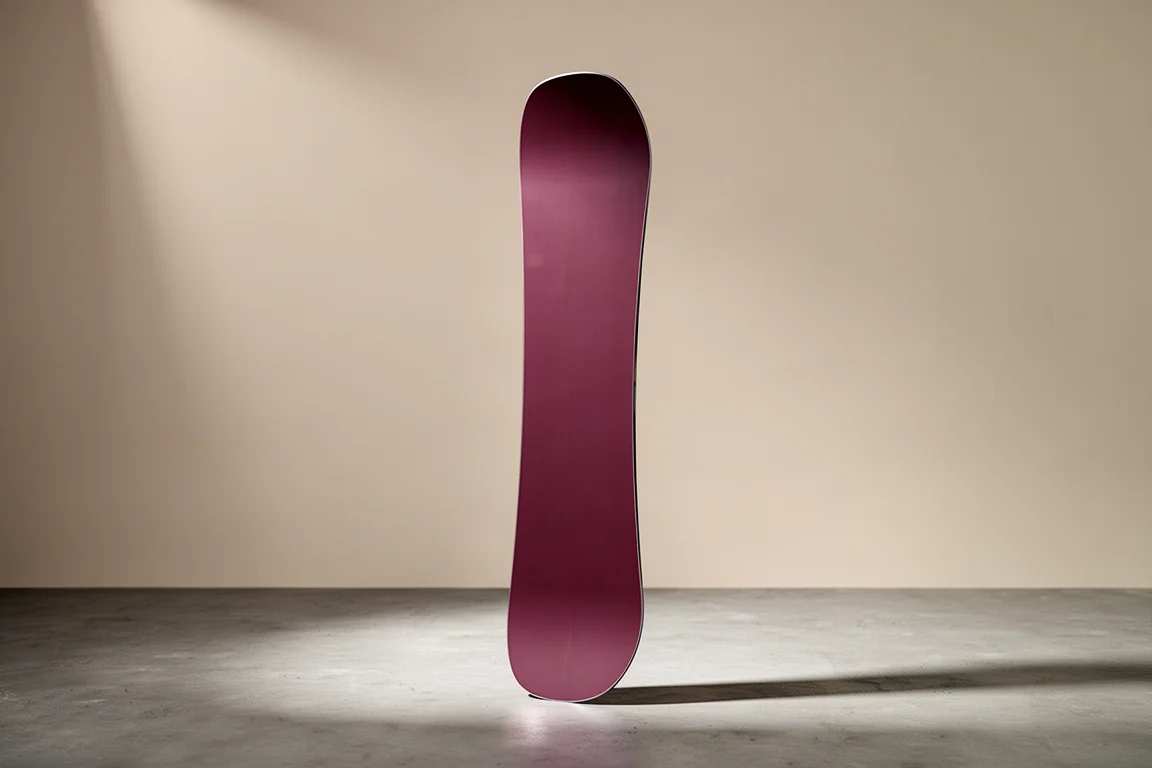
Honorable Mention: Lib Tech Terrain Wrecker
The Terrain Wrecker is another option that came close to cracking the top five. It belongs in the same conversation as the boards above and is worth a look for riders who want a different feel from the ranked picks.
As with any board on this list, the useful move is to compare it directly against the shape and profile that match the terrain you ride most.
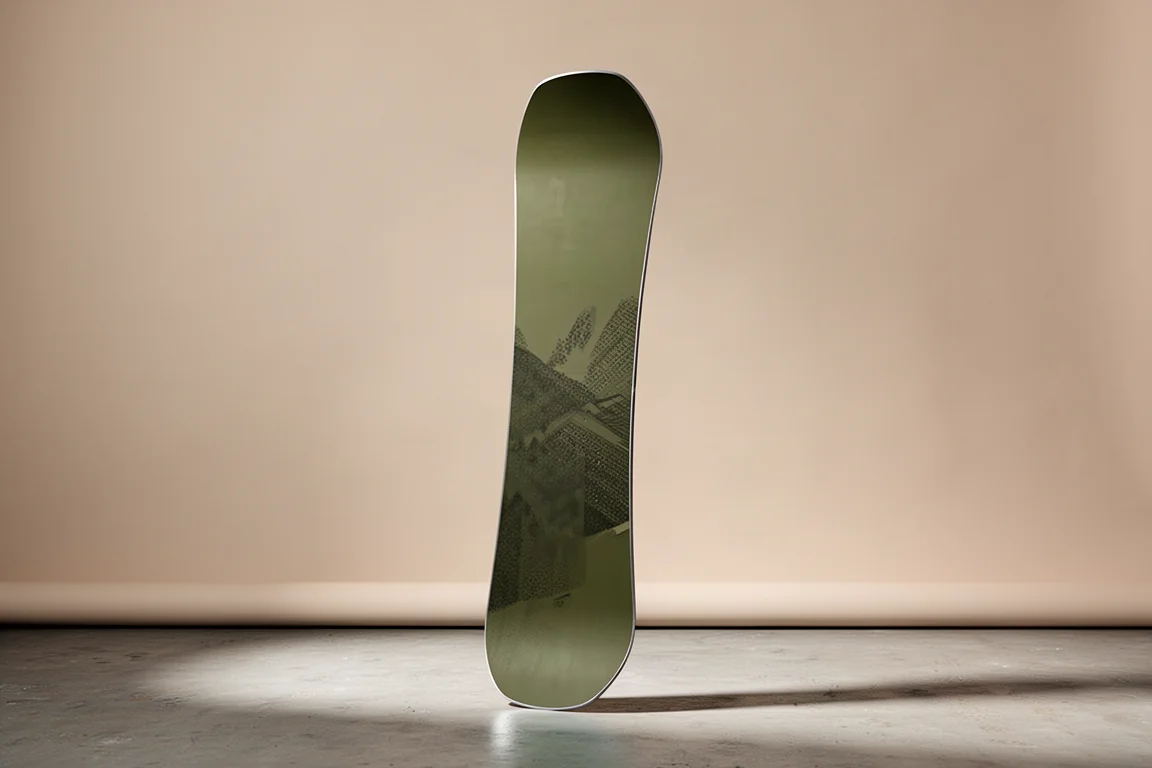
Honorable Mention: Jones Frontier
The Jones Frontier rounds out the honorable mentions. It did not make the ranked five, but it is a solid option for the same progressing intermediate rider and deserves consideration alongside the rest.
If you are weighing it against the top picks, focus on the profile and flex that suit your riding rather than on the position it holds in this list.
Overall Buying Advice
All nine boards here are aimed at the same rider: someone who has the basics down and wants a board that supports improvement rather than demanding perfection.
Match the board to your conditions first. If you ride small hills with softer snow, a forgiving profile will serve you better than an aggressive one. If your season is dominated by firm, icy groomers, edge hold should move up your priority list, and the Salomon Craft’s weaker ice grip is worth weighing against its otherwise broad versatility.
Then decide how much you want the board to ask of you. Camber rewards effort with pop and grip; flat to rocker rewards you with predictability. Both are legitimate paths, and both appear in this list.
Finally, be honest about how quickly you improve. A board that is easy to ride now will still be useful in two seasons, while a board that is a stretch today can stall your progress if every turn feels like work. Whatever you choose, the goal is the same: a board you can trust enough to stop thinking about it and start thinking about your riding.
Conclusion
The best snowboard for a progressing intermediate is the one that matches the terrain you ride and the amount of feedback you want. The K2 Ray Gun takes the top spot for its predictable, no-learning-curve ride, the Yes Dicey and Rome Warden reward riders who want a little more snap and playfulness, the Salomon Craft is a versatile all-rounder with a clear ice-hold caveat, and the Capita Pathfinder Camber is a smart fit for smaller hills. The Nitro SMP, Lib Tech Terrain Wrecker and Jones Frontier all came close, and the K2 Ray Gun Pop is the camber option if the standard Ray Gun feels too relaxed.
Pick the profile and flex that suit your conditions, and the rest of your progression will take care of itself.
Further reading
Related Reviews
Snowboards
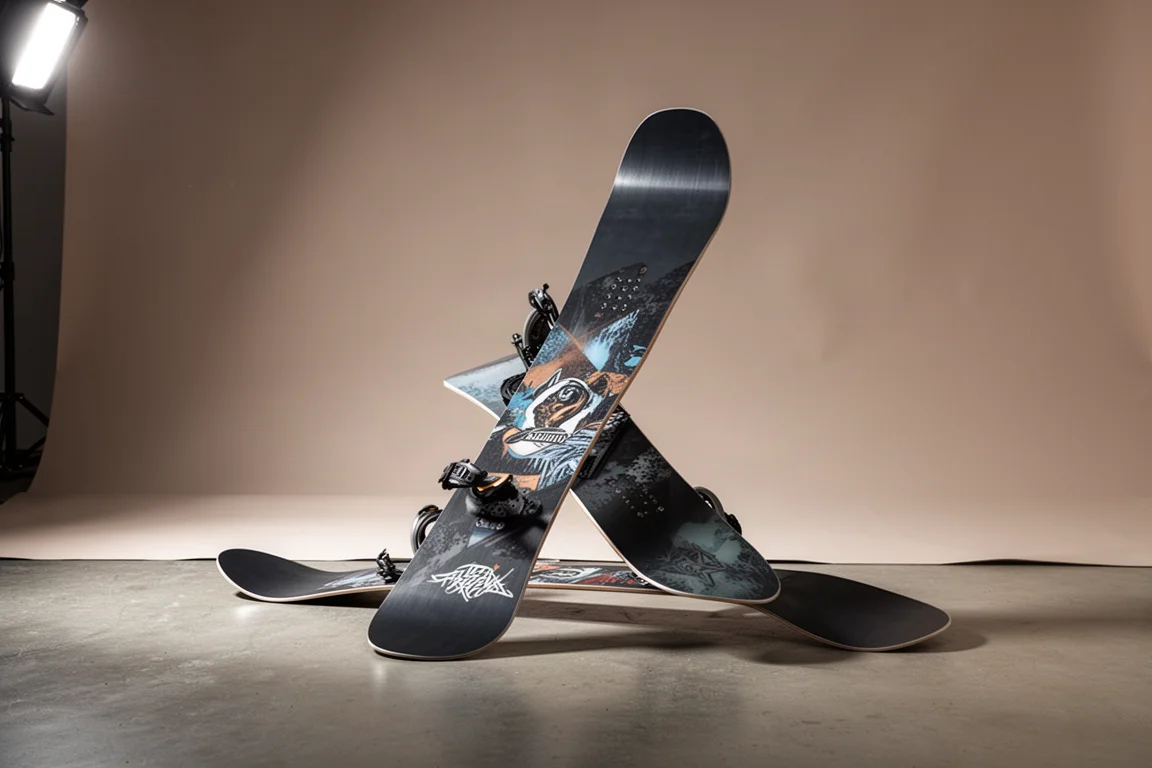
32 Middle Earth Scott Stevens Pro Model Snowboard Review: A Park Board With a Reversed Flex
A medium traditional camber park board with carbon V reinforcement that is stiffer in the tips and more playful between the feet. Here is how it rides and who it suits.
Snowboards
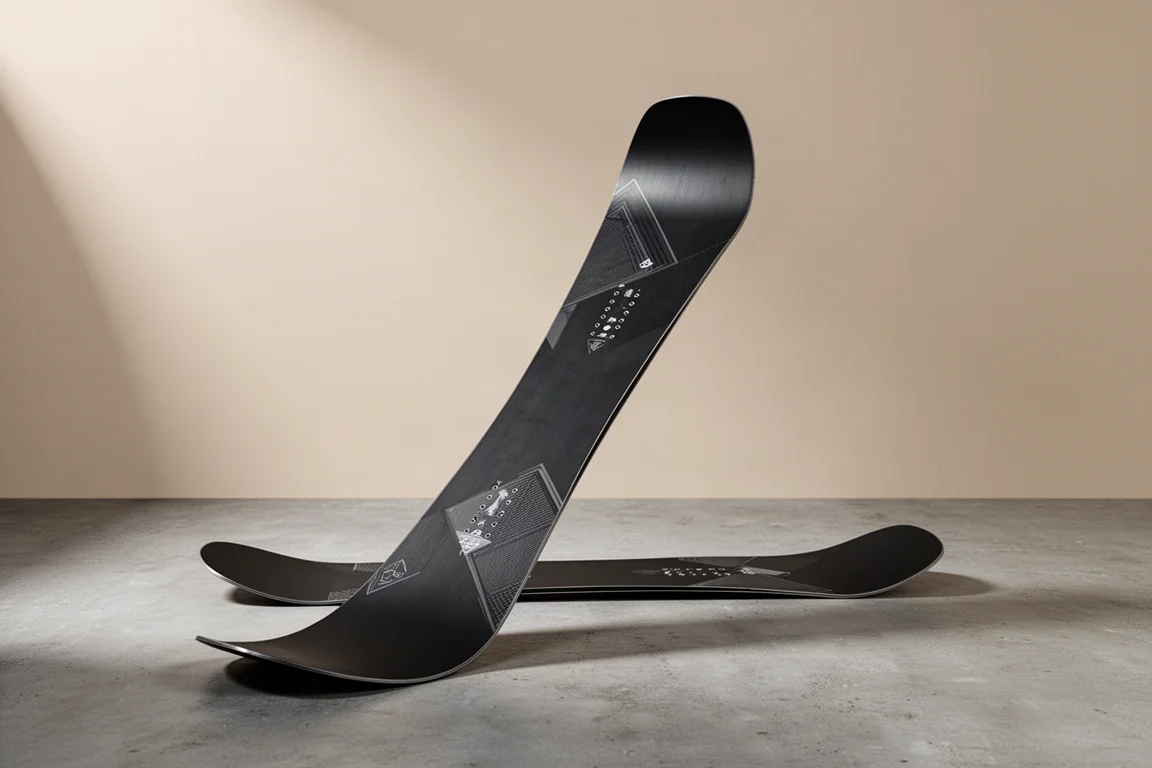
32 Snafu Review: A Directional All-Mountain Freestyle Board with Serious Pop
The 32 Snafu pairs a directional camber-rocker profile with a stiffening tail for powerful carves, big ollies, and a surprisingly damp ride.
Snowboards
32 XXX Pat Fava Pro Snowboard Review: A Stiff Camber Beast for Hard-Charging Riders
A full-width traditional camber deck that rewards aggression with stability and edge power, but demands effort everywhere else.