Snowboard Boots
Best Snowboard Boots 2026: Four Options from Entry Level to All-Mountain
A practical guide to snowboard boot fit, flex, and closure systems, with four models covering entry-level lace boots, lightweight Boa options, and a stiffer all-mountain build.
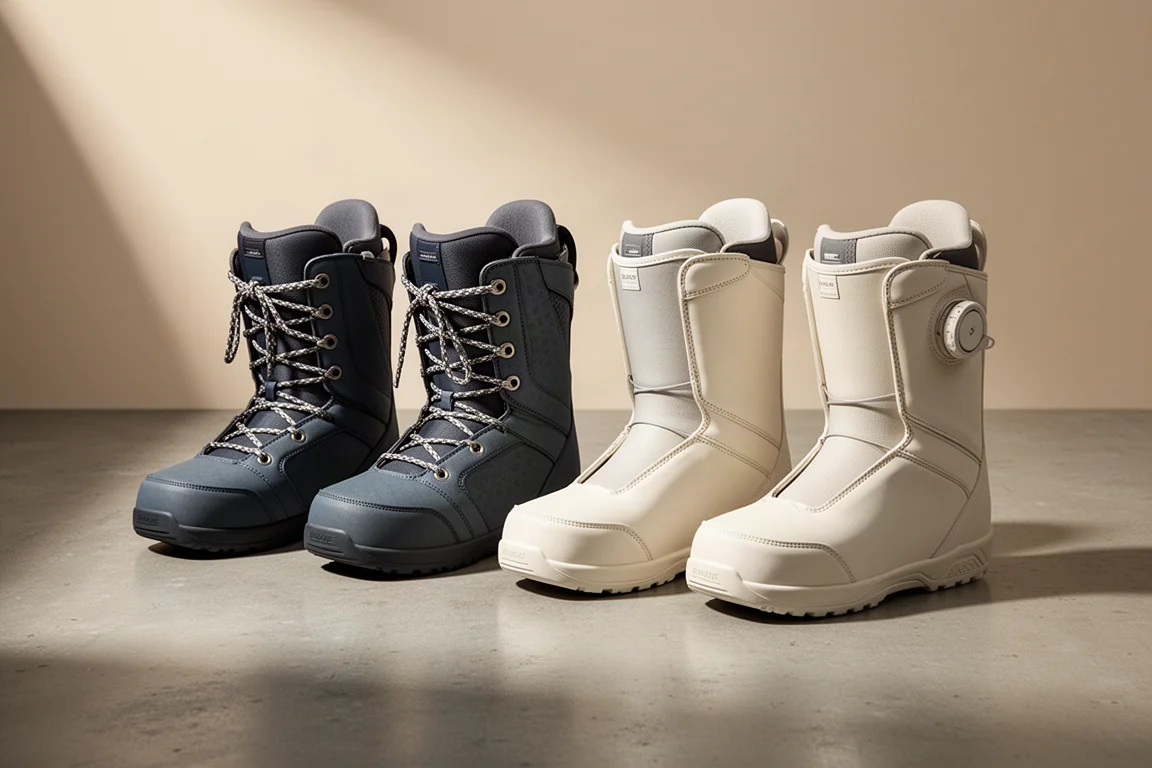
Introduction
Boots are the one piece of snowboard equipment you never take off during a session. You ride in them, walk in them, drive in them, and stand around in them, which makes them worth more research than almost anything else in your setup. A boot that fits properly should hold your foot without pressure points, match your actual foot length, and flex in a way that suits how you ride.
This guide covers what changes as you move up the price range, how lace and Boa closures differ in practice, and four boots that represent distinct points on that spectrum: the Rossignol Cutback Lace Hybrid, the K2 Raider, the Rossignol Crank Boa, and the K2 Maysis.
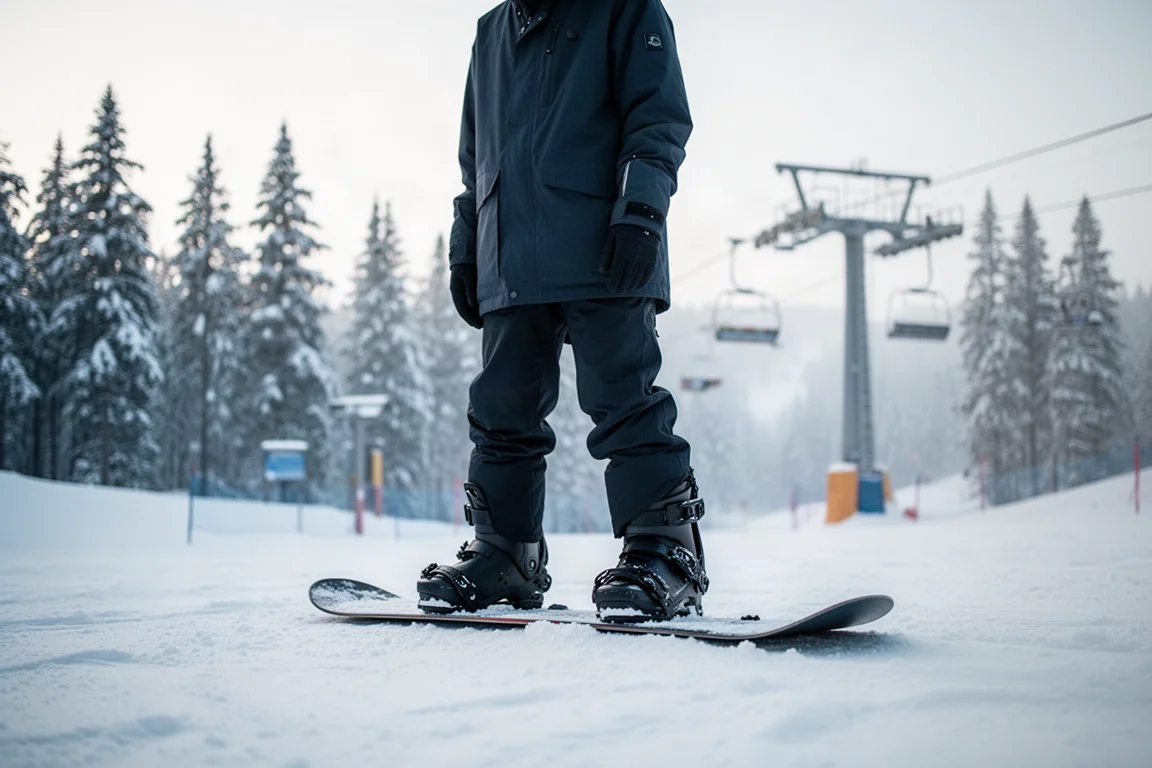
If you have a local shop, the strongest recommendation is to go in and try boots on, even if the shop does not stock everything on your shortlist. Trying a few pairs gives you real reference points. You can put one boot on each foot, flex them, and walk around the shop floor to compare how each one feels. That kind of side-by-side comparison is only possible with boots, which is exactly why it is worth the trip.
What to Look For in Snowboard Boots
Three things matter most: fit, flex, and closure.
Fit starts with knowing your actual foot size. Measure both length and width rather than relying on your street shoe size, which can run a half size or a full size larger than the boot you actually want. A snug athletic or running shoe is a better reference point than a loose casual shoe. Brands also build around different foot shapes, with some running wider and some narrower, so a brand you already trust is a reasonable place to start.
Flex is the second factor. Beginners and intermediate riders generally do best in a softer, more comfortable boot, since they are not putting the board heavily on edge. Riders logging more days, riding faster, and jumping will usually prefer a medium flex with more support, and some models allow adjustment for different conditions or times of day.
New boots always feel stiff at first because nothing has broken in yet. Flexing a boot by hand on a shop shelf is not a reliable test of how it will ride, so do not read too much into it.
Lacing vs Boa: Which Closure Suits You
Boa systems appear on nearly every boot on the shelf today, and they show up at every price point, from entry-level models to premium ones. The mechanism and lacing pattern may differ slightly between models, but the appeal is consistent: quick, easy adjustment and a fairly wide range of tension.
Traditional laces work differently. A lace-up boot asks you to take your time, lace it properly once, flex your foot, and fine-tune the fit as you go. Riders who grew up with laced skates or sneakers often prefer that direct, hands-on feel. A lace-up boot is not an inferior option, it is a different preference, and some models combine the two approaches in one shell.
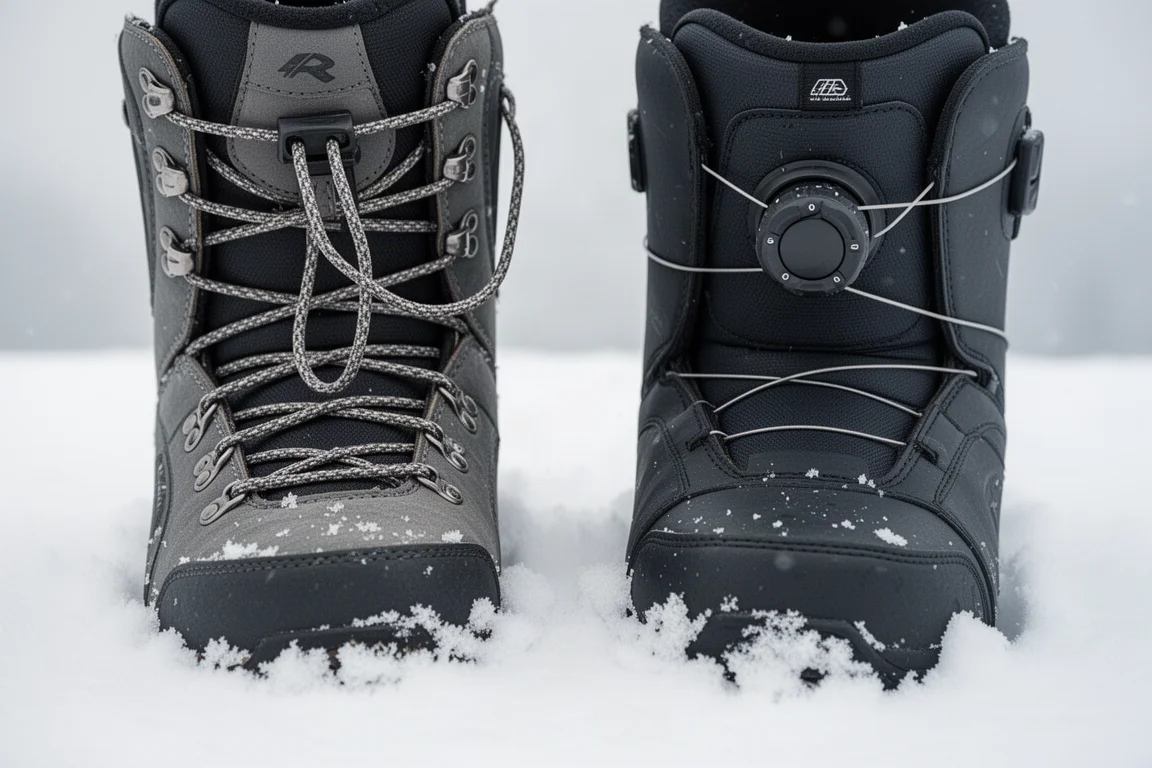
Which one is right for you comes down to how you like to dial in fit and how much you value convenience on the hill. Both systems are well represented across the price range, so the decision should follow your riding and your habits rather than the price tag alone.
Best Entry-Level Lace Boot: Rossignol Cutback Lace Hybrid
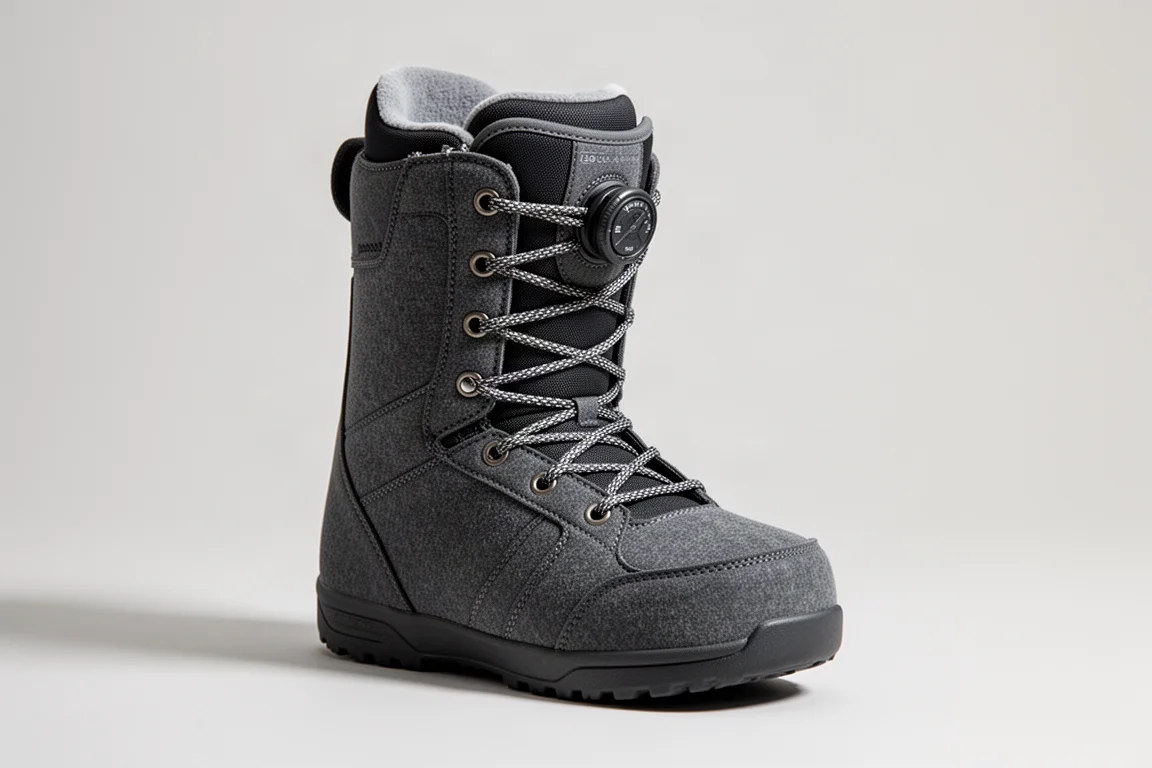
At $199, the Rossignol Cutback Lace Hybrid is the traditional lace option in this group. The outer boot laces up the conventional way, and a small Boa dial on the upper adds extra heel hold across the instep, so you get the hands-on feel of laces with a little additional lockdown where it counts.
For a beginner or an intermediate rider who wants a comfortable, warm boot without spending a lot, this is a sensible starting point. It is also a good example of why lace boots deserve a look: the closure is a preference, not a compromise.
Best Lightweight Boa Boots for New Riders
Both the K2 Raider and the Rossignol Crank Boa sit at $229 and target the same rider: someone newer to the sport, or someone who simply does not need an aggressive, stiff boot. The first thing you notice when you pick them up is how light they are, which matters more than it sounds. Every step you take in a heavy boot costs you energy, whether you are hiking a ridge or walking across a parking lot at the end of the day.
Both use a single Boa dial on the outside plus internal lacing on the liner, so you can set the liner fit first and then dial in the shell. Both also use a fully heat moldable liner, and the K2 model uses an Intuition branded liner.
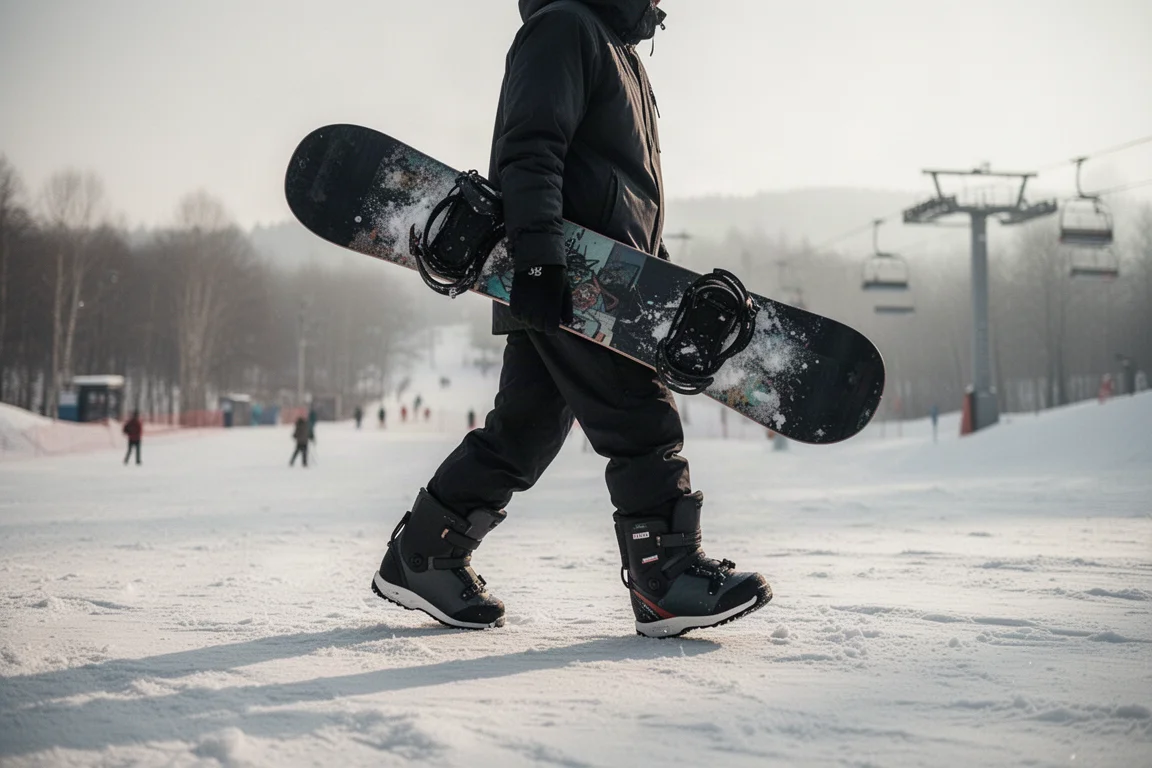
Having adjustment inside and outside the shell is a meaningful advantage for riders who are still working out what a well-fit boot feels like, because you can fine-tune heel hold without loosening the whole boot.
K2 Raider
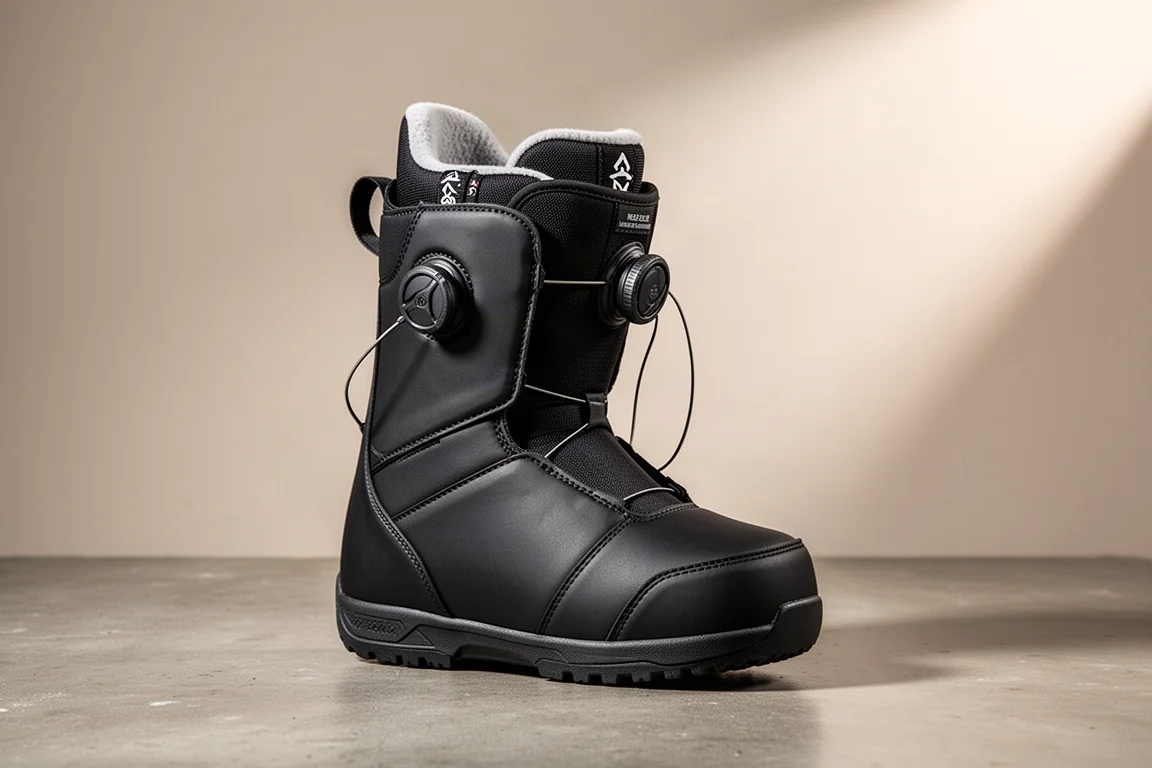
The K2 Raider is rated by the brand at a 5 out of 10 flex, which places it firmly in the soft-to-medium range. That makes it a forgiving choice for riders building confidence, and the internal liner lacing plus heat moldable liner give it more fit adjustment than the price suggests.
Rossignol Crank Boa
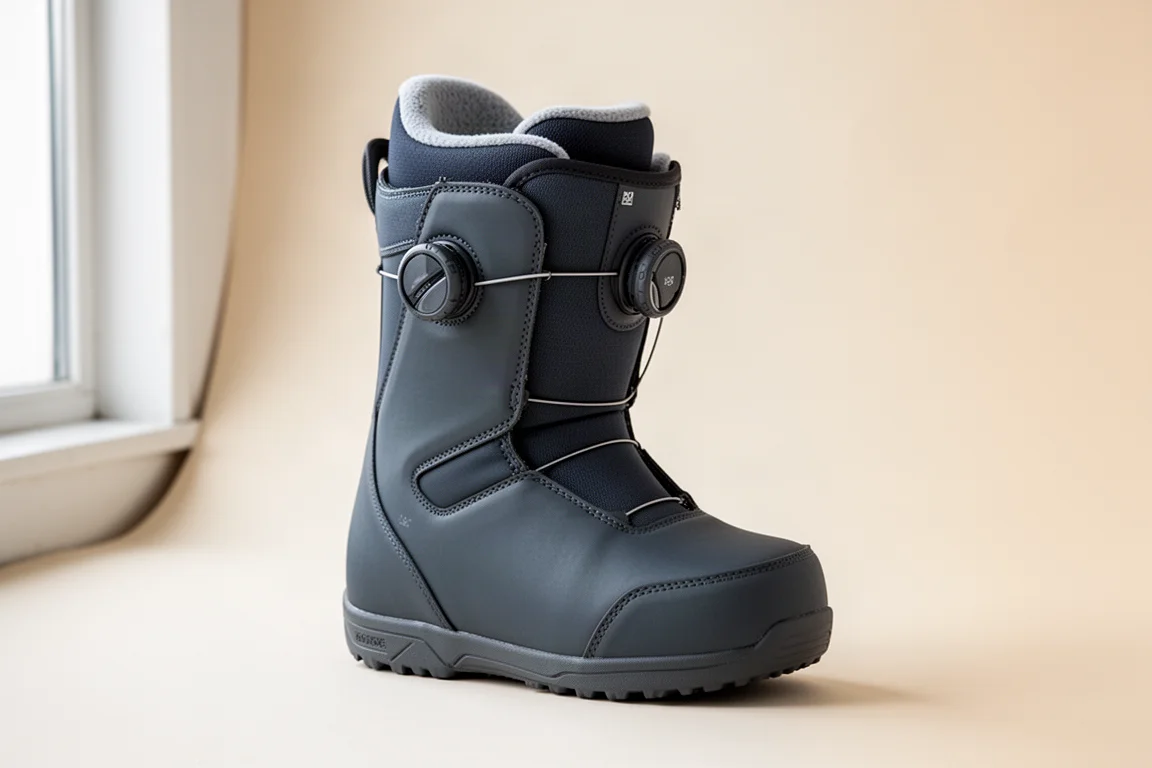
The Rossignol Crank Boa covers very similar ground at the same price, with the same single-dial Boa closure, internal liner lacing, and heat moldable liner. The difference comes down to fit and brand preference. If Rossignol boots tend to suit your foot shape, this is the direct equivalent within their lineup.
Best All-Mountain Boot: K2 Maysis
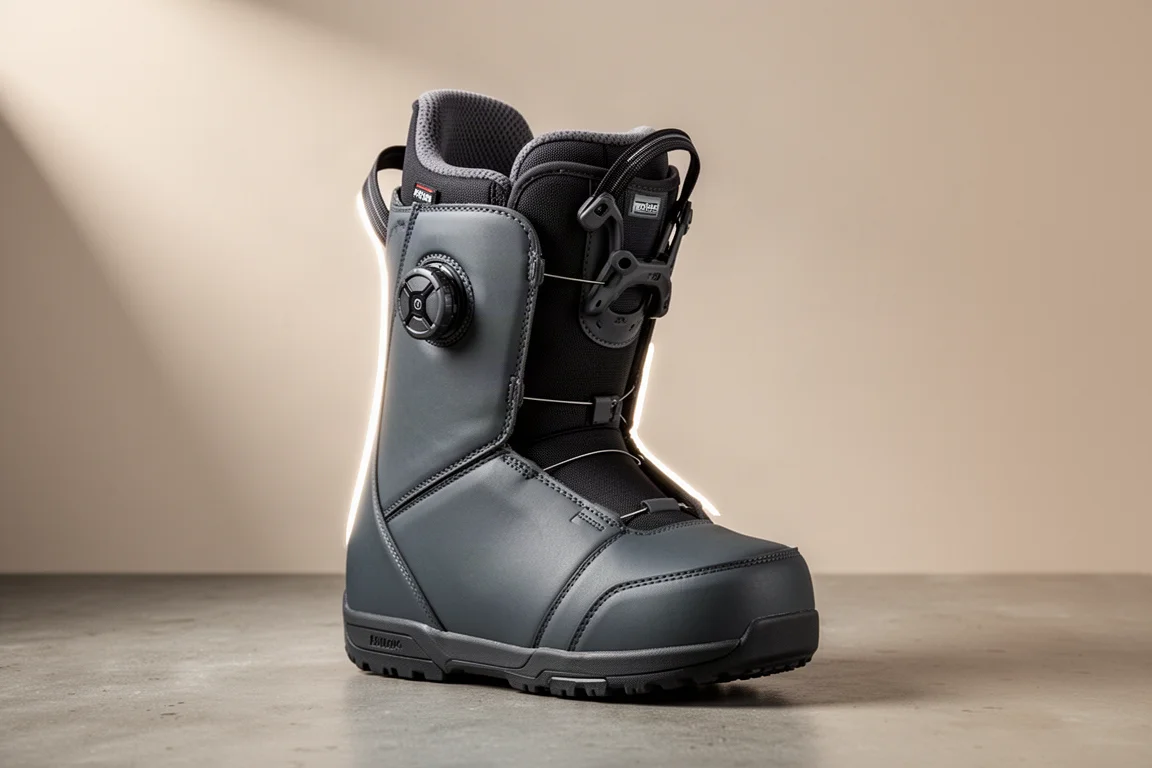
The K2 Maysis steps up to $309, and the difference is noticeable the moment you handle it. Materials feel more substantial than on the $229 boots, and the feature set is more sophisticated. K2 rates the flex at 7 out of 10, which puts it in all-mountain territory for riders who want one boot to handle a wide range of terrain and conditions.
The standout feature is the Conda system inside the liner, which pulls your heel back into the heel pocket. A single external Boa dial controls it, so you can tighten the internal heel hold without undoing the rest of the boot. Getting locked into the heel pocket matters a great deal on a snowboard, and being able to adjust it on the fly without re-lacing the whole boot is a genuinely useful piece of design.
The Maysis is also among the best-selling snowboard boots on the market, which fits with its positioning as a single do-everything boot rather than a specialist model.
Buying Advice: Sizing, Fit, and Break-In
Sizing deserves more attention than it usually gets. Plenty of riders, including experienced ones, are not certain of their exact foot size. Measure your foot in both length and width before you buy, and treat a snug athletic shoe as a closer reference than a loose street shoe.
Expect a break-in period. New boots typically take around 10 days of riding to start feeling right, and by roughly 20 days they are fully settled. You can shorten that process at home. Pull the liners out of the shells, leave them by the door, step on them, and flex and bend them to soften the materials. Hold the tongues down to work them in, but do not go overboard. Then put the boots on, dial them in properly, and walk around a little. That way your first days on snow feel noticeably more comfortable and less stiff.
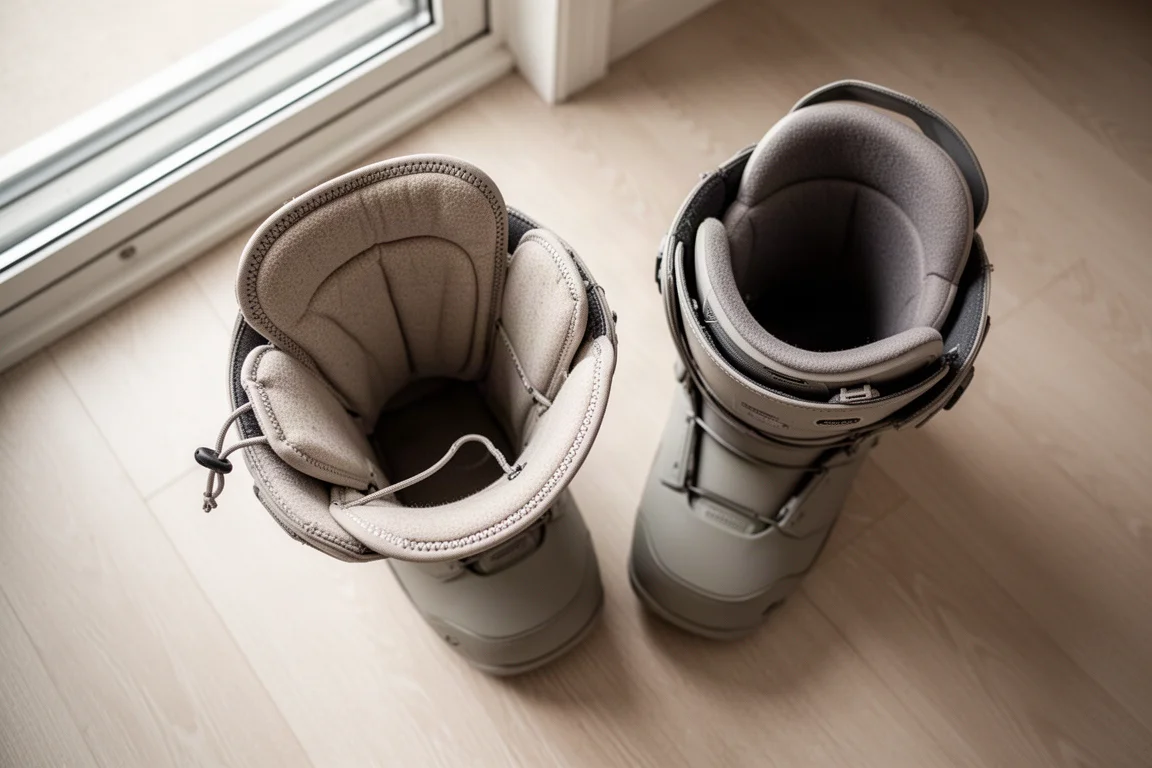
If you can get to a shop, try boots on before committing. If you cannot, research carefully, understand your own foot shape, and be honest about the flex that matches your riding. Matching the boot to how you actually ride matters far more than the number on the price tag.
Conclusion
The right snowboard boot comes down to three decisions: how much flex you need, which closure system you prefer, and how much you want to spend. The Rossignol Cutback Lace Hybrid delivers traditional lacing with a useful heel-hold assist at $199. The K2 Raider and Rossignol Crank Boa offer lightweight Boa convenience with heat moldable liners at $229. The K2 Maysis raises the bar at $309 with a stiffer all-mountain flex and an internal heel-retention system you can adjust from the outside. Whichever you choose, get your foot measured, take the break-in period seriously, and give yourself time to compare options before you buy.
Further reading
Related Reviews
Snowboard Boots
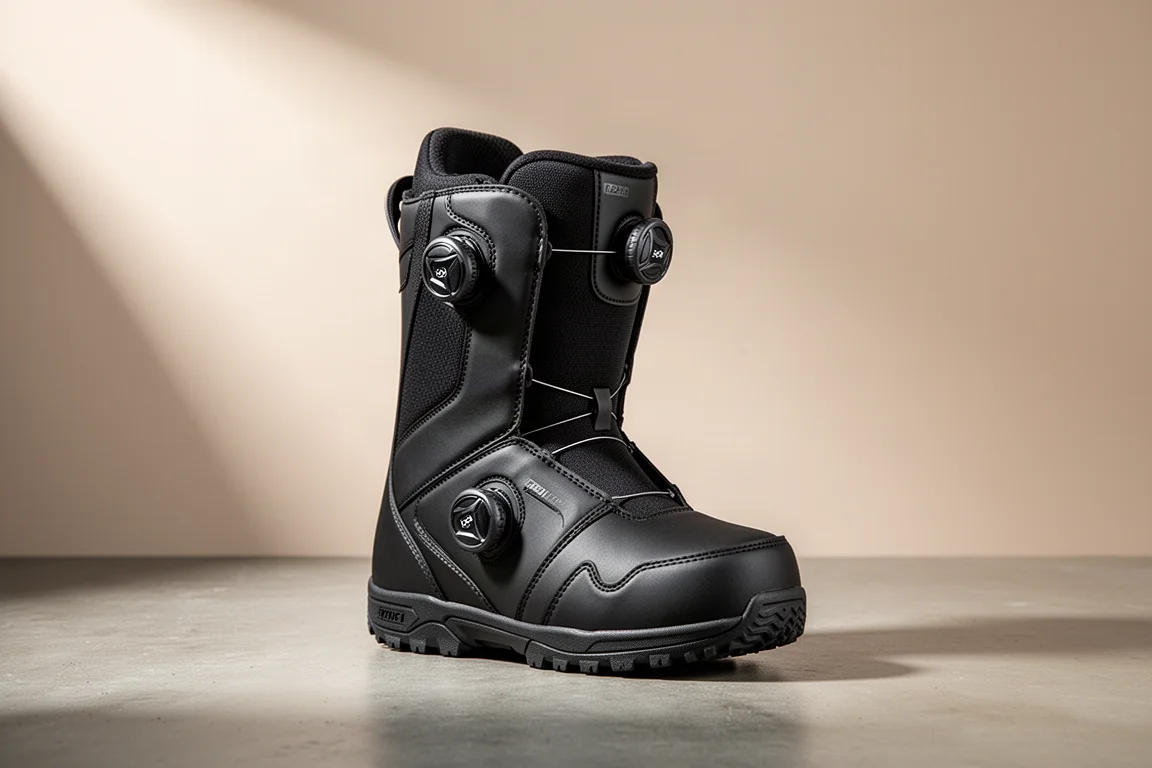
32 Team Two Double Boa Review: 32's Highest-End Women's Snowboard Boot
A closer look at 32's top-tier women's snowboard boot, from the 3D molded toe box and double Boa lacing to the Performance Fit liner and heat-reflective footbed.
Snowboard Boots
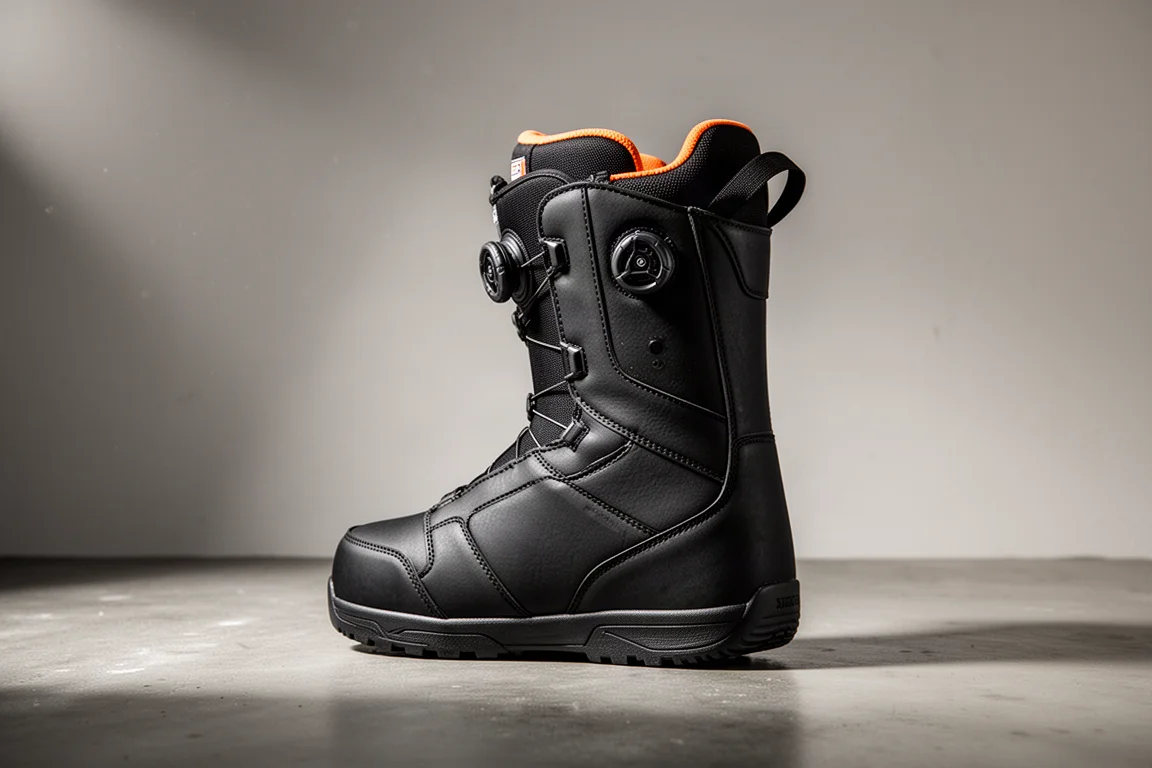
Bataleon Acid BOA Snowboard Boot Review: A Serious First Entry from a Board Brand
Bataleon's first snowboard boot, designed by a former Burton boot designer, brings a stiff flex, dual BOA closure, and a heel hold system worth a closer look.
Snowboard Boots
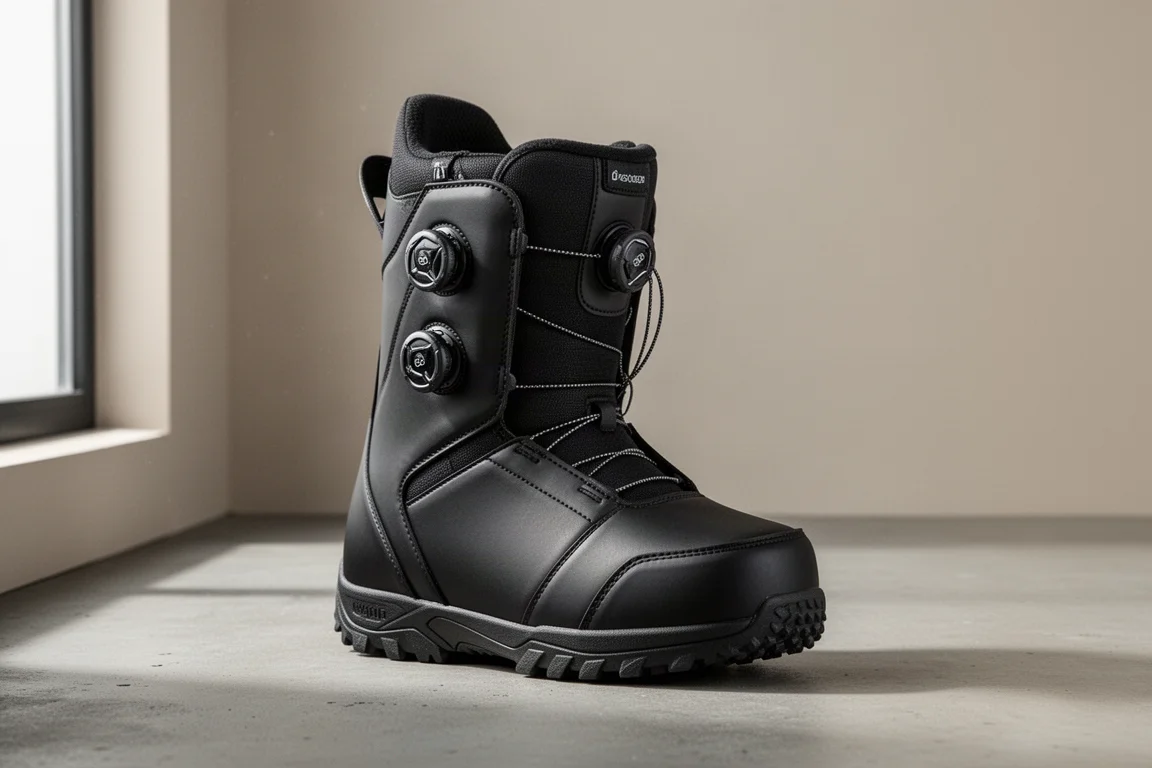
Battalion Acid Boot Review: A Stiff, Aggressive Boot Built to Last
The Battalion Acid Boot is the brand's highest-end offering, built with seamless construction, TPU reinforcement, dual BOA lacing, and a heat-moldable liner. Here is what to know before buying.