Kitchen Appliances
Best Smart Countertop Ovens: Five Models Put to the Test
We roasted chicken, baked biscuits, made toast, and barbecued ribs in five smart countertop ovens. Here is how June, Tovala, Brava, Panasonic, and Anova compared.
Introduction
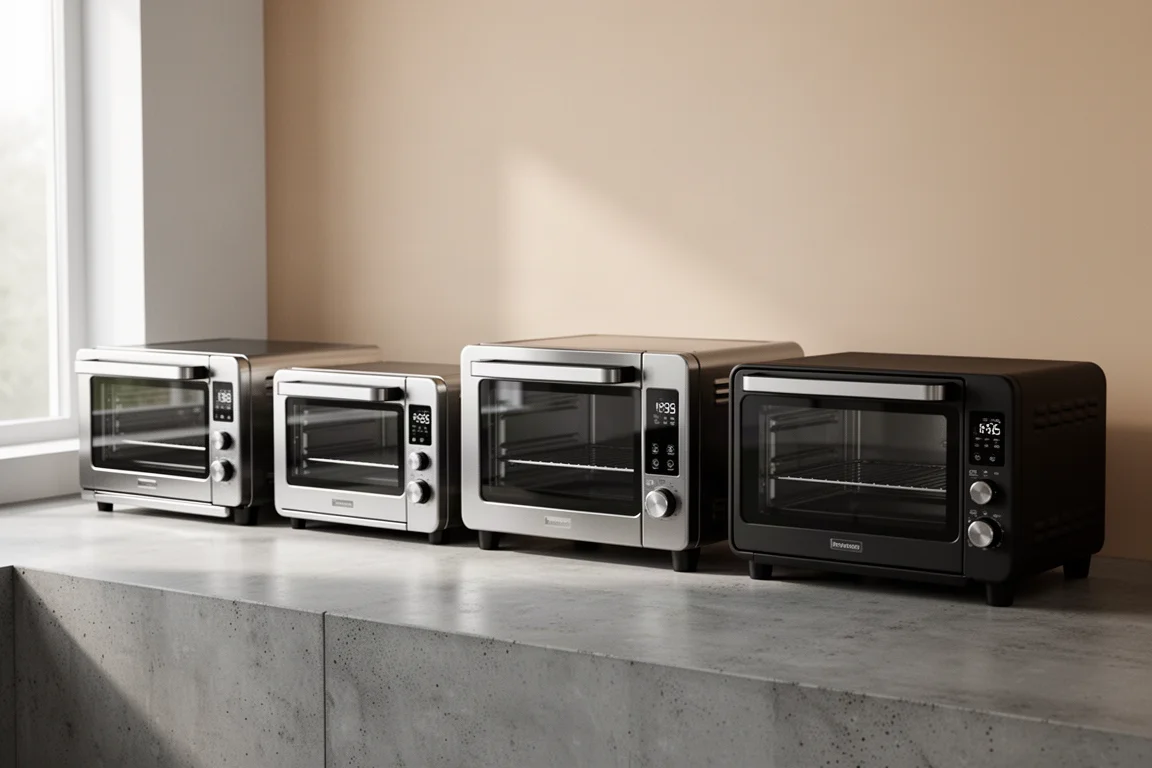
Smart countertop ovens promise a lot: air frying, slow cooking, toasting, dehydrating, indoor grilling, sous vide, pizza, and more, often replacing a shelf full of single-purpose appliances. Each of the five ovens in this comparison takes a different approach to getting dinner on the table, from radiant heat to steam to infrared light.
To find out which ones are actually worth buying, each oven was put through the same four standard tests: roasting a chicken, baking biscuits, making toast, and barbecuing ribs. Performance, ease of use, and cleanup were compared across the board. The results separated the genuinely helpful from the merely complicated.
How We Tested
Every oven cooked the same four foods: roast chicken, biscuits, toast, and barbecue ribs. That made it possible to compare not just how the food turned out, but how intuitive each oven and its app were to live with day to day, and how easy they were to clean afterward.
The ovens ranged in cooking technology from radiant quartz heat to steam injection to infrared lighting, and their prices ran from about $300 to about $1,000. Here is how each one fared.
June Smart Oven
The June Smart Oven was the clear favorite, and by a wide margin. It cooks with radiant heat from six quartz heating elements, and the updated model adds new abilities and accessories. The basic oven costs about $600.
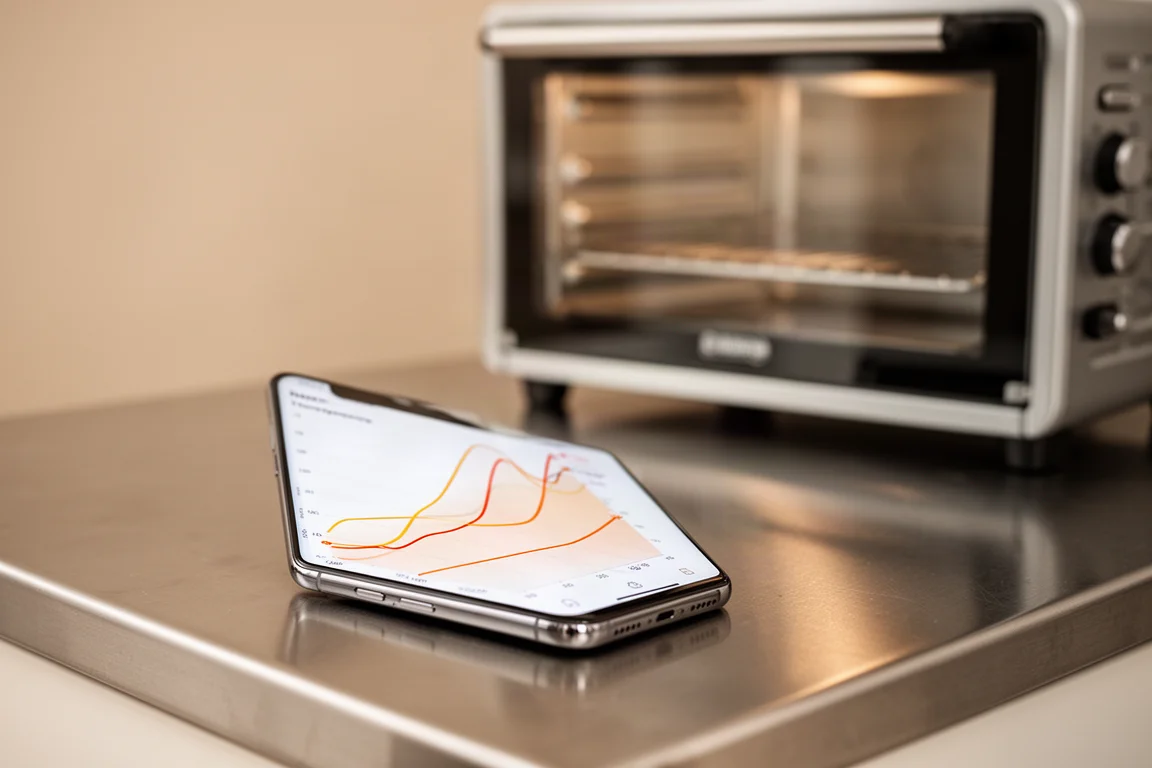
What sets June apart is how much it simplifies cooking. The app and the oven display mirror each other exactly, so you can control and monitor progress from either one. The display communicates with graphics, words, and numbers, and a big clear window lets you simply watch the food. A camera inside the top of the oven even lets you check progress by video from another room, and the app pings you when cooking is done.
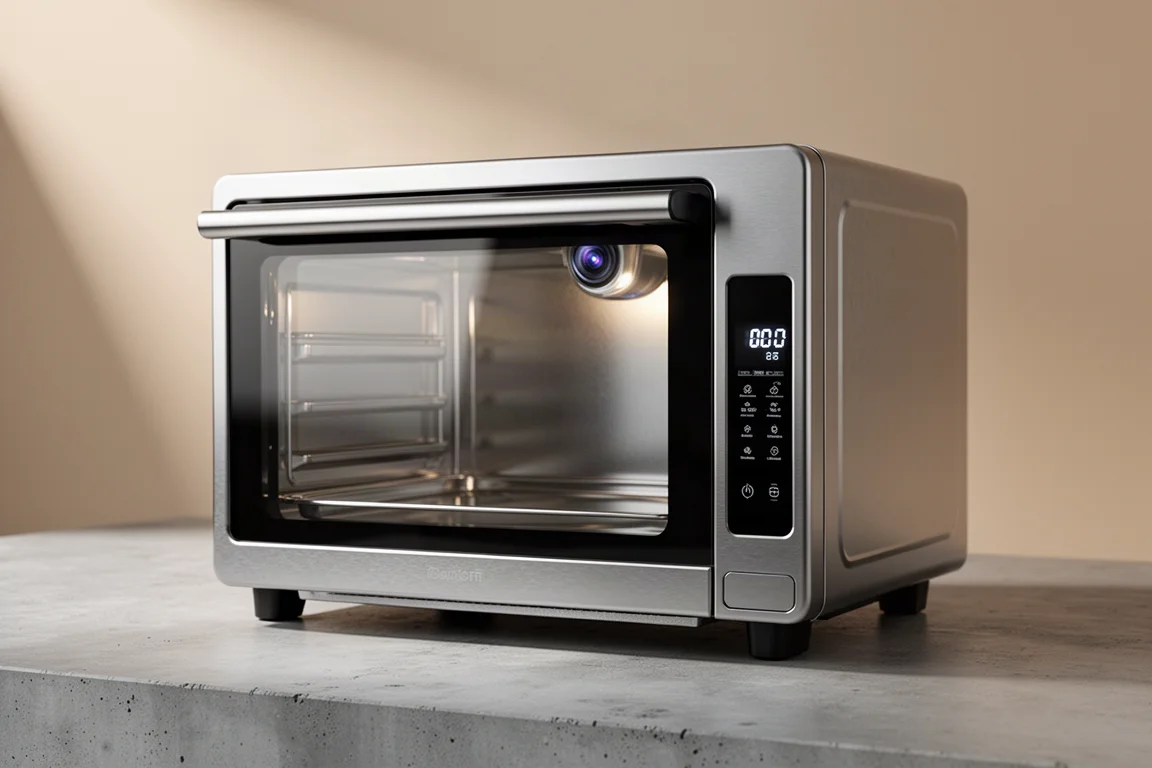
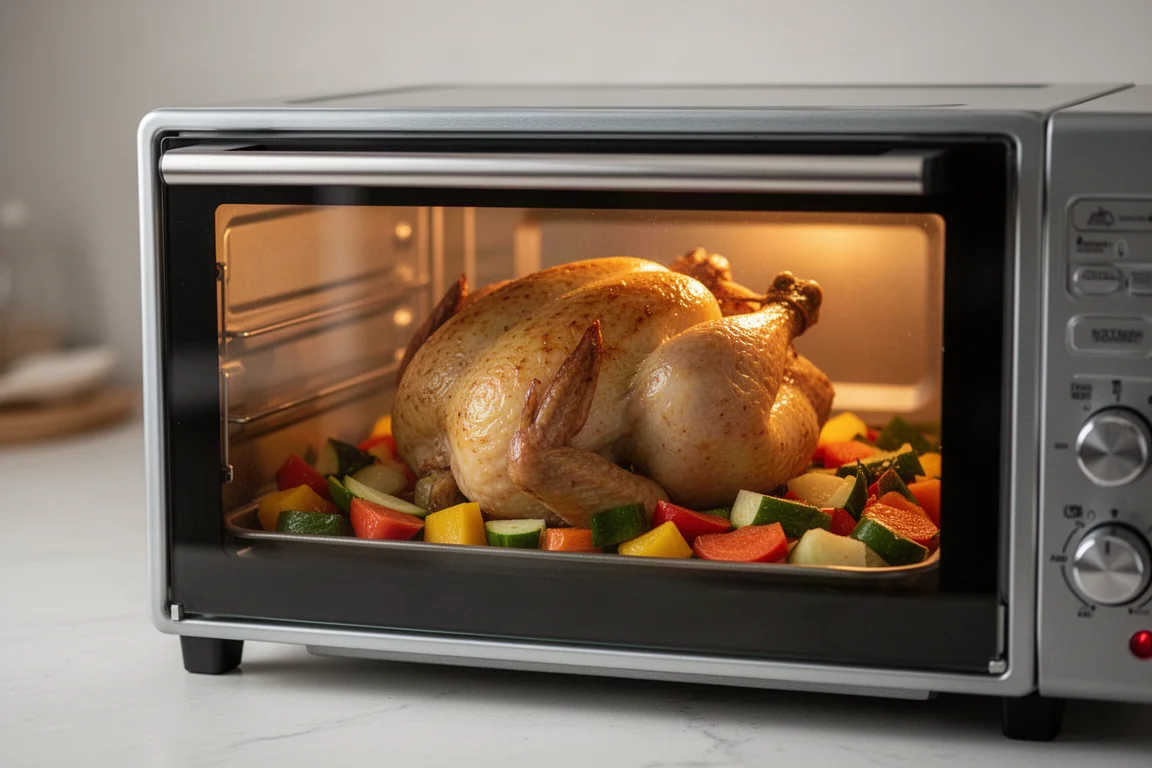
The June can identify hundreds of foods in seconds: put in a slice of bread and it recognizes it, suggests rack placement, and offers tips. For meats, poultry, and fish, an attached temperature probe tracks done-ness so food never overcooks. New accessories performed well too, including a cast iron pizza stone and grill pan, air fryer baskets, and trays that produced fall-apart tender ribs and a perfectly roasted whole chicken on a bed of vegetables. It can even recognize and cook many packaged foods from Trader Joe’s and Whole Foods, follow step-by-step guided recipes, or cook your own manual settings. It was easy to keep clean, accessories felt sturdy, and because it is internet connected, the company releases periodic software updates that add features over time. The bottom line: cooking with it felt relaxing, because it quickly earned trust.
Brava Smart Oven
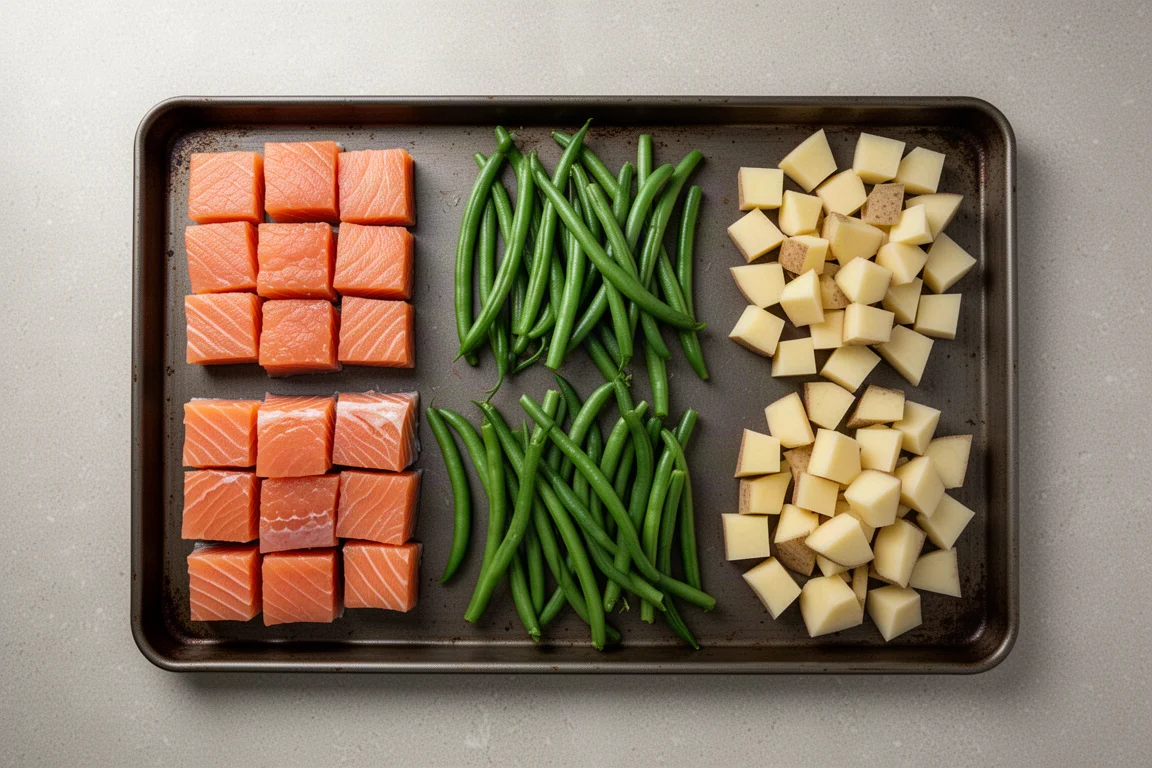
Brava cooks with powerful infrared lights on the top and bottom of the oven, and its baseline model runs about $1,000. Its signature trick is cooking up to three different ingredients, like salmon, green beans, and potatoes, each to its own perfect done-ness, on the same tray at the same time.
That trick genuinely works, and the roast chicken it produced was exceptional. The catch is how many rules you have to follow: cutting foods into very specific, small, uniform sizes, keeping each food in its own zone on the tray, and layering neither too skimpy nor too piled up. It felt fussy and bossy in practice.
There is also a safety quirk: never open the oven while it is cooking, as this can damage your eyes, and there is no window to watch through. Instead, you check progress on a small video screen on top.
Panasonic HomeChef 4-in-1 Countertop Oven
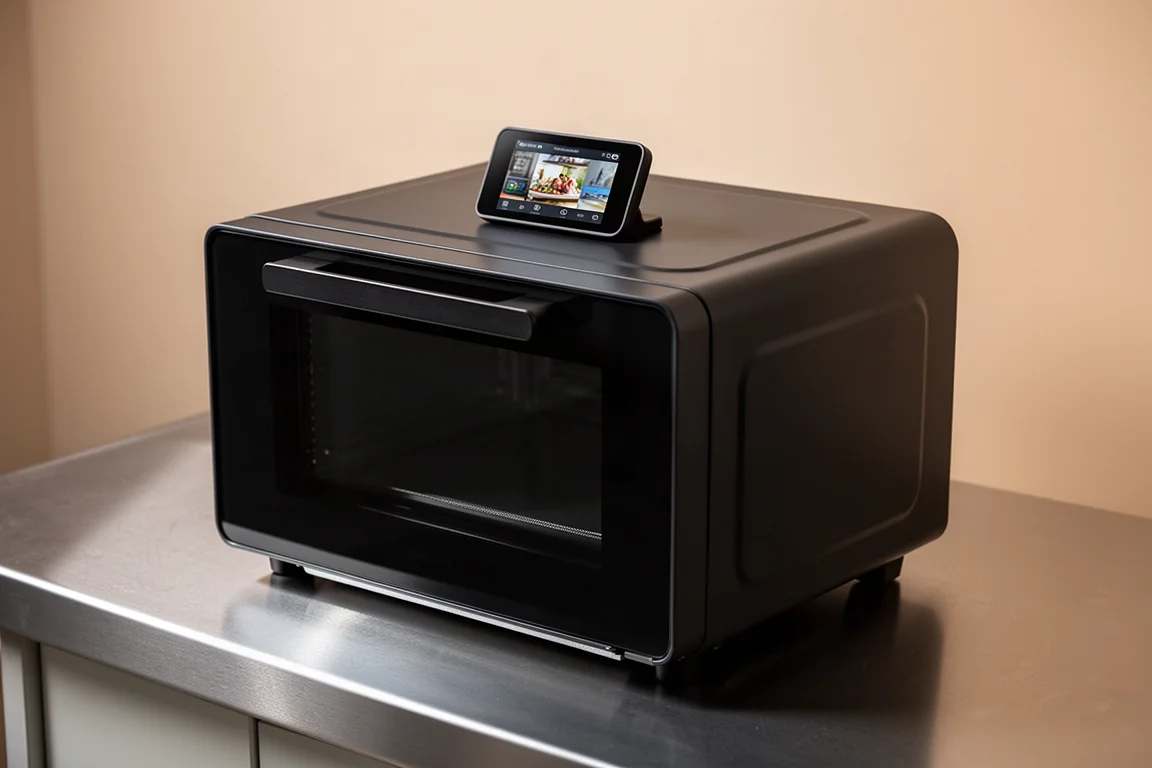
The Panasonic HomeChef can air fry, bake, roast, broil, and microwave, and at around $530 it is the only oven in this comparison without its own app. It is also the only one with a trim kit, so it can be installed as a wall oven.
In practice, it behaved like a very large microwave with extended capabilities. It defrosted ground turkey really well, baked decent biscuits, and air fried okay. But it could not make toast; the broil function had to stand in, watched closely the whole time.
The roast chicken program required entering the bird’s weight down to the ounce, then cooked automatically. It smelled amazing, but badly overcooked the chicken, which is not what you want from a smart oven.
Tovala Smart Oven
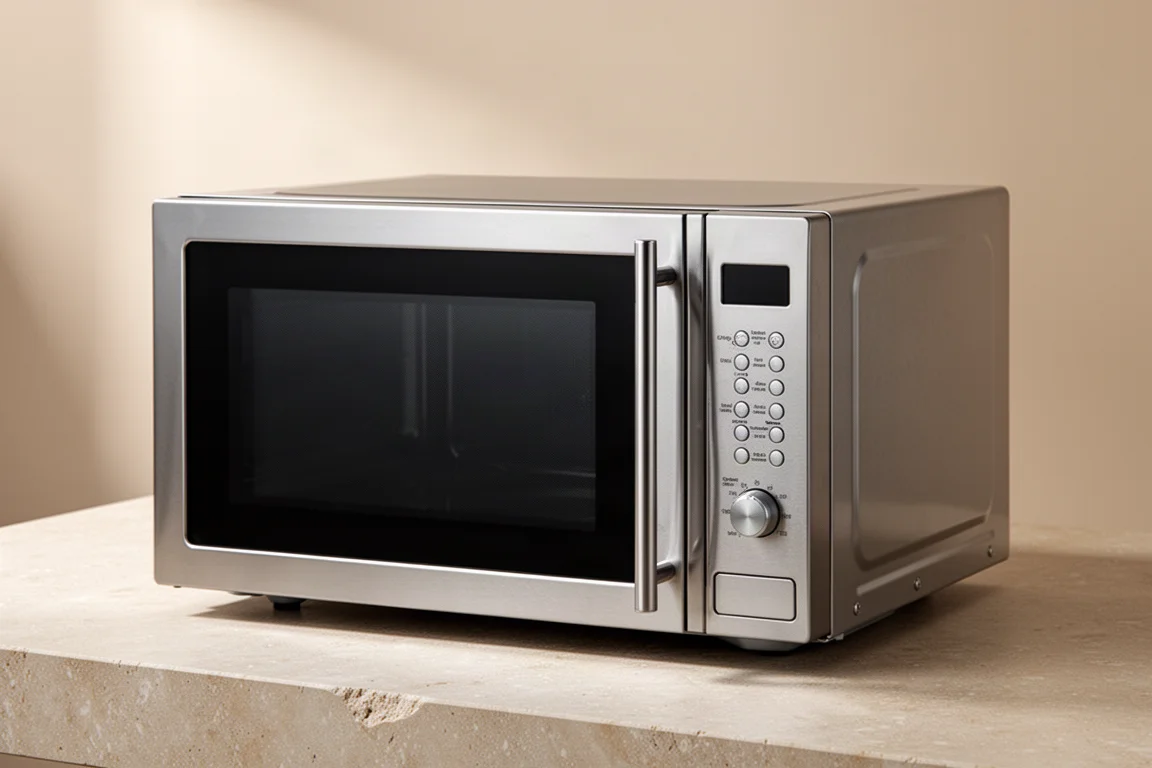
Tovala combines steam with regular radiant oven heat in a compact body priced at about $300. It also offers an optional meal-kit plan for dinners designed to cook in about 20 minutes after you scan the code on the package.
It functioned well as a countertop oven, its programmed recipes worked, and both the oven and its app were intuitive to use. Steam generation takes just a cup of tap water, rather than the gallon or more of distilled water some competitors demand.
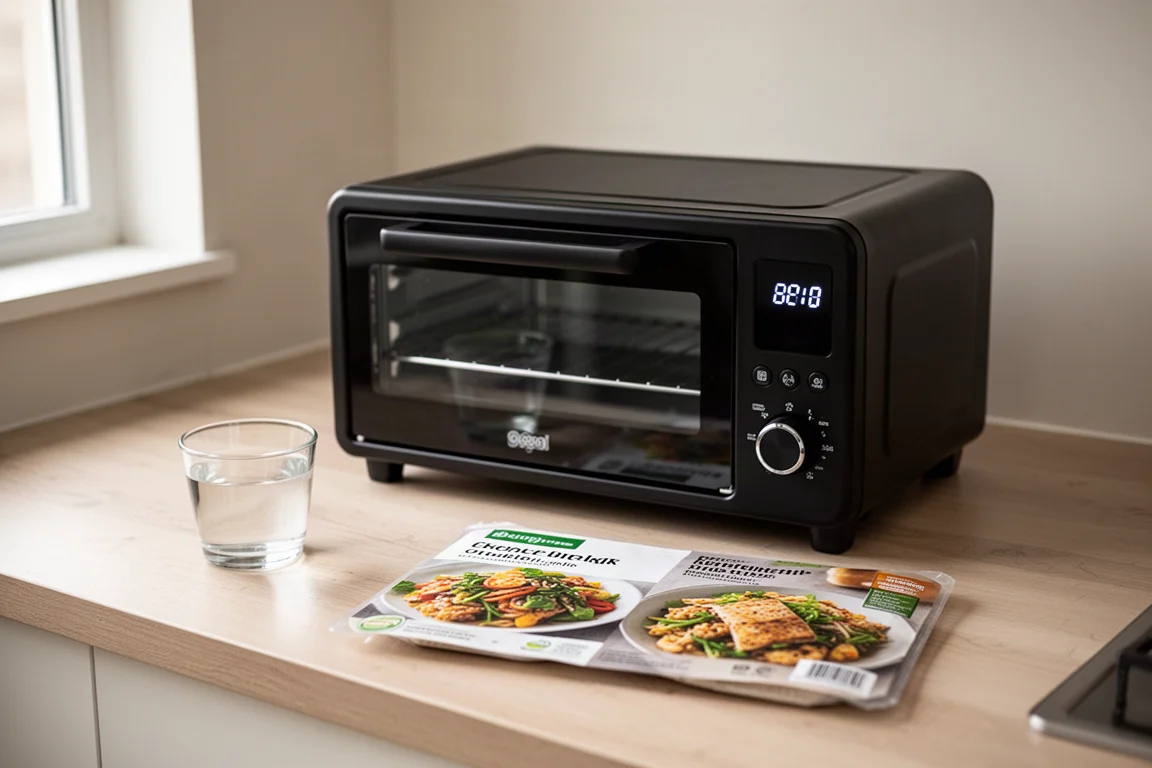
Its main flaw is size. Only half a rack of ribs fit inside, and a whole four-pound chicken barely squeezed in. That makes it best for one or two people, but for that audience it is also quite affordable, which is why it earns a best-value pick.
Anova Precision Oven
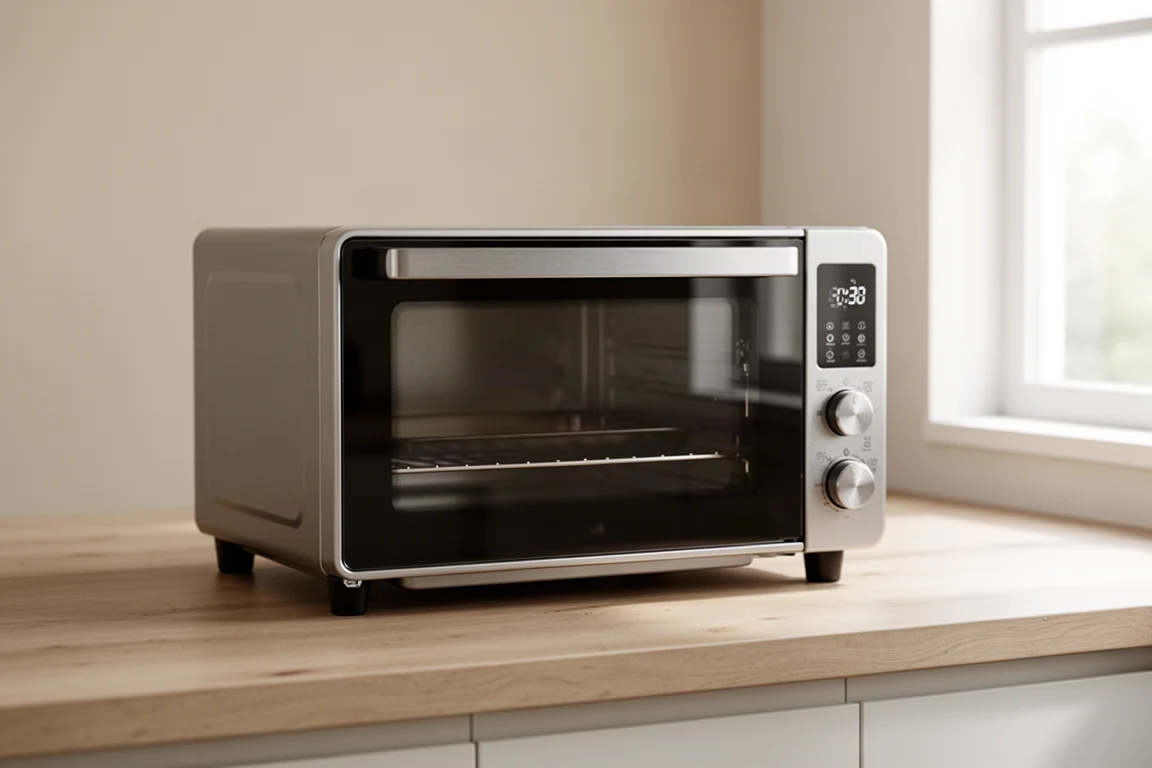
The Anova Precision Oven, priced around $600, uses radiant heat plus steam from a large tank along one side. You can set the percentage of steam and customize how it cooks, and steam cooking is designed to keep food moist, which is especially helpful for baking bread, cake, and biscuits so they come out tall and moist with a crisp crust.
In real use, though, it was a pain. Everything took forever to cook, and the results were not worth the wait. Chicken and ribs remained a bit wet and rubbery after hours of cooking. The only exceptional results were cake and biscuits, which is a hard sell at a $600 price point.
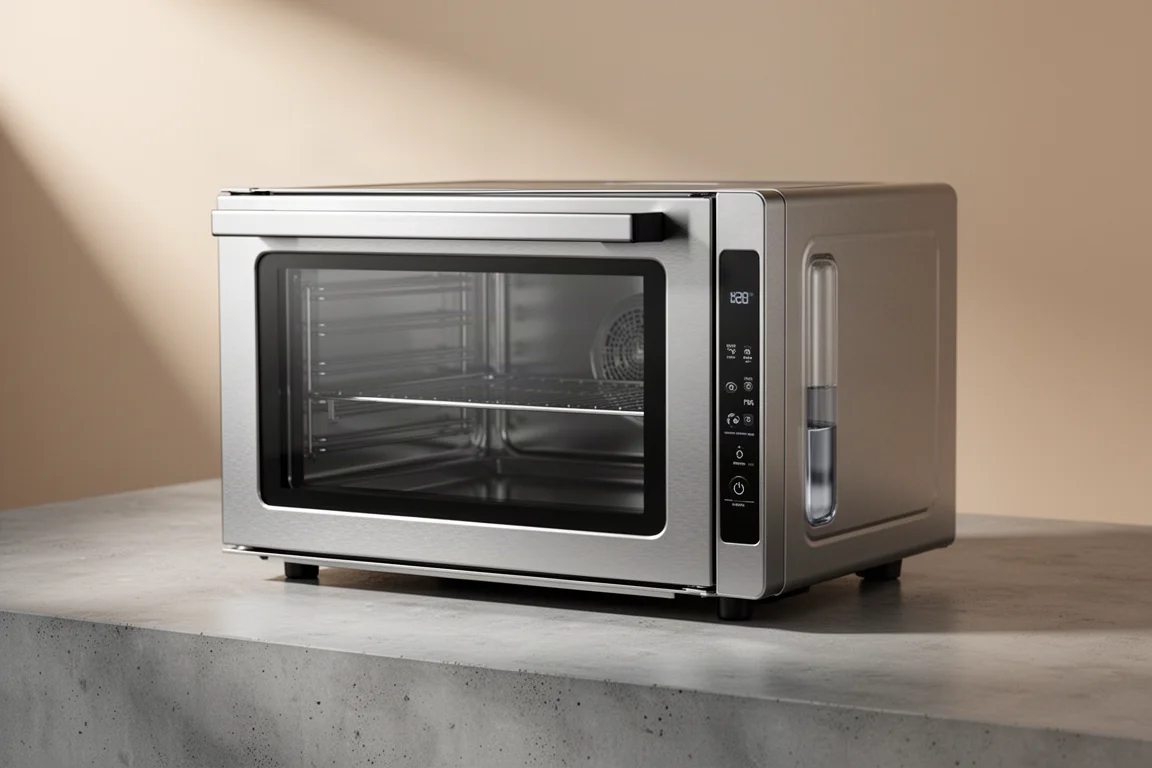
The app was not very intuitive, and there is another practical warning: escaping steam bleached the wooden countertop underneath the oven.
Overall Buying Advice
For most households, the June Smart Oven is the strongest all-around choice. It makes cooking easier, more reliable, and even enjoyable, with food recognition, a temperature probe, guided recipes, and thoughtful app integration. The Tovala is the smarter pick for one- or two-person kitchens that want a compact, affordable oven with a convenient meal-kit option.
The Brava suits cooks who value its multi-ingredient cooking trick and are willing to follow its precise rules. The Panasonic HomeChef makes sense if you want a microwave-plus combination that can be built in as a wall oven, as long as you accept its limitations with toast and automatic roasting. The Anova Precision Oven is hardest to recommend, since its best results were limited to baked goods.
Conclusion
Five ovens, five very different experiences. The June delivered the best cooking results and the smoothest overall experience, Tovala offered the best value for smaller households, and the Brava impressed with its simultaneous multi-ingredient cooking despite its fussiness. The Panasonic worked best as a do-everything microwave alternative, while the Anova’s steam-heavy approach produced the least satisfying results of the group. Match the oven to your kitchen size, budget, and how much control you want to hand over, and the smart oven category does have something genuinely worth buying.
Further reading
Related Reviews
Kitchen Appliances
Arboleaf Smart Kitchen Scale Review: Connected Cooking Made Simple
A Bluetooth-enabled kitchen scale that syncs with a nutrition-tracking app, offering real-time weight monitoring and recipe guidance for home cooks.
Kitchen Appliances
Best Air Fryer Toaster Ovens Under 100: Five Practical Options for Budget-Conscious Kitchens
Five air fryer and toaster oven combinations that deliver real cooking performance without breaking the bank, each with distinct strengths for different kitchen needs.
Kitchen Appliances
Best Air Fryer Toaster Ovens: Three Top Picks for Multi-Function Cooking
Three high-performing air fryer toaster ovens tested for versatility, ease of use, and real-world cooking results. Find the right fit for your kitchen.