Ski Gear
Best Skis for Progressing Intermediates: 8 Models Worth Demo Testing
Eight all-mountain skis worth shortlisting for intermediate and advanced-intermediate riders, from forgiving carvers to damp options built for heavy, wet snow.
Introduction
Riders moving from intermediate toward advanced often end up shopping the same corner of the market: a versatile all-mountain ski that can handle groomed runs, softer snow, and whatever the weather decides to throw at the mountain. The models below came out of two very different requests, one from a high intermediate skier looking to keep progressing on groomers, and one from a newer rider in coastal British Columbia dealing with wet, heavy snow on a larger frame.
Both cases point to the same shortlist logic. Forgiveness and predictable turn initiation matter more than a ski’s top-end ceiling while you are still building technique, and dampness matters more than light weight when the snow is dense and sticky. Each ski here has a clear case for a particular rider, and each comes with a trade-off worth knowing before you commit.
How We Evaluated These Skis
Four things separated the skis on this list. The first is forgiveness: how easily a ski lets a rider of average ability start a turn and recover from a mistake. The second is top-end performance, because a ski that only works at low speed will hold you back within a season or two. The third is behavior in heavy, wet snow, which is the condition that punishes the wrong ski hardest. The fourth is price positioning, since a ski that is only a marginal improvement is hard to justify at a premium.
Where a model stood out in one area but gave ground in another, that trade-off is called out directly rather than smoothed over. The aim here is not to crown a single winner, but to help you build a demo shortlist that matches the snow you actually ski.
Head Kore 93: The Most Versatile All-Rounder
For a high intermediate or low advanced skier who wants one ski to keep growing into, the Kore 93 is the strongest all-round case in this group. It is a genuinely diverse ski that stays forgiving across a wide range of conditions, letting you ease into a turn and shape it rather than forcing an edge. That quality matters most for riders whose timing is still developing.
What keeps it at the top is that the forgiveness does not come at the cost of headroom. The top-end performance is high enough that the ski will still have something to give as technique improves, which is exactly what you want from a purchase at this stage.
Salomon QST 92: A Comfortable Off-Piste Choice
The QST 92 is an easy ski to like, particularly if your days lean toward softer, ungroomed terrain. It is comfortable and confidence-inspiring off-piste, and riders who spend most of their time away from the groomed runs tend to get along with it well.
The caveat is direction. If carving progression is the goal, there are better-matched options in this list, because the QST 92 is happiest when it is allowed to drift and smear rather than hold a hard edge on groomed snow. Choose it for the terrain you actually ski, not the terrain you plan to ski.
K2 Mindbender 96C: Capable, With a Consistency Caveat
The Mindbender 96C is a capable performer in heavy, wet snow, and it fits the profile of a versatile all-mountain ski. The reason it does not rank higher here is consistency. Reports on K2’s quality control have been mixed in recent seasons, so it is worth inspecting the actual pair in front of you rather than ordering blind and hoping for the best.
If you can check a pair in person and the build looks clean, the Mindbender is a reasonable option, particularly at a discount. If you cannot inspect it first, the other skis on this list carry less risk.
Salomon Stance 90: The Overlooked Forgiver
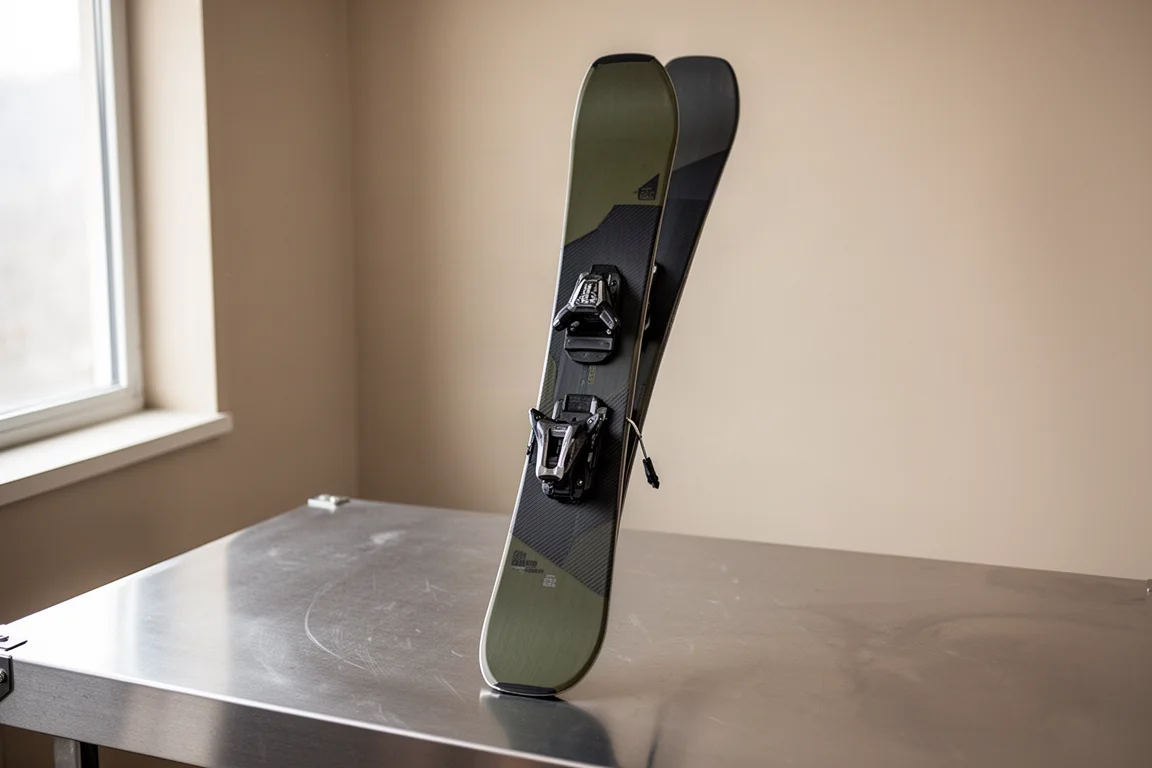
The Stance 90 is one of the most underrated skis in this category. It is very forgiving, which makes it an excellent match for a rider who is still building confidence and wants turn initiation to feel easy rather than punishing. Despite that, it rarely gets the attention that more heavily marketed models receive.
For a high intermediate skier trying to progress, this is one of the models worth prioritizing first. It rewards a developing technique instead of demanding a finished one.
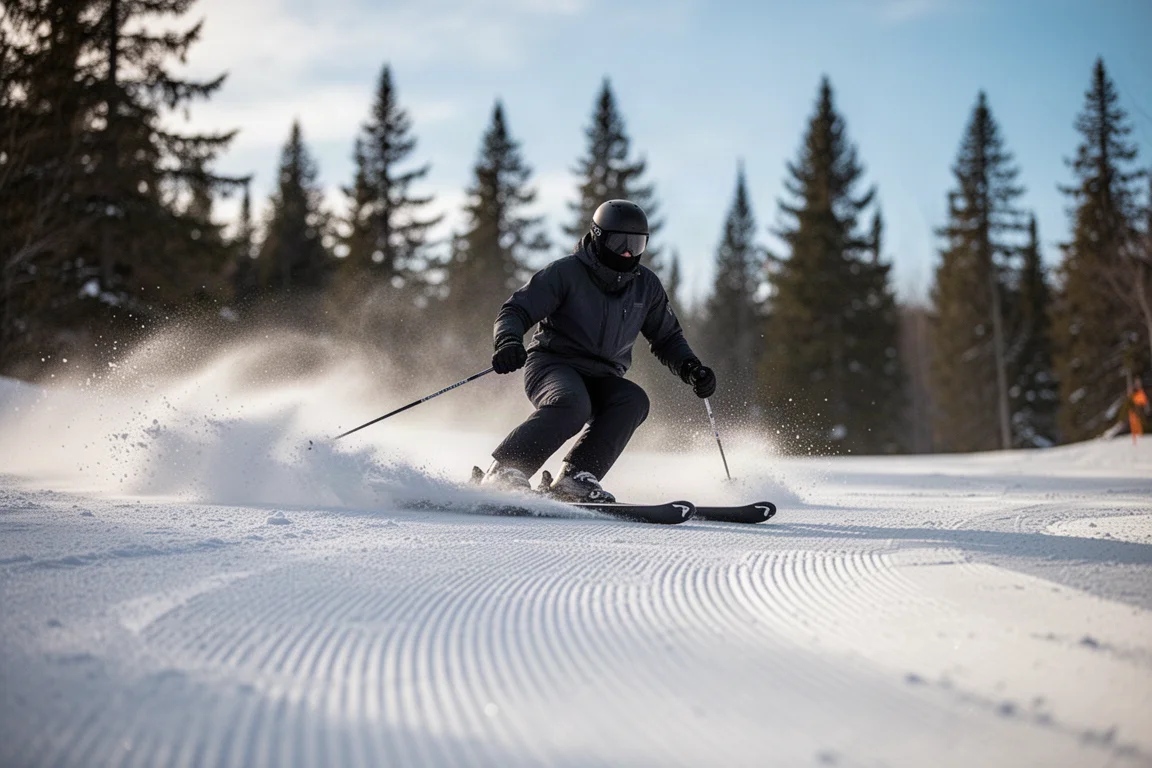
That forgiving character also makes it a sensible choice for riders coming back after time away from the sport, or for anyone who splits a season between groomed days and softer ones without wanting two pairs of skis.
Elan Ripstick 96: Strong Value When Deals Appear
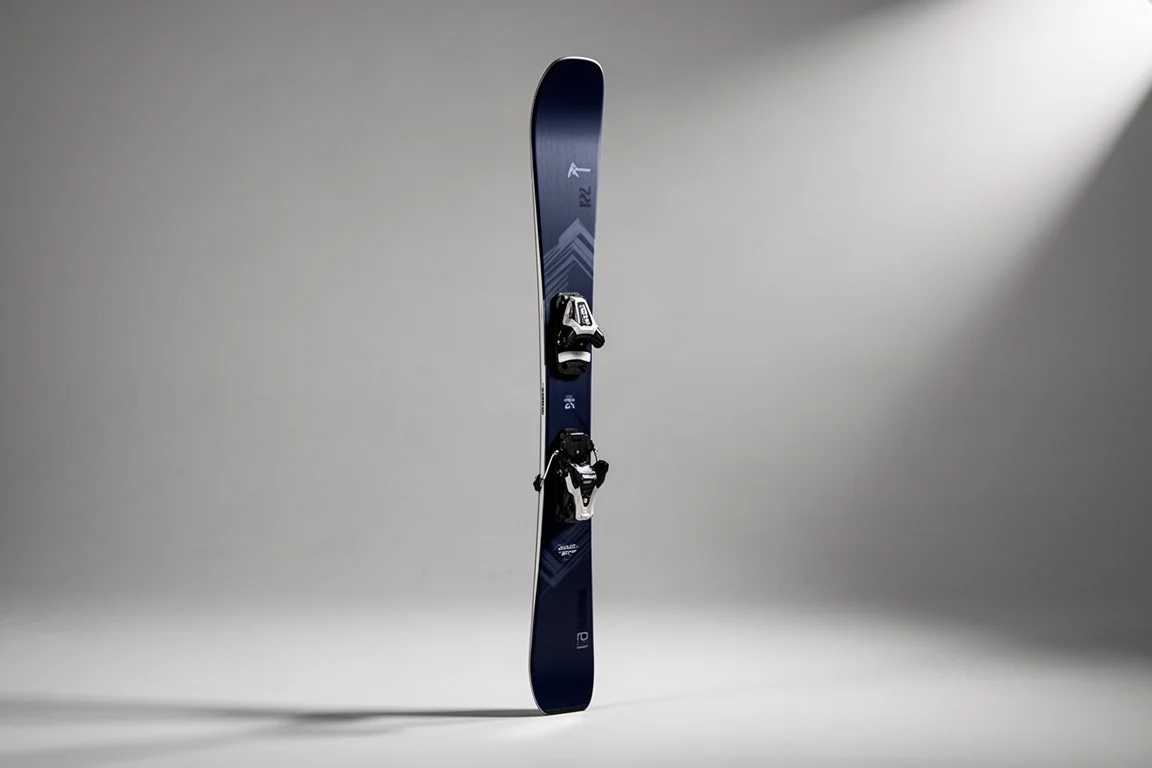
The Ripstick 96 has impressed in recent testing, and it is the kind of ski that flatters a rider rather than fighting them. It has become a common recommendation for intermediates precisely because it is easy to get along with across a range of conditions.
Its strongest argument may be timing. This is one of the models where seasonal pricing has been particularly aggressive, so a rider who is flexible about when they buy can end up on a very capable ski for considerably less than list. If you are shopping deals rather than shopping for one specific model, keep it on the shortlist.
Stockli Storm Rider 88: Premium Damp-Snow Performance
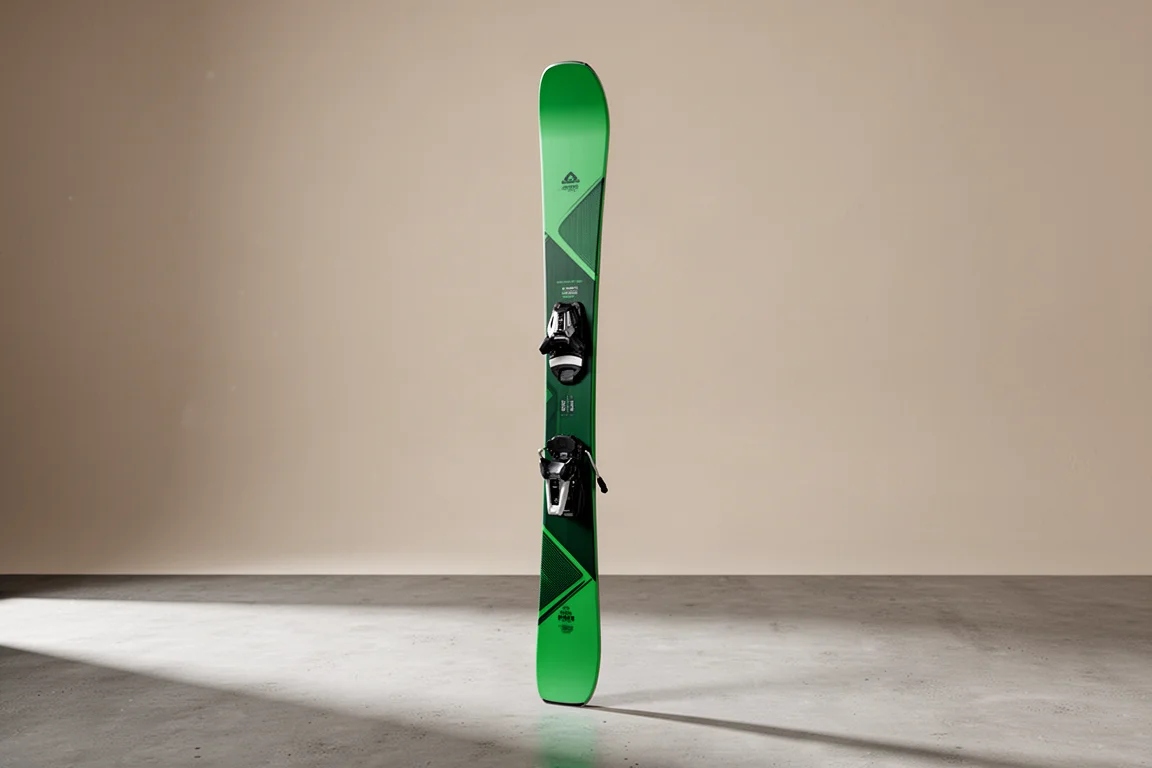
The Storm Rider 88 sits at the higher end of the price range, and that is the first thing to weigh. What you get for it is a ski that manages the difficult combination of being fairly forgiving while still performing well in heavy, wet snow, which is a rare balance to strike.
For a rider in a coastal or spring-snow climate who wants one ski to handle dense conditions without being punished for imperfect technique, this is one of the top choices. Just be honest about whether the price premium fits your budget, because the value case depends entirely on how often you ski those conditions.
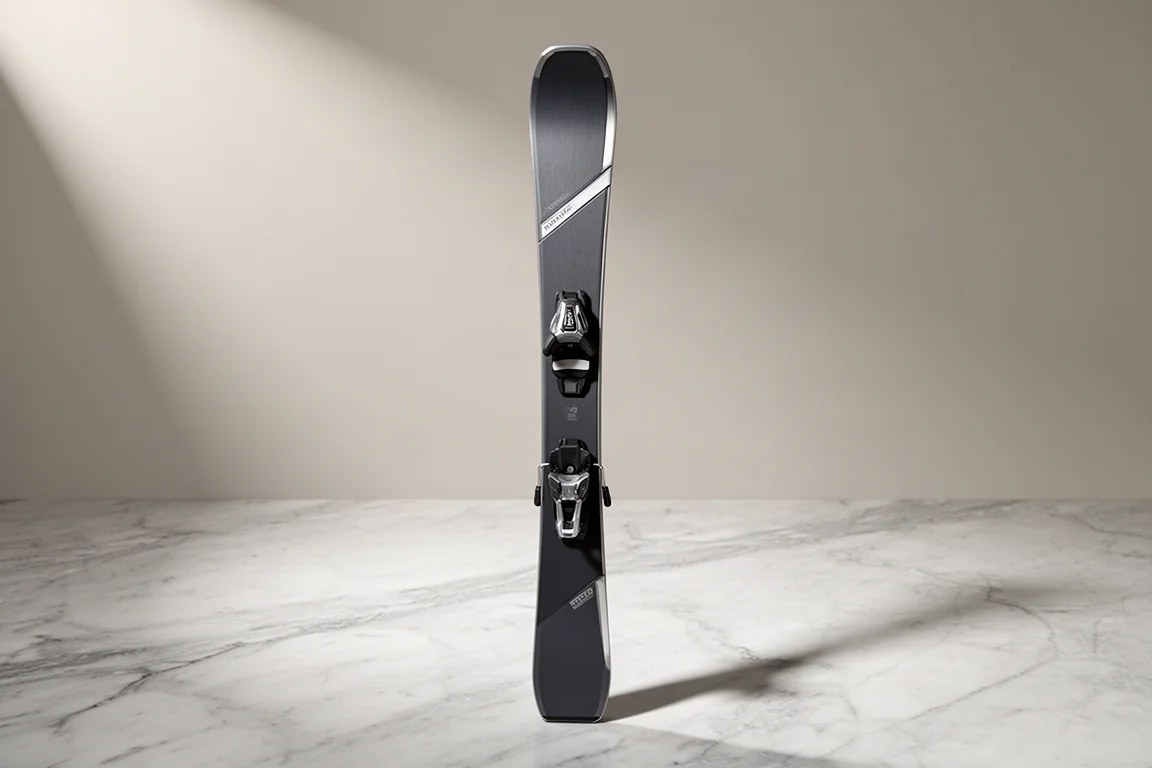
Head Kore 87: A Dependable Wet-Snow Choice
The Kore 87 is a strong match for denser snow and a larger, stronger rider. For someone around six feet and 180 pounds dealing with heavy, wet coastal snow, it is one of the first models worth demoing.
It is not a specialist in any single condition, and that is the point. It handles wet snow competently, stays manageable for a developing skier, and does not ask for perfect timing to work.
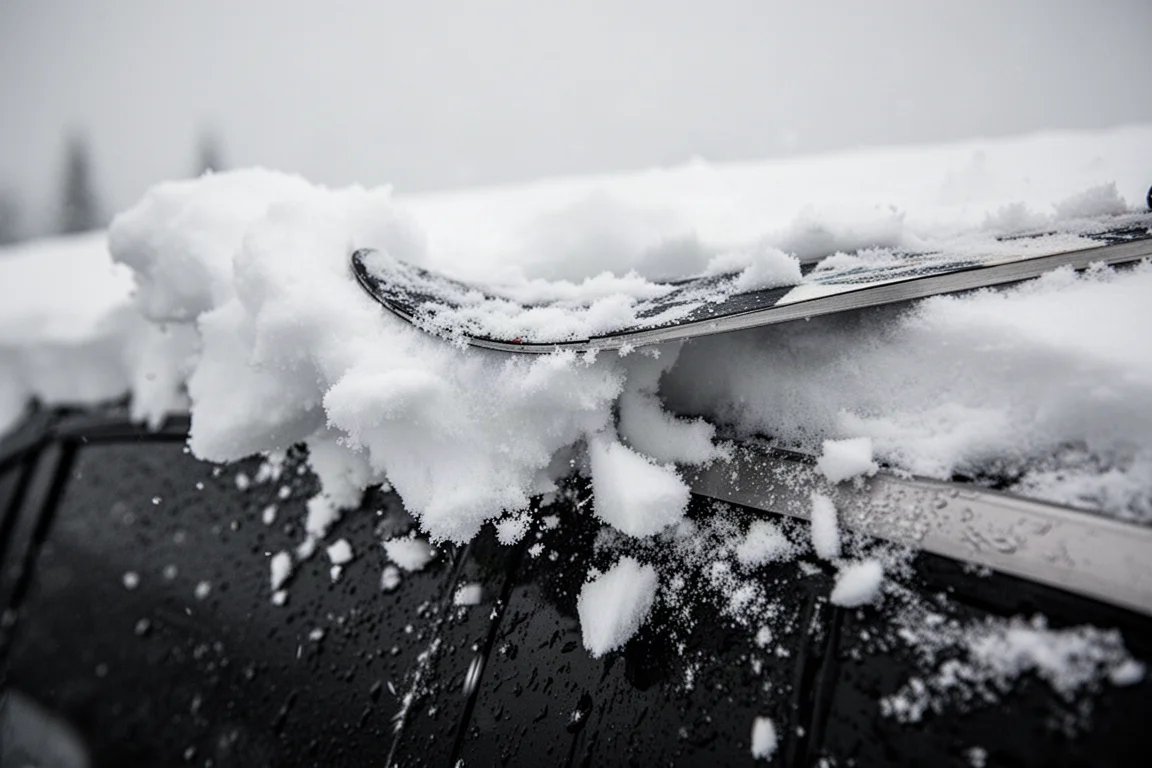
That makes it a practical pick for riders who ski the same handful of local hills all season, where snow quality is unpredictable and the priority is a ski that behaves predictably no matter what fell overnight.
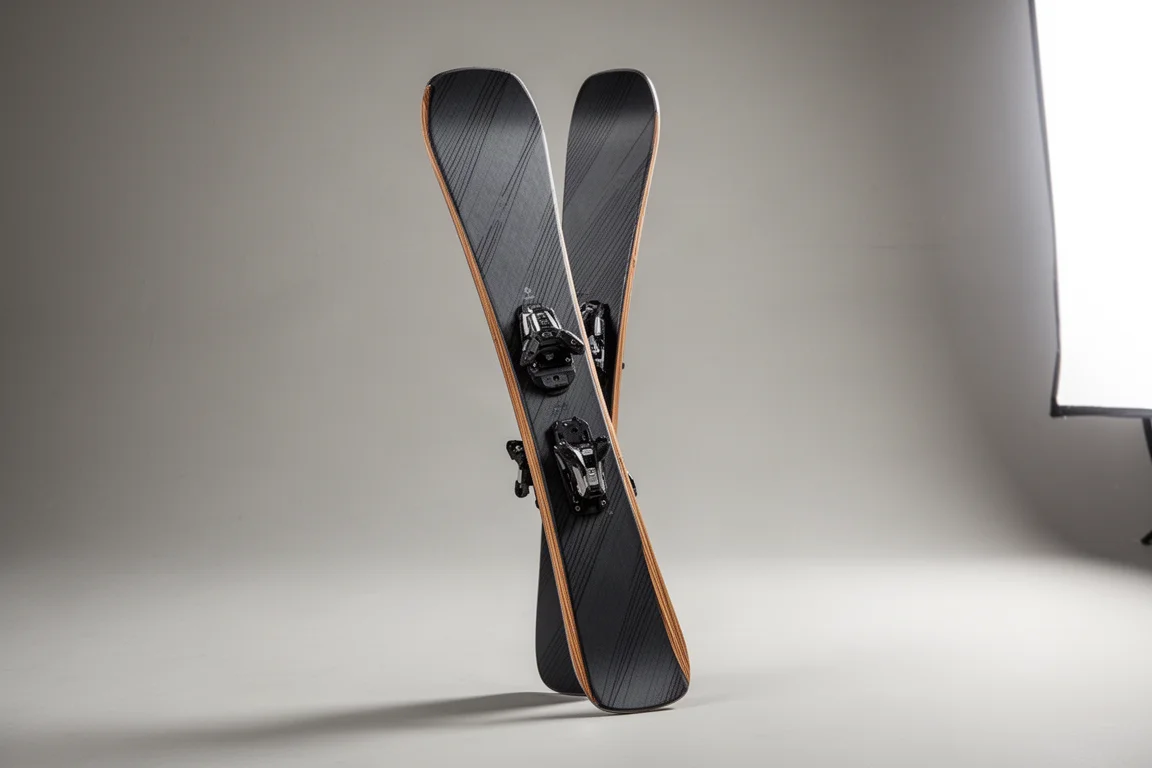
Volkl Deacon 79: An Easygoing Option for Newer Skiers
The Deacon 79 is not the most exciting ski on this list, and it does not pretend to be. What it offers is forgiveness and competent performance in wet, heavy snow, in a package that is easy to find at a strong discount.
That combination makes it a sensible first purchase for a rider who is still on greens and blues and wants to keep improving. It will not flatter an expert, but it will not get in the way of a newer skier either, and the low entry price leaves room to upgrade later once you know what you actually like.
View more details for Völkl Deacon 79
Buying Advice: How to Choose
Start with the snow you actually ski, not the snow you see in edits. A rider dealing with wet, heavy coastal snow needs a different ski from someone on cold, dry powder, and the models that handle dense snow well are not always the ones that get the loudest recommendations.
Second, weight forgiveness more heavily than top-end performance while you are still progressing. A ski that lets you complete a turn cleanly will teach you faster than one that punishes a late edge change, and every ski on this list has enough headroom to last more than a single season.
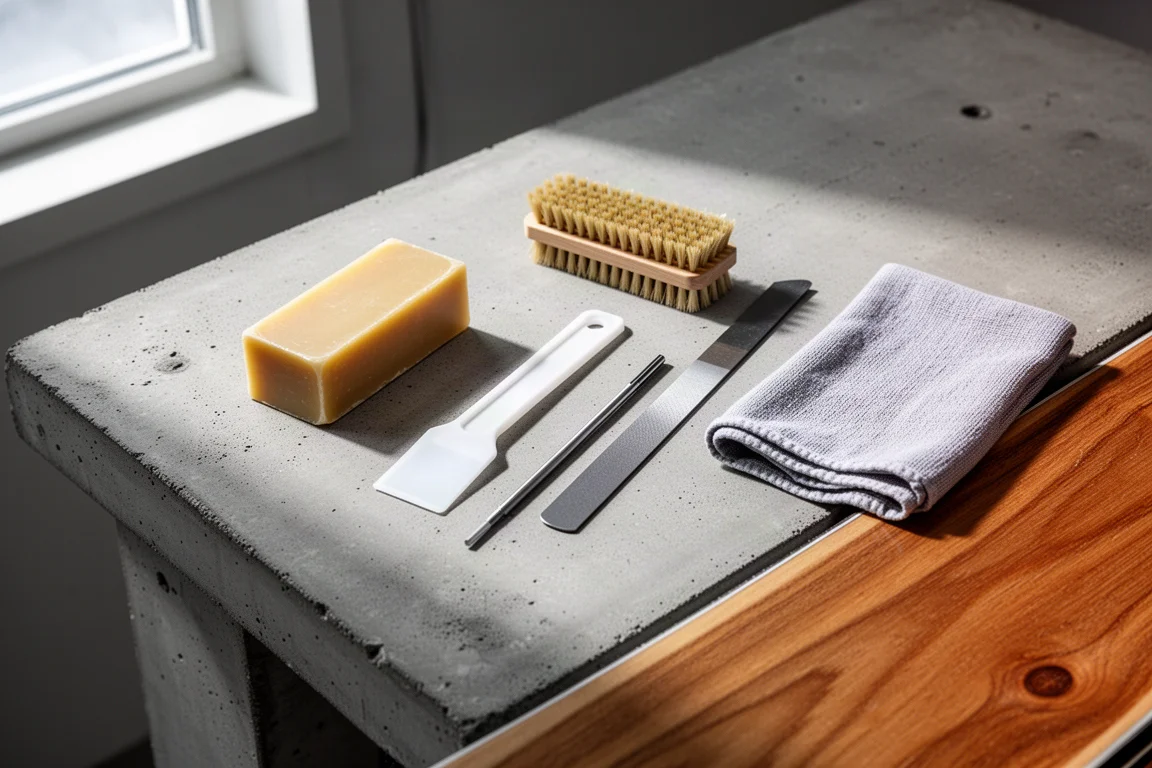
Third, demo before you buy if you can. Some shops run demo programs that let you take out several different models in one day, which is by far the fastest way to learn what you actually like rather than what you think you should like. If you are shopping in spring, keep in mind that skis are generally cheapest then, and that a well-waxed ski makes a real difference once the snow turns sticky and slow.
Conclusion
None of these skis is a bad choice, which is why the decision comes down to fit. The Kore 93 and Stance 90 make the most sense for a high intermediate rider who wants to keep progressing without being over-skied. The Storm Rider 88 and Kore 87 are the picks for heavy, wet snow, with the Storm Rider carrying a higher price for its balance. The Ripstick 96 and Deacon 79 are the value plays when deals appear, while the QST 92 and Mindbender 96C are worth a look if their particular strengths match your terrain and you can check the pair in front of you.
Further reading
Related Reviews
Ski Gear
2023 Blizzard Hustle vs Rustler: Six Freeride Skis Compared
Blizzard's 2023 Hustle collection rebuilds the Rustler shape with a lighter core and no metal. Here is how all six skis differ, and which one suits your riding.
Ski Gear
2023 Skis of the Year: Atomic Maverick 88 TI, Salomon QST 106, and Look SPX 12 Pro
Three standout ski picks for all-mountain carving, powder days, and reliable binding performance, with practical buying notes for 2023 models.
Ski Gear
2025 Nordica Enforcer 104 Review: A Directional Charger Replaces the 104 Free
The 2025 Nordica Enforcer 104 drops the Free name and the twin-tip personality, gaining weight, stiffness and composure in rough snow. Here is what changed and who it suits.