Ski Gear
Best Skis for Daily Driving: Ten All-Mountain Options Worth Considering
A practical guide to ten all-mountain skis for daily driving, from damp 88mm groomer skis to maneuverable glade options and wider powder shapes.
Introduction
A daily driver is the ski you reach for when the forecast does not point you anywhere in particular. The honest answer is that it depends far more on where you ski than on any single specification, because the difference between a hard, skied-off groomer and a soft spring slush field changes which ski feels good underneath you.
That split shows up clearly in the ten skis below. Damping and weight pay off when the surface is firm and chattery. Maneuverability and a lighter feel pay off in the trees. Very few skis do both convincingly, which is why quiver planning comes up so often.
There is also a practical angle this season. A large amount of previous-model-year inventory is still sitting on shelves, so strong skis are available without paying full price. Each of the ten models here solves a slightly different problem, and knowing which problem is yours is most of the decision.
Atomic Maverick 88 TI
The Maverick 88 TI, previously sold under the Vantage name, is a carving-oriented 88mm all-mountain ski. It initiates turns easily and holds an edge well on groomed terrain, which makes it enjoyable for skiers who can keep the ski engaged through the turn rather than drifting it. It stays fun across a range of turn radii, and it is a forgiving companion if you already own a wider, damper ski for soft days.
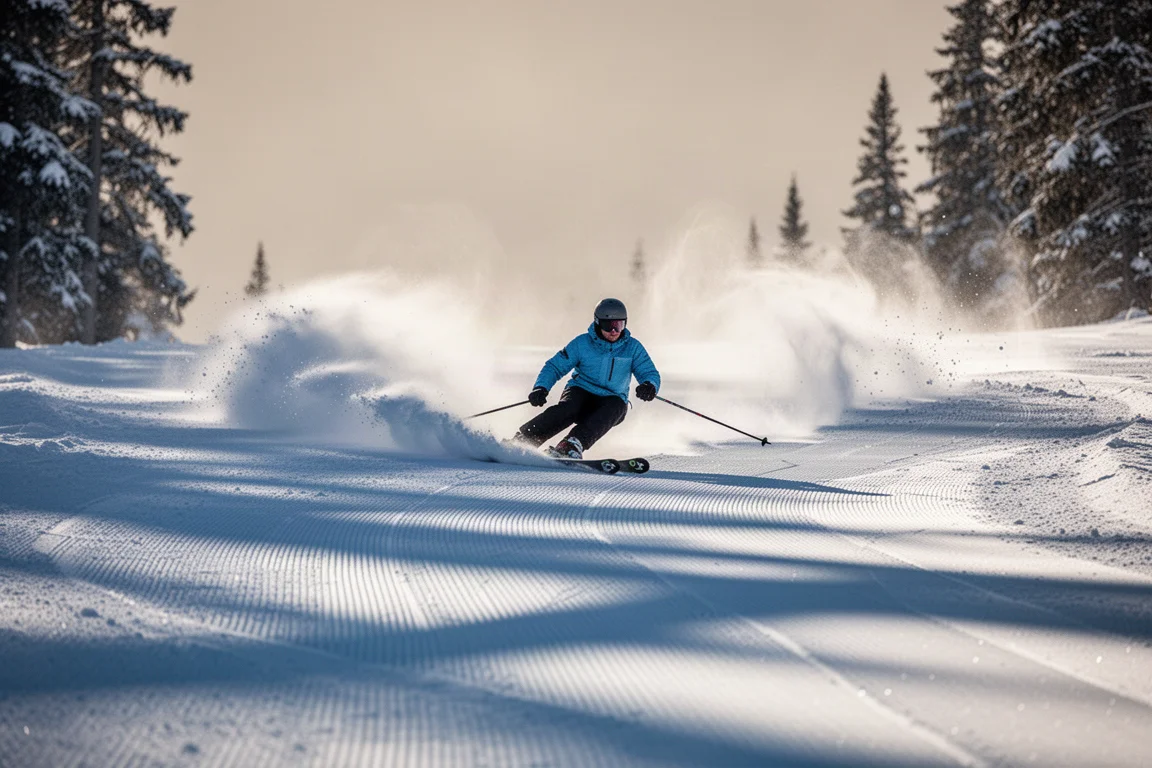
Its limitation is damping. It is not the calmest ski in choppy or soft snow, and it can get hung up once the surface turns deep and heavy. That trade-off is easier to accept as part of a two-ski setup, where the Maverick handles the firm, playful days and something wider handles everything else.
Stöckli Storm Rider 88
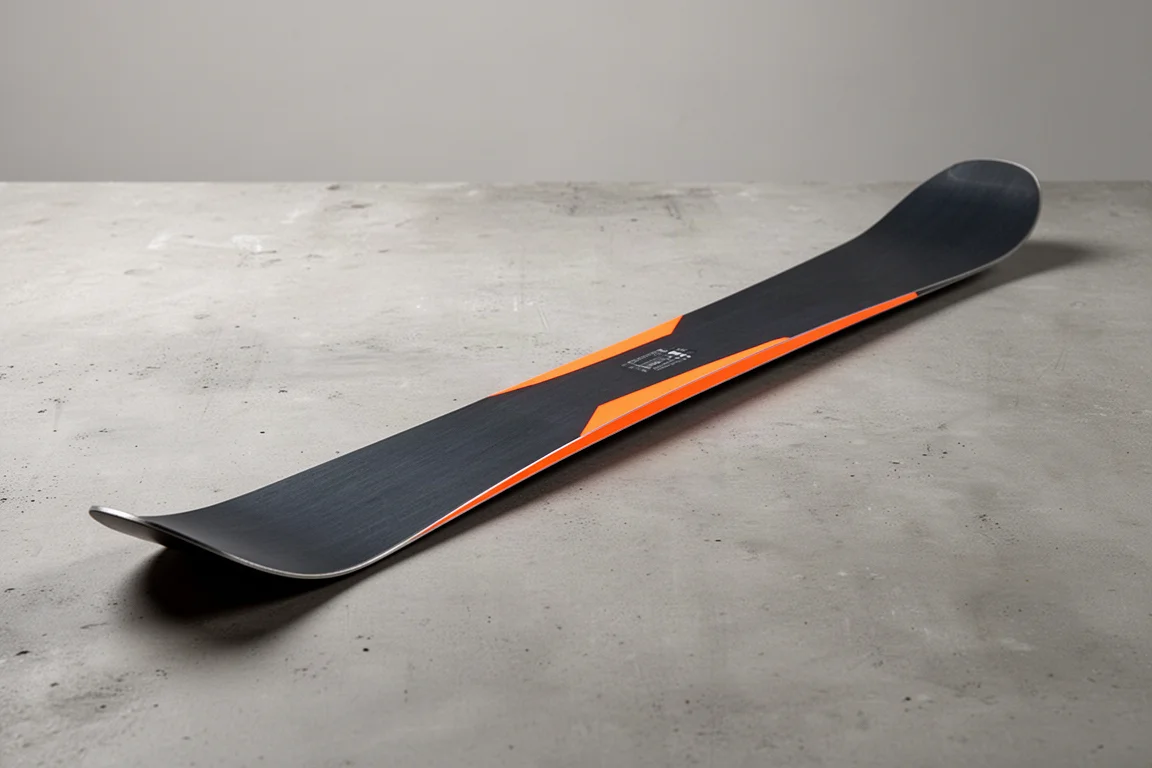
If damping is the priority, the Storm Rider 88 is the reference point in this group. It has the weight and composure to stay settled on firm, skied-off groomers where lighter skis start to chatter, which makes it a strong choice for long, fast groomer laps on hard snow and for terrain that gets scraped down to ice by mid-morning.
The trade-off shows up on deep days, where a wider or lighter ski floats more easily. If you ski mostly firm terrain and want a ski that feels planted underneath you at speed, this is the one that tends to come up first.
Volkl Mantra 88
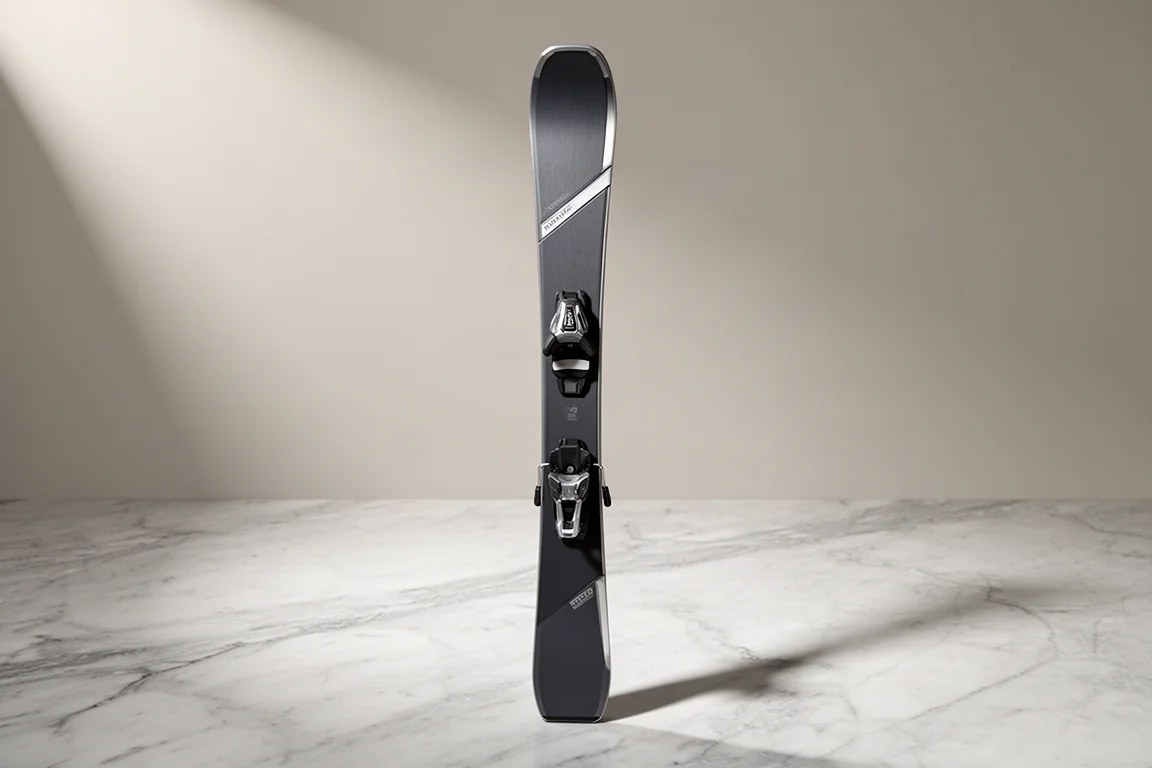
The Mantra 88 is a heavier, damper all-mountain ski, and the extra mass is exactly what makes it useful. It carries through crud, cut-up snow and heavy spring slush without getting deflected, and it can be shifted between short slalom-style turns and longer GS arcs depending on the terrain and how you load the ski.
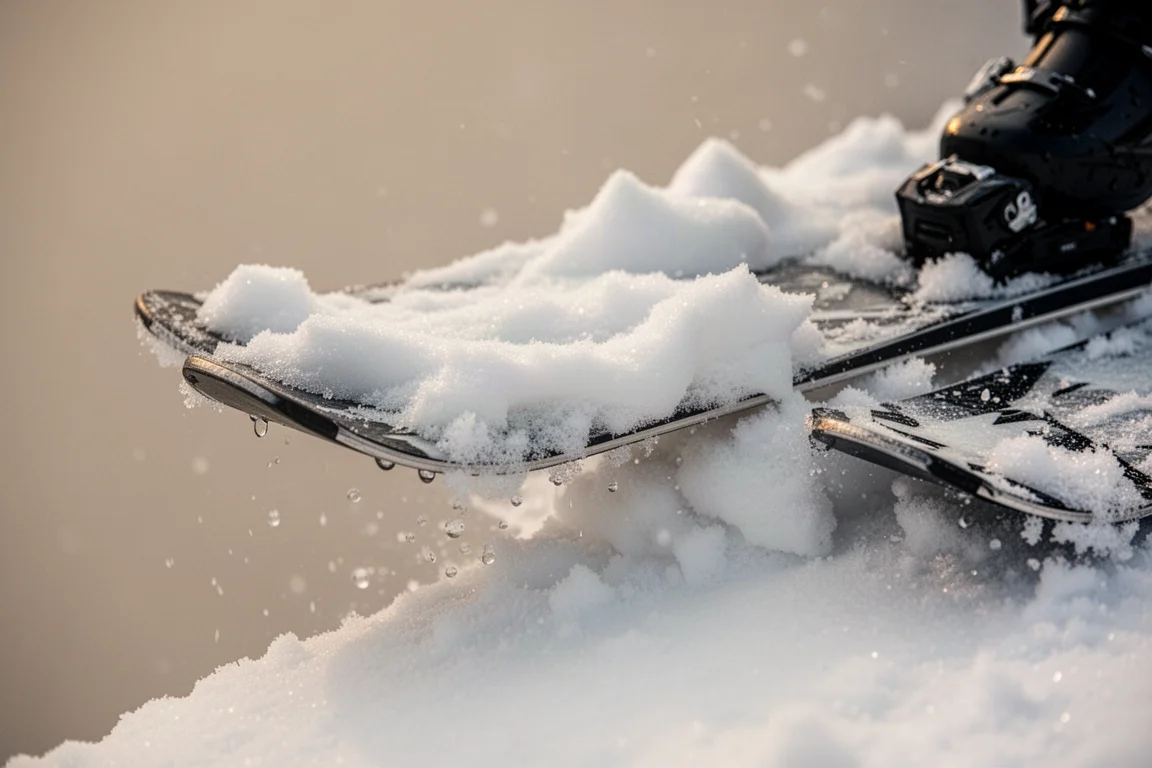
That same weight is noticeable in tight trees, where a lighter ski is easier to pivot. For firm conditions, chattery surfaces and late-season slush, though, the Mantra 88 is one of the most dependable options here. It is also the ski that comes up for spring and summer slush, where a heavier platform cuts through soft, heavy snow instead of getting hung up in it.
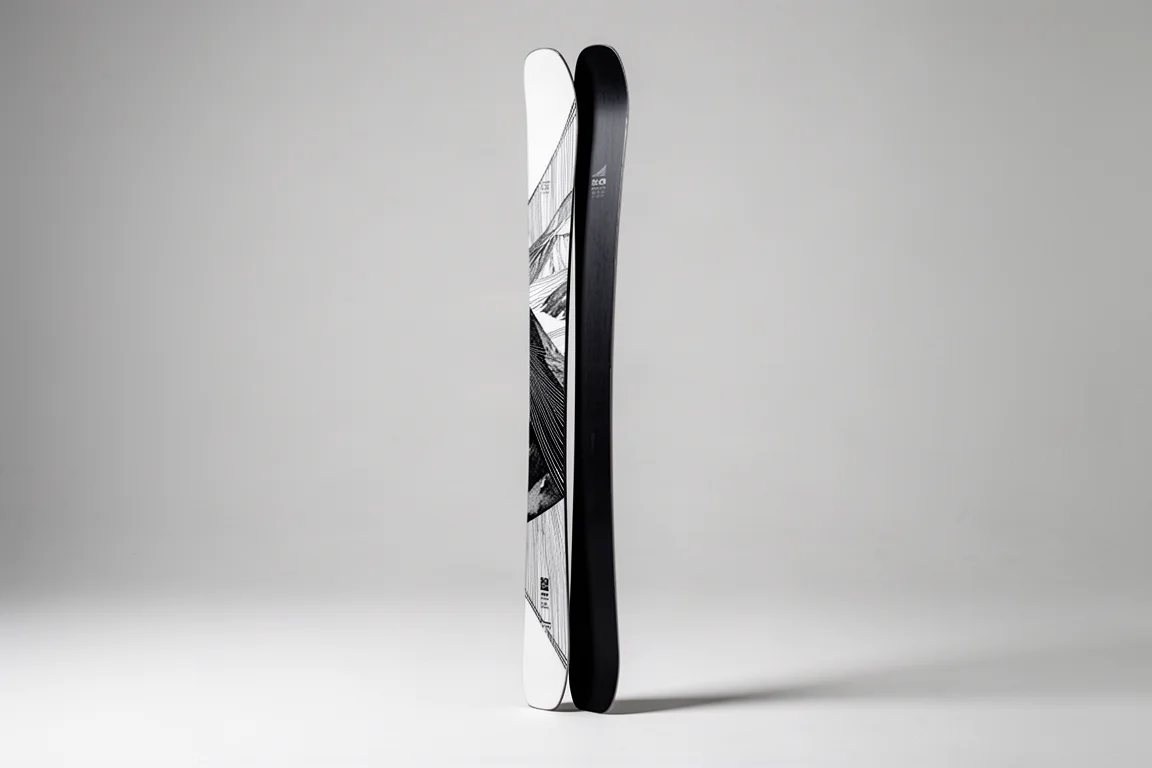
Volkl Kendo 88
The Kendo 88 is the previous name for the Mantra 88, and the ski itself is unchanged. That matters mainly for shopping: if you find a Kendo 88, you are getting the same damp, stable ride as the current model, often from leftover inventory that has been sitting since the previous season.
The considerations are identical. It is a confident ski on firm groomers and in variable snow, and it feels heavier than a glade-oriented ski once the terrain tightens up.
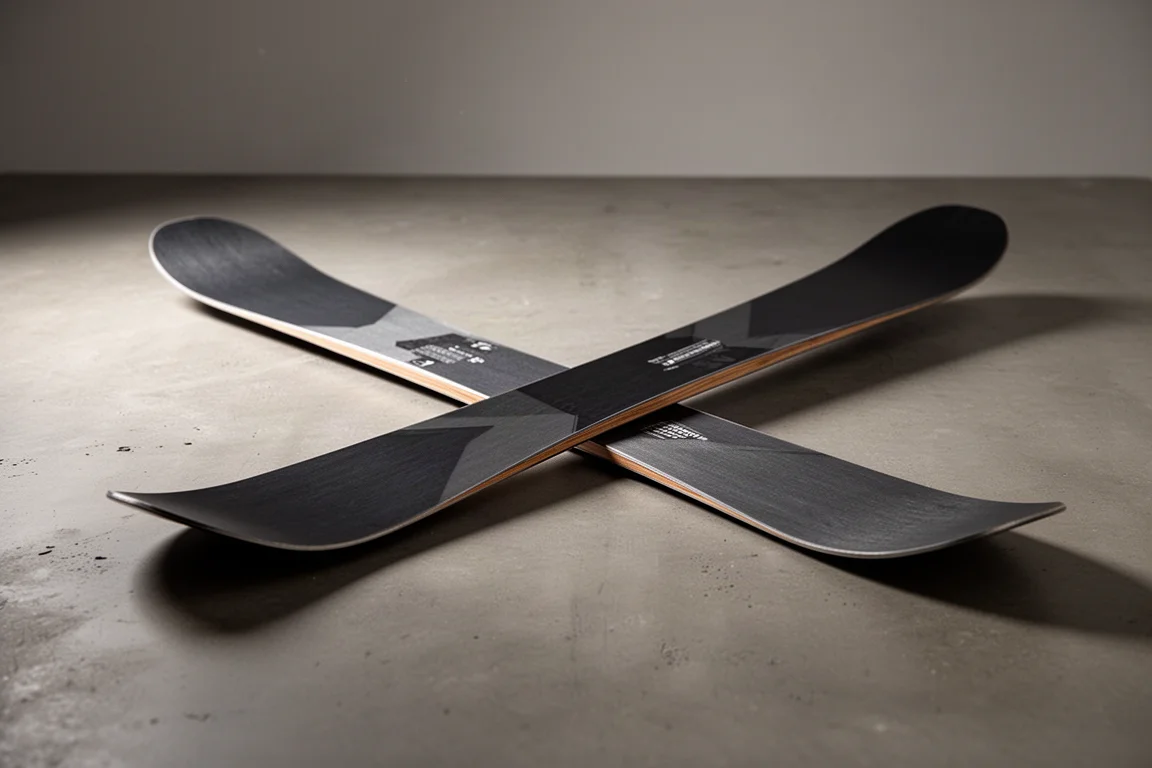
Salomon QST 92
The QST 92 takes the opposite approach to the heavy 88mm skis above. It is more maneuverable and easier to place in tighter lines, which makes it a natural pick for glades and tree skiing, where quick direction changes matter more than raw stability at speed.
The cost is damping. On firm, chattery groomers it will not feel as planted as a Mantra 88 or a Storm Rider 88, so it makes the most sense as the softer-snow side of a quiver or as a daily driver for skiers who spend most of their time off the groomed runs.
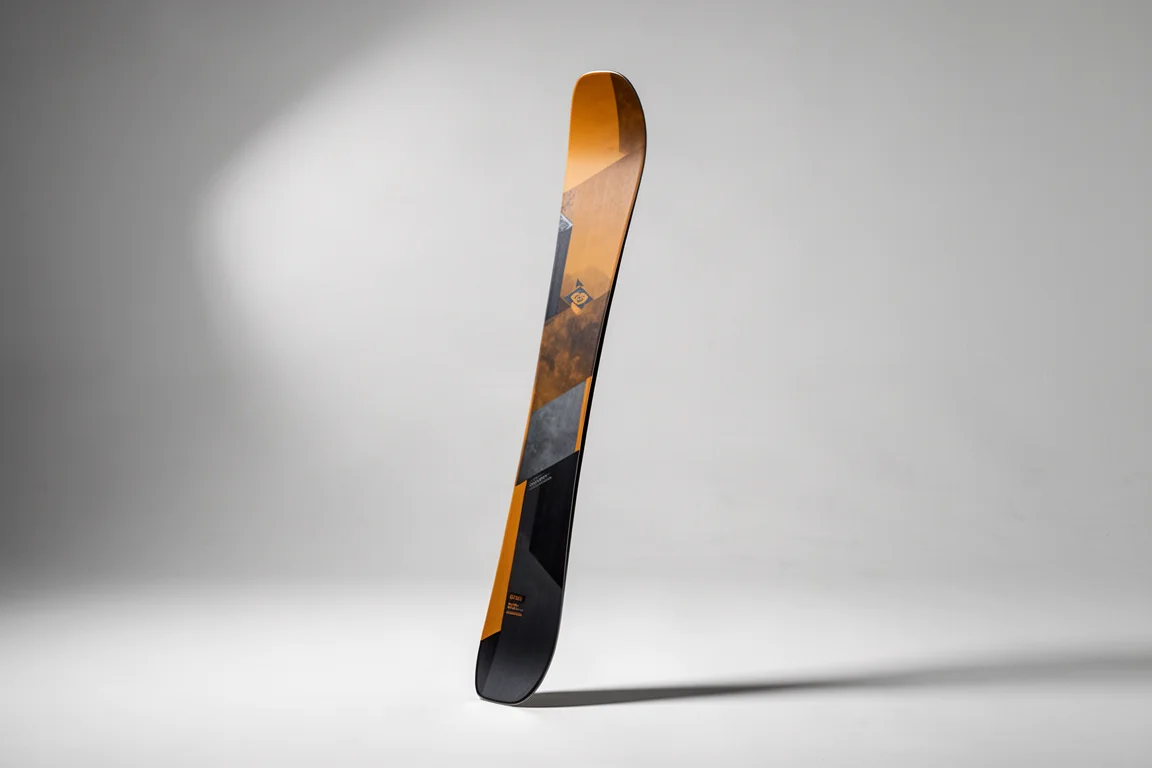
Salomon QST 98
The QST 98 is the versatile middle of the QST range. It carves better than the wider QST 106 and shares the same turn-initiation feel, so moving between the two does not require a change in technique or stance.
That consistency is the main argument for it. If you like how the QST 98 initiates and you want a wider version for deeper days, the 106 becomes a logical addition rather than a completely different ski to learn.
Salomon QST 106
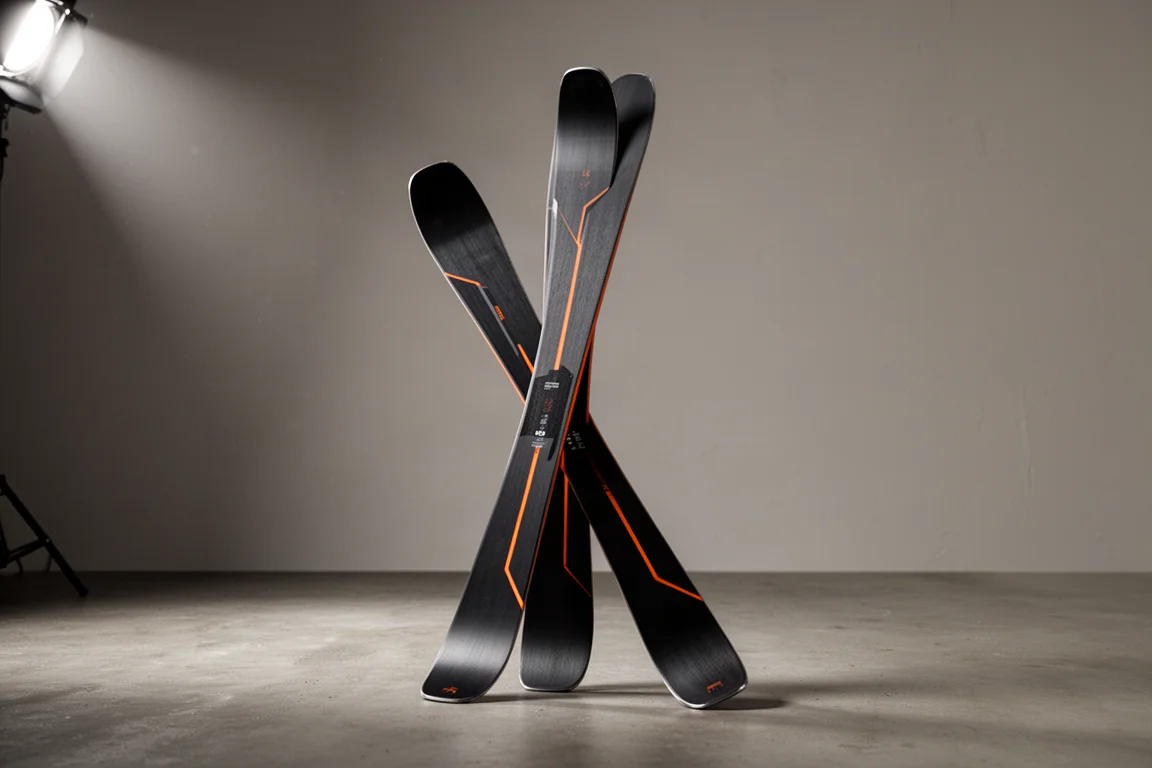
The QST 106 is the powder-oriented member of the family. On groomed runs it behaves much like the QST 98, but once there is a meaningful amount of new snow, the extra width changes the picture completely, delivering the big, open, surfy turns that narrower skis cannot match.
The important caveat is snow depth. Without enough fresh snow, the extra width is not doing much work, and a narrower ski will feel more engaging on the same run.
Line Bent 110
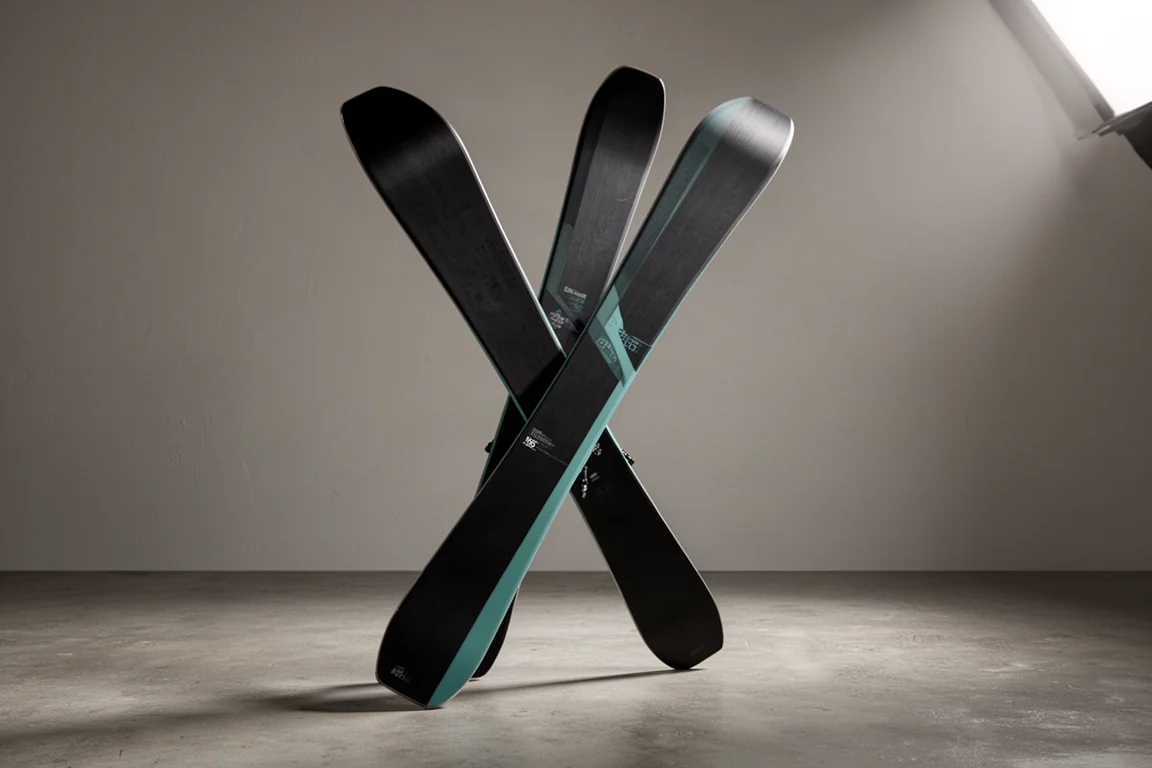
The Bent 110 is a different flavor of powder ski. Where the QST 106 favors long, surfy arcs, the Bent 110 is more maneuverable and quicker to pivot, which suits tight lines and technical terrain in soft snow.
It is a playful ski rather than a charging one, and leftover stock has been available at a strong discount, which makes it an easier addition to a quiver than its position in the category might suggest.
Nordica Enforcer 99
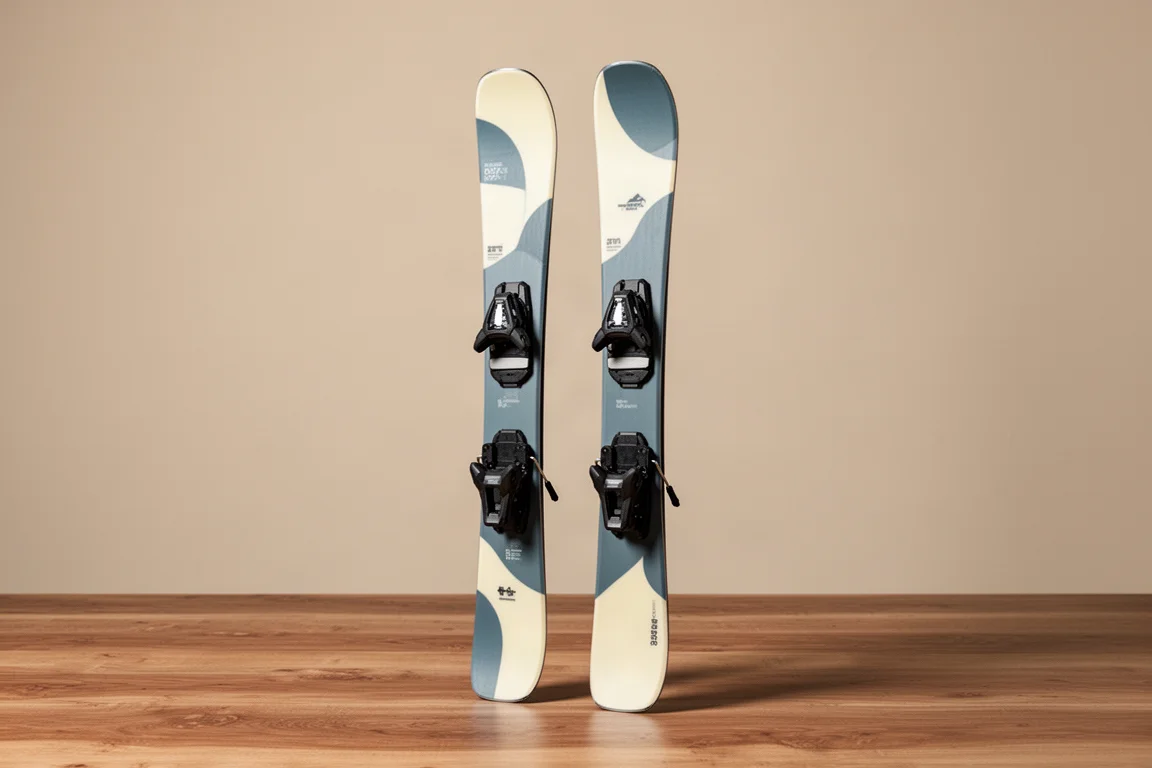
The Enforcer 99 is a wider, noticeably damp ski that works as the soft-snow half of a two-ski quiver. Its composure in variable conditions is the benchmark that other damp skis in this group are measured against, and that is what makes it useful when the surface changes from run to run.
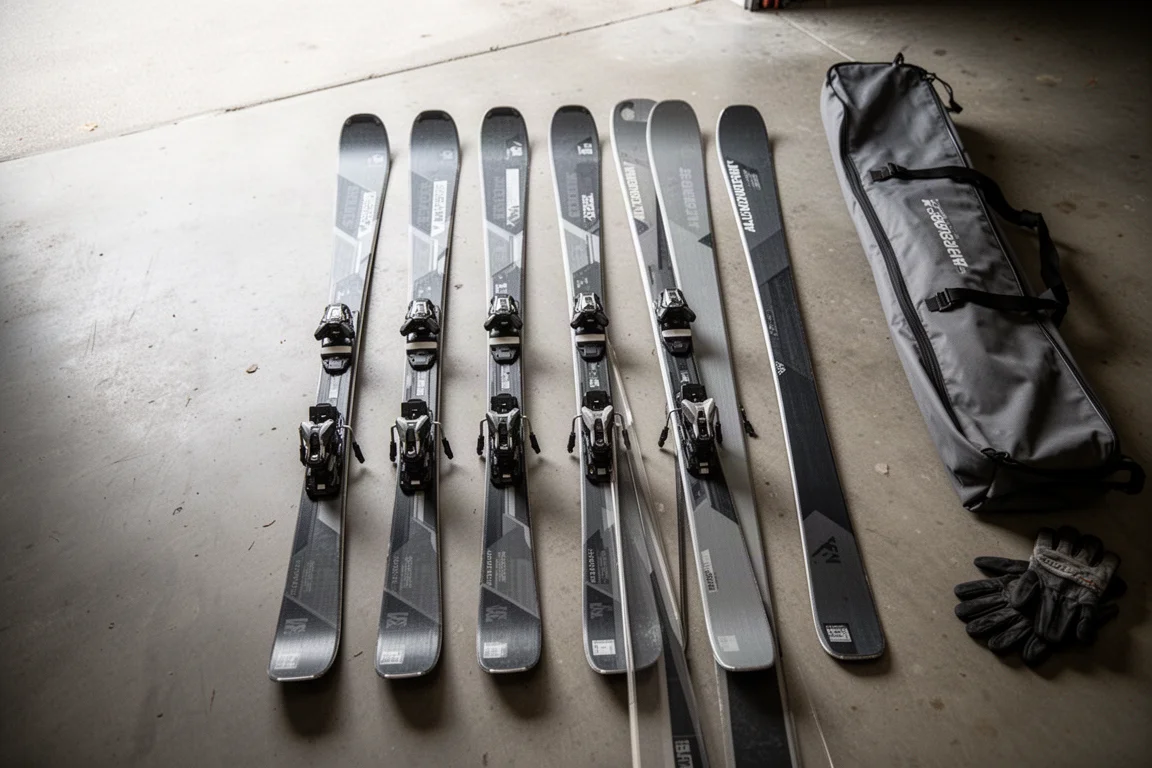
Because it covers soft and variable snow so well, owning one can reduce the case for a dedicated firm-snow ski. Skiers who want maximum grip on hard, icy groomers will still prefer a narrower damp model, but as a single wider ski it is hard to argue with.
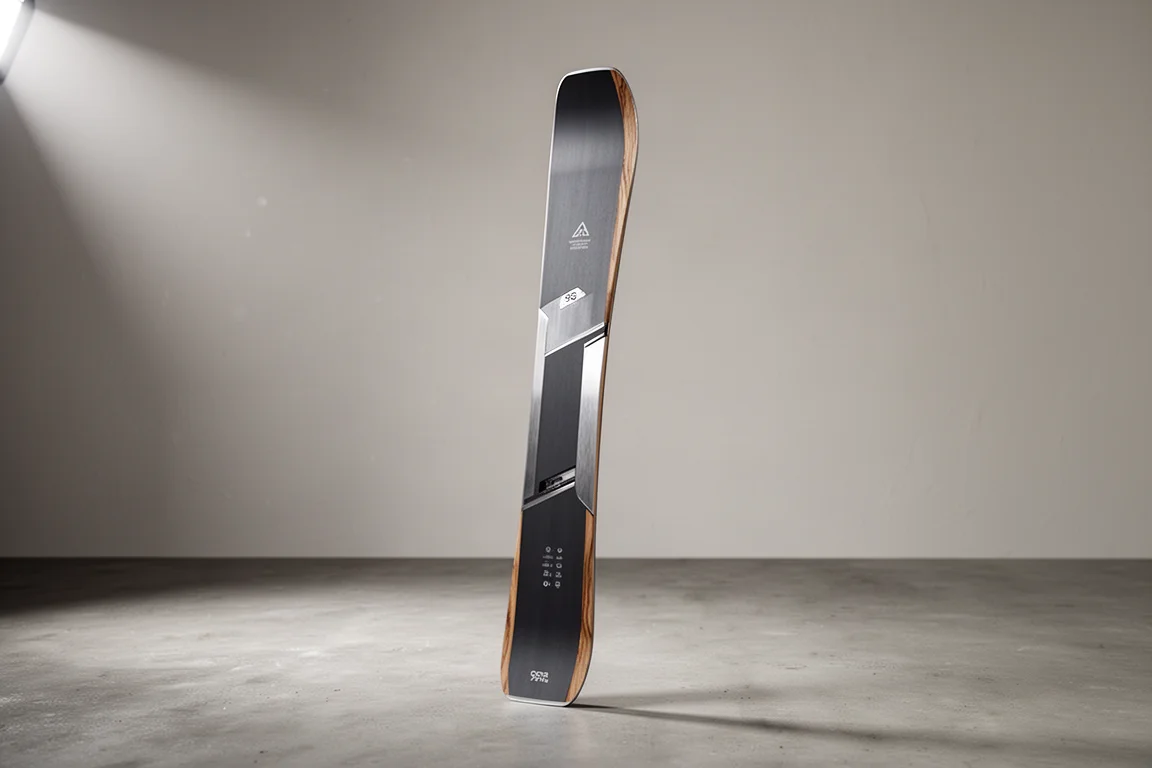
Black Crows Captis
The Captis is an all-mountain ski that becomes demanding in heavy spring slush. In soft, wet snow the inside rear edges can catch, which forces a very delicate, feathered turn and puts more load on the knees by the end of the day.
Part of that is the snow, and part of it is how any ski with a wider, softer tip behaves when the surface is heavy and wet. Late-spring conditions on a volcano alternate between firm and chattery in the morning and soft and heavy in the afternoon, and no ski makes that easy. If you ski that kind of snow often, a heavier, damper ski is a simpler answer than fighting the surface with a lighter one.
Buying Advice
The most useful thing you can do is write down what actually matters to you: how much of your season is firm groomers, how much is soft snow, and how much is trees. Damping and weight pay off on hard, skied-off surfaces. Maneuverability pays off in glades. A single ski rarely does both well, which is why two-ski quivers come up so often in this category.
If you are choosing one ski, pick the conditions you ski most rather than the ones you dream about. If you are adding a second, pick the ski that covers what your current one does not: a lighter, more maneuverable option to pair with a damp charger, or a wider powder ski to pair with a narrower daily driver. Previous-model-year stock is still widely available, so it is worth checking whether the ski you want is still around at a reduced price before committing to the newest version.
Conclusion
The short version: damp 88mm skis for firm, fast groomers, with the Storm Rider 88 leading on composure and the Mantra 88 and its earlier Kendo 88 name offering a similar damp feel with flexible turn shapes. The QST 92 is the pick for glades, the QST 98 is the all-rounder, and the QST 106 and Bent 110 cover powder, with the 106 favoring long surfy arcs and the 110 favoring quick pivots. The Enforcer 99 handles variable snow as part of a wider quiver, and the Captis is a reminder that heavy spring slush is difficult on any ski.
Match the ski to the snow you actually ride, and the daily driver question mostly answers itself.
Further reading
Related Reviews
Ski Gear
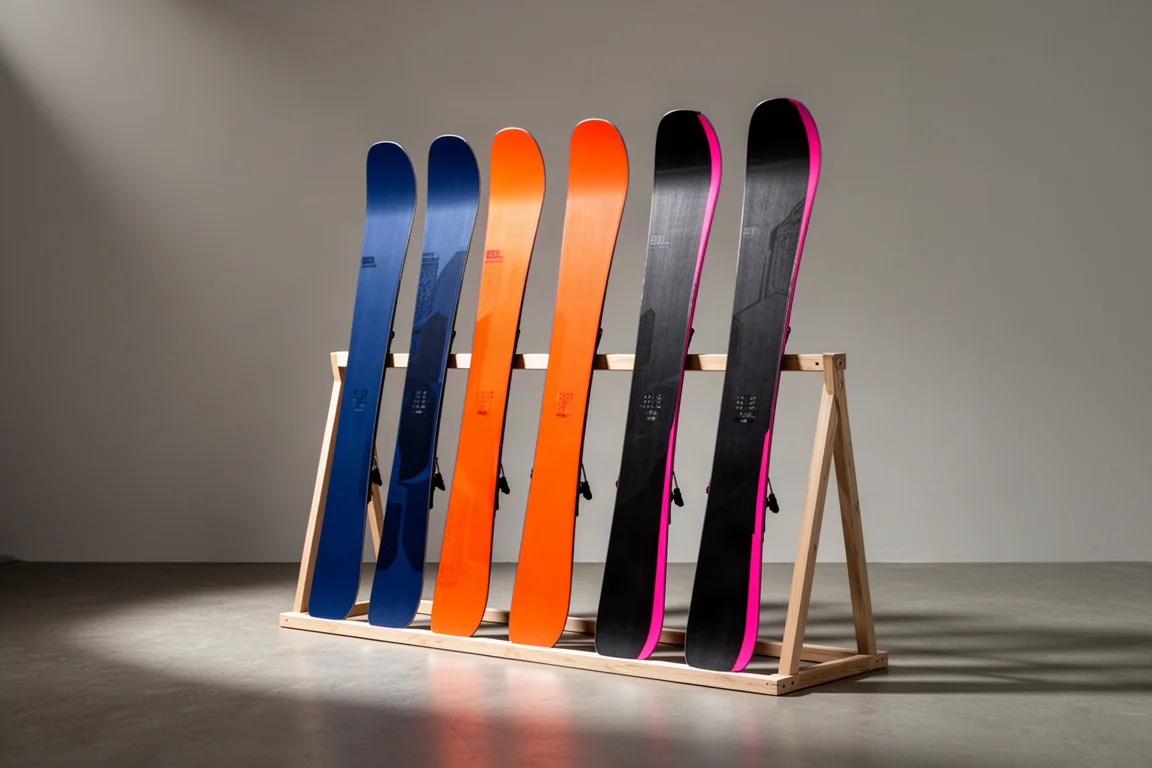
2023 Blizzard Hustle vs Rustler: Six Freeride Skis Compared
Blizzard's 2023 Hustle collection rebuilds the Rustler shape with a lighter core and no metal. Here is how all six skis differ, and which one suits your riding.
Ski Gear
2023 Skis of the Year: Atomic Maverick 88 TI, Salomon QST 106, and Look SPX 12 Pro
Three standout ski picks for all-mountain carving, powder days, and reliable binding performance, with practical buying notes for 2023 models.
Ski Gear
2025 Nordica Enforcer 104 Review: A Directional Charger Replaces the 104 Free
The 2025 Nordica Enforcer 104 drops the Free name and the twin-tip personality, gaining weight, stiffness and composure in rough snow. Here is what changed and who it suits.