Ski Gear
Best Ski Jackets 2026: Seven Jackets Tested Through a Full Winter
Seven ski jackets tested from budget insulated options to premium shells, ranked by weather protection, breathability, range of motion, and the details that matter over a full season.
Introduction
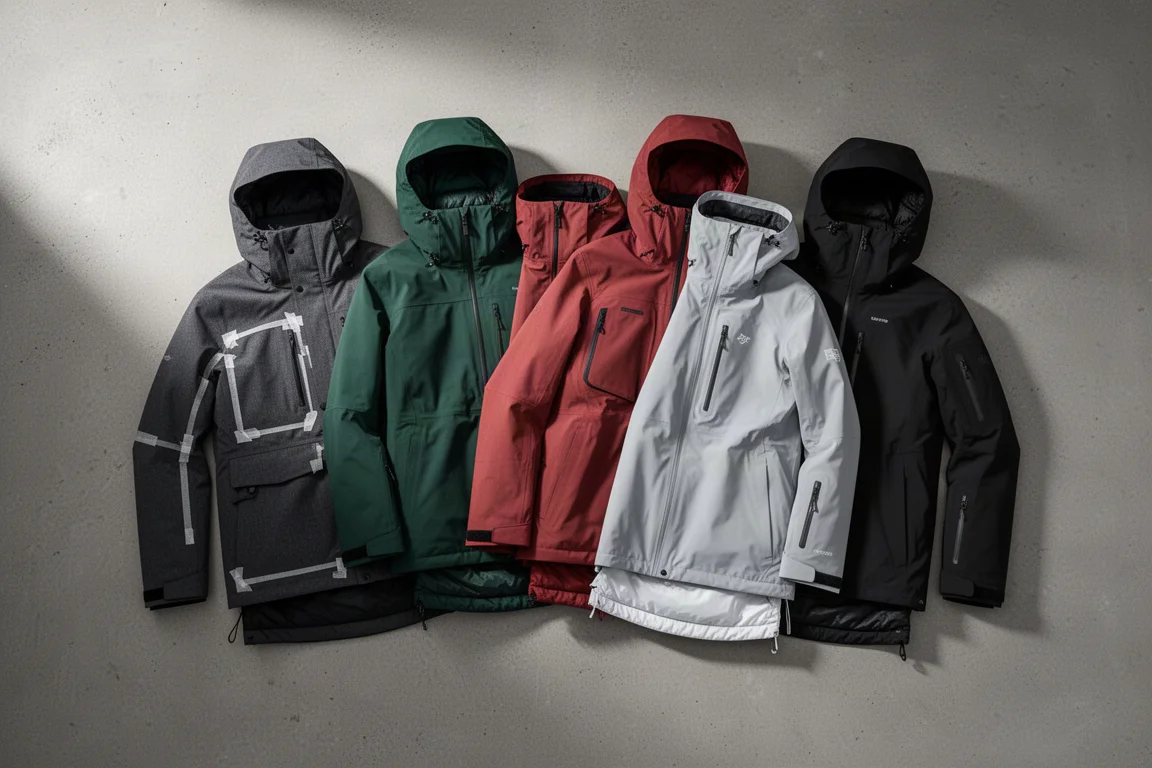
Ski jacket shopping gets confusing fast. Retail prices for the jackets in this roundup ranged from roughly $200 to $1,500, and the most expensive option was not the best performer. What separates a genuinely good ski jacket from an average one comes down to weather protection, breathability, range of motion, and a handful of small details that only become obvious after a full season on the hill.
This guide covers seven jackets worn through a full winter in everything from warm spring slush to alpine storms, including a week of wet village streets and heavy powder days at altitude.
How These Ski Jackets Were Evaluated
Each jacket was worn on snow, on lifts, and while travelling with gear. Fit notes are based on a 6’1”, 240 lb frame, with most jackets ordered in XL.
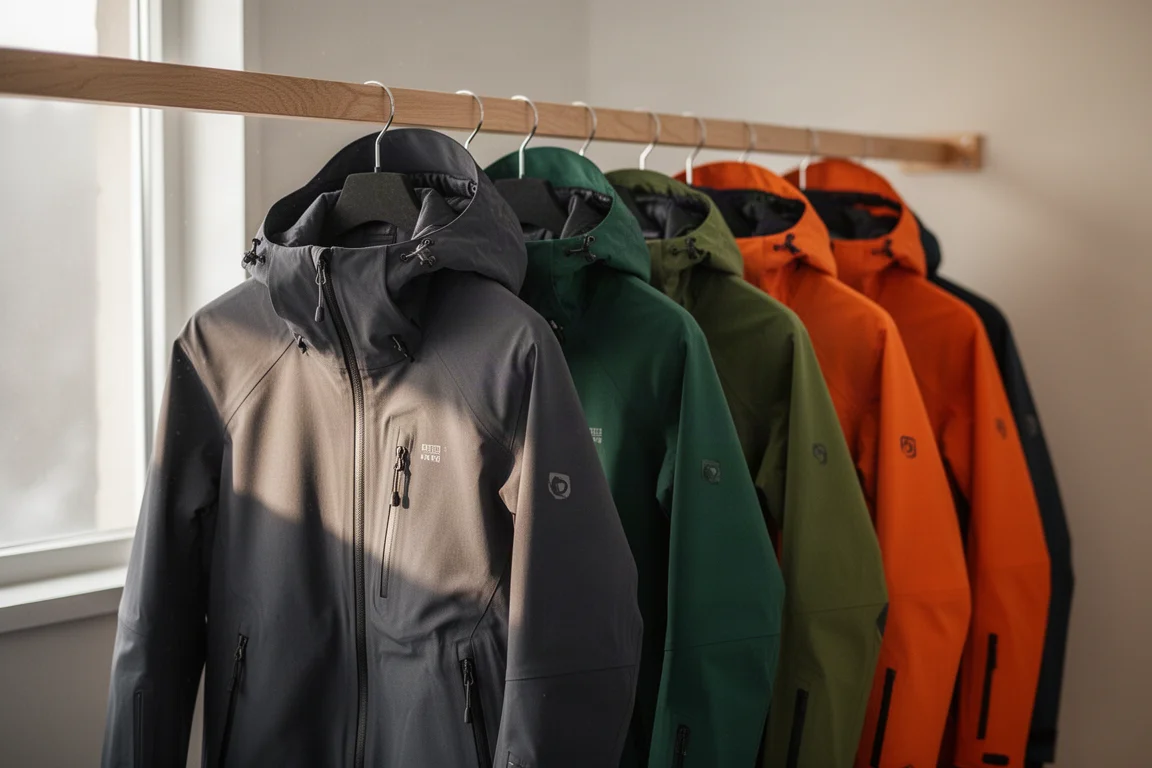
Four criteria carried the most weight. First, waterproofing and wind resistance, including how each jacket behaved in sustained rain and in strong alpine wind. Second, breathability and ventilation range, since overheating on a climb or a walk to the lift is just as uncomfortable as getting cold on the chair. Third, range of motion, particularly through the shoulders when driving a turn. Fourth, the quality-of-life details: pass pockets, collar materials, powder skirts, and how easy the zippers are to grab with gloves on.
Prices for ski jackets swing widely with season, colorway, and size. Several jackets in this list were available at meaningful discounts in less popular colors, so it pays to check current listings rather than assume the retail price is the real price.
Mammut Herrerat: Best Overall
The Mammut Herrerat is a three-layer shell rated at 30,000 mm waterproofing and 30,000 g breathability, with a retail price around $625. It was the strongest all-round performer of the group and the jacket that handled the widest range of conditions.
The feature set is unusually complete. There is a waterproof internal pouch sized for a phone, a dedicated goggle case, fully taped seams, and a full snow skirt. The pass pocket sits in the sleeve behind a taped zipper, and the powder guard cuffs are deliberately loose enough that a watch can be checked without wrestling with the sleeve. Around the face, a thin, smooth fleece lining runs along the collar, taped at the seam so nothing leaks through. Ventilation is the largest of any jacket here, using two zippers so the opening can be positioned exactly where it is wanted.
In use, the Herrerat held up in valley rain and in heavy snowstorms at altitude, and the storm hood kept strong wind out entirely. The cut around the face worked well even with a large head and a larger ski helmet. Sleeve length and hem length both kept wind and snow out. The zipper pull is a solid plastic piece on a short cord, which is far easier to grab with mittens than a fabric tassel.
There are a few things to weigh. The zipper jammed a small number of times when packed with ice and snow, though this particular jacket was bought used and had already seen a season of use. Mammut does not currently offer its own certified used marketplace, which is a missed opportunity given how well this shell has aged. At $625 it is not cheap, and other Mammut apparel such as snow pants and fleece tends to run small, although jacket sizing is true to size. On balance it scored 9.7 out of 10 in testing.
Patagonia Storm Shift: Best Value
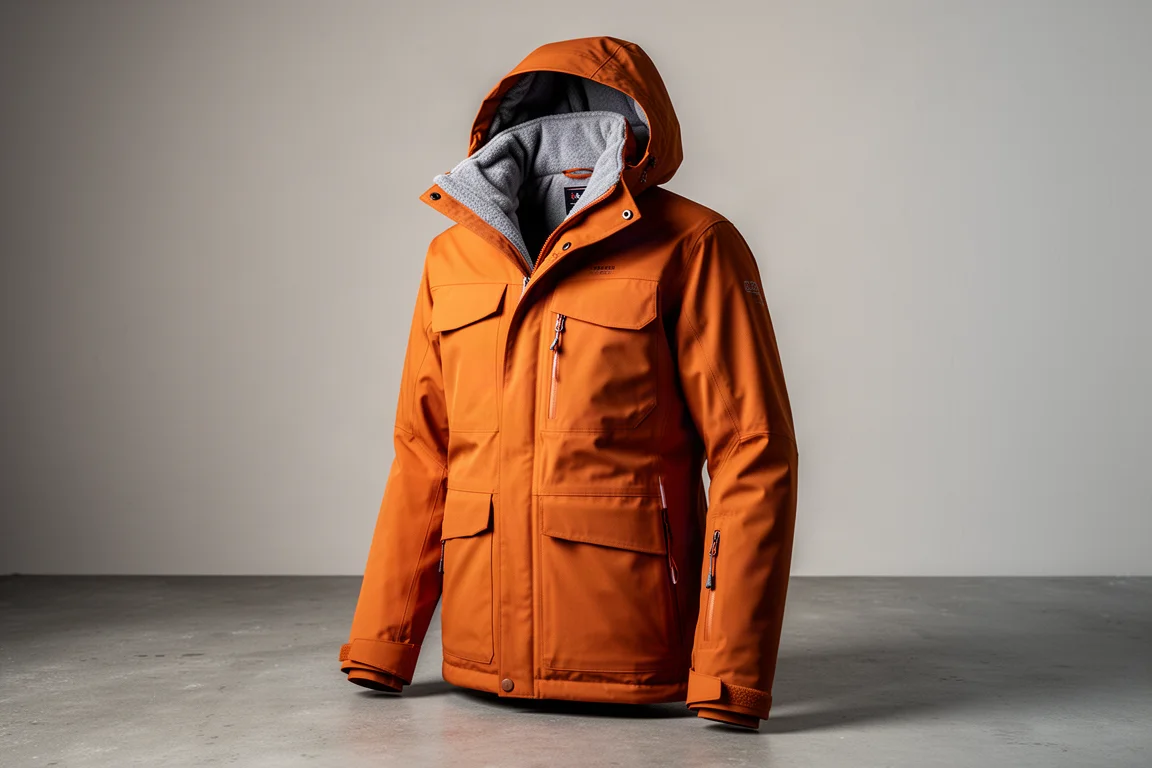
The Patagonia Storm Shift retails around $500, with a 28,000 mm waterproof rating and 20,000 g breathability. It was picked up for about $350 on sale, and specific colors and sizes have appeared as low as $249.50. Patagonia also sells its own used products and will repair its jackets indefinitely, offering store credit if a repair is not possible, though repair shipping costs roughly $10.
Sizing runs small, so an XXL was needed at 6’1” and 240 lbs, which fit comparably to an XL from other brands here. The thin insulated inner layer is unusual but stays out of the way. The cut is long enough to keep snow out of snow pants, and the neckline sits well with a helmet. The front zipper is taped all the way down rather than only at the top, and the sleeve pass pocket is a genuinely useful touch that most jackets at this price skip.
Trade-offs are minor but real. Exterior pockets are limited to two vertical side pockets and a chest pocket, which leaves little choice about where to carry keys or a phone. The waistband elastic feels weak and does not stay cinched as firmly as the Arc’teryx or Mammut equivalents. Ventilation works, but the range is shorter than on the Mammut or Arc’teryx, so the warmest spring days get stuffier. Colorways are hit or miss as well, with some combinations harder to pair with existing snow pants and goggles than the green-on-brown version.
Waterproofing is very good rather than exceptional. In the heaviest gusts and sustained rain, a small amount of leakage showed up, though regular re-treatment should keep that in check. For the money, this is one of the strongest values in the roundup, scoring 9 out of 10 in testing.
Arc’teryx Sabre SV: Best Weather Protection
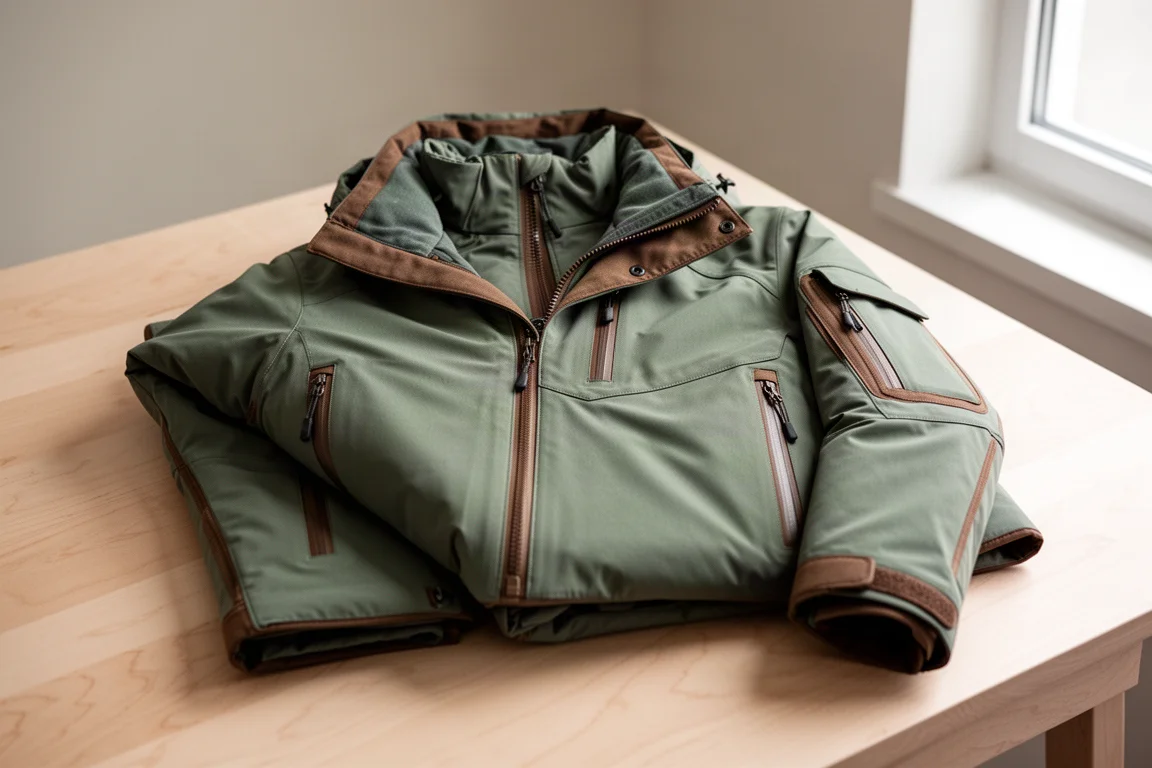
The Arc’teryx Sabre SV is the severe-weather version of the Sabre line, built with three-layer Gore-Tex Pro 2.0, a 28,000 mm waterproof rating, and 25,000 breathability. It retails for $900 and has been available around $720. Arc’teryx also sells used gear directly and has confirmed that its repair coverage extends to products bought secondhand.
Of every jacket tested, this one had the most premium-feeling material, striking the best balance between breathability, ventilation, and durability. Wind, rain, and snow all stayed out. The fit is excellent, with a generous but not wasteful cut that gives room for base layers exactly where it is needed while keeping full range of motion through the shoulders. The storm hood comes up comfortably over a helmet, and the bungee adjusters use push buttons on the inside. Ventilation is excellent and does not flap, with two zippers on each vent.
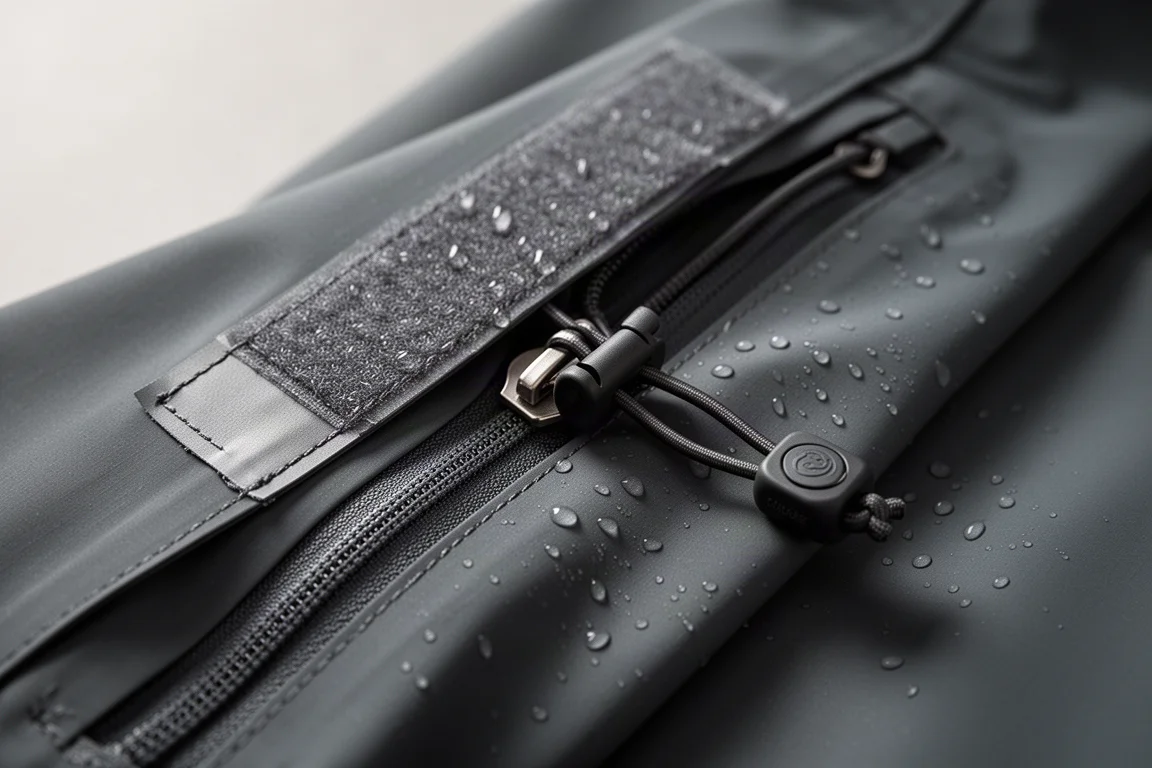
The details are where it loses ground. The season pass pocket sits on the bicep rather than the sleeve, which makes scanning at a lift gate more awkward than it needs to be. The main zipper felt less smooth than expected at this price and jammed near the bottom within the first few days. The material against the face is rough and utilitarian, and there is no powder sleeve at the cuffs, which makes clearing snow out after a fall harder. The hood also felt snug over a large helmet, so anyone on the border between sizes may want to consider sizing up.
For riders who spend most of the season in severe weather, it remains a capable and durable choice, scoring 8.6 out of 10 in testing.
Cuse Liigy: Best Premium Design Details
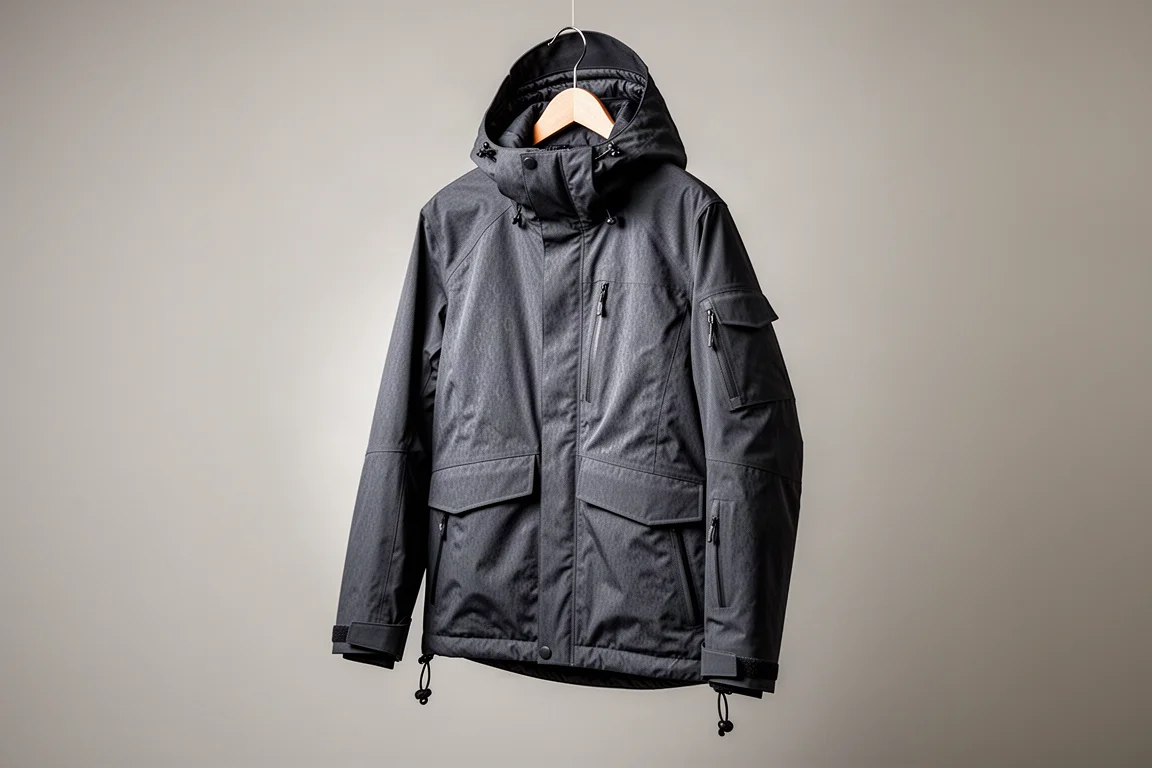
The Cuse Liigy is the most expensive jacket here, retailing for $1,500 and listed at $1,290 on the brand’s site, though it has been found for around $900. It is warm, heavily insulated, and unusually thoughtful in its design.
Standout features include vents on the forearms, a collar that can be extended to increase airflow on warm days without fully opening the jacket, layered pockets with smaller sub-pockets, an integrated goggle cleaner, and the softest collar material of any jacket tested, which makes a noticeable difference over a long day. The hood is detachable and attaches with velcro at the sides rather than being a one-piece storm hood. That initially seems like a drawback, but it does help the hood stay in place over the face on windy days because the collar cannot rotate. Range of motion through the arms is very good.
The problems are significant at this price. The neck is stiff, and the collar vent had to stay open even in cold conditions to allow enough head movement. Turning the head more than about 45 degrees dragged the collar across the helmet, which became the deciding factor in sending the jacket back. The arm openings are narrow and do not accommodate larger race gloves or mittens comfortably. The dense insulation overheats quickly in still air and makes the jacket bulky to pack for travel.
As a premium, detail-driven piece it is impressive, but the fit limitations and the price make it hard to recommend over jackets that cost far less. It scored 6.5 out of 10 in testing.
Armada Reedi 2L: Best Budget Insulated Jacket
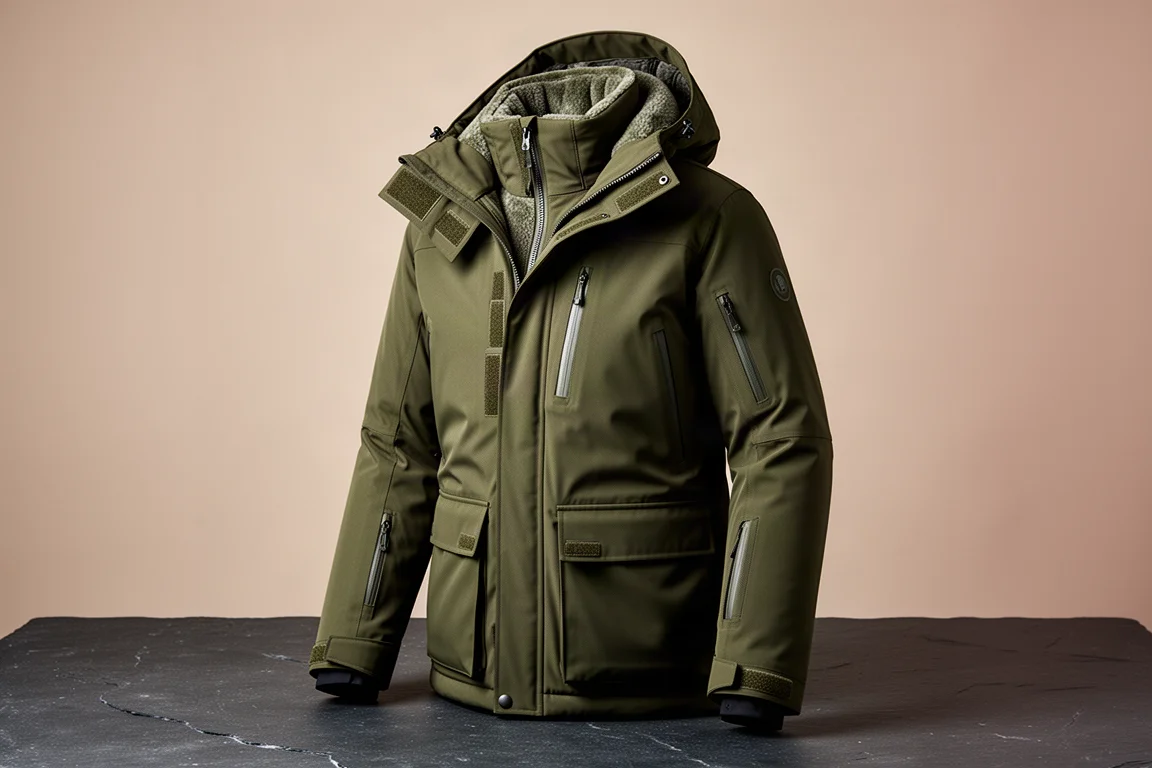
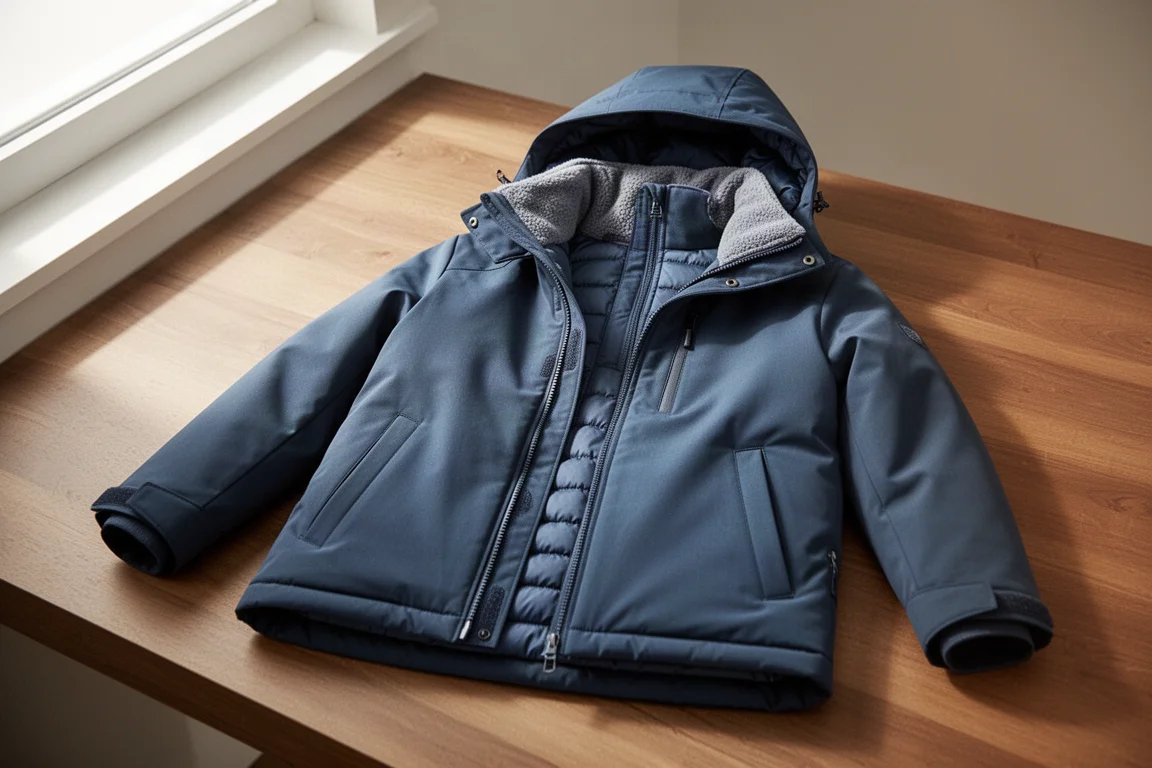
The Armada Reedi 2L is an insulated jacket with a high collar that covers the neck. It sells for around $200 and was picked up for about $140 on sale.
It is warm and comfortable, and for a rider who gets out five to ten days a season in fair weather, it does the job. The insulation means layers cannot be added underneath, which limits how far the jacket can be adapted to changing conditions.
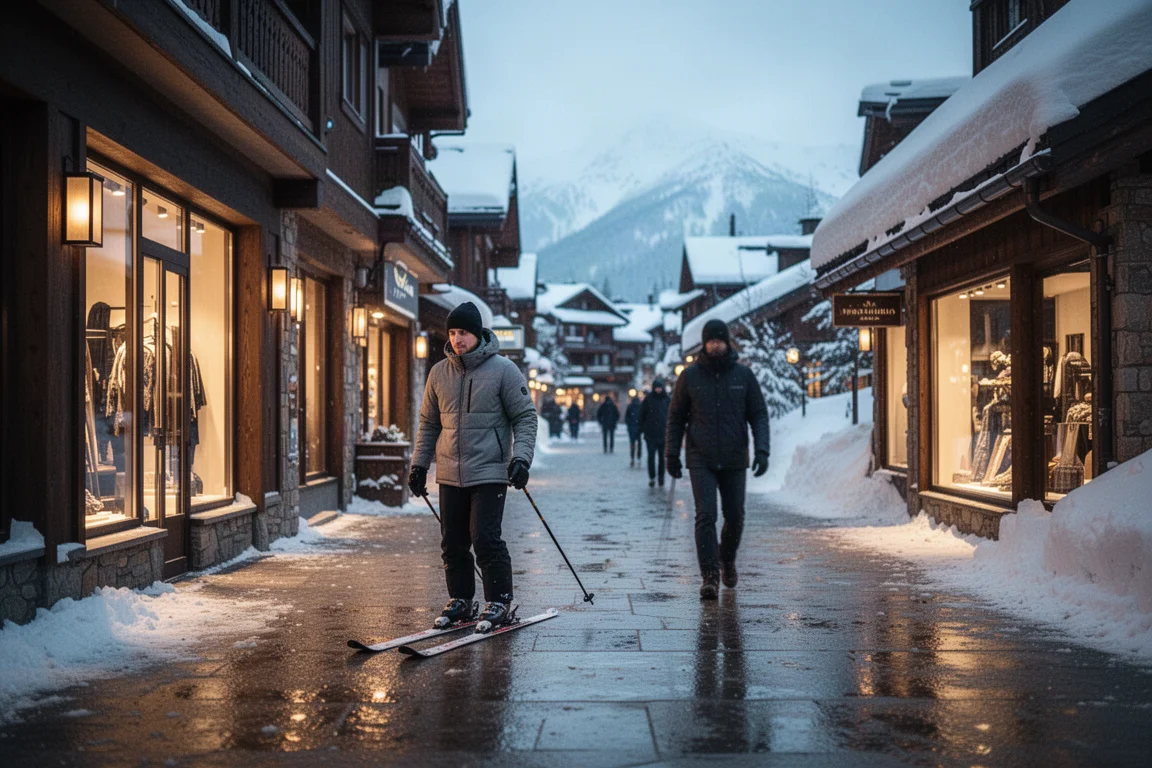
Waterproofing is the main limitation. Walking between shops in the rain, the jacket soaked through completely, and it was not suitable on the mountain in wet weather. For anyone travelling with limited luggage or riding in storms, it is not the right choice.
For dry, cold, short days, though, it is a reasonable and inexpensive option that covers the basics without asking much of the budget.
DC Haven: Another Budget Option
The DC Haven includes vents and face coverage, but it is not warm, not waterproof, and wind passes straight through it. In any moisture or snow, small pockets of ice form on the outside of the jacket. It works acceptably as a budget option for casual, mild days, but it will not hold up in storms or sustained cold.
Norrona Lofoten: Not Recommended for Resort Skiing
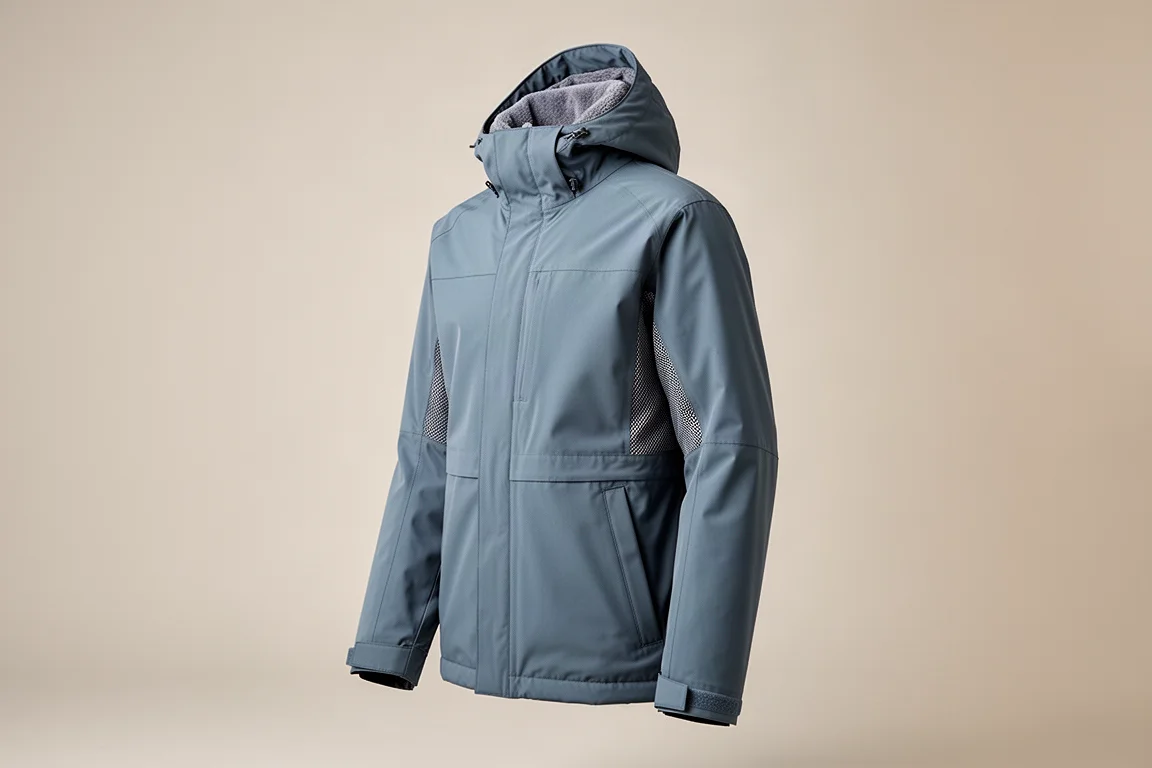
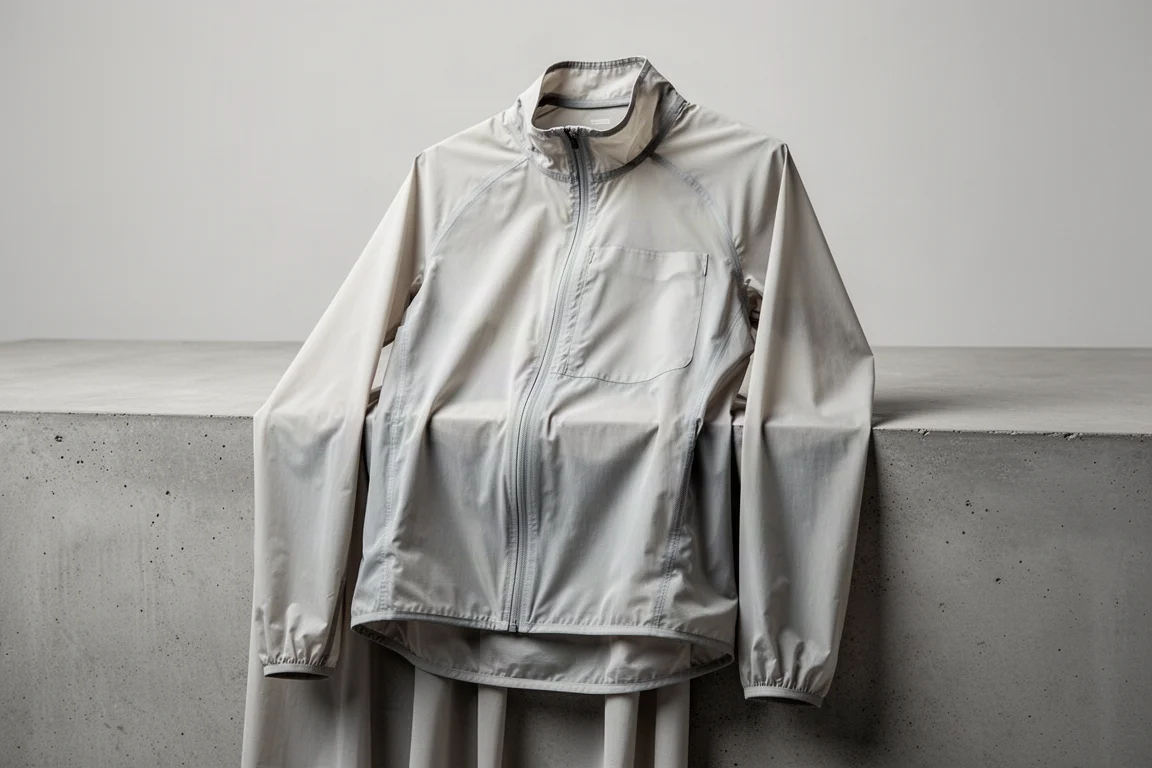
The Norrona Lofoten is a three-layer jacket with a 28,000 mm waterproof rating and a $600 retail price, and it is the lightest jacket in this roundup. That lightness is exactly the problem for resort skiing.
Wind passes straight through the fabric, and the jacket does not hold its shape on the hill. The hem is short at the waist, and there is no ventilation at all, which makes it impractical for anything involving sustained effort. Interior pockets, a goggle holder, and a sleeve pass pocket are all absent. The material is thin enough that a fall on hardpack seems likely to damage it.
Waterproofing is adequate, and it may work well as a hiking or backpacking shell. As a ski jacket for resort use, it is not a suitable choice, especially at this price.
Overall Buying Advice
The right jacket depends on how and where you ski. If you ride a few days a season in fair weather and stay in bounds, an insulated jacket around $200 covers the basics. If you ski regularly, travel with your gear, or ride through storms, a three-layer shell with strong waterproofing and wide ventilation pays for itself over time.
Among the shells tested, the Mammut Herrerat offered the best combination of fit, weather protection, ventilation, and usable details. The Patagonia Storm Shift gets most of the way there for roughly half the price and is the stronger value, especially for riders who avoid the worst conditions. The Arc’teryx Sabre SV remains the choice for maximum weather protection, provided the missing powder sleeves and the bicep pass pocket are not deal-breakers. The Cuse Liigy has the most thoughtful details, but the stiff collar and narrow cuffs limit who it will fit well. The Norrona Lofoten is best avoided for resort skiing.
A few practical notes. Prices move a lot with season and colorway, so waiting for a discontinued color can cut a significant amount off. Re-treating waterproof fabrics each season keeps older jackets performing. And sizing varies by brand, so check the size chart rather than assuming a familiar letter size will fit the same way.
Conclusion
There is no single best ski jacket for everyone, but the gap between the top performers and the rest came down to details rather than price. The Mammut Herrerat combined a strong cut, excellent weather protection, and the practical touches that make a difference lap after lap. The Patagonia Storm Shift delivered most of that experience for far less money. The Arc’teryx Sabre SV remains the most protective option for severe conditions, and the Cuse Liigy shows how much thoughtful design can matter when the fit works for you.
For riders on a tighter budget, the Armada Reedi 2L and DC Haven are fine for occasional fair-weather days, as long as expectations around waterproofing stay realistic. Match the jacket to the conditions you actually ride in, and the decision becomes much simpler.
Further reading
Related Reviews

Ski Gear
2023 Blizzard Hustle vs Rustler: Six Freeride Skis Compared
Blizzard's 2023 Hustle collection rebuilds the Rustler shape with a lighter core and no metal. Here is how all six skis differ, and which one suits your riding.

Ski Gear
2023 Skis of the Year: Atomic Maverick 88 TI, Salomon QST 106, and Look SPX 12 Pro
Three standout ski picks for all-mountain carving, powder days, and reliable binding performance, with practical buying notes for 2023 models.

Ski Gear
2025 Nordica Enforcer 104 Review: A Directional Charger Replaces the 104 Free
The 2025 Nordica Enforcer 104 drops the Free name and the twin-tip personality, gaining weight, stiffness and composure in rough snow. Here is what changed and who it suits.