Ski Gear
Best Ski Gear Deals 2026: Two Boots and Two Jackets Compared
A practical off-season look at two Lange ski boots and two snowboard-style shells, with honest notes on flex, fit, and waterproofing.
Introduction
Ski gear is rarely cheaper than it is in the off-season, and late summer is when shops are most motivated to clear space for the coming season’s colorways. The two boots and two jackets compared below are worth a closer look for very different reasons. One boot represents a genuinely new design direction from Lange, one is a long-running model that keeps earning its place, and the two jackets sit on opposite sides of the waterproofing question.
This is a practical comparison rather than a hype piece. Where a product carries a real trade-off, that trade-off is stated plainly so you can decide whether it matters for the days you actually ride.
Why Late Summer Is a Smart Time to Buy Ski Gear
Late summer and early autumn are when retailers move out the previous season’s inventory to make room for incoming stock. In many cases the product itself is unchanged apart from its colorway, which means the discount lands on identical hardware. Boots, jackets and skis all tend to see their steepest reductions during this window, and waiting for the first cold snap usually means paying closer to full price.
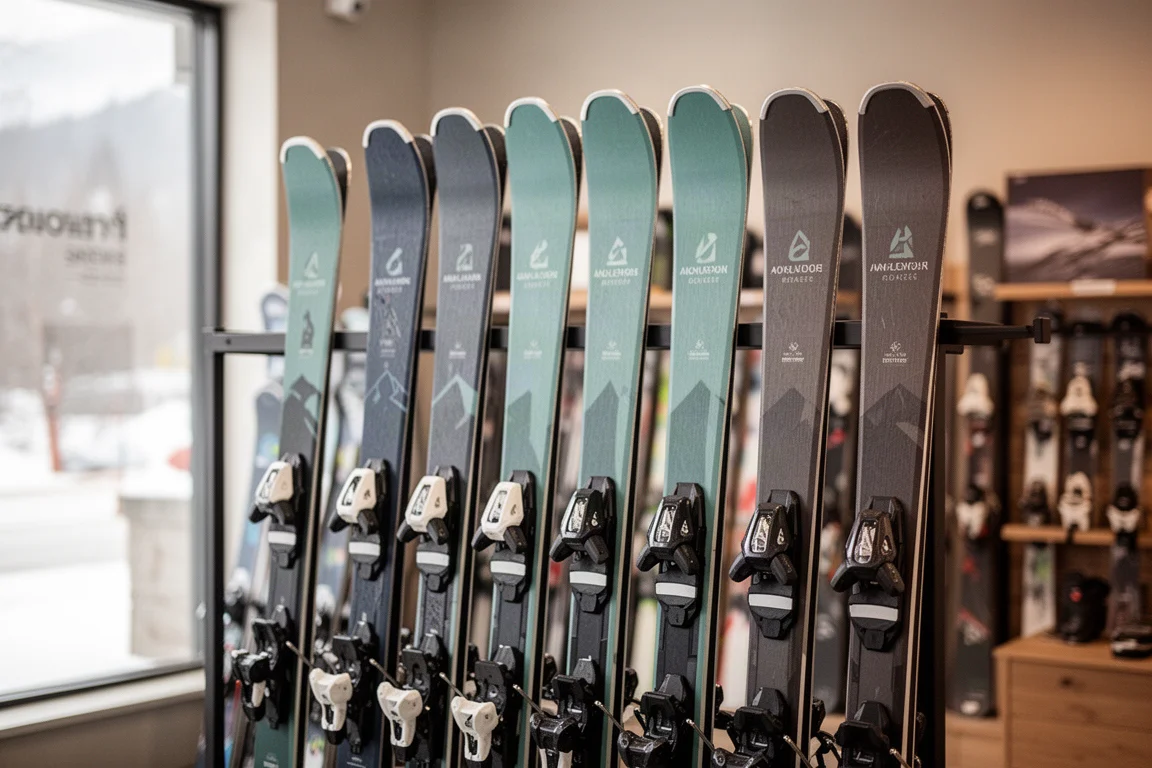
The catch is size availability. Popular shell sizes and common boot sizes disappear first, and once they are gone the deal goes with them. If you are shopping for boots in particular, it is worth confirming that the shop has your size before committing to a long drive.
What to Check Before You Buy
- Fit and shell shape. A boot that matches your foot will outperform a more expensive boot that does not. Fit comes before features, every time.
- Flex pattern. Look for a forward flex that moves in one smooth arc rather than breaking partway through. An uneven flex is noticeable on snow even when it feels acceptable in a shop.
- Waterproofing. On cold, wet and windy days, a shell that lets moisture through will ice over. If you ride those days often, this is the specification worth paying for.
- Insulation strategy. A lightly insulated jacket is versatile if you layer underneath, but it offers less margin on the coldest days.
- Off-season returns. Clearance stock often has a shorter return window, so check the terms before you buy.
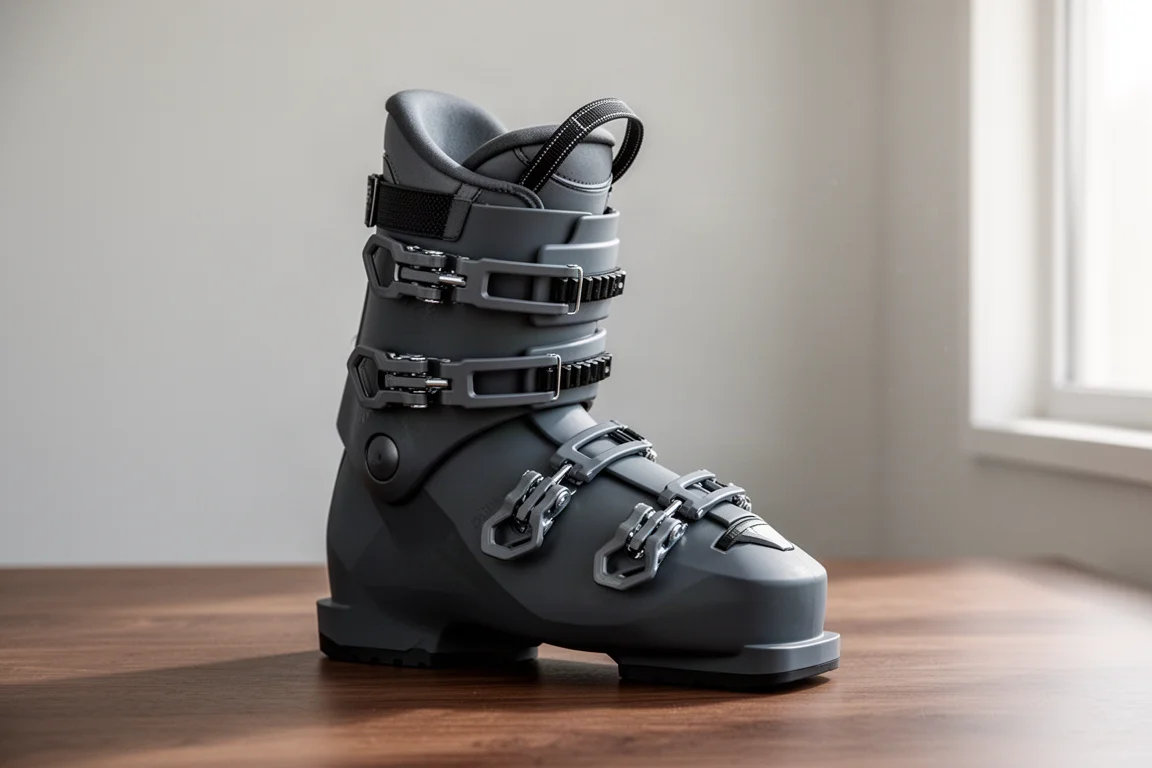
Lange Shadow 120 MV: Premium Suspension Tech, Mixed First Impressions
Lange positions the Shadow 120 MV as a premium boot built around a new approach to how a ski boot flexes. It carries a suspension blade and a two-point pivot design. The claim is that the blade pivots at a break point and transfers more leverage from the boot through the binding to the ski, making the ski easier to flex underfoot. Lange also claims the layout reduces tension in the toe box, which is the area where race-oriented boots commonly crack.
That technology comes at a premium. The Shadow 120 MV retails at around $750, well above the more basic LX line.
In a shop fitting, with no time on snow, the new flex did not read as an improvement. Rather than one continuous arc, the boot broke partway through the flex and then traveled further beyond that point, which felt abrupt rather than smooth. The boot also sat slightly tilted outward, and it felt less comfortable overall than the LX 120. None of that is conclusive, because a boot’s real behavior only appears on snow, but it is a strong argument for trying this model in person before spending premium money on it.
Lange LX 120: The Boot That Still Fits Best
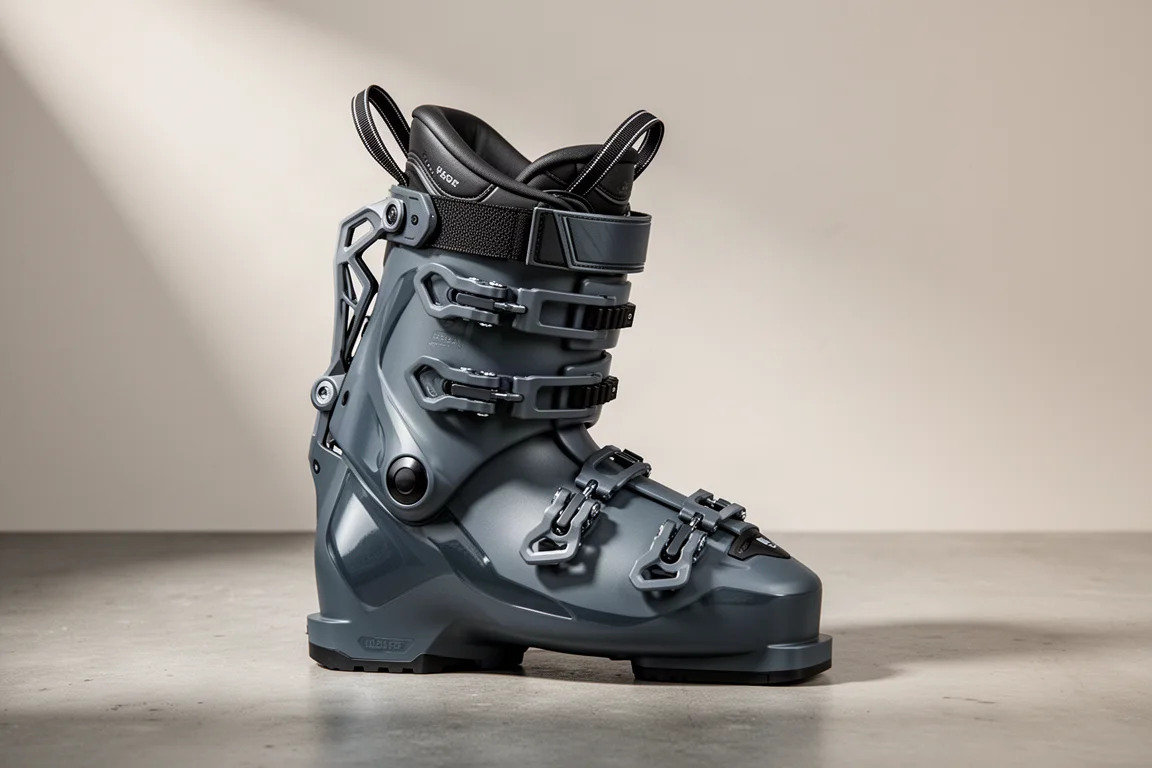
The LX 120 is the more straightforward boot here, and it remains the safer recommendation for anyone whose foot already suits Lange’s shape. It uses a conventional flex pattern instead of a suspension blade, costs less than the Shadow, and delivers a smooth, predictable forward flex.
Boots used at high volume, in the region of 75 days a season, will eventually pack out and need replacing after two or three years. When that moment arrives, the newest model in the line is not automatically the right answer. The LX 120 stays the reference point in this comparison: a 120 flex boot with a fit that has already proven itself rather than one that has to be validated from scratch.
DC Haven Jacket: Comfortable, but Not Built for Wet Days
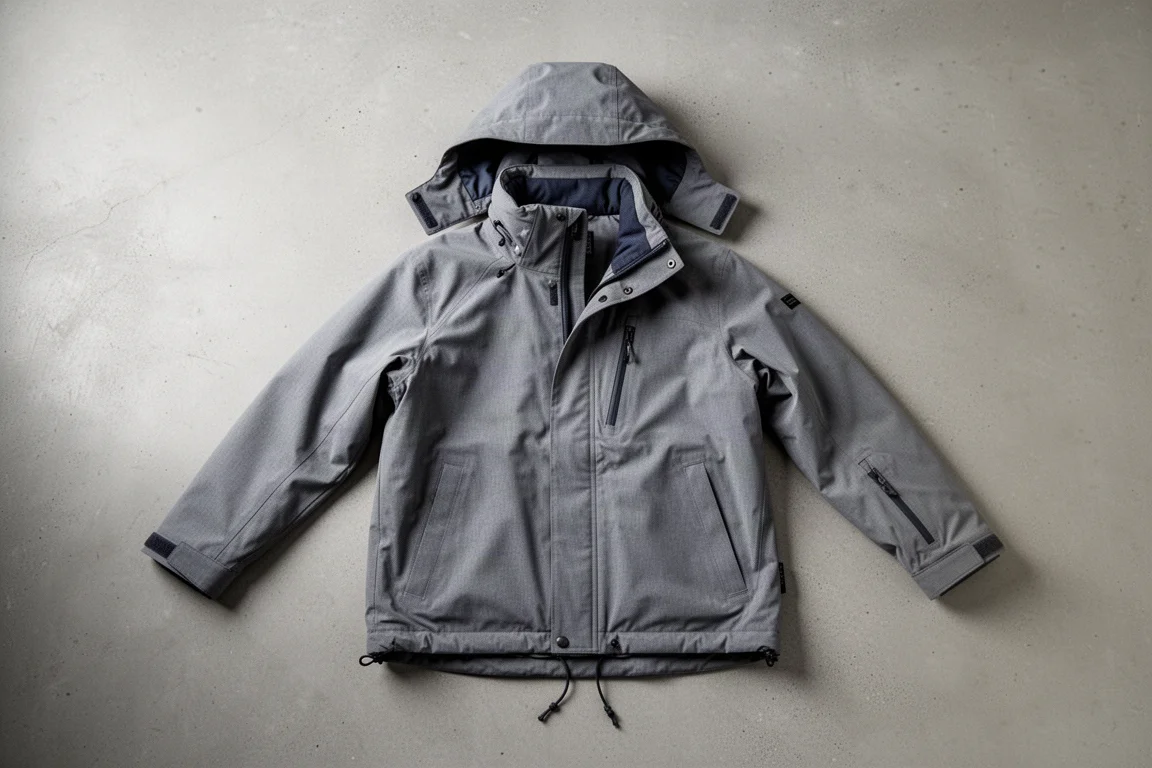
The DC Haven is a snowboard-style jacket that gets a lot right for mild conditions. It has long arms with powder covers over the wrists, a snow skirt, a large hood, plenty of pockets, and routing for headphone cables. It is not heavily insulated, which makes it a good match for warm riders who prefer to control their temperature with layers underneath rather than with jacket fill.
Its limitation is weather protection. On wet, cold and windy days, moisture collects on the shell and refreezes, building up layers of ice across the core, and rain cuts straight through the fabric. After two or three hours in those conditions the only sensible move is to head inside and thaw out. That is a real weakness on exactly the days most people want to be outside, which is why the Haven works best as a dry-weather and spring jacket rather than an everyday storm shell. It was originally picked up for around $170 in the off-season, and at that kind of price it remains a comfortable, well-featured option for the conditions it handles well.
Volcom L Gore-Tex Jacket: The Upgrade for Storm Days
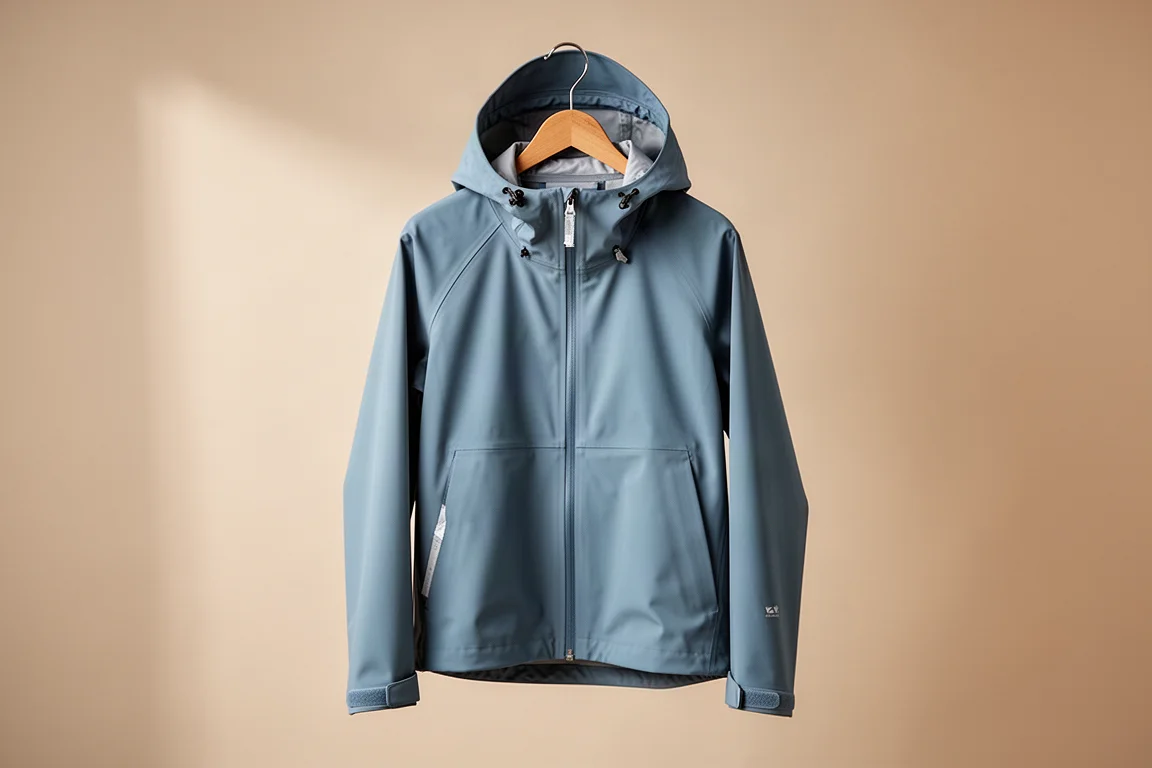
The Volcom L Gore-Tex jacket addresses the Haven’s weak point directly. A Gore-Tex membrane is the headline feature, and it is the reason this jacket makes sense for wet, heavy snow and mixed precipitation.
On fit, the first impressions are strong. The arms are long enough to stay over the wrists when reaching, the hem covers the lower back when bending over, and the hood pulls over the head to shield the face from wind and spindrift. Taped zippers are a step up from older designs, and the shell moves with the body instead of feeling stiff and rigid. There is an insulation layer inside. The fabric is noticeably crinkly, which is a minor annoyance rather than a functional problem.
The trade-off is on the ethics side. Volcom is not known as a leader in sustainable or ethically sourced production, and comparable gear from more environmentally focused brands tends to cost considerably more and is rarely available in clearance sizes. That is a personal calculation each buyer has to make. Durability is also still an open question, since waterproofing and seam performance only reveal themselves over a full winter of use. This jacket was picked up on sale in the off-season for under $200.
Buying Advice: Match the Gear to the Days You Actually Ski
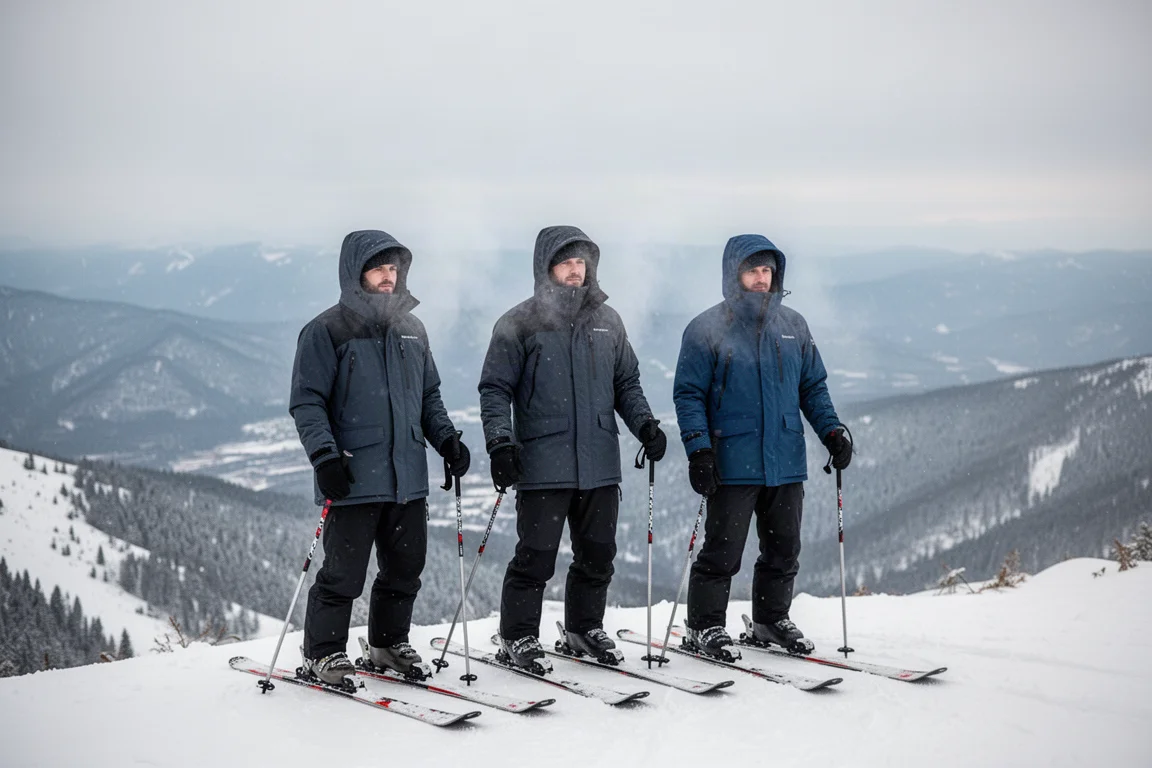
The right purchase depends far more on the conditions you actually ride than on which product is newest. If most of your days are cold and wet, waterproofing is the specification worth paying for, and a Gore-Tex shell will keep you outside longer than a lightly protected jacket. If your season is mostly dry powder and spring slush, a comfortable, well-ventilated jacket like the DC Haven does the job for less money.
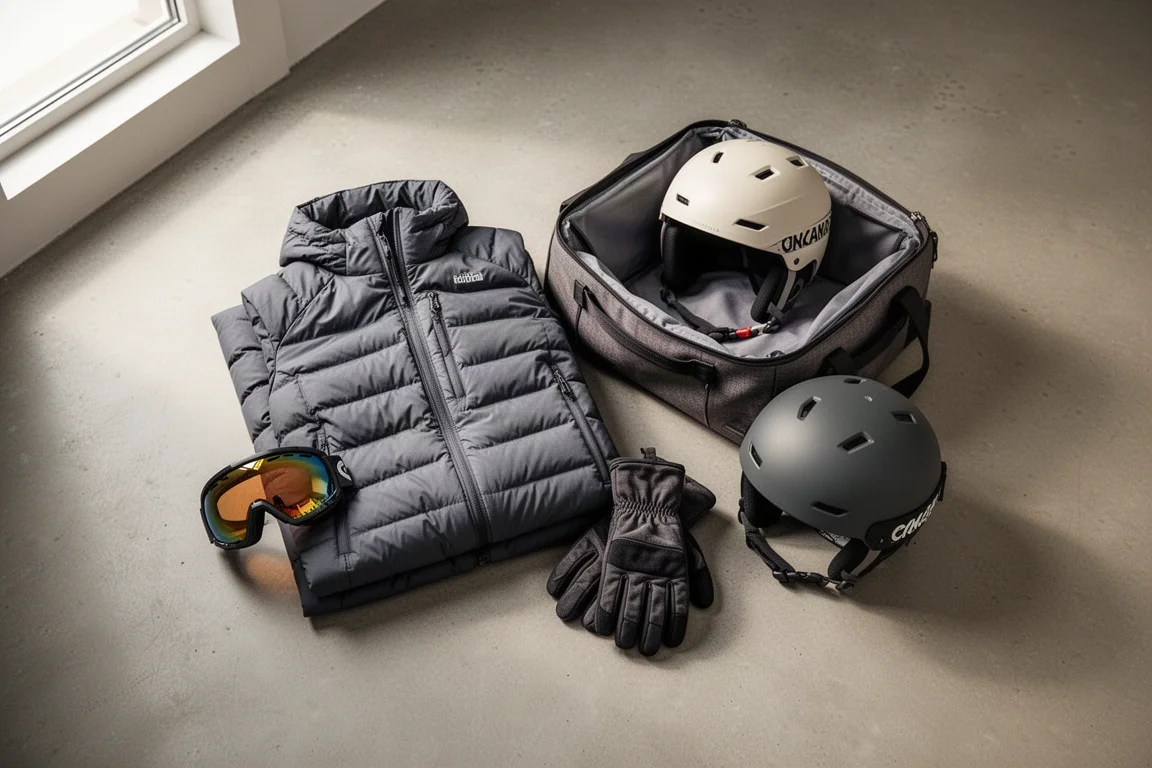
Boots follow a different logic. Fit and flex matter more than any single feature, and no claim about leverage or suspension replaces time in a fitting room. A boot that suits your foot at a lower price will outperform a premium boot that does not, which is why the LX 120 stays the safe recommendation and the Shadow 120 MV is best treated as something to try in person before you buy. Shopping in the off-season simply lets you do all of this at a lower price, with the main risk being limited stock in your size.
Conclusion
These four products sort cleanly by the conditions they are built for. The Volcom L Gore-Tex jacket is the clear pick for wet storm days and the most meaningful upgrade in the group. The DC Haven remains a comfortable, affordable choice for mild weather and spring riding. On the boot side, the LX 120 is the low-risk option for anyone who already fits Lange’s shape, while the Shadow 120 MV is a premium experiment that deserves a careful fitting before you commit. Buy in the off-season, buy your size, and try boots on your own feet.
Further reading
Related Reviews

Ski Gear
2023 Blizzard Hustle vs Rustler: Six Freeride Skis Compared
Blizzard's 2023 Hustle collection rebuilds the Rustler shape with a lighter core and no metal. Here is how all six skis differ, and which one suits your riding.

Ski Gear
2023 Skis of the Year: Atomic Maverick 88 TI, Salomon QST 106, and Look SPX 12 Pro
Three standout ski picks for all-mountain carving, powder days, and reliable binding performance, with practical buying notes for 2023 models.

Ski Gear
2025 Nordica Enforcer 104 Review: A Directional Charger Replaces the 104 Free
The 2025 Nordica Enforcer 104 drops the Free name and the twin-tip personality, gaining weight, stiffness and composure in rough snow. Here is what changed and who it suits.