Ski Gear
Best Ski Gear 2026: Boots, Skis, Bindings and Layers Worth Considering
A season-tested roundup of ski boots, all-mountain skis, bindings and layers, with the strengths and trade-offs that matter before you buy.
Introduction
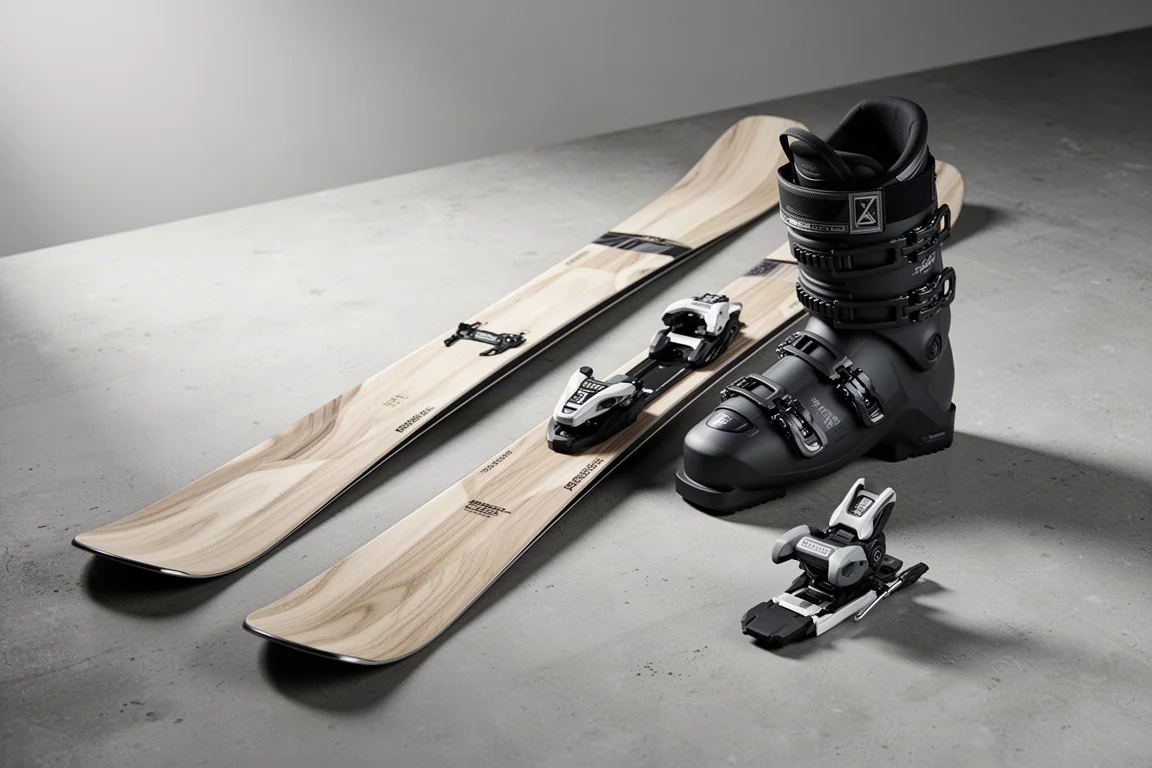
Late season has a way of exposing gear. Coverage thins out, the surface swings between firm and slush, and unmarked obstacles appear where you least expect them. That makes spring a genuinely useful time to judge boots, skis, bindings and the layers underneath them, because very little stays hidden.
This roundup collects the equipment that stood out over a full season of riding, from stiff four-buckle boots and narrow freeride skis to low-stack park bindings, leather-lined liners and the thinnest possible socks. Each entry focuses on what the product actually does well and what it asks of the skier in return.
How We Evaluated This Gear
Conditions covered everything from packed powder to hard, refrozen mornings and warm afternoon slush, plus the dirt patches and water bars that show up in April. Gear was rotated between skiers of similar ability but different styles, so each product was judged on how it behaved across groomers, bumps, trees, park laps and open soft-snow terrain rather than in a single setting.
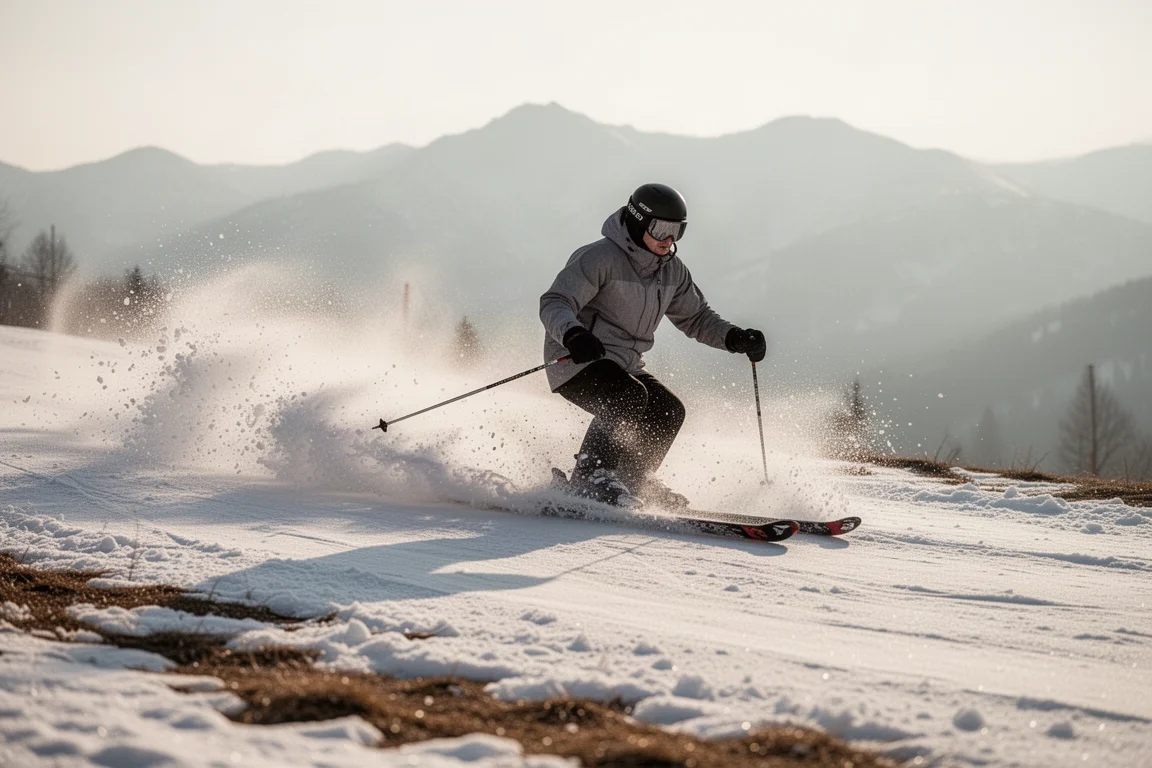
The most consistent finding was that character matters more than spec sheets. Energetic, poppy boots paired naturally with energetic skis, while heavy, damp boots paired with heavy, damp skis. When a stiff, aggressive boot was matched to a light, playful, forward-mounted ski, both pieces became harder to manage. That pattern repeated often enough to become the main buying lesson of the season.
Boots
Boots shaped almost every impression of the season, because a shell change alters how a ski feels more than any other single swap. The five below cover the range from race-derived precision to a modular park design.
K2 Cortex 140
The Cortex 140 is a stiff, low-volume four-buckle boot with a 140 flex and a 2.5 degree ramp angle, which is flatter than most boots in its class. That flatter stance is noticeable in the park, where a more level foot position makes it easier to stay centered over the ski.
The shell uses a rubber boot board instead of plastic, which helps with impact absorption and survives repeated hits better than the plastic boards found elsewhere. Bolts and the power plate can be removed to soften the flex slightly, which is useful for skiers who want to tune the feel rather than accept it as delivered. The stock liner works well, while an aftermarket leather-lined liner fits but makes the boot extremely tight and difficult to remove.
Power transfer is the standout quality. The inside of the upper cuff drives straight into the inside edge with very little lost along the way, which is why the boot has found a following among very strong park and freeride skiers. The trade-off is a very snug heel and a shell that is genuinely hard to take off, especially in the cold. Skiers who want precision and are willing to fight the boot at the end of the day will get a lot out of it.
Tecnica Mach1 130 LV
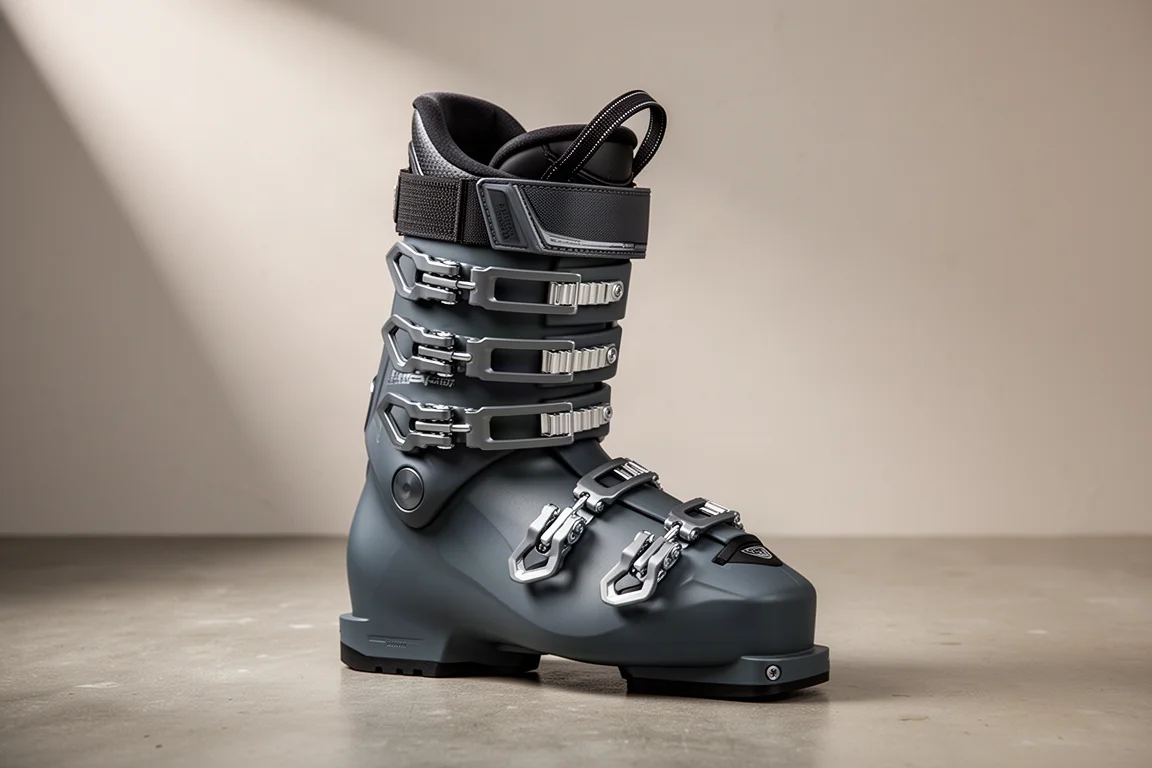
The Mach1 130 LV is a low-volume, four-buckle boot that made the strongest case for an aftermarket liner this season. Fitting a leather-lined liner inside it adds room across the forefoot without giving up any hold from the midfoot back, and the result is a suction-cup fit where the ankle and heel simply do not move.
Four buckles make it quicker to get in and out of than stiffer race-derived shells, which matters on cold days and long laps. For skiers with narrow feet who still want a locked-in feel, this is the boot that delivered the most precise setup of the season. It is a low-volume fit by design, so wider feet should look elsewhere.
Lange K130 P
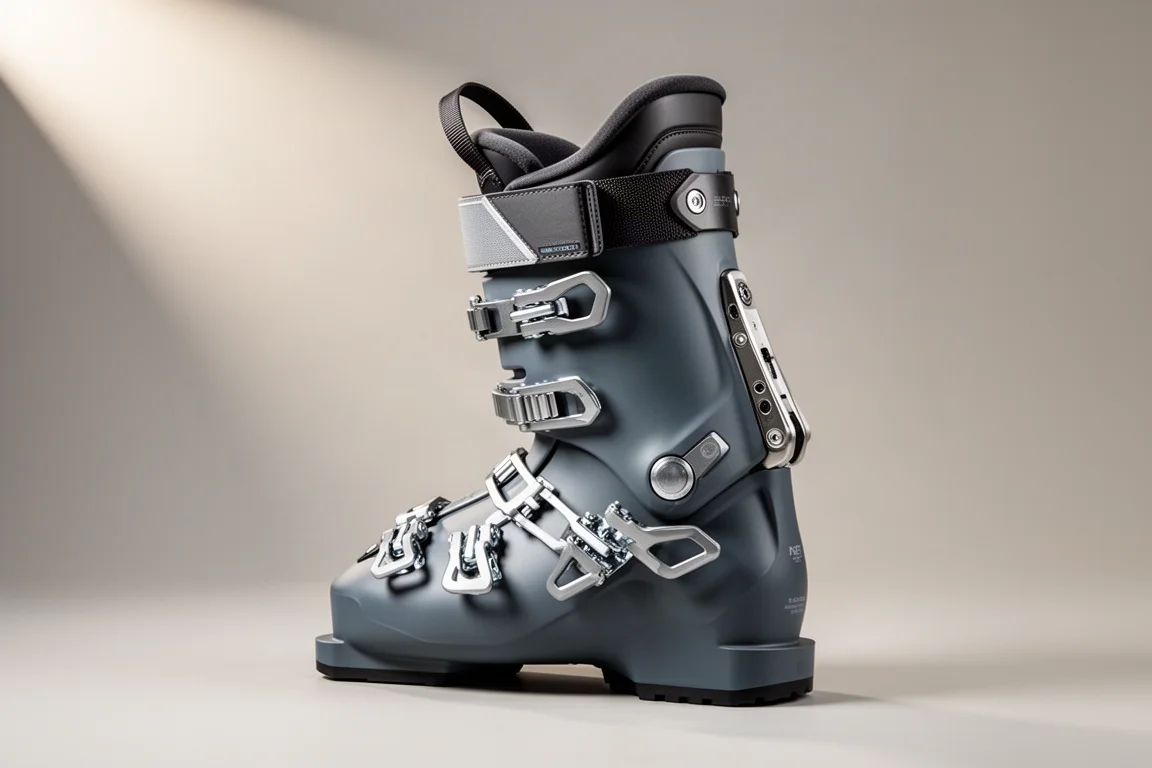
The K130 P is a recreational plug boot, and that description is the whole appeal. It carries race-derived precision without the punishing stance of a pure race shell, and it has not changed because it does not need to.
It handles a mix of freeride and carving extremely well, which suits skiers who spend most of the day laying over groomers but still want the same boot for soft snow, bumps and trees. The firm flex rewards a committed stance, so a relaxed, upright style will not get the most from it.
Phenom FS1
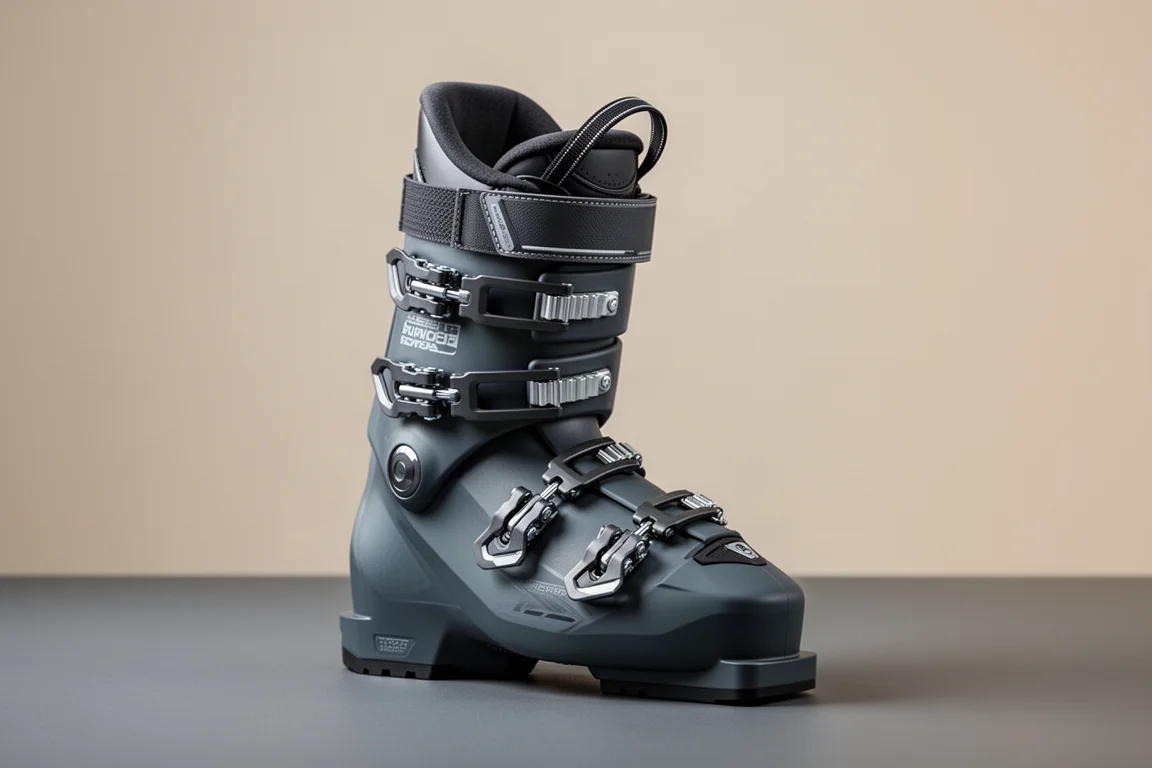
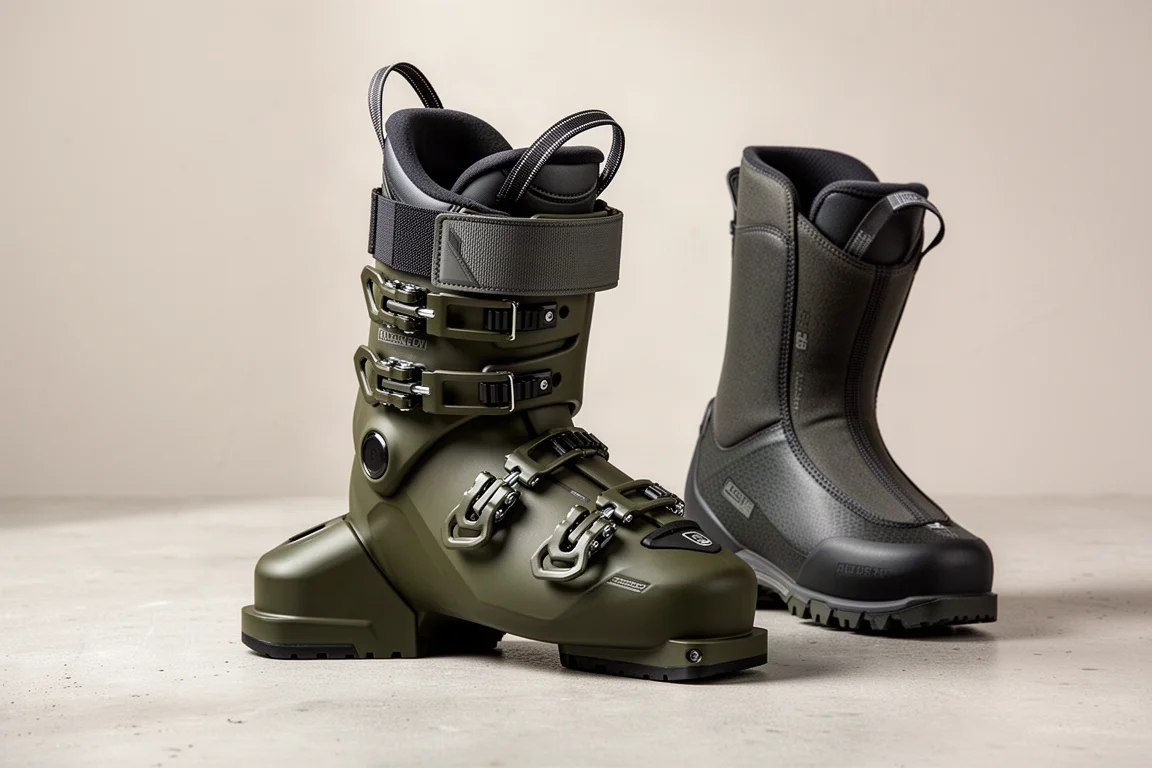
The FS1 comes from a new boot company aligned with Faction, and it is one of the more unusual designs on the wall. It runs two buckles, and almost every component is modular and easy to remove and replace. There is no traditional boot board, so the base of the shell is not flat, and the liner has its own sole, which means it can be walked around in the way you would a rollerblade liner. The power strap is a rubber wrap with a wide flat panel across the front.
On snow it behaves like a park boot. Power transfer and precision are limited when you are simply skiing, but on rails it felt excellent, and the modular construction is appealing for anyone who goes through boot parts quickly. As a bonus, the liner design sidesteps the broken boot board problem entirely.
Nordica Speedmachine 3 100
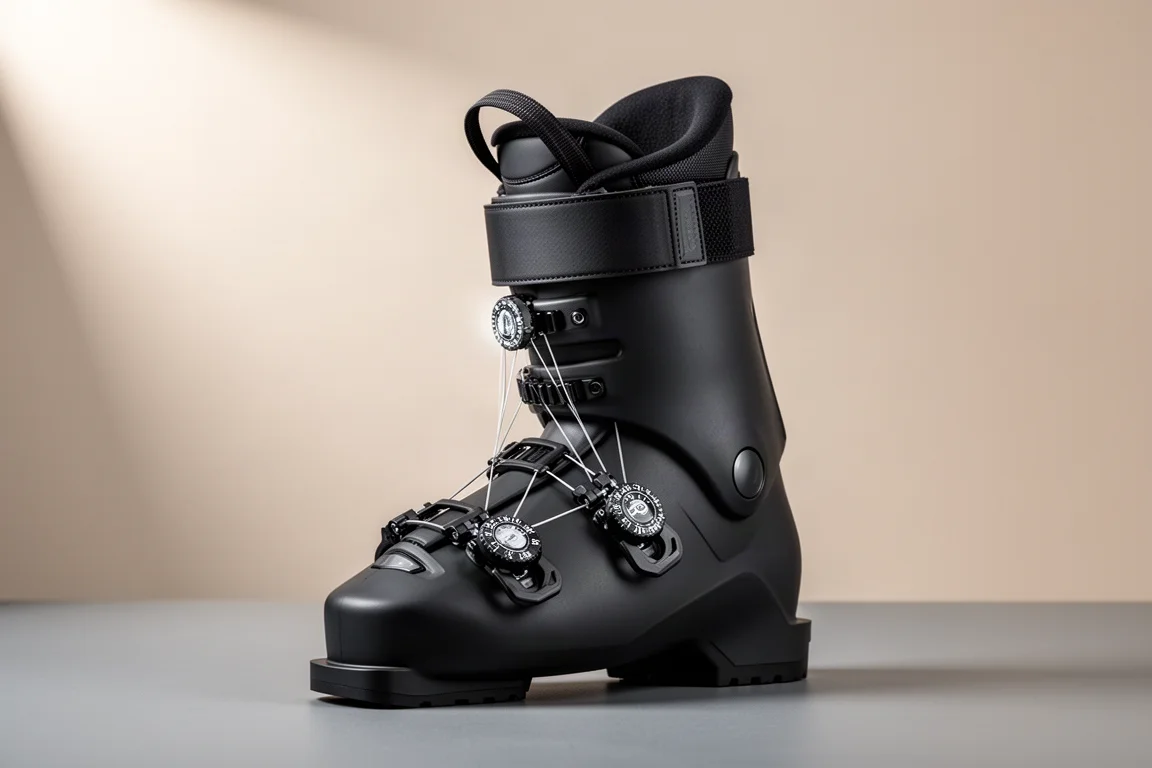
The Speedmachine 3 100 uses a dual dial, double BOA closure, with two rotary dials managing the fit across the foot. That gives even, adjustable closure without buckles, and it pairs particularly well with a leather-lined aftermarket liner for a comfortable, locked-in feel over a long day.
It is the most convenient boot in this group to live with, and a natural choice for skiers who want comfort and easy adjustment rather than a race-derived stance.
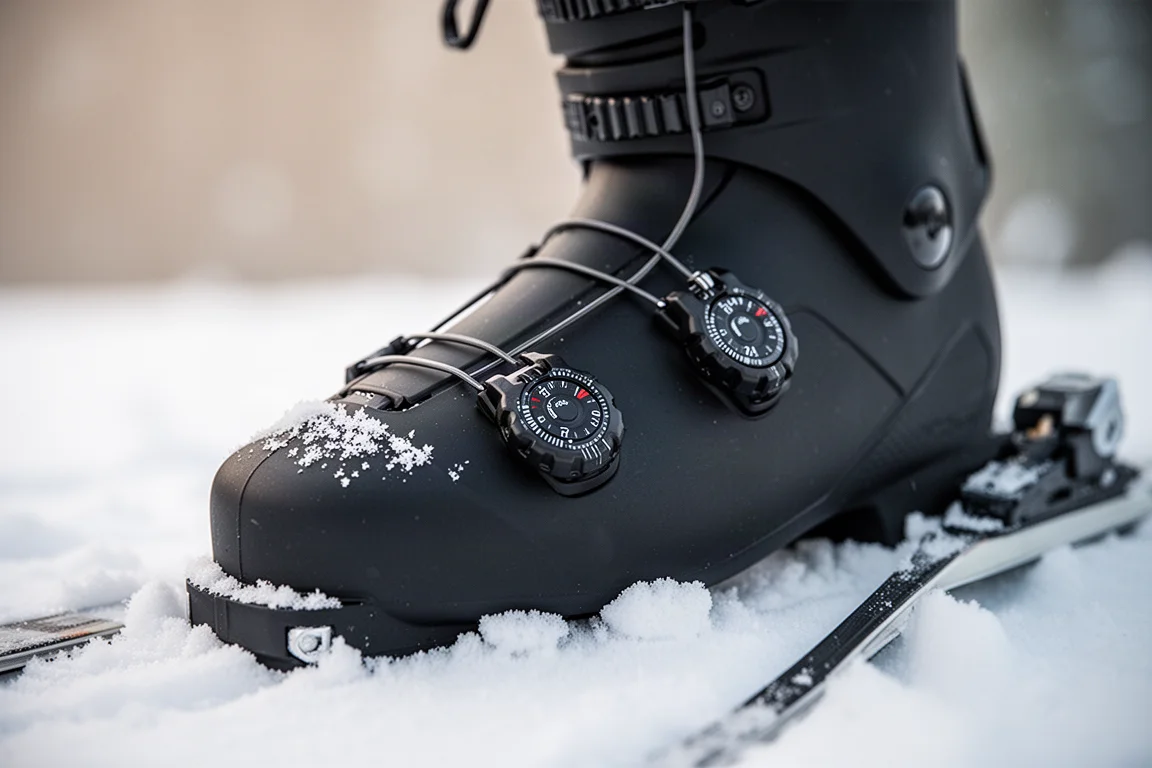
The softer 100 flex is the main consideration. It is comfortable and easy to ski, but it will not deliver the same drive as the stiffer shells above, and skiers who want to charge hard on firm snow will feel the difference.
Skis
All five skis here land in the 94mm to 120mm range, and each one is a specialist in a different way. Read them as tools rather than all-purpose answers.
Nordica Unleashed 120
The Unleashed 120 is a new Nordica shape with a 120mm waist, two partial sheets of Titanal and sizing limited to 180cm and 190cm. Compared with the narrower Unleashed models, it adds tip rocker and taper, which makes the big footprint noticeably more manageable than older versions of the design.
It is not a ski that responds well to a passive stance. It wants to be driven from the pilot seat, and once you commit to that, it is predictable, reliable and strong. It moves an enormous amount of snow and prefers higher speeds, wider terrain and longer turns. Around tight, tree-lined terrain with modest snowfall it is a specialist tool rather than a daily driver, and for most skiers in that setting the 190cm length is the right call only if they genuinely want a big, damp charger.
View more details for Nordica Unleashed 120
Volkl Revolt 101
The Revolt 101 is a pared-down version of the wider Revolt 114, using the same construction and overall dimensions in a narrower footprint. It was designed so freeride athletes have something to ski when there is no new snow, and it turns out to be a genuinely enjoyable all-mountain ski for anyone who mixes carved turns with soft snow, bumps and trees.
The shape is unusual: a long, low rocker, a narrow pintail and a lot of early taper. It has a wood core and no metal, yet it holds a strong, aggressive carved turn and tracks cleanly through soft spring snow with a lot of energy, cutting a clean line rather than feeling hooky. It is available in 182cm and 189cm, and the 182cm covers almost every day for a lighter or mid-weight skier.
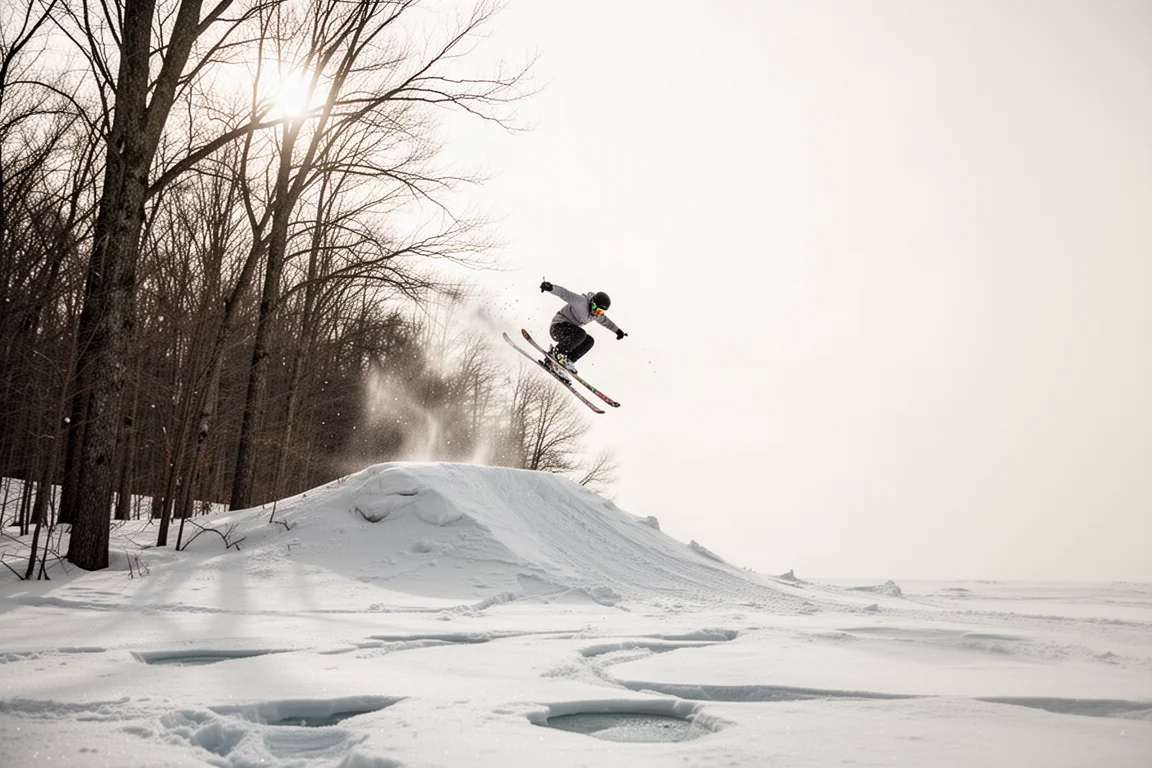
Two caveats are worth stating plainly. It is not the most maneuverable ski in tight woods, and it struggled in a crust layer on a new snow day. It also pairs particularly well with a more powerful boot, which brings out its driving character; with a lighter, poppier boot it feels energetic but harder to control at the limit.
Salomon QST 94
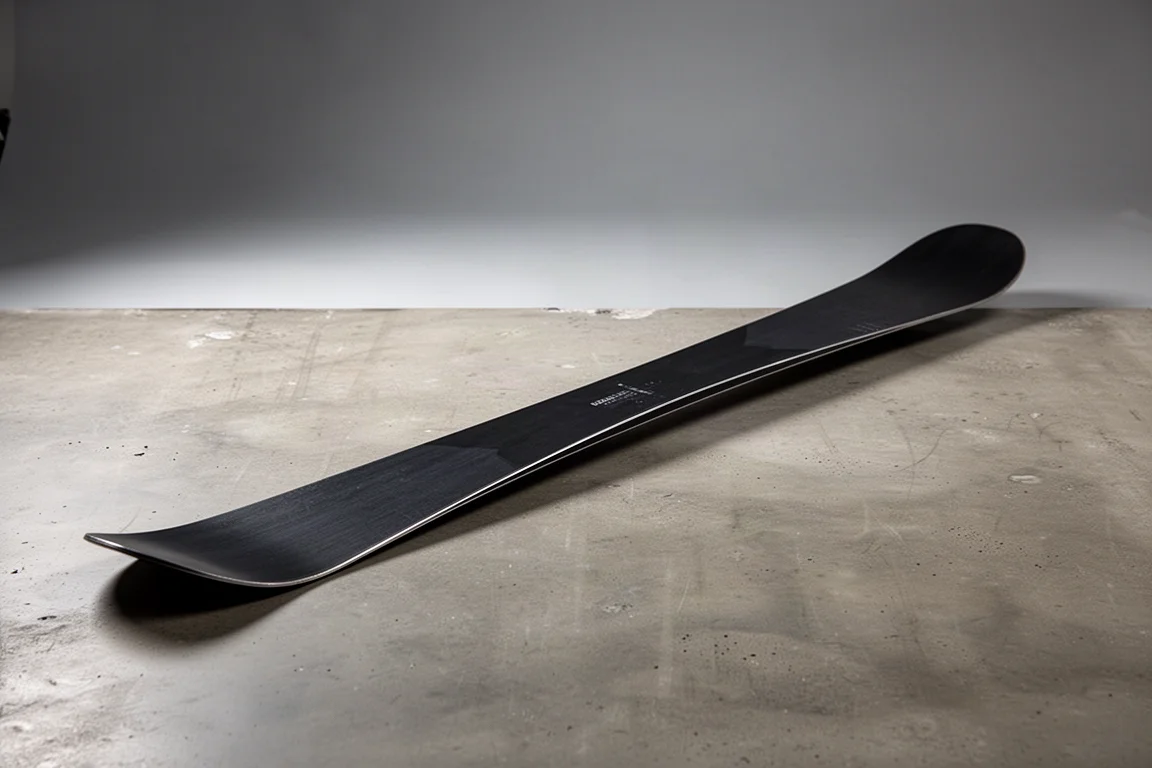
The QST 94 was skied as a demo pair with a demo binding, and it came across as one of the smoothest, most welcoming skis of the season. It is more directional than the QST 100 in both mount point and style, which suits a forward-driving stance rather than a centered, playful one.
It is light underfoot and capable of a wide range of terrain, from high-speed GS turns to tight moguls and trees to cruising spring slush. Nothing about it feels demanding, which is exactly the point.
Salomon QST 100
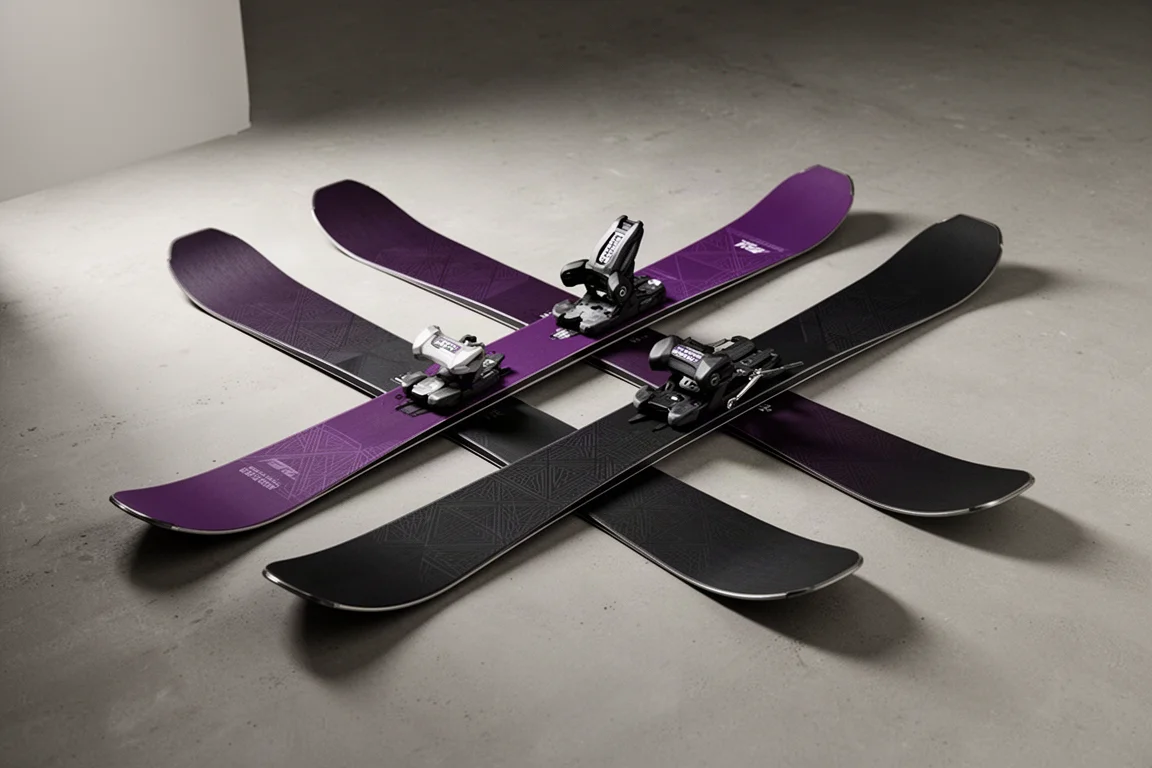
The QST 100 was skied in a personal pair mounted slightly forward of the recommended point, and that is the main caveat. With the forward mount, the shovel tends to plow a little in soft spring snow, and a normal mount point would suit the ski better.
Get past the mount question and it is a very capable 100mm ski. It carves extremely well, holds an edge on firmer snow and rides with a damp, confidence-inspiring feel, though not quite as damp as the heaviest chargers in this group. As one versatile ski for a mixed season, it is an easy recommendation.
Rossignol Sender Free 100
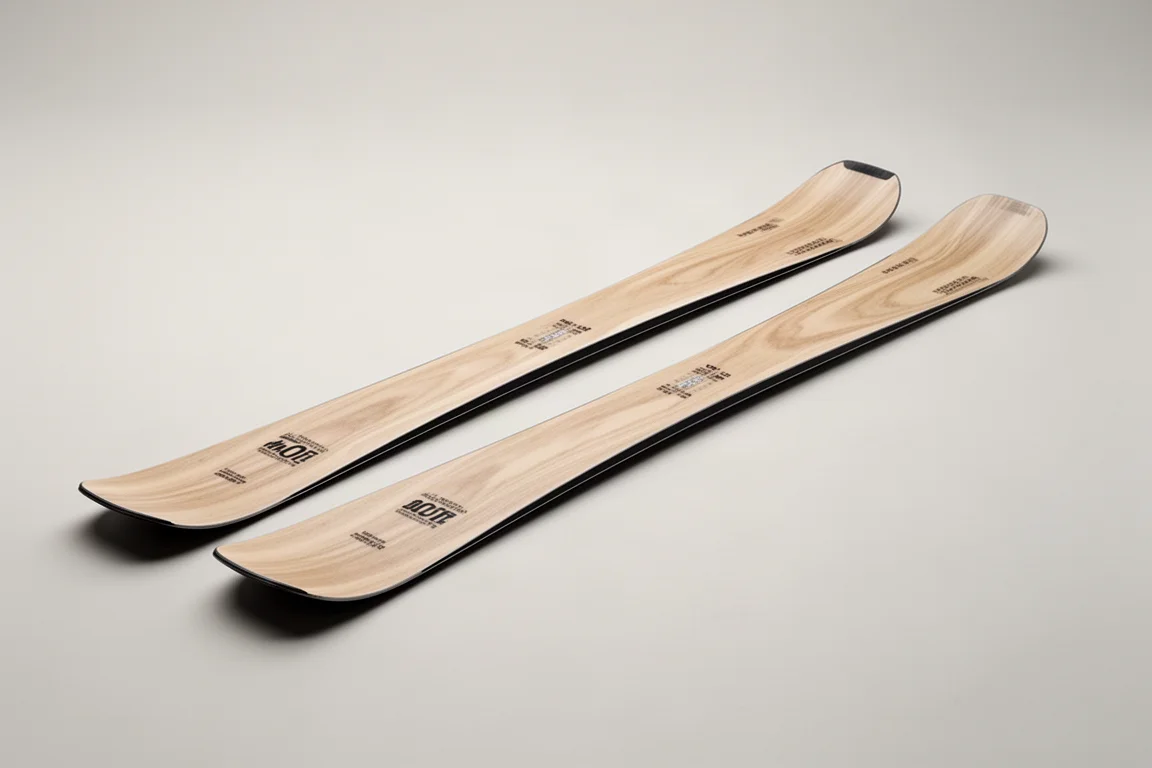
The Sender Free 100 is the ski that gets reached for on days that are not dedicated test days, paired with a dual-dial boot and a leather-lined liner. It turns the mountain into a park: natural hits, popping 180s, skiing switch and taking park laps all feel natural, and it still carves groomers well enough to be fun when conditions allow.
The one thing worth knowing is that it transmits a little more vibration than heavier skis, and adding damping would likely add weight, which would take away some of what makes it lively. For playful skiing, that trade is easy to accept.
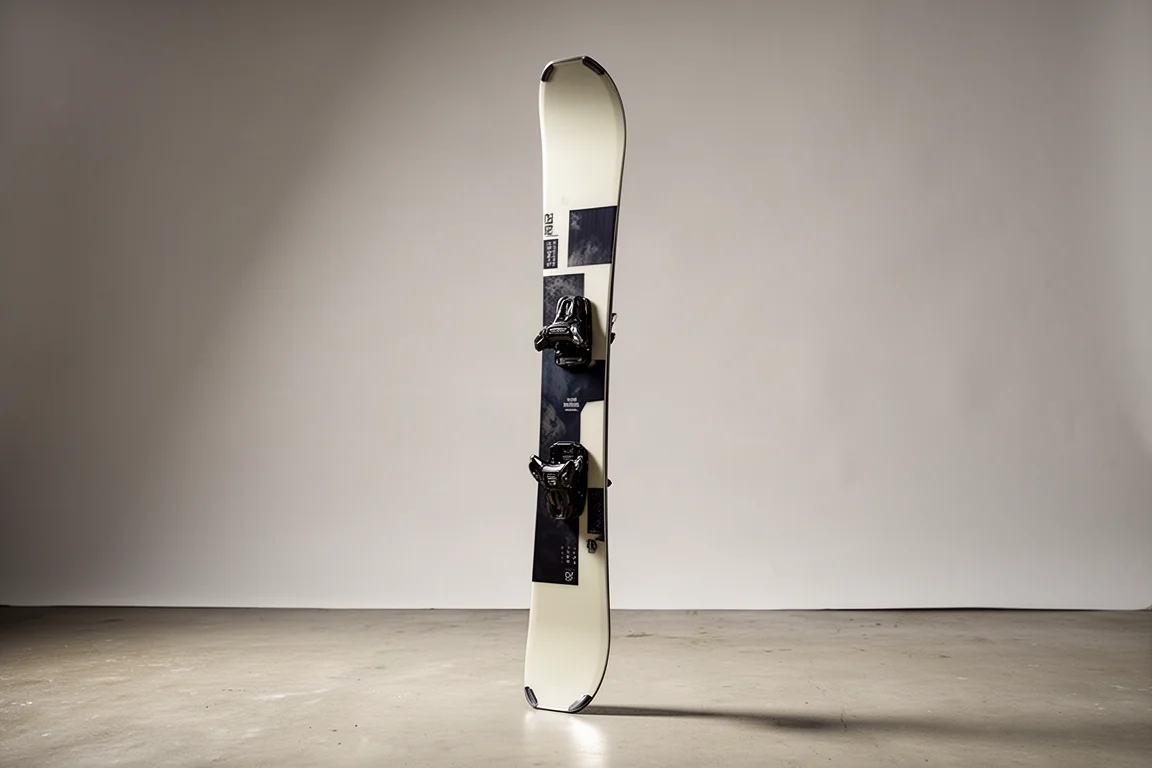
Bindings and Liner Systems
Bindings rarely get much attention until something goes wrong, and liners are usually ignored until a boot stops feeling right. Both are worth a closer look.
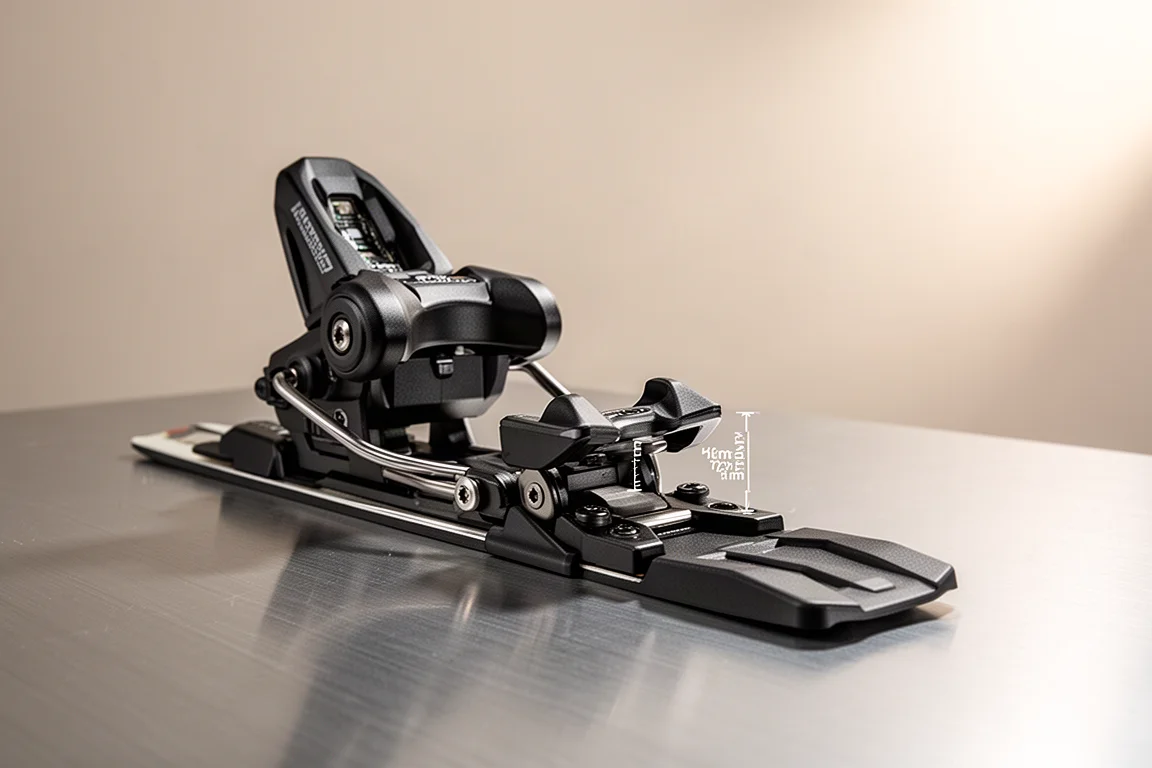
Marker Jester 16 XM Works
The Jester 16 XM Works is a low-stack alpine binding with a 9mm stand height at the toe and the same ramp angle as a standard Jester. Lowering the stand height brings the skier closer to the snow, which lowers the center of gravity and feels particularly good in the park.
The feel is precise, and that precision becomes more obvious on an already precise ski. The trade-off is that the low stack makes it easier to boot out when trying to carve extremely low, which is a direct consequence of the design rather than a flaw. After many days on a 96mm park ski with this binding mounted, it is an easy recommendation for park-focused skiers.
Salomon Strive 14
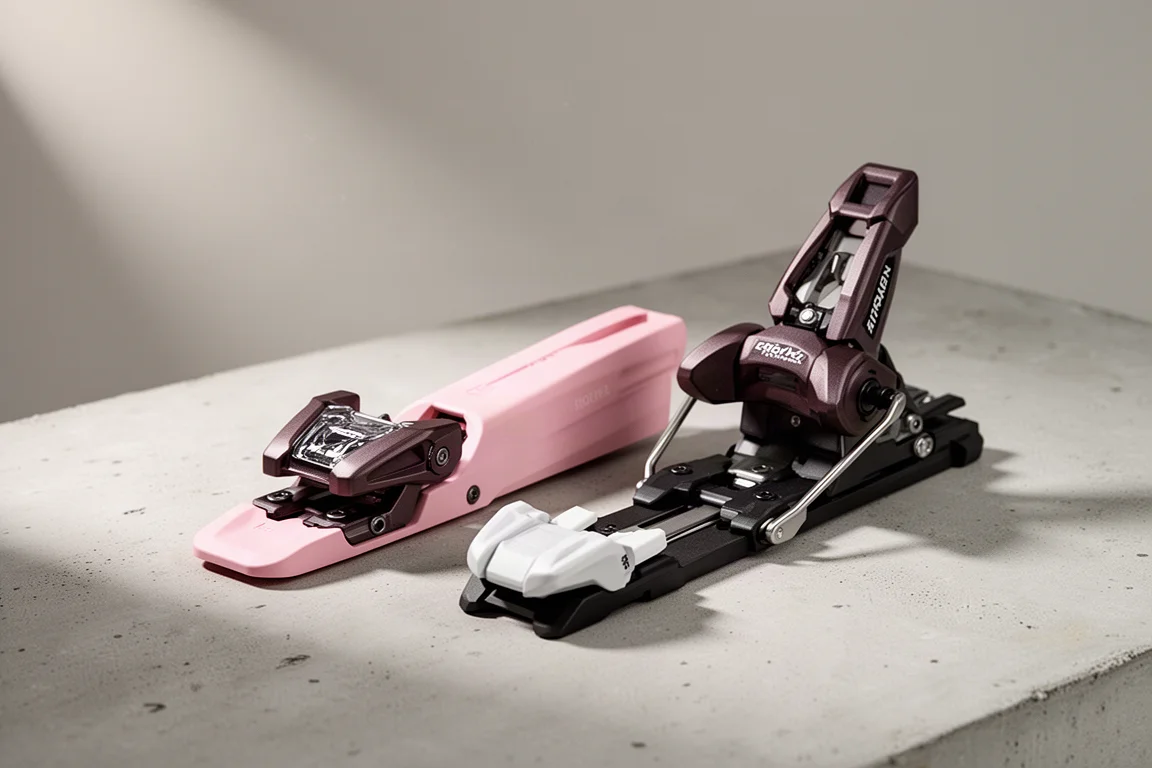
The Strive 14 is a generalist alpine binding that suits a very broad range of skiers and setups. It drew no complaints across a full season of use, which is about the highest praise a binding can earn, and it works just as happily on a park ski as it does on an all-mountain pair.
It is not a specialist piece, so skiers chasing a specific stand height or a discipline-specific feel should look at the more focused options above.
ZipFit Workhorse
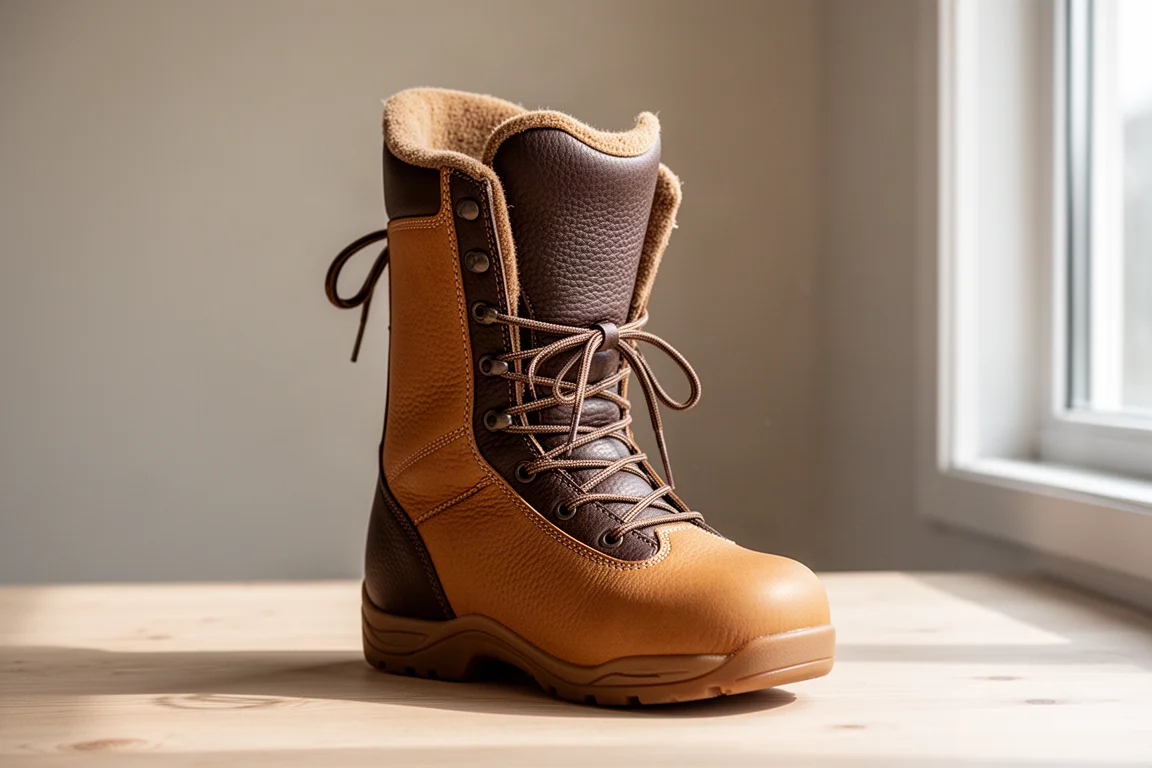
The Workhorse is an aftermarket liner with a leather outer and a leather inner, and it changed more setups this season than any other single piece of gear. Once it is inside the shell, the foot does not move. The hold from the midfoot back is best described as a suction cup, and it stays that way through a full day.
It also runs roomier in the forefoot than a stock liner, which is exactly why it works so well in a low-volume boot, adding width where feet need it while tightening everything behind. The cost is usability. It takes practice to get in and out of, and with a stiff shell it can be brutal to remove at the end of a cold day. The first run in a new liner setup often feels discouraging, and then it clicks.
What to Wear Under It All
Smartwool Ultralight Socks
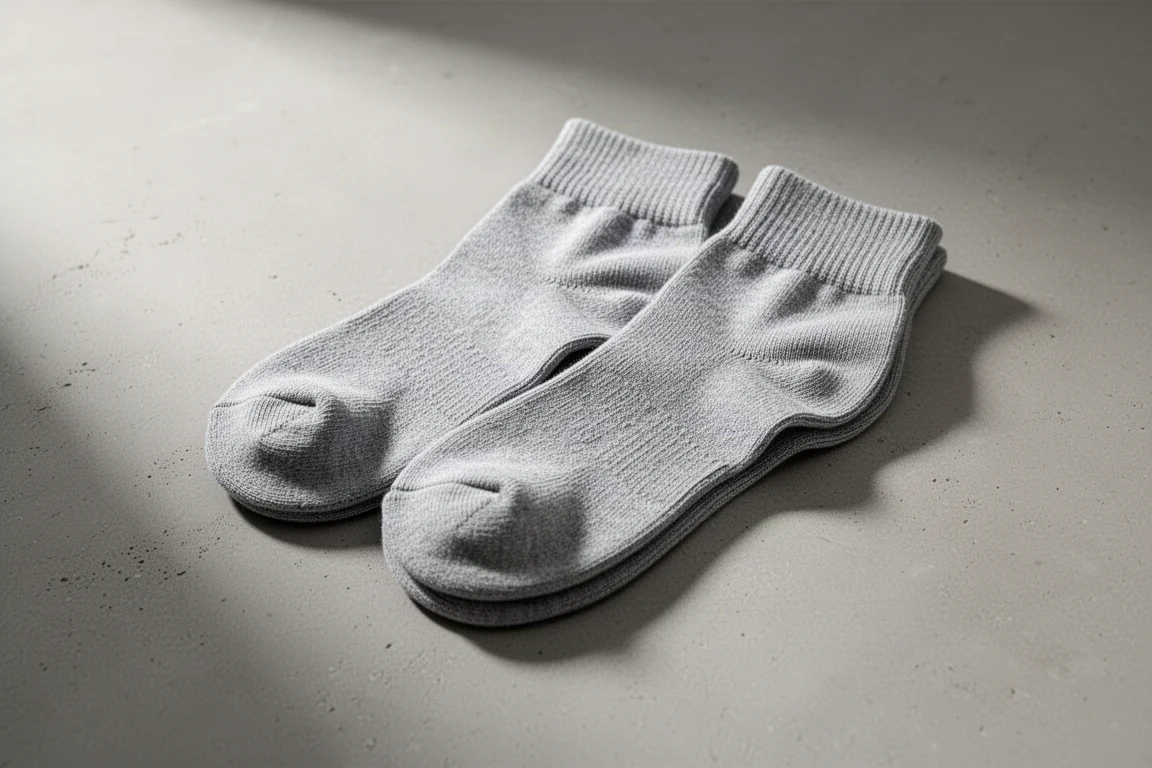
The ultralight, no-cushion sock is not a compromise, it is a requirement for anyone who wants their foot to be able to move inside the boot. These are very thin, they hold their shape, and they have been the default choice for years.
Thicker socks sound warmer but they fill volume, restrict movement and change the fit you paid to get. If your boots feel tight across the top of the foot, the sock is the first thing worth changing.
Buying Advice
The single most useful lesson from a season of swapping gear is that boots and skis work best when their characters match. Energetic, poppy boots pair naturally with energetic skis, and heavy, damp boots pair with heavy, damp skis. A very stiff boot on a very light, playful ski makes both pieces harder to manage, and the mismatch shows up fastest in soft, variable snow.
Buy for the terrain you actually ski. A 120mm powder ski is a specialist tool that rewards speed, open space and long turns, and it is a lot of ski for tight, tree-lined terrain with modest snowfall. A 100mm wood-core ski covers far more days for most skiers in that setting, and several of the skis above prove that a wood core without metal can still carve hard and hold an edge.
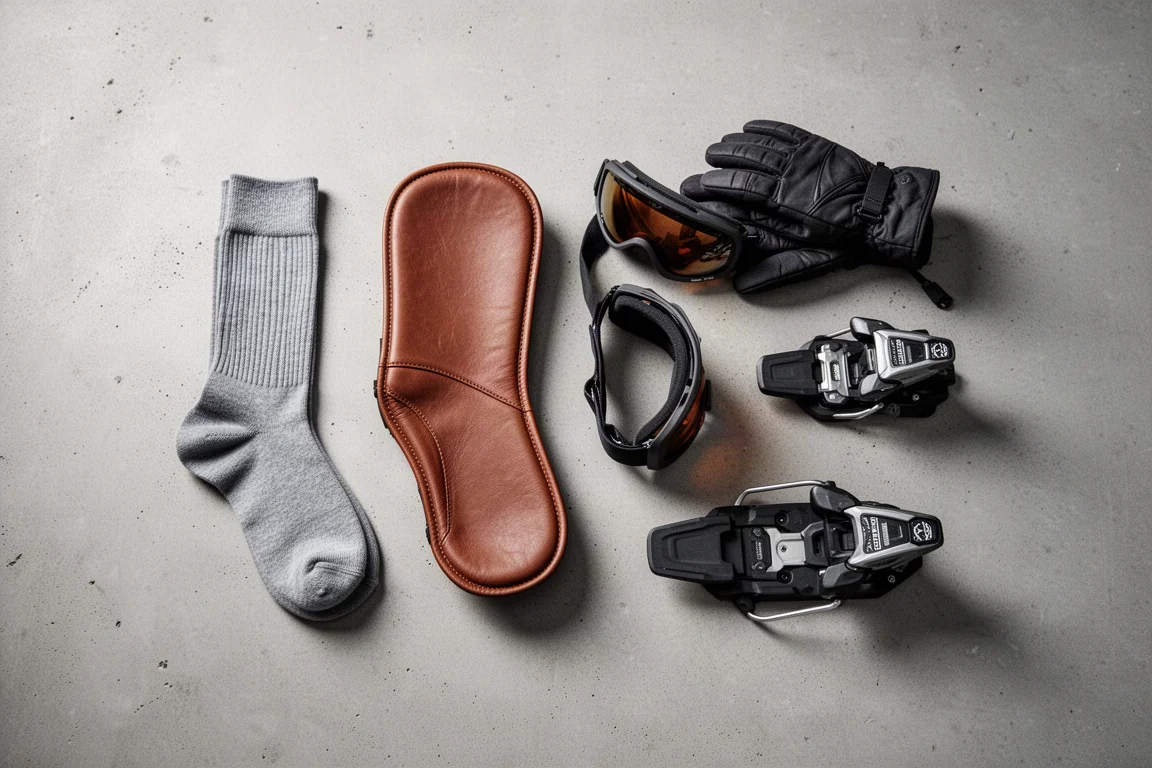
Do not overlook the liner. An aftermarket leather-lined liner can change the fit of a low-volume boot substantially, adding room across the forefoot while tightening the midfoot and heel, and it is often the cheapest way to make a shell you already own feel precise again.
Finally, be patient with stiff boots. They take time to break in, they take technique to get on and off, and the payoff is a level of control that softer boots cannot match.
Conclusion
The gear that stood out this season shares one trait: it does a specific job well and asks the skier to meet it halfway. Stiff, precise boots reward commitment. Wood-core 100mm skis deliver far more than their spec sheets suggest. A low-stack binding quietly changes how the mountain feels underfoot, and a leather-lined liner or a properly thin sock can transform a setup you already own.
Match any of these to the way you actually ski and you will feel the difference on the first run, not after a season of second-guessing.
Further reading
Related Reviews
Ski Gear
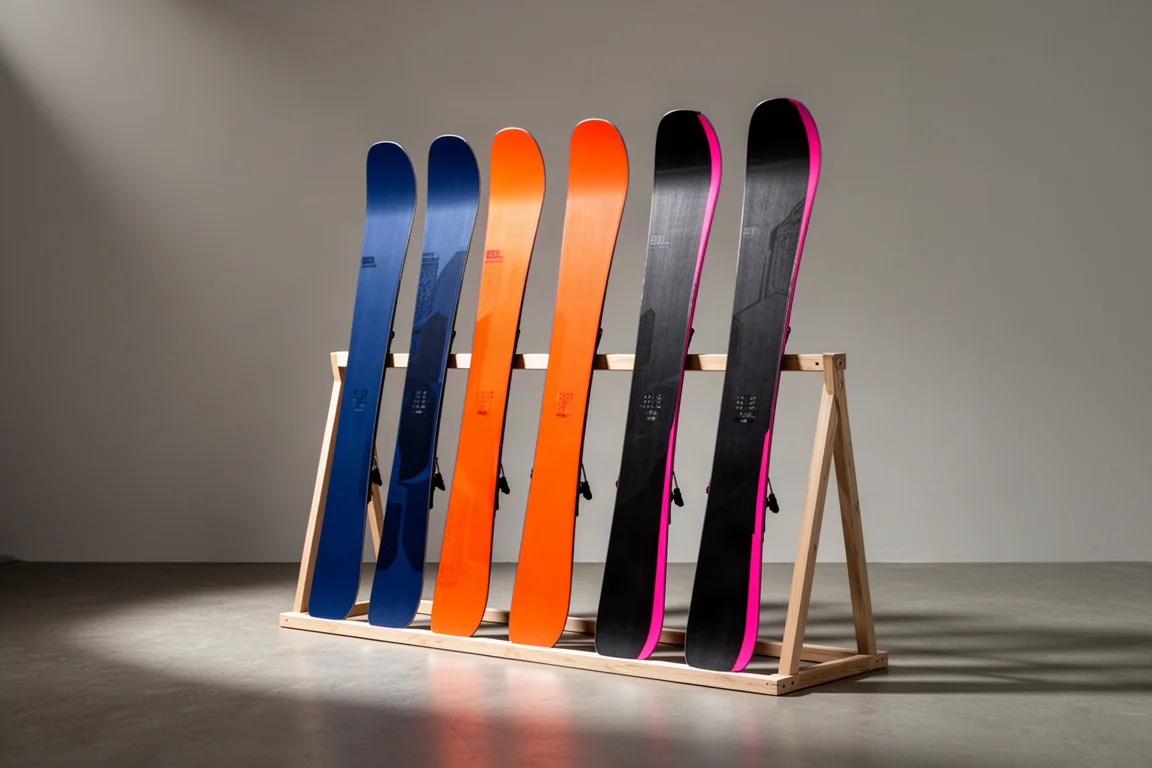
2023 Blizzard Hustle vs Rustler: Six Freeride Skis Compared
Blizzard's 2023 Hustle collection rebuilds the Rustler shape with a lighter core and no metal. Here is how all six skis differ, and which one suits your riding.
Ski Gear
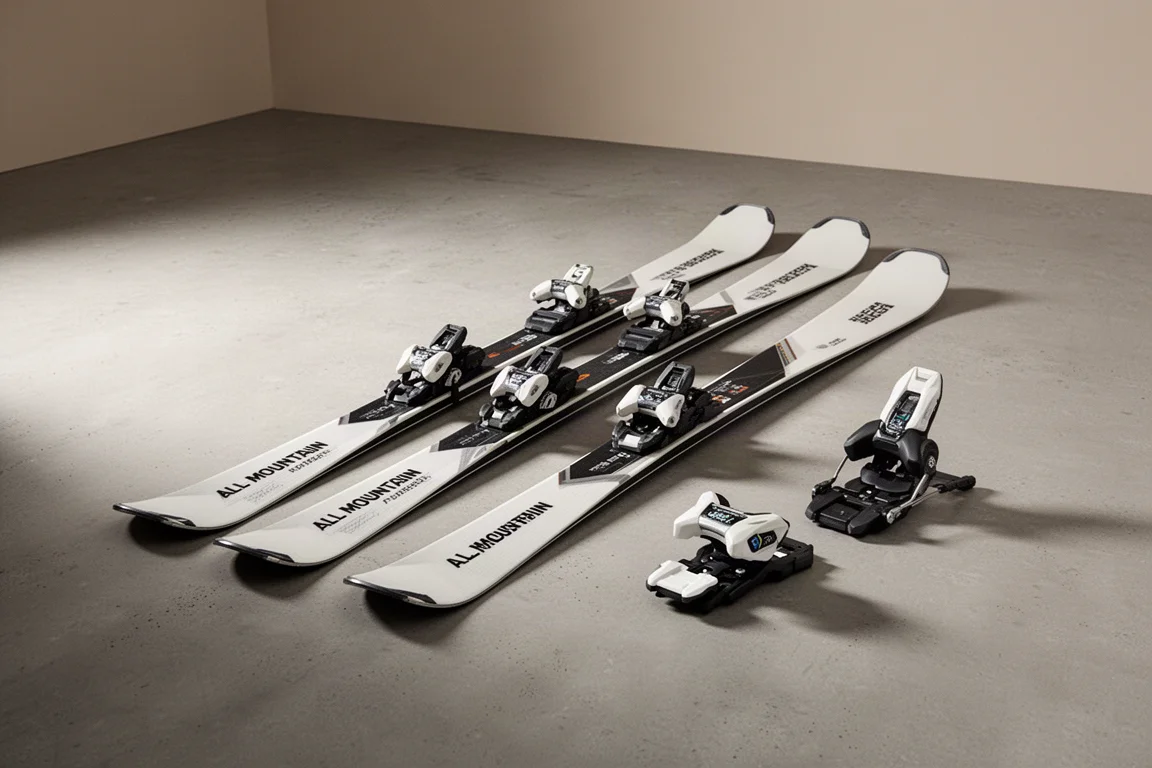
2023 Skis of the Year: Atomic Maverick 88 TI, Salomon QST 106, and Look SPX 12 Pro
Three standout ski picks for all-mountain carving, powder days, and reliable binding performance, with practical buying notes for 2023 models.
Ski Gear
2025 Nordica Enforcer 104 Review: A Directional Charger Replaces the 104 Free
The 2025 Nordica Enforcer 104 drops the Free name and the twin-tip personality, gaining weight, stiffness and composure in rough snow. Here is what changed and who it suits.