Ski Gear
Best Ski Deals 2026: 10 Discounted All-Mountain Skis Worth Buying
Ten discounted all-mountain skis worth a serious look, with the strengths, trade-offs, and price context you need before you buy.
Introduction
Leftover inventory is one of the better-kept secrets in skiing. When a model year ends, shops clear what is left, and skis that were full price a few months earlier turn up at a meaningful discount. This season the leftover supply is healthier than usual, which means real choice rather than a handful of odd sizes.
The ten skis below were picked with a simple test: would you call a friend or a family member and tell them to buy this one? Every model here is available in useful quantities and a spread of lengths, and each one stands up on its own merits rather than only on price.
A note before the list. Prices quoted here were current when this was written and can move. In practice, leftover prices rarely climb, but they are not guaranteed to hold.
How These Skis Were Selected
Availability came first. A ski only belongs on a discount list if it is genuinely in stock across a range of lengths, so models that were down to a single size were set aside early. From there, the field was narrowed on value: how much ski you get for the money, and how well that ski compares with what replaced it.
That second point matters more than it used to. Several models here carry the same construction as the version that followed them, with only a topsheet change in between. Others received genuine updates, but the character of the ski carried over, so the discounted version still skis like the ski people know.
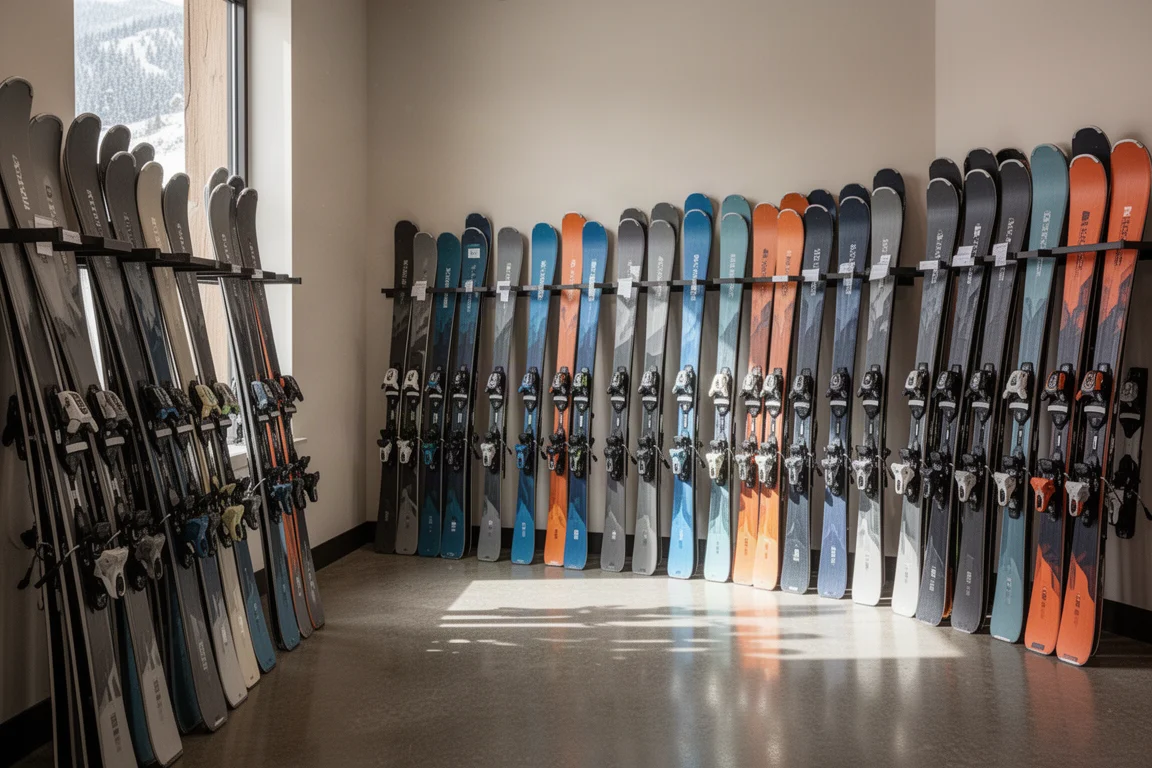
The result is grouped by use case rather than ranked from one to ten. A park-focused twin tip, a stiff frontside carver, and a lightweight touring-friendly ski do different jobs, and the best choice depends on where and how you ski.
Best Overall Value: K2 Reckoner 102
The Reckoner 102 is the obvious place to start. It is a wood-core twin tip with carbon spectral braid, and it is listed at $419.95. Finding that construction on a ski a little over $400 is unusual, and it is the reason this one led the list.
On snow it is playful and more versatile than its park-leaning reputation suggests. It is a common pick as a park ski or a park-and-all-mountain hybrid, and it handles powder well too. The flex is soft and forgiving, which is a large part of why it is so easy to enjoy.
Timing helps as well. The newer version of this ski uses the same construction with a different topsheet graphic, so nothing about the discounted model is out of date.
Best for Strong Skiers: Head Kore 99
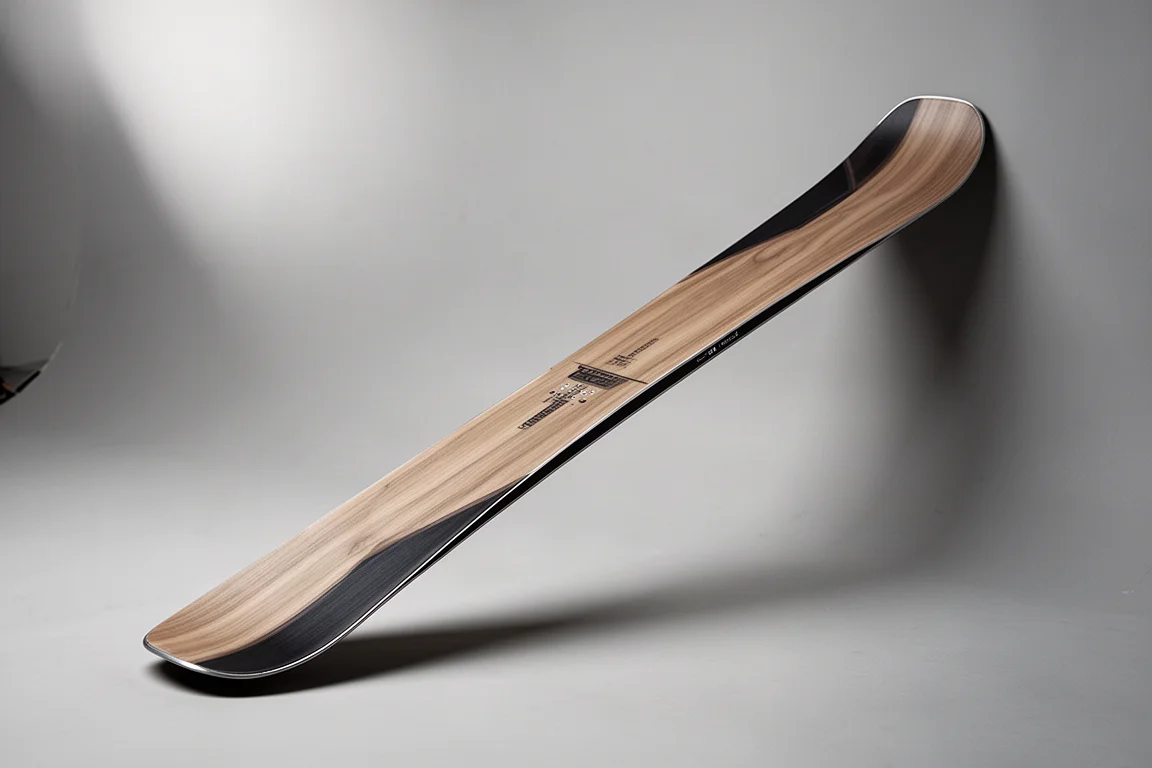
The Kore 99 sits at the other end of the flex spectrum. It is a stiff, lightweight all-mountain ski, and it has been a long-standing favourite here for the way it lines up with a strong, assertive skiing style.
It is worth being clear about who this suits. You do not need to be a lightweight skier to enjoy a lightweight ski, and in fact heavier skiers have a better chance of bending a ski this stiff. The Kore 99 rewards weight and intent, and it gives back a lot of energy when you drive it.
Price is the other part of the story. It is listed within a dollar of the Reckoner 102, which makes it one of the strongest value picks in the group for the right skier.
View more details for Head Kore 99
Best All-Mountain All-Rounder: Salomon QST 92
The QST 92 is the ski to buy if you cannot decide. At $349.99 it is one of the least expensive models here, and it is the most balanced. Nothing about it chases a superlative: it is not the strongest carving ski and not the lightest ski on the market, but it blends a wide range of performance traits into something genuinely easy to live with.
That blend is what makes it work. You can ski it fast and aggressively, and you can lay it over and carve. It feels energetic and damp at the same time, a combination Salomon gets right through its CFX construction.
The newer version of this ski is a fuller update than some others on this list, but the theme carries over, so the discounted model still delivers the same character.
Best Lightweight Option With Touring Range: Volkl Blaze 94
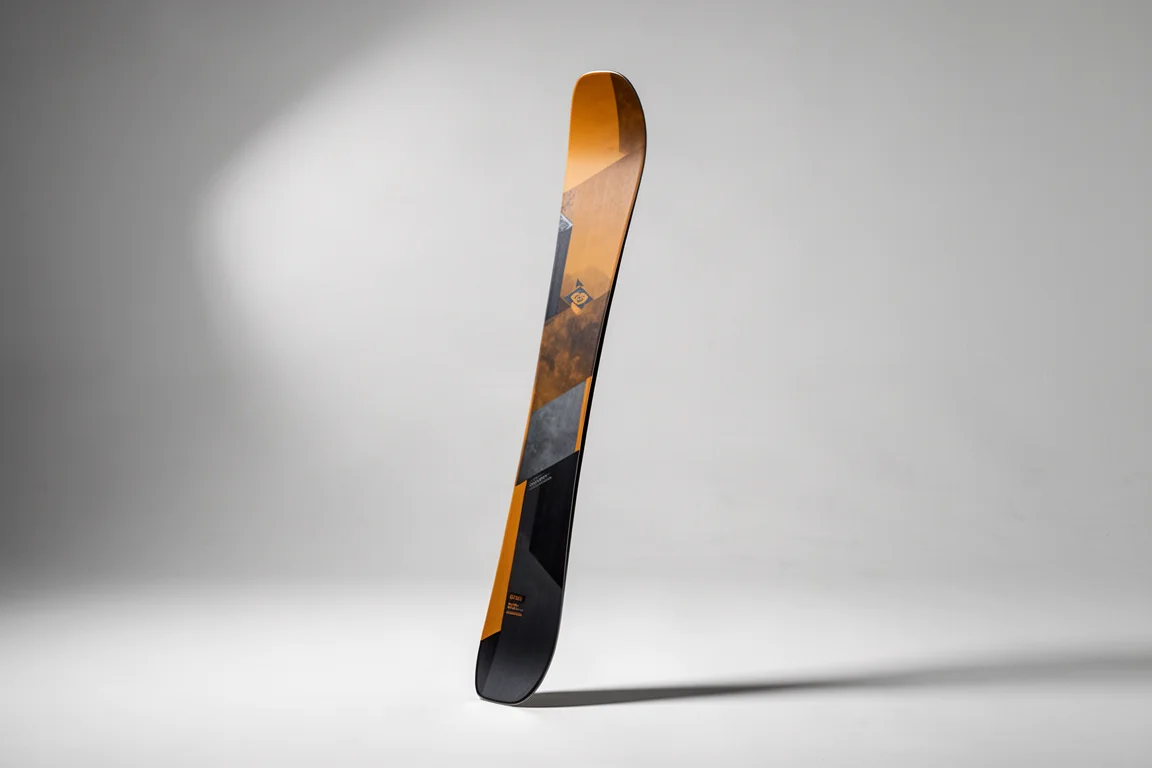
The Blaze 94 is the lighter, more agile option at $384.99. It is friendly and easy going, with good energy underfoot, and it is the kind of ski you can put an undecided skier on and expect them to have a good time.
Its distinguishing feature is range. There are skin fixation notches on the tails, a clear nod to out-of-bounds use, which is why it often gets grouped with hybrid resort and touring skis. If you want one pair that covers in-bounds days and the occasional skin up, that versatility adds real value.
There is a good story behind its reputation in trees. Skiers who spend most of their time on heavier, more demanding skis tend to find the Blaze 94 far easier in tight terrain once they finally try it, and more than a few end up reaching for it on most days. The men’s and women’s versions share the same construction, differing only in available lengths and graphics.
Best Wider Freeride Value: Salomon QST 106
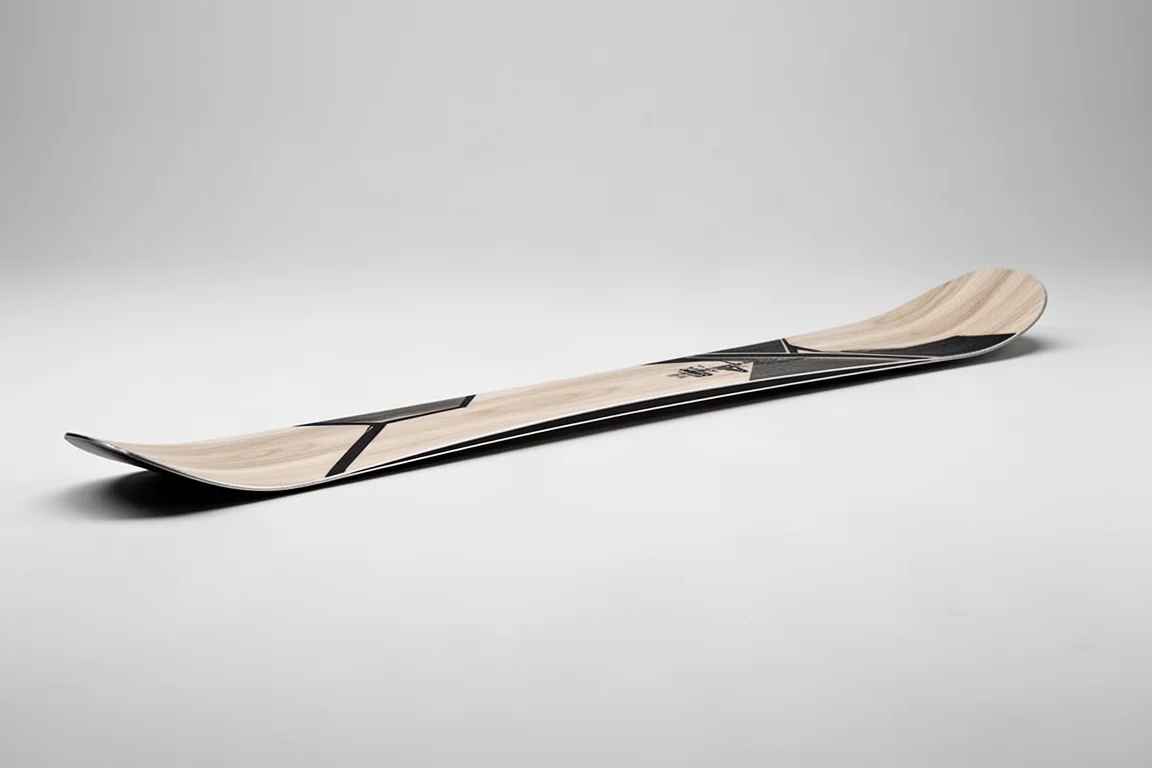
The QST 106 is here to show that the discounts reach into wider, freeride-oriented shapes. At $489.99 it is one of the pricier models on this list, but it is still under $500 for a 106 mm-underfoot ski, which is a narrow window that does not open often.
The tail rocker is the defining feature. It gives the ski a surfy, smeary feel when you want to slide it around, and it also makes the ski agile and forgiving in tight spots. What balances that out is the damping, which lets you ski it fast and aggressively through chopped-up snow without feeling like you are on a noodle.
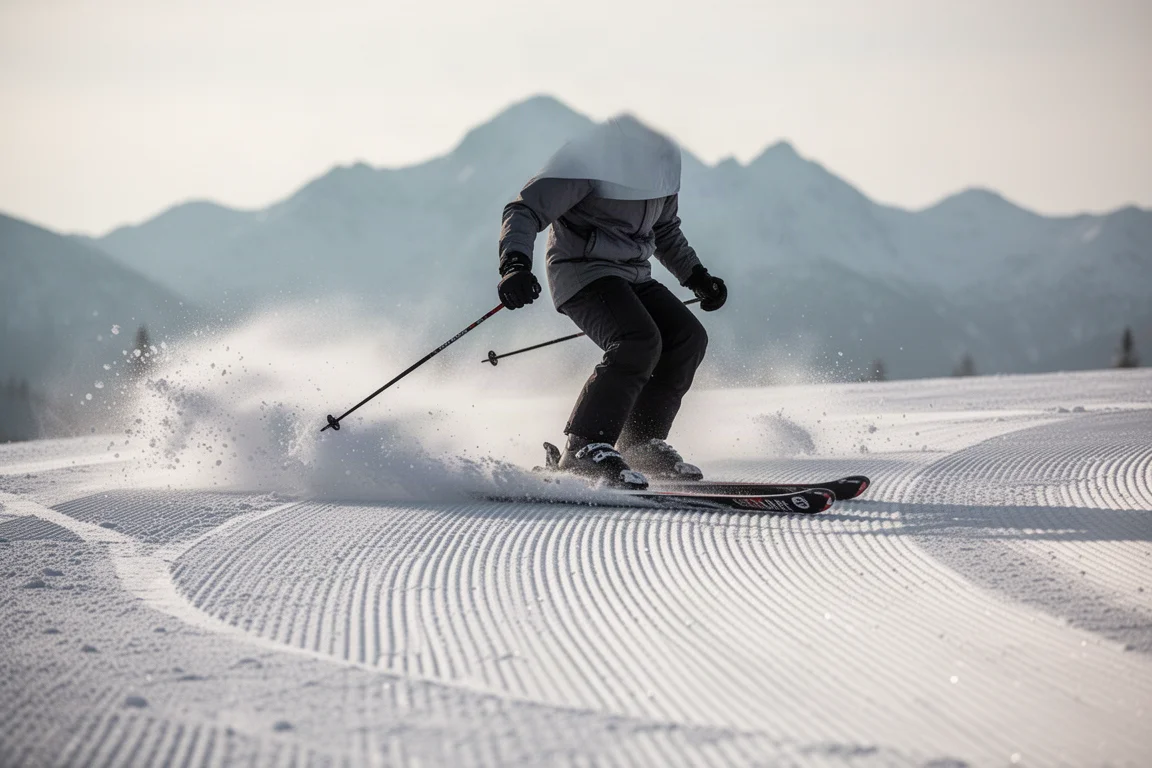
For anyone in a lower-snow region who wants a wider second ski for soft days and trips west, this is a sensible addition to a quiver.
It is also the natural partner for the Stance 90 further down this list, and the two together come in under $1,000.
Best Frontside Carver: Salomon Stance 90
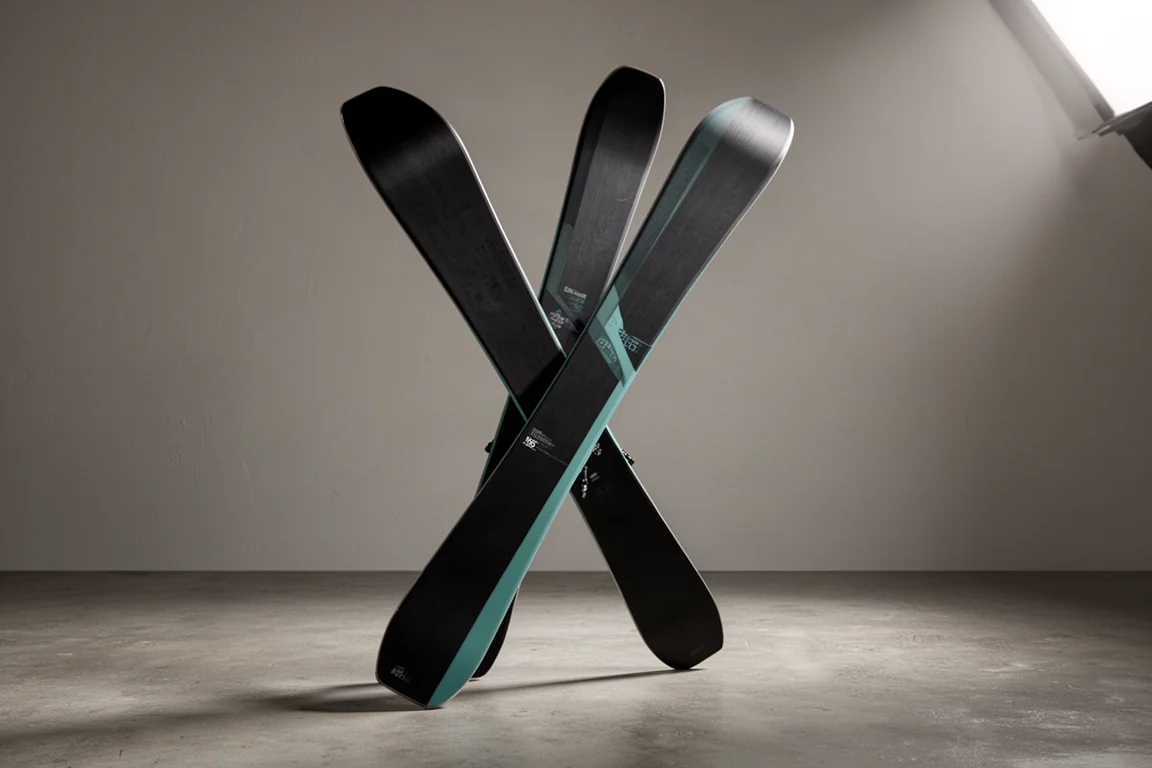
The Stance 90 is the carving option. At $454.99 you get a dual metal laminate all-mountain ski, with rectangular zones left out of the tips and tails and filled with a carbon flax material. The result is a ski that holds an edge hard and stays composed.
It is a strong candidate for a one-ski quiver in regions with firmer, lower-snow conditions. It is at its best on wide open groomers, and it handles bumps and trees at a high level, though it prefers firmer snow to deep powder.
For a two-ski setup, it pairs naturally with the QST 106, and the combination stays under $1,000.
Best Precision All-Mountain: Volkl Kendo 88
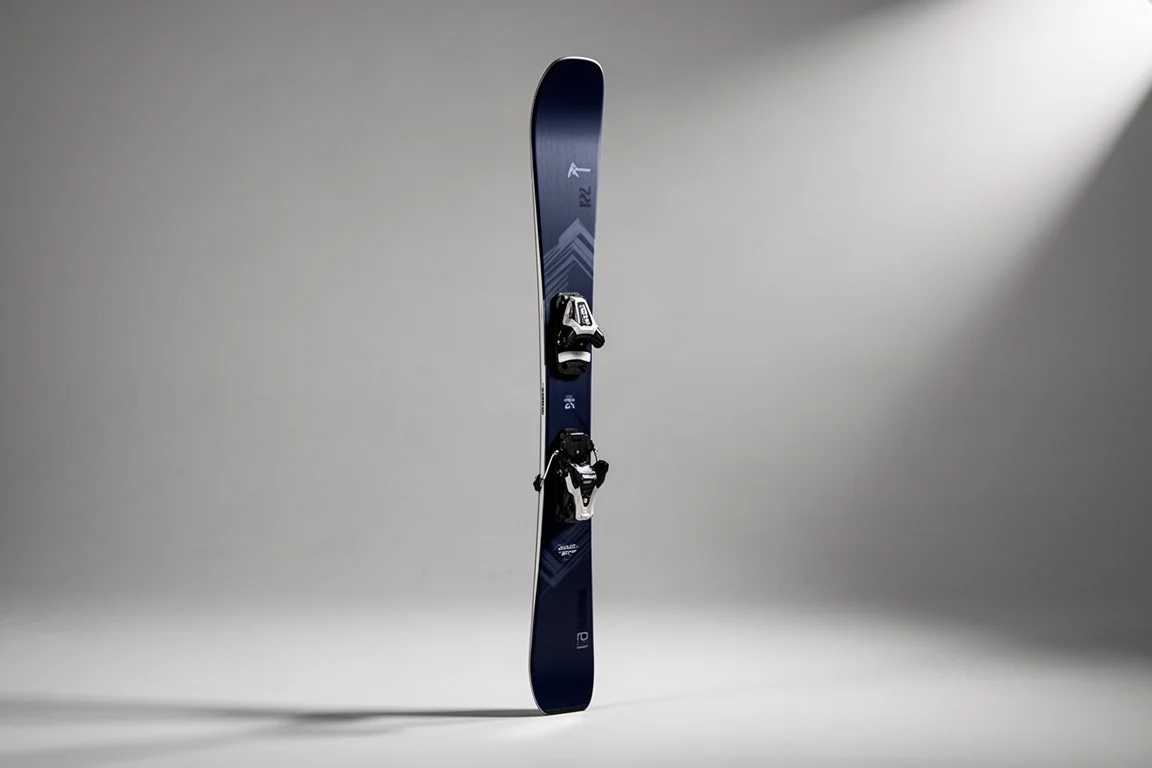
The Kendo 88 is the precision pick at $519.99, the highest price in this group. Where the Stance 90 leans toward freeride feel and manoeuvrability, the Kendo leans toward edge grip, power, and responsiveness. It is an extremely well-known ski for good reason.
It uses a titanal frame, and the newer version tweaks a few construction and design elements rather than redesigning the ski. That means the discounted model is still a modern ski rather than an outdated one, which softens the case for paying more for the latest version.
The women’s counterpart, the Kenja 88, shares the same build. It is priced separately, and the two do not always line up, so it is worth checking both before you commit.
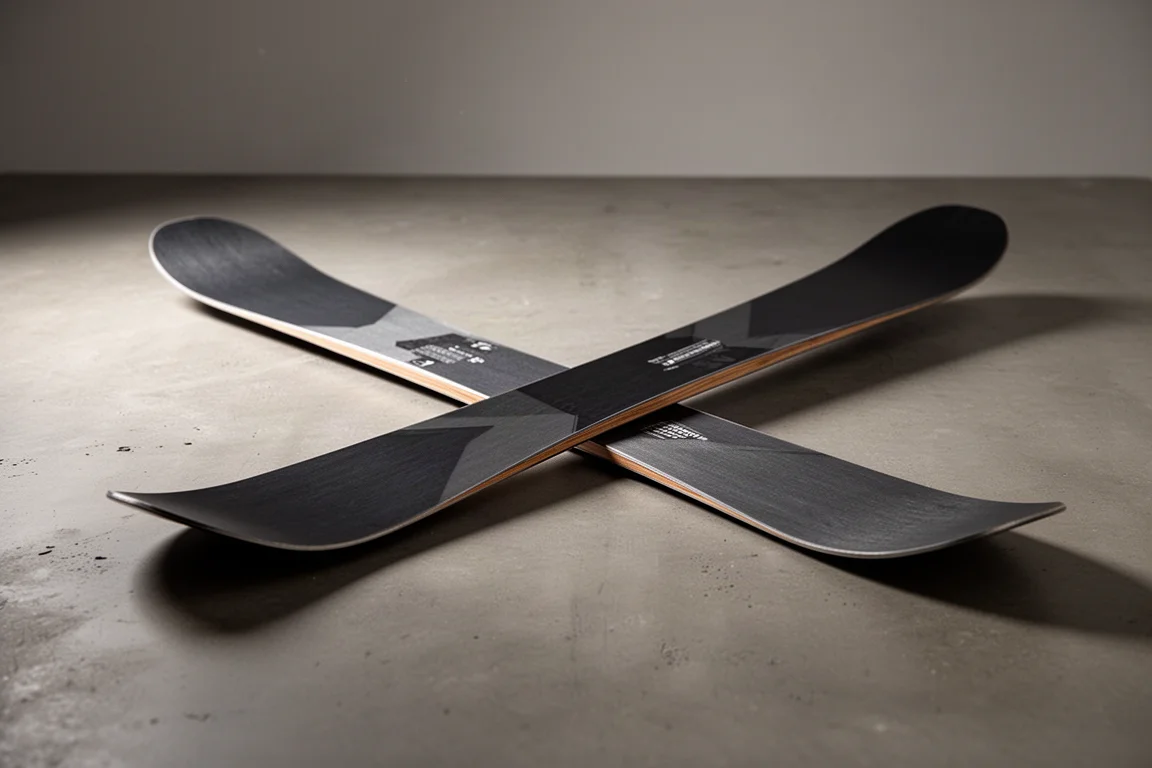
Best Value Stiff All-Mountain: Head Kore 93
The Kore 93 and its women’s counterpart, the Kore 91 W, are listed at $389 each, which puts a genuinely high-performance all-mountain ski under $400.
Like the Kore 99, this is a stiff ski, and that stiffness is the whole point. It delivers excellent edge grip and precision, and it is incredibly reactive. That reactivity is a real tool for some skiers and overwhelming for others. Heavier skiers who can load the ski, and lighter but very aggressive skiers with steeper edge angles, tend to get the most from it.
One detail worth knowing: the waist measurement depends on length. The 93 mm figure applies to the 177 cm reference length, and the women’s 91 W is the same ski built around a shorter reference length.
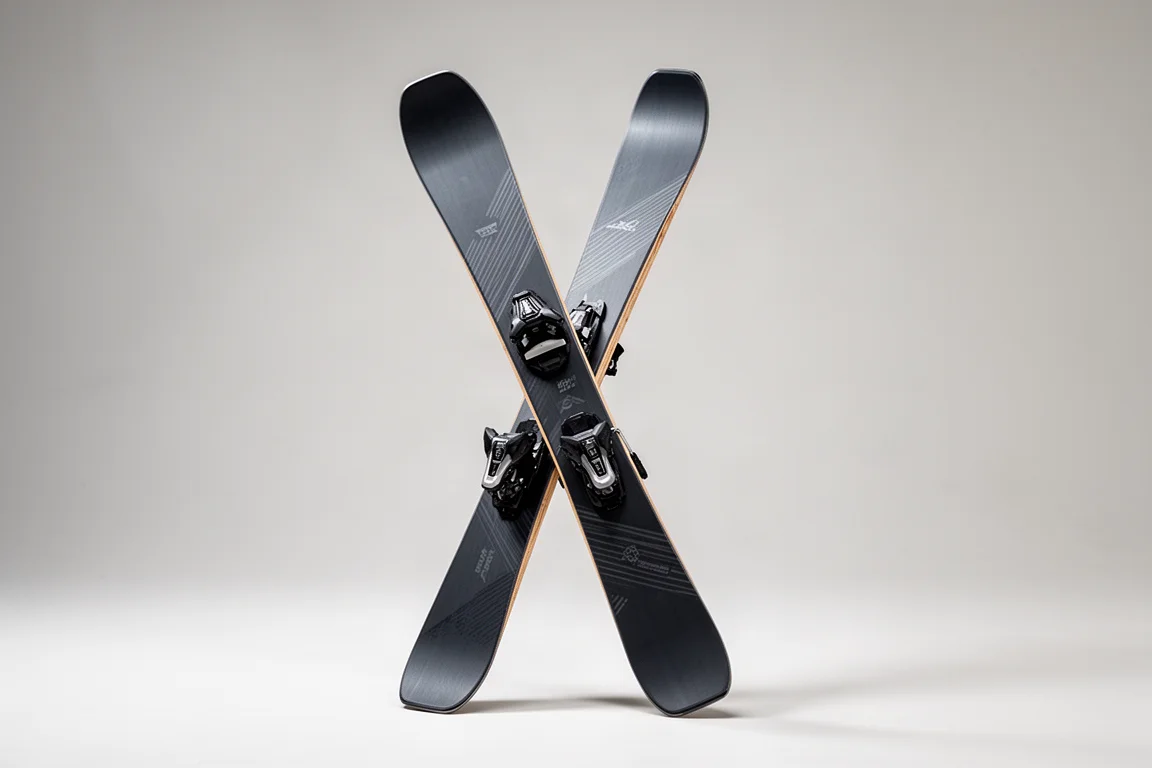
Best Budget Entry Point: K2 Mindbender 85
The Mindbender 85 is the least expensive ski here at $279.95, and it is the simplest. Where the rest of the Mindbender line splits between titanal and carbon versions, this one relies on a plain wood core. There is no metal, no carbon, and no clever construction story.
What is impressive is how much ski that turns out to be. It is not the best at anything, but it is fun, it has a bit of heft and stability for a ski at the bottom of a range, and it works for a wide spread of skiers, from beginners to less aggressive advanced skiers.
That makes it a strong step-up option. If you are coming off rentals or an old heavy system ski, a flat Mindbender 85 with a low stand-height binding will be far more fun than anything you have been renting. The women’s version is the Mindbender 85 Alliance, and it is the same ski.
The broader point is that a large share of skiers would have plenty of fun on an 85 mm all-mountain ski and never need to think harder than that.
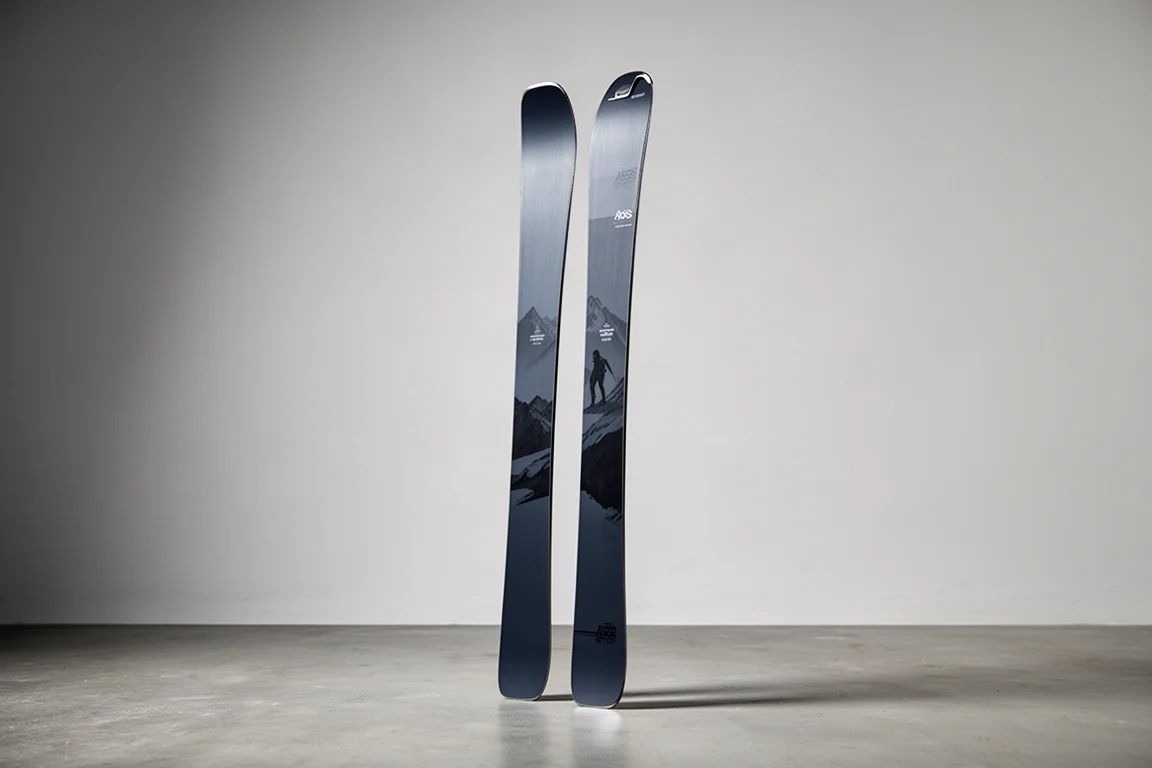
Best Mid-Volume Metal Ski: K2 Mindbender 90 Ti
The Mindbender 90 Ti closes out the list at $454.95, and it shows what the extra money buys over the 85: a metal laminate, an expanded sidewall, and a noticeably higher performance ceiling.
It competes directly with the Stance 90 and the Kendo 88, and it sits between them in feel. It is precise, damp, and stable, but it has an easier going quality than the Kendo, which makes it a friendlier way to get high-end all-mountain performance. Groomers, steeps, bumps, trees, and a little fresh snow are all within its range.
It costs almost $200 more than the Mindbender 85, and that gap is real. The performance is there to justify it, but whether it fits your budget is a separate question.
Other Discounted Models Worth a Look
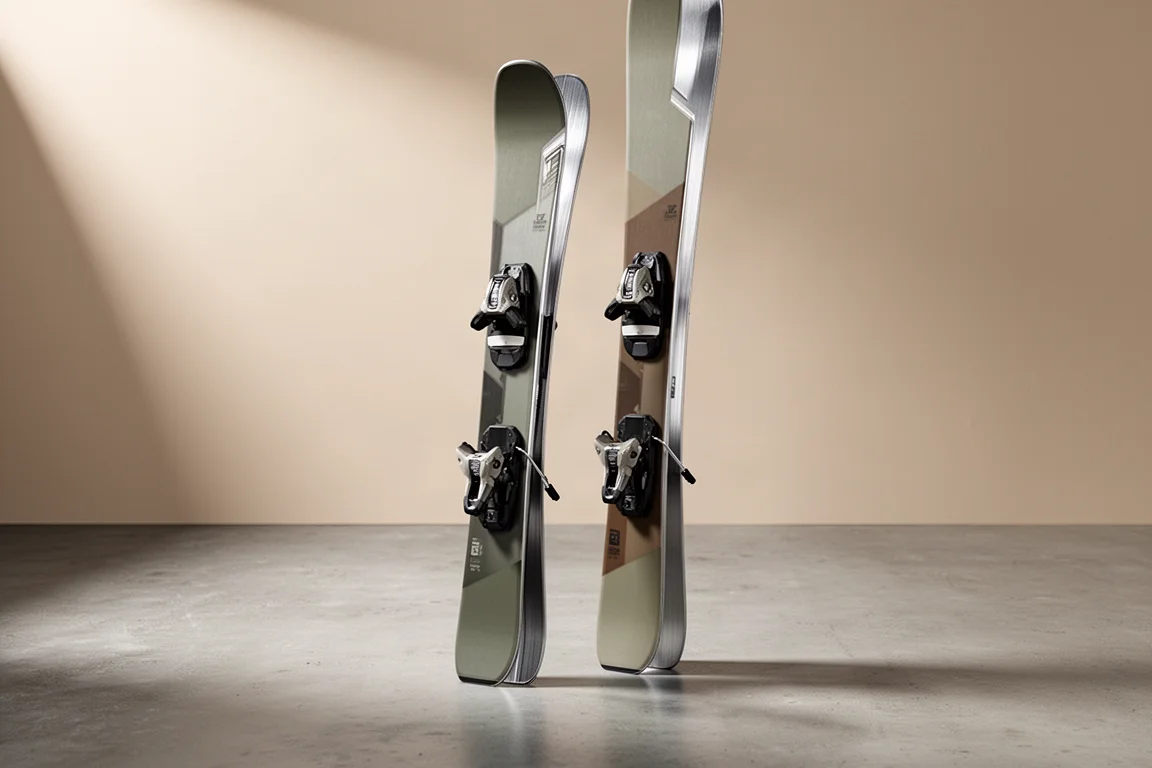
A few more models were discounted at the time of writing but did not make the final ten. The Kastle MX83 at $779 and MX88 at $811 sit at the premium end, and even at those prices a ski plus a binding comes in around the $1,000 mark. Also worth a look are the Salomon Stance 96, the K2 Mindbender 99 and 108, and the Salomon QST Lumen 99, all of which occupy similar territory to the picks above.
Buying Advice: Prices, Bindings, and Timing
Three practical points are worth keeping in mind before you commit.
First, prices. Everything quoted here was current at the time of writing, and discount pricing can move. Leftover prices rarely rise, but they are not guaranteed to stay put either, so treat the figures as a snapshot rather than a promise.
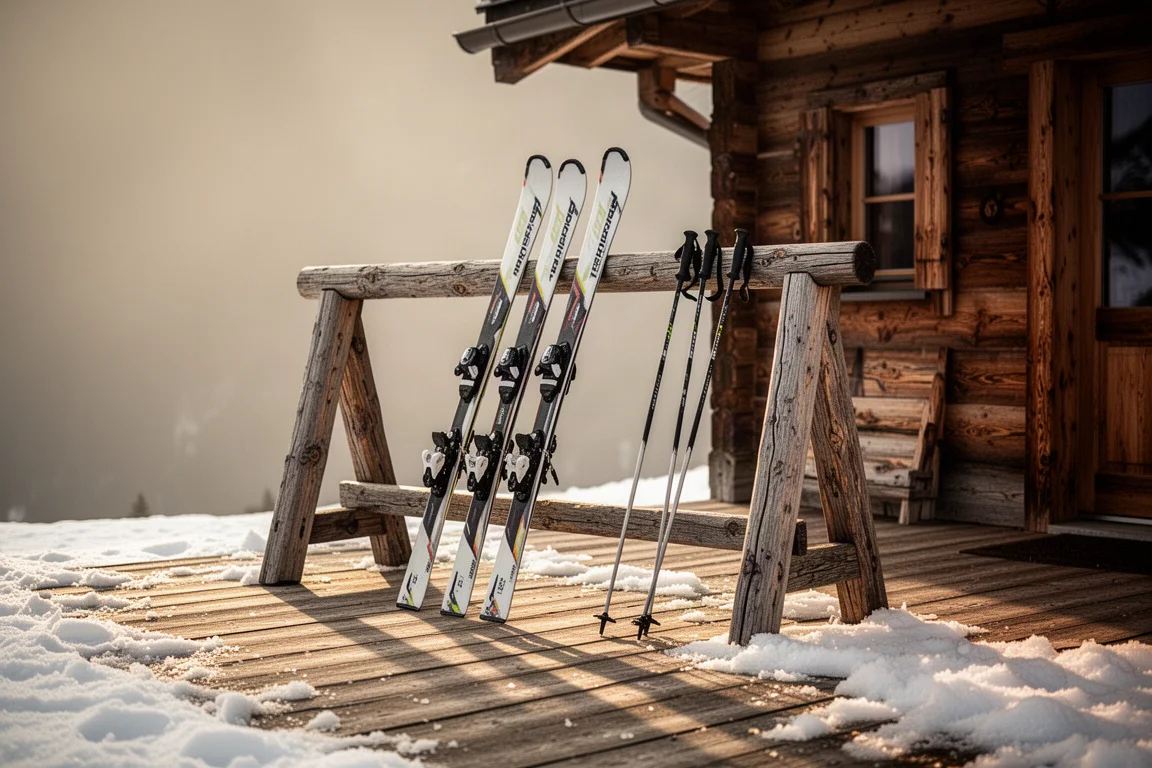
Second, bindings. Most of these are sold as flat skis, so budget for a binding on top of the ski price. Buying the ski and binding together as a package is usually cheaper than buying them separately, and it also means the binding arrives mounted and ready to ski.
Third, timing and version choice. Several of these models are one graphic change away from the current version, which makes the discounted ski an easy call. For the models that received real updates, the question becomes whether the newer ski is worth a few hundred dollars more. That is a personal budget decision rather than a performance one, and there is no universal answer. If you are working to a fixed number, the discounted ski leaves room for a binding, goggles, or a second pair.
A final thought on quivers. Pairing the QST 92 with the QST 106, or the Stance 90 with the QST 106, gives you a two-ski setup for under $1,000 that covers firm snow and soft snow without compromise.
Conclusion
The best deals on this list are not the cheapest skis, they are the skis where price and capability line up. The K2 Reckoner 102 and the Head Kore 99 both offer current construction for a little over $400. The Salomon QST 92 is the safest all-round choice at $349.99. The Volkl Blaze 94 adds touring range, the Salomon QST 106 covers soft snow, and the Salomon Stance 90 and Volkl Kendo 88 are the two precision options for firm conditions. The K2 Mindbender 85 is the best entry point at $279.95, and the K2 Mindbender 90 Ti is the strongest performance per dollar at the higher end.
Match the ski to the snow you actually ski, check that your length is still in stock, and remember that a binding will be part of the budget. Do that and a leftover ski is one of the best value purchases in the sport.
Further reading
Related Reviews
Ski Gear
2023 Blizzard Hustle vs Rustler: Six Freeride Skis Compared
Blizzard's 2023 Hustle collection rebuilds the Rustler shape with a lighter core and no metal. Here is how all six skis differ, and which one suits your riding.
Ski Gear
2023 Skis of the Year: Atomic Maverick 88 TI, Salomon QST 106, and Look SPX 12 Pro
Three standout ski picks for all-mountain carving, powder days, and reliable binding performance, with practical buying notes for 2023 models.
Ski Gear
2025 Nordica Enforcer 104 Review: A Directional Charger Replaces the 104 Free
The 2025 Nordica Enforcer 104 drops the Free name and the twin-tip personality, gaining weight, stiffness and composure in rough snow. Here is what changed and who it suits.