Running Shoes
5 Best Simple No-Frills Running Shoes: Ground Feel Without the Gimmicks
Five lower-stack, flexible, plate-free trainers that keep you connected to the road while modern foams add just enough pep.
Introduction
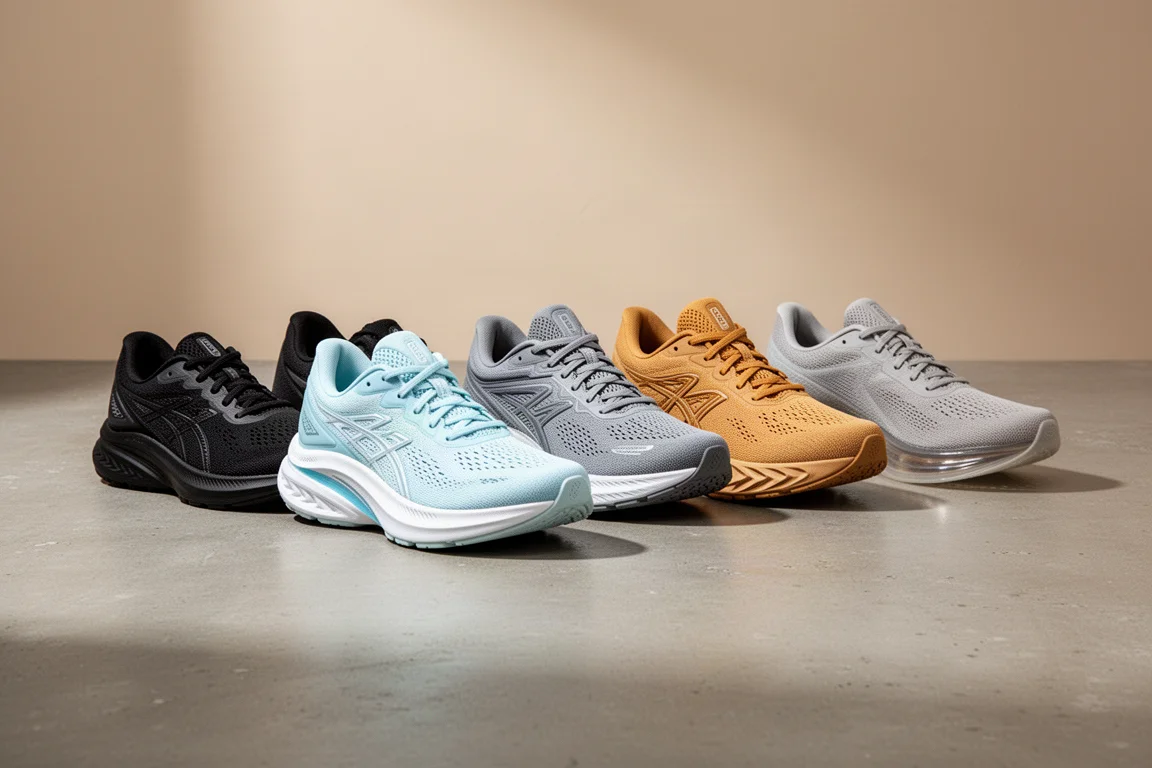
No-frills running shoes get a bad rap. The category has a reputation for being boring, but the current crop proves otherwise: lighter builds, livelier foams, and more ground connection than the max-stack shoes dominating the market. Adding a lower-stack, plate-free trainer to your rotation is a smart way to vary the stress on your body, especially as your mileage climbs.
What Makes a No-Frills Running Shoe
The definition here is simple: a stack height roughly below 32 mm in the heel, some degree of forefoot flexibility so your foot can control the shoe, generally a lighter weight, and no plate. Most of these shoes use standard training foams that have been livened up with racing-foam blends, giving you connection with a bit of modern speed assistance trickling in.
Running in these shoes works different parts of the body than max-cushion trainers do, which helps with staying healthy over big mileage. If you run two or three times a week, one or two shoes will do. But if you are building up miles, dropping a lower-stack shoe into the rotation once a week or every other week is a worthwhile habit. Treadmill sessions are also a great opportunity for firmer shoes, since the belt is softer than road.
Brooks Hyperion 2
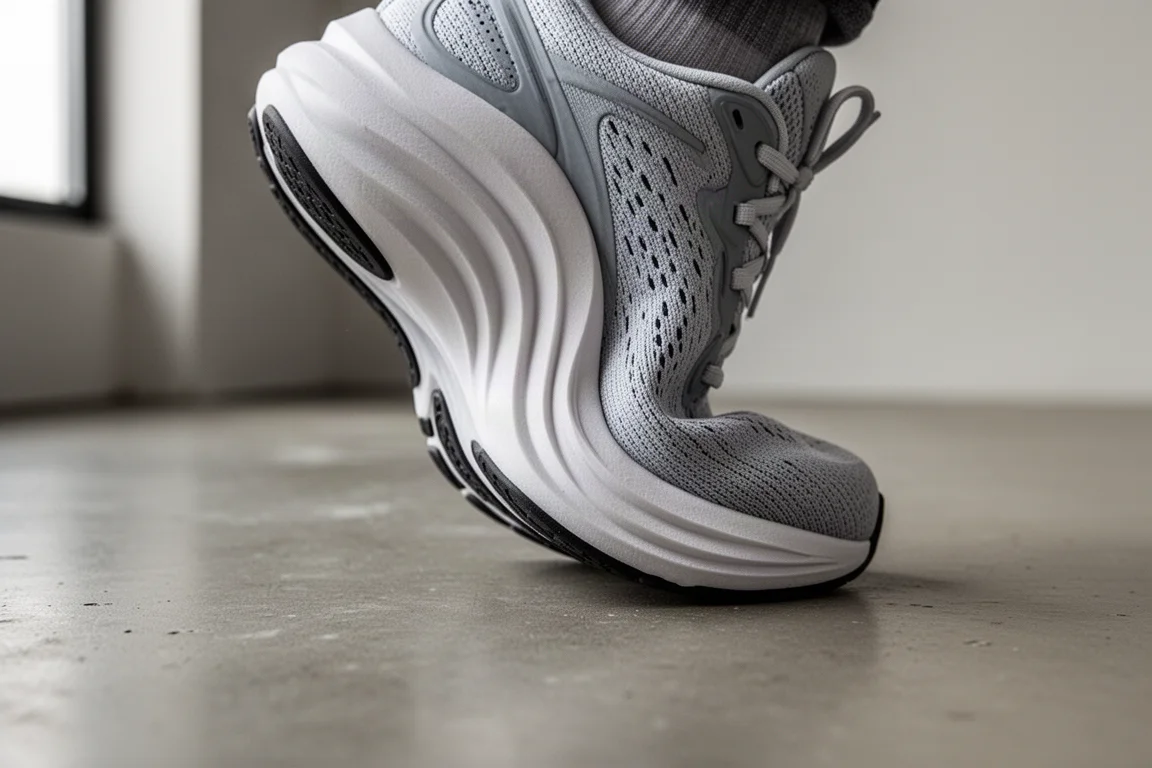
The Hyperion 2 earns its spot on the strength of its foam: a supercritical TPU and EVA blend that mixes standard training foam with racing foam. It is not the biggest stack in the heel, but compared to shoes from a decade ago it is plenty, and the forefoot stays flexible with a foam that is firm rather than plush.
It breaks in after about 10 to 20 miles and opens up slightly, with enough support within the foam to handle higher mileage despite the lower stack. A 25-mile day, including a 17-mile workout and an 8-mile run later that day, went off without a hitch. It performs as close to a super-shoe experience as you will get in a $140 package. Brooks also makes a GTS stability version if you want more support.

New Balance Rebel V4
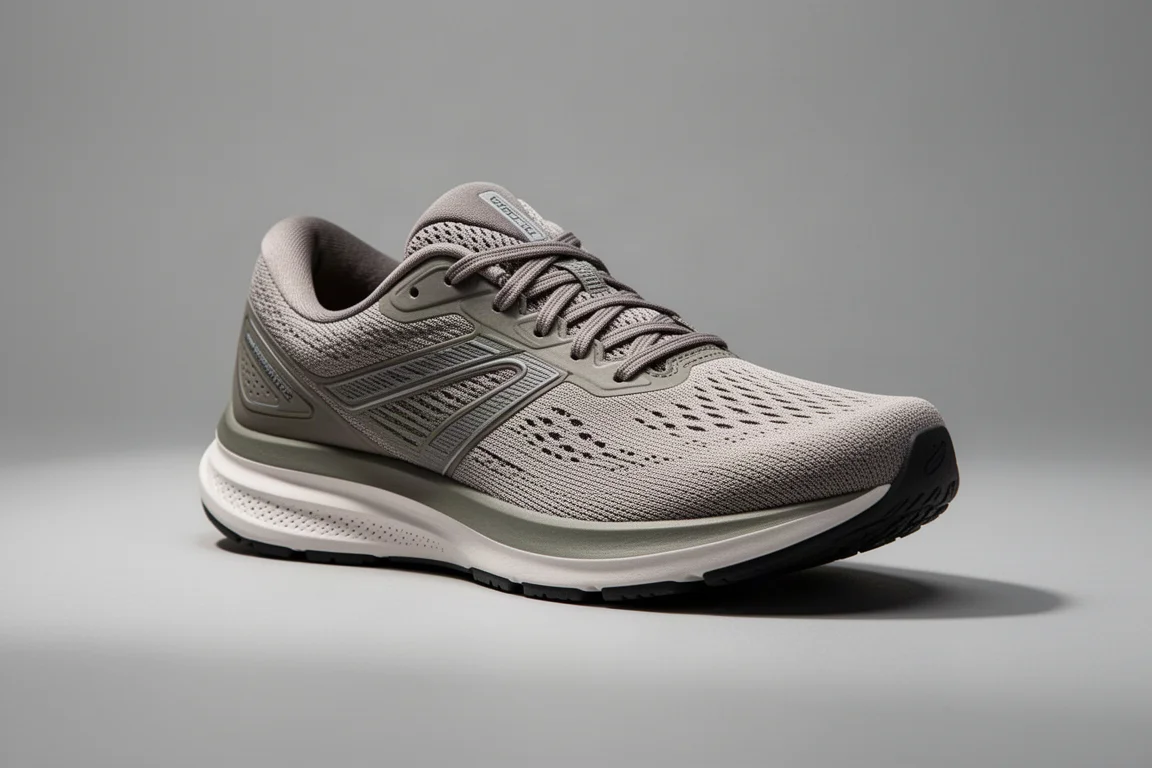
The Rebel V4 makes a great back-to-back comparison with the Hyperion 2 at the same $140 price. It uses a softer foam with more stack on paper, but because the foam compresses so much, you actually get a lower, more connected feel underfoot. The drop is around 5 to 6 mm versus the Brooks at 8 mm, and the forefoot is even more flexible.
The geometry introduces a mild rocker, so it is not as traditional as the Hyperion 2, but the ground feel remains excellent. It is also genuinely comfortable for walking, with streetwear reviewers calling it one of the most comfortable shoes of 2024, and it comes in a lot of cool colorways. Alongside the Nike below, it is the best pick here for wider toe boxes.
Nike Pegasus Plus
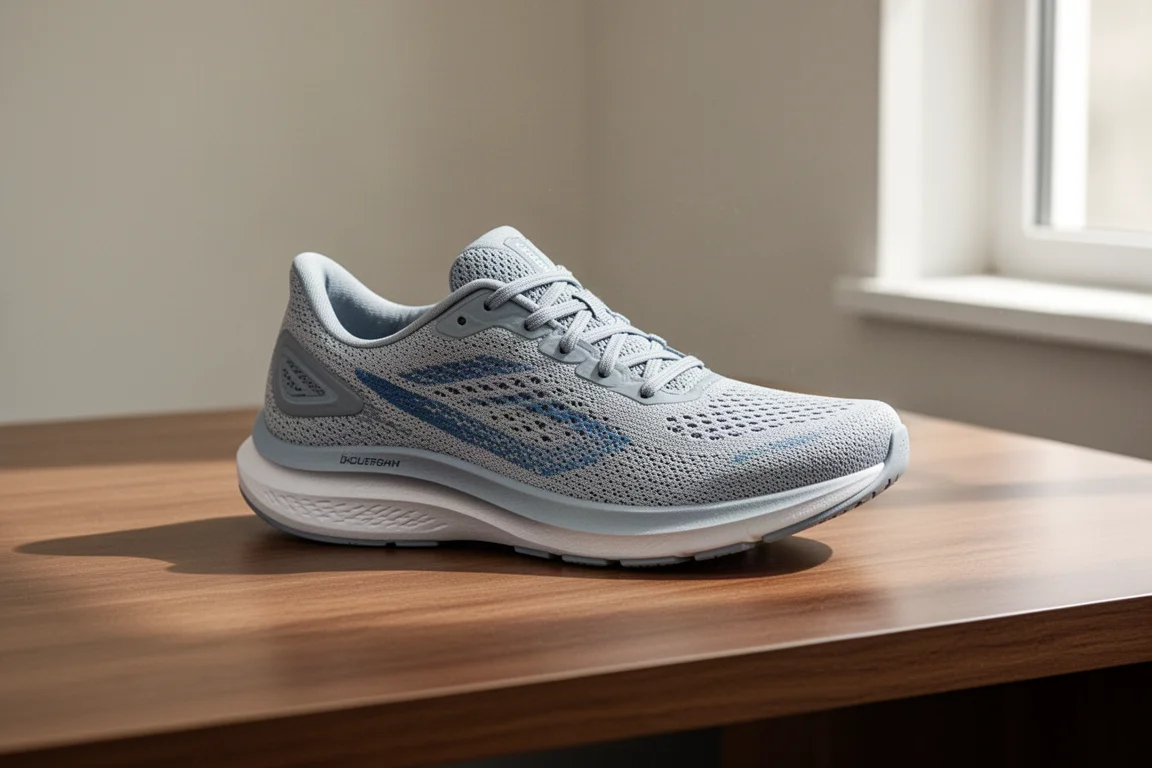
No simple-trainer roundup feels complete without Nike, and the Pegasus Plus is the pick here. Its ZoomX-derived foam is firmer than what you find in the racing super shoes, landing closer to the Hyperion 2 in character with maybe a touch more cushion and snap.
At the $180 list price it is hard to recommend, but it regularly goes on sale at around $140, which puts it in line with the Rebel V4 and Hyperion 2. The catch: you usually need to avoid the newest colorway to hit that price. The fit is narrow and race-like, tighter than the forgiving Brooks. The 10 mm drop still leaves plenty of ground feel, and it shines for fast workouts, mild repeats, or steady 10 to 12 mile runs. Weight is higher than the Rebel and Hyperion 2, but there has not been a bad run in it yet.
Brooks Adrenaline GTS 24
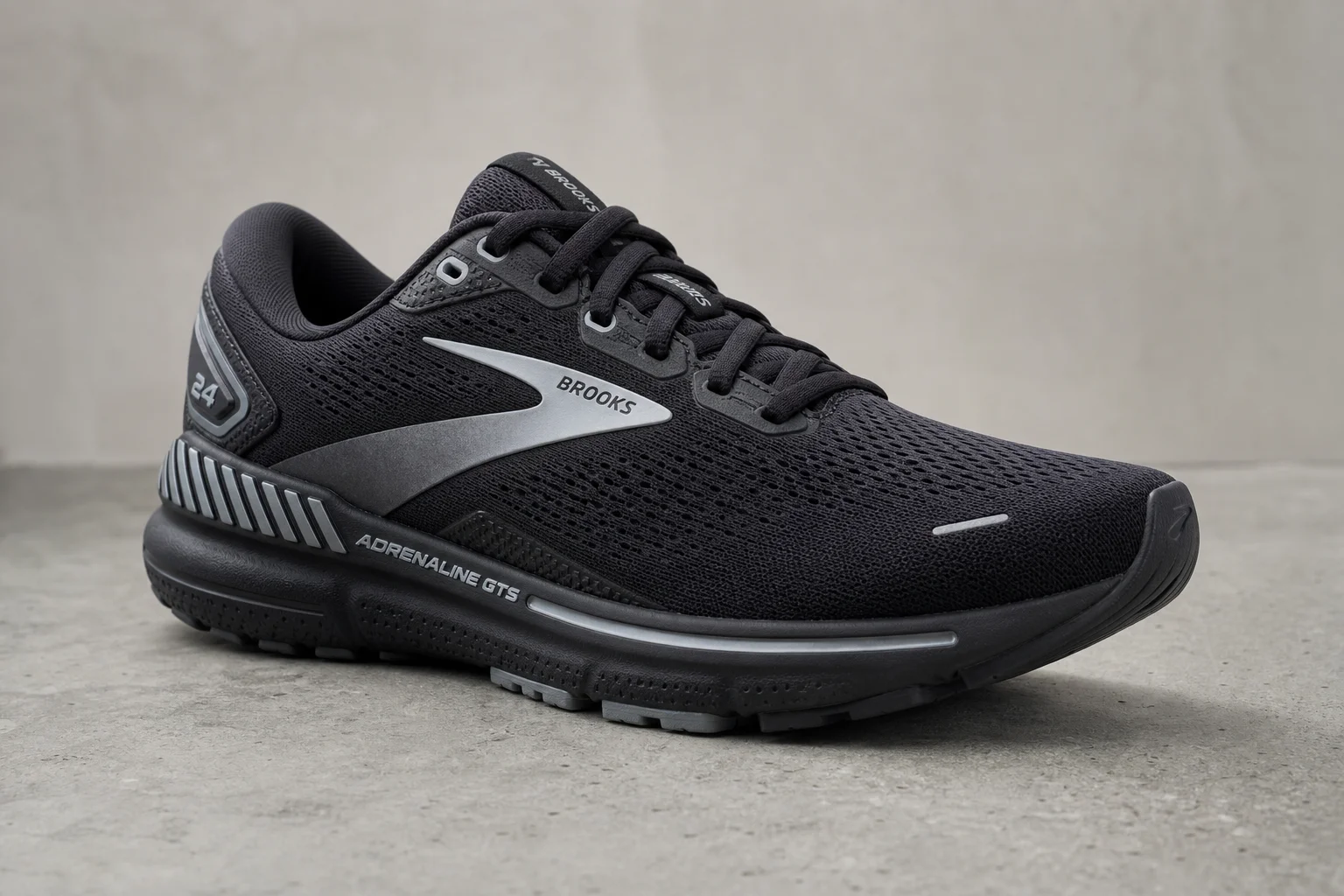
The Adrenaline GTS 24 is the workhorse of this group, with 39 mm in the heel and 27 mm in the forefoot. That forefoot stack keeps it fairly flexible, and the 12 mm drop gives you heel cushioning without excess foam up front, creating a hybrid feel: cushioned in the back, connected up front.
The DNA Loft v3 foam is the same one used in the Glycerin 21, Ghost Max 2, and Ghost 16, delivering solid bounce and comfort. The upper is wide, comfortable, and forgiving. It ran a half marathon straight out of the box and handled it well. It is not as fast as the Pegasus Plus, Rebel, or Hyperion 2, but as a beginner-friendly daily trainer, or as the higher-drop shoe in your rotation to take stress off the legs, it just gets the job done. If softer lower-drop plated shoes have bothered your Achilles, this is the opposite formula: not super soft, no plate, higher drop.
Topo Cyclone 2
The Cyclone 2 is a cult favorite and one of the lightest shoes in the game. Its standout quality is that it is the only shoe here with 100 percent race foam in the midsole: PEBAX (polyether block amide), which is unmistakably bouncy. Combined with a very light build and a flexible forefoot, it is built for running fast.
One honest caveat: it is a softer, less supportive shoe, and during high-mileage marathon training with mile repeats it felt like the feet were slamming into the ground. It will not suit everyone. But if you came from racing flats, wear barefoot shoes to the gym, or want a feather-light speed trainer with pep in your step, the people who love it really love it.

Buying Advice
Most of these shoes sit around $140, which is the going rate for this category. Pick the Hyperion 2 if you want firm, streamlined speed; the Rebel V4 for softness and ground feel; the Pegasus Plus on sale for snap in workouts; the Adrenaline GTS 24 as a cushioned higher-drop workhorse; and the Cyclone 2 for feather-light fast days. Even one of these in a rotation of mostly cushioned shoes is enough to get the variety benefit.
Conclusion
Simple no-frills shoes are no longer boring. Modern foams have brought genuine energy into this category while keeping the connection, flexibility, and lighter weight that make these trainers worth rotating into your mileage. Choose the one that fits your feet and your pace, and let it do a different kind of work for your body.
Further reading
Related Reviews

Running Shoes
Best Road-to-Trail Running Shoes: Three Versatile Options for Mixed Terrain
A practical guide to three road-to-trail running shoes that handle both pavement and mild trails, with clear strengths and trade-offs for different runner types.

Running Shoes
Best Running Shoes for Achilles Tendonitis: Three Options Explained
Three running shoes with different heel drops and support features designed to help reduce Achilles tendon pain during walking and running.

Running Shoes
Best Running Shoes for Women: Five Top Choices Ranked
A ranked guide to five women's running shoes, from versatile daily trainers to high-performance racing options, with real strengths and trade-offs for each.