Running Shoes
Best Running Shoes for Comrades Marathon 2026: 10 Road Ultra Picks Tested
Ten shoes worth considering for road ultras like the Comrades Marathon, from protective super trainers to forgiving carbon racers, plus advice on choosing the right pair.
Introduction
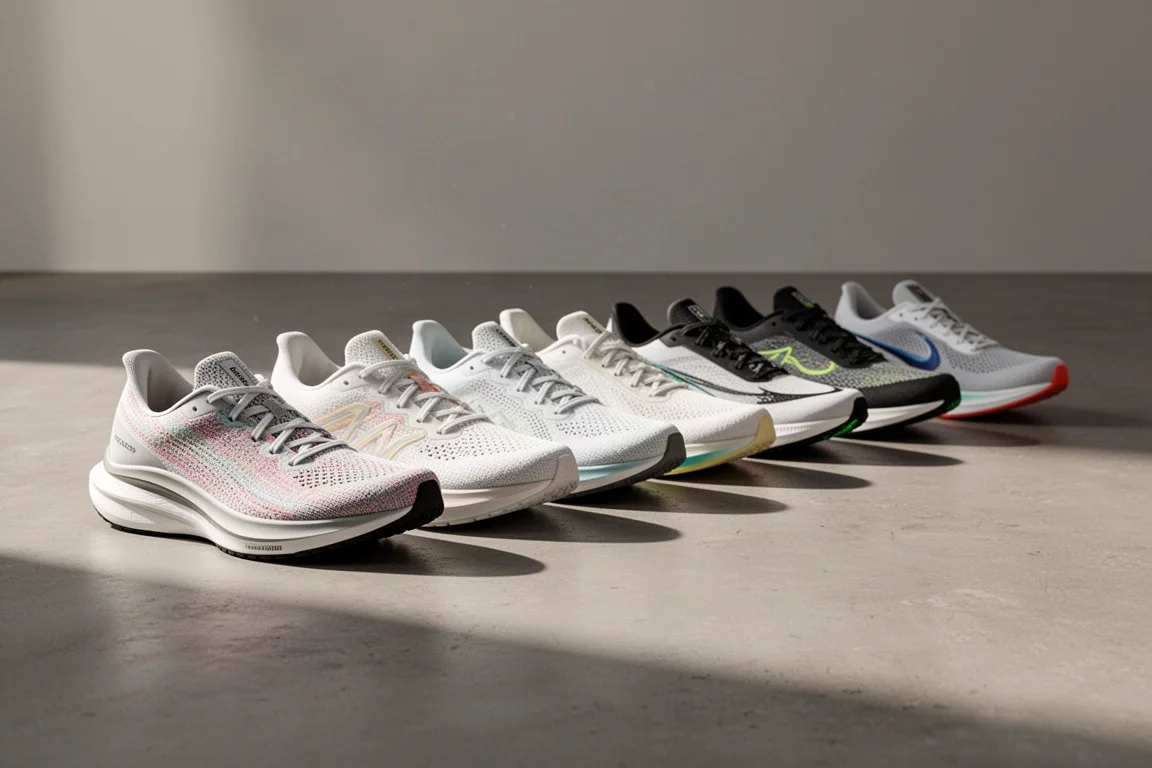
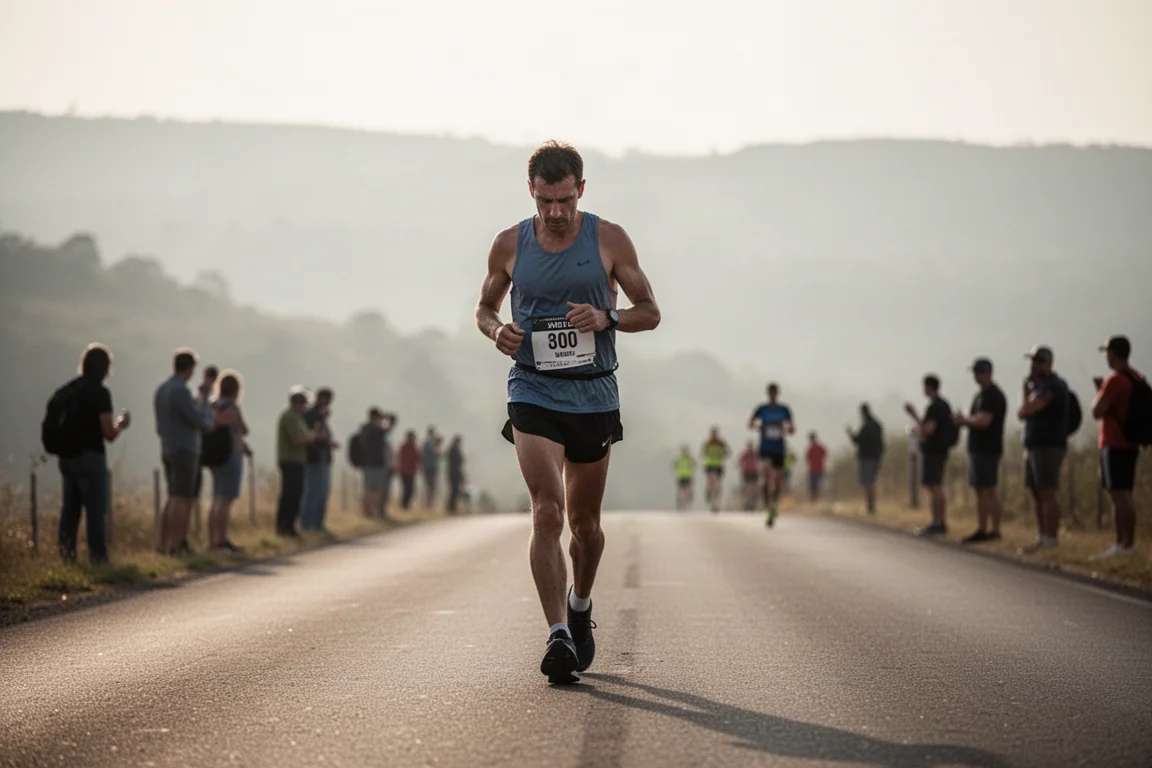
The Comrades Marathon is roughly an 87 to 90 km road ultra through the Valley of a Thousand Hills in KwaZulu-Natal, South Africa, alternating between an up run and a down run each year, with 12 hours to get from start to finish. It carries the distance of an ultra but the intensity and tarmac of a road marathon, which makes shoe choice one of the biggest decisions of the day. Here are ten shoes that earn a place on a Comrades short list, covering speed-focused super trainers, cushioned comfort cruisers, and a couple of more forgiving carbon race options.
How to Choose Shoes for a Road Ultra Like Comrades
The core dilemma is whether to lace up a carbon shoe. On good surfaces, plenty of runners do, and if you are racing at the front chasing six hours or under with a carbon shoe you have tested for long hours, there is little reason not to. But carbon shoes can lose their value on a long climb, where the mechanics change, and an overly propulsive shoe can feel out of control on steep descents. The key question is whether you can hold the form needed to get the best from a plate when fatigue sets in.
For most people, the smarter play is what could be called a hedge-your-bets shoe: protective cushioning, some energy return, good consistency, and above all a reliable platform. Nothing too bouncy or wobbly, nothing too heavy or bulky, and a roomy toe box, because anything mildly uncomfortable becomes exaggerated over nine or more hours on foot. The shoes also need to cope with long climbs and steep descents. That is where a good super trainer sits halfway between a plain trainer and a carbon racer.
Speed and Comfort Picks
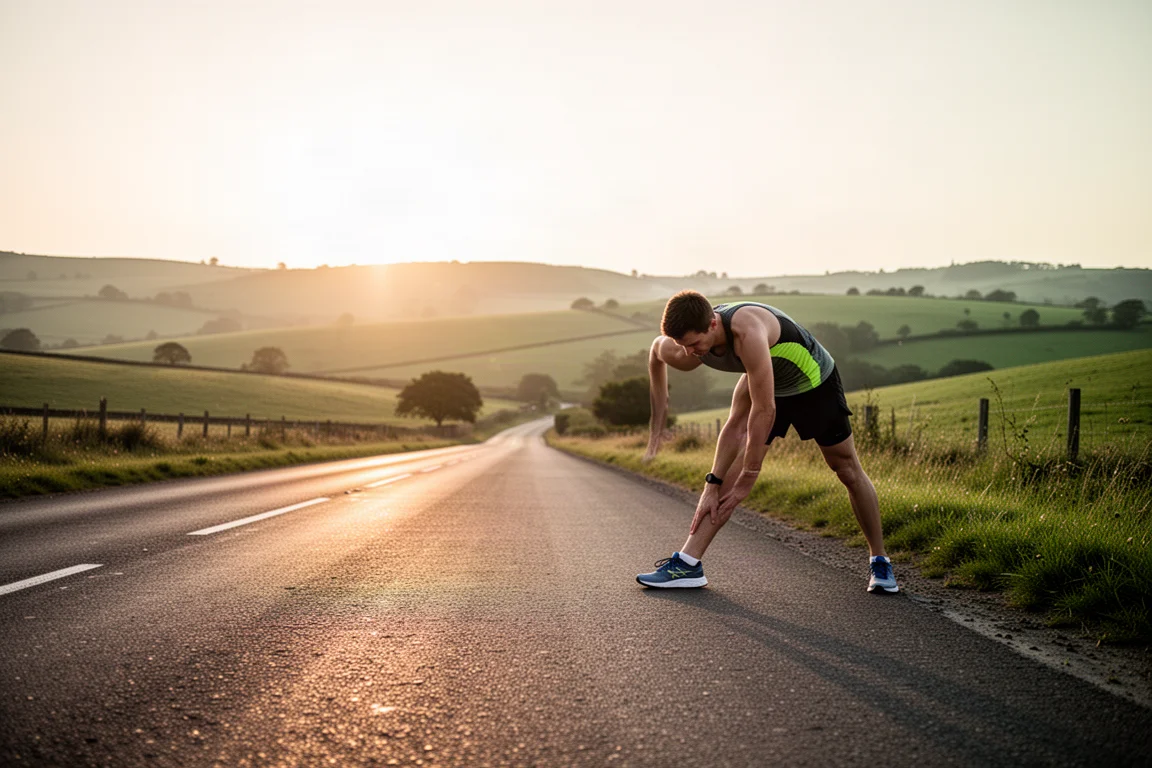
These options deliver the crossover combination of speed and comfort that suits a road ultra, with enough cushioning for the deep hours without feeling weighed down.
Asics Megablast
The Asics Megablast is pricey, but its all-round versatility makes it a genuine weapon for races like this. You get road-training cushioning, plenty of energy from the FF Blast Squared midsole, and a wide, bouncy yet consistent platform that performs whether you are running near marathon pace or dropping several minutes per km slower. There is plenty of stack under the forefoot for battering down hills and protection under the heels for heavier landings deeper into the race. It is not too wobbly when your hips tighten, the toe box is roomy, and the breathable upper suits the heat. It is a shade soft at the very slowest paces, but the cushion profile will suit a lot of runners going long.
Saucony Endorphin Speed 5
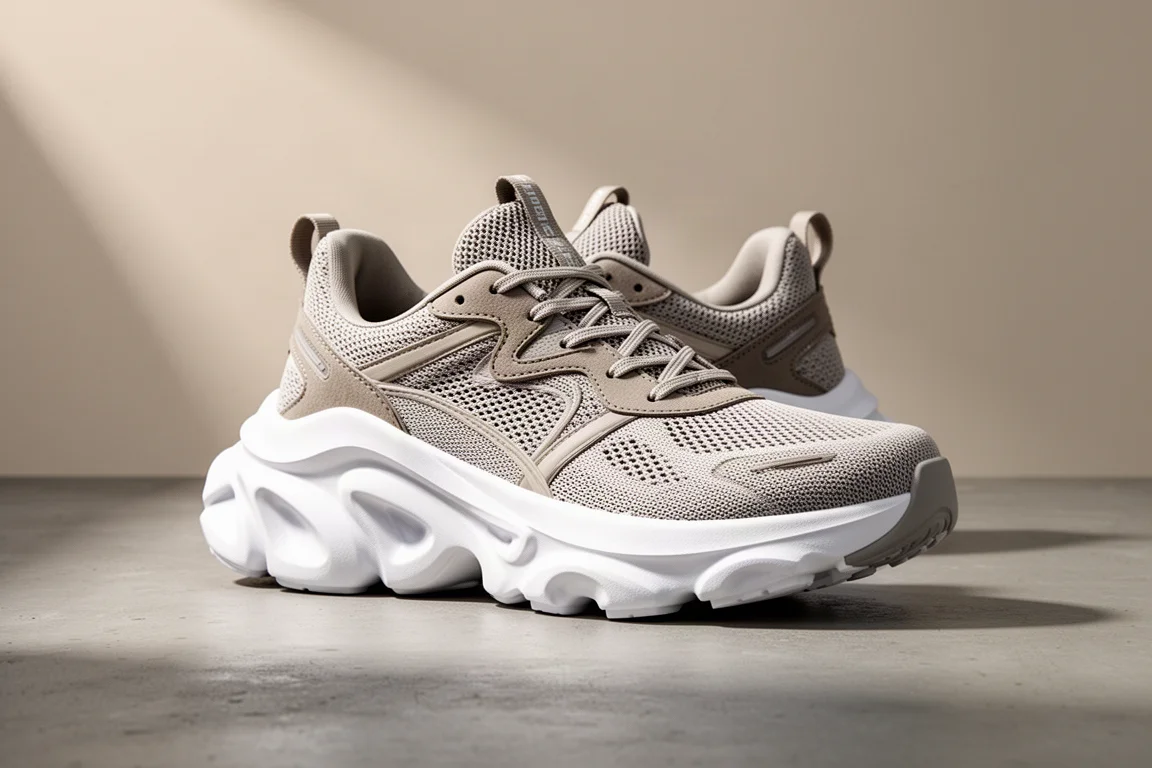
The Saucony Endorphin Speed 5 is an excellent all-rounder that feels really natural and noticeably more direct and snappy than the Megablast. Some may find a bit too much road coming back up in the deeper hours, but if you want a step down from a carbon plate shoe that still feels light, fast, and agile with a great rolling rocker ride, it has a lot of merit. The fit is roomy enough with a disappearing comfort that lets you lace up and forget you are wearing it. The nylon plate adds a touch of stiffness and pop, so it suits runners who prefer a bit more ground feel over plush bounce.
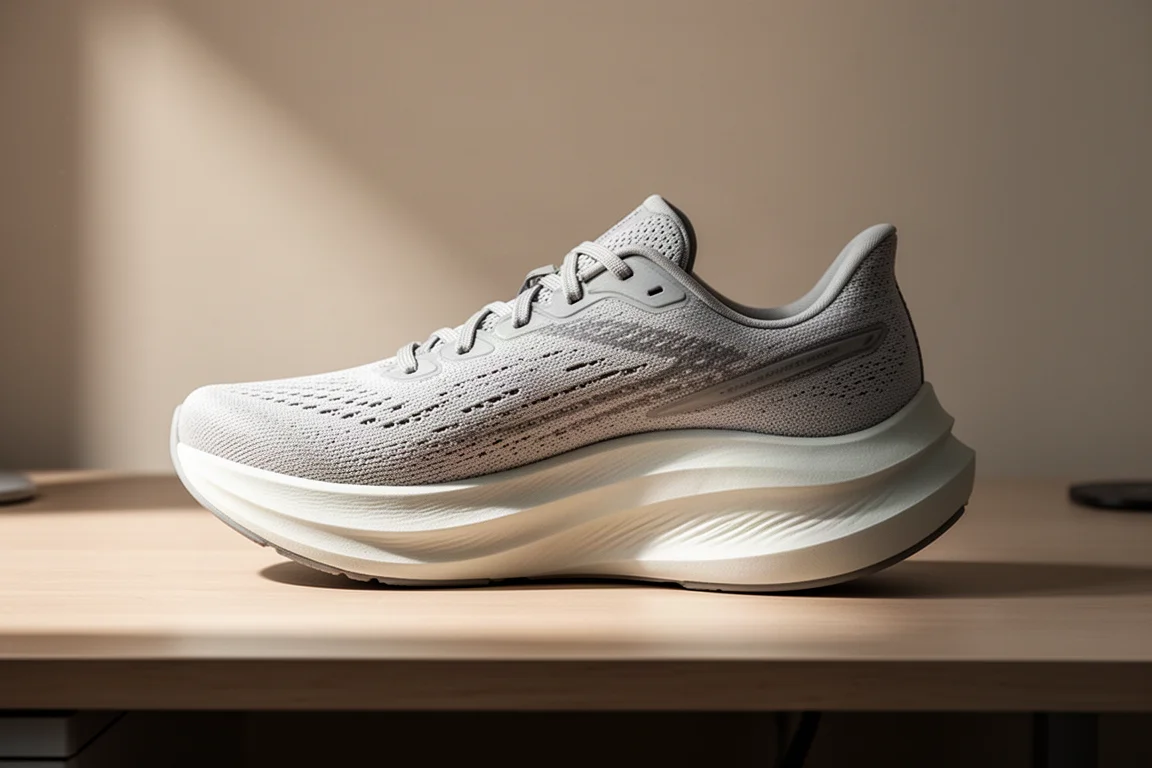
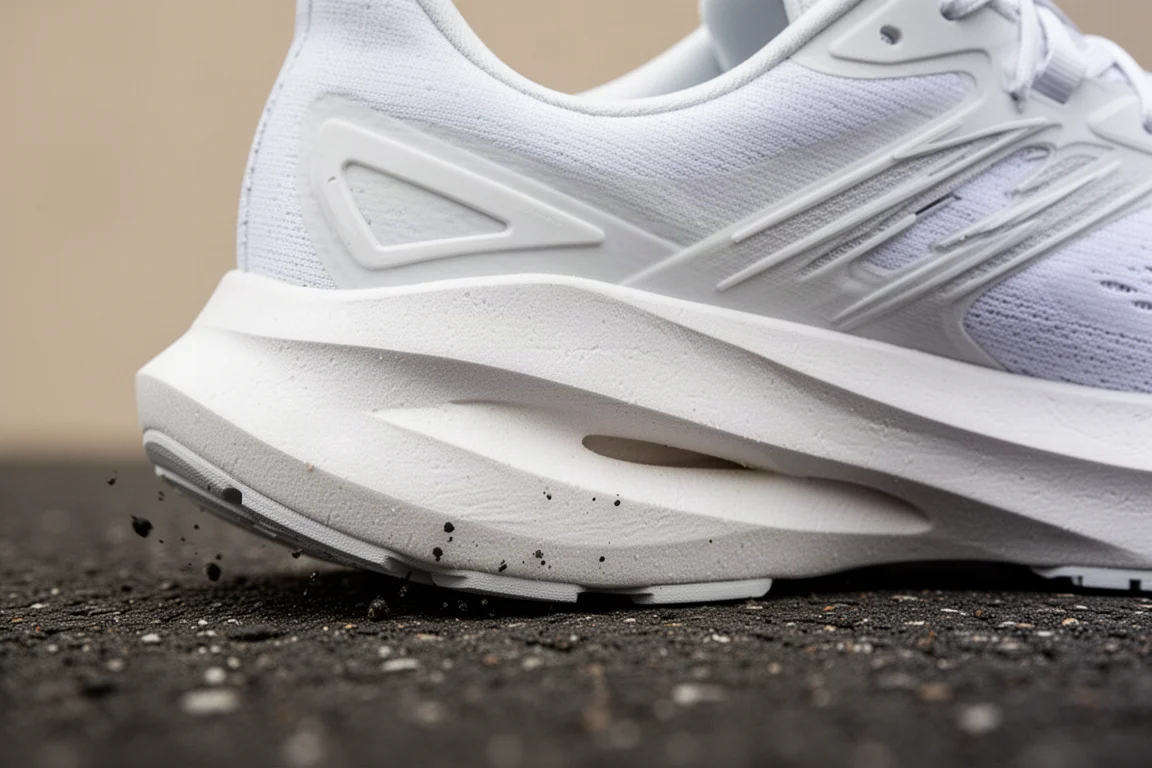
Hoka Mach 7
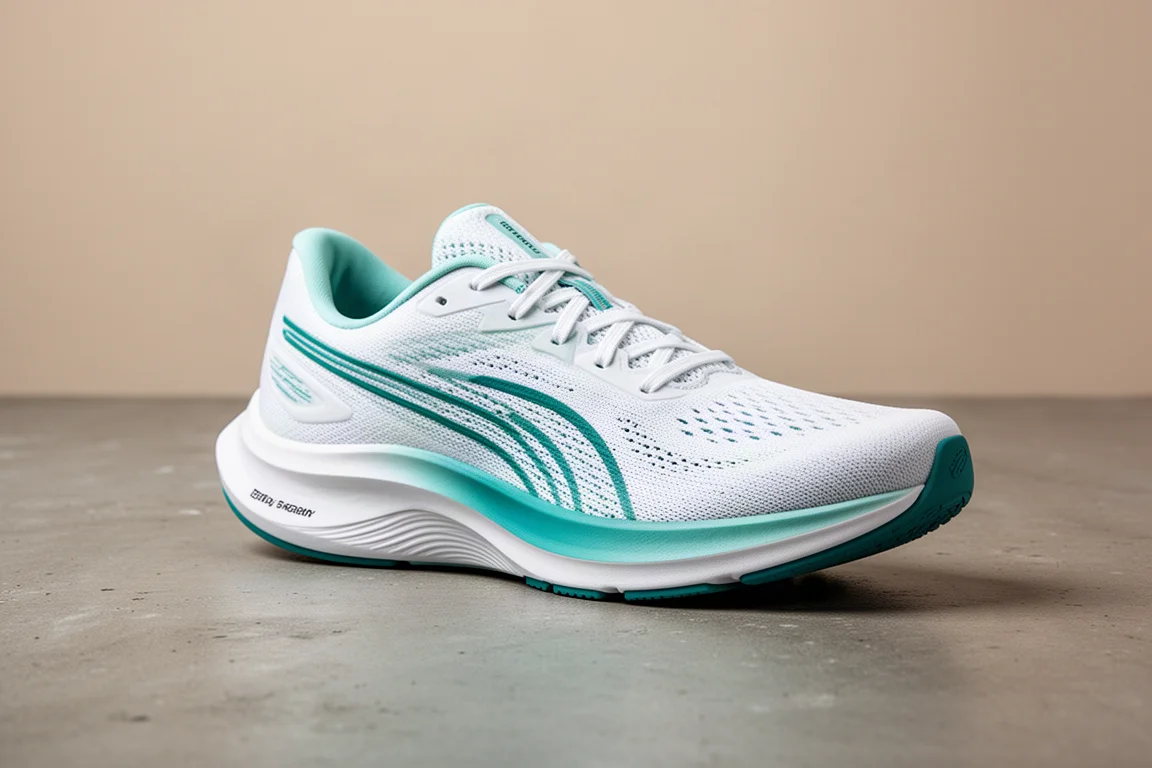
The Hoka Mach 7 has had only minor updates this generation, yet still offers excellent versatility with a cushioned but responsive ride that is very happy clipping along at easier paces. The fit is a bit more snug than some would like, so going half a size up is a sensible precaution for the long hours. It moves with agility and freedom, sits on a reliable platform that handles hills in both directions, and is an easy shoe to run in and forget about. In the same faster super trainer bracket, the Adidas Evo Ride SL and Asics Superblast 3 are also worth a look; the Adidas Hyperboost Edge is very soft but was ruled out here on the heel collar.
Cushioned Comfort With a Little Energy
These picks trade a little pop for more protection, suiting runners expecting to be on their feet for the best part of a day.
Asics Novablast 5
The Asics Novablast 5 is a lively shoe that gets a lot from its FF Blast Max foam, now slightly softer again this year with a nice touch of bounce. The ride is smooth, responds well on tarmac, and feels springy but controlled, exactly what you want on long road stretches. It is cushioned enough to accommodate slower paces when you are not feeling good, though on heavier legs it can feel ever so slightly soggy, and the big stack can clump at times. Good wiggle room in the toe box is a big plus, and it certainly will not leave you wanting for protection from road pounding.
Kiprun Max
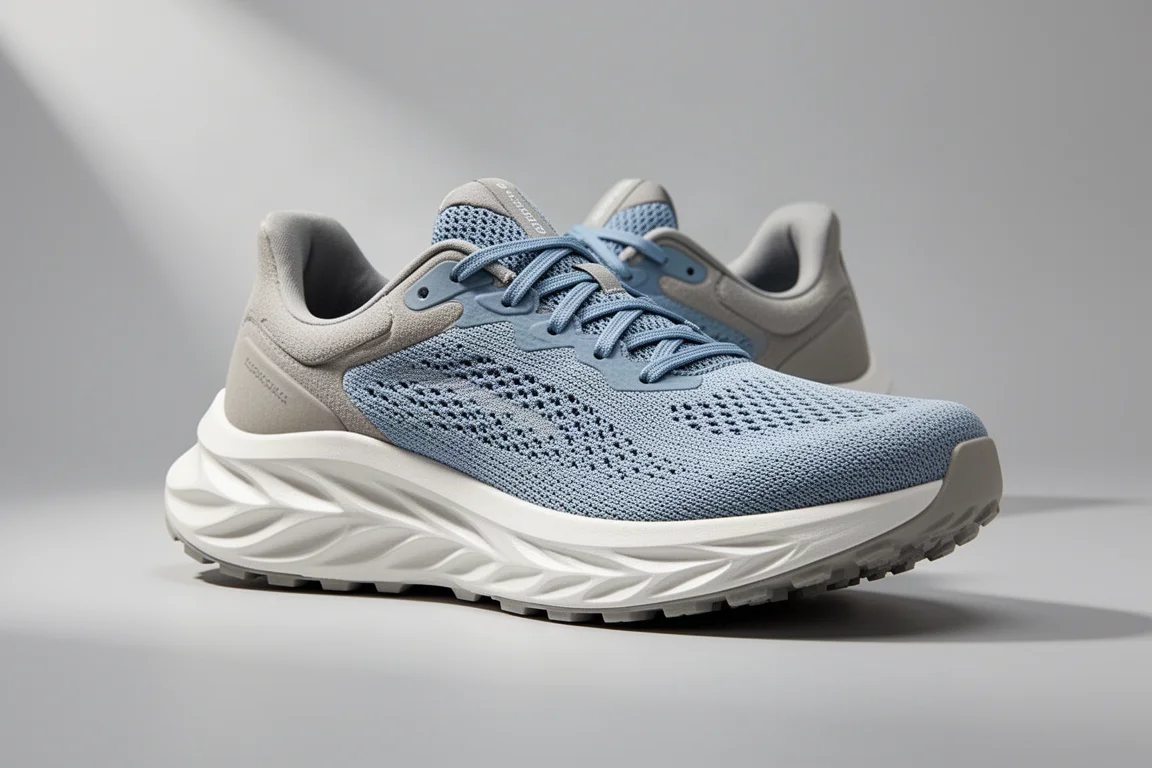
The Kiprun Max is one of the best shoes run in so far this year, with straight-out-the-box comfort that ticks the box immediately. Its midsole combines multiple foams with a big rocker for a ride that is cushioning, cradling, and soft without being soggy or laboured. Where some max cushion shoes prioritise marshmallowy impact protection over pace, this one stays pleasingly energetic while smoothing out the road. It is relatively stable and reliable, though there is some wobble in the softer heel if you land far back in the shoe, which may matter on the downs. It is not far off the New Balance 1080 V15 but comes in a good chunk cheaper.
New Balance 1080 V15
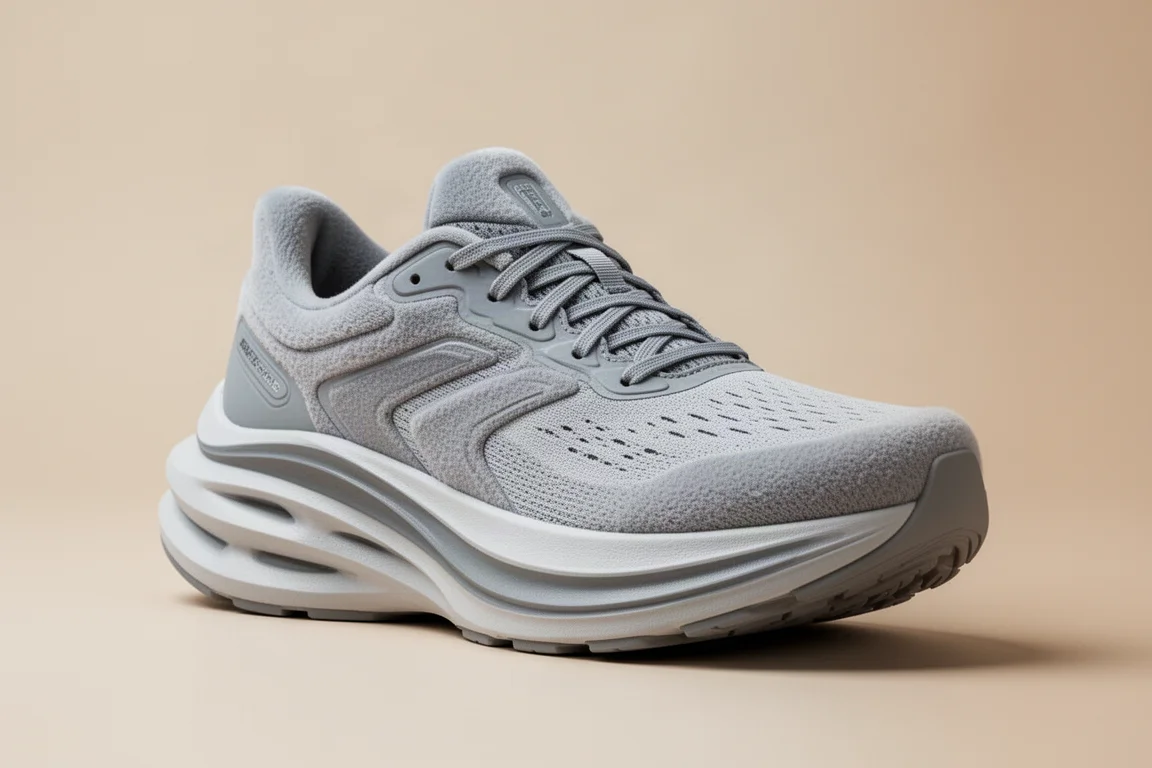
The New Balance 1080 V15 is built for big mileage comfort, with a big stack of soft, mildly springy supercritical foam that delivers high cushioning in a relatively reliable platform that avoids feeling unstable for its height. That steadiness is really good on steep downs. This generation comes in lighter and more energetic than past 1080s, so it is protective without being lifeless, and it feels a bit more nimble than the Kiprun Max. It comes up a little narrow, so half a size up is recommended to avoid toes butting against the uppers on descents. If you want guaranteed cushioned comfort from mile one to mile 55, this is high on the list.
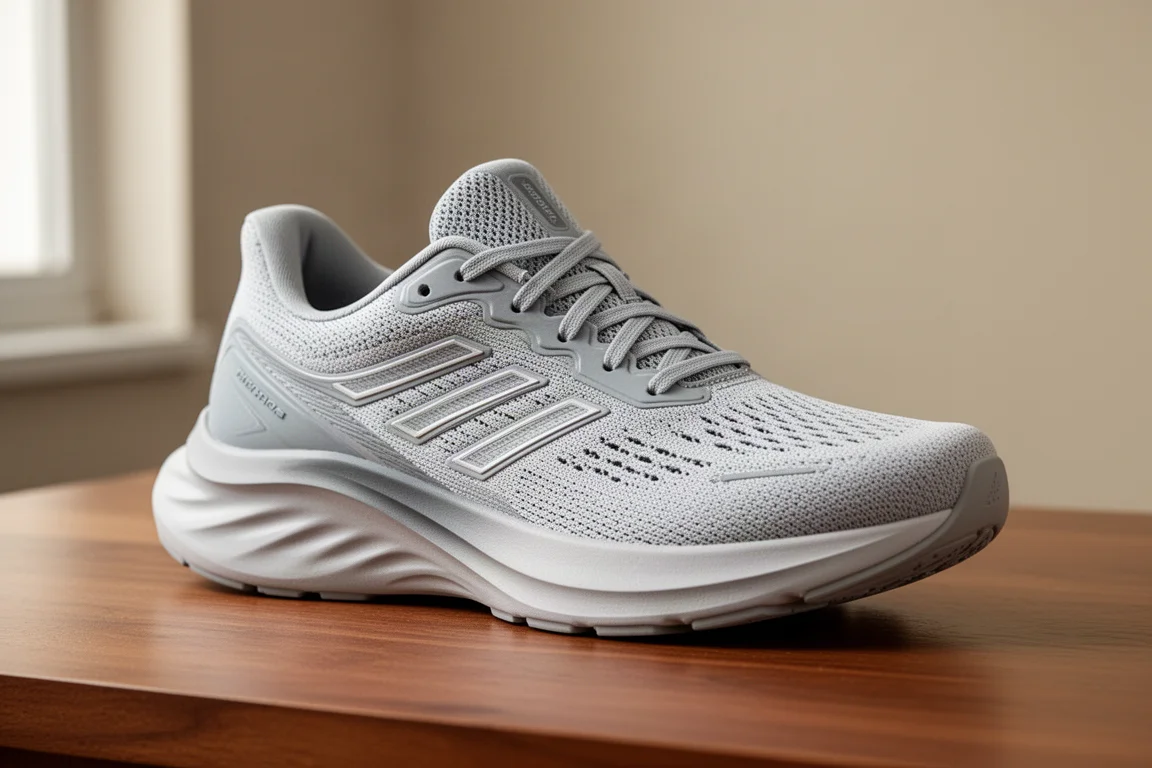
Brooks Glycerin Max
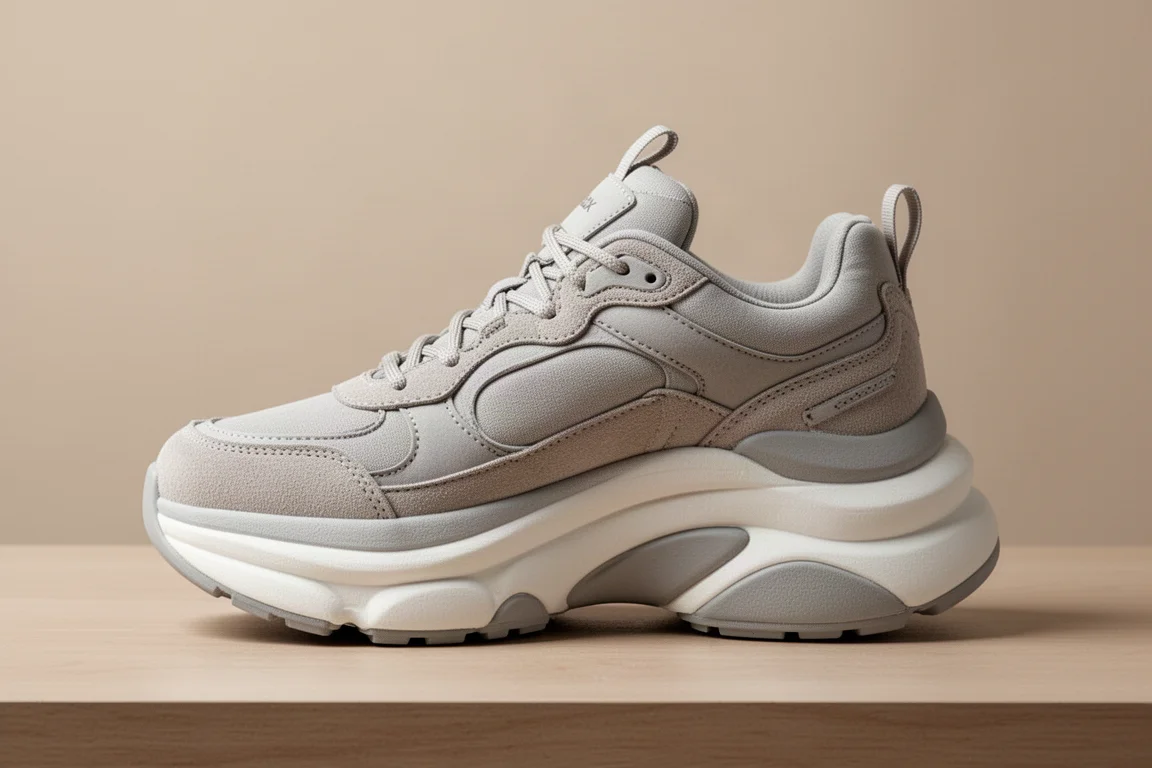
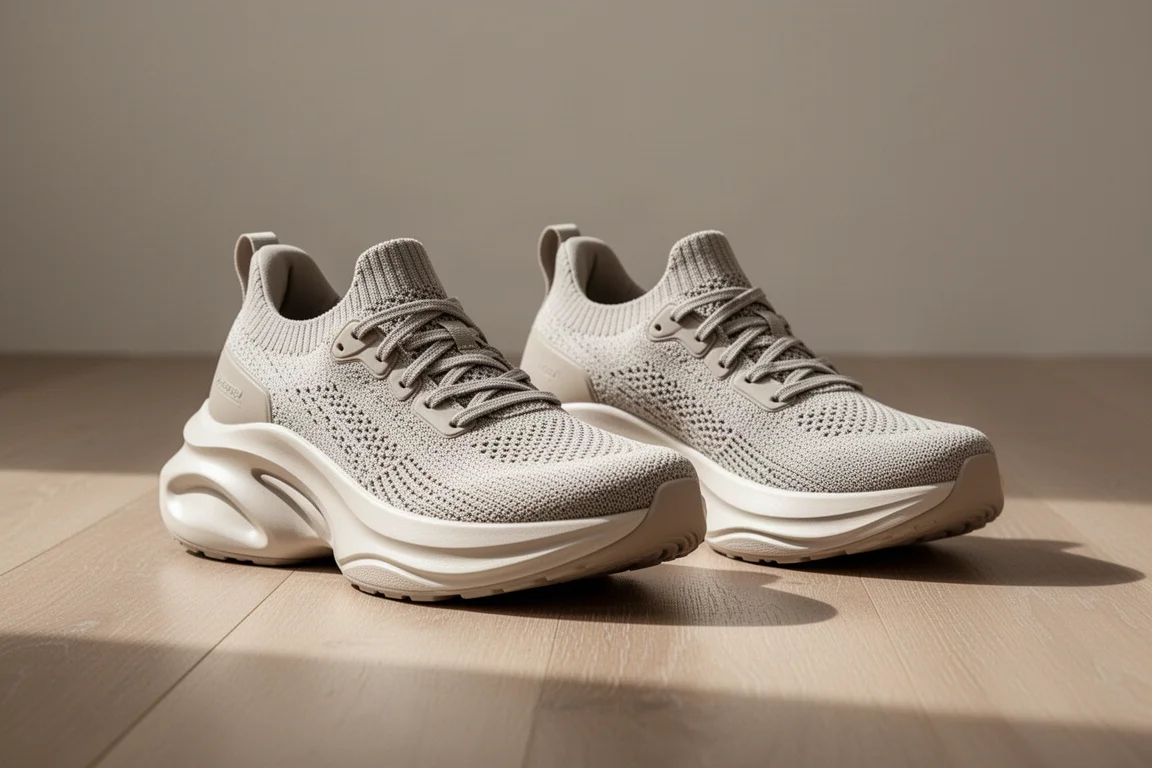
The original Brooks Glycerin Max, Brooks’ first step into max cushioning and now superseded by the Glycerin Max 2, would still make the short list. It delivers soft landings with stability and a bit more bounce than some big-stack shoes, and if you do not want to feel any South African tarmac coming back up, it offers bucket loads of road protection. They are a bit heavy, but delightfully comfortable straight out of the box, with roomy mesh uppers, plush padding, and an unfussy fit. For such a big stack shoe, they are remarkably stable. In the same bracket, the Rad UFO and Nike Vomero Plus also look equipped for something like this, particularly at nine hours plus.
Forgiving Carbon Race Options
If you do want to go carbon, these two are safer bets than most, particularly for runners hitting the nine-hour mark rather than racing at the front.
Puma Deviate Nitro Elite 4
The Puma Deviate Nitro Elite 4 is a faster shoe that looks after you a bit more, whether you are on fresh or tired legs. It packs a punch and moves with energy on an assistive ride, but feels more natural and accommodating than typical carbon racers; you can even walk around in it without feeling odd. That accessible feel means you get the energy of a carbon shoe without lacing up something all-or-nothing, with immediate forefoot return and no sense of being too exposed. The platform is quite narrow, so if you want something wider, softer, and more stable, look elsewhere.
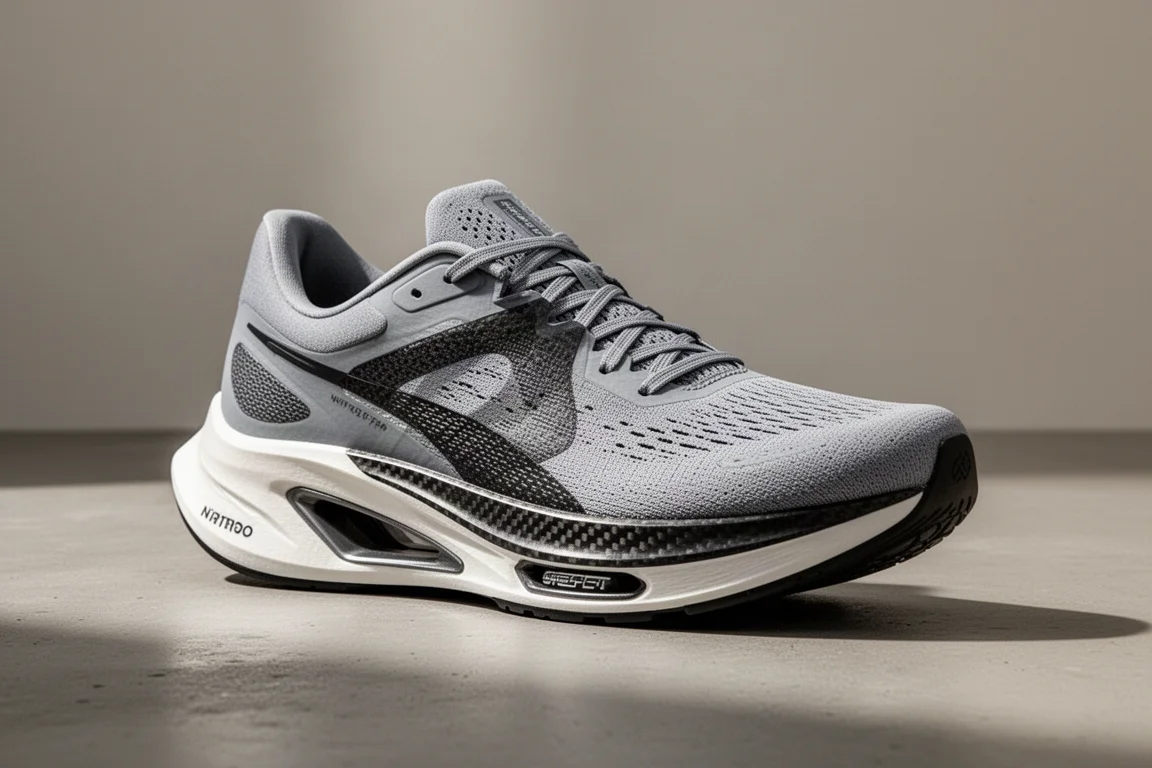
Hoka Rocket X 3
The Hoka Rocket X 3 is another accommodating carbon race shoe, with a smooth clipping-along transition from the combination of its rocker and plate. Landings are soft but not too soft or wobbly, and there is real consistency in the platform that gives you the confidence to run more freely. Unlike some carbon racers that demand focus on foot strike, the Rocket X 3 fades into the background so you just get to run in it, which is exactly what you want over 87 km. The dual-density stack provides good protection for a carbon race shoe, followed by easy rolling propulsion and a helpful push off the foot strike.
Which Shoe Am I Racing In?
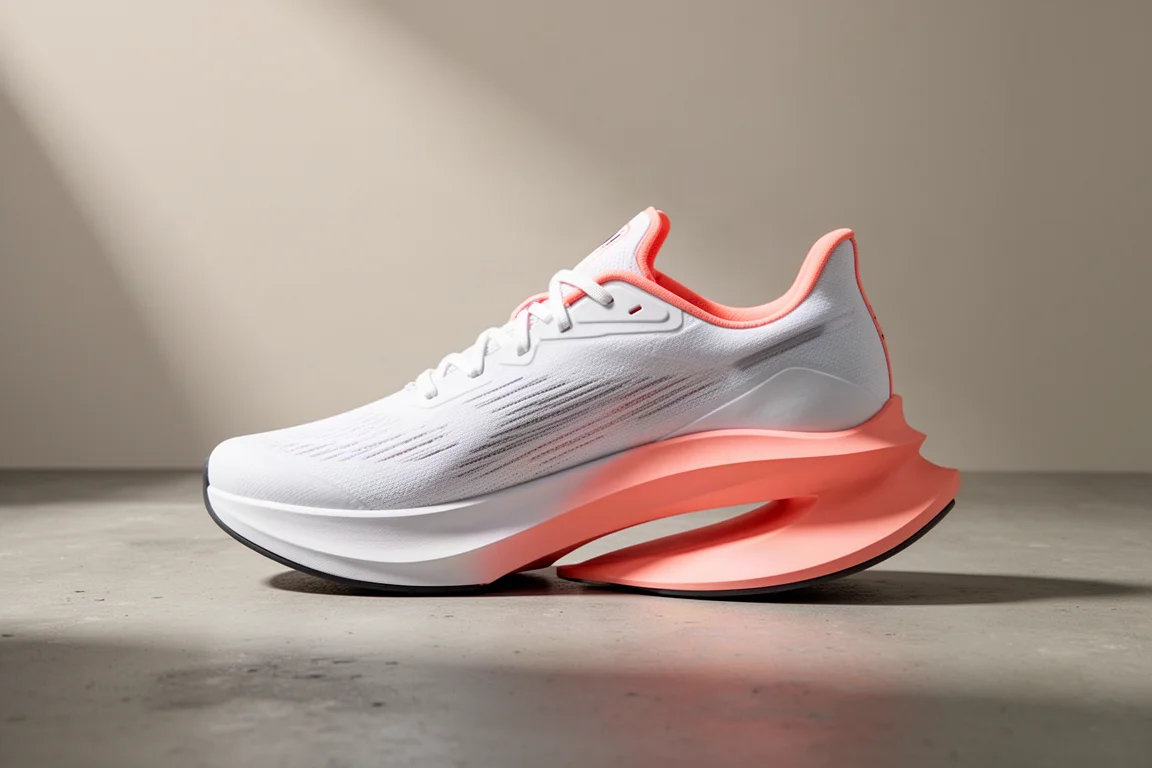
The pick at the time of writing is the Saucony Endorphin Elite 2, though there is always the right to change your mind before race day. The first thing to love is the fit: roomy, airy, natural, and it disappears on the foot, letting you run with freedom. The midsole ride is a little less stiff than the Endorphin Speed 5 since there is no plate, making it a great option if you like the Speed 5’s energy but want a touch more softness.
What makes it stand out is balance. It is not as bouncy as the Megablast, but it still feels poppy and propulsive, natural and smooth, with plenty of rebound from the midsole and enough impact protection to handle the slower miles without feeling soggy or heavy. Saucony’s Speedroll rocker geometry adds agility and sprightliness you do not get from the wider, bulkier Megablast or Novablast. It is a lively, free-flowing shoe that should cope with the physical and metaphorical ups and downs of race day.
Overall Buying Advice
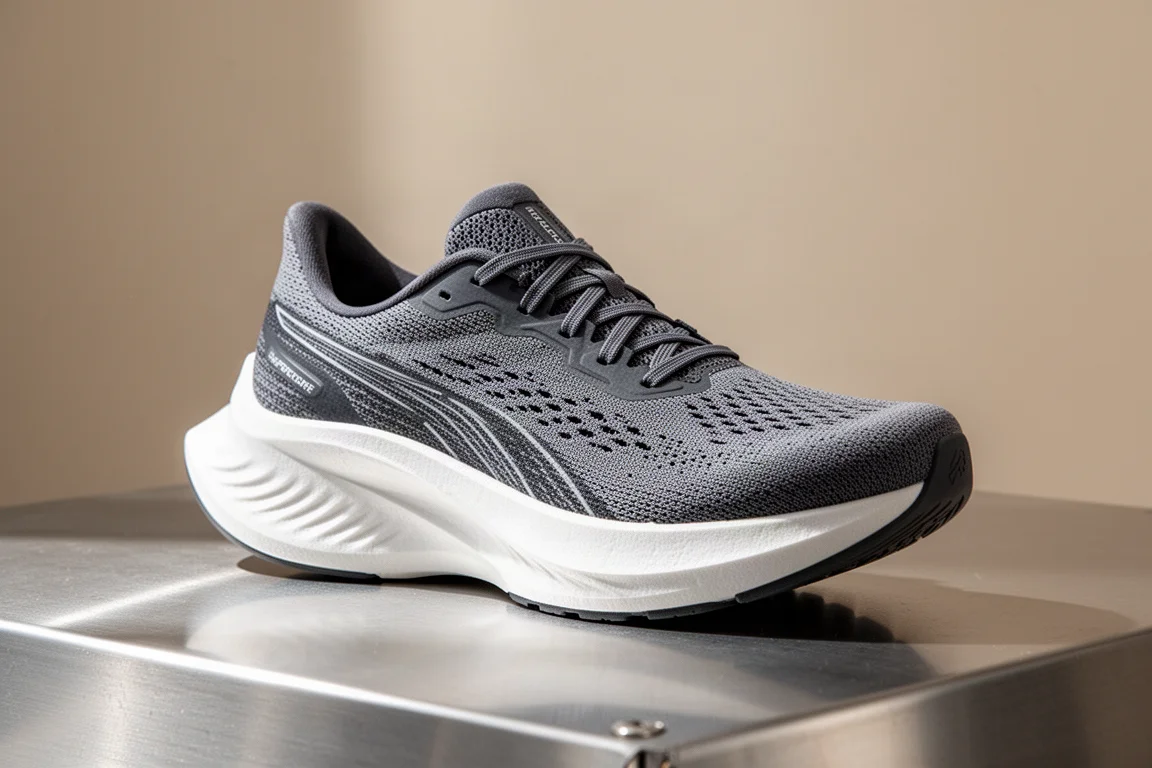
Match the shoe to your expected time on course. If you are racing at the front and have long-tested carbon shoes, a carbon racer like the Deviate Nitro Elite 4 or Rocket X 3 is a legitimate choice. For everyone else, a reliable super trainer or cushioned comfort shoe that stays forgiving when form gets ragged, accommodates walk breaks, and protects your feet through long climbs and steep descents is the more dependable route. Sizing up half a size is worth considering on the narrower-fitting options for a race this long.
Conclusion
All ten of these shoes have genuine potential for road ultras, depending on your preferences. Some lean bouncy, some lean towards ground feel, but each would do a job out there. The best Comrades shoe is the one that spares your tired legs, protects your feet from the road, and keeps working when you need it most.
Further reading
Related Reviews

Running Shoes
Best Road-to-Trail Running Shoes: Three Versatile Options for Mixed Terrain
A practical guide to three road-to-trail running shoes that handle both pavement and mild trails, with clear strengths and trade-offs for different runner types.

Running Shoes
Best Running Shoes for Achilles Tendonitis: Three Options Explained
Three running shoes with different heel drops and support features designed to help reduce Achilles tendon pain during walking and running.

Running Shoes
Best Running Shoes for Women: Five Top Choices Ranked
A ranked guide to five women's running shoes, from versatile daily trainers to high-performance racing options, with real strengths and trade-offs for each.