Kitchen & Cooking
Best Sheet Pans: Aluminum, Stainless Steel, and Non-Stick Compared
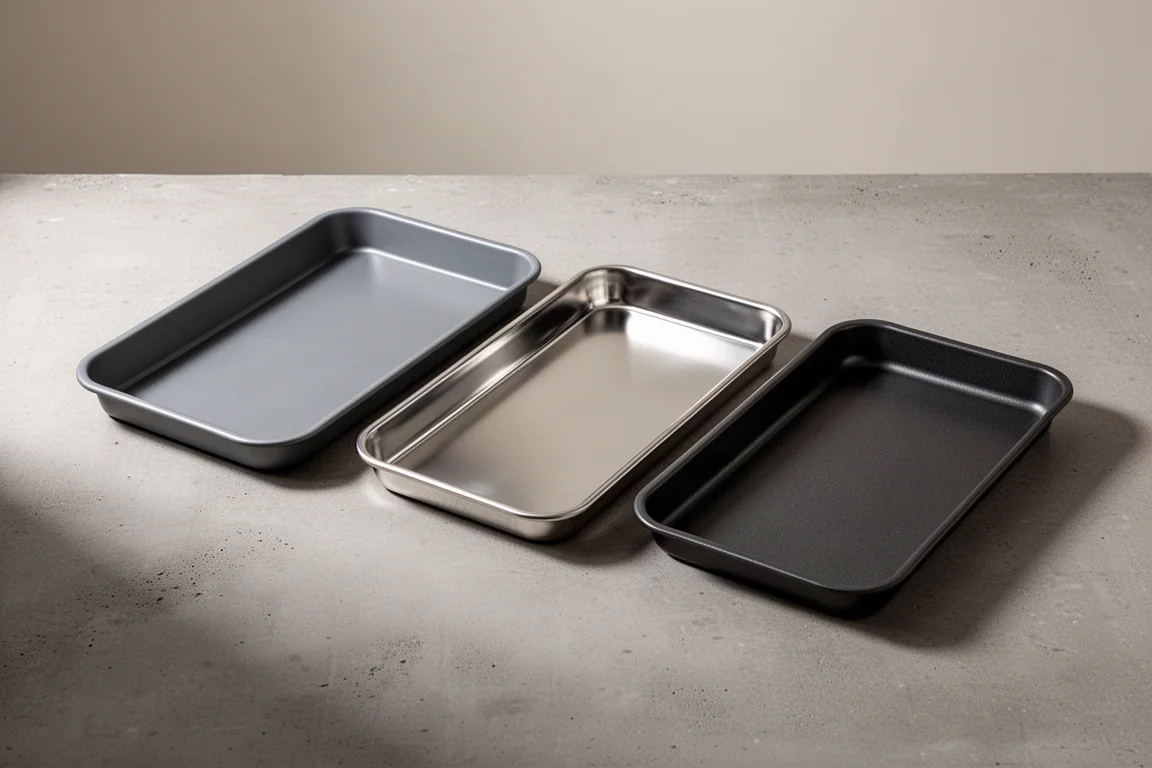
Three sheet pan styles tested side by side: classic aluminum, stainless clad, and non-stick. Here's what holds up, what warps, and which one suits your kitchen.
Introduction
For years, aluminum sheet pans have been the standard for professional chefs, bakers, and home cooks alike. But aluminum is not the only material in the sheet pan game. Stainless clad and non-stick options have entered the market, and both promise certain benefits over the classic aluminum workhorse.
If you are shopping for a new rimmed baking sheet, this comparison covers three strong contenders: an aluminum pan from Nordic Ware, a stainless clad model from All-Clad, and a non-stick winner from USA Pan. Each has real strengths and real trade-offs, and the right choice depends on how you cook.
What to Look for in Any Sheet Pan
A rimmed baking sheet, also called a half sheet pan or jelly roll pan, is a true workhorse in any kitchen. It handles baking cookies, roasting oven fries and root vegetables, and baking chicken and fish, day in and day out.
Half sheet pans are usually listed as 18 x 13 inches, but in practice the actual cooking surface measures closer to 16.5 x 11.5 inches. Most recipes are developed around that standard cooking surface, and pans smaller or larger than it may not accommodate your favorite wire rack, which is a hugely versatile addition worth pairing with any sheet pan.
The best pans share a few traits. Pans weighing under two pounds let you grab one out of the oven with one hand or carry a loaded pan without wrestling it. Straighter, smooth sides at least one inch tall contain liquid, produce straight-sided cakes, and give you something sizable to grip, especially with a bulky pot holder. Avoid low-sloped or textured sides, which are more prone to spilling liquid ingredients.
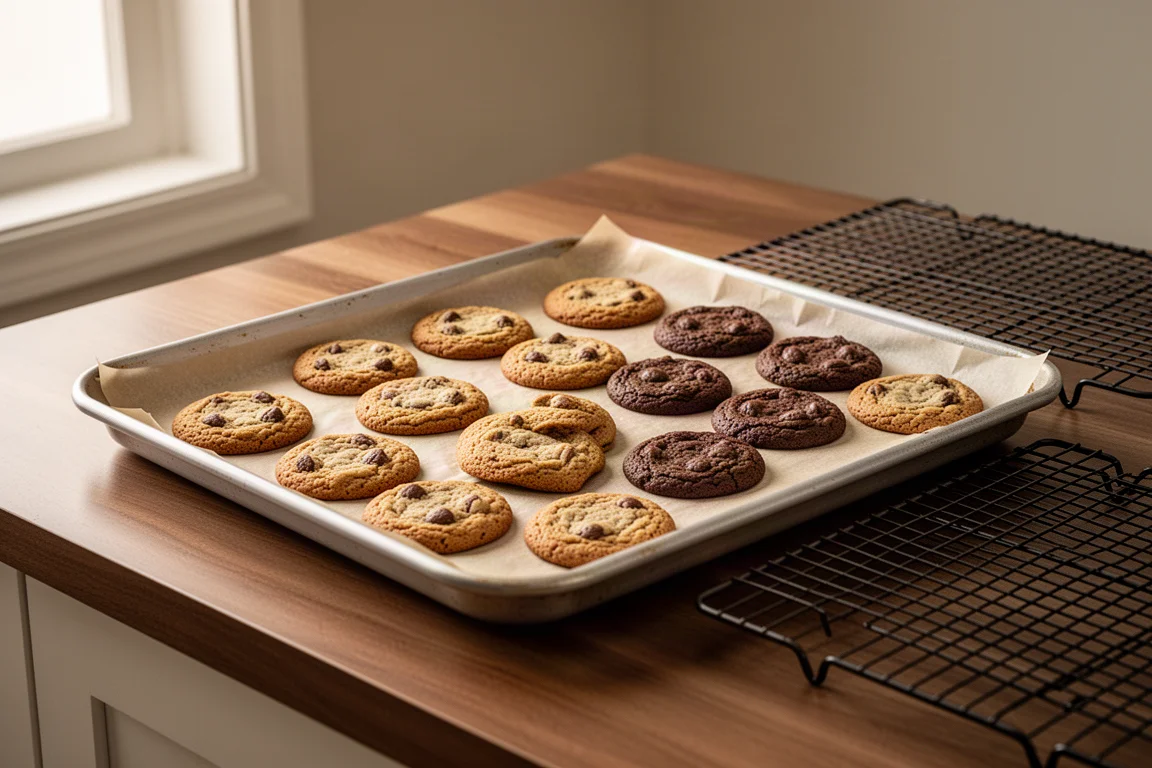
Warping matters more than most shoppers realize. A sturdy pan with rolled edges resists distortion far better over years of high-heat use, and a slightly warped pan shows up every time you try to roast vegetables evenly.
Aluminum vs Stainless Steel
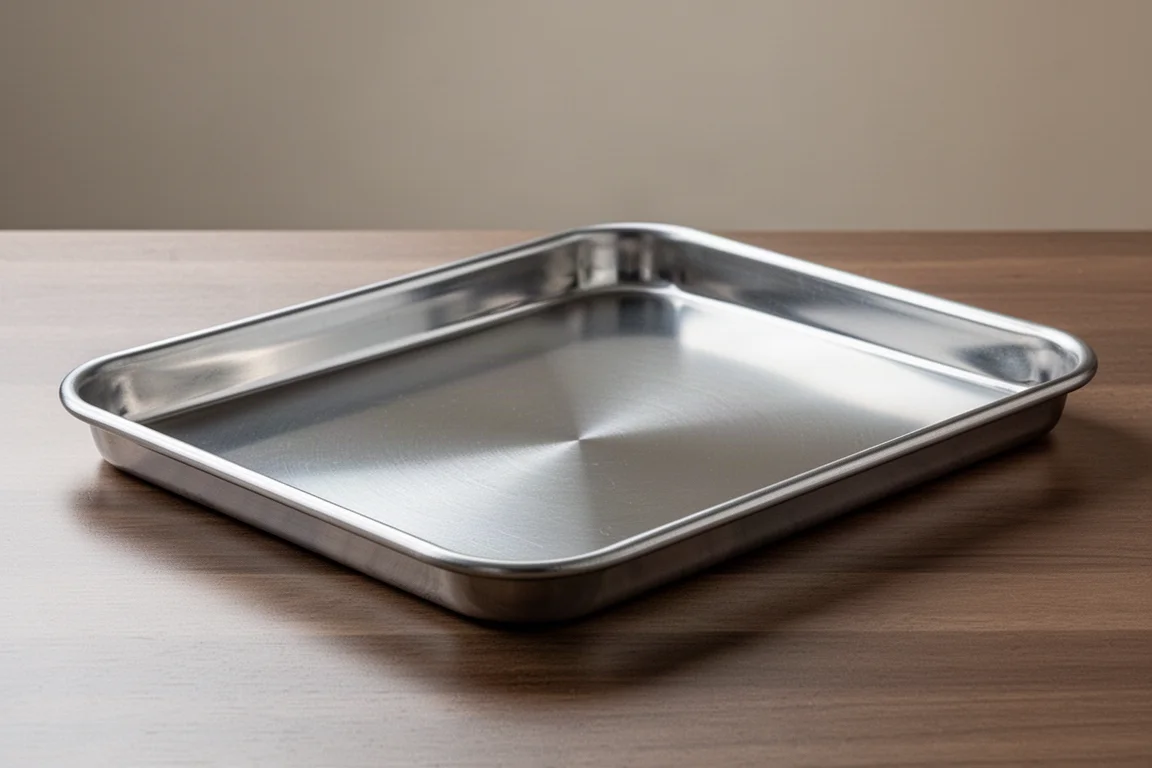
Aluminum sheet pans are lighter and much cheaper than stainless clad pans, and lightweight aluminum is an excellent heat conductor. The drawbacks: aluminum pans are notoriously prone to warping, so you need a good one with a sturdy rolled rim that reduces, though does not altogether prevent, warping.
Stainless steel pans, tested side by side, honestly failed to impress. They performed similarly to aluminum, browning only slightly faster, and were just as prone to warping. They are heavier and a little harder to handle, so if you go stainless, look for large handles to manage the extra weight. They are also dramatically more expensive.
The Aluminum Question: Safety and Leaching
Some health agencies recommend minimizing dietary aluminum intake as much as possible, since the long-term health effects of consuming aluminum are not entirely known. Aluminum is also highly reactive with acidic foods such as citrus juice, vinegar, and tomatoes. Those can cause aluminum to leach into the food, imparting a metallic taste and leaving the pan with a pitted surface.
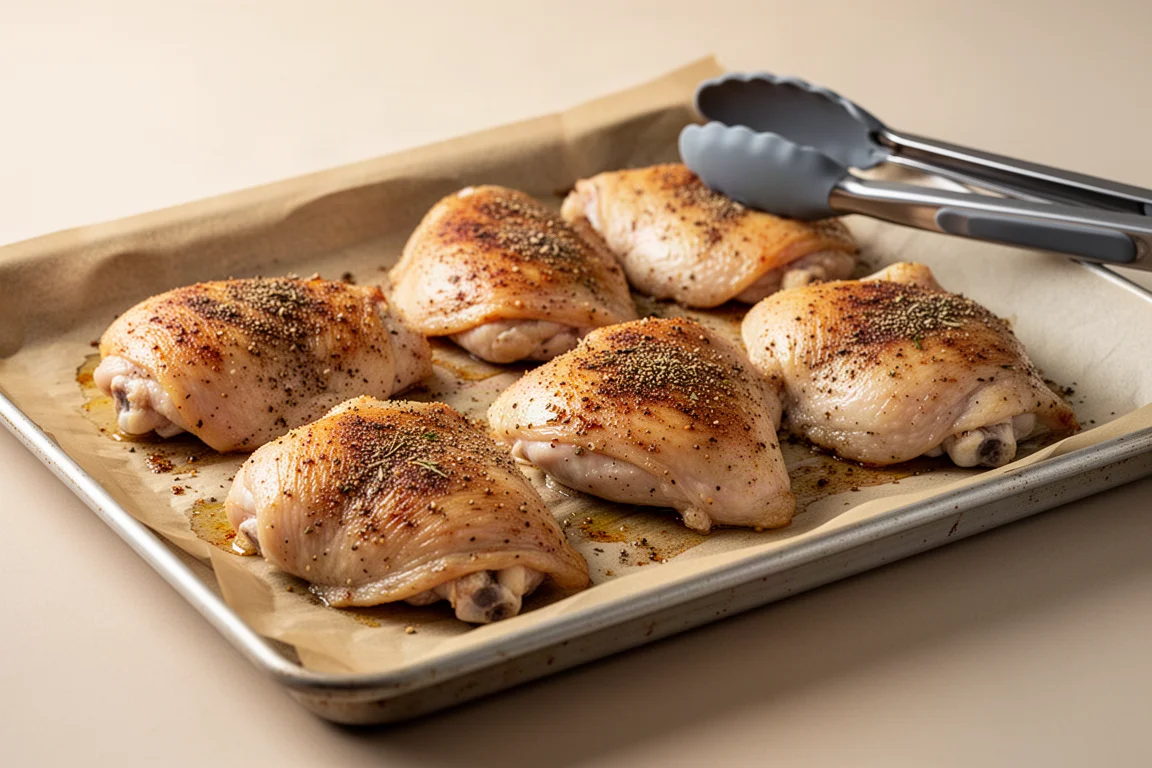
Context matters, though. Baking cookies extracts less aluminum because the food is drier, less acidic, less salty, makes less physical contact with the metal, and spends less time cooking. To mitigate leaching when cooking particularly wet, salty, fatty, or acidic foods, simply add a layer of parchment paper.
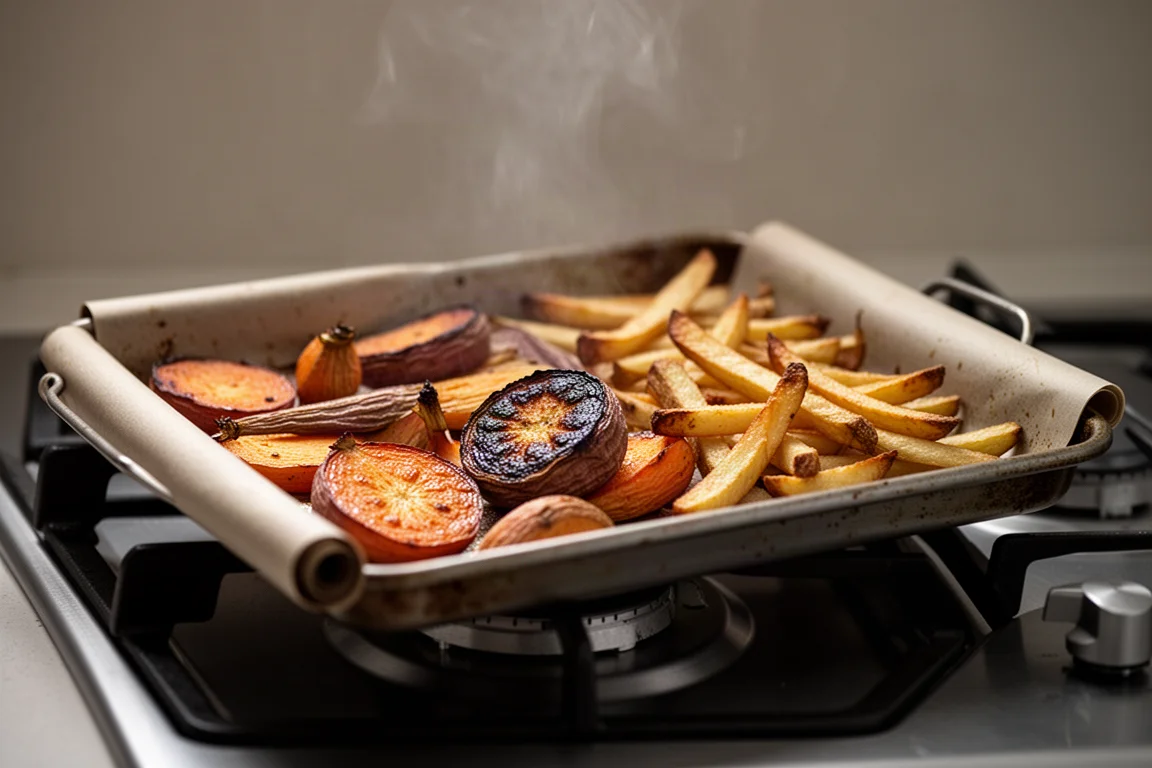
One more performance tip: a darker pan cooks your food faster, because darker colors absorb heat more effectively. If your pan is lighter, it may need a couple of extra minutes in the oven; if it is darker, start checking earlier.
Best Aluminum Pick: Nordic Ware Half Sheet Pan
The Nordic Ware half sheet pan is a commercial-grade grey pan with sturdy rolled edges, and it warped way less than other pans in testing. Everything prepared in this sturdy, warp-resistant pan cooked appropriately and evenly, and hundreds of recipes have been cooked on the testing sample with only a little warping to show for it.
Best of all, it costs only about $15, which makes it a genuinely great bargain and the best pick for most home cooks.
Best Stainless Clad Pick: All-Clad Stainless Steel Sheet Pan
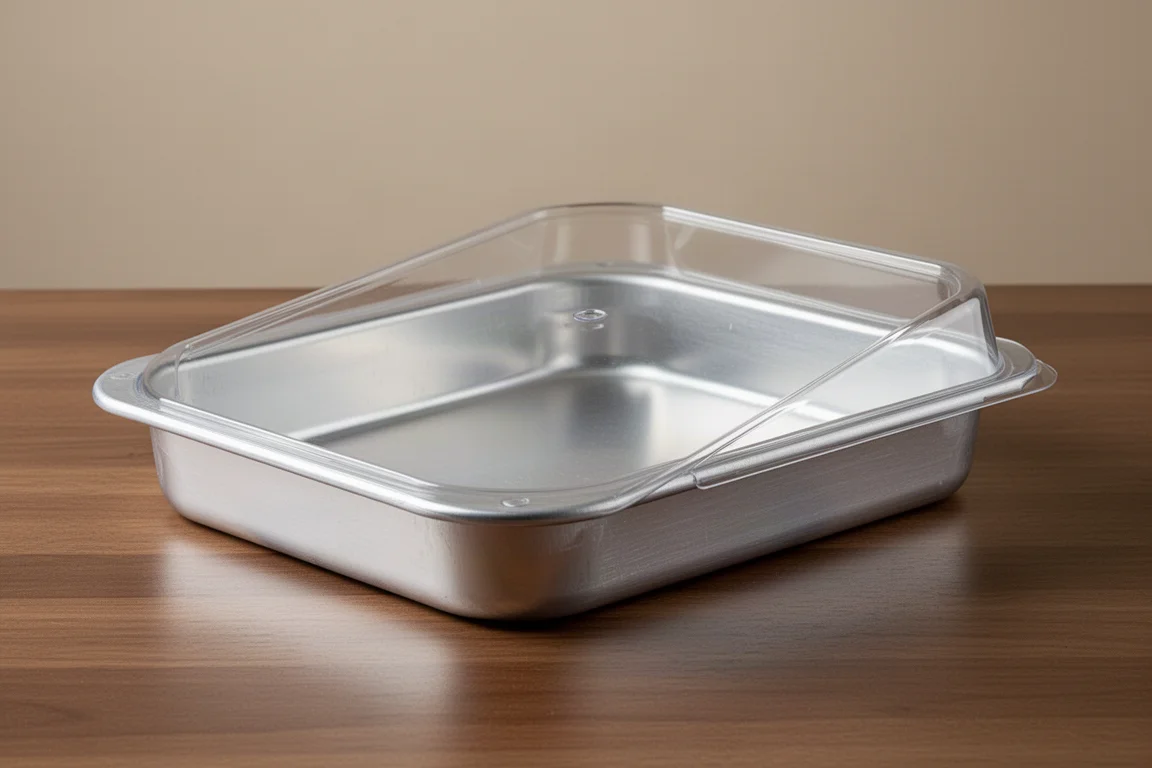
The All-Clad stainless clad sheet pan is one of the better stainless options available, but it carries the trade-offs of the category. It browns food slightly faster than aluminum, yet it is heavier, harder to handle, and just as prone to warping.
At around $180 for this model, the premium is hard to justify given how similar the performance is to a $15 aluminum pan. It makes sense only if you specifically want to avoid aluminum contact with your food and are willing to pay for it.
Non-Stick Sheet Pans: Easy Cleanup, Clear Limits
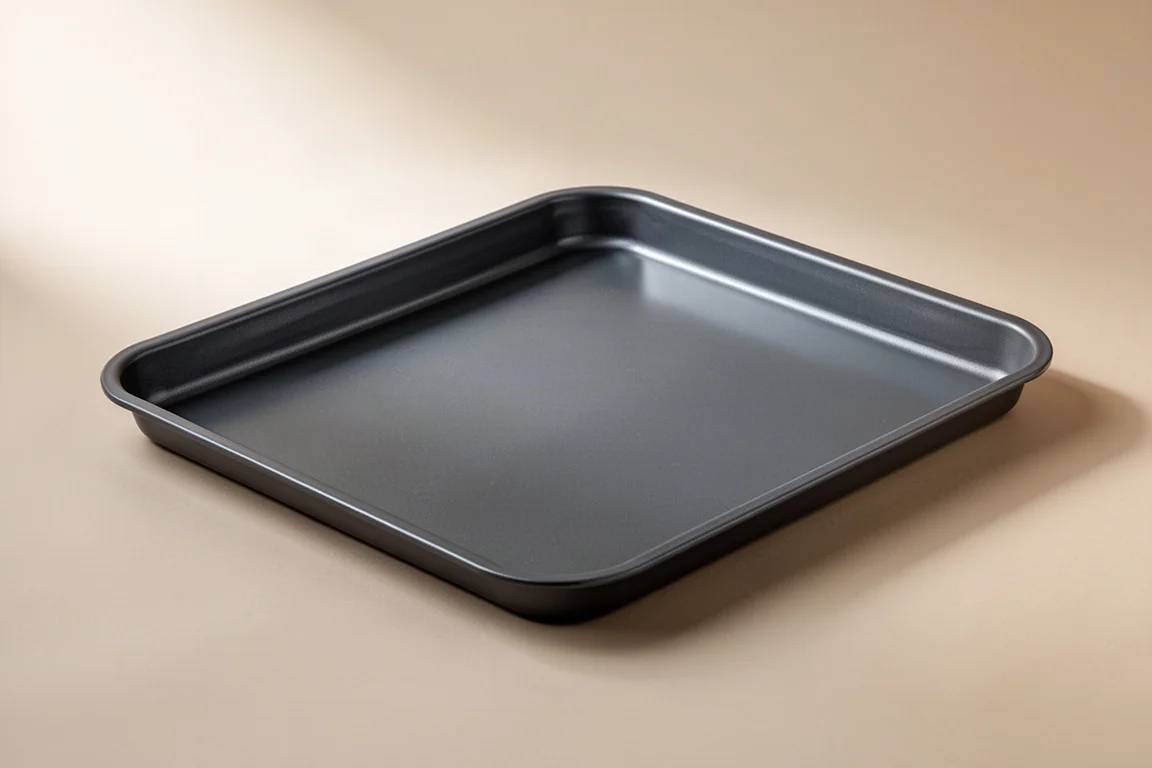
Non-stick sheet pans, like the winner from USA Pan, come with real limitations. They cannot be used under the broiler or over 450 degrees because they will off-gas, and metal utensils will damage the surface.
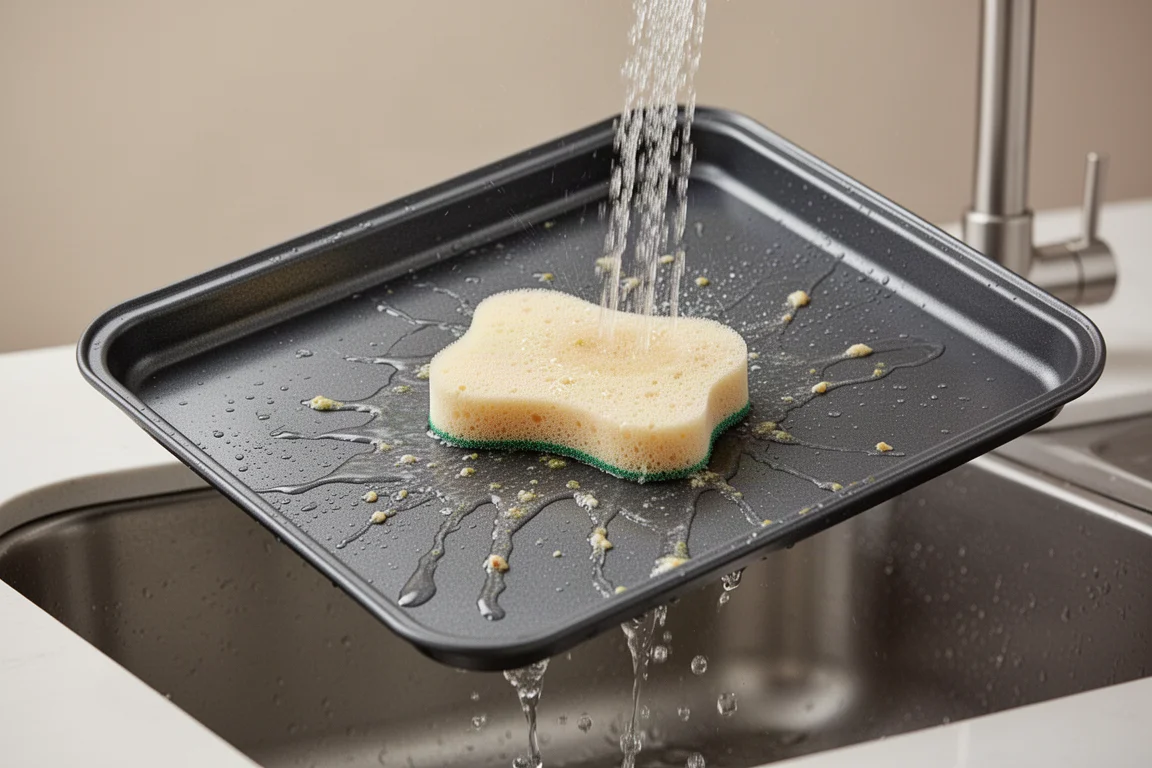
They are impressively slick, maybe a little too slick: cookies and cakes practically jumped off these pans. On the plus side, they were the easiest of the bunch to clean and are dishwasher safe, while aluminum and stainless pans should be hand washed.
Non-stick rimmed baking sheets will not replace a traditional rimmed baking sheet, but if you value ease of use and cleanup, one can be a useful addition to your cookware collection.
Overall Buying Advice
We still think aluminum is the best option for most home cooks. It is inexpensive, lightweight, and performs very similarly to stainless steel and non-stick. If you are in the market for a new sheet pan, you should probably stick with aluminum, ideally one with sturdy rolled edges and a standard 16.5 x 11.5 inch cooking surface so your wire racks fit properly.
Consider stainless only if avoiding aluminum contact is a priority and budget is not, and consider non-stick only as a supplement for easy-cleanup tasks, never as your only pan.
Conclusion
Aluminum wins on price, weight, and performance for the vast majority of kitchens. Stainless clad costs far more without a meaningful performance edge, and non-stick brings cleanup convenience at the cost of broiler use, temperature limits, and careful utensil handling. Pick the pan that matches your habits, and it will earn its place in the stack.
Further reading
Related Reviews
Kitchen & Cooking
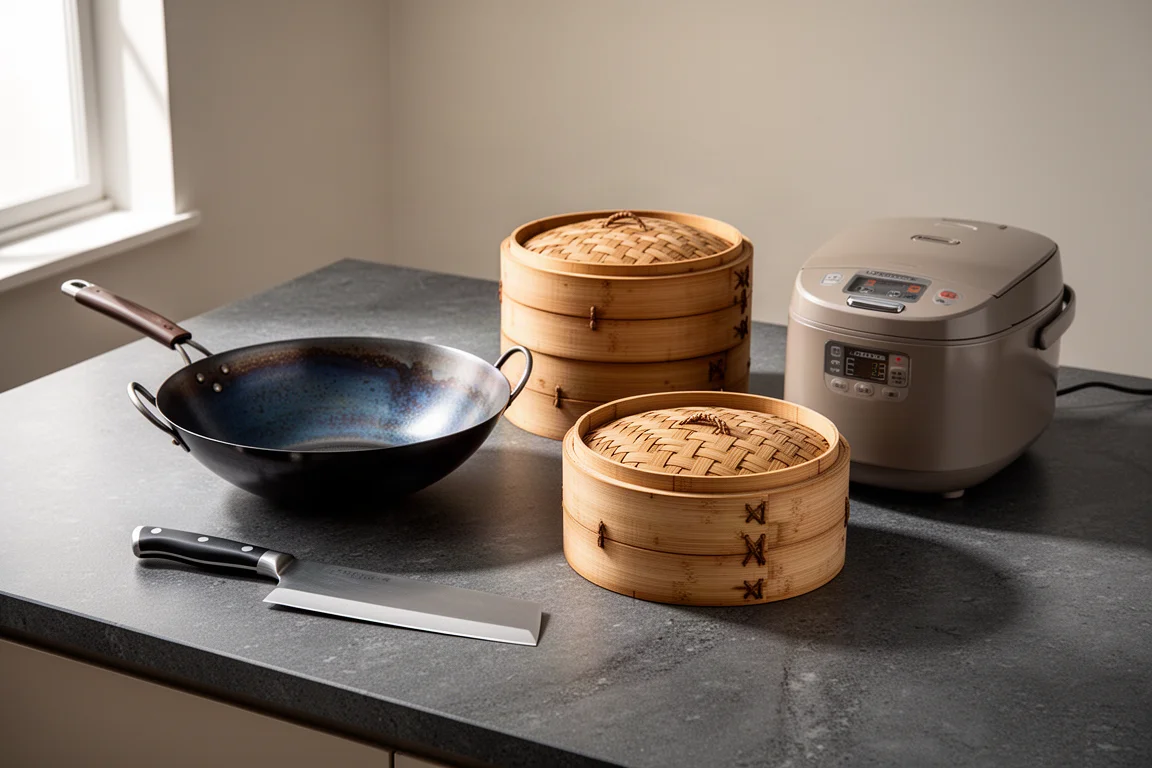
Essential Chinese Cooking Gear: Four Kitchen Tools Worth Adding to Your Setup
A carbon steel wok, a versatile cleaver, a bamboo steamer, and a fuzzy-logic rice cooker that make Chinese home cooking easier.
Kitchen & Cooking
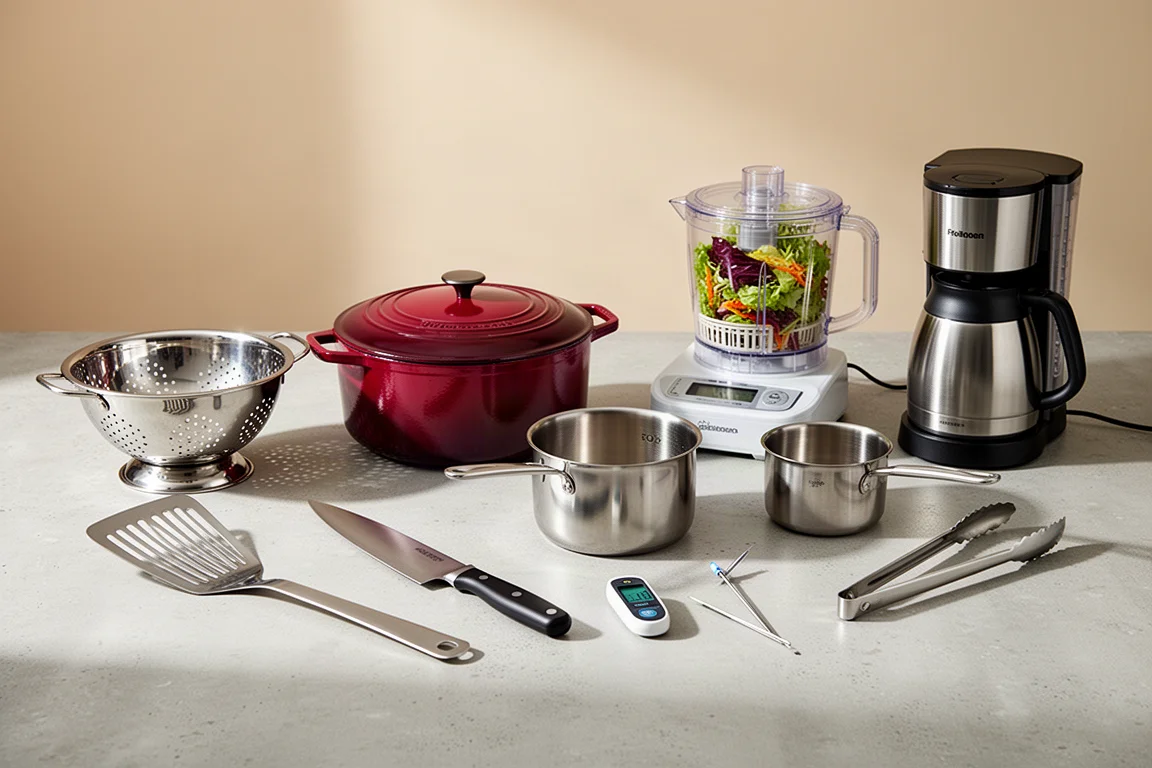
The Kitchen Tools That Keep Winning: 10 Proven Favorites Worth Buying
Ten kitchen products that have beaten every challenger for years, from a $40 chef's knife to the best drip coffee maker we know.
Backpacking Gear
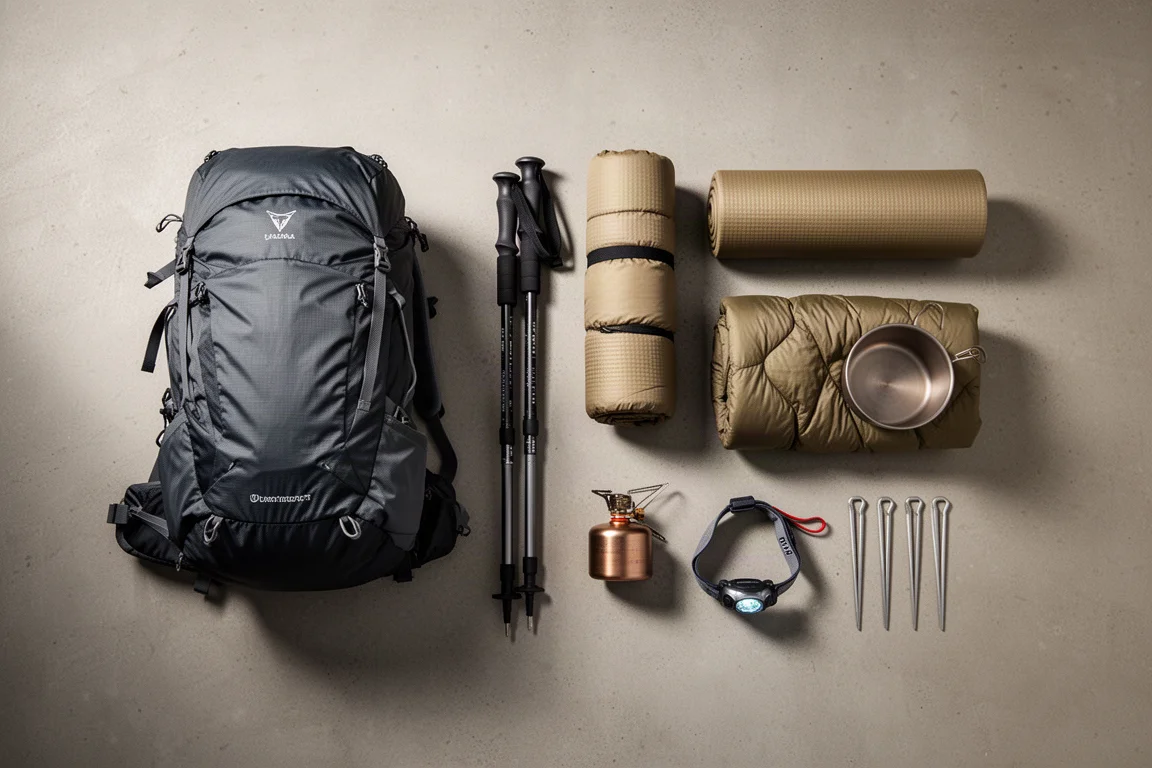
Building a 10 lb Base Weight: An Ultralight Backpacking Gear List
A practical walkthrough of the ultralight pieces behind a 10 lb base weight, from a 765 g pack and a roomy one-person tent to a full camp chair and a dependable water filter.