Backpacking Tents
Best Semi-Freestanding Backpacking Tents 2026: Six Ultralight Models Compared
Six semi-freestanding backpacking tents compared on weight, headroom, floor width, and fly design, with clear guidance on which one suits your trips.
Introduction
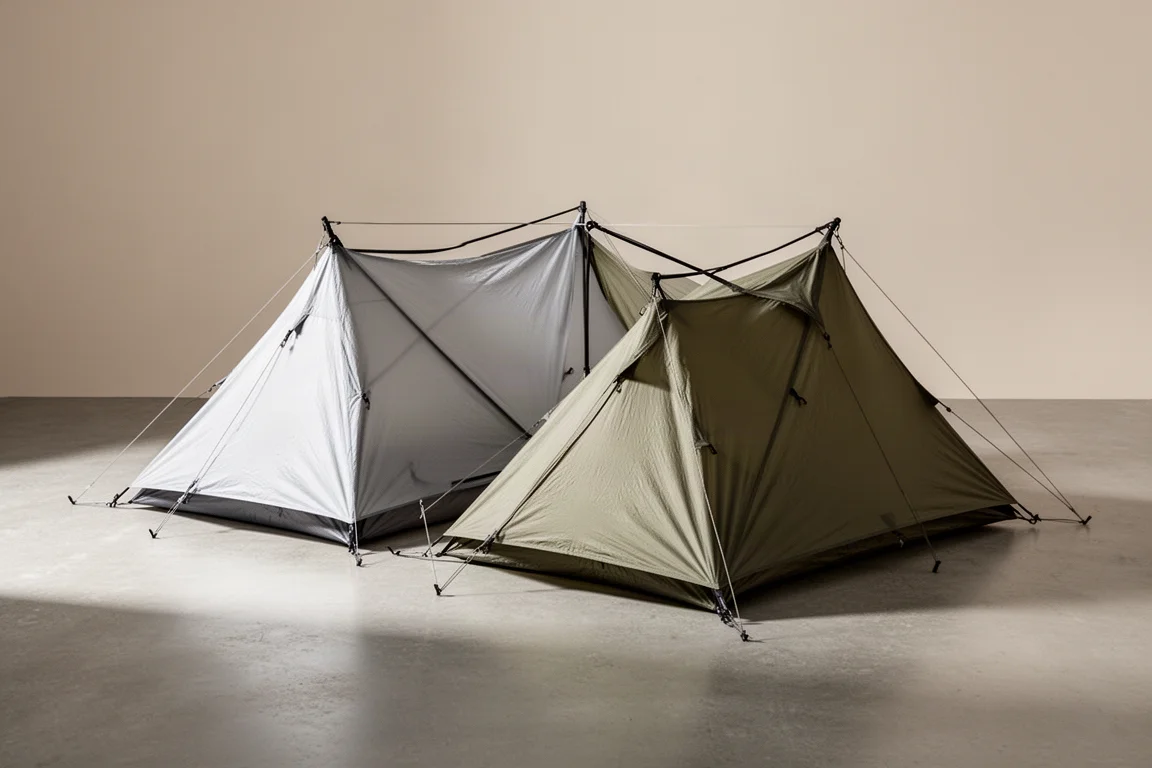
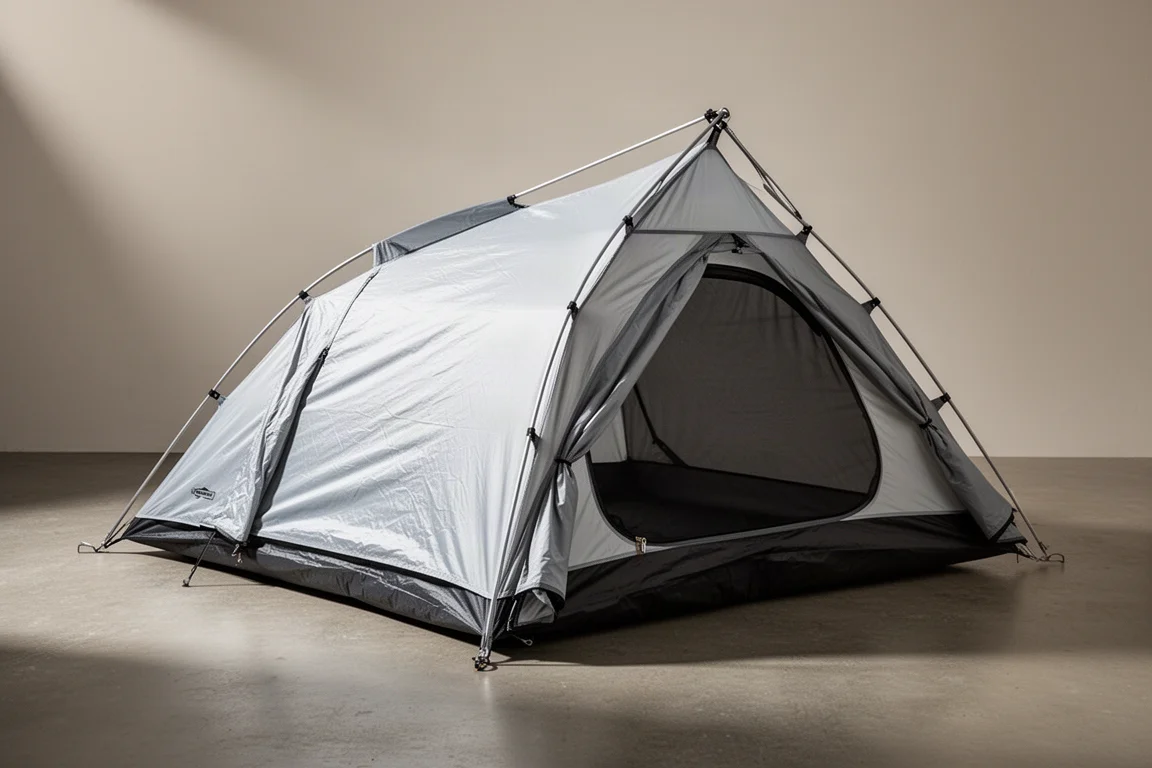
Semi-freestanding backpacking tents sit between two familiar categories. They pitch almost like a freestanding shelter, yet they still rely on a couple of stakes, usually at the rear corners, to reach a fully tensioned shape. That compromise is what makes them interesting: you keep most of the convenience of a freestanding design while carrying noticeably less weight.
Six models stand out in this category for different reasons, and the right choice depends less on the spec sheet than on how you actually camp. This comparison looks at weight, interior space, weather behavior, and the small design details that decide whether a tent feels pleasant or frustrating over a long trip.
What Is a Semi-Freestanding Tent?
A semi-freestanding tent can largely hold its shape without stakes, but it needs at least two stakes, typically at the rear corners, to be completely pitched. The design replaces the two rear poles with staked guy points, saving weight while keeping most of the structure of a freestanding tent.
Most models here are double walled, which helps manage condensation, and most pair a compact pole set at the front with staked corners at the back. The Marmot Super Alloy reverses that arrangement, using poles at the rear and stakes at the front.
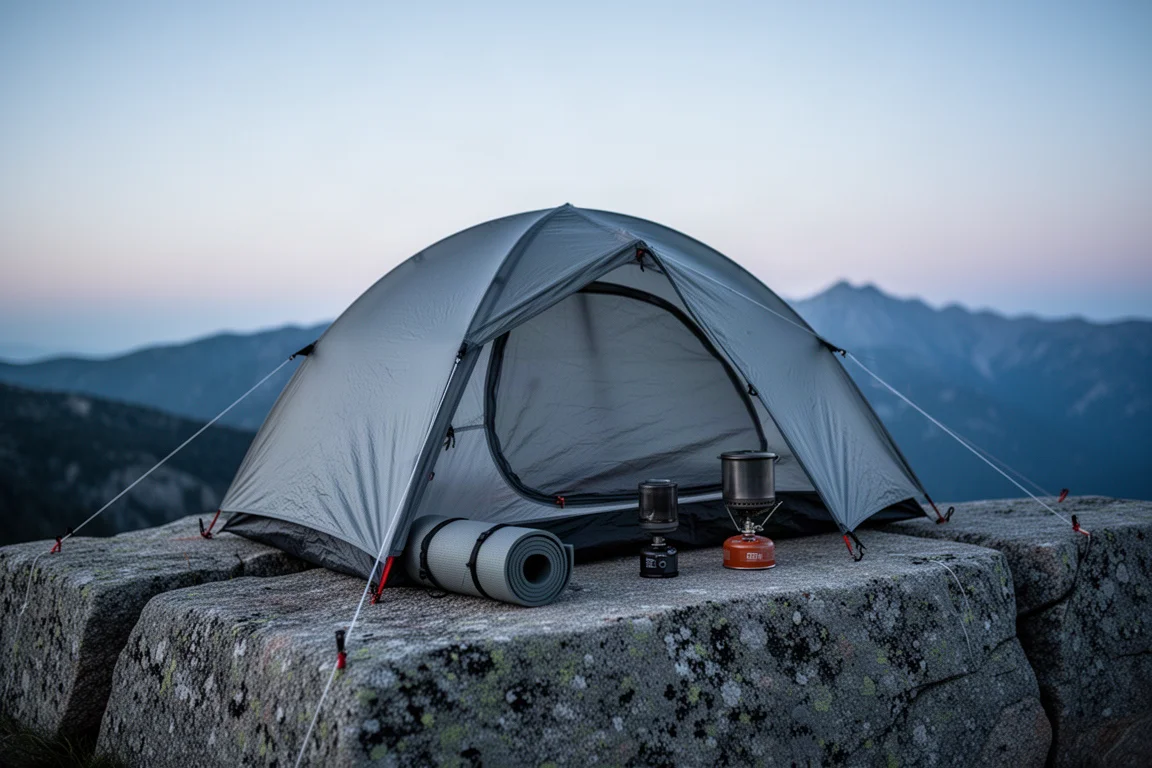
The result is a class of shelter that suits backpackers who want lighter loads without giving up a proper double-wall tent, but the trade-offs vary widely between models. Floor width, crossbar length, and fly design end up mattering more than headline weight.
Nemo Hornet Elite: The Lightest Option
At 2 lb 1 oz, the Nemo Hornet Elite is the lightest tent in this group, and it is a full 4 oz lighter than the next lightest model. It uses Nemo’s Osmo fabric, a blend of nylon and polyester designed to deliver exceptional strength with very little stretch when wet.
Beyond the low weight and the hybrid fabric, it keeps things simple. It is the most expensive tent here at $650, roughly $100 above the next most expensive option, and interior space is tight. The crossbar is the shortest of the group at only 8 in across, which limits headroom, and while it can sleep two people, that only works with 20 in wide pads rather than the 25 in pads many backpackers prefer.
If saving weight is the highest priority, this is a strong option. If you want room to spread out, it is not.
Marmot Super Alloy: The Lowest Price
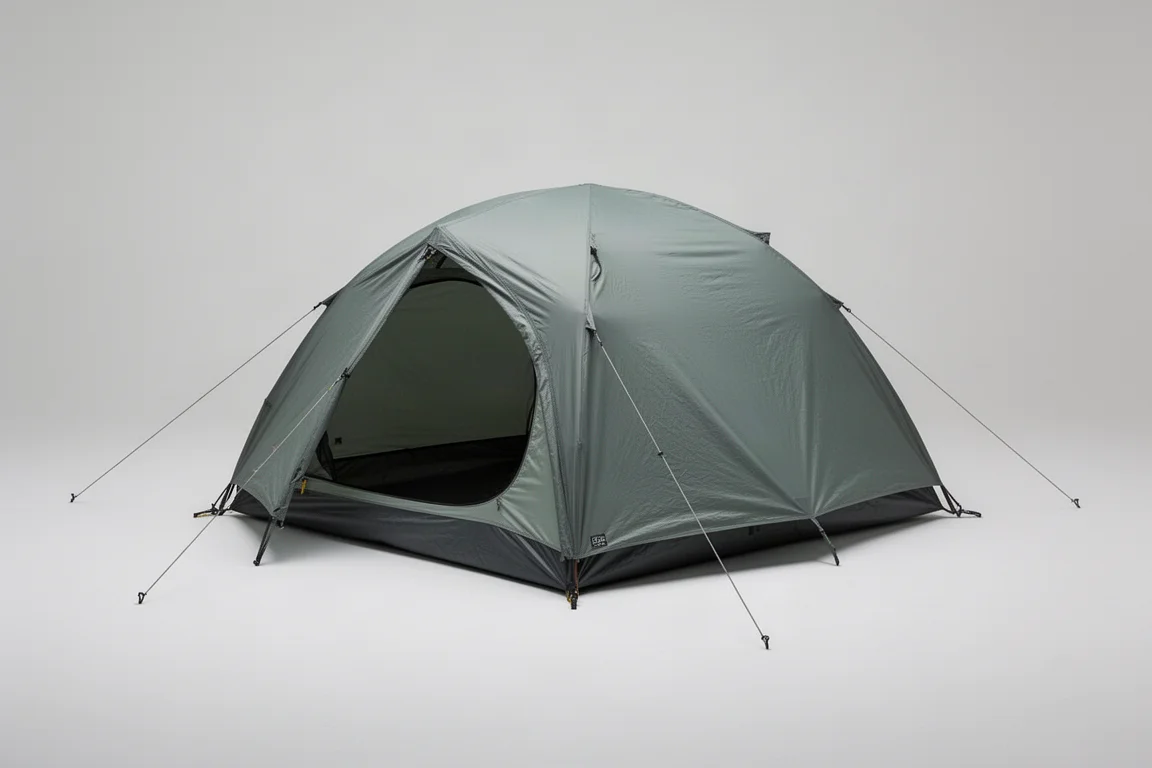
The Marmot Super Alloy is the least expensive tent in this comparison at $430. That is still a significant amount for an ultralight shelter, but it undercuts the rest of the group. It weighs 2 lb 11 oz, which is on the heavier side for a semi-freestanding tent, though not the heaviest here.
It offers one of the wider crossbars in the group, producing near vertical interior walls, but it will not accept two wide pads, so it is realistically a one-person tent despite the nominal two-person capacity. Its layout is unusual: poles support the rear corners and stakes hold the front, the reverse of most tents here. The long crossbar compensates for moving the yoke to the rear, so headroom does not suffer as much as the arrangement might suggest.
For a first ultralight tent or a budget-conscious purchase, the combination of price and interior shape is appealing.
Big Agnes Tiger Wall: The Best Headroom
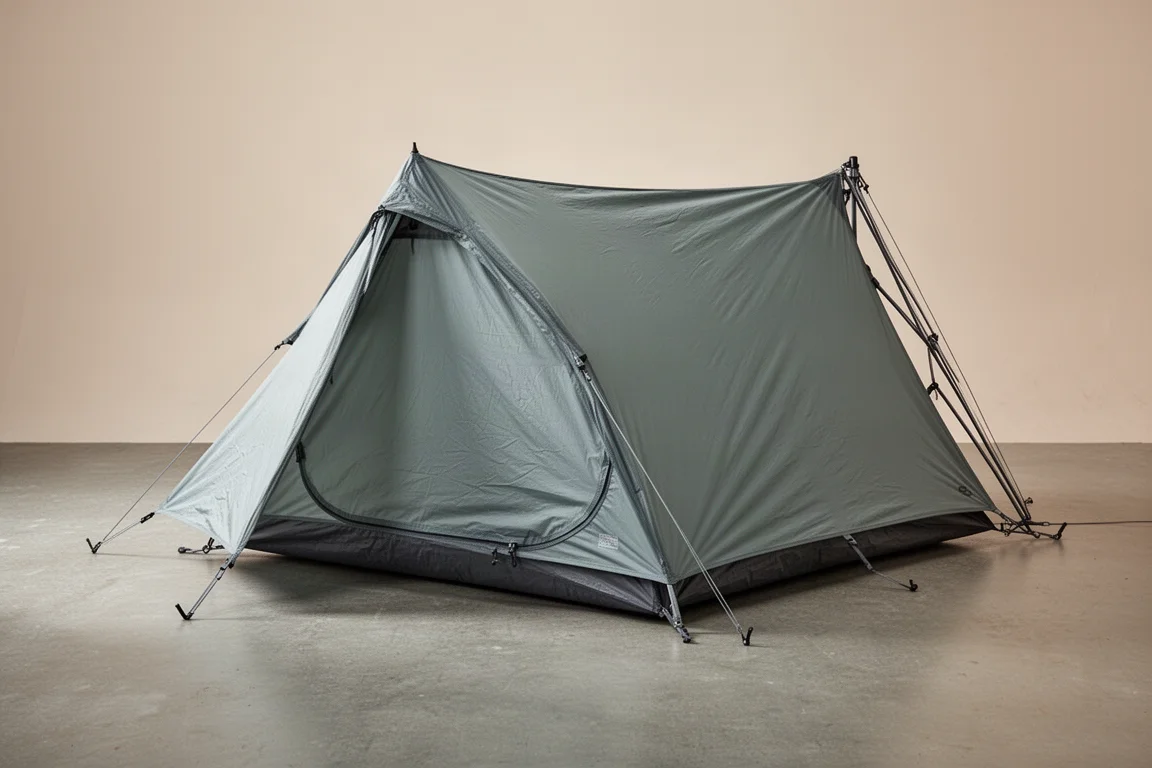
For $20 more than the Marmot, at $450, the Big Agnes Tiger Wall is one of the best-made tents in this group. It has the best headroom of any tent compared here, with a crossbar measuring 33 in across that creates near vertical walls. It weighs 2 lb 8 oz.
The interior also includes a mesh pocket that spans the entire width of the tent. Where most models here offer small pockets that hold a phone and little else, this one can swallow whole jackets and keep them off the floor. Details like that give the Tiger Wall a high-quality feel.
As with most models here, two wide pads will not fit, so it works best as a spacious one-person shelter or a cramped two-person option.
Sea to Summit Alto TR2: The Most Features
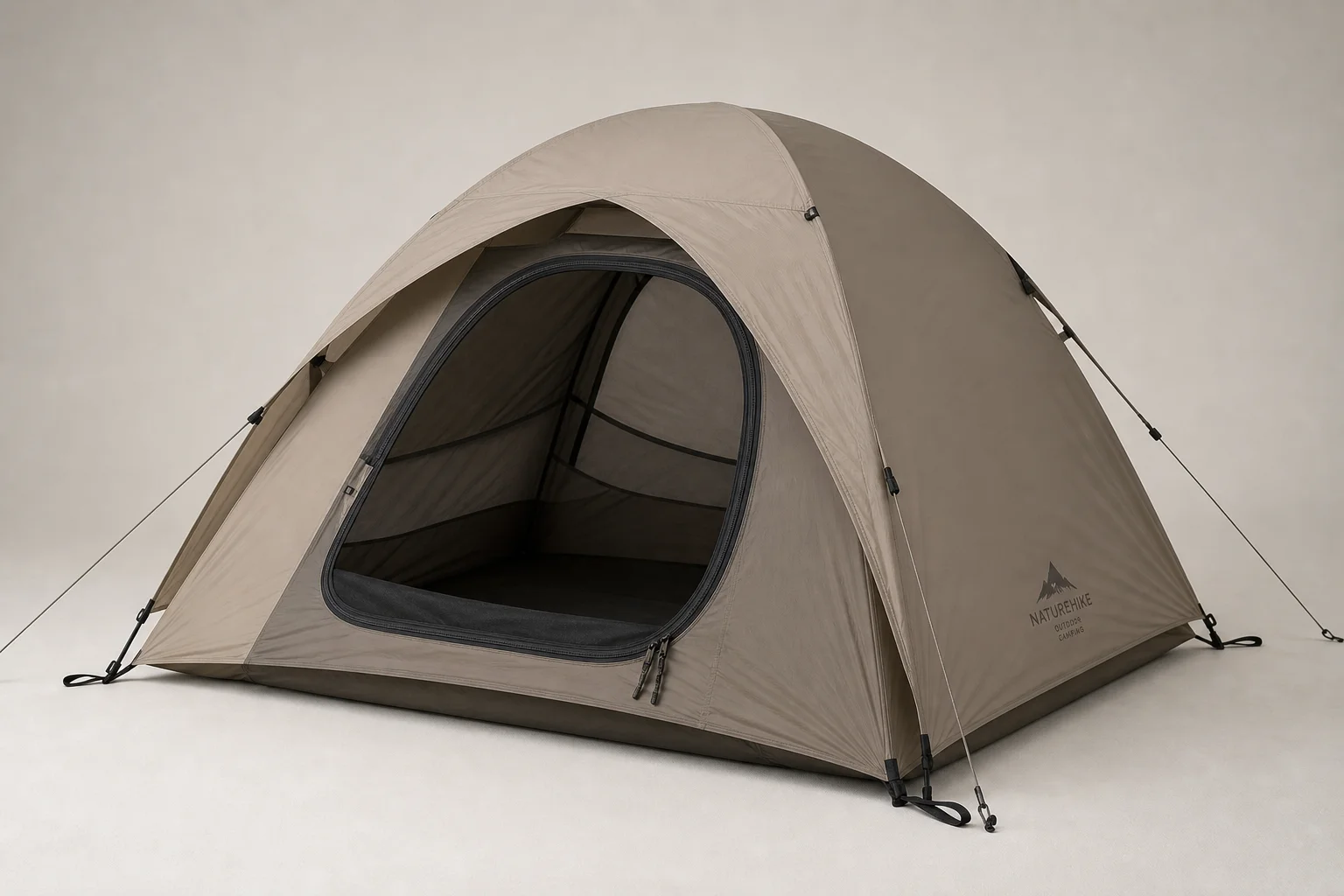
The Sea to Summit Alto TR2 is the most feature-rich tent in this comparison. Wide tension crossbars hold the walls straight and taut, large peak vents help keep condensation to a minimum, and split stuff sacks convert into interior pockets while the pole can be repurposed as a light bar.
That light bar works well at night. It diffuses a headlamp beam across the interior instead of leaving a single harsh hotspot, which makes a noticeable difference in a small tent.
The features come with trade-offs. At $550 it is the second most expensive tent here, and at 2 lb 15.3 oz it is the heaviest. It still cannot accommodate two wide pads, so sharing the load is only realistic if both occupants accept 20 in pads. It is also the only tent here that has failed in the field: a pole snapped during a gusty windstorm on the very first outing. The manufacturer repaired it free of charge, but the failure is worth knowing about.
Mountain Hardware Strato: The Best Two-Person Tent
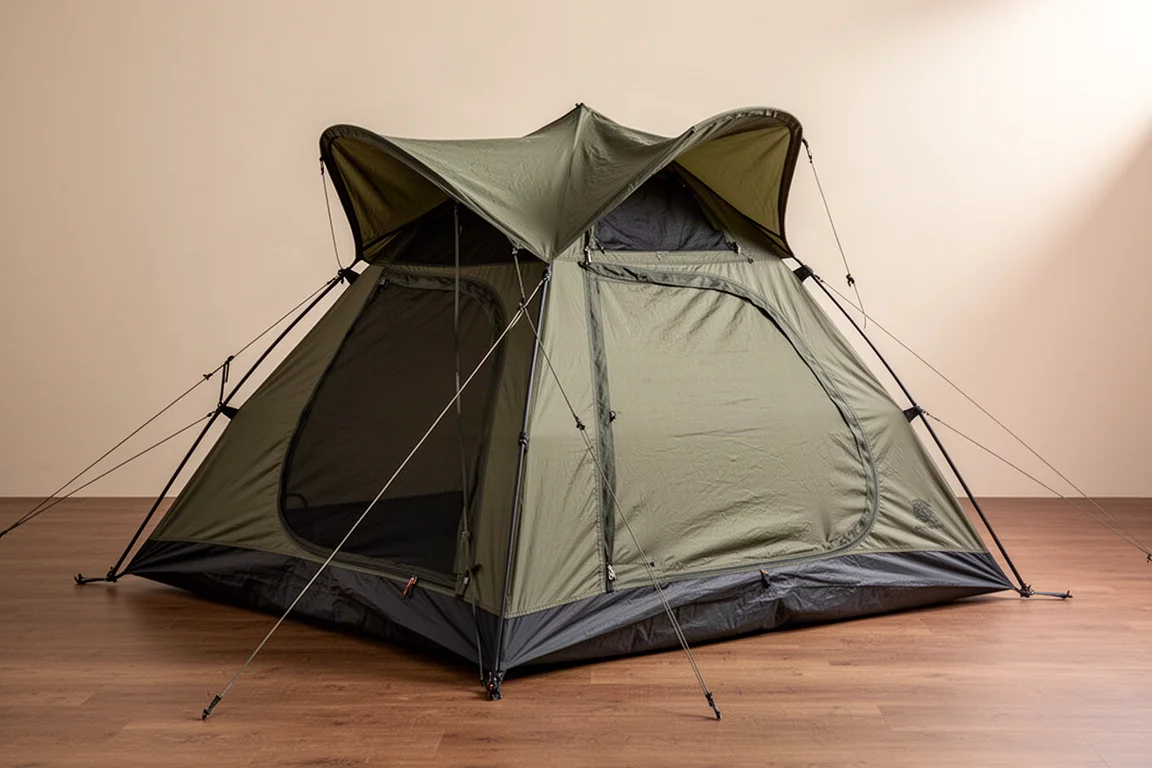
The Mountain Hardware Strato is the only tent here with a floor wide enough to accept two wide pads, measuring 50 in from head to foot. That matters more than headroom if you actually plan to share the tent, because wide pads make a bigger practical difference to comfort.
Its crossbar is not as wide as some others, so headroom takes a slight hit, but the result is still workable. The white fly is another plus: it produces even, easy-on-the-eyes lighting during the day.
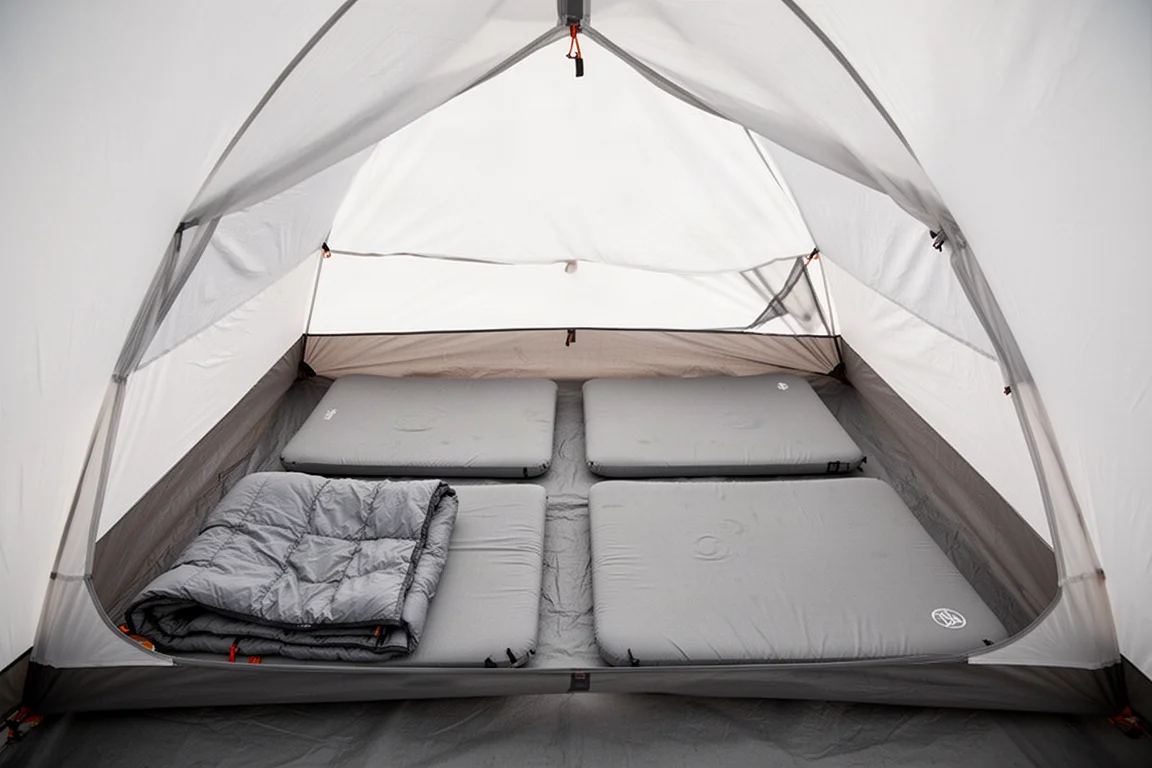
At $480 and 2 lb 9 oz, it sits in the middle of the group for both price and weight. The main complaint is the fly, which is difficult to tension properly and sags further once it gets wet. For trips where two people share the load, it is the tent most likely to make sense.
MSR FreeLight: Where the Design Falls Short
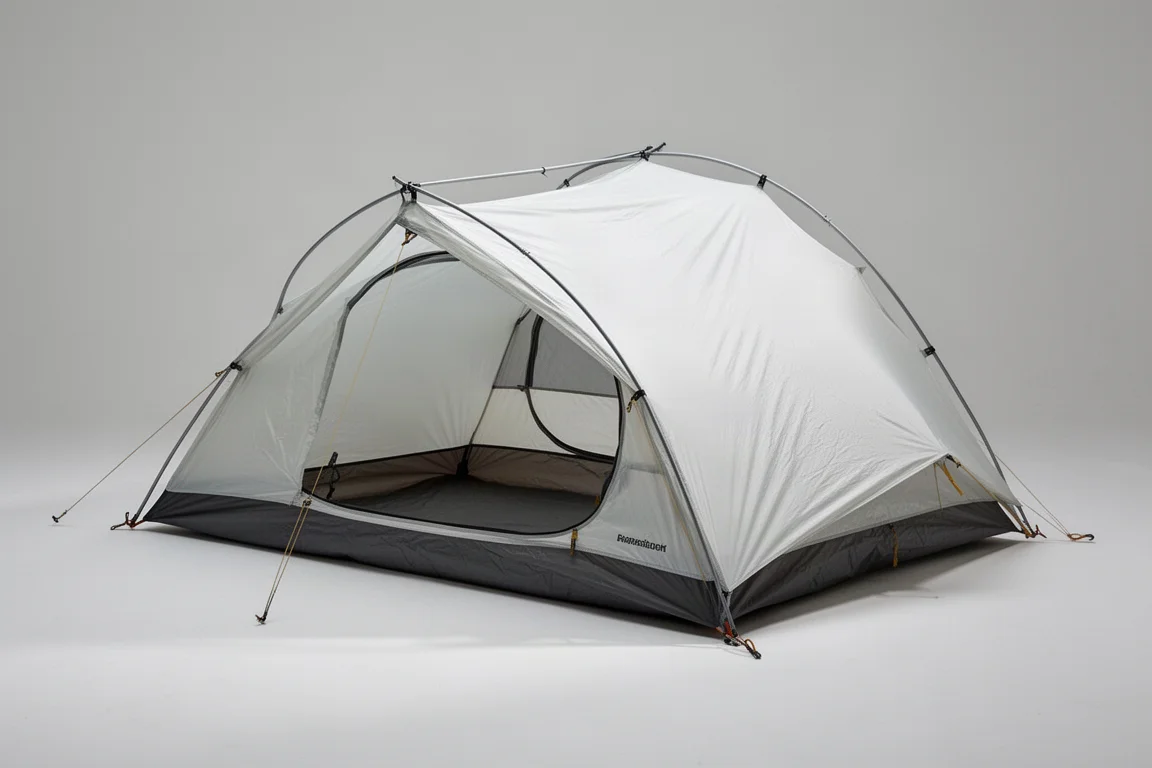
The MSR FreeLight has a distinctive fly design: it opens from the side rather than from the middle. In dry conditions that is a nice touch, because you do not have to fold yourself in half to open the door.
The problem appears when the tent is wet. The side-cut zipper places the fly opening directly above the tent floor, so water pours in as soon as you open it. This is the only other model here with a 50 in floor, which suggests it should accept two wide pads, but in practice two 25 in pads do not fit without stretching the floor and putting stress on the seams. A small detached crossbar is easy to lose and limits headroom, and the color scheme is not to everyone’s taste. Among the tents compared here, it is the one with the most compromises.
Overall Buying Advice
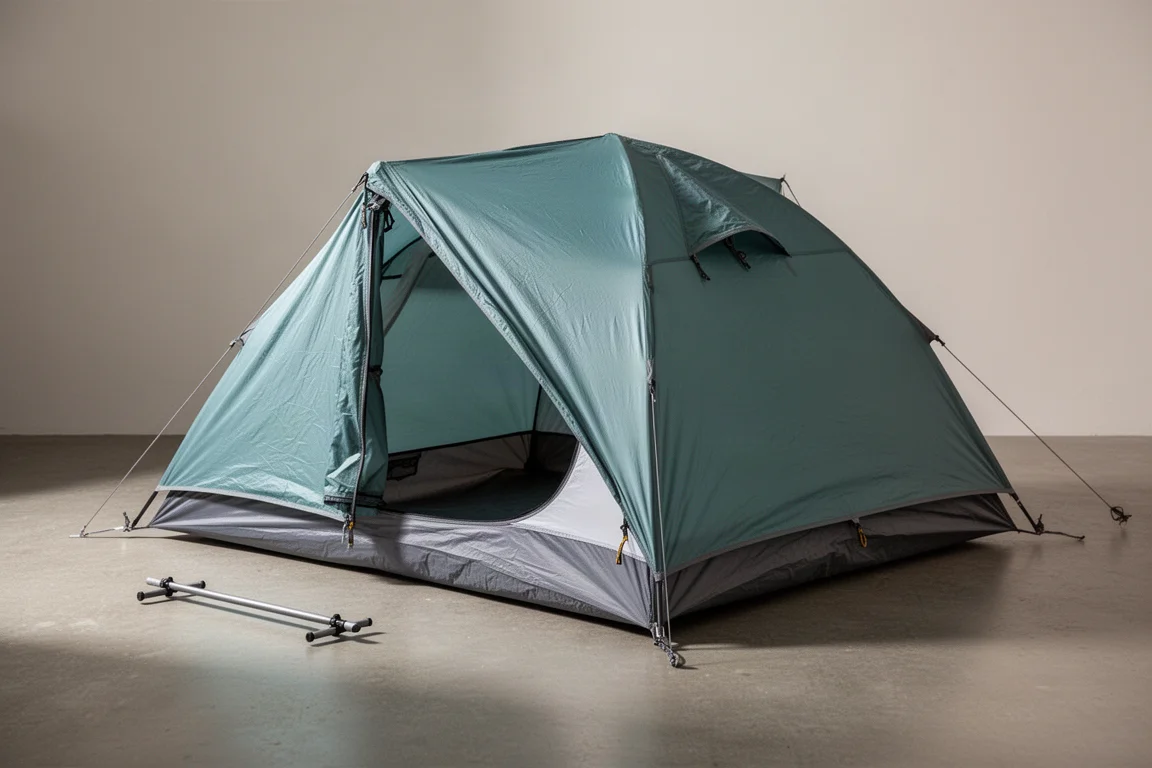
Weight is the headline number, but it should not be the only one. Decide first whether you will ever share the tent. If the answer is yes, the Mountain Hardware Strato is the only model here with a floor wide enough for two wide pads. If you always camp alone, the Big Agnes Tiger Wall offers the best headroom and the most useful interior storage, while the Marmot Super Alloy delivers a similar layout for less money.
If the lowest possible weight is the goal and you accept a tighter interior, the Nemo Hornet Elite leads the group at 2 lb 1 oz. The Sea to Summit Alto TR2 is worth considering if you value ventilation and clever details and can accept the extra weight. The MSR FreeLight is difficult to recommend for wet climates given how its fly behaves in rain.
Conclusion
Semi-freestanding tents make the most sense for backpackers who want lighter loads without moving to a trekking pole shelter. Each model here trades something away: the Hornet Elite trades space for weight, the Alto TR2 trades weight for features, and the FreeLight trades weather protection for an easier door. Match the tent to how you actually camp, and the compromise stops feeling like one.
Further reading
Related Reviews
Backpacking Tents
3F UL Lanchan Pro 1 Review: A 1 lb 8 oz Single-Wall Trekking Pole Tent
A practical look at the 3F UL Lanchan Pro 1, a single-wall trekking pole shelter with a 1 lb 8 oz weight, 20D silnylon fabrics, and a roomy 90 x 31 x 49 inch interior.
Backpacking Tents
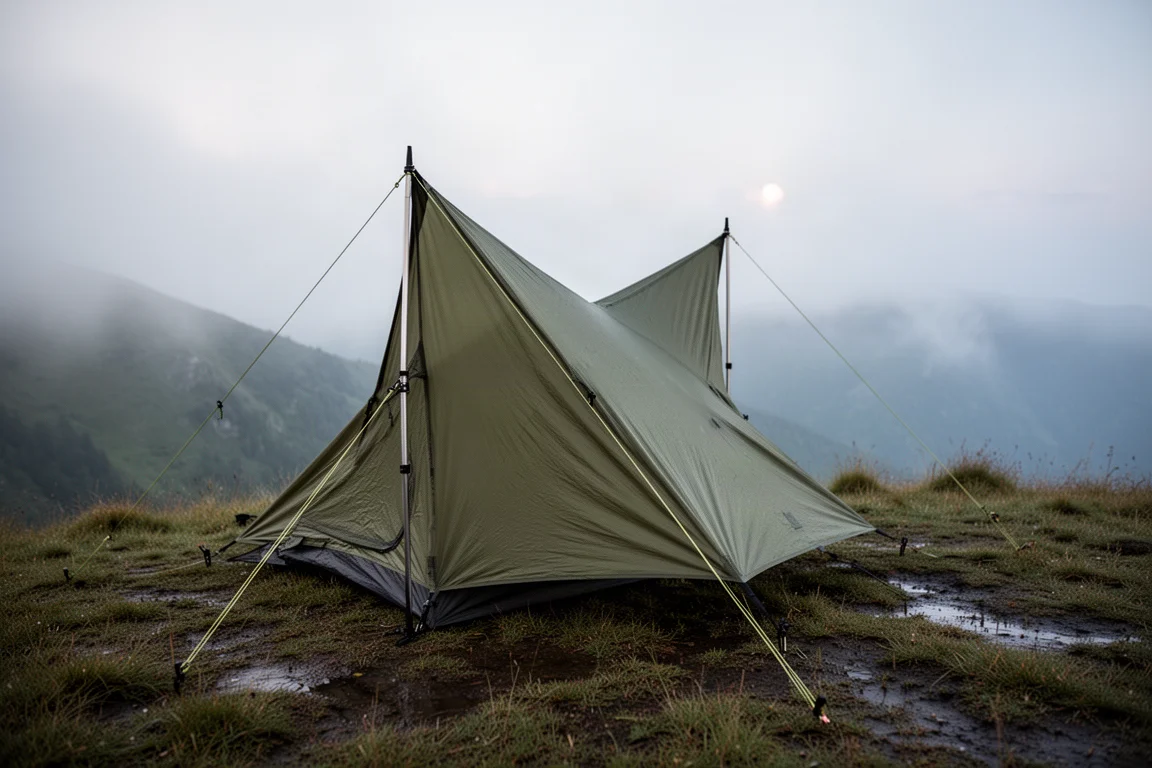
3F UL Taiji 2-Person Tent: A Convertible Backpacking Shelter Worth a Closer Look
A practical look at the 3F UL Taiji two-person tent, covering its materials, true two-person interior, fly-first pitching, and the seasonal inner swap that lets one shelter cover more of the year.
Backpacking Tents
3FUL Lanshan Twoerson Pro Review: A Light Trekking Pole Shelter That Struggled in Rain
A two-person trekking pole shelter with a 2026 redesign, pitched with sticks and put through a night of steady rain. Here is what worked, what did not, and what to check before buying.