Tools
Best Screw Pliers for Multi-Tool Maintenance: 8 Options Compared
From locking vice-grip styles to rounded-tip precision pliers, here is how eight screw pliers handle proprietary multi-tool screws and knurled nuts.
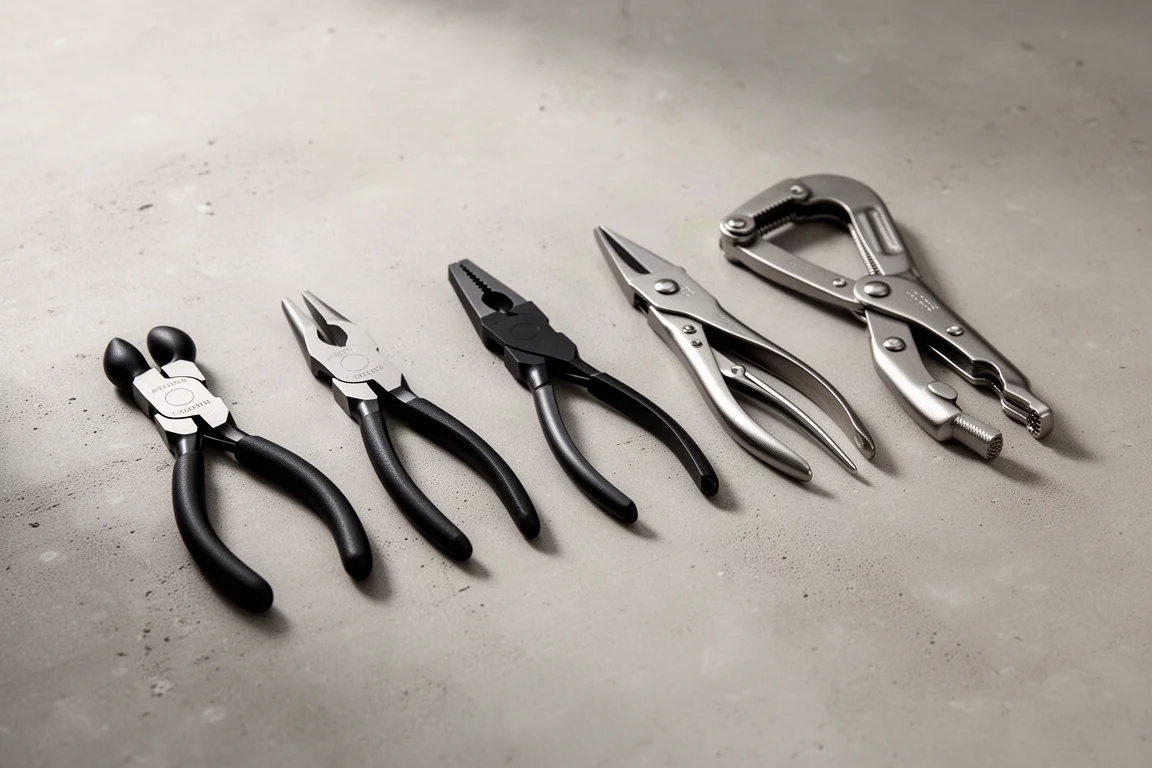
Introduction
Proprietary screws on multi-tools are a long-standing headache. If you have ever tried to tighten, loosen, or modify the exposed screws on a Leatherman or similar tool, you already know the problem: there are almost no standard tools that fit, and improvising usually means scratching the finish or destroying the fastener. Screw pliers change that. These compact, purpose-built gripping tools are designed to clamp onto rounded, knurled, or otherwise unusual screw heads without causing damage.
We compared eight popular models, from a locking vice-grip style to several Japanese-made precision designs, to find out which ones actually work on multi-tools and which are better suited to other projects.
Why Multi-Tool Screws Are So Tricky
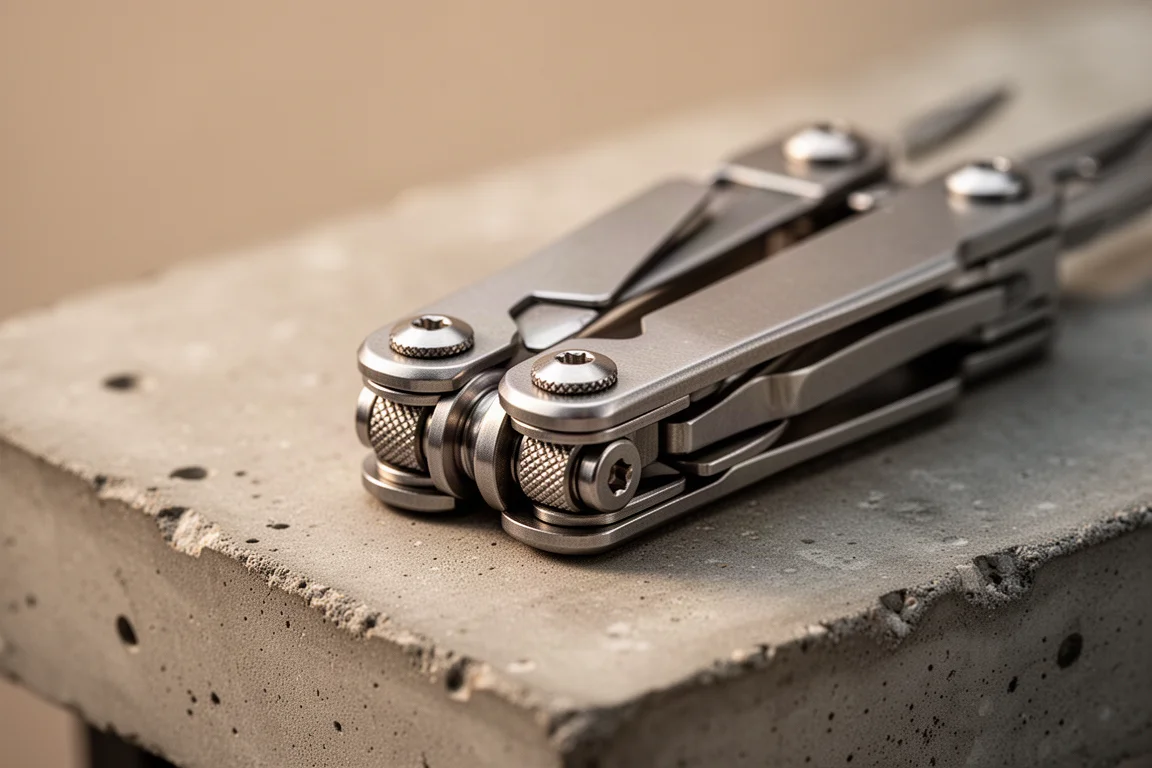
On tools like the Leatherman Bond, Rebar, Super Tool 300, Crunch, and Charge Plus, the knurled screws and nuts sit next to a raised piece of metal. That raised section makes it genuinely difficult to get a tool in and turn the fastener without slipping. A poorly fitting grip is not just inconvenient; it can scratch the frame, mar the screw head, or ruin the fastener entirely.
Dedicated wrench sets exist for these Leatherman fasteners, and a newer American-made version now sells for roughly $17 per set (two sets were available together for around $30), about half the cost of earlier imported sets and far easier to source. They cover roughly 99% of current Leatherman models, working on the Bond, Rebar, Super Tool 300, Crunch, and Charge Plus; only the rare Leatherman Micro needs a different size. Still, screw pliers remain the more universal solution, since they also work on Gerber proprietary nuts and countless other fastener types beyond multi-tools.
Engineer PZ-81
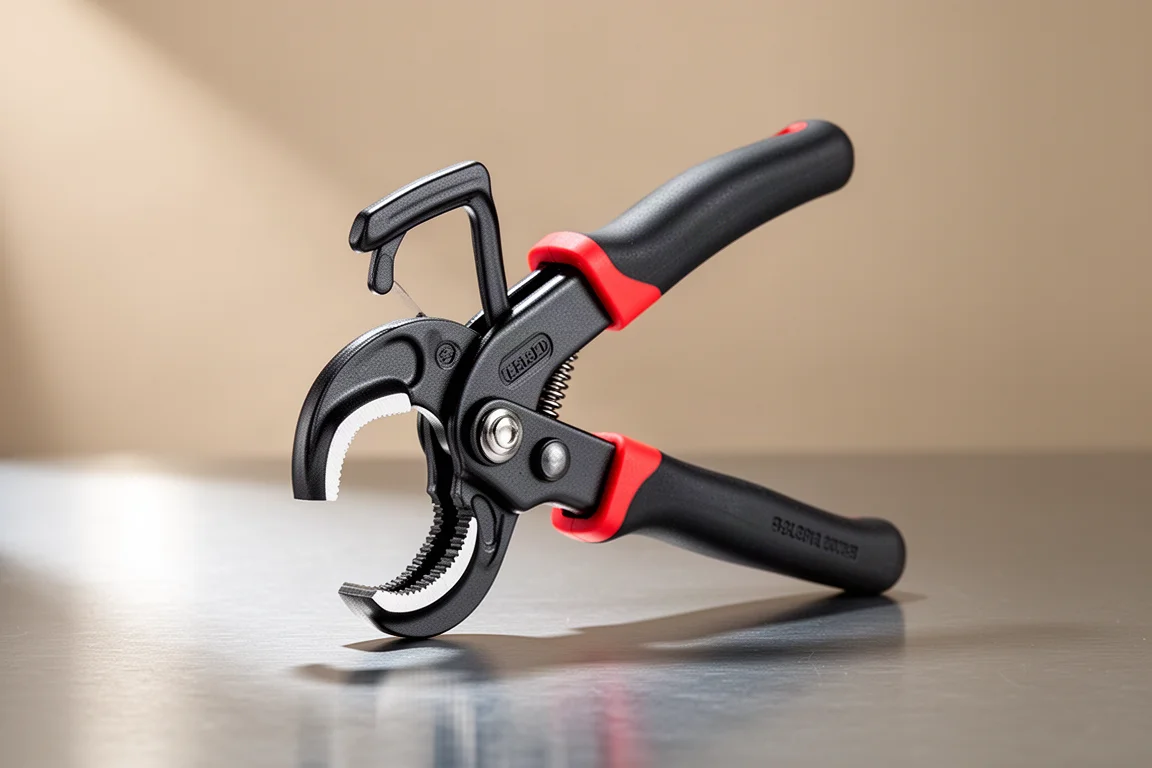
The PZ-81 takes a vice-grip approach, and that locking style gives it a genuinely useful ability: it can grab onto something from directly above and hold it without constant hand pressure. As a general workshop tool, that is a nice feature. For multi-tool work specifically, though, it is not the right fit. If your projects involve other kinds of fasteners or clamping tasks, it may still earn its place in a drawer.
Engineer PZ-60
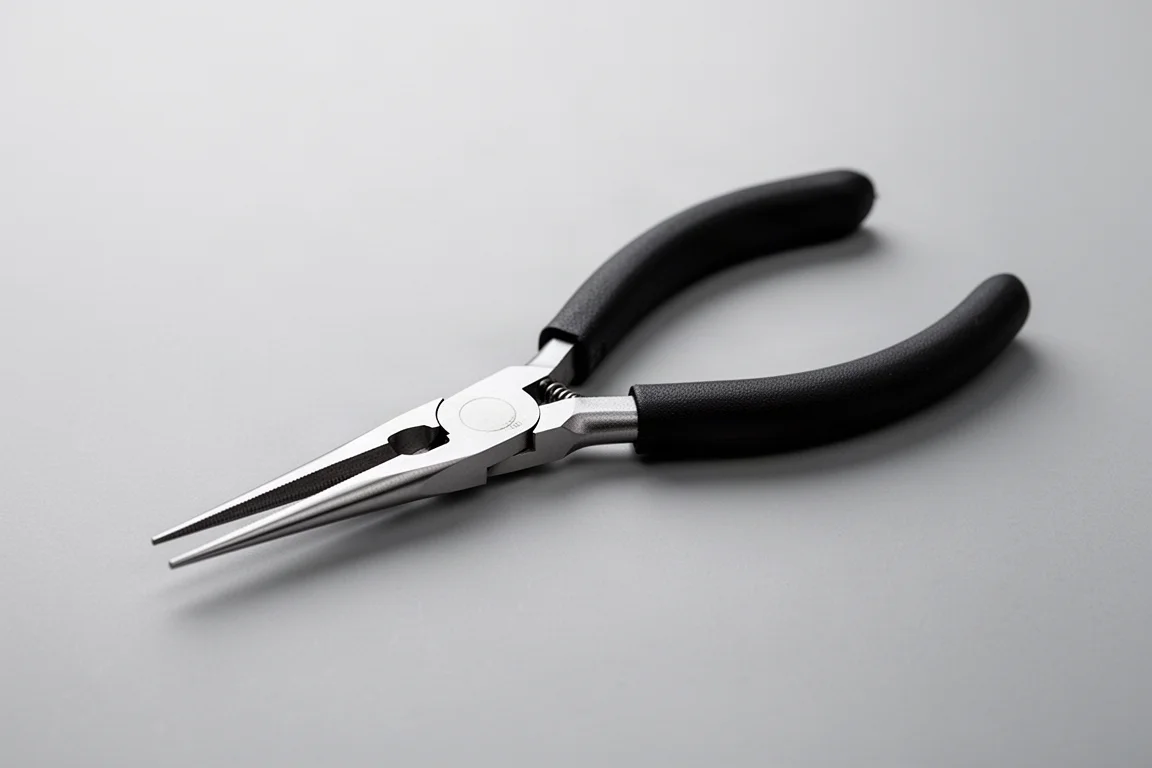
The PZ-60 is a needle-nose design with integrated cutters, and it is a genuinely pleasant tool to hold thanks to a comfortable grip. Like the PZ-81, however, it does not work for multi-tool screws. Consider it a useful general-purpose addition rather than a solution for knurled fasteners.
Engineer PZ-56
This is the one to skip. The PZ-56 looks promising, with teeth that appear aggressive enough to bite into a screw head, but there is simply too much play in the jaws. Even that small amount of movement is enough for the pliers to slip off, and a slip means damage to either the tool or the screw. A strictly better alternative exists from another company, which makes this one easy to pass on.
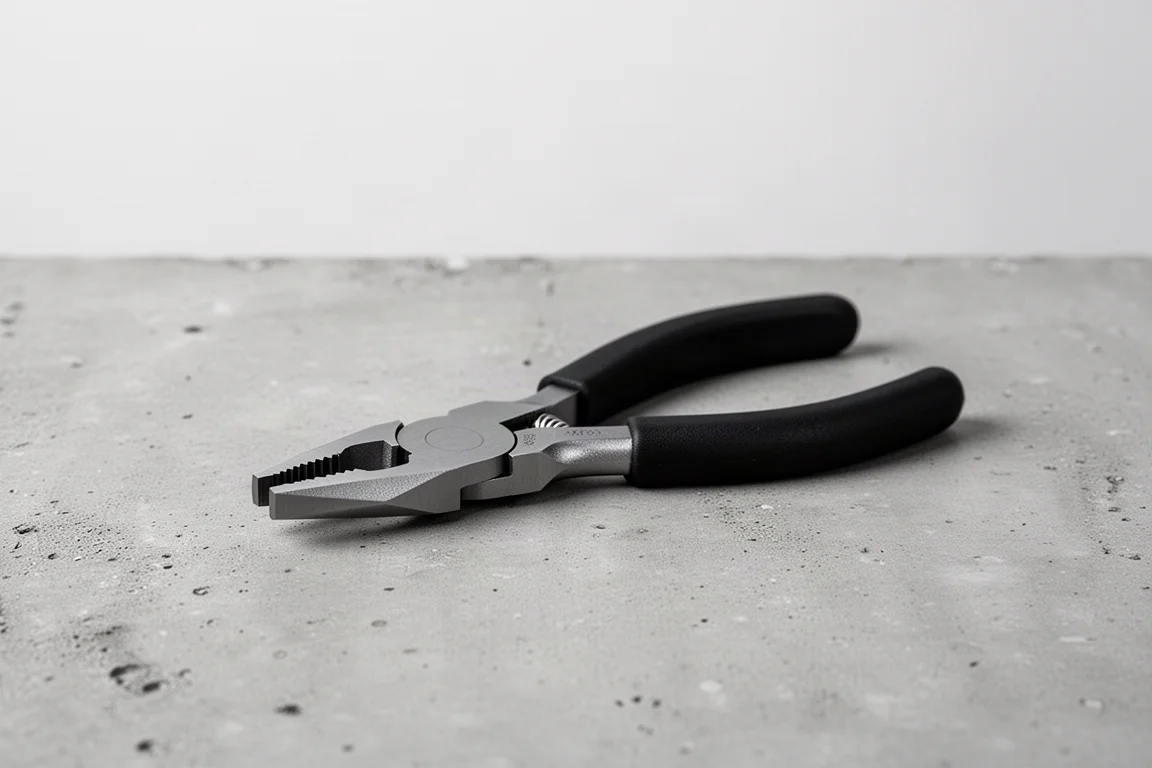
Knipex TwinGrip 82 01 200
The Knipex TwinGrip has been reviewed to death, and the praise is deserved. It is one of the best releases in this category in recent years. The slip joint design lets the jaws open considerably wider than most competitors, and there is very little play once clamped. The teeth are also far more aggressive than the comparable Engineer offerings.
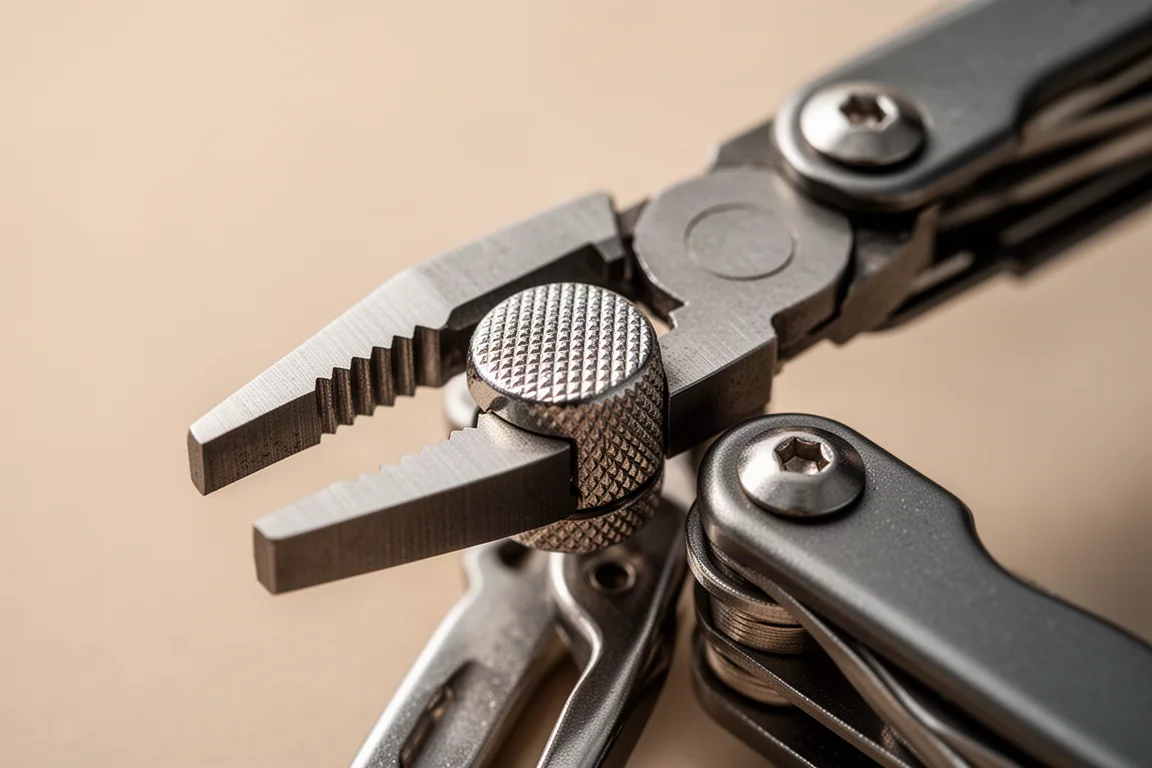
For multi-tool use, the TwinGrip works on Gerber tools (you just open the jaws a bit more to get clearance), the Super Tool 300, the Charge Plus, and the Crunch. Where it struggles are the Rebar and Bond, whose raised screw sections give it the most trouble. For everything else, it is an excellent pick.
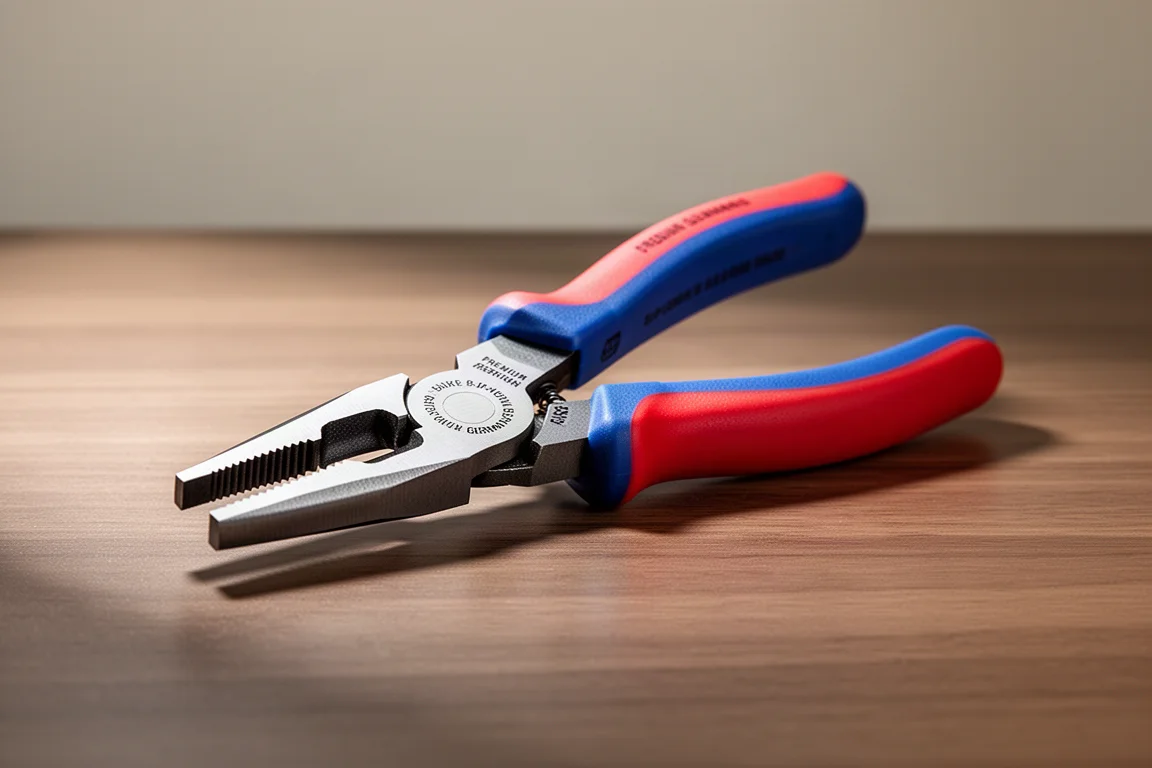
Engineer PZ-59
The PZ-59 is one of the favorites among screw pliers, and for good reason. Made in Japan, with sharp, genuinely aggressive teeth, it is a phenomenal and versatile tool that earns its keep well beyond multi-tool maintenance. It handles the Super Tool 300 series and Gerber multi-tools without issue.
The trade-offs are modest: it lacks the slip joint of the TwinGrip and is a little shorter in length. Even so, it comes highly recommended as a great tool to have around in general, not just for this one job.
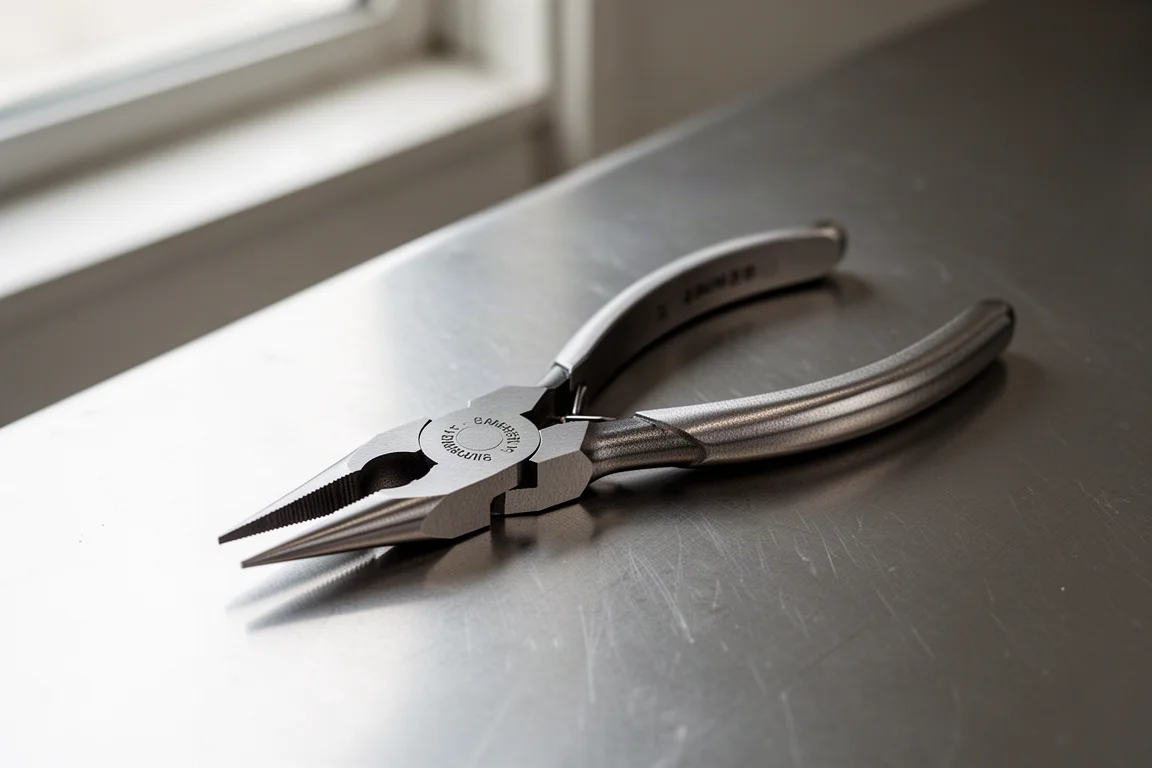
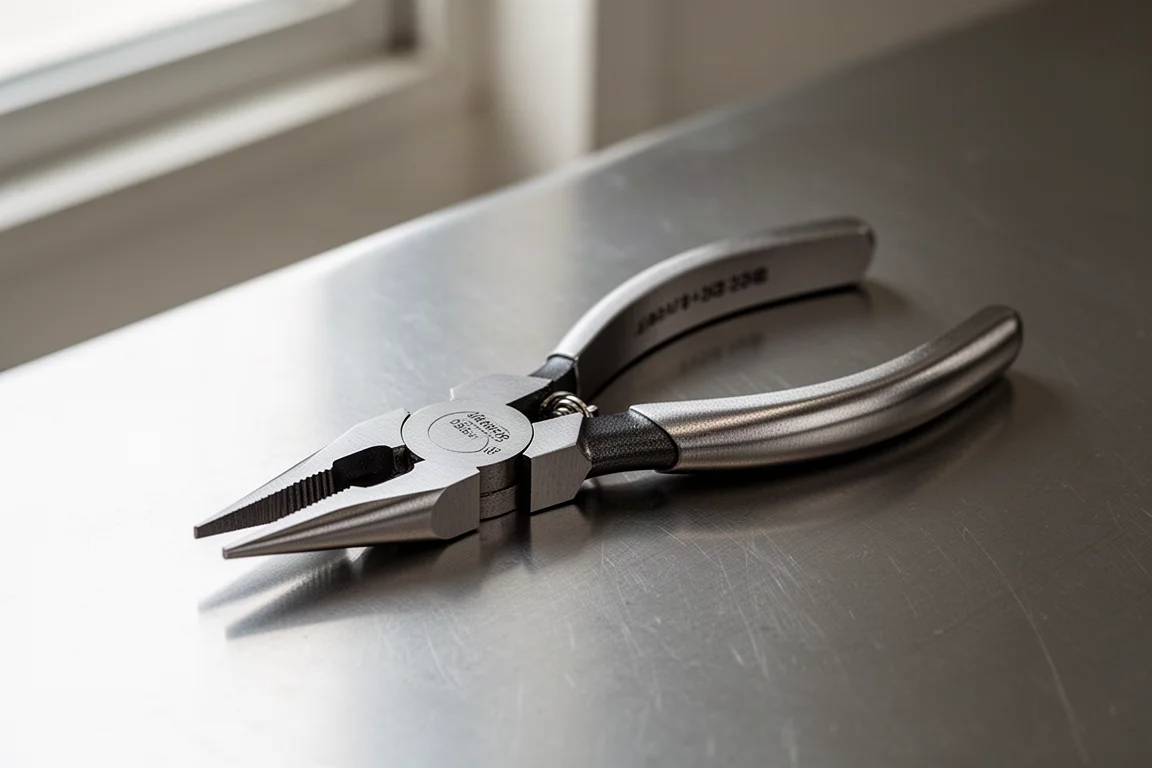
Engineer PZ-55
If you are choosing a non-locking plier specifically for working in tight spots around raised screw sections, the PZ-55 has an edge. Its more rounded tip seems to help it get past those raised sections, gripping a little better and sitting more flush against the fastener than similar designs.
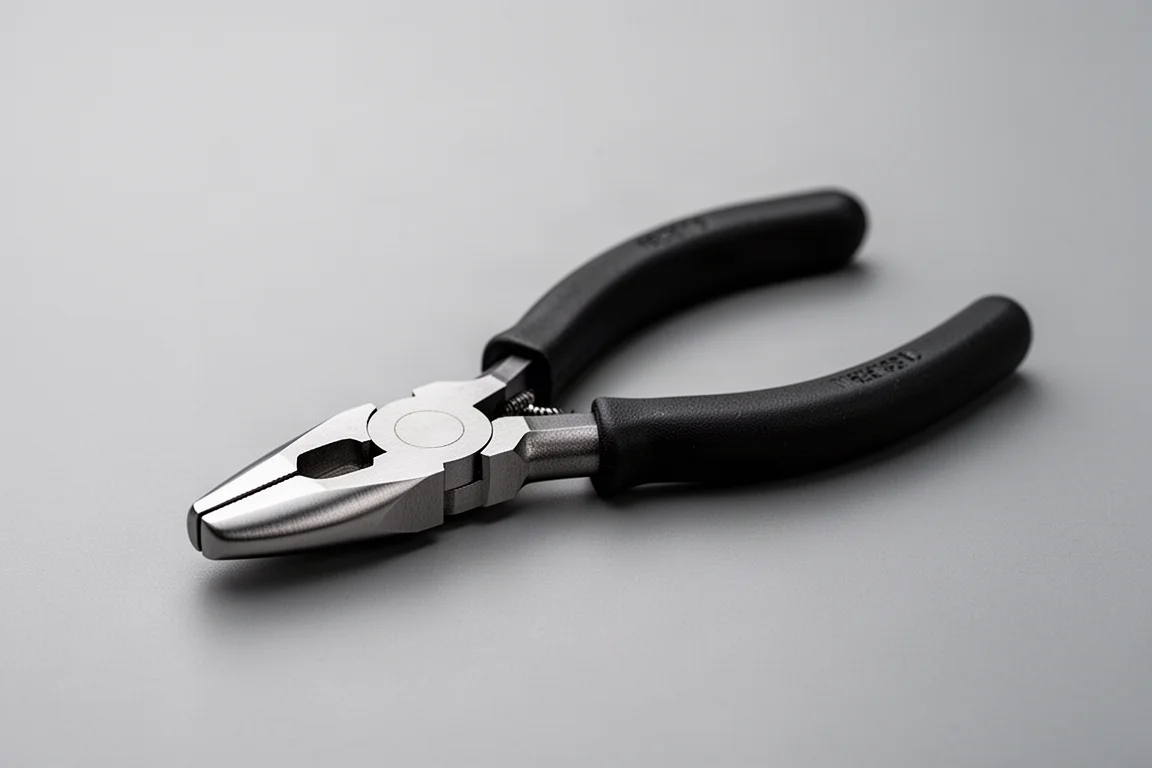
Engineer PZ-66
The PZ-66 is arguably the best performer straight out of the box, but it is genuinely difficult to find. The rounded tip makes it easy to slip into the crevices around knurled nuts, and it works without any modification on both the larger and smaller fasteners. The intended technique is to pair it with a locking plier on one side, holding one fastener steady while the other rotates. If you can track one down, it is an excellent choice.
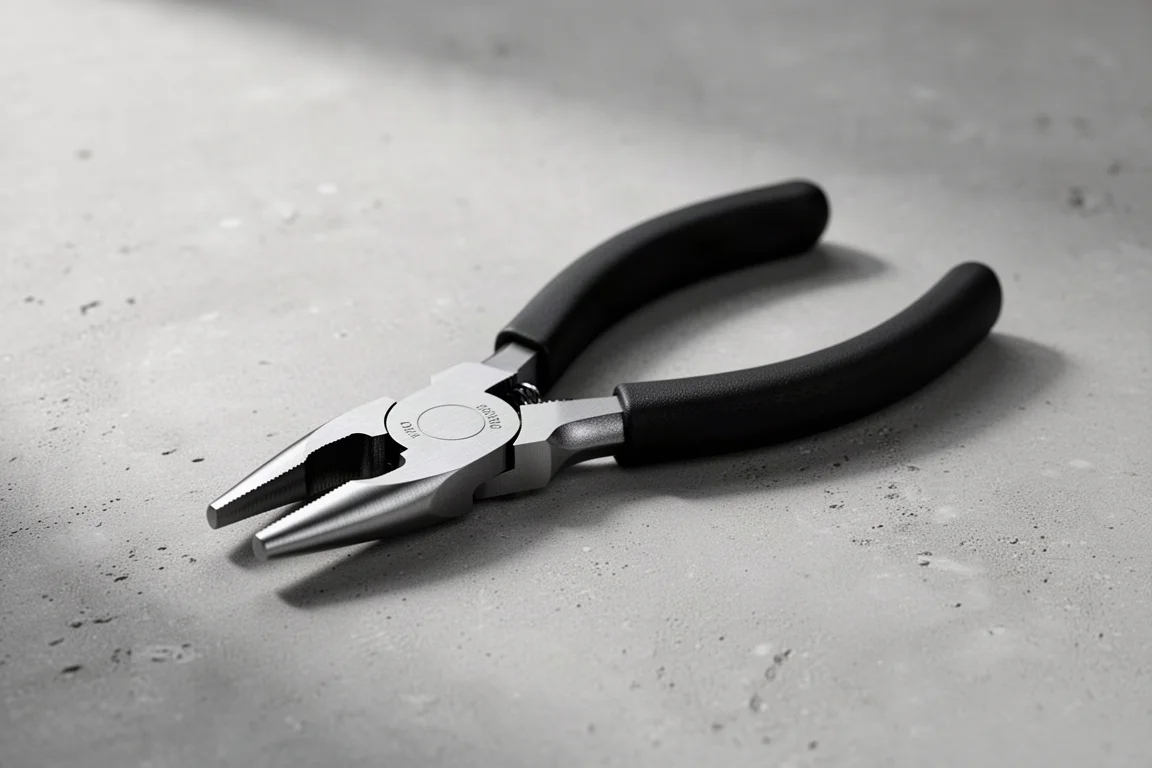
Engineer PZ-64
The PZ-64, which goes by several names depending on the market, has one design quirk: the front of the tip is flat rather than rounded. That flat face limits its usefulness on the tool side of a multi-tool out of the box. Spend a few minutes with a diamond file or sandpaper and round the tip slightly, though, and it becomes the better and more versatile tool, giving an even stronger grip on the larger nuts on the plier side. If you are willing to do that small modification, this is arguably the model to buy.
Buying Advice
All of the six non-locking designs that grip properly can succeed at this job, but the technique matters. Because non-locking pliers do not have enough leverage to hold on without slipping, you should always pair them so that only one of the two pliers in use is non-locking. Keep a locking plier on one fastener to hold it in place while the non-locking one rotates the other side.
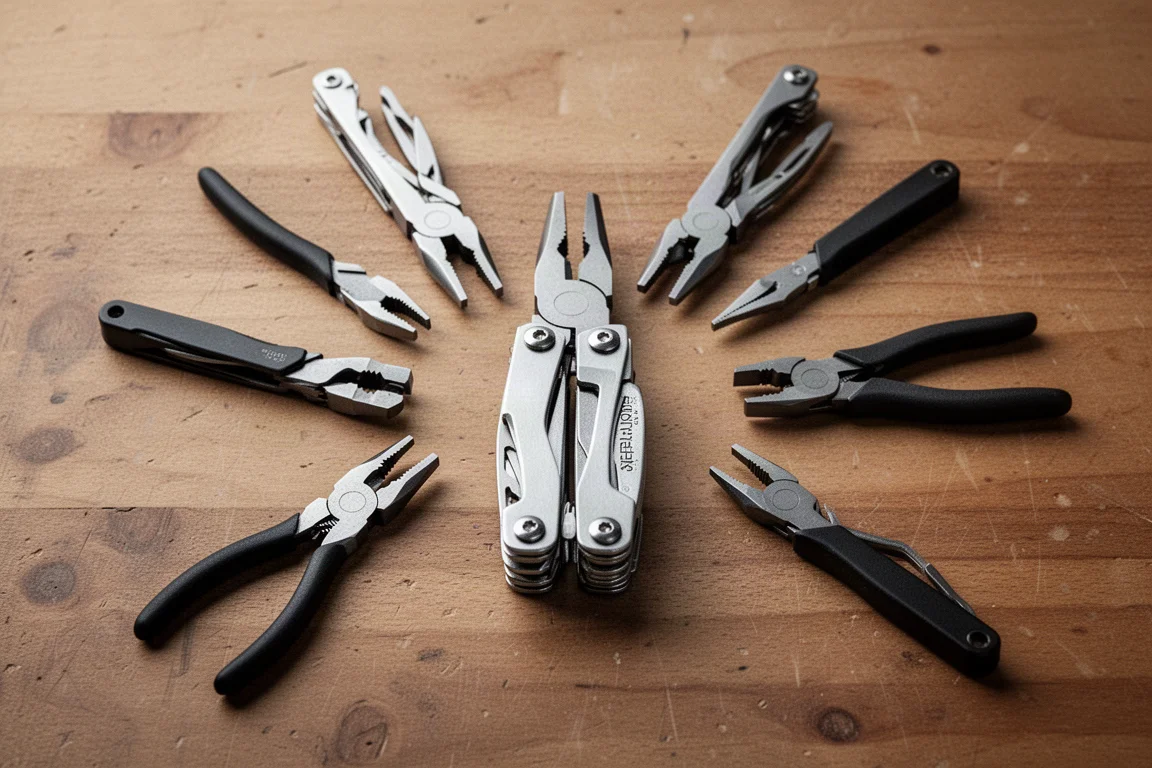
Gerber multi-tools are even easier: a single plier is enough to disassemble them. A lone Knipex TwinGrip will handle it with no problem, and any of the locking pliers will also function perfectly well on their own. If your target is Leatherman, remember that the Rebar and Bond are the two models where standard screw pliers struggle most, which is where the dedicated wrench sets shine.
Conclusion
Screw pliers have turned an infuriating problem into a manageable one. For Leatherman owners, a dedicated wrench set is now an affordable and readily available option. For everyone else, or for Gerber owners who only need one tool, the Knipex TwinGrip and the Engineer PZ-59 stand out as the strongest all-rounders, the PZ-66 is the best out-of-the-box performer if you can find it, and the PZ-64 becomes the most versatile option with a few minutes of tip modification. Whichever route you take, avoid the PZ-56, keep one locking plier in the pair, and your multi-tool fasteners will finally be safe to touch.
Further reading
Related Reviews

Tools
Best Contractor Grade Tape Measures 2026: Eight Models Tested Head to Head
We tested eight contractor grade tape measures from Milwaukee, DeWalt, Crescent Lufkin, Tajima, Stanley, Irwin, Gelan, and Craftsman to find the best value and performance.

Tools
Best Precision Screwdriver Sets 2026: Manual and Electric Options Compared
We compare 19 precision screwdriver sets, from budget manual kits to electric drivers, to find the strongest bits and best value.

Tools
Best Stud Finders 2026: Five Popular Models Put to the Test
We tested five popular stud finders on drywall, firewall, and lath and plaster surfaces to see which ones really find studs and avoid false readings.