Kitchen
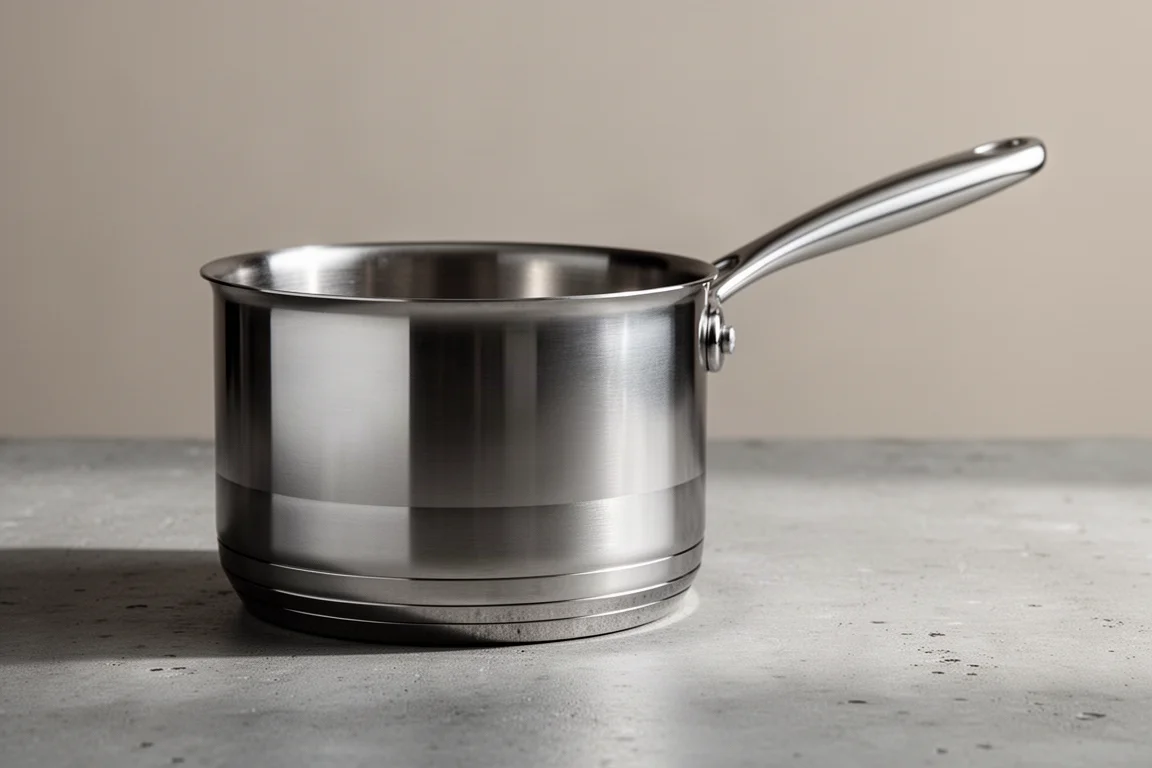
Best Saucepan: 13 Stainless Steel Sauce Pans Tested and Compared
We tested 13 highly rated saucepans for heat distribution, boil speed, handle grip, and real-world cooking to find which ones are worth buying and which to skip.
Introduction
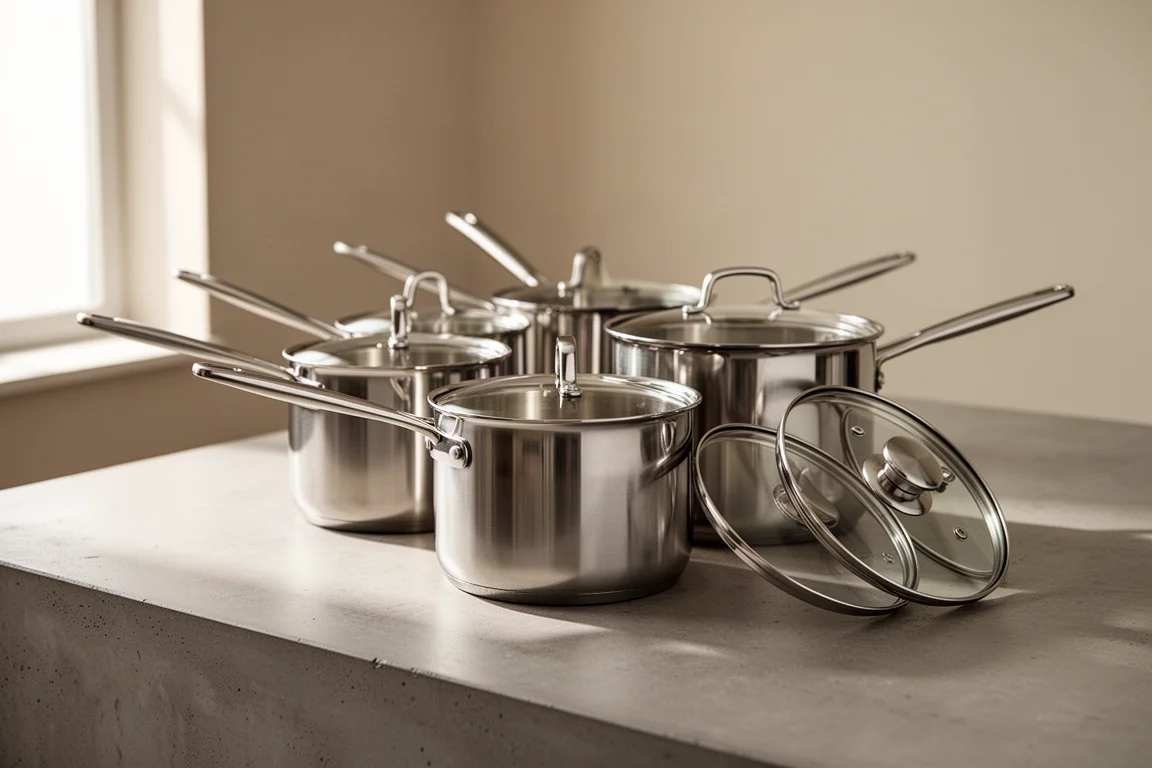
Is an expensive saucepan actually worth it, or do cheaper brands perform just as well? To find out, we tested 13 of the highest rated saucepans on the market, running controlled heat tests, boil timing, handle grip checks, and weeks of real cooking. This guide ranks the standouts, flags the pans to avoid, and helps you match a saucepan to your cooking style and budget.
How We Tested
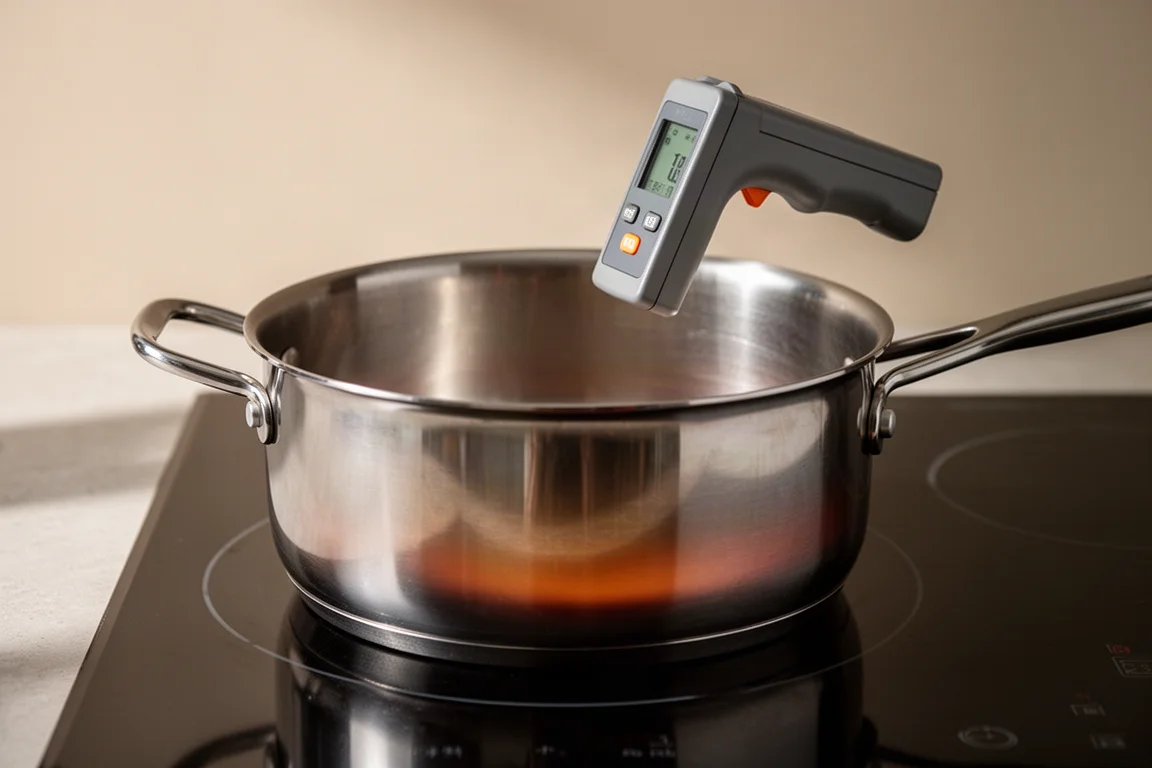
Every pan went through the same battery of tests. For heat distribution, each saucepan was preheated on medium for two minutes, then surface temperature was measured at the center, the outer edge, and halfway up the sidewall. For heating speed, we filled each pan with two quarts of water at the same starting temperature and timed how long it took to reach a boil on both electric and induction cooktops.
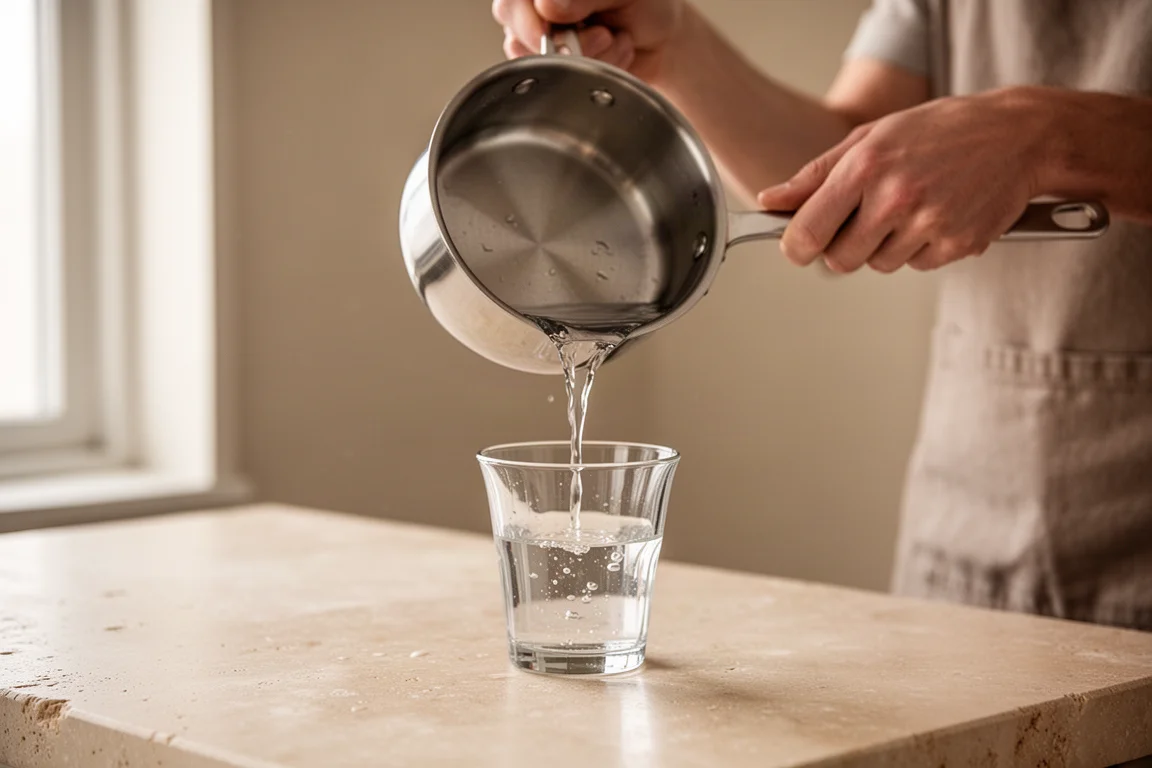
Responsiveness was measured by removing each pan from the burner and timing how long the boiling took to stop. Handle security was tested by pouring water with dry hands and again with oily hands, and we poured oil to see which rims dripped down the sides. We also measured how hot each handle got after ten minutes of boiling, shook each water-filled pan aggressively for two minutes to test handle strength, and cooked with every pan for several weeks. Specs like weight, cooking surface, handle length, and lid design were compared side by side.
Goldilocks 3 Quart Saucepan
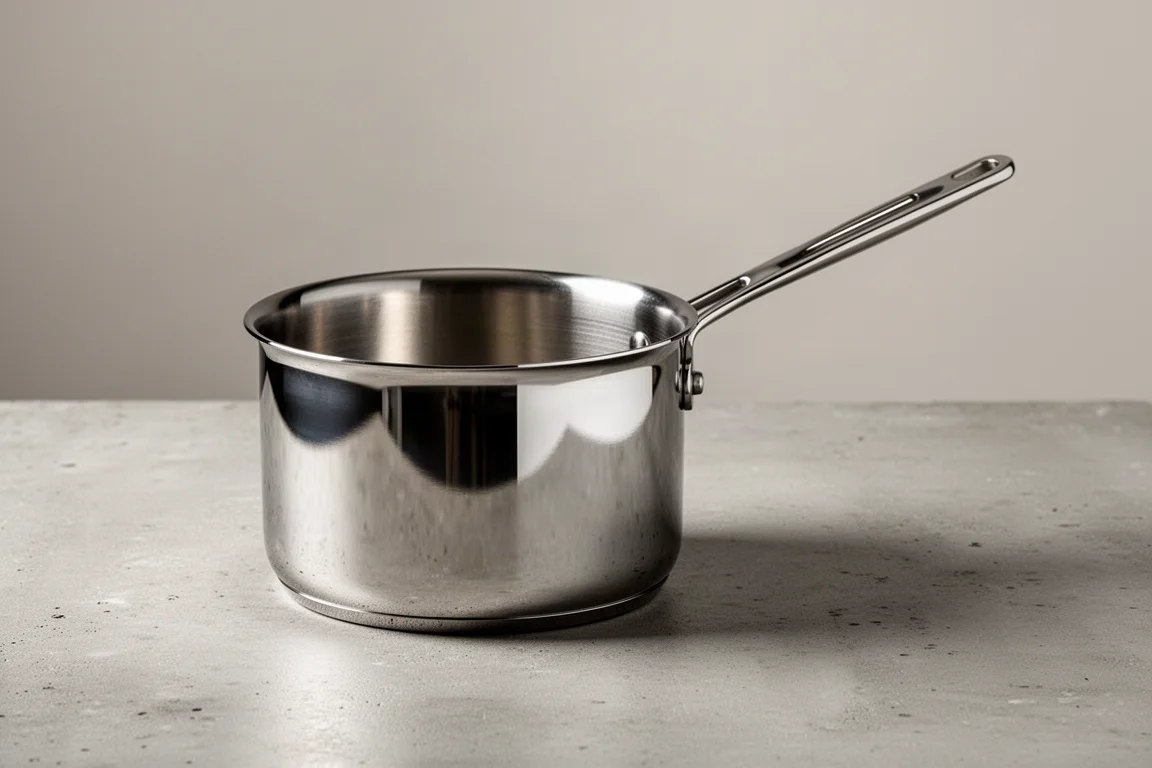
The Goldilocks 3 quart saucepan has a polished exterior and a thin handle with a groove on top that keeps it from rotating when you tilt it. We wish the handle were a little thicker, but the grip is secure. It was the second fastest to boil on induction, though only average on electric, and the temperature difference between the center, edge, and sidewalls was significant. For the price, it remains a great value pick.
Viking 3-Ply Saucepan
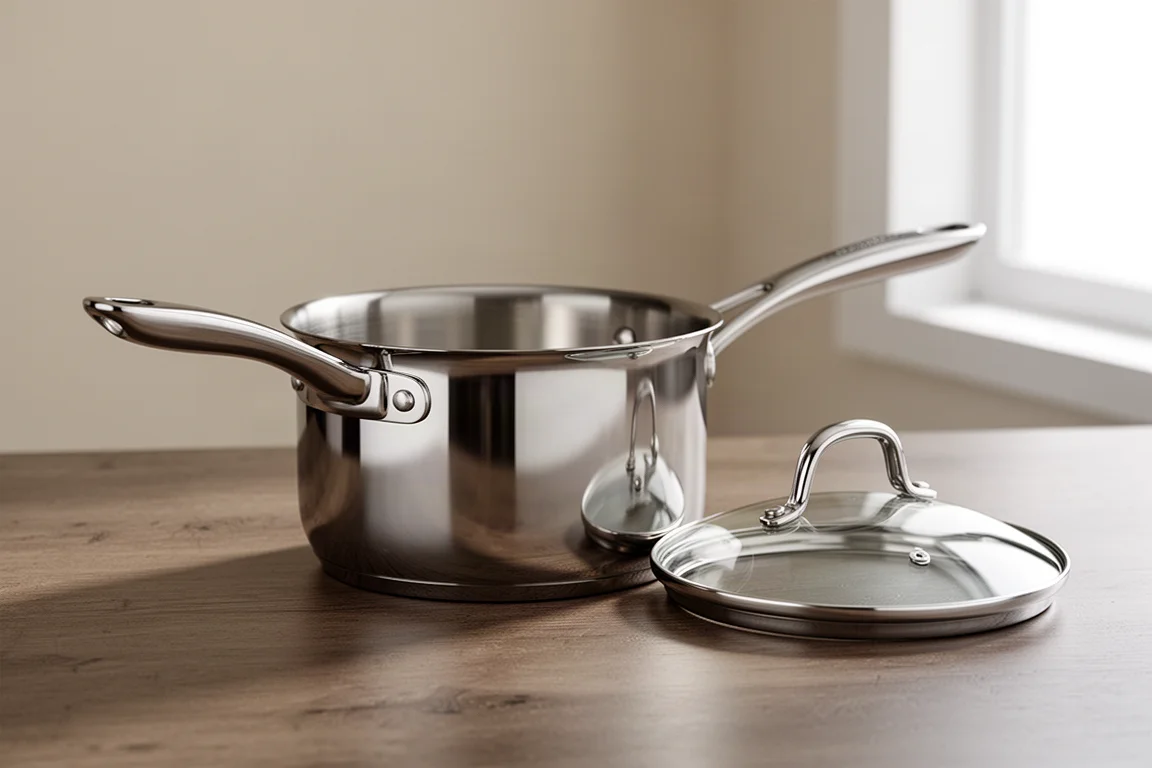
The Viking 3-ply saucepan has a polished exterior and measurement markings on the inside. The handle resembles the All-Clad D3 design but is curved instead of straight, and the groove is shallower, making it more comfortable. It reached the highest surface temperature of any pan after two minutes, was the second fastest to boil on electric, and is very responsive. The main complaint is the glass lid: the metal trim can trap water when washed, there is a breakage risk, and it fogs up so you cannot see inside anyway. Steel lids are easier to clean, more durable, and lighter. One more caveat: it is only sold as part of a set.
Legend Saucepan
Legend offers a polished exterior, measurement markings, a helper handle, and sealed rims. Most stainless pans leave the aluminum core exposed around the edge, and over time, especially with dishwasher use, that aluminum can recede and cause the steel layers to become sharp or separate. Sealed rims eliminate that risk entirely, making this a well-built pan. The major flaw is the handle: it is fully round, and with oily hands the difference between this and a grooved handle like the Viking’s was very noticeable. That grip issue is why it lands on the avoid list.
Heritage Steel Eater Series Saucepan
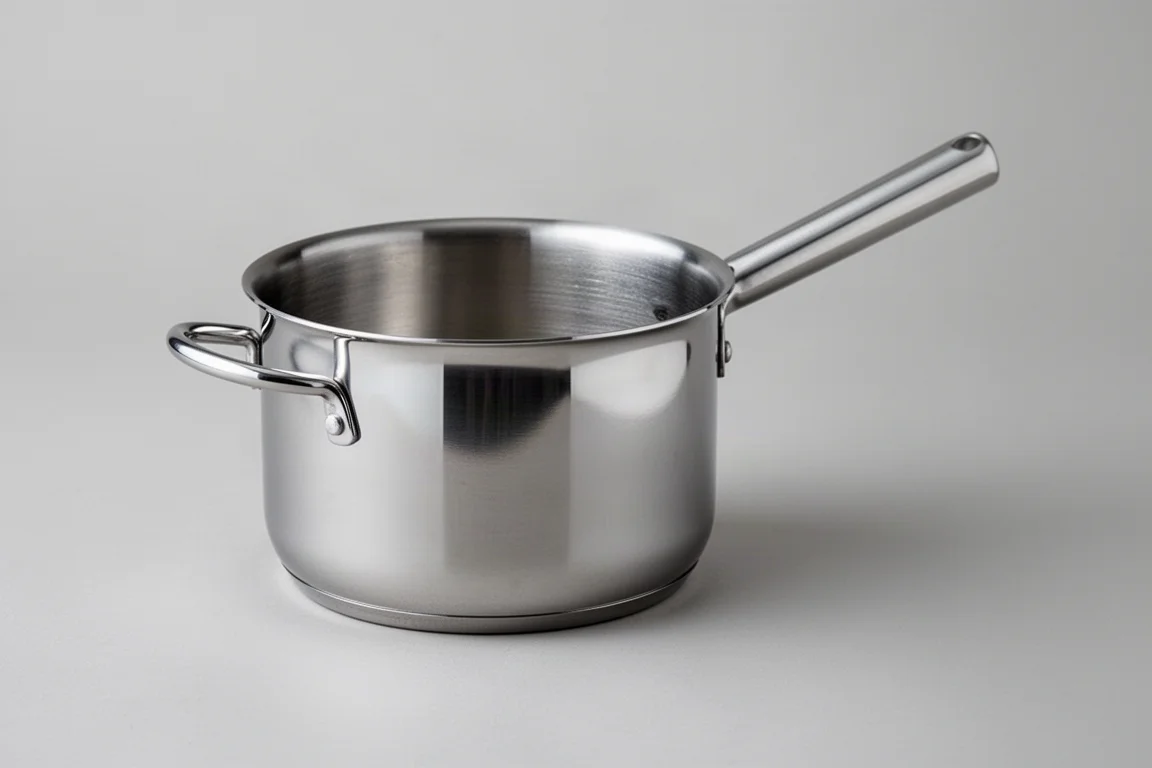
Made in Clarksville, Tennessee, the Heritage Steel Eater Series has a brushed exterior, which holds up better over time than polished finishes that scratch into a brushed look anyway. It was the lightest pan tested, making it noticeably easier to clean and maneuver in the sink. The handle was slightly slippery with oily hands, though not as bad as the Legend, and we wish it were a bit thicker with a slight groove on top. It got warmer than most handles after boiling but was still cool enough to grab. The rivets stick out more on the inside than any other pan tested, which can collect buildup and is slightly harder to clean around.
Caraway 3 Quart Saucepan
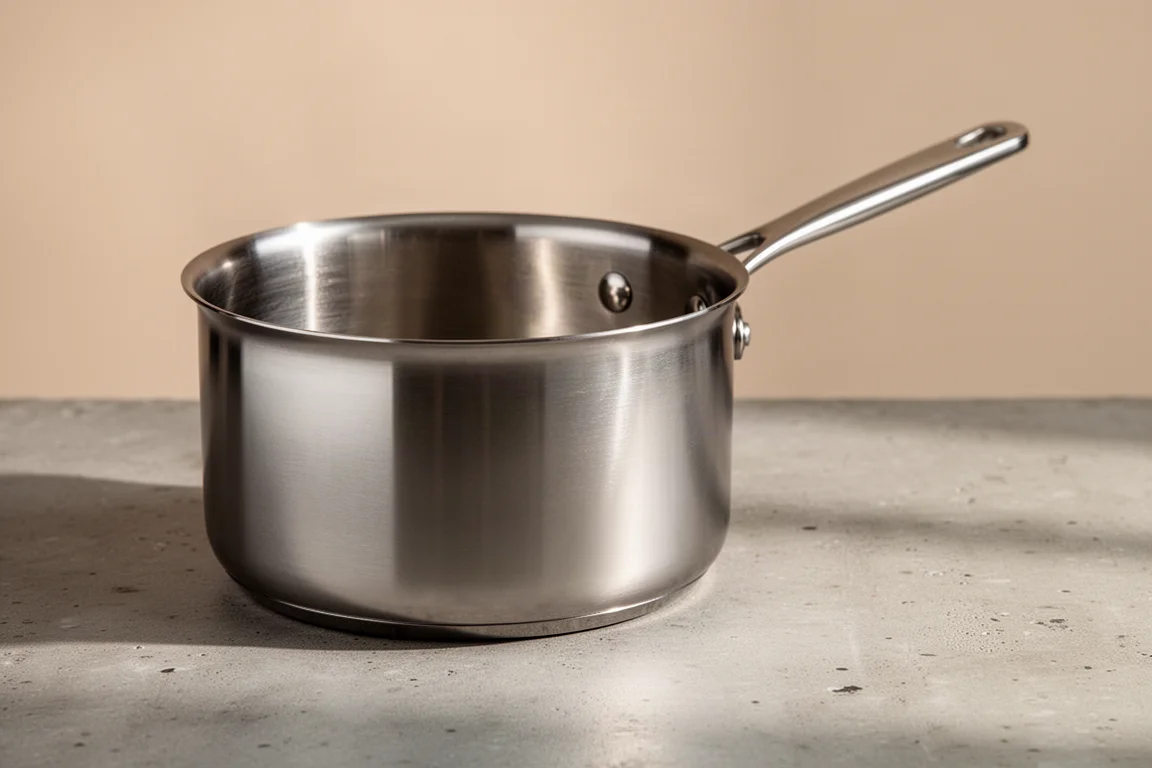
The Caraway 3 quart saucepan has a brushed exterior and a modern design with a more rounded bottom that makes it easier to reach the corners with a whisk. But the drawbacks add up. The flat lid with a full-span handle looks cool but is hard to clean under, and it is by far the heaviest lid tested. This is the only pan without flared rims, so oil dripped down the sides when poured. The round handle is slippery, and after ten minutes of boiling it reached 101 degrees, the hottest of any pan by a wide margin. The missing capacity marking on the bottom is a small but persistent annoyance. Overall, this is one we would skip.
Made In 4 Quart Saucepan
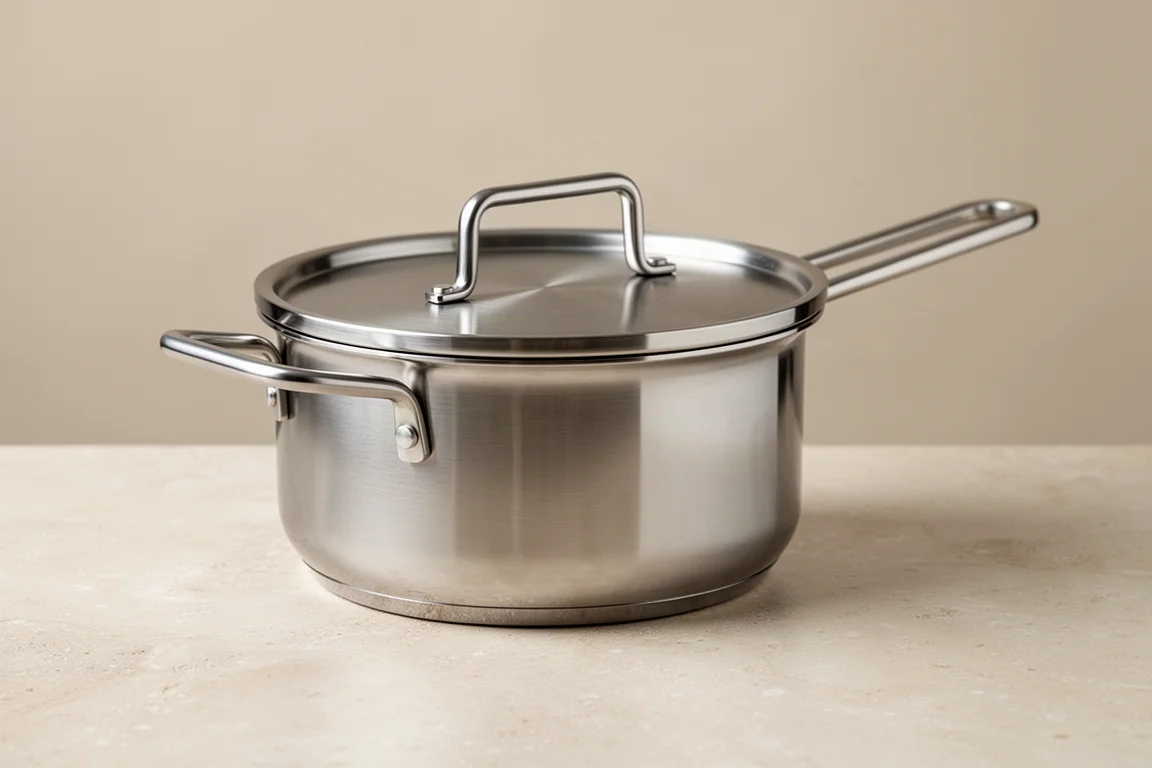
The Made In 4 quart saucepan has a brushed exterior and the tallest walls of any pan tested. The main handle is long, comfortable, and secure, and the helper handle is huge, with a wide enough gap to fit four fingers or an oven mitt. The lid handle is also large and easy to grab. It had the second smallest temperature difference between center and edge, so heat spreads across the base very evenly, and it was the fastest pan to boil on induction. Alongside the All-Clad D3, it is one of the strongest all-round picks here.
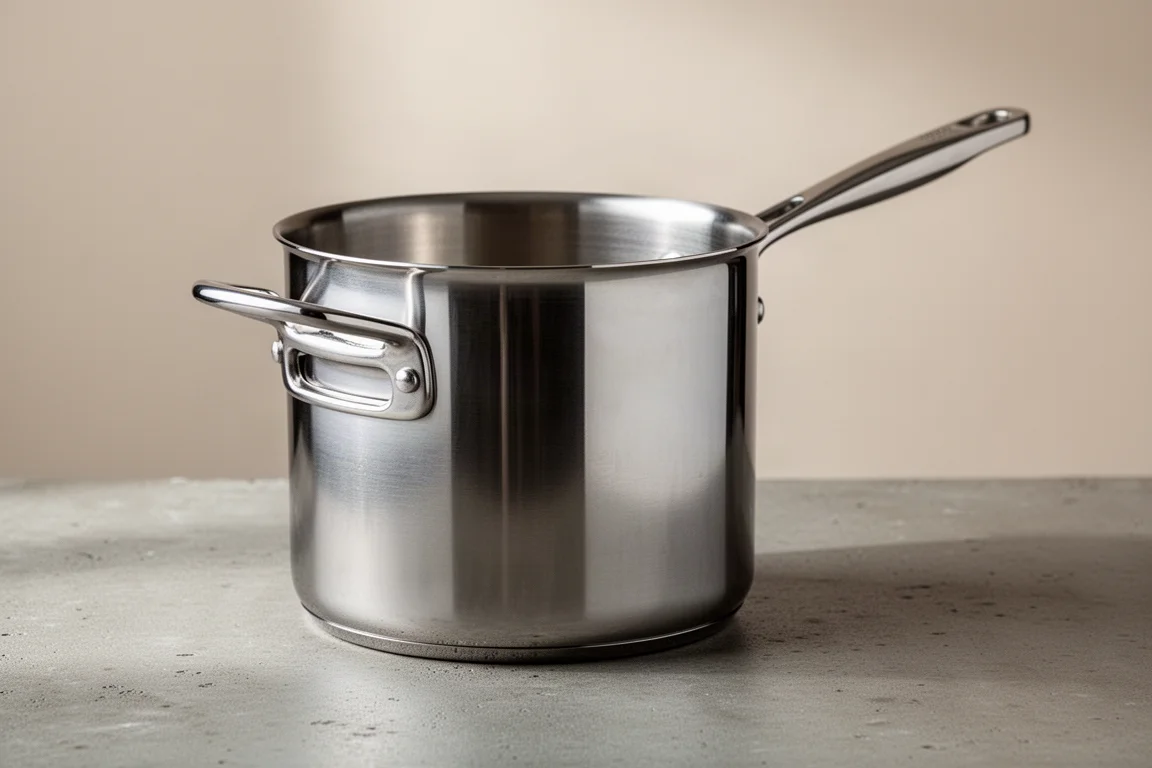
All-Clad D3 Saucepan
The All-Clad D3 has a polished exterior, flared rims, and excellent heat distribution with the third smallest temperature gap between center and edge. The standout feature is the handle: the second longest of any pan tested, the coolest on the stove, and with a deep groove on top that really locks your hand in place. Even with oily hands or an oven mitt, this handle does not slip. On a saucepan, where you are pouring boiling water or tilting a pot full of sauce, that level of grip matters. The downside is comfort, as the edges can dig into your hand, the most common complaint about the D3. For a saucepan, we think the safety is worth the trade-off. It is our overall top pick.
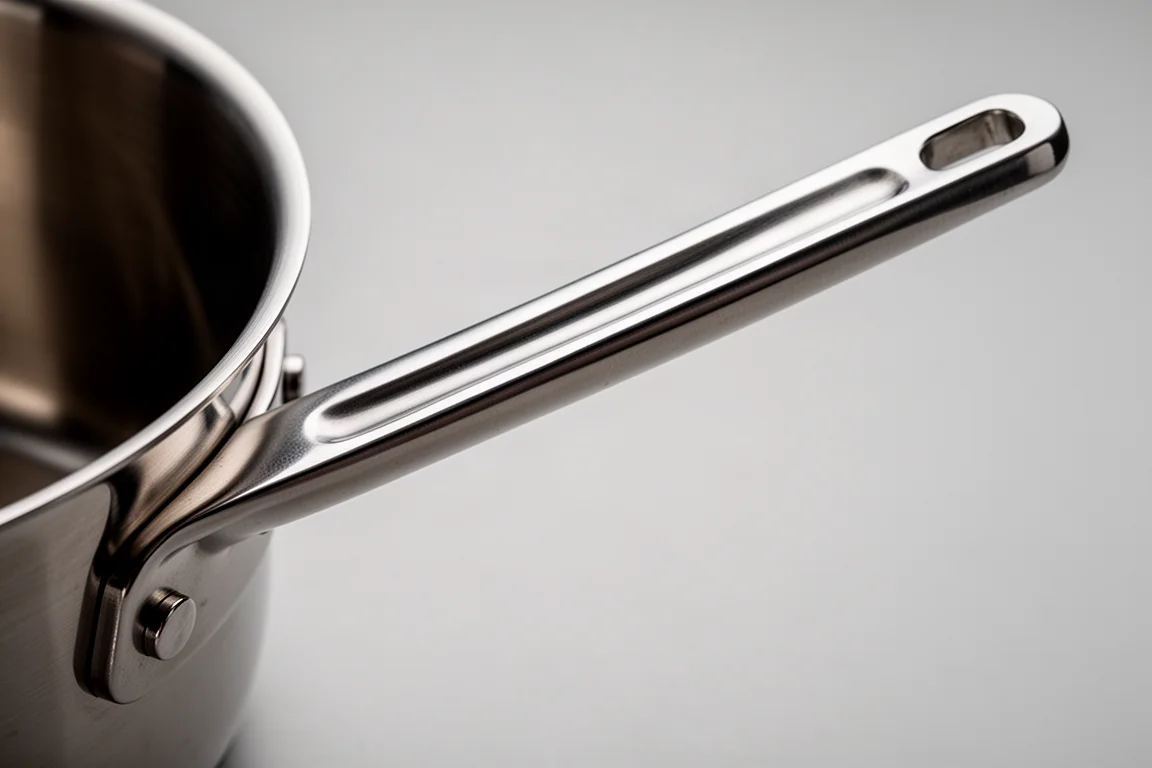
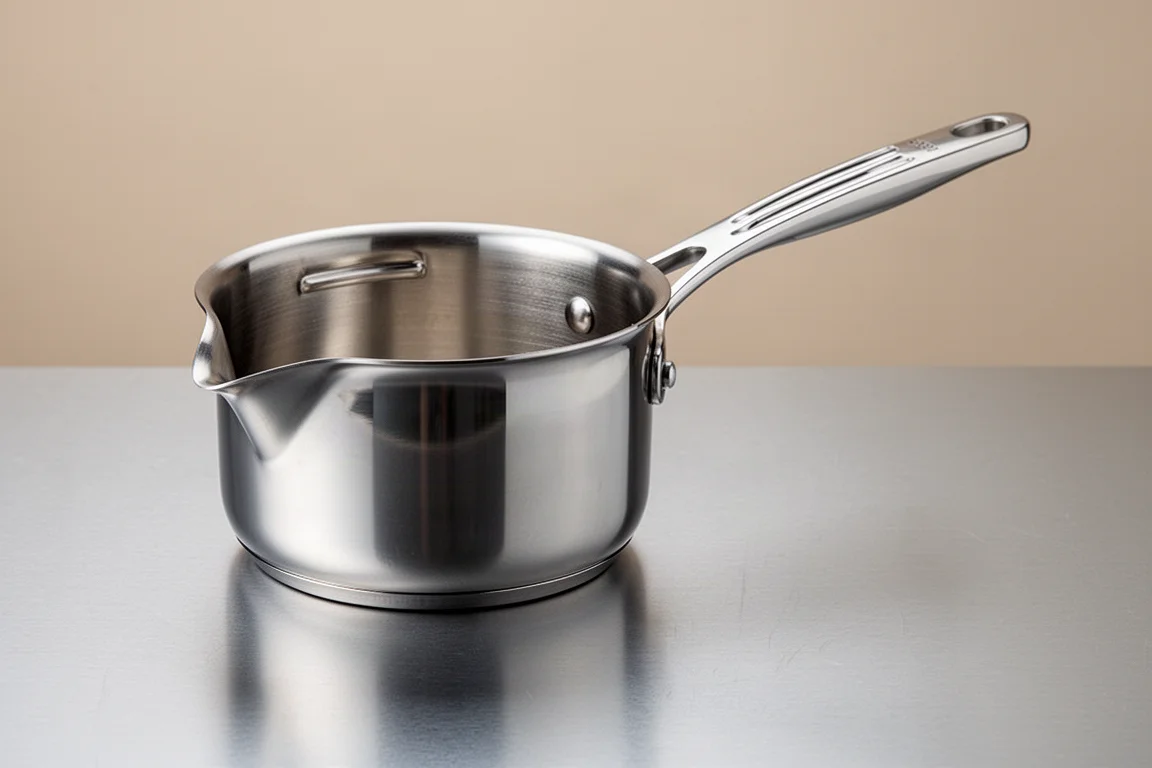
All-Clad D3 Everyday Saucepan
The All-Clad D3 Everyday is the same pan, same lid, and the same price as the All-Clad D3. The only difference is the handle. The groove is much more subtle and the edges are smoother, so it is a lot more comfortable to hold. It is still more secure than the fully rounded handles on pans like the Legend and Caraway, but your hand is not as locked in place as on the standard D3. If handle comfort is your priority, this is the version to get.
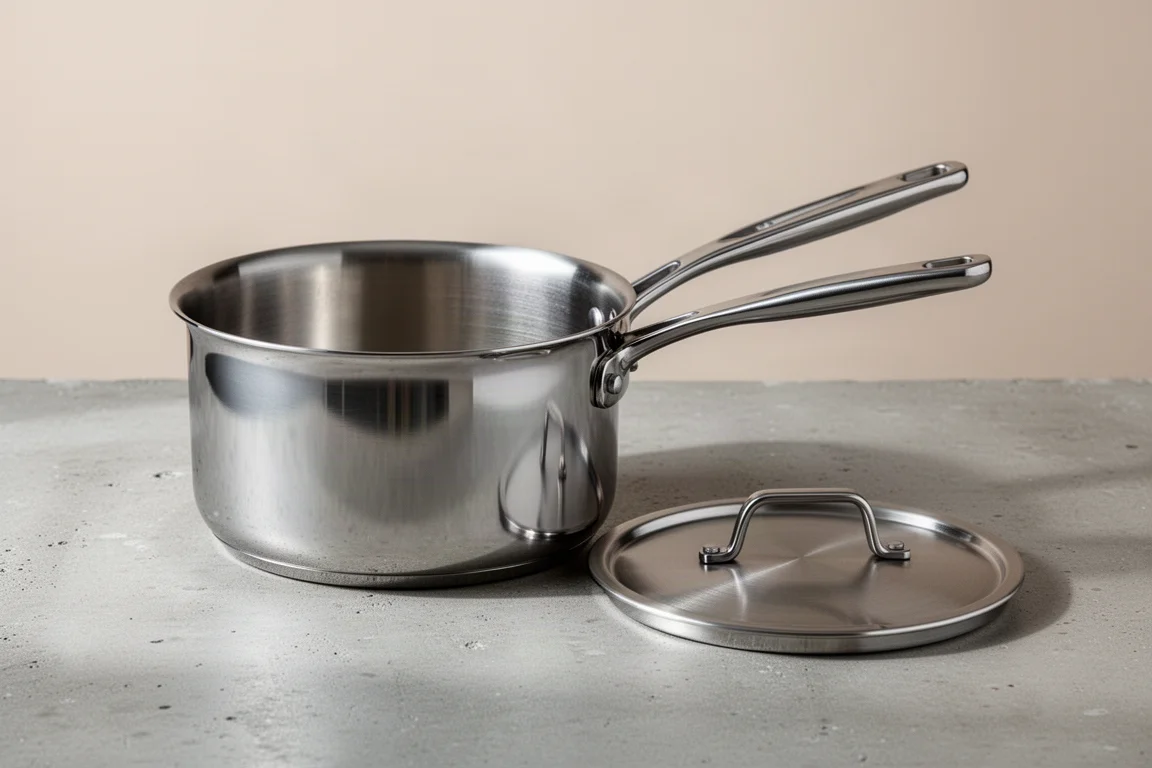
Demeyere Industry Saucepan
The Demeyere Industry is the smallest pan tested at just 2.3 quarts. It is made in Belgium with a brushed exterior, sealed rims, and a completely rivetless interior. The flat handle has a slight rough texture that keeps it secure, and a wide fork at the base disperses heat while keeping it cool. The lid handle is fine, but its boxy design only comfortably fits three fingers. A solid, thoughtfully engineered option if a smaller capacity suits your household.
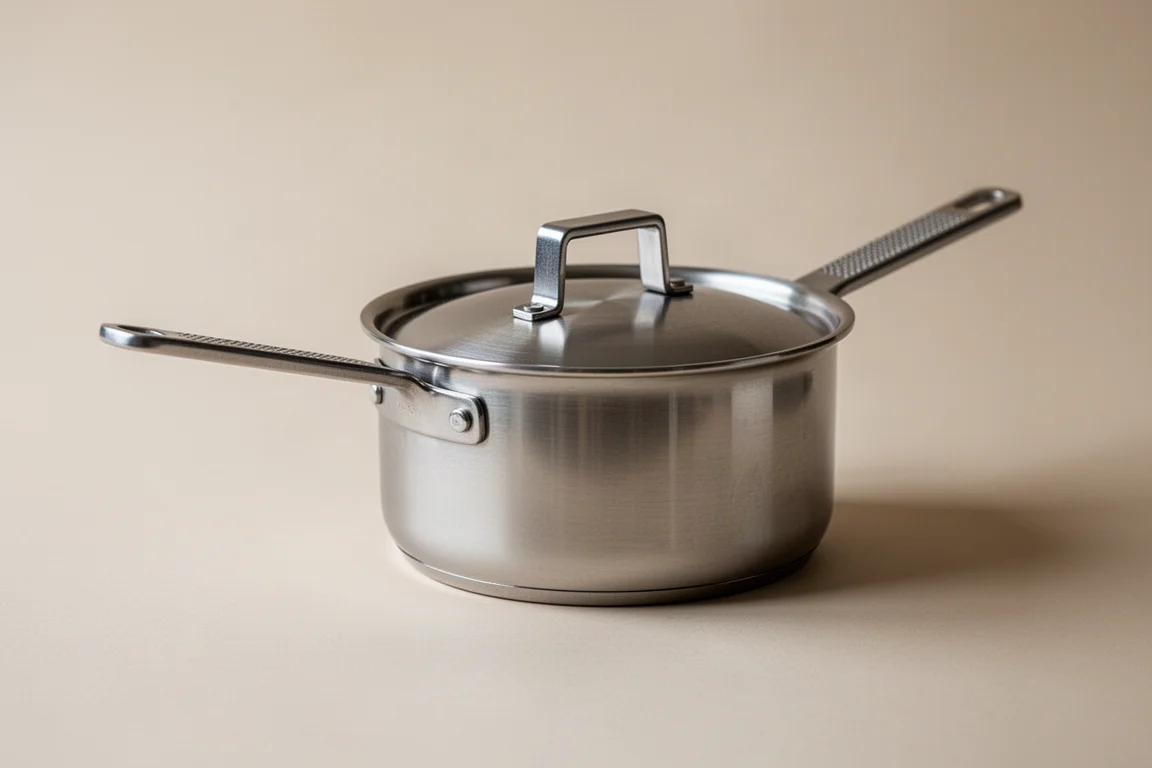
Fissler M5 Pro-Ply Saucepan
The Fissler M5 Pro-Ply is made in Germany with a brushed exterior, sealed rims, no rivets, and measurement markings on the inside. It has a large helper handle and very flared rims that keep oil from dripping down the sides. The problem is the main handle: it is very round, gets slippery when you tilt the pan, and the pan was one of the slowest to boil on both electric and induction. Despite the premium build, the grip and heating performance hold it back.
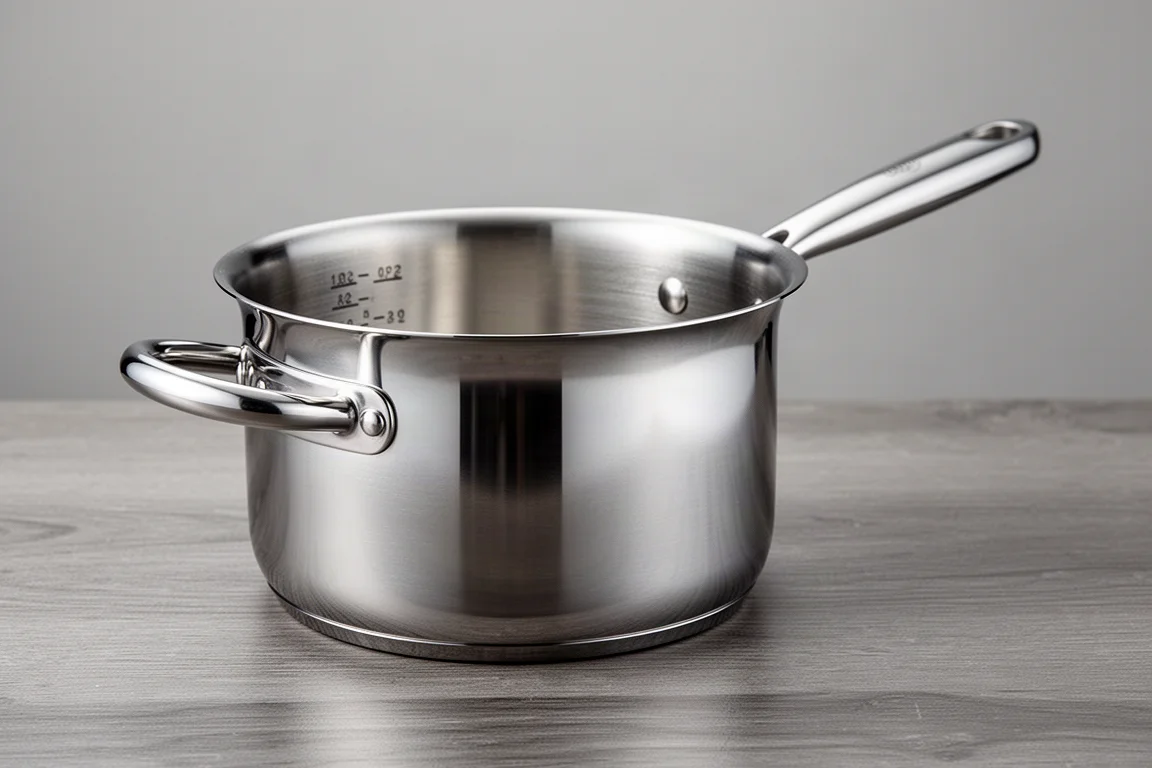
All-Clad Copper Core Saucepan
The All-Clad Copper Core has a polished exterior, flared rims, and an elegant copper ring around the bottom. It uses the same cup-shaped handle as the D3 but with a cutout to disperse heat, and it is a touch longer; in fact, it is the longest handle of any pan tested. Along with the Fissler, it is one of only two three-quart saucepans tested with a helper handle. The headline feature is the copper core: copper conducts heat faster than aluminum, so in theory this pan should heat faster and be more responsive, though copper is heavier, making it tied for the heaviest tested. In practice, we did not see a meaningful performance advantage over aluminum-core pans in testing or real cooking. It is a high-end looking pan that performs well, but the difference is not noticeable enough to justify the significantly higher price.
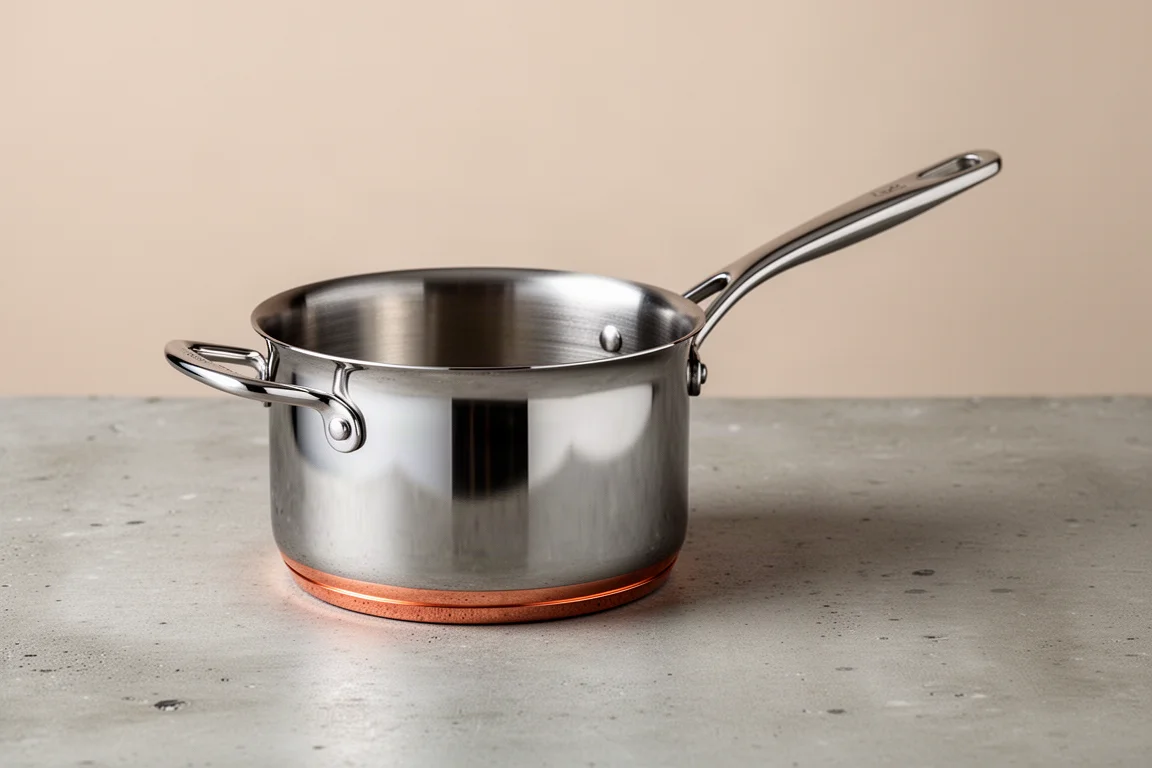
Demeyere Atlantis Saucepan
The Demeyere Atlantis has a unique two-toned brushed exterior, rivetless welded handles, and a thick seven-ply base that sits perfectly flat on the cooktop, paired with thin single-ply steel walls. Because of the thick base, the temperature was the most even between center and edge of any pan tested. Because the conductive layers are only in the base, the sidewalls heat much slower. It was one of the fastest pans to boil on electric but slower on induction. It is tied for the heaviest pan tested, and the thick disc makes it extremely bottom-heavy and awkward to tilt. The nearly vertical walls meeting the base at close to a 90-degree angle make it hard to reach the corners with a whisk, the rounded handle gets somewhat slippery, and pouring and washing put a decent strain on the wrist. One caution worth knowing: a welded Demeyere Atlantis frying pan handle broke off during earlier testing. This saucepan’s handle survived the aggressive shake test, as did every other handle tested, but welded handles are not indestructible. If you ever notice one starting to wiggle or loosen, stop using it.
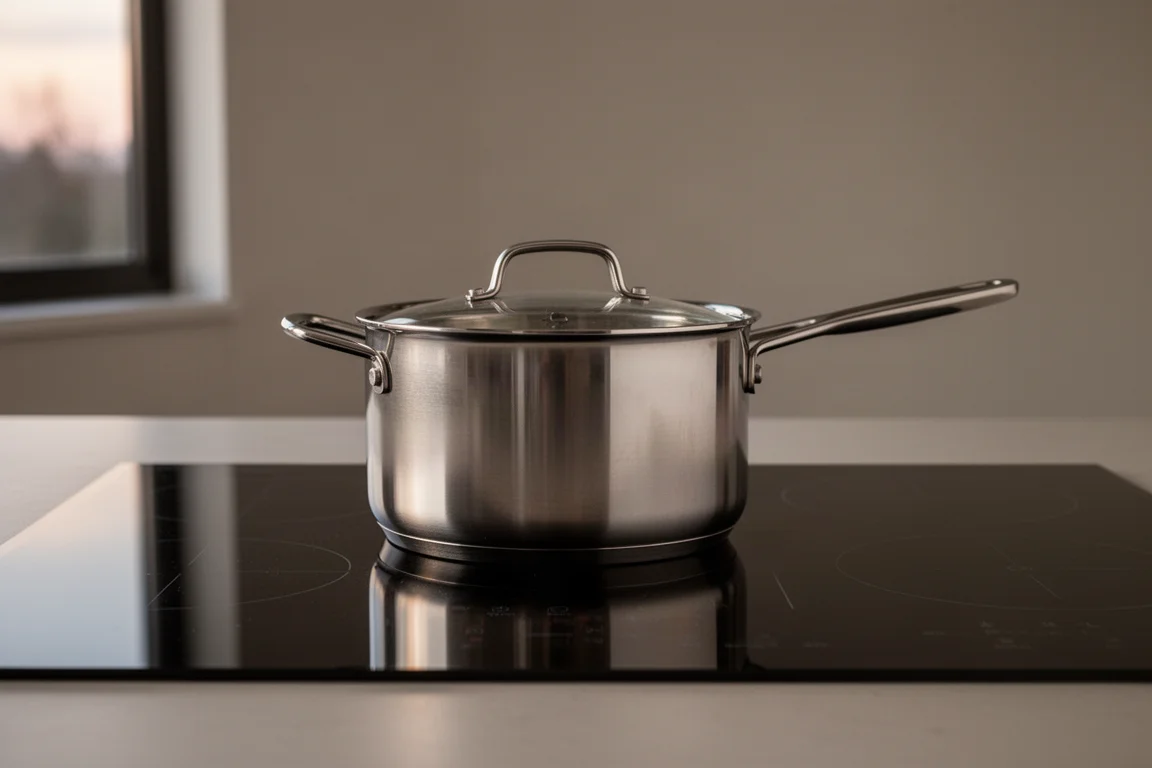
All-Clad G5 Saucepan
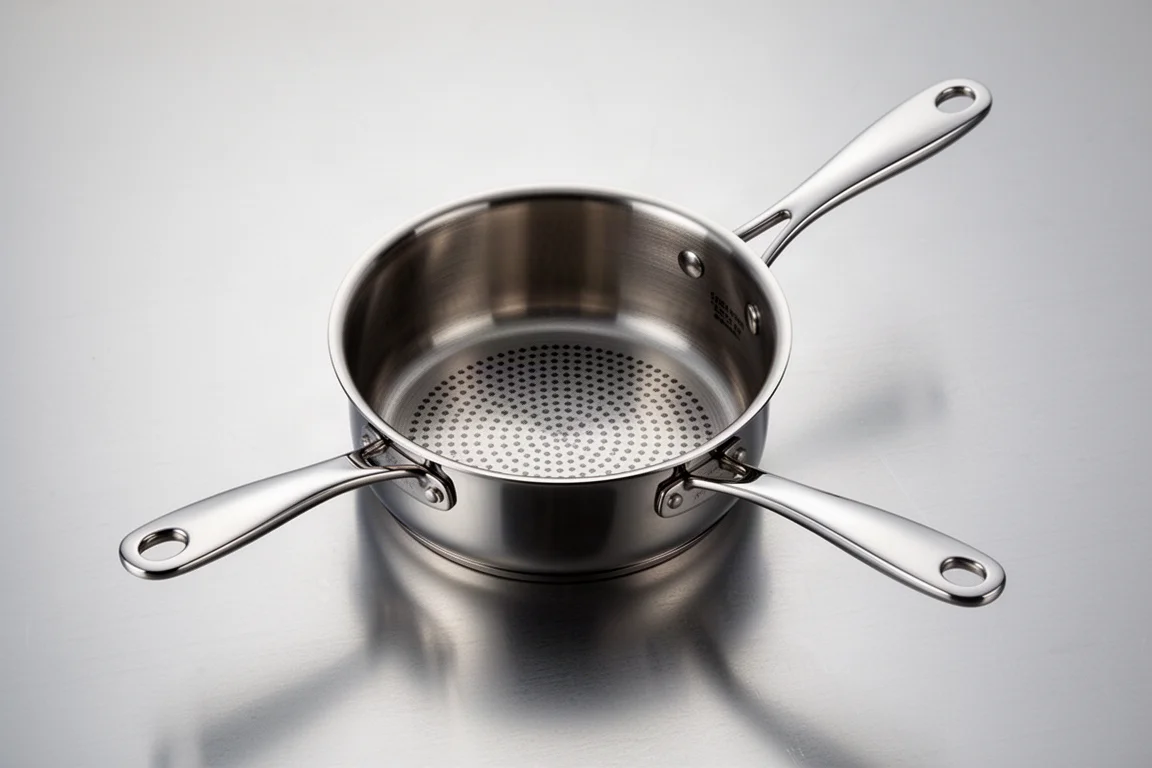
The All-Clad G5 is the most expensive saucepan tested. Instead of a standard aluminum or copper core, it has a perforated graphite disc in the center. Graphite conducts heat faster than copper but weighs significantly less, so the idea is faster heating without as much weight. You can actually see the perforated disc through the cooking surface in certain light. It shares the D3 Everyday handle and adds a large helper handle. In testing, it was the fastest pan to boil on electric, but surprisingly came in eighth place on induction. It is well made, but like the Copper Core, the performance advantage over the standard D3 is minimal while the price is significantly higher.
Which Saucepans Are Worth Buying
If we had to pick one saucepan, it would be the All-Clad D3. It was not the absolute best in every single test, but the handle is the most secure tested, it stayed the coolest on the stove, heat distribution is solid, and it performed well on both electric and induction. If the lack of comfort is a dealbreaker, the All-Clad D3 Everyday gives you the same pan with a more comfortable handle. Made In is another solid option with its large helper handle and excellent induction performance, and Goldilocks is a great value.
The Demeyere Atlantis is not for everyone, but if you want the most even heating base, an extremely thick warp-resistant bottom, and you do not mind the extra weight, it is worth considering. On the other end, we would not buy the Caraway, Fissler M5 Pro-Ply, or Legend, mainly because of the rounded handles. The Viking is likable, but the glass lid is a weak point and it is only available as part of a set. The All-Clad Copper Core and G5 are both well-made pans, but their performance advantages over the standard D3 are minimal and the prices are significantly higher.
Conclusion
Across 13 saucepans, the pattern is clear: a secure, well-shaped handle and even heating matter more than exotic core materials. The All-Clad D3 earns the top spot for that reason, the D3 Everyday and Made In are excellent alternatives, and Goldilocks proves you do not need to spend a lot for solid performance. Skip the pans with slippery round handles, and think twice before paying a premium for copper or graphite cores that did not show a meaningful real-world advantage.
Further reading
Related Reviews
Kitchen
Best Nonstick Frying Pans Compared: 11 Skillets From $16 to $185, Tested
Eleven nonstick frying pans go head to head in pancakes, eggs, heat distribution, thermal efficiency, and scratch resistance to find out whether a cheap pan can really compete with a premium one.
Kitchen
Vivor Stainless Steel Kitchen Sink Review: A Solid Drop-In Upgrade With One Weak Spot
An all-stainless single-basin drop-in sink with easy-clean rounded corners and a drain-sloped base, at a roughly $200 price point.
Kitchen
Best Bamboo Steamers: Two Tested Picks for Dumplings, Bao, and More
After hands-on steaming tests with dumplings and bao, two bamboo steamers stood out for build quality and staying in alignment.