Safety Gear
Best Safety Glasses for Workshop and Outdoor Work: 8 Pairs Compared
Eight practical safety glasses for drilling, sawing, fence building, and fine work, with honest notes on fit, fogging, and coverage.
Introduction
Eye protection is one of those things that only feels optional until the moment something goes wrong. A quick drill job, a short saw cut, a hammer strike that sends a chip flying: that is usually all it takes. The good news is that decent safety glasses are inexpensive, widely available, and comfortable enough that you have no excuse not to keep a pair within arm’s reach.
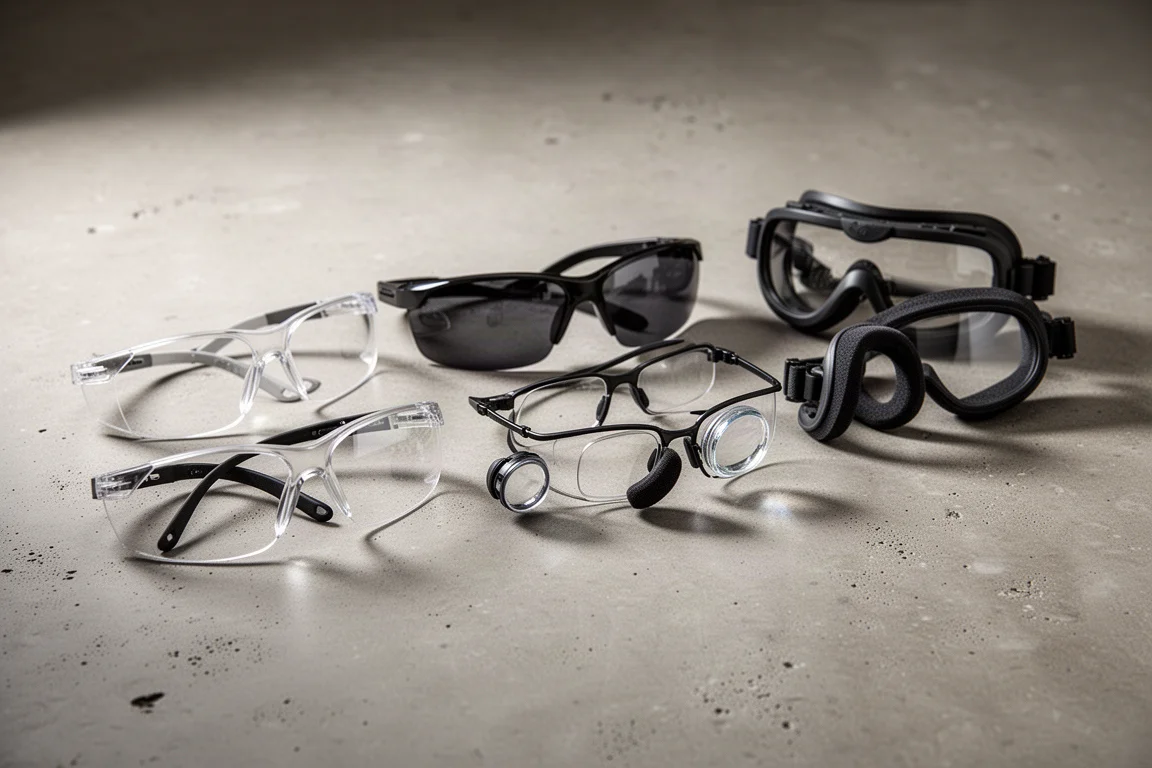
This roundup covers eight pairs that cover the main use cases: everyday clear-lens work, bright outdoor jobs, magnifying readers for fine work, and gasketed designs that seal out more debris. None of these are exotic. That is the point. Anything covering your eyes beats nothing at all, and the biggest habit worth building is simply keeping a pair handy.
Snap-On Clear Safety Glasses
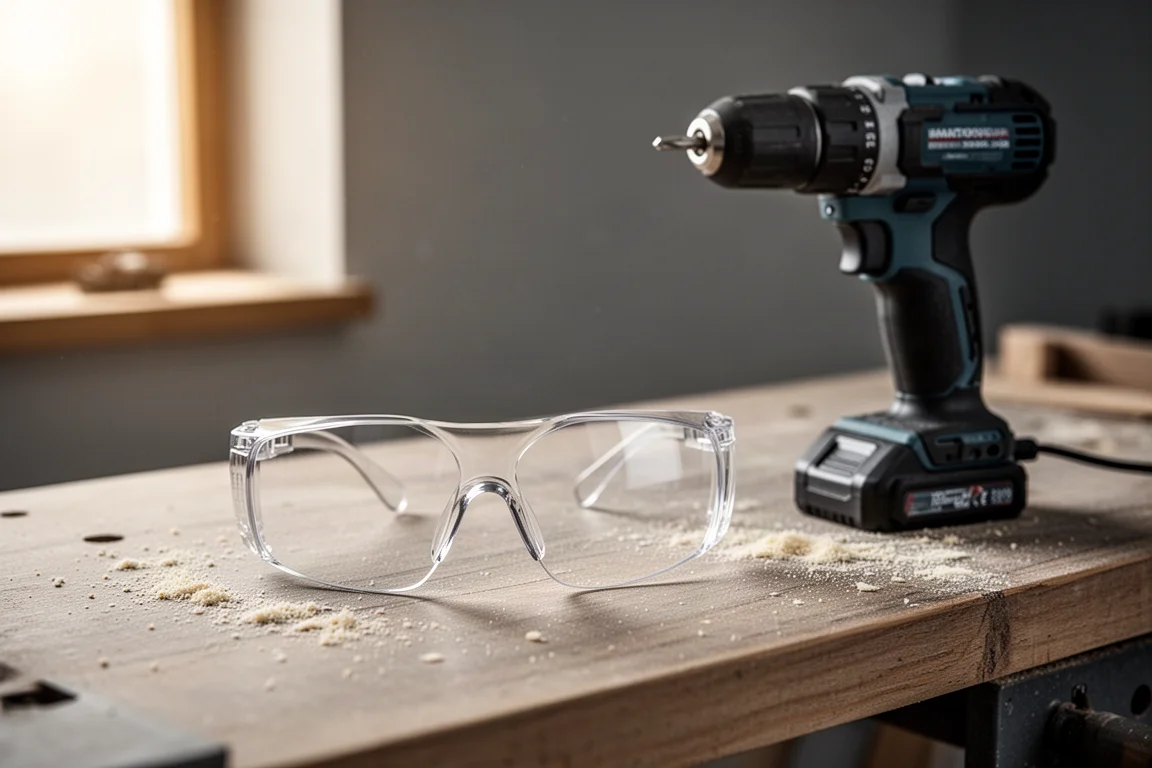
These clear Snap-on pairs are a long-standing favorite for general workshop use. Snap-on rebrands them from other manufacturers; for a while they came from Uvex, a large goggle maker also known in the ski industry. They are inexpensive and fit well, with temples that adjust both vertically and in extension, which matters more than most people expect because ears are not always positioned symmetrically on either side of the head.
The adjustable temples also let you angle the glasses differently depending on the job, for example tilting them to reduce the chance of debris flying up underneath the lens. For everyday painting, drywall, and drilling, this is an easy recommendation.
Milwaukee Dark-Tinted Safety Glasses
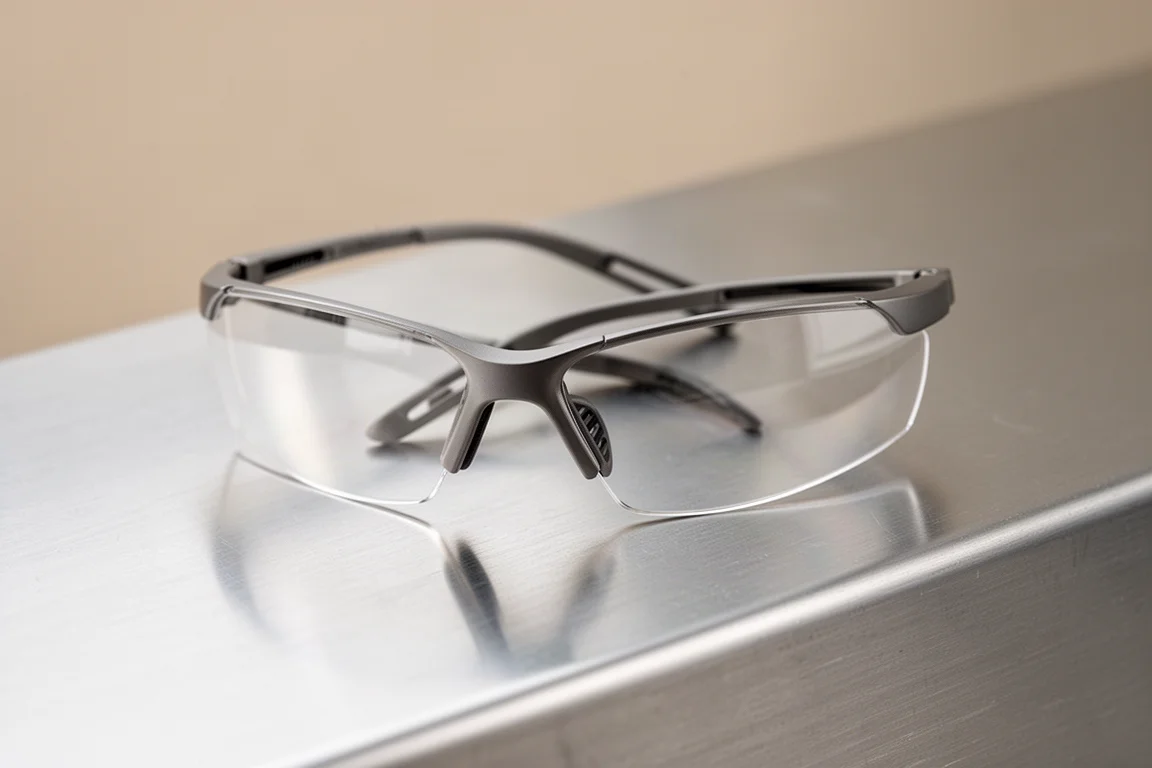
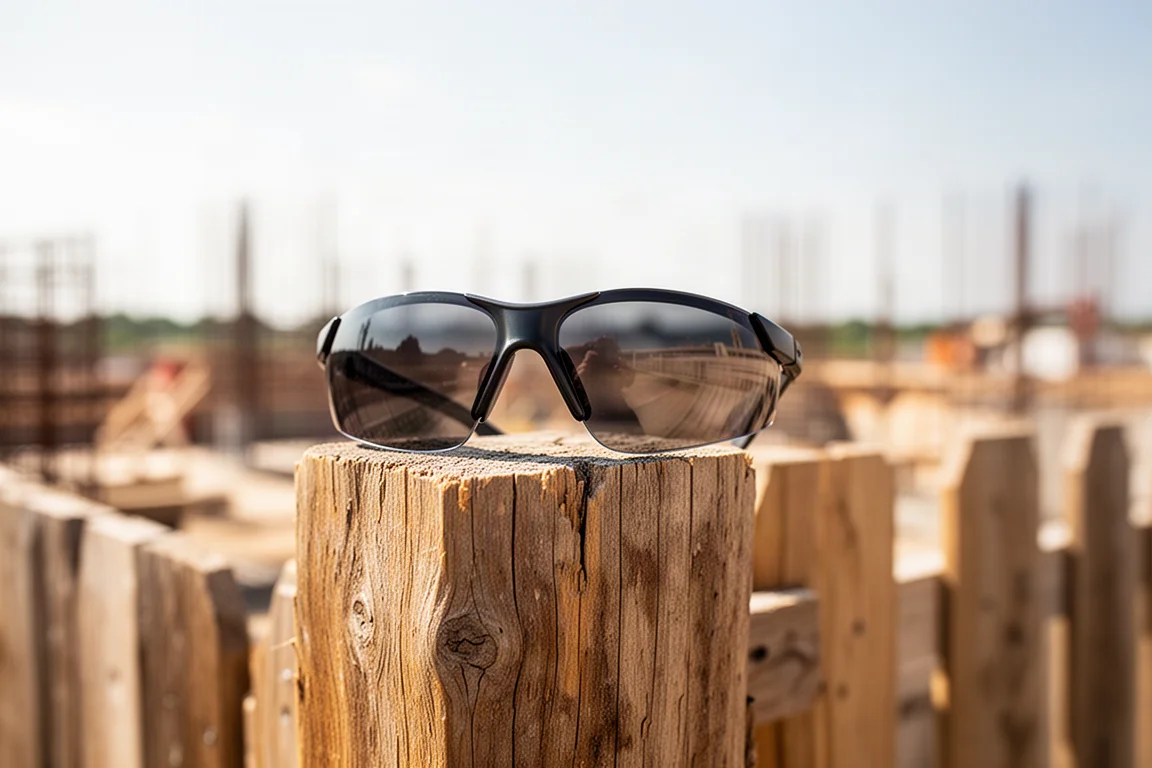
For bright outdoor work, a darker lens makes a real difference. This dark pair from Milwaukee has seen a lot of use on fence building and other open-air jobs where glare and sun make clear lenses uncomfortable.
The trade-off is obvious: dark lenses are not ideal indoors or in low light, so these work best as a second pair rather than a single do-everything solution. If you spend full days outside, though, a tinted safety lens keeps you protected without squinting through every task.
3M Readers 2x Safety Glasses
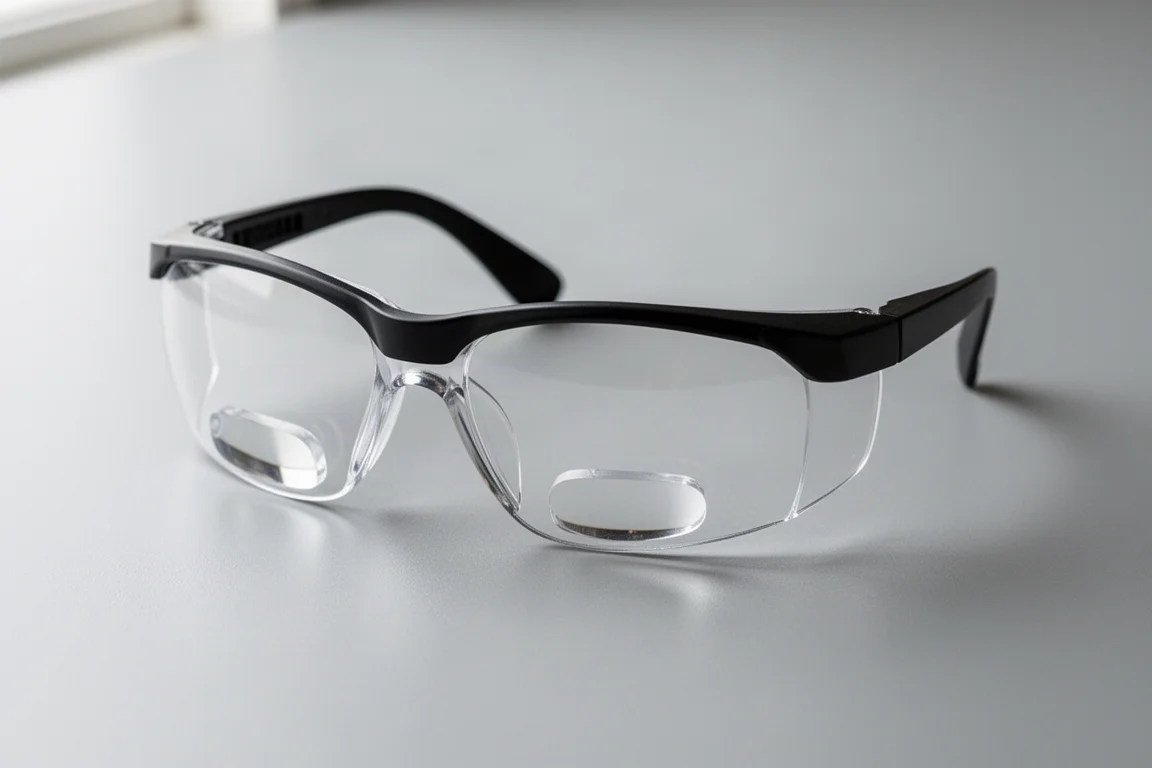
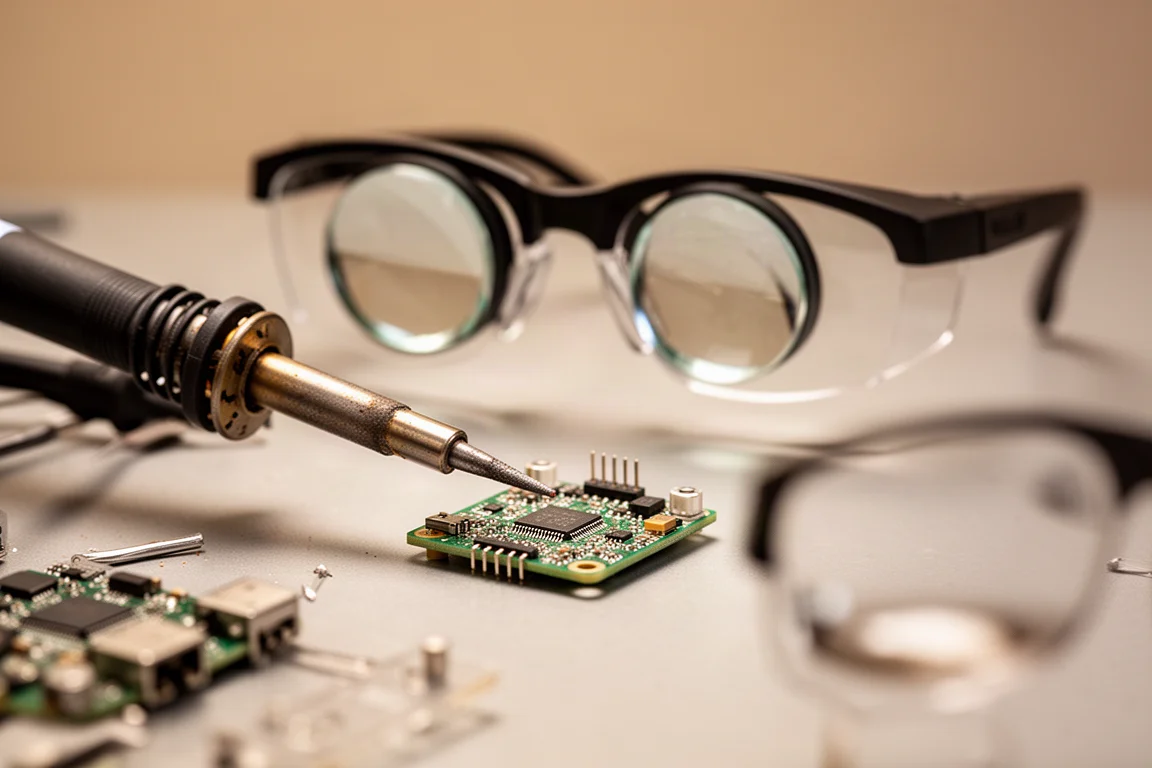
This 3M design solves a surprisingly common problem: doing fine work while staying protected. The Readers 2x have magnifying lenses on both the top and bottom, bifocal style, so you can handle close-up tasks like soldering, computer work, or other detailed work without doubling up a magnifier over goggles.
Simple non-magnifying reader-style pairs also earn a place here. Keeping a basic pair of readers within grabbing distance means you actually put them on before picking up a tool, which is the whole battle.
3M Foam Gasket Safety Glasses
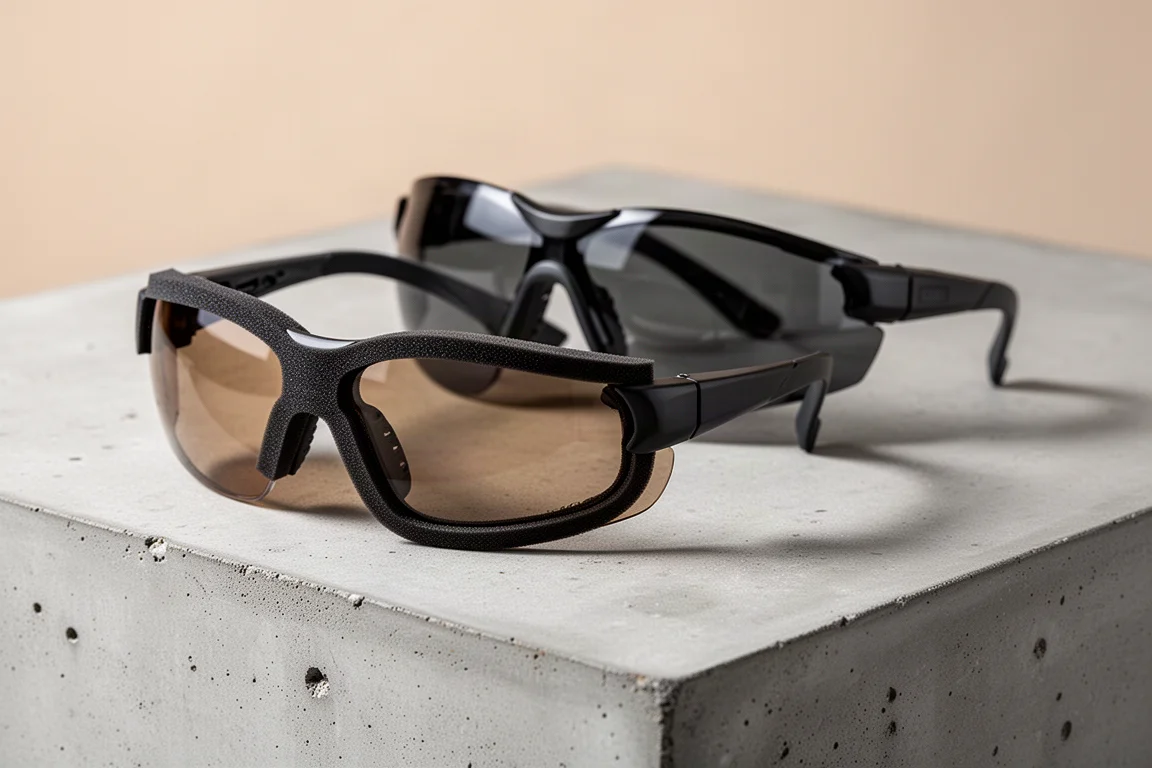
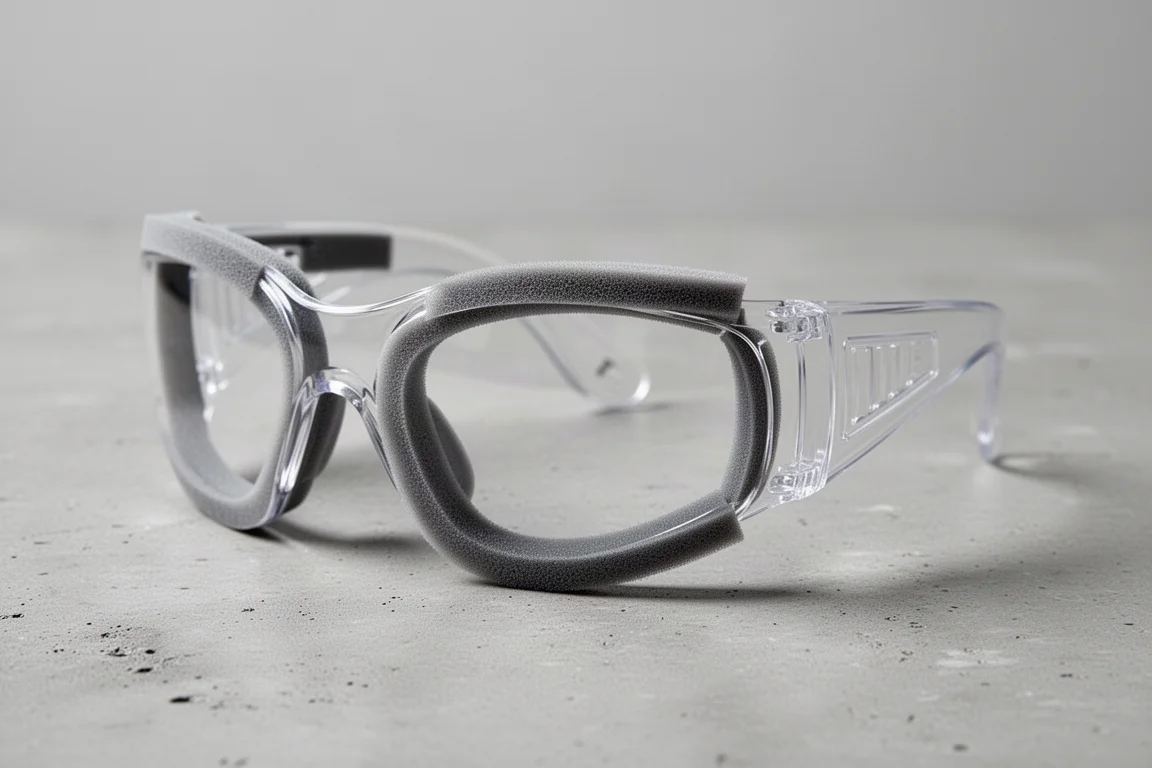
Another 3M pair takes a different approach with a soft foam gasket around the frame. The gasket gives a much better seal against debris when sawing, drilling, chipping rock, or hammering, keeping out measurably more dust and chips than open-frame glasses.
Two honest caveats: the temples are not adjustable, though they are fairly flexible and the frame accepts a strap via a clamp hole. And the smaller lens coverage slightly reduces peripheral vision once the frame closes in. The openings in the design help a lot with fogging compared with fully rubberized gaskets, which makes this a solid performer for dusty work.
Scott Outdoor Performance Sunglasses
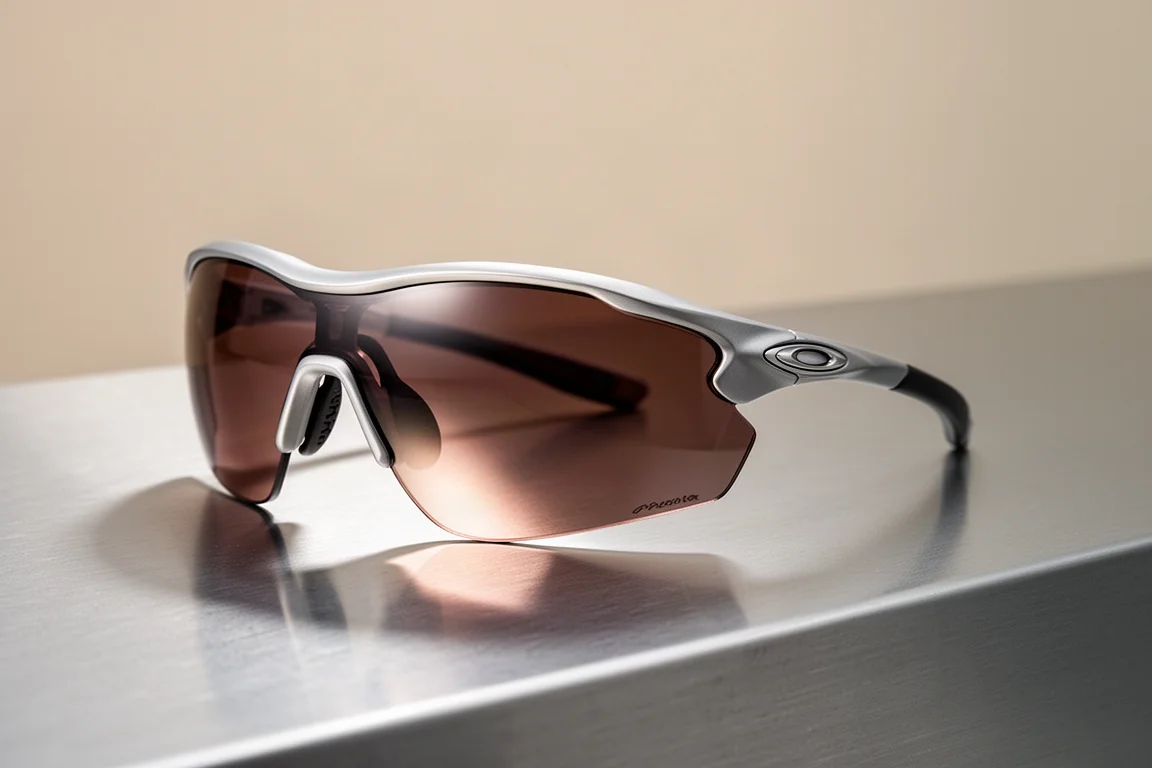
Not every pair here is a workshop goggle. This Scott outdoor performance sunglass earns its spot for situations where the hazard is fast-moving rather than airborne dust: a stick snapping back while clearing brush, or road debris thrown up in your face while riding or working near traffic.
These behave like proper sport sunglasses but serve as genuine eye protection in dynamic outdoor settings. If your main risk is projectile debris on trails or roads rather than shop dust, this category deserves a look.
DeWalt Safety Glasses
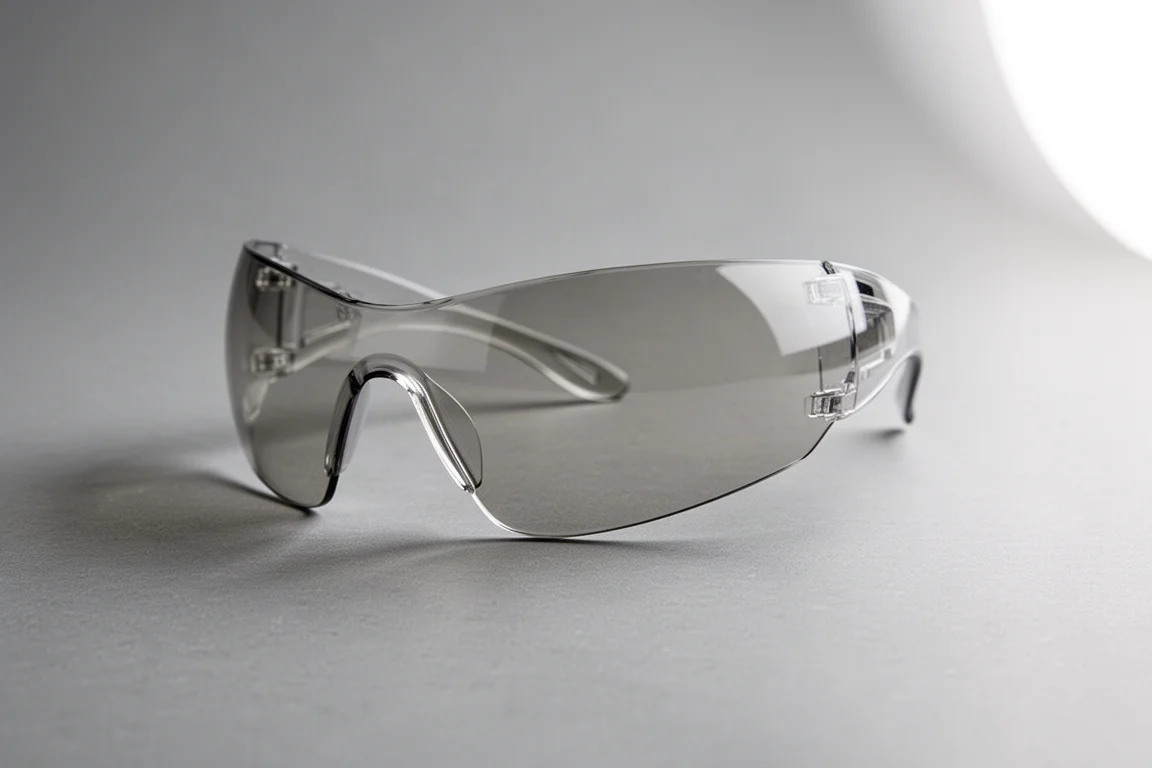
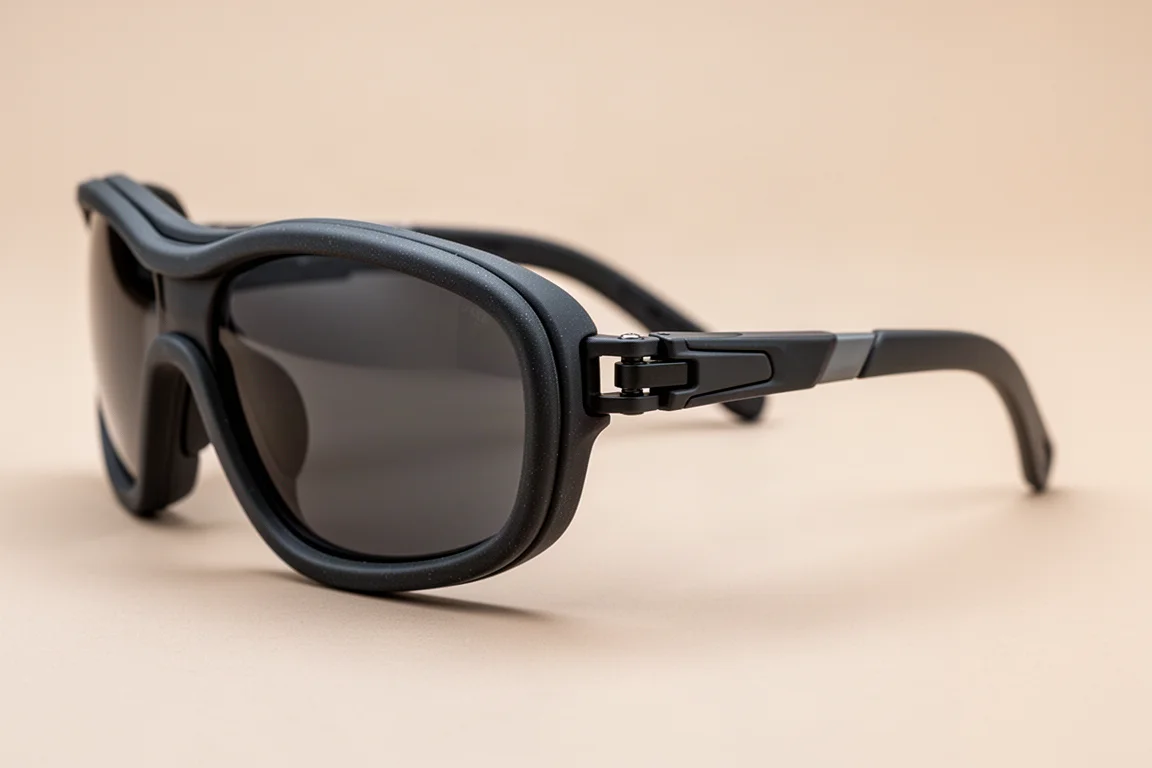
The DeWalt pair uses a rubbery gasket for a tighter seal around the face. That tighter seal is exactly what you want for keeping debris out, but it comes with a familiar cost: these fog up, often enough that you find yourself stopping to wipe them down for a clear view again.
Even with the fogging, the protection argument wins. A tighter seal means less gets through, and wiping your glasses occasionally is a far better outcome than an eye injury. If you work in humid conditions or high exertion, just plan for the habit of clearing them.
NoCry Safety Glasses
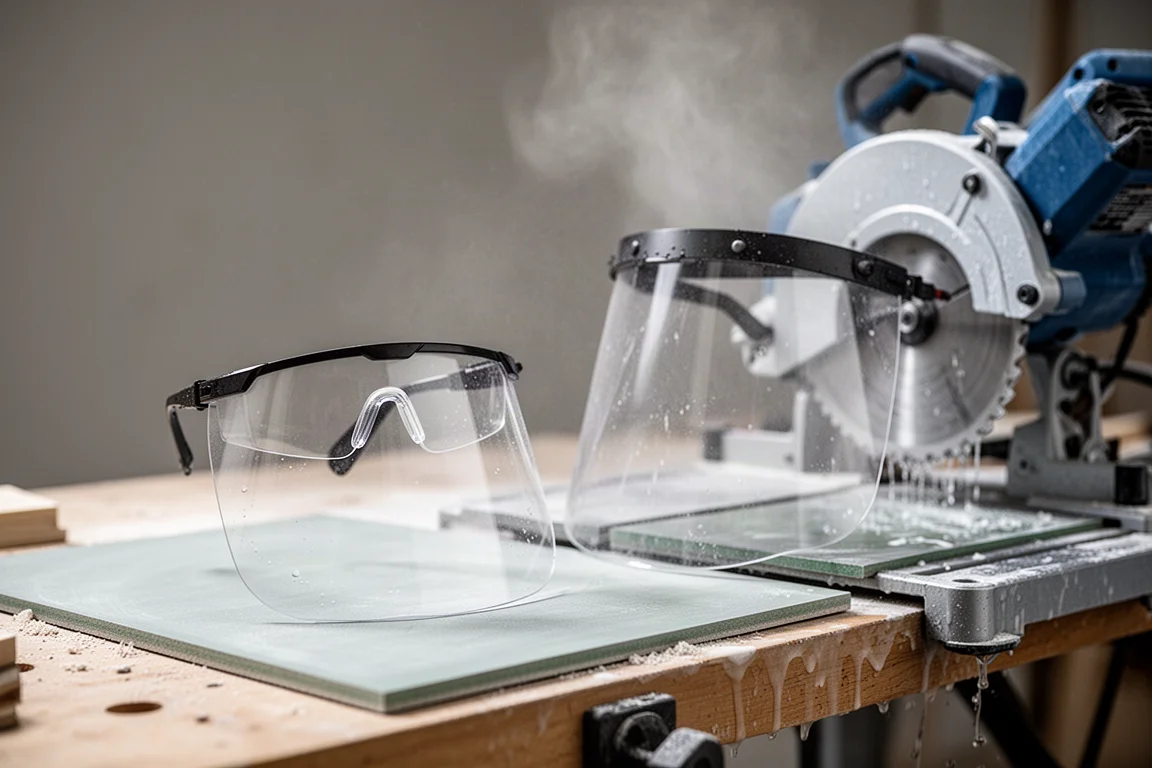
The NoCry pair steps things up with a heavier, softer gasket that fits nicely and seals well, and the frame accepts a face guard attachment. Adding the face guard does not significantly change the fit or feel, but it makes a big difference when something goes badly wrong, such as cutting tile or heavy saw work.
This kind of setup is useful with saws, splitting mauls, hatchets, and hydraulic or mechanical splitters. It is not recommended for chainsaw use, but for most high-debris tasks the combination of a soft-gasket frame and a face guard is cheap insurance.
UniVet Safety Glasses
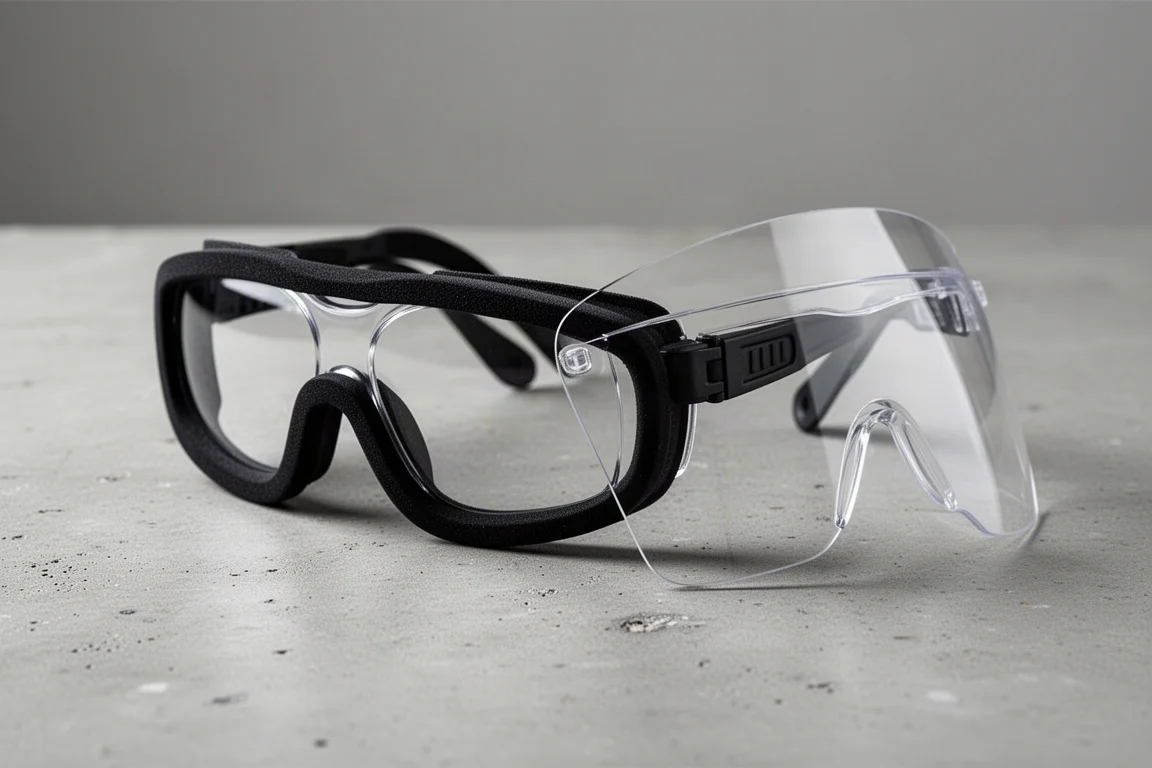
The UniVet design combines two good ideas: the softer rubbery gasket that fits snugly around the face, similar to the DeWalt and NoCry approach, and a traditional sunglass-style temple that both extends and adjusts up and down. The result is something between glasses and a goggle, with a genuinely good fit.
If you find pure goggles uncomfortable but want more sealing than an open-frame safety glass provides, this hybrid approach is worth considering.
Buying Advice
A few practical takeaways across all eight pairs:
- Fit matters more than brand. Adjustable temples help because ears and head shapes are not symmetrical. If a pair does not fit well, you will not wear it.
- Gaskets trade fog for debris protection. Softer, heavier gaskets seal better but fog more. Ventilated foam gaskets are a reasonable middle ground.
- Keep multiple pairs. A clear pair indoors, a dark pair for bright outdoor days, and readers for fine work cover most situations. Buying inexpensive pairs by the dozen and using them up beats babying one precious pair.
- Have them within reach. If you have to walk across the shop to get them, you probably will not, especially for a quick drill or a two-minute saw cut. That is precisely when accidents happen.
- Mind the limits. Gasketed glasses are somewhat better around fumes and toxic chemicals, but they leak. They are not designed for chemical protection, so do not rely on them for that purpose.
- Check requirements. If your profession demands a specific safety standard, you likely already know it. For general home and shop use, almost anything that covers your eyes is better than nothing.
Conclusion
There is no single perfect pair here, and that is fine. The Snap-on clear glasses shine as an everyday default with excellent adjustability, 3M covers both magnifying work and better-sealed dusty jobs, Milwaukee handles bright outdoor days, DeWalt and NoCry trade some fogging for stronger seals, UniVet blends the best of glasses and goggles, and Scott covers fast-moving outdoor hazards. Whatever you choose, the real habit that protects your eyes is simple: keep a pair within arm’s reach and put them on before the first cut, drill, or hammer strike.
Further reading
Related Reviews
Safety Gear
Recco Backpack Rescue Reflector Review: Passive Rescue Tech for the Backcountry
A tiny, battery-free reflector that clips to a pack and can help search and rescue radar find you. Here is how it works and who it makes sense for.
Safety Gear
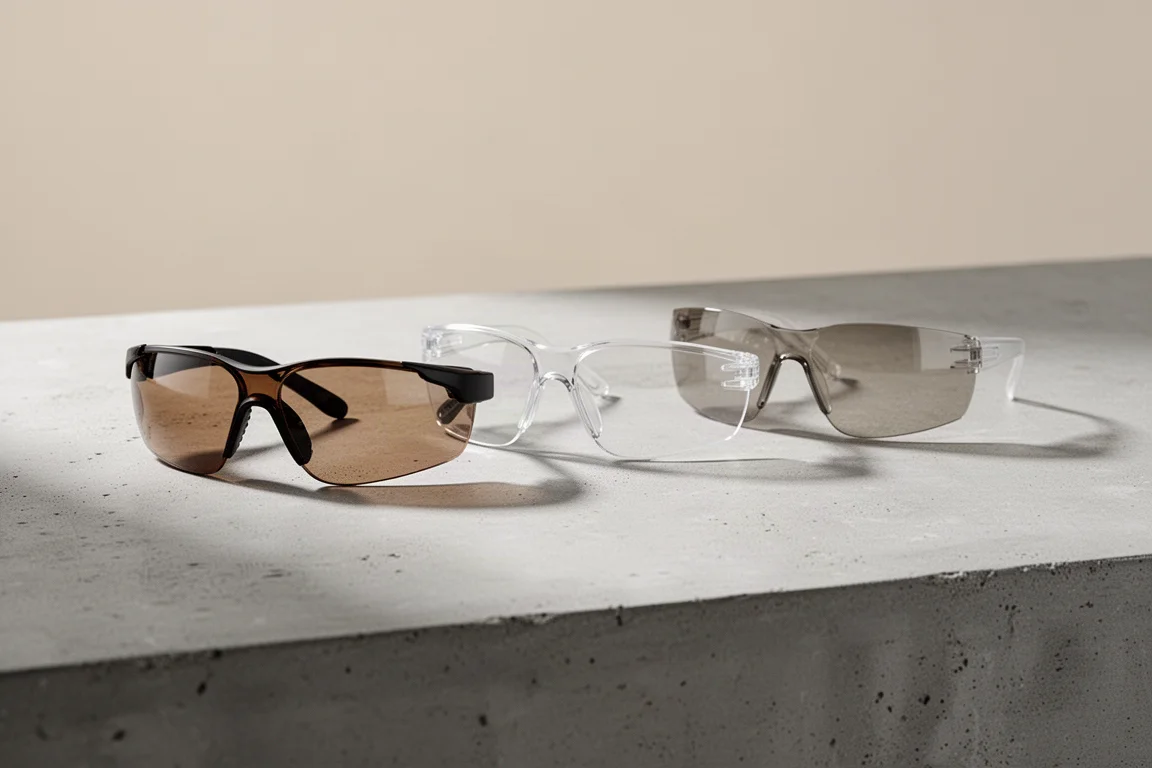
Best Safety Glasses for DIY and Yard Work: Milwaukee, DeWalt, and Hart Compared
Three safety glasses brands worth keeping around the shop, with notes on tint, comfort, durability, and warranty coverage.
Safety Gear
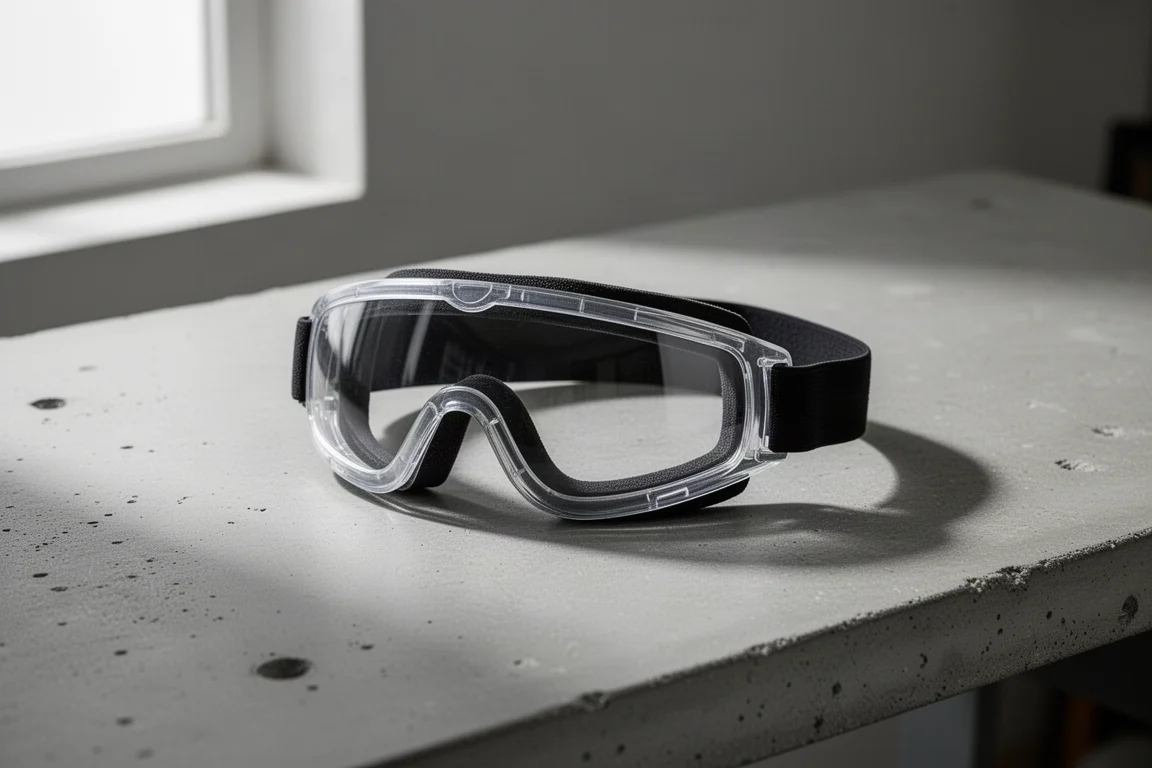
Kroops Skydiving Goggles: Fold-Flat Eye Protection for Tool Kits and Workbenches
A budget, fold-flat goggle originally inspired by horse racing gear that fits neatly into a small tool kit and keeps dust and debris out of your eyes.