Running Watches
Best Running Watches: How to Pick the Right One for Your Budget
Six running watches compared, from budget-friendly entry models to ultra-endurance and smartwatch hybrids, plus practical advice on features, battery life and accuracy.
Introduction
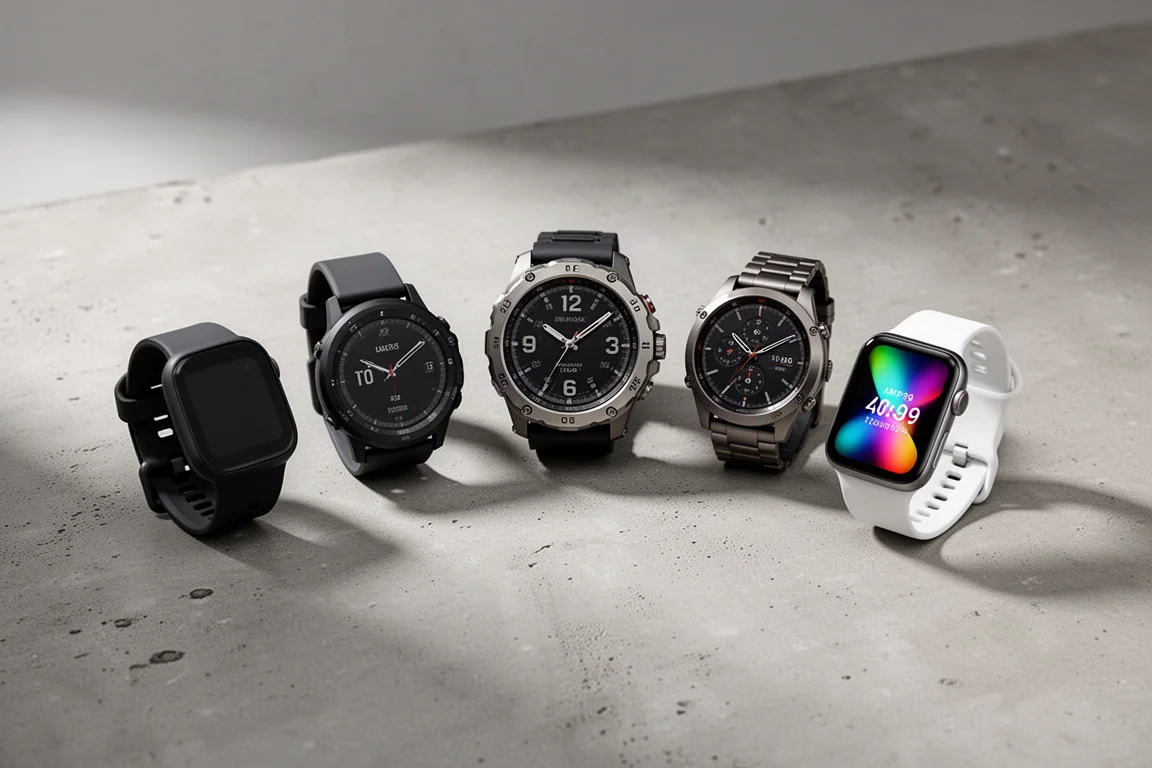
Running watches have become genuinely excellent in the last few generations, but that has also made buying one more confusing. Prices stretch from around 100 pounds for older entry-level models to well over 500 pounds for premium builds, and the feature list grows with every price bracket. The trick is knowing which features actually matter for the way you run, and which ones are nice-to-haves you can safely skip.
This guide walks through six watches that cover the main bases: a straightforward budget pick, two value-focused Coros options, two rugged endurance watches, and the most runner-friendly smartwatch on the market.
How to Match a Watch to Your Budget
The honest starting point is that running watches are not cheap gear. For reliable GPS and heart rate tracking with sensible battery life, you are realistically looking at around 100 pounds even for older models from Garmin and Coros. Below that, options like the Amazfit range exist, but you start to compromise on screen quality and how readable the display is mid-run.
Under 200 pounds, there are now multiple watches offering everything most runners genuinely need. Above that, you are buying thrills: AMOLED screens, multiband GPS, maps, music and richer training analysis. They are great thrills, but they are not essential.
The most practical method is to make a shortlist of non-negotiables before you shop. Do you really need multiband GPS accuracy? Will you actually use offline music, or will your phone be with you anyway? Is long battery life the priority, or a bright AMOLED display? If optical heart rate accuracy is a concern on a cheaper watch, pairing it with an inexpensive chest strap is a far cheaper fix than moving up a price tier. Comparing spec sheets across brands can be tedious, so using an AI tool to build a side-by-side comparison table of your shortlist is a legitimate shortcut.
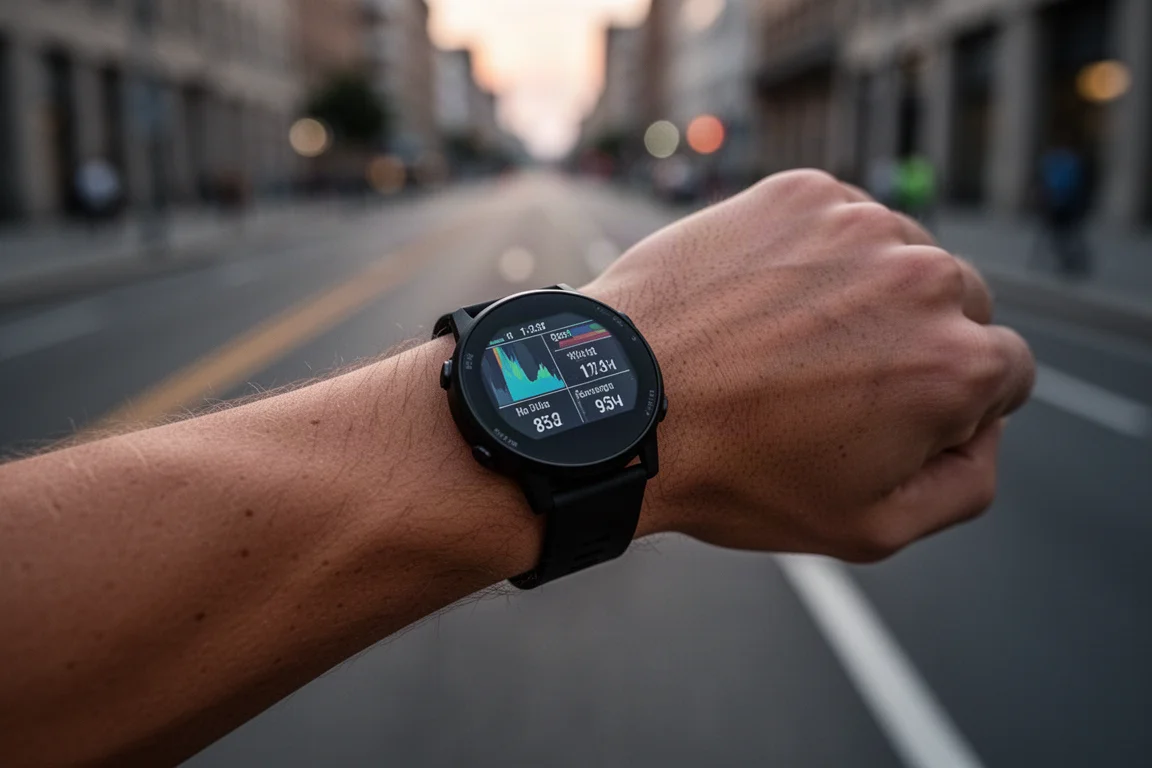
One last budget factor: rugged materials. If you need titanium builds and extreme temperature ratings, your price floor rises sharply. For most road runners, it is not a necessary expense.
Garmin Forerunner 55
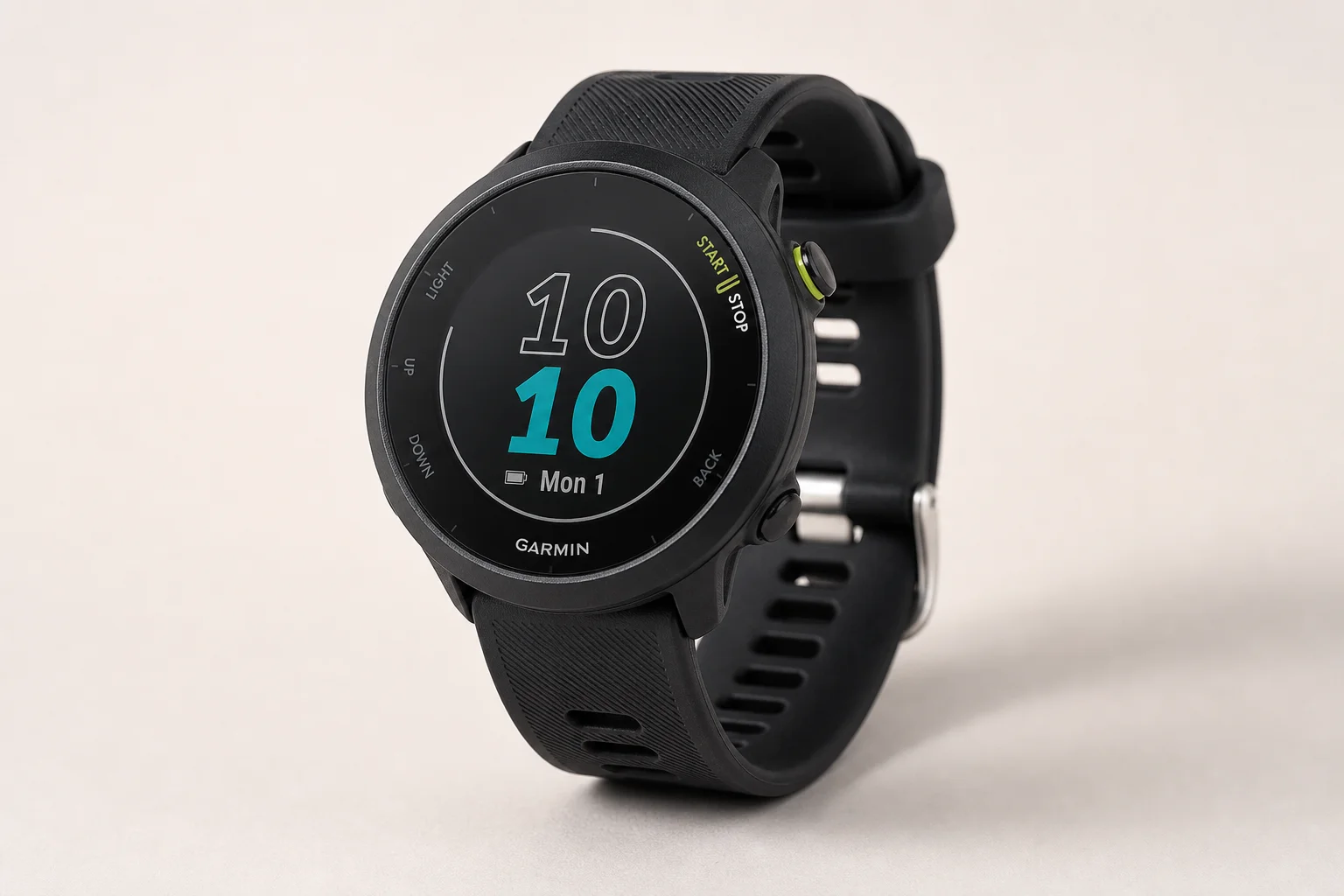
The Forerunner 55 is the classic beginner running watch. It covers the core essentials: built-in GPS, decent battery life and a simple interface, without burying a new runner in features they will never open.
The battery sits at roughly a week of everyday use with 13 to 15 hours of GPS, which suits someone doing a few sessions a week and a longer run at the weekend, like a typical Parkrun-and-more runner. It also leaves headroom: if your running develops, you will not immediately outgrow it, and it avoids the two-watch problem of buying cheap today and replacing it next year.
Coros Pace 2
Coros stands out at the entry level for value, and the Pace 2 is the best example of that approach. It offers a long battery life and genuinely useful training features for a low price, thanks to Coros’s habit of rolling features out consistently across its entire range, from the cheapest Pace watch up to the top-end Vertix models.
That consistency is rare in this market. Some brands do not push new features back to older watches, while Coros deliberately tries to keep the whole ecosystem on a level playing field. The trade-offs are real though: screens are less bright than premium AMOLED rivals, GPS accuracy trails Garmin’s best, music is drag-and-drop only with no streaming, and maps lack turn-by-turn directions. If you value battery and fundamentals over polish, it is exceptional value.
Battery Life: What to Realistically Expect
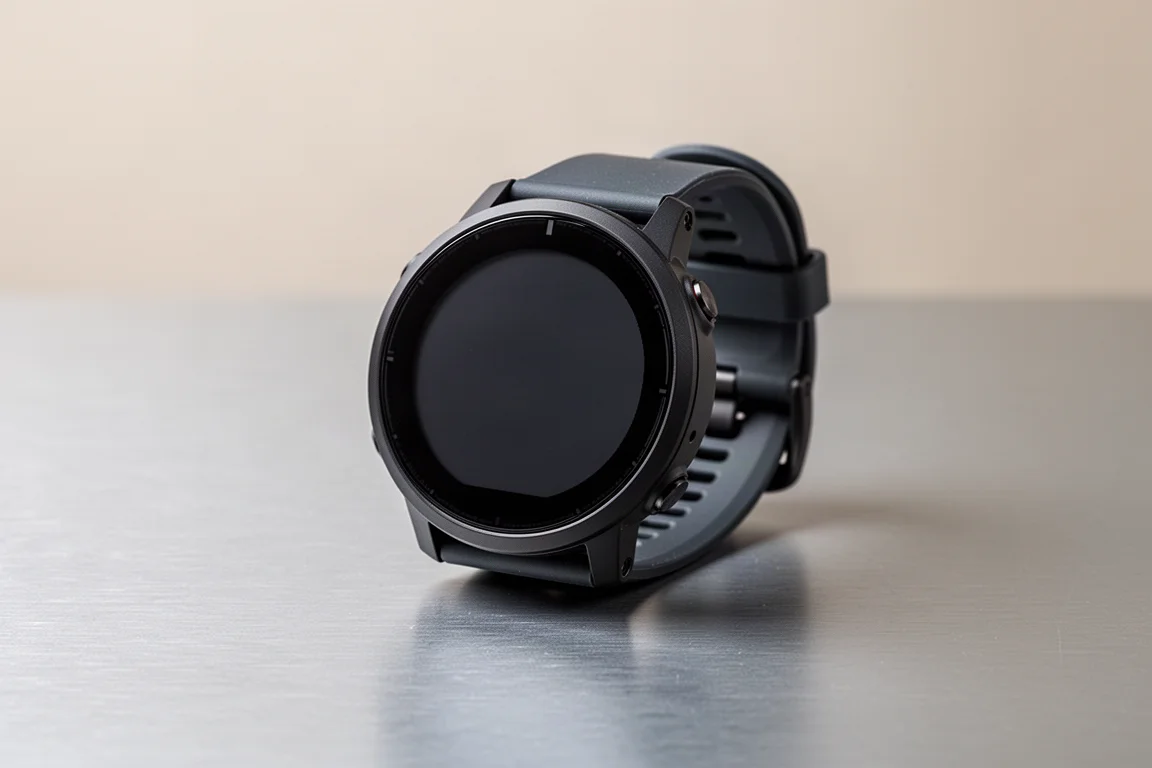
Battery life has improved dramatically. Most watches at most price points now offer around 30 hours in full GPS mode, which is a sensible lower benchmark. At the top end, the Coros Vertix 2 claims around 140 hours in full GPS, which changes what is possible for ultramarathon distances.

Two things matter here. First, power-saving modes are your friend: on a 100-miler, GPS accuracy matters less than the watch lasting the distance, and being able to extend battery life mid-activity is now common on the best watches. Second, look closely at what the quoted numbers assume. Always-on AMOLED displays, pulse ox sensors, music streaming and dual-band GPS all drain the battery faster, and brands do not always make that obvious.
Real-world usage between runs matters too. Two watches with identical 40-hour GPS ratings can behave very differently week to week: a Polar watch might manage about seven days because it tracks heart rate variability intensively overnight, while a Coros with 40 hours of GPS can stretch two to three weeks because it does relatively little between runs. One tester ran 15 hours of GPS training across two weeks on a Coros and still had charge to spare.
Coros Vertix 2
The Vertix 2 is Coros’s flagship statement: a large, rugged watch built with premium materials, and the headline claim of around 140 hours of full GPS battery life. For multi-day adventures and ultra distances, that number is the whole argument.
As with the Pace 2, the compromises show up in screen brightness and GPS accuracy compared with Garmin’s top tier, and music and maps are more basic than they sound on a spec sheet. But if your priority is a watch that simply will not die on a very long run, it is hard to beat.
Garmin Enduro
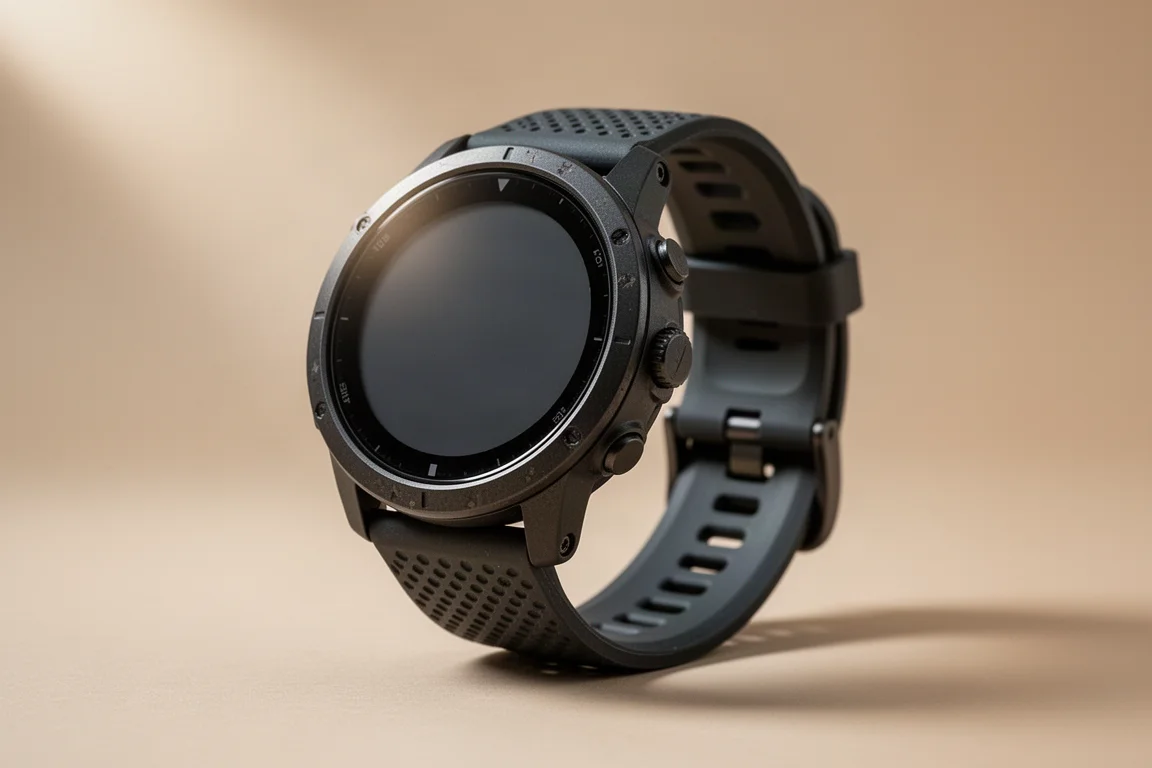
The Garmin Enduro represents the other end of the endurance battery spectrum, and it remains the benchmark that other watches are measured against. Battery life here is built around extremely long GPS runtimes, in a package designed to take serious abuse with a rugged build.
Garmin’s broader strengths also apply at this level. At the top of the sports watch market, Garmin is clearly ahead on mapping experience, music usability, multiband GPS quality and training analysis. If you want endurance hardware backed by the most complete high-end feature set, this is the bracket to look at.
Smartwatch vs Running Watch
The line between the two categories is blurring, but the distinction still matters. A smartwatch can track runs and offers much more outside of them: richer notification handling, music syncing, broader app support and a generally more polished everyday experience.
The flip side is battery. Smartwatches give you noticeably less day-to-day and GPS battery life, and running-focused features often take more effort to find or configure. A running watch gives you more sports metrics out of the box and endurance you can plan around.
Apple Watch Ultra
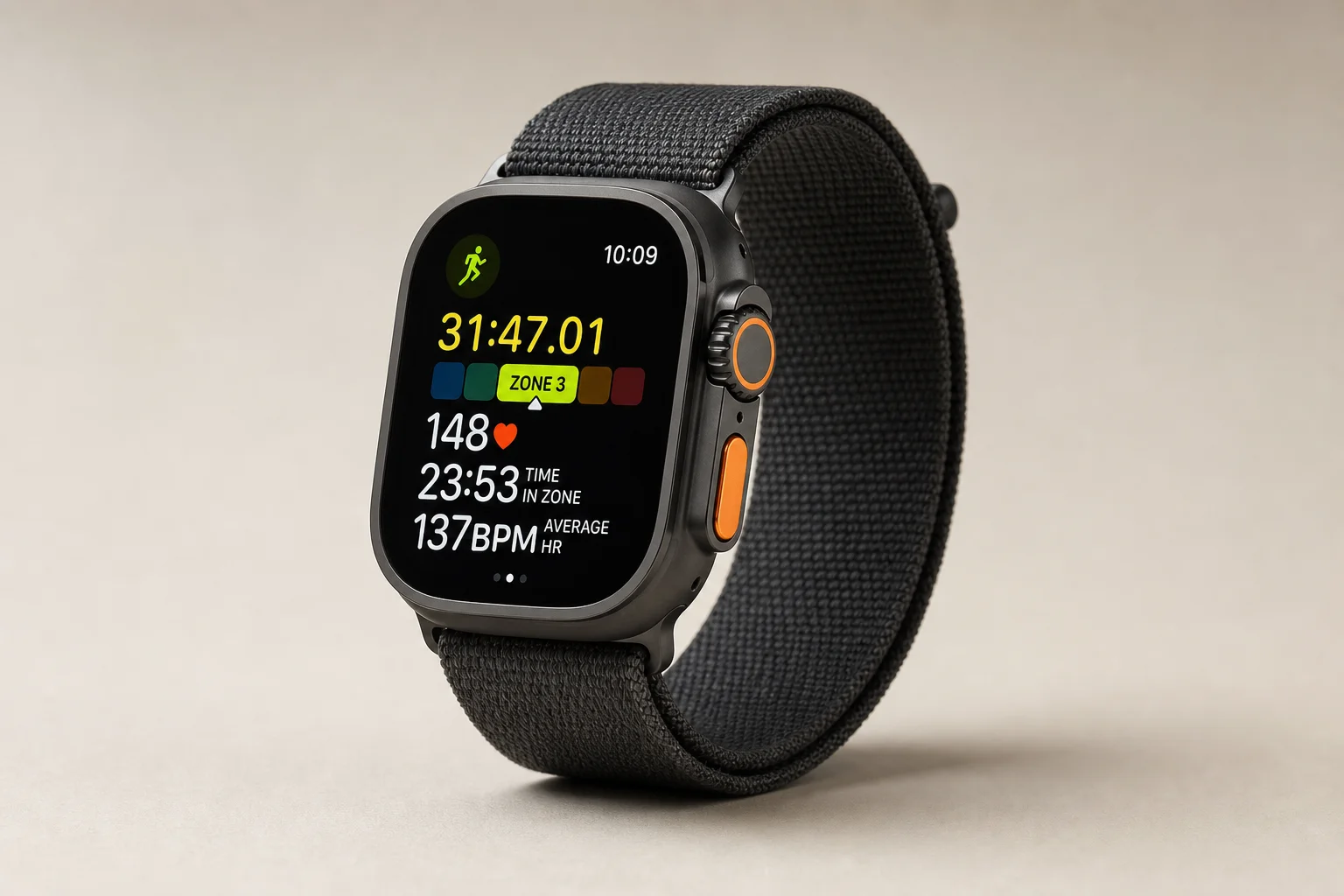
The Apple Watch Ultra has quietly become one of the best options for runners who also want a full smartwatch. The core run tracking experience is strong, and the two-day battery, while still far short of a dedicated sports watch, is a meaningful step up from standard Apple Watches.
You may have to work harder to get the most out of the deeper analytics, and battery life remains the obvious compromise. But for runners who want one device for everything, the Ultra is a serious running watch as well as the best smartwatch for the job.
Polar Ignite 3
Polar has long been strong on training load and recovery insights, and the brand still makes genuinely good value watches, including solid crossover fitness and running options at the affordable end.
The Ignite 3, however, shows where things have slipped. It is an AMOLED watch where the multiband GPS implementation proved disappointing in testing, and some newer features have felt more confusing than helpful. Polar’s designs have also fallen behind rivals. If you prioritize Polar’s recovery and training load tools, it is still worth a look, but go in knowing the GPS experience lags the competition.
View more details for Polar Ignite 3
What No Running Watch Does Perfectly
It is worth setting expectations before you buy. Optical heart rate is genuinely hard to measure from the wrist while running, because the wrist is about the worst place you could put a heart rate sensor for this activity. Even the best watches struggle at times, and pairing an external chest strap remains the fix if you truly rely on that data.
GPS has similar limits. Even with the best multiband GPS, dense urban environments like Canary Wharf during the London Marathon still produce inaccurate pacing and distance. Two watches worn on the same run will often disagree. That is the GPS, not you.
Training and readiness scores deserve the same skepticism. Many readiness features mash together sleep, resting heart rate and other metrics, so if any input is imperfect, the combined score drifts too. A straightforward HRV reading is often a more trustworthy signal. Race time predictions are algorithmic estimates, useful as a rough barometer rather than a guarantee. And remember that a feature existing on a spec sheet does not mean it works as well as the same feature on a rival watch; music and navigation are frequent offenders.
Durability: Do You Need a Tank?
All modern running watches are reasonably durable, even plastic-bodied ones. Runners’ reports of cracked screens and chips are the exception rather than the rule, and burn-in concerns with AMOLED displays have not materialized as a widespread problem.
Rugged metal builds like the Coros Vertix 2 and Garmin’s premium endurance watches are built to withstand more, but for road running, most watches survive just fine. Smartwatches with edge-to-edge displays are theoretically more exposed to knocks, though in practice they hold up well too.
Conclusion
The best running watch is the one that covers your actual essentials without charging you for features you will never touch. The Forerunner 55 and Coros Pace 2 prove that under 200 pounds you can get a genuinely good running watch. The Vertix 2 and Enduro exist for runners who need the watch to outlast the run, however long that is. The Apple Watch Ultra is the answer if one device has to do everything. And Polar remains worth considering if recovery and training load insights are your priority, with your eyes open on GPS quality. Make your must-have list first, check the real-world battery numbers, and you will rarely regret the purchase.
Further reading
Related Reviews
Running Watches
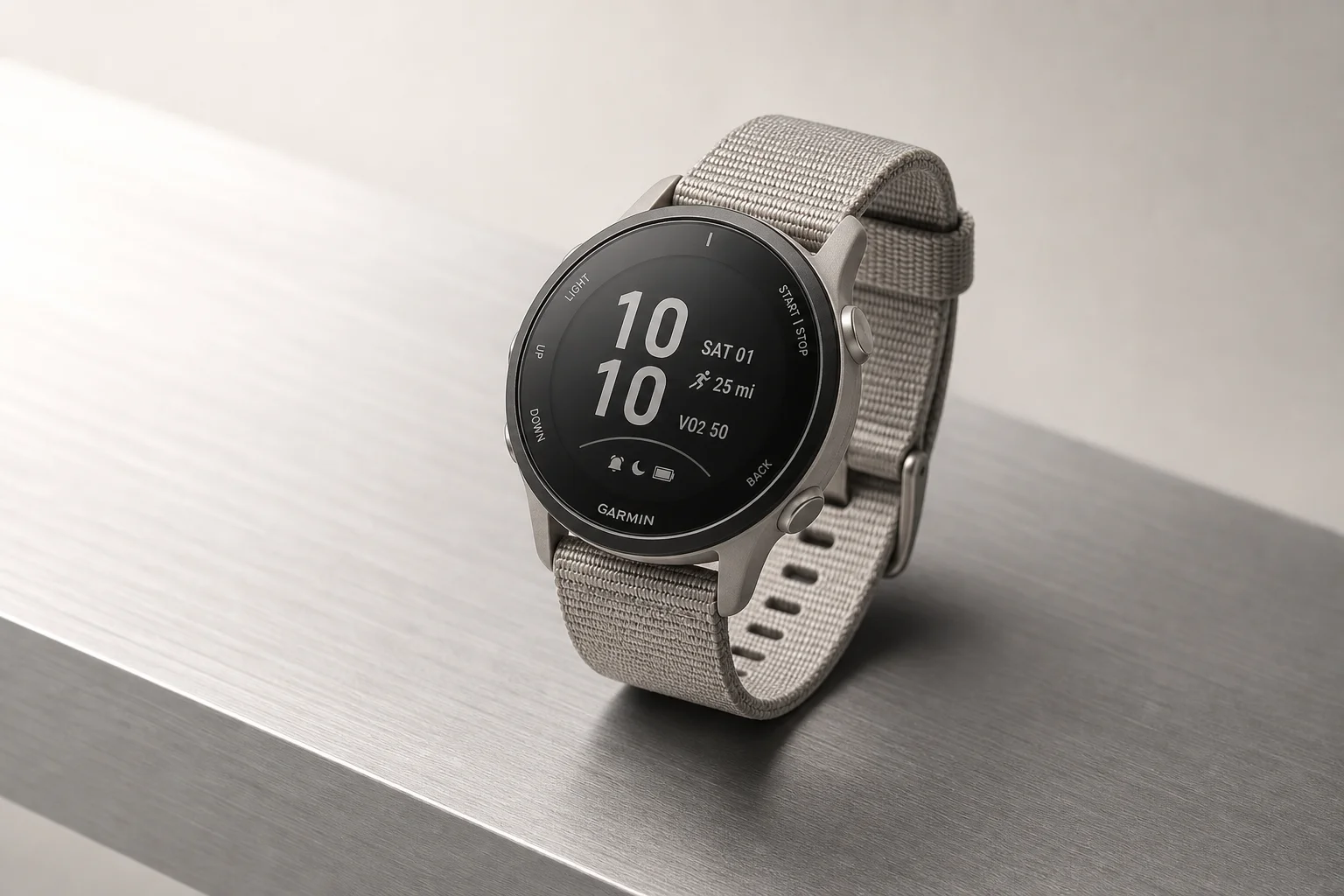
Coros Pace 3 Running Watch Review: Why Software Matters More Than Specs
The Coros Pace 3 prioritizes runner-focused design and intelligent software over expensive hardware. Here's why it outperforms watches that cost twice as much.
Running Watches
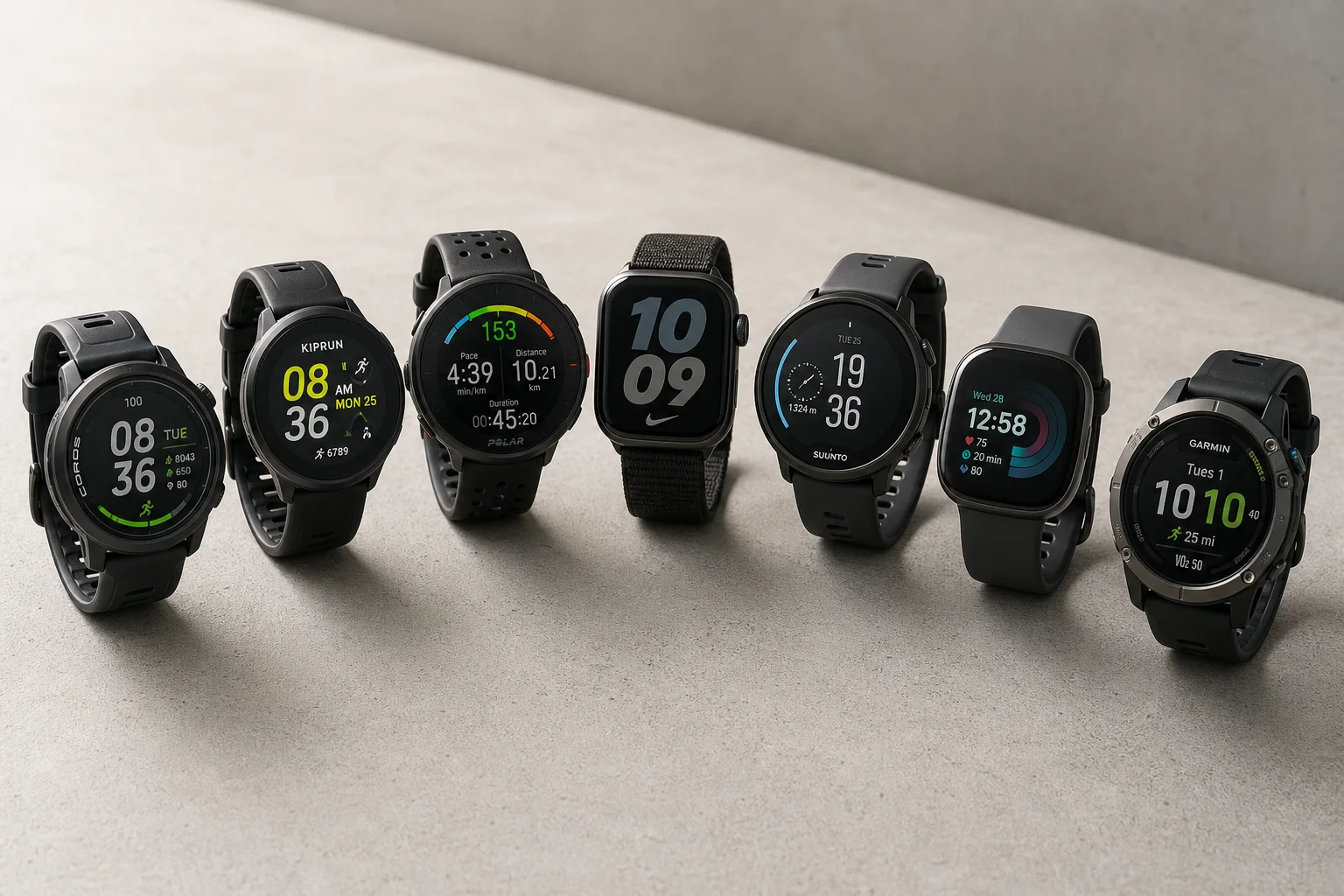
GPS Running Watch Accuracy Test: Seven Watches Compared Across Urban, Trail, and Race Conditions
We tested seven popular running watches from major brands in three different environments to find out which delivers the most accurate GPS tracking for distance and pace.
Running Watches
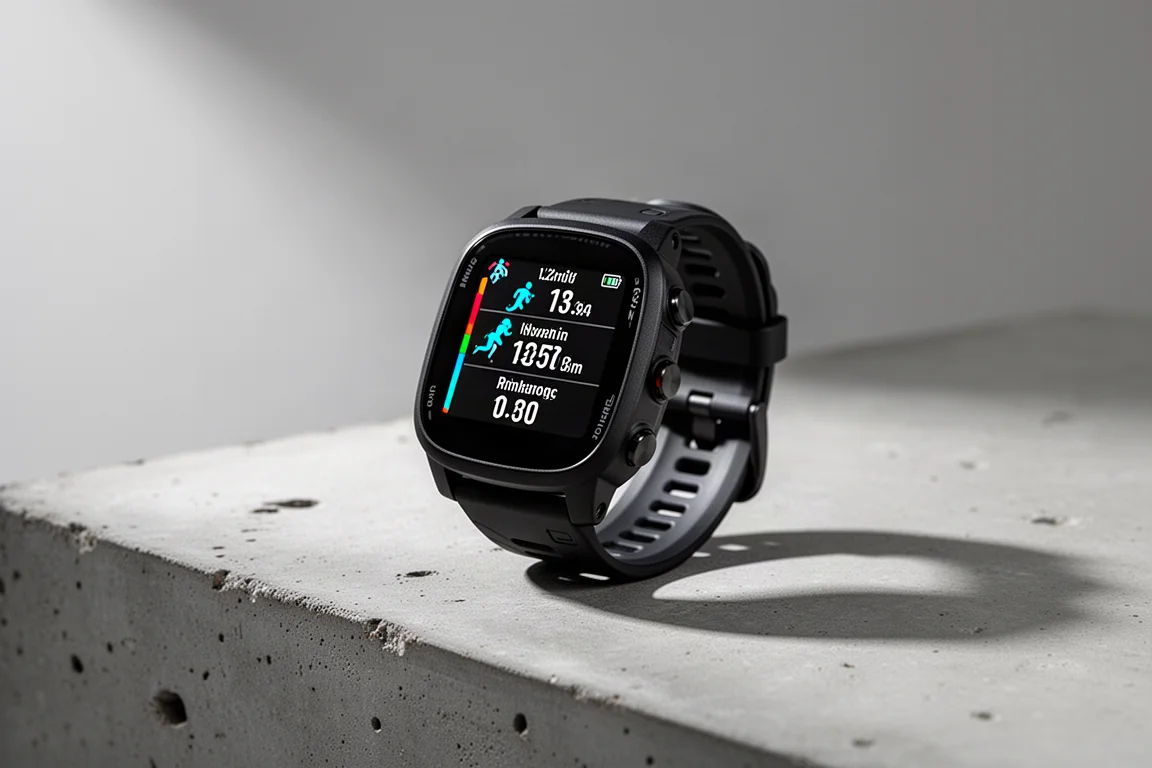
Garmin Forerunner 70 Review: Garmin's Cheapest Forerunner Is More Capable Than You'd Expect
The new entry-level Forerunner 70 brings an AMOLED screen, a fresh interface, and real training analysis for £219/$249, with a few trade-offs to weigh before buying.