Running Shoes
Value vs Premium Running Trainers: Which Shoes Are Worth the Extra Money
A trainer-by-trainer breakdown of budget and premium options from ASICS, Brooks, Saucony, Hoka, Puma, On, and Adidas, with honest picks on where the extra money pays off.
Introduction
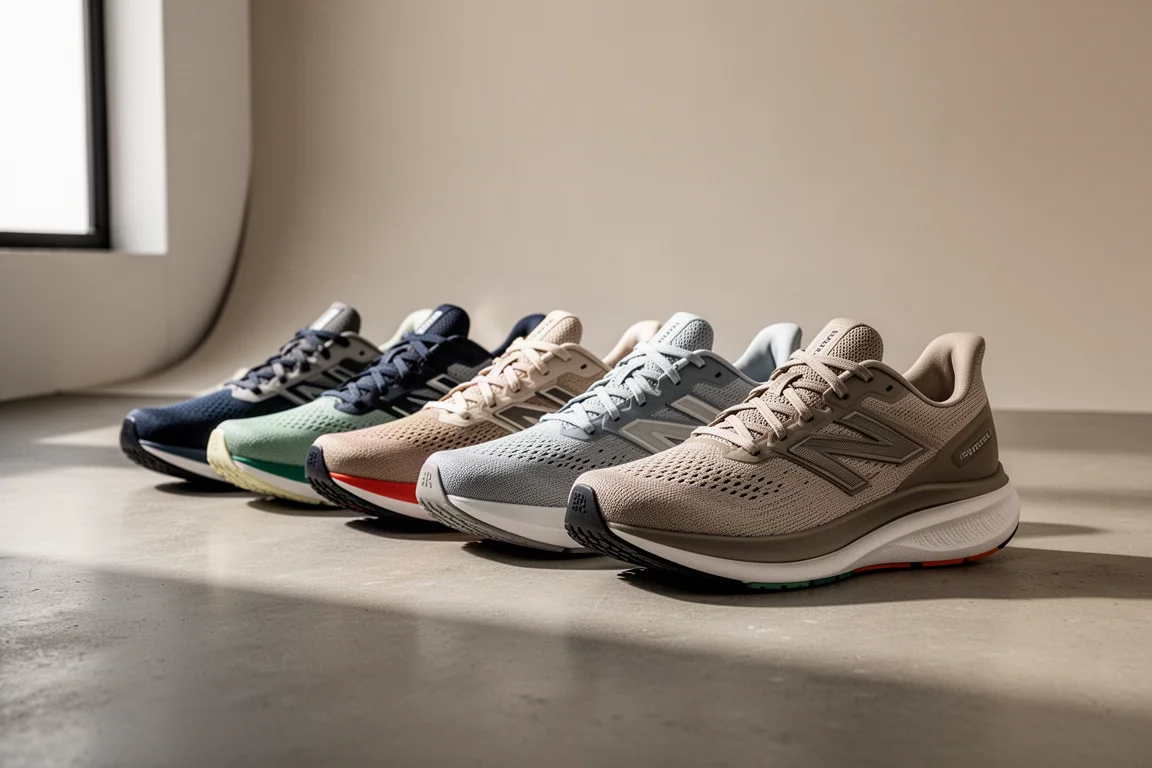
Price creep in running shoes has pushed basic trainers toward the $150 mark and premium trainers past $200, which makes the question of what you actually get for the extra money more relevant than ever. To answer it, this comparison lines up cheaper and more expensive trainers within the same brand and asks a simple question: if you had to buy one, which one?
The short answer is that the right pick depends heavily on your gait, your injury history, and how you like a shoe to feel. Some premium shoes genuinely justify their price. Others are skippable when the cheaper sibling does nearly everything you need.
How We Compared the Shoes
The ground rules were simple. Each matchup stays within one brand, pairs a lower-priced trainer with the brand’s premium option, and asks whether the upgrade earns its price difference. Weight, foam compounds, ride feel, durability, and stability all factored in.
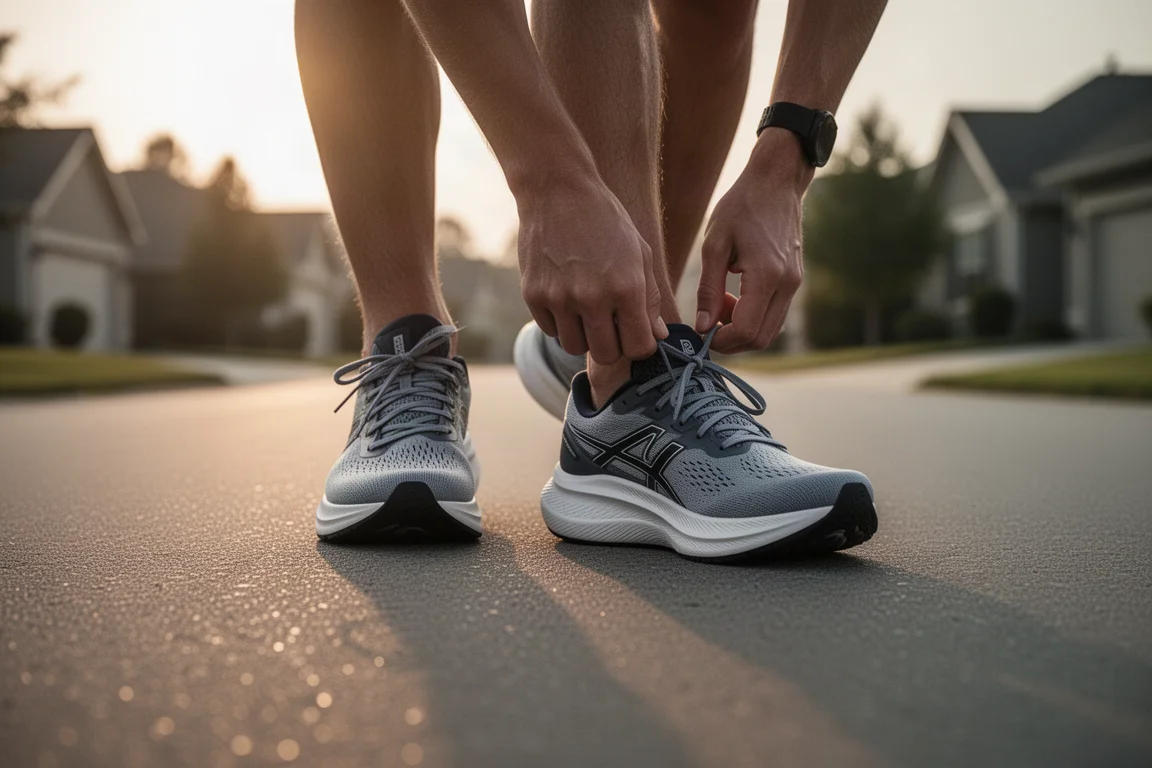
A few takeaways surfaced early. Durability separates some premium models from cheaper ones, and ride feel matters more than spec sheets suggest. A softer premium foam is not automatically better. For many runners, the softer option is harder to run in.
ASICS: Novablast 6 vs Superblast 3
This pairing highlights how differently two shoes from the same brand can feel. The Novablast 6 sits around $155 and uses FF Blast Max foam with a forefoot pod of FlightFoam Turbo², while the Superblast 3 runs roughly $220 to $225 with a soft FF Leap top layer over FF Blast+. The two weigh almost identically and both carry an 8 millimeter drop, which makes the ride differences even more striking.
The softer FF Leap in the Superblast 3 smooths the heel transition and shines on long, rhythmic miles and daily easy runs, where it encourages you to keep going. It also shows impressive durability, holding up past 100 miles with minimal outsole wear. The tradeoff is that it can bottom out when pushed fast. The Novablast 6 is the more sensible buy for most runners at $65 to $70 less, though the Superblast 3 earns its premium for high-mileage runners who value that plush, steady ride and long-term durability.
Brooks: Glycerin 23 vs Glycerin Max 2
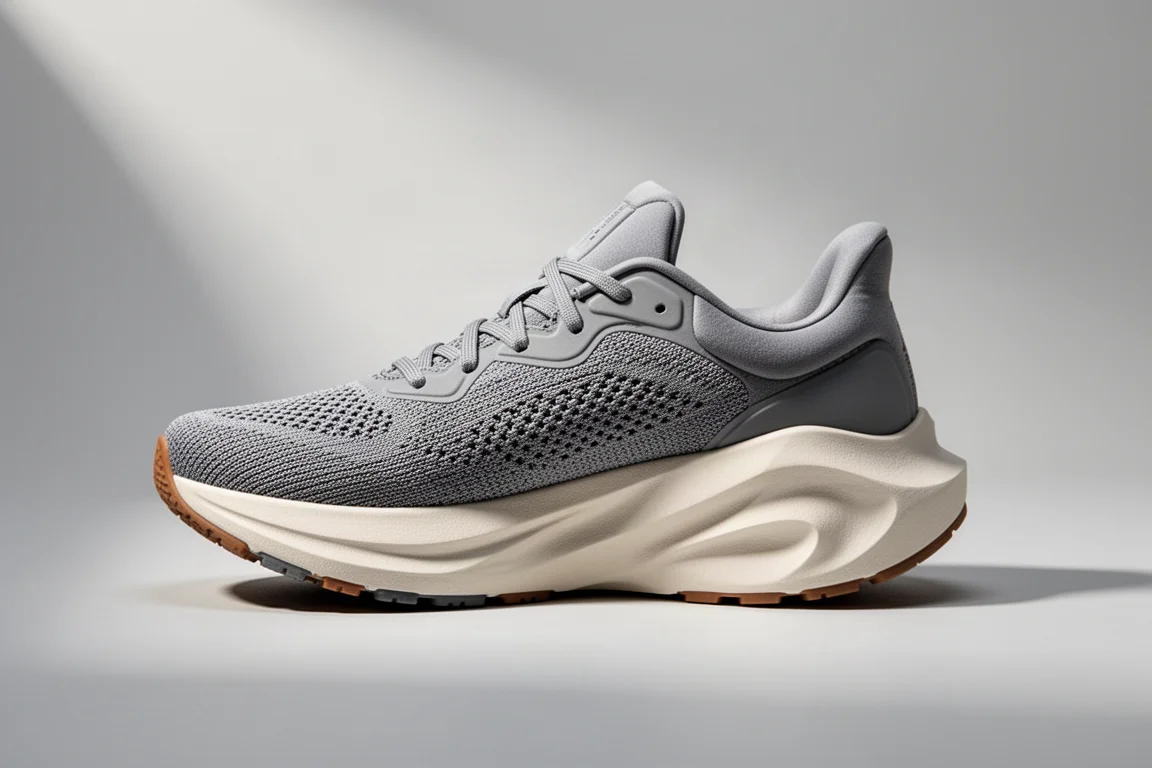
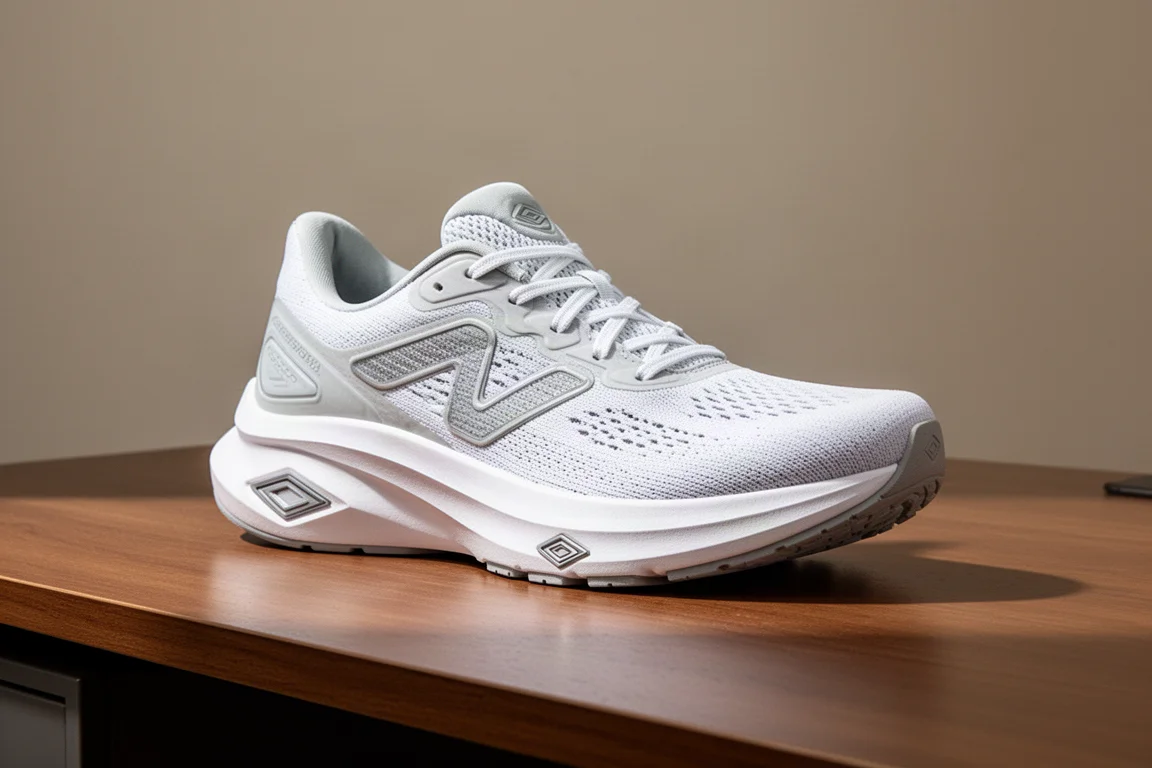
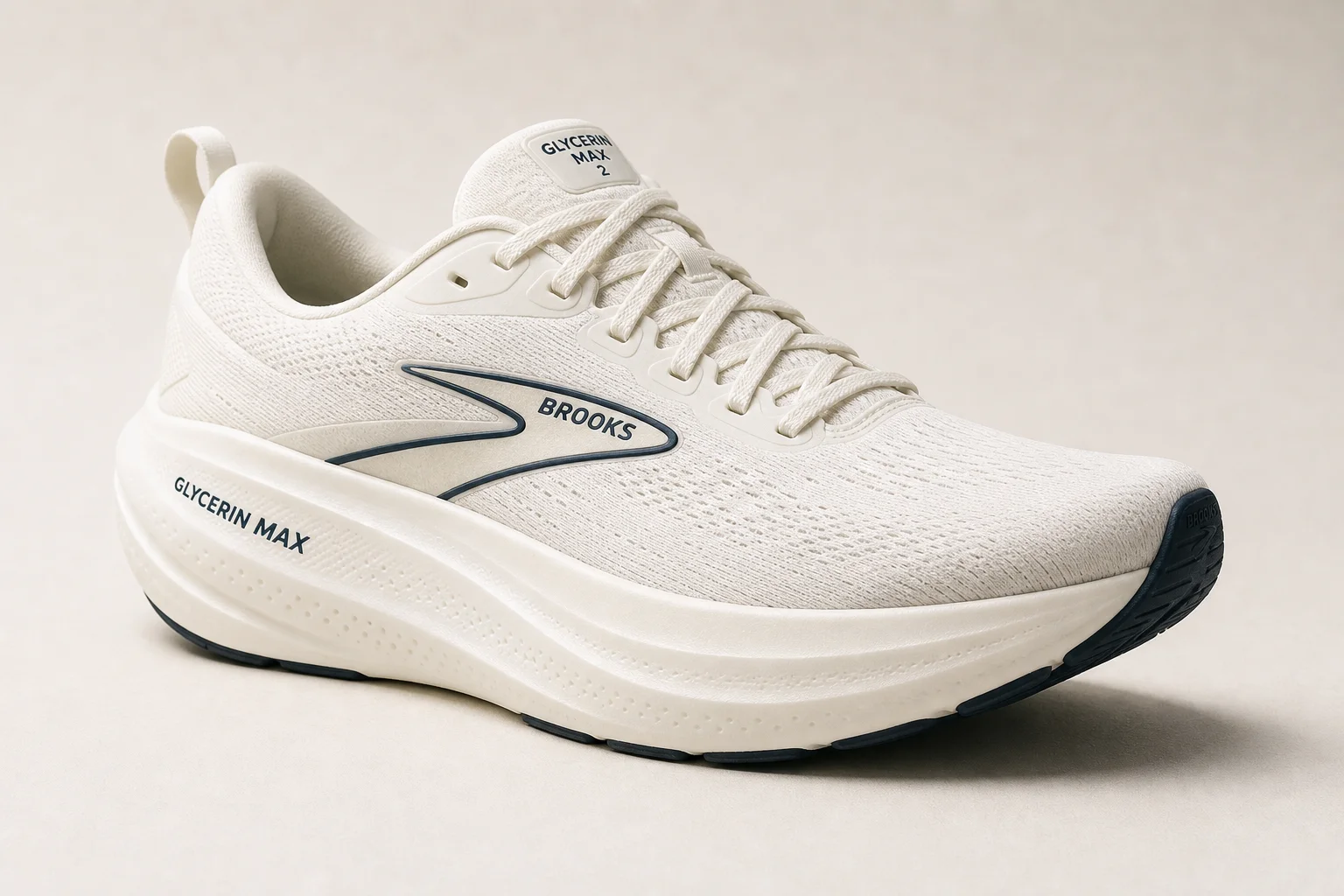
Only about $25 separates the Glycerin 23 from the Glycerin Max 2, but the experiences differ sharply. The Glycerin Max 2 uses a firm DNA Tuned midsole that is protective, stable, and well rockered, rolling you hard into the next step. Durability is exceptional, with almost no visible wear near 100 miles. The main complaints are a firmer ride than expected and an upper that runs very warm and plush.
The Glycerin 23 is the softer, simpler trainer and the first Glycerin that some testers genuinely enjoyed running in. But its rocker sits later in the stride, which some runners cannot get on top of, and at $175 it feels steep next to the wider market. If you value shaping, stability, and rockered roll, the Max 2 is the stronger pick. If you want a plush, simple ride and the Max 2’s rocker does not match your stride, the Glycerin 23 works well within this matchup.
Saucony: Ride 19 vs Paramount Max vs Triumph 24
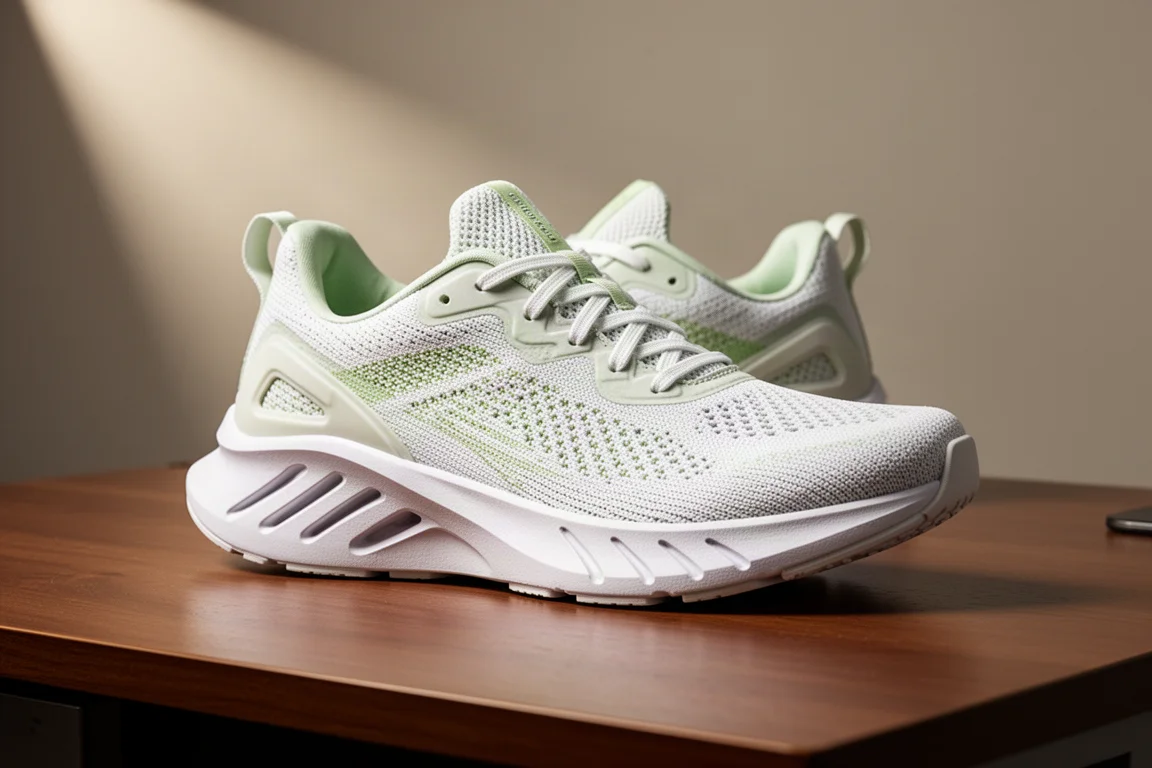
This is the widest spread in the group. The Ride 19 at $145 feels softer and less snappy than previous Rides, closer to what the Triumph used to be, but it remains a balanced, durable daily trainer built on PWRRUN Plus. The Paramount Max at $200 delivers a genuinely bouncy, wide, fun ride that feels like a $200 shoe, and it runs lighter than its 10.5 ounce spec suggests. Still, it is a lot of shoe, and for many runners the extra $60 is not worth it.

The Triumph 24 at $170 emerges as the dark horse. Its PWRRUN Lux midsole is soft underfoot but comes alive while running, and the lighter weight, reportedly sub 9 ounces, makes it the fastest of Saucony’s premium trainers. Many testers call it the best Triumph yet. For sheer value, the Ride 19 wins. For a genuinely better premium experience at a fair price, the Triumph 24 is the pick.
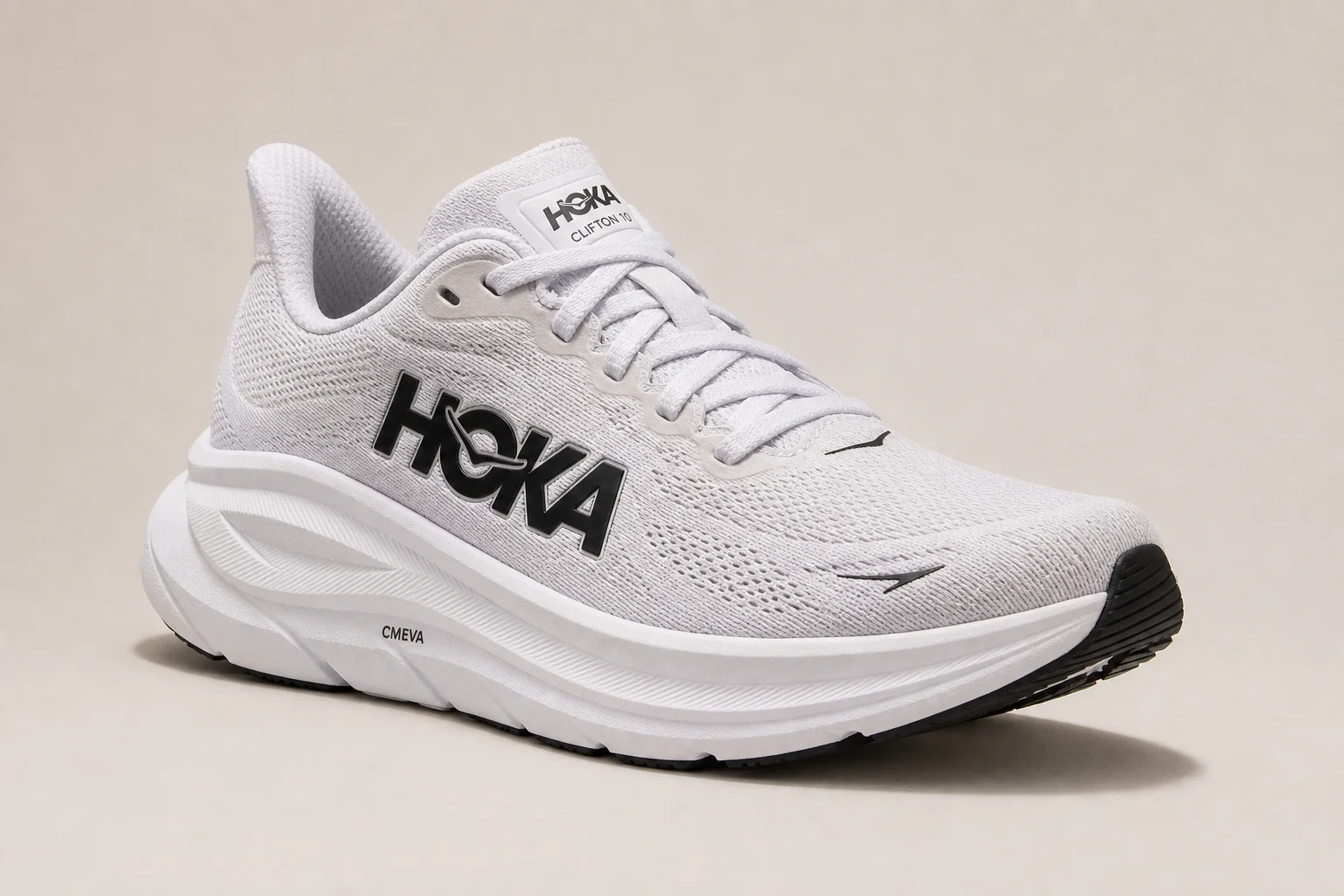
Hoka: Clifton 10 vs Skyward X2
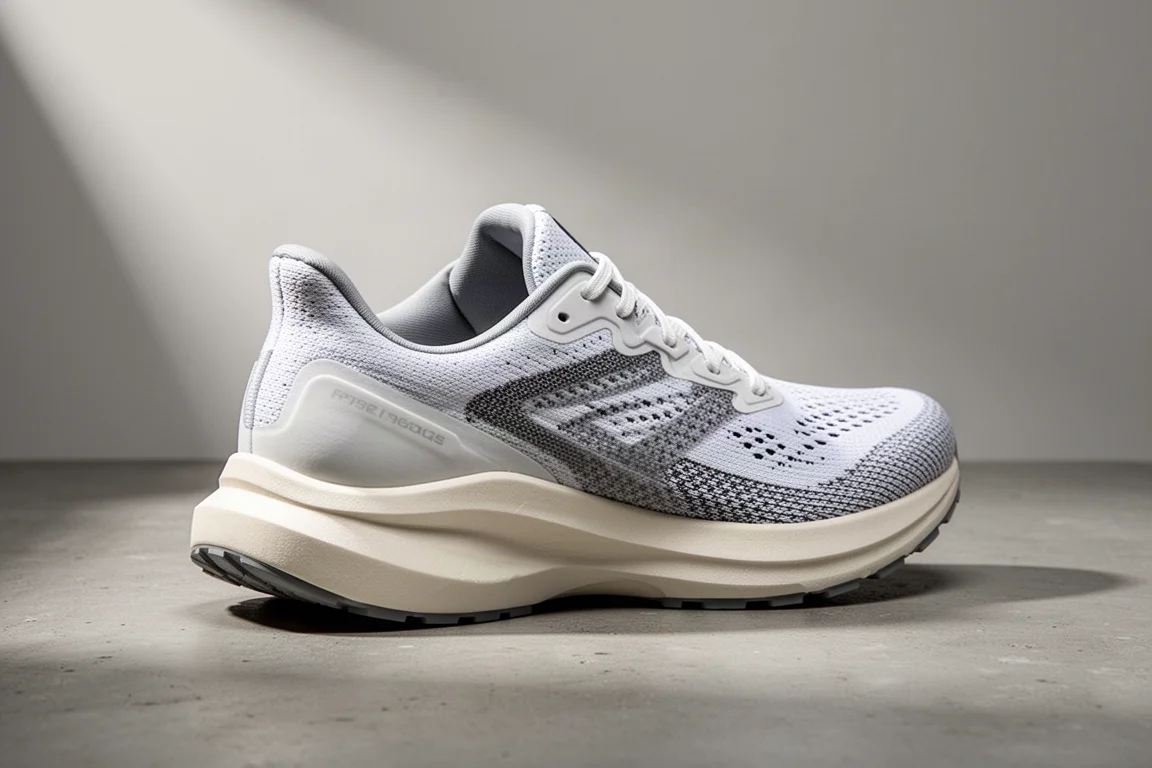
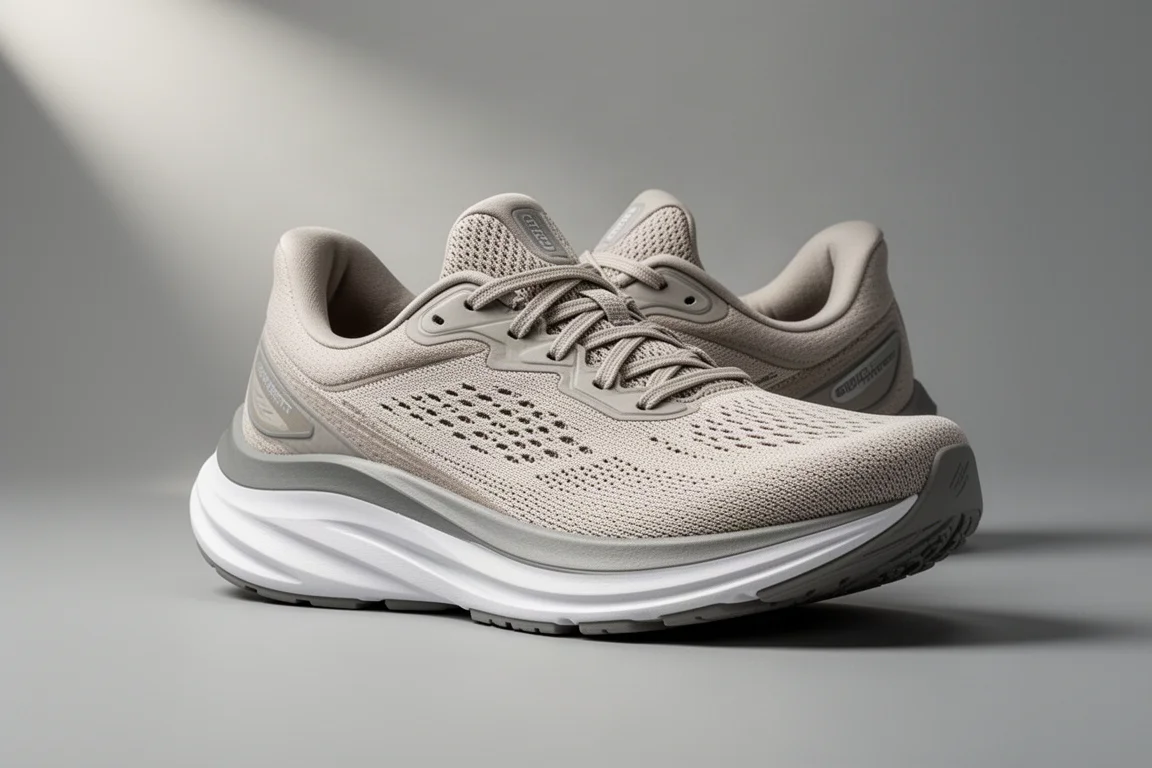
The Clifton 10 remains a likeable daily trainer with a slightly higher drop that suits rockered-ride fans, but its outsole durability is a real concern, wearing down quickly even at moderate mileage. The Skyward X2, at around $225 with a plate, is built for easy rolling miles and delivers a smooth, durable ride, though its upper has a noticeable taper that bothered one tester.
One tester leaned Clifton on fit preference; another declined to pick without running in the Skyward X2. The honest takeaway: if durability worries you, the Skyward X2 is the safer long-term buy, but verify the taper fits your foot first.
Puma: Velocity Nitro 4 vs Magnify Max 2
The Velocity Nitro 4, around 8.6 ounces, is a responsive ATPU-foamed do-it-all trainer that punches well above its price. It is not the most stable option, so it works best for runners with neutral mechanics. The Magnify Max 2 cleans up the line’s earlier flaws, with a dialed-in rocker, a midsole that hits the sweet spot between cushioned and firm, better heel transition, and a comfortable upper. It stays stable underfoot despite the foam volume and handles long runs and easy miles with ease.
The Velocities give you more versatility for less money. The Magnify Max 2 is the one some testers willingly pay extra for, praising its stability and balanced feel. If stability matters to you, pay up. If you want a light, peppy trainer on a budget, the Velocity Nitro 4 is excellent.
On: Cloudmonster 3 vs Cloudmonster 3 Hyper
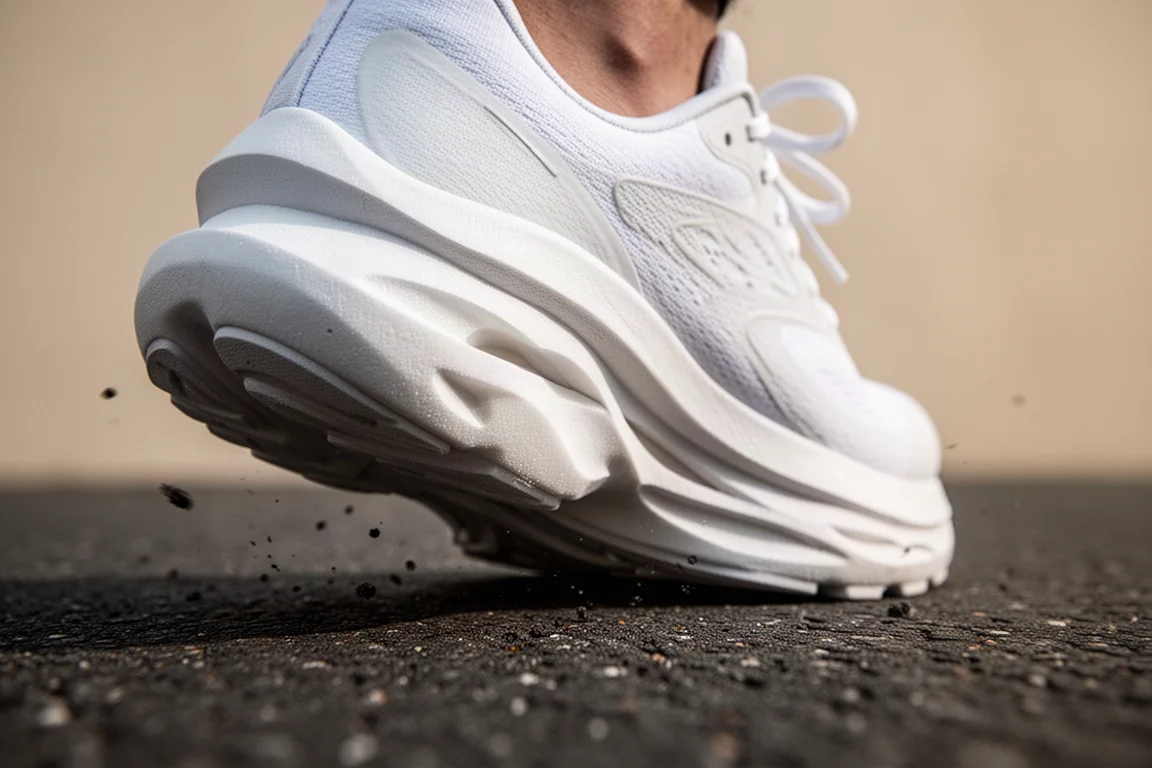
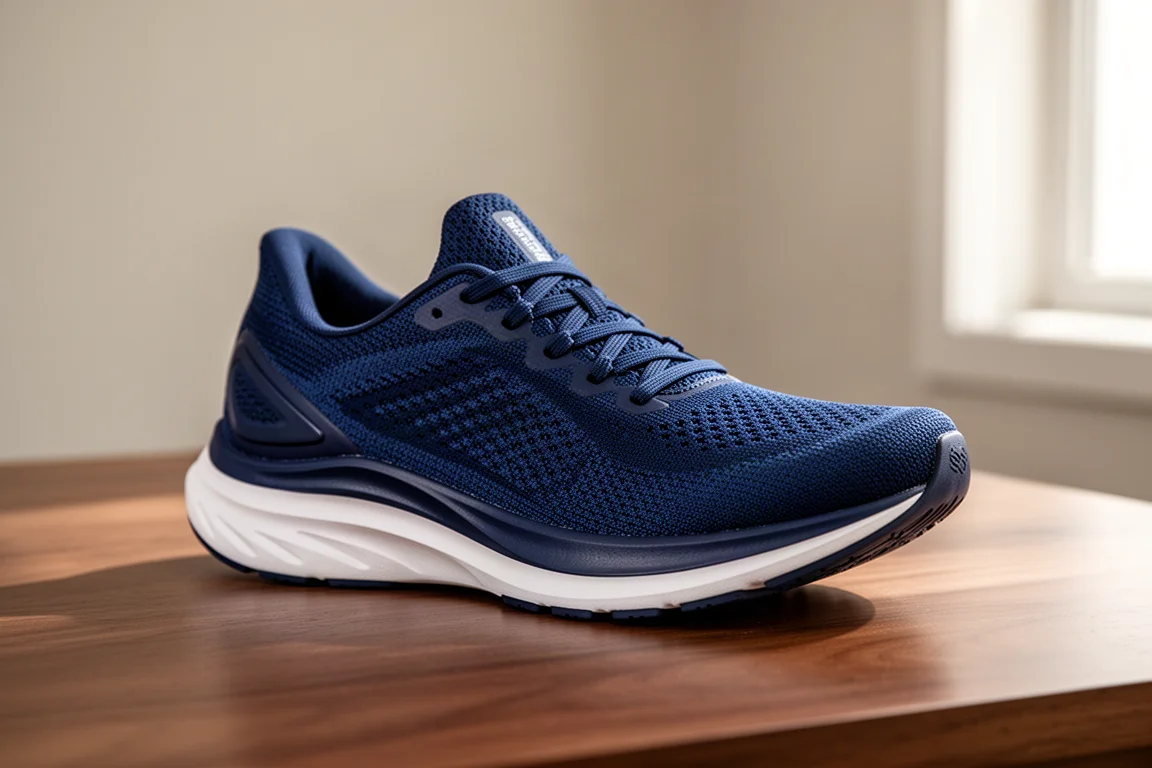
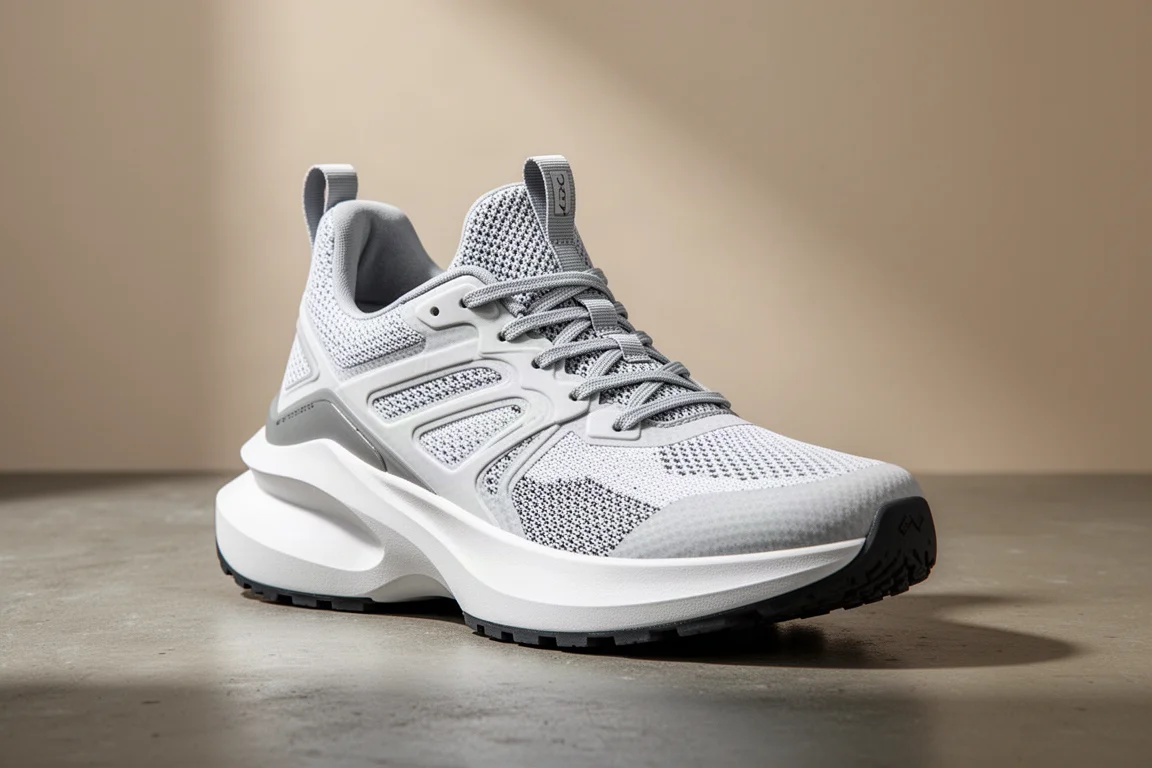
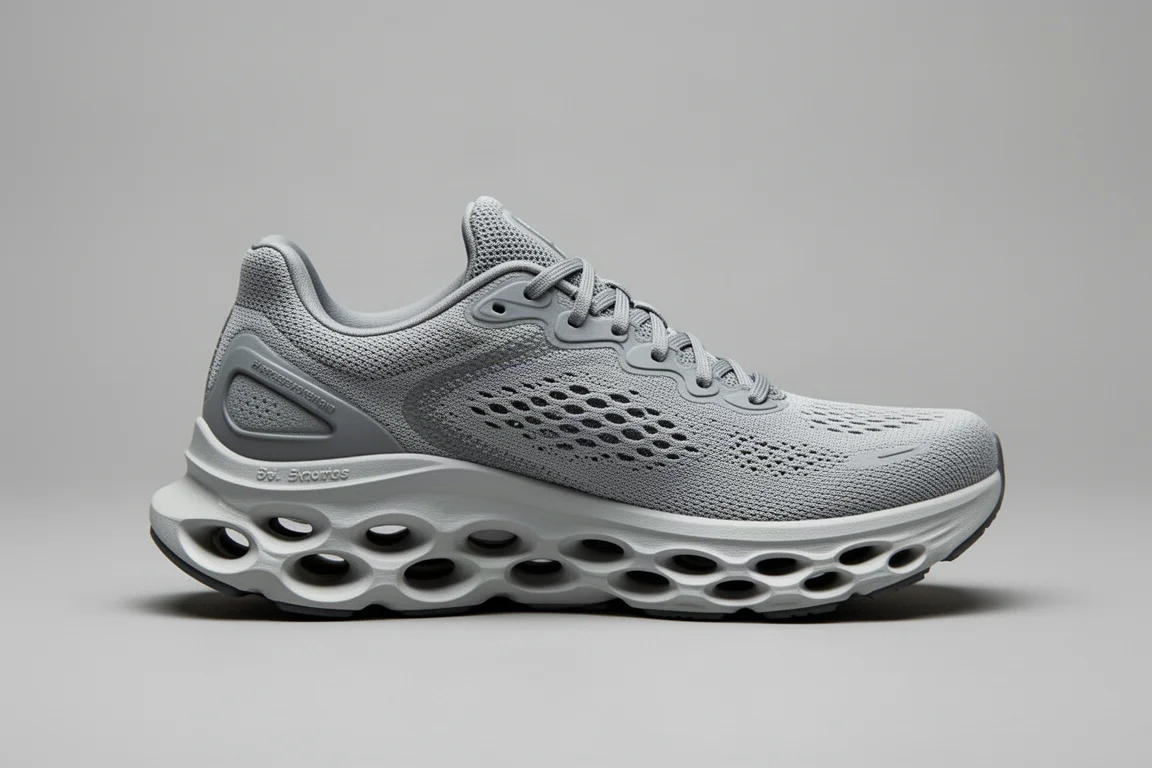
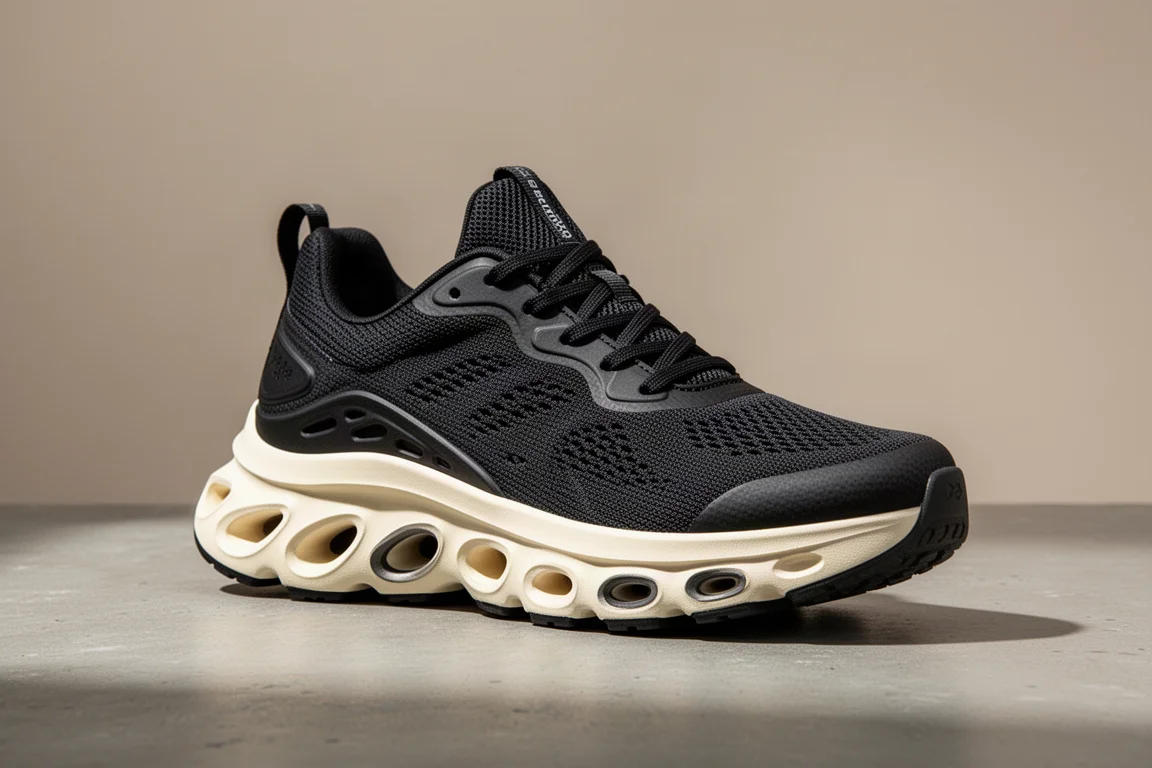
Few same-name pairs run this differently. The Cloudmonster 3 is a dual-layer CloudTec shoe with a firmer, structured EVA ride, more stable on foot, better for standing, walking, and all-day wear than for spirited running. The Cloudmonster 3 Hyper is the clear standout: a Helion HF super foam top layer encased in firmer CloudTec that adds guidance and stability while keeping the ride bouncy. It is lighter, the upper is spacious yet lockable, and it wins on performance, construction, and durability across the board.
Adidas Terrex Agravic SL
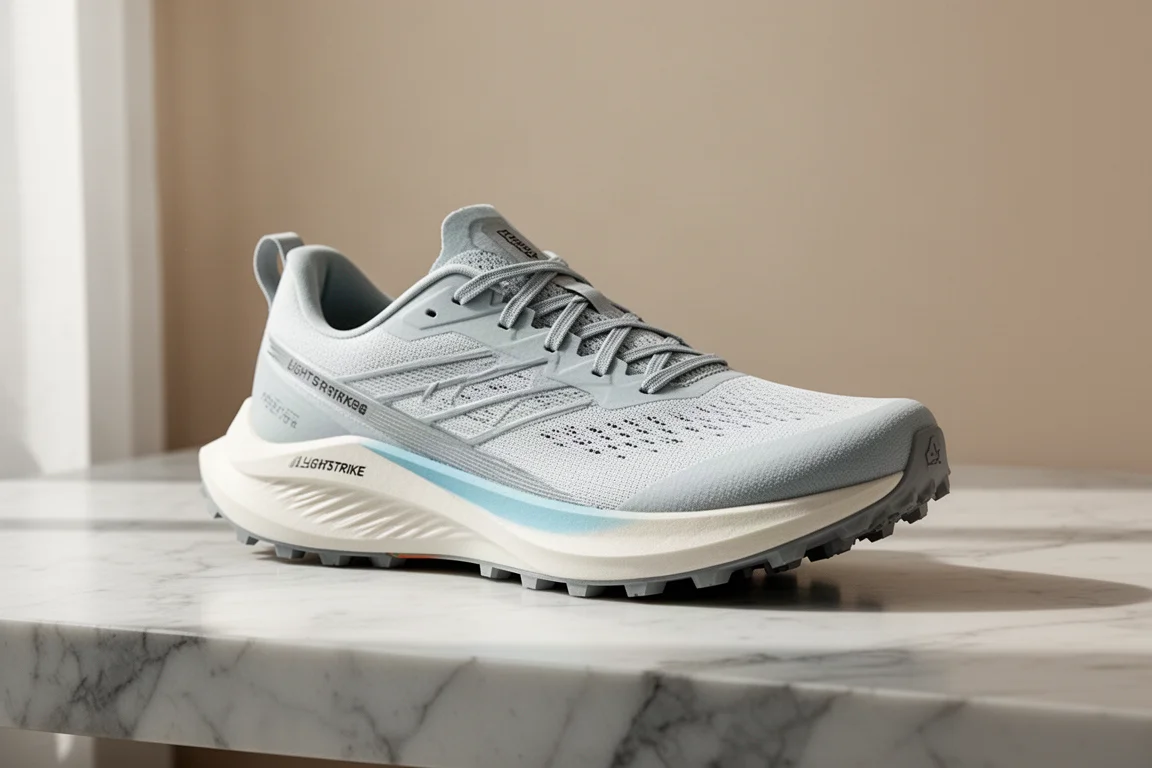
Not every premium pick is a road trainer. The Adidas Terrex Agravic SL takes a Lightstrike Pro midsole and a full-contact Continental outsole with variable 3.5 to 4 millimeter lugs into a trail super trainer. At around 9.4 ounces it is very light for a trail shoe, snappy and protective without being mushy, and surprisingly spacious for an Adidas last. It proved stable enough on rocks and tight turns, and stacks up against top trail models of the year for runners who want road-shoe performance on dirt.
Buying Advice: When the Upgrade Is Worth It
Across these matchups, the premium shoe earns its price in three situations: when durability is dramatically better, as with the Superblast 3 and Glycerin Max 2; when the ride genuinely transforms your running, as with the Cloudmonster 3 Hyper and Triumph 24; and when the cheaper option does not fit your stability or fit needs.
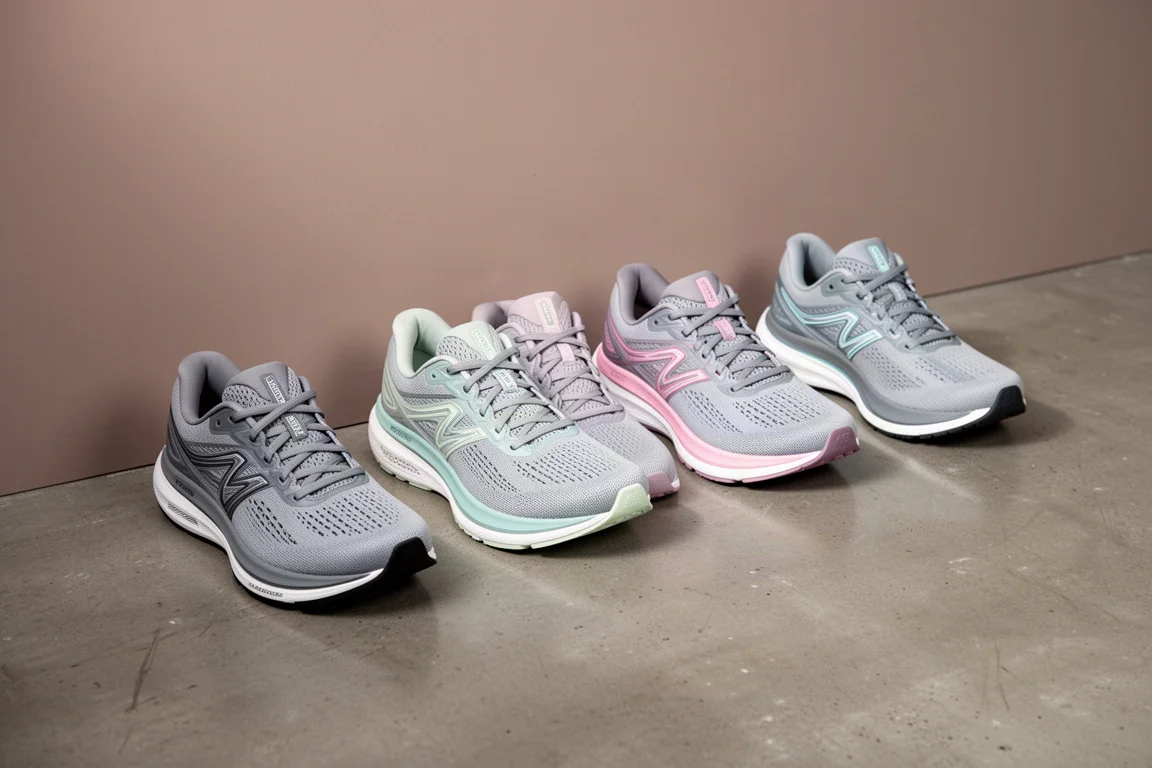
Otherwise, the cheaper trainer usually wins. Shoes like the Novablast 6, Ride 19, and Velocity Nitro 4 deliver most of what daily training requires at a meaningfully lower price. Match the shoe to your stride and injury history before matching it to a price tag.
Conclusion
The premium trainer is worth it less often than the price gaps suggest, but not never. The Cloudmonster 3 Hyper and Triumph 24 prove a well-executed upgrade can justify the money, while the Ride 19 and Novablast 6 show that great training does not require a premium budget. Buy for your stride, not for the spec sheet.
Further reading
Related Reviews

Running Shoes
Best Road-to-Trail Running Shoes: Three Versatile Options for Mixed Terrain
A practical guide to three road-to-trail running shoes that handle both pavement and mild trails, with clear strengths and trade-offs for different runner types.

Running Shoes
Best Running Shoes for Achilles Tendonitis: Three Options Explained
Three running shoes with different heel drops and support features designed to help reduce Achilles tendon pain during walking and running.

Running Shoes
Best Running Shoes for Women: Five Top Choices Ranked
A ranked guide to five women's running shoes, from versatile daily trainers to high-performance racing options, with real strengths and trade-offs for each.