Running Tech
Best Running Tech Right Now: Watches and Headphones Worth Your Money
From the Garmin Forerunner 955 to budget-friendly JLab earbuds, a practical guide to the running watches and sports headphones that actually earn their place in your kit bag.
Introduction
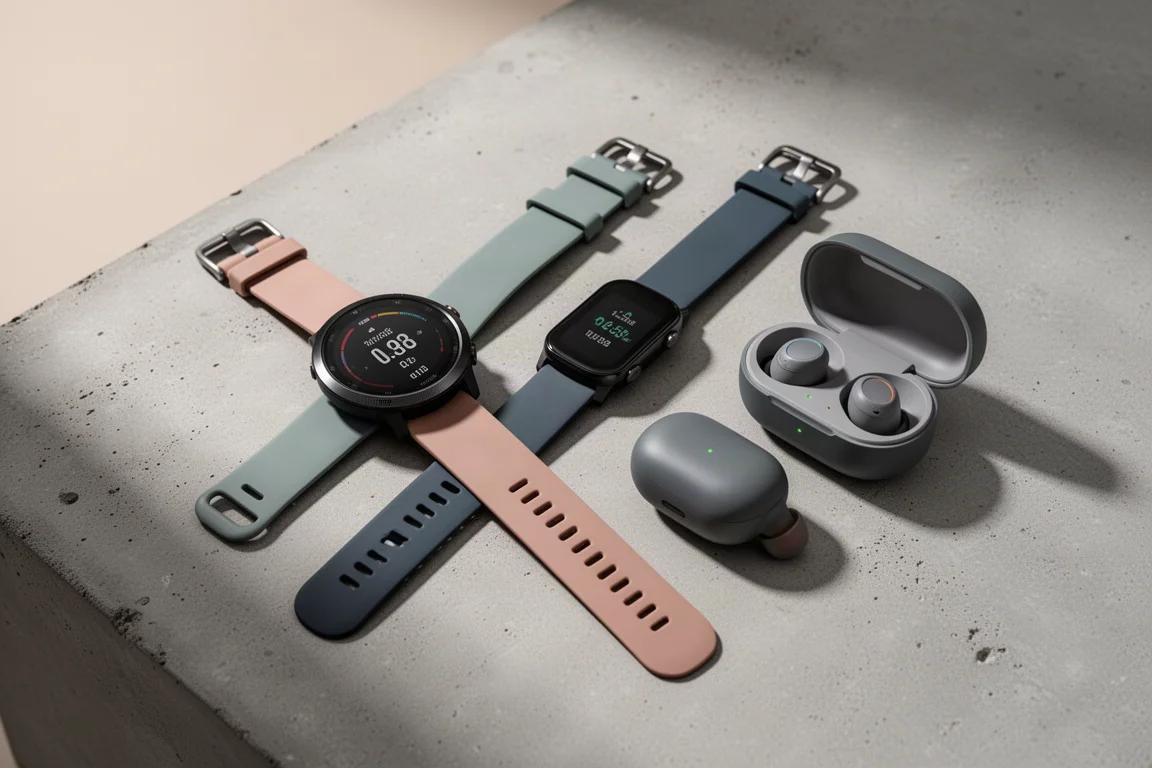
Running tech has reached the point where you no longer need to spend a fortune to get genuinely useful tools. The latest generation of GPS watches delivers training insights that were reserved for elite squads a few years ago, and sports headphones have improved across every price bracket, including the very cheap end.
This guide pulls together the watches and headphones that stand out right now, split by the kind of runner they suit: seasoned trainers chasing specific goals, runners who want room to grow, and anyone who just wants reliable audio without overspending.
Running Watches for Advanced Runners
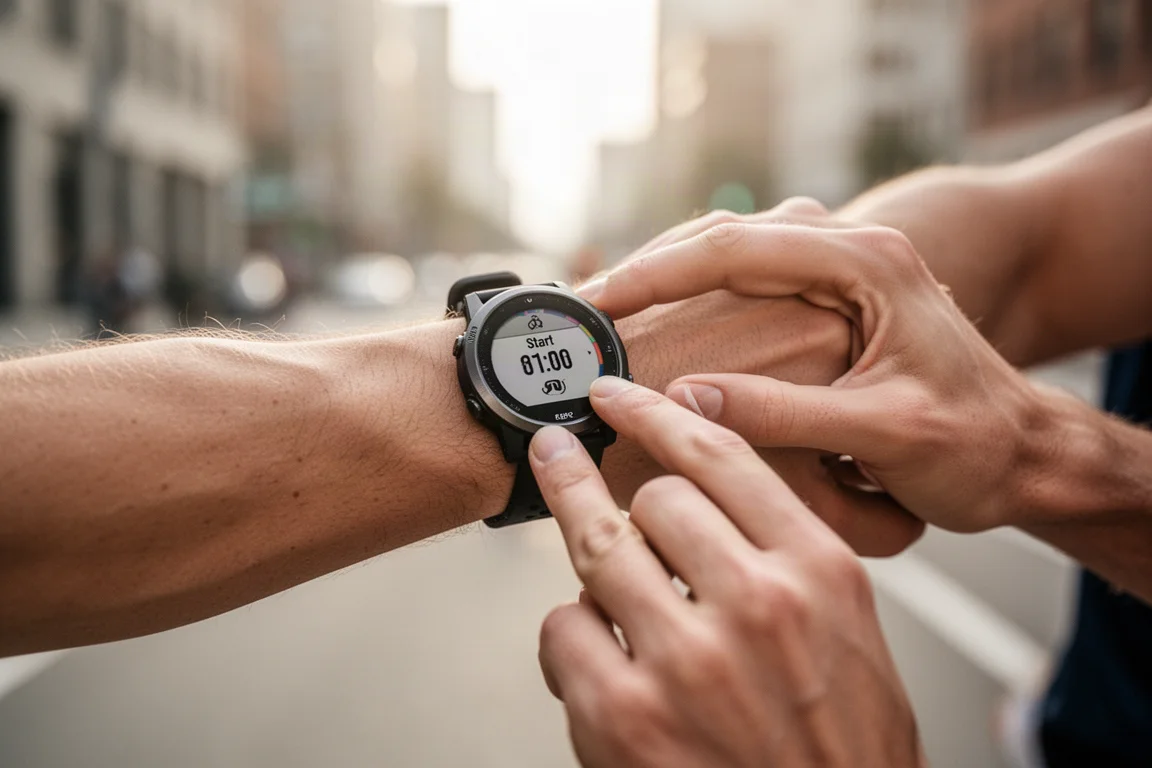
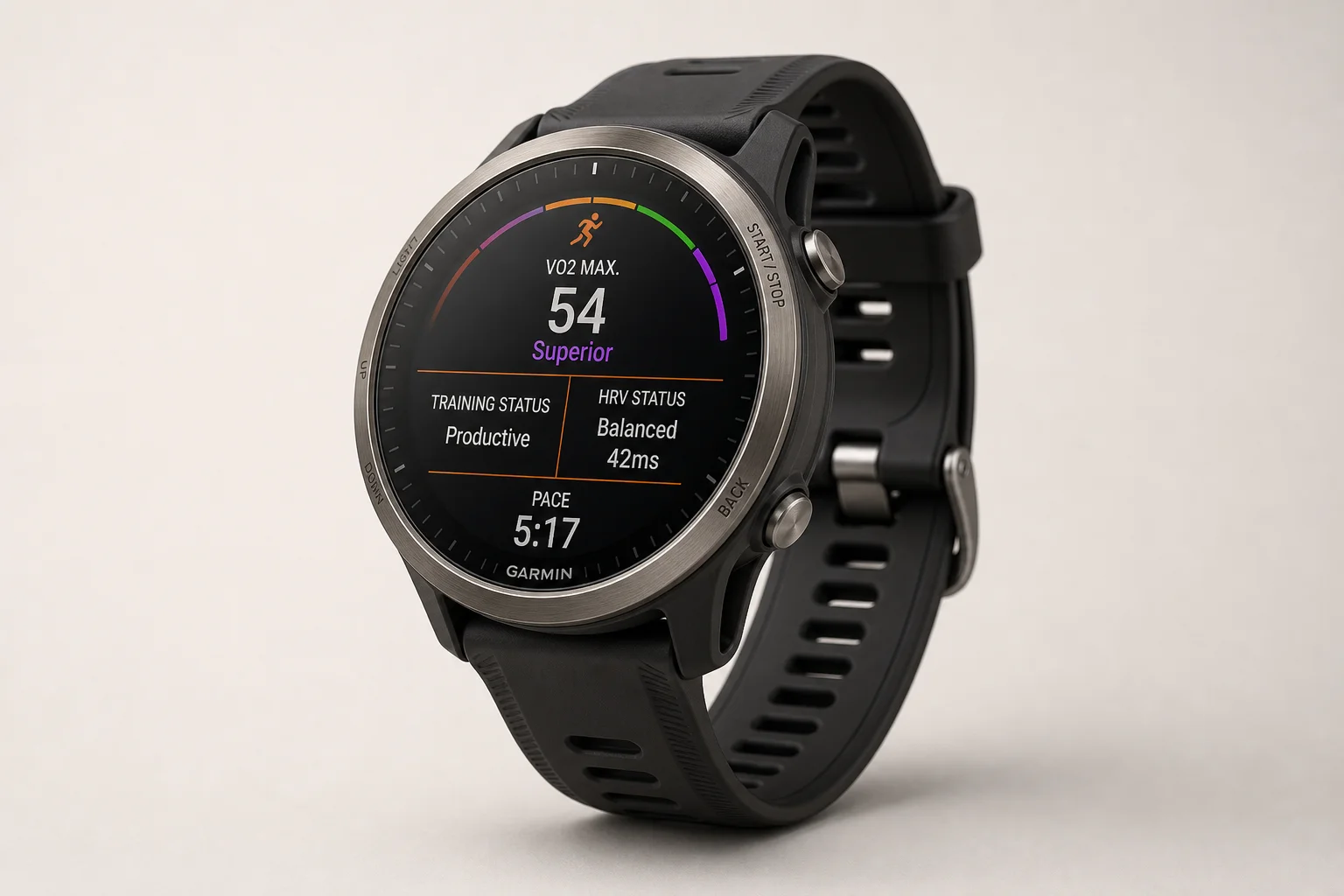
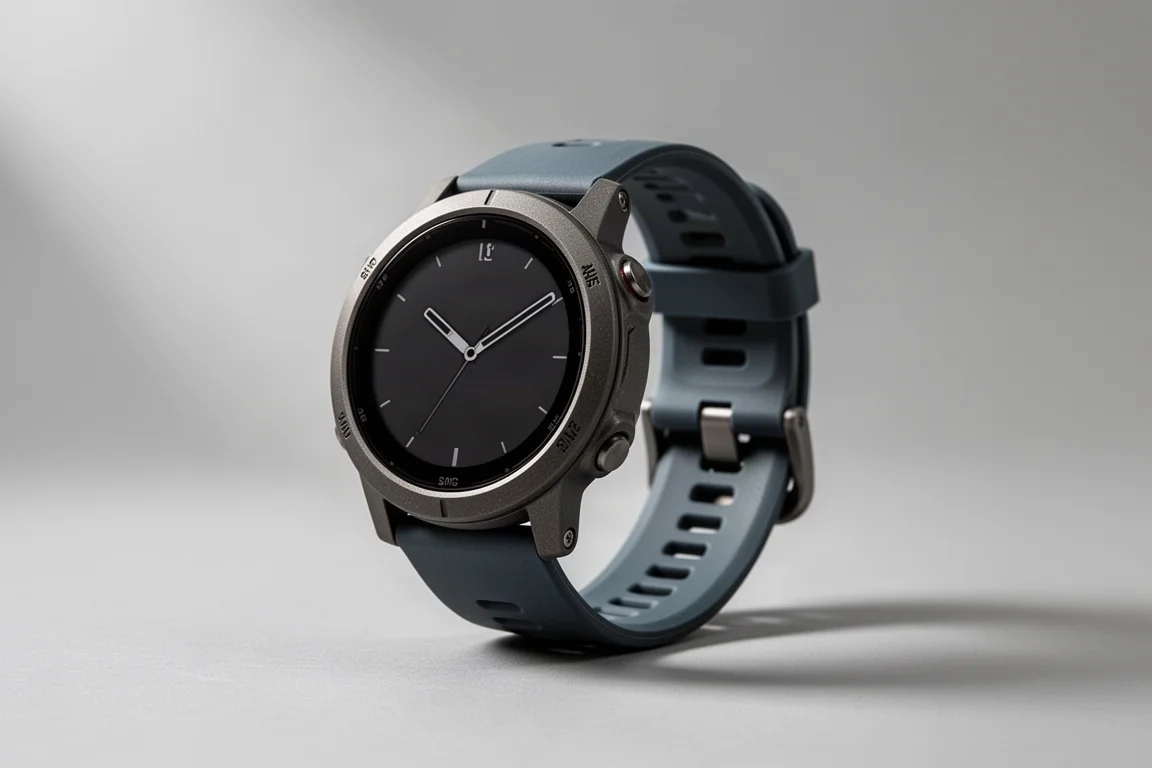
If you train seriously, know your sessions, and want deep analysis of your fitness and recovery, the Garmin Forerunner 955 is the standout choice. At around £495, it arguably offers the best value at the top end, combining strong battery life with features such as training readiness and HRV status that genuinely help shape a training week. It has also proven itself over a full marathon build-up and race, which is the kind of real-world test that matters.
If money is no object, the Garmin Enduro 2 is a beast of a watch that does everything you could need, though it comes close to £1,000. A smart alternative is to look a generation back: the original Enduro can now be found for around £500, and older fenix models also offer a compelling feature set for the money.
Garmin is not the only option. The Polar Pacer Pro takes much of what makes the Vantage series and Grit X good and packages it into a runner-focused watch that costs less. The software execution is not quite as slick, but the core Polar running experience and training analysis are very much there, and it is a serious consideration if Garmin does not appeal.
Best Value Watch for Growing Runners
The Coros Pace 2 changed the market when it launched. Its arrival essentially forced other brands to offer more at that price point, and it still delivers an outstanding balance of performance, battery life, and features. You do not get the mapping and navigation of the pricier Coros watches, but the core experience is very similar, and software updates stay consistent across the range, so you do not feel shortchanged.
The real argument for the Pace 2 is headroom. Many runners who get into the sport progress quickly, and a basic watch often runs out of useful features within a year. The Pace 2 grows with you into the more analytical side of training data without costing much more than entry-level devices.
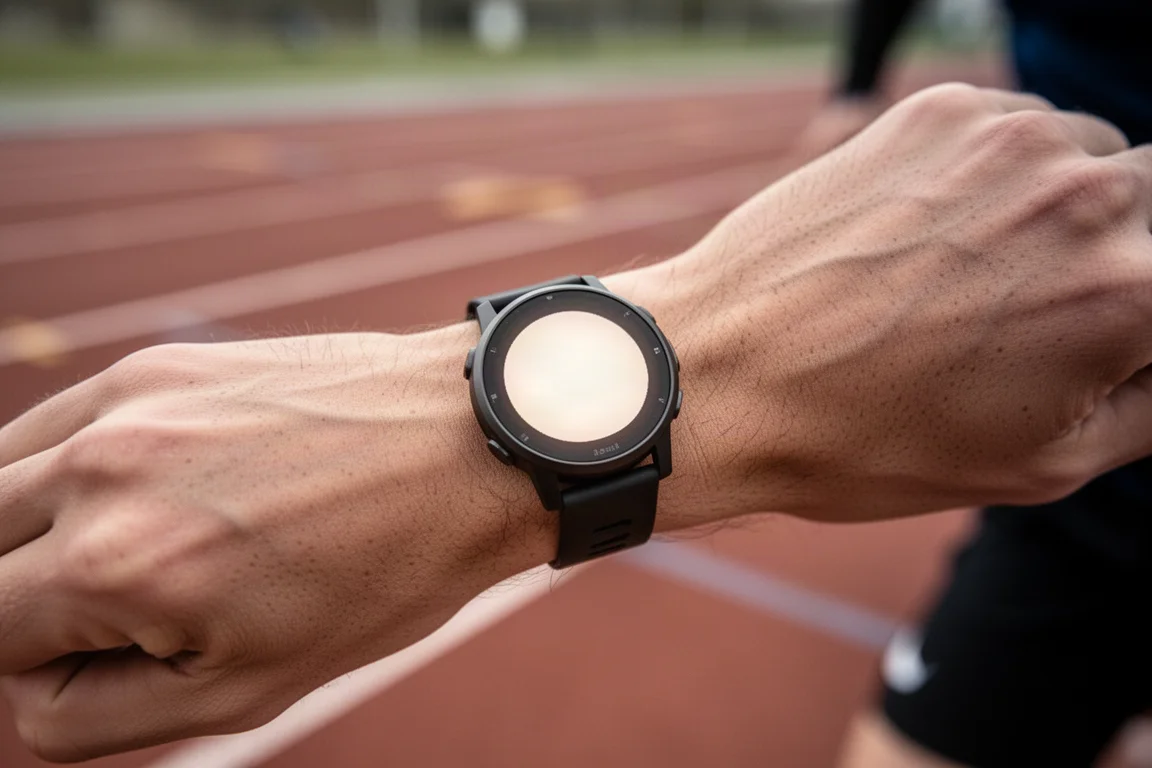
The Garmin Forerunner 255 sits a step above in price at £299 without music, but it offers even more room to develop, a solid 30-hour battery life, and a feature set that should last you a long while. The Polar Pacer also belongs in this conversation: another solid option at an entry-level price that tracks more than just running, including swimming and cycling, with the strong training analysis Polar is known for.
Sports Headphones: The Premium Picks
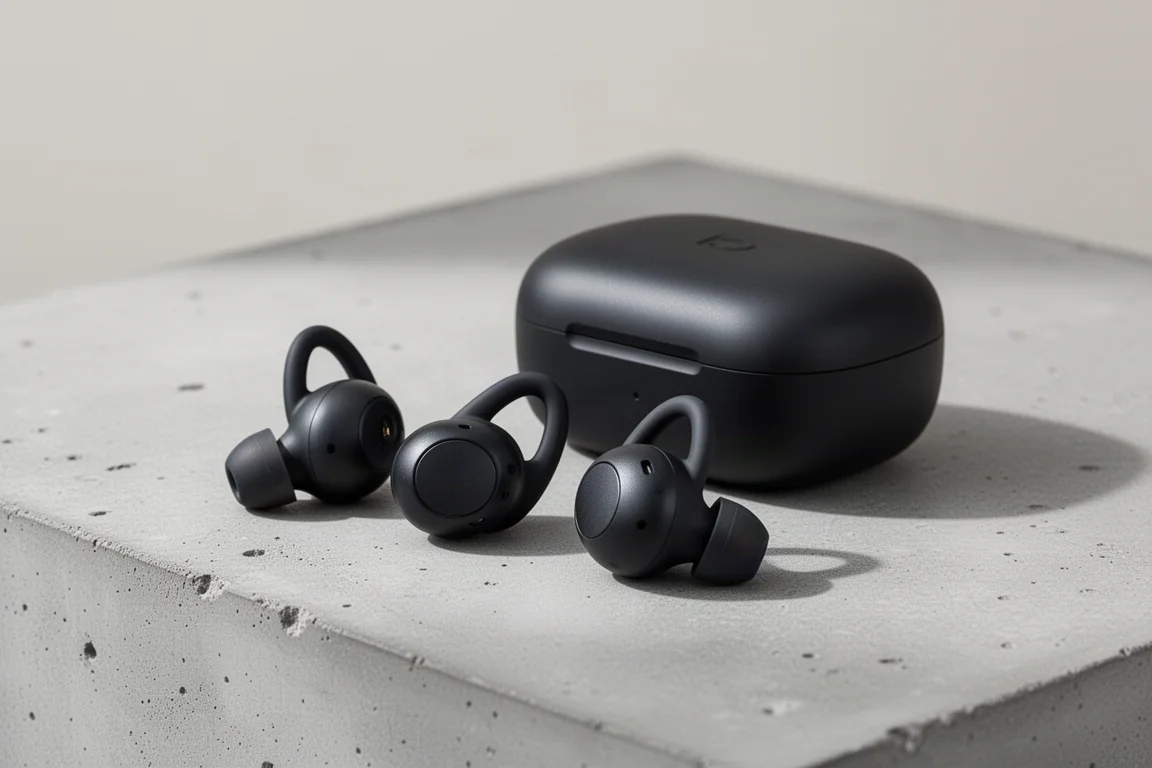
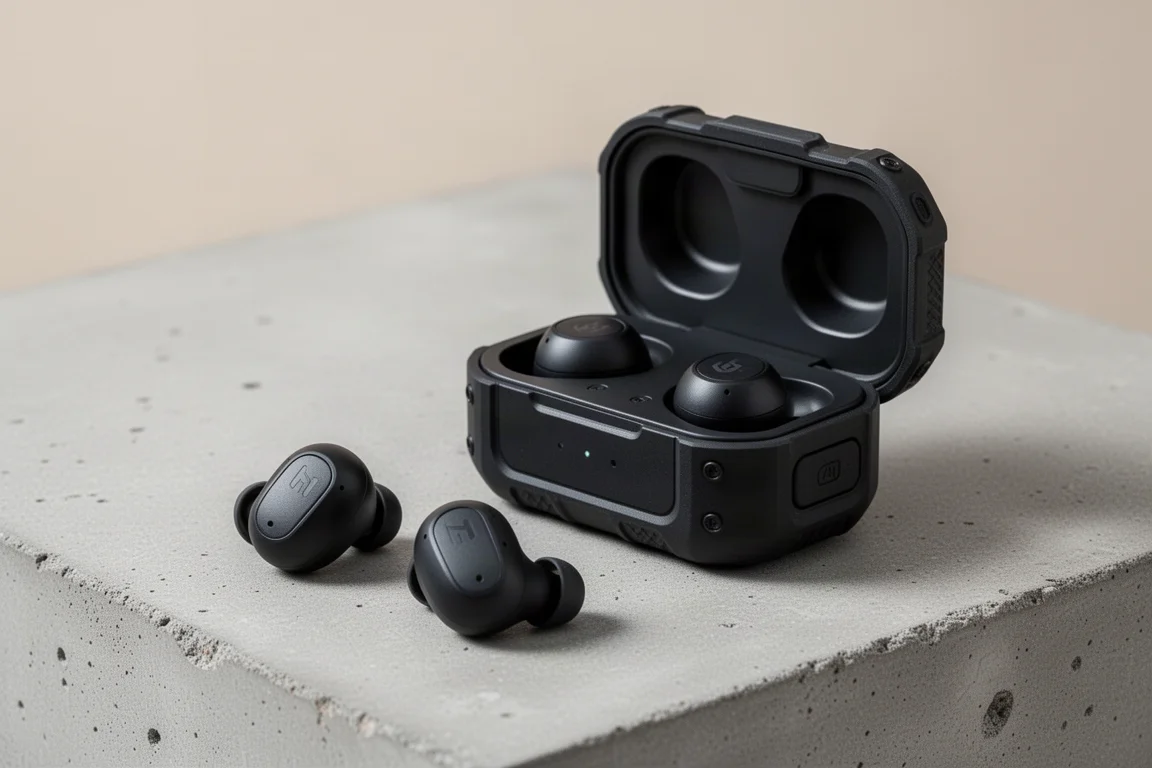
Choosing running headphones can feel like a minefield, but a few pairs consistently rise to the top. The Jabra Elite 4 Active is a favourite for runs and races: it offers nearly the same feature set as the more expensive Elite 7 with better durability credentials, genuinely good active noise cancellation, a solid companion app for personalising sound, and strong battery life.
The Jaybird Vista 2 is the other long-standing pick. You get around eight hours per bud and 16 hours total with the case, which comfortably covers a week of training. The app is loaded with extras such as custom EQ, saved sound profiles, and find-my-buds, the case is waterproof and supports rapid charging, and the sound quality is excellent. At around £139 it is very competitive. Two caveats: some users report durability and charging contact issues if the buds are not kept clean, and its parent company has quietly stepped back from the sports headphone business, so the long-term outlook is less certain.

For a different take, bone conduction headphones remain the option for runners who dislike sealing their ears off completely. Shokz still leads the category for the all-round package, but other brands have produced genuinely good alternatives with larger sound, and a lower price does not automatically mean lower quality in this space.
Best Budget Sports Headphones
The Nothing Ear (1) is a surprising value pick at £99.99. The buds are super lightweight, battery life reaches up to 34 hours with the case and active noise cancellation in play, and they feel genuinely comfortable over long runs. The feature set is simple, but durability has proven solid and the sound is good enough to rival plenty of more expensive pairs.
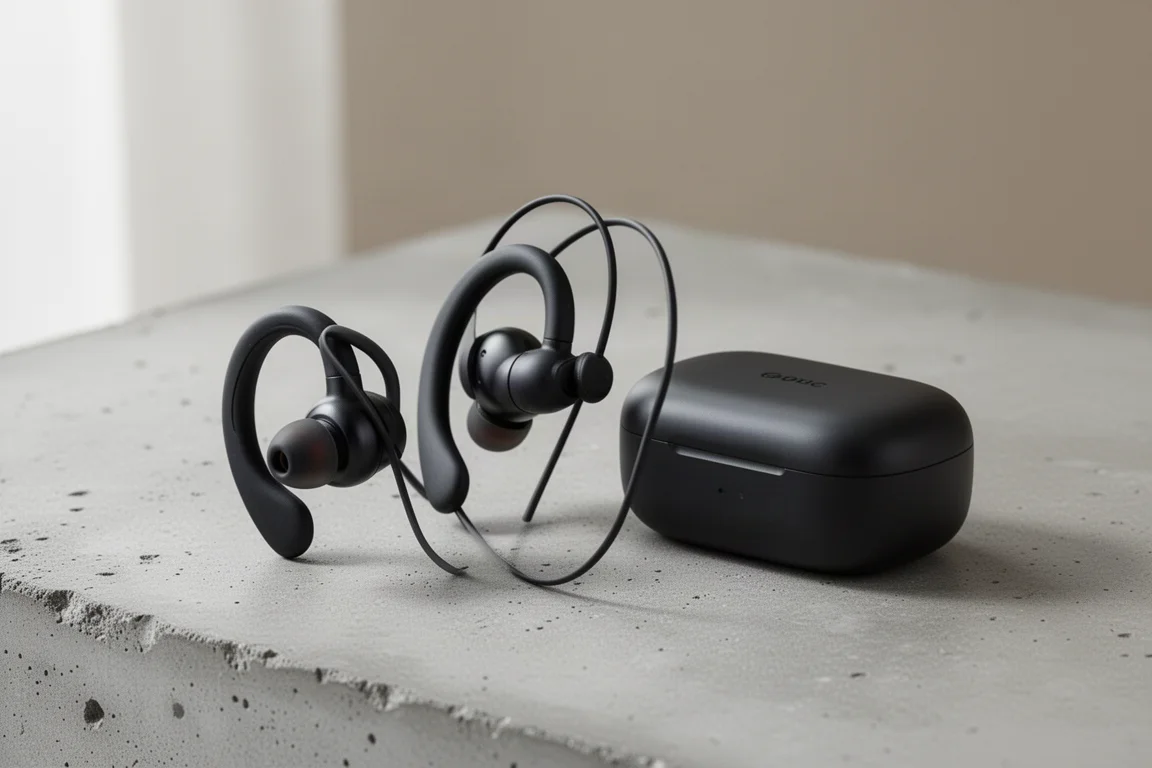
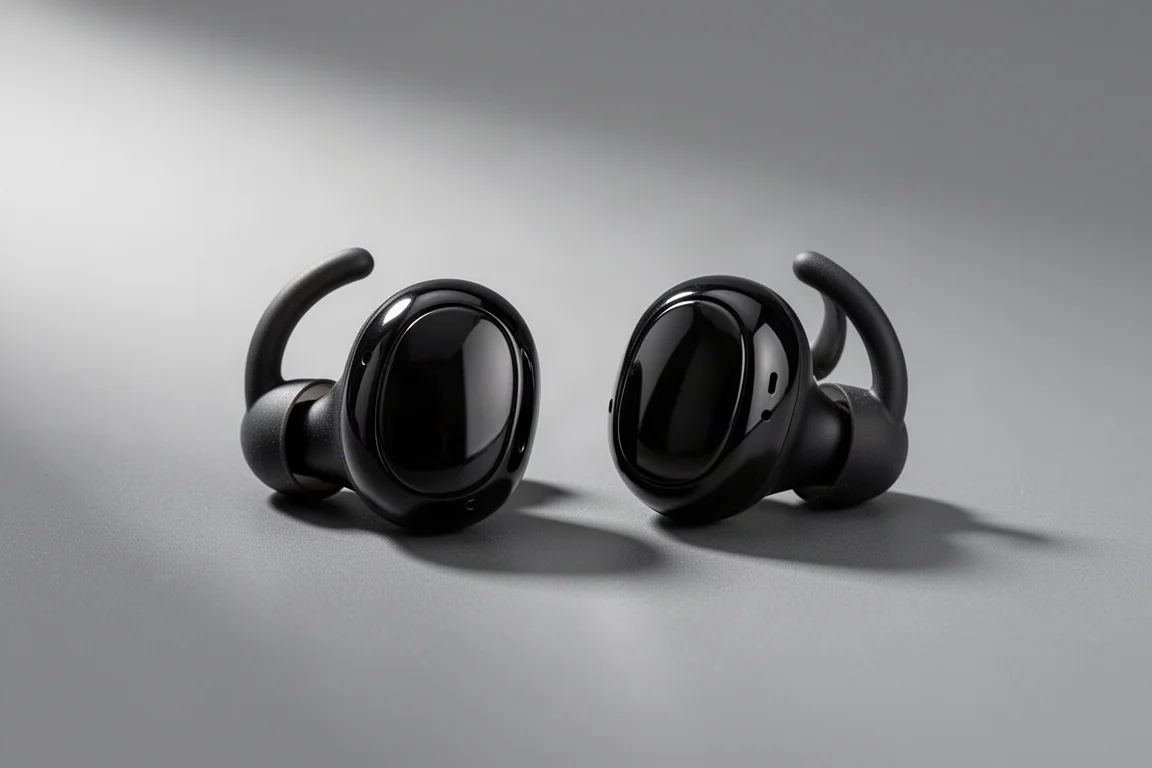
JLab has produced two of the year’s most surprising budget headphones: the Go Air Sport and the Epic Sport, sitting roughly in the £20 to £30 range depending on the version. Expectations for that money are naturally low, but sound performance is very good, the fit is secure for running even on the non-wing-tip version, battery life is strong, and you can adjust the sound profile. The controls are a little hit and miss, but these prove you can spend very little and still get headphones you would genuinely be happy to run in.
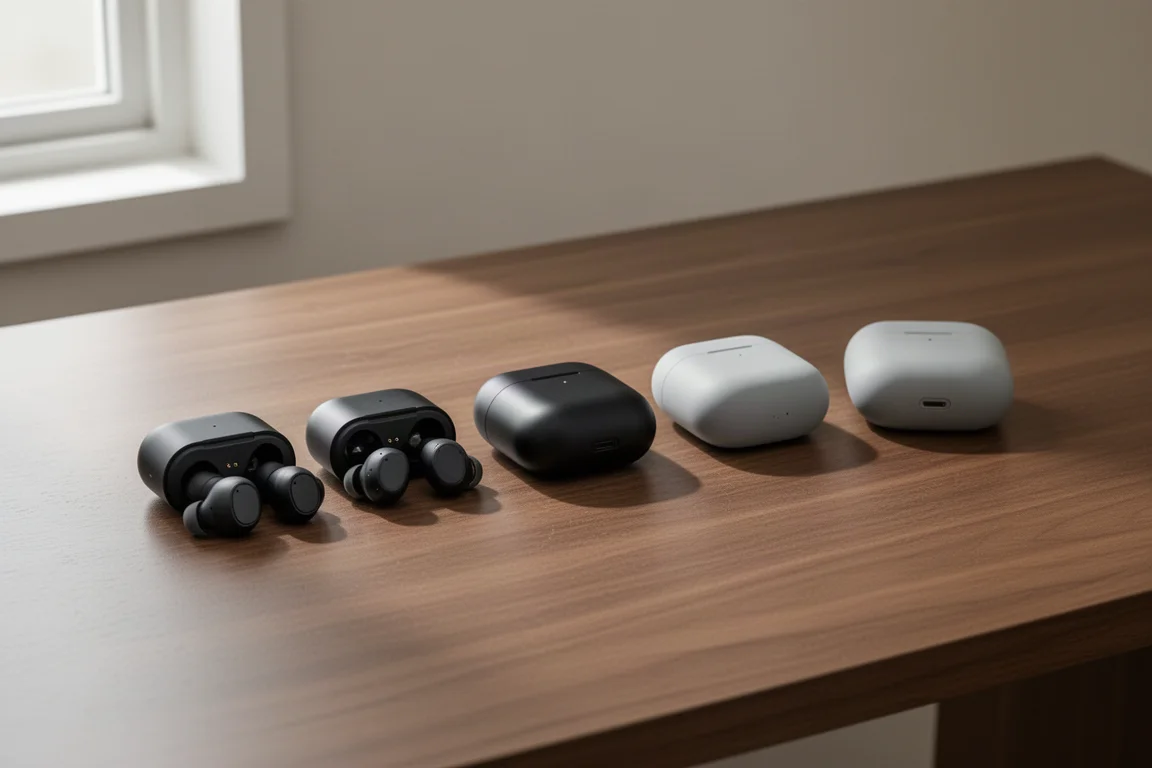
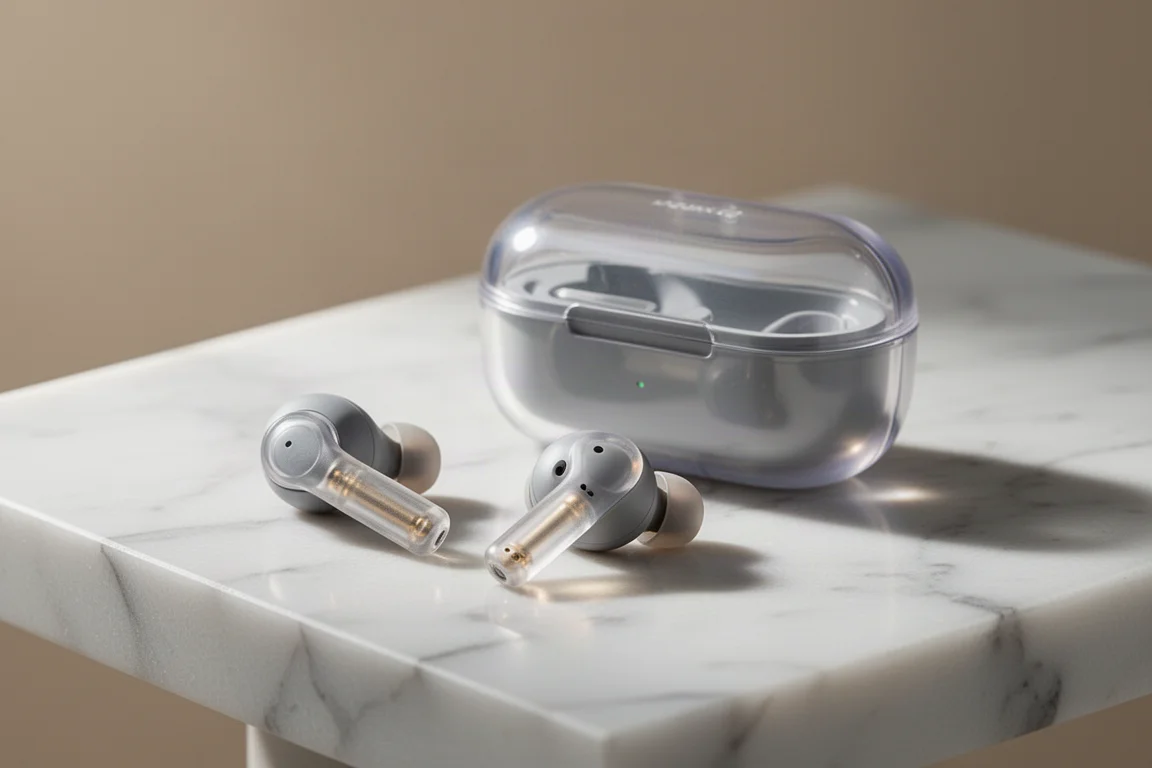
Finally, the Anker Soundcore Liberty 3 Pro sits just under the £90 RRP and often sells for less, offering a really good sound and a solid all-round experience. It is the pick if you want near-premium audio quality without stretching to the top of the market.
Buying Advice
For watches, match the device to where you are heading, not just where you are. If you are committed to structured training, the Forerunner 955 justifies its price through insights and battery life. If you are newer to the sport but serious about progressing, the Coros Pace 2 or Forerunner 255 give you years of headroom. If Garmin is not for you, the Polar Pacer Pro is the credible alternative.
For headphones, decide whether you want noise cancellation, full awareness, or maximum battery, and remember that price is a poor predictor of satisfaction in this category. Some of the most enjoyable running audio right now comes from earbuds costing a fraction of the premium models.
Conclusion
The current running tech market rewards buyers who know what they actually need. Garmin still owns the premium and advanced training space, Coros and Polar offer outstanding value at lower price points, and the headphone market now has genuine quality from £20 up to £150. Pick for the runner you are becoming, not the one you are today, and almost any of these picks will serve you well.
Further reading
Related Reviews
Running Tech
1MORE Fit SE Open Earbuds S30 Review: Lightweight Open-Ear Audio for Runners
A compact, 10g-per-bud open-ear sports earbud with strong volume, secure fit, and 30 hours of total battery for $59.99.
Running Tech
Apple Watch Running Power vs Garmin and Stryd: How the Beta Stacks Up
A close look at the new Apple Watch running power beta, compared side by side against Garmin, Polar, Coros, and the Stryd Foot Pod across real interval sessions.
Running Tech
Oladance Wearable Stereo Review: Open-Ear Earbuds Built for Running
First impressions of the Oladance Wearable Stereo open-ear earbuds: comfort, sound quality, battery life, and how they hold up in wind and rain.