Running Shoes
10 Best Running Shoes Under $100: Current Deals Worth Grabbing
Ten running shoe deals all priced under $100, from daily trainers to tempo shoes and racers, with notes on who each pick suits best.
Introduction
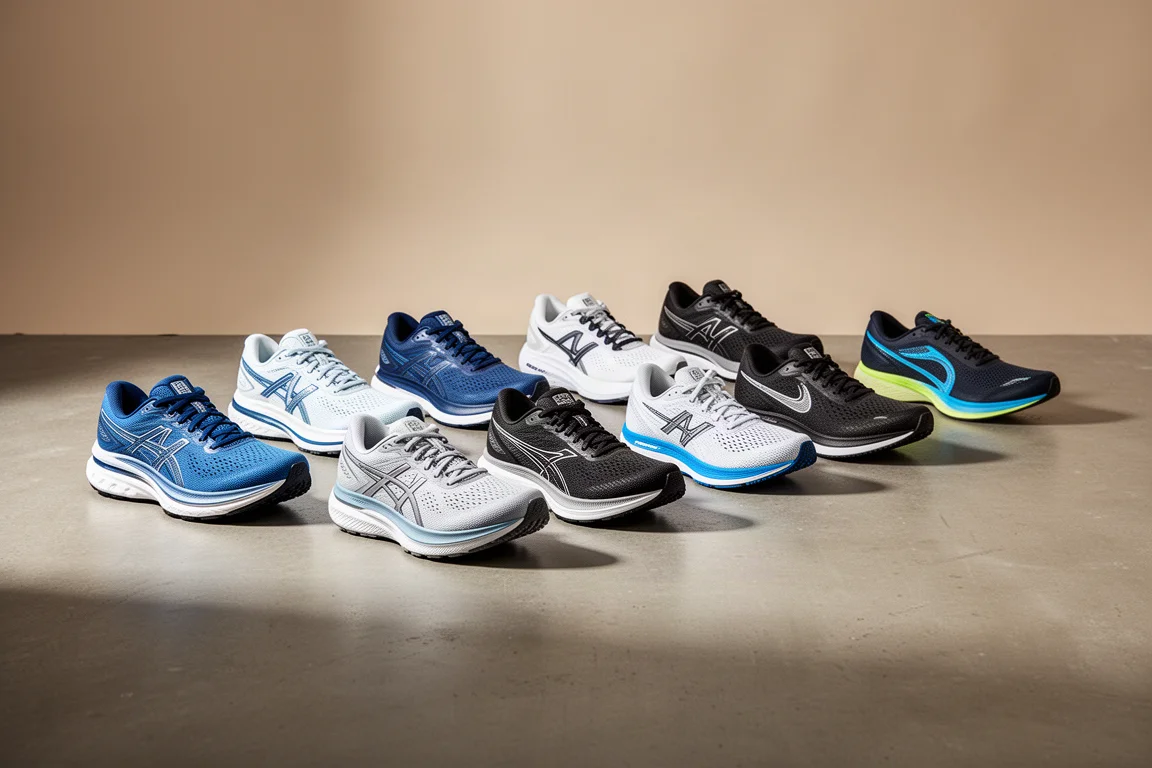
Getting a genuinely good running shoe for under $100 is still possible, but it usually means catching a deal, and the deepest discounts tend to show up on last year’s models. This roundup collects ten shoes currently priced at or below the $100 mark, spanning daily trainers, recovery shoes, tempo workhorses, and short-distance racers. Some deals are this year’s models on sale, others are prior-generation versions, which is where the savings get serious. If you spot a better price on any of these, it is worth checking other retailers before you buy heading into the holiday shopping season.
Saucony Endorphin Shift 3
The Endorphin Shift 3 has kept dropping in price and now sits at $90. There is talk that it will not get a fourth version, which is a shame, because it has been one of the standout daily and recovery-type shoes of the past year. Its PWRRUN EVA foam runs a bit firmer than most recovery shoes on the market, and the strong rocker up front helps you roll through the miles without feeling like you are sinking into the shoe. If you have a big goal race coming up and want something to ease you back into running afterwards, this is an easy recommendation. The challenge now is finding a successor, with softer options like the Gel Nimbus feeling a touch too plush by comparison.
Nike Pegasus 40
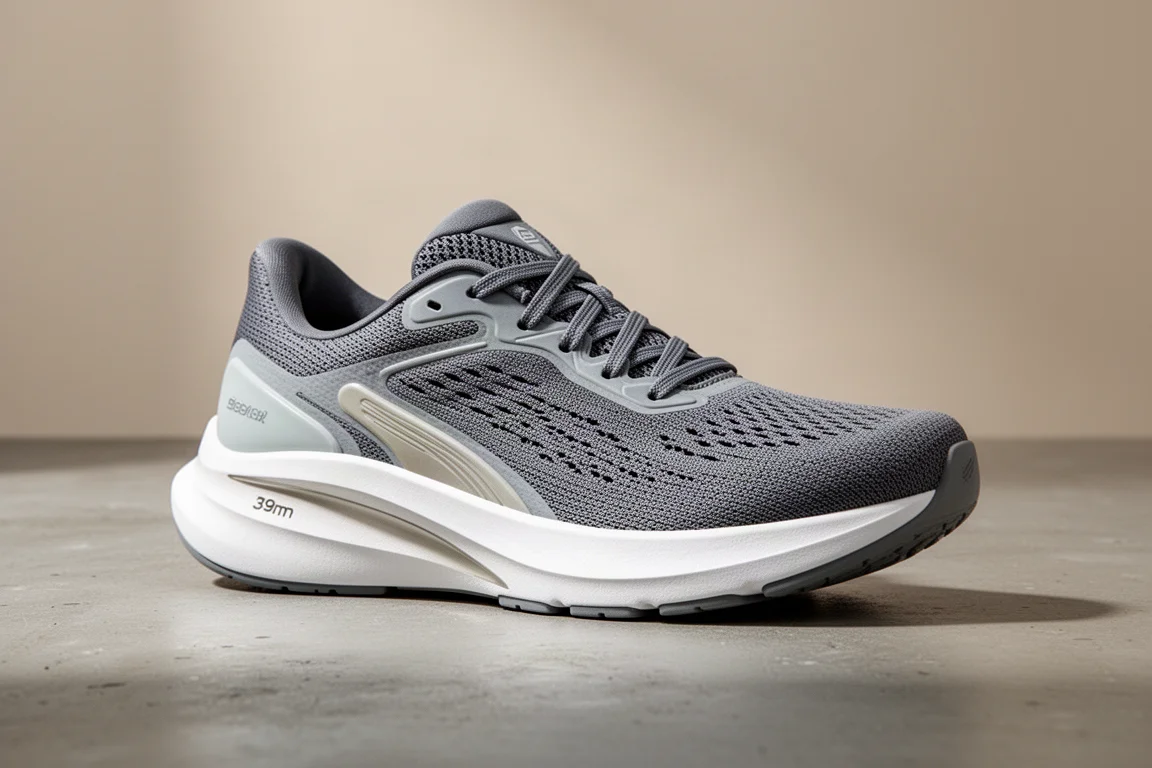
Both the Pegasus 39 and Pegasus 40 are on sale, with the highlighted deal at $90. The Pegasus is one of the most underrated daily trainers on the market right now. It is not flashy, but the React foam is comfortable and delivers a confident, planted feel when you pick up the pace. The full-length rubber outsole makes it very durable, so it holds up to high weekly mileage. If you are a fairly efficient runner who does not need much support or cushion underfoot, the Pegasus remains one of the top workhorses available, equally happy going fast or going slow.
Topo Spectre
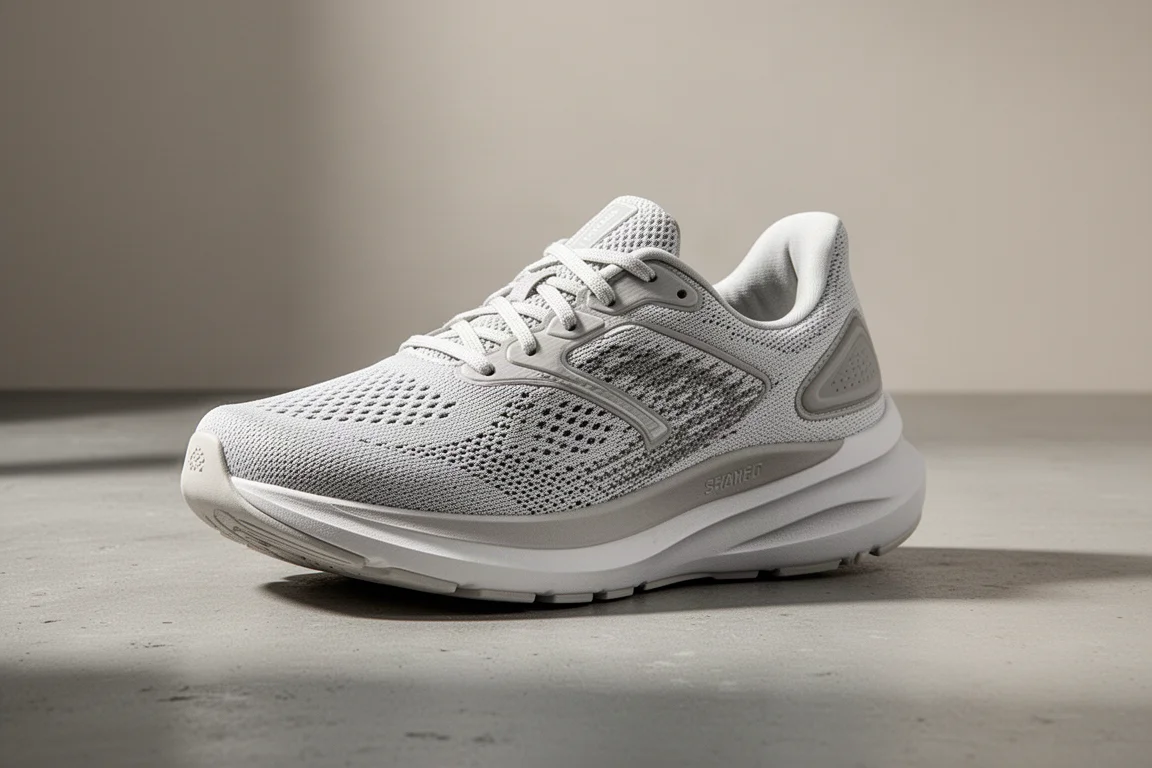
The Topo Spectre is $99 and makes a great long run shoe. It has a fairly thick stack with a dual-foam construction: an EVA drop-in on the bottom for support, with PAA in the midsole adding bounce and responsiveness when you want more liftoff at faster paces. That combination makes it a comfortable cushioned option for long runs and recovery runs in the back half of marathon training. Like the Shift 3, it also works well as a shoe to help you get back into running comfortably after a race.
New Balance SC Pacer
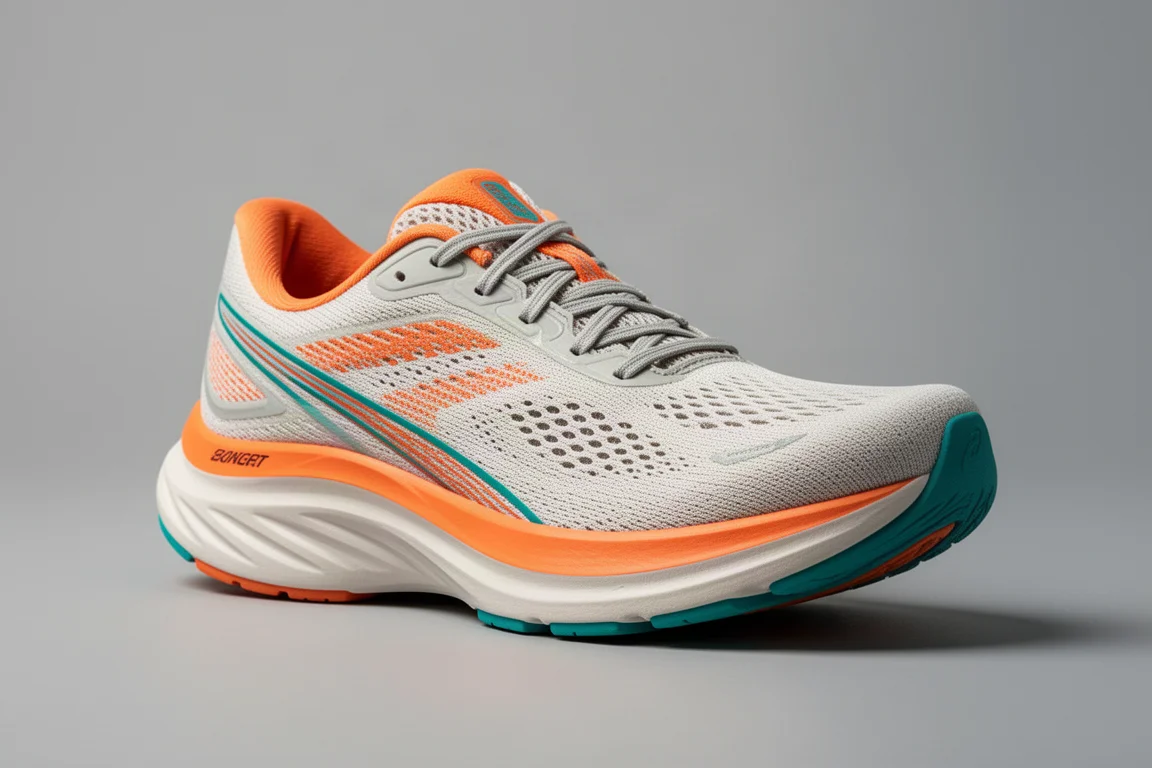
At $80, the SC Pacer is a thinly stacked plated racing shoe built for short distances like the 5K and 10K. It competes with shoes such as the Adidas Takumi Sen and the Nike Streak Fly, and it is really designed for efficient, lighter runners who can get the most out of a lightweight racing platform. For recreational runners who are not super lightweight, it arguably makes more sense as a training shoe for fast paces: without a massive super shoe stack, it keeps you connected to the ground and helps build leg strength. It is plated, but it will not hand you the assistance of a thick-stacked super shoe.
Nike Streak Fly
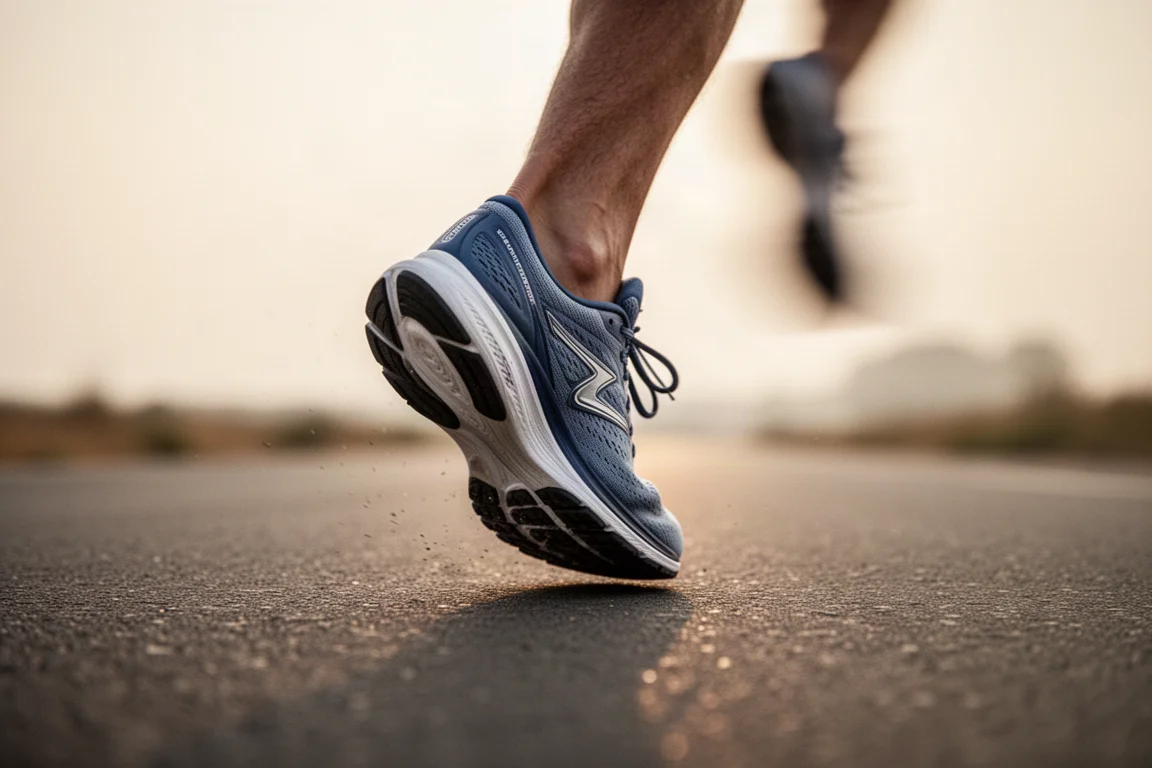
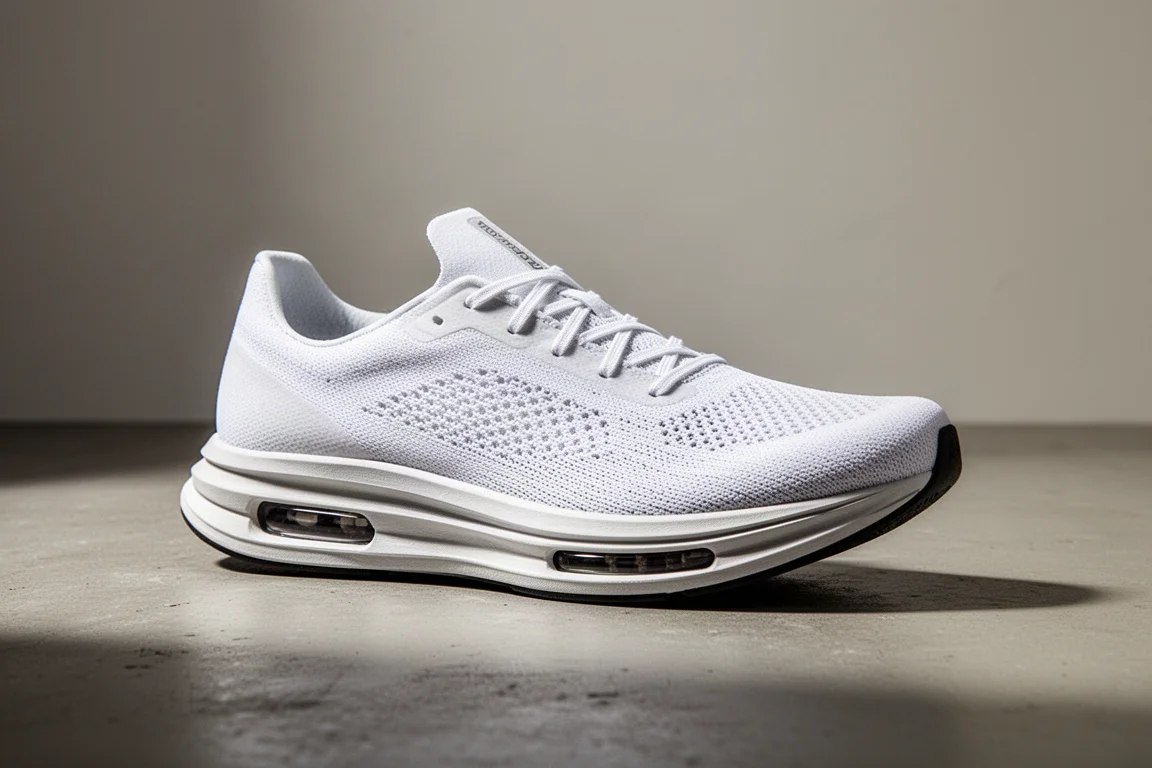
The Streak Fly is also $80 and sits in a similar space to the SC Pacer, but instead of a full-length carbon plate it uses a midfoot shank, essentially a partial plate that stabilizes the shoe. That matters because the ZoomX foam is extremely lively and can be unstable on its own. If you want a training shoe for track days and faster paces, the Streak Fly is a good choice. It will not feel the most cushioned next to competitors, but it keeps you close to the ground with no plate up front, no massive foam stack, and no big rocker, so it feels very natural and connected at toe-off. Think of it as a great natural-feeling workout shoe.
Saucony Triumph 20
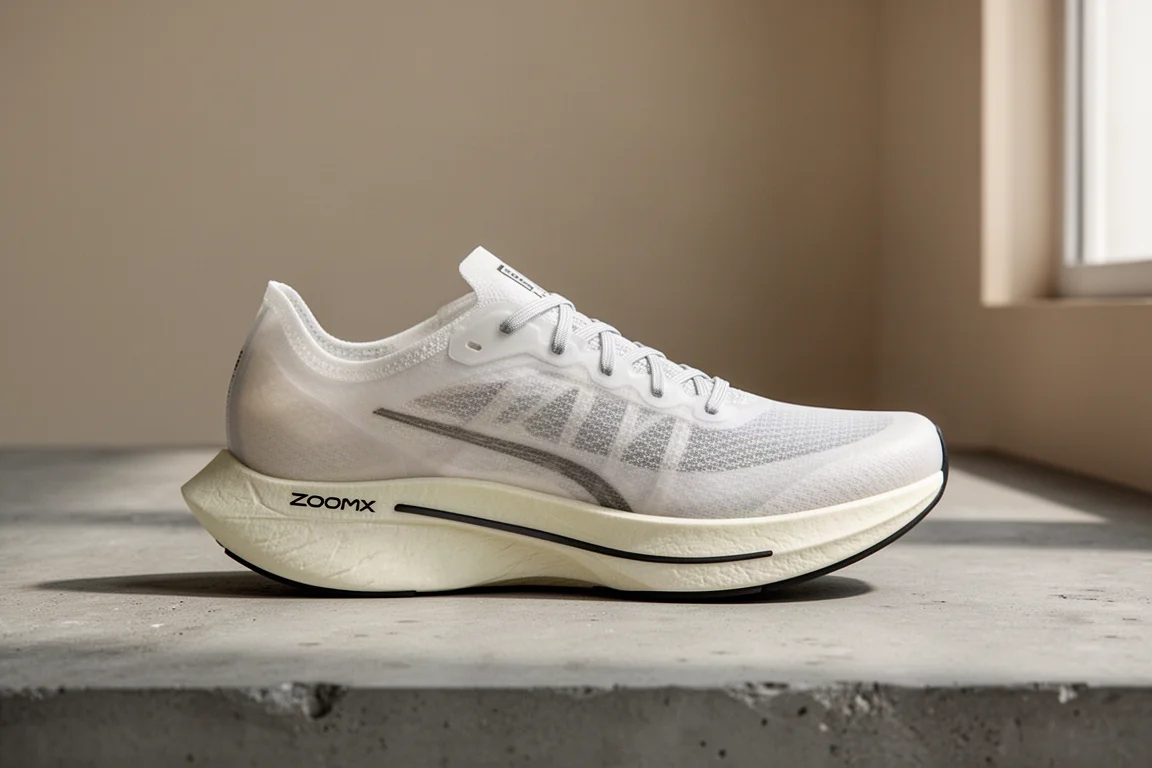
The Triumph 20 is $85 and is a classic recovery running shoe, one of the most comfortable cushioned shoes out there, competing with the Gel Nimbus and Nike Invincible. The PWRRUN+ foam is a beaded TPU that is not as mushy as some competing foams, so when you go slower or faster it does not feel like you are sinking in. That translates into more confidence cornering and picking up the pace. It is not a speed shoe, but it feels nimbler at faster paces than many max-cushion recovery shoes. The outsole is extremely thick and durable too; a heavy heel striker might wear through the back around 300 miles, but lighter or midfoot-striking runners could plausibly get 500 to 600 miles out of it.
Saucony Kinvara 13
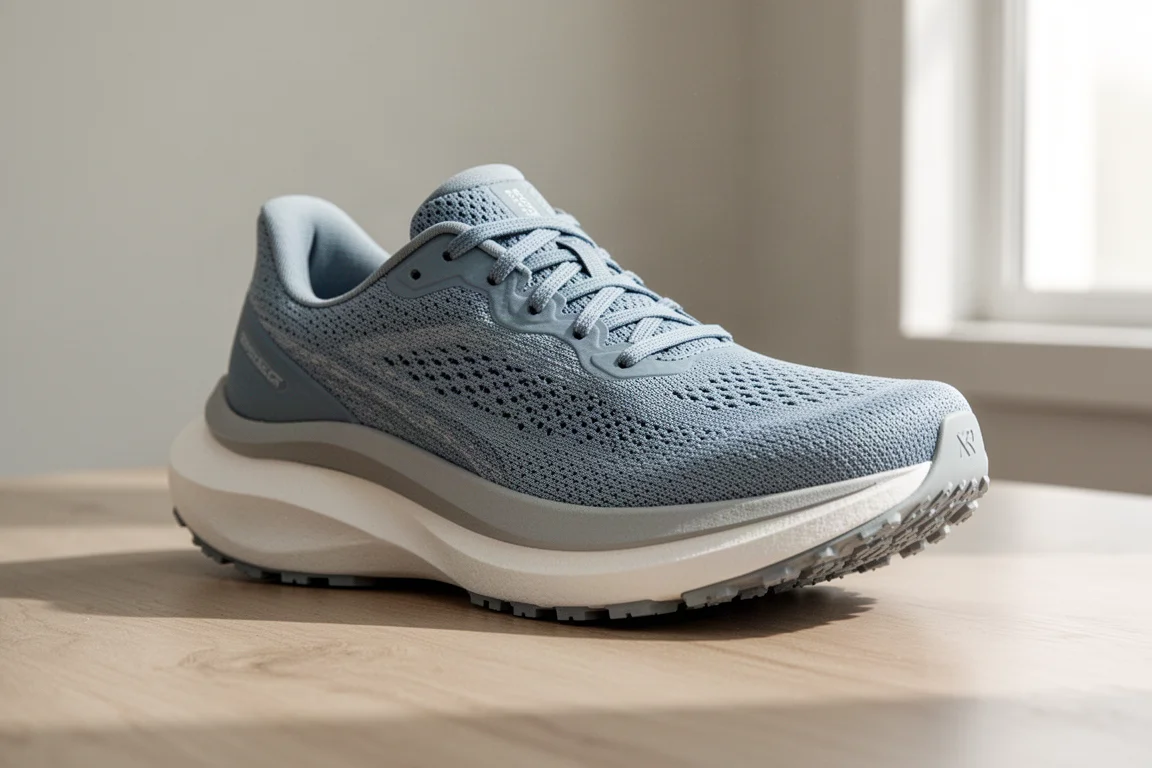
The Kinvara 13 lands at just $63 as last year’s model, very similar to the current version but with a slightly lower stack of PWRRUN foam. The Kinvara line is one of the last of a dying breed: a tempo shoe still using standard EVA foam with a low-to-the-ground, connected feel. Unlike the plated shoes above that have moved to super foams, the Kinvara is not especially bouncy and will not give you much energy return. Instead, it forces you to run more and build your own strength. If you are a traditional runner who does not want all the assistance, it is a great workout shoe, and efficient runners can even use it as a daily trainer.
New Balance 1080 v12
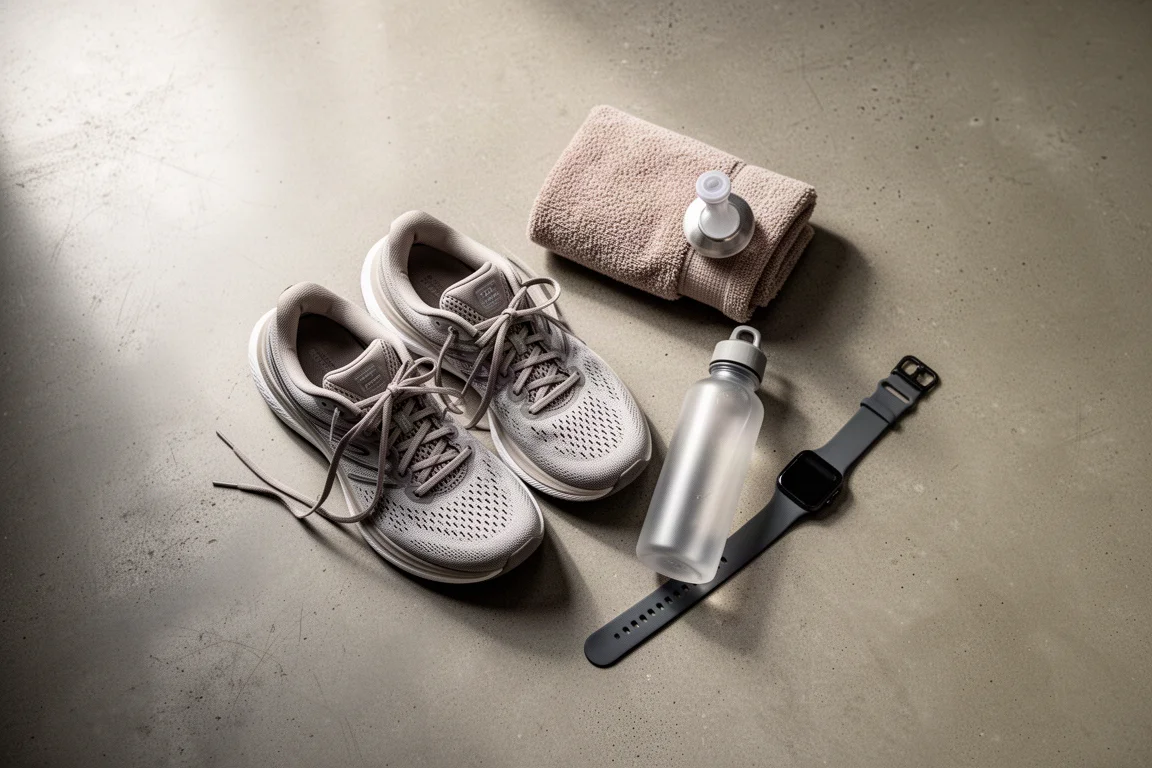
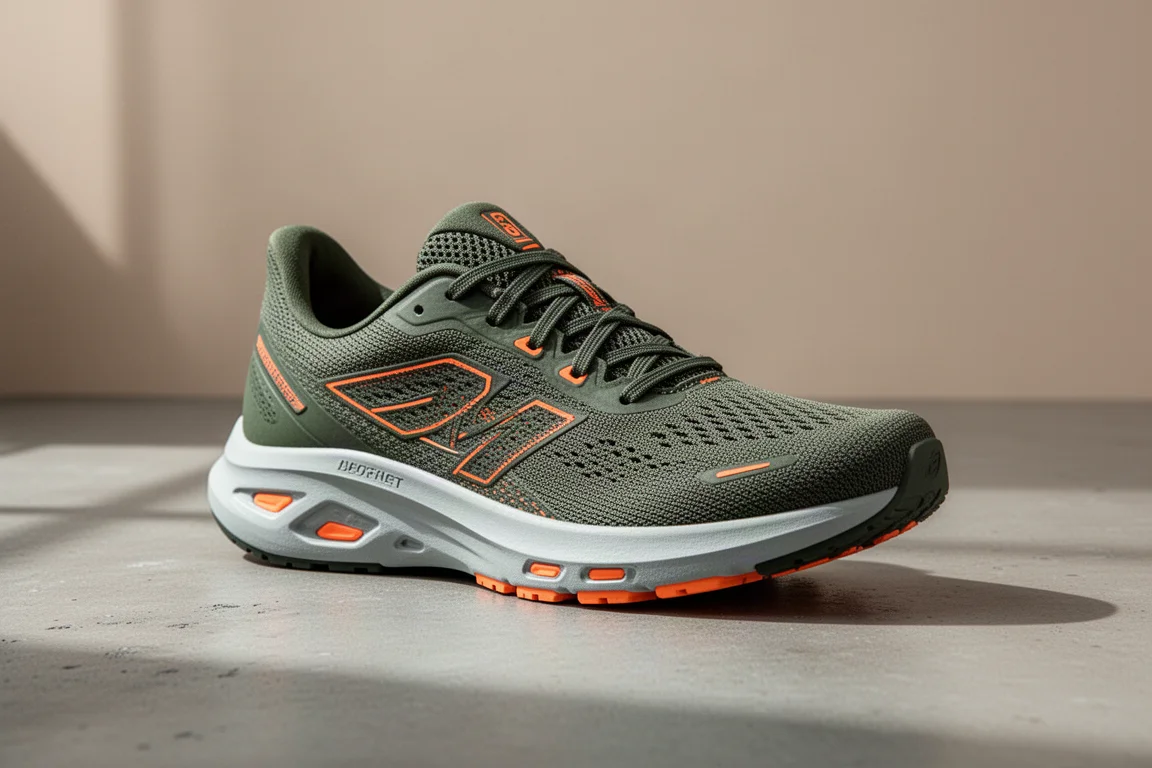
The 1080 v12 is $99, with a caveat: this is one of those see-the-price-in-the-cart deals, and the final price varies between roughly $99 and $101 depending on colorway and size, so it may land a dollar over the $100 line. With the v13 on the way, deals on the v12 are appearing. The Fresh Foam is an EVA blend that sits softer than Saucony’s PWRRUN but firmer than the softest max-cushion options, making it a good in-between shoe that can serve as a daily trainer or recovery shoe. The v12 runs on the firmer side, which suits runners who dislike super soft platforms, and at this price it should go for miles and miles.
Asics Novablast 3
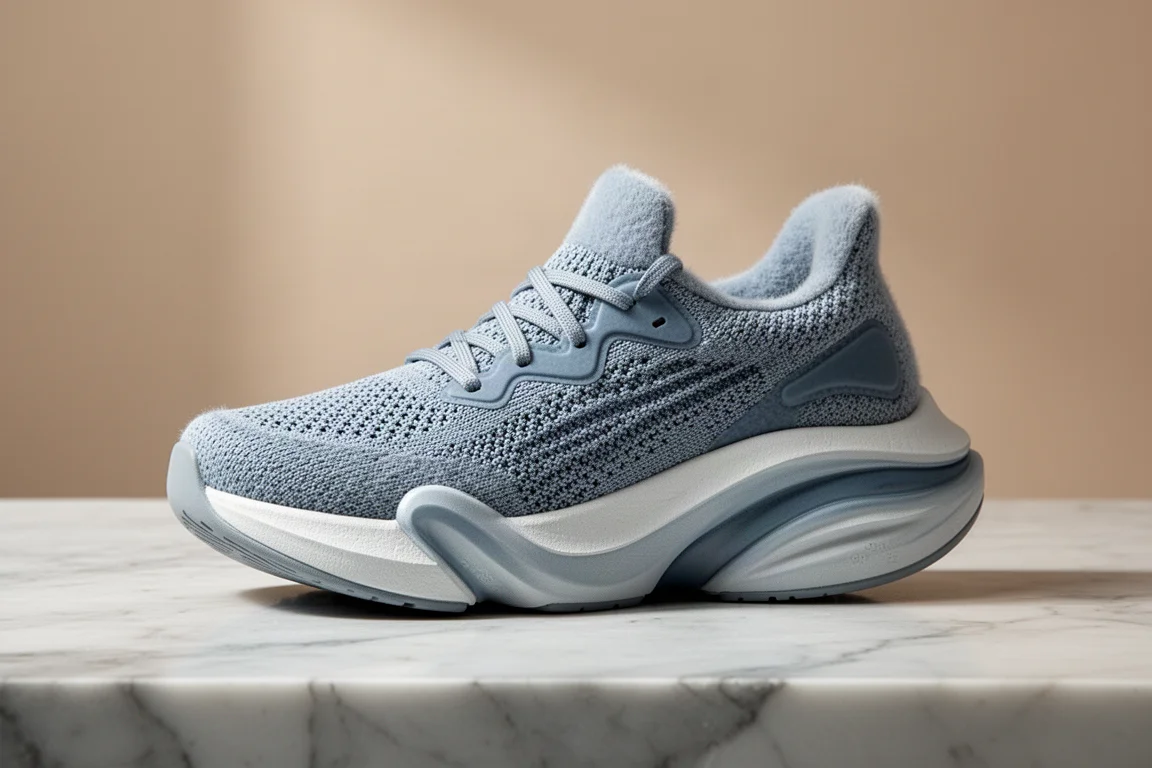
The Novablast 3 is $93, again through a see-price-in-cart deal, and with the Novablast 4 on the horizon, discounts on this version will keep coming. It sits in similar territory to the Saucony Triumph as a softer daily trainer, though its foam does not return quite as much energy as the PWRRUN+ in the Triumph. If you are the opposite of a firm-shoe fan and prefer a softer, more cushioned feel underfoot for your everyday miles, the Novablast 3 makes a comfortable daily trainer at a good discount.
Adidas Adizero SL
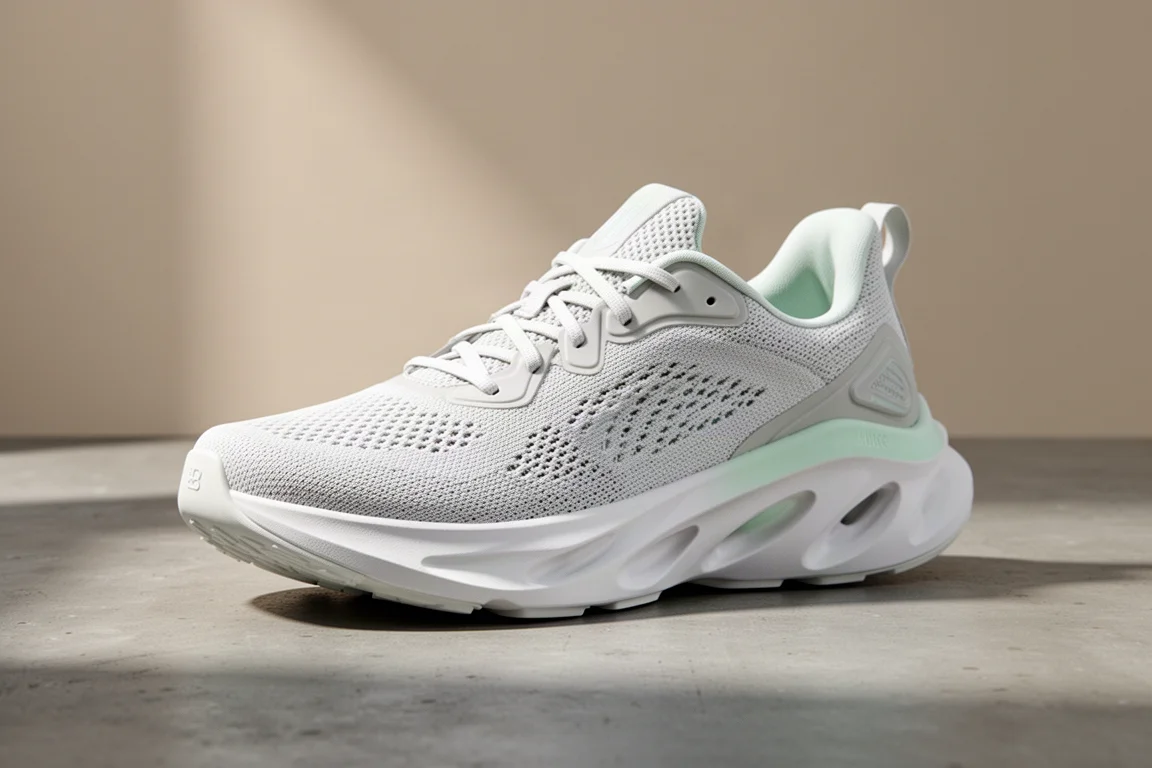
The Adizero SL is the bargain of the bunch at $58, another see-price-in-cart deal. It is a current favorite daily trainer: firmer than a lot of shoes out there, but with super foam in the forefoot, so when you run more on your toes and push the pace, the forefoot gives you a lot to work with. Expect 50 to 70 miles of break-in before it truly gets comfortable, but once it does, the firmer platform delivers nice stability and structured cushioning that molds around your entire foot. It is currently the pick for long runs, with 16-mile weeks logged in it and nearly 200 miles showing barely any wear on the back heel. Durability looks excellent.

Overall Buying Advice
The pattern across this list is clear: last year’s models deliver the deepest cuts, and two of the best deals, the Kinvara 13 at $63 and the Adizero SL at $58, are also the most affordable. If you want a plush recovery shoe, look at the Triumph 20 or Novablast 3. For a firmer daily trainer, the Adizero SL or Pegasus 40 fit best. Tempo-focused runners should weigh the traditional EVA feel of the Kinvara 13 against the super-foam-assisted SC Pacer and Streak Fly. And note that a couple of these prices only appear after adding the shoe to your cart, so factor that in when comparing.
Conclusion
Ten solid shoes, all around or under $100, covering nearly every role in a running rotation from easy miles to race day. Match the shoe to the job you need done, double-check sizes and colorways since some prices vary by them, and these deals can stretch your running budget a long way.
Further reading
Related Reviews

Running Shoes
Best Road-to-Trail Running Shoes: Three Versatile Options for Mixed Terrain
A practical guide to three road-to-trail running shoes that handle both pavement and mild trails, with clear strengths and trade-offs for different runner types.

Running Shoes
Best Running Shoes for Achilles Tendonitis: Three Options Explained
Three running shoes with different heel drops and support features designed to help reduce Achilles tendon pain during walking and running.

Running Shoes
Best Running Shoes for Women: Five Top Choices Ranked
A ranked guide to five women's running shoes, from versatile daily trainers to high-performance racing options, with real strengths and trade-offs for each.