Running Shoes
Best Running Shoes Compared: Our This or That Picks Across 17 Models
Seventeen running shoes go head to head across daily trainers, super trainers, racers, and value picks, with a clear winner in each matchup.
Introduction
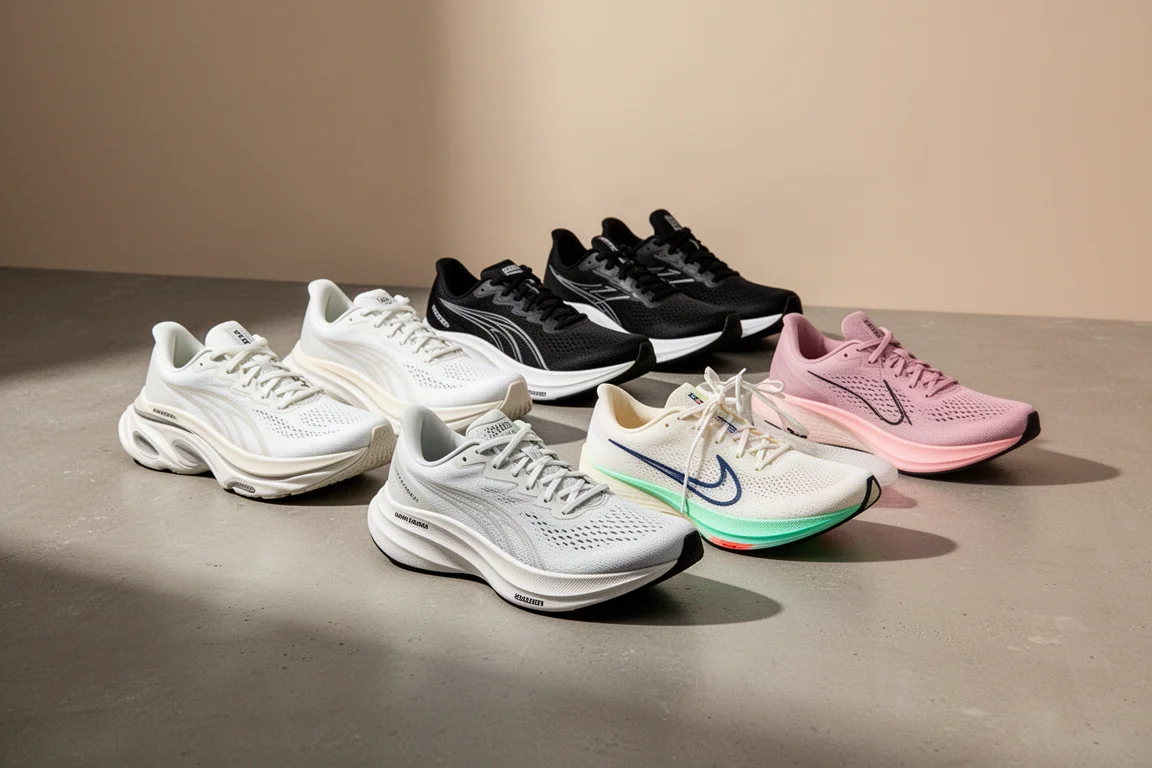
Choosing between two great running shoes is harder than choosing between a good and a bad one. That is exactly what this comparison does: seventeen shoes tested over the past several months, paired into head-to-head matchups across daily trainers, super trainers, max-cushion cruisers, and race-day options. Each matchup ends with a pick and a clear explanation of who each shoe actually serves.
Daily Trainer Showdown: Saucony Ride 18 vs New Balance 880 v15
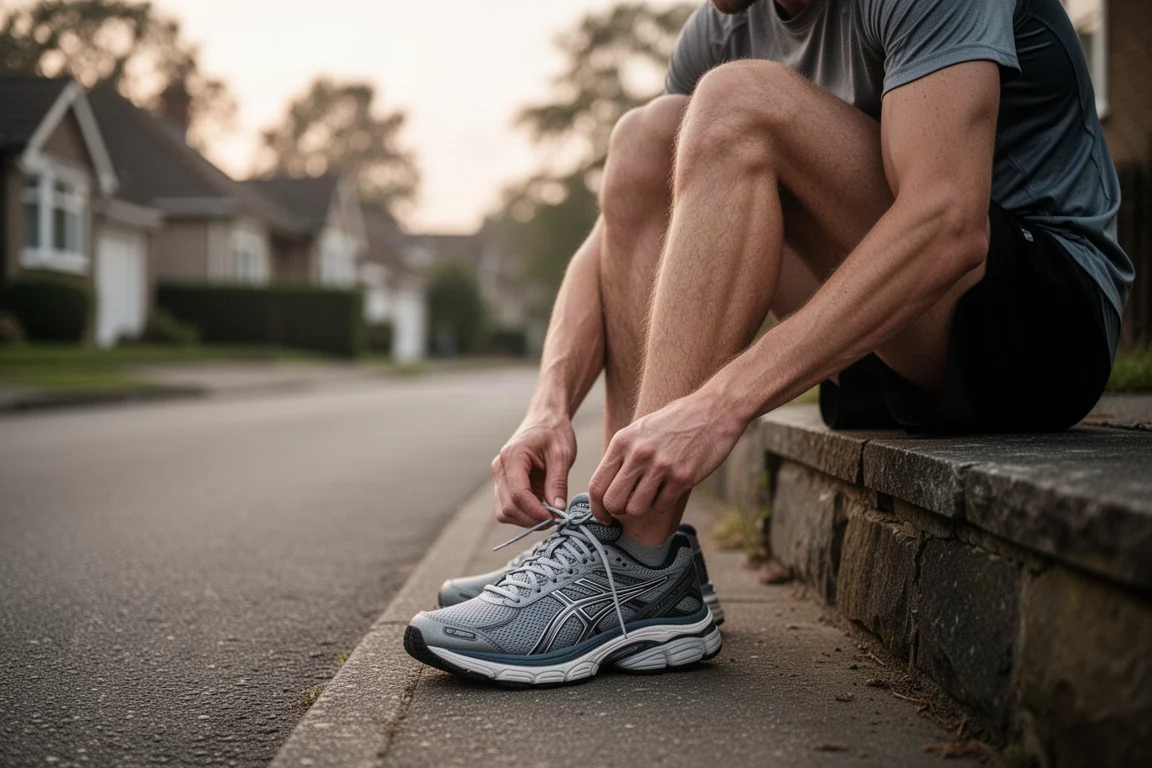
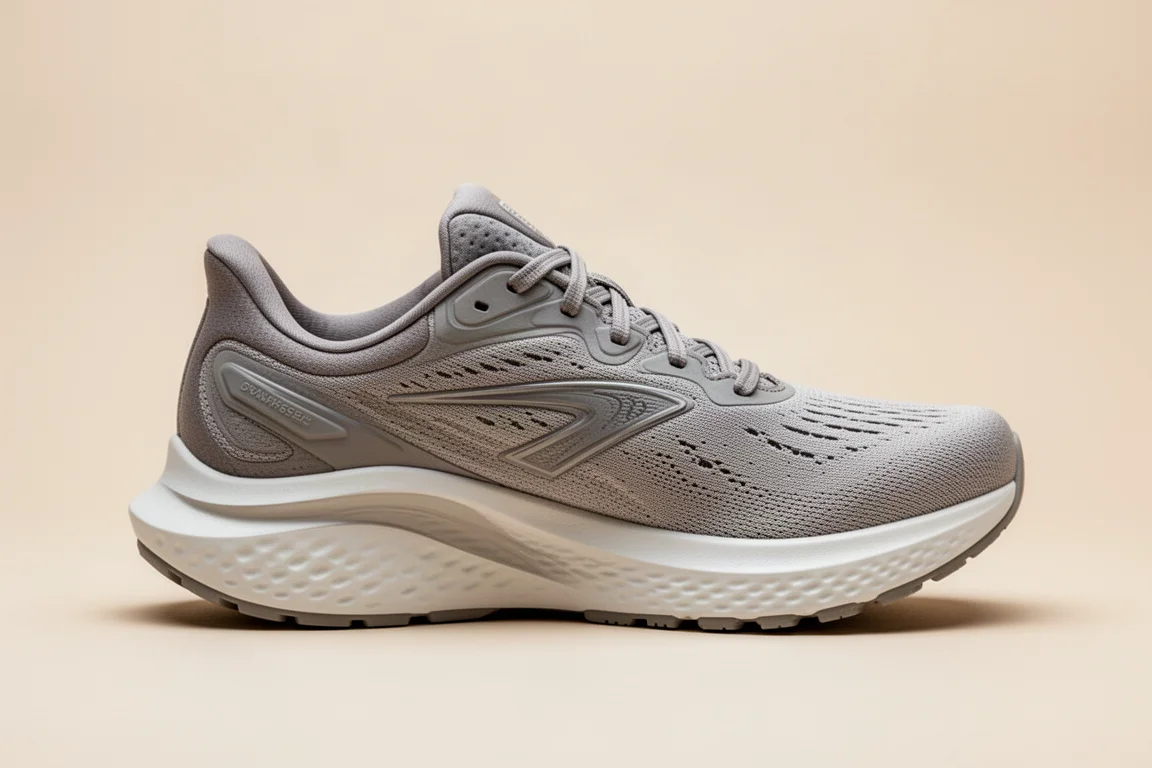
These are the flagship neutral trainers for two major brands, and both are genuinely excellent. The Ride 18 continues with the PWRRUN+ midsole from its predecessor: a durable, compliant TPU-based foam that is softer than earlier Ride models while still holding structure. The upper has been cleaned up and now feels closer to a slightly slimmer Saucony Triumph, with a softer material and a more premium feel at the price point. At 9.7 oz it is about an ounce lighter than the 880 v15, and that versatility shows: it works as a daily trainer but can be picked up for workouts and handled long runs comfortably.
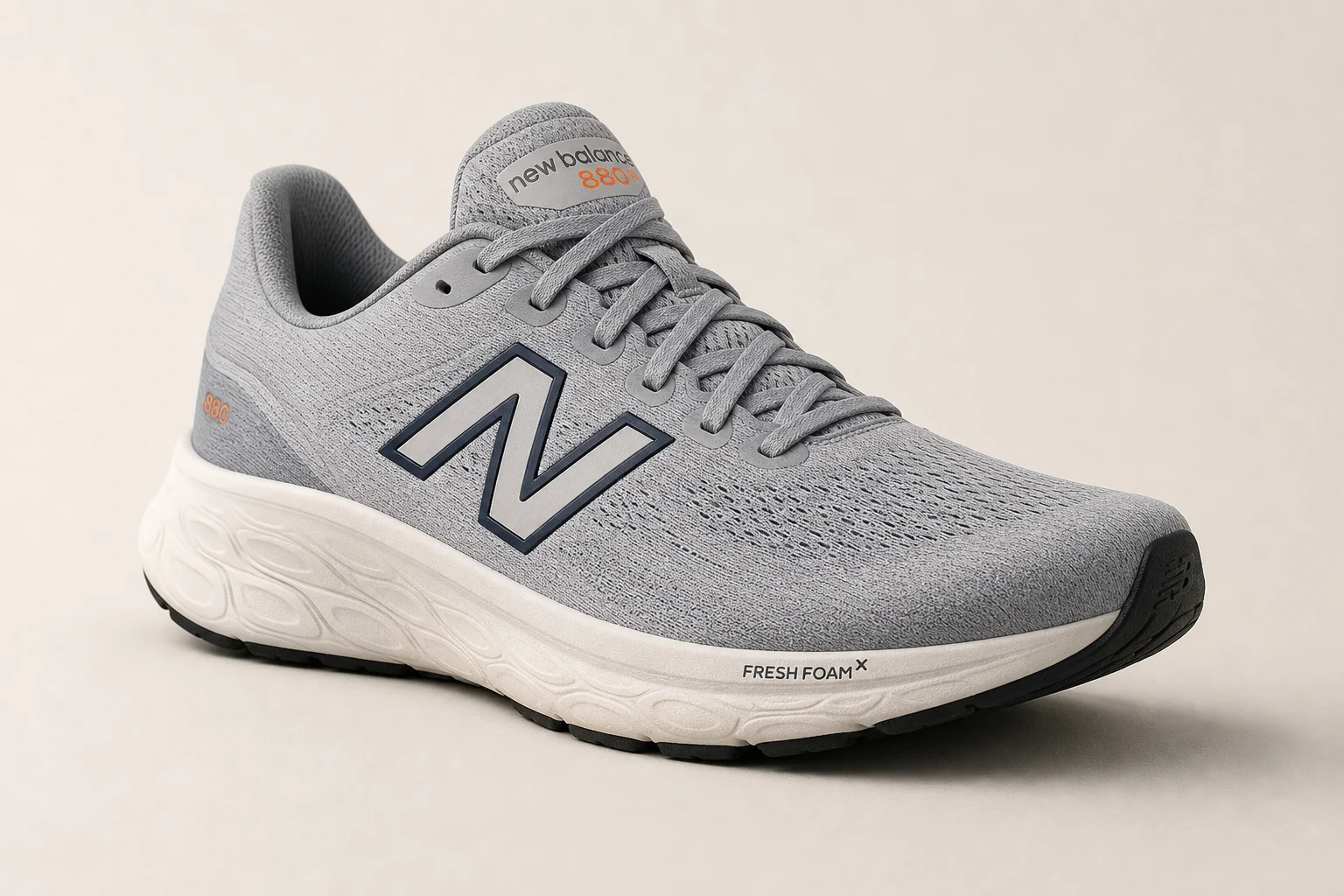
The 880 v15 takes a different path. Fresh Foam X sits underfoot in a taller stack at around 40.5 mm with a 6 mm drop, and the midfoot has grown wider with more significant sidewalls, making this a very stable neutral platform. It is a touch firmer than its sibling model within the New Balance line, heavier on foot, and reads as more of a traditional daily trainer. It is also an outstanding walking shoe, with a flatter but still cushioned platform, and it should take orthotics very well.
Saucony Ride 18
The Ride 18 wins this matchup for its touch of versatility. It stays durable enough for daily training and long runs, but the snappier midsole makes it one of the few true flagship daily trainers that still feels like a performance shoe when the pace drops. It also keeps a moderate stack height while getting more responsive, which is increasingly rare.
New Balance 880 v15
The 880 v15 is the pick for runners who want maximum stability in a neutral shoe, a wider midfoot platform, or a shoe that doubles beautifully for walking. It keeps the model’s traditional identity while getting slightly softer, and it remains one of the most comfortable all-day platforms in its class.
Performance Trainer Pick: Brooks Hyperion Max 2 vs Hoka Mach X2
Both are plated performance trainers in a similar weight class. The Mach X2 costs $190, weighs 8.9 oz (252 g) in a men’s 9, and runs a 46 mm heel / 41 mm forefoot stack with a 5 mm drop over a PEBA-based midsole. The Hyperion Max 2 is $180, slightly heavier at 9.1 oz (258 g), with a lower 36.25 mm / 30.25 mm stack and a 6 mm drop. Both carry a plate and sit just a step apart in purpose.
Brooks Hyperion Max 2
The Hyperion Max 2 takes the win here. Its firmer foam and stiffer plate make it feel more stable and more nimble on foot, and the transitions are simply smoother. It handles easy runs, warm-ups, long runs, and workouts in one shoe, trading a little top-end responsiveness for all-around comfort and control.
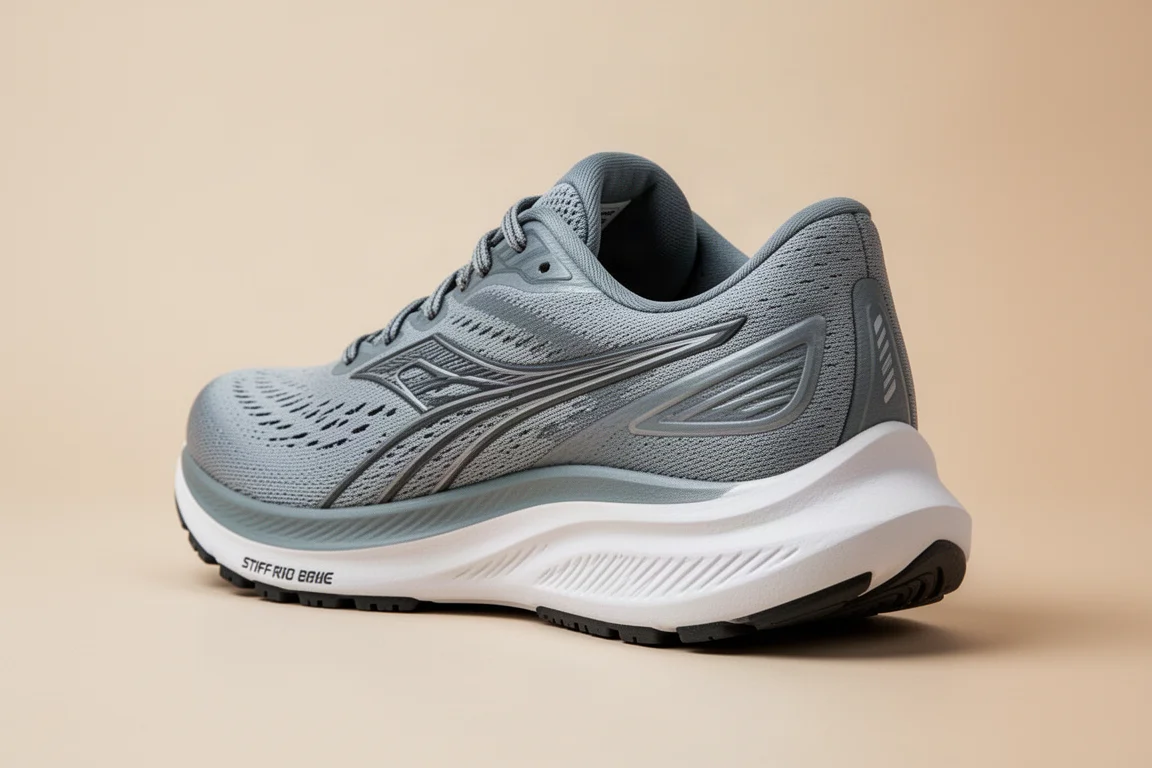
Hoka Mach X2
The Mach X2 has serious potential: after a stiff early break-in, it rewards with a bouncy, fast ride that works for everything from workouts to daily miles. Two caveats matter, though. The outsole separated around 60 miles in testing, well short of expectations, and the firm, very stiff setup is not for everyone. If Hoka addresses durability, this could be a standout.
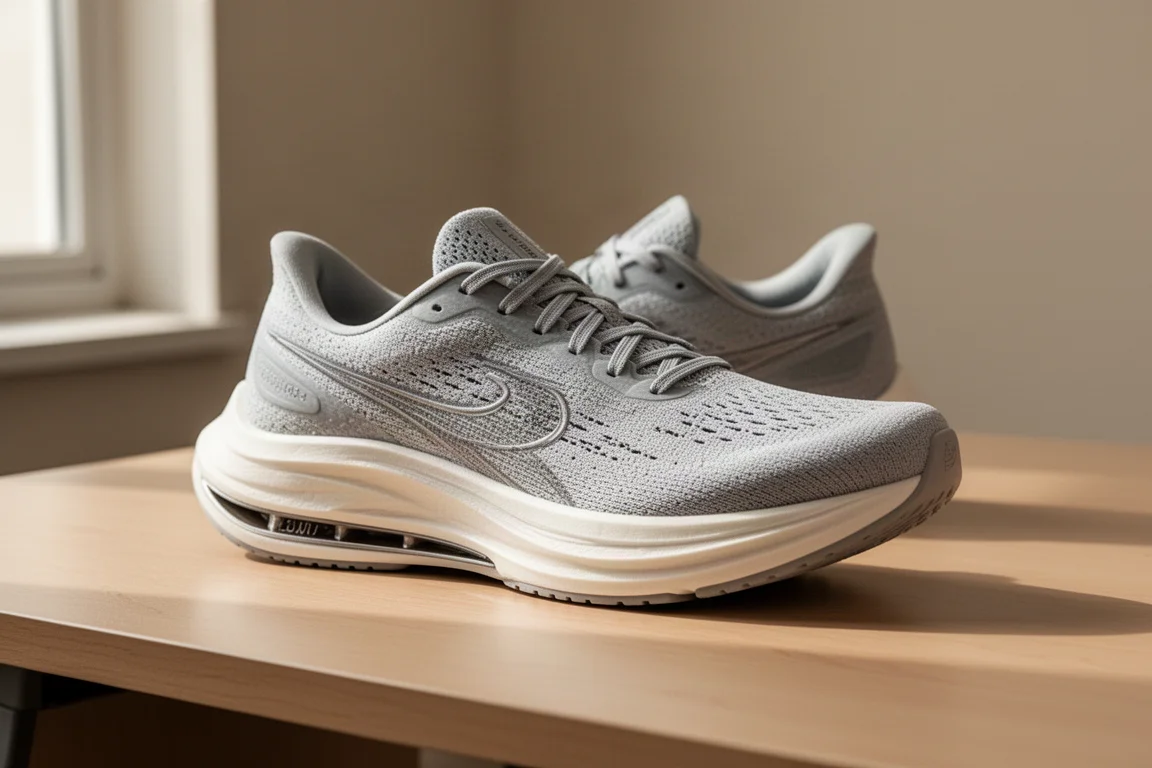
The Pegasus Question: Nike Pegasus 41 vs Nike Pegasus Premium
Nike’s own lineup creates an awkward family rivalry. The Pegasus 41 costs $140 and delivers a firmer, more flexible, closer-to-the-ground ride with a well-executed bevel and a stable rearfoot thanks to sidewall placement. The Pegasus Premium costs $210, stacks ZoomX with a full-length Air Zoom layer over a React base, and measures roughly 45 mm in the heel. It also carries significant weight, roughly two ounces heavier than the standard Pegasus and about three ounces heavier than a premium ASICS competitor, because the tall foam-free air design adds mass.
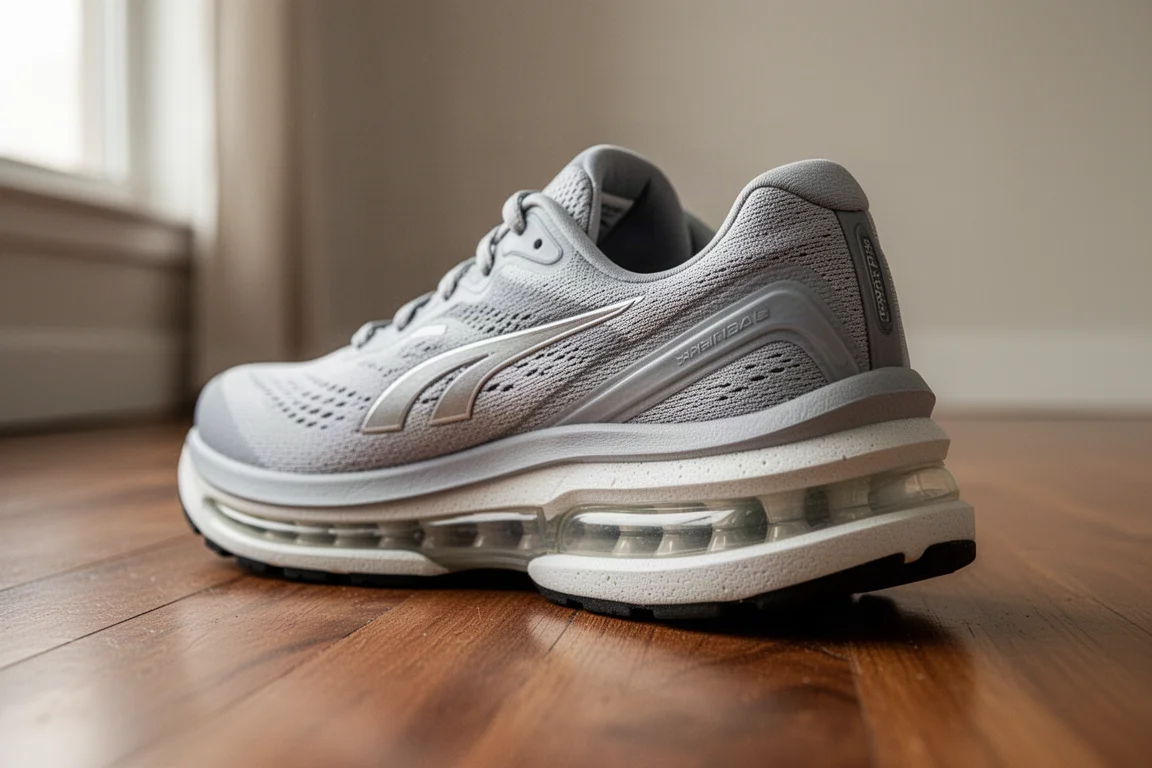
The Premium needs real patience. It is very stiff, fairly firm, took a long time to break in before the bounce emerged, and the tapered toe box plus minimal heel bevel made early miles feel clunky. The bounce eventually offsets much of the weight, but it remains a shoe for uptempo work rather than pure speed, and foot ache was reported after some runs. It looks fantastic and has clear long-run potential as the design matures.
Nike Pegasus 41
The Pegasus 41 wins on value and versatility. It serves as a running shoe, walking shoe, and travel shoe without drama, breaks in quickly, and offers enough volume and width to fit a broad range of feet. Unless the full-length Air Zoom bounce is specifically what you want, the standard Pegasus remains the more sensible buy.
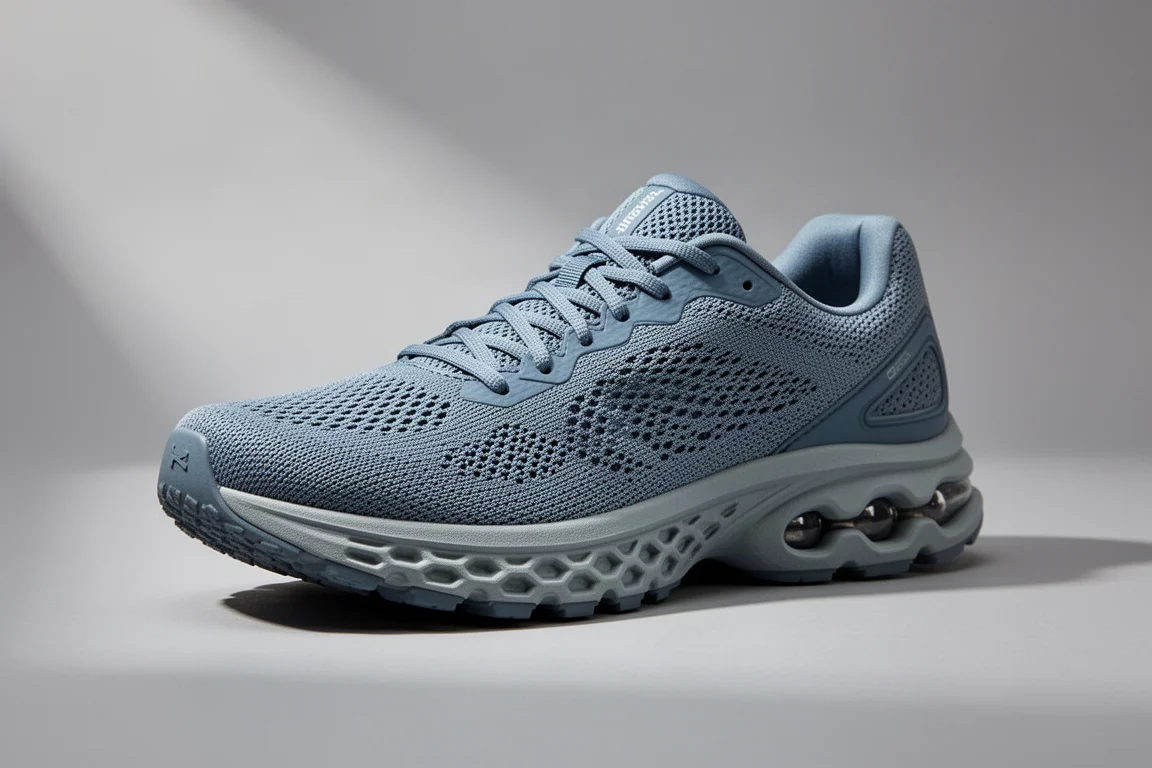
Nike Pegasus Premium
The Premium is for runners drawn to its distinctive bouncy, stiff ride and striking design, who do not mind the weight, the $210 price, and a lengthy break-in. It is a real running shoe with genuine potential, and refinements could make future versions very interesting.
Premium Cushion vs Proven Refinement: ASICS Nimbus 27 vs ASICS SuperBlast 2
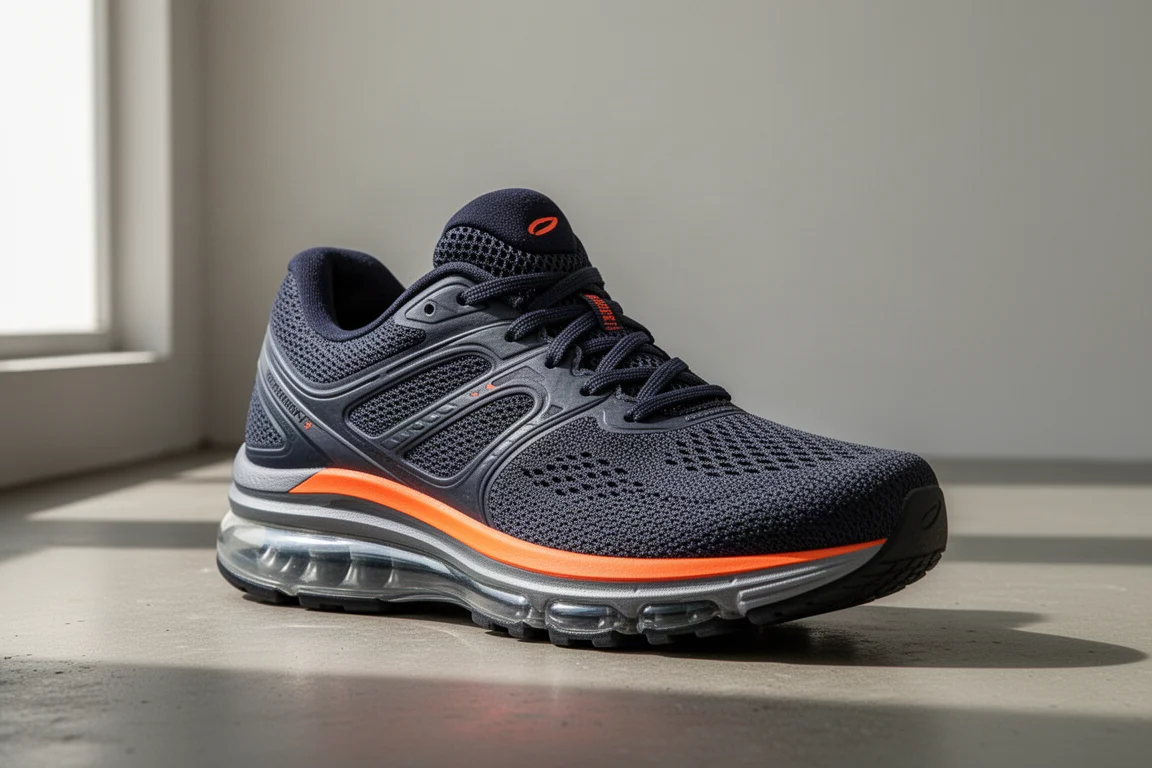
At $165 the Nimbus 27 undercuts the Premium by about $50, and at $200 the SuperBlast 2 is the closer rival within the ASICS line. The Nimbus 27 is the more refined shoe after 27 versions: slightly soft when walking but firmer when running, notably stable, snappier than recent models, and durable. Runners who struggled with the excessive softness of past Nimbus versions will find this the best of the recent bunch. It is not built for faster running, and the wider fit takes some break-in, but it is a legitimate trainer-of-the-year candidate.
ASICS Nimbus 27
The Nimbus 27 wins this style of matchup for runners who want a stable, durable, firmer-than-expected max-cushion daily trainer. Over 100 miles of testing confirmed its mechanics hold up, and its wider fit suits runners who need the room.
ASICS SuperBlast 2
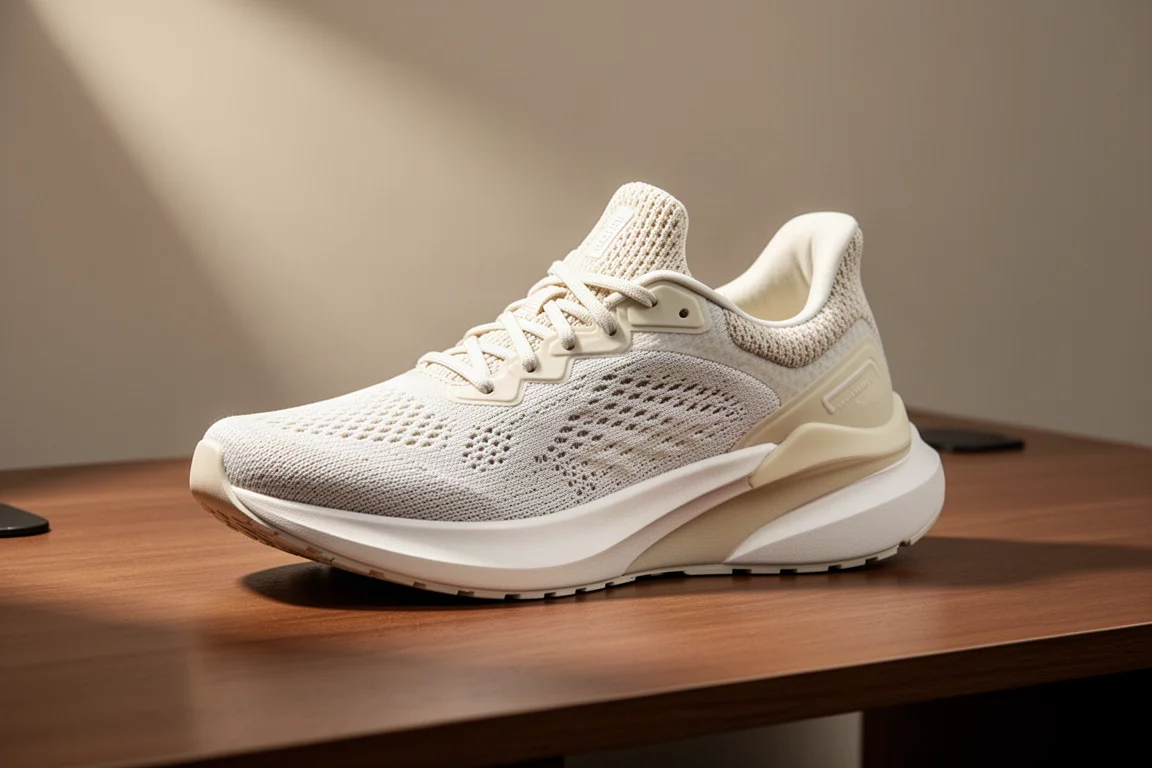
If the question is which $200 shoe to spend your money on as a do-it-all option, the SuperBlast 2 is hard to beat. It is lighter than the Premium, durable, stable-neutral, and versatile enough to cover easy runs, long runs, workouts, and even racing from the marathon down to shorter distances. The toe box remains slightly tapered, and it did not get lighter or smoother as hoped, but as an everything shoe it stands near the top of the market.
Super Trainer Territory: Mizuno Neo Vista vs New Balance SC Trainer v3
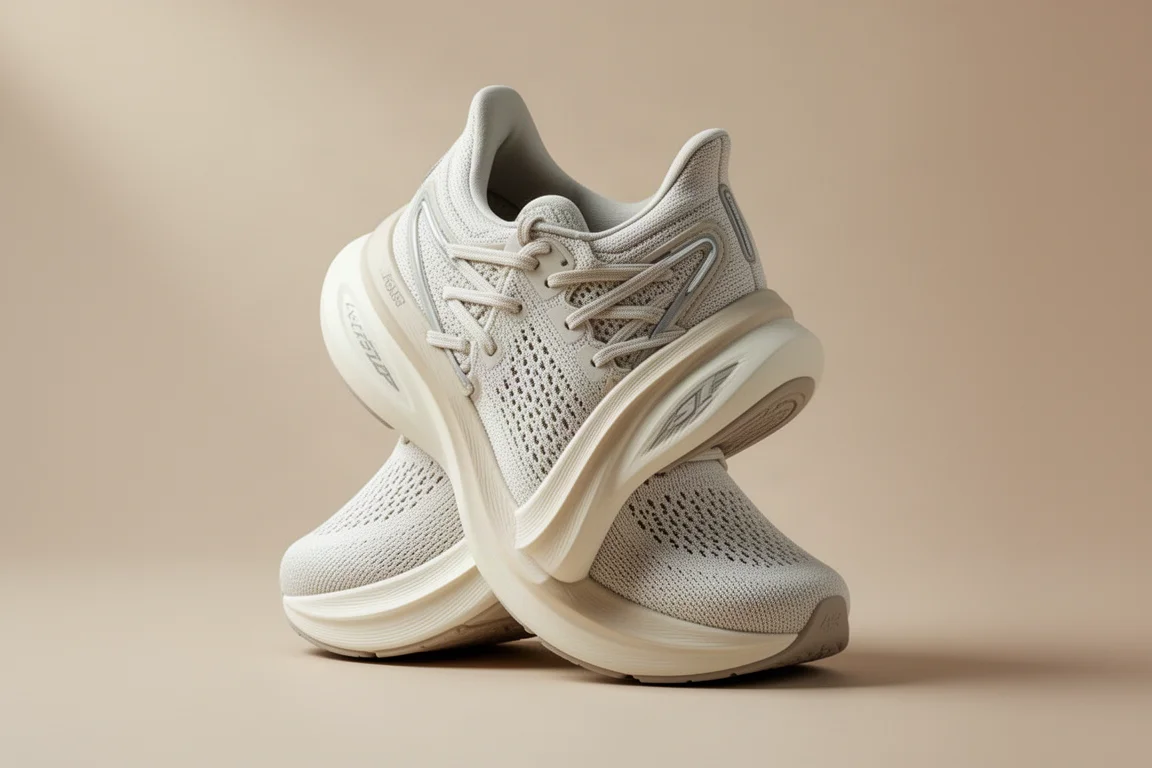
Both cost $180 and float in that 40-45 mm heel super trainer space with similar weights: the Neo Vista at 9.4 oz (266 g) in a men’s 9, the SC Trainer v3 at 9.2 oz (261 g) in a men’s 9.5. The Neo Vista runs a 44 mm heel / 36.2 mm forefoot stack with a noticeably bouncy, softer EVA-based midsole and a prominent rocker. The SC Trainer v3 uses one of the firmer FuelCell iterations yet, integrated with one of the better rocker profiles New Balance has produced.
Mizuno Neo Vista
The Neo Vista takes it for bounce lovers. The midsole delivers a lively, soft ride that handled long runs and surprisingly good workouts, and its versatility beats the original SC Trainer it resembles. The booty-construction upper is the risk: it either works for your foot or it does not, and there is little lace-adjustability to fix it.
New Balance SC Trainer v3
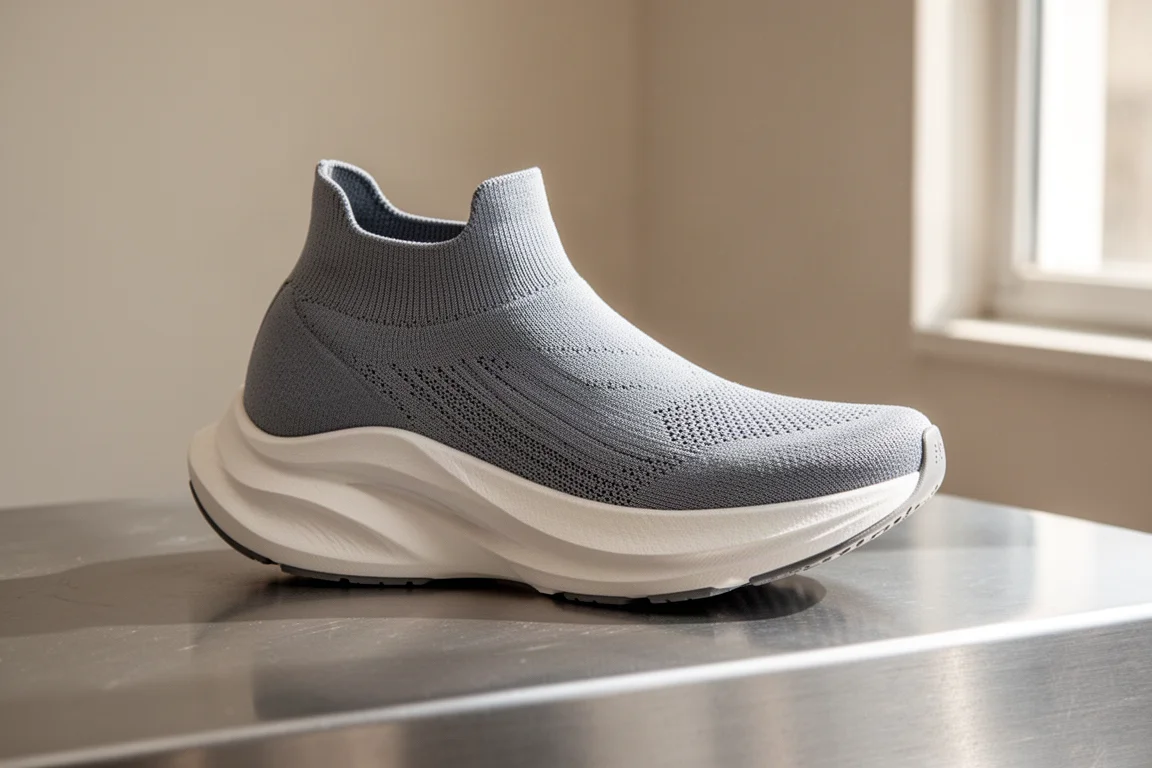
The SC Trainer v3 wins for runners who want a controlled, smooth, firmer bounce instead of a pronounced soft rocker. The upper fit is dialed in, the shoe is slightly lighter, and durability has been strong. Some testers may need a half size up, but for rhythm-based, controlled riding, it is the pick.
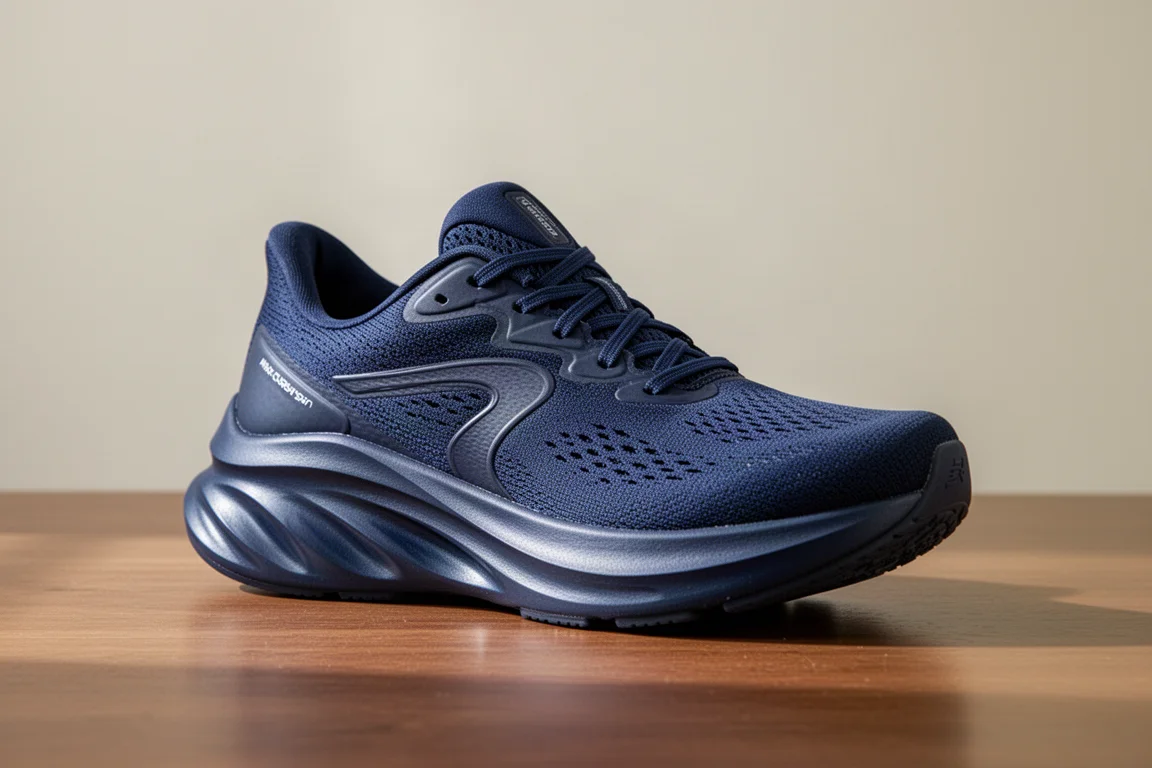
Race Day: Nike Alphafly 3 vs Adidas Adios Pro 4
The only pure racing matchup, and the hardest call. The Alphafly 3 is the slightly faster shoe: aggressive ZoomX, a wider and more stable base, excellent forefoot traction, and a more spacious upper that accommodates foot swelling and wider feet. Its durability is the sticking point, with heel rubber lifting as early as 20 miles in testing, which makes regular hard use risky.

The Adios Pro 4 is lighter, with better traction, better stability, and outstanding durability past 100 miles despite the speed-focused build. It locks down exceptionally well through the midfoot and heel, though it runs about a half size small, so sizing up is strongly advised. The ride is firmer-bouncy with a sharp toe spring, feeling nimble without sacrificing the forefoot rocker.
Nike Alphafly 3
Choose the Alphafly 3 for maximum speed and aggression on race day, especially if you prefer a slightly wider, more stable platform under the foot. Its ZoomX feel throws you forward like few shoes can. Just treat it as a race-day weapon rather than a daily super shoe.
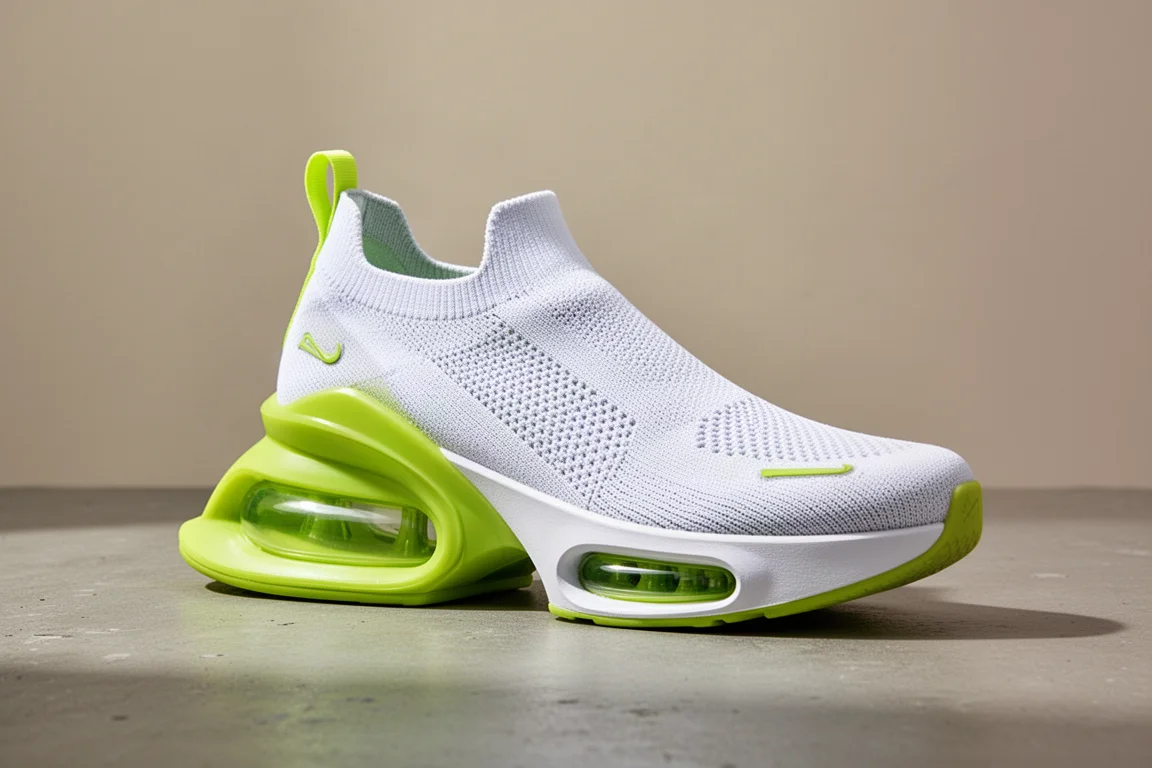
Adidas Adios Pro 4
Choose the Adios Pro 4 for a dialed-in, grippy, durable racer that can double as a long-run super shoe. It suits runners who want a firmer, more nimble ride and a secure midfoot lock, and it rewards a half size up.
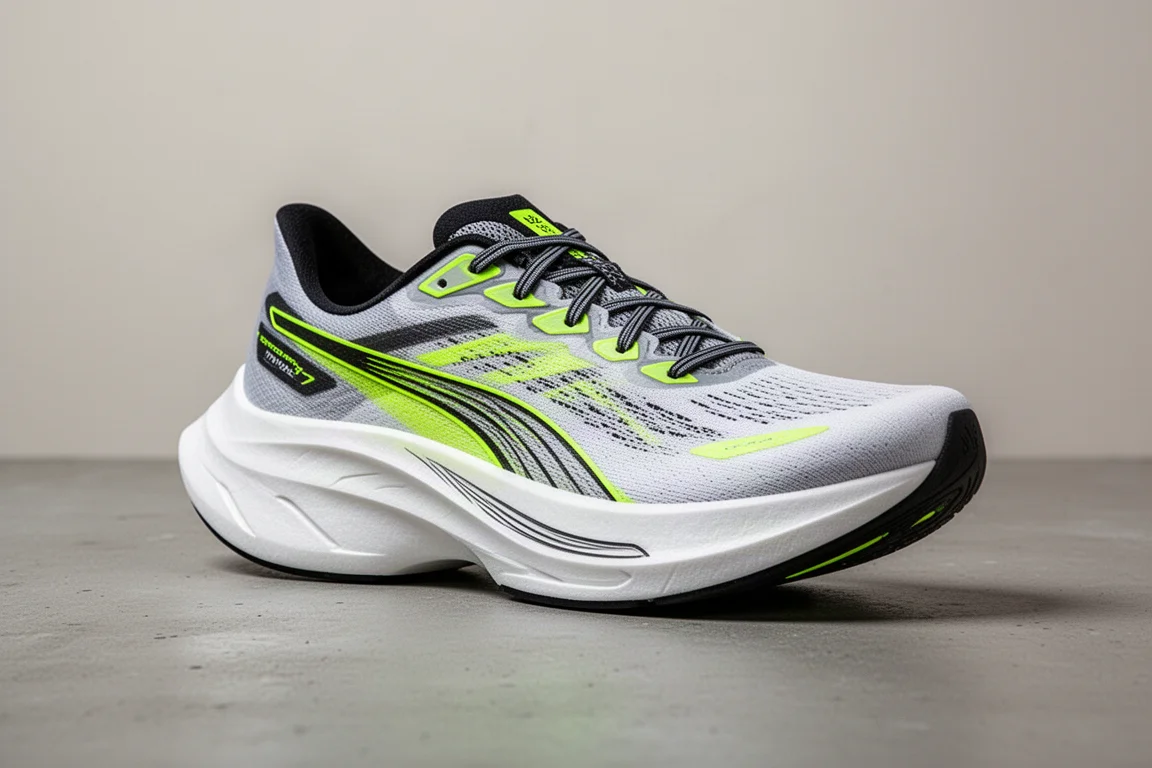
Value Battle: ASICS Novablast 5 vs ASICS SuperBlast 2
For a pure training shoe, the Novablast 5 at $140 is the smarter spend for most runners. It covers easy runs and the full range of half-marathon training workouts, sits on the firmer end of the cushioning spectrum with a well-widened platform, and delivered over 100 miles with barely a dent in the outsole. The foam firms up and gets snappier with break-in, and the fit is more comfortable than the SuperBlast 2’s slightly tapered toe box.
ASICS Novablast 5
The Novablast 5 wins for recreational runners and marathon-build training on a budget. It is versatile, durable, comfortable, and punchy enough for workouts, delivering most of the SuperBlast 2 experience at a significantly lower price.
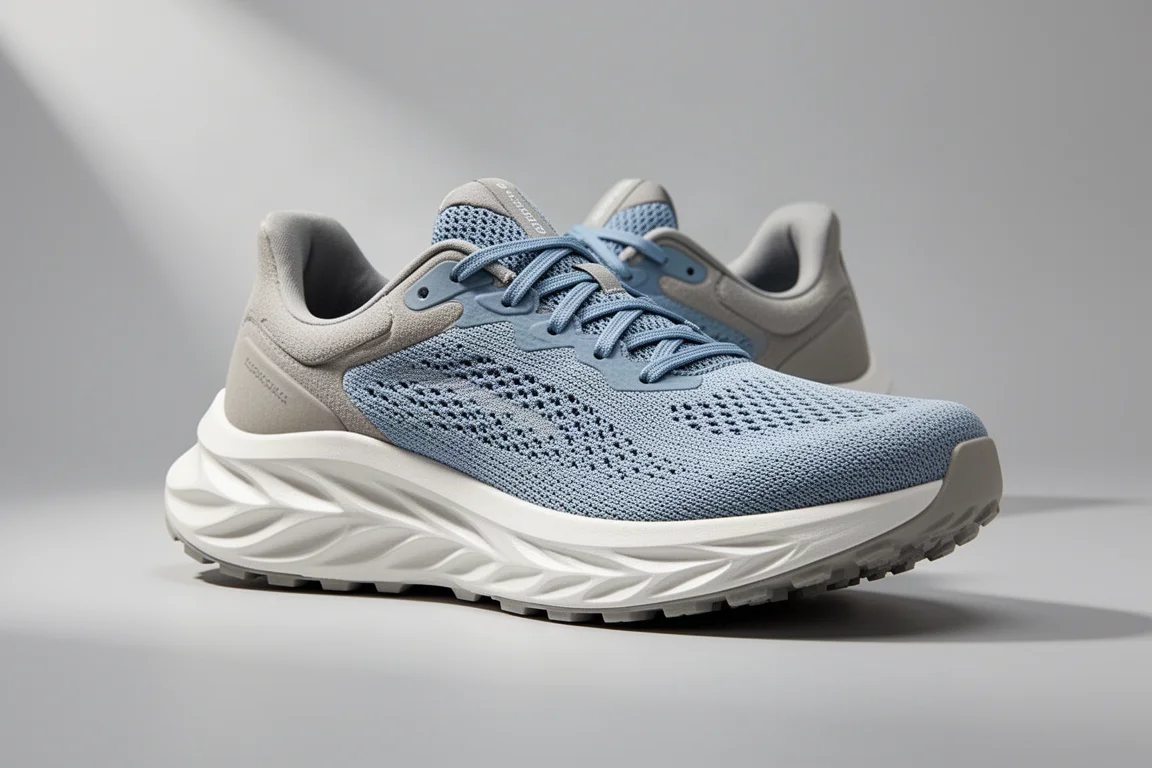
Under-the-Radar Value Picks: Mizuno Neo Zen vs 361 Elios
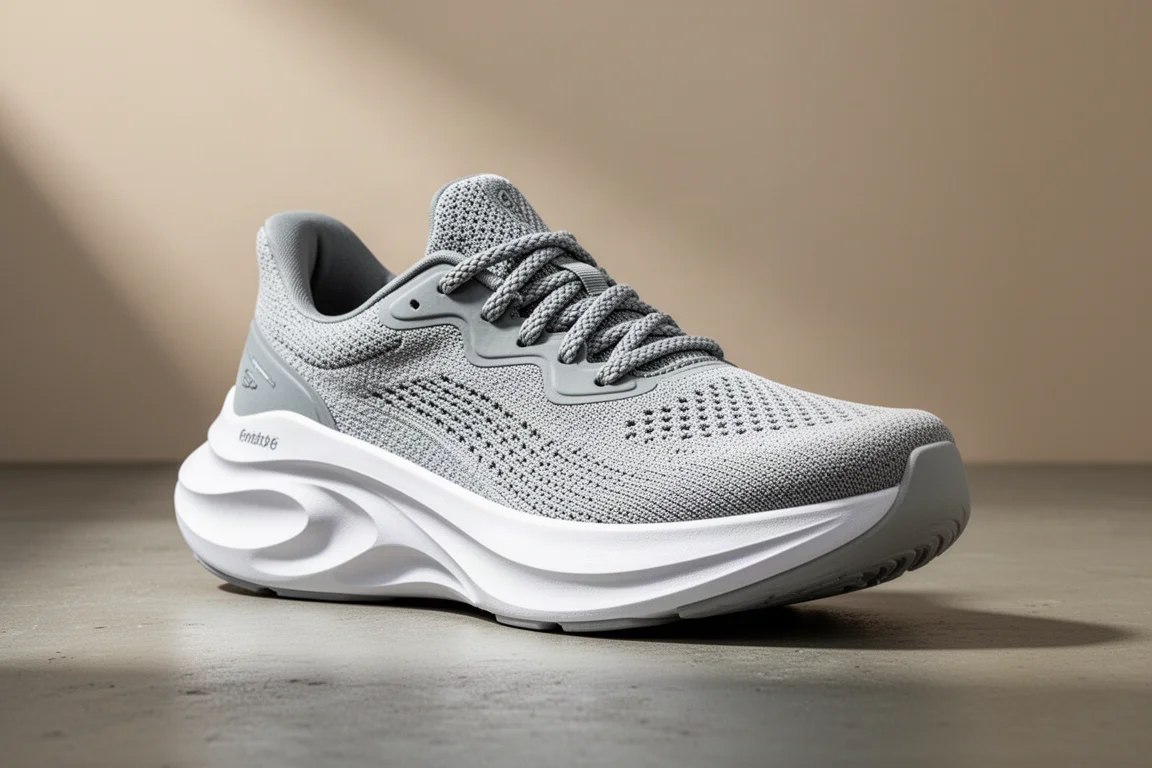
Both of these fly under the radar despite strong performance, and both sit at $150 or below. The Neo Zen is Mizuno’s new-leaf shoe: lighter, slightly less flexible but nicer for picking up the pace, with a soft midsole that firms up under load. The Elios is one of the softest, bounciest easy-day shoes around, with forefoot flexibility, a touch more sole flaring for stability, and a thicker upper that handles cold weather far better than the Zen’s very thin one.
361 Elios
The Elios wins on upper lockdown, stability from its sole flaring, and all-season usability. It is a superb easy-run and recovery-day shoe for around $145, and 361’s newer foams deserve far more credit than they get. Runners sensitive to aggressive early-stage rocker geometry should test carefully.
Mizuno Neo Zen
The Neo Zen wins for runners who want a touch more pace in a soft trainer and run in milder climates. The booty upper gives a little wiggle but did not disrupt testing, and its lighter weight and better speed handling give it the slight edge in versatility. In genuine winter cold, the thin upper is the limiting factor.
Speed Trainer Decision: Saucony Endorphin Speed 4 vs Nike Zoomfly 6
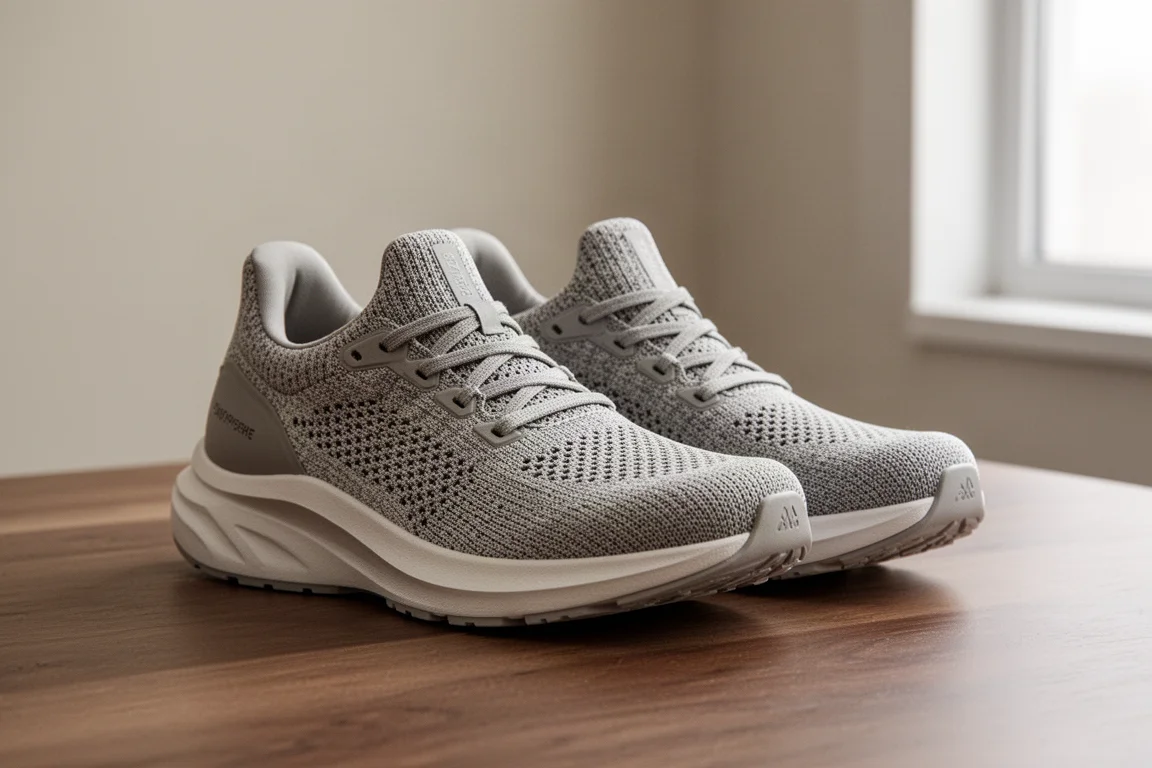
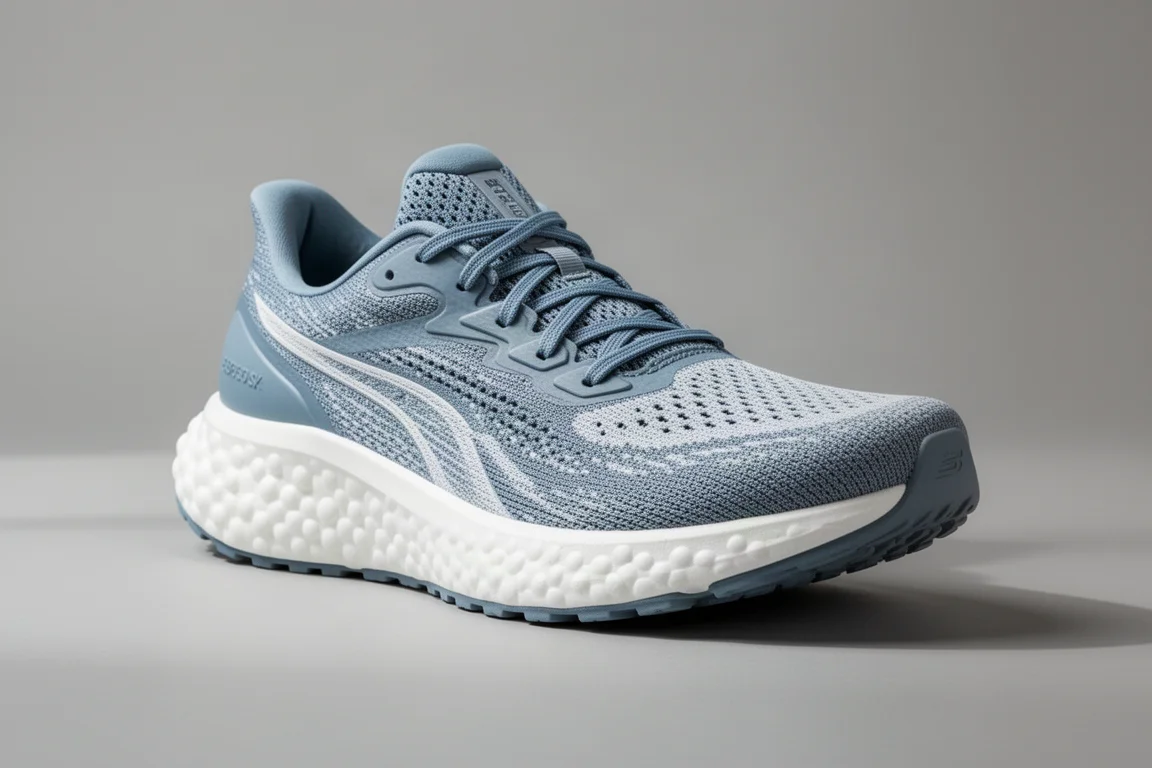
Both cost $170 and pack super foam with a plate. The Zoomfly 6 carries a bit more stack at 40 mm versus 36 mm on the Endorphin Speed 4, and a slight weight edge. Nike has meaningfully improved the Zoomfly line: it is a genuinely good shoe now and a strong alternative to the Alphafly for runners who find that racer too aggressive. It is, however, very stiff and took time to break in.

The Endorphin Speed 4 felt right almost immediately and has cleared well over 100 miles of testing. It is snappier, more versatile, and offers a smoother transition, essentially a slightly more flexible version of Saucony’s pro-level racing shoe that works as a racer for many runners. The real difference-maker is the upper: more plush, more adaptable, and better fitting than the more synthetic-feeling Zoomfly 6 upper, which crinkles and lacks the same coziness despite locking down well.
Saucony Endorphin Speed 4
The Endorphin Speed 4 wins on upper comfort, snappiness, versatility, and smoother transitions. It can handle track work thanks to its lower stack and still manage long efforts, making it the better single-shoe answer for most training plans.
Nike Zoomfly 6
The Zoomfly 6 is the pick for runners who want more stack and a stiffer, propulsive platform for long runs and marathon-simulation efforts, or who love the Alphafly feel in a slightly tamer package. It is a major step forward for the line.
How to Choose
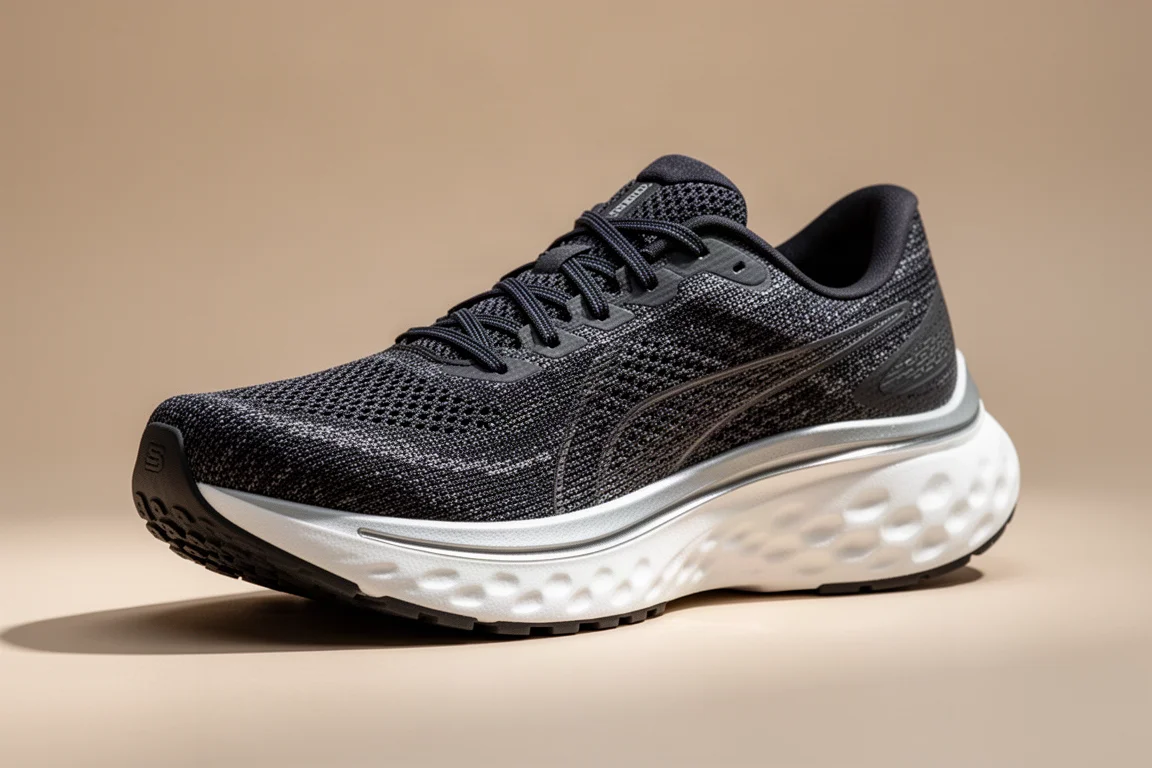
Match the shoe to the job. If you want one daily trainer, the Ride 18 balances durability with pickup. For a stable platform or heavy walking duty, the 880 v15 excels. Nimble all-rounders point to the Hyperion Max 2; bouncy speed points to the Mach X2 or Endorphin Speed 4. Budget-conscious runners get outstanding value from the Novablast 5, Neo Zen, or Elios. Max cushion fans should weigh the firmer, stable Nimbus 27 against the do-everything SuperBlast 2. And for race day, the Alphafly 3 and Adios Pro 4 are both elite, separated mainly by fit preference and durability priorities.
Conclusion
Seventeen shoes, eight matchups, and a consistent theme: the best shoe is the one built for your specific rotation. Almost every model here is genuinely good, so let fit, ride character, and intended use make the final call rather than hype. Whichever matchup matches your training, there is a confident pick waiting above.
Further reading
Related Reviews

Running Shoes
Best Road-to-Trail Running Shoes: Three Versatile Options for Mixed Terrain
A practical guide to three road-to-trail running shoes that handle both pavement and mild trails, with clear strengths and trade-offs for different runner types.

Running Shoes
Best Running Shoes for Achilles Tendonitis: Three Options Explained
Three running shoes with different heel drops and support features designed to help reduce Achilles tendon pain during walking and running.

Running Shoes
Best Running Shoes for Women: Five Top Choices Ranked
A ranked guide to five women's running shoes, from versatile daily trainers to high-performance racing options, with real strengths and trade-offs for each.