Running Shoes
Best New Running Shoes This Month: Six Releases Worth a Look
Six recent releases, from max-cushion trainers to a water-resistant workhorse and a trail variant, with honest notes on where each fits your rotation.
Introduction
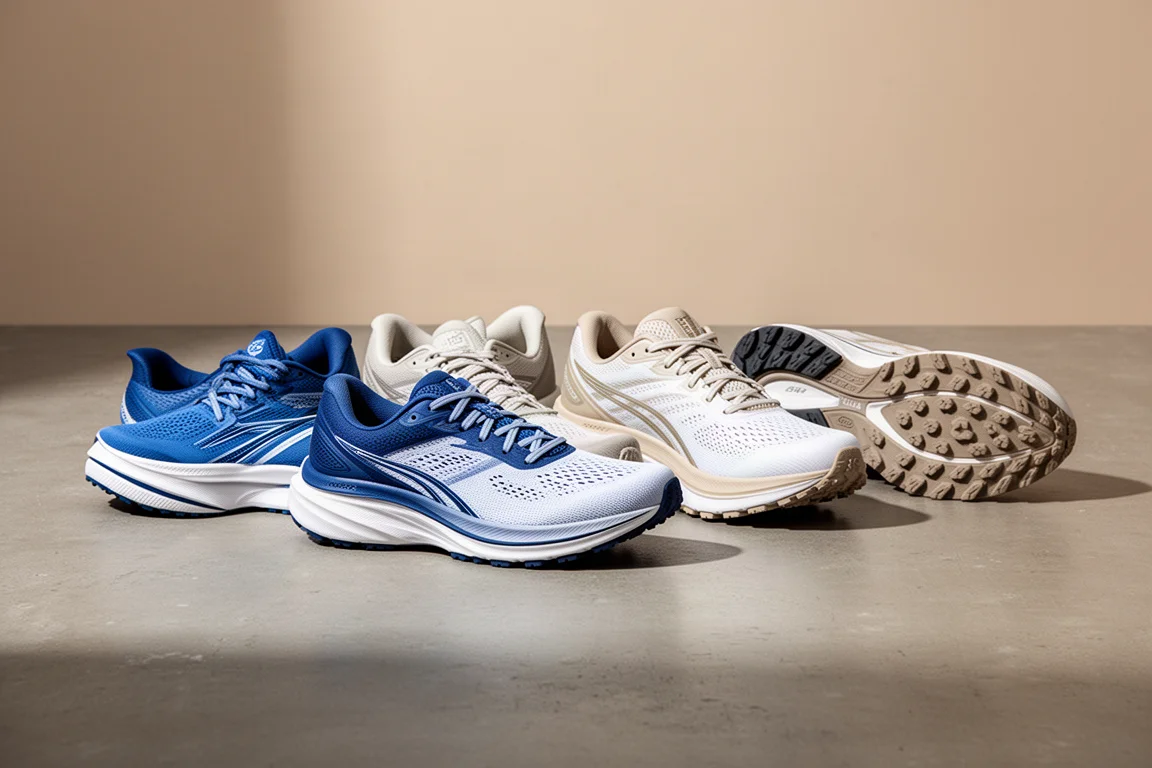
The past month has delivered an unusually strong batch of releases for runners heading into the aerobic base-building months. This roundup covers six shoes: a new max-cushion flagship from On, two updated New Balance trainers, a long-awaited Brooks pivot, a water-resistant Saucony, and a trail variant that is currently one of the best value picks on the market. Each one has a clear role, and knowing that role is the difference between a shoe you love and one that sits in the closet.
Evaluation Criteria
These picks were grouped around one question: where does each shoe fit in a winter rotation? That means cushioning feel, weight, stability, ride character, and price were all weighed against the kind of relaxed, high-mileage running most of us do between training blocks. Fast shoes were deliberately left out; this is a list for easy miles, recovery runs, long efforts, and wet or icy roads.
On Cloud Eclipse
The Cloud Eclipse is the spiritual successor to the Cloudmonster, and it arrives with a new midsole foam approach. Where the Cloudmonster uses On’s classic CloudTec with large open pockets for a squish-and-release feel, the Eclipse uses a newer CloudTec Phase design with a cascading compression effect. The foam was reportedly developed with input from NFL helmet engineers, and the emphasis is on impact absorption: less ground feel, less stress on your legs through heavy mileage.
On has also added a plastic stabilizing piece under the shoe to manage the tall foam stack. At 10.6 oz with a 37 mm heel stack and 31 mm forefoot stack, the 6 mm drop hits a comfortable middle ground that should work for a lot of runners, neither overloading the calves nor the upper legs. It is priced at the higher end at $180, partly for the brand cachet, but it is the best max-cushion shoe On has made to date.

This is a relaxed aerobic and recovery shoe rather than anything quick, and the added stability makes it an easy recommendation for easy winter mileage.
New Balance 1080 v13
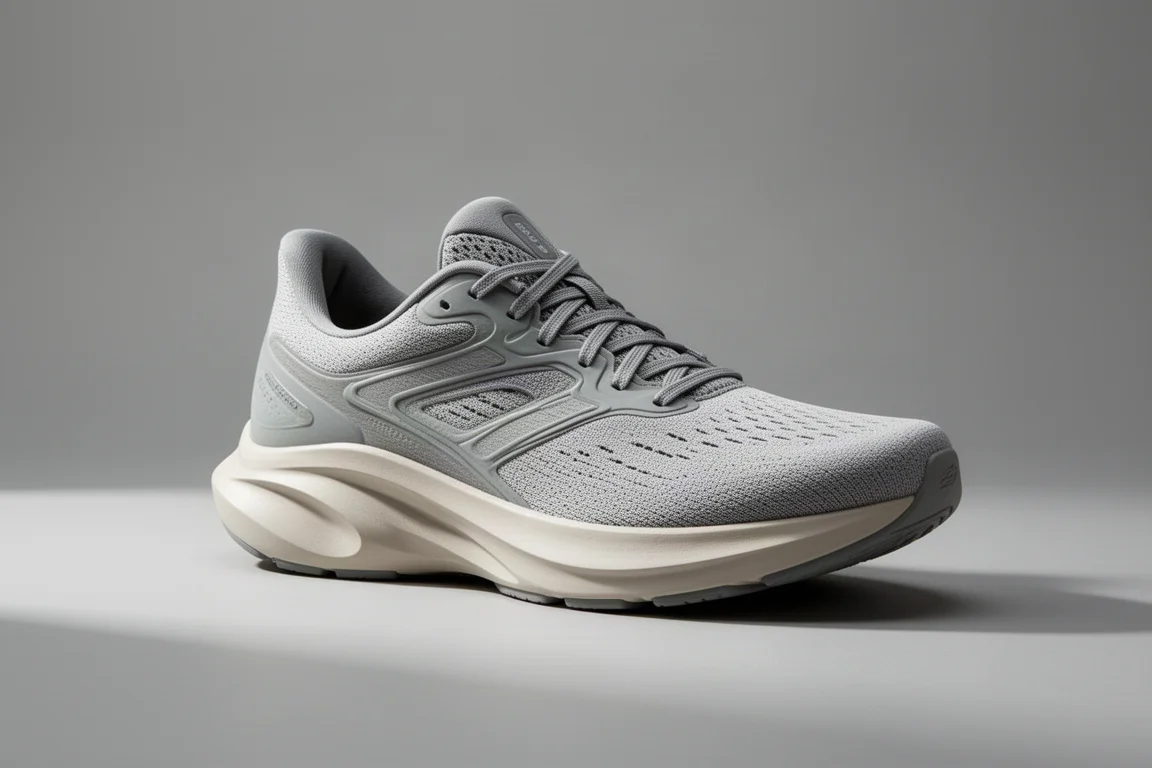
The 1080 v13 softens things up. The Fresh Foam midsole is squishier than the v12, and New Balance has repositioned this version more as a max-cushion recovery shoe than the do-it-all daily trainer its predecessor was. It is extremely comfortable, not overly rockered, and not too high off the ground, which gives it a more natural feel than a lot of max-cushion competitors.
At 9.6 oz for the men’s version it is not lightweight, but it does not feel weighed down either. This is not a shoe for ripping race pace; it is for long, relaxed 6 to 10 mile aerobic efforts and for rebuilding fitness between training blocks. At $165 it runs about $5 to $15 above comparable non-plated recovery shoes, but the build quality is excellent and should comfortably deliver around 350 miles of use.
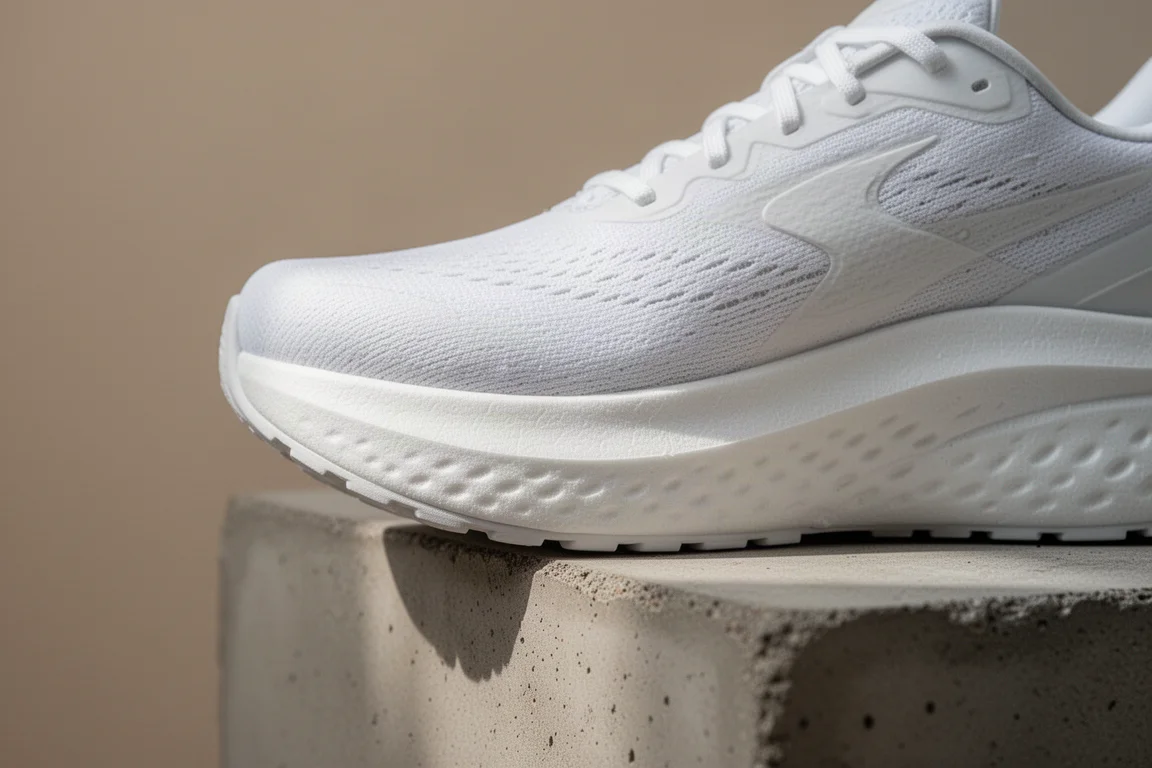
If you want a max-cushion shoe that leans recovery but can still absorb daily miles, this is one of the strongest options in the segment.
Brooks Ghost Max
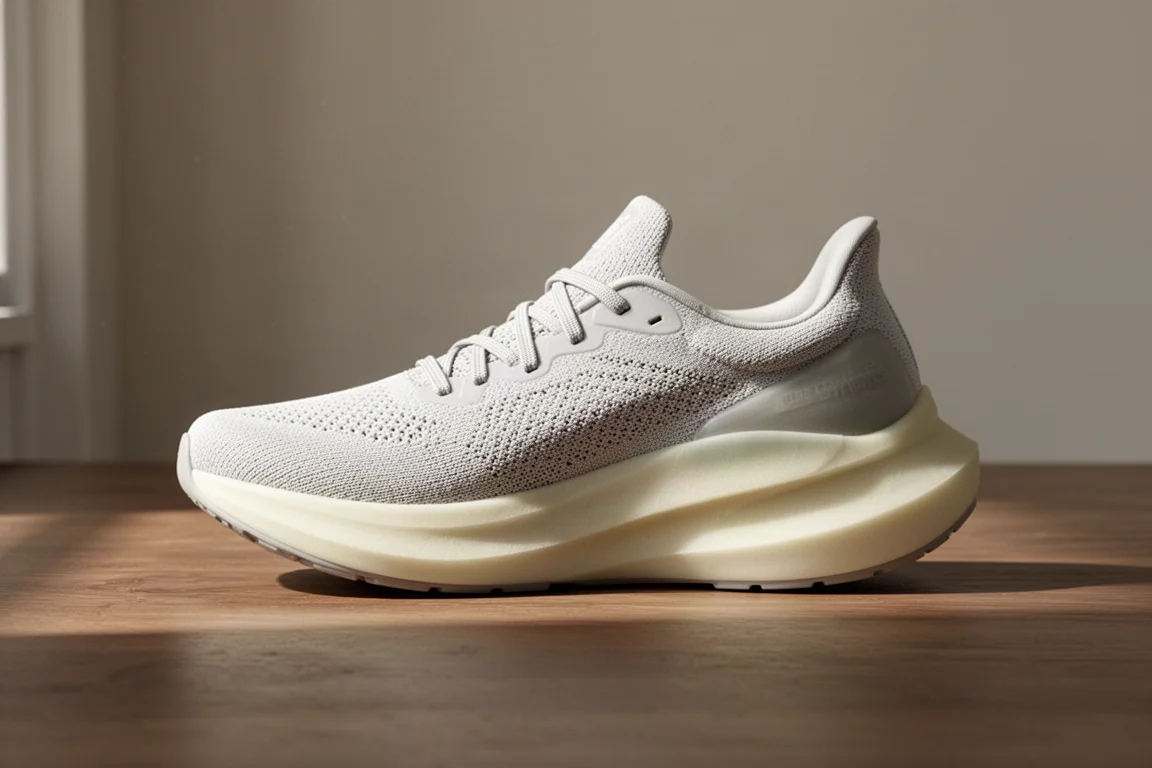
The Ghost Max is a genuine change of direction for Brooks. The brand’s traditional max-cushion shoes like the Ghost and Glycerin have never been the most exciting: conservative foams, no big rockers. The Ghost Max changes that with a rocker geometry and a new DNA Loft v3 foam that has drawn strong early feedback as a softer max-cushion ride.
The best way to describe the ride is as a sweet spot between the Saucony Endorphin Shift 3, which is stable but firmer, and the ASICS Gel-Nimbus 25, which is very soft and squishy. The Ghost Max sits right in between on foam feel, with a roomier fit than the Shift 3 but without the stretchy knit of the Nimbus. Its 6 mm drop is also far friendlier than the 10 to 12 mm drops of Brooks’ older cushioned shoes, making it approachable for the majority of runners.
At 10 oz it is standard for the segment. If you want a bigger rocker, the Ghost Max is the pick; if you prefer less rocker and a bouncier foam, the 1080 v13 is the better match.
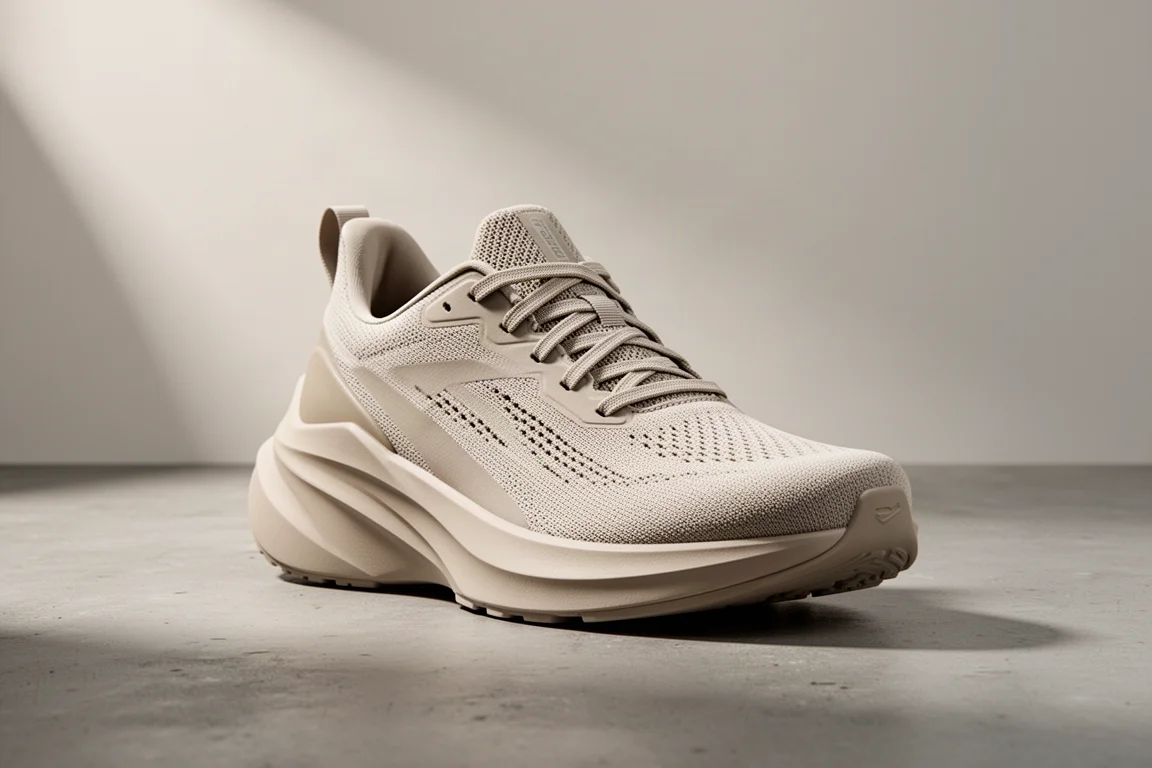
Saucony Triumph 21 RunShield
The RunShield line takes Saucony’s standard cushioned trainers and adds a water-resistant upper, which makes it a natural fit for the dark, gray, wet months of January and February. The Triumph 21 RunShield keeps the PowerRun Plus midsole, a beaded TPU foam that is lighter and bouncier than old-school Boost and notably durable, so it can chew up heavy mileage all winter.
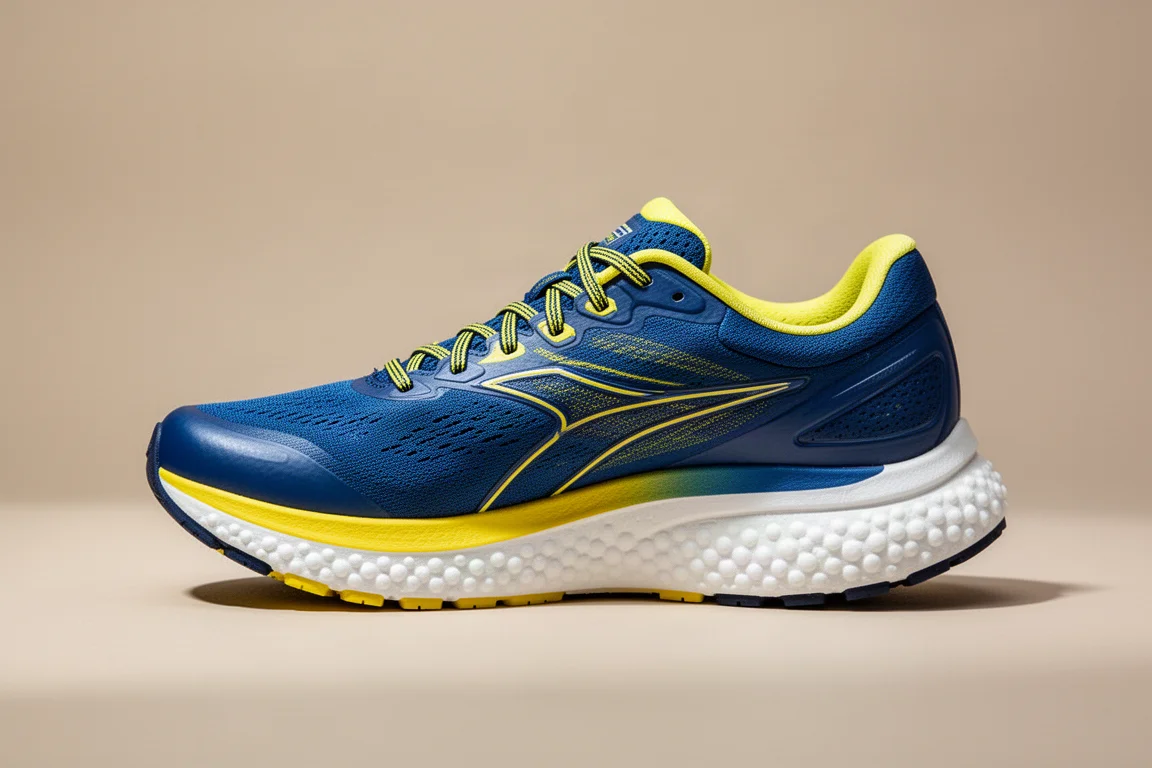
The new version comes in a blue and yellow colorway called Merc, and the water-resistant upper should keep your feet dry through wet long runs. It is on sale for $170 right now. Worth noting: many retailers are still selling the previous Triumph 20 RunShield for around $100, which is $70 cheaper. The two shoes are essentially the same apart from slightly better heel lockdown on the 21 and the new colorway.
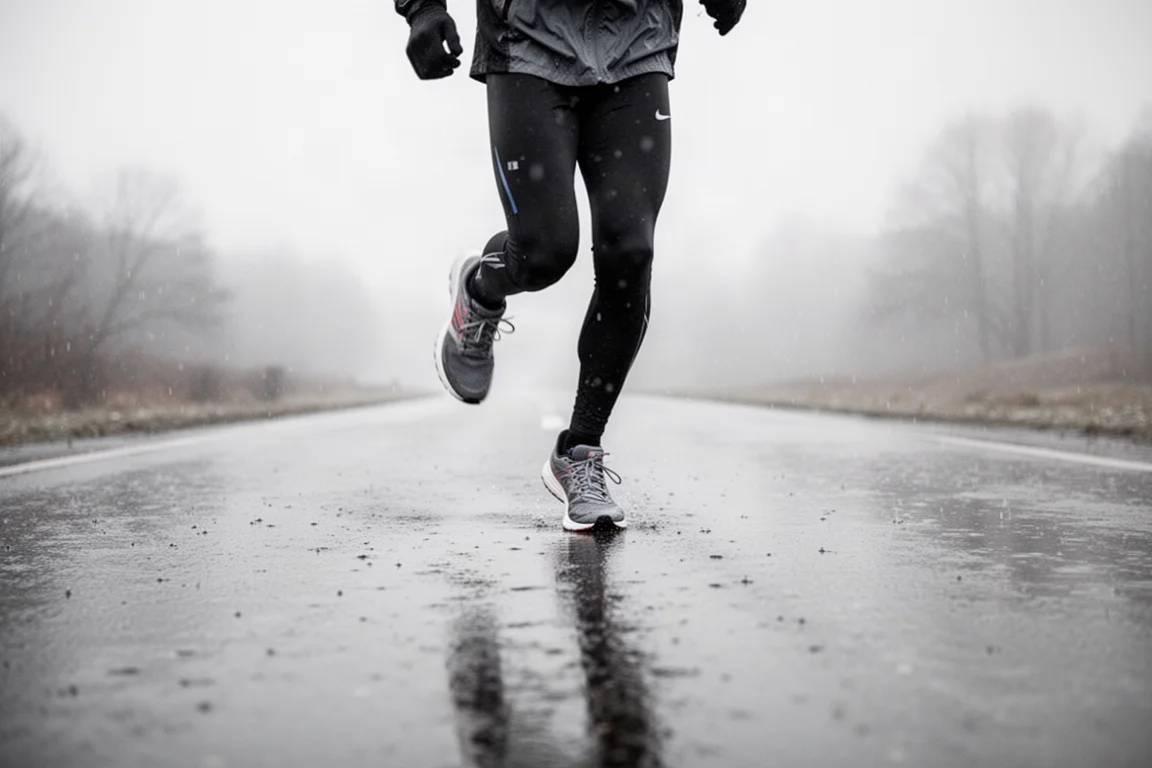
If you log long wet-weather miles and want a durable, cushioned partner for them, the RunShield version is hard to beat, and the older version is a genuine bargain.
New Balance Vongo v6
The Vongo v6 is the stability counterpart to the 1080 v13, aimed at runners who need some support for overpronation. It keeps the soft, bouncy Fresh Foam formula and adds a firmer EVA layer underneath to stabilize the platform, relying mostly on inherent stability rather than external plastic posts.
The result is a comfortable, cushioned ride that is slightly firmer than the 1080, with a nice rocker and rolling sensation from the modified geometry. At $165 it is priced very close to the Saucony Tempus at $160, and it delivers what the best modern stability shoes are doing: support without the weight penalty of older designs. New Balance uppers also tend to be roomy and forgiving, which helps if you have a wider foot.
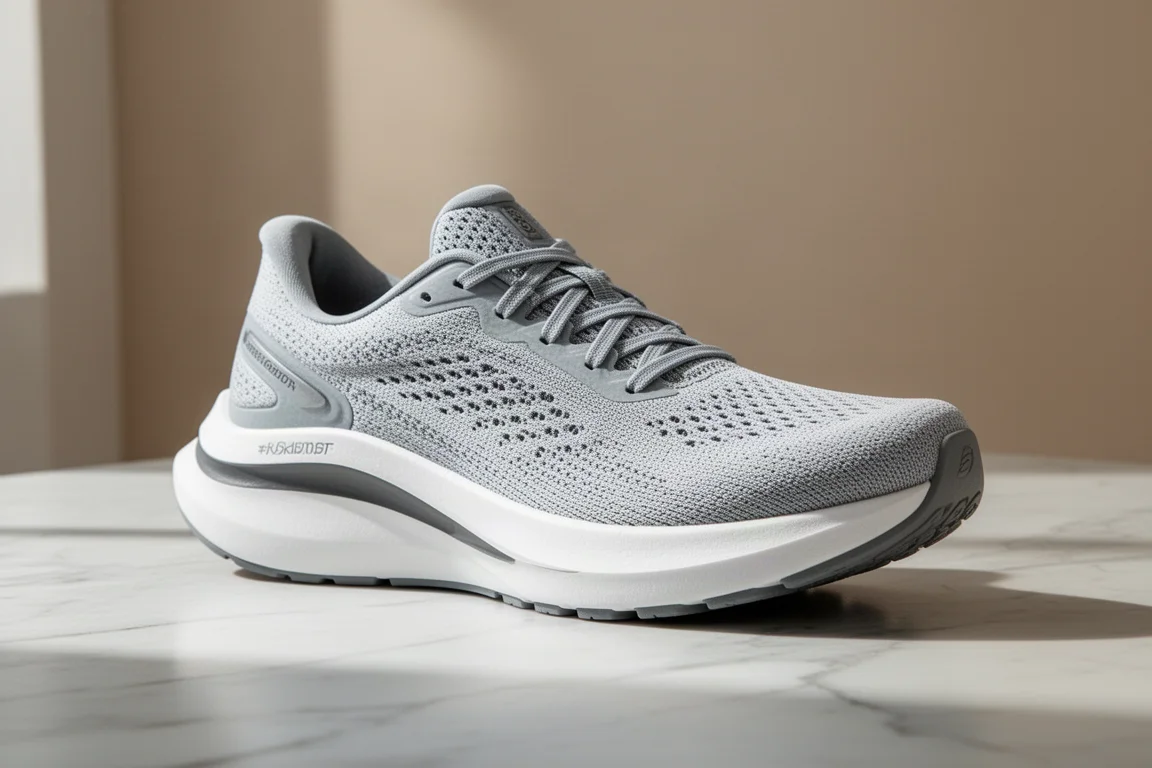
ASICS Gel-Nimbus 25 TR
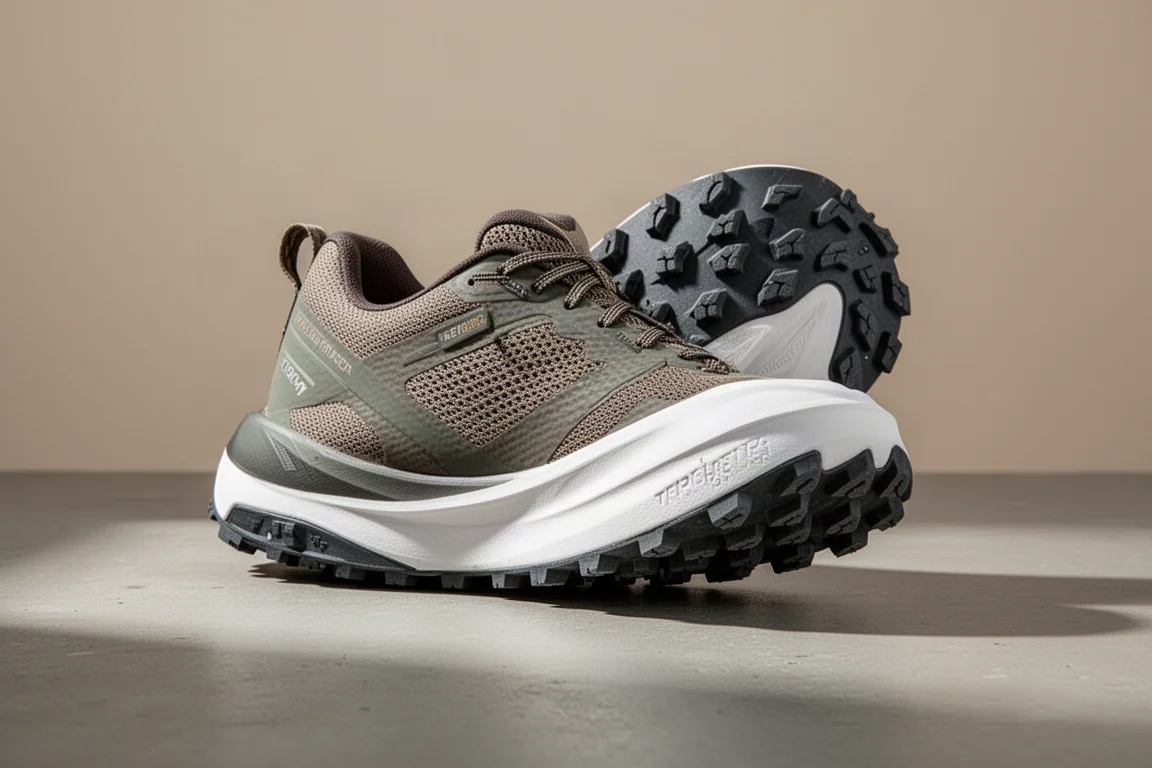
The Gel-Nimbus 25 TR is the trail variant of the Nimbus 25, retaining most of that shoe’s very comfortable FF Blast Plus foam stack and adding a lugged outsole underneath. Because it is a variant rather than an all-new model, it slid under the radar, but it is currently priced around $120, which is $40 off MSRP with the next version on the way.
That makes it one of the best value shoes on the market right now, especially for winter. If you run in icy or wet climates and want more grip than a standard road shoe for snow, mud, rocky paths, or other off-road terrain, while keeping a very cushioned and comfortable ride, this is the shoe to check out.
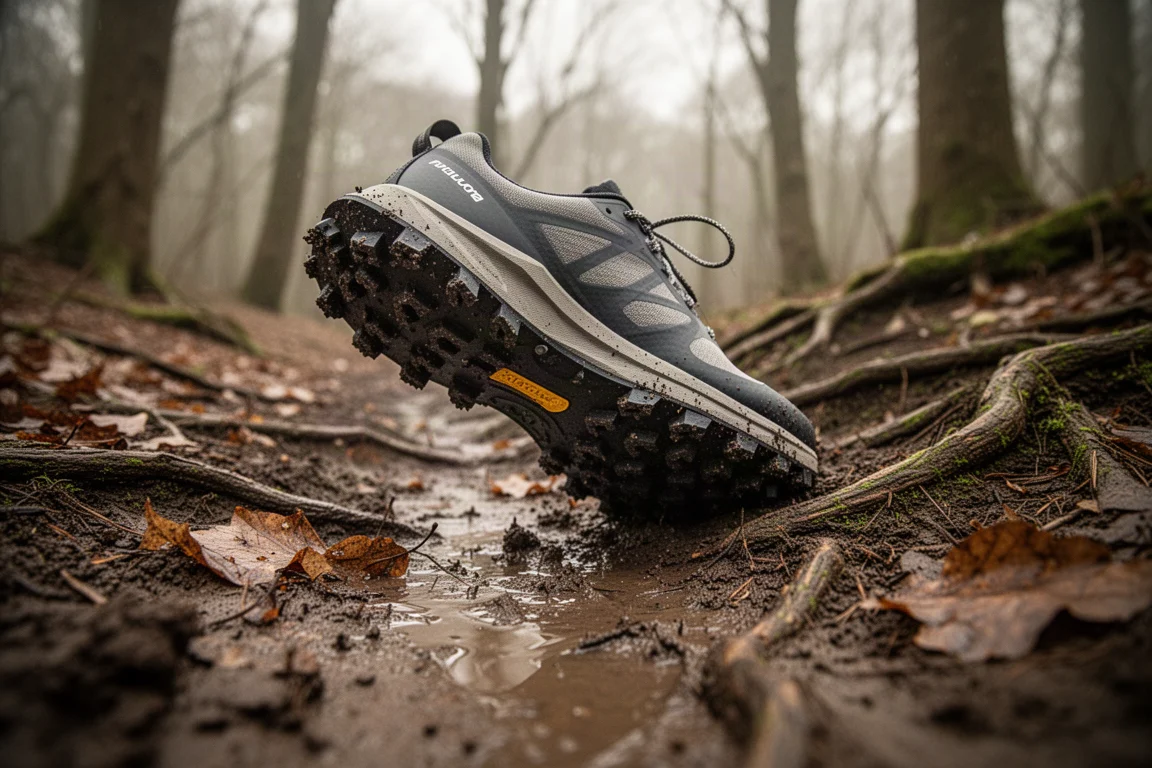
At that sale price it is arguably the easiest recommendation on this entire list for winter mileage beyond the pavement.
Overall Buying Advice
Match the shoe to the job. For pure recovery and easy miles, the Cloud Eclipse and 1080 v13 are the comfort leaders, with the Ghost Max splitting the difference on foam feel. For wet winter long runs, the Triumph 21 RunShield earns its keep, and the older version saves you $70 if lockdown tweaks do not matter to you. Runners needing stability should look at the Vongo v6, and anyone facing snow or trails should grab the Gel-Nimbus 25 TR while it is discounted.
Conclusion
This month’s releases cover nearly every winter running need: deep cushion, stability, weather protection, and trail grip. Pick the one that matches your terrain and the miles you actually run, and each of these should serve you well through base-building season and into spring marathon training.
Further reading
Related Reviews

Running Shoes
Best Road-to-Trail Running Shoes: Three Versatile Options for Mixed Terrain
A practical guide to three road-to-trail running shoes that handle both pavement and mild trails, with clear strengths and trade-offs for different runner types.

Running Shoes
Best Running Shoes for Achilles Tendonitis: Three Options Explained
Three running shoes with different heel drops and support features designed to help reduce Achilles tendon pain during walking and running.

Running Shoes
Best Running Shoes for Women: Five Top Choices Ranked
A ranked guide to five women's running shoes, from versatile daily trainers to high-performance racing options, with real strengths and trade-offs for each.