Running Shoes
9 Running Shoes Worth Knowing About Right Now: From Daily Trainers to Race Day Weapons
A nine-shoe rundown covering max-cushion trainers, super shoes, lightweight racers, and a Salomon road duo, with honest strengths and trade-offs for each.
Introduction
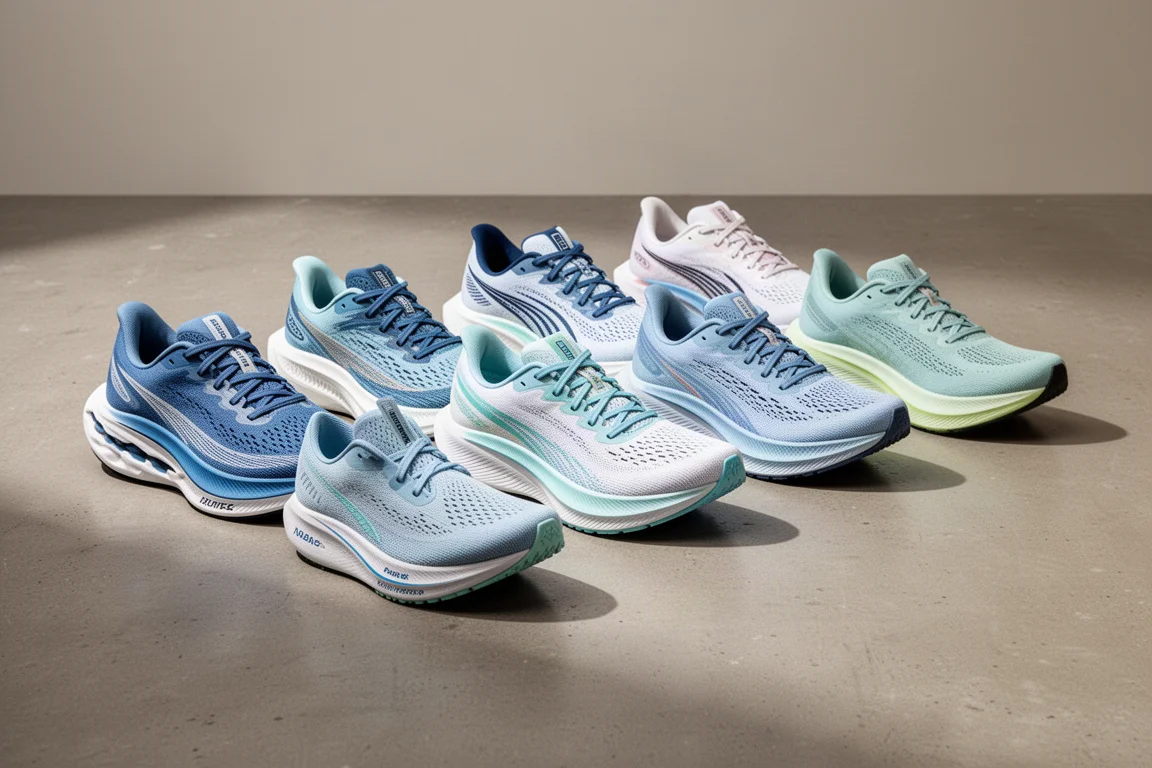
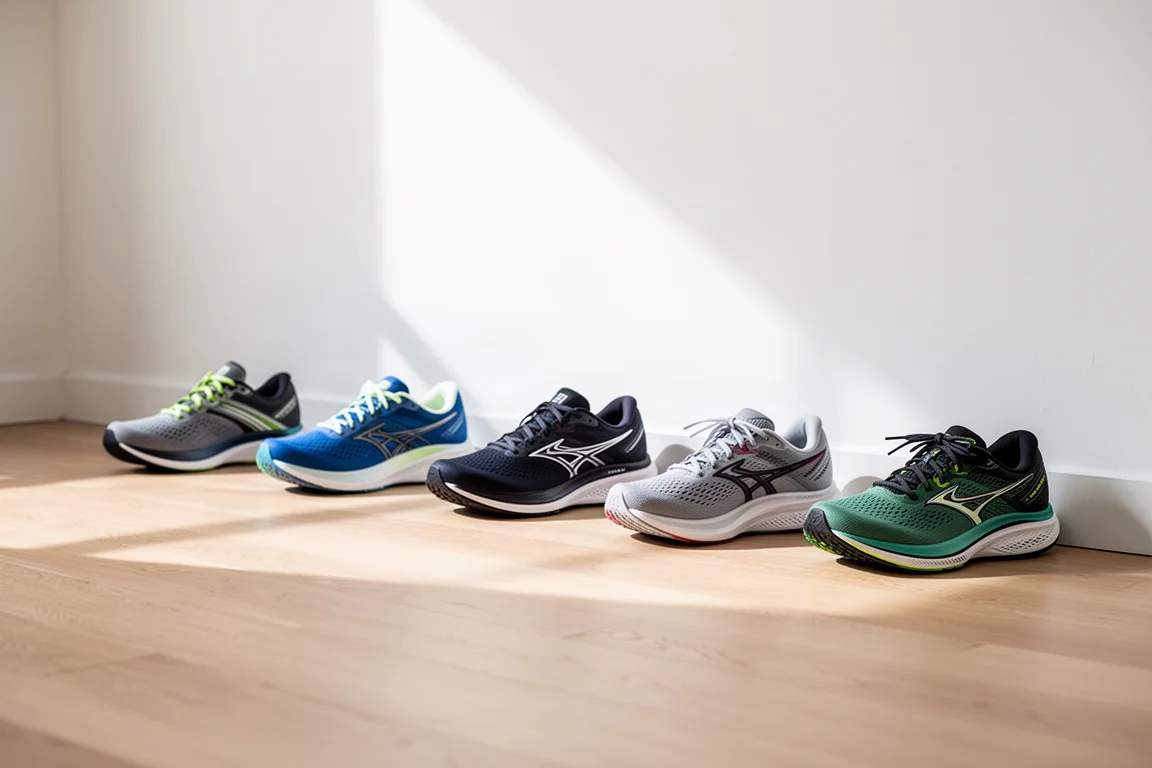
Nine pairs came through recent testing, and the spread is a good snapshot of where running footwear sits right now: max-cushion daily trainers that keep getting better, aggressive super shoes with very distinct personalities, and a road category that has quietly improved across the board. Below is what each shoe does well, where it falls short, and who it actually makes sense for.
Saucony Hurricane 25
The Hurricane 25 did not win anyone over on the first run. The fit is a clear improvement over the original, the transition is smoother, and the shoe is lighter, but the PWX Power on PB midsole initially felt too mushy to be satisfying. The story changed after roughly 50 miles: as the foam flattened out, compression decreased, bounce returned, and the ride became noticeably more responsive.
That makes this a shoe that rewards patience. If you want maximum cushion with a stable, rockered platform and you are willing to break it in, the Hurricane 25 grows into a genuinely good trainer. Expect a proper 100-mile update to follow, because the early miles are not the full picture.

Adidas Adizero Prime X Strung 3
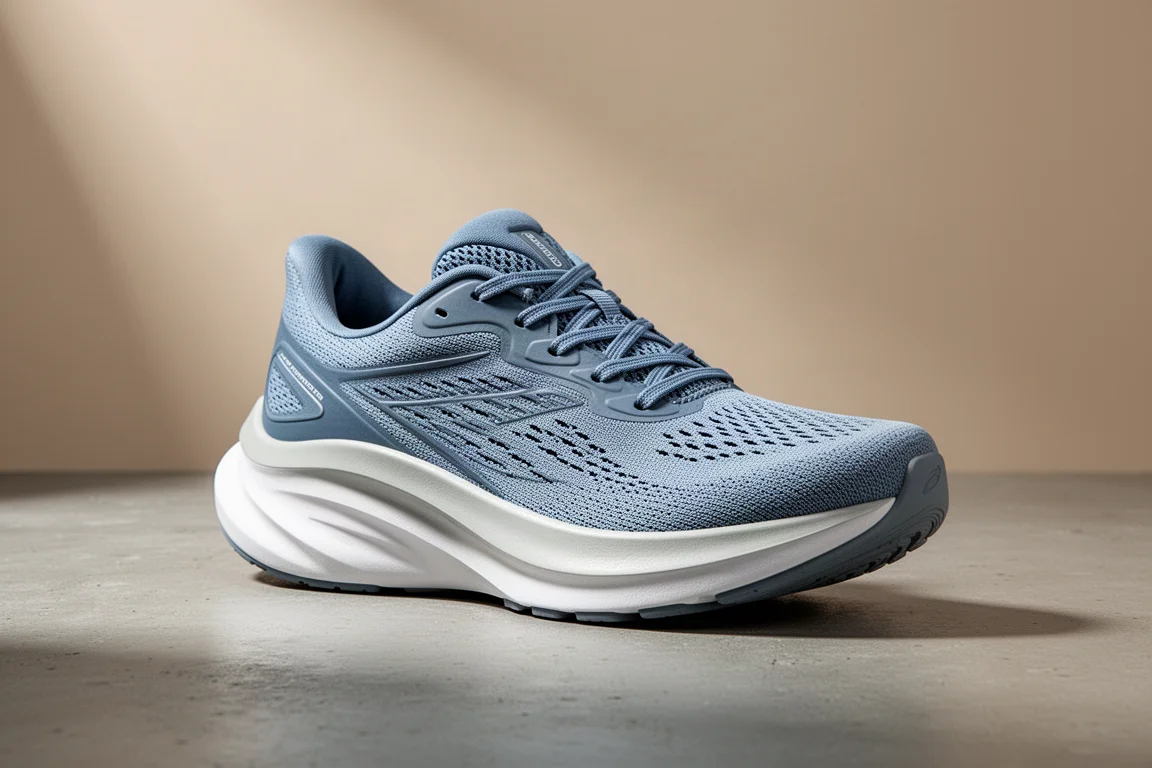
This is a very different shoe from version two, and that matters if you have a history with the line. The Prime X Strung 2 was loved for its aggressive lateral bias, which made it feel almost like a medial stability shoe. The third version pulls most of that bias out of the midfoot, though the heel still carries a large curve. The updated foam stack, complete with a carbon plate and support rods, is the biggest change.
The trade-off is that it needs to be used just right. Getting up on the toes does not feel great, and the plate setup rewards rearfoot landings that roll through and propel you forward. Once you accept that, it becomes an excellent long run shoe, the kind that makes uptempo efforts the day after a hard race or workout feel far more manageable. It is still a massive stack, and the height will understandably worry cautious ankles, but the ride itself has been refined in all the right ways.
Asics Takumi Sen 11
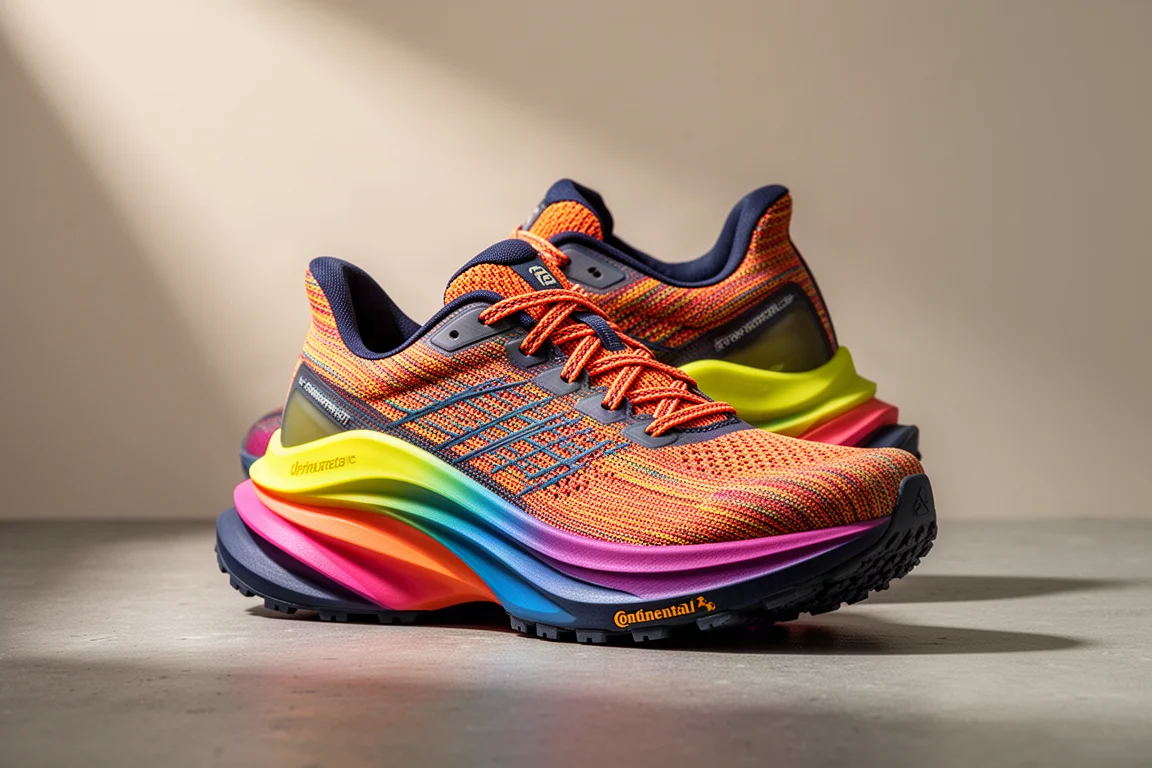
On paper the Takumi Sen 11 looks like the previous versions. Underfoot, it does not. The new Lighttrax Pro outsole is a major upgrade, gripping both track and road noticeably well, and the Lightstrike Pro midsole is far softer and bouncier than prior iterations. This is arguably the first recent Takumi Sen that genuinely feels like a super shoe, with real pop from a stiffening agent and resilient foam.
There is one clear caveat: stability. The medial midfoot pushes you toward rolling inward, so this is not a shoe for runners who need a planted platform. But for fast days, tempos, and short races, the improved midsole and outsole make this the most exciting Takumi Sen in years.
Brooks Hyperion Elite 5
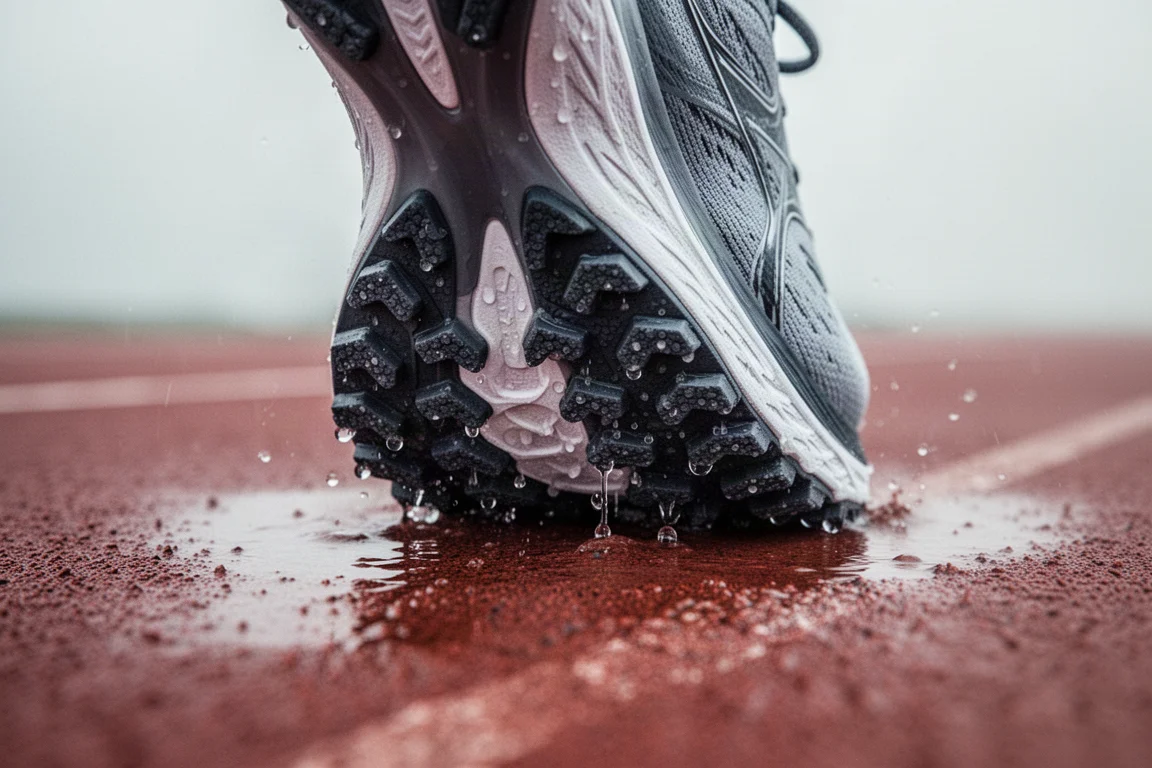
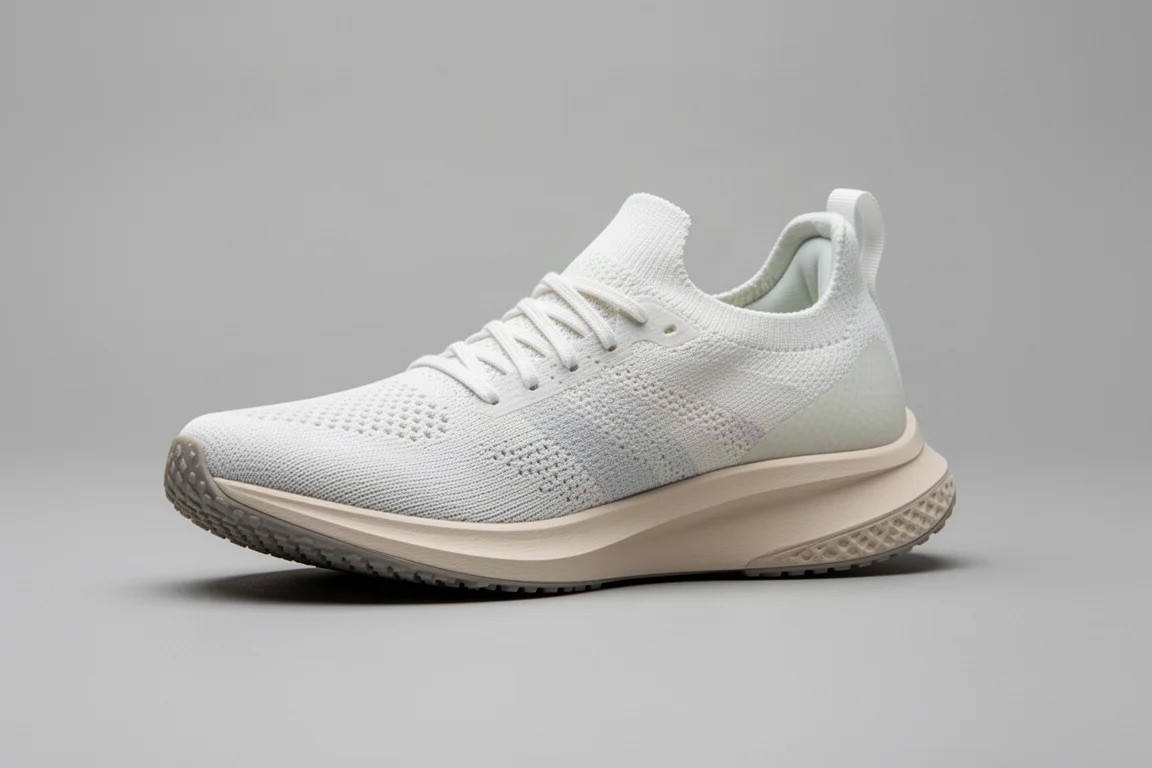
The Hyperion Elite 5 is the most anticipated untested shoe in this group. Its DNA Gold midsole foam was excellent in the Hyperion Max 3, and expectations are high for how it performs in a full super shoe package. The early concern is fit: the midfoot is very narrow, and anyone hoping for the planted, stable feel of the original Hyperion line may be disappointed.
Only walk-tested so far, so final judgment waits for real mileage. But given how well the foam has behaved elsewhere, this could be a major player for faster runners who do not mind a tight midfoot.
New Balance Rebel v5
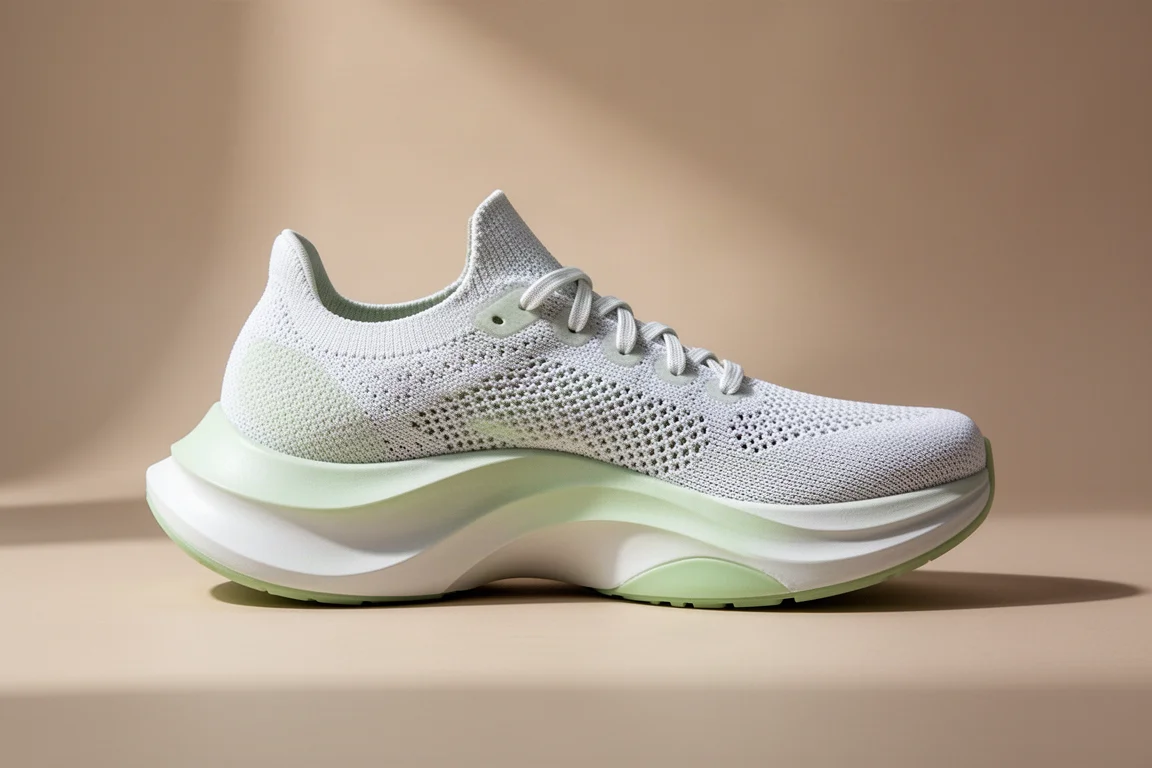
The Rebel v5 has been a consistent favorite, and it held up well on a 14-plus mile run, which is impressive for a shoe in this weight class. The softness that makes it comfortable for long efforts, however, does come with a caution: a soft platform under high mileage can aggravate sensitive feet, and one tester developed irritation around the tibialis post and calcaneal branch symptoms after extended use.
The takeaway is practical. The Rebel v5 is a lively, comfortable trainer that handles longer runs well, but if you know your feet flare up in very soft shoes, moderate your mileage in it and rotate it with something firmer.
Adidas Evo SL
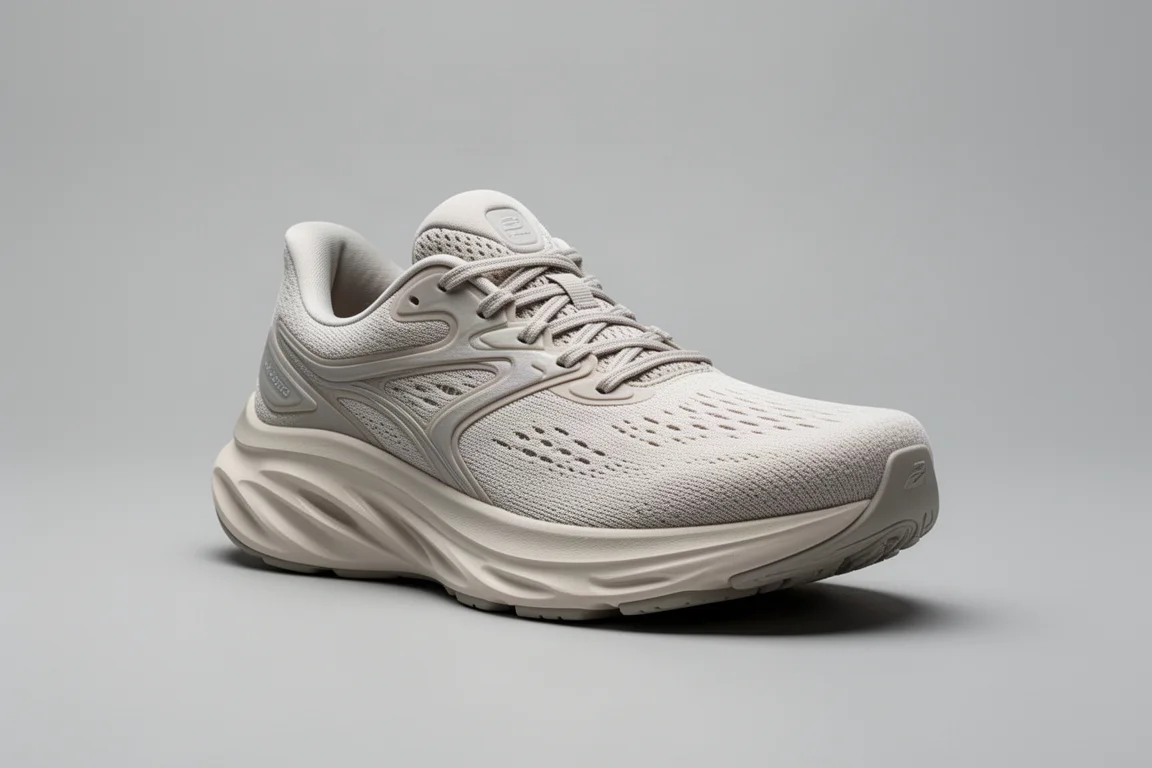
The Evo SL is one of the most interesting value stories in running right now. Its geometry and rocker sit at a midpoint between a traditional super trainer and a softer max-cushion shoe like the Rebel, with a slightly firmer, more responsive forefoot. The amount of compression hits a sweet spot: just firm enough to feel quick, just soft enough to stay comfortable.
Two flaws hold it back from perfection. The midfoot is genuinely narrow, which will lock out wider-footed runners, and the thin, non-gusseted tongue slides down during longer tempo efforts, one tester picking up a bruise where it crinkled. Lacing tricks may help, but it is worth knowing before you buy. Around the $150 mark, it punches well above its price, and it is one of the better-performing shoes in this whole group relative to cost.
Rabbit Dream Tracer 2.0
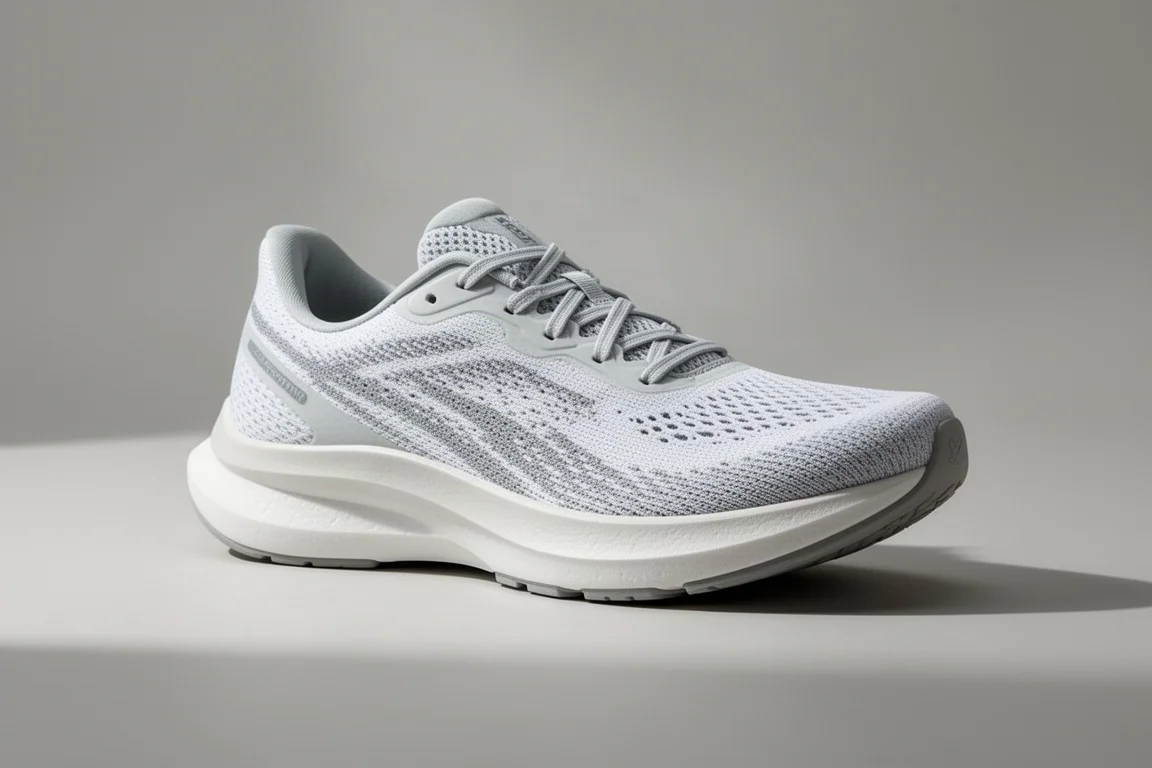
The Dream Tracer 2.0 is an upgrade over the original, but that was a low bar. The midsole ride and geometry are actually decent, the carbon rods are tolerable even if they do not inspire love, and the heel bevel works acceptably. The upper is the deal breaker. The fabric runs warm despite added ventilation, and the tight midfoot wraps with a lateral undercut that creates real pressure over the fifth metatarsal and cuboid.
At around $160 it is priced too high for what it delivers today. If it landed closer to $140 to $145 it would be easier to recommend to daily-training buyers, and there is genuine promise here if Rabbit refines the upper. As it stands, it does not yet compete with the best trainers on the market, though the brand’s trail model looks far more promising and has already survived a rim-to-rim-to-rim Grand Canyon outing.
Salomon AeroBlaze 3
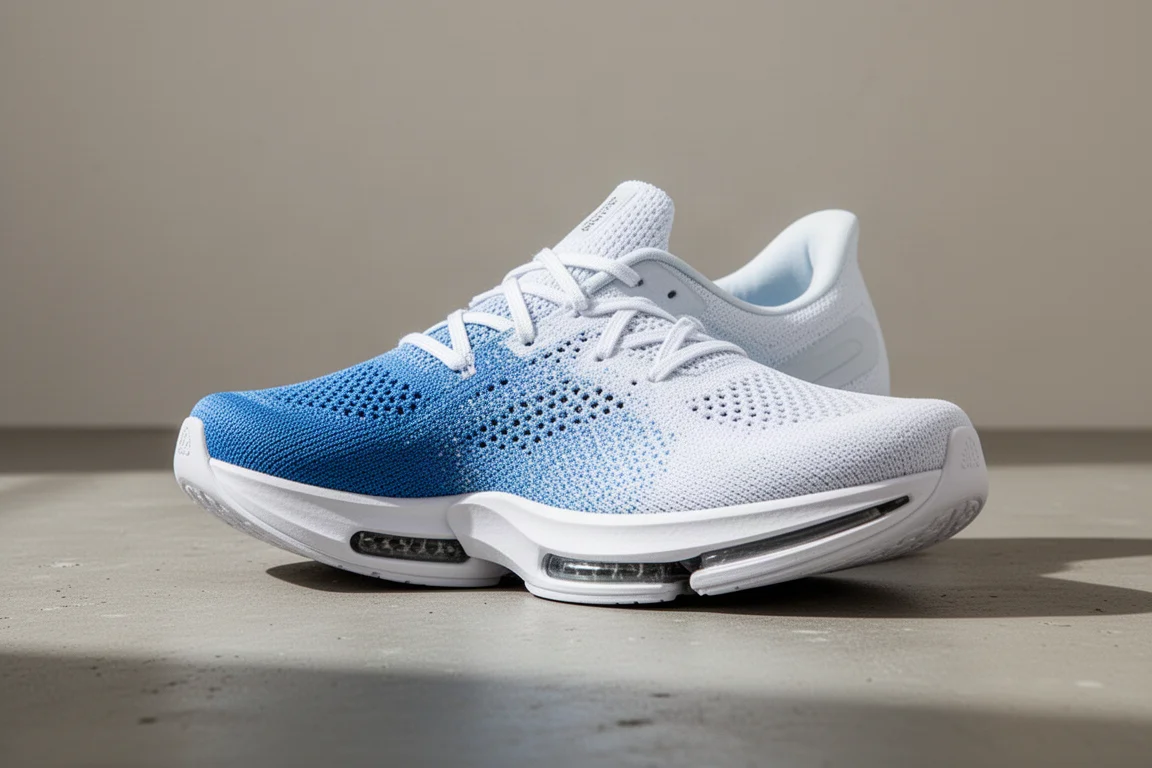
The AeroBlaze 3 is a lightweight, gently rockered trainer with a foam that feels genuinely lively on foot. It has not yet been through a full maiden voyage of serious running, so definitive verdicts are still pending, but the initial impressions are encouraging: the midfoot runs a touch narrow, and the underfoot energy is the standout quality.
Salomon’s road midsoles have transformed in recent years. Early Salomon road shoes were so uncomfortable underfoot that they were nearly unwearable, and this generation is a massive leap from that. The AeroBlaze 3 is on the testing docket and worth watching.
Salomon Aero Glide 3
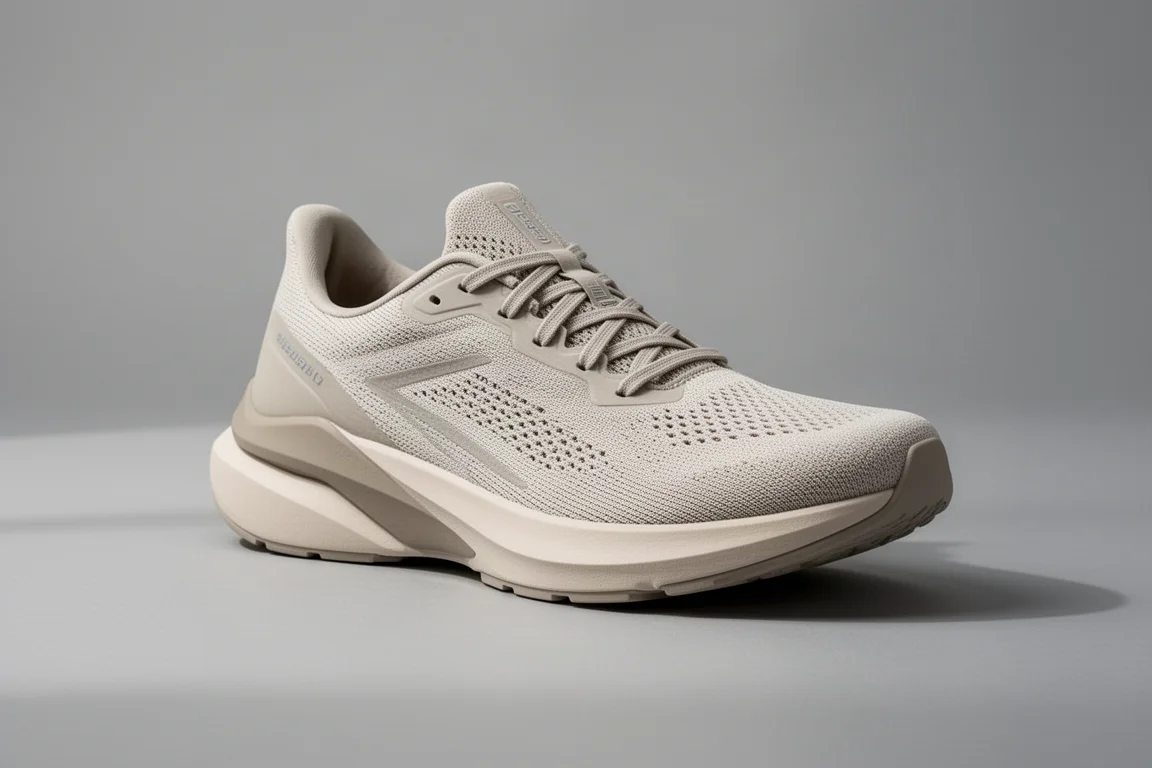
The Aero Glide 3 is the standout of the Salomon road pair. Its midsole feel is so good that it is in genuine contention for a top shoe of the year, competing directly with established favorites on ride quality alone. Salomon has clearly moved a long way from the firm, unforgiving midsoles of its earliest road models.
One caution from shared testing notes: its midsole stiffness and compliance sit in a range that has bothered one tester’s foot on longer efforts, so longer runs in it were approached carefully. For shorter and moderate days, though, this is one of the best-feeling midsoles available right now.
Buying Advice: Matching the Shoe to the Run
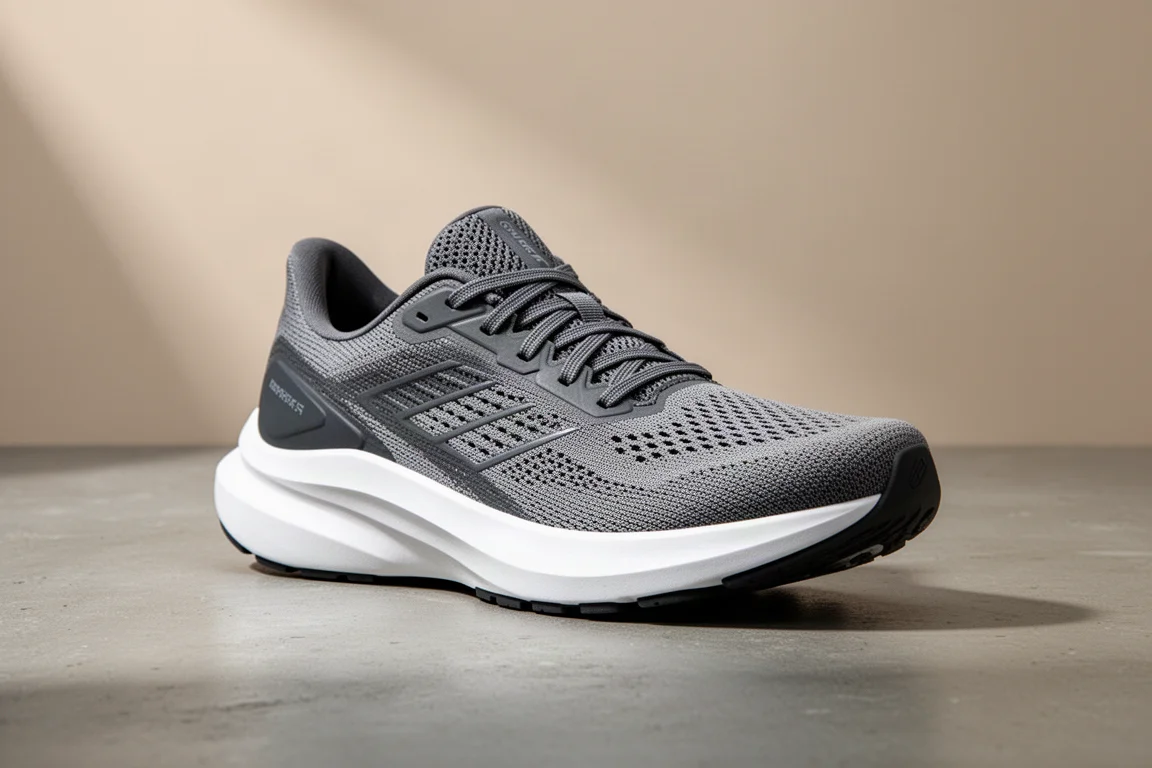
Across these nine shoes, a clear theme emerges: match the tool to the session. For easy and recovery days, softer cushioned trainers like the Hurricane 25 or Rebel v5 make sense. For uptempo work, the Takumi Sen 11 and Evo SL bring responsiveness at very different price points. For long runs that need propulsion, the Prime X Strung 3 is the specialized pick. And for all-around midsole quality, the Aero Glide 3 currently sets the pace.
Two fitting notes apply to most of this lineup. Narrow midfeet appear repeatedly, in the Evo SL, Hyperion Elite 5, AeroBlaze 3, and Dream Tracer 2.0, so runners with wider feet should prioritize the Hurricane 25 or Rebel v5. And remember that super-shoe-style platforms are best introduced gradually; comfort over long distances matters more than any responsiveness advantage.
Conclusion
This group shows how specialized running shoes have become. There is no single best choice here, only better and worse matches for your feet and your training. If one shoe earns an immediate look, make it the Adidas Evo SL for value, the Aero Glide 3 for ride quality, or the Takumi Sen 11 for fast days. Whichever direction you go, take new pairs through a real break-in and at least one long run before trusting them with a race.
Further reading
Related Reviews

Running Shoes
Best Road-to-Trail Running Shoes: Three Versatile Options for Mixed Terrain
A practical guide to three road-to-trail running shoes that handle both pavement and mild trails, with clear strengths and trade-offs for different runner types.

Running Shoes
Best Running Shoes for Achilles Tendonitis: Three Options Explained
Three running shoes with different heel drops and support features designed to help reduce Achilles tendon pain during walking and running.

Running Shoes
Best Running Shoes for Women: Five Top Choices Ranked
A ranked guide to five women's running shoes, from versatile daily trainers to high-performance racing options, with real strengths and trade-offs for each.