Running Shoes
Best Running Shoes Worth Knowing: Nine Standouts From Our Recent Testing
Nine running shoes covering road trainers, super shoes, and trail workhorses, with honest notes on fit, feel, and who each one suits.
Introduction
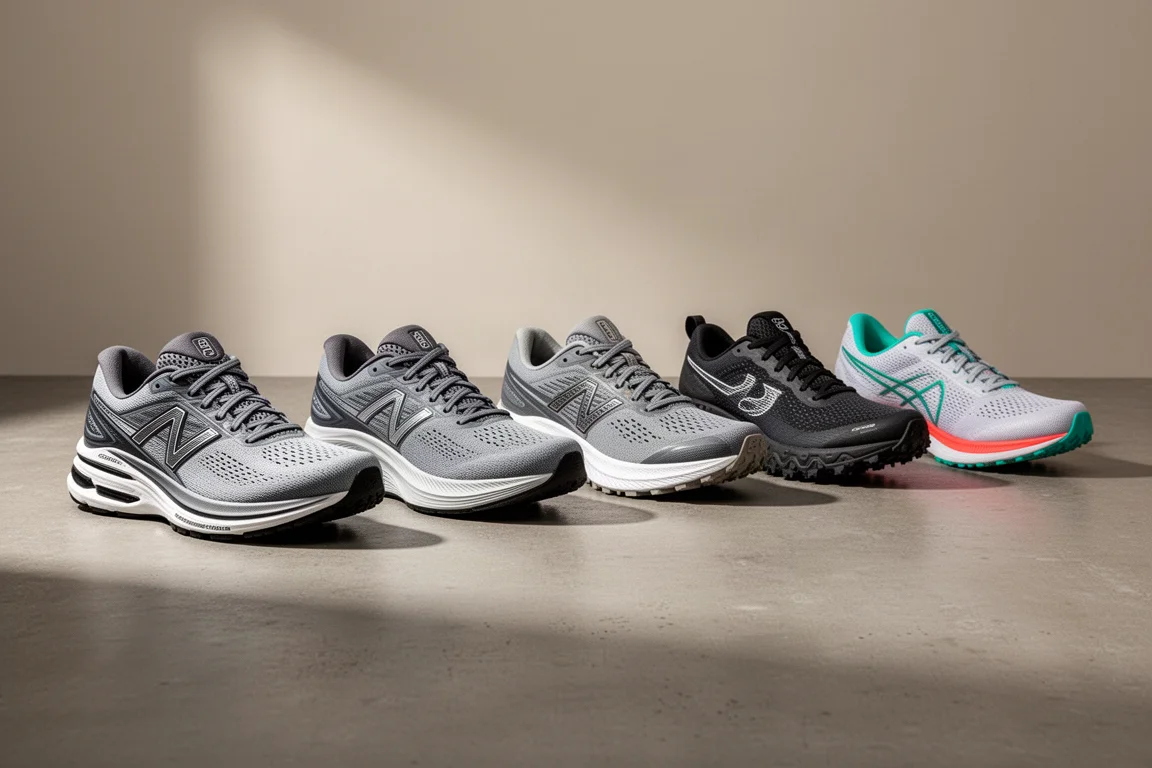
A recent round of hands-on testing surfaced an unusually varied group of running shoes: a budget-friendly Italian road trainer, a softer and lighter update to a max-cushion trail classic, a new zero-drop-leaning super shoe, and several dependable daily and trail options. Here is how each one performed and who they suit best.
Diadora Corsa
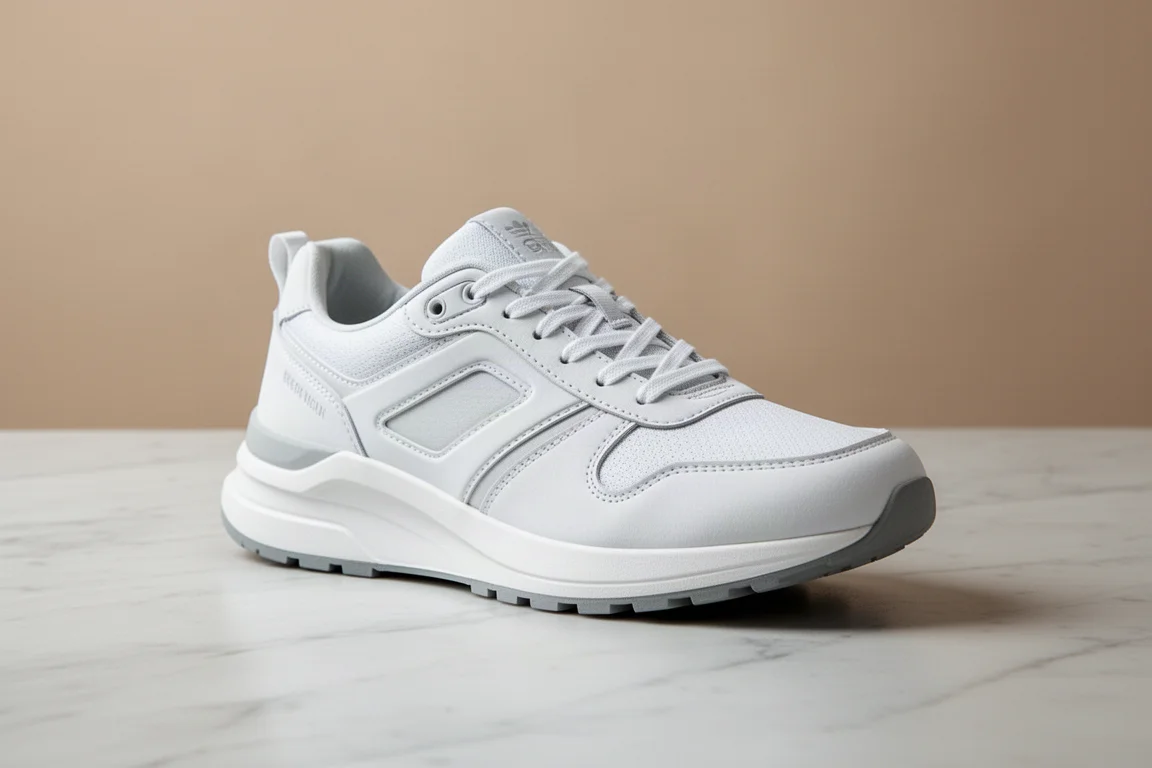
The Diadora Corsa is one of the biggest surprises of the testing cycle. At a $155 price point, it combines a soft-but-not-mushy Anima N2 supercritical EVA midsole with classic Diadora styling and durability that holds up well near 100 miles of use. The fit is classic Diadora: snug in the forefoot that opens up nicely toward the heel, with a tongue that sits right in the sweet spot between too padded and too thin. The rounded posterior heel counter can even take some pressure off for runners with Haglund’s deformity irritation, though the stiffness means it is not a first recommendation for that group. One note: the midsole sits on the softer end and softens slightly with break-in, so expect a touch less stability over time. Compared to the New Balance Rebel, it feels slightly more responsive with less forefoot flex, sitting closer to the Ellipse as a soft, rhythmic trainer that can still pick up the pace. The main downside is a rigid upper with a noticeable taper around the metatarsals, and a thick lateral overlay that some runners may feel pressing against the fifth metatarsal.
Hoka Stinson 8
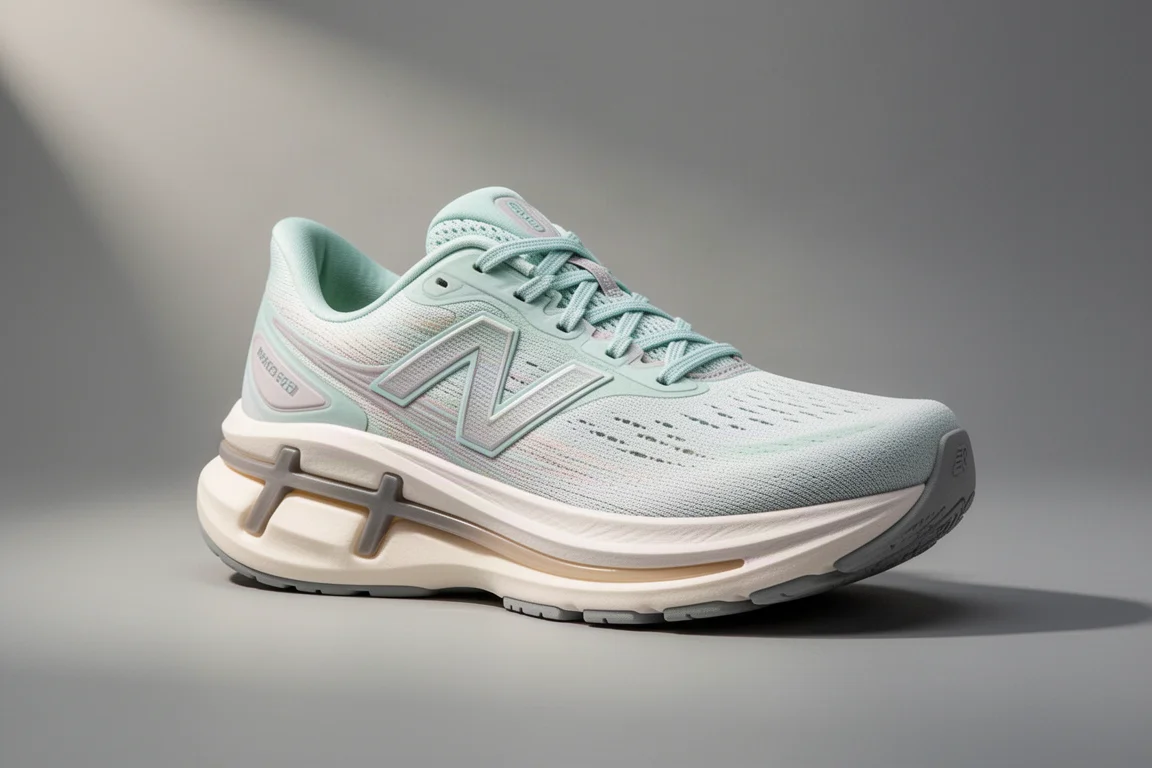
The Hoka Stinson 8 is dramatically lighter and much softer than the original, with decreased volume and a more resilient midsole that makes it genuinely runnable rather than just a walking shoe. It is still not light, and the weight becomes noticeable on climbs, but it delivers a structured, reliable ride with excellent rocker geometry. Hoka’s H-frame adds quiet stability that shows up most on fatigued long runs, making this arguably the most stable option among thick trail shoes even though it is not officially marketed as a stability model. The width is certainly there, but the fit runs more snug and lower in volume than it looks, partly due to a thick toe guard that does not stretch. Early lug wear appeared with road use, so it trades a bit of durability for that weight reduction. It suits three groups well: hikers wanting a lighter alternative to heavy boots, trail runners who want stability and are not worried about weight, and runners on flatter terrain where the rocker rolls efficiently.
Altra Vanish Carbon 3
The Altra Vanish Carbon 3 is Altra’s new super shoe, and the headline change is a 4mm drop paired with a massive forefoot rocker, a shift Altra reports does not significantly alter running form. The PEBA midsole, called FastR, starts firm and breaks in softer, which works well for a distance-focused racer. This is not the wide Altra fit; it is a snug racing fit with a significant toe guard that makes the volume feel low, and some testers found it almost fits short, though going true to size worked fine. The mild heel counter makes it a rare super shoe option for Haglund’s deformity, and the heel bevel and rocker unload the fatigue-related heel striking that soft zero-drop shoes can encourage. At roughly 7.7 to 8.1 ounces in men’s size 9, it is on the heavier side for a super shoe, but the full ground contact outsole should handle wear extremely well. Against the Topo Spectre Elite, it offers less bounce but a stronger overall rocker and a more forgiving heel collar.
Altra Mesa Summit
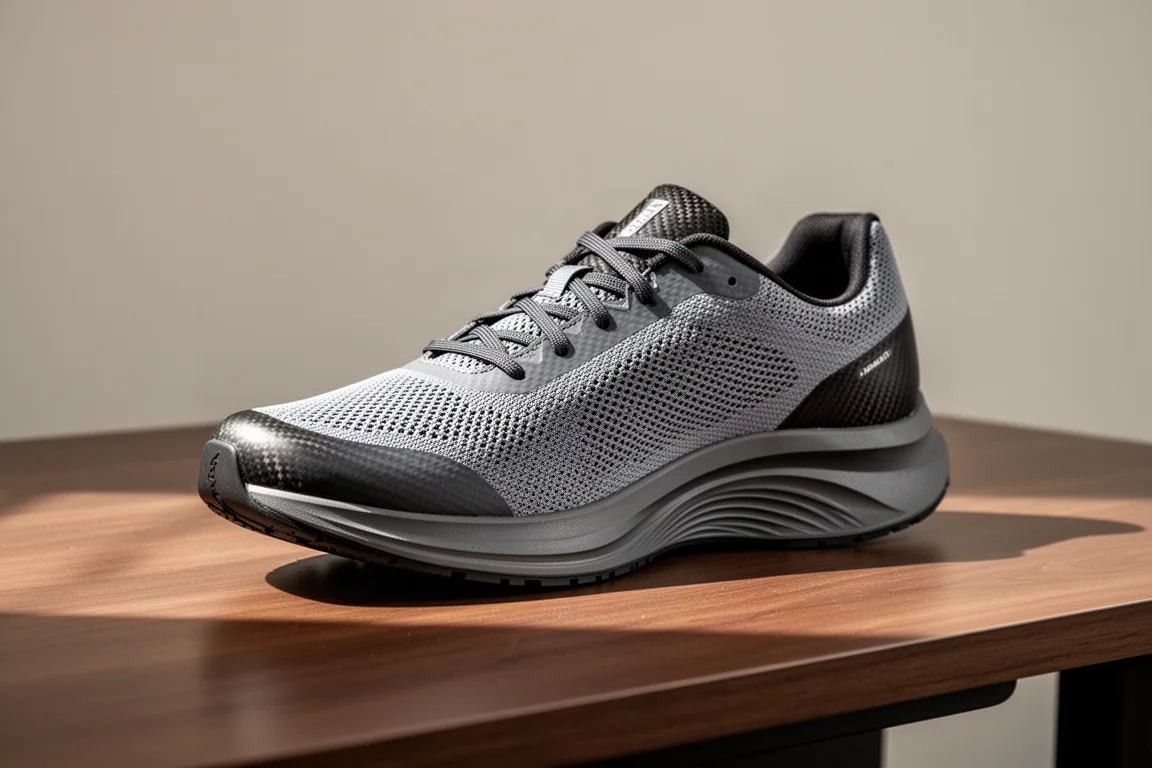
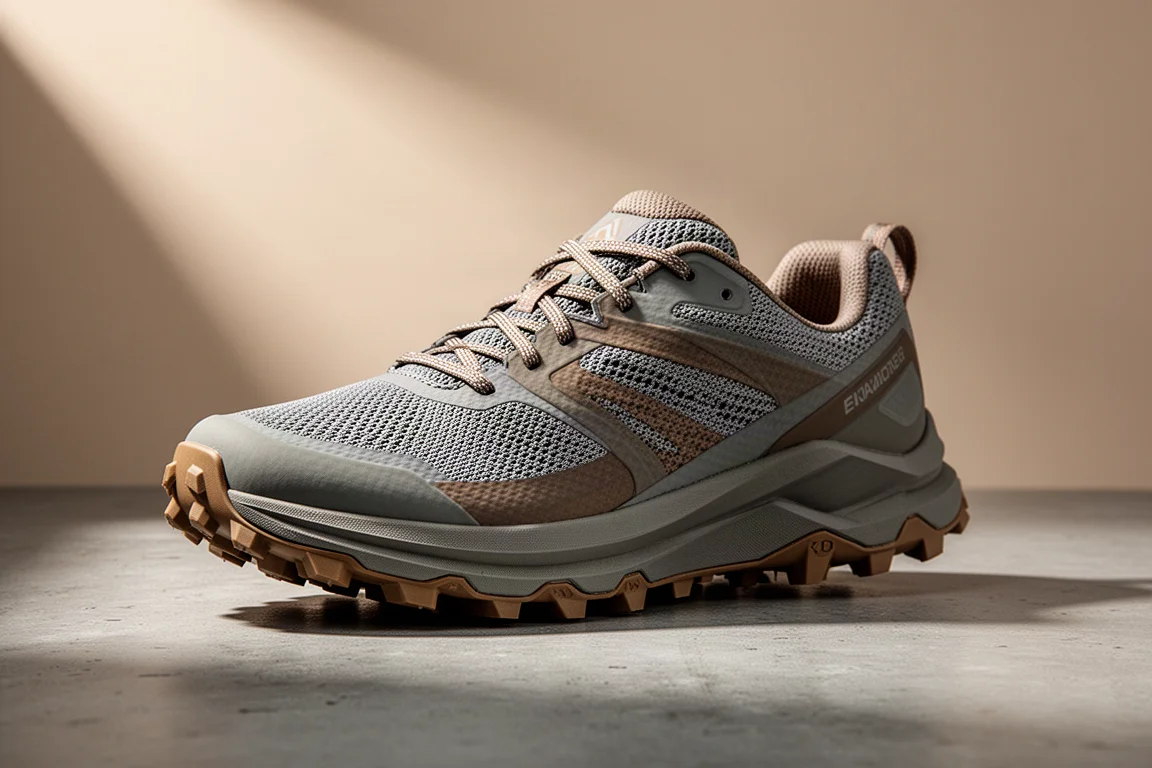
The Altra Mesa Summit is a new model, not the Mesa Trail 2 it initially resembled, and it has grown on the tester with every wear. It offers a bit more structure than a pure trail runner while staying genuinely comfortable, making it the pick for an upcoming backpacking trip with daily miles on foot. This is the shoe for hikers and trail users who want comfort first, with enough support for long days in the wilderness.
Nike Pegasus Plus 2
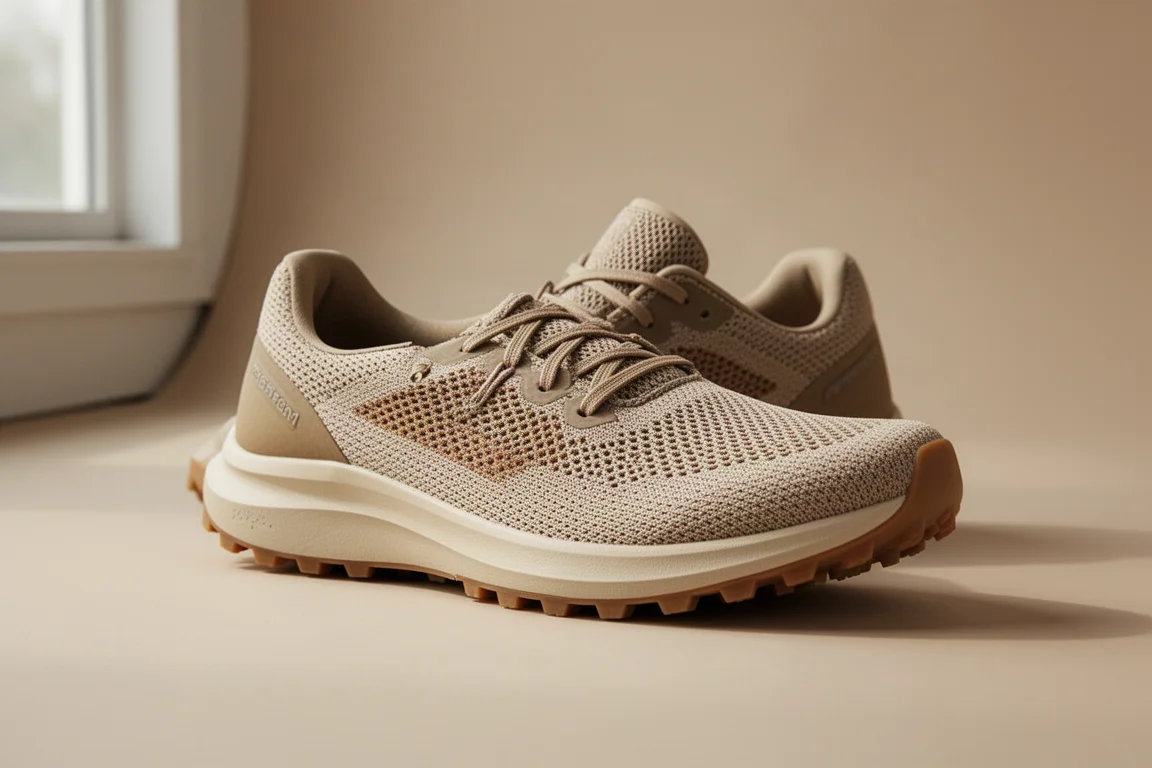
The Nike Pegasus Plus 2 is a dramatic redesign rather than an incremental update; the first version felt like a lifestyle shoe, while this one genuinely feels like a running shoe, an elevated Pegasus. It uses a specific blend of ZoomX with an Air Zoom unit in the forefoot. On an easy first run, the heel felt more cushioned while the forefoot ran firmer, and it did not feel special at slower paces, leaving open whether more effort yields more return. The shoe operates primarily off a rocker with only slight flexibility. Fit seems to run such that some runners may prefer a half size up.
Karhu Fusion 5
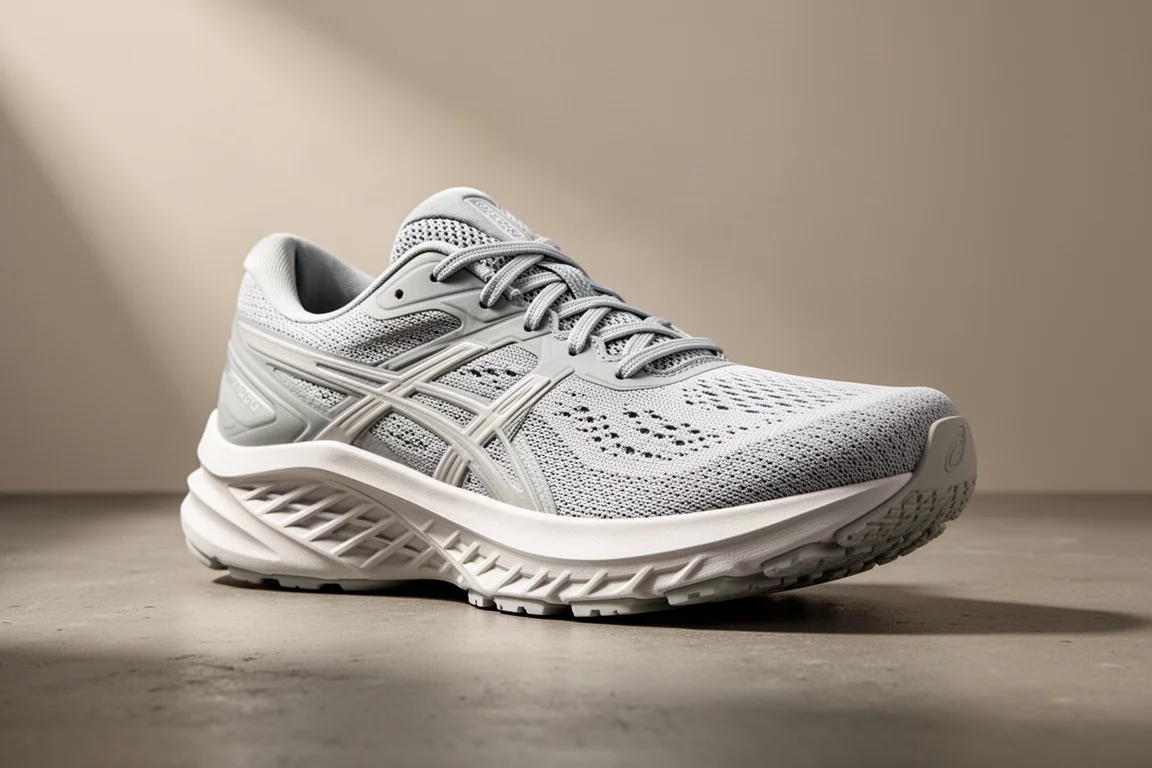
The Karhu Fusion 5 features a new beaded ATPU midsole that is the best foam the brand has produced, finally dipping under 10 ounces while keeping the firm, durable character Karhu is known for. It is softer than previous Karhu shoes but still lives on the firm end of the spectrum, delivering a rhythmic, protective, rockered ride built to absorb heavy mileage. The fit is well shaped with good toe box volume and lockdown, though the upper curves in quickly, creating lower volume and snug spots in places, and the thick upper plus toe guard caused blistering for one tester in hot, humid conditions. The dealbreaker for some is significant toe spring, which pushes the big toe into constant extension. Runners without big toe issues who want a firm, beat-it-up daily trainer will find a lot to like.
Brooks Hyperion Elite 6
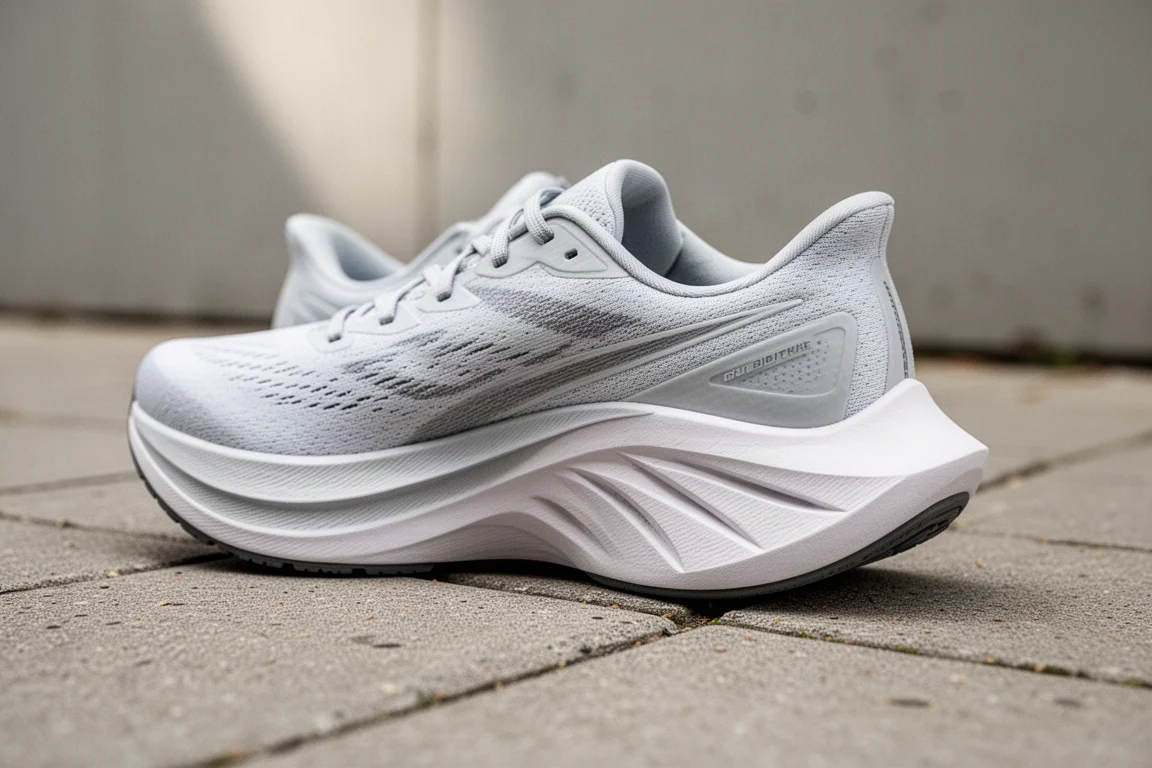
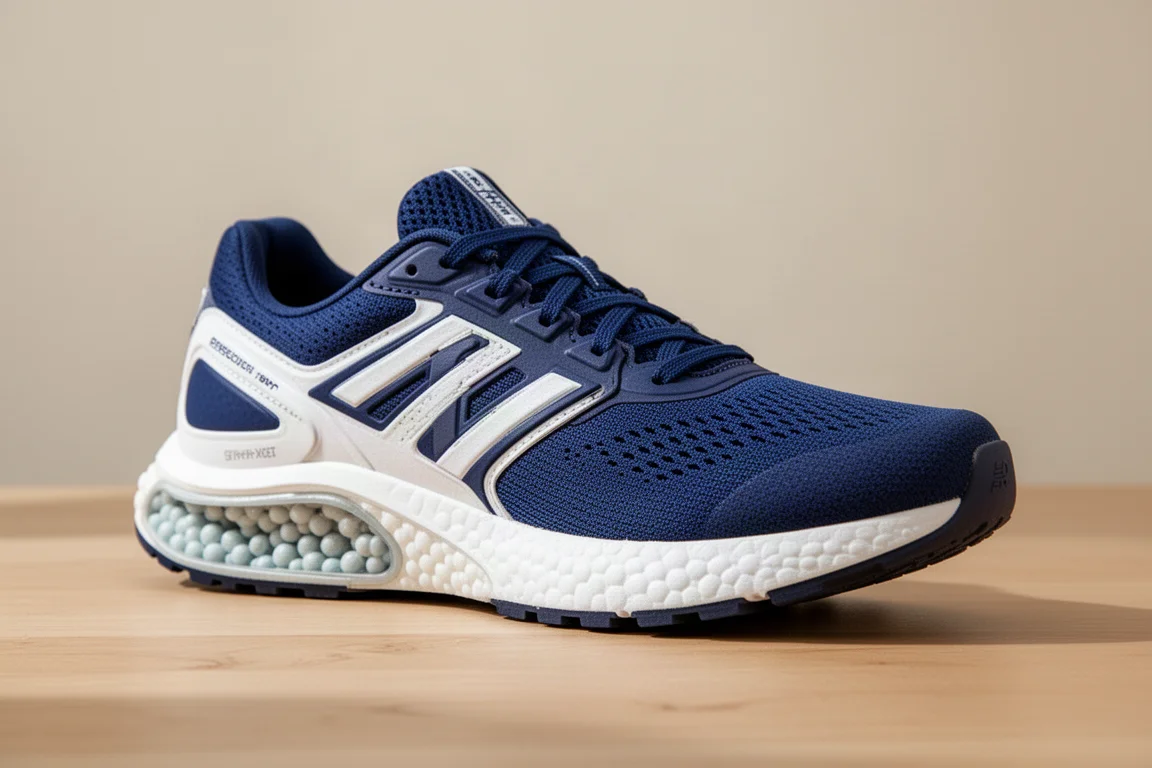
The Brooks Hyperion Elite 6 has a genuinely fun, bouncy, lively midsole with early forefoot geometry that stays snappy, and it is a more engaging ride than many super shoes. Traction is good and it corners well, something not all carbon-plated racers manage. The problem is the heel collar: small silicone grippers lock the heel in extremely well but created enough friction to blister the Achilles, ruling it out for one tester entirely. With a narrow heel and midfoot, wider forefoot, and a low-stretch lockdown upper, it is otherwise a well-built super shoe, but fit-sensitive runners should proceed carefully.
Inov-8 TrailFly Pro
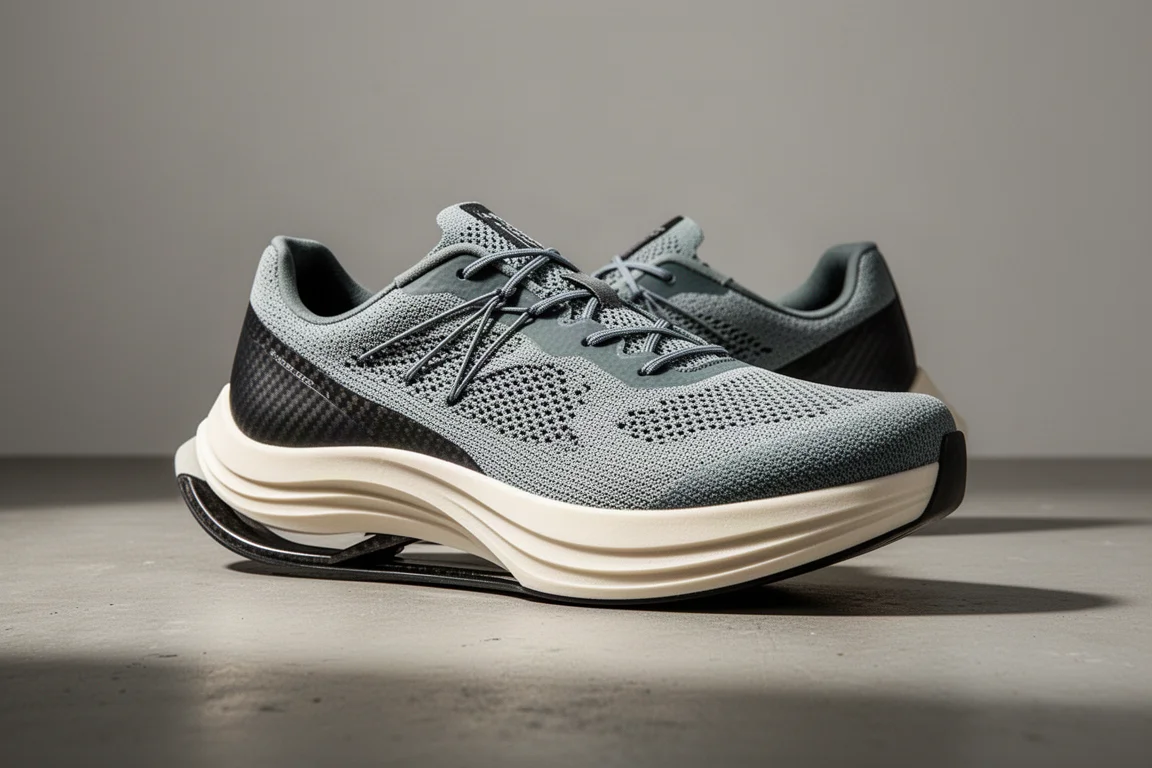
The Inov-8 TrailFly Pro is Inov-8 planting its flag: while most brands pushing a “Pro” trail shoe go toward 40mm stacks and carbon plates, Inov-8 keeps a stack in the mid-20s, a softer new midsole than the TrailFly Zero, and a design philosophy rooted in UK fell running over steep, grassy, muddy, technical ground where tall stacks are a liability. A charming detail: the lugs are actually embossed with their own heights, marked like a tiny staircase on the outsole. The midfoot runs a bit narrow, a trend in current trail shoes, but the low stack and confident footing should appeal to technical runners.
Brooks Cascadia 20
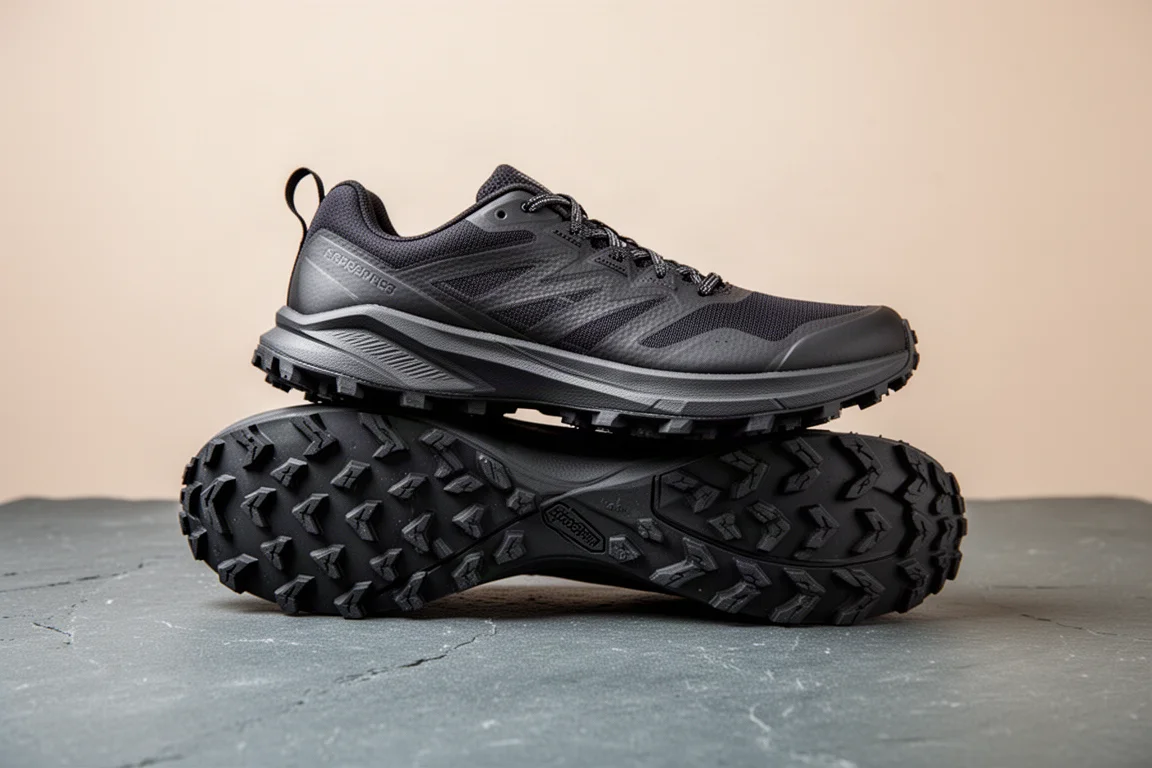
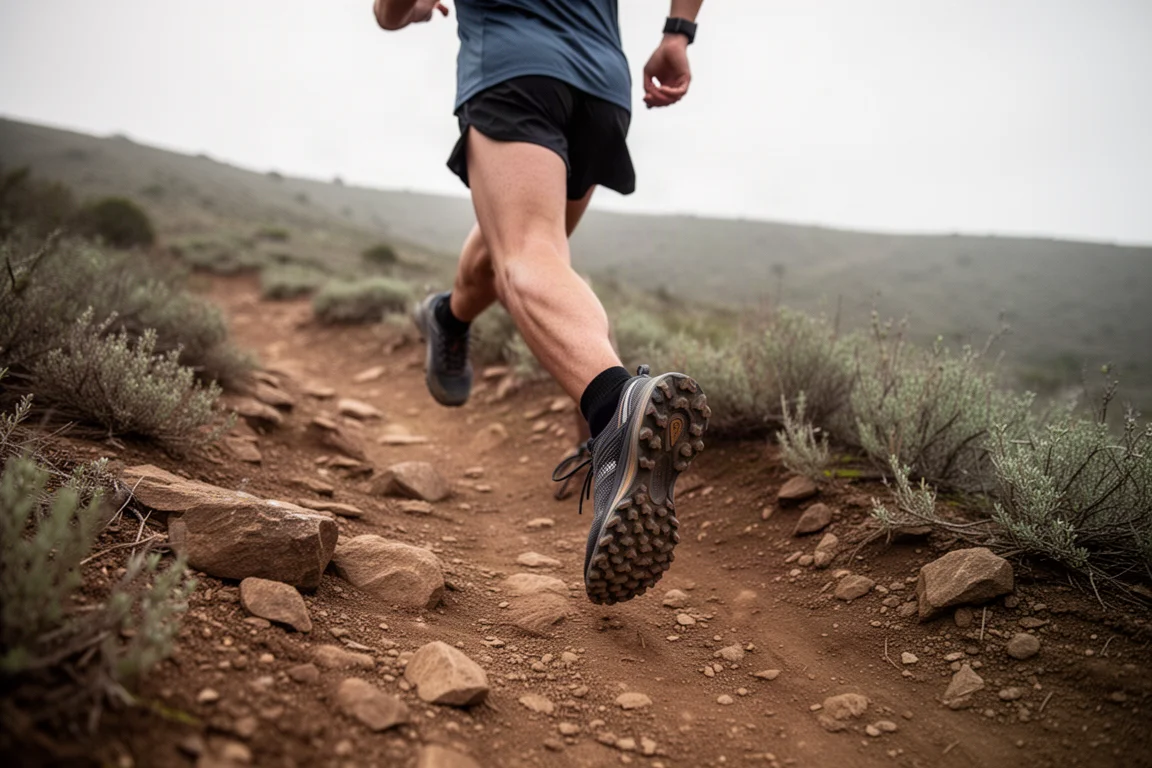
The Brooks Cascadia 20 finally modernizes a long-running classic. DNA Flash foam enters the picture, the shoe is lighter and noticeably softer than previous versions with four millimeters of extra foam, and the rocker is improved. The Vibram Megagrip outsole carries over, and while Brooks markets it as a road-to-trail all-terrain shoe, it still leans trail in character. The mesh upper feels more road-like than before, which may divide longtime fans, but for easy runs, hiking, and walking, it remains the dependable workhorse it has always been, just refreshed.
Overall Buying Advice
If you want the best value road trainer of this group, the Diadora Corsa is hard to argue with at $155. Stability-minded trail runners and hikers should look at the Stinson 8, while the Cascadia 20 covers dependable all-terrain duty with more cushion than before. Racers choosing between super shoes should weigh the Vanish Carbon 3’s anatomic-friendly fit and rocker against the Hyperion Elite 6’s livelier foam, keeping the latter’s heel collar friction risk in mind. For technical fell-style terrain, the TrailFly Pro’s low stack makes the most sense, and for pure everyday comfort on and off the trail, the Mesa Summit is an easy pick.
Conclusion
This group shows how broad the running shoe market has become: a value road trainer that rivals pricier options, a trail max-cushion shoe that got both lighter and softer, super shoes taking genuinely different design philosophies, and several dependable daily and trail workhorses. Match the shoe to your terrain, fit needs, and stability requirements, and there is a strong option here for almost every runner.
Further reading
Related Reviews

Running Shoes
Best Road-to-Trail Running Shoes: Three Versatile Options for Mixed Terrain
A practical guide to three road-to-trail running shoes that handle both pavement and mild trails, with clear strengths and trade-offs for different runner types.

Running Shoes
Best Running Shoes for Achilles Tendonitis: Three Options Explained
Three running shoes with different heel drops and support features designed to help reduce Achilles tendon pain during walking and running.

Running Shoes
Best Running Shoes for Women: Five Top Choices Ranked
A ranked guide to five women's running shoes, from versatile daily trainers to high-performance racing options, with real strengths and trade-offs for each.