Running Shoes
12 Running Shoes Worth Knowing About Right Now: A Roundtable List
From stable neutral trainers to medially stable track spikes and wide-platform trail shoes, twelve current models with clear strengths and honest trade-offs.
Introduction
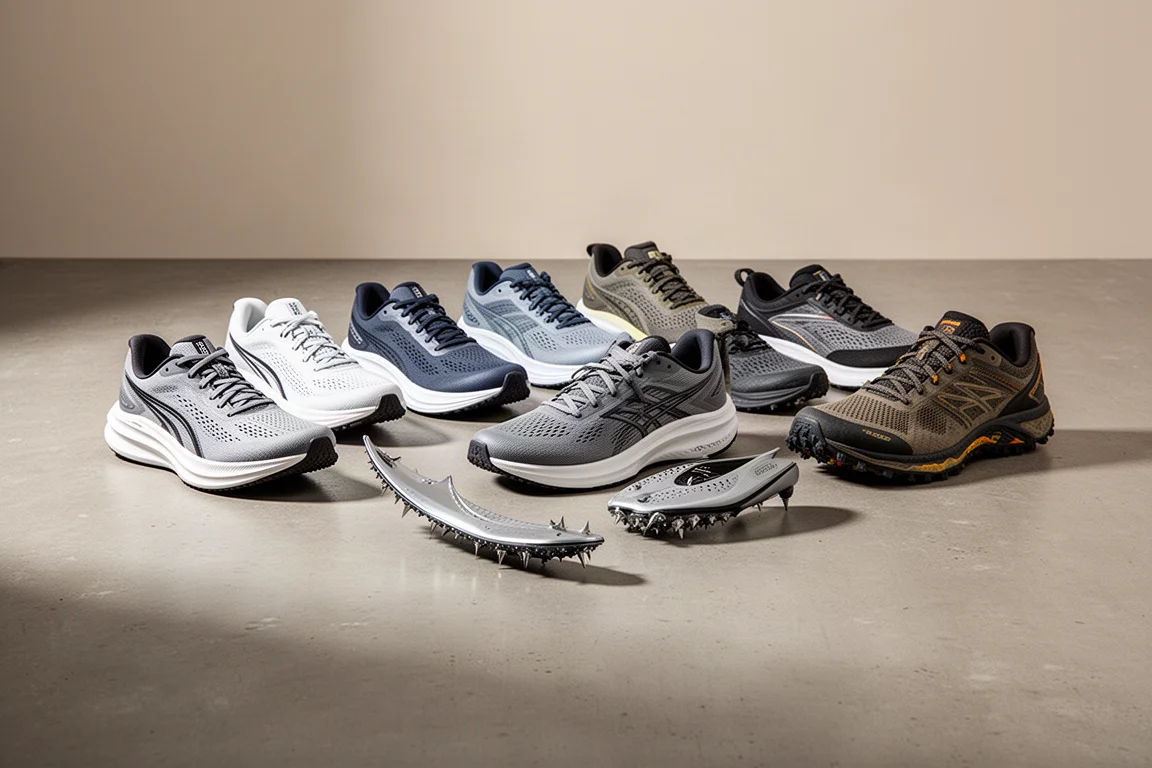
With so many trainers, racers, spikes and trail shoes arriving each season, it helps to step back and look at what is actually worth your attention. This roundup pulls together twelve models that stood out in recent testing: some for being stable without being stability shoes, some for unexpected updates, and some simply for being fun to run in. The goal is not to crown a single winner, but to give you a clear picture of which shoe fits which runner.
Everyday and Stable Neutral Trainers
The stable neutral category has quietly become one of the most useful in running. These shoes suit runners who want some structure and a predictable ride without the full medial post of a traditional stability shoe, and they are especially relevant for high school and club runners shopping on a budget.
Hoka Mach 7
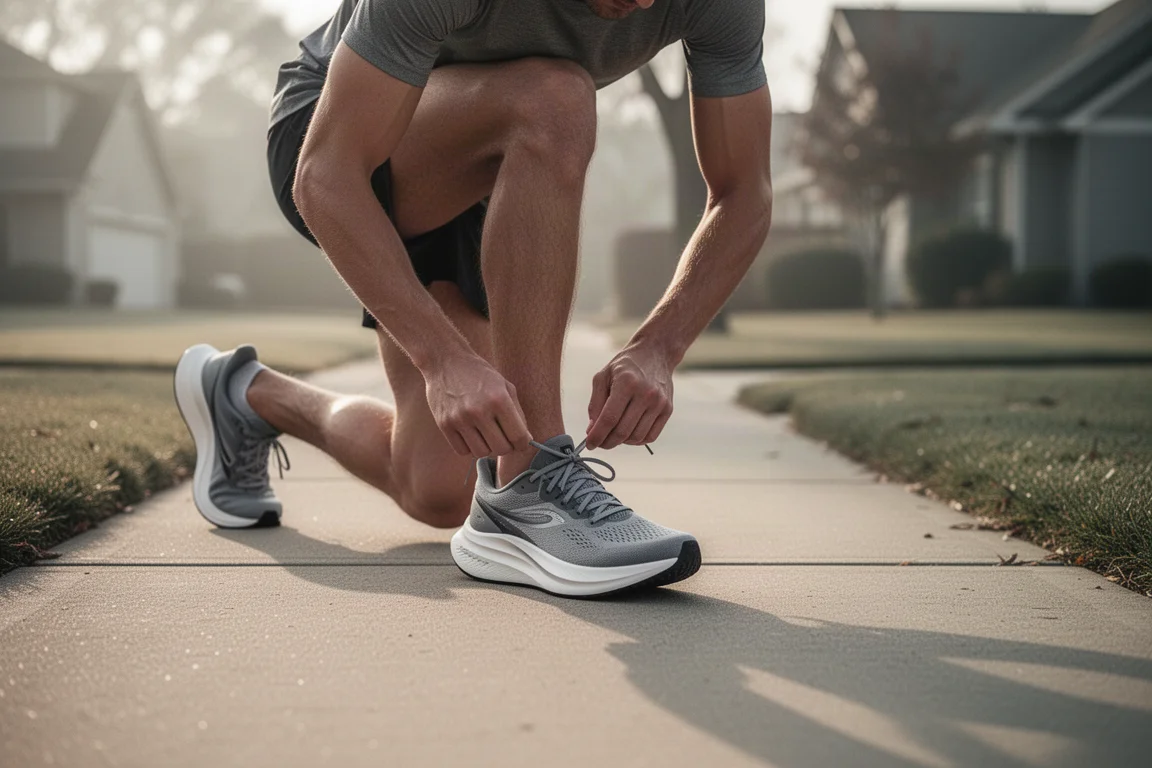
The Mach 7 takes the firmer feel of the previous version and adds sidewalls that make it just stable neutral enough for regular use. The upper fit has opened up a little compared with the prior model, though the forefoot is still on the snug side and slightly short, so runners needing width should look elsewhere. The midsole is a touch softer and bouncier than before while staying snappy, and despite a tall stack height on paper, it does not feel like a tall shoe underfoot. It works best for shorter and moderate runs rather than long efforts.
Saucony Kinvara 16
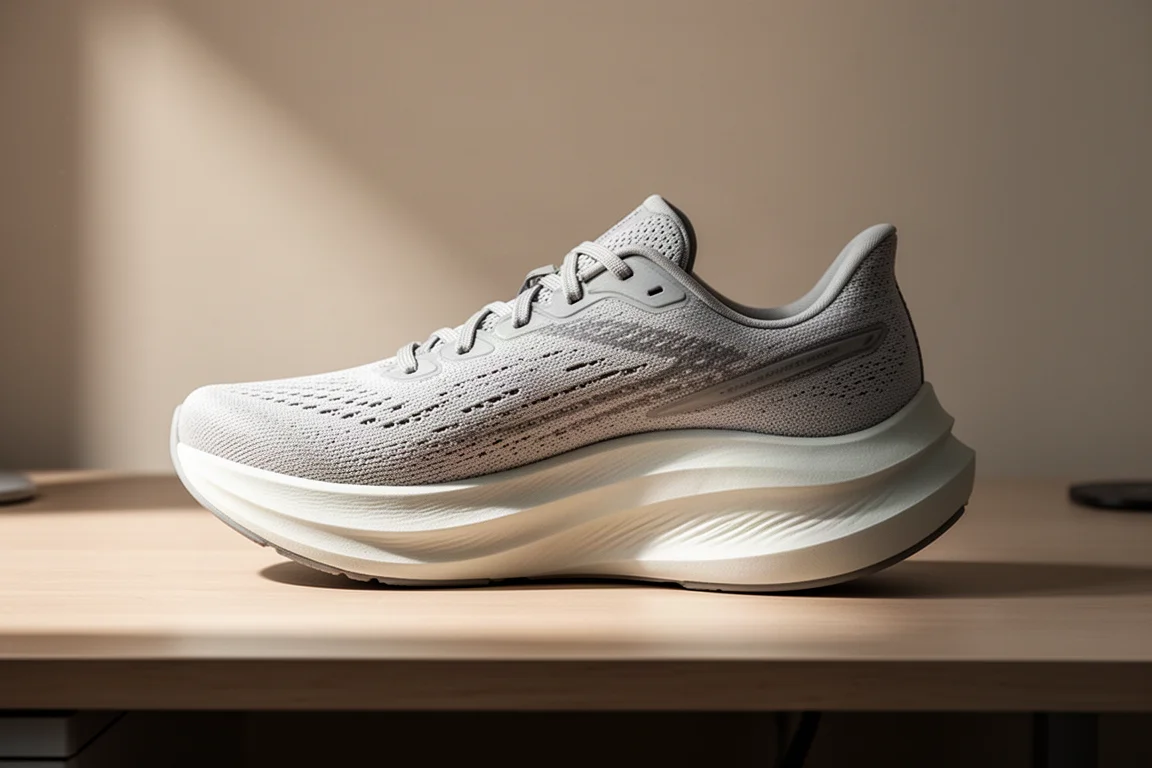
The Kinvara 16 is a genuinely useful reminder that not everyone wants max stack height. Around 29 mm in the heel, it is a moderate-stack, flexible shoe that transitions really well and feels lively. The forefoot is a bit more open than before. One caution: the midfoot cutout creates some lateral bias that will suit some runners and not others, so it rewards a quick test run. Those wanting width and a firmer base might consider the Topo Magnifly 6, a zero-drop option with a wide platform and wide sole flare instead.
Puma Deviate Nitro Pure
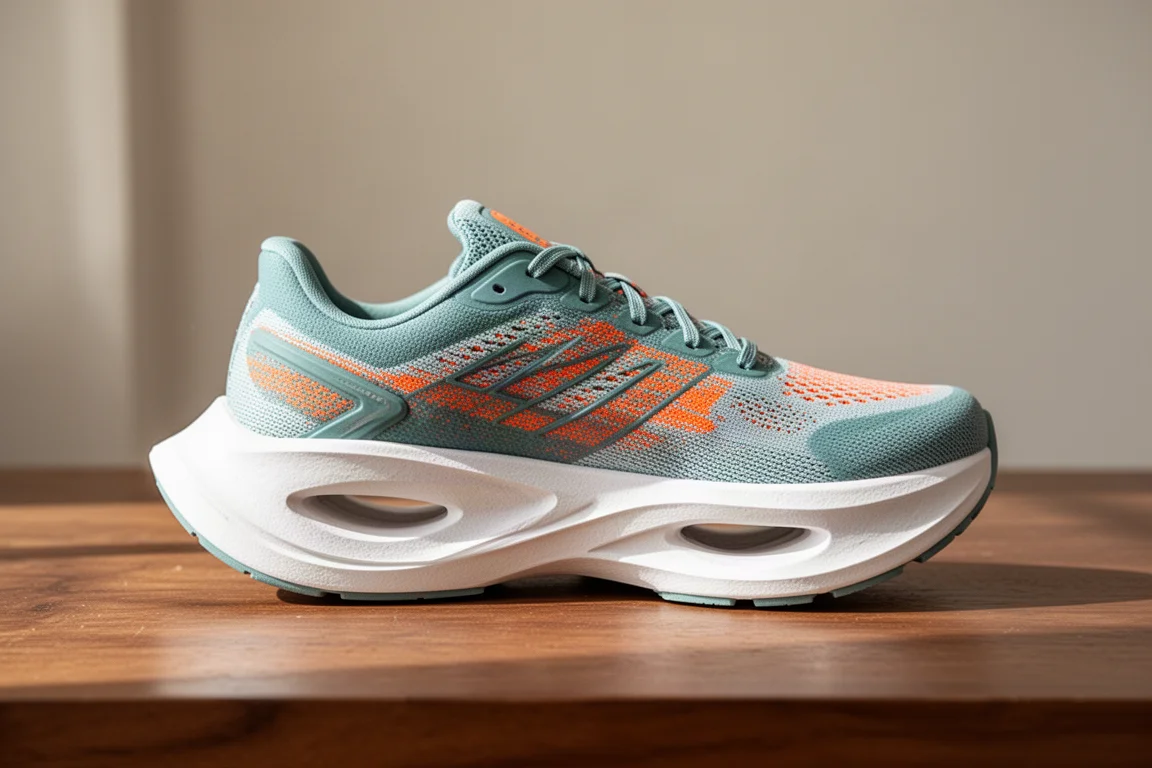
One tester put 100 accidental miles on the Deviate Nitro Pure simply because it was enjoyable to wear. It is, in a good way, a basic shoe: not fancy, not the fastest, and it needs a short break-in. Once it breaks in, it is really good at being decent at everything, handling easy runs, long runs and even workouts. The centered heel bevel and split heel design allow the lateral side of the heel to collapse separately, producing a smooth heel transition, and the extended outsole held up fine over 100 miles. Fit is slightly low volume and snug.
Brooks Ghost Max
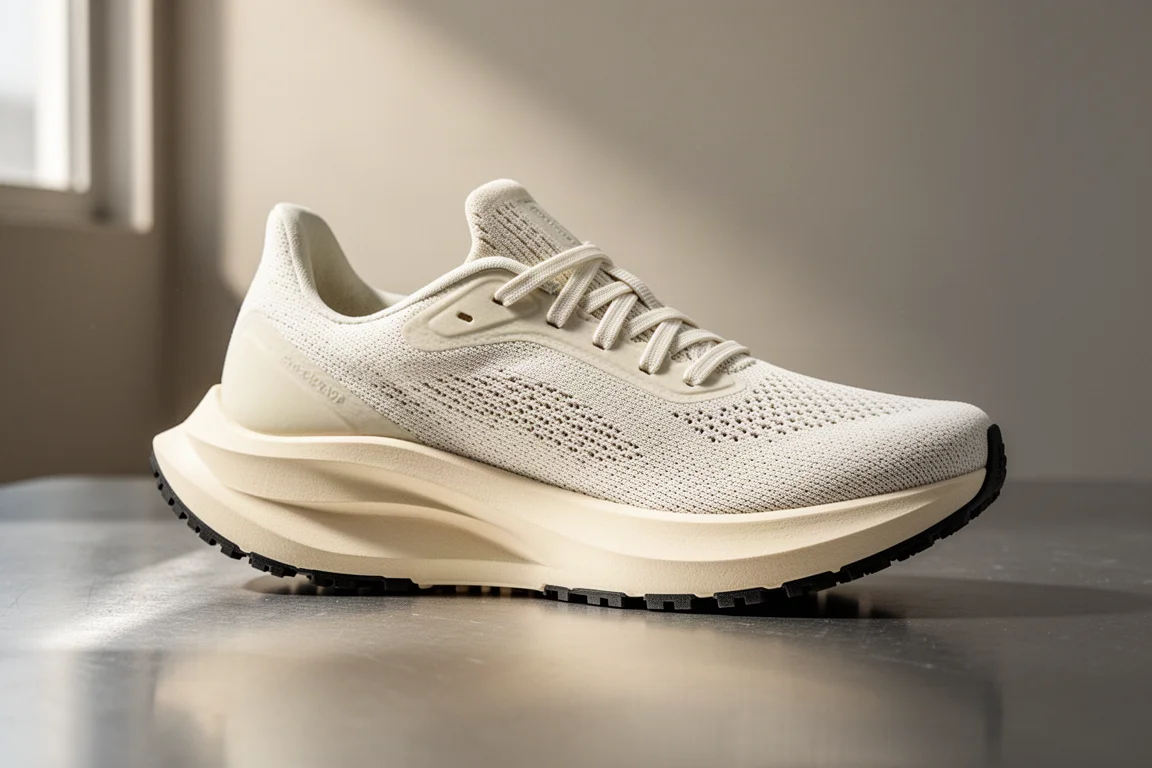
The Ghost Max is a standout for comfort, particularly for walking, thanks to a large forefoot rocker that Brooks manages to build without aggressive toe spring. That combination keeps the toes in a more neutral position while still rolling the foot forward, which makes it a genuinely good choice for walkers and runners who want a relaxed, rockered ride.
Brooks Glycerin Max
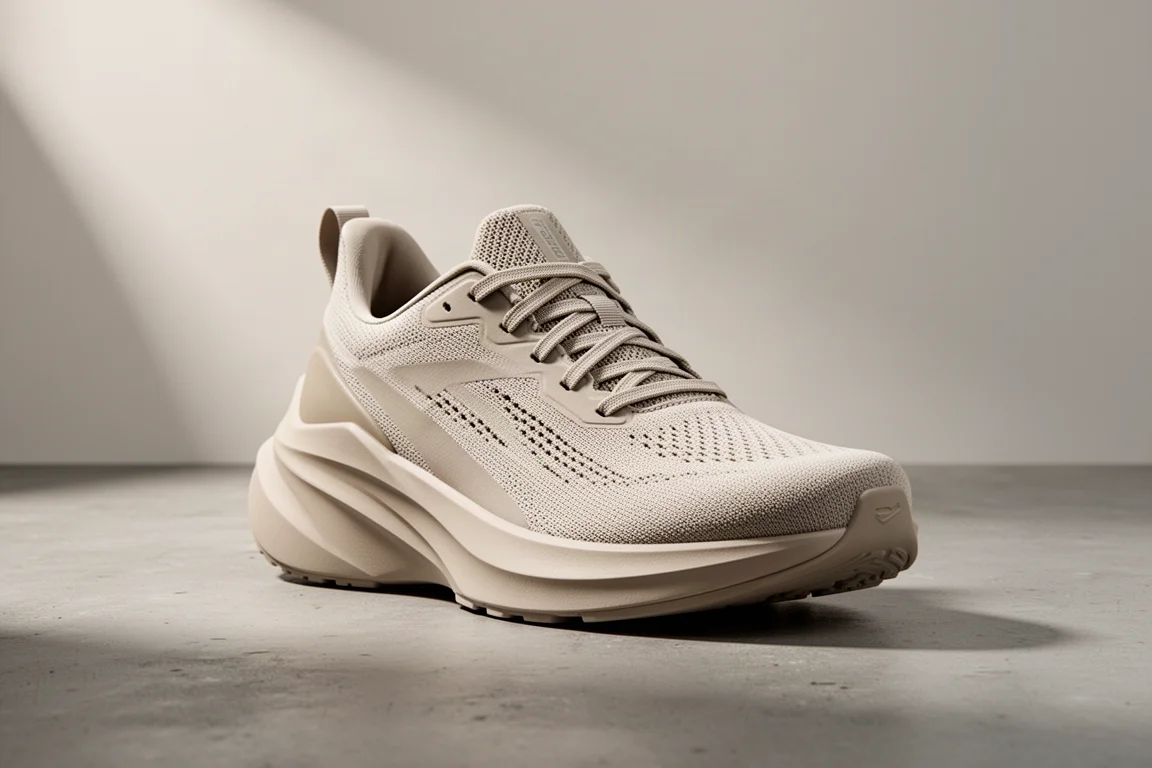
The Glycerin Max shares the Max-series philosophy but for running. Its rocker starts a bit further back under the forefoot than the Ghost Max, so it is worth testing whether your foot engages it comfortably. The firmer underfoot feel adds a surprising amount of stability, to the point that it behaves almost like a stability shoe despite not being marketed as one. Both Max models are strong options for runners who want rockers without the typical toe-spring quirks.
Racing, Speedwork and Spikes
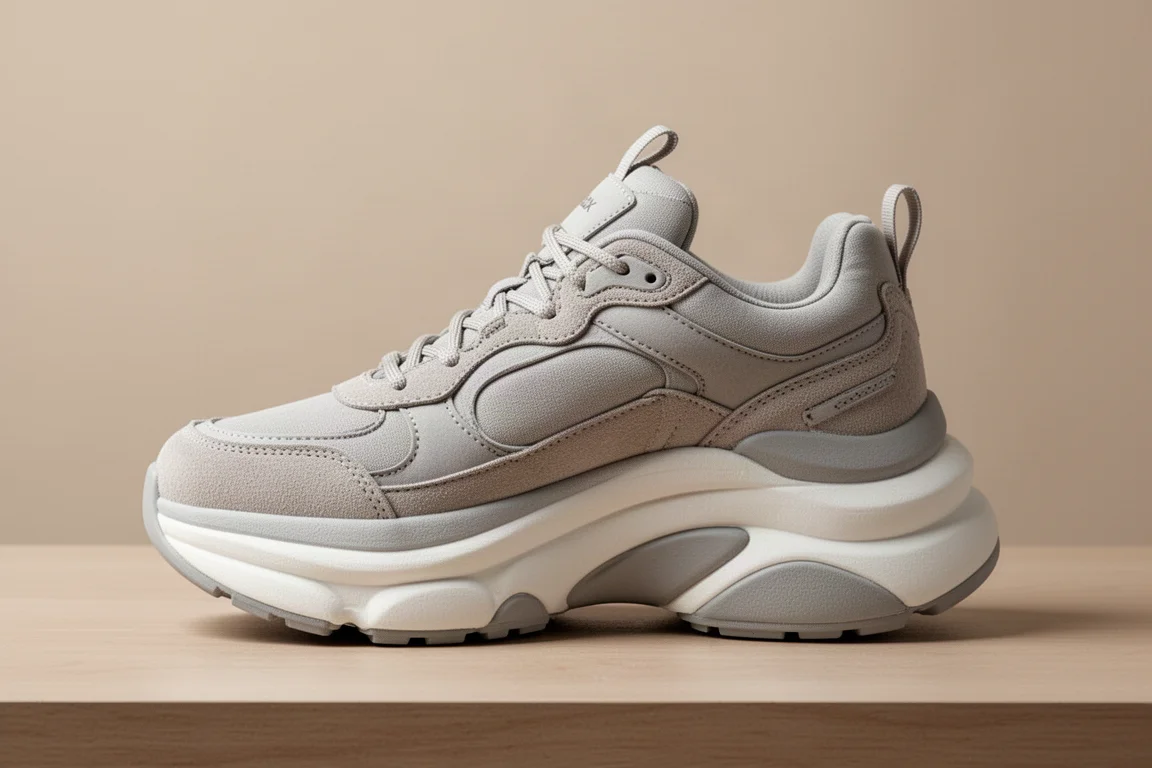
Not every fast shoe has to be a plated super shoe. This group includes an unplated snappy trainer, a well-fitting super trainer and one of the few medially stable track spikes on the market.

Topo Specter 3
The Specter 3 is a near-complete overhaul of the previous version, in both geometry and foam. It debuts Topo’s Rev foam, an ATPU compound that is much softer and more responsive than Topo’s earlier midsoles. The reworked heel bevel removes the old version’s posterior flare, fixing what was a clunky, almost unrunnable heel transition, and the result is one of the most notable geometry updates of the year. There is no plate, but the midfoot cutout and large forefoot foam section create an abrupt, propulsive roll onto the forefoot. At roughly 7.6 to 7.7 oz in men’s and low sixes in women’s, it is light enough to move, and it shines for steady state, tempo work and longer marathon-pace efforts rather than sustained sprint-level speed. The trade-off is reduced outsole contact on the medial and lateral sides, which makes it a neutral shoe that asks your ankle stabilizers to work; it is not stable enough for everyone on long runs.
Brooks Hyperion Elite 6
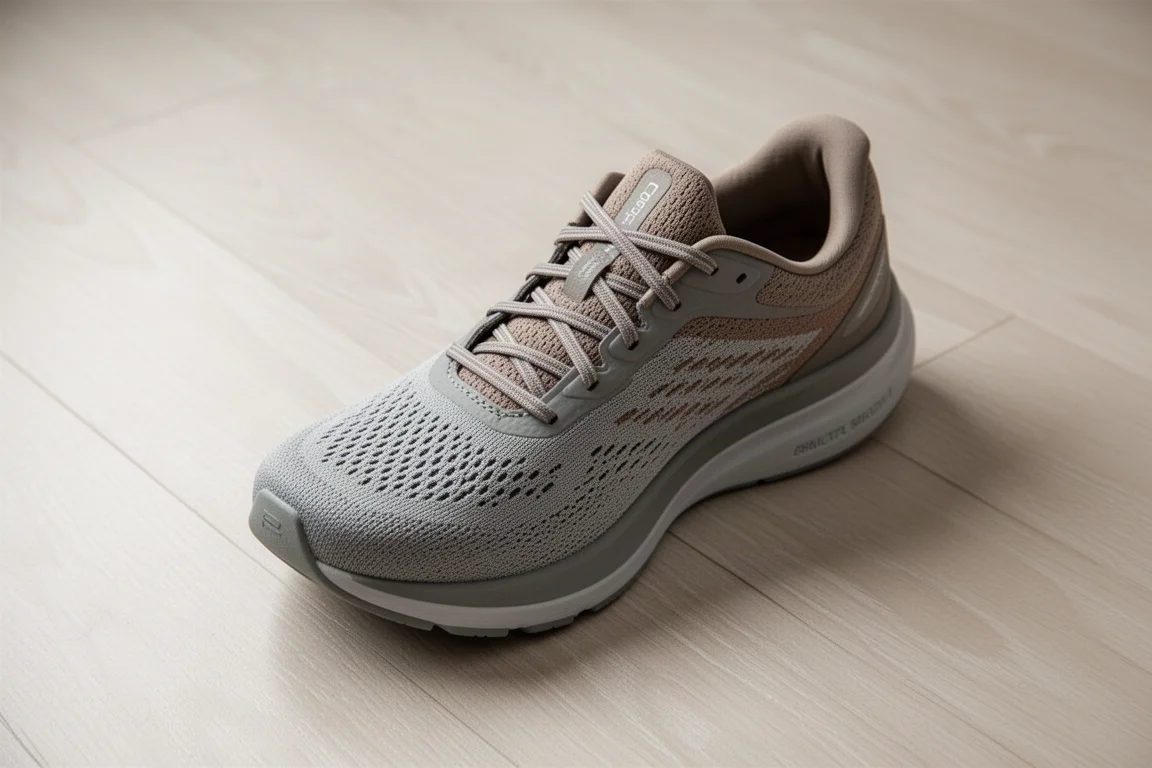
Early impressions of the Hyperion Elite 6 are very positive. The midfoot is more filled in than before, the upper is excellent, and the midsole feels noticeably bouncier than the last version without being wobbly. Note the sizing: Brooks fits about a half size short for many runners, so sizing up is worth considering. It is not yet a fully proven racer in testing, but the on-foot feel is a clear step forward.
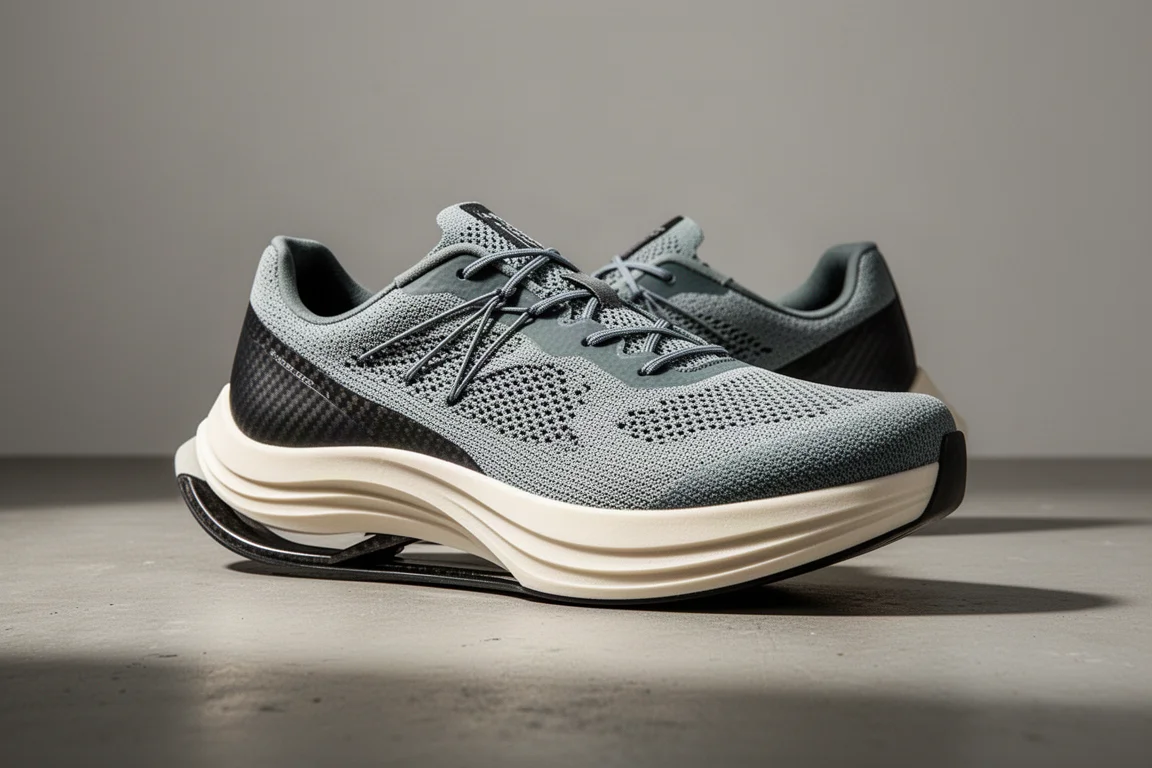
Hoka Cielo X3 LD
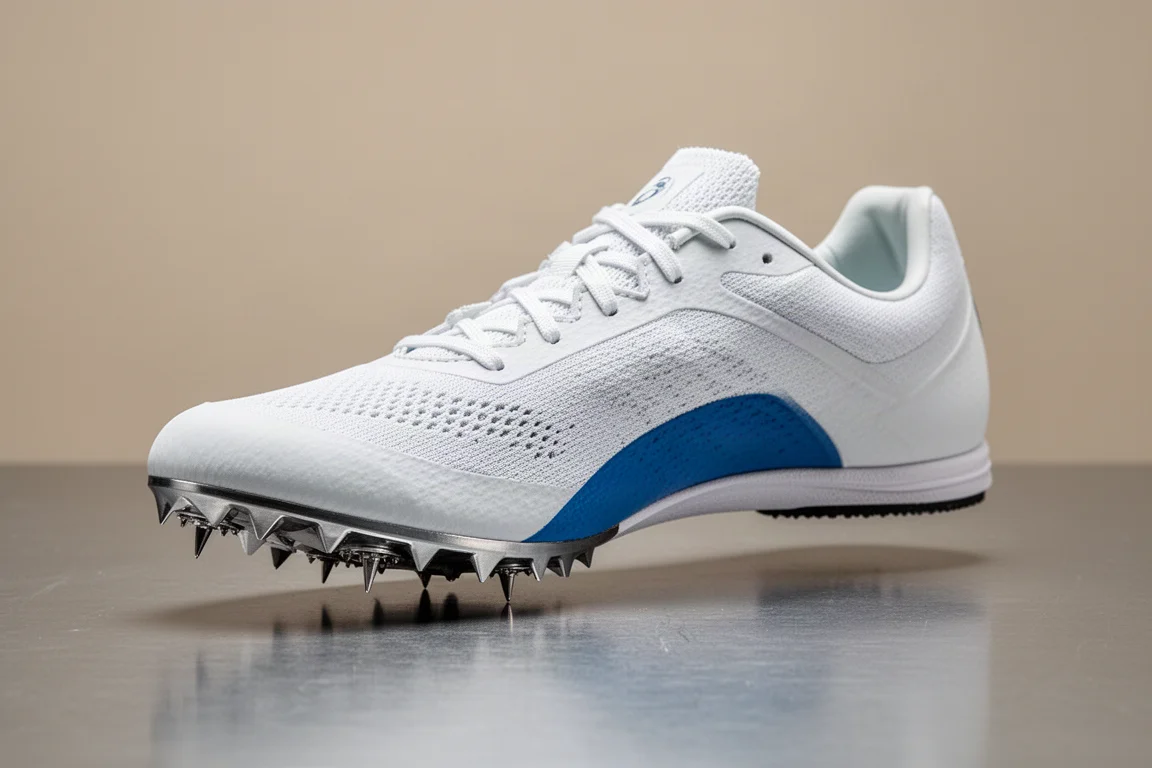
The Cielo X3 LD is unusual among track spikes in that it actually provides some medial stability. The plate sits higher on the medial side than the lateral side, and a firmer blue material near the midfoot reinforces that structure. For a runner returning to spikes after a decade, it proved comfortable enough over two workouts of roughly 3 to 5 miles each with no calf problems, something unstable heels had prevented with other spikes. It is best for shorter track events and speedwork; longer race distances in spikes would take real adaptation.
Trail Shoes for Stability and Wide Feet
There are almost no true stability trail shoes, so runners with flat, wide feet who wear shoes like the New Balance 860, ASICS GEL-Kayano or Hoka Gaviota need a different approach. On mostly firm, runnable trails, wide platforms, sidewalls and moderate stack tend to matter more than built-in pronation control.
Hoka Stinson
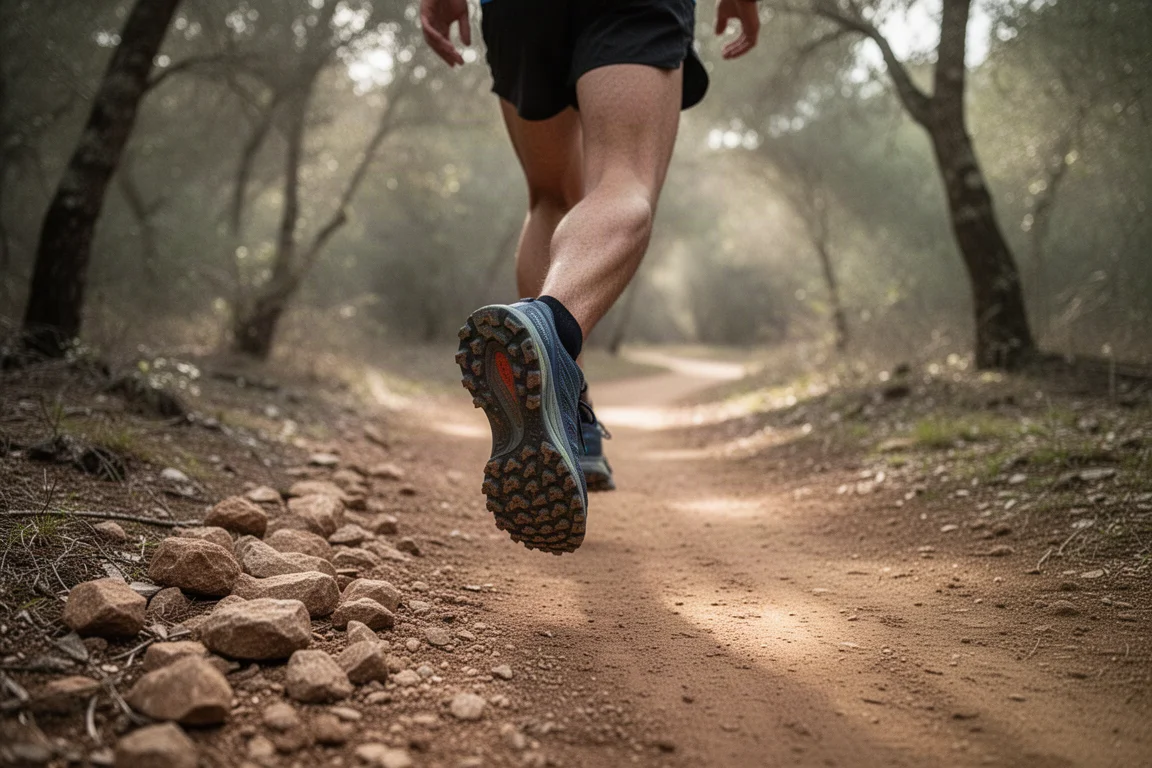
The Stinson is arguably the most stable option in the trail space right now, even though Hoka does not market it as a stability shoe. It uses the H-frame geometry found in Hoka’s stability lineup, and the resulting support is excellent for runners who genuinely need it. It is a heavier shoe, so it suits those who are used to the weight of traditional stability trainers, and Hoka’s typically narrow fit is a consideration, though wide versions may be available.
The North Face Ultra Mesa 500
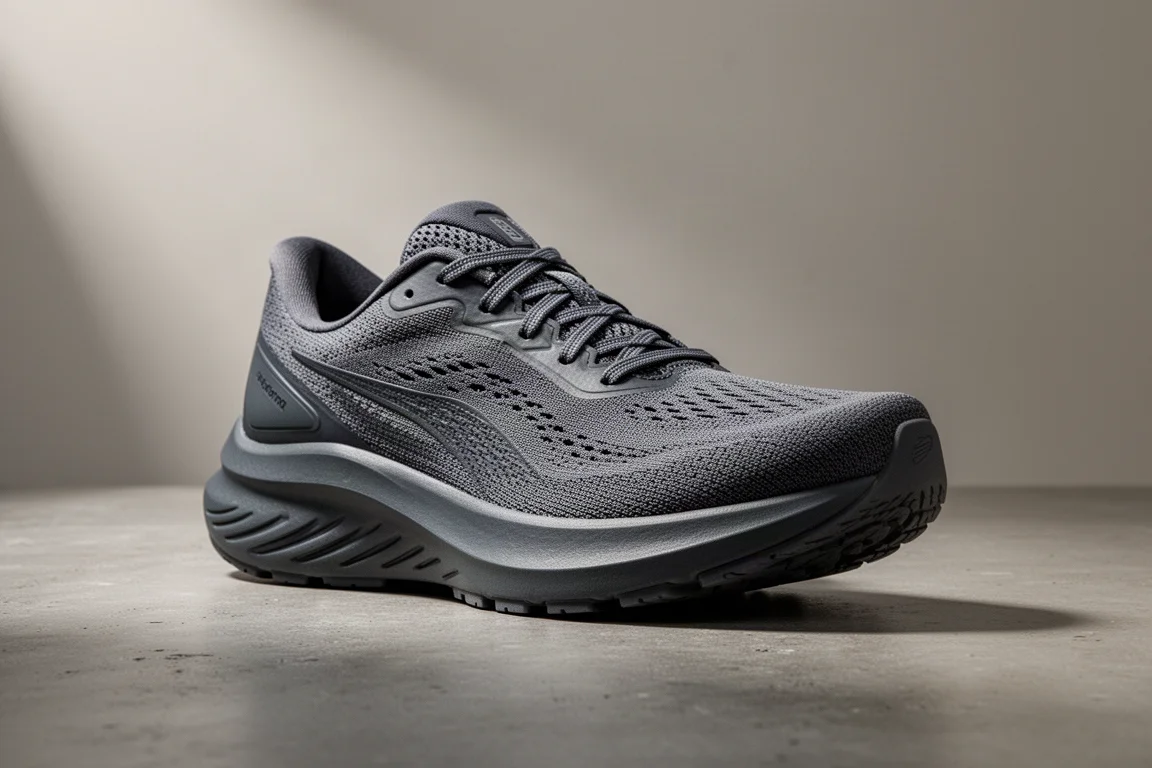
The Ultra Mesa 500 was the near-unanimous pick for road runners moving to runnable trail races on firm packed dirt. It offers a really wide platform without a structural medial bias, a rock plate that adds rigidity from side to side, and a fit that accommodates wide feet well. The philosophy here is that on varied trail terrain your body does most of the stabilizing, and a wide, not-too-compliant shoe is what you need under it.
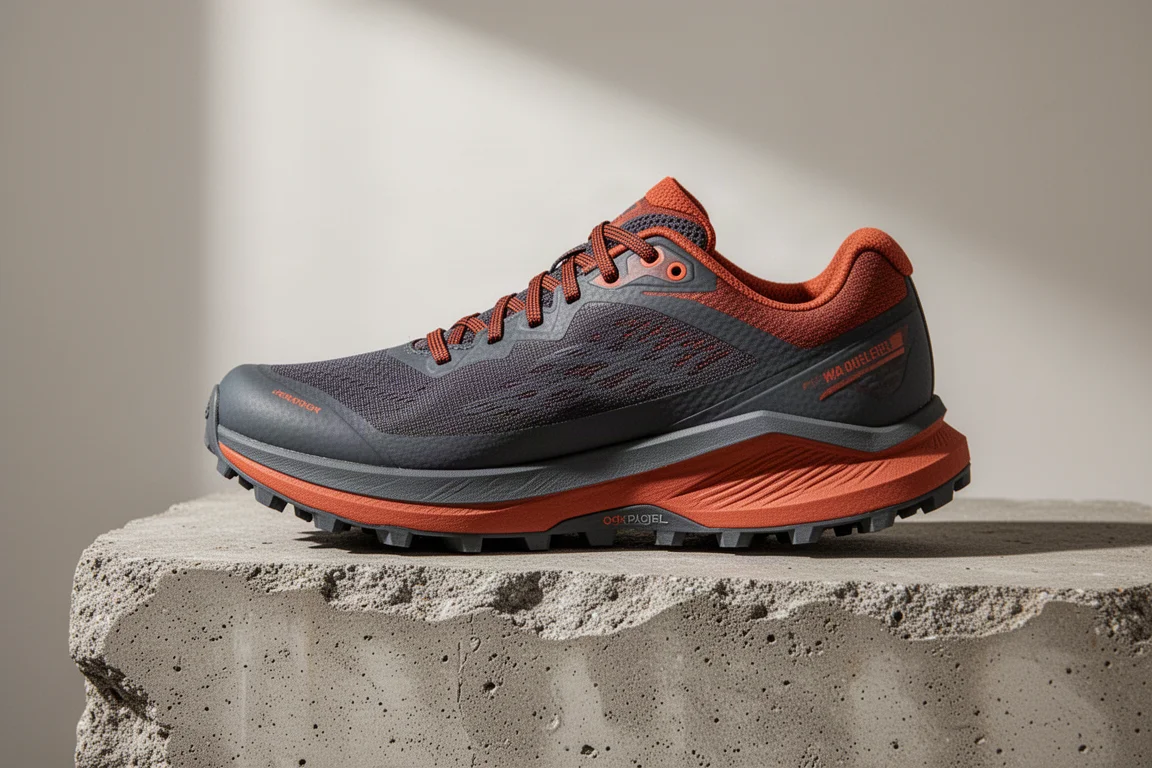
Altra Experience Wild 3 Plus
The Experience Wild 3 Plus, which shares its silhouette with the Experience Flow road shoe, is the do-everything pick: hiker, camper and runner in one. The Plus version adds a Vibram outsole over the standard Wild 3. The updated midsole feels a little softer, and the stack sits around 33 mm in the heel down to 29 mm, keeping the shoe lower and more stable on rocky, ankle-rolling terrain like the Ice Age Trail in Wisconsin. The classic wide Altra toe box is here without low-volume issues at the midfoot, and there is some forefoot flexibility if you prefer that over a rocker platform.
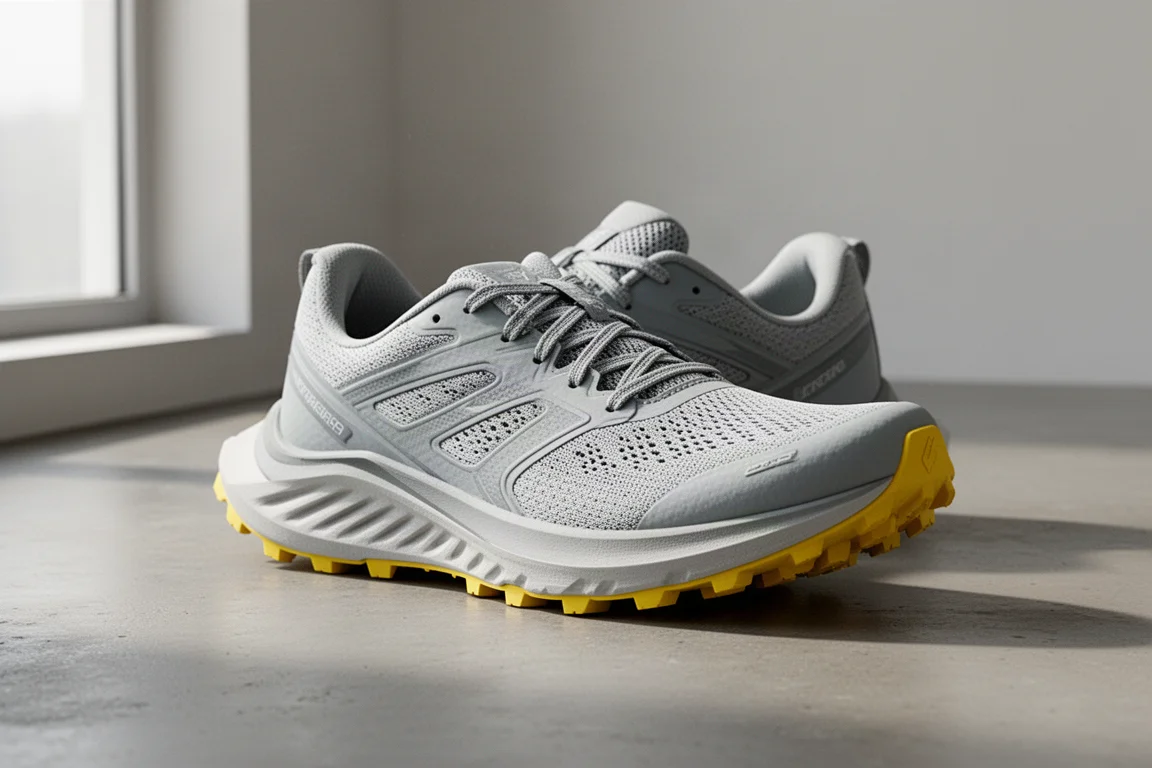
Topo Ultraventure 5
The Ultraventure 5 is a stable neutral trail shoe with a Vibram Megagrip outsole and lugs that are not especially deep, making it very runnable across both road and trail footings. It is one of the softer options from Topo, runs smooth, and offers a wide, accommodating fit, though it is not as stable as the Stinson because it lacks built-in geometry features. It is a strong pick for packed-dirt trails and mixed-surface days.
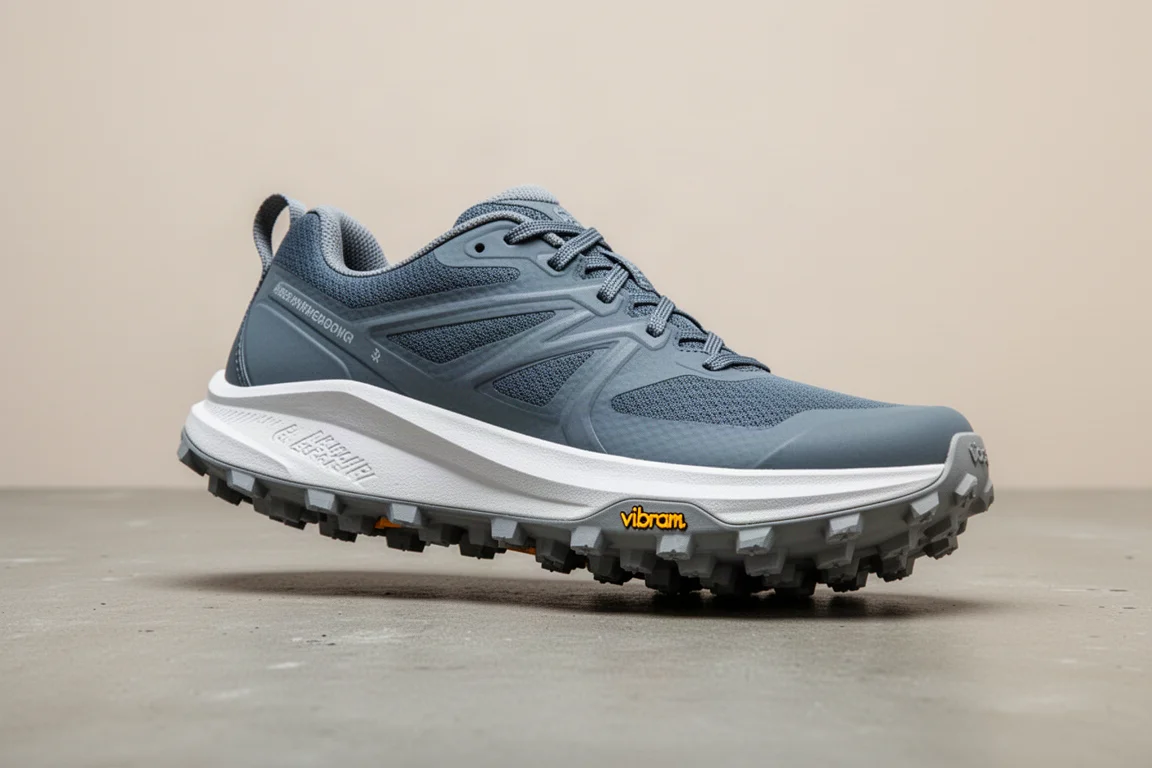
Buying Advice
If you take one lesson from this lineup, it is to match the shoe to the job rather than to the marketing. Runners who want a stable neutral daily trainer should look at firm midsoles, sidewalls and wide platforms, and older versions of proven models such as the Saucony Ride or New Balance 880 can be excellent value on sale. Runners with early-stage bunions or limited big toe extension benefit most from a large forefoot rocker without much toe spring, which is exactly why the Ghost Max and Glycerin Max keep coming up, with the Puma Magnamax 2 as another option if the toe box fits.
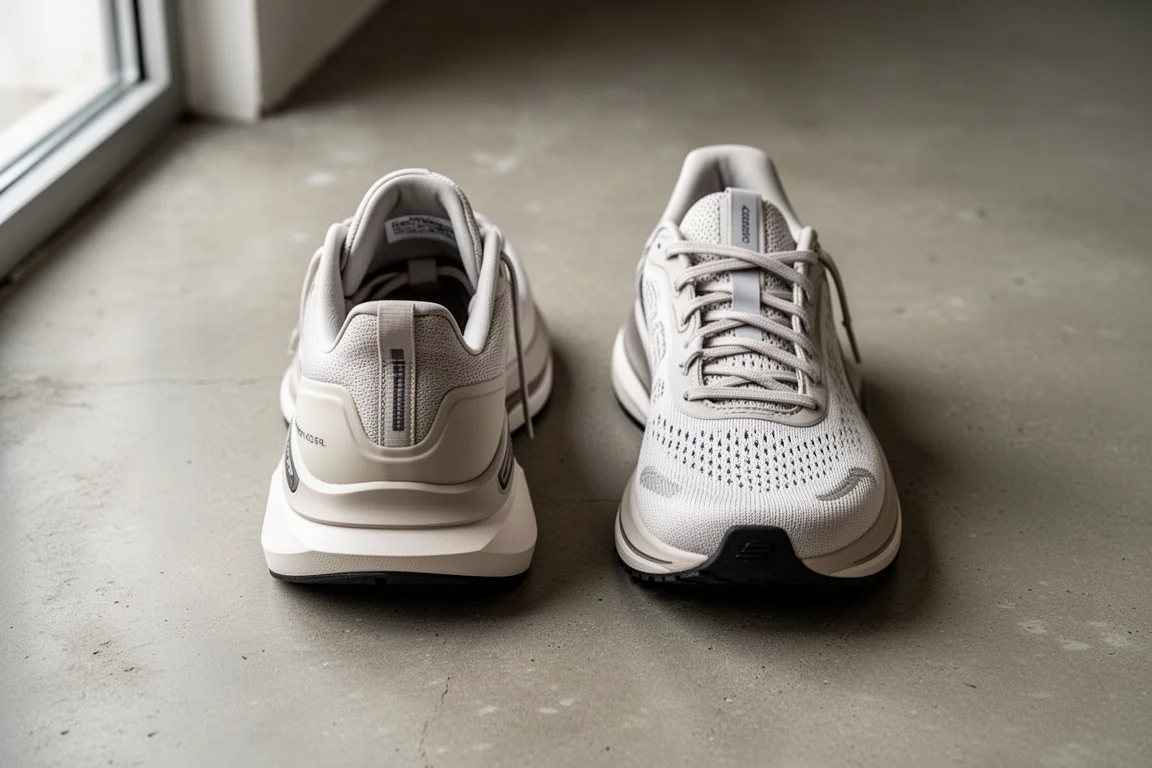
For trail runners coming from stability road shoes, prioritize a wide base, a filled-in midfoot and sidewalls rather than hunting for a medial post that mostly does not exist in the trail category, and pay attention to upper stiffness if you have a sensitive tendon on the inner side of the ankle. And for anyone eyeing faster shoes, remember that geometry and fit often matter as much as foam: a well-fitting, snappy unplated trainer can cover a surprising range of paces.
Conclusion
This list covers a lot of ground because modern running shoes do too. The Hoka Mach 7 and Saucony Kinvara 16 prove that moderate stack still has a place, the Topo Specter 3 shows an unplated shoe can feel genuinely fast, the Brooks Max series nails the rocker-without-toe-spring formula, and the Hoka Stinson and The North Face Ultra Mesa 500 fill the stability gap on trails. Whatever your pace or terrain, there is a shoe here with a clearly defined reason to exist, and that is usually the sign of a purchase worth making.
Further reading
Related Reviews

Running Shoes
Best Road-to-Trail Running Shoes: Three Versatile Options for Mixed Terrain
A practical guide to three road-to-trail running shoes that handle both pavement and mild trails, with clear strengths and trade-offs for different runner types.

Running Shoes
Best Running Shoes for Achilles Tendonitis: Three Options Explained
Three running shoes with different heel drops and support features designed to help reduce Achilles tendon pain during walking and running.

Running Shoes
Best Running Shoes for Women: Five Top Choices Ranked
A ranked guide to five women's running shoes, from versatile daily trainers to high-performance racing options, with real strengths and trade-offs for each.