Running Shoes
Best Running Shoes Right Now: Five Picks Worth Building a Rotation Around
From a do-it-all daily trainer to a road-to-trail hybrid, five shoes that cover the core categories of a modern running rotation.
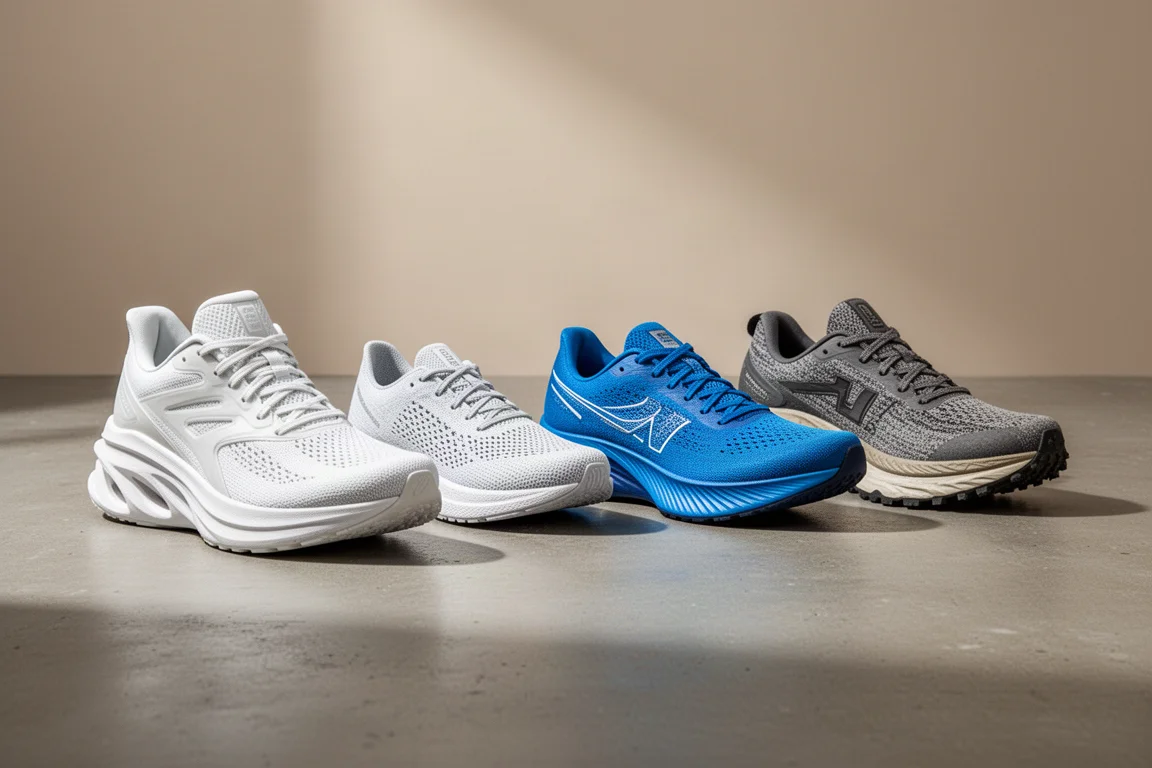
Introduction
There was a time when a rotation meant a trainer and maybe a race flat. Today the categories have blurred: race foam trickles down into daily shoes, plates disappear from shoes that never needed them, and weights keep dropping across the board. That makes building a rotation more interesting than it has ever been, but also harder to navigate.
Below are five shoes that cover the categories most runners actually need: a daily trainer, a value pick, a race-day option, a max-cushion cruiser, and a road-to-trail hybrid.
How the Categories Break Down
Modern rotations tend to split into daily trainer, speed trainer, max cushion or recovery shoe, long-run shoe, and race-day shoe. The good news is that bad shoes are now rare. The real differences live in weight, foam character, and how much protection a shoe gives you over big mileage.
One trend worth watching: the plastic plate is disappearing from the best everyday shoes. The fastest-feeling trainers right now rely on foam geometry rather than a rigid insert, and that shift keeps accelerating. Lightweight, cushioned shoes also change how training feels. Runners report bouncing back faster on high-volume weeks, which is exactly what the old coaching advice about running on soft surfaces was trying to achieve.
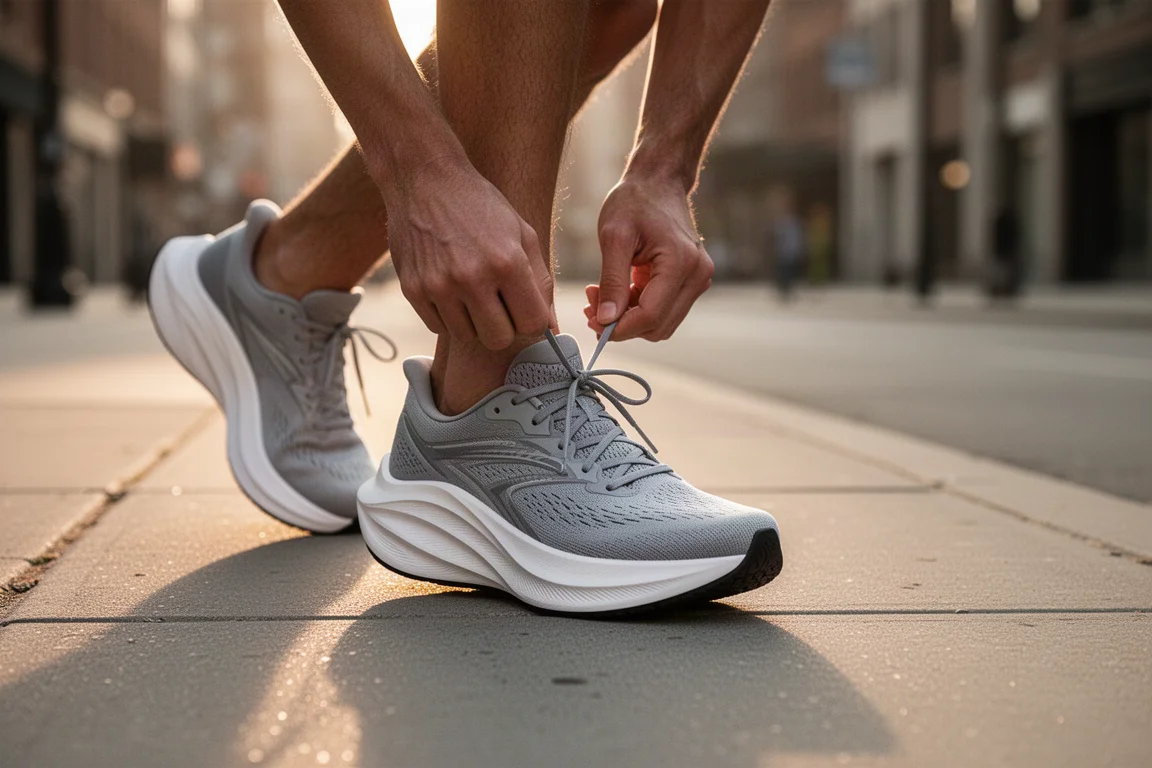
Adidas Adizero Hyperboost Edge
This is the pick for a daily trainer that does nearly everything. It sits in a genuine sweet spot: not a soft shoe, not a firm one, but cushioned enough to protect you on long runs while still giving back noticeable rebound when you pick up the pace. The ride is built around a single block of new boost-based foam rather than a dual-density setup, and it just keeps getting reached for, day after day.
Compared with the Evo SL, it trades a little top-end snap for more cushioning under the heel and greater overall versatility. It also benefits from a dialed-in upper that locks the foot down without excess room, making the midsole feel directly connected to your foot. If one shoe has to cover easy days, workouts, and the occasional long run, this is a strong candidate.
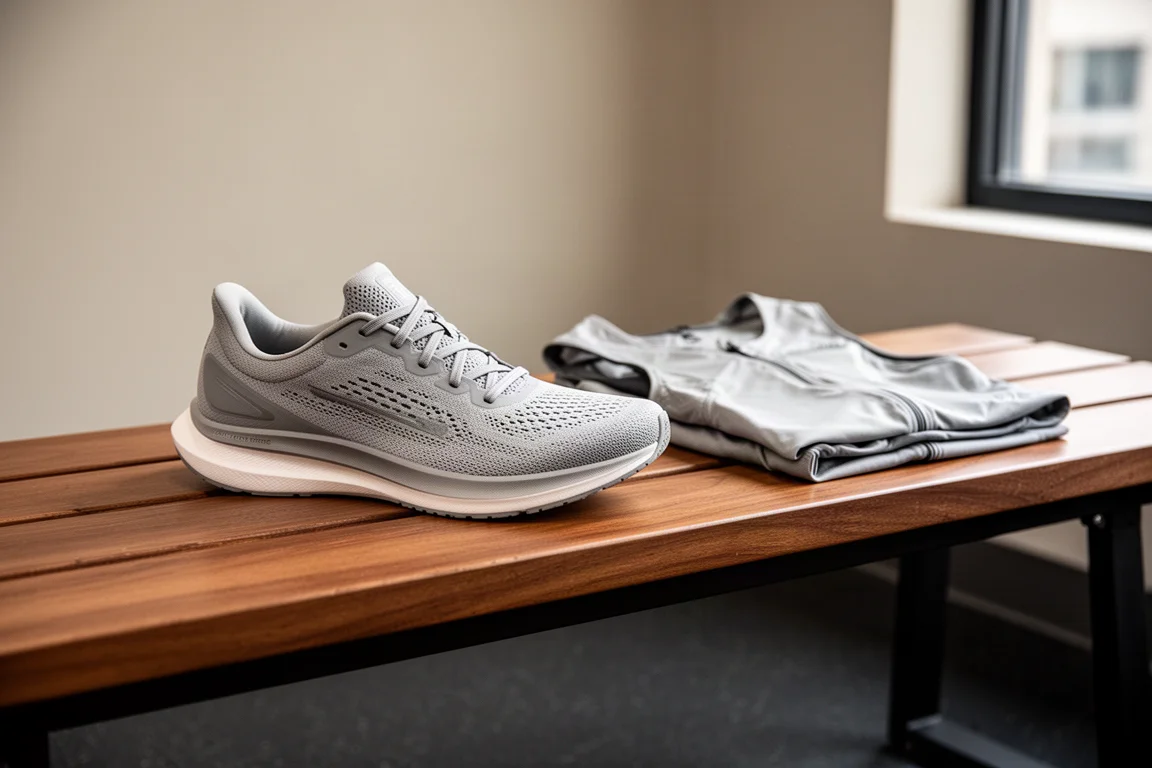
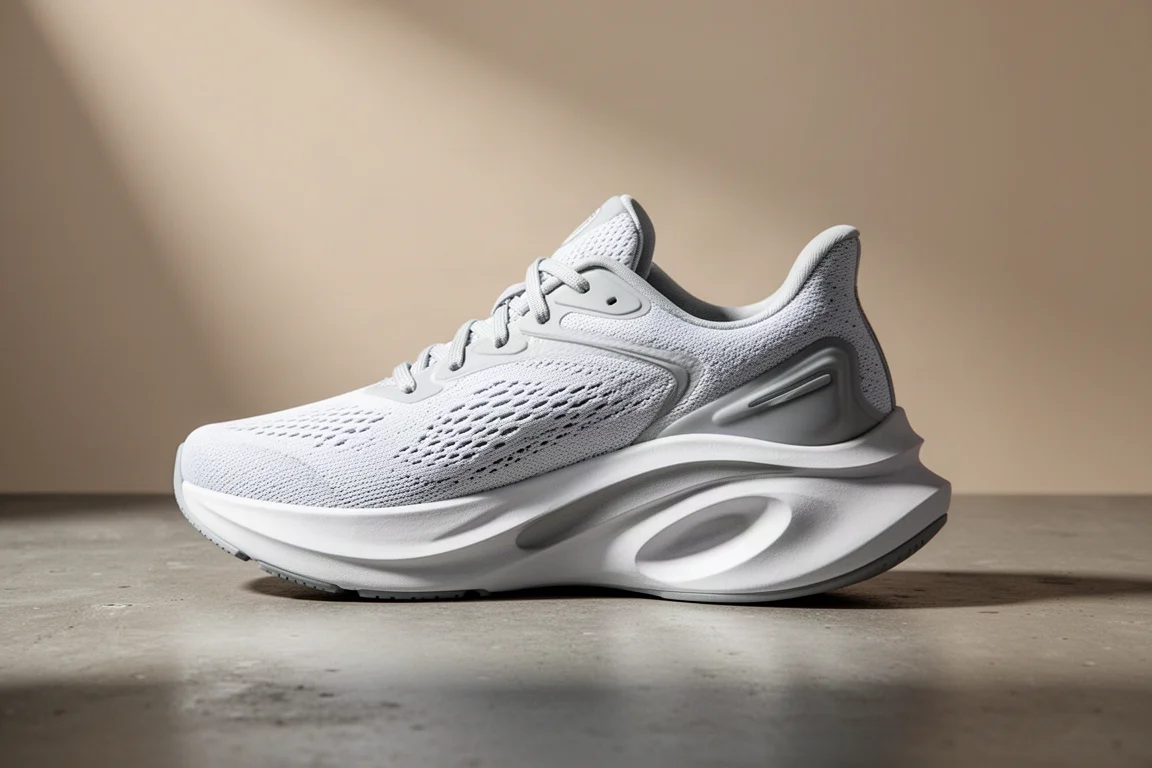
Adidas Adizero Evo SL
At a $150 price point, this is the shoe to beat for value. It takes a stripped-down approach: less stack, a simpler upper, and a low, connected feel that almost channels the barefoot era, but with modern foam underneath. It comes in a wide range of colorways and has spawned variants, including an EXO version and a trail option.
The trade-off is stability. The narrower, lower platform is less forgiving, and newer runners who log all their miles in it have reported rolled ankles. If you want something firmer and more planted, the Puma Velocity is a sensible alternative. But if the budget is capped at $150, this is the obvious choice.
Asics Meta Speed Ray
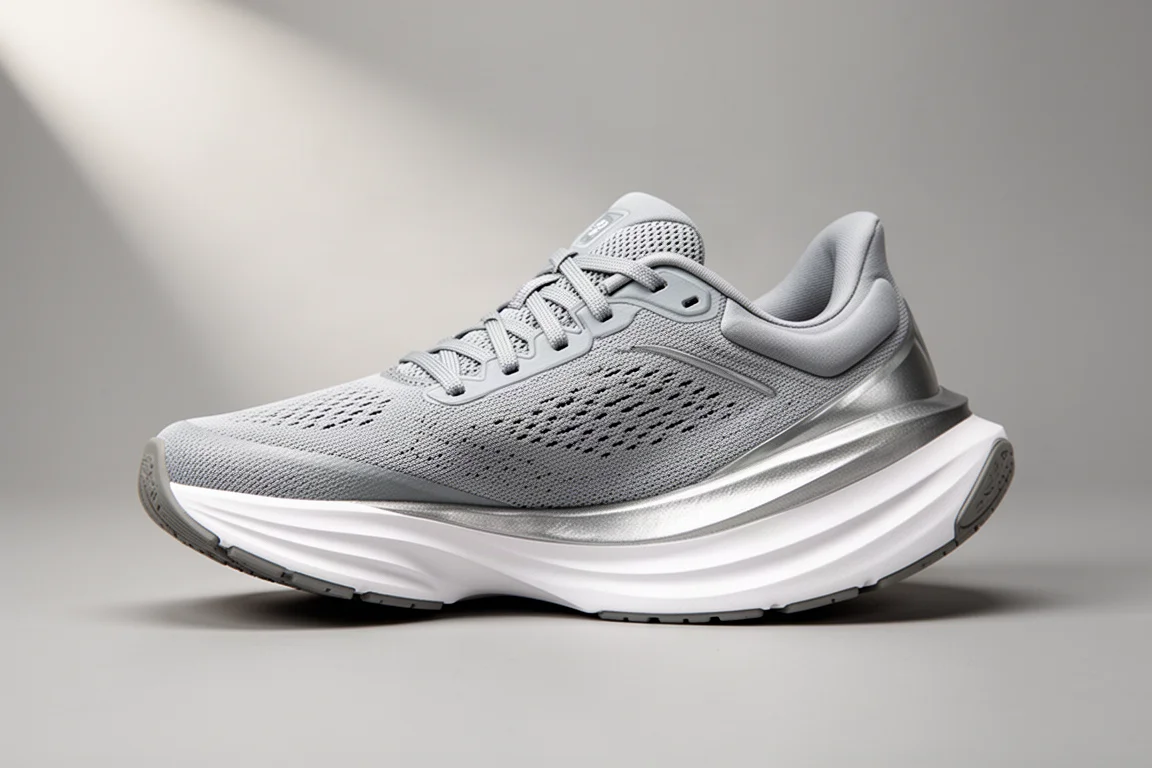
For race day, the Meta Speed Ray stands out for how absurdly light it is. This is a shoe for runners who are genuinely chasing a time, not just jogging a marathon. Its foam compresses visibly over miles, and it offers essentially nothing for runners with stability needs, so it demands clean form.
That fragility is the point. The Ray is built for runners whose form holds together deep into a race. If you need a bit more structure, the Adidas Adizero Pro 4 is a solid alternative, and it is worth watching what its next version brings. Meanwhile the Nike AlphaFly has now gone years without a real update while its price climbed above $300, which makes the newer light race shoes all the more appealing.

Asics SuperBlast 3
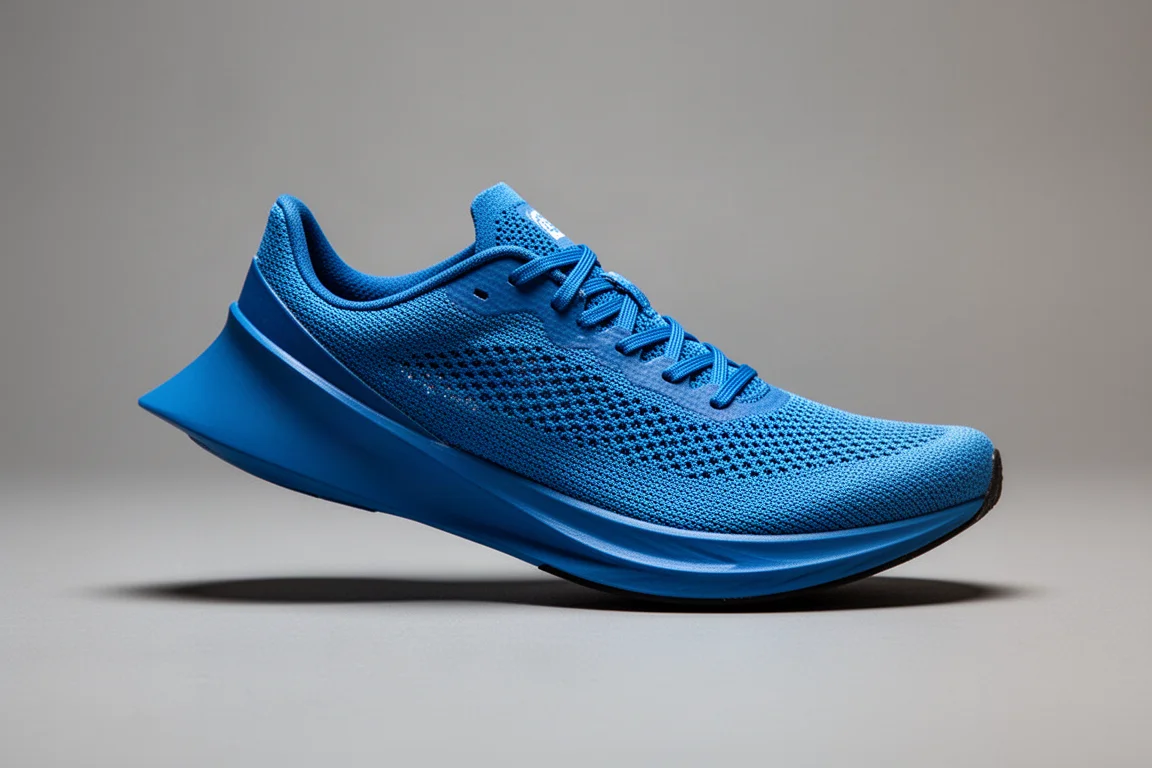
The SuperBlast 3 earns its place as the recovery-and-everything shoe. It is remarkably light for how much cushioning it carries, which is the whole trick: on tired legs the day after a long effort, it lets you run noticeably faster than the effort feels. It stretches from daily miles to speedwork without complaint.
Weight is the quiet theme across the best shoes right now. A lighter shoe is easier to turn over, and the payoff shows up in how you feel at the end of a 50-mile week. If you want one shoe that softens the blows of a heavy training block while still feeling fun, this is it.
BITR H1
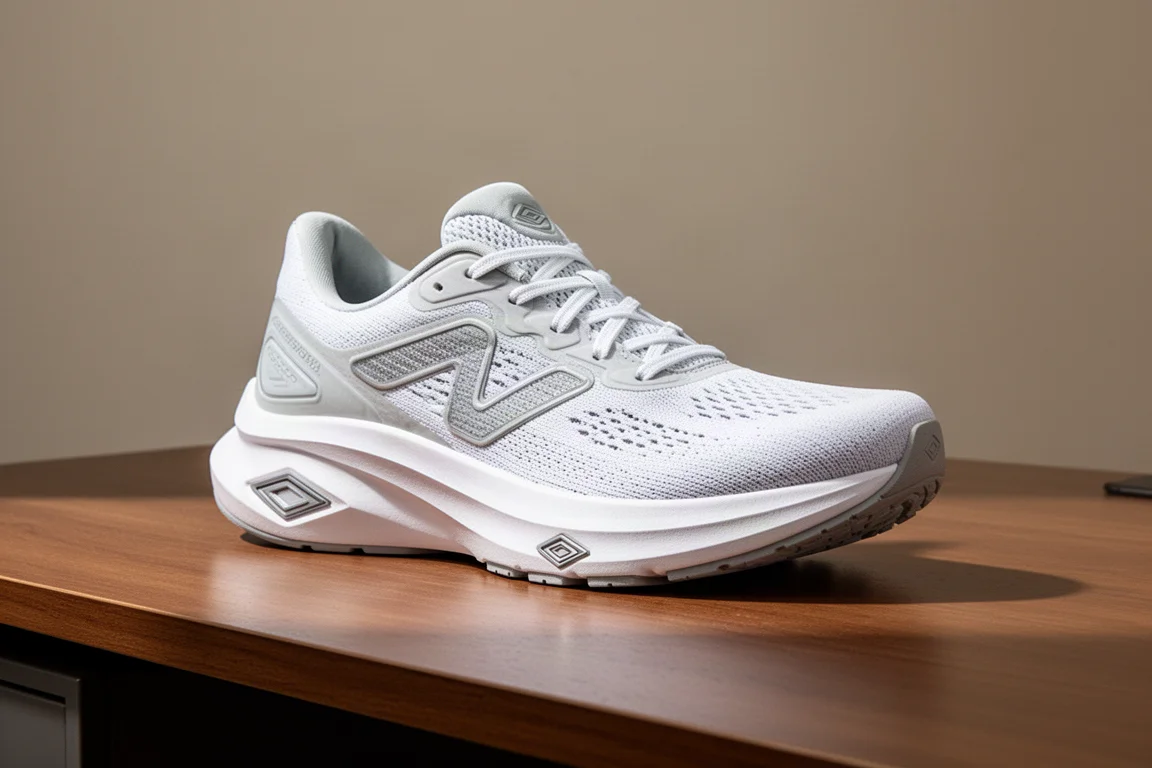
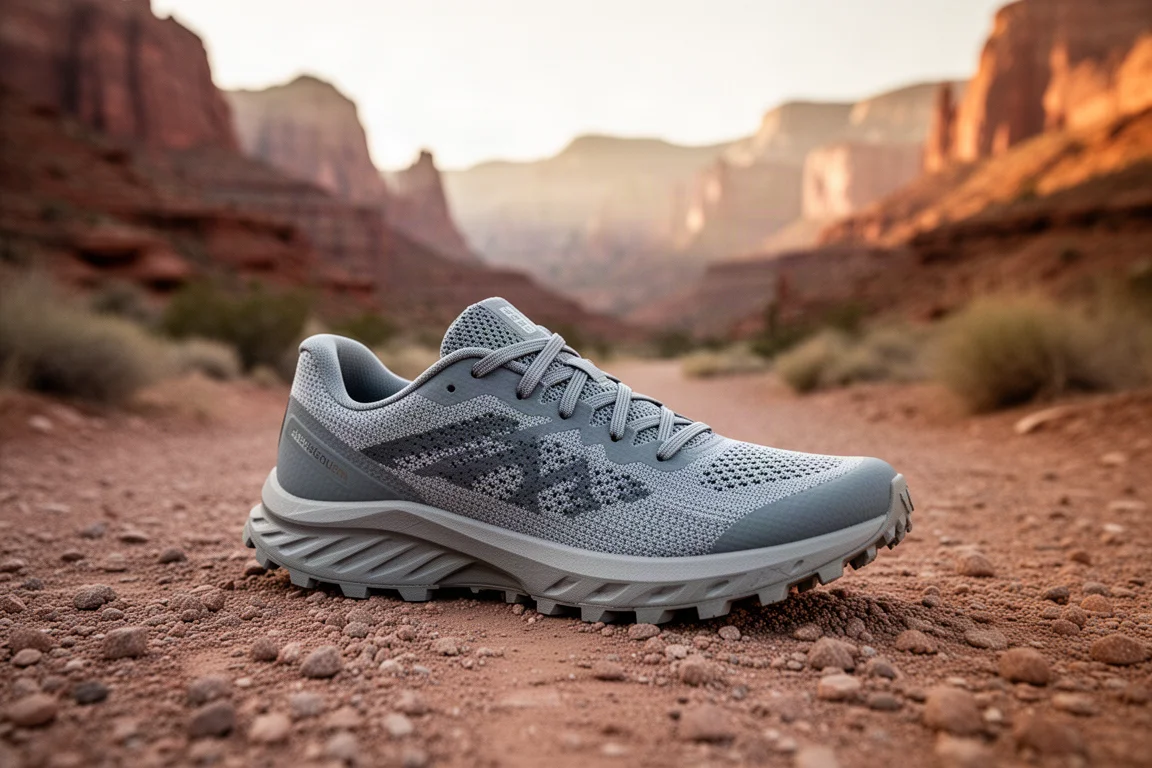
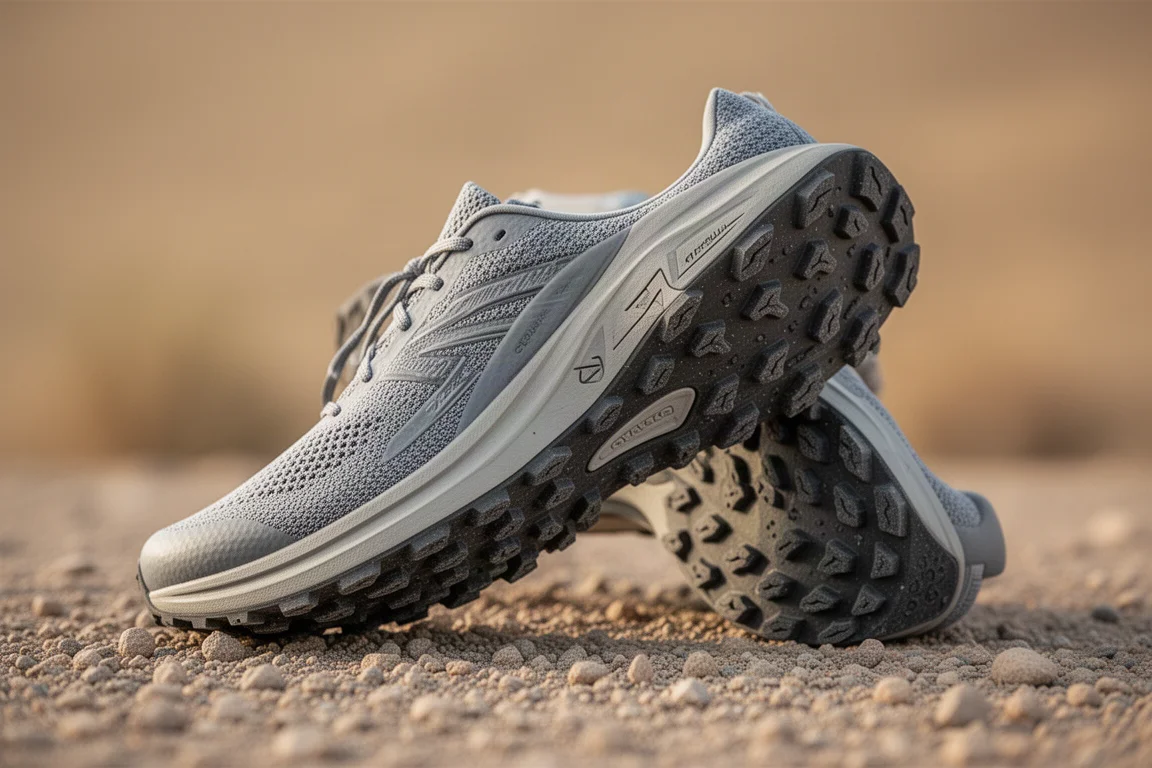
The BITR H1 is the bonus pick and arguably the most interesting of the group: a genuine road-to-trail hybrid. The cushioning is comparable to the Evo SL, the outsole carries enough tread for gravel roads and moderate trail, and it still works perfectly well on pavement. On extreme, technical descents you may wish for a slightly more aggressive lug, but as the one shoe to grab when you do not know where the run will take you, it has no real rival.
It has also proven itself at the pointy end, with a strong majority of top finishers at a recent ultra wearing the platform, and a group run of 30 miles through extreme canyon heat and elevation producing zero blisters across the group. That is a strong endurance resume for a hybrid.
Overall Buying Advice
Match the shoe to the phase of training, not just the day. In a sharpening block, lighter and faster shoes make sense. In a relaxed or recovery-heavy block, cushioned cruisers earn their keep. And it is perfectly reasonable to spend serious money on the shoes that matter most to your goals, especially race day, while covering everyday miles with a value pick like the Evo SL.
Conclusion
A five-shoe rotation sounds extravagant until you realize each one covers a distinct job: daily miles, budget value, race speed, recovery cushion, and road-to-trail versatility. Pick the categories you actually run in, and each of these shoes is an easy recommendation.
Further reading
Related Reviews

Running Shoes
Best Road-to-Trail Running Shoes: Three Versatile Options for Mixed Terrain
A practical guide to three road-to-trail running shoes that handle both pavement and mild trails, with clear strengths and trade-offs for different runner types.

Running Shoes
Best Running Shoes for Achilles Tendonitis: Three Options Explained
Three running shoes with different heel drops and support features designed to help reduce Achilles tendon pain during walking and running.

Running Shoes
Best Running Shoes for Women: Five Top Choices Ranked
A ranked guide to five women's running shoes, from versatile daily trainers to high-performance racing options, with real strengths and trade-offs for each.