Running Shoes
Best Running Shoes for Posterior Tibialis Pain: 11 Options Worth Considering
From the Saucony Kinvara 13 to stability-minded trainers, here is a practical roundup of running shoes that may help runners dealing with posterior tibialis pain, plus what to look for before buying.
Introduction
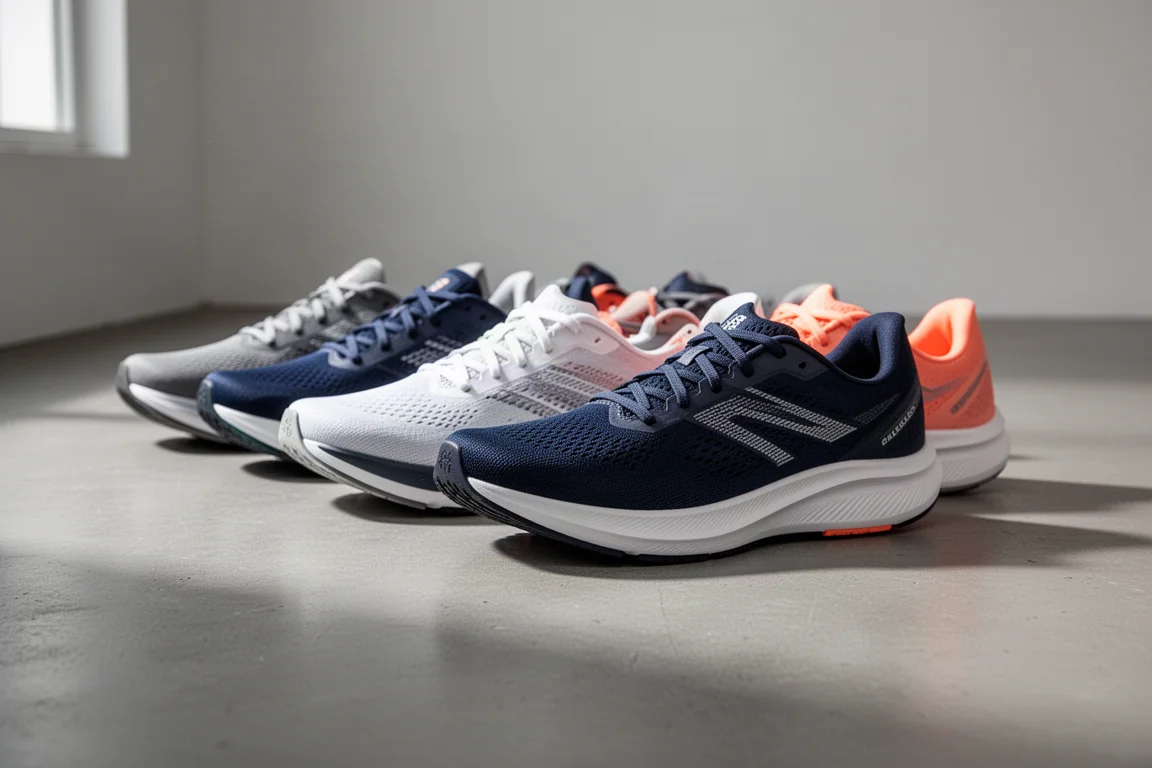
Posterior tibialis pain is one of the most common questions runners bring to clinicians, and it is also one of the most nuanced. The muscle helps control pronation, supports the arch, and assists with push-off, which means footwear that works for one runner can easily be the wrong call for another. This roundup collects running shoes that have worked well for runners dealing with posterior tibialis symptoms, along with the reasoning behind each pick.
The key thing to understand before shopping: the posterior tibialis is involved in both shock absorption and propulsion. Shoes that stabilize the foot, support the arch, or reduce demand at the big toe can all help, depending on where the pain sits and what is driving it.
Why Footwear Matters for Posterior Tibialis Pain
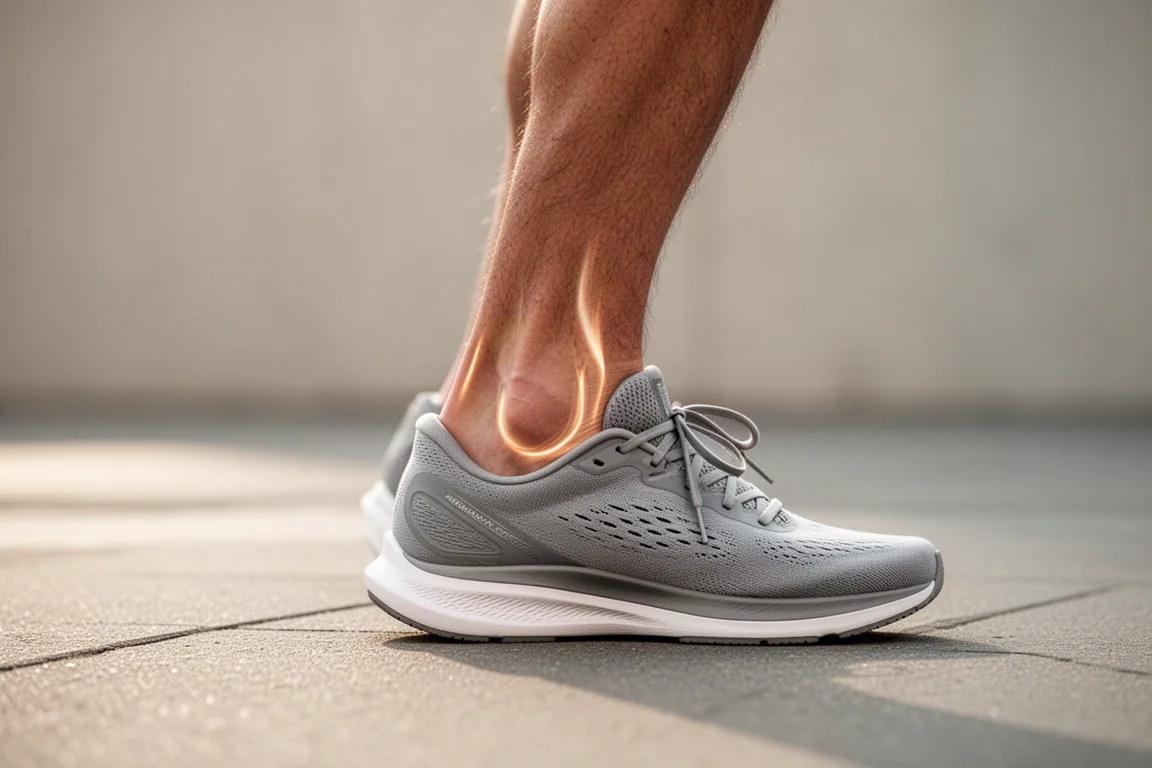
The posterior tibialis runs along the inner side of the leg behind the medial malleolus, the inner ankle bump. Symptoms often show up along the tendon near the ankle or higher up behind the calf. Its job is to invert the foot, control the inner arch during pronation, and assist with plantar flexion during push-off.
That dual role is why shoe choice matters. Pronation itself is not the enemy; uncontrolled pronation is. A shoe with some geometrical stability, forefoot flaring, or a rocker geometry can reduce the load on the tendon, but the right feature depends on whether the irritation comes at landing or at push-off.
What to Look For in a Shoe
A few features recur when clinicians recommend shoes for this issue. Arch support and subtle stability have evidence behind them for pronation-related injuries. Forefoot flaring and a wider base can add movement control without a heavy medial post. A forefoot rocker can help if the pain is at propulsion, but caution is warranted: rockers often come with stiffer soles, and a shoe that is too stiff can force the posterior tibialis to work harder at push-off, which can make symptoms worse. Flexibility, fit, and matching the shoe to your own mechanics matter more than any single feature.
Saucony Kinvara 13
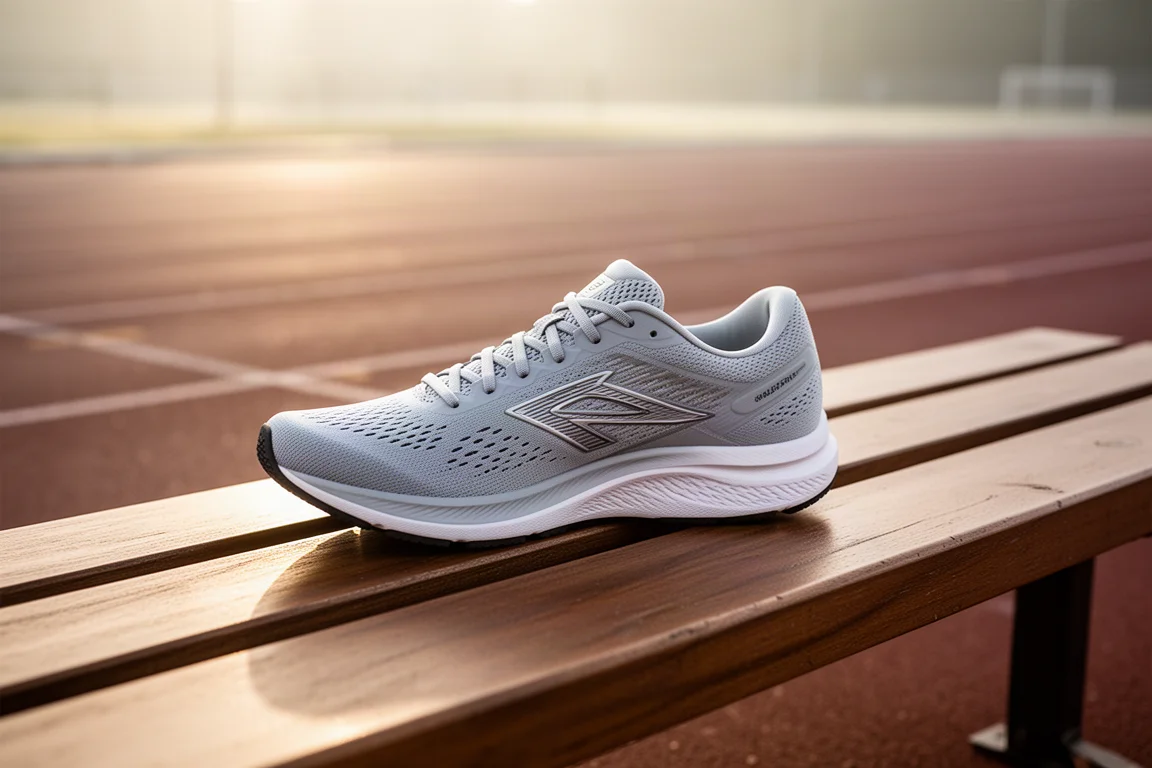
The Saucony Kinvara 13 is a lightweight performance trainer with a cult following. This version is the lightest yet at 7.2 oz for a men’s size 9, with 28.5 mm of heel stack and 24.5 mm in the forefoot. It is a full EVA, non-plated shoe that keeps solid cushioning while staying impressively light, and durability has historically been excellent even with large areas of exposed foam.
The upper is a standout: more airy and plush than the previous model while somehow dropping weight, with a normal heel and midfoot fit that runs normal to slightly wide in the toe box. The ride is balanced, with decent ground feel and a pop that shows up when you pick up the pace. The main caution is flexibility. Runners coming from max cushion or stiffer shoes should transition slowly, and at very fast paces the forefoot can feel a touch slappy. The outsole coverage is minimal, so a bit more rubber would firm up the forefoot nicely.
Saucony Kinvara 12
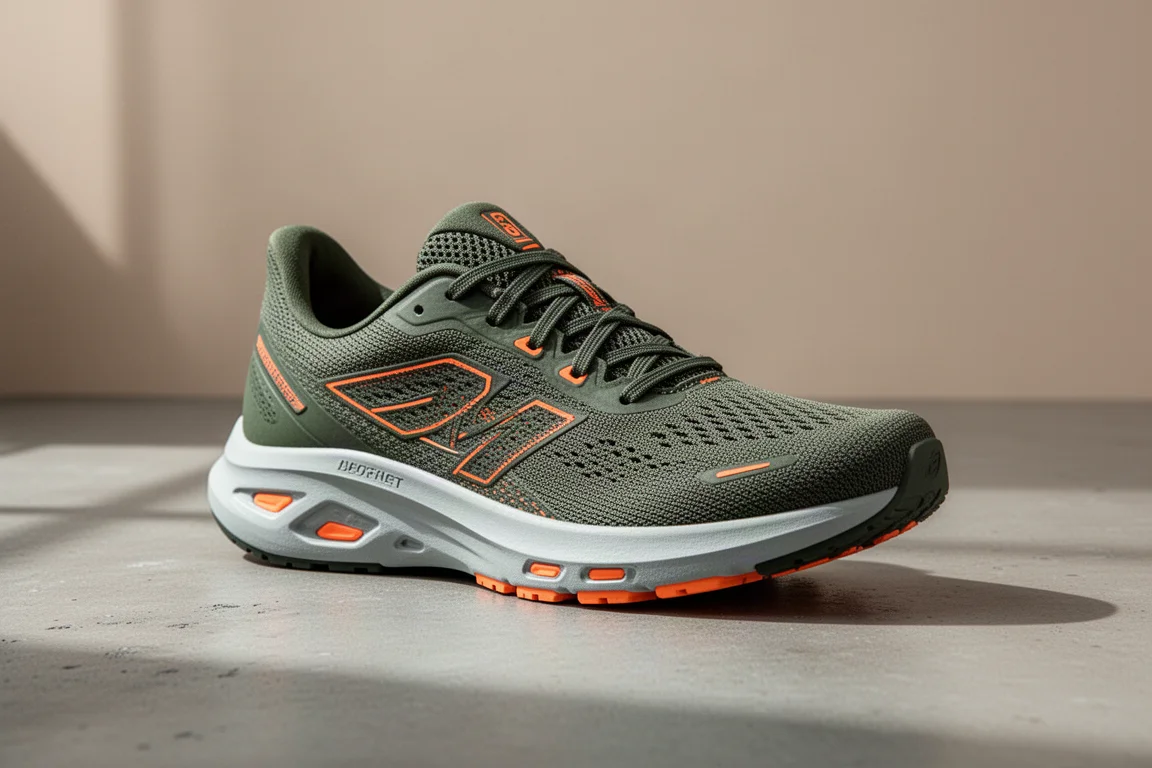
The Kinvara 12 was the big overhaul before the 13, and it remains a worthwhile option. It shares the same essence: a lightweight trainer that balances traditional cushioning with a stripped-down, flexible ride. The outsole holds up extremely well, with testers reporting well over a hundred miles with minimal wear despite the exposed EVA.
The upper is thinner and more basic than the 13, with a minimal tongue that some runners found irritating, though it did its job fine. Compared with the very early Kinvara versions, the midsole has a bit more pop and the heel transitions better than the blockier original designs. It leans slightly more into the trainer category than the snappier 13, which some runners will actually prefer.
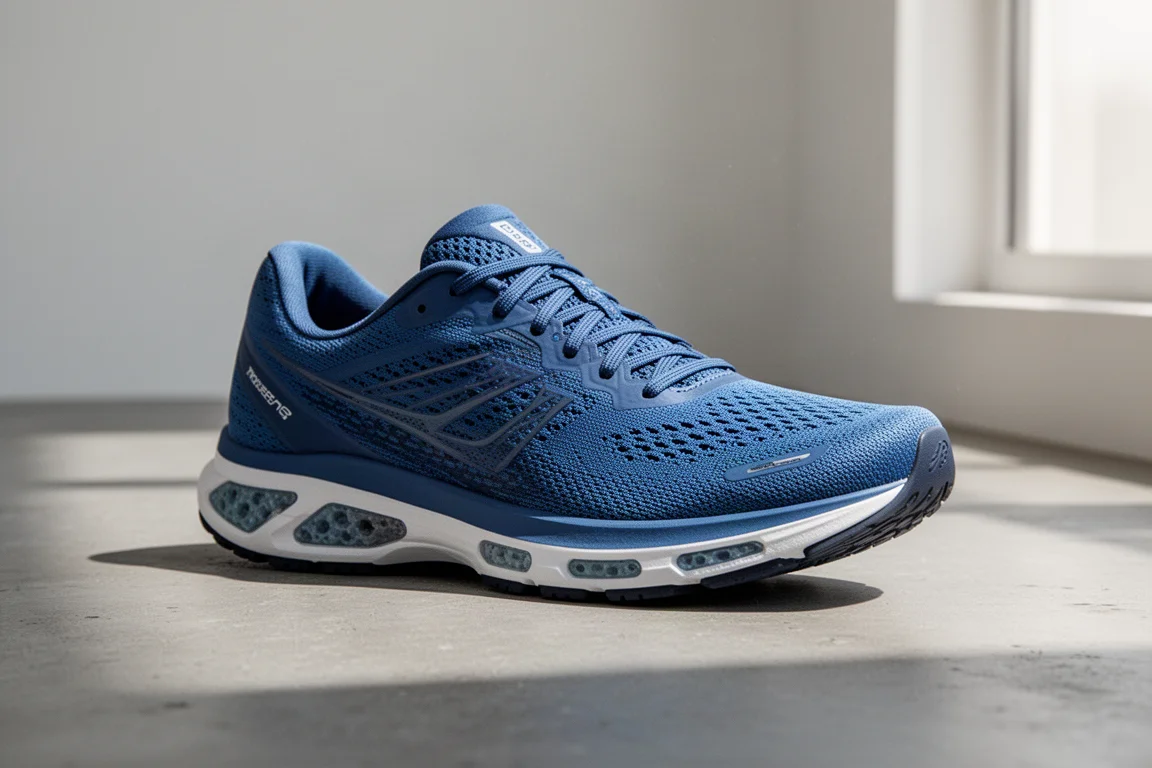
New Balance Rebel v2
The New Balance Rebel v2 pairs a lightweight build with a super critical midsole that is soft and bouncy, giving it a distinctly modern feel. It is a flexible, no-plate performance trainer that covers a wide range of paces, a genuine Swiss Army knife of a shoe.
Compared with the Kinvara, the Rebel leans slightly more toward the performance end thanks to a touch more rigidity from its outsole coverage, while the Kinvara leans toward the trainer end. If you enjoy new-age bounce and cushion in a lightweight package, this is a strong choice, and it works well for runners who want a livelier ride than traditional EVA.
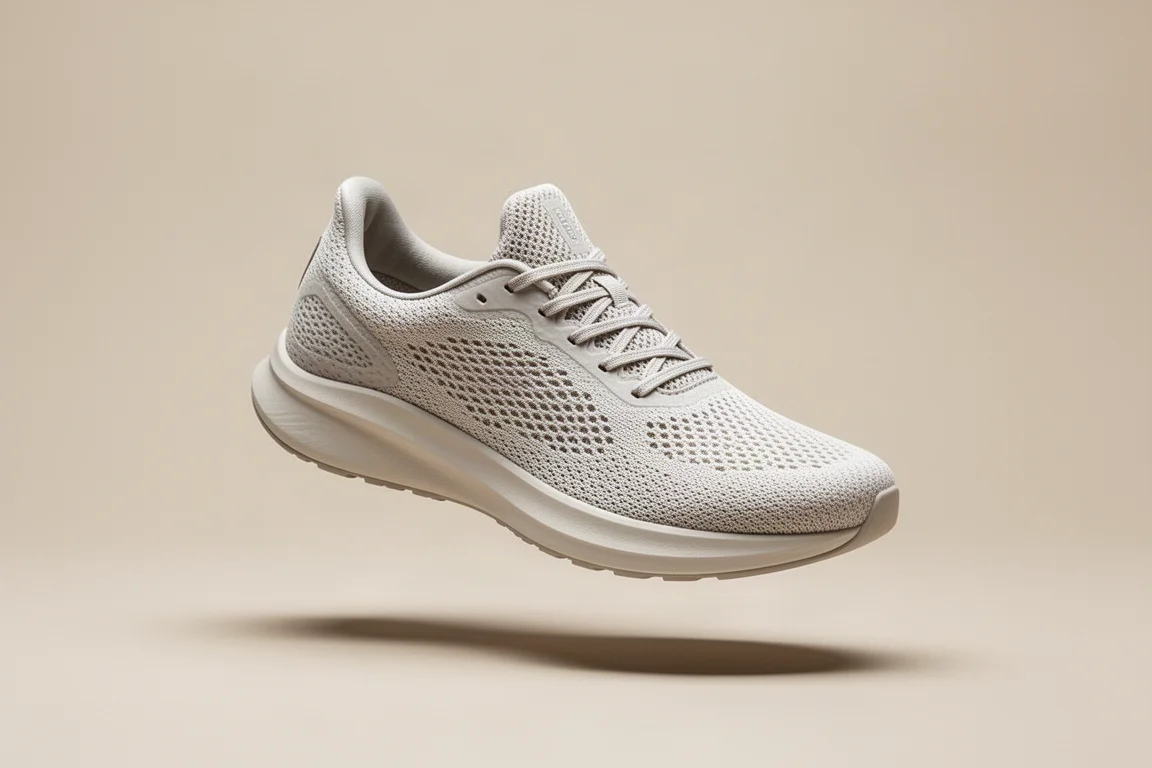
Atreyu Base Model V2
The Atreyu Base Model V2 is a budget-friendly slab-of-EVA trainer that lets your foot do the work. Geometrically it sits flatter than the Kinvara, with only a very slight heel bevel and less toe spring, relying almost entirely on flexibility rather than shape. The foam is firmer throughout, and the forefoot is where most of the flex happens.
Traction is not a strong point, and the upper is very basic, doing its job without much refinement. But for runners who want a minimal, natural-riding lightweight trainer at an accessible price, it delivers exactly what it promises.
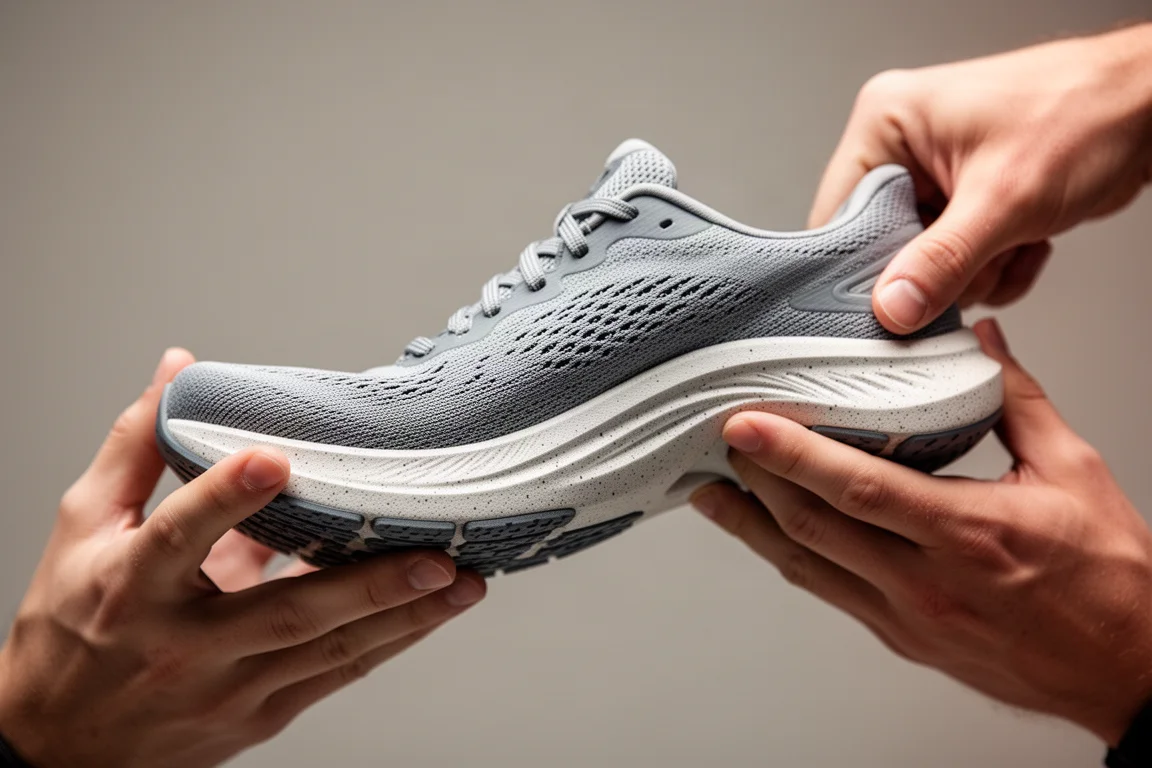
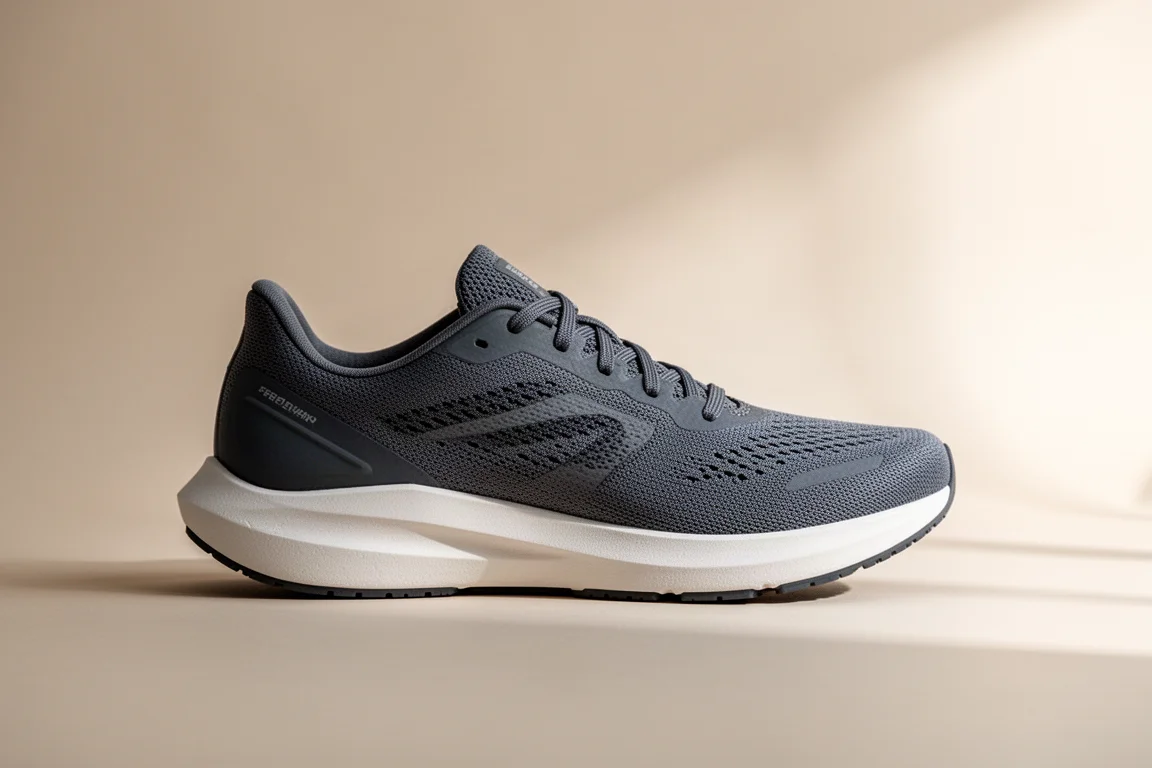
Hoka Evo Rehi
The Hoka Evo Rehi is a racing flat aimed at 5K and 10K efforts, so it belongs to a slightly different category, but it keeps coming up in comparisons for good reason. It is a very flexible, low-riding EVA shoe with a pleasant upper and a bit more rocker than the Kinvara.
For runners transitioning into lower-profile shoes, it can serve as a bridge. The Kinvara edges it out on heel transition smoothness for some testers, but the forefoot flexibility and light weight make it a compelling pick for shorter, faster efforts.
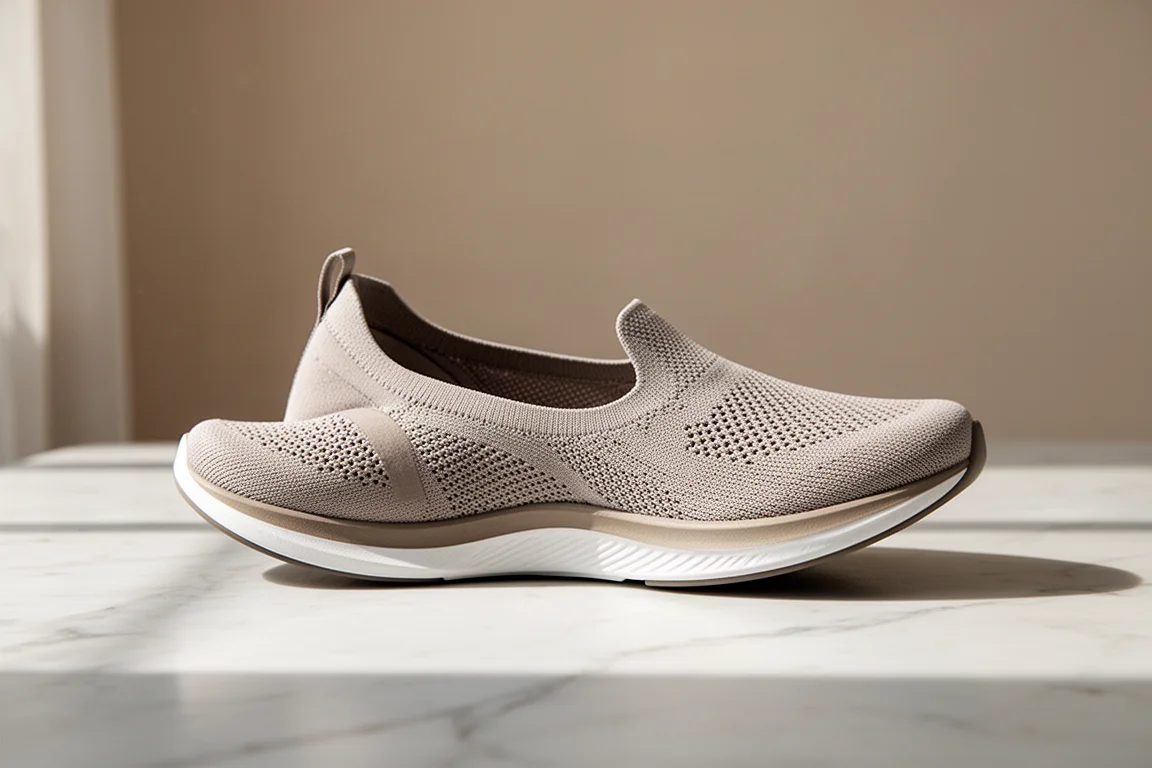
ASICS DS Trainer
The ASICS DS Trainer earns a place here not for its stability features but for its ride. It sits close to the ground while delivering a surprising amount of cushion for how low it is, and it can genuinely move at faster paces. A stiffening element extends through the forefoot, giving it more structure than the Kinvara.
Runners who like the Kinvara’s lightness but want a snappier, more structured platform may find the DS Trainer hits the sweet spot. It is a proper performance trainer without a plate, and a reminder of how good this category can be.
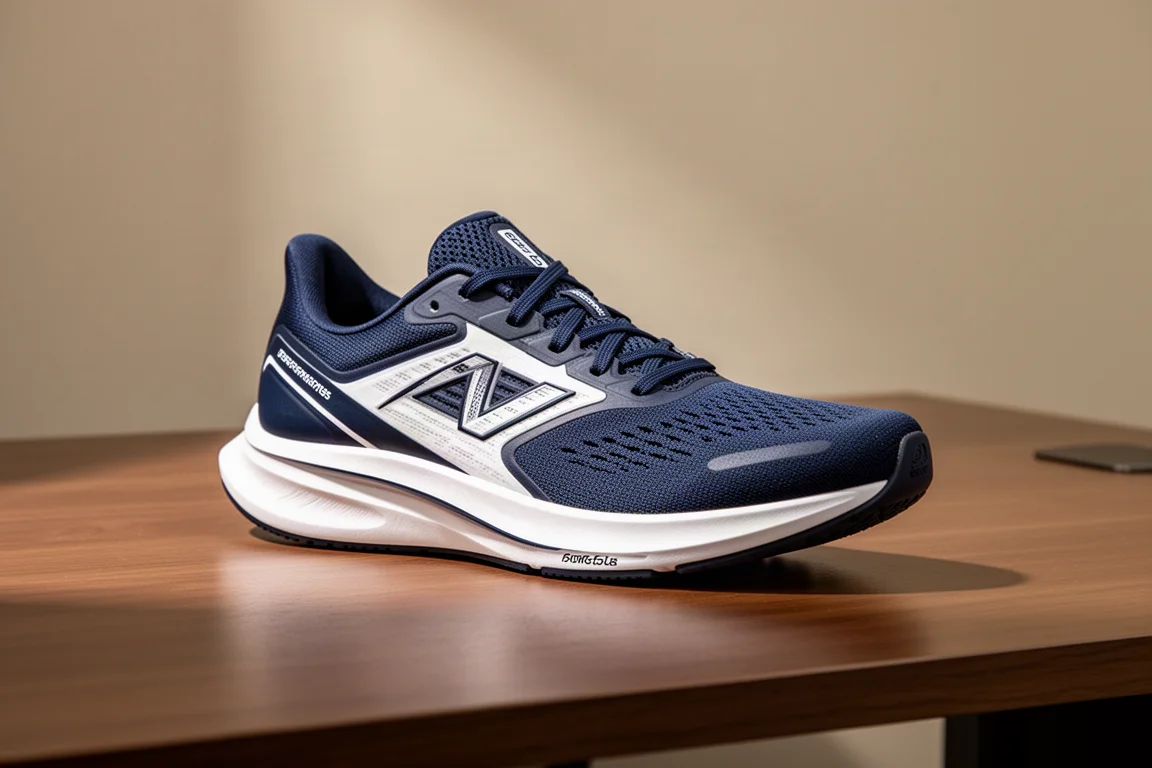
Skechers Razor 3
The Skechers Razor 3, specifically the Cloak version with full outsole coverage, is on paper one of the most similar shoes to the Kinvara: lightweight at around 6.4 oz, with a similar drop ratio. The way it rides, however, is entirely different.
The Razor 3 uses a firmer foam, more outsole coverage, and a more balanced rocker, so its only real flexibility lives in the forefoot. The result is a snappier, more structured feel compared with the Kinvara’s do-it-yourself flexibility. For runners who want a quick, structured lightweight trainer, it is an excellent option.
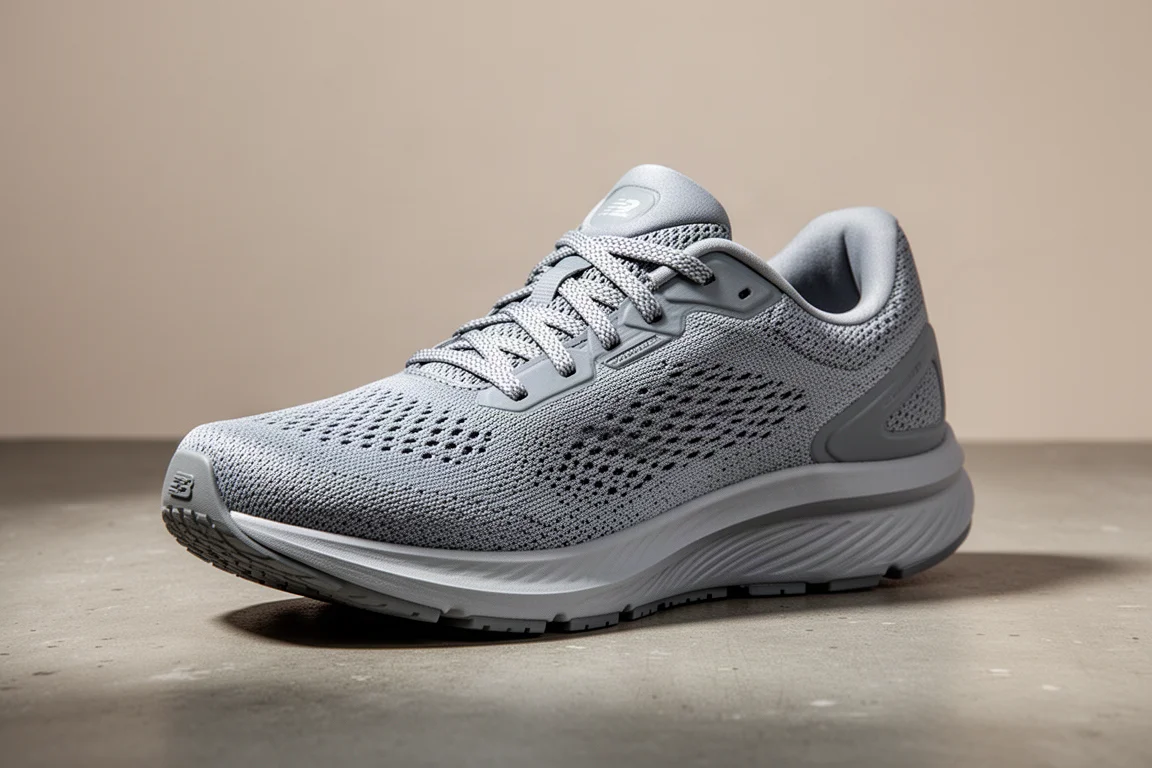
Hoka Carbon X 2
The Hoka Carbon X 2 comes up frequently for posterior tibialis issues because of its forefoot treatment. A deviated plate up front adds guidance at the big toe, stiffens the forefoot, and pairs with rocker geometry so the toe does not have to work as hard. That combination can be genuinely helpful when pain is driven by demand at the big toe and push-off.
The caveat is the usual one for rockers: the shoe must line up with your mechanics. If the impairment is more proximal, in the muscle belly rather than at the toe, the increased calf and push-off load could aggravate symptoms instead.
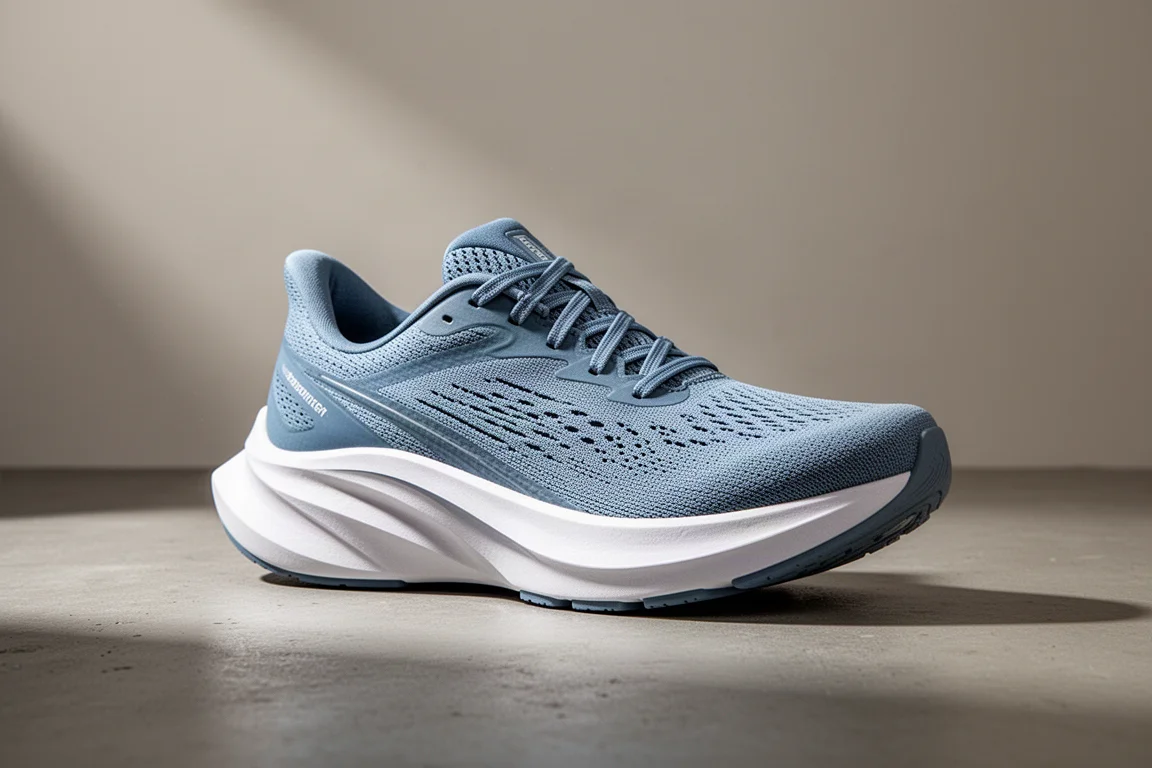
Newton Distance S
The Newton Distance S is an ironic pick because it can either help or flare things up. It stabilizes the forefoot well, which is valuable when the problem is excessive pressure through the arch and the distal tendon near the toe.
But that same forefoot stiffness increases load on the calves and can be a problem if the irritation sits higher in the muscle. Knowing where your symptoms are located is essential before choosing this shoe, and it is best approached with guidance rather than as a generic fix.
ASICS GEL-Kayano Lite
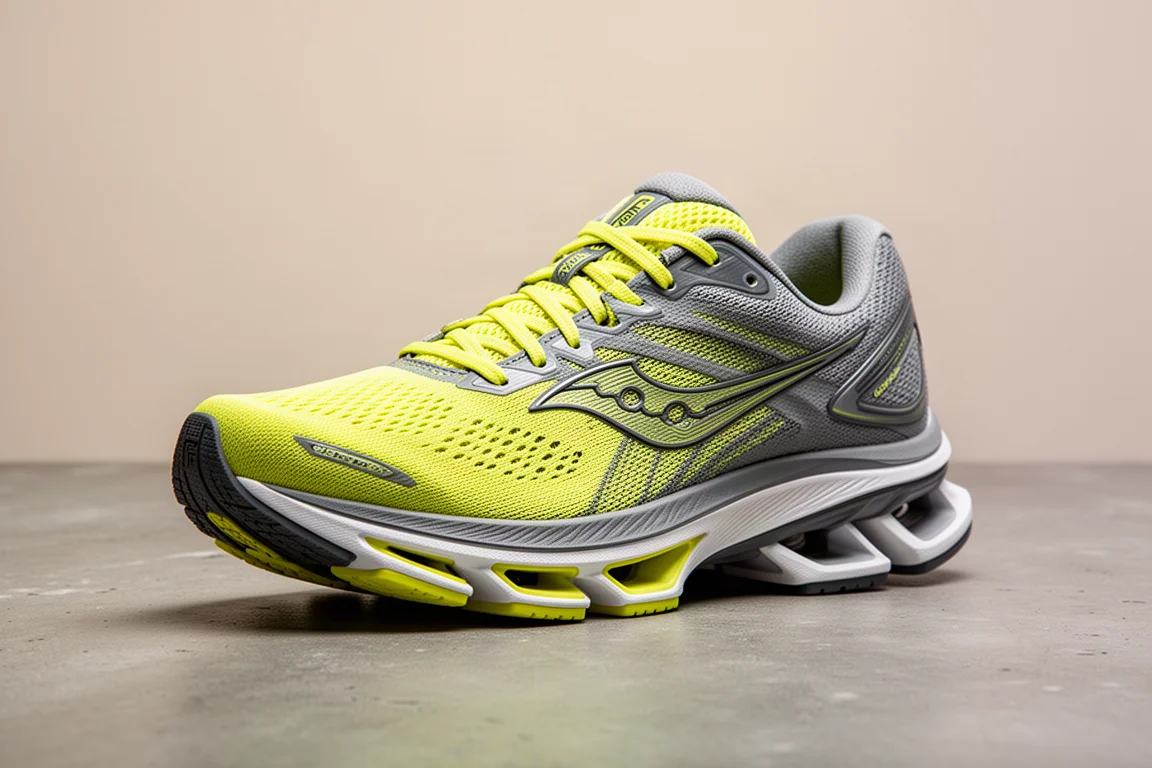
For runners whose symptoms respond to arch support and subtle geometrical stability, the ASICS GEL-Kayano Lite has been a consistent favorite. Unlike the softer, less stable modern Kayano, the Lite keeps decent forefoot flexibility while providing enough geometrical guidance to improve movement control.
It avoids the heavy, clunky feel of traditional stability shoes, making it a practical daily option for runners who need gentle support rather than aggressive correction.
Saucony Endorphin Shift
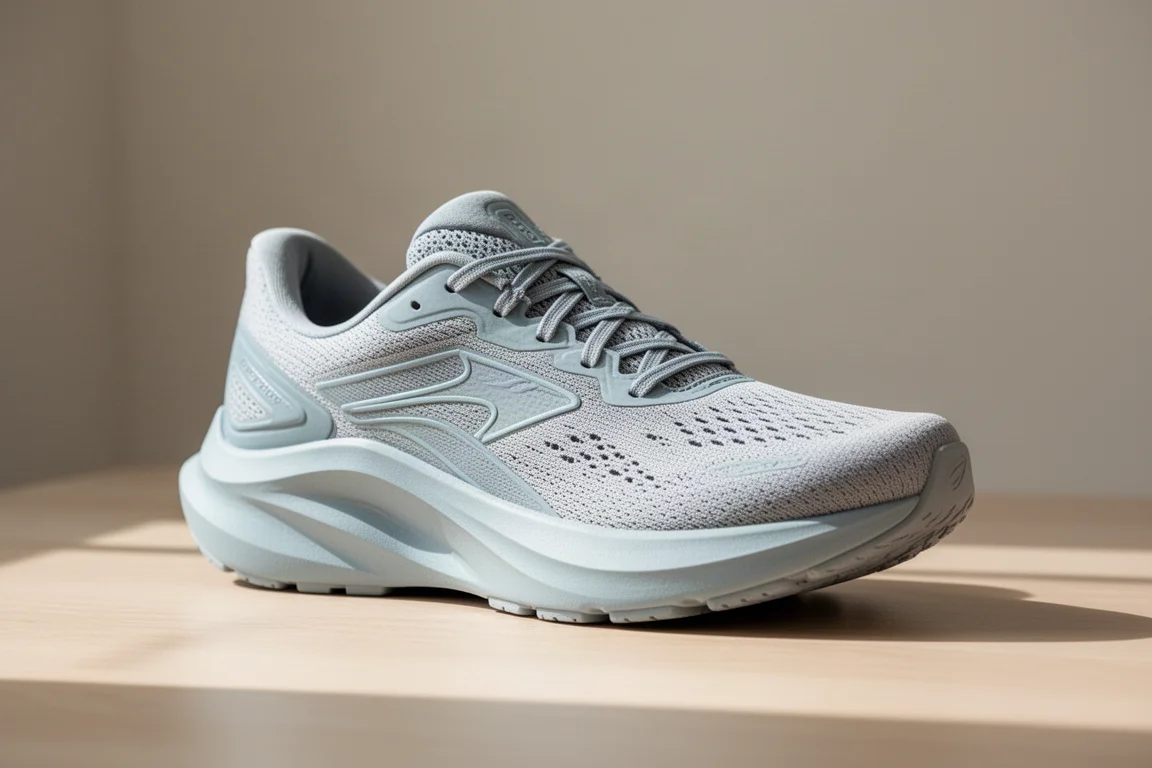
The Saucony Endorphin Shift combines several of the features that matter for this issue in one package: a wider platform, a forefoot rocker, and structured stability through a heel counter that dips inward. It suits runners whose push-off phase is driving the problem and who benefit from a bit more width and shape-based stability.
It is not a universal answer, and a rocker is not always the first tool to reach for, but for the right runner it addresses both landing control and propulsion in a single shoe.
Buying Advice: Matching the Shoe to Your Needs
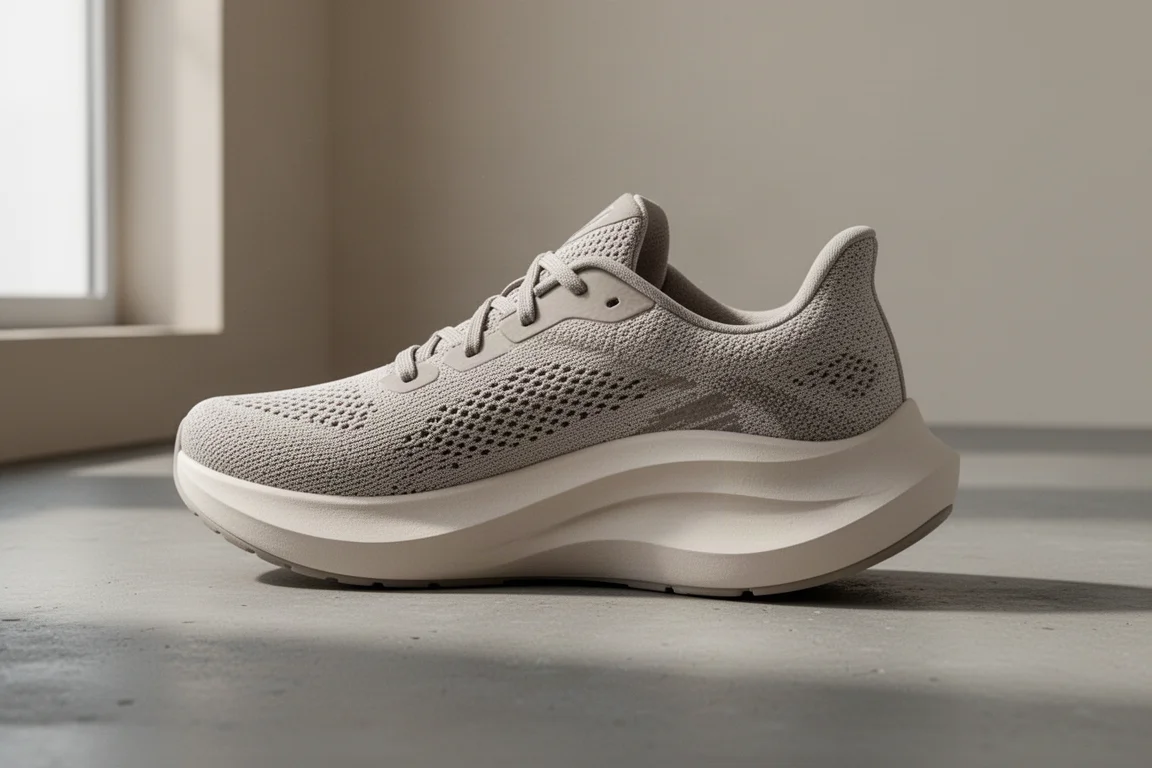
Because the posterior tibialis handles both shock absorption and propulsion, start by identifying where your symptoms sit. Pain along the inner ankle tendon during landing usually points toward arch support, flaring, and geometrical stability, where shoes like the GEL-Kayano Lite or Kinvara 13 shine. Pain at push-off or at the big toe may benefit from a forefoot rocker like the Carbon X 2 or Endorphin Shift, provided the stiffness does not overload you.
Footwear alone is rarely the full answer. Single-leg stability work, calf and soleus strengthening, short-foot exercises, and carefully progressed plyometrics all play a role in long-term resolution. A shoe that is too stiff, even a well-intentioned rocker, can make posterior tibialis symptoms worse by forcing the muscle to work harder at push-off.
Conclusion
There is no single best shoe for posterior tibialis pain, but there is a best shoe for your specific mechanics. Lightweight flexible trainers like the Kinvara 13 suit runners who need less structure, while stability-minded options like the GEL-Kayano Lite or rocker-equipped shoes like the Carbon X 2 help where control or propulsion is the issue. Take your time transitioning, especially coming from stiffer or max-cushioned shoes, and pair any footwear change with the strength work that addresses the root cause.
Further reading
Related Reviews

Running Shoes
Best Road-to-Trail Running Shoes: Three Versatile Options for Mixed Terrain
A practical guide to three road-to-trail running shoes that handle both pavement and mild trails, with clear strengths and trade-offs for different runner types.

Running Shoes
Best Running Shoes for Achilles Tendonitis: Three Options Explained
Three running shoes with different heel drops and support features designed to help reduce Achilles tendon pain during walking and running.

Running Shoes
Best Running Shoes for Women: Five Top Choices Ranked
A ranked guide to five women's running shoes, from versatile daily trainers to high-performance racing options, with real strengths and trade-offs for each.