Running Shoes
Brooks Ghost Max 3 vs Saucony Echelon 10: The Two Best Running Shoes for Orthotics
Two stable neutral trainers built specifically with orthotics in mind, compared on fit, stack, cushioning, and durability.
Introduction
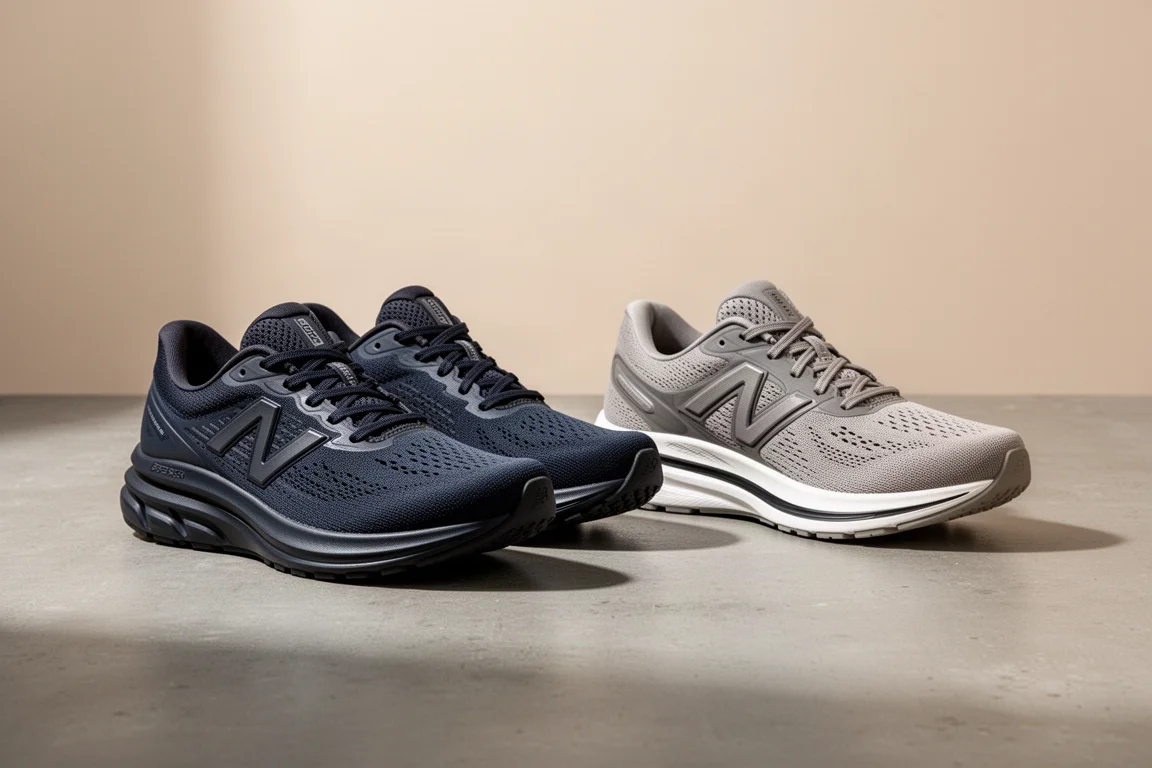
If you run or walk with orthotics, finding a shoe that actually accommodates them can be surprisingly difficult. Most running shoes treat orthotic compatibility as an afterthought, and a growing number simply do not work with one at all. Two shoes buck that trend are the Brooks Ghost Max 3 and the Saucony Echelon 10. Both are designed specifically with orthotics in mind, while still working perfectly well without them. Here is how they compare.
Why Most Running Shoes Fail With Orthotics
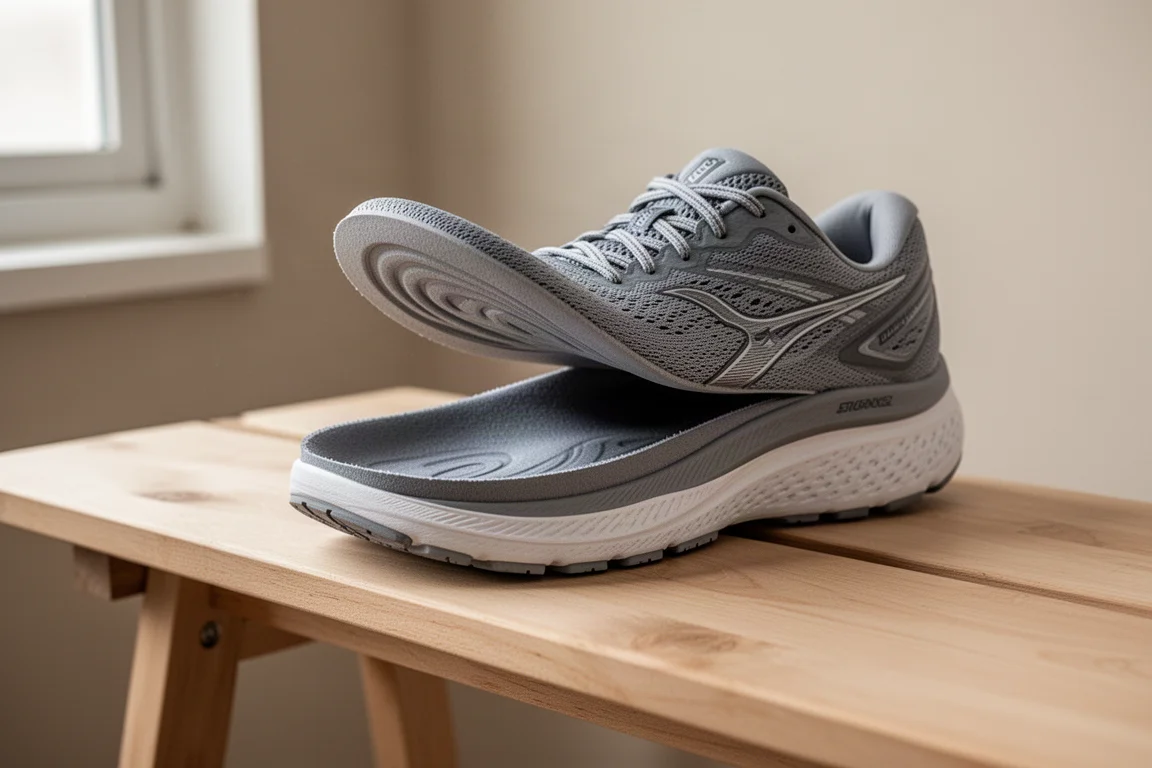
The insole, the removable piece inside the shoe, is where an orthotic usually needs to sit. In many modern running shoes, especially plated racing and super shoes, the insole is not removable, the fit is low volume, and a stiff plate sits right beneath it. Even if you manage to pull a glued-in insole out, the shape is often wrong, and the plate underneath can interact negatively with an orthotic.
Other shoes have insoles so thin that an orthotic simply does not fit, or foot-shaped designs where a standard orthotic will slide around unless it was custom made to match that shape. The result is a market where it is genuinely hard to tell which shoes will work and which will not.
Stable Neutral: The Platform Orthotics Need
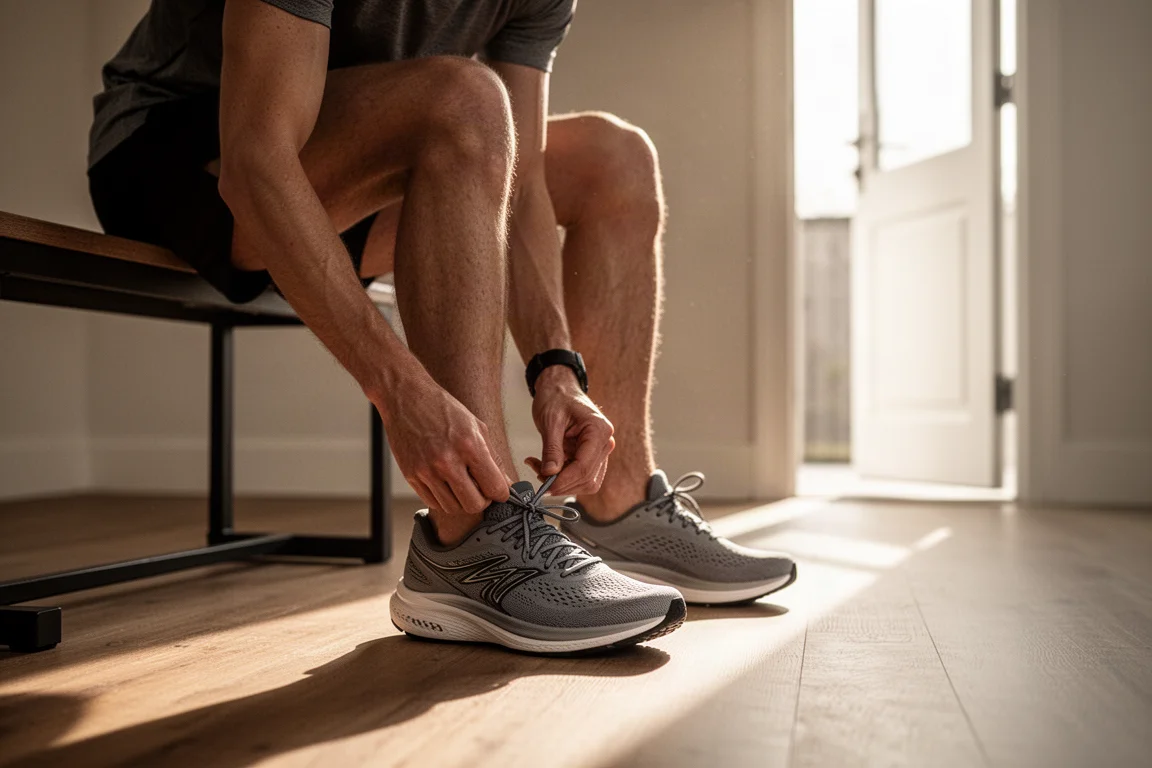
When choosing a shoe for orthotics, stable neutral is the category to look for. Stability shoes are typically not designed with orthotics in mind, and their corrective elements can cancel out the orthotic or push you excessively in another direction. A stable neutral shoe lets the orthotic do its work without interference.
Both the Ghost Max 3 and Echelon 10 fit this description. They use wide midsoles with the midfoot filled in, plus medial and lateral sidewalls that keep the foot centered on the platform. That guidance-based structure locks the foot, and the orthotic, right where it should be.
Brooks Ghost Max 3
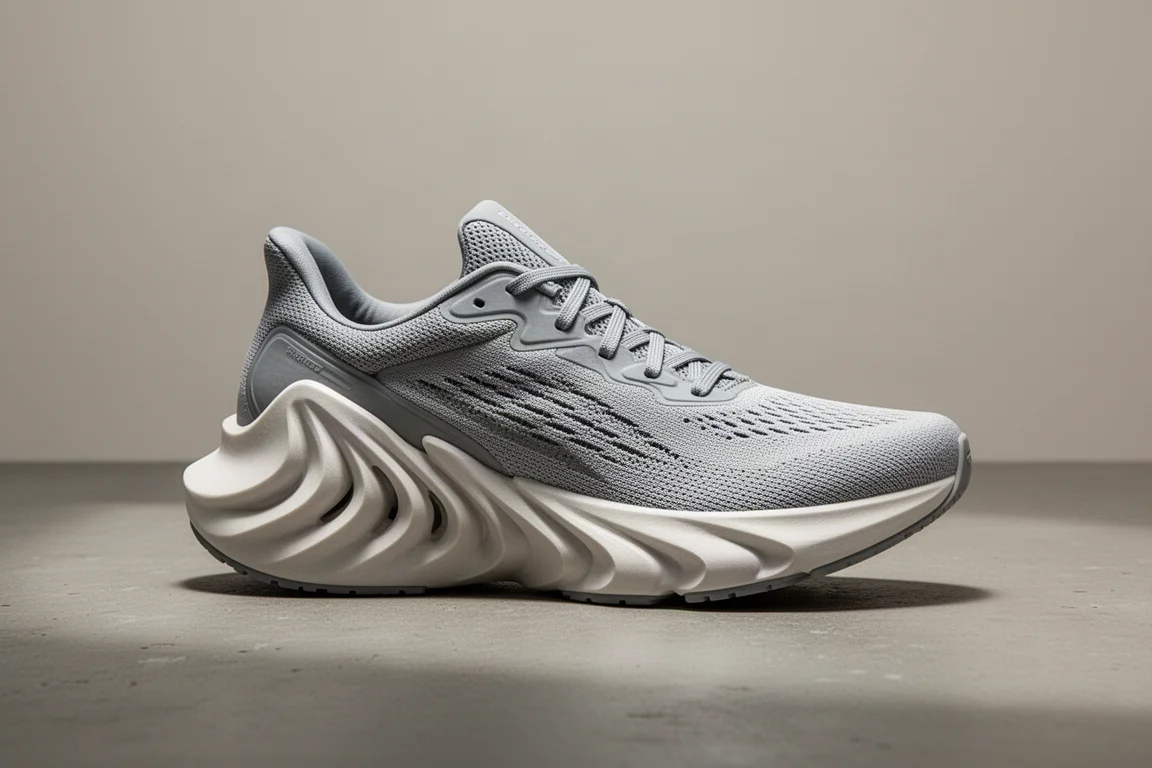
In a men’s size 10, the Brooks Ghost Max 3 weighs 11.3 ounces (about 322 grams), with a 39 mm heel and 33 mm forefoot stack for a 6 mm drop. Its DNA Loft midsole has become a little softer underfoot, so the ride is easier and more cushioned, though not mushy or particularly springy.
The Ghost Max 3 is the stiffer of the two, with essentially no flexibility in the forefoot, and it has a small posterolateral bevel. It offers more width and more volume in the forefoot and midfoot, which helps if you have a higher-volume foot or need extra room for your orthotic. The instep runs slightly low, though there is plenty of heel padding, making this the better option if you have heel sensitivity such as a heel spur or insertional tenderness.
Saucony Echelon 10
The Saucony Echelon 10 comes in slightly lighter at 10.9 ounces (about 310 grams), with a 35 mm heel and 27 mm forefoot for an 8 mm drop. Its Power Run midsole is a touch firmer and a bit snappier than the Brooks foam, though neither shoe is meant for fast running.
The Echelon’s sidewalls are more aggressive and extend further forward into the forefoot, so it feels the more centered of the two. It also flexes a little more, especially after break-in, and has a bigger bevel for a stronger rolling, rocker-style ride. The upper is snugger through the midfoot and heel with a stiffer, less padded heel counter, which suits narrower or lower-volume feet better.
How the Two Shoes Handle Orthotics
Both shoes manage orthotics exceptionally well. Each comes with a very thick insole, so removing it leaves ample depth for an orthotic to sit flat without crowding the toe box. The sidewalls help hold the orthotic firmly in place so it does not slide around during a run or walk.
The trade-offs come down to preference. If you want more forefoot structure, a snappier feel, and a stronger rocker, the Echelon is the better pick. If you prefer a softer ride, more room up front, and no flexibility, the Ghost Max 3 wins.
Durability and Daily Use
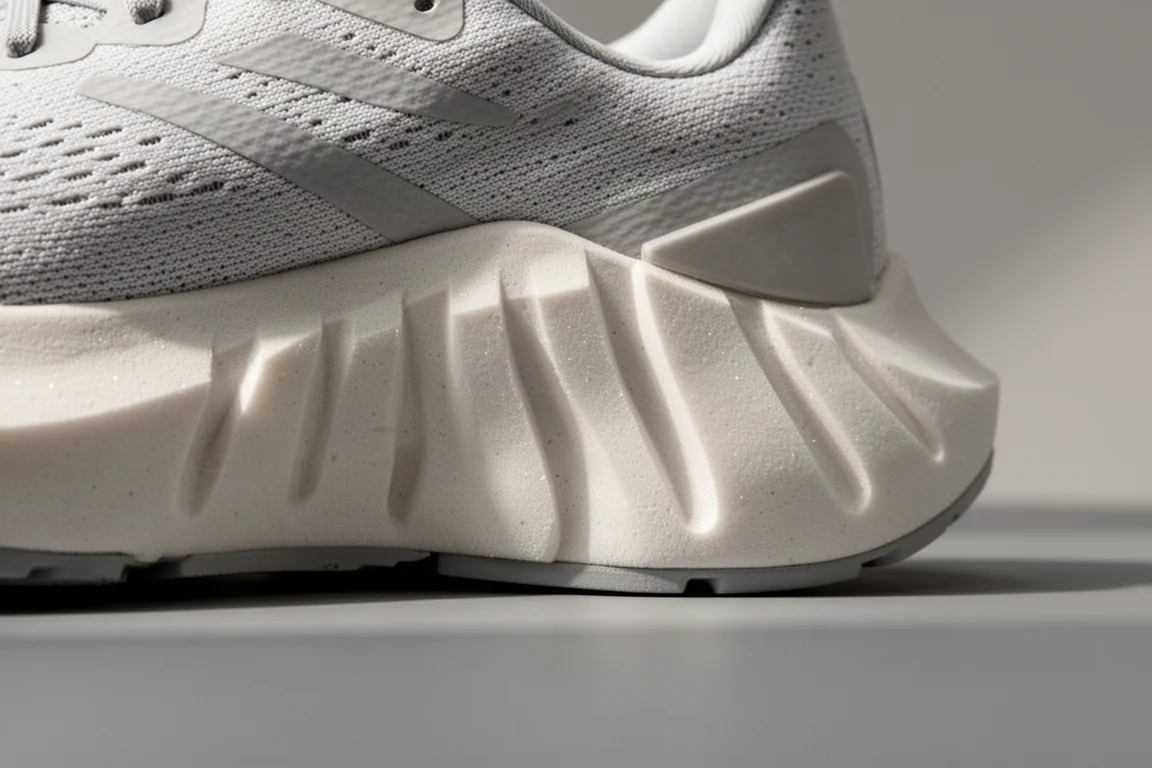
Both shoes hold up impressively. With 50 miles of running plus roughly another 40 to 50 miles of walking on each pair, the midsoles have not firmed up noticeably and the outsoles show no concerning wear. The Ghost Max 3’s midsole has stayed slightly softer for longer, while the Echelon’s foam keeps its firmer character. If value per mile matters to you, both deliver.

Upper Fit and Comfort
The Ghost Max 3 has a roomier forefoot and midfoot with generous heel padding, and its laces can be tightened down for a secure fit despite the extra heel room. The Echelon 10 got noticeably snugger compared to the Echelon 9, with a more secure, normal-to-snug fit through the toe box, midfoot, and heel, and less plush padding overall.
If you have a wider or normal-width foot, the Brooks is likely the better fit. If your foot is narrower or you prefer less room, the Saucony should suit you better. Neither is a fast shoe; both are daily walking and running options.
Which One Should You Buy?
The Ghost Max 3 brings balance back to its series as a genuine daily trainer that also happens to be one of the most orthotic-friendly shoes available. The Echelon 10 offers a slightly lighter, more centered, firmer-riding alternative with stronger rocker geometry. Both are excellent; the right choice comes down to fit, cushioning preference, and how much structure you want underfoot.
Conclusion
For runners and walkers with orthotics, the Brooks Ghost Max 3 and Saucony Echelon 10 are the two most purpose-built options on the market. Pick the Brooks for softness and volume, or the Saucony for structure and snap. Either way, your orthotic will finally have a shoe designed to work with it.
Further reading
Related Reviews

Running Shoes
Best Road-to-Trail Running Shoes: Three Versatile Options for Mixed Terrain
A practical guide to three road-to-trail running shoes that handle both pavement and mild trails, with clear strengths and trade-offs for different runner types.

Running Shoes
Best Running Shoes for Achilles Tendonitis: Three Options Explained
Three running shoes with different heel drops and support features designed to help reduce Achilles tendon pain during walking and running.

Running Shoes
Best Running Shoes for Women: Five Top Choices Ranked
A ranked guide to five women's running shoes, from versatile daily trainers to high-performance racing options, with real strengths and trade-offs for each.