Running Shoes
Best Running Shoes of the Year: Daily Trainers, Trail Picks and Injury-Friendly Options
A year of testing dozens of running shoes distilled into the daily trainers, trail shoes, winter picks and injury-friendly options that actually earned their miles.
Introduction
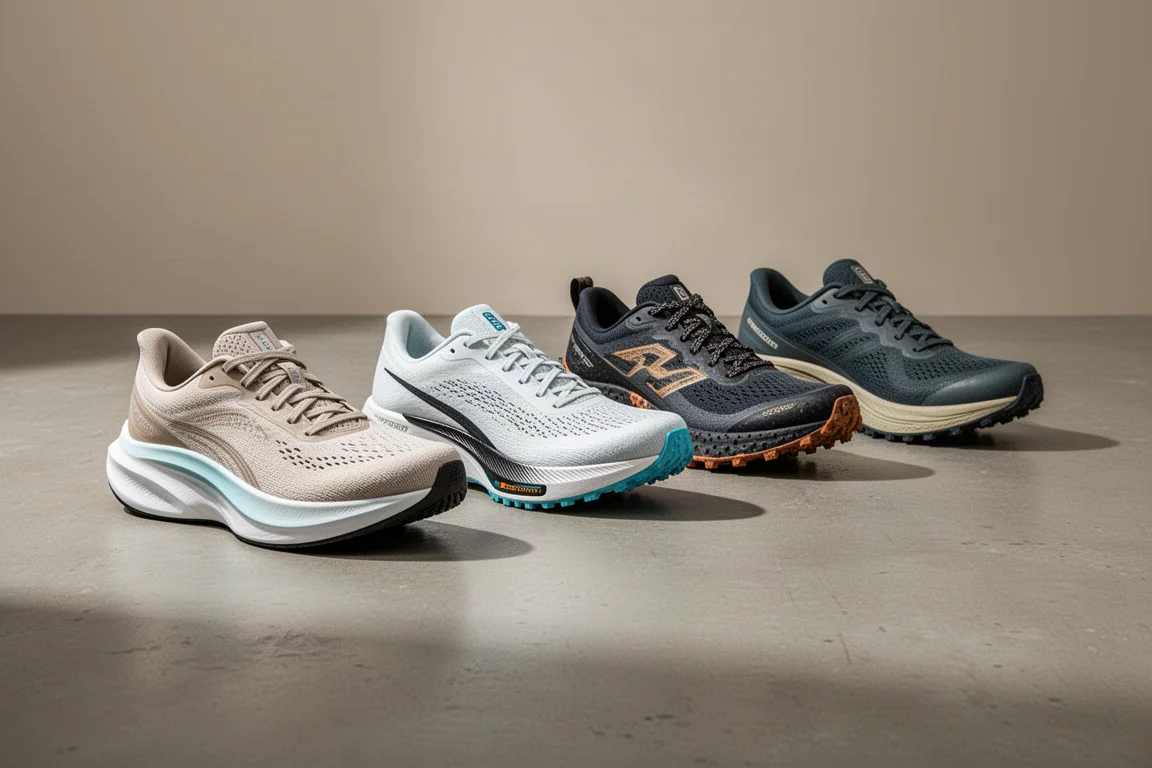
After logging runs in roughly 35 to 40 different shoes over the course of a year, some clear patterns emerged. A handful of daily trainers made every easy run feel effortless, a few trail shoes proved themselves on both single-track and snowy roads, and one walking shoe ended up mattering more than any racer once a foot injury changed the whole picture.
One lesson came through louder than anything else: upper fit is the make-or-break factor. More than any midsole foam or plate geometry, a forefoot that was too snug or a heel that failed to lock in was the most consistent reason a shoe fell out of favor. With that in mind, here are the shoes that stood out, and a few notes on who each one suits.
Daily Trainers That Delivered
The Hoka Clifton 9 was one of the most dependable shoes of the year. Hoka did not radically change the geometry, but the new foam compound adds a little extra bounce that made easy runs genuinely enjoyable, and it handled multiple long runs over 13 and 15 miles with life left in the legs the whole way. It even held up well on a bitterly cold sub-10-degree day on dry pavement. The only real complaint is that the toe box, while slightly wider than before, could stand to be wider still, and the wide version is worth considering.
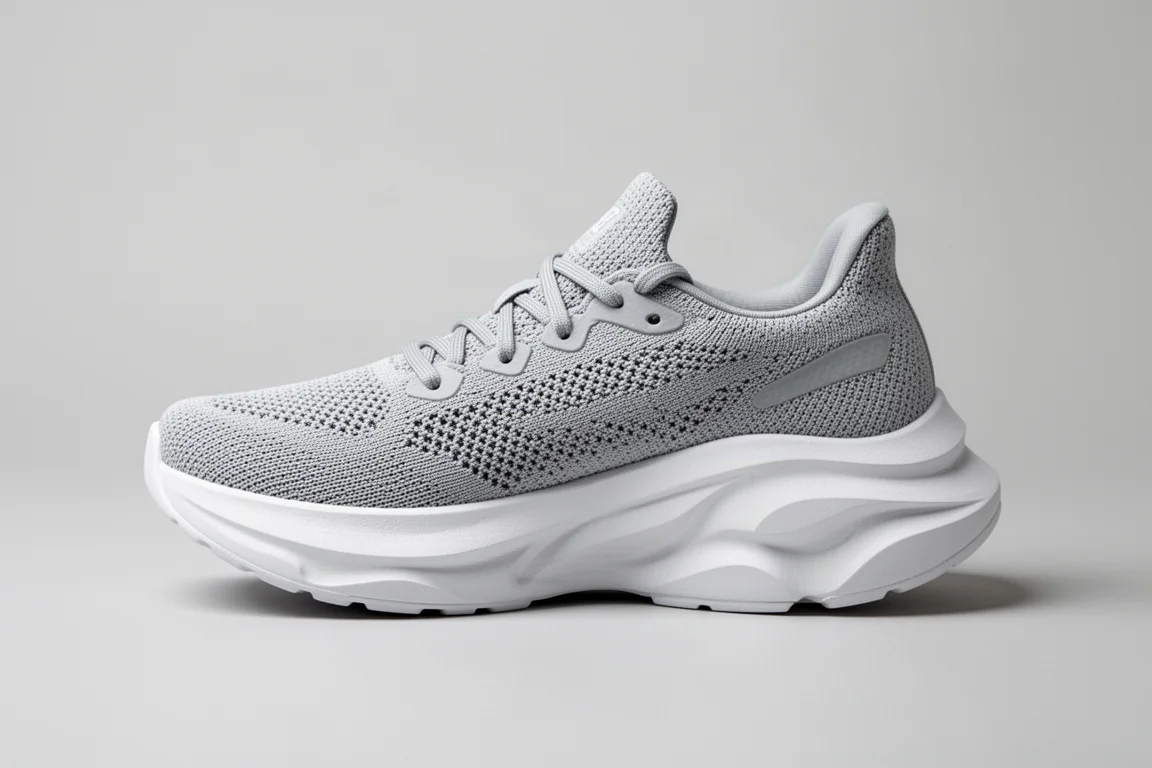
The Saucony Kinvara Pro sits at the opposite end of the spectrum. It is a high-stack trainer with a plate, a layer of PB foam over a PowerRun base, and a noticeably stiff forefoot. What worked so well here is the gradual rocker, which made it a true floater shoe: lace it up and just pound out miles in a comfortable rhythm. The plate also limits toe extension, which matters if you have forefoot pain, though the stiffer upper was a touch too snug in the forefoot for a sensitive foot.
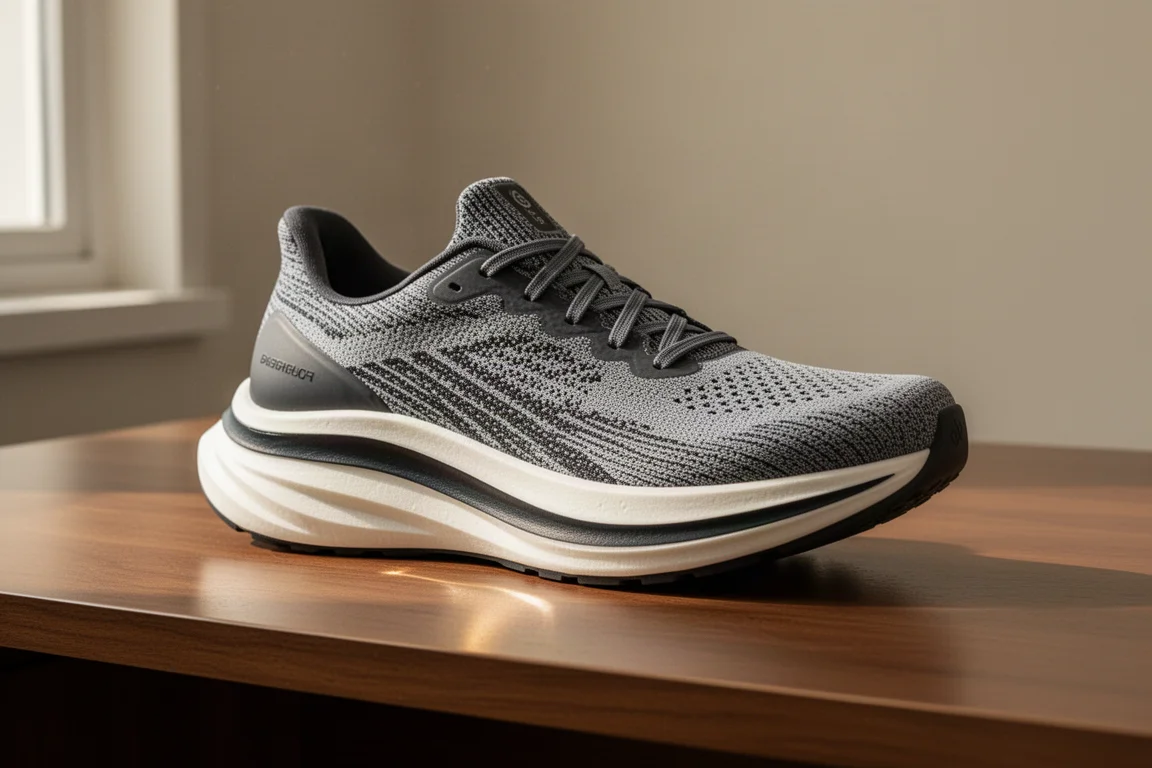
Not every update landed. The Asics Gel-Cumulus 25 is a huge redesign, with new sculpting, flaring and a more lively feel, and the direction is promising. But the combination of a large posterior flare and lateral flare, with limited bevel to take it out of play, created noticeable side-to-side motion for a rearfoot-leaning stride. It felt clunky through the heel. If you are loyal to the Cumulus line, it may be worth waiting to see how the next version refines the geometry.
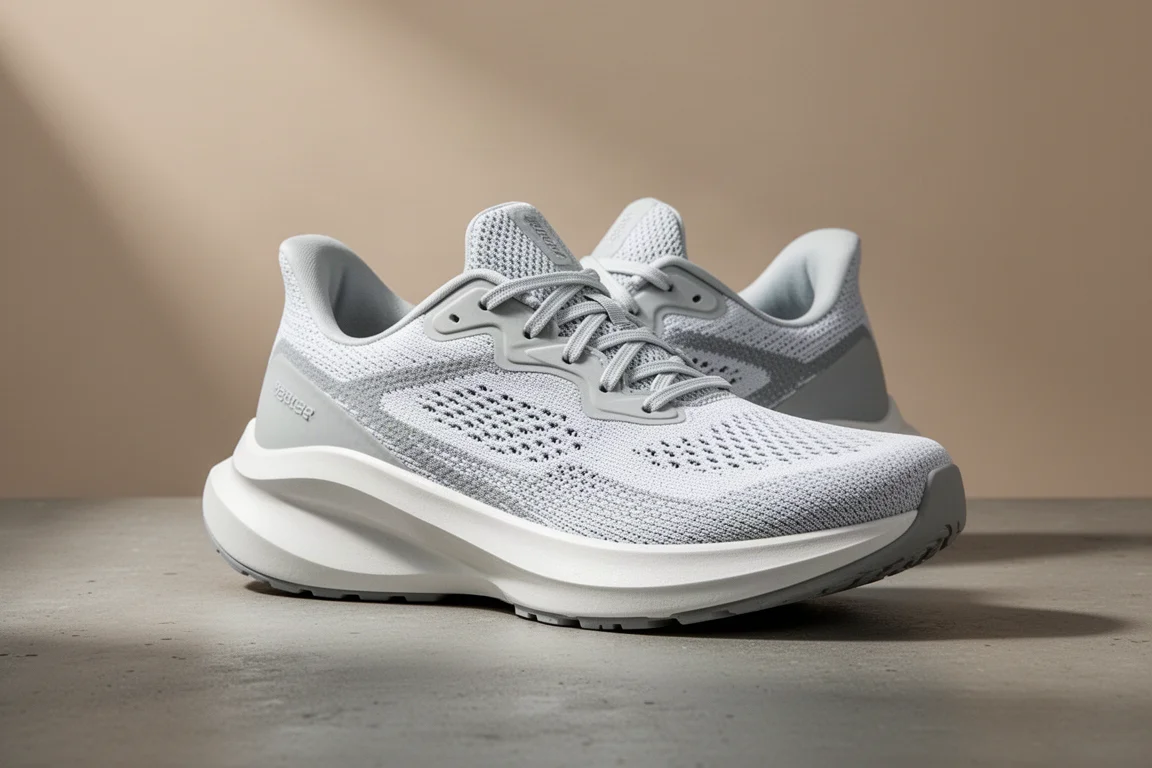
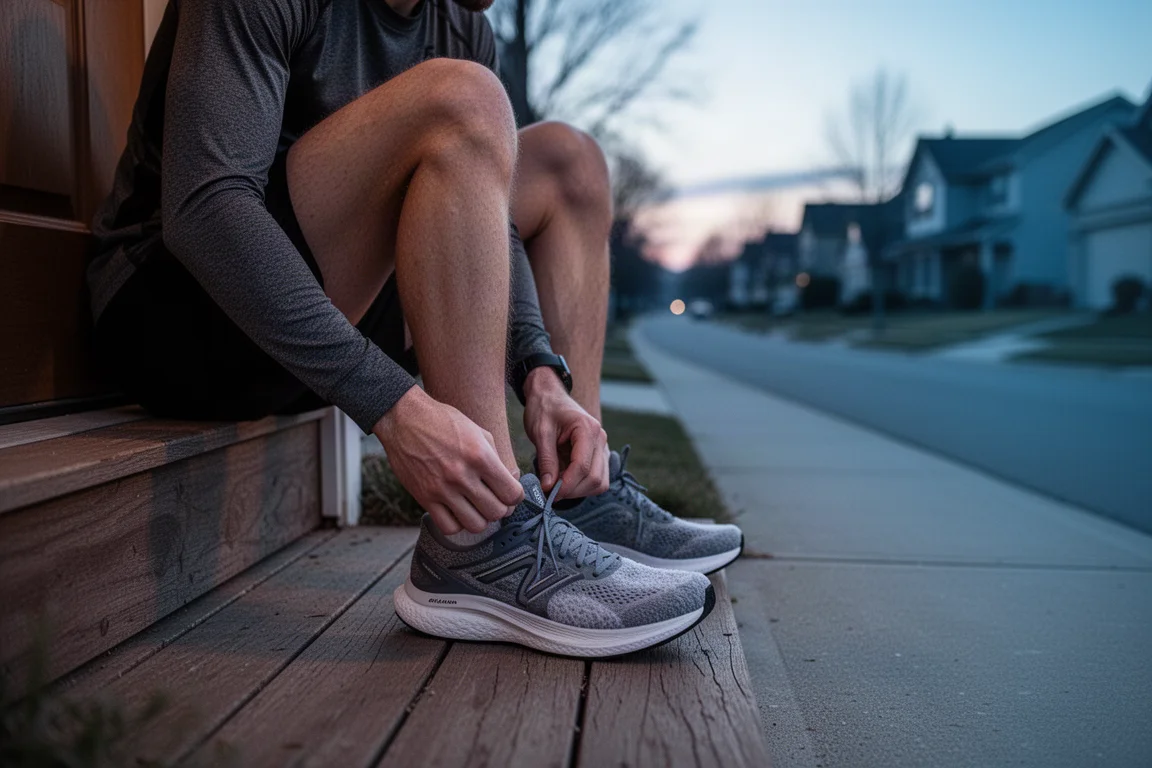
The On Cloudsurfer was a pleasant surprise. As the first shoe with On’s new phased pod design, it softened the ride considerably, and while super-soft shoes are not for everyone, this one stayed enjoyable for easy running, felt light on foot, and offered a comfortable, roomy forefoot. If you are choosing between On experiences, the traditional Cloudmonster or Cloudflow designs suit classic fans, while the Cloudsurfer is the gateway to their softer side.
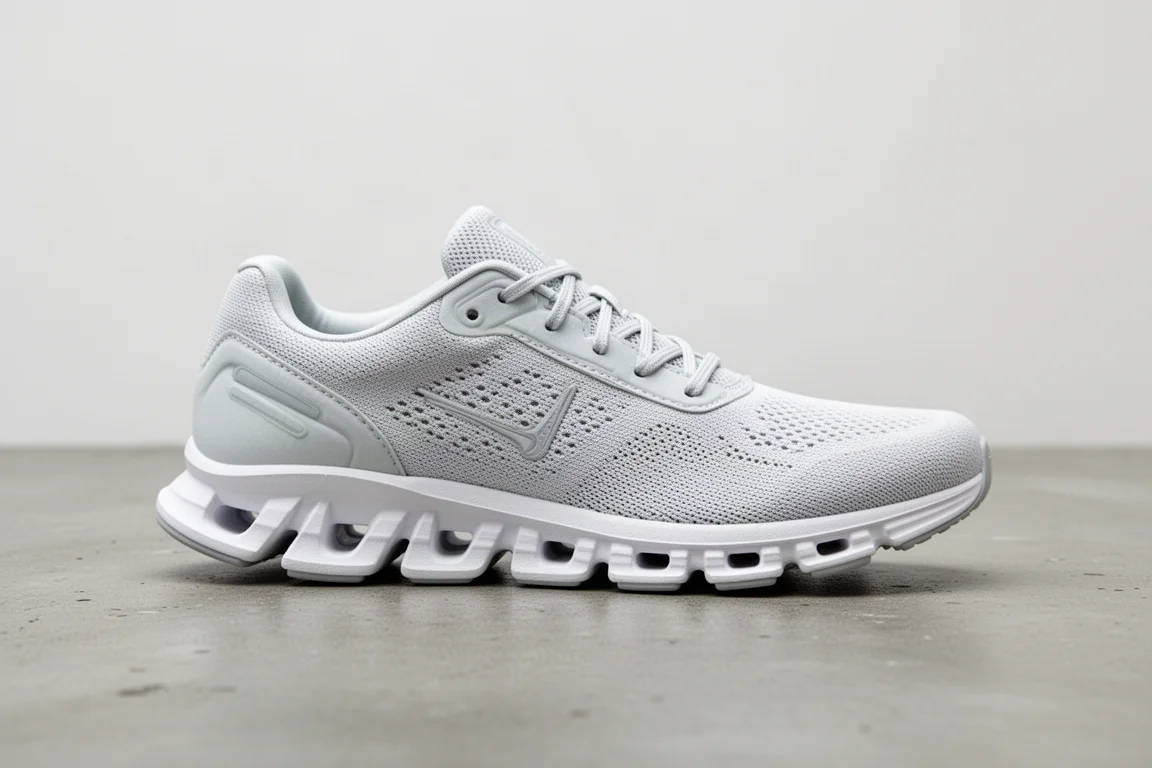
The Asics Novablast 4 continues one of the strongest trainer lines around. With limited mileage in it, the early impressions are still strong: a slightly wider base through the heel adds stability, and the grooved forefoot with its crash pad keeps the cushioning lively under the toes. It feels a touch stiffer up front than the previous version, though worn-out foam in the older pair may explain part of that. For easy and moderate days, this remains an easy recommendation.
View more details for Asics Novablast 4
Fit Matters More Than Foam
A recurring theme across the year: the shoes that fell short did so mostly because of the upper. The Nike Invincible had fantastic cushioning and served well through long workout blocks, but the heel construction was so loose that trail gravel worked its way inside. The forefoot is lower volume and locks down well, but a heel that sloppy is hard to forgive. By contrast, the Topo Phantom 3 proves that a “boring” shoe can be a compliment: solid cushioning, a modest drop, a genuinely wide toe box, and smooth front-to-back transitions. It is not a fast shoe, but it is excellent for walking, standing all day, and easy cruising miles.
Trail Shoes Worth the Miles
The Salomon Ultra Glide 2 was the top trail shoe of the year. Its lugs are similar in depth to softer trail shoes but less aggressive, which makes it remarkably smooth on road connectors. It handled a slushy 15-plus-mile road run without holding too much water despite the cloth upper, and on the trail the fully rockered, gradual ride adapted to uneven surfaces without feeling floppy. It flexes enough to morph to the ground while still offering guidance. Mud, snow, single-track and even hiking all fell within its comfort zone, which is exactly the versatility that makes it easy to recommend.
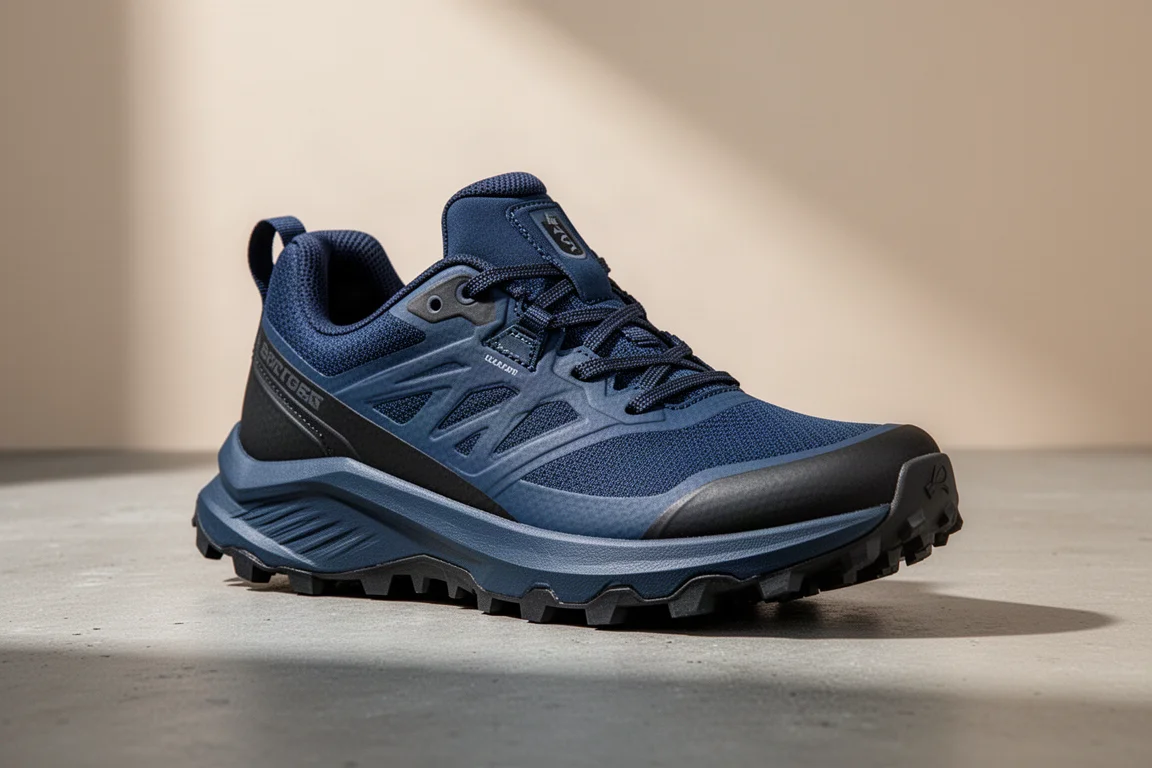
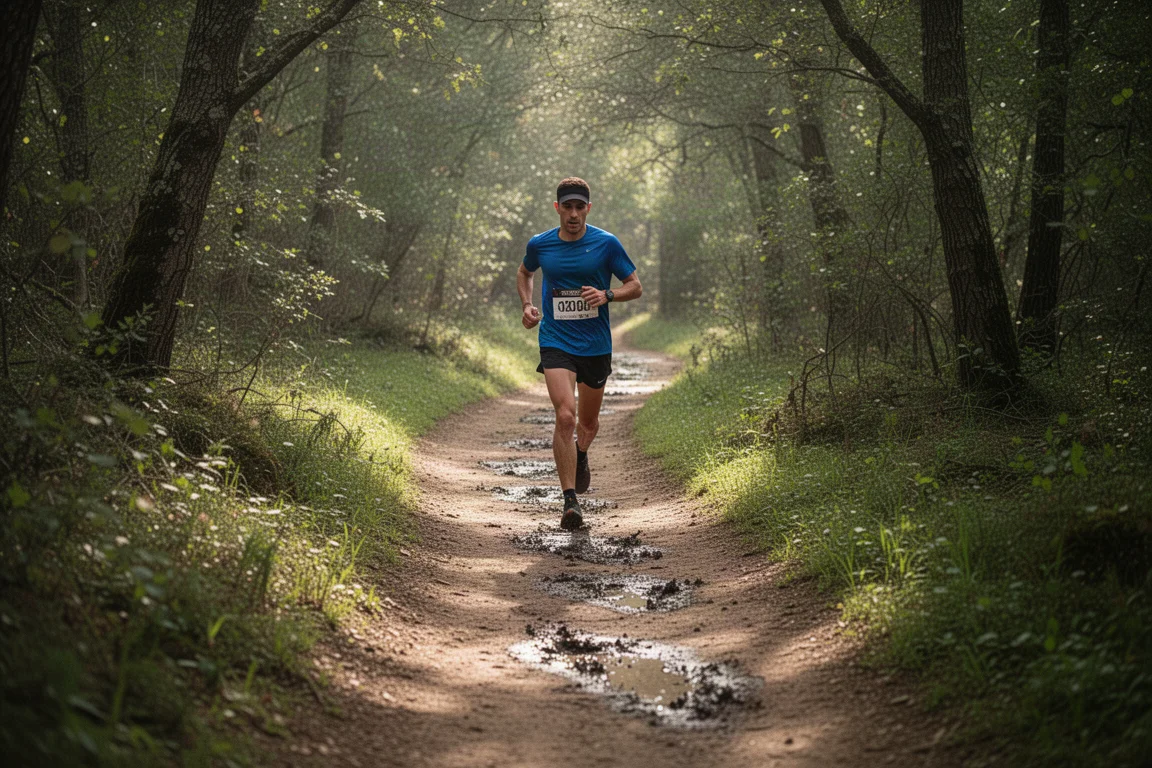
The Hoka Speedgoat 5 is the consistency pick. The lug pattern grips in all directions without being so deep that short pavement connectors become a problem, and the rocker rolls you forward simply and smoothly. The regular non-GTX upper proved warm enough in winter with standard socks, and the outsole traction was reassuring on lightly snow-covered roads. It needed the wide version for a comfortable fit, but as a comfortable trail-to-road cruiser it earned its place.
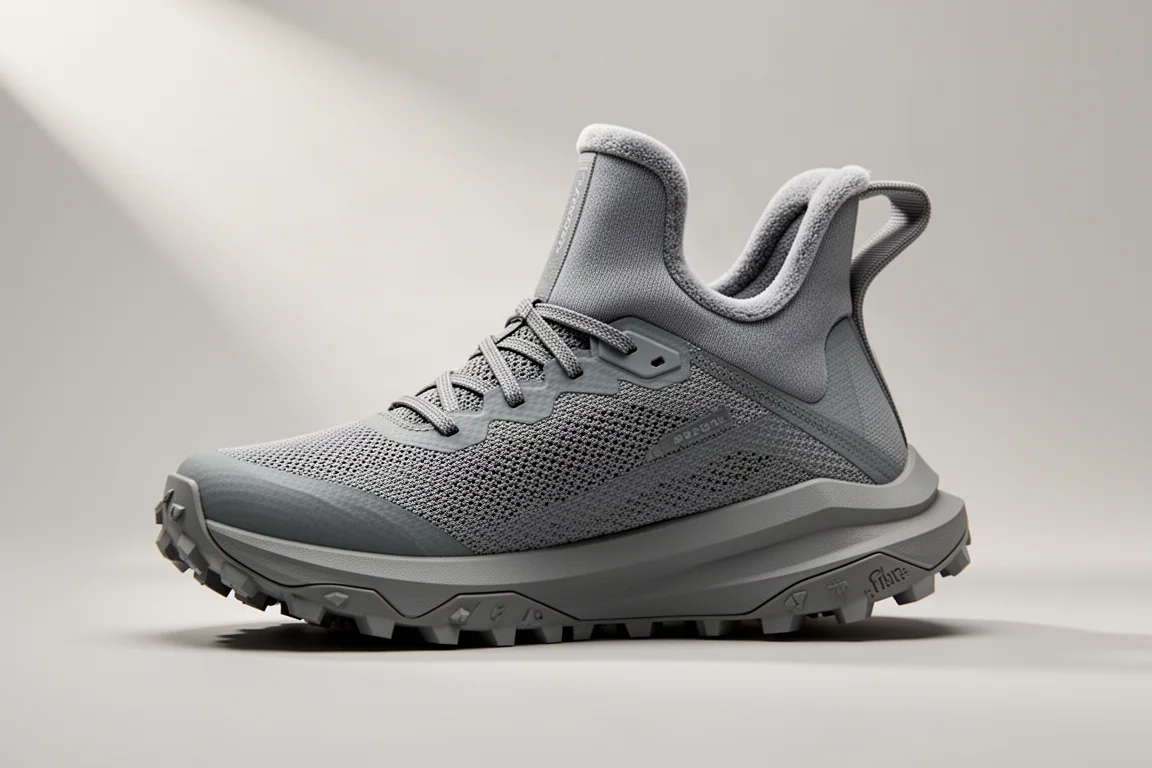
The Saucony Endorphin Rift was the most fun shoe on dirt. Lower in stack than the Endorphin Edge but still carrying PB foam, it is nimbler and felt noticeably more secure underfoot, with deeper, more aggressive lugs suited to pure trail running. The trade-off is the upper: a stiff, lightly padded heel counter and a rigid collar dug in on some runs, and the dense plastic lace anchor near the throat made itself felt. If Saucony refines the back half of the upper, this could easily challenge for the top trail spot.
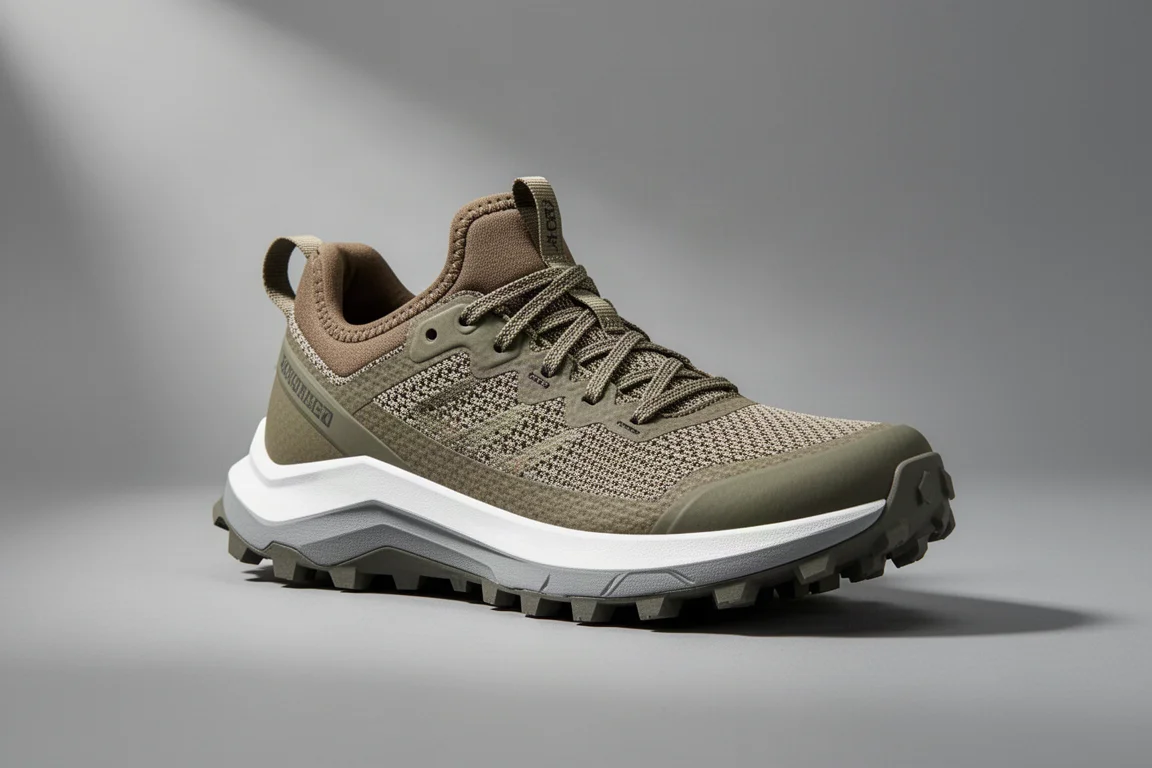
Shoes That Worked Around a Foot Injury
When a plantar plate injury made toe extension and forefoot compression painful, shoe selection became clinical. The goal was simple: find the stiffest forefoot rocker with no toe spring and no compression over the sore area. The On Cloudboom Echo 3 won that contest, stiff enough through the forefoot to protect the toe, yet comfortable enough to wear for short return-to-running sessions.
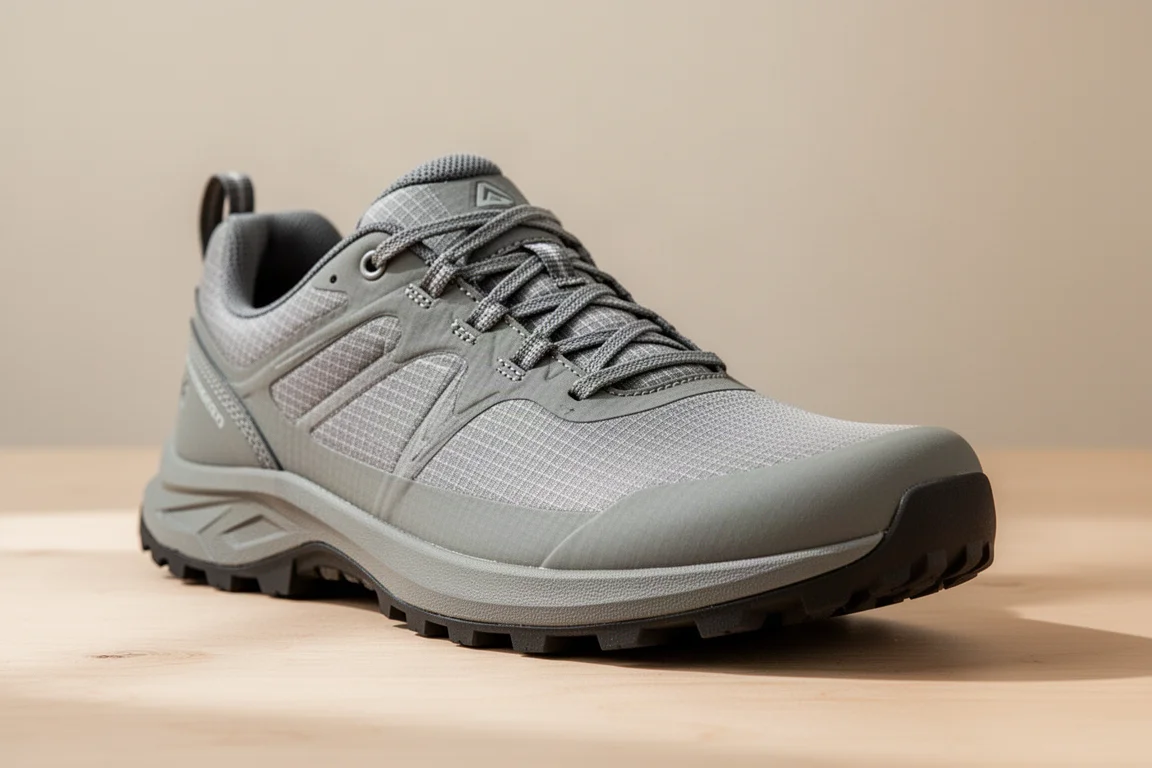
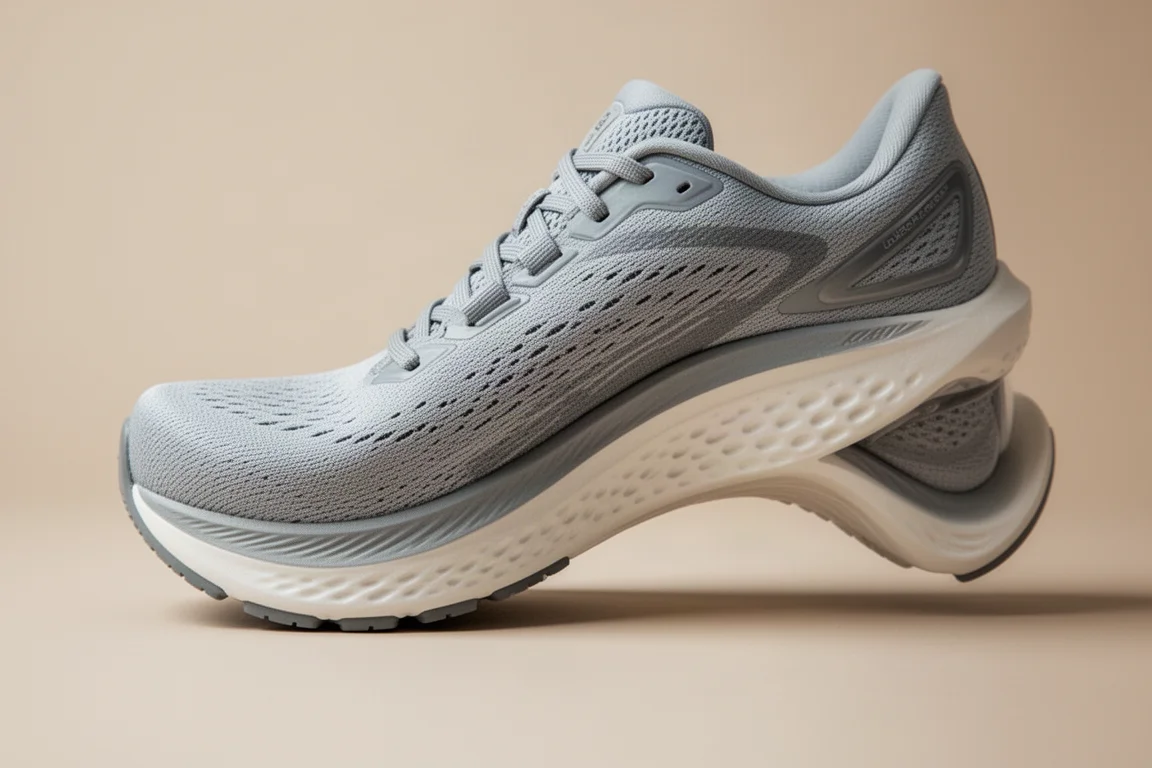
More important than any running shoe, though, was the shoe worn all day, every day: the Topo Traverse. Built as a through-hiking style shoe, it offers a roomy forefoot that never compressed the swollen area, enough midsole to keep pressure off the ball of the foot, and just enough stiffness to avoid pushing the toe into extension. It became the daily work and walking shoe for months and remains the most comfortable shoe in the rotation.
Winter Running Notes
Two winter-specific observations are worth passing on. First, rubber beats metal on mixed surfaces: traction devices like spikes are great on pure ice but slippery and loud on cleared pavement, so a shoe with good lugged rubber, like the Speedgoat 5 or Ultra Glide 2, covers more real-world conditions. Second, foam choice matters in the cold. The Saucony Endorphin Speed 3 Runshield stood out here: the water-resistant, wind-blocking Runshield upper keeps feet warm on biting cold days without constricting, and the PB foam held its bounce in freezing temperatures where EVA-based midsoles tend to firm up noticeably.
Race Day Picks
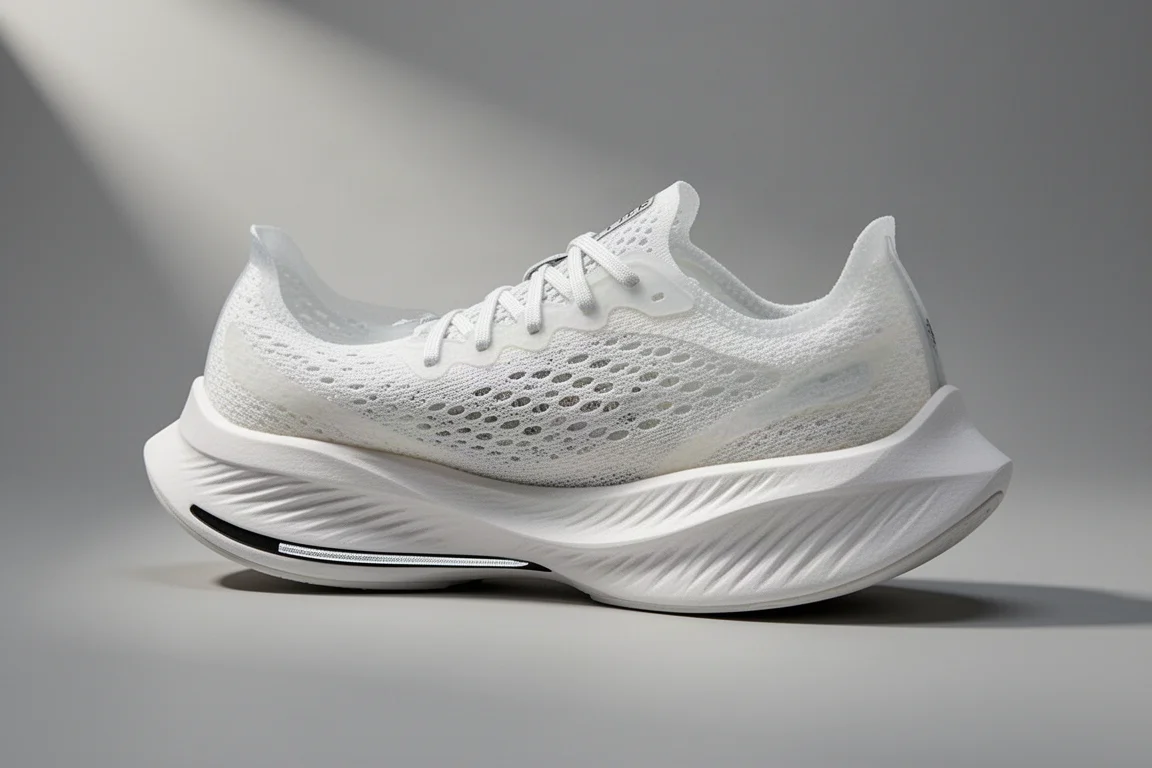
For racing, the Nike Vaporfly Next% 3 earned the top spot at distances up to the half marathon. Everything about it feels streamlined: nothing wasted in midsole width, geometry, extra foam or upper material. It felt remarkably light on foot and made turnover easy, and it delivered a personal best at a 20K. It would take serious testing from newer super shoes to displace it.
Practical Offloading Trick for Sore Spots
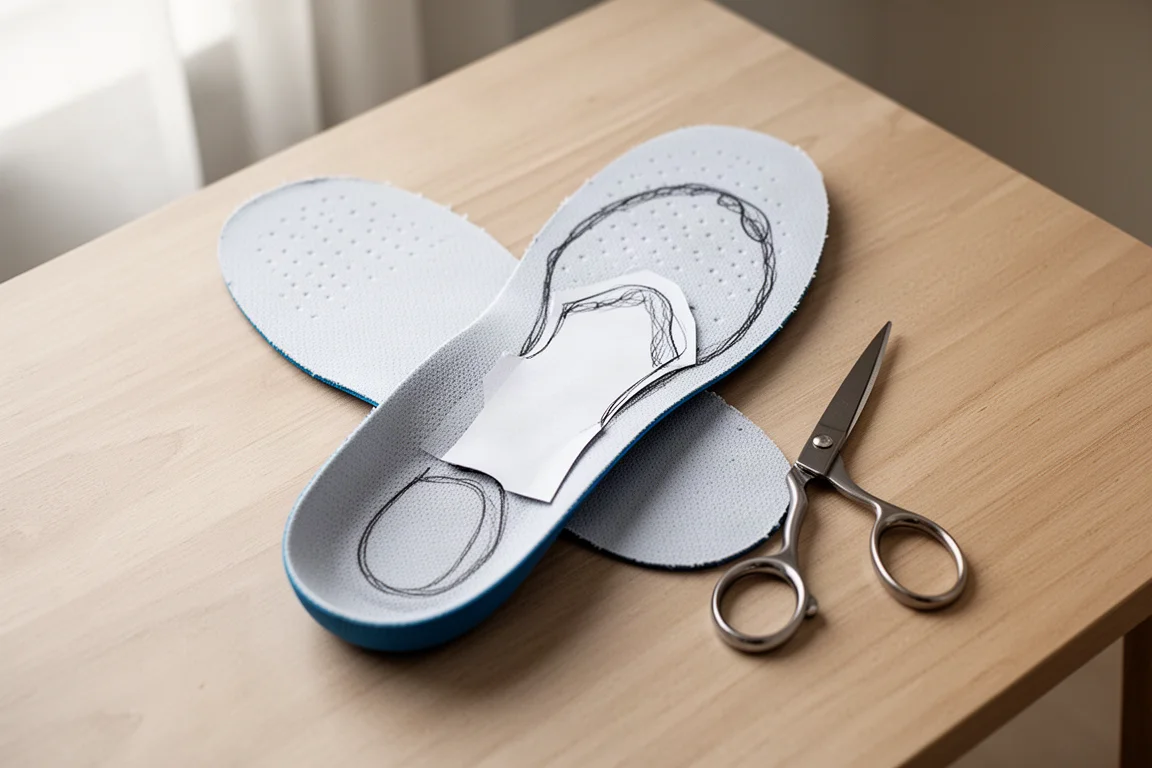
For anyone dealing with localized forefoot pain, one practical trick proved invaluable. In a well-cushioned, forgiving shoe with a soft sock-like upper, remove the stock insole and cut a small notch or cutout directly under the painful area. This offloads the sore spot from pressure entirely. Wearing only shoes modified this way for over a month made daily walking tolerable during the worst phase of the injury. Using an older pair for the modification makes the experiment low-stakes.
Buying Advice
If you are choosing one shoe from this year’s testing, match it to your actual use. For mostly easy miles and occasional long runs, the Clifton 9 or Novablast 4 are safe, comfortable picks. For max-cushion cruising with a plate, the Kinvara Pro is excellent as long as the snug forefoot suits your foot shape. For trails that mix road connectors with dirt, the Ultra Glide 2 is hard to beat, with the Speedgoat 5 as the more rugged alternative. And if foot pain is part of your picture, prioritize forefoot room, a stiff rocker, and avoid aggressive toe spring above all else.
Conclusion
The best shoe is ultimately the one that fits your foot, your terrain and your current stage of running. This year proved that fit outranks foam, that versatility often beats specialization, and that the right walking shoe can matter as much as the right racer. Lace up something comfortable, respect your body’s timeline, and the miles will take care of themselves.
Further reading
Related Reviews

Running Shoes
Best Road-to-Trail Running Shoes: Three Versatile Options for Mixed Terrain
A practical guide to three road-to-trail running shoes that handle both pavement and mild trails, with clear strengths and trade-offs for different runner types.

Running Shoes
Best Running Shoes for Achilles Tendonitis: Three Options Explained
Three running shoes with different heel drops and support features designed to help reduce Achilles tendon pain during walking and running.

Running Shoes
Best Running Shoes for Women: Five Top Choices Ranked
A ranked guide to five women's running shoes, from versatile daily trainers to high-performance racing options, with real strengths and trade-offs for each.