Running Shoes
Best Running Shoes Worth a Look Right Now: Six Picks From Our Mailbag
Six running shoes that came up in recent testing and reader questions, covering daily mileage, trail racing, neutral cushioning, and moderate stability.
Introduction
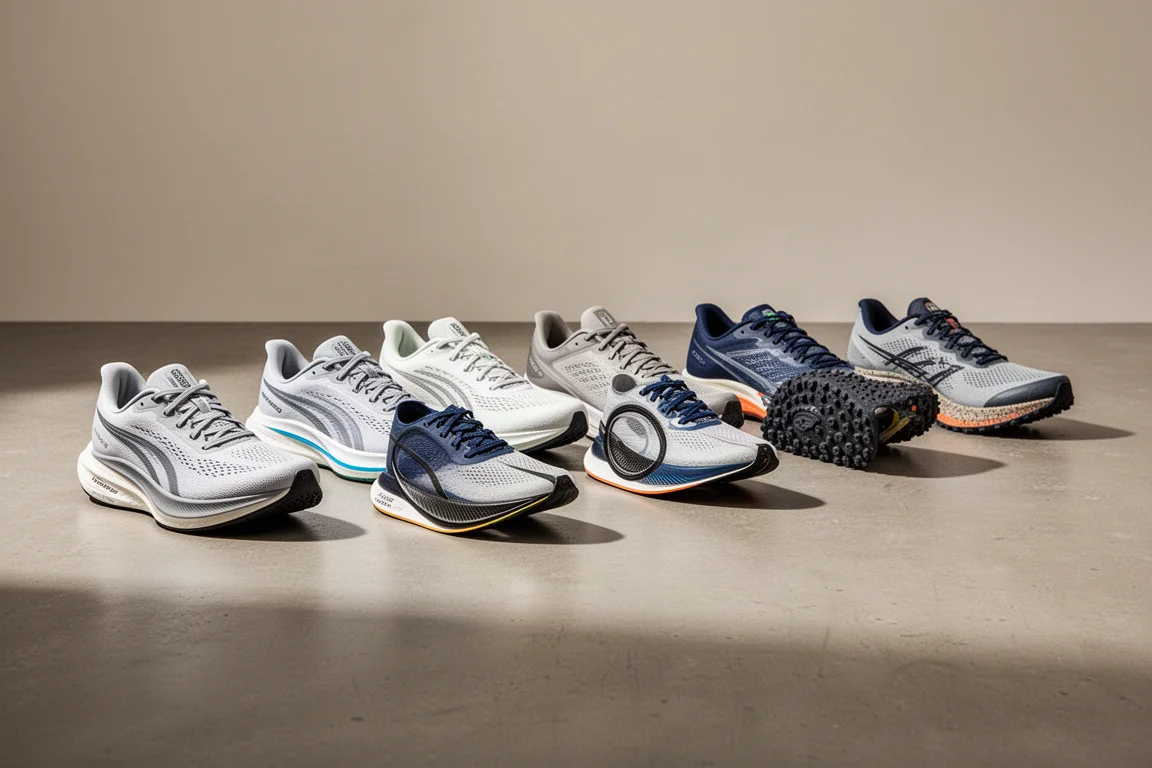
Running shoe questions come in waves, and lately the same names keep surfacing: the Brooks Adrenaline 25, the Hoka Rocket X Trail, the Puma Magnify Nitro 3, the ASICS Mega Blast, and the Saucony Guide and Tempest 2. They cover a wide range of needs, from walking-friendly daily miles to genuine trail workouts and moderate stability. This guide pulls the most useful takeaways together so you can match a shoe to how you actually run.
What We Look For in a Good Running Shoe
No single spec tells the whole story. Stack height, drop, foam softness, rocker geometry, and platform width all interact, and the same shoe can feel completely different on two runners. A shoe that is soft and bouncy may feel unstable to one person and perfectly centered to another, which is why we always recommend trying shoes on and paying attention to how your own body responds rather than relying on categories alone.
It also helps to be honest about what a shoe is for. A durable daily trainer does not need to be exciting; it needs to be comfortable, smooth, and reliable for months. A trail racer needs grip, stability, and a confident ride at speed. The picks below are grouped accordingly.
Brooks Adrenaline 25: The Reliable Daily Workhorse
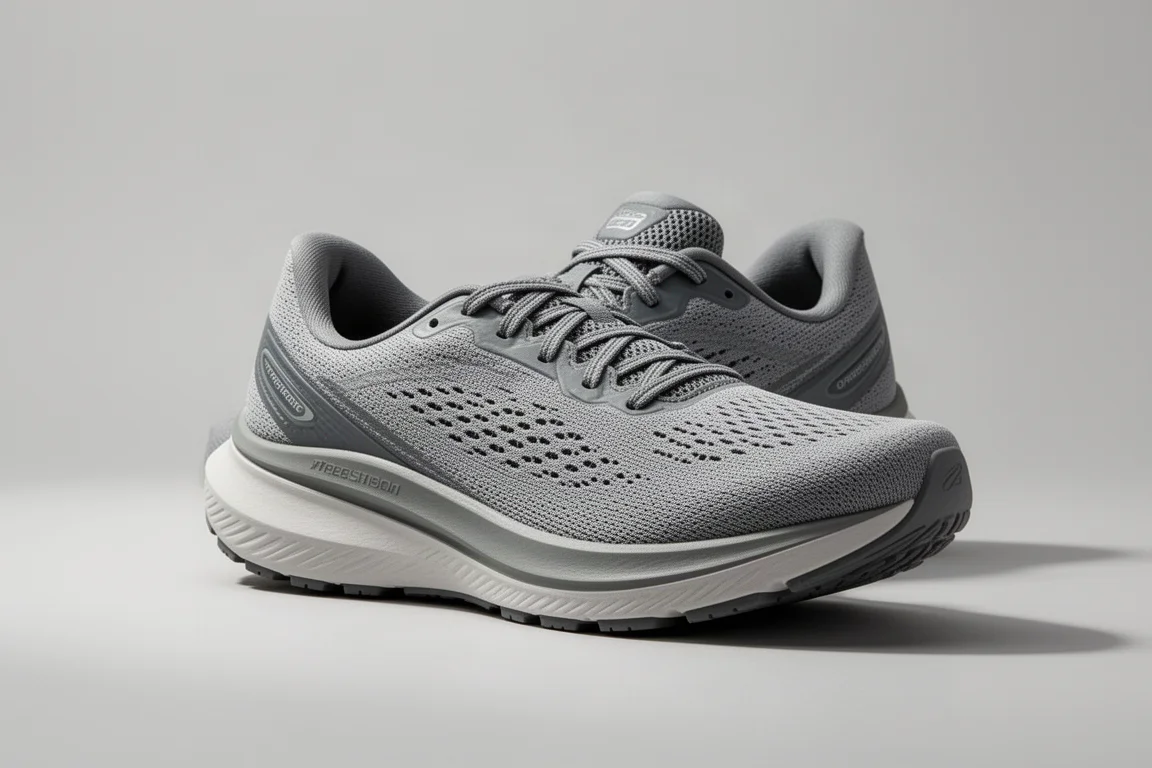
The Adrenaline 25 is not a flashy shoe, and that is precisely its appeal. This update moves to a 10 mm drop, believed to be a first for the line, and the heel is better beveled, producing some of the smoothest heel transitions in recent memory. It is comfortably cushioned, holds up over daily mileage, and stays a shoe the general public keeps coming back to for good reason.
It is not the bounciest option and it is not a shoe for fast days, but it survived long testing with the outsole largely intact. If you want a comfortable, boring-in-the-best-way trainer for easy miles and walking, this is an easy recommendation.
Hoka Rocket X Trail: For True Trail Workouts
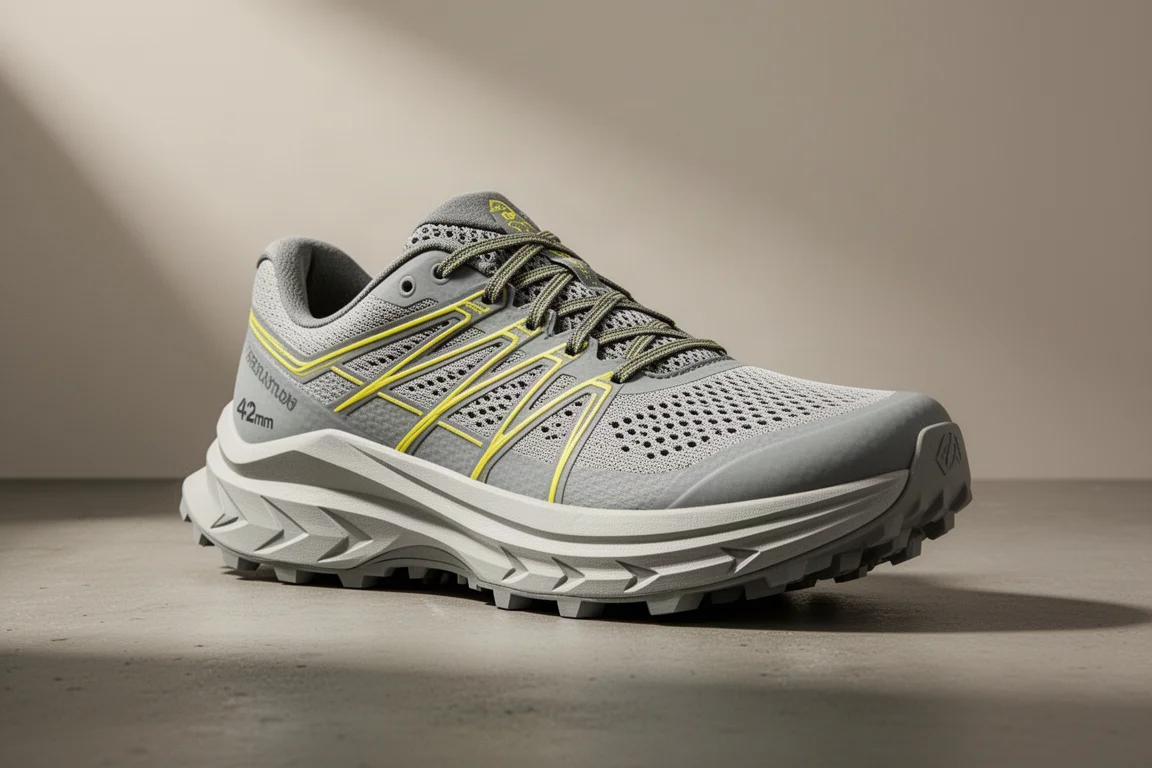
The Rocket X Trail stands out as one of the few trail shoes built for genuine workouts on dirt. The ride is bouncy without feeling unstable, the sidewalls are excellent, and the wider midfoot makes it very sure-footed on technical ground. It is a substantial, planted shoe that rewards aggressive running uphill and down.
Two caveats: the drop is on the lower side, which can bother runners coming back from Achilles irritation, and the heel counter runs a little stiff. Sizing also runs a touch short, so going up a half size is worth considering if you prefer a snug racing fit with a bit more room.

Puma Magnify Nitro 3: A Traditional Feel With Modern Foam
The Magnify Nitro 3 is about as neutral as a shoe can get. It uses a nitrogen-infused pea-based foam that is genuinely soft, set on a traditional high-drop platform around 10 mm with a 40 mm heel and 30 mm forefoot stack. The transition feels classic rather than heavily rockered, closer to a traditional trainer than a modern super-cushioned one.
The engineered knit upper fits well, expands comfortably, and stays secure. The soft foam means the shoe demands a little from the runner, so if you gravitate toward more structure, keep that in mind. But for runners who want a plush, truly neutral daily trainer with an old-school drop and transition, it is a fun and distinctive option.
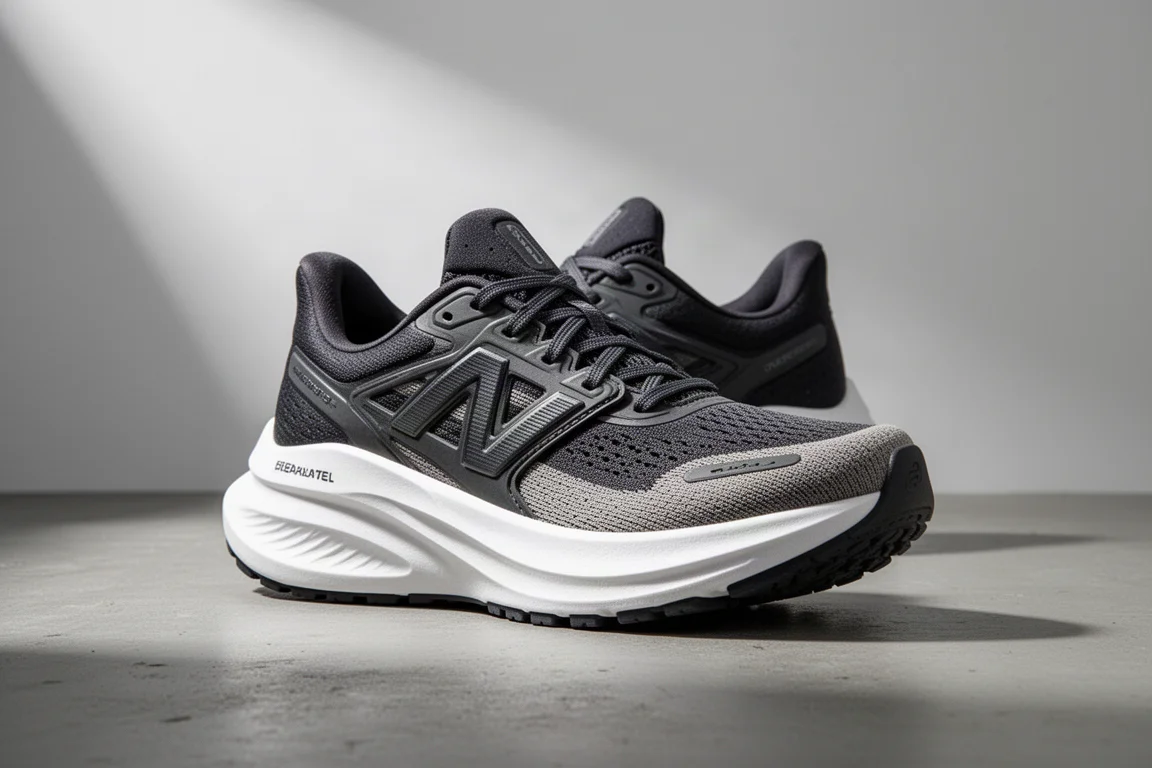
ASICS Mega Blast: A Stable Neutral Debate
The Mega Blast sparked an honest disagreement among testers: one called it a true neutral, another called it stable neutral. Both readings are defensible. The outsole contact width from heel through forefoot is generous, there is slight medial flare, and the tall stack makes the shoe inherently stiff. On paper, those are stable-neutral traits.
In practice, the foam is very bouncy rather than squishy soft, and there are only minimal sidewalls, so some runners feel a slight wobble on landing. For one tester it became a go-to long run shoe for both easy and uptempo efforts; for another, the bounce was enough to place it firmly in the neutral camp. The practical lesson: if you typically do well in wide-platform, slightly structured neutral shoes, the Mega Blast is worth trying. If you are sensitive to bouncy foam or need more lateral support, look elsewhere.

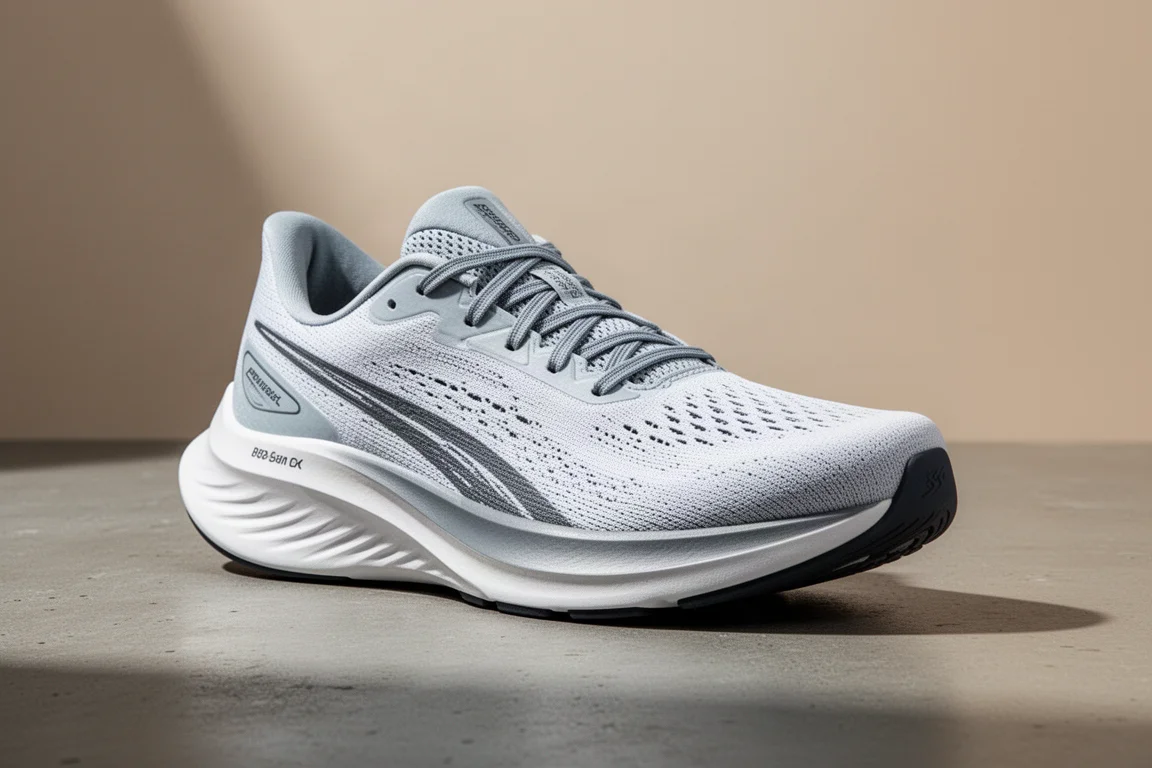
Saucony Guide: Moderate Stability, Centered Ride
For runners transitioning into stability shoes, the Guide is often the safest Saucony option. It keeps you centered without biasing you hard in one direction, breaks in quickly, and retains some flexibility, making it the least controlling and most gently guided of the moderate-stability options. Its stability comes mainly from sole flaring rather than a firm post.
That flaring is also the main caveat. Runners with a history of lateral knee pain from stability shoes have found the flared geometry aggravating, so it is a shoe to test carefully rather than commit to blind. It also runs fairly heavy and noticeably softer than its predecessor, which some testers struggled with.
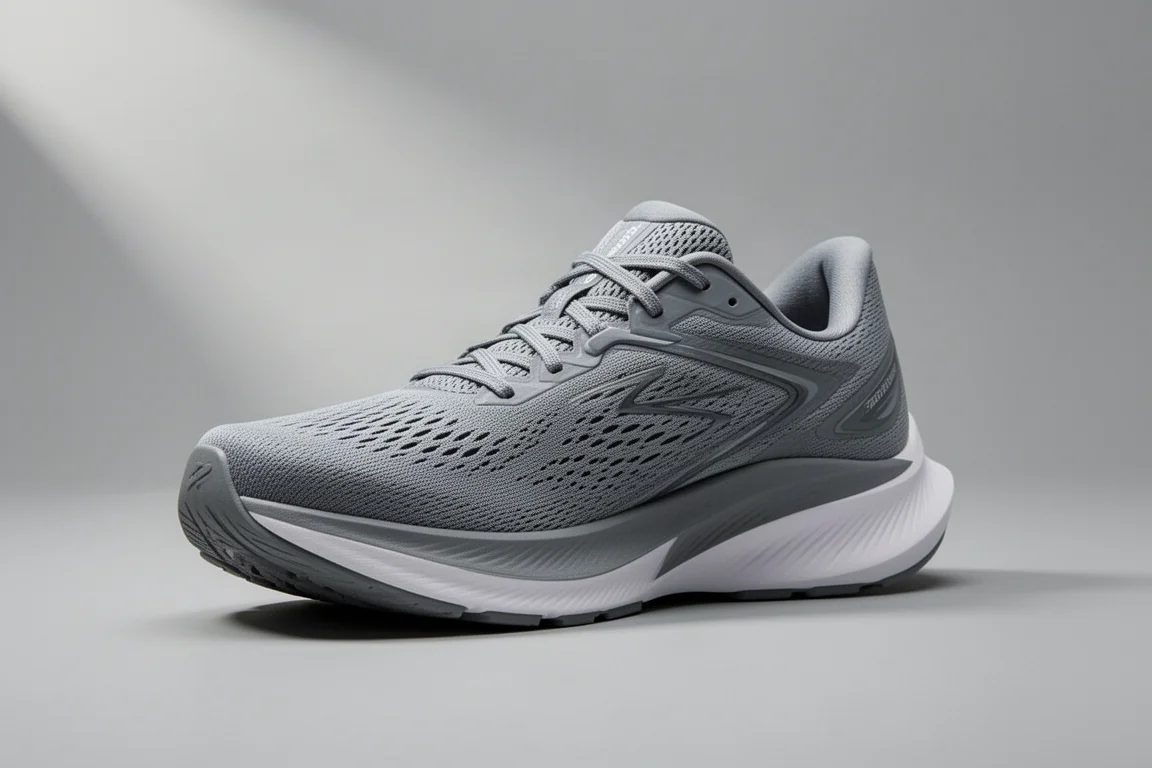
Saucony Tempest 2: A Mild-Post Alternative
The Tempest 2 takes a different approach to moderation: a dual-density midsole with a mild post rather than aggressive flaring. For runners who get lateral knee pain from flared platforms but still want some guidance, this design can be the better match. One tester logged heavy mileage in the Tempest while failing to get comfortable in the more flared Guide.
It rides firmer than much of the current market, which is either a feature or a flaw depending on your preferences. Between the Guide and the Tempest, the honest advice is to try both and see which geometry your body agrees with, since these two stability philosophies produce noticeably different rides.
Buying Advice: How to Choose Between Them
Start with your use case. If most of your running is easy daily mileage and walking, the Brooks Adrenaline 25 is the most dependable pick here. If you race or do workouts on trails, the Hoka Rocket X Trail is in a class of its own, provided the lower drop and stiffer heel counter suit you.
If you want plush and purely neutral, the Puma Magnify Nitro 3 delivers a traditional high-drop feel with genuinely soft modern foam. If you want a tall, bouncy, wide-platform shoe and are unsure whether you need structure, the ASICS Mega Blast is worth testing to see which side of the stable-neutral debate your feet land on.
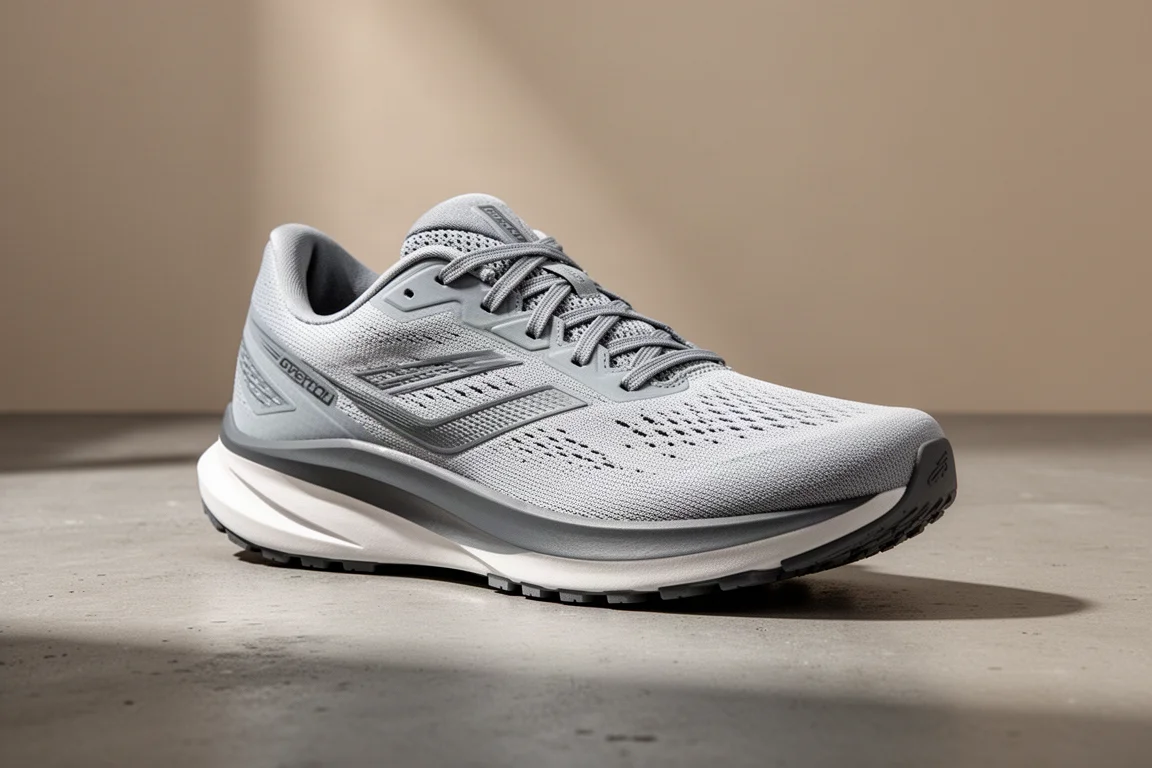
For moderate stability, decide whether your body tolerates flared soles (Guide) or mild posts (Tempest 2) better. And whatever anyone tells you about foot strike, drop, or category labels, the shoe that works is ultimately the one that feels good on your feet over real miles.
Conclusion
These six shoes cover the practical spectrum: dependable daily cushioning, trail-specific speed, plush neutrality, and two flavors of moderate stability. Match the shoe to the job, try before you commit where you can, and trust your own response over any single review, including this one.
Further reading
Related Reviews

Running Shoes
Best Road-to-Trail Running Shoes: Three Versatile Options for Mixed Terrain
A practical guide to three road-to-trail running shoes that handle both pavement and mild trails, with clear strengths and trade-offs for different runner types.

Running Shoes
Best Running Shoes for Achilles Tendonitis: Three Options Explained
Three running shoes with different heel drops and support features designed to help reduce Achilles tendon pain during walking and running.

Running Shoes
Best Running Shoes for Women: Five Top Choices Ranked
A ranked guide to five women's running shoes, from versatile daily trainers to high-performance racing options, with real strengths and trade-offs for each.