Running Shoes
Eight Running Shoes Worth Watching: From Winter RunShield to the Bondi 8
A close look at eight current running shoes, including winter-ready Saucony options, cushioned trainers, and faster-riding models, with notes on midsole feel and who each shoe suits.
Introduction
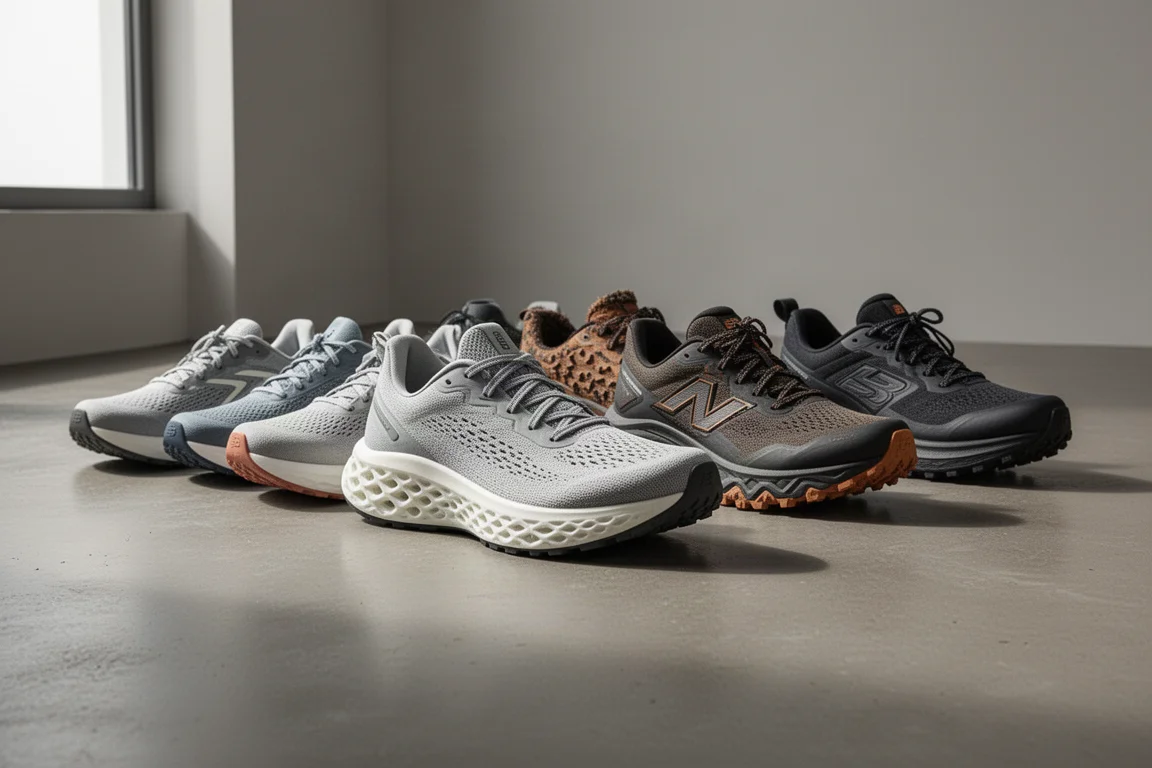
There is a moment every year, usually late fall, when a whole new wave of running shoes lands all at once. This season that wave includes an unusually broad spread: winterized road shoes, max-cushion trainers, nimble daily runners, and a lugged trail machine. The eight shoes here are the Saucony Kinvara 3 RunShield, Saucony Peregrine Ice+ 3, Saucony Endorphin Shift 3, Saucony Triumph 20, New Balance Rebel v3, Hoka Bondi 8, Nike Zoom Fly 5, and Hoka Mafate Speed 4.
Many of these will be bought at full price now, but a good number of runners will deliberately wait a few months. When next year’s lineup starts rolling out in spring, prices on the current models tend to drop, and last year’s version often becomes the smartest value in running. If you like to pinch pennies, timing your purchase is half the battle.

How We Compare Midsole Firmness
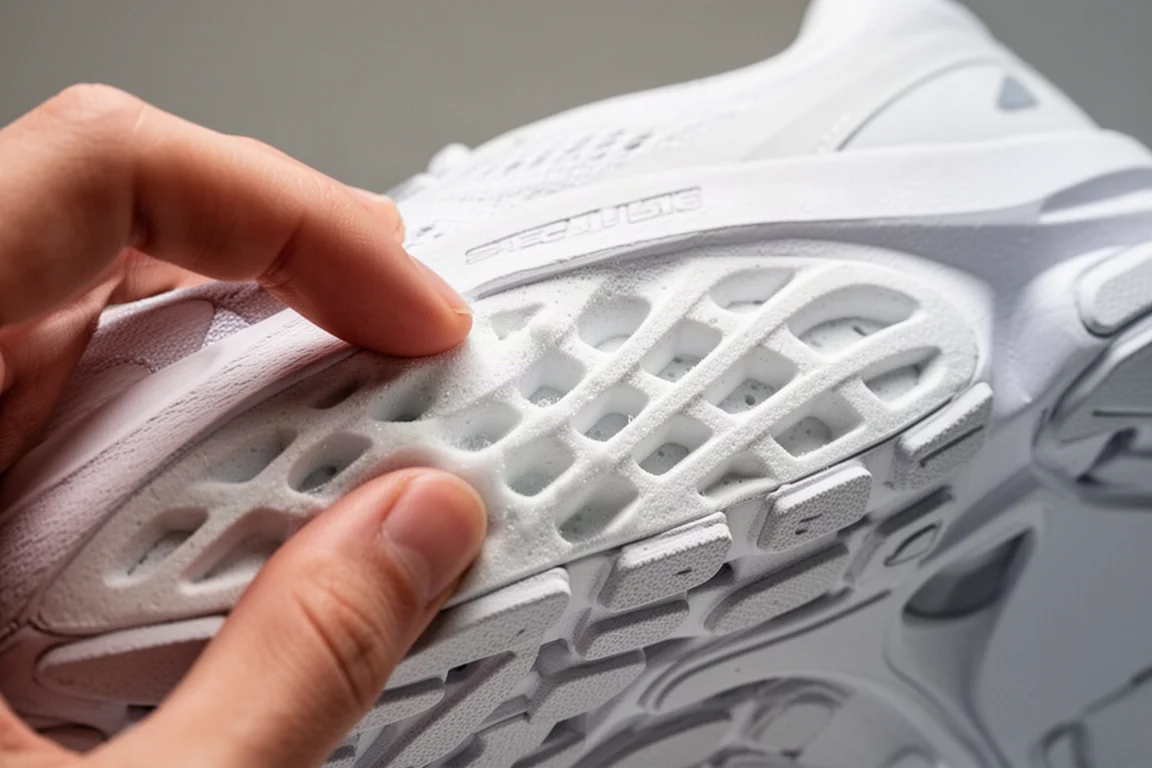
One of the simplest ways to compare shoes before a full review is a durometer test on the midsole. The principle is easy: the lower the number, the softer the foam feels underfoot. It is not a substitute for running in the shoe, but it gives a useful early read on ride character.
The readings collected across this lineup range from very soft to noticeably firm. The Triumph 20 measured around 28 to 29 on the durometer, one of the softest numbers here, and its midsole shows a lattice structure through the foam. The Rebel v3 landed in the low 30s on the outside with an even softer reading inside, which points to a light, cushioned daily ride. The Zoom Fly 5 measured 46, and the Bondi 8 measured 51, both consistent with firmer-feeling rides.
Best for Winter Roads: Saucony Kinvara 3 RunShield
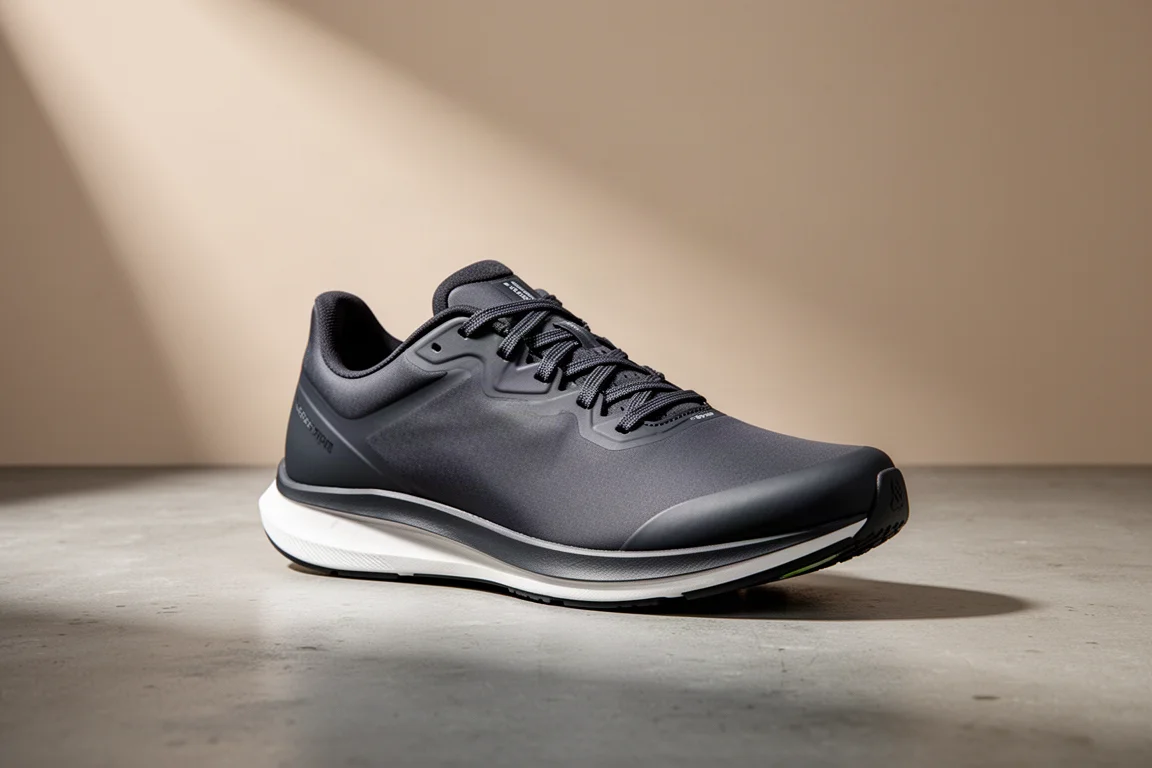
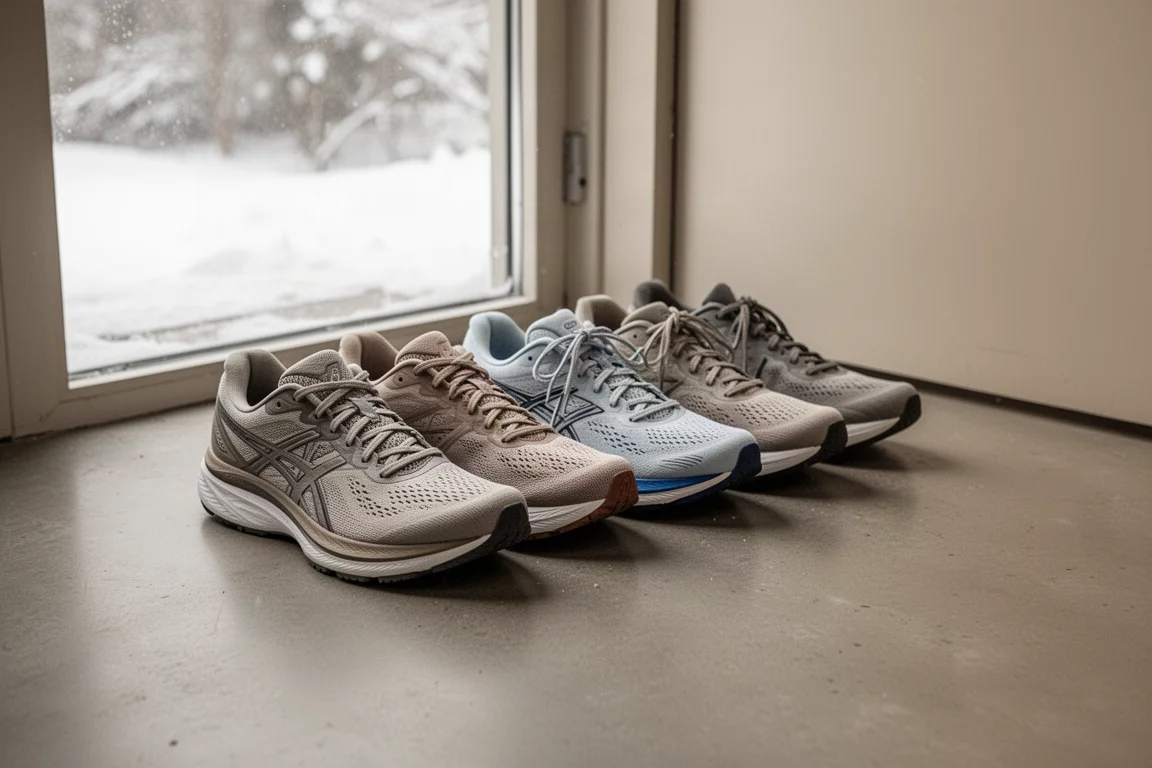
The Kinvara 3 RunShield is Saucony’s winterized take on its familiar lightweight trainer. The RunShield treatment is aimed squarely at the conditions that stop many runners from getting outside: slush, rain, and wet roads. For runners who refuse to trade outdoor miles for the treadmill once the weather turns, that protection is the whole point.
If you live somewhere the roads stay dry year-round, you may never need a shoe like this. But in the many places where winter means slushy shoulders and icy patches, a water-resistant upper and added coverage can make the difference between logging the miles and skipping them. The RunShield is the answer to a simple question: what do you reach for when it is wet and cold out and you are going for a run anyway?
Best for Ice and Snow: Saucony Peregrine Ice+ 3
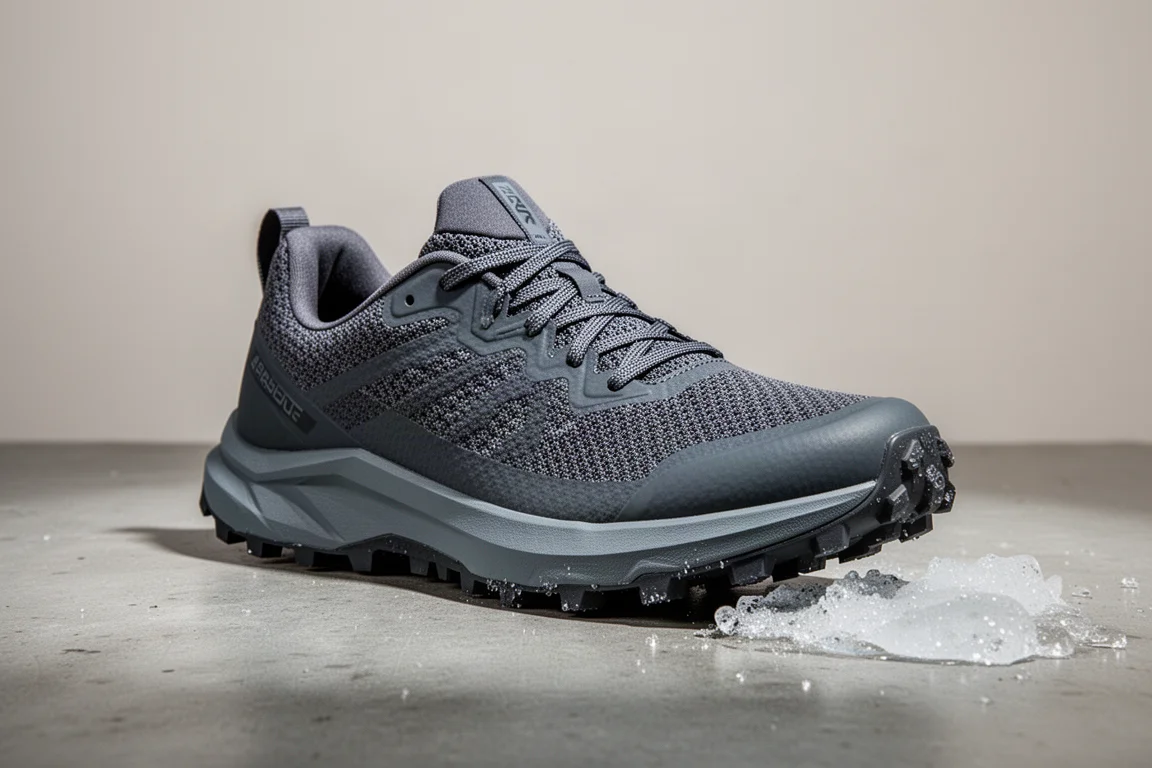
The Peregrine Ice+ 3 is the darker, more rugged sibling in this lineup, built for genuinely wintry surfaces. Where the RunShield handles wet roads, the Ice+ is the one for icy paths and snow-packed ground, taking Saucony’s trail Peregrine formula and equipping it for the coldest months.
This is the shoe for the runner whose winter mileage does not pause when the sidewalks glaze over. Traction and weather protection are the priorities here, and the shoe is clearly designed around those conditions rather than around pace. If your question of the day is how to keep running outside all winter, the Ice+ 3 is one of the most direct answers in this group.
Best Value Trainer: Saucony Endorphin Shift 3
The Endorphin Shift 3 rounds out the Saucony haul as the brand’s more accessible trainer in the Endorphin family. Its role is simple: an easy, dependable shoe for building mileage, with the fit and build quality of a modern performance line but without the racing price tag.
For many runners, a shoe like the Shift 3 is where the real training happens: the steady daily miles that make up most of a training block. And because current-year models like this often see meaningful price drops once the next generation arrives in spring, the Shift 3 is exactly the kind of shoe worth considering on the later, cheaper timeline if full price does not appeal.
Softest Ride: Saucony Triumph 20
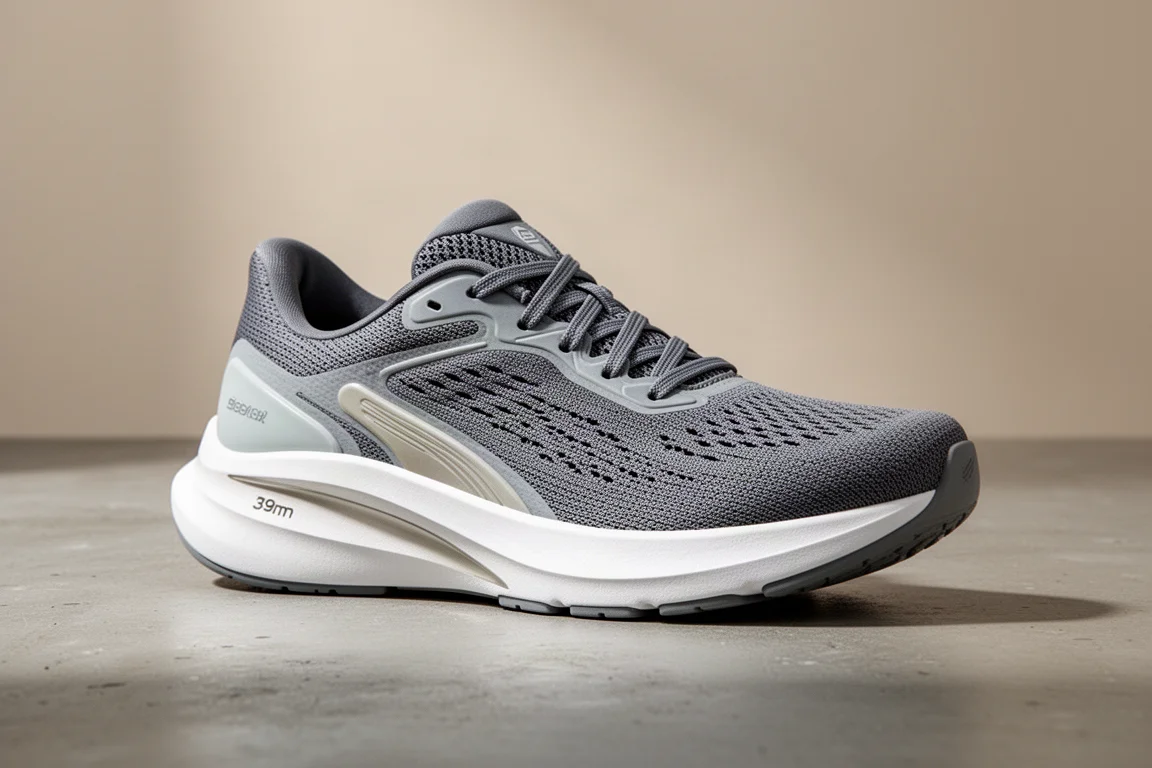
The Triumph 20 is the shoe in this lineup most worth getting excited about. Its midsole measured among the very softest readings here, around 28 to 29, and the foam has a distinctive lattice structure that gives the midsole a notably plush feel to the touch. The finish is also soft and premium-feeling on the upper.
That combination points to a genuine max-comfort easy-day trainer: the shoe you reach for when the legs need a break and the miles still need to happen. Among the eight shoes here, the Triumph 20 is arguably the most intriguing pick for runners who put comfort at the top of their list.
Lightest Feel: New Balance Rebel v3
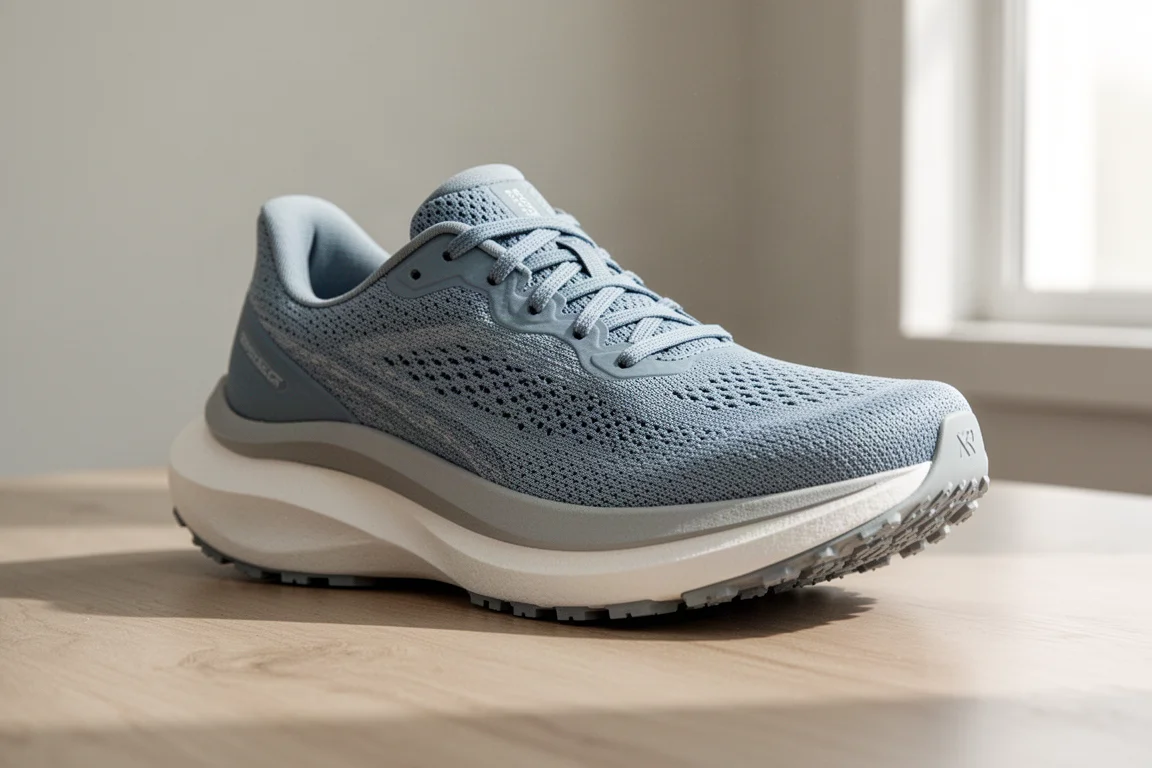
The Rebel v3 posted some of the more interesting durometer numbers of the group, with a mid-30s reading on the outside and a softer 24 on the inside. That profile suggests a cushioned but lively feel: soft enough for comfortable miles without the bulk of a max-cushion shoe.
This is the category of shoe that suits runners who want one do-everything trainer that does not feel heavy on quicker days. The low, cushioned ride makes it a natural pick for daily mileage where you still want some responsiveness underfoot.
Plush but Firm: Hoka Bondi 8
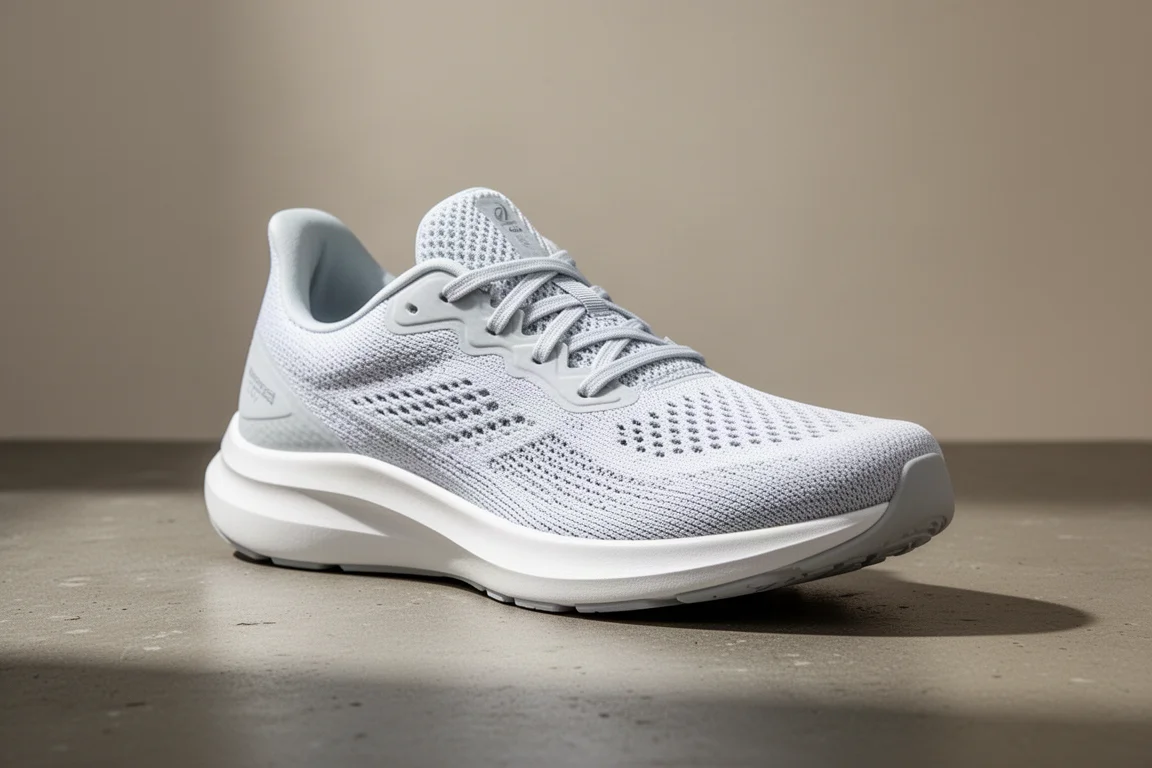
The Bondi 8 measured 51 on the durometer, a firmer reading than most of the lineup, and the ride matches the number: this is a Hoka with a substantial midsole but a more structured, supportive feel rather than a marshmallow-soft one.
Do not let the firm reading fool you into thinking the Bondi is a harsh shoe. Its thick platform is designed for comfort over long, steady miles, just with a more stable, grounded character than the softest trainers here. Runners who like support and substance over sink-in softness will feel at home.
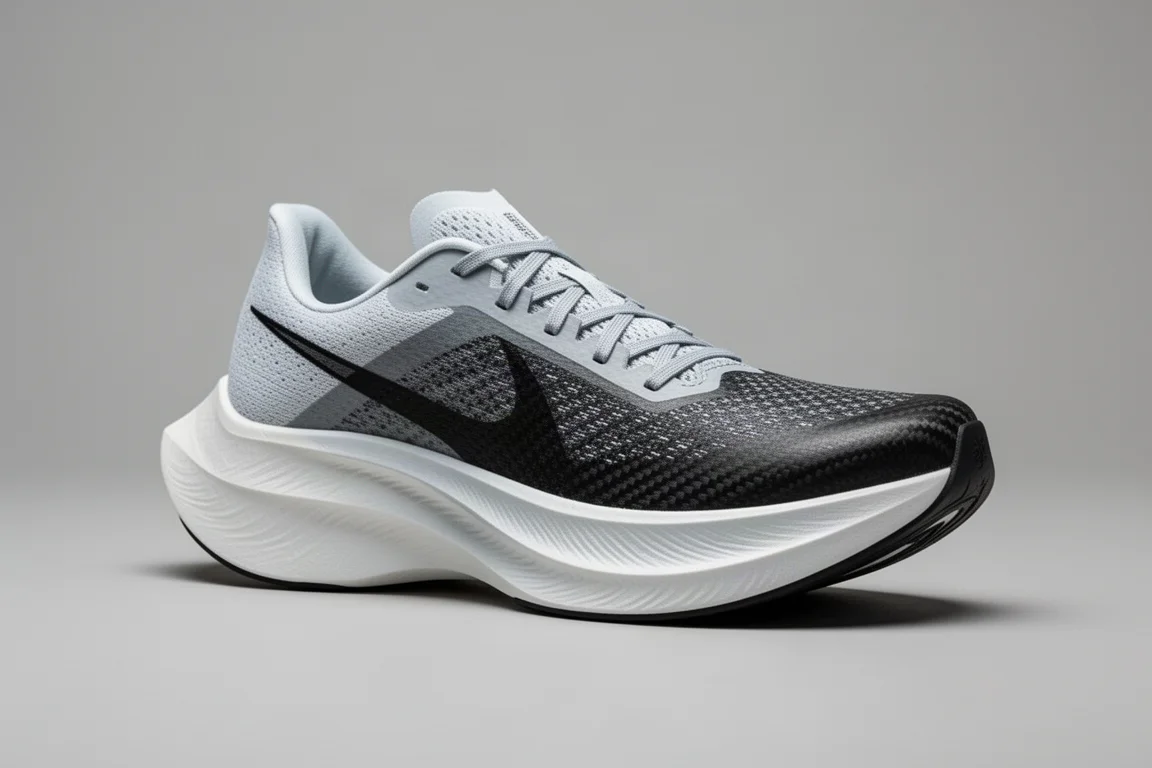
Fast Ride: Nike Zoom Fly 5
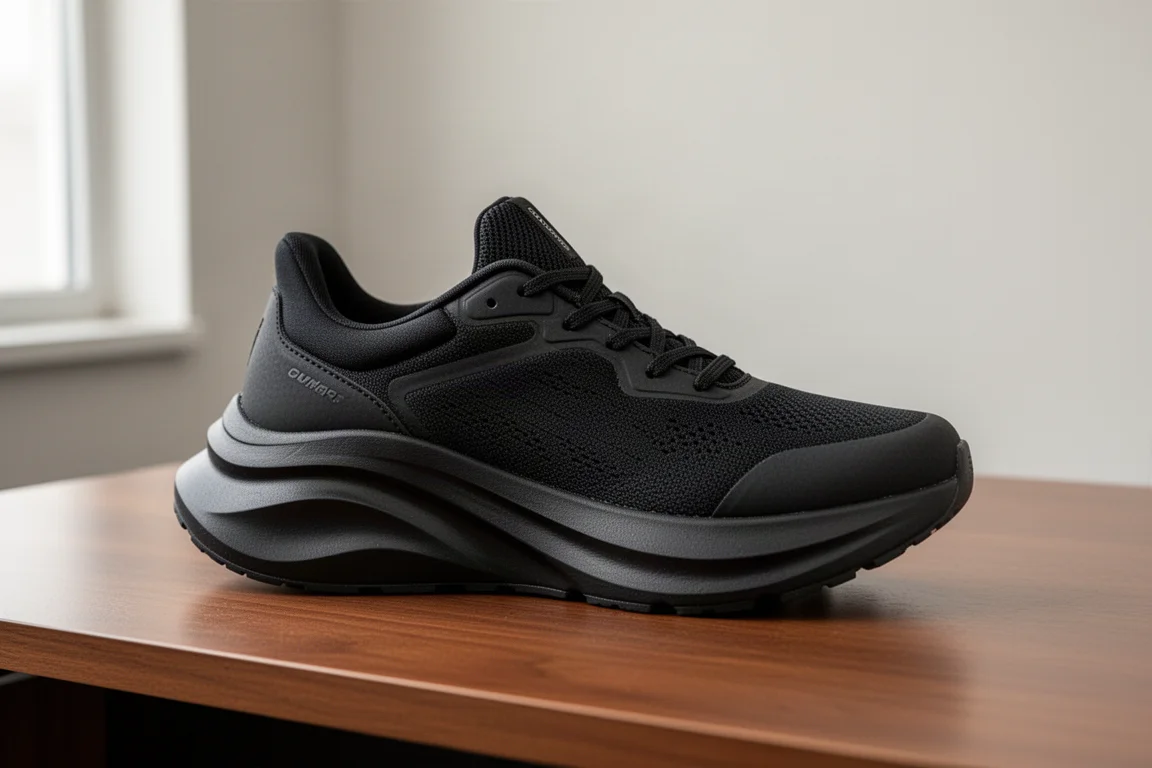
The Zoom Fly 5 measured 46, firmly in the firmer half of this lineup, and the thumb test backs it up: a more structured, responsive feel to the midsole. This is Nike’s tempo-focused trainer, built for days when the pace picks up.
Firmer foams tend to reward runners who want push-back from their shoes rather than a plush landing. The Zoom Fly 5 sits in the speedwork-to-long-run territory of the lineup, making it the pick for runners whose weekly plan includes dedicated faster sessions.
Best Trail Pick: Hoka Mafate Speed 4
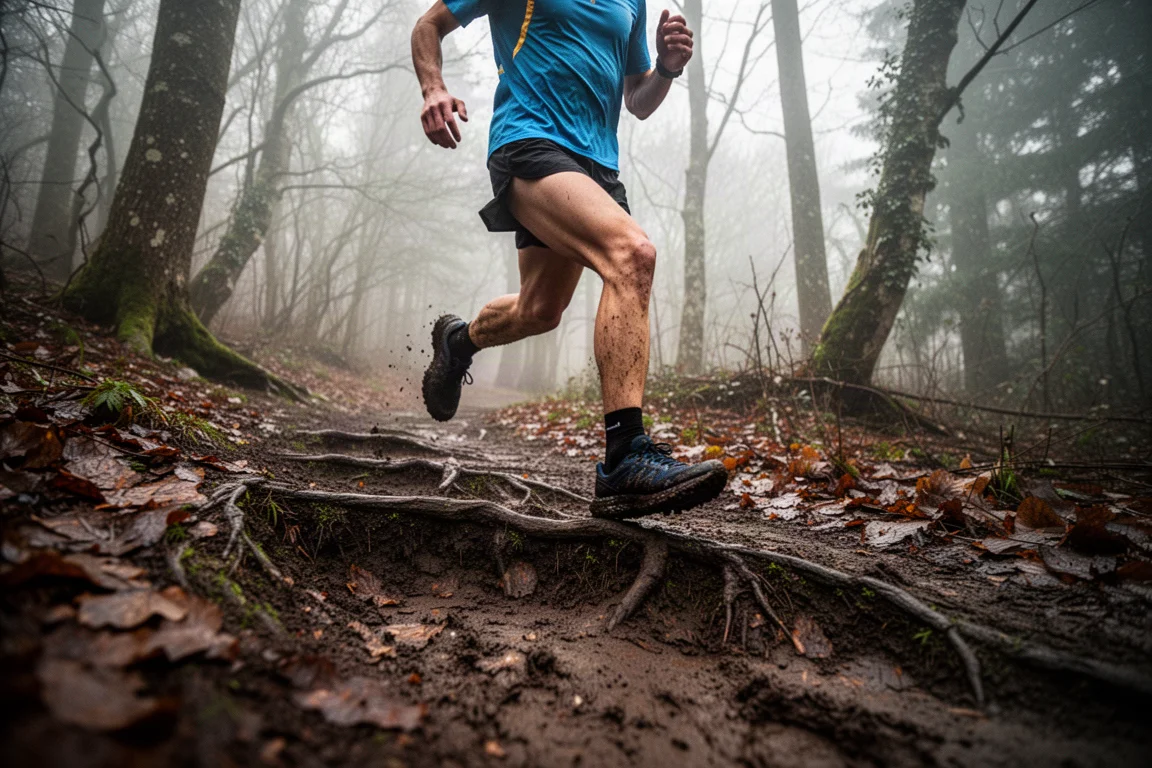
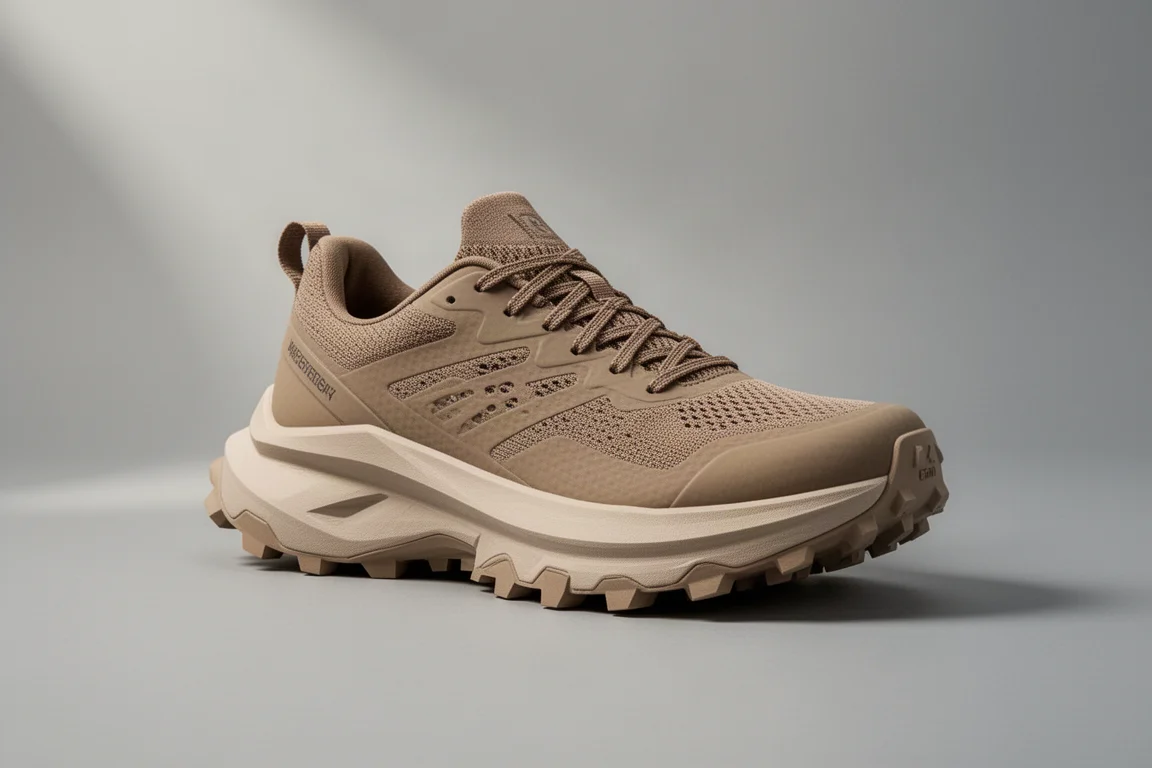
The Mafate Speed 4 is the trail shoe of this group, bringing a lugged outsole and Hoka’s signature cushioned platform to rougher ground. Where every other shoe here is built for pavement, the Mafate is built for the kind of terrain that chews up road shoes.
For runners who mix in trail miles or live somewhere winter turns roads into something closer to trails, this is the shoe that keeps those runs possible. It rounds out a lineup that covers nearly every surface and condition a runner is likely to meet.
Overall Buying Advice
The most practical advice for anyone eyeing this entire group: the shoes that feel like a big investment today will look very different in three or four months. When the next wave of releases arrives in spring, prices on these current models start to drop, and buying the outgoing version is one of the easiest ways to save on a shoe that is still excellent.
A reader note worth repeating: one runner reported 500 miles on a previous-generation cushioned trainer before the outsole finally wore through, which is a useful reminder that durability can outlast the hype cycle. Match the shoe to your conditions first, soft winter roads versus icy paths versus dry pavement, and let the timing of the discount do the rest.
Conclusion
Eight shoes, eight distinct jobs: the RunShield and Peregrine Ice+ 3 for winter conditions, the Shift 3 for value mileage, the Triumph 20 for maximum softness, the Rebel v3 for a light cushioned daily ride, the Bondi 8 for structured comfort, the Zoom Fly 5 for faster days, and the Mafate Speed 4 for the trails. Pick the one that matches the miles you actually run, and consider whether waiting for spring’s price drops is worth it for you.
Further reading
Related Reviews

Running Shoes
Best Road-to-Trail Running Shoes: Three Versatile Options for Mixed Terrain
A practical guide to three road-to-trail running shoes that handle both pavement and mild trails, with clear strengths and trade-offs for different runner types.

Running Shoes
Best Running Shoes for Achilles Tendonitis: Three Options Explained
Three running shoes with different heel drops and support features designed to help reduce Achilles tendon pain during walking and running.

Running Shoes
Best Running Shoes for Women: Five Top Choices Ranked
A ranked guide to five women's running shoes, from versatile daily trainers to high-performance racing options, with real strengths and trade-offs for each.