Running Shoes
Best Running Shoes for Lateral Stability: What Worked and What Did Not
A practical look at max-cushion running shoes through the lens of lateral stability, with nine models sorted by how well they limit outward roll and reduce strain on the fibularis tendons.
Introduction
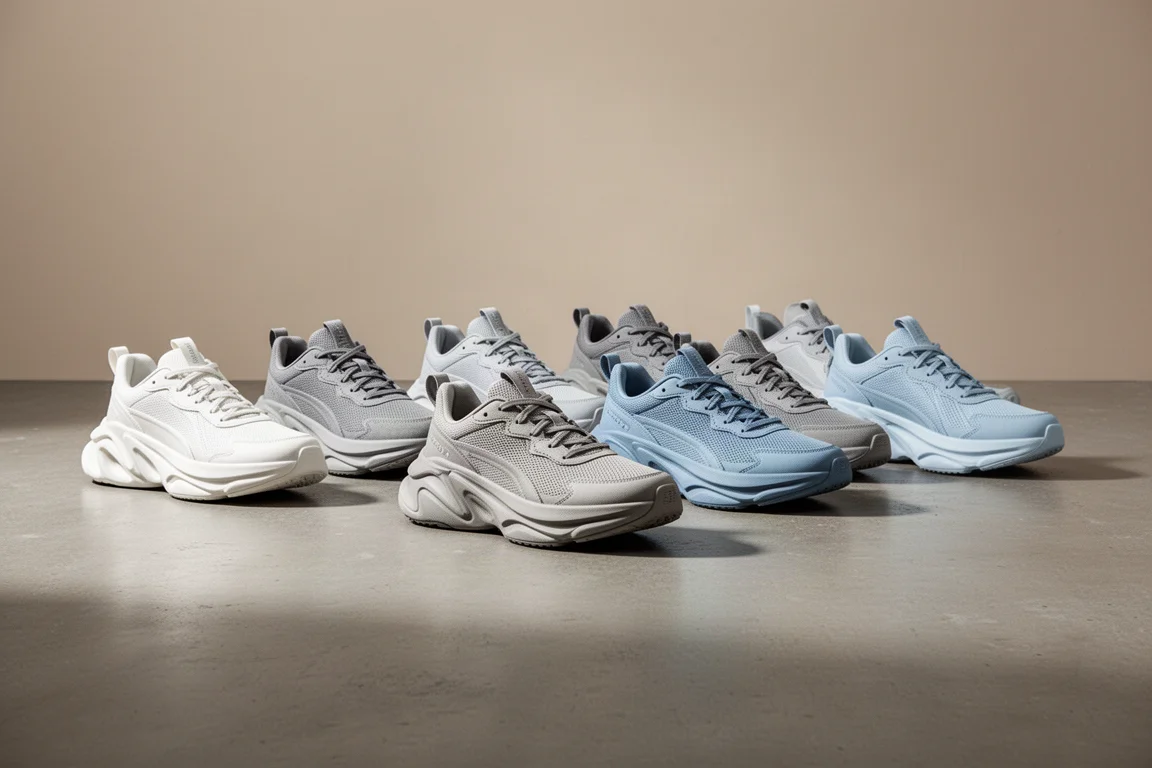
Most stability discussions in running footwear focus on the medial side of the shoe, guiding the foot inward rather than outward. But for runners dealing with chronic ankle instability or fibularis tendinopathy, the opposite problem matters: the foot rolling outward into a supinated or inverted position, which forces the fibularis tendons to work hard with every stride. This article looks at nine max-cushion shoes through that specific lens, sorting them into models that reduce the demand on those outer-ankle tendons and models that, despite being genuinely enjoyable shoes, can increase symptoms during a recovery period.
Why Lateral Stability Matters
When the foot rotates outward, the fibularis tendons, which pull the foot outward and stabilize the ankle, have to engage to control the motion. If those tendons are already irritated, a shoe that lets the lateral side compress and allows outward roll increases their workload. Shoes that resist that motion, through wide platforms, lateral flaring, firmer foams, or structured chassis designs, decrease the demand on the tendons and can support a gradual return to full capacity.
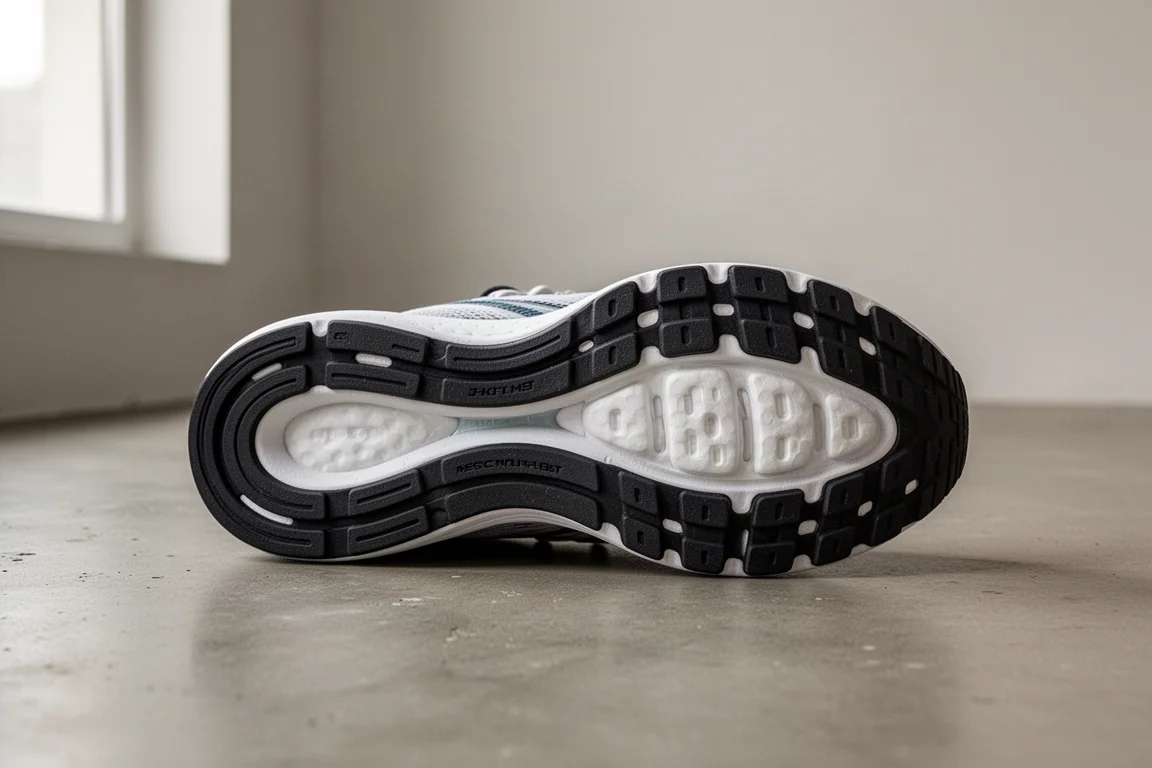
One important caveat: none of the shoes in the first group are bad shoes. They are fun, well-liked models that simply were not the right match during a period of tendon irritation. As strength, running form, and recovery change, different shoes can become appropriate again.
Shoes That Did Not Work for Lateral Stability
Mizuno Neo Vista 3
The Neo Vista 3 has a lot going for it from a classic stability standpoint: a wide base and a guidance line down the middle that keeps the ride feeling centered. The issue is a subtle concavity, or in-cut, on the lateral side of the midsole. When that sculpted area loads, it offers less resistance to compression, so the foot rolls toward the outside of the shoe and recruits the fibularis tendons. For runners seeking medial stability, that bias works well, but for outward-roll sensitivity it was noticeable on longer runs.
Topo Specter 3
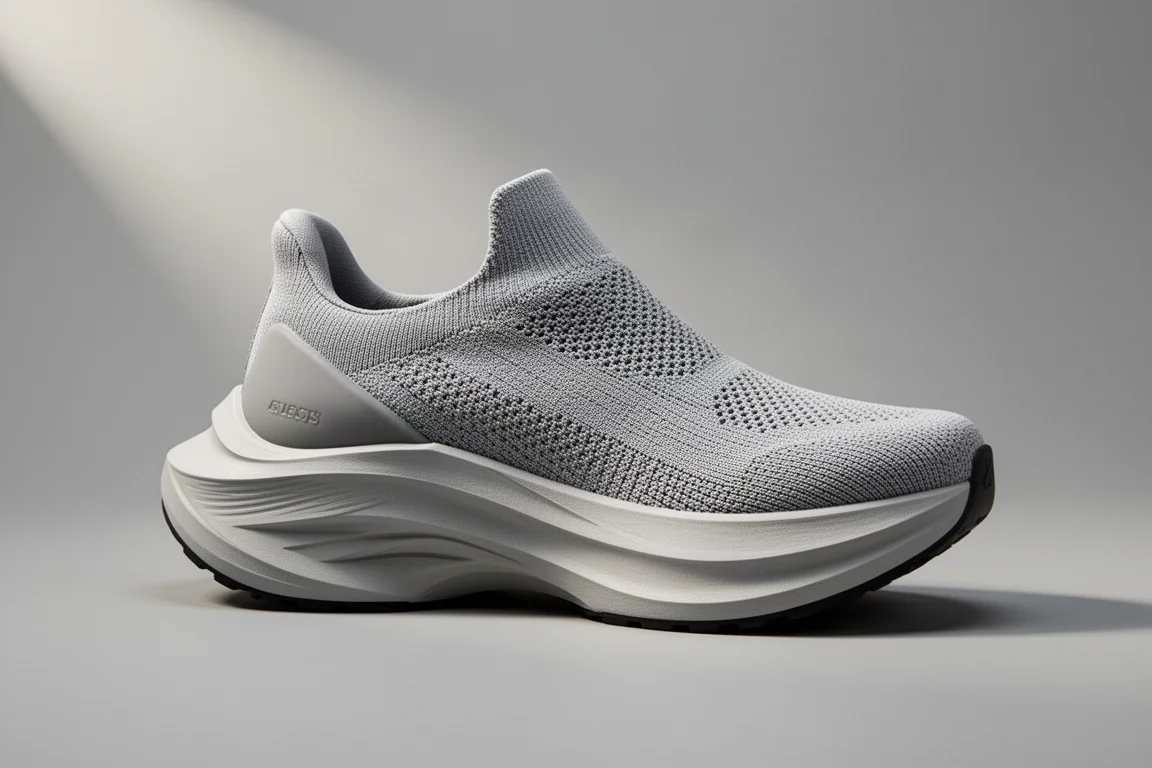
The Specter 3 uses a responsive, bouncy Rev foam and was one of the most enjoyable daily trainers of the season. The problem sits in the outsole geometry. The heel and forefoot are wide, but the midfoot narrows into a podular design where ground contact concentrates in the center of the shoe. There is little contact medially or laterally, so the ride feels like a balance beam that allows wiggle and wobble in both directions. For a runner guarding against lateral roll, that freedom is exactly the wrong kind.
Puma Deviate Pure Nitro
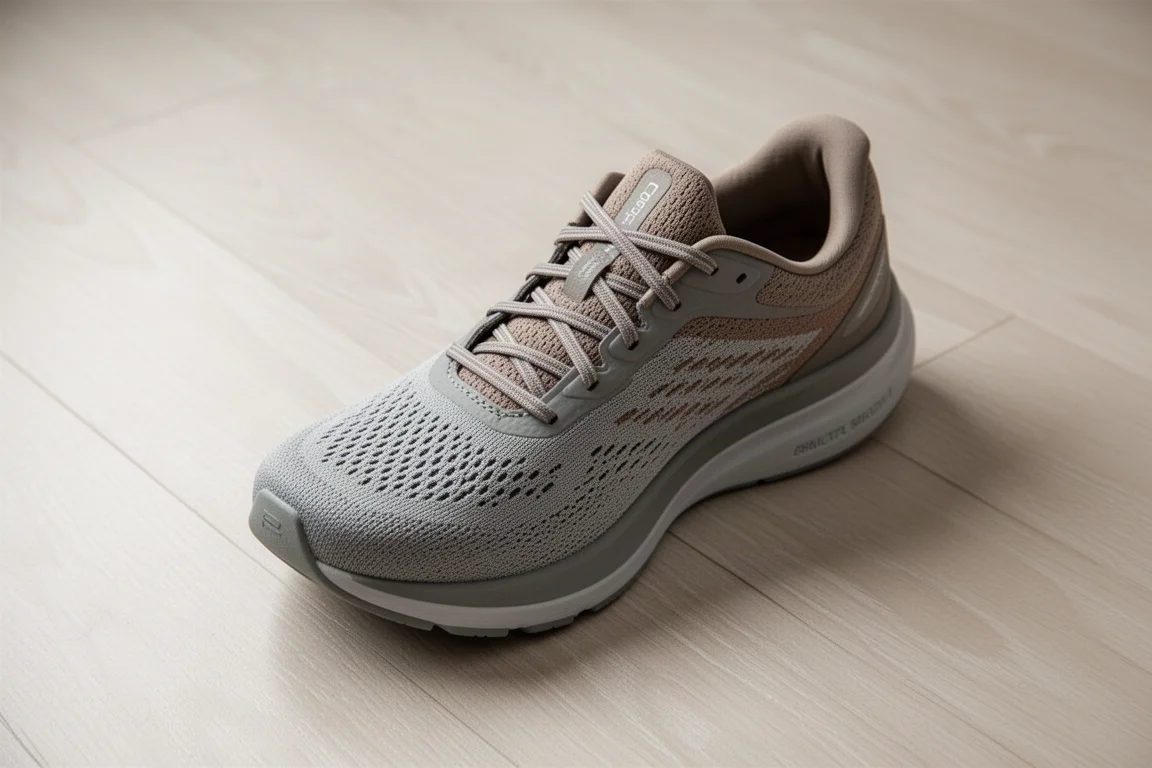
A simple, clean design that suits easy runs with a bit of tempo work, the Deviate Pure Nitro falls short in one specific area: sole flaring. The sides of the midsole stay relatively flat and narrow rather than jutting outward. Flares provide resistance to motion, and without enough of them, the shoe offers less confidence for a foot that tends to roll outward.
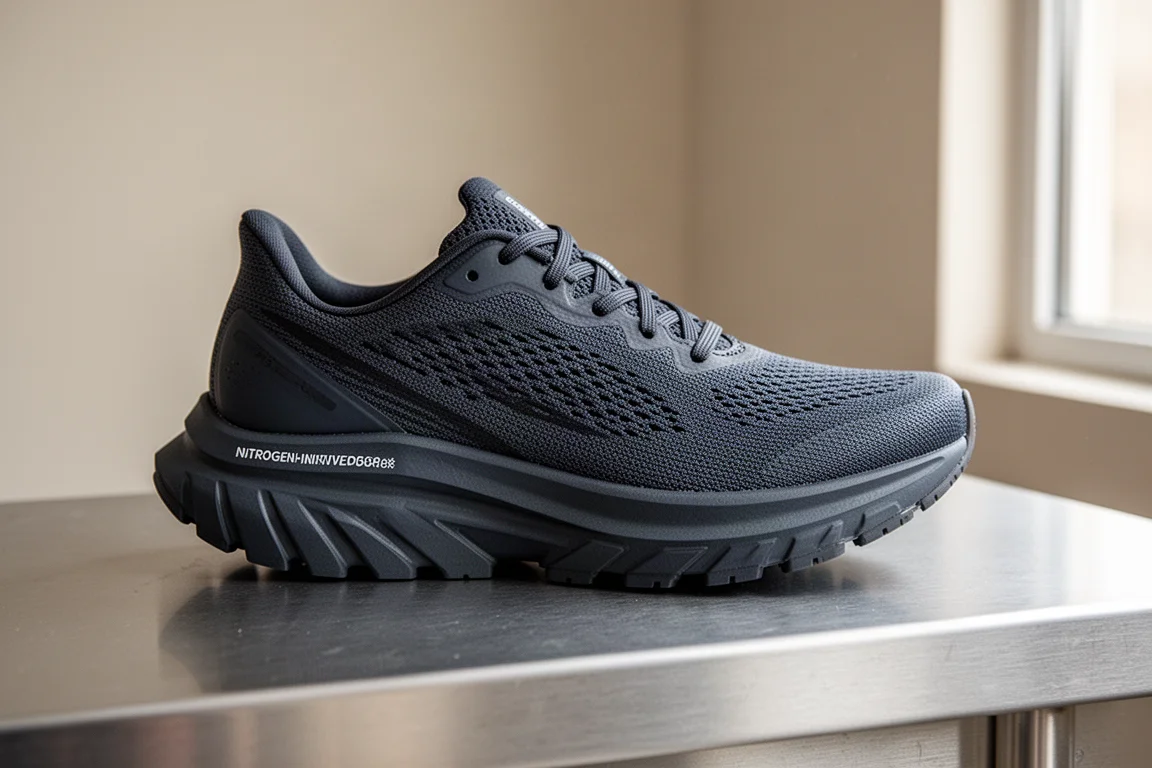
Saucony Megablast
The Megablast is a wide, structured shoe with generous sole flaring, so geometry is not the issue. The culprit is the midsole itself: a highly compliant, resilient foam that, at slower paces, allows a noticeable rocking back and forth. That rocking demands extra work from the stability muscles on the sides of the ankle, which is precisely what an irritated fibularis tendon does not need. At faster paces the shoe behaves better, but easy running exposes the compliance.
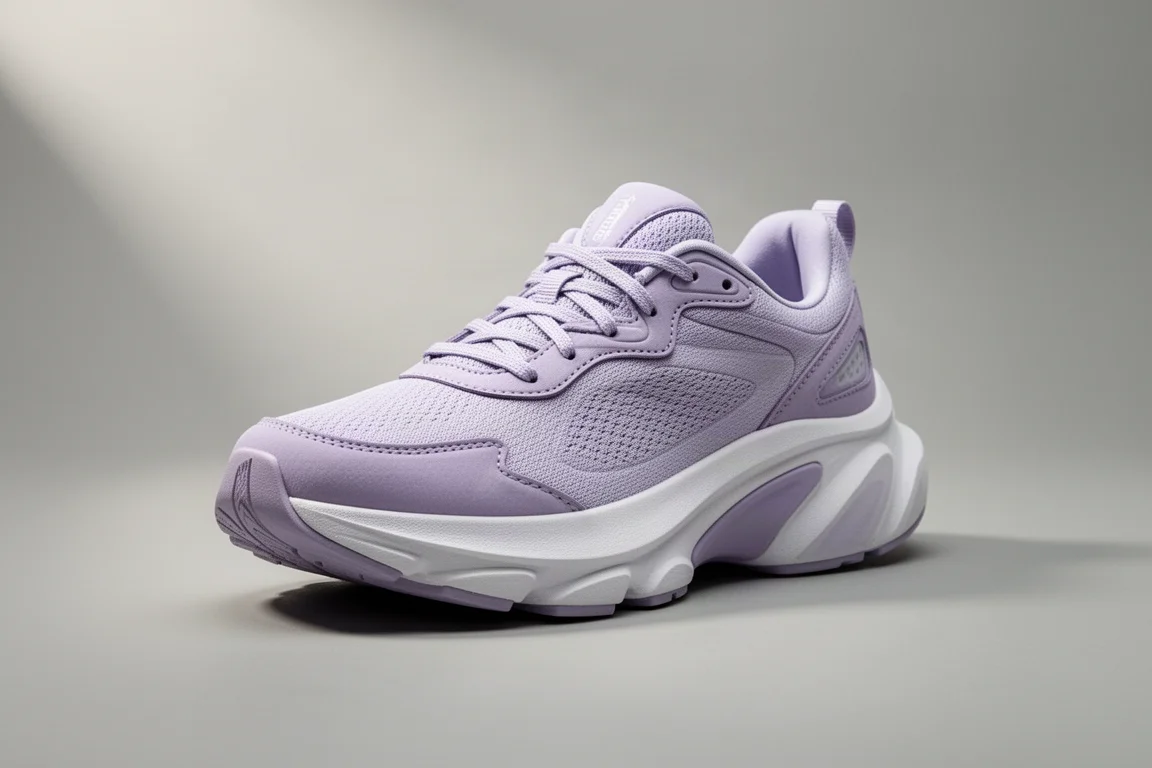
Saucony Paramount Max
The Paramount Max fails for the same reason as the Megablast despite being a very different shoe in function. Wide, structured, and well-flared, it still relies on a compliant, bouncy midsole that allows rocking at slower paces. Both models show that geometry alone cannot fix a midsole that is too soft for a given stability need.
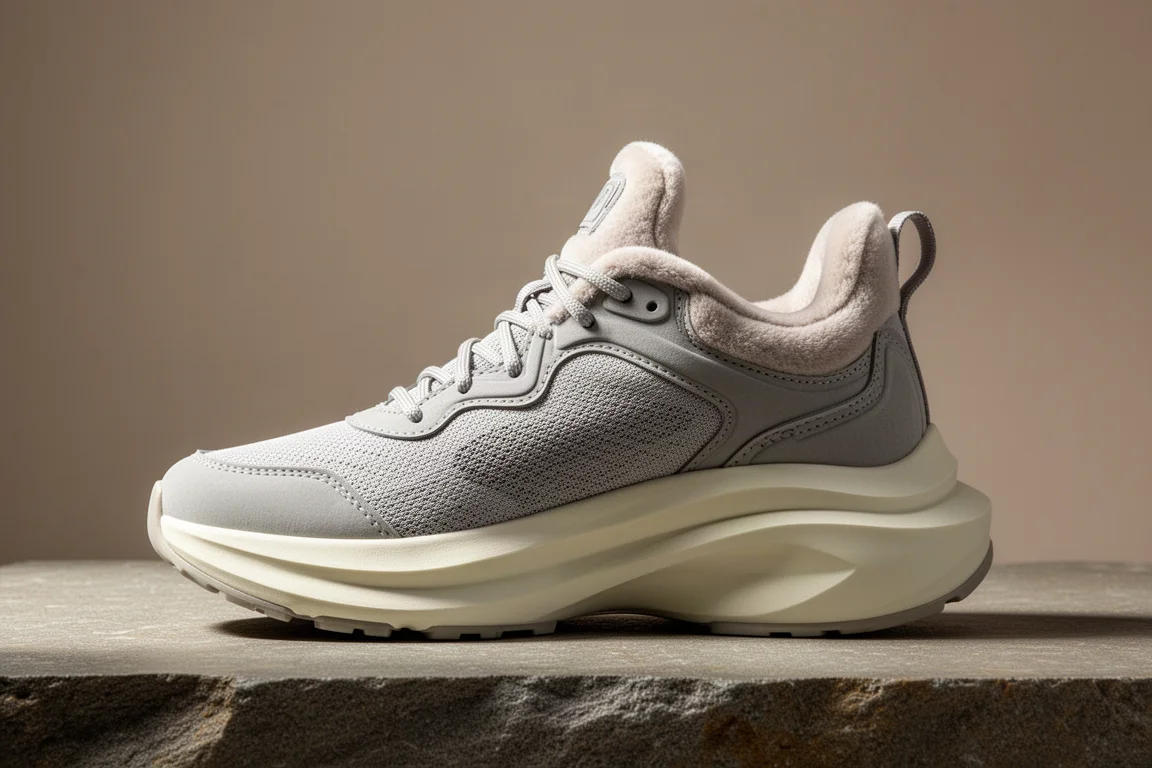
Shoes That Worked for Lateral Stability
Brooks Ghost Max 4
The Ghost Max 4 earned its place as the best all-day option, used more for daily life than for running. The foam sits on the firmer end, consistent with Brooks’ typical tuning, and the wide base is consistent from heel to forefoot with no narrowing and a full-contact outsole. Combined with a secure upper, it delivers reliable medial-to-lateral stability for everyday walking and standing.
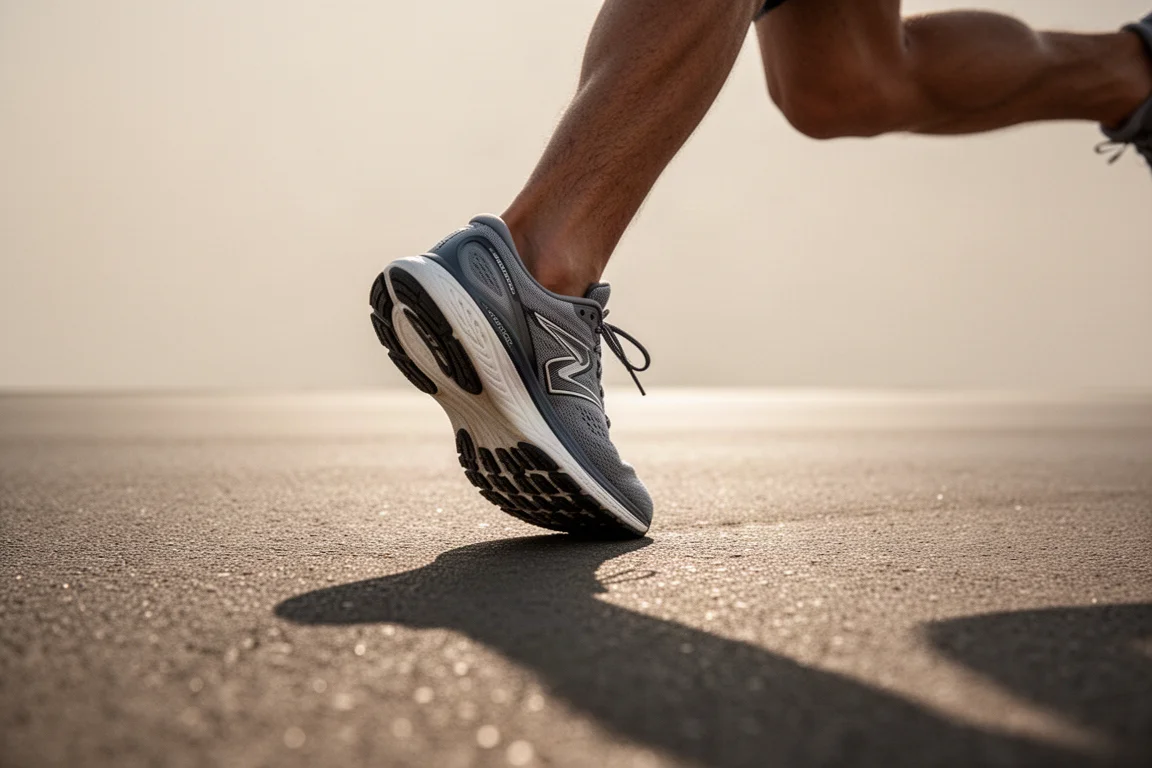
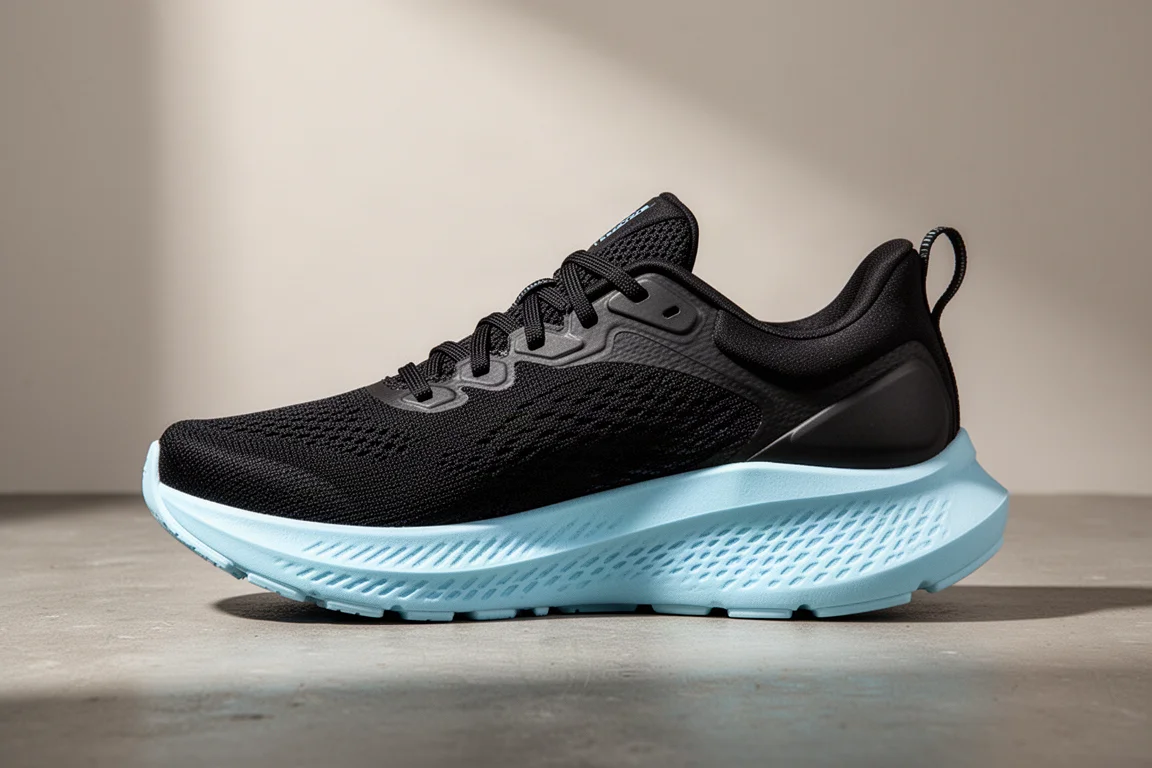
ASICS NovaBlast 6
The NovaBlast 6 combines a firmer midsole with pronounced heel flaring to both the medial and lateral sides. The lateral flare extends far out and also reaches back toward the posterior of the shoe, so while the heel keeps a comfortable bevel, the posterior-lateral flare actively pushes the foot toward the inside. That combination reduces the demand on the fibularis muscles, making it one of the shoes that consistently worked.
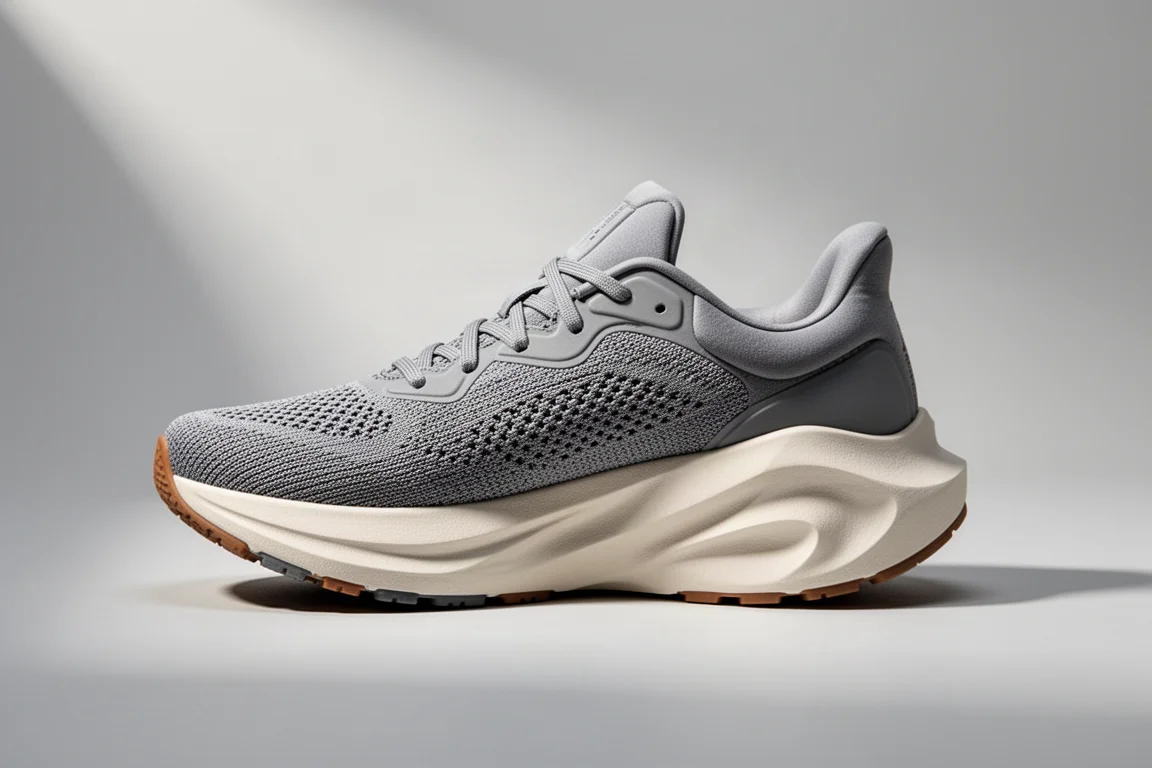
Puma Magnamax 2
The Magnamax 2 brings together firmer foam, a high stack with a stiffer midsole, and a really wide base that does not narrow through the midfoot. Its lateral flare extends even further into the forefoot, guiding the foot back inward and preventing roll toward the outside. The result is a shoe that supported the foot well throughout easy runs.
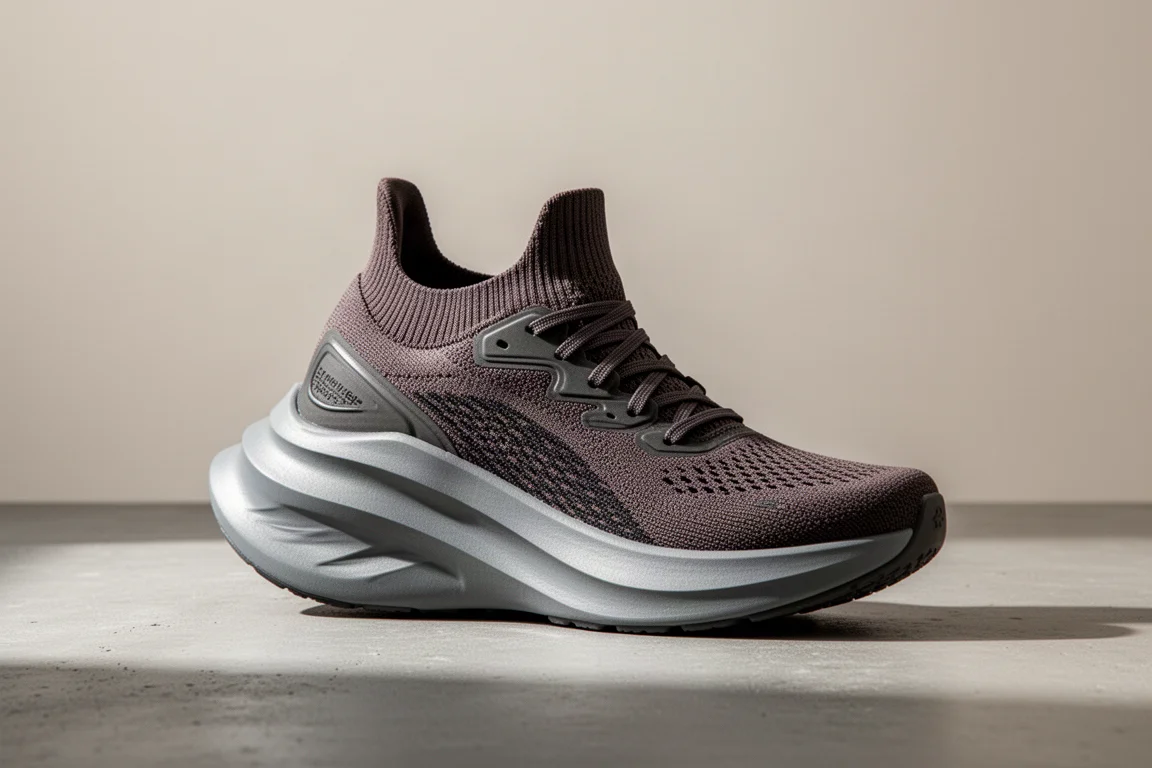
On Cloudmonster Hyper 3
The most-reached shoe of the season, the Cloudmonster Hyper 3 blends generous width with a chassis of firmer foam that adds real structure, plus a touch of rebound. It handled long runs and up-tempo work alike while keeping the foot from rolling outward. For a shoe that does a bit of everything while providing lateral structure, it is hard to argue with.
Buying Advice for Lateral Stability Needs
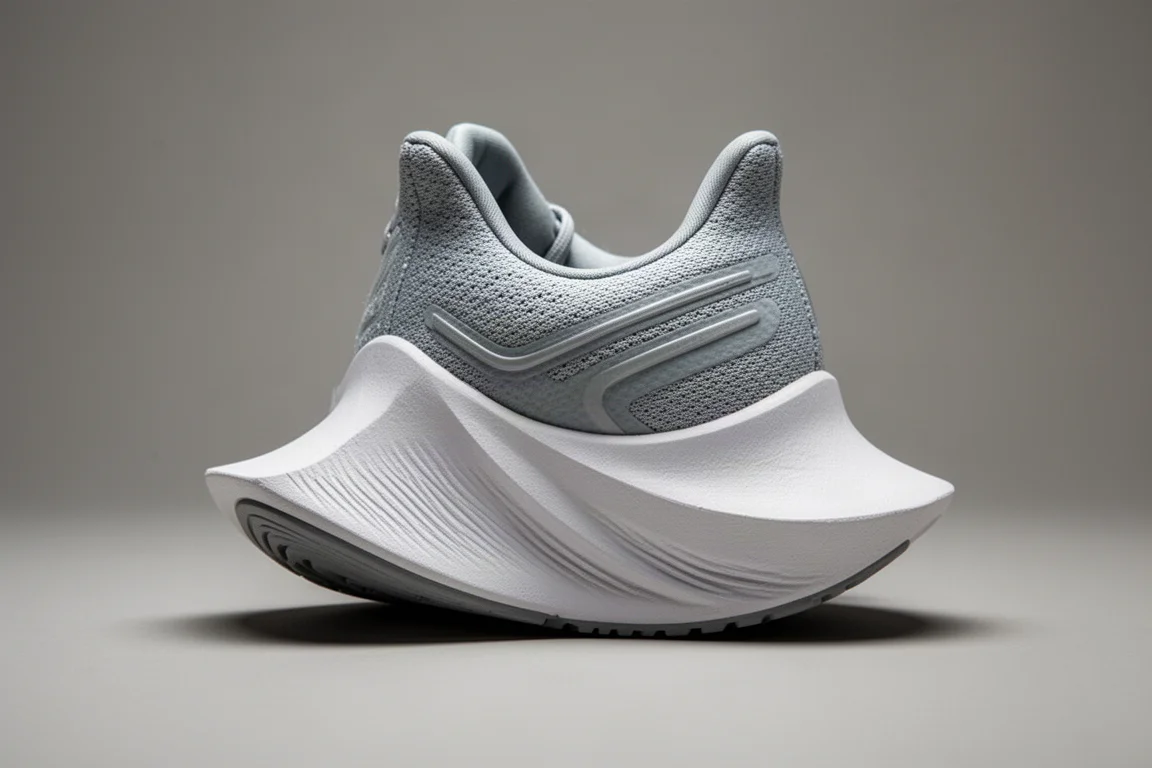
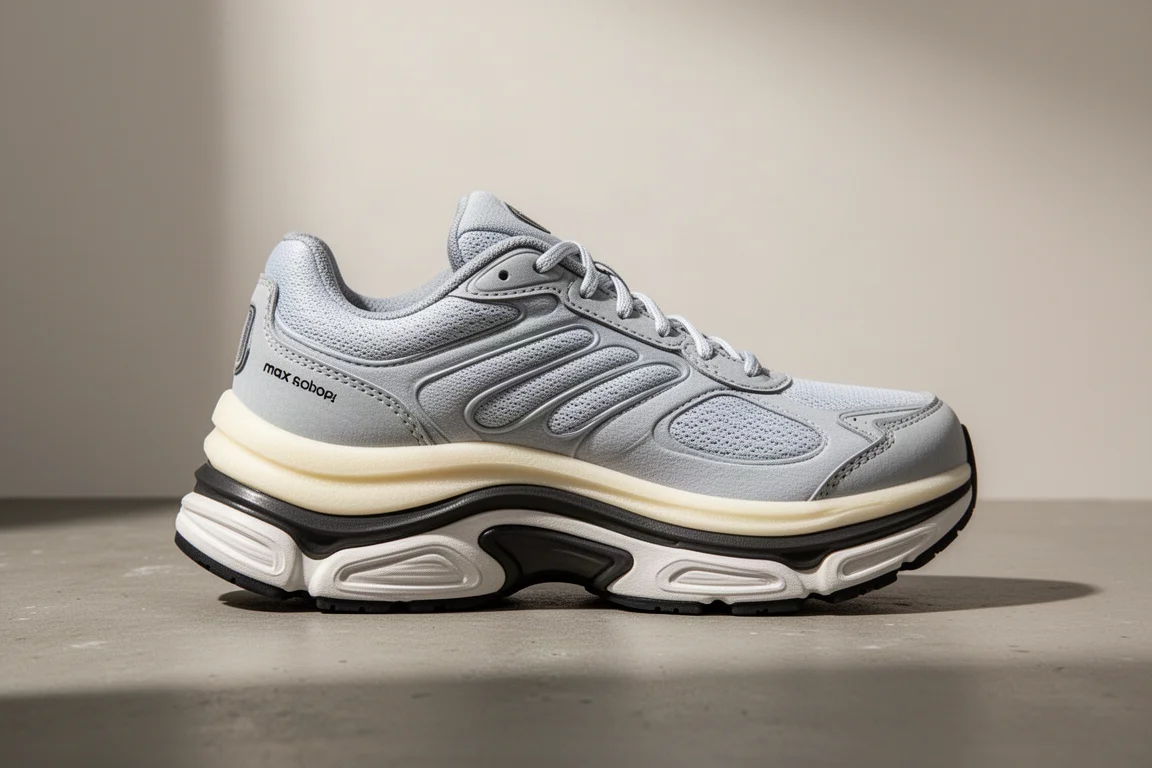
Four features separate the shoes that worked from the ones that did not. First, look for consistent lateral flaring that extends from the heel into the forefoot, like the NovaBlast 6 and Magnamax 2. Second, favor firmer or more structured midsoles; compliant, bouncy foams can rock at slower paces even when the platform is wide. Third, avoid midsole sculpting that cuts in on the lateral side, since concavity reduces resistance to compression exactly where you need it most. Fourth, check ground contact through the midfoot, because podular designs that concentrate contact in the center allow wiggle and wobble in both directions.
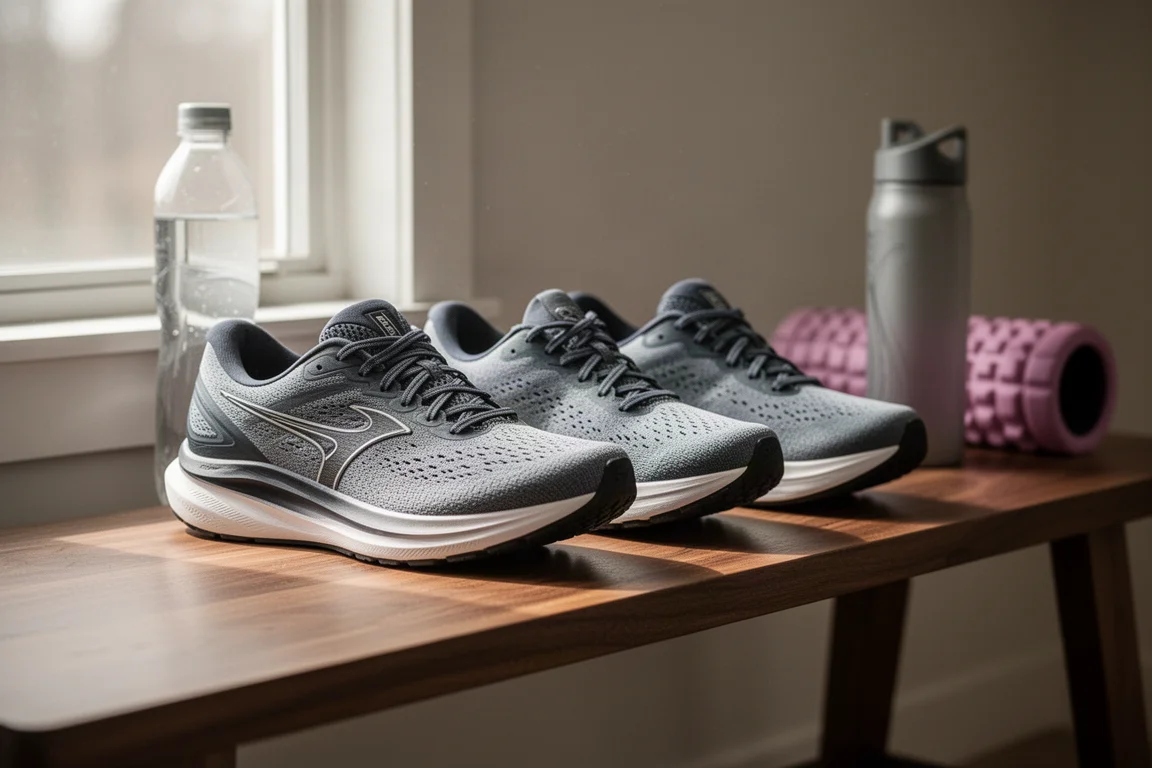
If you are walking back from fibularis tendinopathy or chronic ankle instability, a structured max-cushion shoe with strong lateral flaring, such as the Cloudmonster Hyper 3 or Magnamax 2, is the safer starting point. The Ghost Max 4 covers daily wear admirably. And remember that the shoes in the first group are not poor choices overall, only poor choices for this particular moment in a recovery timeline.
Conclusion
Lateral stability is an under-discussed side of running shoe design, but for runners managing outward roll and outer-ankle tendon irritation, it can make or break a shoe. Wide platforms, lateral flare, firmer foams, and structured chassis designs all reduce the demand on the fibularis tendons, while lateral concavity, podular midfoot contact, and overly compliant midsoles increase it. Match the shoe to your current needs, and revisit the fun ones as your strength returns.
Further reading
Related Reviews

Running Shoes
Best Road-to-Trail Running Shoes: Three Versatile Options for Mixed Terrain
A practical guide to three road-to-trail running shoes that handle both pavement and mild trails, with clear strengths and trade-offs for different runner types.

Running Shoes
Best Running Shoes for Achilles Tendonitis: Three Options Explained
Three running shoes with different heel drops and support features designed to help reduce Achilles tendon pain during walking and running.

Running Shoes
Best Running Shoes for Women: Five Top Choices Ranked
A ranked guide to five women's running shoes, from versatile daily trainers to high-performance racing options, with real strengths and trade-offs for each.