Running Shoes
5 Running Shoes Worth a Second Look This Season
From a do-everything super trainer to a stability-friendly racer, five running shoes with genuinely different personalities and clear trade-offs.
Introduction
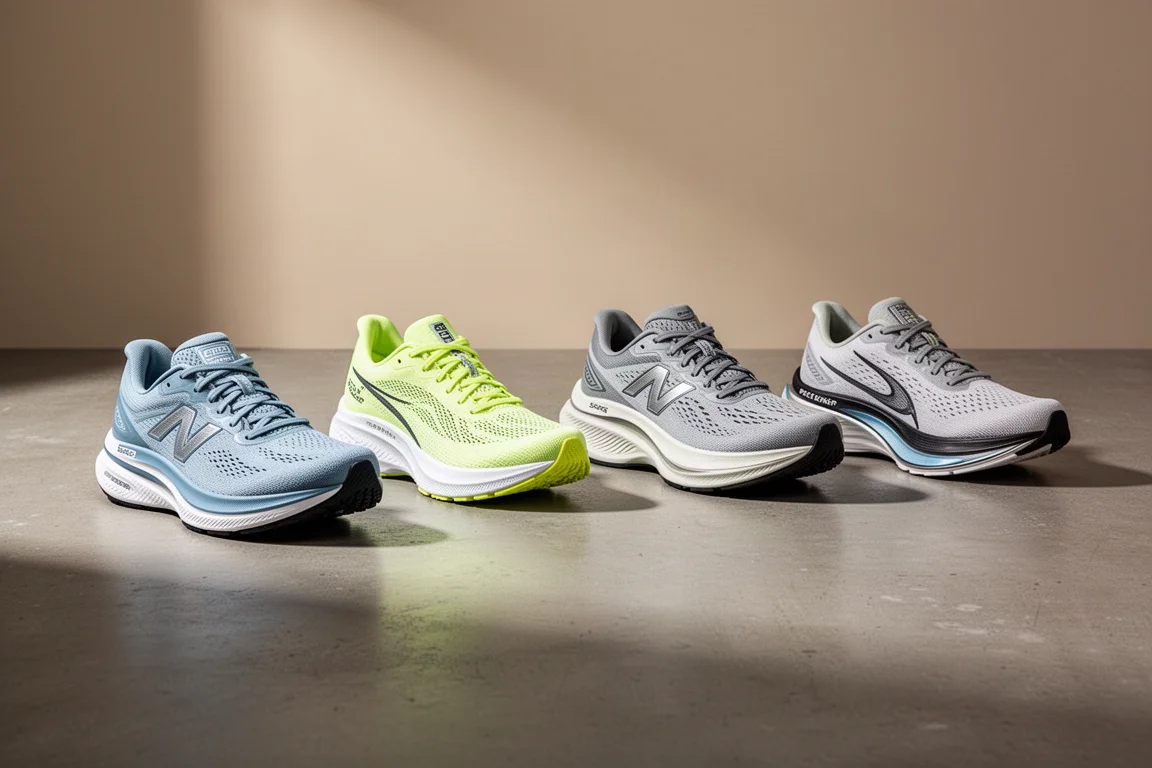
Some running shoes are designed to be everything for everyone. Most, in practice, end up being great for a much narrower group of runners than the marketing suggests. That is the running theme across five shoes we have spent real miles in lately: each one has a clear personality, and the smartest buyers are the ones who match that personality to their own mechanics, foot shape, and training.
Here is a closer look at five shoes that stand out this season, along with the trade-offs you should weigh before buying any of them.
Evaluation Criteria
For each shoe we considered fit and comfort, how the midsole behaves at different paces, stability and how the geometry loads the foot, durability over real mileage, and the type of runner each design clearly favors. Because shoe performance depends heavily on individual mechanics, the goal here is not a single winner but a set of informed matches.
ASICS Superblast 3
The Superblast 3 is the latest version of ASICS’ high-stack super trainer, and it is the best-fitting version of the line yet. The toe box is wider and more comfortable than previous versions, the tongue sits well, and the upper holds the foot without slippage. Specs: 8.4 oz / 239 g in a men’s size 9, 46.5 mm heel and 38.5 mm forefoot stack for an 8 mm drop, at a $200 price.
The catch is the midsole. FF Blast Leap makes this the softest Superblast ever, and combined with pronounced lateral forefoot sole flare it pushes the foot inward into foam that simply swallows effort. Early miles felt like sinking and stabilizing rather than bouncing, with lateral hip and IT band soreness to show for it. The shoe does improve noticeably after 50 to 60 miles as the foam settles, becoming snappier and more usable for long runs and up-tempo efforts, but it never regains the firmer, more versatile character of earlier versions.
If you have stiffer mechanics and want a very soft, cushioned ride for marathon training and long runs, this is a strong pick. If you loved the snappier Superblast 2 or need a shoe for intervals and faster racing, this version went in the opposite direction.
Puma Deviate Nitro Elite 4
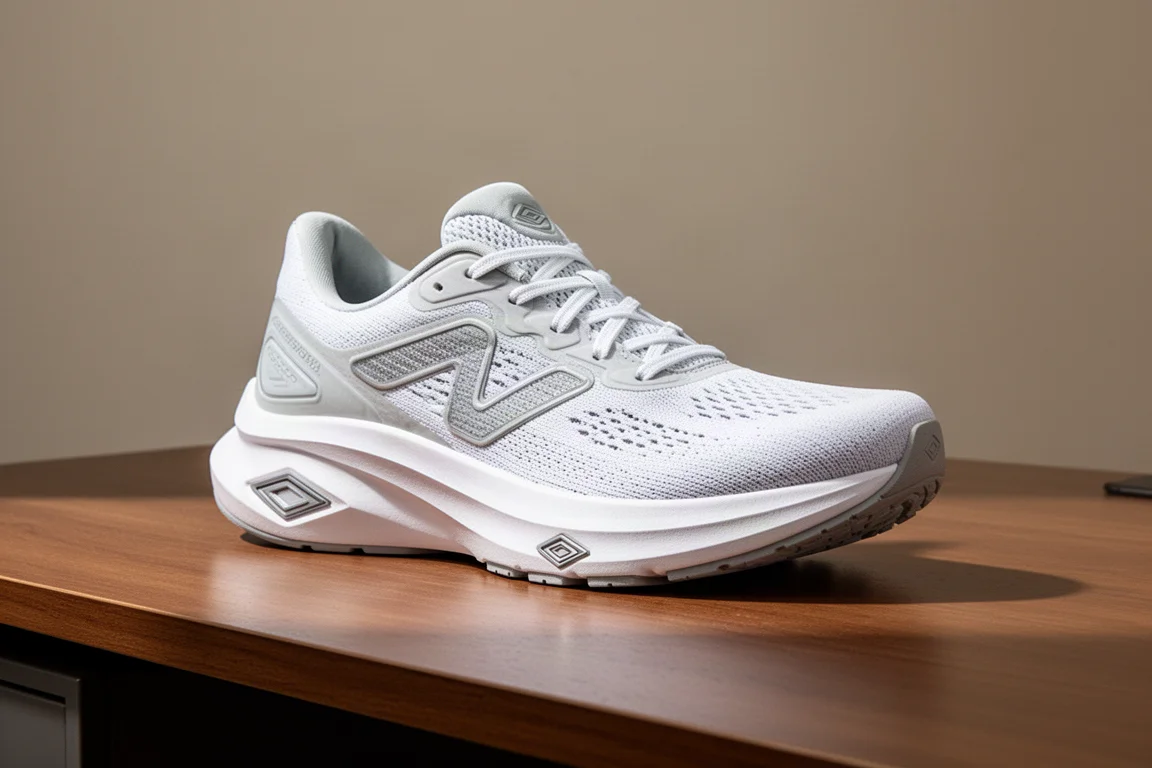
The Deviate Nitro Elite 4 is one of the most mechanics-dependent racing shoes around, and that is exactly what makes the racing line interesting. Specs: 6 oz / 170 g in a men’s size 9 and 5.2 oz / 147 g in a women’s size 8, with 38/30 mm stack heights for an 8 mm drop.
The fit is excellent: true to size, secure lockdown from a thin tongue, a light upper with no pressure points, and enough toe room even with a stiff overlay over the big toe. The midsole is snappy and light, reminiscent of other peppy plated racers, without any sinking sensation.
But the early forefoot rocker and minimal heel bevel completely change who this shoe works for. Heel strikers get a shoe that rolls them forward almost instantly, extends the stride, and handles long efforts and moderately fast paces with surprising comfort. Forefoot and midfoot runners, meanwhile, tend to feel bounced upward rather than rolled forward, with hip flexor tension showing up at anything faster than easy pace. Sprinting and low middle-distance work are out of the question.
If you land toward your heel and want a light racer for 10K through marathon effort, this is a genuinely compelling option. If you run up on your toes, look elsewhere in the racing category.
On Cloudmonster 3 Hyper
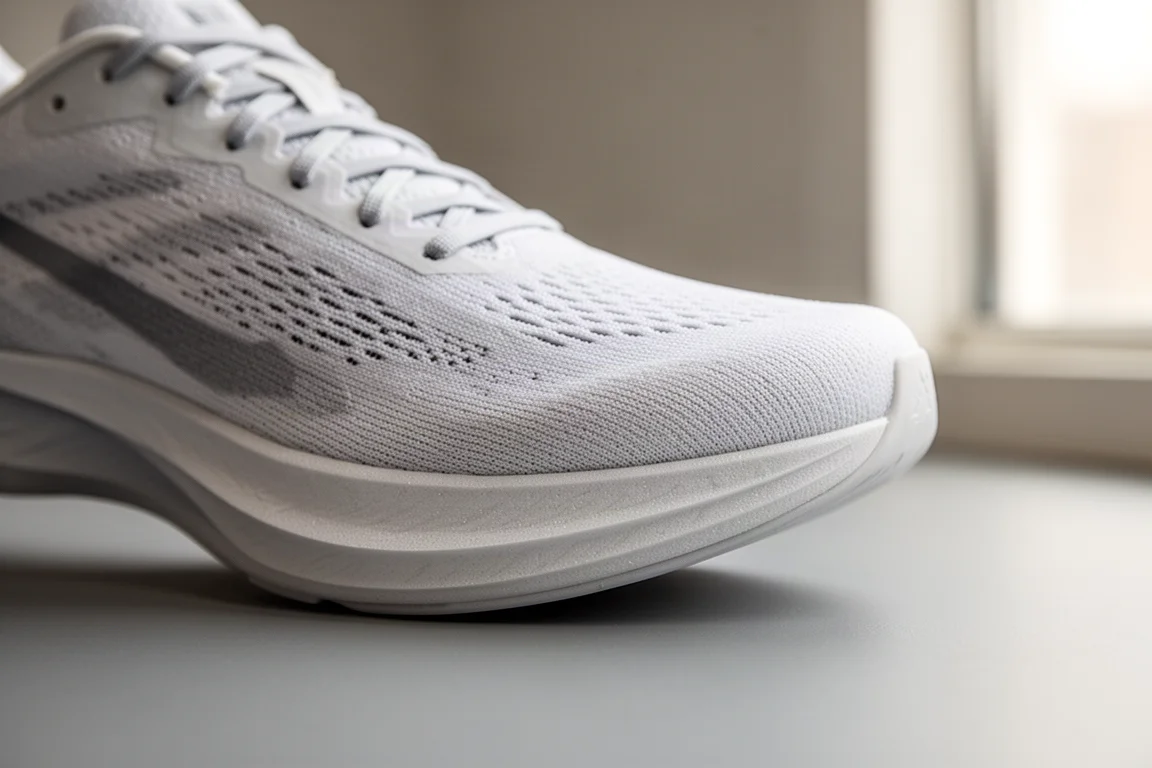
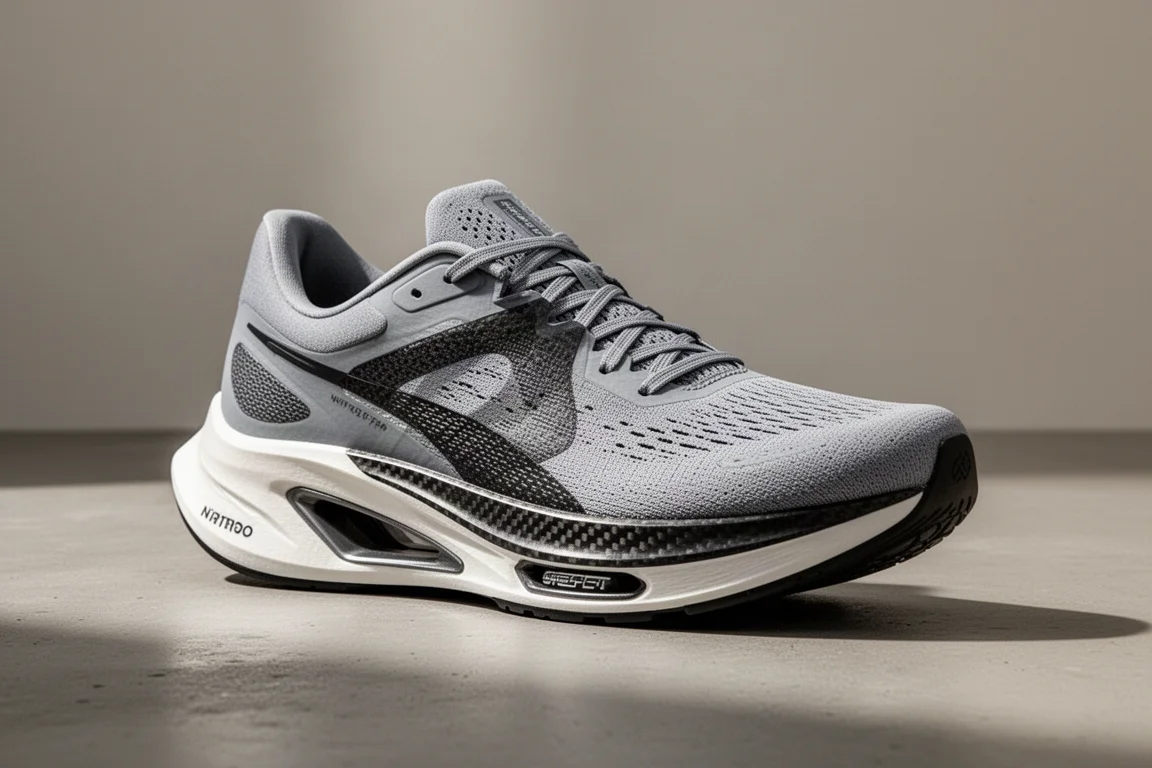
The On Cloudmonster 3 Hyper might be the most broadly agreeable shoe of the group. On uppers tend to fit well with a wider, non-tapered toe box, and this one fits true to size with a comfortable, slightly stretchy upper, good lace adjustment, and generous forefoot room for wider feet.
The sole is where it earns its keep. With a 45 mm heel and 39 mm forefoot stack and a drop of around 6 mm, the Helion HF foam over an EVA base delivers a firm-but-bouncy balance: cushioned enough to eat up easy and long runs, springy enough to handle strides, progression runs, and paces well into the 5:20s per mile. The high sidewalls create a stable neutral platform without feeling like a stability shoe, and the heel bevel puts the landing point under the heel for a clean transition.
Durability is a genuine strength. Outsoles at 60 to 70 miles show essentially no wear, and around 35 miles of testing left them looking barely touched. It is not the lightest shoe in its class, so it will not replace a dedicated race-day racer for everyone, but as a do-everything trainer that can even handle a marathon, very few shoes balance comfort, pace, and longevity this well.

Hoka Skyward X 2
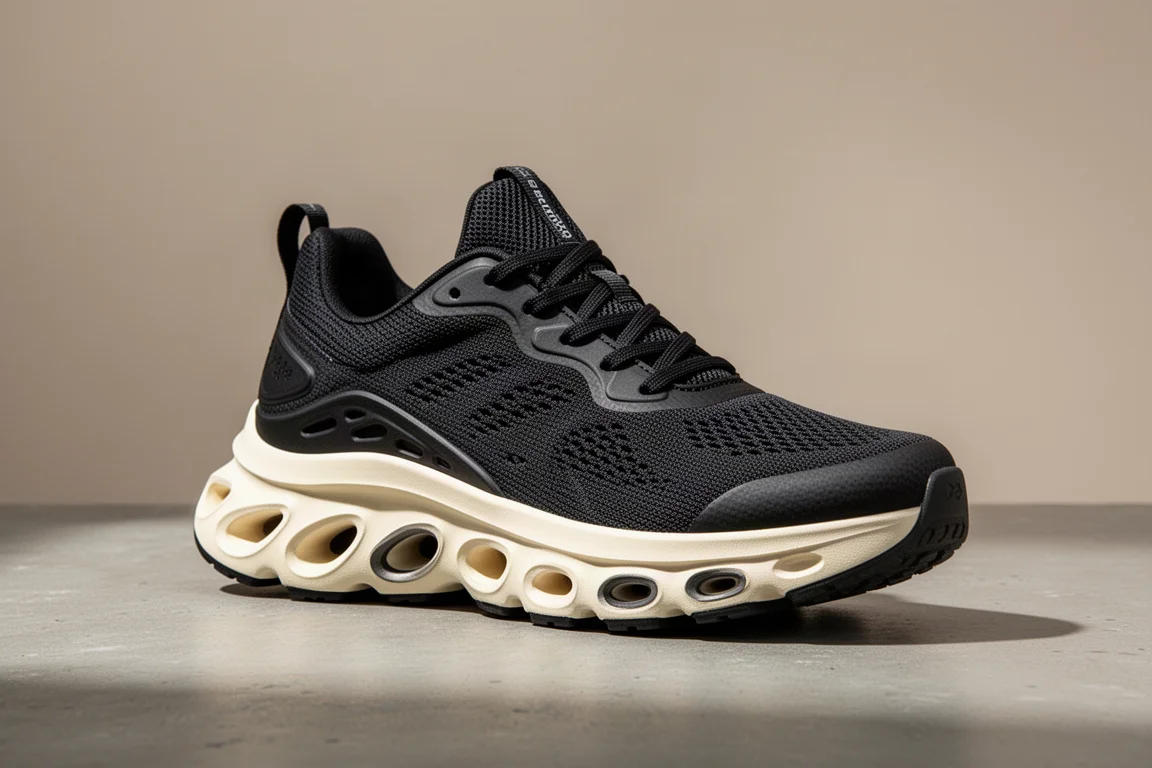
The Hoka Skyward X 2 is a clear step up from the original. It is roughly half an ounce lighter (a men’s size 10 measures about 10.3 oz / 290 g), the foam feels less dense and more resilient, and the stack height dropped by about 2 mm without sacrificing the substantial cushioning the shoe is known for.
For pure training miles, it works well: easy and steady runs feel comfortable, and the weight savings are noticeable for a shoe with this much midsole. The problem is the fit. Like many Hokas, the toe box is tight and low volume, causing pinching at the first and fifth metatarsal heads and blisters on the toes for some runners. Runs of 3 to 4 miles are fine; longer gets uncomfortable. The wide version may help runners with higher-volume feet, but it often widens the heel and midfoot rather than the forefoot specifically, so it is not a guaranteed fix.
If your foot shape agrees with Hoka’s low-volume toe box, this is a genuinely pleasant daily and long-run trainer with improved foam and weight. If you have wide or high-volume forefeet, try before committing.
361 Flame 5
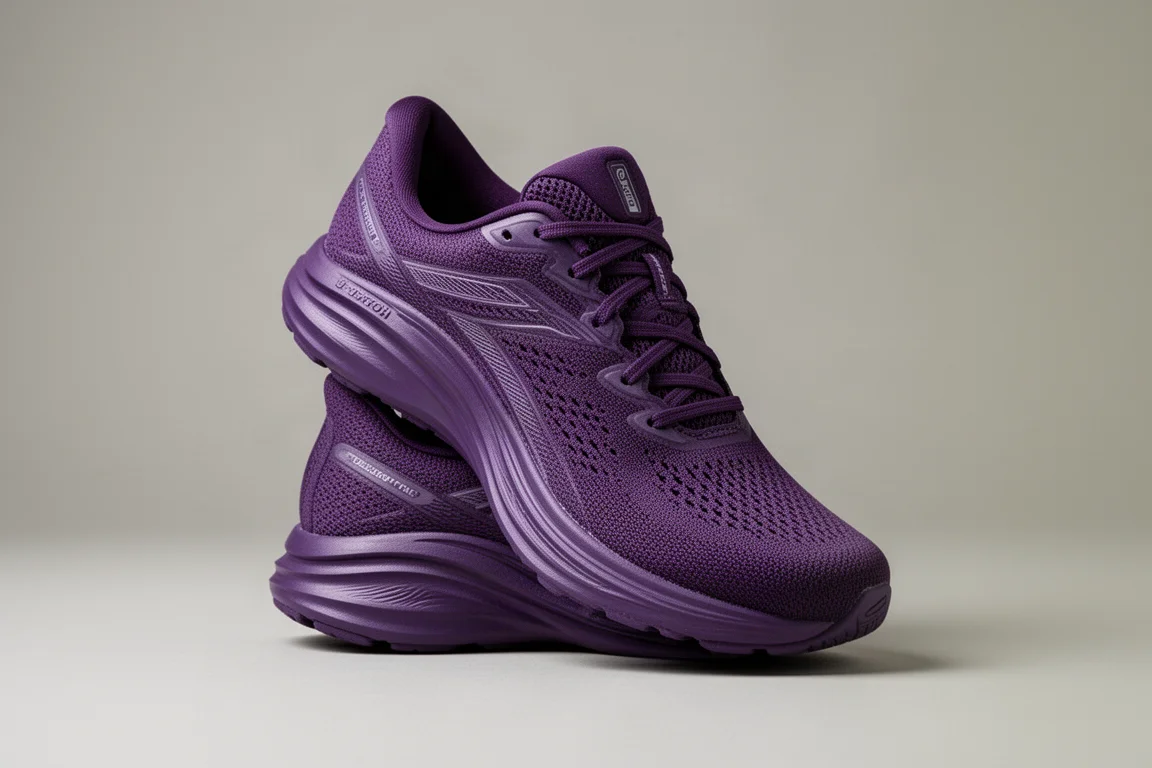
The 361 Flame 5 is the surprise of this group for anyone who has ever wanted a stability option in a racing shoe. At $169 it is not the lightest racer available, but it responds well at workout pace, and its durability is exceptional: at around 40 miles there are no dents or visible wear on the outsole, which simply refuses to break down.
The defining trait is its mild stability. The plate and foam rise enough that runners with overpronation tendencies feel supported through the arch, with posterior tibial work staying quiet during and after hard workouts. It is a modern take on the old-school stability racer: heavier than neutral racers, but purposeful. The trade-offs are real, though. The heel counter is hard and unprotected, causing Achilles irritation for some runners, and the plate digs noticeably into the medial arch, so sensitive high arches should be cautious.
If you need a durable, stability-leaning shoe for tempo runs, 5K workouts, and steady racing, the Flame 5 is one of the few options that actually delivers, at a very reasonable price.
Overall Buying Advice
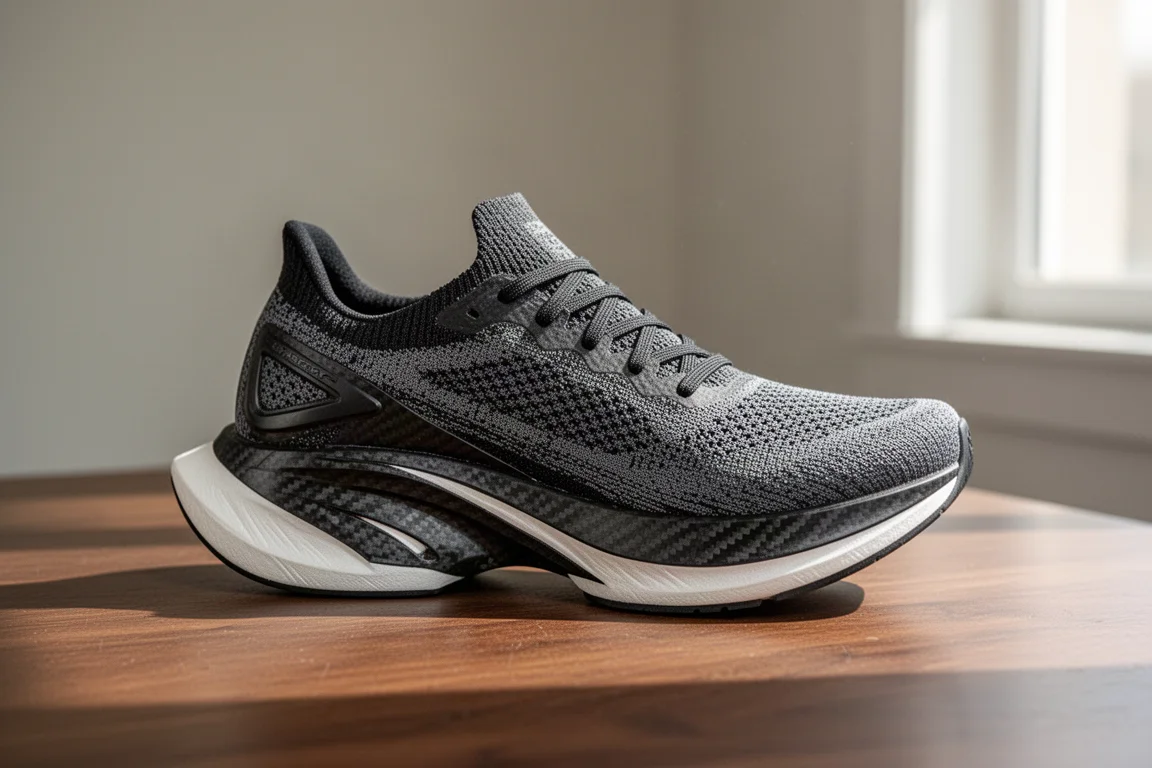
The practical takeaway from all five: match the shoe to your stride and foot, not the hype. Heel strikers chasing a lightweight racer should look hard at the Puma Deviate Nitro Elite 4. Forefoot or midfoot runners should skip it. Marathon trainers wanting maximum cushioning with a forgiving fit should weigh the ASICS Superblast 3, keeping in mind its very soft early miles. Runners who want one shoe to cover easy runs, long runs, and faster work should put the On Cloudmonster 3 Hyper at the top of the list. Hoka loyalists will appreciate the Skyward X 2’s improvements, provided the toe box suits their feet. And runners who need genuine medial support in a fast, durable package have a rare option in the 361 Flame 5.
Conclusion
None of these five shoes tries to be universal, and that is a good thing. The Superblast 3 rewards stiff mechanics and soft-shoe fans, the Deviate Nitro Elite 4 rewards heel strikers, the Cloudmonster 3 Hyper rewards nearly everyone, the Skyward X 2 rewards Hoka-compatible feet, and the Flame 5 rewards runners who need stability without giving up speed. Know how you land, know your foot shape, and the right pick becomes obvious.
Further reading
Related Reviews

Running Shoes
Best Road-to-Trail Running Shoes: Three Versatile Options for Mixed Terrain
A practical guide to three road-to-trail running shoes that handle both pavement and mild trails, with clear strengths and trade-offs for different runner types.

Running Shoes
Best Running Shoes for Achilles Tendonitis: Three Options Explained
Three running shoes with different heel drops and support features designed to help reduce Achilles tendon pain during walking and running.

Running Shoes
Best Running Shoes for Women: Five Top Choices Ranked
A ranked guide to five women's running shoes, from versatile daily trainers to high-performance racing options, with real strengths and trade-offs for each.