Running Shoes
Best Running Shoes in Testing Right Now: Eight Models Worth Knowing About
Eight running shoes currently in testing, from a refined maximal daily trainer to a surprisingly stable performance shoe, with honest notes on fit, ride, and who each one suits.
Introduction
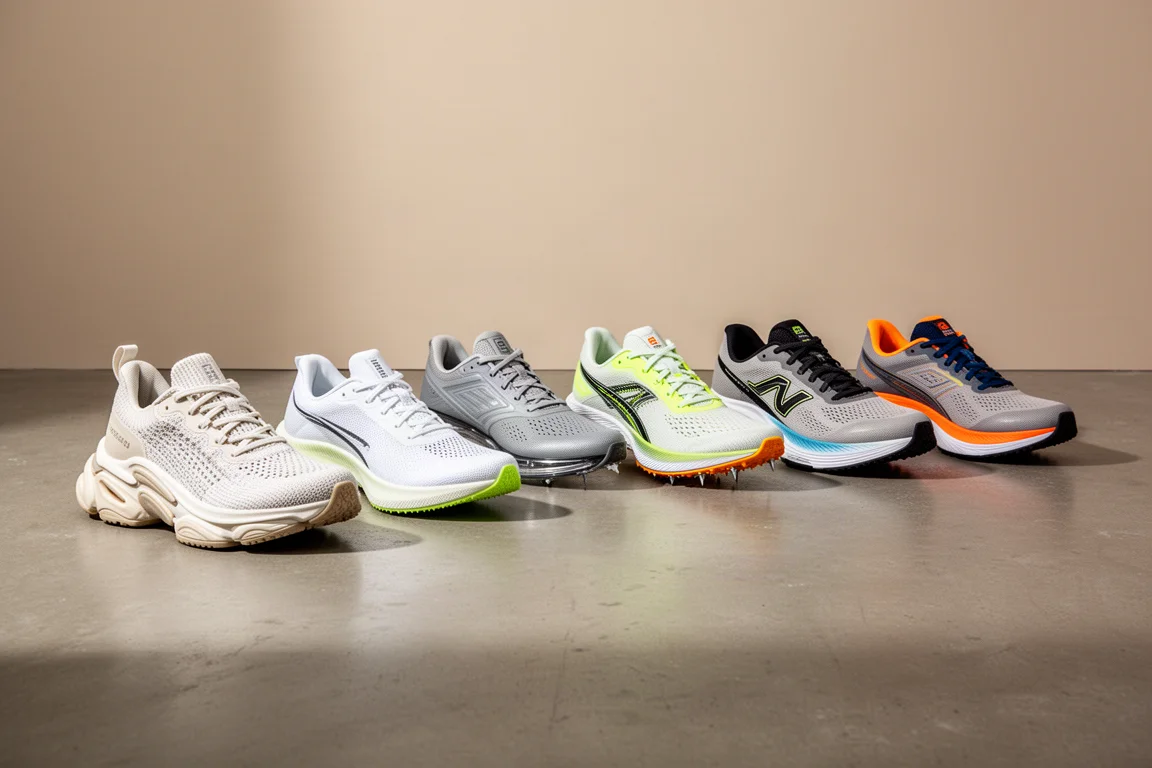
Eight shoes are currently in testing, and together they paint an honest picture of where running footwear stands right now: brands are pulling in very different directions, fit is increasingly the deciding factor, and some shoes are far better at the job they end up doing than the job they were pitched for. Here is how each one is shaping up, so you can decide which belongs on your shortlist.
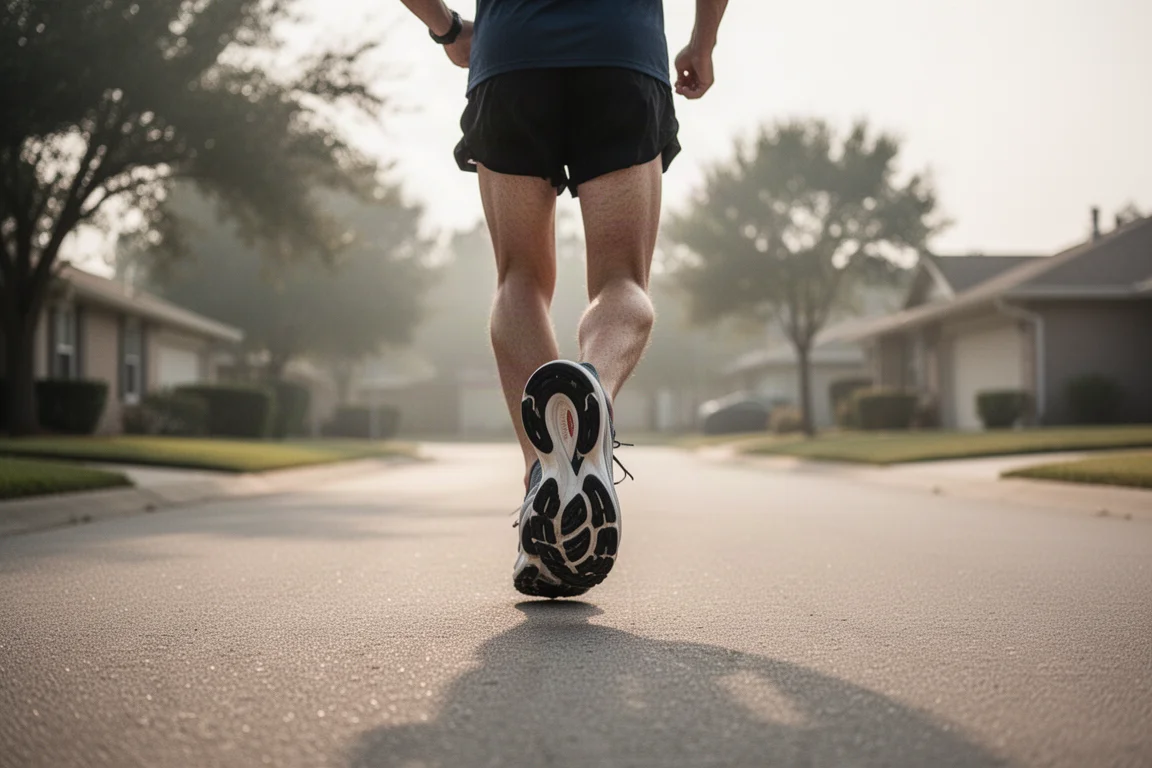
Best Maximal Daily Trainer: Puma Magnify Nitro 2
The original Puma Magnify Nitro was a favourite for easy runs, and the second version builds on it well. For a maximal shoe it stays relatively lightweight, around 9.5 ounces for men and a little under 9 for women, with a noticeable bounce from the Nitro foam. The upper fits comfortably, the toe box has enough width, and the outsole shaping feels natural for midfoot landings.
The update runs roughly half an ounce lighter than the original and switches to a more knit-style upper that stretches better and fits a bit wider while keeping a lower volume. Early miles suggest a more refined, better-centred ride than version one, though the reduced outsole material means long-term durability still needs to be proven.
The Softest Racer: Saucony Endorphin Elite 3
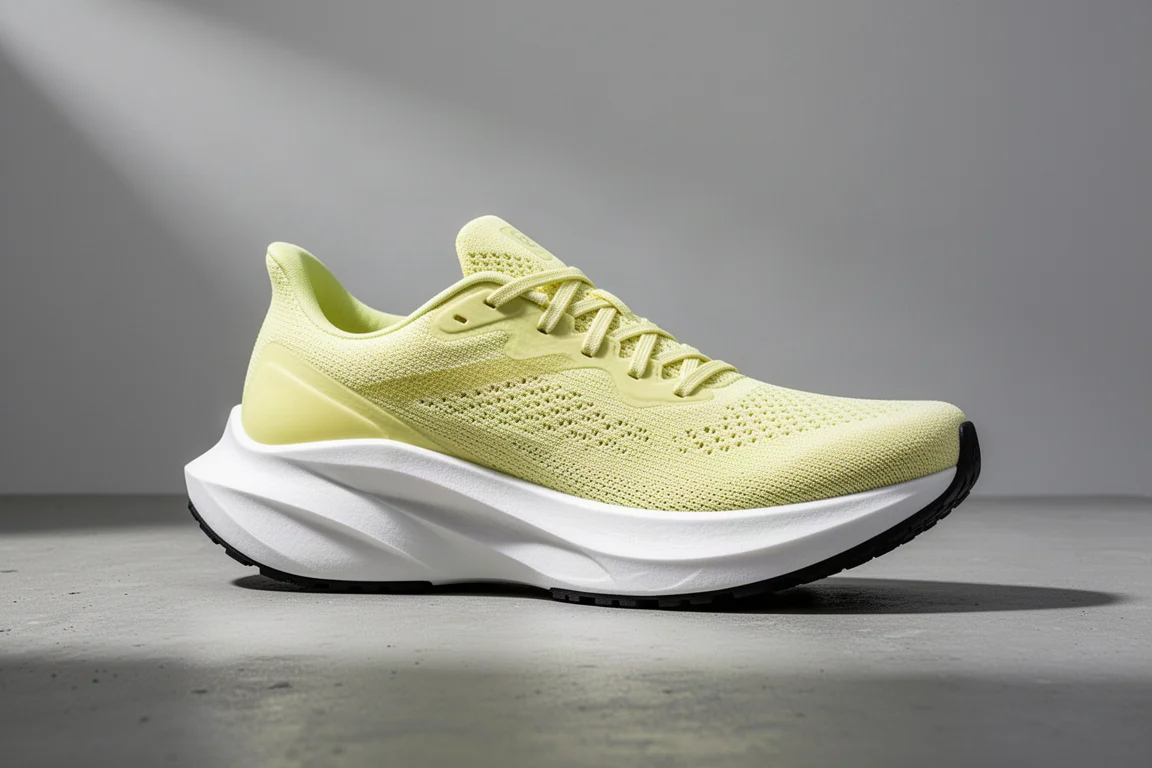
This is one of the most comfortable-fitting racing uppers around, with a squared-off, wide toe box, and it is unapologetically a soft racing shoe. The amount of bounce offsets the softness nicely, and it performs strongly at 10K pace and threshold efforts.
The trade-off is control. At speed, cornering is genuinely difficult because the shoe wants to bounce you outward through turns, so a flat course with few turns is strongly recommended. It is also not much fun when running slowly, and runners who need stability may struggle to control the ride. If you have solid ankle stability and want one of the bounciest shoes available for straight, fast courses, it delivers.

A Trainer Testing Patience: Brooks Hyperion Max 4
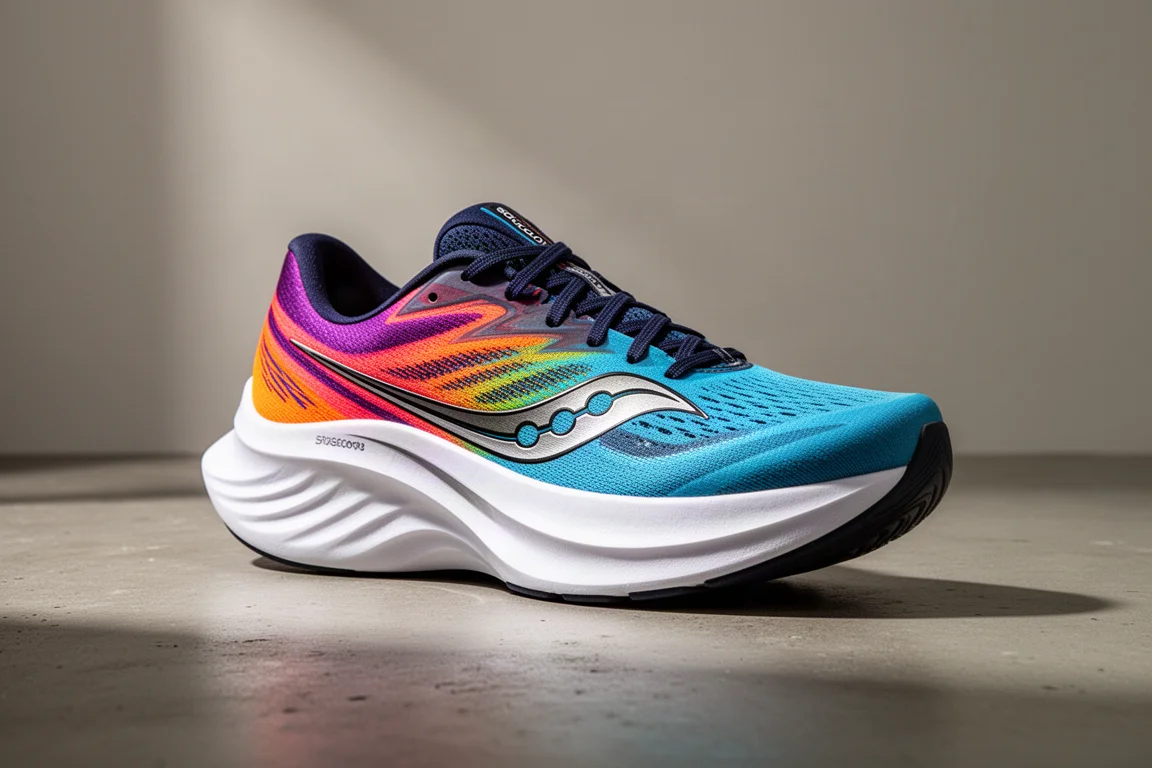
The Hyperion Max 4 is the most divisive of the group. The streamlined, improved tongue is the clear upper win, but the toe box is tight, low volume, and strongly tapered, with blistering reported even after going up a half size. The stiff platform and medial midsole cutout go unnoticed by some runners and aggravate the medial structures of the foot for others, so lateral stability needs work well here while medial needs do not.
It also runs heavier than its intended use suggests, making anything faster than up-tempo work unpleasant. There is real potential in the platform and the DNA Gold midsole, but right now it functions best as a neutral daily trainer for runners whose feet happen to match its narrow, low-volume fit.
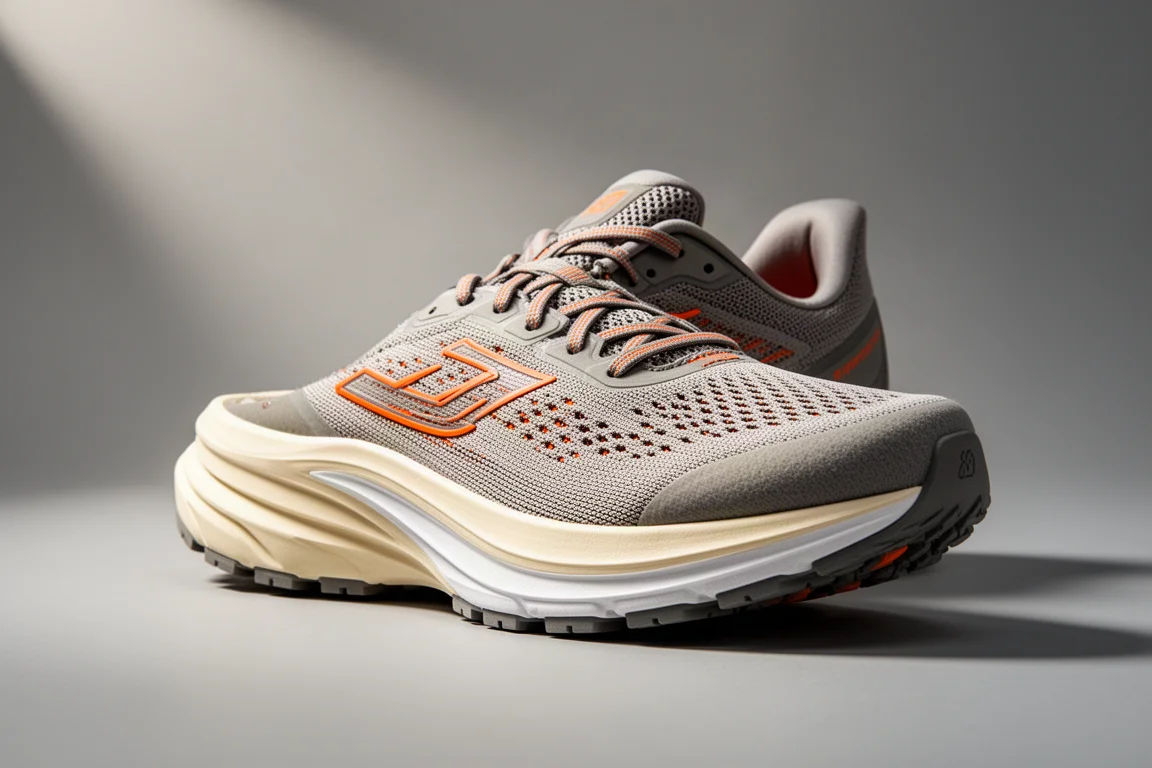
Track Pick: Nike Victory 2 Spike
For fast 400-pace track work, the Nike Victory 2 spike has become the go-to. It is genuinely fast, and the reason it is hard to give up is simply how quickly it lets you run.
The catch is fit. Sizing down to a proper snug spike fit put the arch of the left shoe in exactly the wrong place, producing arch pain, a recurring issue across Nike racing shoes. Runners with sensitive arches should test the sizing carefully, and if the fit works, this is a rewarding spike for short, fast repetitions.
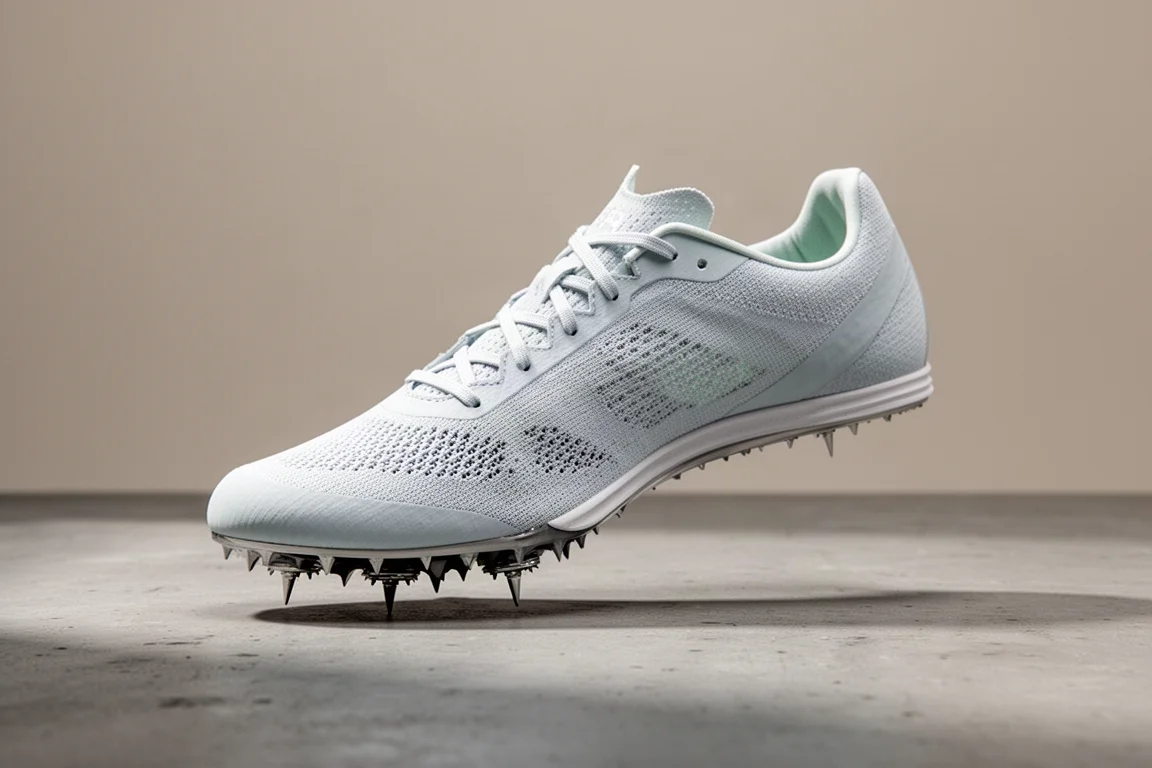
Mid-Distance Contender: On Cloud Spike
With the Victory 2 causing arch trouble at the correct size, the search shifted to alternatives, and On’s mid-distance spike is the next one on the track list. It arrives with real expectations: a mid-distance spike from a brand whose footwear has consistently landed differently, and often better, than expected this year.
It is too early for verdicts, but for runners who cannot get comfortable in Nike’s spike fit, this is now one of the most interesting mid-distance options to watch.
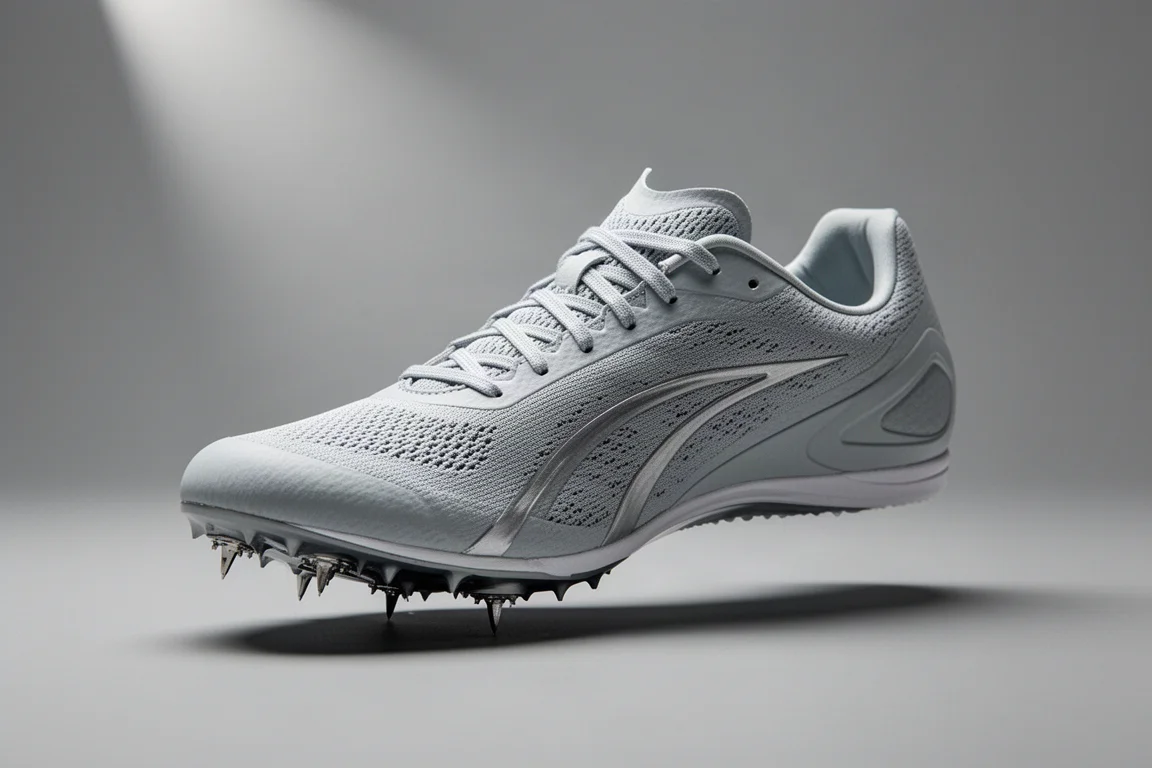
Best for Walking and Standing: Brooks Ghost Max 4
The Ghost Max 4 is excellent, just possibly not for running. After going up a half size, it fits narrower than before with a tapered toe box that is not especially enjoyable, but the rest of the shoe is genuinely good: a stable-neutral character, a deep footbed that accepts orthotics well, and real all-day comfort once the midsole breaks in.
As a running shoe it is fine for shorter distances, but it is not bouncy and does not feel like what most runners want from a running shoe. For long walking days, standing all day, and clinical or teaching shifts, it is one of the best options in this whole group.
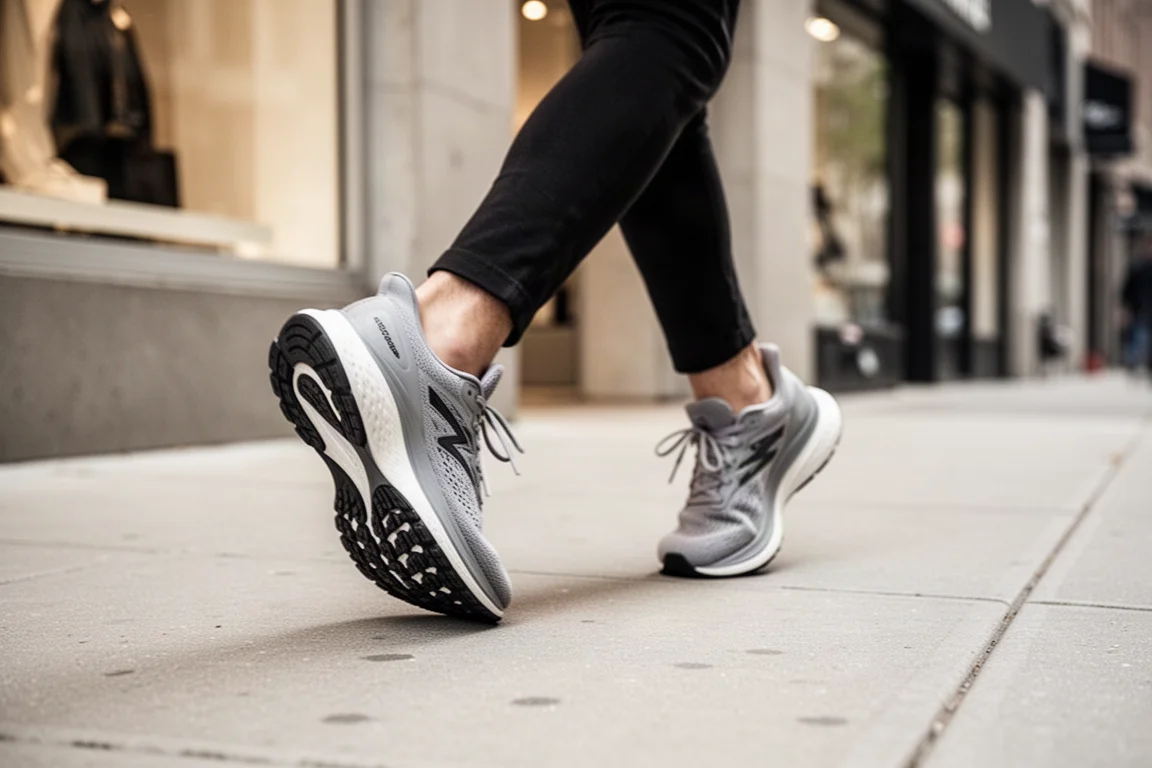
The Year’s Biggest Disappointment: ASICS Kayano 33
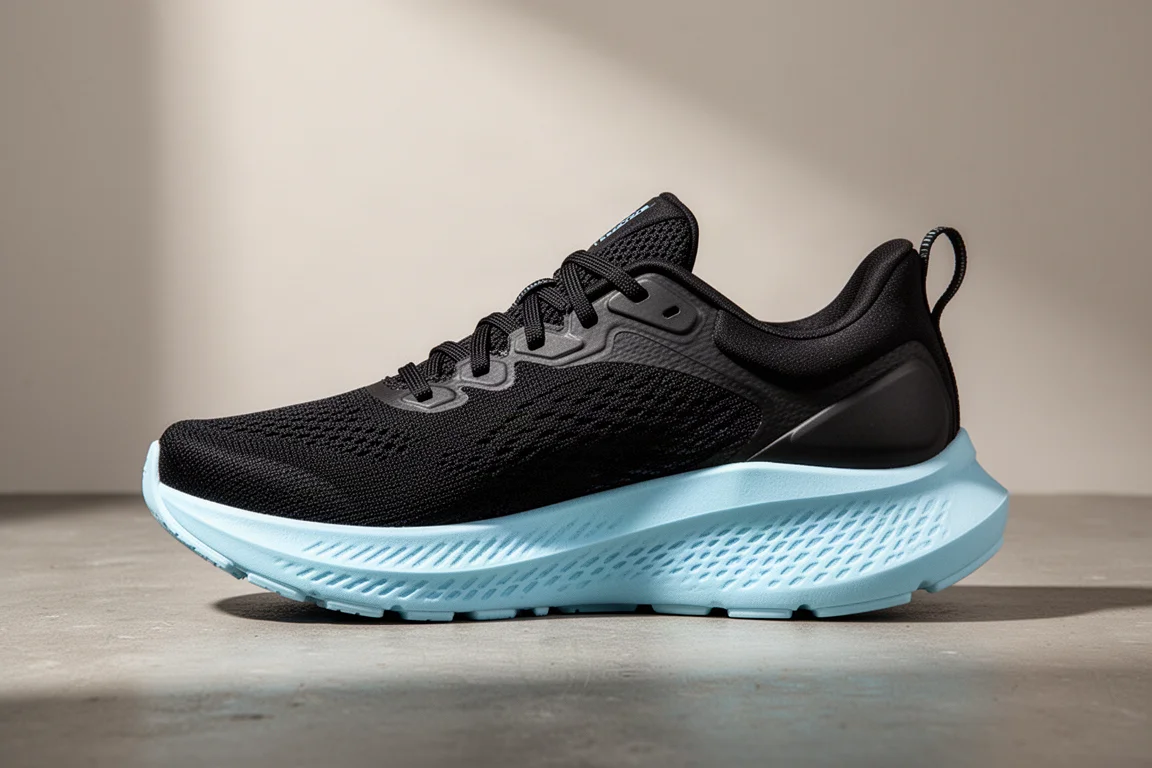
The ASICS Kayano 33 steps back to a much firmer ride than version 32, and the heel feels clunkier as a result. The “Fluid Support” forefoot design does provide a decent, feelable forefoot stability, but the midfoot has lost the smooth transition of the previous 4D Guidance System, making it one of the least supportive midfoots a Kayano has offered in years.
It fits better than before, less narrow than the previous version, and it is genuinely comfortable for walking and standing, which is how many people use running shoes anyway. For running, though, the higher impact is uncomfortable, it is slightly heavier despite a slightly lower stack, and the shoe reads as having an identity crisis between natural stability marketing and a less stable reality.
Best Durable Performance Shoe: On Cloud Monster Hyper 3
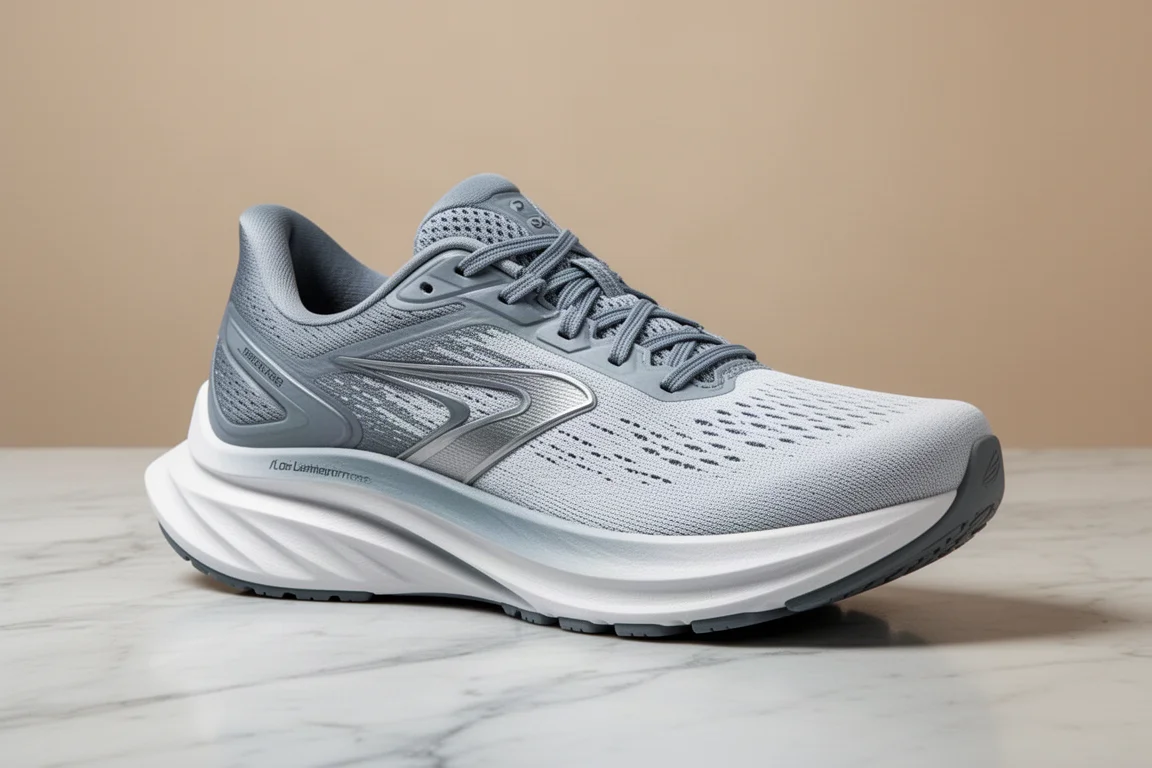
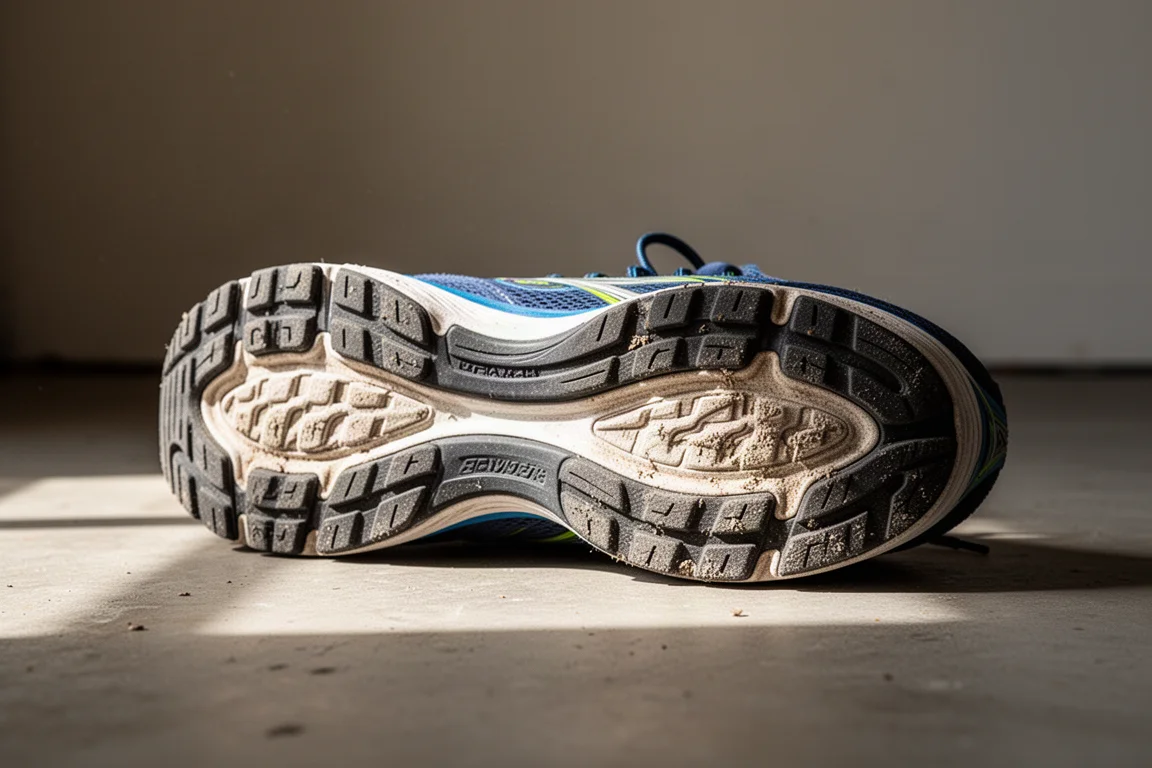
At $280 the On Cloud Monster Hyper 3 is expensive, but 140 miles in, the durability story is strong: the outsole wears evenly, the upper has not lost its fit, and there has been zero blistering or slipping despite the laceless design. It is not plated, but it is stiff, and it may be the closest thing to a stable racing shoe available. It is also lighter than comparable stiff performance shoes from other brands.
That very high medial sidewall will not suit everyone; for some runners it is too much stability, and for others it is exactly what makes it so secure. Once broken in, it handled long runs, track work, intervals, and long tempos without issue. If you have some stability needs, want a unique upper, and value durability, it keeps earning its way back onto the rotation.
Buying Advice
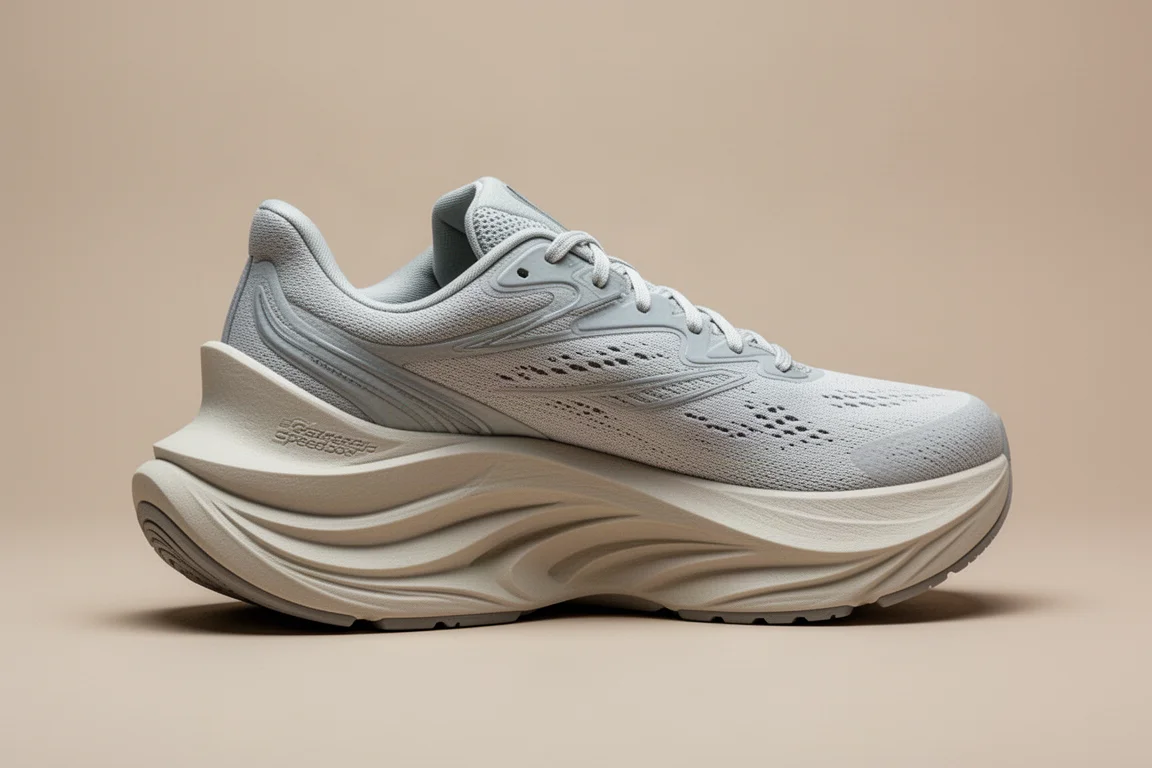
Start by choosing a category rather than a label. A neutral daily trainer, a stability daily trainer, a performance trainer, or a racing shoe will tell you far more about how you will actually use a shoe than stack heights or marketing names will. Fit matters more than any spec: a shoe that is perfect on paper but too narrow in the toe box will not perform as designed, and sizing up to fix the forefoot can shift how rockers, arch support, and plates line up with your foot. If you mostly walk and stand, the Ghost Max 4 and Kayano 33 deserve a look; if you race on straight fast courses, the Endorphin Elite 3 is the standout; and if you want one durable, stable, do-most-things shoe, the Cloud Monster Hyper 3 is the strongest pick here.
Conclusion
This group shows brands heading in sharply different directions, and the gap between great and disappointing often comes down to fit and honest positioning. Match the category to your actual use, prioritise fit over every other spec, and each of these shoes has a clear winner scenario, even the ones with real caveats.
Further reading
Related Reviews

Running Shoes
Best Road-to-Trail Running Shoes: Three Versatile Options for Mixed Terrain
A practical guide to three road-to-trail running shoes that handle both pavement and mild trails, with clear strengths and trade-offs for different runner types.

Running Shoes
Best Running Shoes for Achilles Tendonitis: Three Options Explained
Three running shoes with different heel drops and support features designed to help reduce Achilles tendon pain during walking and running.

Running Shoes
Best Running Shoes for Women: Five Top Choices Ranked
A ranked guide to five women's running shoes, from versatile daily trainers to high-performance racing options, with real strengths and trade-offs for each.