Running Shoes
13 Running Shoes Worth Knowing About Right Now: Our Extended In-For-Testing Roundup
From plush daily trainers and stable super trainers to trail grip and recovery shoes, a detailed look at 13 models that earned miles on our feet.
Introduction
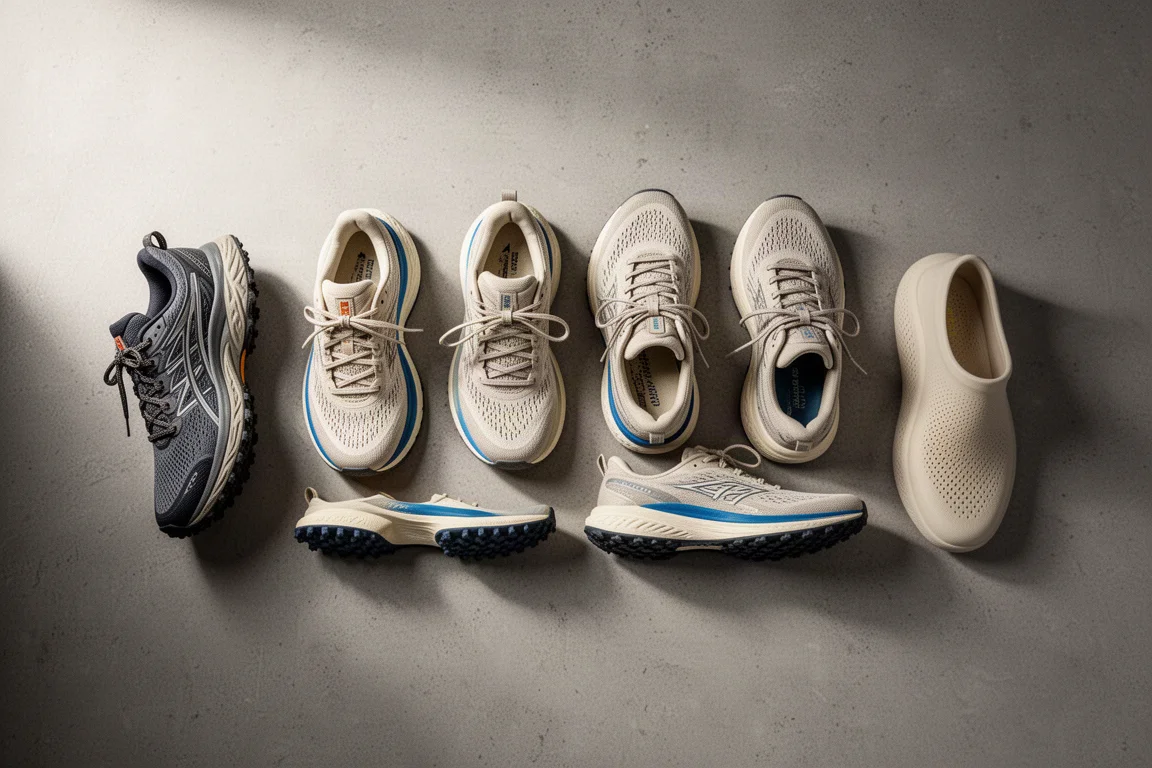
Every so often a wave of shoes arrives at once, and this round was unusually crowded. We had thirteen models rotating between testers, covering nearly the full spectrum: tall cushioned trail shoes, plush premium trainers, stable super trainers, budget-friendly daily shoes, race day super shoes, trail flagships and even a recovery-focused lifestyle option. A few of them were genuinely divisive on the team, which is always worth documenting honestly. Below is what each shoe does well, where it falls short, and who should actually buy it.
North Face Vectiv Enduris 500 v2
The Vectiv Enduris 500 v2 impressed both testers enough to become one of the standout shoes in this batch. It is a tall, roomy trail shoe with a wide base, a well-dialed forefoot rocker, and a supercritical TPU midsole that Nord Face markets as its Dream midsole. The ride is rockered and rolling rather than bouncy, making it best suited to steady long miles rather than pushing pace.
Fit is one of its defining traits. The forefoot is spacious and voluminous, sitting between a standard road fit and a truly wide trail shoe, while the midfoot is the most conventional part of the profile. The heel is slightly looser, especially at the back, which sounds like a flaw but becomes an advantage for runners sensitive to heel pressure, such as those with Haglund’s irritation. The traction is good for the majority of trails, with shallow enough lugs that road-to-trail use works well, and durability is strong for a shoe retailing at $170 and weighing roughly 10 oz in men’s size 9.
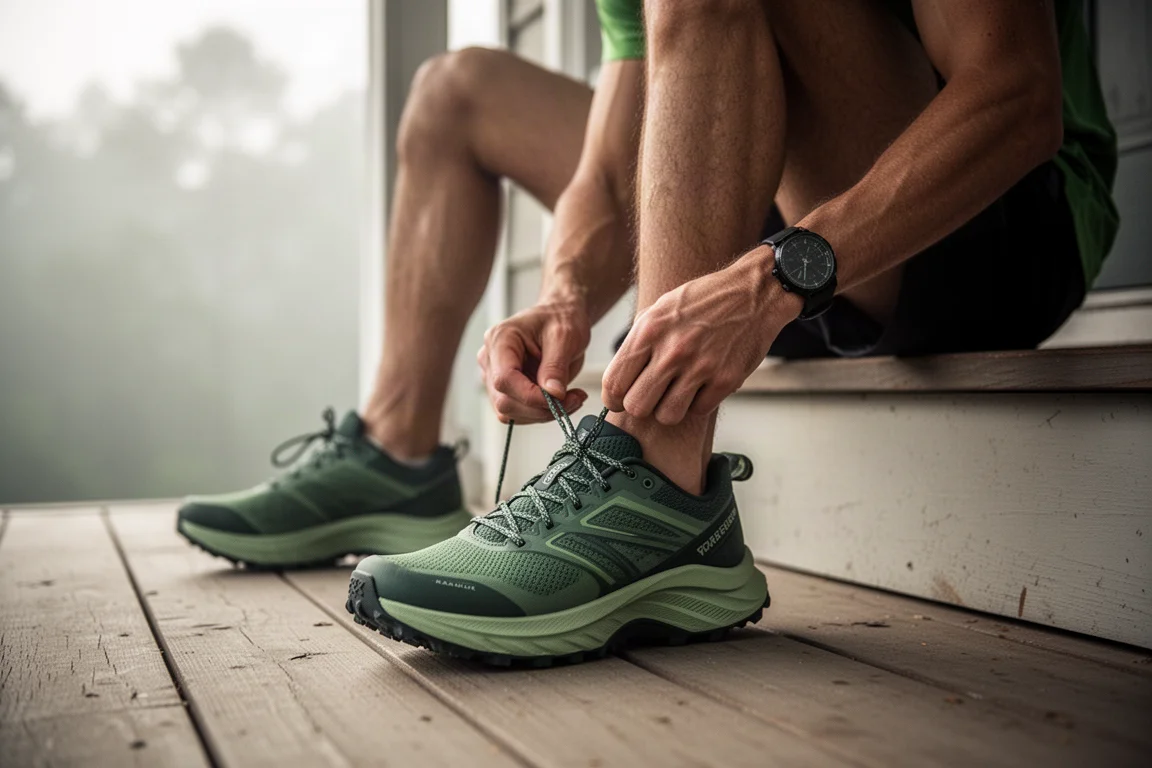
For runners who want a stable neutral, rockered long-run trail shoe with room to spare, this is an excellent pick, even if it will not suit anyone craving a structured heel or a snappy ride.
Brooks Hyperion Max 4
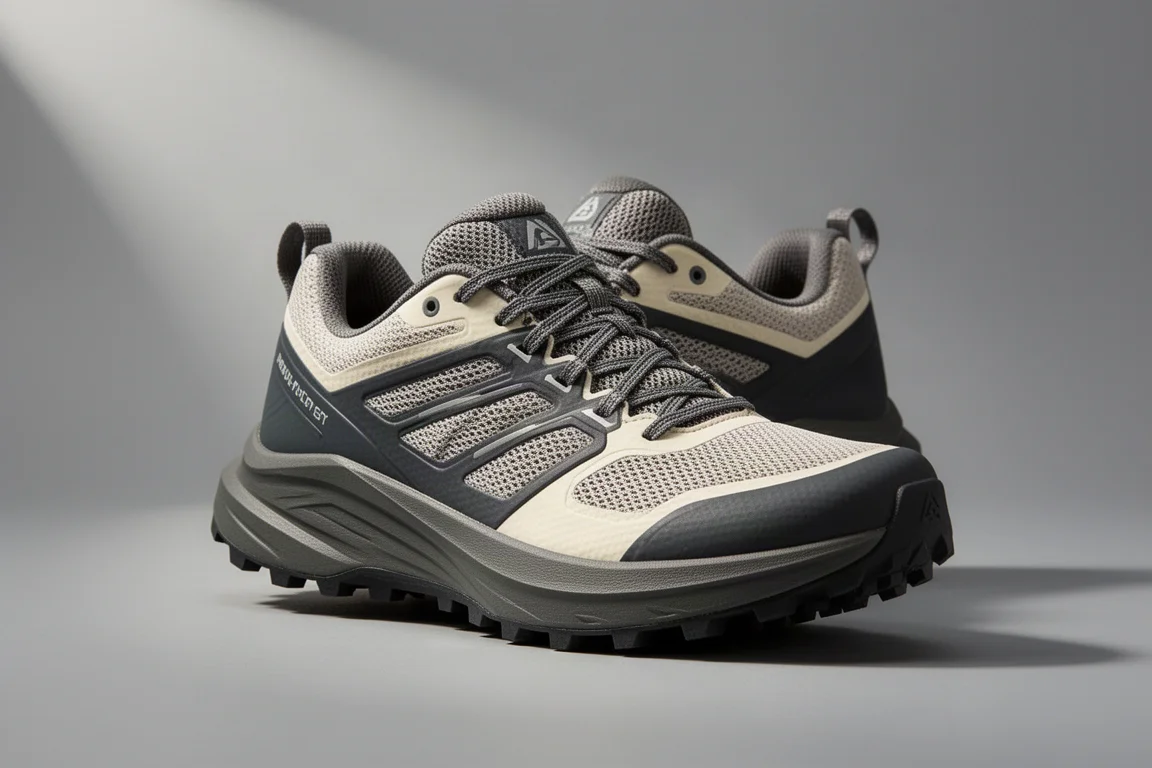
The Hyperion Max 4 is mostly an upper story. The previous version was exciting underfoot, with a bouncy, higher-stacked midsole that could double as a race shoe for many runners, but the upper was short, hot and rough. Version 4 fixes that with a lighter, thinner, significantly more breathable and more secure upper.
The midsole is supposedly the same but feels a touch firmer in early miles, which may partly come down to break-in and how the plate underfoot aligns with the toe-off position. It remains a snappy workout shoe with a slight guidance bias that some runners with mild stability needs will appreciate, though the firmer feel is not yet fully settled after about 15 miles of testing. Runners who historically found their normal Brooks size short should seriously consider going up a half size.
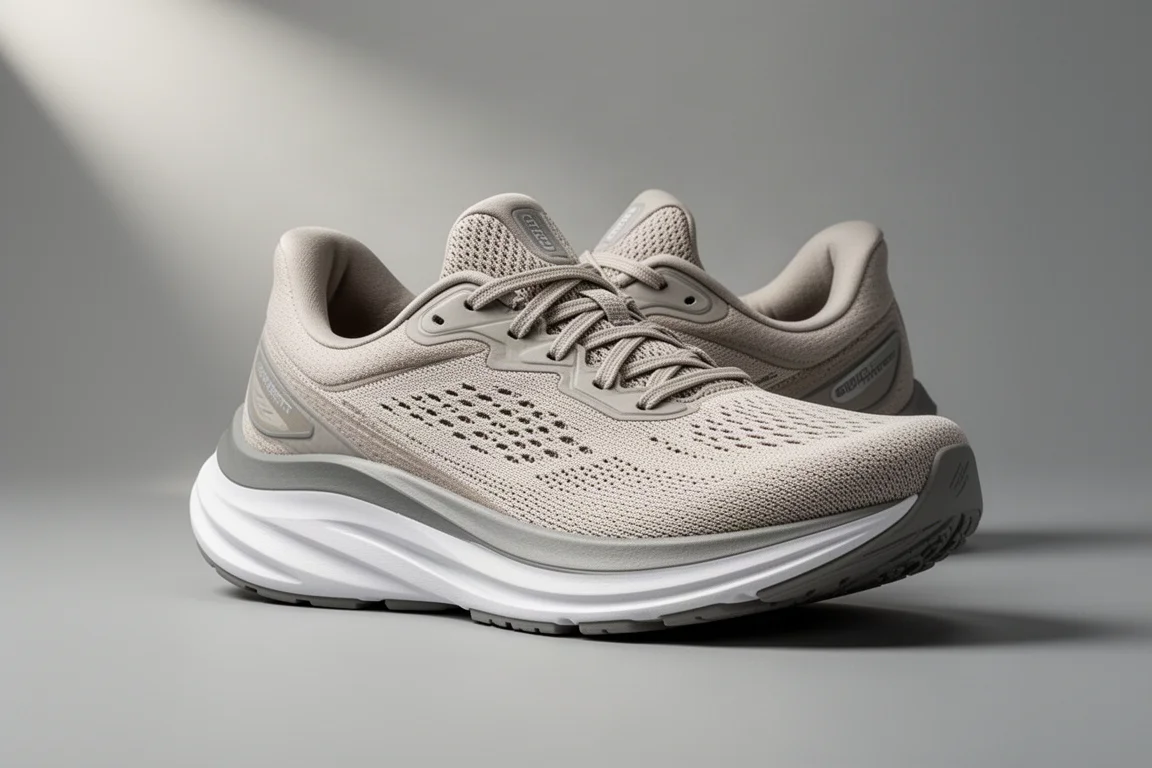
Saucony Triumph 24
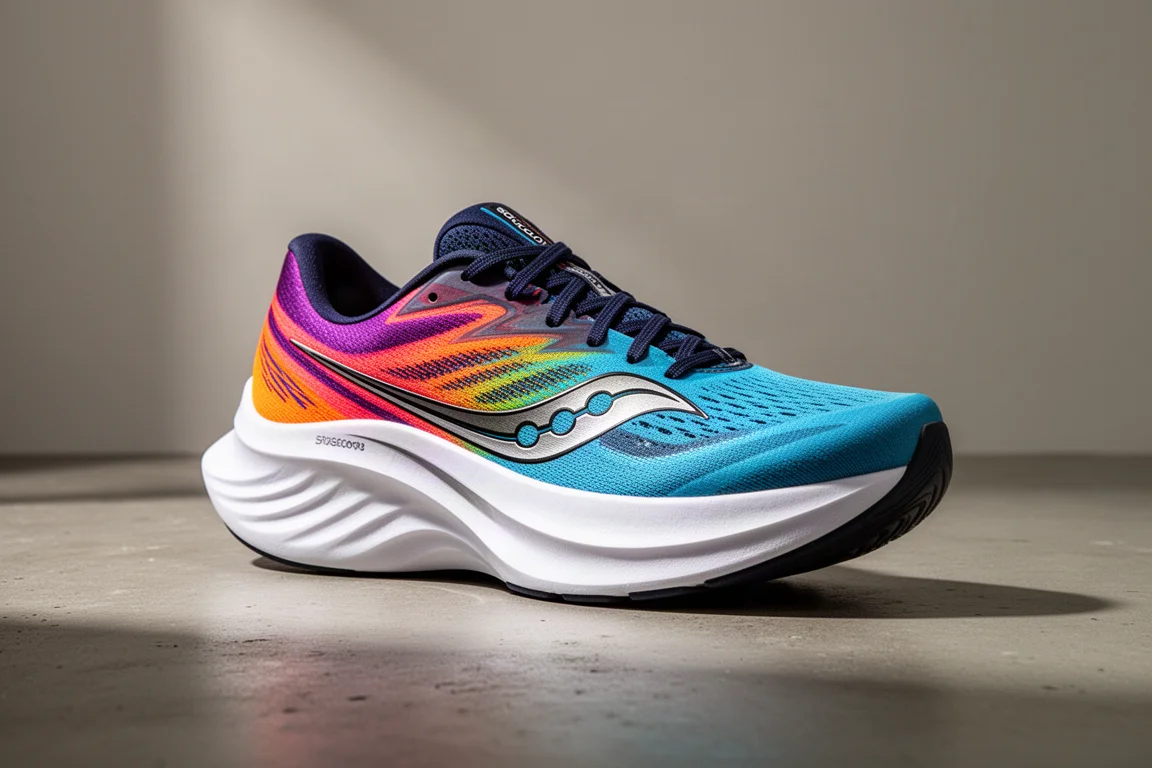
The Triumph 24 is a polarizing shoe on the team, but it is arguably a big strategic win for Saucony. The new Incredelux midsole is one of the softest on the market, yet it bounces rather than mushes out, and the shoe dropped roughly half an ounce compared with the Triumph 23, coming in around 9.5 oz in a men’s size 10.
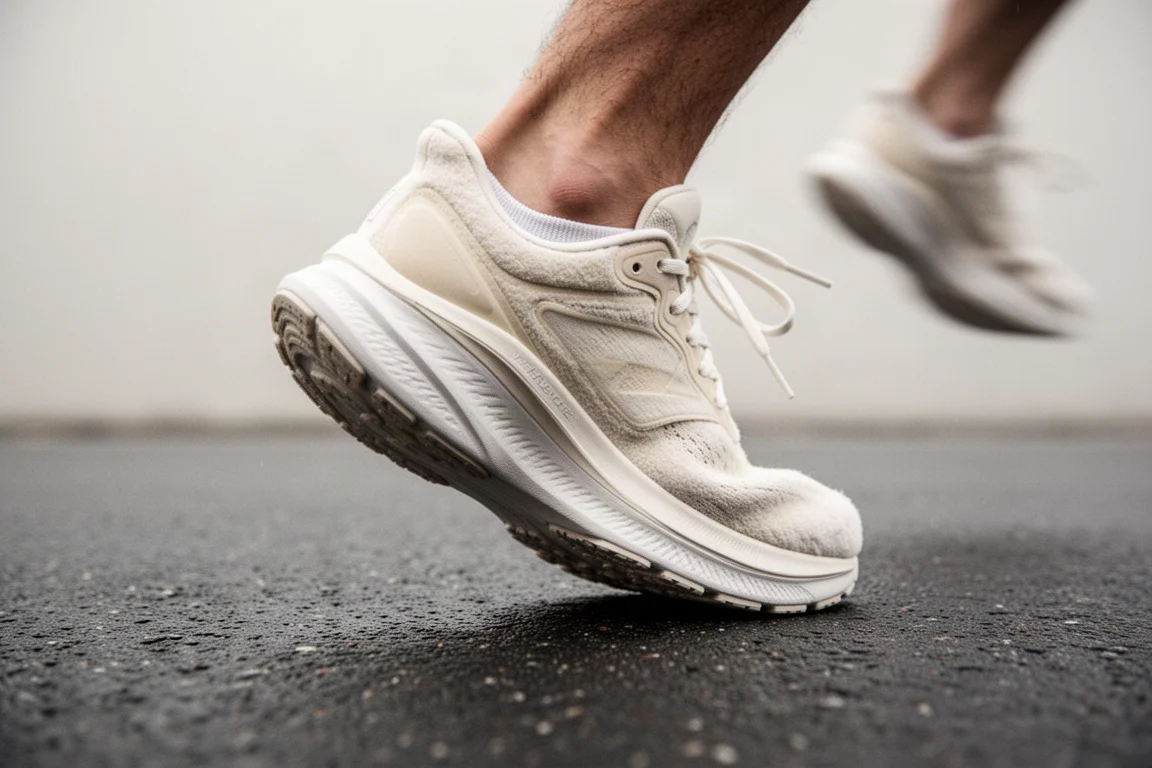
What matters most is how clearly it now separates itself from the Ride. The Triumph finally owns its identity as the plush, premium, responsive trainer in the lineup. Walking, it feels very soft; running, the quicker transitions smooth everything out and the rocker engages nicely. The 10 mm drop is a welcome rarity in a market that has lost most of its higher-drop shoes, and the noticeable medial sidewall gives a hint of guidance for those with higher arches. It is not the firm, stable shoe for everyone, and plenty of testers found it too soft, but as a daily trainer for runners who love bouncy soft foams, it is a strong option.
Saucony Hurricane 26
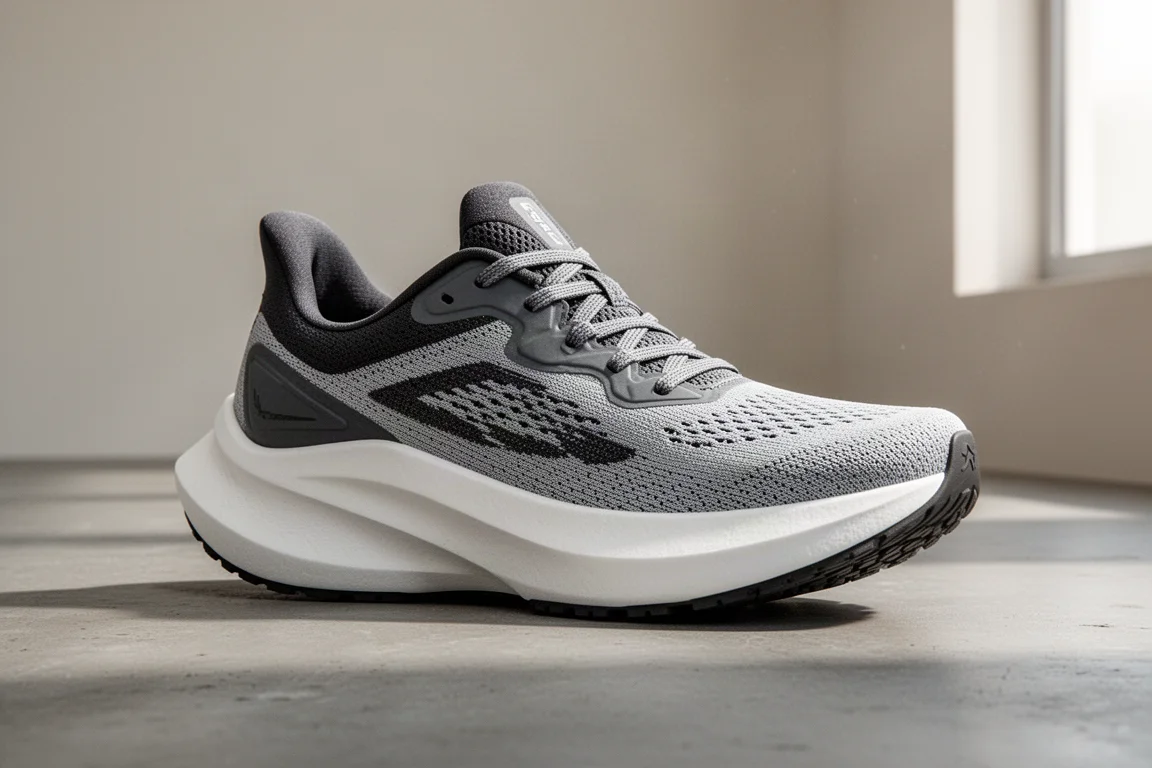
The Hurricane 26 may be the quiet star of this batch and an early candidate for stability shoe of the year. Saucony moved it to the same Incredelux foam family as the Triumph, and the change is transformative: the previous version was mushy and only mildly stable, while this one returns a responsive, bouncy ride with moderate, genuine stability through the heel and midfoot.
The geometry uses a wedge-like two-layer design with a firmer PowerRun layer rising into a medial post, and the heel bevel got slightly larger so the heel no longer sticks out or clunks. The forefoot is wider and less aggressively tapered than recent versions, the outsole durability is excellent, and at roughly 41 mm heel and 35 mm forefoot stack with a 6 mm drop, it is one of the lightest stability shoes available in the US. It handles hilly long runs and even hard workouts well, making it a rare pick for runners who want stability without sacrificing pace.
Inov-8 Trailfly Ultra G 300 Max 2
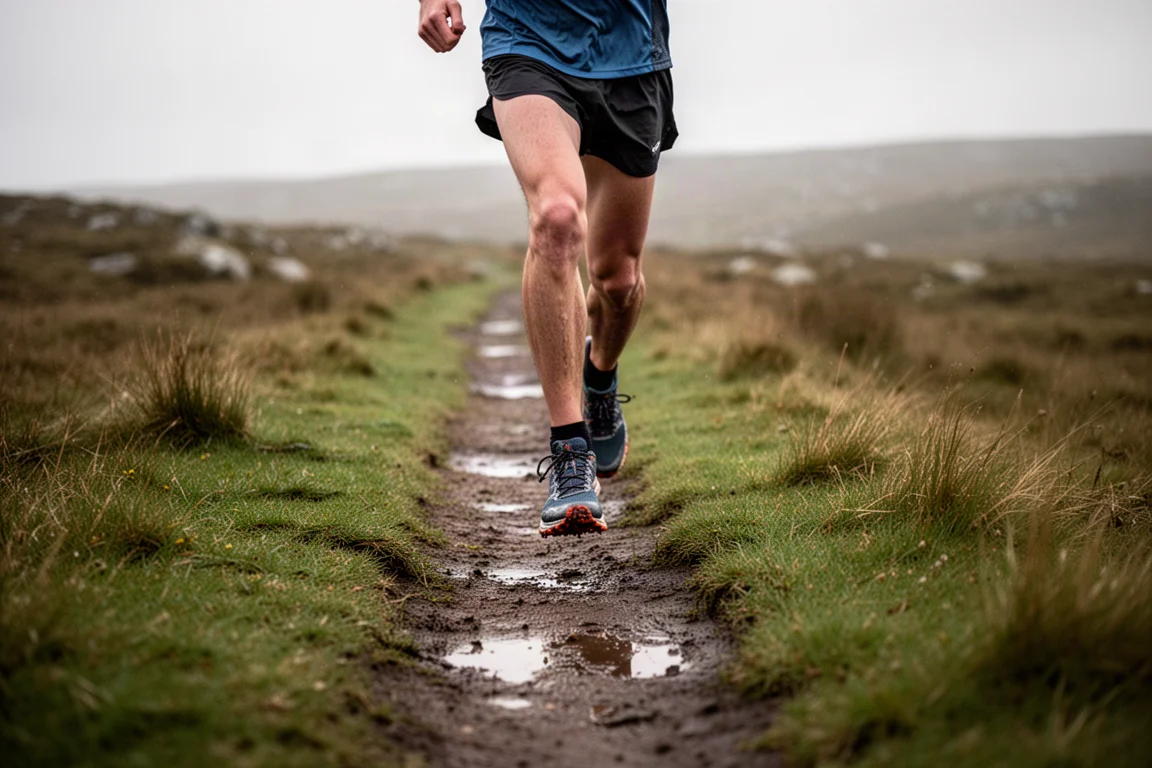
The Trailfly Ultra G 300 Max 2 sits firmly on the performance end of the trail spectrum. It is a low-profile, firm, ground-connected shoe with a full-contact, very grippy tread that punches well above its lug depth on wet rock, grass and mixed terrain. Inov-8’s fell running heritage shows here: this is a shoe that feels like an extension of the foot rather than a cushioned platform.
The fit is secure and performance-oriented, with a wide forefoot, slightly lower volume, and a snug heel that loosens up after a short break-in. The midfoot looks narrow but works because of significant side walls, and the firm midsole keeps things stable on everyday trail surfaces. It is not plush and not built for deep mud, but for runners who want nimble, connected trail miles, it is one of the more distinctive shoes in this batch.
Under Armour Velocity Distance
The Velocity Distance was a pleasant surprise. Built from several layers of HOVR Plus, it delivers a ride that is softly cushioned but unexpectedly responsive, which is not the usual expectation from marketing claims of softness. It is a 6 mm drop shoe, slightly kinder to the Achilles, with a fit that combines higher volume with a touch of extra width in the forefoot.
Under Armour’s upper quality holds up here: comfortable enough for all-day wear, easy to lock down, with a thicker heel counter that is well padded and a decent heel bevel that transitions cleanly. At just over 10 oz it is not light, but it carries a lot of rubber for durability, and the ride has enough pop to keep daily mileage interesting. It is exactly what it aims to be: a reliable mileage and long-run shoe with a little extra life underfoot.
Brooks Ghost 18
The Ghost 18 is Brooks’ flagship neutral trainer in the most traditional sense: minimal rocker, a bit of forefoot flex, firmer cushioning, and a no-drama ride that simply gets the job done. Recent versions have firmed up slightly and gotten snappier and lighter, which makes the Ghost a realistic do-it-all daily trainer for newer runners, high school and college runners, or anyone who wants a standard trainer that can still turn over a bit.
Two things to know before buying. First, the fit has become more performance-snug, and the volume across recent Brooks models has trended lower. Second, the side walls in this version are significant, enough that some testers call it stable neutral. Outsole rubber concentrated medially adds a subtle lateral guidance bias. If you are sensitive to side walls, that may annoy you; if you like them, the Ghost 18 becomes a very appealing simple option. It keeps a 10 mm drop and a more padded, slightly warmer tongue.
Saucony Endorphin Elite 3
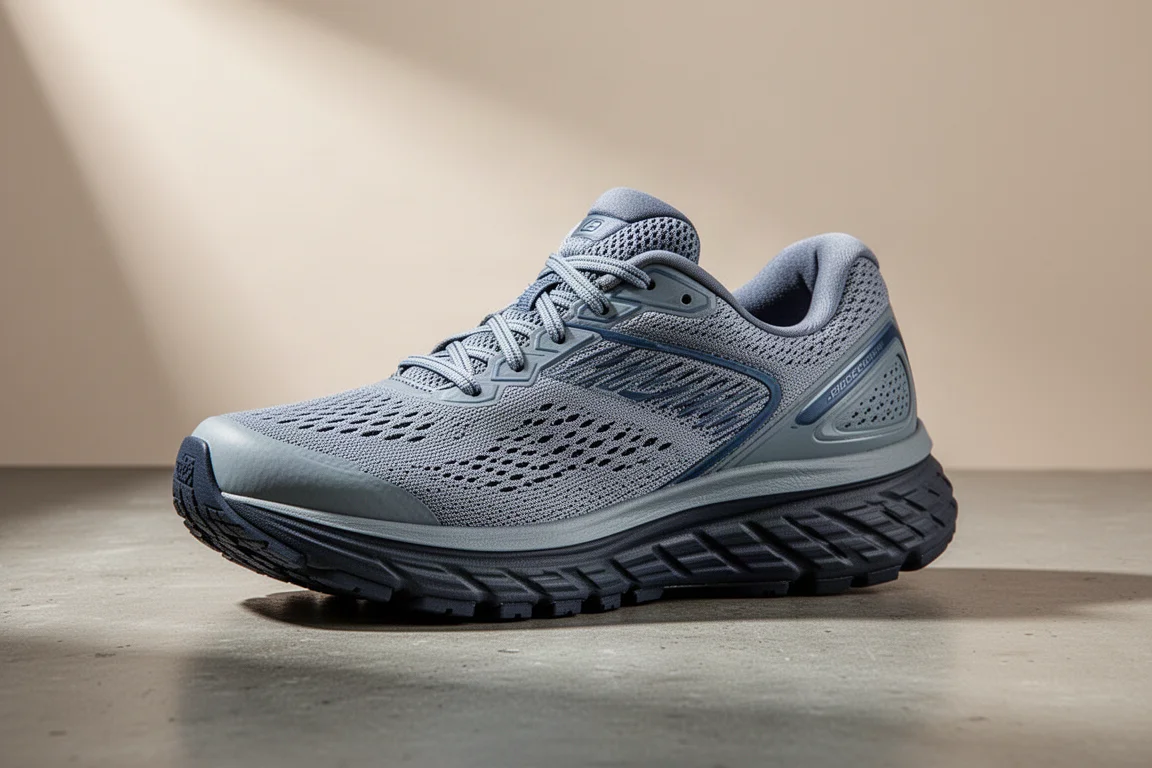
The Endorphin Elite 3 is the softest super shoe on the market by a wide margin, and it is an extreme shoe that demands the right conditions. The Incredelux-based midsole is far better than the mushy previous version: bouncy, pleasant at easy and moderate paces, and genuinely fun in a straight line on flat ground. For runners with very quick ground contact and a preference for maximal softness, it can work as a race shoe.
The trade-off is stability. On cambered roads, turns or rolling terrain, the ride wobbles and the hips work hard to stay on the platform. In a hilly 10K race test, it struggled badly for a runner with stability needs, though the confounding factors of illness, no taper and poor sleep deserve honest acknowledgment. One universal highlight: the upper is exceptional, with no heel counter, a disappearing fit and zero pressure points. Durability has been solid, the embedded outsole has held up, and the ride even worked well for an Achilles that needed offloading. This is a shoe to choose with your mechanics in mind, not the hype.
Adidas Terrex Agravic 4
The Terrex Agravic 4 is the bread-and-butter trail flagship of the Agravic line: a Lightstrike midsole shoe with a full-contact Continental outsole, firm cushioning and a streamlined profile. It is not flashy and not a speedy trail shoe. It is simply a get-out-there-and-get-it-done trainer for the trails, and it does that job very well.
Its greatest strength is stability and proprioception on technical ground. The firm midsole, significant side walls and excellent multi-surface grip make it the easy pick for technical terrain among recent trail testers, and it stays nimble and quick-footed despite not being the lightest shoe. Runners who found narrower-midfoot Lightstrike Pro trail shoes painful on steep descents or soft, undulating surfaces will find none of those problems here.
Adidas Adizero Adios Pro 4
The Adios Pro 4 remains a fully competitive super shoe, and wearing it true to size turned out to be a revelation. The balanced geometry allows both slow and fast running, something few super shoes manage, the upper is secure despite a slightly low-volume, possibly touch-short fit, and the Continental light traction grips confidently up front.
It raced a full marathon comfortably, including plenty of walking and slow running mixed in, which speaks to its balanced profile. It is still a serious option for anyone chasing a PR, even if it is no longer the newest entry in the lineup.
Adidas Adizero Evo SL
The Adizero Evo SL deserves a renewed mention because it remains one of the best performance trainer values around. Retailing at $130, it is technically not a budget shoe, but it delivers a lively, performance-oriented ride at a price that undercuts most of the current market. Earlier versions of the Evo SL platform earned genuine enthusiasm as do-everything performance trainers, and the line still stands as a smart purchase for runners who want most of the fun of a super trainer without premium pricing. If you can find it discounted, as is often possible, the value gets even better.
Adidas Hyperboost Edge
The Hyperboost Edge is one of the most interesting shoes in this batch because it is very close to being great, held back by one contentious detail. The midsole is a derivative of Lightstrike Pro: extremely light for the amount of foam, roughly 9.4 oz in a men’s size 10 with a listed 45/39 stack, and it is resilient, super-shoe-like, and fun from the midfoot forward. Hard workouts went surprisingly well in it, and the full-contact traction grips aggressively, almost like sandpaper once you start moving.
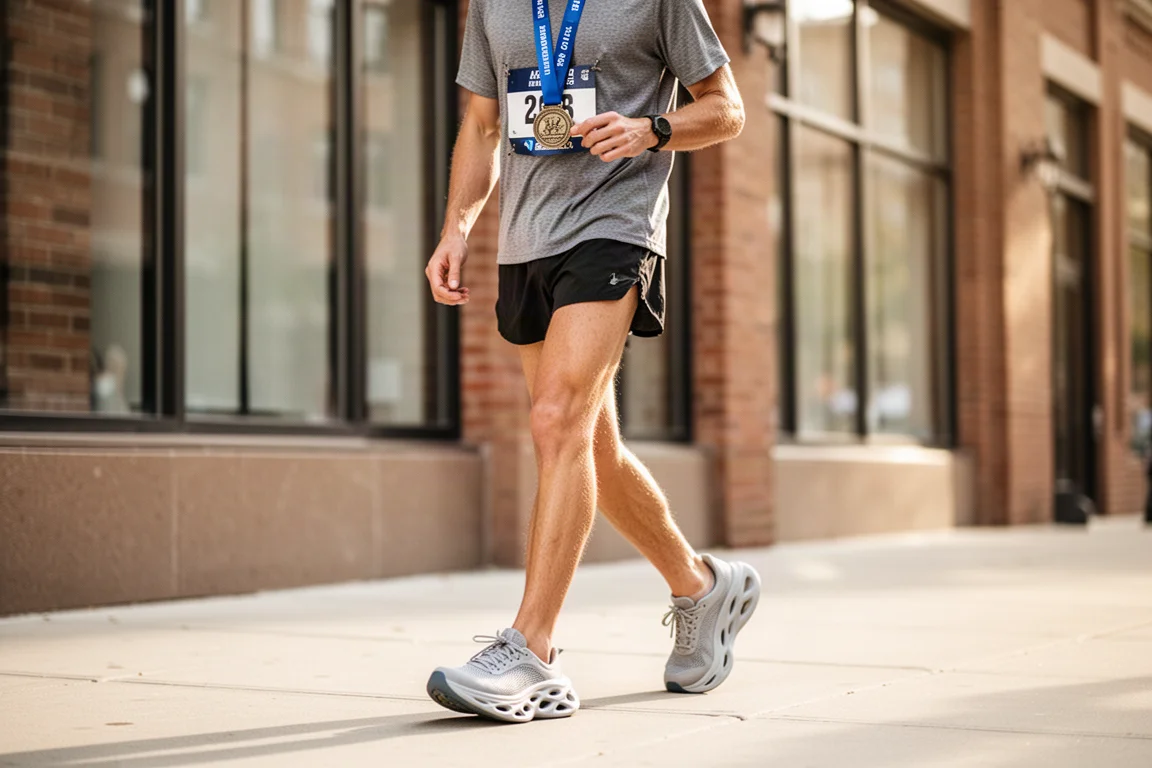
The problem is the heel bevel and posterior flare. For a 45 mm stack, the lack of a proper bevel is a real issue for heel strikers, and the heel collar can dig into the lateral ankle. The gusseted tongue and low midfoot volume create a very secure lockdown that actually helps: lacing the shoe slightly looser eliminated the collar irritation in testing. For forefoot and midfoot strikers and recreational runners who want an up-tempo workout shoe with a lot of foam, it has real potential, but the heel design needs to change before it becomes a top contender.
Adidas Pure Chill
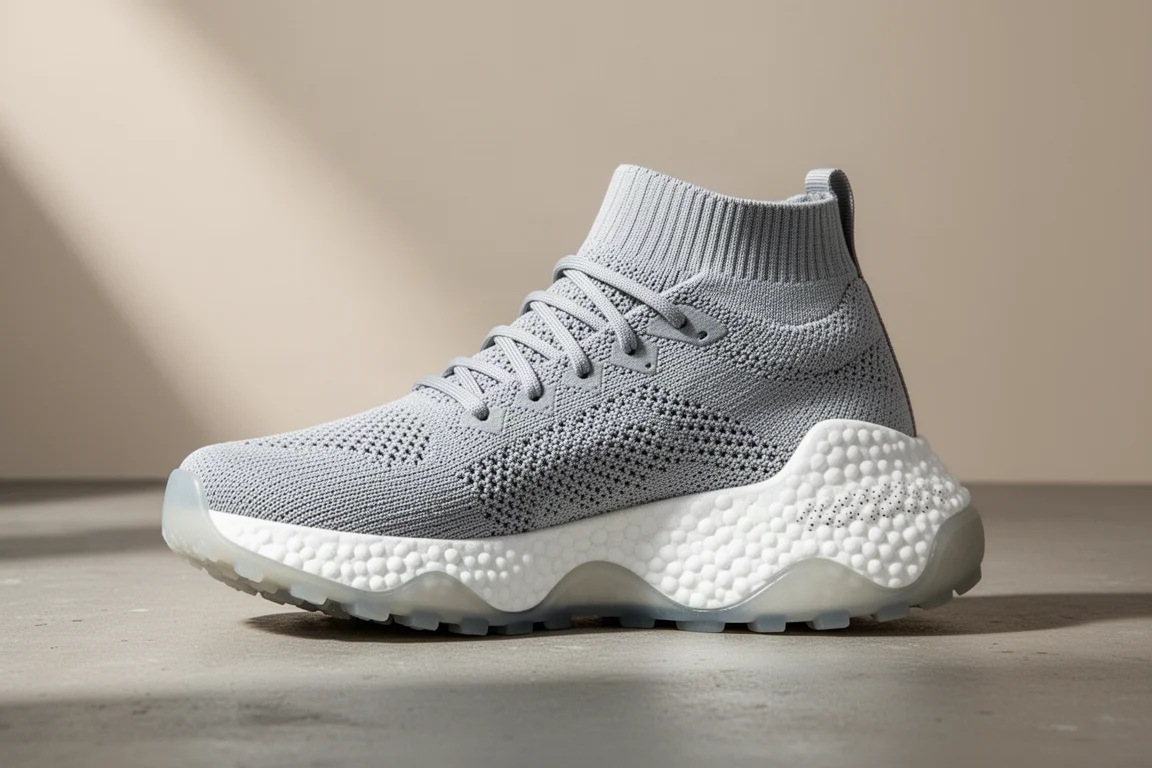
The Pure Chill is a recovery shoe, and it should be treated like a slide that wraps around your foot. A single large piece of soft striated foam forms the upper and sole, and the foot sinks into a compliant, trampoline-like platform that returns no bounce but simply holds and supports. It is not mushy; there is structure in the compliance.
The fit is intentionally loose, holding at the forefoot and midfoot with a roomier heel, so it will never be a walking-performance shoe, and no one should run a marathon in it. But as a post-race recovery and lounging shoe at around $75, it grew on a skeptical tester within days and became a daily wearer.
Overall Buying Advice
With this many options, fit your shoe to your actual running rather than to the hype. If you want a plush premium daily trainer, the Triumph 24 leads its category. If you need genuine stability with a responsive ride, the Hurricane 26 is arguably the best stability shoe available right now. Traditional neutral runners still get excellent service from the Ghost 18, and workout-focused runners should look at the Hyperion Max 4 or the Hyperboost Edge if they land less on their heels.
Trail runners should split by terrain: the Agravic 4 for technical ground and the Vectiv Enduris 500 v2 for stable, rockered long miles on smoother trails, with the Inov-8 Trailfly for anyone who wants maximum ground connection. On race day, the Adios Pro 4 remains a safe, balanced super shoe pick, while the Endorphin Elite 3 rewards only those with stable mechanics chasing maximum softness. Budget-conscious and newer runners should start with flagship trainers rather than the cheapest options, and no new runner should buy a shoe purely because it is inexpensive; a model that fits $20 better is worth it over many miles. Finally, everyone deserves a recovery shoe, and the Pure Chill fills that slot affordably.
Conclusion
This batch covered more ground than most, and the takeaways are clear. Saucony is setting the pace in soft, bouncy foams for both neutral and stability runners, Brooks is refining dependable daily trainers, Adidas has several strong performers with a clear fix needed on one heel design, and the trail category offered both a rockered long-haul option and a true fell-running-inspired performer. Match the shoe to your foot, your mechanics and your terrain, and nearly every category here has a legitimate winner.
Further reading
Related Reviews

Running Shoes
Best Road-to-Trail Running Shoes: Three Versatile Options for Mixed Terrain
A practical guide to three road-to-trail running shoes that handle both pavement and mild trails, with clear strengths and trade-offs for different runner types.

Running Shoes
Best Running Shoes for Achilles Tendonitis: Three Options Explained
Three running shoes with different heel drops and support features designed to help reduce Achilles tendon pain during walking and running.

Running Shoes
Best Running Shoes for Women: Five Top Choices Ranked
A ranked guide to five women's running shoes, from versatile daily trainers to high-performance racing options, with real strengths and trade-offs for each.