Running Shoes
Best Running Shoes for Heavier Runners: 13 Durable, Supportive Picks
A practical guide to cushioned, stable and durable running shoes for heavier runners, covering daily trainers, max-cushion cruisers, race day options and stability shoes.
Introduction
If you run at a heavier body weight, the shoe market can feel unfriendly. Soft shoes bottom out, minimal shoes leave you exposed to higher impact forces, and plenty of popular models simply do not last. The right shoe needs cushioning that is soft enough to be comfortable but firm enough to support your body through every foot strike.
This guide pulls together thirteen options across four categories: versatile daily trainers, maximum-cushion recovery shoes, race day picks and stability shoes. The goal is simple: shoes with a reputation for durability, room for wider feet, good availability in larger sizes, and a ride that is stable rather than soft and wobbly.
What to Look For as a Heavier Runner
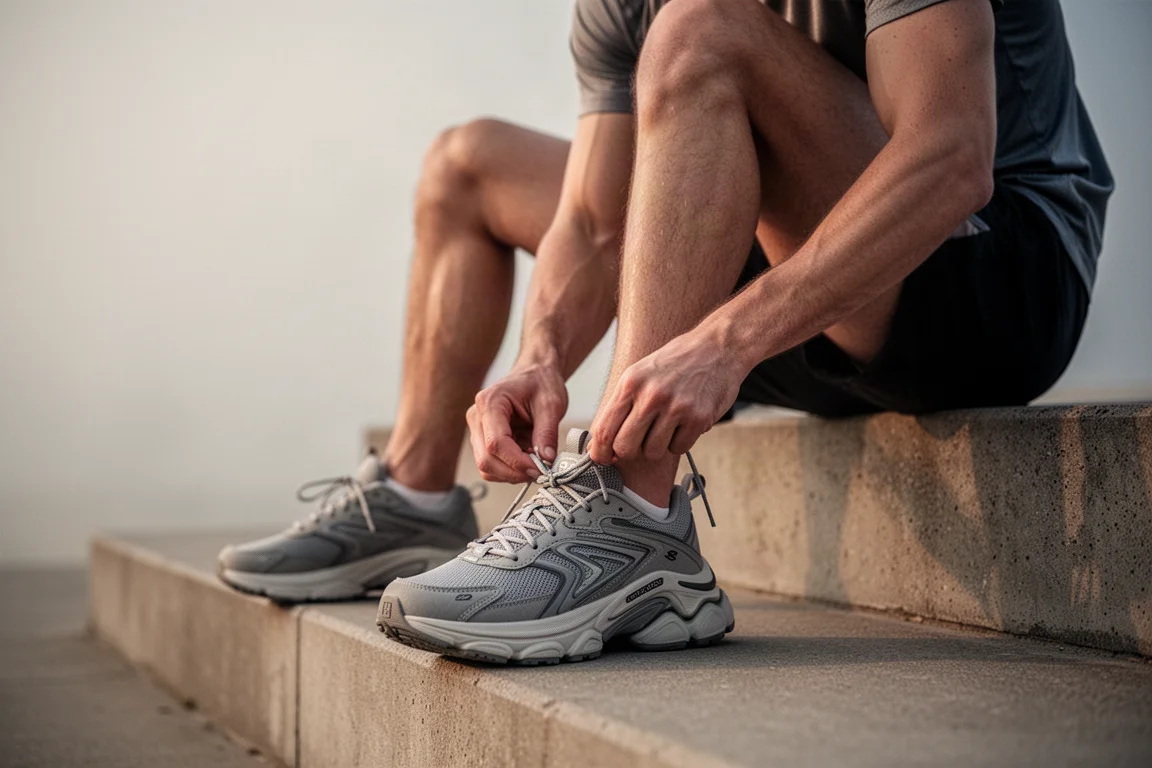
Four things matter most. First, durability: heavier runners compress midsoles faster, so foam and outsole longevity are worth paying for. Second, fit: generous width and long size runs make a huge difference in day-to-day comfort. Third, stability: foam that is too soft will compress, bottom out and stop giving you support. Fourth, avoid minimal shoes entirely, because they lack the structure to protect your body from the higher forces coming up from the ground.
With those criteria in place, the picks below are grouped by how you will actually use them.
Best Daily Shoes for Heavier Runners
If you want one shoe to handle easy runs, long runs, speed sessions and the occasional race, these are the strongest starting points.
Nike Vomero Plus
At £155, the Vomero Plus offers a big 45 mm heel stack with a 10 mm drop and 359 g in a UK size 12. The full-length ZoomX midsole with no plate makes it a genuinely versatile all-rounder: it handles easy jogs, recovery runs and faster paced work equally well. It runs true to size, generally goes up to UK 14, and the waffle outsole should deliver strong durability and grip. Just take corners carefully given the soft foam and tall stack, and note it comes in a single width only.
Puma MagMax version 2
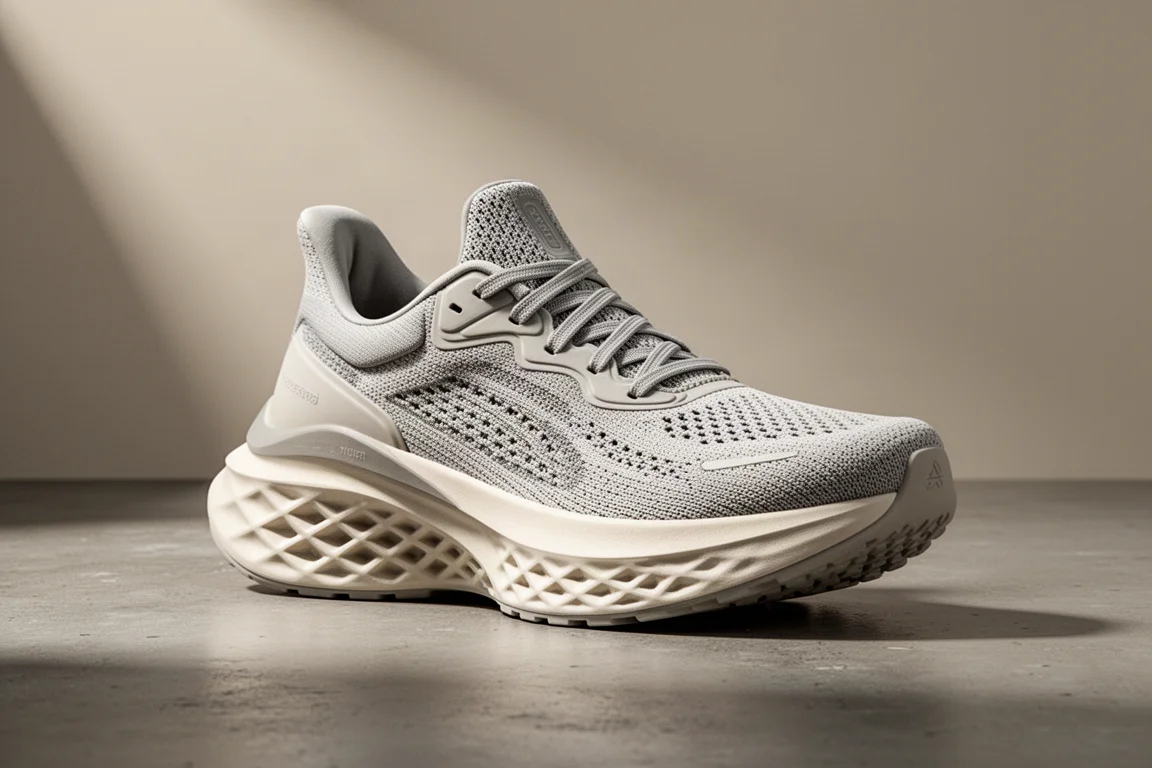
The MagMax v2 costs £170 and brings a 46 mm heel stack with an 8 mm drop at a surprisingly light 324 g in a UK size 12. Puma’s Nitro foam runs through the midsole with no plate, and the result is a lightweight, versatile shoe that works across paces and distances, especially as a marathon training long run shoe. Grip is excellent and the shoe is holding up well over time. The toe box has good width for a Puma, though wider-footed runners should look at the next option, and there is again just one width.
Saucony Triumph version 23
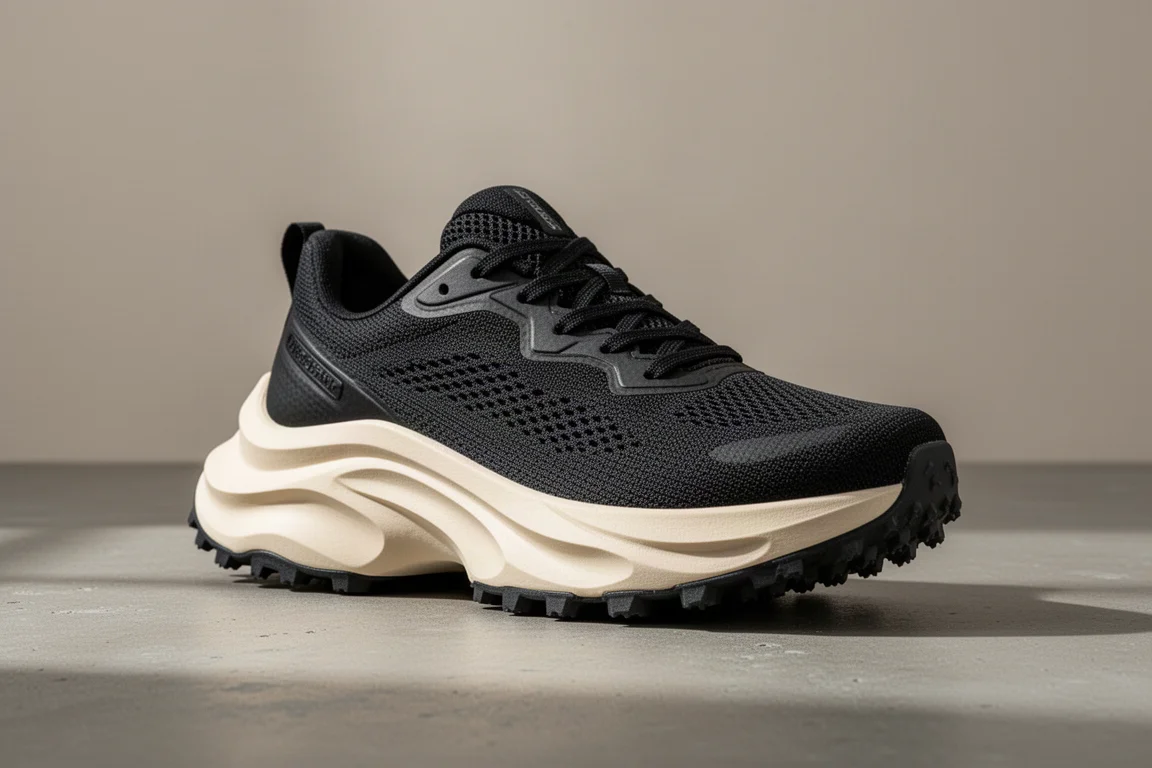
Also £170, the Triumph 23 is the pick for wider feet and for anyone who does not want a max-stack shoe. The 37 mm heel stack is low by today’s standards with a 10 mm drop, and 327 g in a UK 11.5. Its PWRRUN PB foam runs firmer than the two shoes above but is surprisingly responsive with strong energy return, making it a good tempo and threshold shoe. It is available in wider widths and goes up to UK 14. Downsides: the thick premium upper runs warm, and it sits at the pricier end, though launch-window deals help.
ASICS Superblast version 2
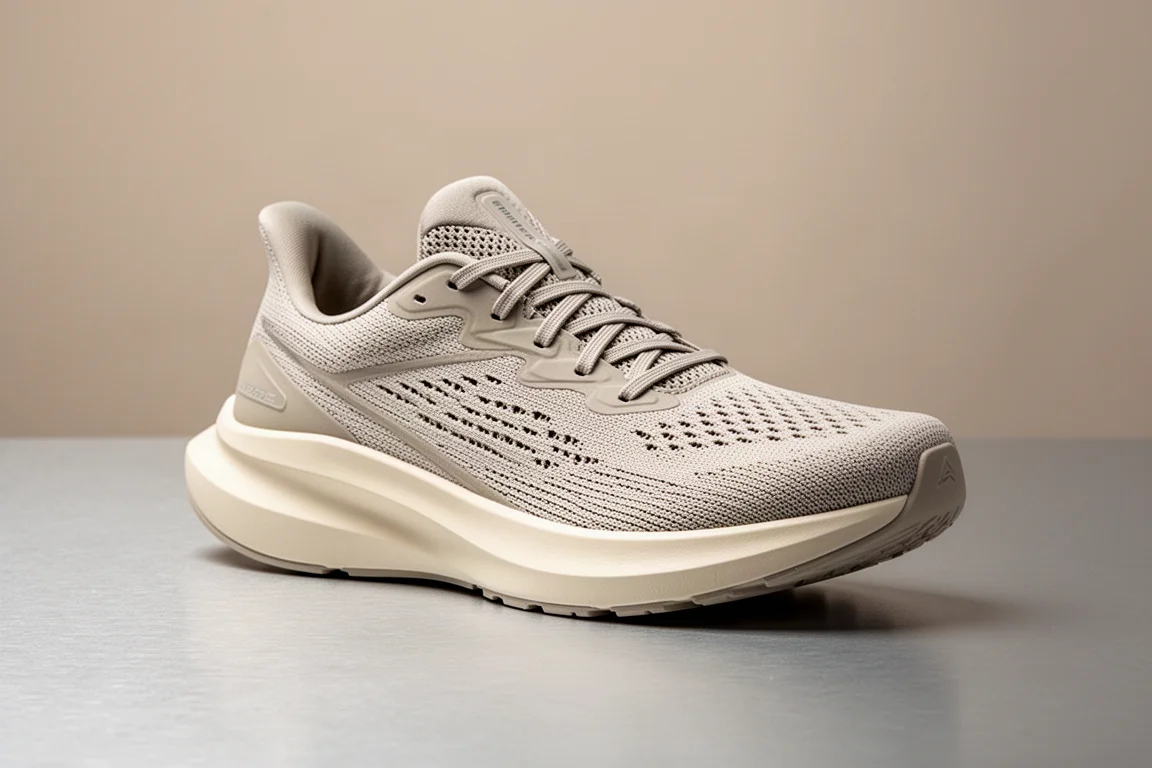
At £200, the Superblast 2 might be the most complete shoe here: 45 mm heel stack, 8 mm drop and just 288 g. The FF Turbo Plus super foam sits over a thinner layer of the more durable FF Blast Eco, and the result is a shoe that handles speed work, easy runs and long runs better than almost anything on the market. It feels more stable than most high-stack shoes thanks to the slightly firmer ride and wide base, and it is very durable, routinely reaching around 1,000 km per pair. The firmer ride will not suit everyone, and the price is high, but the versatility and longevity more than make up for it.
Best Maximum Cushion Shoes for Easy Days
This fast-growing category is for runners who want maximum comfort above all else. These shoes are bulkier and plusher, ideal for easy and recovery runs where protecting your legs is the priority.
New Balance More version 6
At £150, the More v6 undercuts the rest of this group by around £30. It has a 44 mm heel stack with a low 4 mm drop at 361 g, built on Fresh Foam X with no plate. The wide base gives good stability, and the foam is lovely and soft without being so soft that it compresses and bottoms out. The low drop also makes it a good option for forefoot strikers who want more foam under the point of contact. It is true to size, comes in wider fits and goes up to UK 12.5. The catch: it is really a slow recovery shoe only, and New Balance raised the price £10 over the previous version.
ASICS Gel Nimbus 28
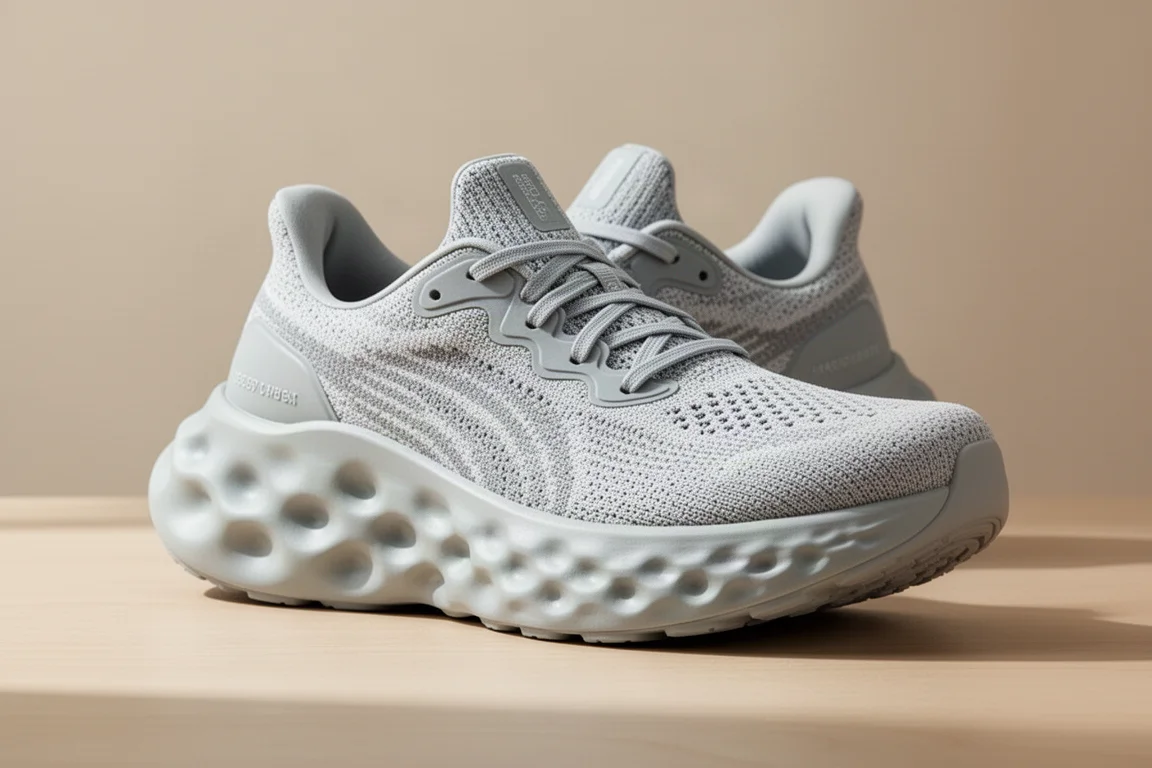
The Nimbus 28 costs £180 with a 43.5 mm heel stack, 8 mm drop and 335 g. Its FF Blast Plus midsole makes it one of the most comfortable shoes on the market, and a weight decrease over the previous model keeps it feeling nimble despite the bulk. Stability is good for the stack height, the build feels premium and durable, and sizing is true to size with wider options available up to a massive UK 15. The foam is slightly outdated for this price, and the price itself is high, but as a comfort-first shoe it delivers.
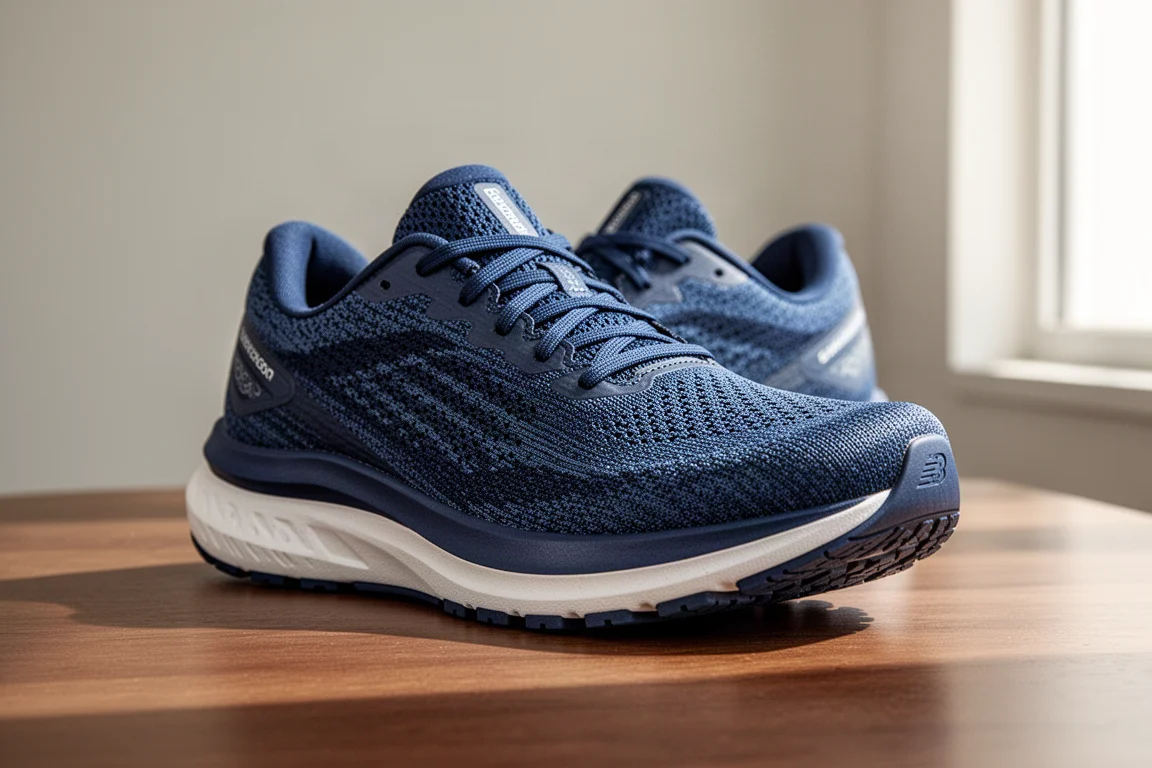
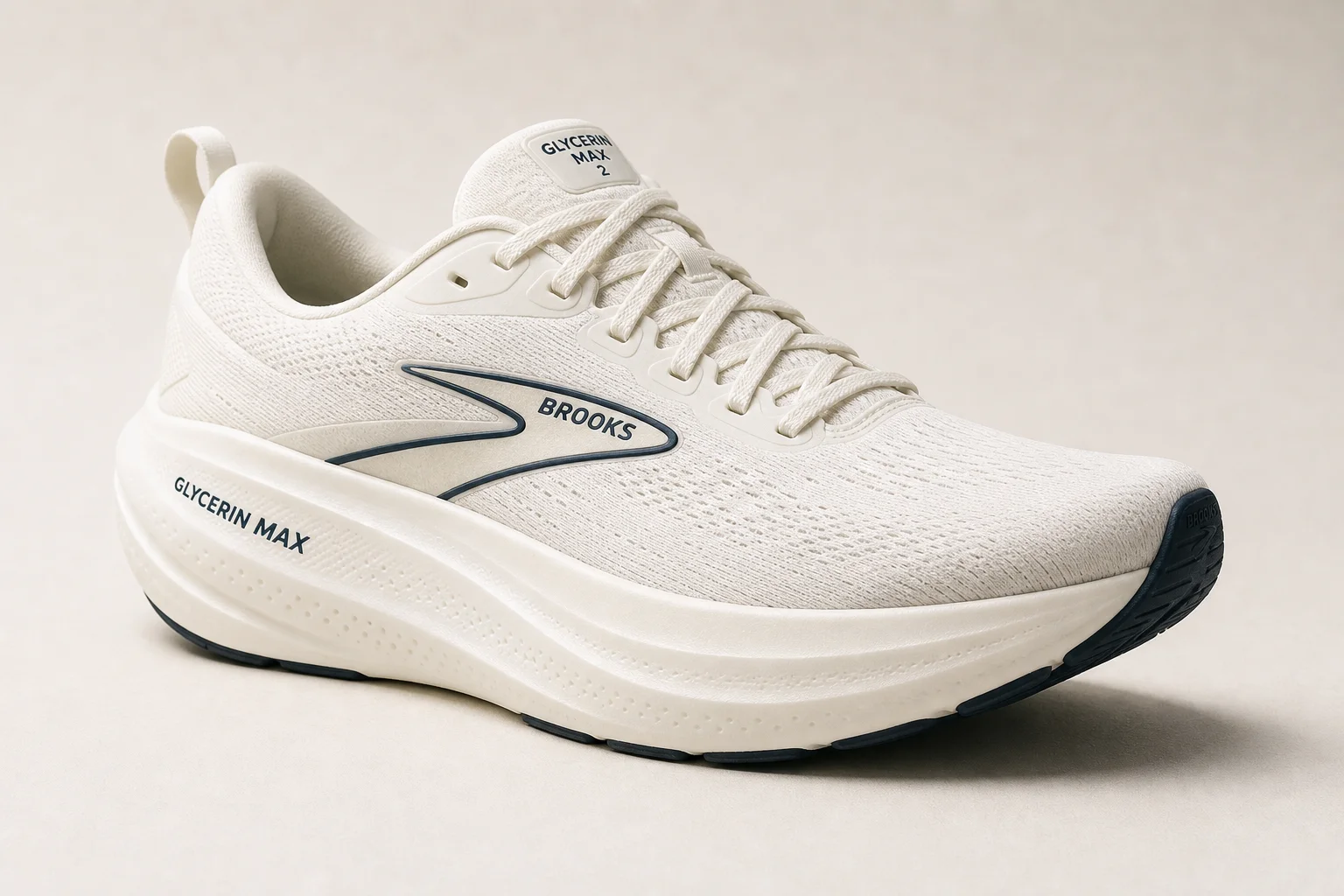
Brooks Glycerin Max version 2
Also £180, the Glycerin Max 2 has a 45 mm heel stack, 6 mm drop and a hefty 390 g, built on Brooks DNA Tuned foam. Brooks has not held back on plush details: a big padded heel, soft laces and a padded tongue make it comfortable for long periods of wear. The wide platform and the way the foot sits down in the foam give it genuinely good stability, and build quality is excellent. It is true to size up to UK 14, though there are no wider widths. It is firm-leaning, heavy and strictly a jogging shoe, so it is expensive for a fairly niche role.
Best Race Day Shoes for Heavier Runners
Most super shoes are lightweight, stripped back and narrow, with soft, short-lived foam. These options are the exceptions that work for heavier runners.
Nike Zoomfly version 6
At £165, the Zoomfly 6 is probably the best budget super shoe available. It has a 42 mm heel stack, 8 mm drop and 322 g, with ZoomX foam over EVA and a carbon plate. The rocker geometry tips you forward nicely for faster runs while staying comfortable enough for long marathon training efforts, and durability and grip are strong. Sizing runs true up to UK 14. Oddly, it feels clumsy to walk in, it is not ideal for heel strikers as the heel is particularly soft, and there are no wide options, though the fit is fairly accommodating.
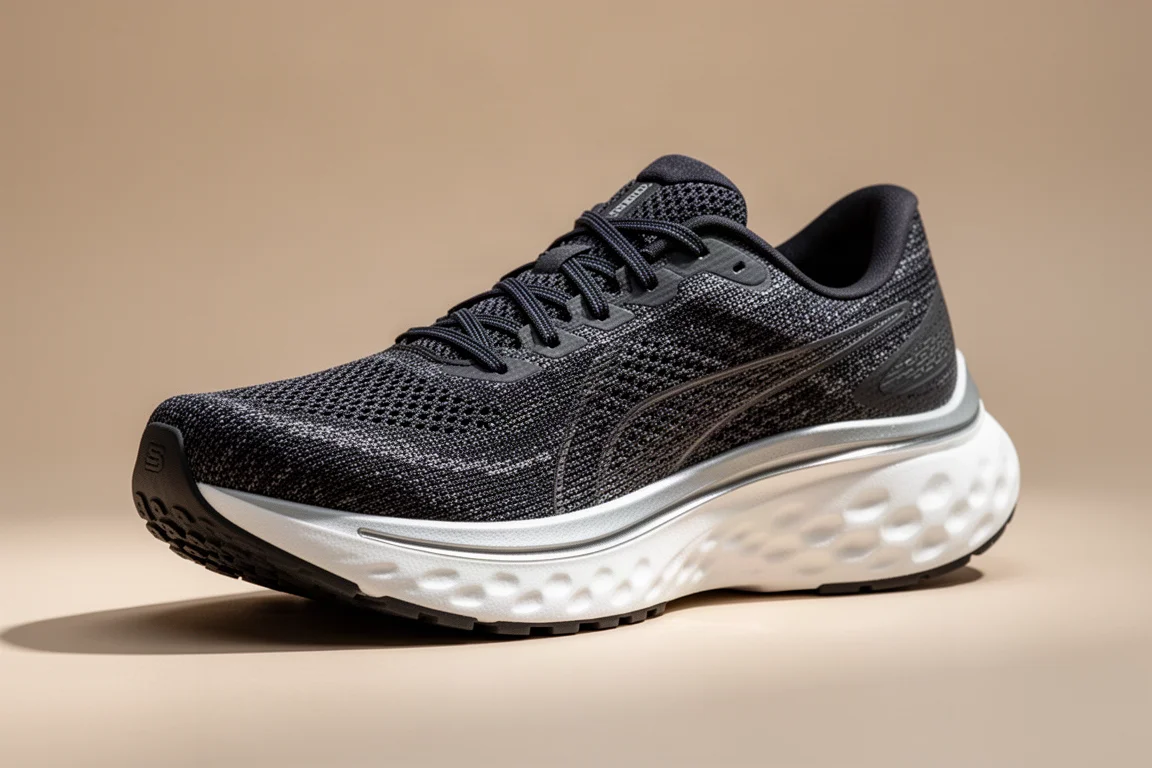
ASICS Mega Blast
The Mega Blast costs £210 and was arguably one of the best shoes of its launch year: 45 mm heel stack, 8 mm drop and an incredible 275 g. ASICS FF Turbo Squared foam, the best foam around right now, sits under a racy stripped-back upper with no plate. It is probably the fastest non-plated shoe on the market, supremely versatile across paces and distances, and an excellent choice for long runs with race pace blocks that you can then race in. It runs slightly narrow with a single width and is pricey for a non-plated shoe, but early wear suggests it will be just as durable as the Superblast.
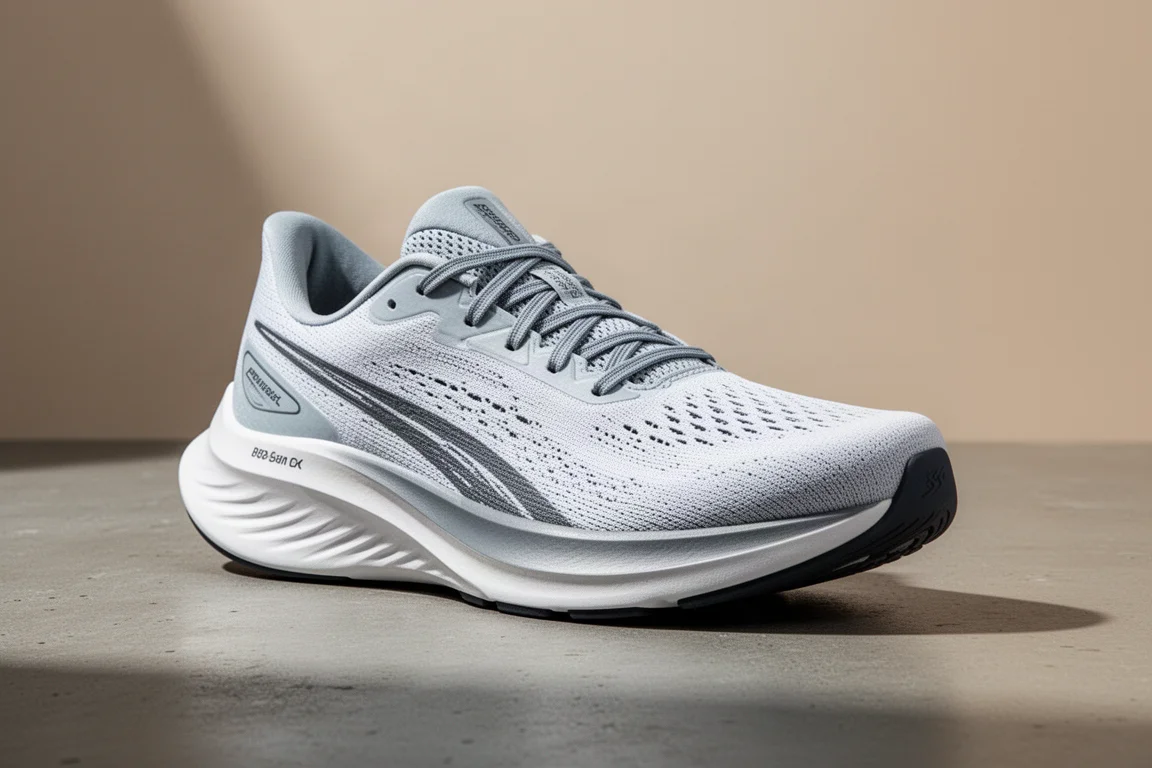

New Balance SC Elite version 5
At £260, the SC Elite v5 is rare in the super shoe world: it comes in a wide fit. It has a 40 mm heel stack, 8 mm drop and 248 g, with 100% PEBA FuelCell foam and a carbon plate. The toe box is roomy for a plated racer, the wide version adds real forefoot room, and it is unusually well padded for the category. Grip and coverage are excellent in bad weather, and it feels like a classic daily trainer, making it a great first full carbon shoe. It is not the fastest plated shoe out there and it is pricey, though deals on older colourways are common.
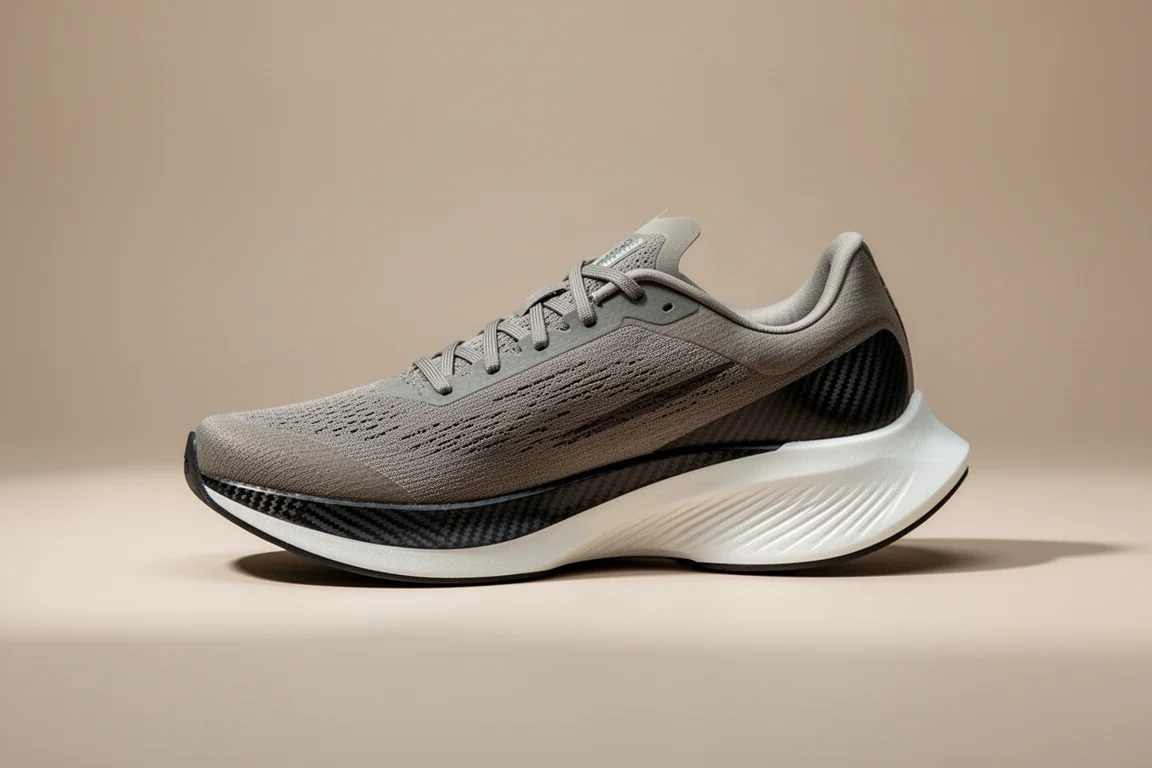
Nike Alphafly version 3
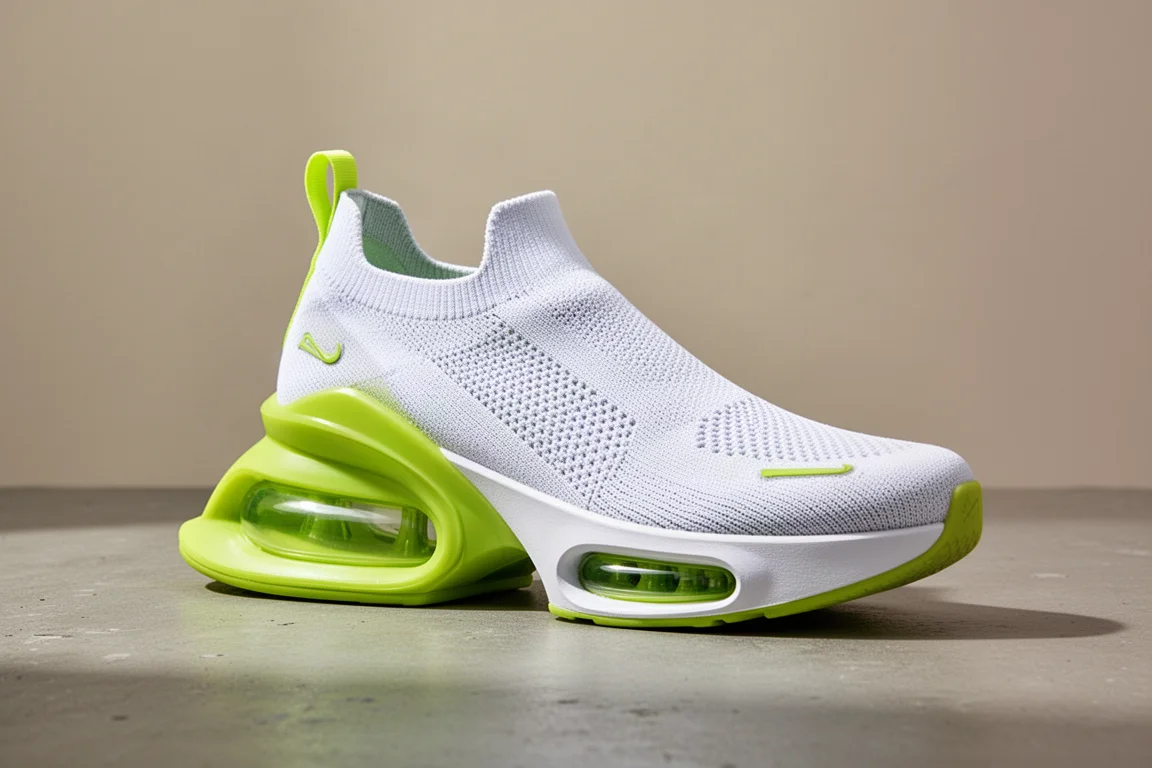
At a steep £290, the Alphafly 3 is the outright fast option: 40 mm heel stack, 8 mm drop and 269 g, with ZoomX foam, two Air Zoom units at the forefoot and a very stiff carbon plate. It is super smooth and incredibly fast if you land towards the front of the shoe and compress that plate properly. It is also comfortable for a top-end racer, with a breathable, sock-like upper and solid lockdown, and durability is unusually good for a race shoe, still feeling fresh after 250 miles. The obvious downsides are the price, the narrow midfoot with no wide option, and the fact that it is not a jogging shoe. Save it for key sessions and race day.
Best Stability Shoes for Heavier Runners
If you need extra support on the inside of the shoe, whether from flat arches or overpronation, two long-running series remain the go-to recommendations among retail staff for slightly heavier runners.
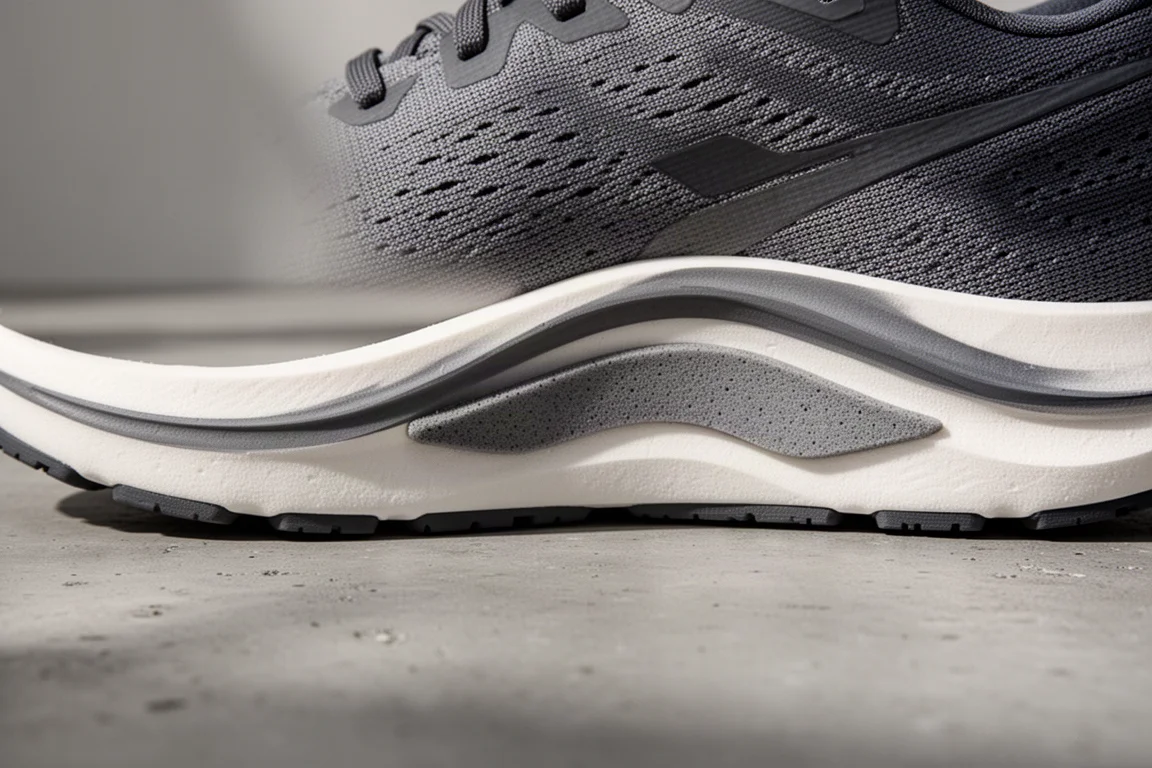
The ASICS Gel Kayano series has always been a solid, dependable choice with very little year-to-year change, which is exactly what you want from a stability trainer you will run in for hundreds of miles.
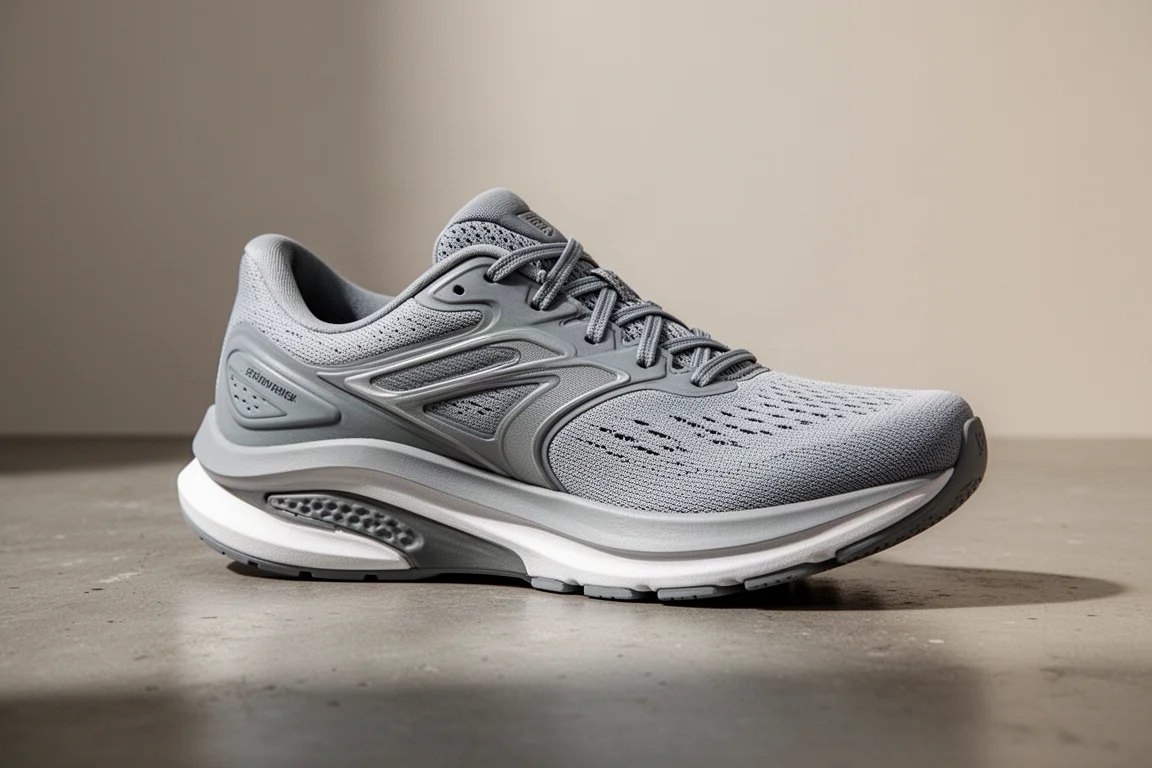
The Brooks Adrenaline GTS series sits alongside it as the other default pick. Previous versions have proven consistently reliable, dependable and predictable, making it an easy recommendation for stability runners with a larger build.
Buying Advice
If you want one shoe to do everything, the ASICS Superblast 2 is the strongest all-round pick, with the Nike Vomero Plus as a better-value alternative. For maximum comfort on easy days, the New Balance More v6 offers the best value, while the Gel Nimbus 28 is the comfort pick with the biggest size range. For race day, start with the Zoomfly 6 on a budget or the SC Elite v5 if you need a wide fit, and save the Alphafly 3 for goal races. Stability runners should look at the Gel Kayano and Adrenaline GTS lines first.
Conclusion
Heavier runners do not have to compromise. Whether the priority is versatile daily mileage, plush recovery comfort, a race day edge or structured support, there are durable, well-fitting, stable options on this list that will hold up to real training loads. Match the shoe to the job you need it to do, and it will look after you in return.
Further reading
Related Reviews

Running Shoes
Best Road-to-Trail Running Shoes: Three Versatile Options for Mixed Terrain
A practical guide to three road-to-trail running shoes that handle both pavement and mild trails, with clear strengths and trade-offs for different runner types.

Running Shoes
Best Running Shoes for Achilles Tendonitis: Three Options Explained
Three running shoes with different heel drops and support features designed to help reduce Achilles tendon pain during walking and running.

Running Shoes
Best Running Shoes for Women: Five Top Choices Ranked
A ranked guide to five women's running shoes, from versatile daily trainers to high-performance racing options, with real strengths and trade-offs for each.