Running Shoes
Best Running Shoes for Hallux Limitus: 8 Options Beyond Hoka
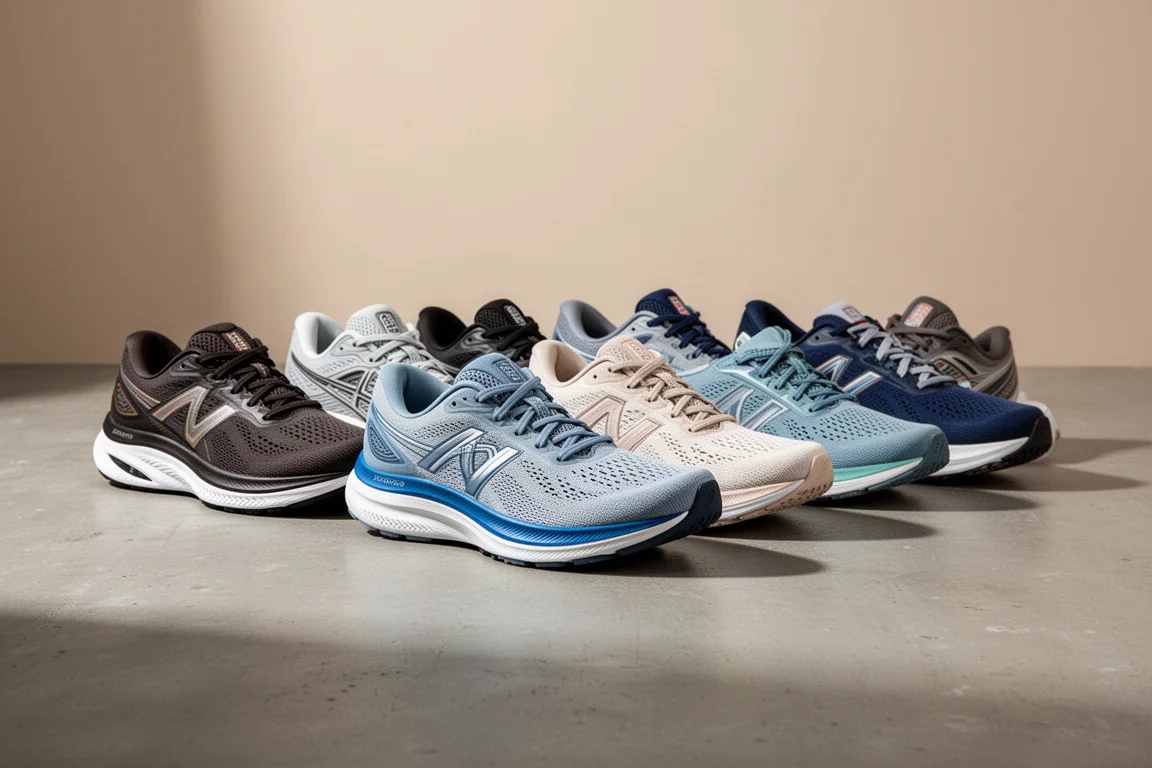
Eight running shoes with rocker geometry and forgiving toe boxes that reduce strain on a stiff big toe joint.
Introduction
Hallux limitus means the big toe joint cannot move through its full range of motion, usually into extension. That matters for running because the big toe acts as a lever you push off from. When it is stiff, every step forces the joint into a range it does not have, which can push compensations into the hip, knee, ankle, or the outside of the foot.
The right shoe does not fix the joint, but it can take a lot of load off it. Two design details matter most: a forefoot rocker, which lets the foot roll forward without relying on toe extension, and a restrained toe spring, so the toes rest flat instead of being held upward. It is also worth knowing whether the stiffness is truly permanent, such as after a joint fusion, or whether mobility work with a physical therapist could restore some range first. Shoes can be part of the plan either way.
What Hallux Limitus Means for Shoe Choice
The key distinction is between toe spring and forefoot rocker. Toe spring is the upward curve at the front of the shoe that holds your toes in extension even while standing still. Forefoot rocker is the curve underneath the midsole that lets the shoe roll forward. You want a lot of the latter and as little of the former as possible: your toes should rest in a neutral position inside the shoe while the curve happens below them.
This is why some heavily rockered shoes are a poor fit despite looking ideal on paper. A shoe can be super rockered yet also demand significant toe extension just to wear it. If your toe cannot extend at all, that design will be uncomfortable no matter how good the rocker is.
Top Pick: Saucony Endorphin Shift
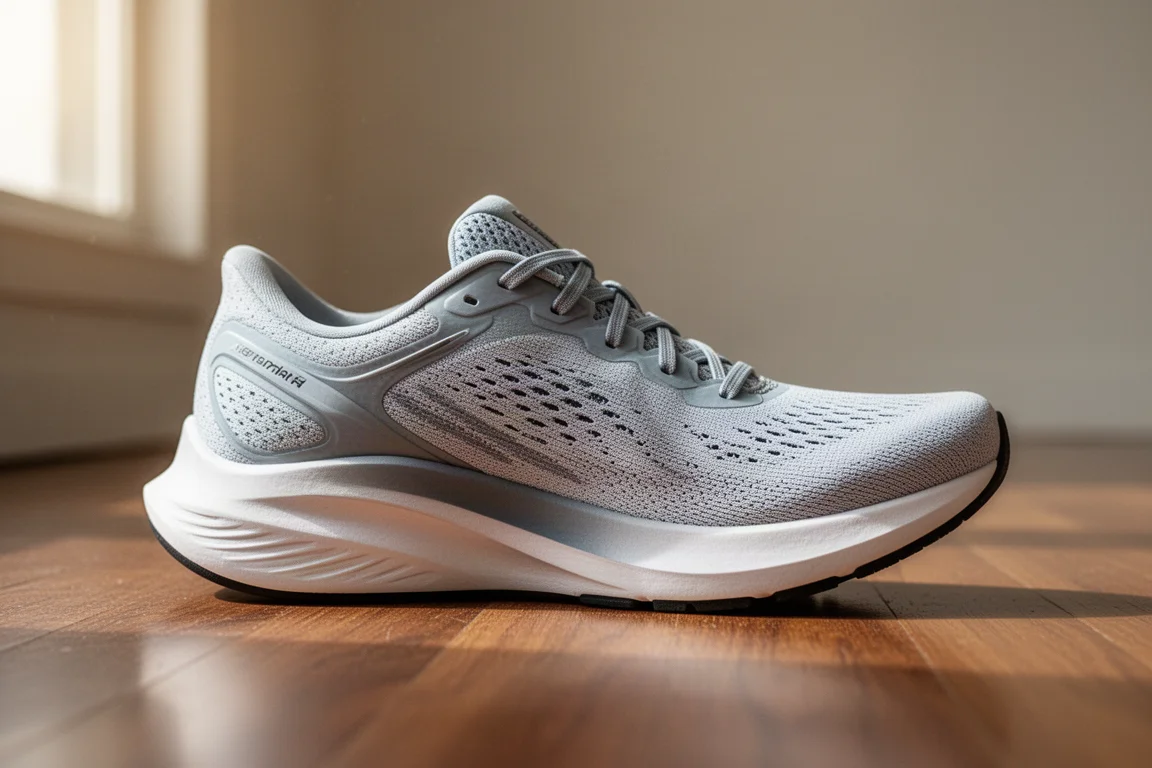
The Endorphin Shift is the standout recommendation here. It combines a stiff platform with a well-shaped forefoot rocker and a notably flat toe spring, so the toes sit neutral while the shoe does the rolling work. Clinicians working with patients who have had the big toe joint surgically pinned report consistent success with this model, which makes it the safest first choice for severe, irreversible stiffness.
If you are unsure where to start, start here and see how the joint feels over a few weeks of easy running.
A Caution: ASICS Glide Ride
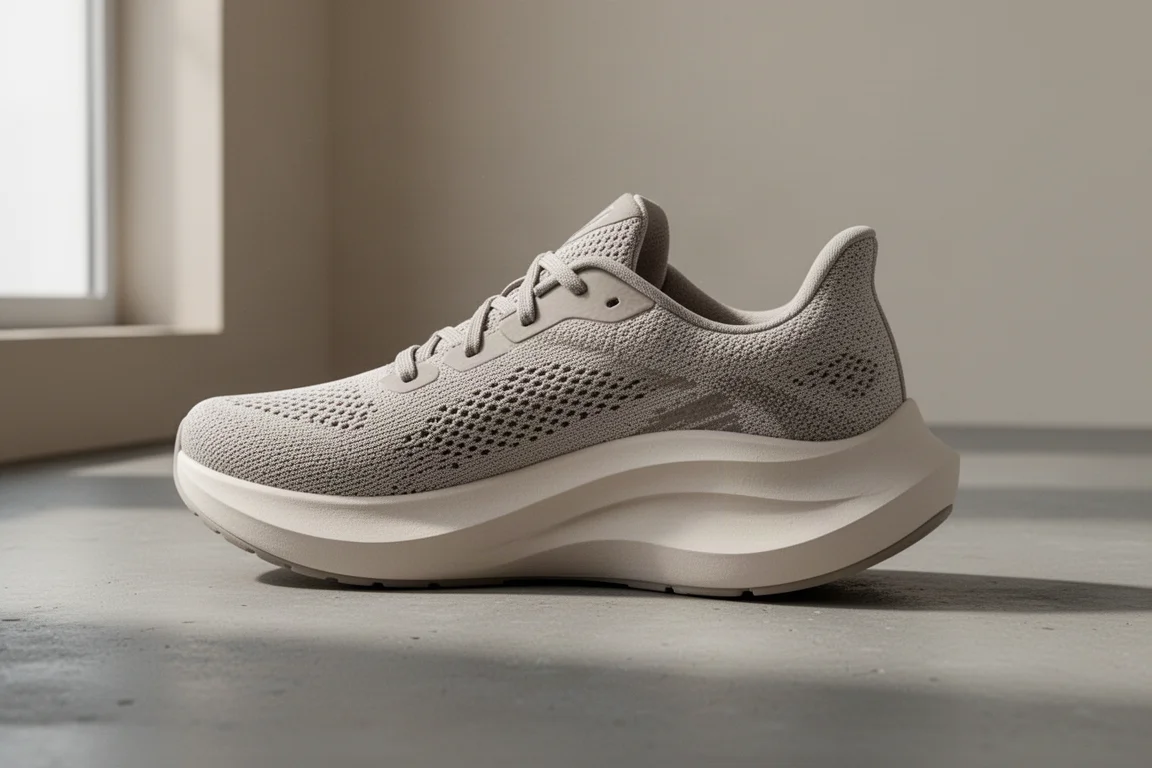
The Glide Ride earns a mention for the wrong reason. It is a genuinely good shoe with an aggressive rocker, but it also carries a large amount of toe spring. To wear it comfortably, you need healthy toe extension range, which is exactly what hallux limitus takes away. If your stiffness is mild, it may still work; if the joint is rigid, skip it.
The lesson generalizes: do not judge a shoe by its rocker alone. Check where the curve sits relative to your toes.
Forgiving Daily Trainers: ASICS Evo Ride and On Cloud Monster
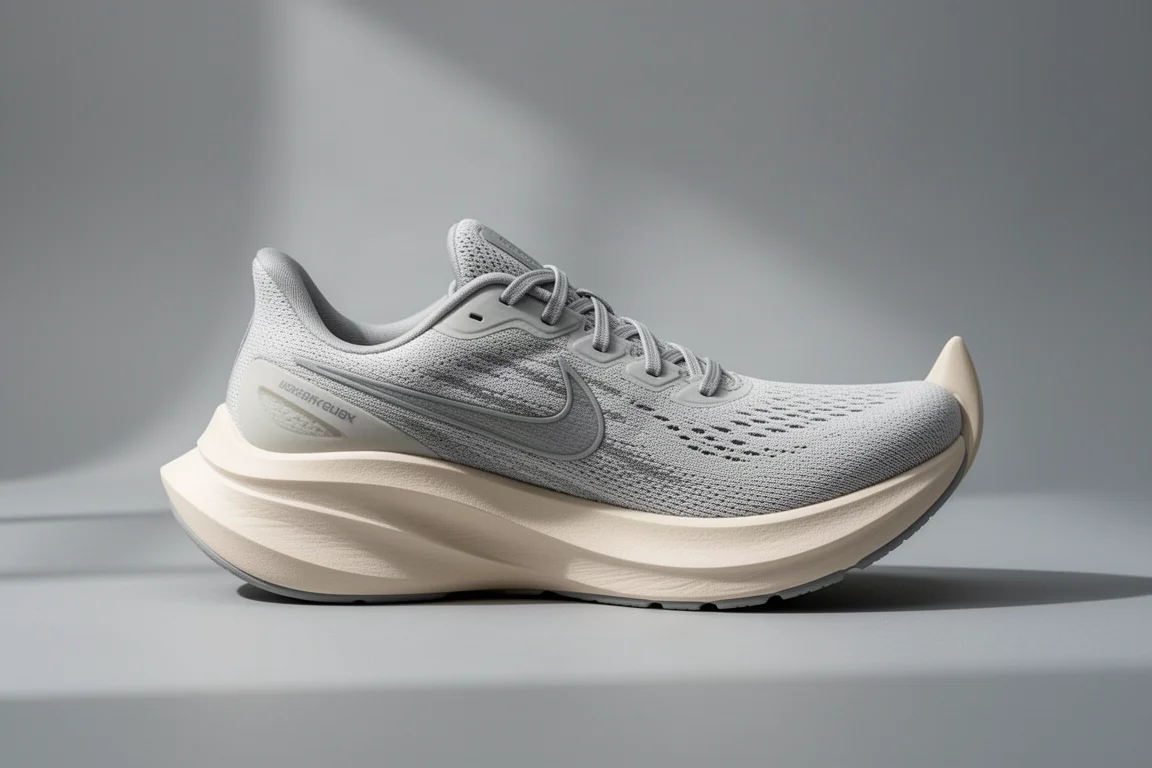
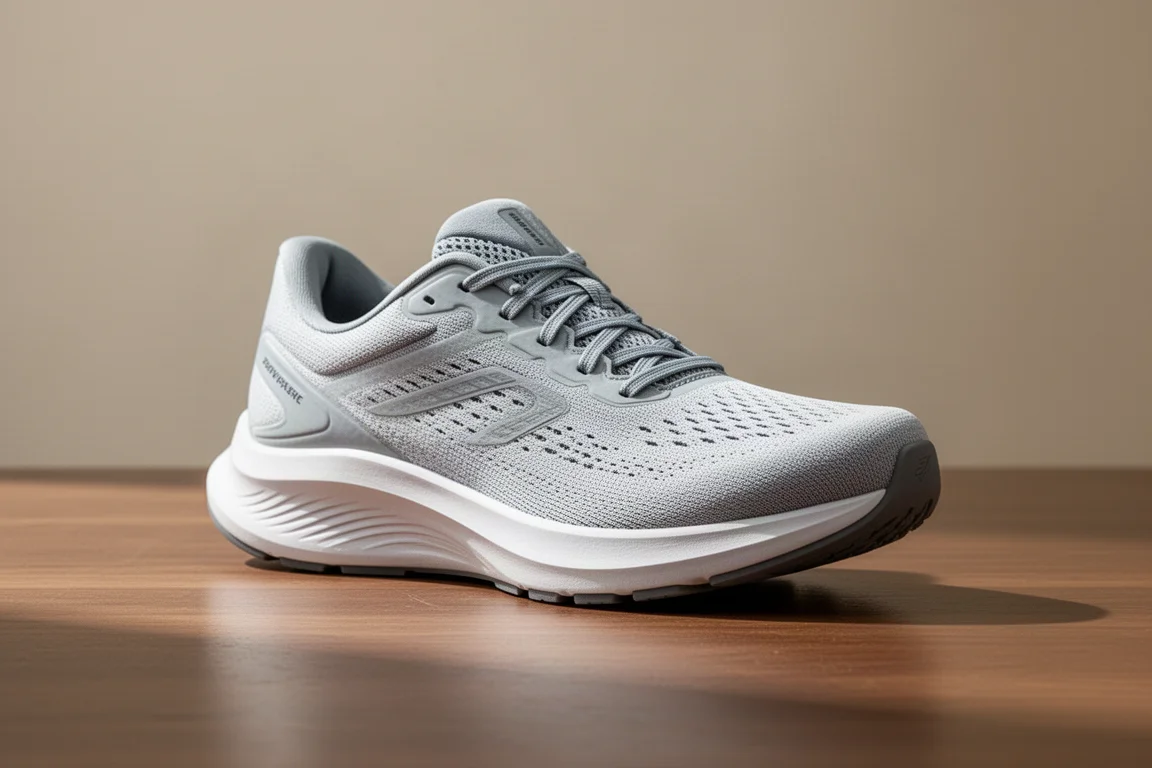
The ASICS Evo Ride offers a gentler take on the same idea, with a modest toe spring up front that takes the edge off the range of motion the big toe has to move through. It is a sensible daily option when the Endorphin Shift feels too stiff or too much shoe.
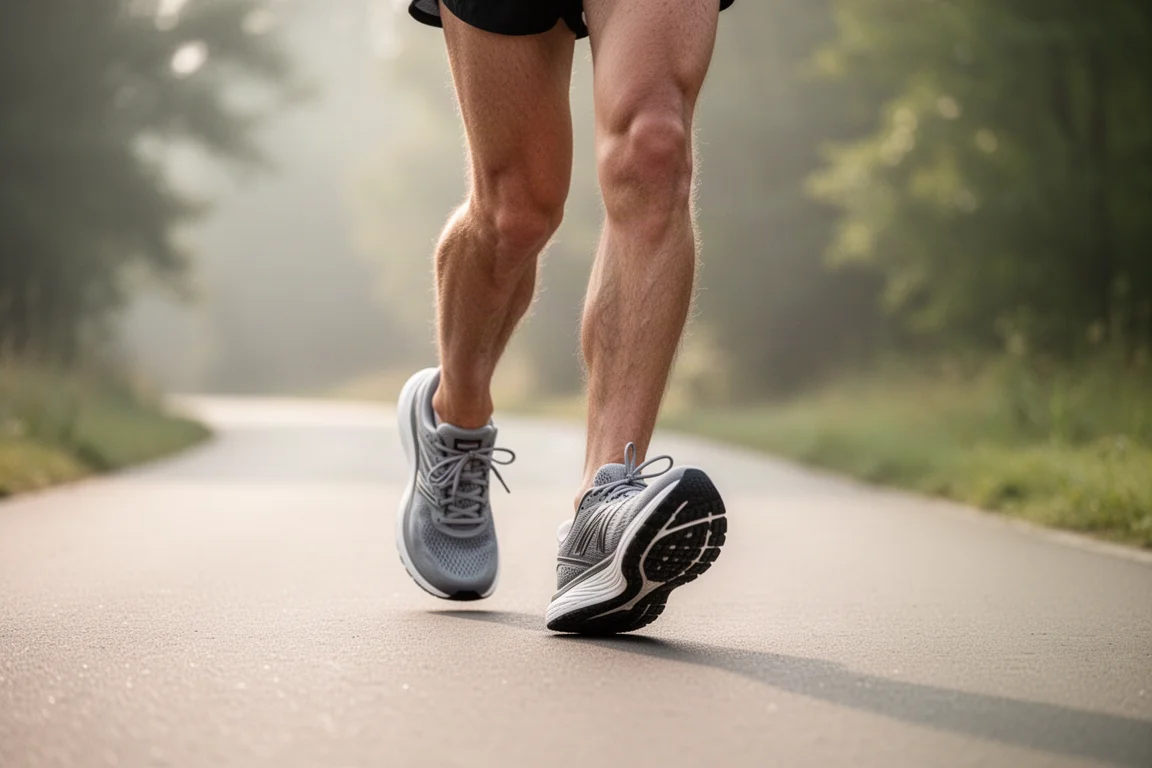
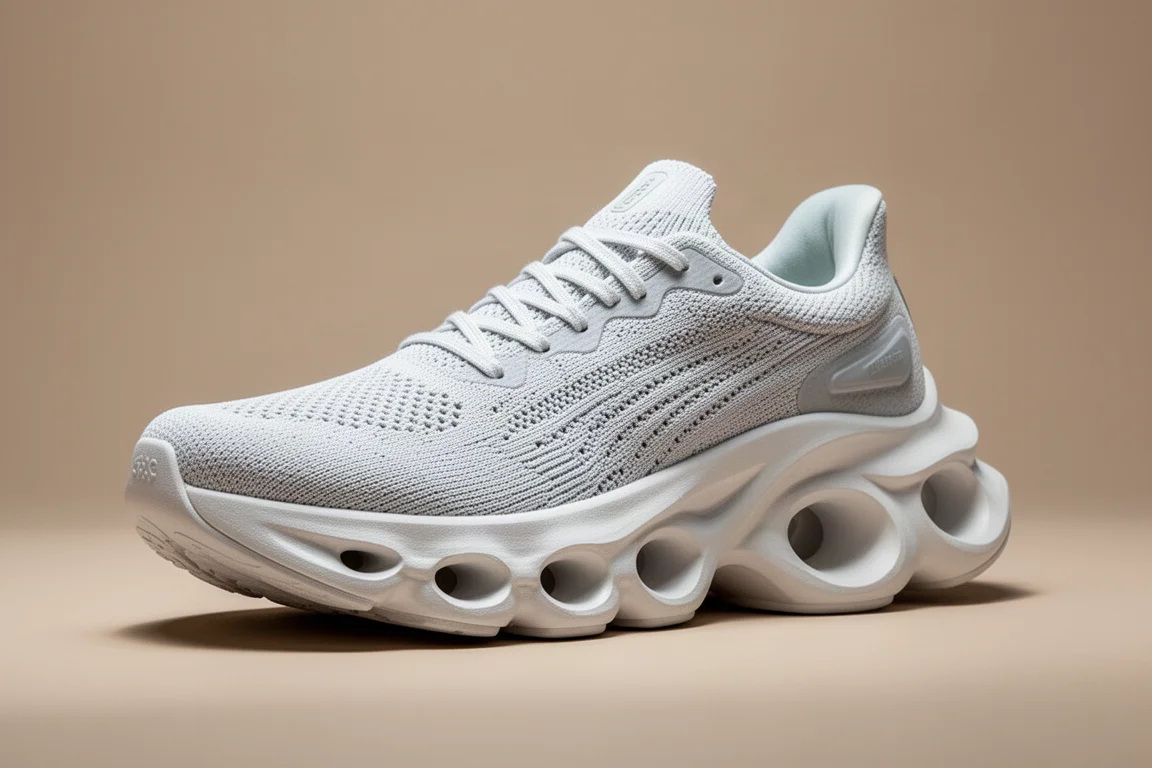
The On Cloud Monster approaches the problem differently. It has more flexibility, so you will still use some toe motion, but the soft, suspensive midsole cushions the joint and reduces the demand on it. It suits runners whose stiffness is moderate rather than severe and who want a plusher everyday ride.
Balanced Rocker with Flexibility: Topo Specter
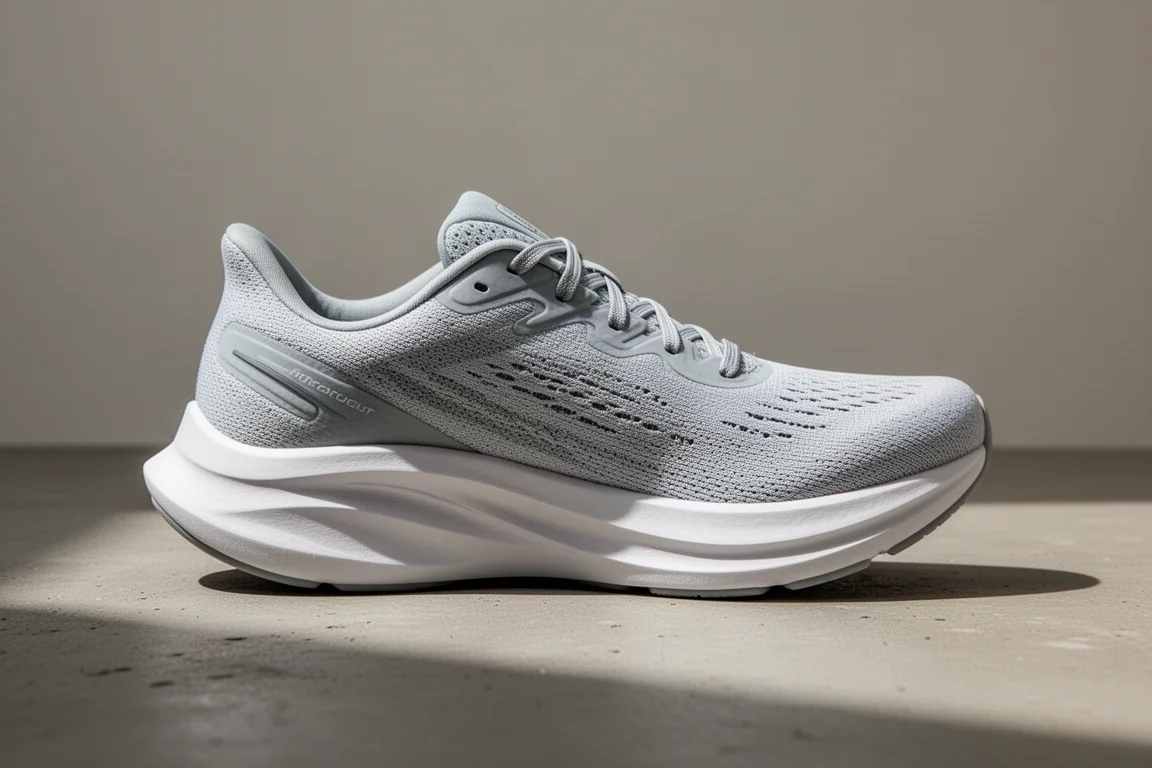
The Topo Specter sits in a useful middle ground. It has a present but balanced rocker, a wide, roomy forefoot base, and no plate, so it keeps a degree of flexibility instead of forcing the foot through a fixed geometry. That combination makes it a strong candidate for runners who find fully rockered, stiff shoes uncomfortable but still want relief for the toe joint.
The wide forefoot is a genuine bonus here, giving the toes room to sit naturally rather than being compressed into extension.
A Note on Hoka
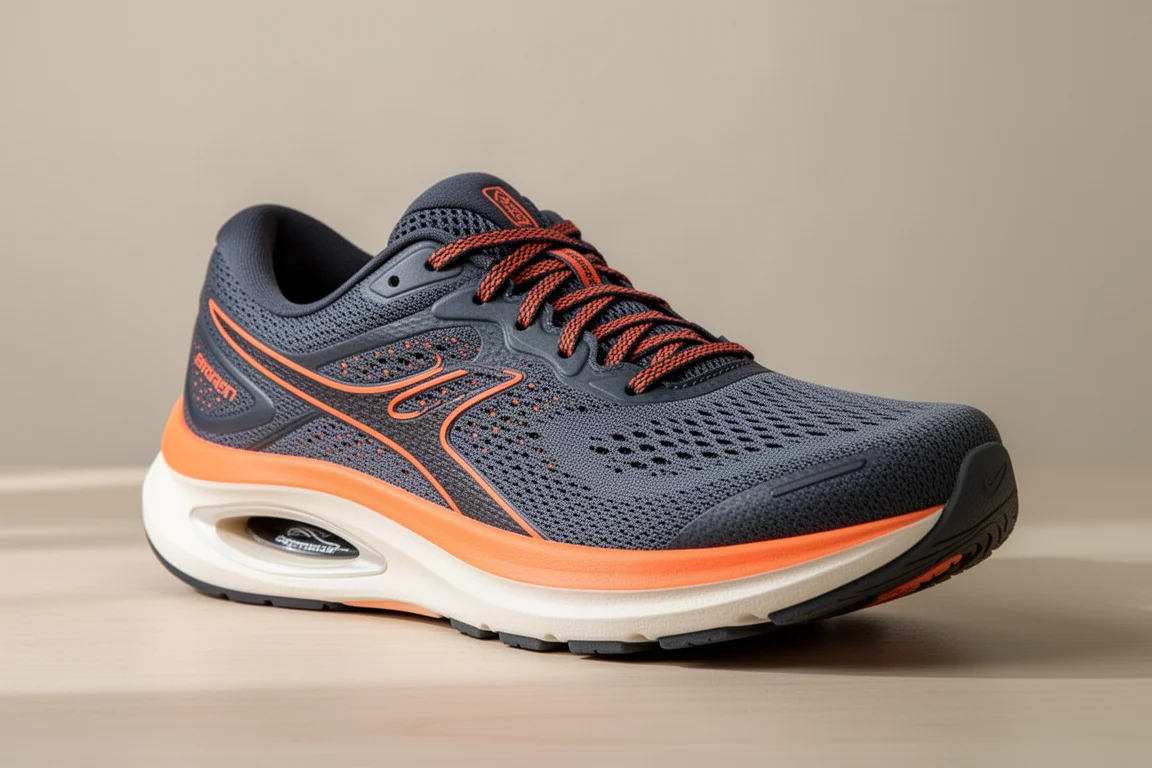
Nothing against Hoka as a brand, but many of its toe boxes run narrow, and the brand has increased the amount of toe spring across its lineup over the years. For a joint that already struggles with extension, that combination is often the reason Hoka shoes stop working. It depends on the specific model, so do not write the brand off entirely, but the shoes below give you plenty of alternatives.
Racing Options with Low Toe Spring: Metaspeed Edge Plus, Endorphin Speed and Pro 3
The ASICS Metaspeed Edge Plus is a cautionary tale rather than a recommendation for this condition. It is a favorite performance shoe, but its toe spring holds the toes in so much extension that a runner with a recently injured, stiff toe found it unwearable even while standing. Keep it in mind only if your extension range is fully healthy.
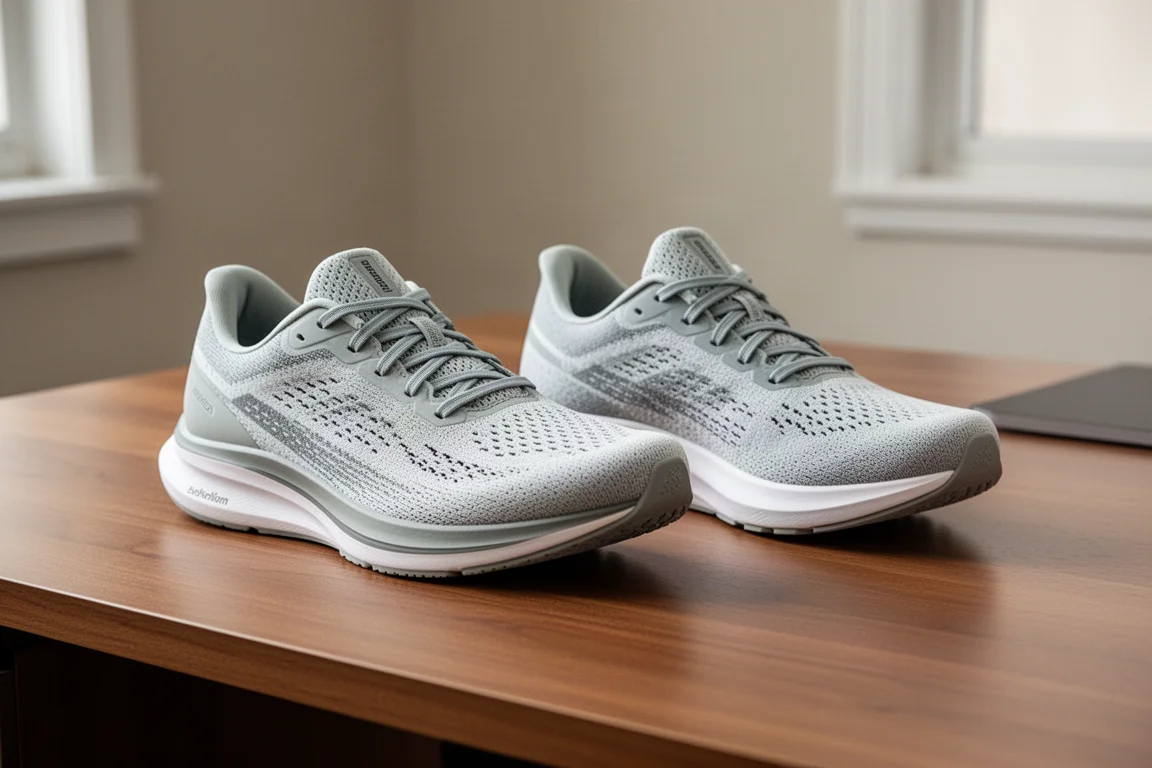
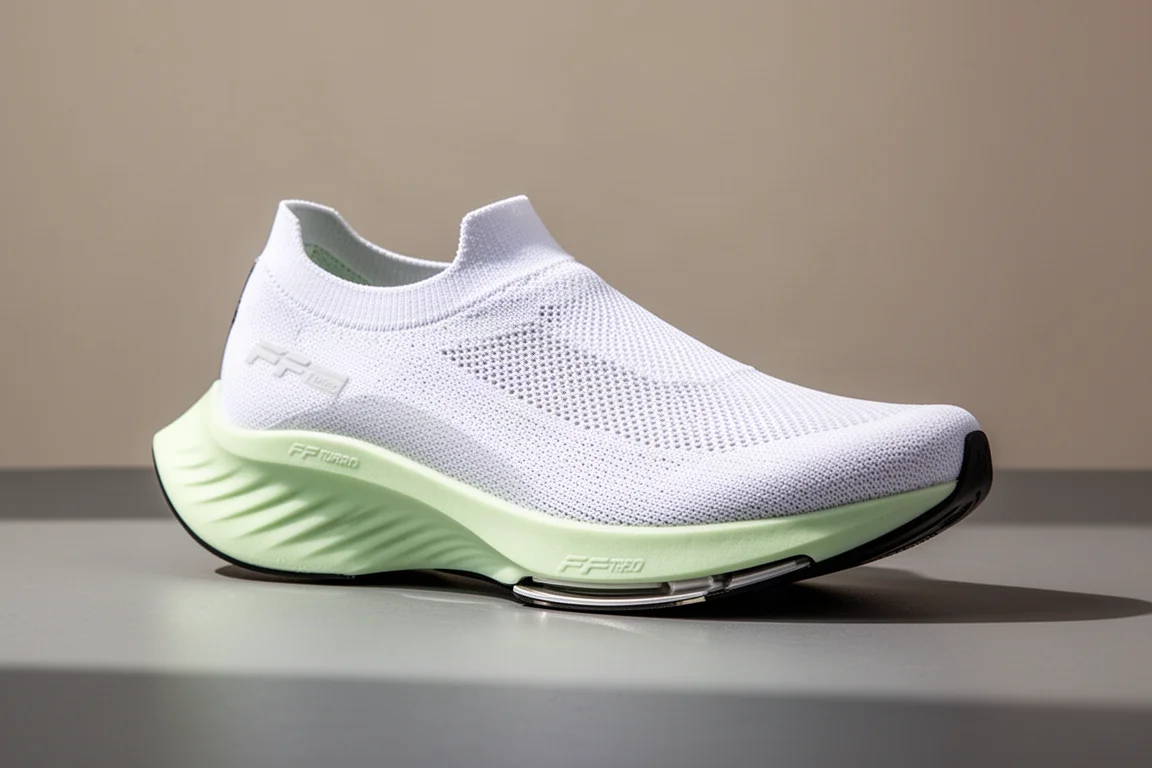
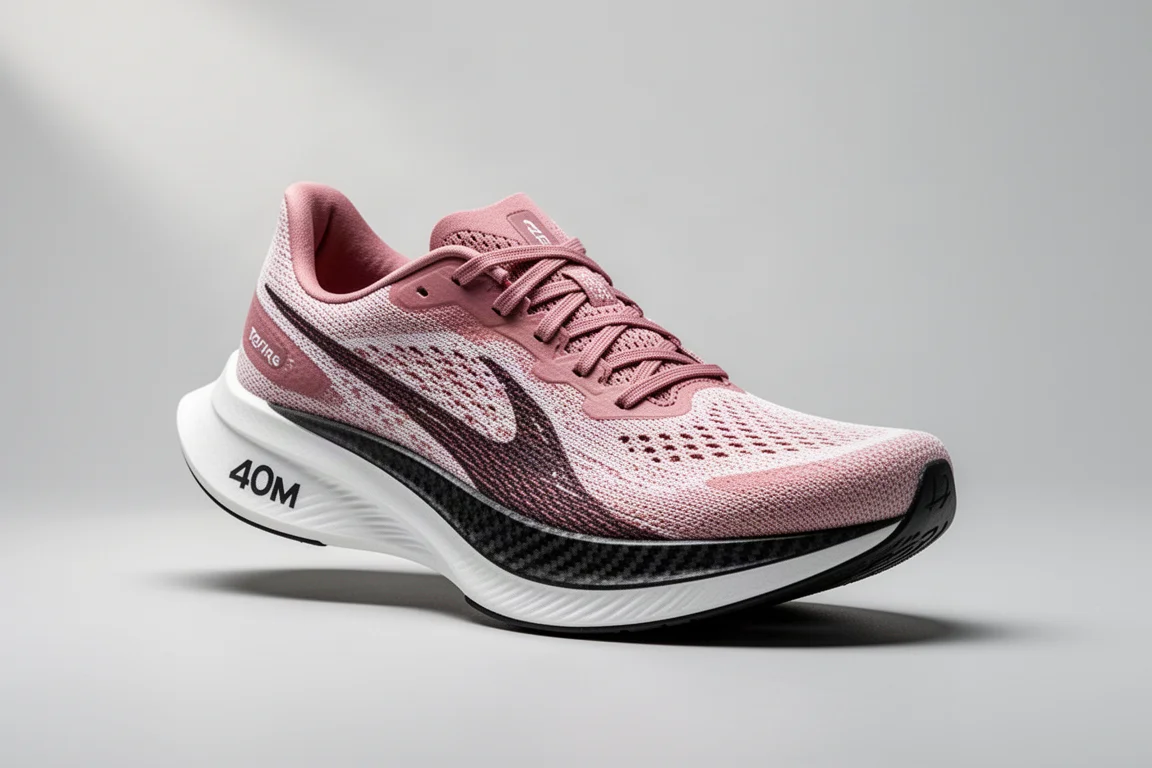
Saucony is the interesting exception among racing shoes. Even its fast models, the Endorphin Speed and the Endorphin Pro 3, keep toe spring relatively flat. The sharp-looking curve at the front is partly an illusion created by the foam color; the platform itself stays flat. That makes both a rare find: performance-oriented shoes that do not force the big toe upward, with the Speed as the more versatile trainer and the Pro 3 as the race-day option.
Buying Advice
Start by understanding your stiffness. If it is reversible, mobility work and joint mobilization with a physical therapist should come before or alongside any shoe change. If the joint is fused or severely arthritic, footwear becomes the primary tool, and a stiff, flat-toe-spring rocker like the Endorphin Shift is the proven starting point.
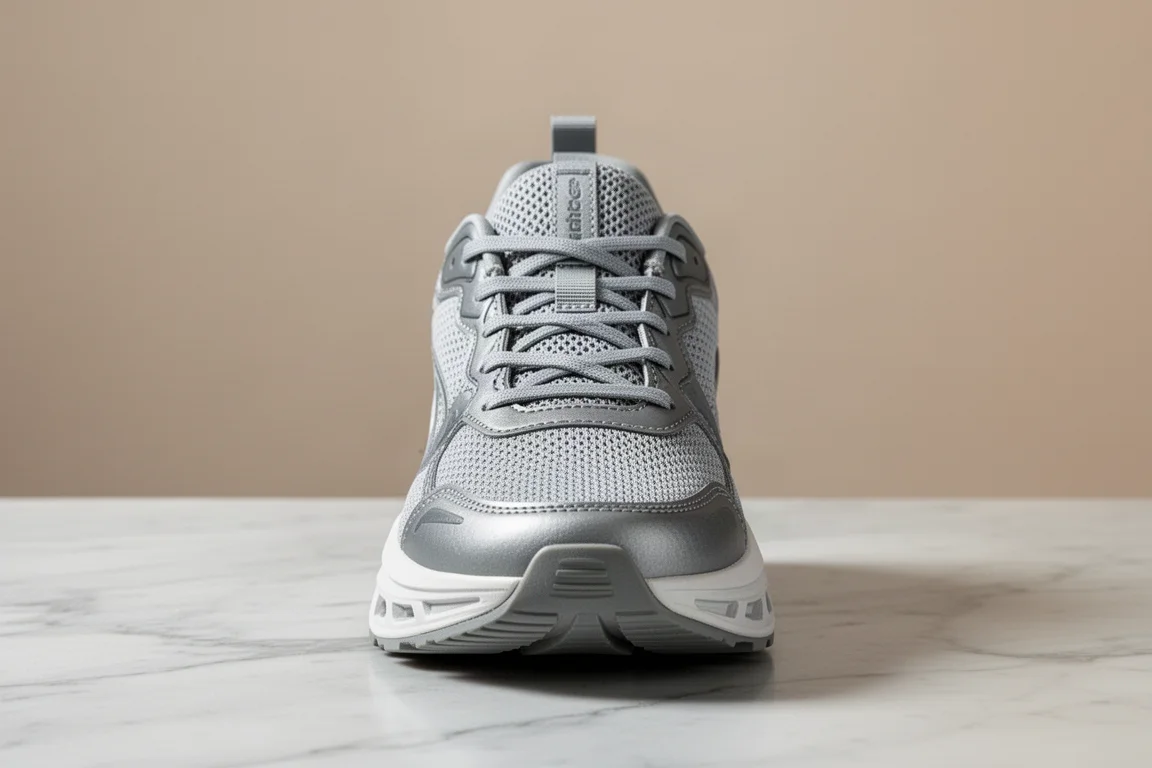
Then check any shoe in person if you can: your toes should rest flat and neutral inside the shoe, with the curve happening below them, not up into them. Avoid shoes that hold the toes in extension at rest, no matter how impressive the rocker looks.
Conclusion
For hallux limitus, the best shoe is one with a real forefoot rocker, a flat toe spring, and enough room for the toes to rest neutral. The Saucony Endorphin Shift leads the list, with the Evo Ride, Cloud Monster, Specter, Endorphin Speed, and Endorphin Pro 3 as strong alternatives depending on how much stiffness and cushioning you need, while the Glide Ride and Metaspeed Edge Plus serve as reminders to check toe spring before buying.
Further reading
Related Reviews

Running Shoes
Best Road-to-Trail Running Shoes: Three Versatile Options for Mixed Terrain
A practical guide to three road-to-trail running shoes that handle both pavement and mild trails, with clear strengths and trade-offs for different runner types.

Running Shoes
Best Running Shoes for Achilles Tendonitis: Three Options Explained
Three running shoes with different heel drops and support features designed to help reduce Achilles tendon pain during walking and running.

Running Shoes
Best Running Shoes for Women: Five Top Choices Ranked
A ranked guide to five women's running shoes, from versatile daily trainers to high-performance racing options, with real strengths and trade-offs for each.