Running Shoes
Best Running Shoes for Heavy Runners: 11 Options for Cushioning, Support, and Speed
Eleven daily trainers, max-cushion cruisers, and plated racers that hold up under higher body weight without bottoming out.
Introduction
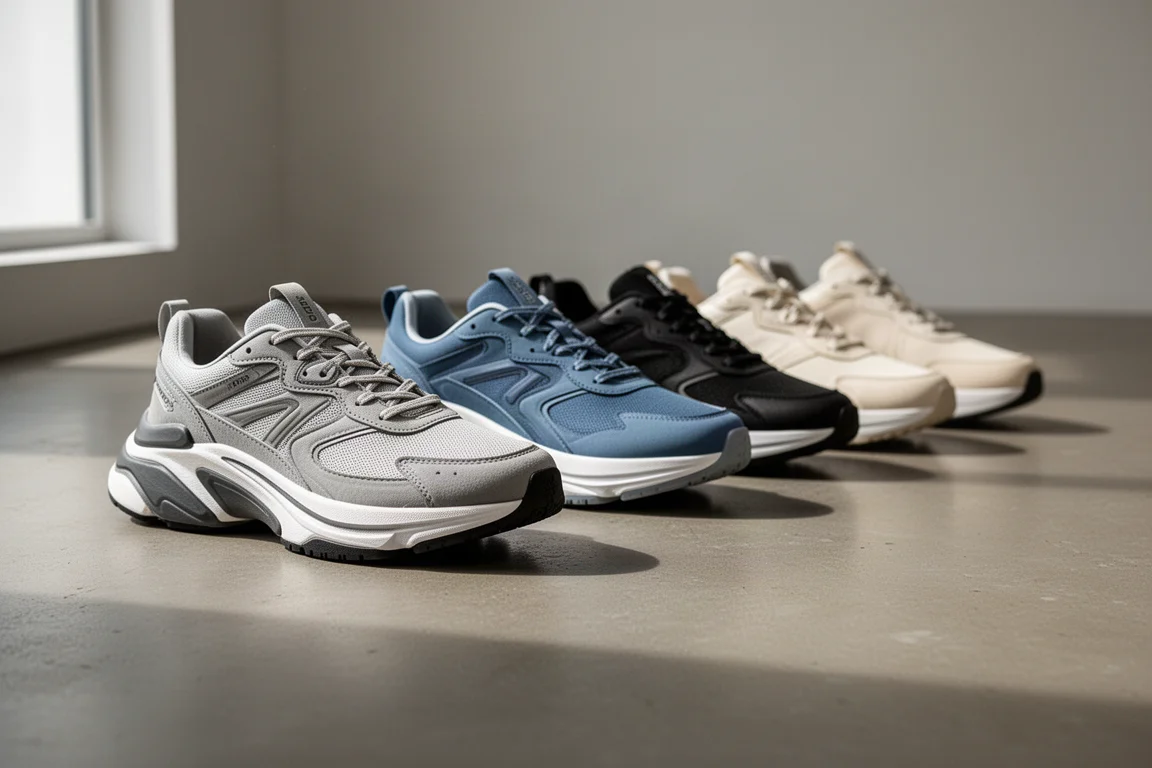
If you are a heavier runner with a larger build, you need a shoe with the right balance of cushioning: soft enough to be comfortable, but firm enough to support your body through every foot strike. With hundreds of running shoes on the market, it can be tough to know what will actually work for you. This guide narrows the field down to eleven shoes that consistently come up as the best picks for heavier runners, split into three categories: durable daily all-rounders, supportive stability shoes, max-cushion recovery options, and plated shoes for faster running.
A few principles shaped this list. Firmer foam matters, because very soft foams compress and bottom out under higher loads. Extra outsole rubber matters, because it protects the midsole and increases durability when more force goes through the shoe with each step. And fit matters more than ever: several of these shoes come in multiple widths, which can make or break comfort.
One practical tip worth reading twice: if you run more than about three times a week, rotate between more than one pair of shoes. The foam needs time to decompress, especially for heavier runners who put more force through it. Allowing 24 to 48 hours between runs in a given pair helps the foam return to normal, and cycling between two pairs will last a lot longer than buying one shoe and then another.
Best Daily All-Rounders
If you want one shoe to do it all, covering easy runs, long runs, speed sessions, and the occasional race, look for foam on the firmer side that will not compress too much, plus a bit of extra outsole rubber to protect that foam and improve durability.
Saucony Triumph 21
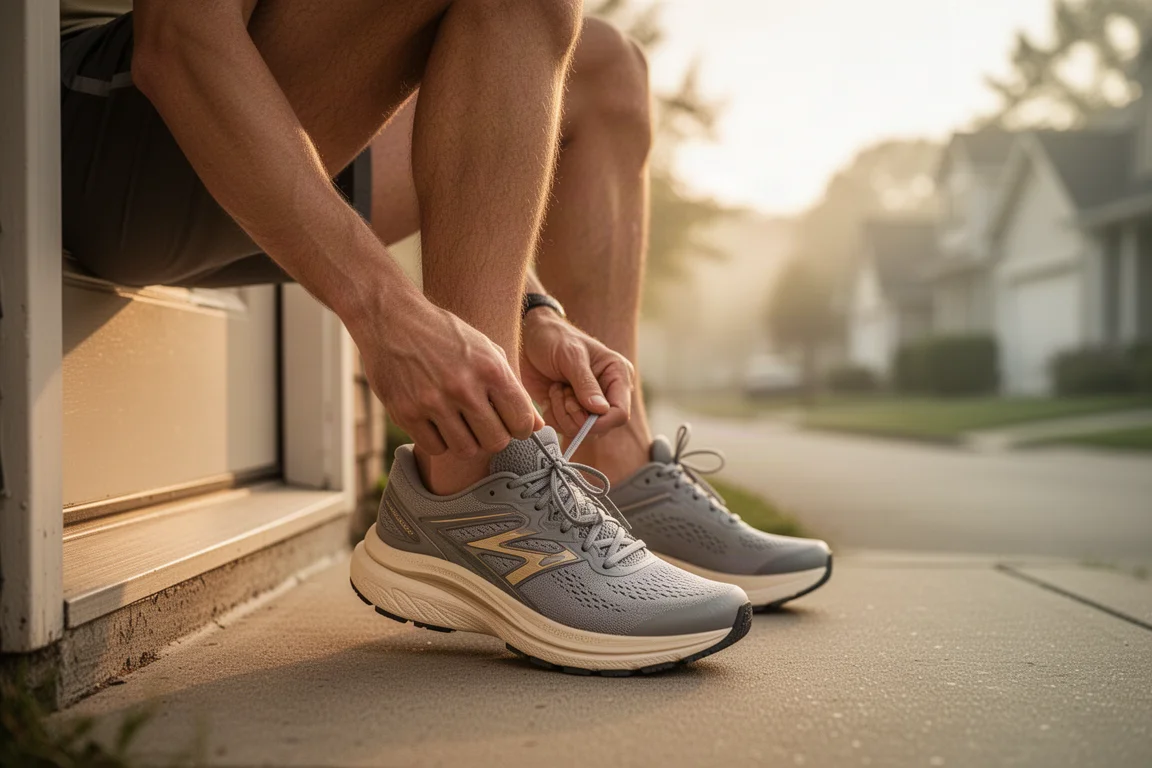
The Saucony Triumph 21 is a fantastic all-round, super versatile daily trainer. It offers a really nice wide toe box and a thick slab of durable, comfortable midsole foam. On the downside, it may not suit runners with narrow feet, and only one width is available.
Hoka Clifton 9
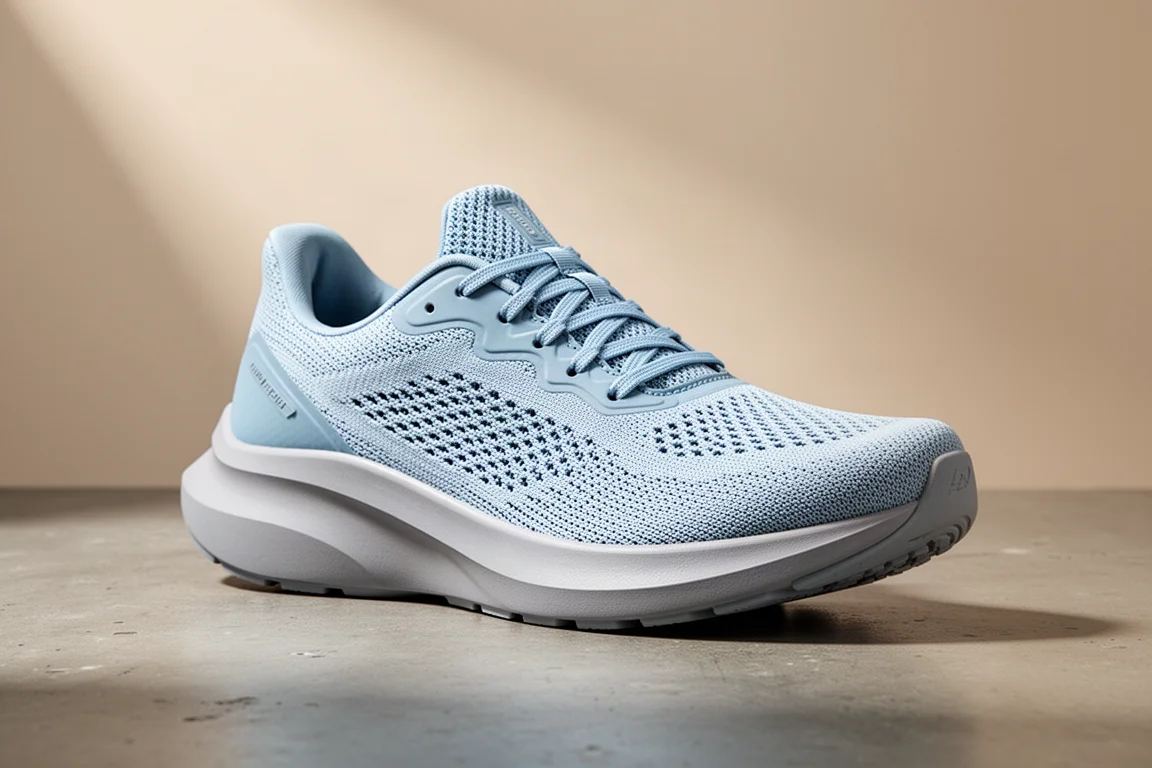
Sitting on the slightly cheaper side, the Hoka Clifton 9 is a fantastic, durable daily shoe that comes in two widths and is genuinely super comfortable. It is a very dependable daily choice. The regular version runs a little narrow, so if you have wider feet, make sure you pick the extra width option.
Adidas Superblast
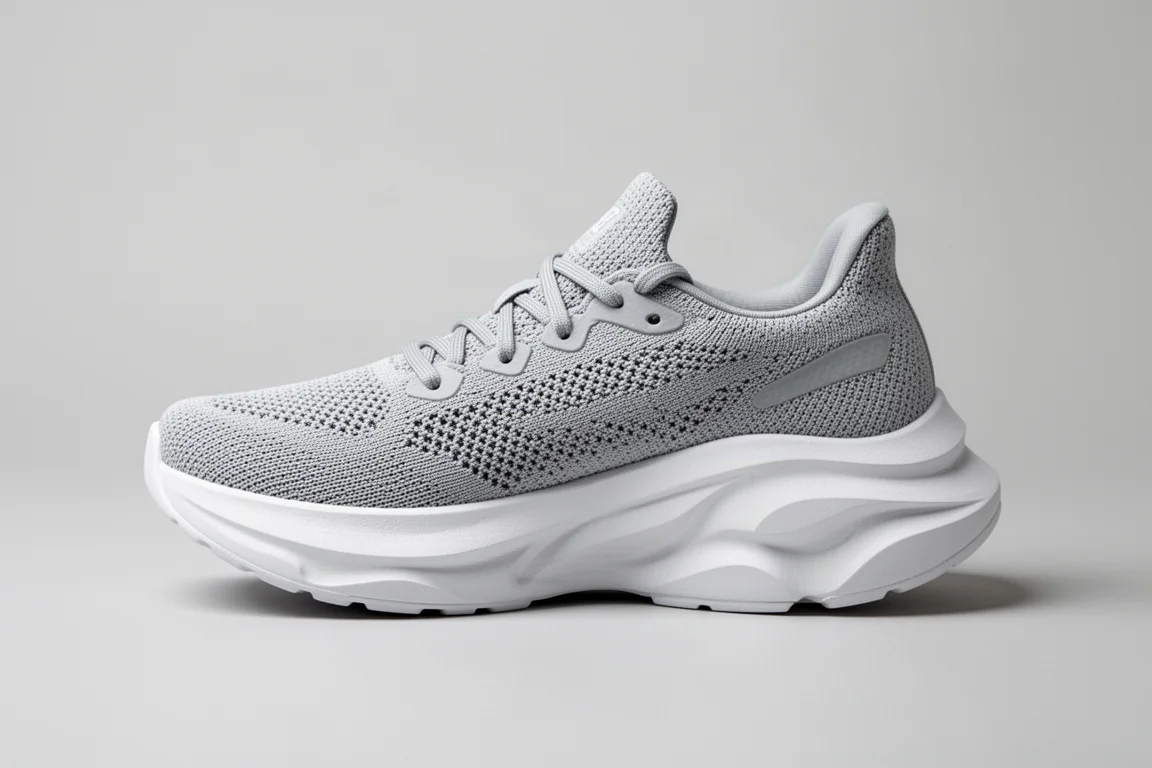
The Adidas Superblast costs a bit more, but you get a fantastic shoe for the money. It is super versatile, maintains its structure under heavy load, and has a nice big surface area underfoot that keeps it stable. Yes, the stack height is big, but you can still pick up the pace with ease, and it is super comfortable over long distances. It suits marathon training runs well and you could definitely race in it. The downsides: it is on the expensive side and only comes in one width, though there is good wiggle room up front thanks to a wide toe box.
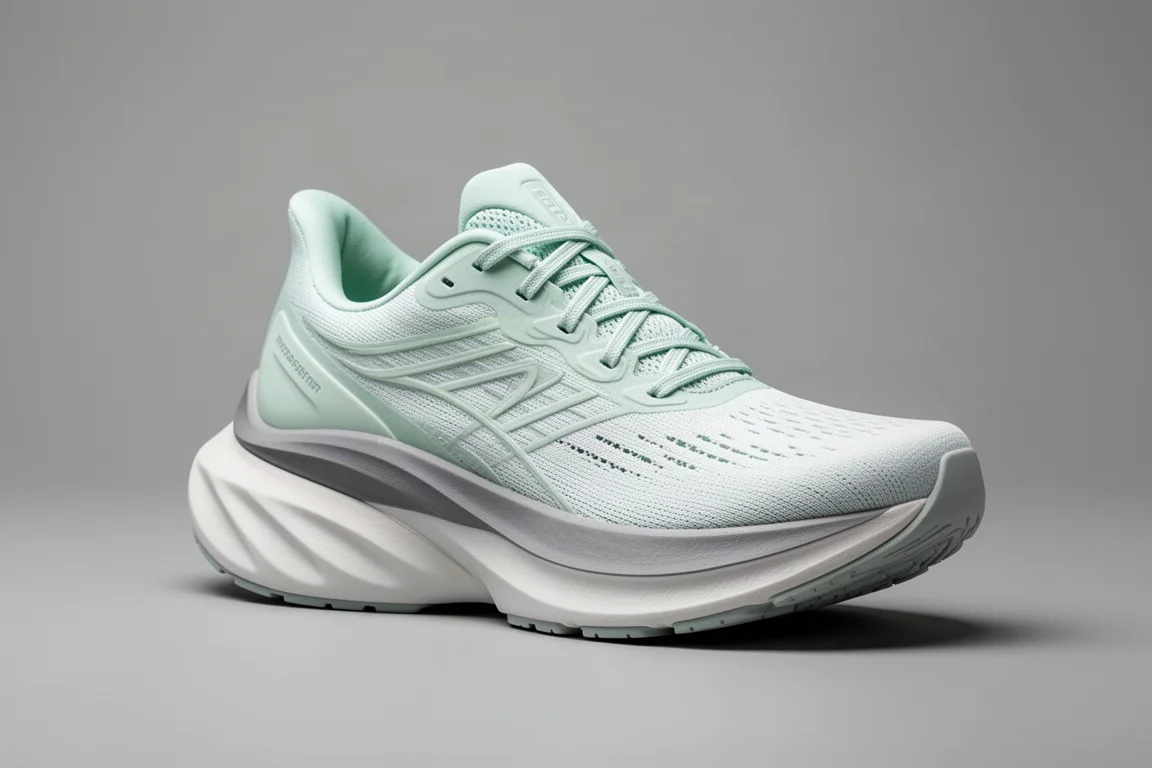
Best Stability and Support Shoes
If you can get into a running store, do it. Staff there can watch you run on a treadmill and tell you whether you need a neutral shoe or a stability shoe. In general, roughly 80% of the population suits a neutral shoe and 20% need stability. If you cannot make it to a store, look up a simple guide to figure out which camp you fall into.
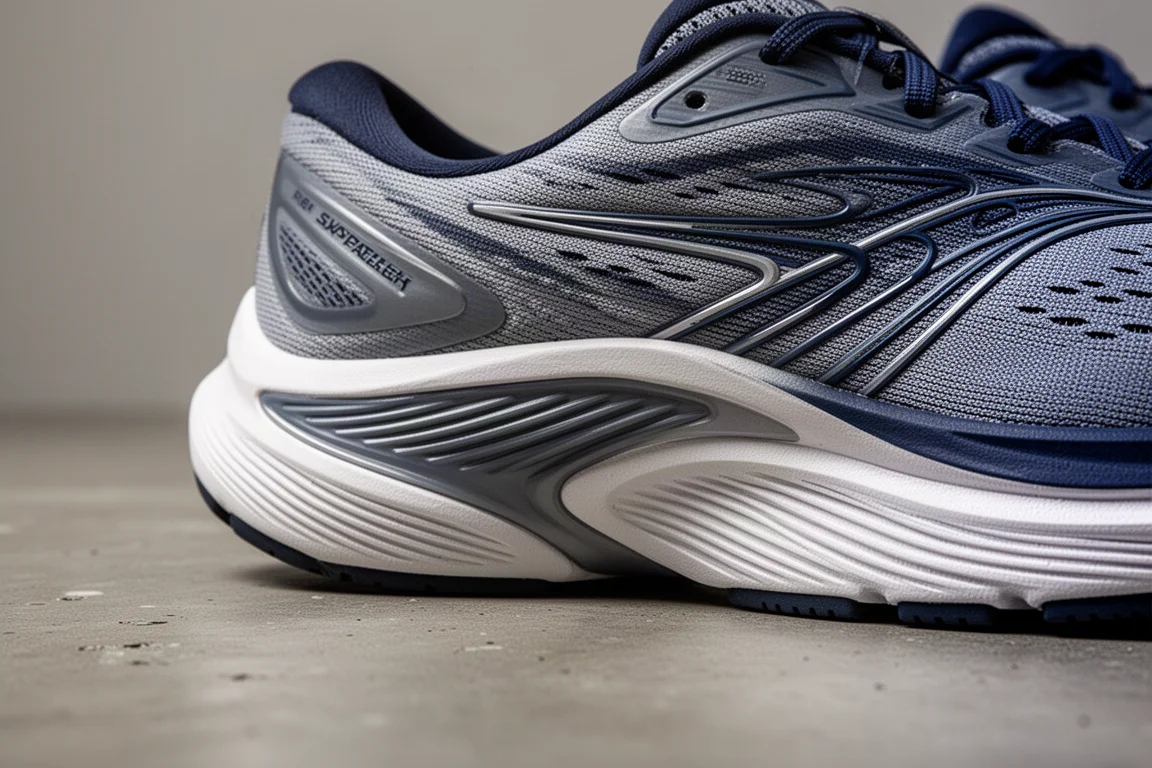
Asics Gel-Kayano 30
The Asics Gel-Kayano is one of the most classic supportive shoes of all time, and version 30 had a good long development cycle to get it right. The standout feature is the 4D Guidance system, which delivers impressive stability and keeps the foot supported through the whole foot strike. It comes in three widths (regular, wide, and extra wide), has a super breathable upper, and a very thick, durable outsole.
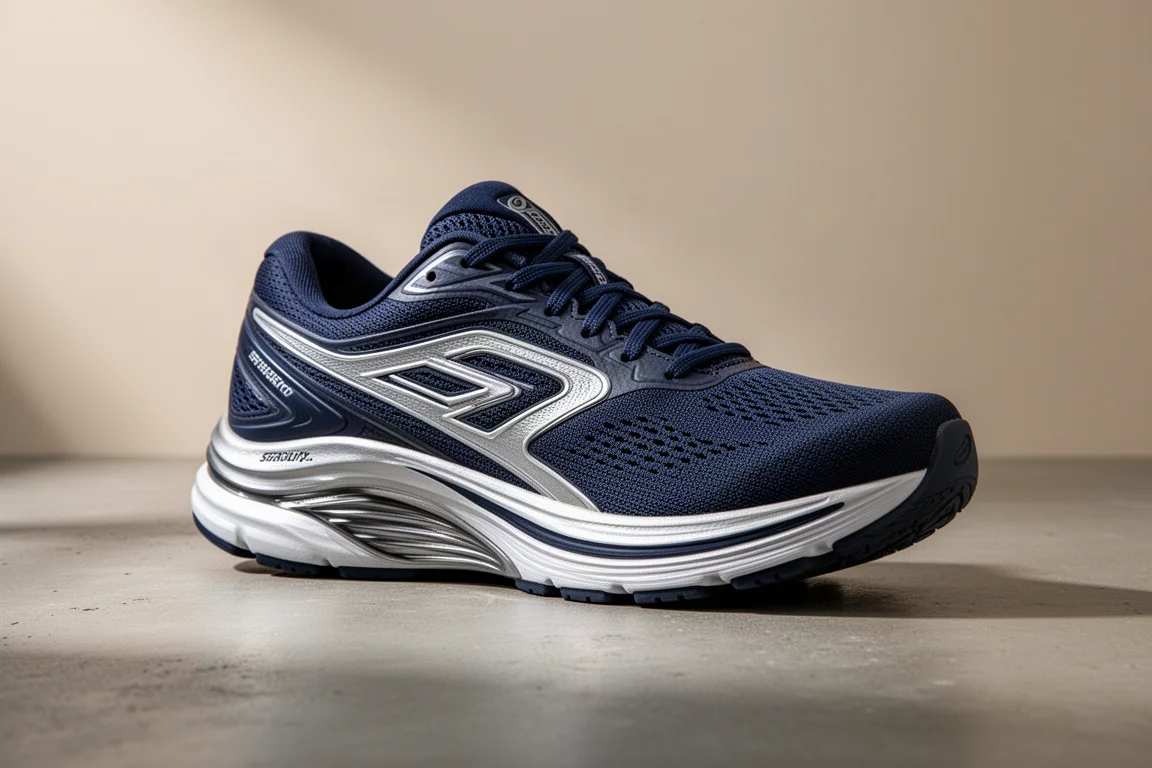
Brooks Adrenaline GTS 23
The Brooks Adrenaline GTS 23 is available in four different widths and offers a slightly firmer ride that softens up a little over time. Brooks’ GuideRails stability system is present but not too intrusive, making this a really good option for support seekers.
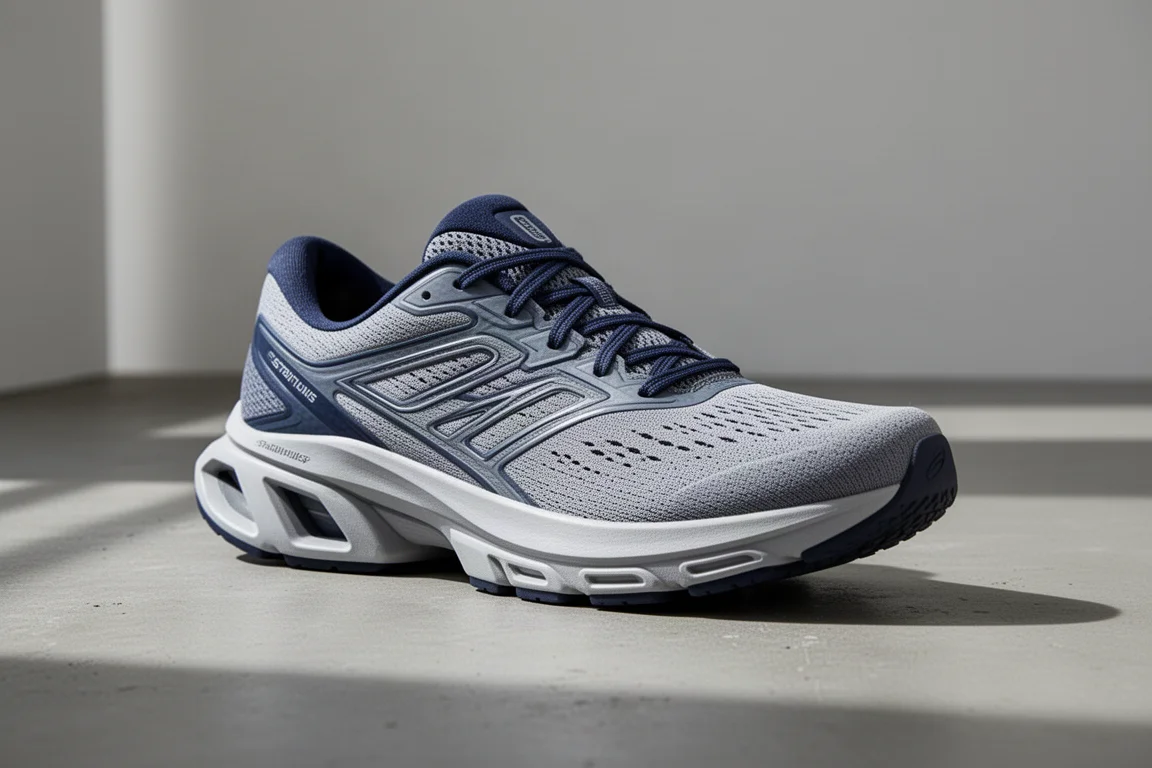
Best Max-Cushion Recovery and Comfort Shoes
These are the shoes that look after your legs and your body, absorbing impact to help keep you injury free for as long as possible. Being a heavier runner, you might assume more foam is always better, but many max-stack shoes on the market use very soft foams. Under higher body weight those foams can collapse and create instability, which raises the risk of injury. The picks below strike a better balance.

Brooks Glycerin 21
The Brooks Glycerin 21 is soft, but not too soft. It comes in two widths and there is also a stability version if you want extra support. The outsole is very tacky yet highly durable, and the shoe is incredibly comfortable to run in. The only real downside is that it is not great at picking up the pace: this is very much an easy and recovery run shoe.
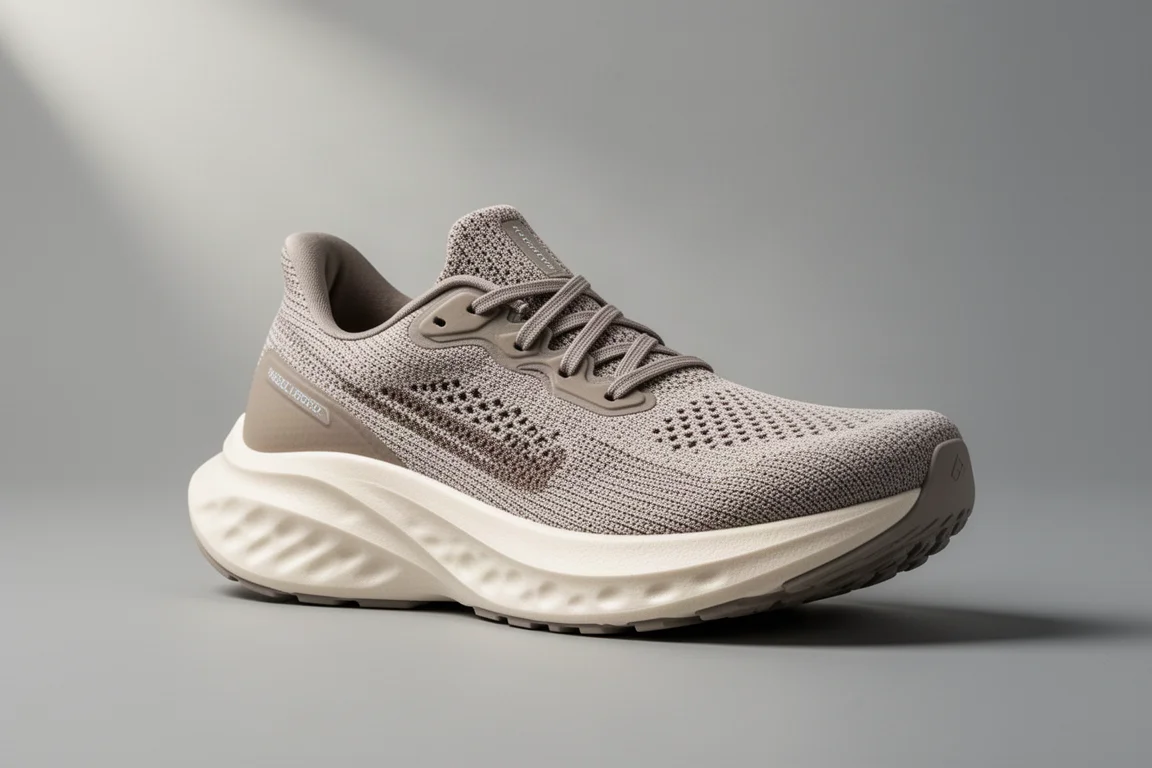
Asics Gel-Nimbus 26
One of the standout shoes of recent years, the Asics Gel-Nimbus 26 comes in three widths (standard, wide, and extra wide) and is so, so comfortable. It has a super durable outsole, a very breathable and super soft upper to maximize comfort, and a really large surface area underfoot that makes it very stable. The foam is quite soft but not too soft, so you will not bottom it out, and there is a good amount of stack height. The negatives: it is on the expensive side, version 25 remains a smart buy because the updates are minimal, and there is not much energy return. These are recovery run shoes, so you will still want something faster in your rotation.
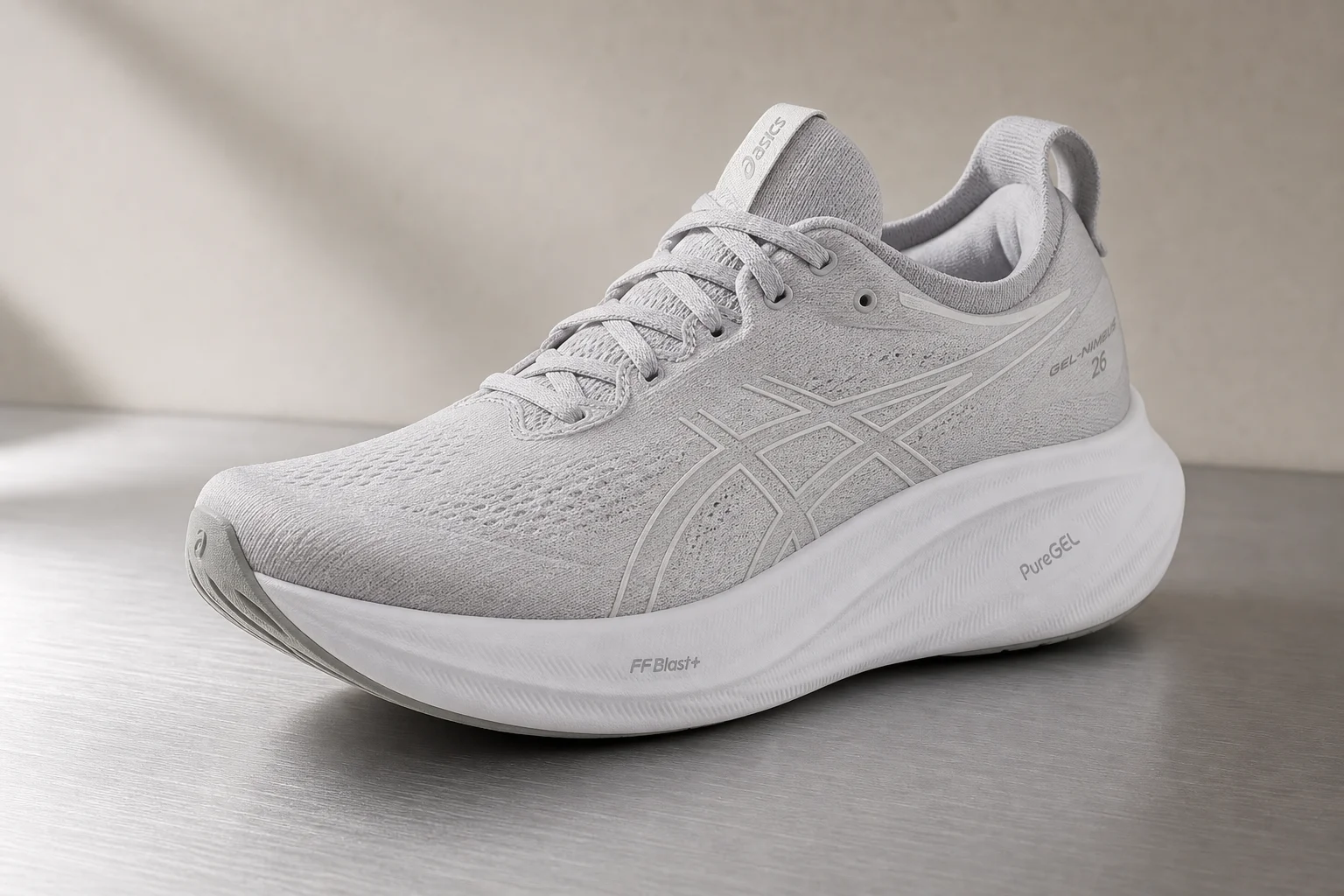
Hoka Bondi 8
The Hoka Bondi 8 comes in three widths (standard, wide, and extra wide). It is super breathable and comfortable enough to wear for long stretches on your feet. Plenty of ultra runners use this type of shoe, and it is also great for people who walk a lot or spend long hours standing, such as those working in retail or healthcare. On the negative side, it runs a little narrow with a smallish toe box, so spec the wide or extra wide if your feet are wider. The outsole also is not the best for a super heavy runner because there is a little exposed foam on the bottom, though for most people it will be fine.
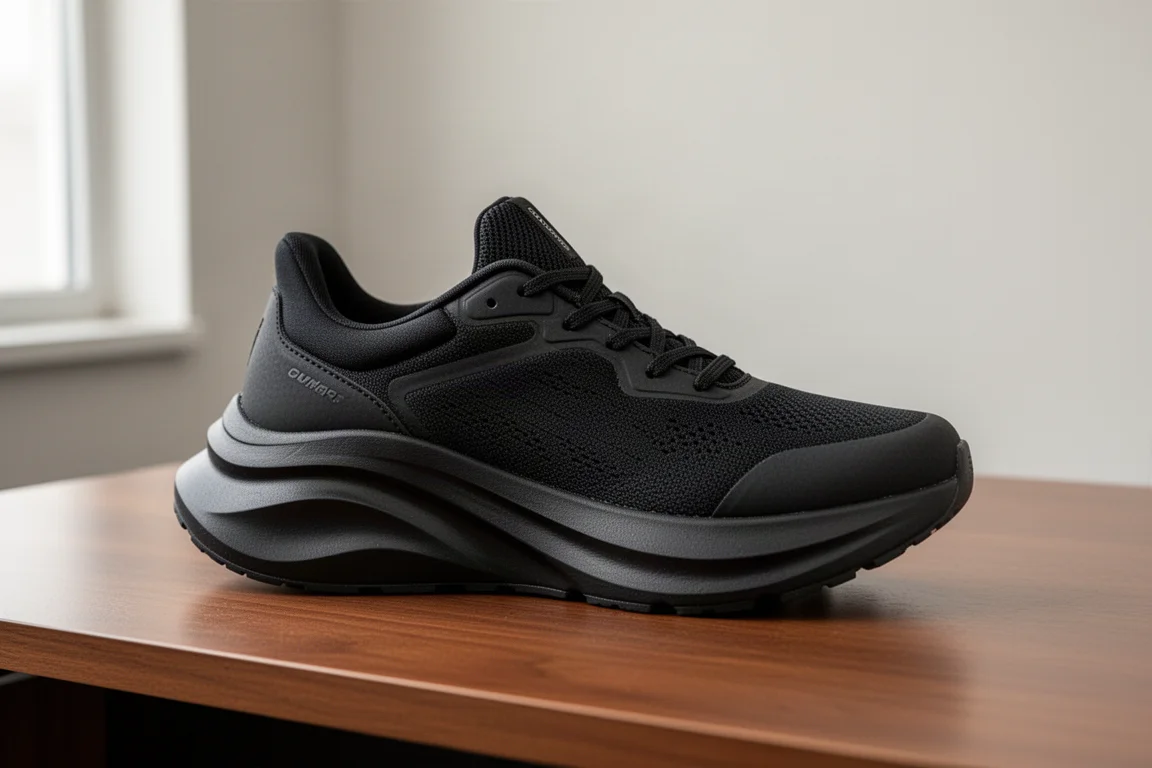
Best Plated Shoes for Faster Running and Racing
Plated shoes help you run a little faster, but super shoes have a known problem for heavier runners: they are generally not the most stable, their super foams tend to be very soft and do not last long even for lighter runners, and they are often narrow fitting. The three picks below are the ones that best cover those bases.
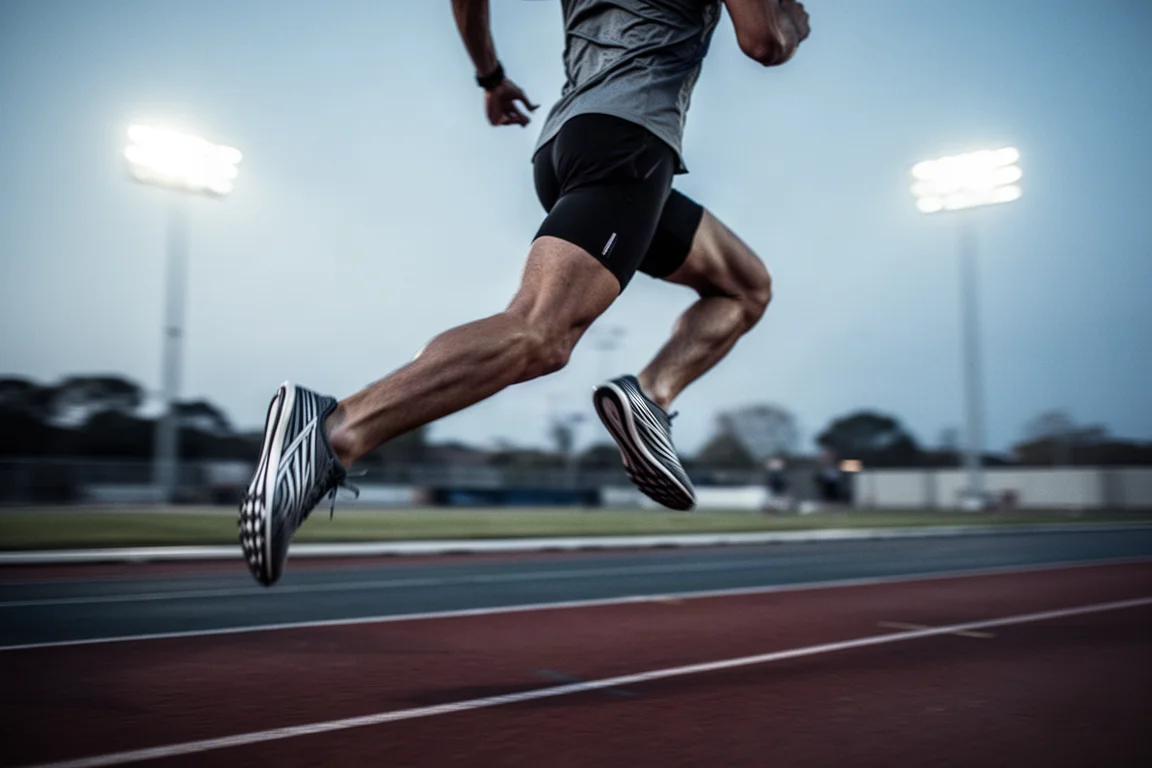
Nike Zoomfly 5
The Nike Zoomfly 5 is not a super shoe per se, but it is a really good option for long runs and long distance races, and you can pick up the pace well thanks to the carbon plate inside. It has a super thick, durable outsole and a thick slab of Nike’s flagship foam with carrier foam around it, delivering a nice responsive ride. Of everything on this list, this is the shoe most likely to last the longest. The negatives: it is a little heavy and chunky in the ride, and only one width is available.
New Balance SC Trainer
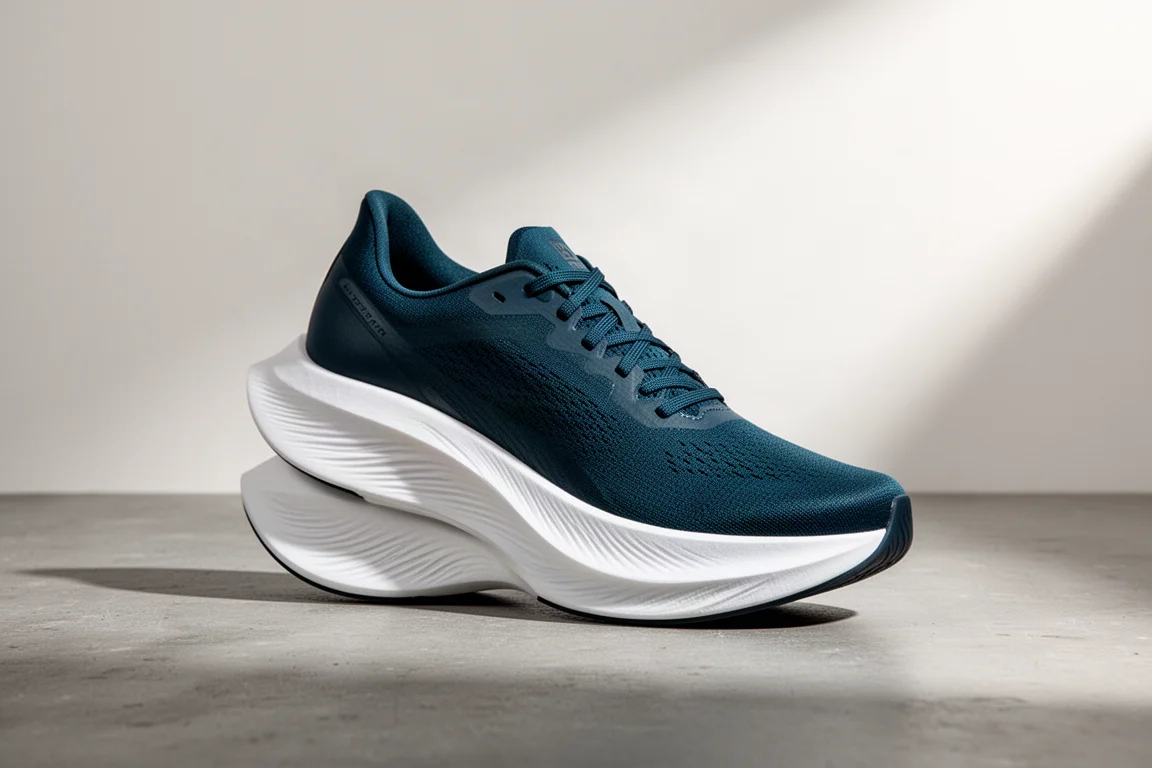
The New Balance SC Trainer is the most comfortable plated shoe many runners have ever worn. It is super lightweight, soft but again not too soft, and works well for speed workouts or as an ultra-comfortable race day shoe. It has a nice durable outsole, stays very stable through corners, and has a good amount of toe box space for foot splay. The trade-off: it is not the most poppy or responsive shoe out there, but you sacrifice a little of that for a super comfortable ride.
Nike Alphafly 2
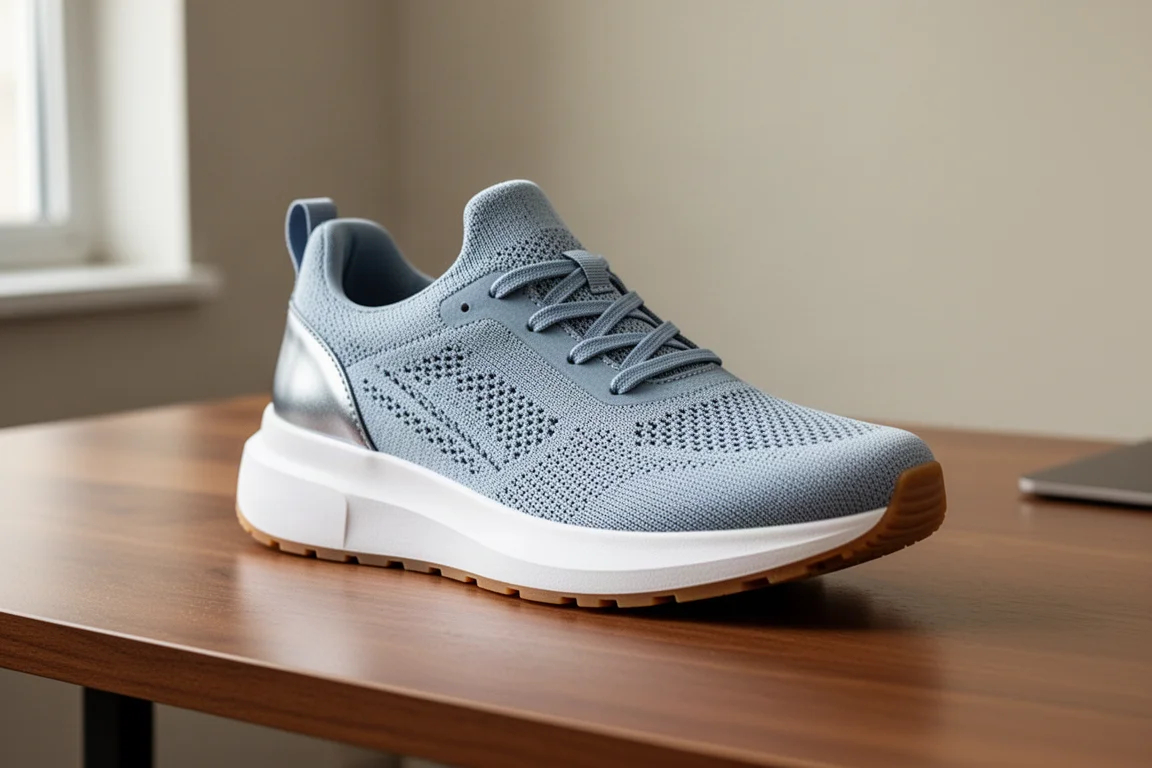
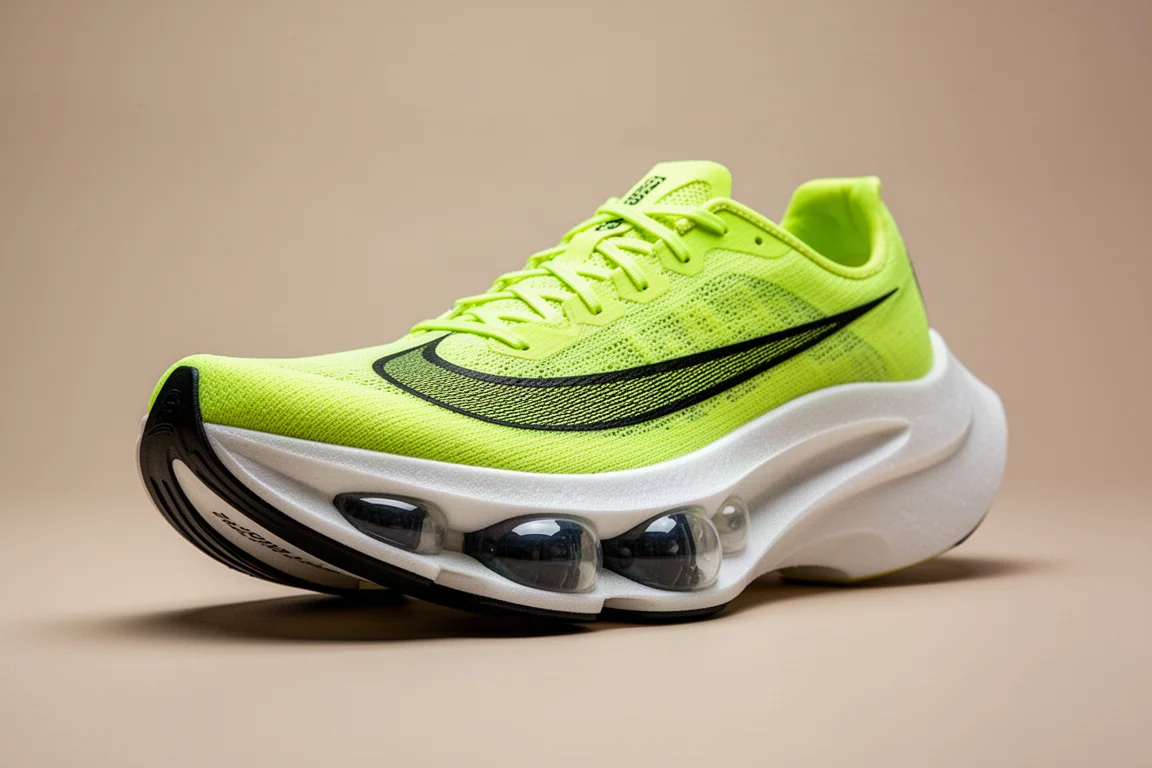
The Nike Alphafly 2 is widely considered the fastest race day plated option for heavier runners. It has a super wide, very stable platform at the front, and it is genuinely fast thanks to massive Zoom Air pods up front, a carbon plate running through the shoe, and ZoomX foam. It encourages a midfoot landing and helps leg turnover. It does run a little narrow through the midfoot, so if that applies to you, check out the Alphafly 3, which offers more room but is slightly less stable. One caution: the front air pods have been known to pop or burst during races, particularly with high mileage, so it is something to be aware of.
Overall Buying Advice
Match the shoe to the job. A firmer, durable daily trainer like the Triumph 21, Clifton 9, or Superblast can carry most of your weekly mileage. If you need support, the Gel-Kayano 30 or Adrenaline GTS 23 are the safe bets, ideally confirmed with a fitting at a running store. For easy days and recovery, the Glycerin 21, Gel-Nimbus 26, or Bondi 8 prioritise comfort without the instability of overly soft max-stack foams. And for faster sessions and race day, the Zoomfly 5, SC Trainer, and Alphafly 2 bring speed while sidestepping the usual super shoe stability issues.
Whatever you choose, rotate at least two pairs if you run frequently, and give each pair 24 to 48 hours between runs so the foam can decompress.
Conclusion
Heavier runners do not need to compromise. The shoes above all handle higher loads with durable outsoles, firmer cushioning, and generous fit options, from everyday miles to race day. Pick the category that matches your training, size carefully with width in mind, and your shoes will reward you with far better longevity and comfort.
Further reading
Related Reviews

Running Shoes
Best Road-to-Trail Running Shoes: Three Versatile Options for Mixed Terrain
A practical guide to three road-to-trail running shoes that handle both pavement and mild trails, with clear strengths and trade-offs for different runner types.

Running Shoes
Best Running Shoes for Achilles Tendonitis: Three Options Explained
Three running shoes with different heel drops and support features designed to help reduce Achilles tendon pain during walking and running.

Running Shoes
Best Running Shoes for Women: Five Top Choices Ranked
A ranked guide to five women's running shoes, from versatile daily trainers to high-performance racing options, with real strengths and trade-offs for each.