Running Shoes
Best Running Shoes for Bigger Runners: 10 Picks Across Daily, Tempo and Race Day
Ten running shoes that hold up well for heavier runners, from stable daily trainers to max-stack recovery and super shoes, with honest trade-offs for each.
Introduction
Shoes simply behave differently for bigger runners. Foam compresses further, midsoles feel softer than their specs suggest, and the same shoe that feels springy on a 140-pound runner can feel like it is sinking under a 275-pound frame. That is why this list comes from the perspective of a heavier runner rather than a typical reviewer: someone who knows what stability, durability and true cushioning actually feel like under real load. Every pick here earned its spot by holding up for bigger runners, not just looking good in a spec sheet.
What Makes a Shoe Work for Bigger Runners
A few threads run through all of these picks. Firmer or dual-density foams resist bottoming out. Wider midfoot platforms add inherent stability. Solid rubber outsole coverage matters, because heavier runners chew through soft outsoles quickly. And weight, while less punishing for a bigger runner than a smaller one, still counts when it sits in the midsole rather than the upper. If a shoe nails those points, it tends to work across the board.
Best Daily Trainers
Saucony Hurricane 24
Technically a stability shoe, the Hurricane 24 earns a daily trainer spot because it simply does a bit of everything. A full slab of PWRRUN PB sits underfoot, with a dual-density setup and a cradling PWRRUN layer on top, producing a stable, sturdy ride with genuine elite-foam cushioning and a smooth rocker that rolls right through the gait cycle. It is heavier than some daily options, and the fit is more accommodating than a narrower sibling, but that extra volume is exactly what makes it reliable for longer daily miles.
New Balance 880 v14
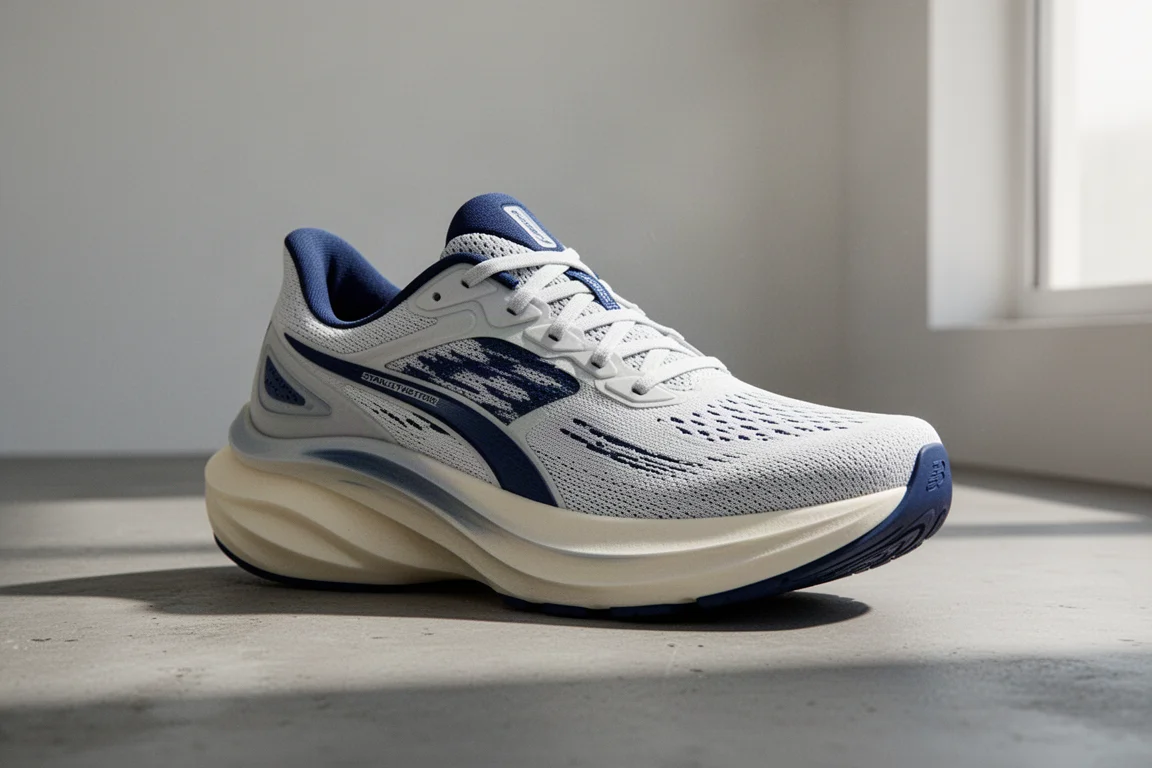
The 880 v14 is New Balance’s mid-range daily trainer, and the Fresh Foam X formulation here is arguably the best version yet. It sits slightly firmer than the 1080, which many bigger runners will prefer, and the update added resiliency where earlier models leaned too soft. A wide base, a breathable mesh upper and good rubber coverage round out a shoe built to rack up miles without drama.
On Cloudmonster Hyper
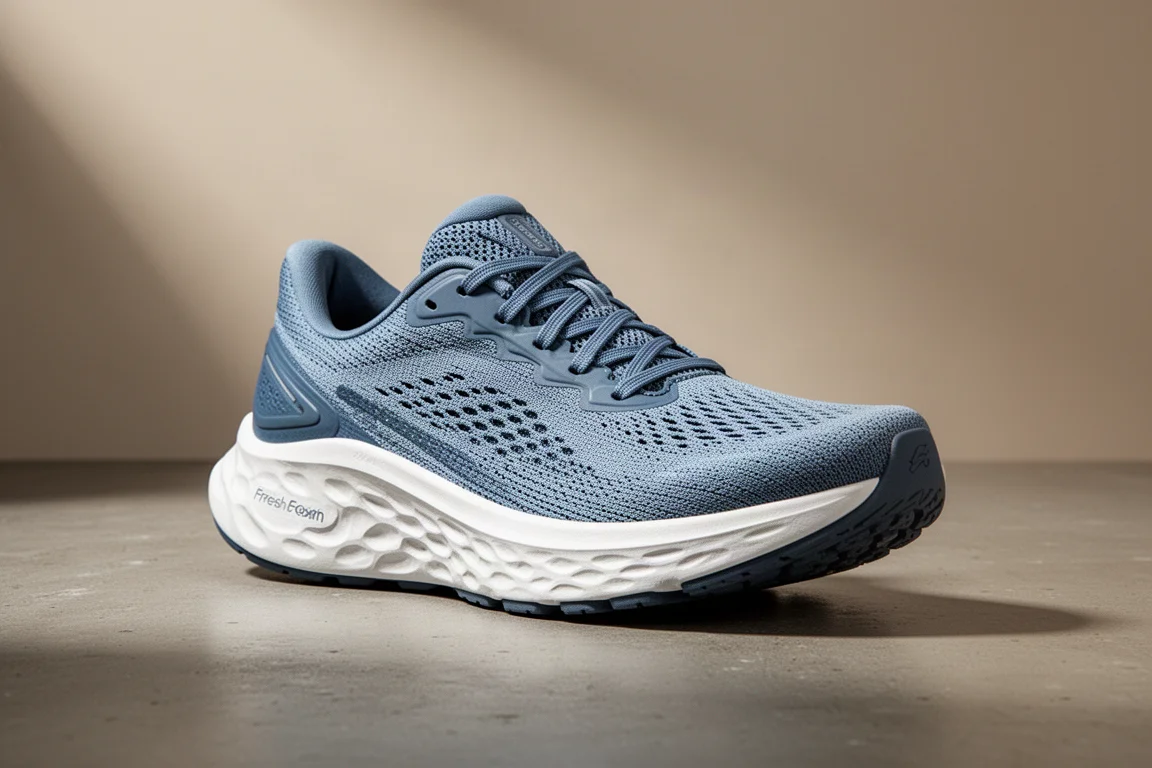
This pick may raise eyebrows. The Cloudmonster Hyper was positioned as a super trainer, but with only a modest amount of Helion super foam in the forefoot, it does not quite deliver that super-foam slab feel. What it does deliver, especially for bigger runners, is soft, comfortable cushioning for daily miles, an upper that fits generously and breathes well, grippy rubber-tipped laces and outsole coverage that should last a long time. Just be aware it carries a super-trainer price above $200 while behaving more like a plush daily trainer.
The trade-off is real: you are paying for a category the shoe does not fully occupy. If you judge it as a durable, comfortable daily trainer instead, it makes far more sense.
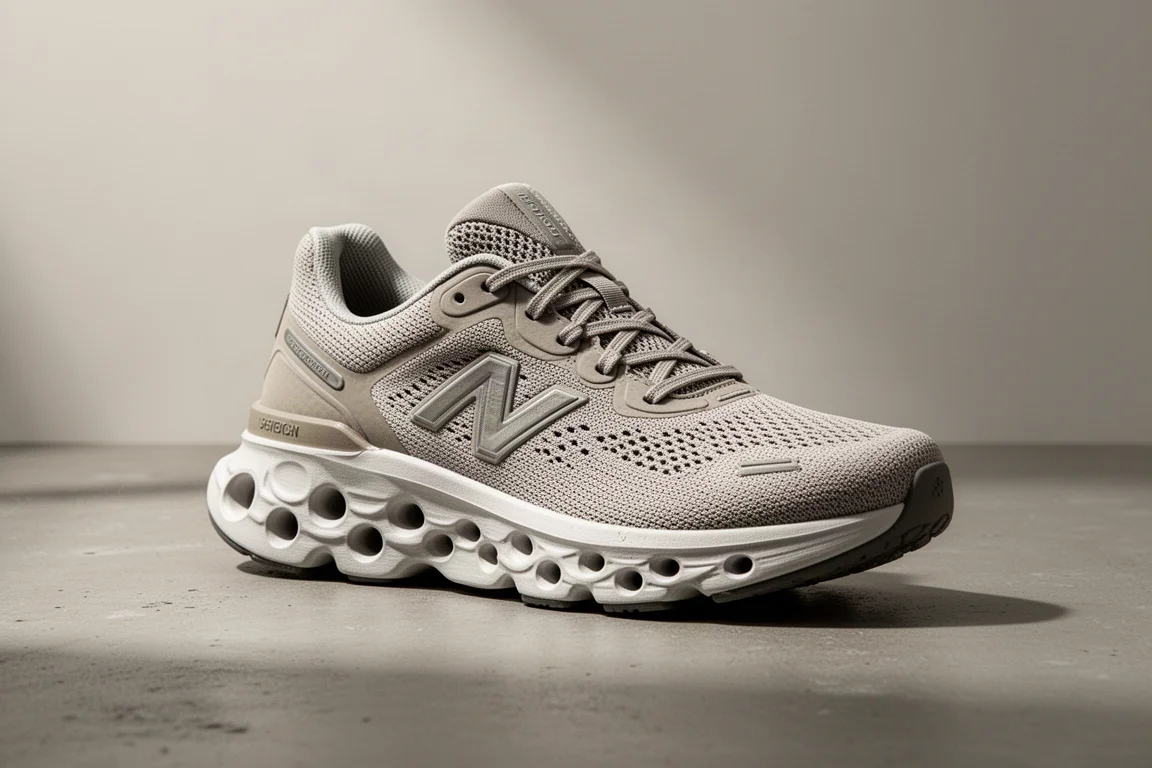
Best Super Trainers
Mizuno Neo Vista
The Neo Vista is that rare shoe that everyone seems to like, regardless of size or running style. The knit bootie-style upper somehow avoids lace bite thanks to just enough padding over the extensor tendons, the MIZUNO ENERZY foam is soft and responsive with an almost pink-rubber-ball bounce, and a plastic plate plus rolling geometry keep the ride stable and moving forward. It comfortably handles runs up to and beyond double-digit miles, and it works equally well as a long-run or midweek shoe.
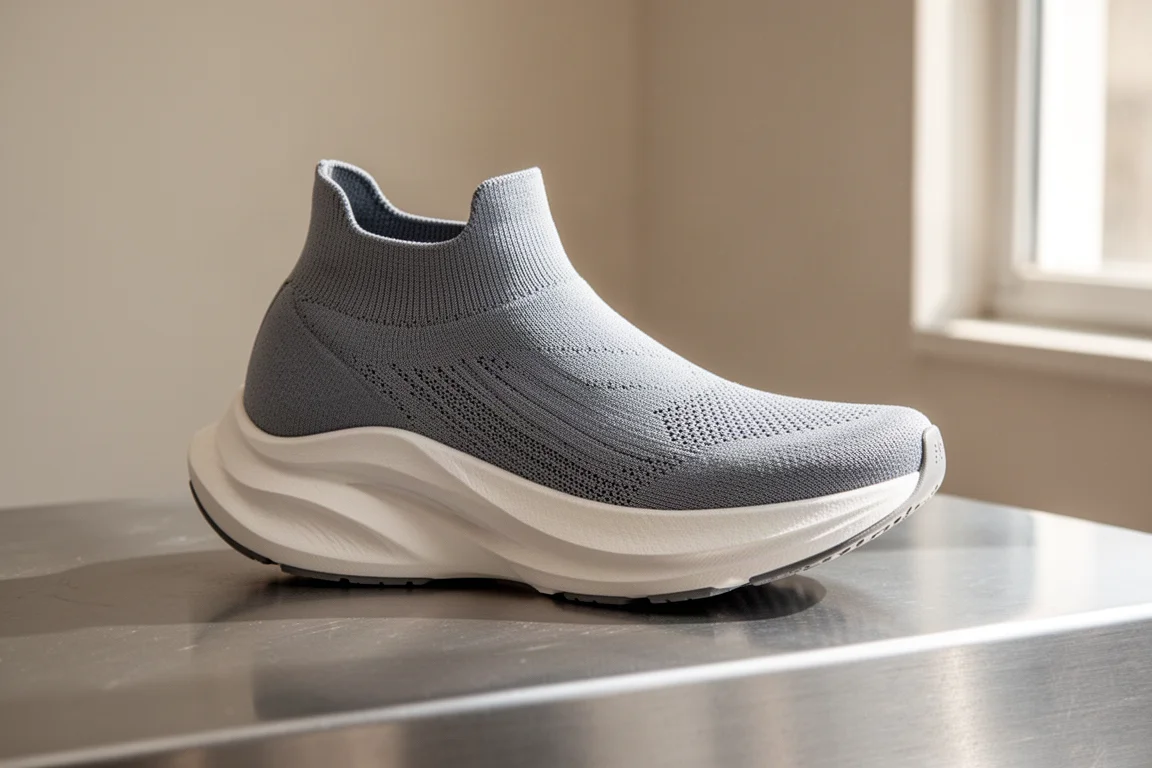
Hoka Skyward X
Lace up the Skyward X at least once a week and you will understand the appeal. The stack is enormous, the ground feel is basically zero, and yet the ride stays surprisingly stable thanks to what appears to be a forked plate rather than a full one. The bounce is perfectly tuned: you do not sink in, and the shoe gives back what you put in. It is a hefty shoe, but much of the weight sits in the upper rather than underfoot, so it never feels sluggish. Best suited to midweek miles and long runs rather than hard workouts, and it has handled big summer mileage blocks without complaint.

For bigger runners with slight overpronation, the stable-neutral character of this high-stack platform is a genuine selling point.
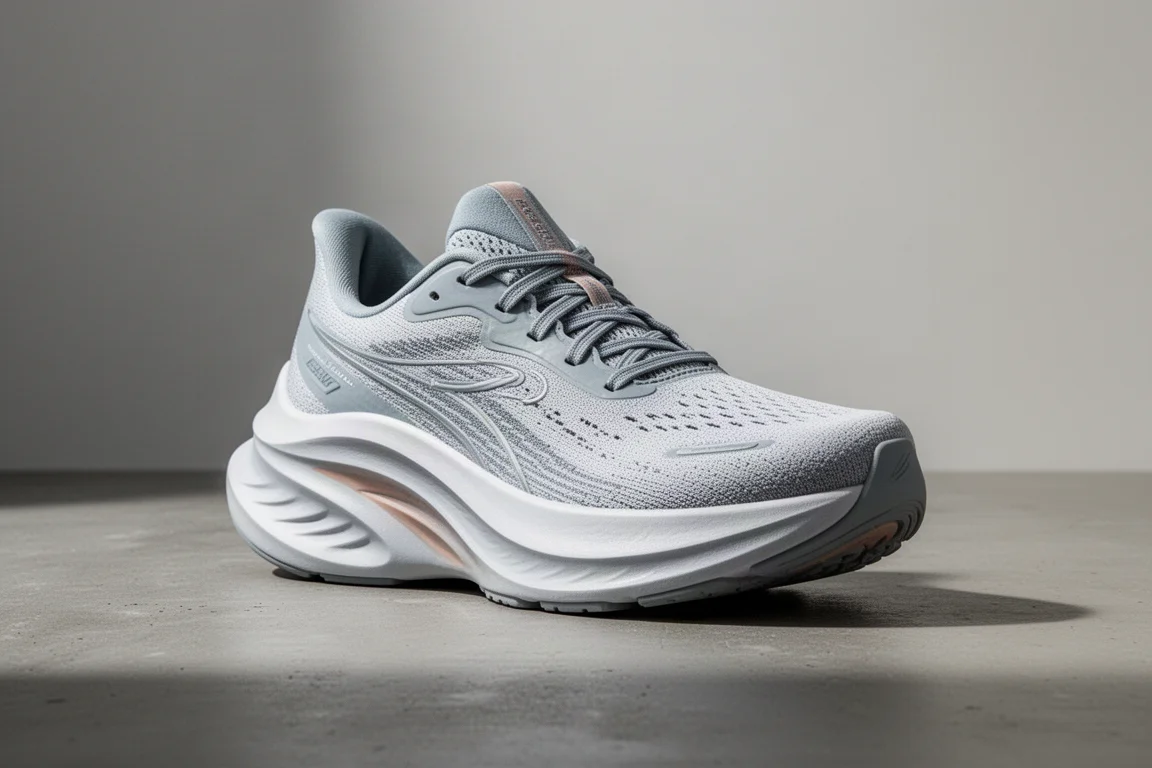
Best Tempo Day Shoes
Saucony Endorphin Speed 4
The Endorphin Speed 4 might be the shoe of the year. It blends the fast, nimble, bouncy character of the Speed 2 with the added stability of the Speed 3, and the firmer, poppier PWRRUN PB formulation nails that balance. It is light, genuinely breathable, good looking, and stable enough that ankles do not complain after hard sessions. Saucony also upgraded its rubber this year, and grip held up in wet spring tempo runs. For anyone who wants one shoe to handle miles and racing alike, this is a leading candidate, and it delivered a half marathon PR in spring testing.
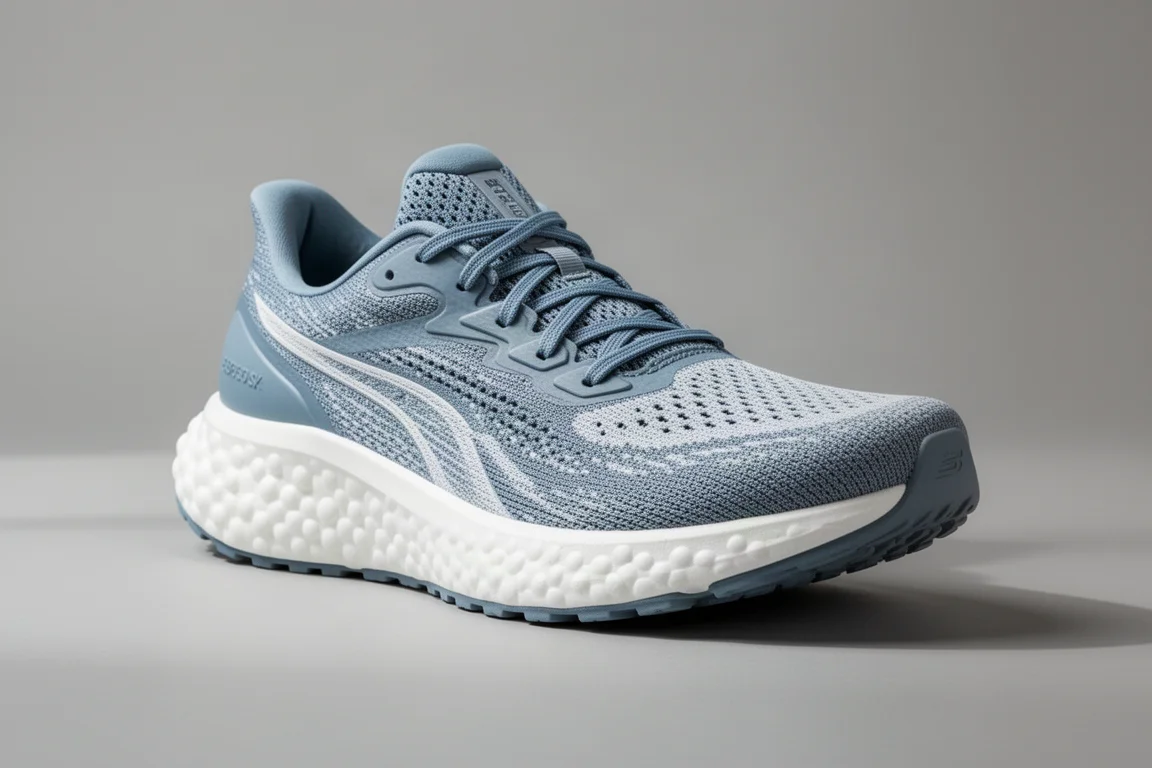
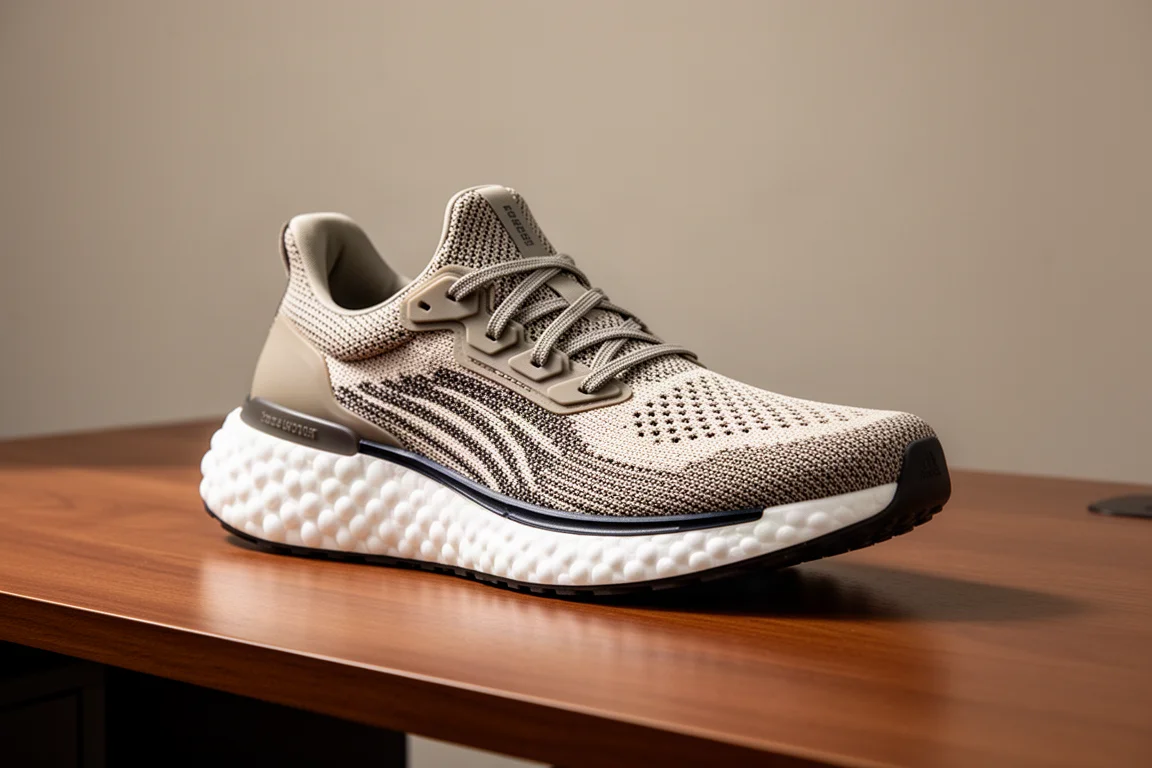
TYR Valkyrie Speedworks
TYR comes from the swimming and triathlon world, and the Valkyrie Speedworks arrived out of nowhere as a shade under the Endorphin Speed 4. The specs are strikingly similar in weight, stack height and PEBA-based foam character, and in a blind test the two would be hard to tell apart. The Valkyrie actually wins on fit, since the Speed 4’s toe box narrows and can pinch the pinkies, while the Endorphin Speed 4 is a touch more stable. Both saw equal amounts of spring workout duty, and this one earned 1B status right behind 1A.
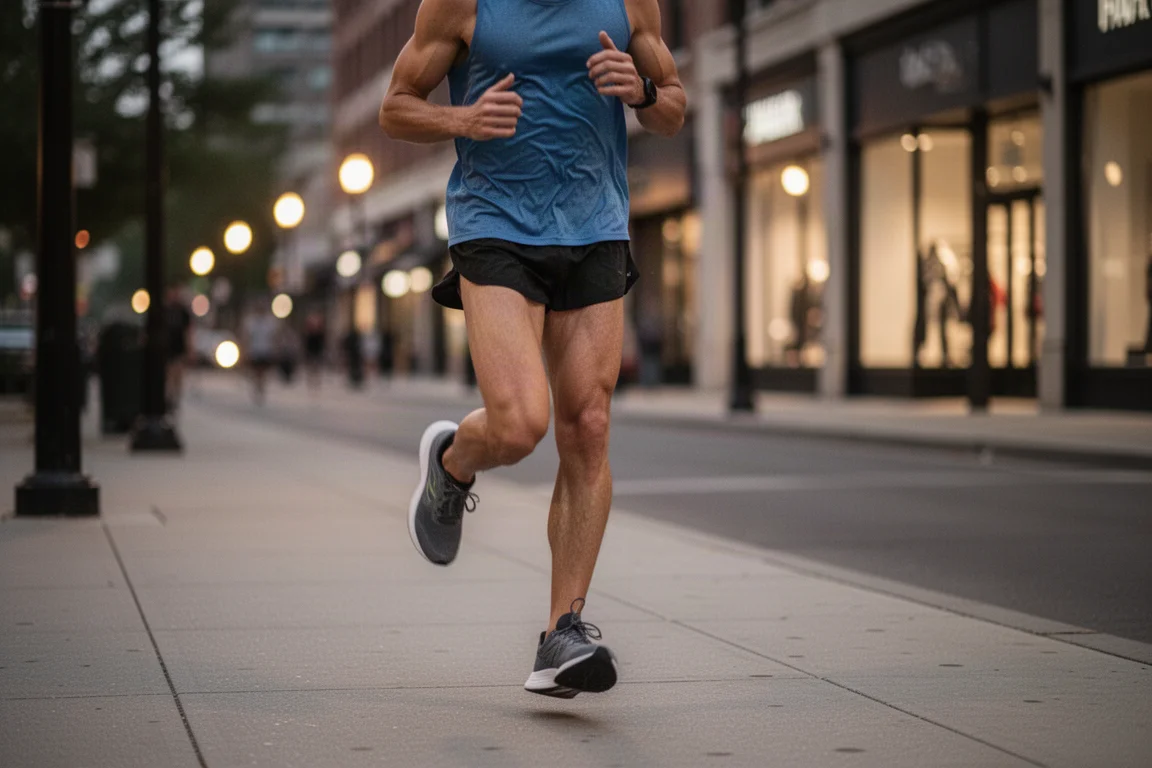
Built with triathletes in mind, it is extremely lightweight and super breathable, exactly what you want when fast miles get sweaty. Do not be surprised to see plenty of these on Ironman courses.
Best Race Day Shoes
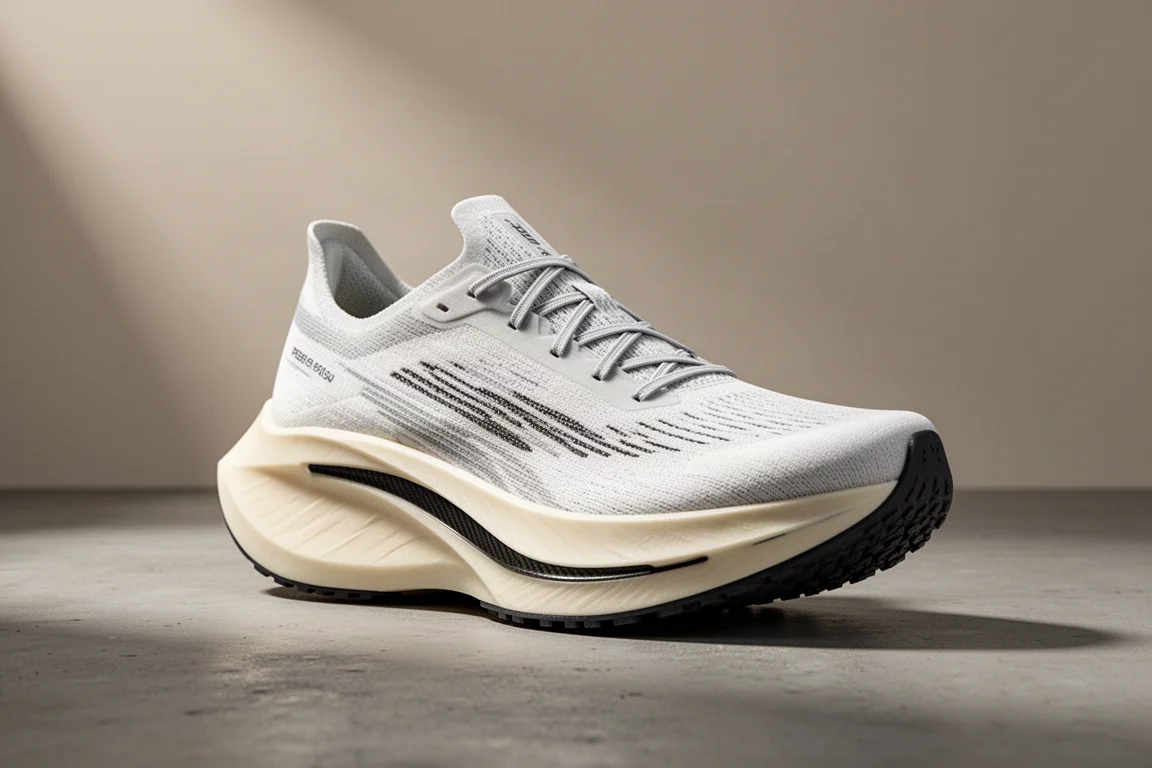
New Balance SC Elite v4
New Balance has crushed it this year on both performance and design, and the SC Elite v4 is the standout race day option for bigger runners. The FuelCell foam, now PEBA-powered, is compliant rather than aggressively scooped, and the Energy Arc plate propels and stabilizes without the toe-forward aggressiveness of an Alphafly or Vaporfly. A 4mm drop keeps you from being pitched up on your toes, the midfoot platform is wider than most super shoes, and the FitHeel-fit upper is a real improvement. It will not be the absolute fastest choice on the start line, but it offers comfort for long, fast efforts, and it doubles as a capable tempo-day companion.
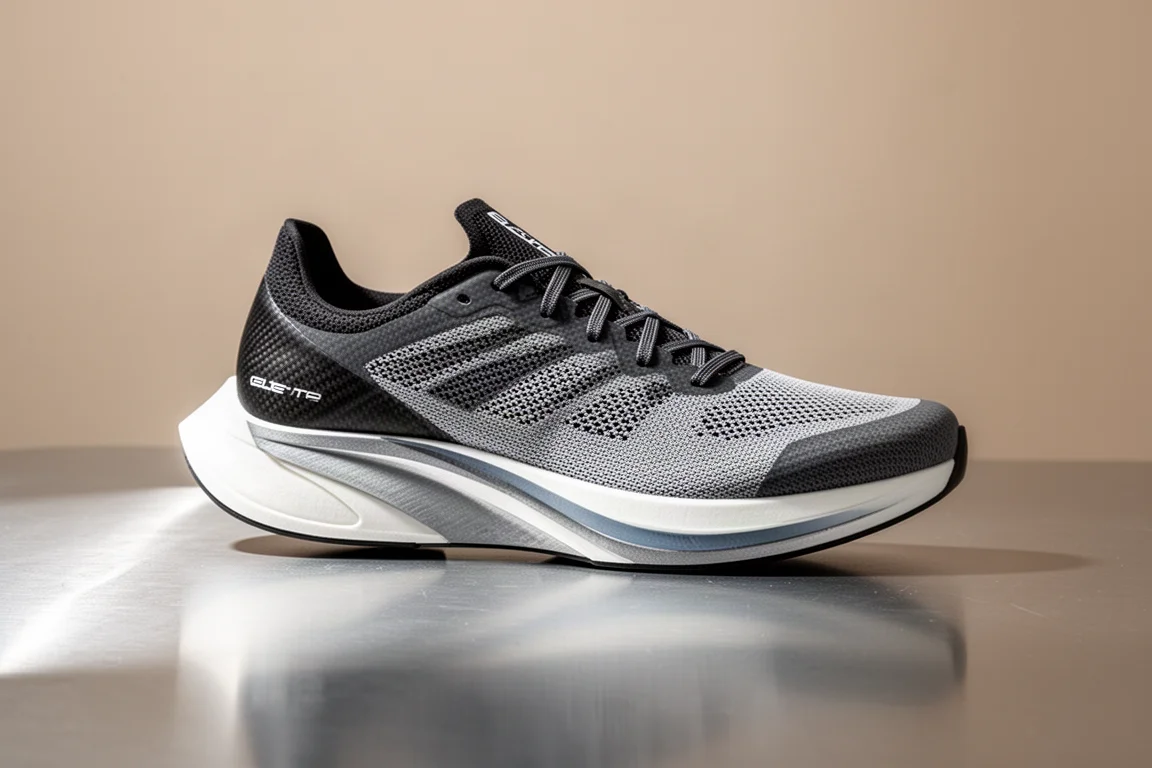
ASICS Meta Speed Sky Paris
The Meta Speed Sky Paris is the lightest shoe many runners will ever hold, lighter even than a Vaporfly, and it performs. Racing it at a Cherry Blossom 10-miler was an outstanding experience, enough to convert a long-time Nike loyalist. The reduced 5mm drop, plate geometry that pops on the roll-through, nubby laces and a thin tongue with no lace bite all add up. The midfoot runs narrow, and because the plate sits closer to the foot, the Sky version is more aggressive than its Edge sibling, which dips lower under the forefoot for extra cushioning before you feel the plate. This one suits fast halves; a full marathon on the Sky is more of a question mark for some runners.
Best Recovery Shoe
New Balance More v5
Everyone needs recovery, and there is no better recovery-day shoe than the More v5. New Balance somehow crammed more Fresh Foam X into the stack, adding 4mm to further reduce ground feel, but crucially the foam now has actual responsiveness instead of pure squish. That means you get the cushioning you want on easy days without the sensation of running through sand. The first run in testing went over six miles, longer than any run in the previous version, and it now earns a weekly spot. It is a heavy shoe, like most picks here, but on max-stack recovery day this one is king.
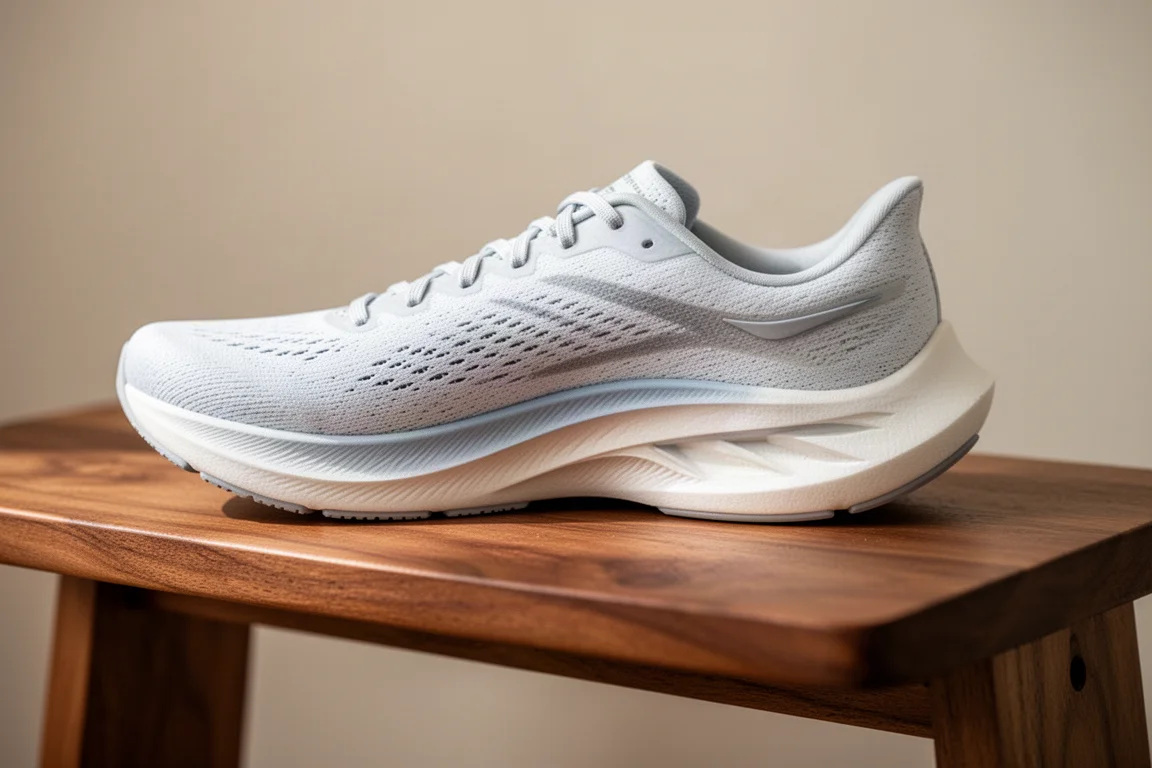
Pair it with the other habits that actually drive recovery: sleep, hydration and genuinely easy paces.
Overall Buying Advice
If your shelf needs just one shoe, the Endorphin Speed 4 and Mizuno Neo Vista are the closest things to do-it-all options here. Build a rotation instead and the logic is simple: a stable, durable daily trainer like the Hurricane 24 or 880 v14, a bouncy super trainer such as the Neo Vista or Skyward X for long runs, the Endorphin Speed 4 or Valkyrie Speedworks for tempo, the SC Elite v4 or Meta Speed Sky Paris for race day, and the More v5 for recovery. Also keep weight in perspective: for bigger runners, added weight matters less than where it sits, and foam that gives energy back matters more than a few ounces on the scale.
Conclusion
Bigger runners do not need to settle for shoes designed around someone else’s body. Every pick on this list has proven it can handle real load, real mileage and real race efforts, with trade-offs stated plainly. Match the shoe to the run, and your feet will thank you at mile 20.
Further reading
Related Reviews

Running Shoes
Best Road-to-Trail Running Shoes: Three Versatile Options for Mixed Terrain
A practical guide to three road-to-trail running shoes that handle both pavement and mild trails, with clear strengths and trade-offs for different runner types.

Running Shoes
Best Running Shoes for Achilles Tendonitis: Three Options Explained
Three running shoes with different heel drops and support features designed to help reduce Achilles tendon pain during walking and running.

Running Shoes
Best Running Shoes for Women: Five Top Choices Ranked
A ranked guide to five women's running shoes, from versatile daily trainers to high-performance racing options, with real strengths and trade-offs for each.