Running Shoes
Best Running Shoes for Beginners: 9 Picks for Every Kind of New Runner
Nine beginner-friendly running shoes for comfort, durability, faster training, marathon prep, and walking, with budget alternatives for each category.
Introduction
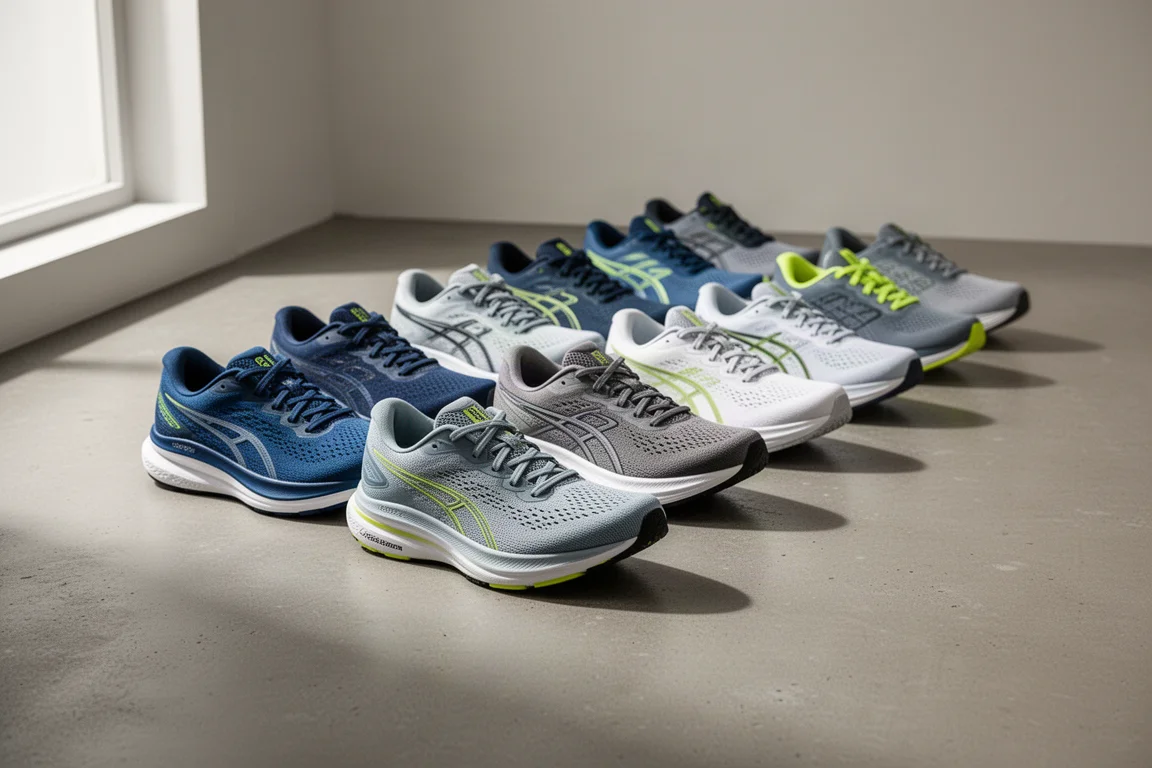
Almost every running brand now makes a shoe designed specifically for new runners, and the market has gotten genuinely good at it. The common thread across this list is comfort: an industry study found that discomfort is one of the top reasons people quit running early on, so most of these shoes are built around generous padding, soft foam, and roomier uppers.
One thing to know up front: most shoes here sit at the $140 market standard. There are also strong deal alternatives down in the $60 to $125 range, so you do not have to spend full price to upgrade from whatever is already in your closet. And if you are just starting, whatever decent athletic shoe you own is honestly good enough to begin with. These picks are the upgrade that helps support the habit once you have built some consistency.
A quick tip that applies to every shoe on this list: invest in a few pairs of proper running socks with padding around the heel. A padded heel collar sock can make or break the fit, stop rubbing at the ankle, and wick moisture in summer.
Comfort Pick: Adidas Supernova Rise
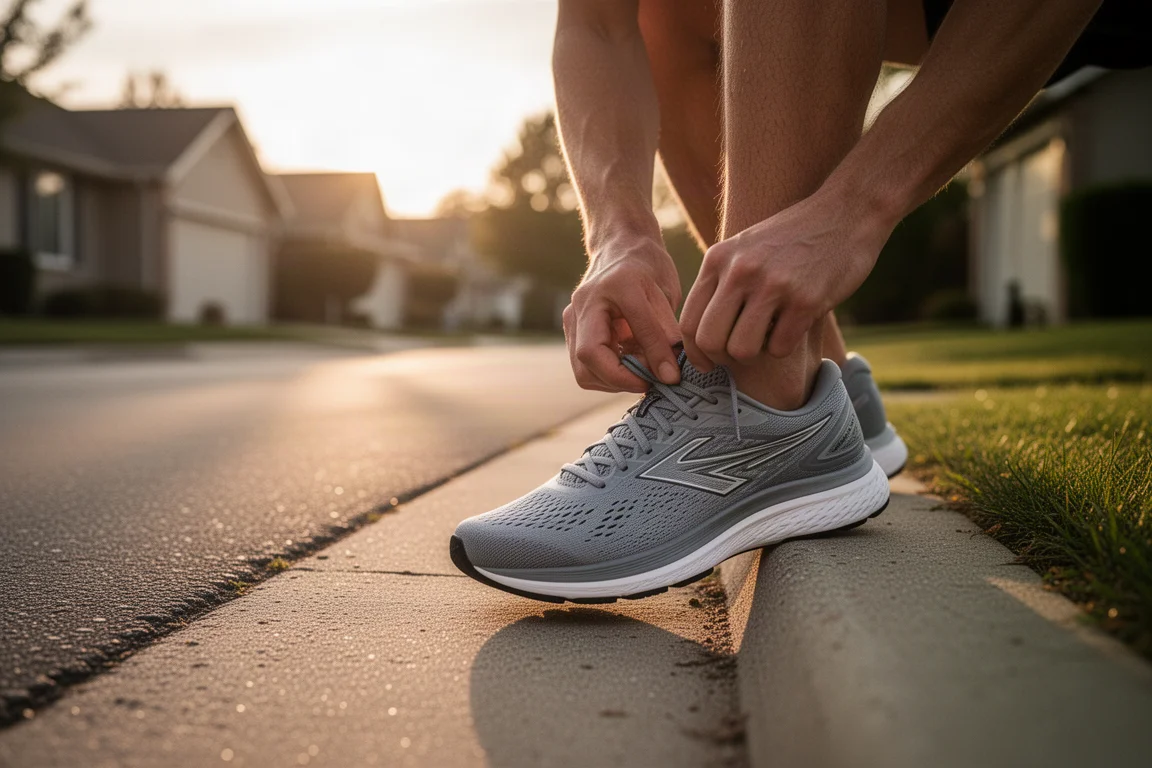
If you want something comfortable, versatile, soft, and genuinely coddling, the Adidas Supernova Rise is the pick. Adidas commissioned research showing that discomfort with shoes is a top reason people abandon a new running habit, and the Rise was engineered in response: tons of padding around the heel, a padded tongue, and soft cushioning underfoot with a roomy midfoot.
What makes it stand out is that it is not just comfortable, it still has pep. It handled easy paces and quicker running equally well in testing, which is rare for comfort-first shoes that often feel sluggish. It also uses a firmer support layer of foam along the bottom for a bit of extra stability, and there is a dedicated stability version called the Supernova Solution if you need more structured support.
The main quibble is availability: Adidas is not widely stocked in US specialty running stores, though it is easy to find at big-box retailers. At $140, it is the default pick for most beginners who want one comfortable, versatile daily shoe.
Comfort Deal Alternative: Asics Gel Nimbus 25
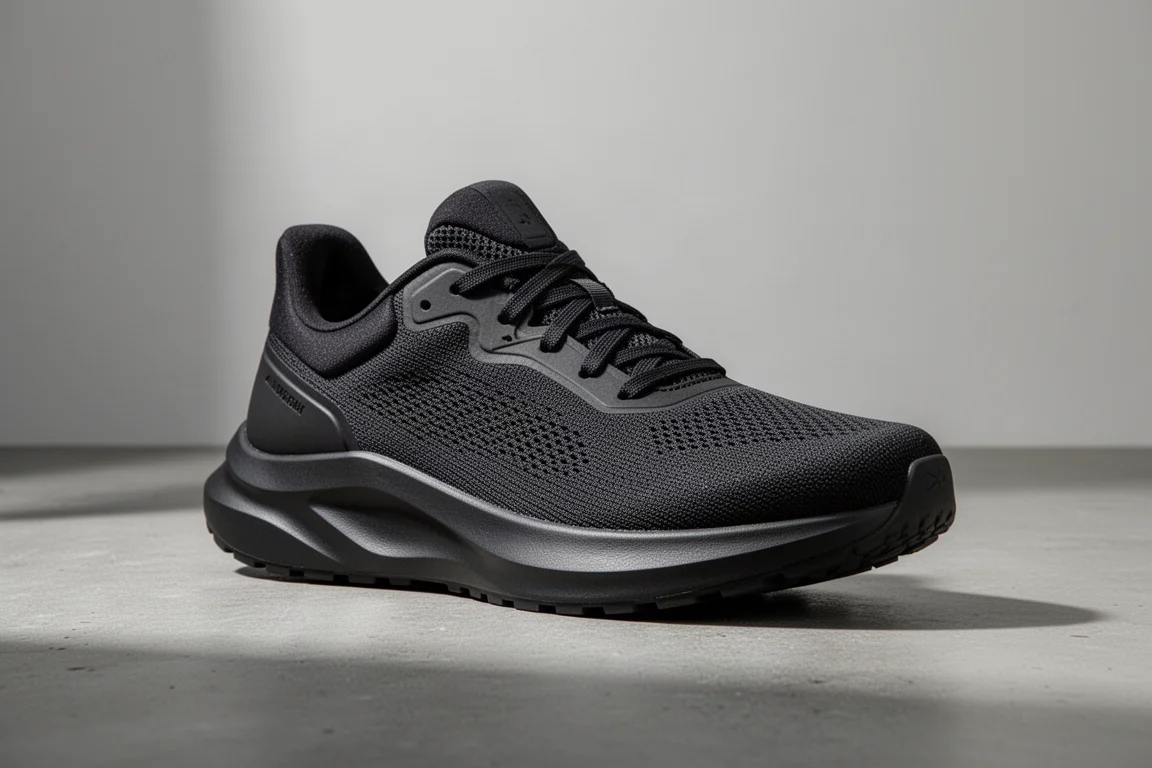
If budget is a concern, the Asics Gel Nimbus 25 is a very comfortable, very soft alternative usually found around $120, sometimes closer to $100. Lots of padding, a comfortable upper, and a nice wide base for stability. The trade-off versus the Supernova Rise is pep: the Nimbus is more of a slow, plodding cruiser that simply coddles your foot. Two downsides: the rubber is not the grippiest, and the upper can run a bit hot in summer.
Durable Daily Trainer: Nike Vomero 17
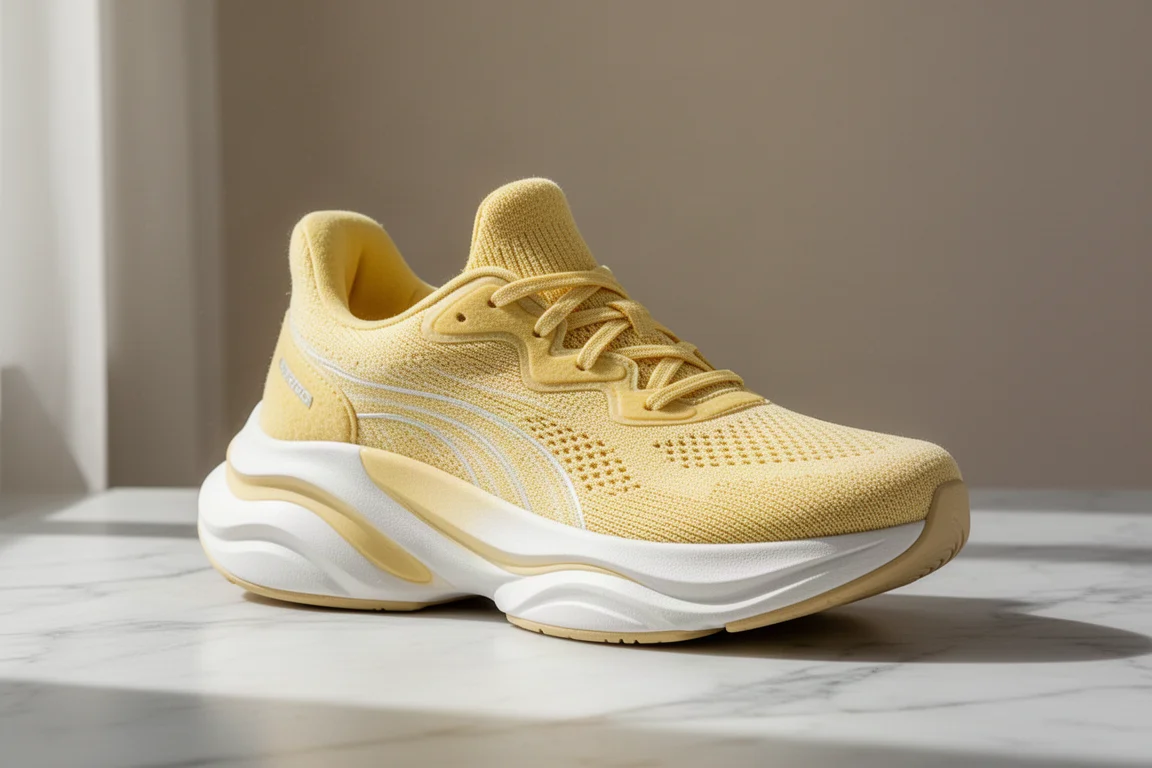
The Nike Vomero 17 is one of the most recommended shoes for new runners because it is well built, structured, stable, and durable while still feeling soft and peppy thanks to ZoomX, Nike’s racing foam, in the midsole. It uses two foam types: a softer layer on top and a thick, firmer chunky layer underneath for structure.
The best compliment for it is that it melts away on your foot. It is the shoe you lace up for an hour-long run without thinking about what is on your feet. It has roughly 200 miles of testing behind it and has held up well. It also happens to be a deal in its own right: despite being a recent release, discounts have brought it down from around $160 to roughly $95 to $110 at some retailers, which makes it arguably the best value on this list.
Lightweight and Fast: New Balance Rebel V4
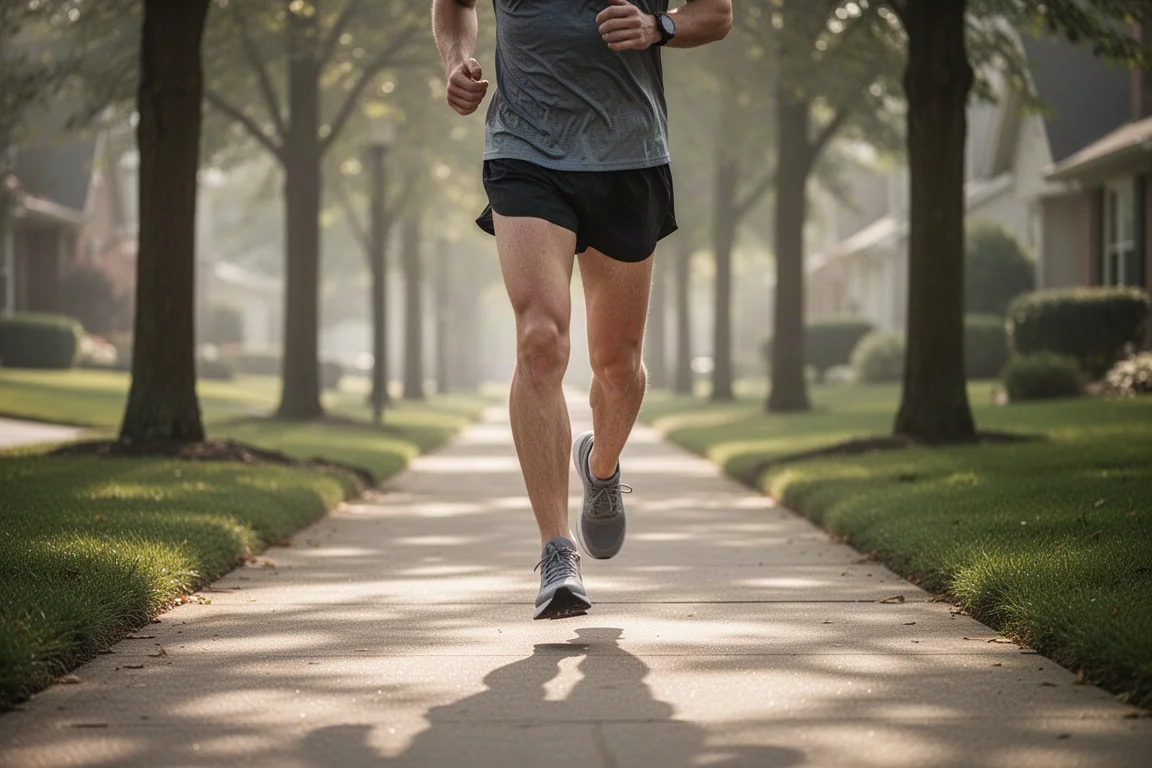
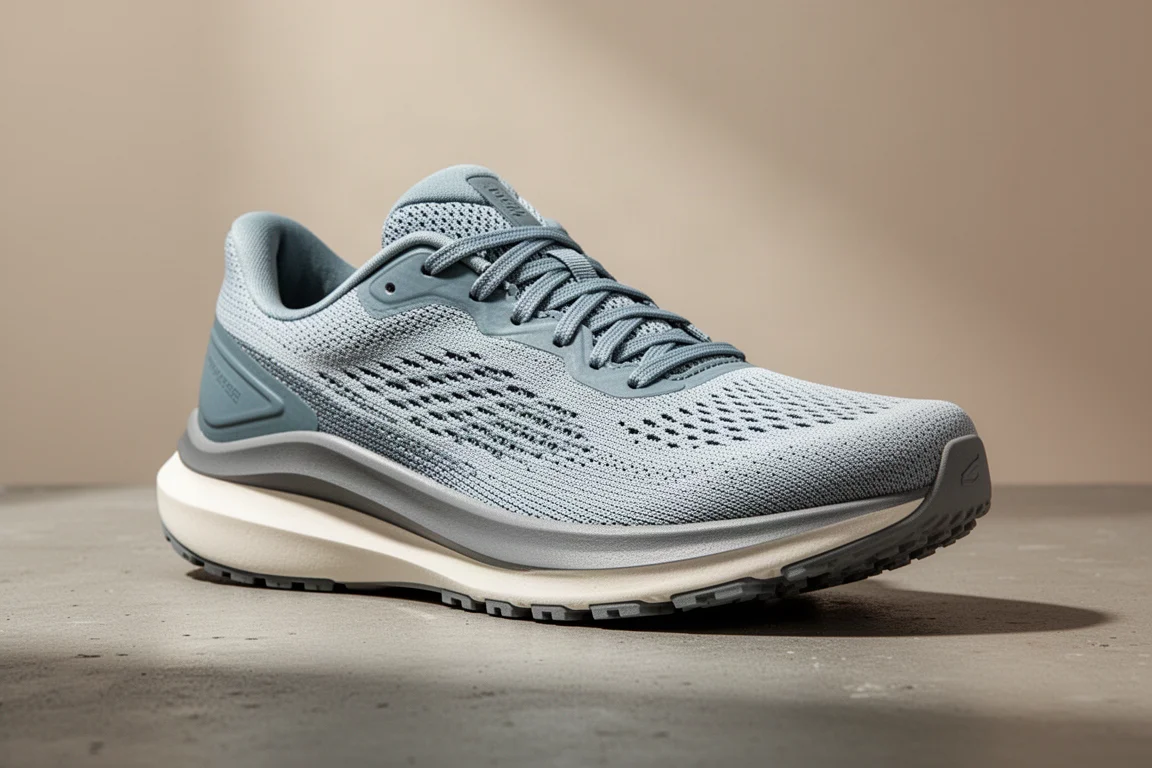
The New Balance Rebel V4 is the shoe for people who are already athletic and want to add running to an existing fitness routine. It survived a 100-mile week in testing, including long runs and double days, and it has a light, airy upper that makes it unusually comfortable for a lightweight shoe.
It is great for runs up to 45 minutes to an hour, faster sessions like hill sprints, treadmill warmups and cooldowns, gym use, and even walking around town. The wider base out back keeps it stable, and because it is not super tall in stack, it avoids that sinking-in feeling some cushioned shoes have. It is not the bounciest out of the box, but the ride settles nicely as the shoe molds to your foot. At $140, it is one of the favorite shoes of the year in the short and fast segment.
Lightweight Deal Alternative: Hoka Mach 5
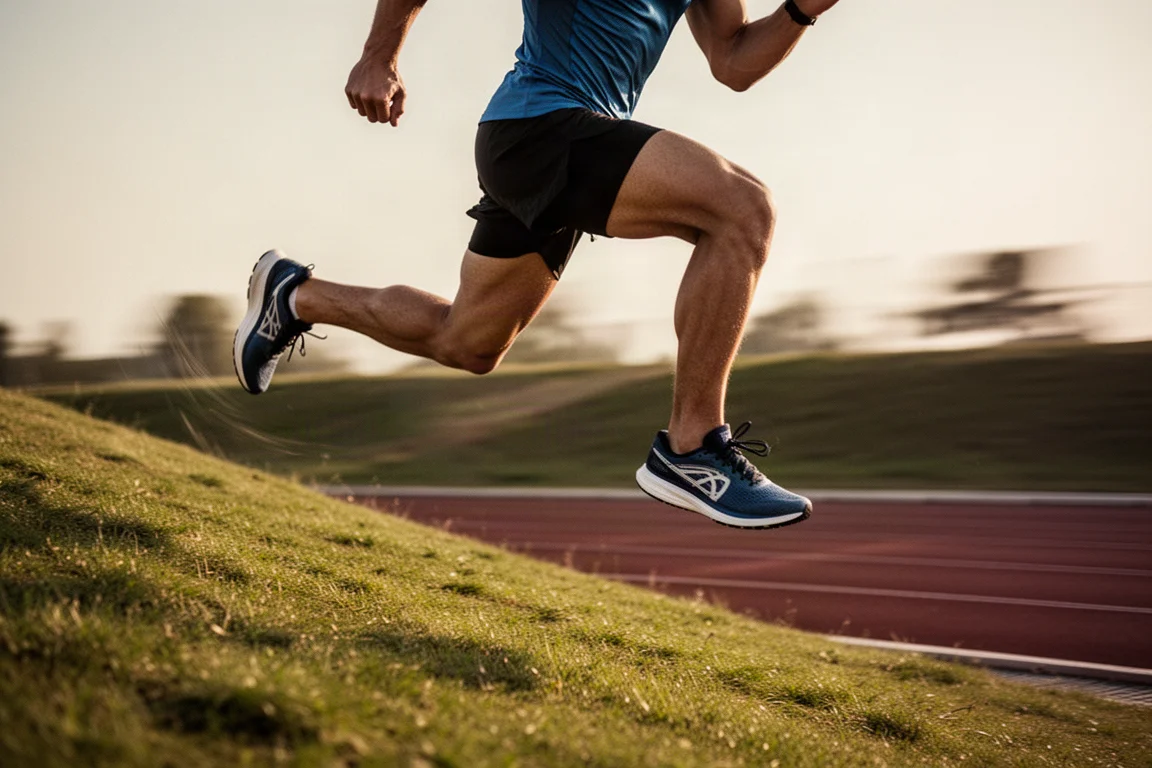
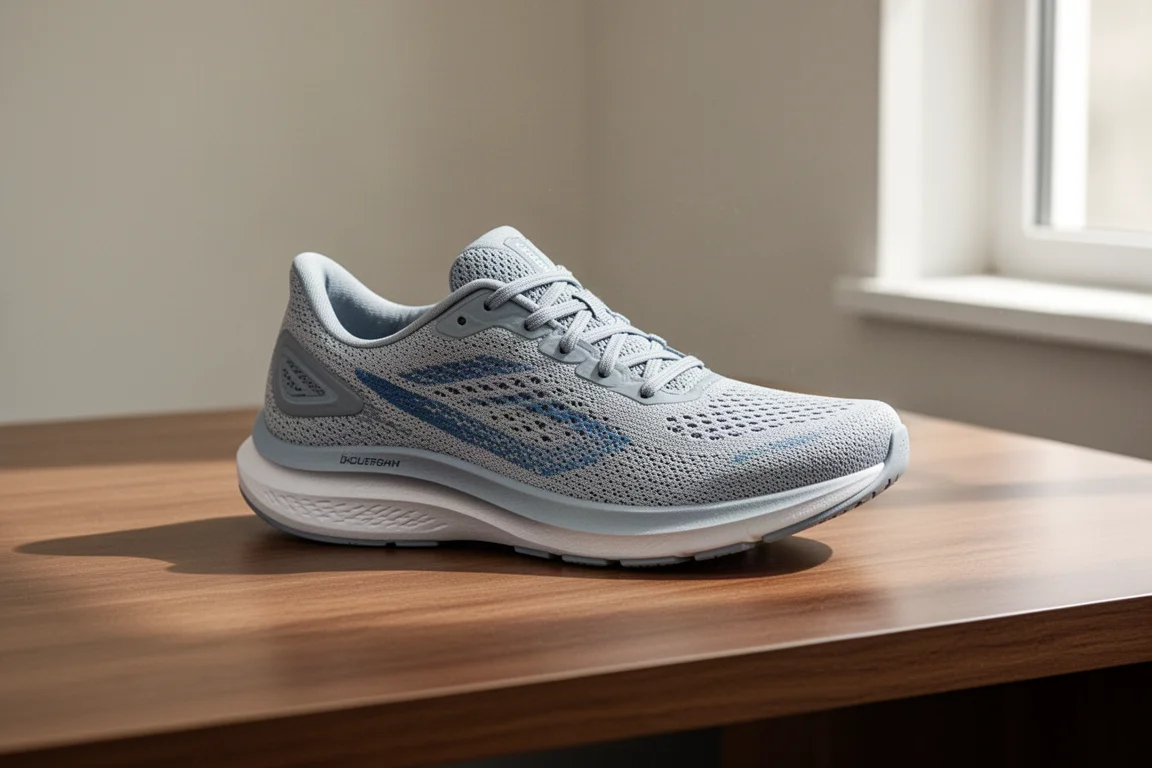
With 300 miles of testing, the Hoka Mach 5 is a very similar shoe to the Rebel with a bit more weight on foot. It has two foam types like the Vomero, a softer top layer, nice pep, a good fit, and decent stability from a wider base. It is on sale around $110 because the Mach 6 has replaced it, making it one of the best deals available right now. One downside: there is no rubber on the outsole, though it still delivered comparable durability to rubber-outsoled shoes in testing.
Marathon Training Pick: Asics Novablast 4
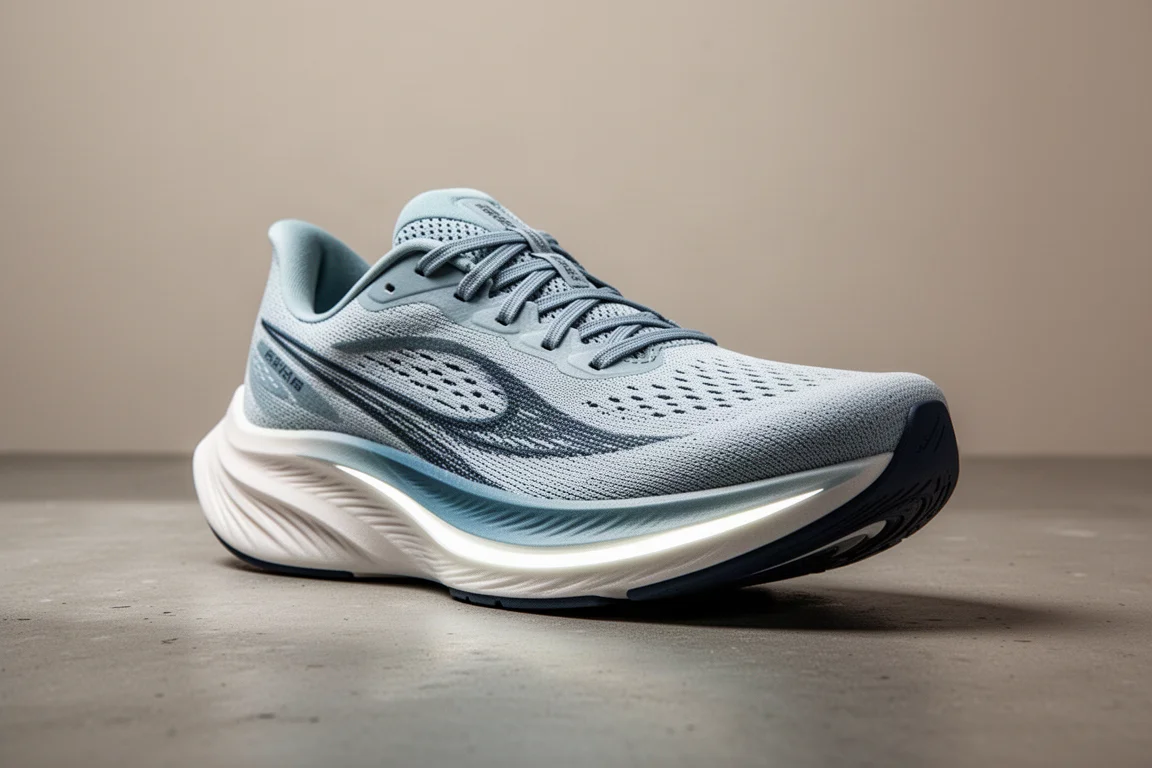
If your goal is training for a marathon with a single shoe, the Asics Novablast 4 is the recommendation. It is supportive while staying decently lightweight, with a taller stack of foam that gives real protection on two-hour-plus long runs. The foam is not the softest, offering a bit more structure than the Supernova Rise, and it has a trampoline-style pad in the forefoot that adds bounce at faster paces.
It feels good on everyday runs too and has gotten even better past 100 miles. Testers have done three-hour long runs in it comfortably. At $140, it works for beginners targeting anywhere from a 3:30 to a 5-hour first marathon. One note: Asics uppers can run warm in summer, so plan early runs in hot months.
Marathon Training Deal Alternative: Saucony Triumph 21
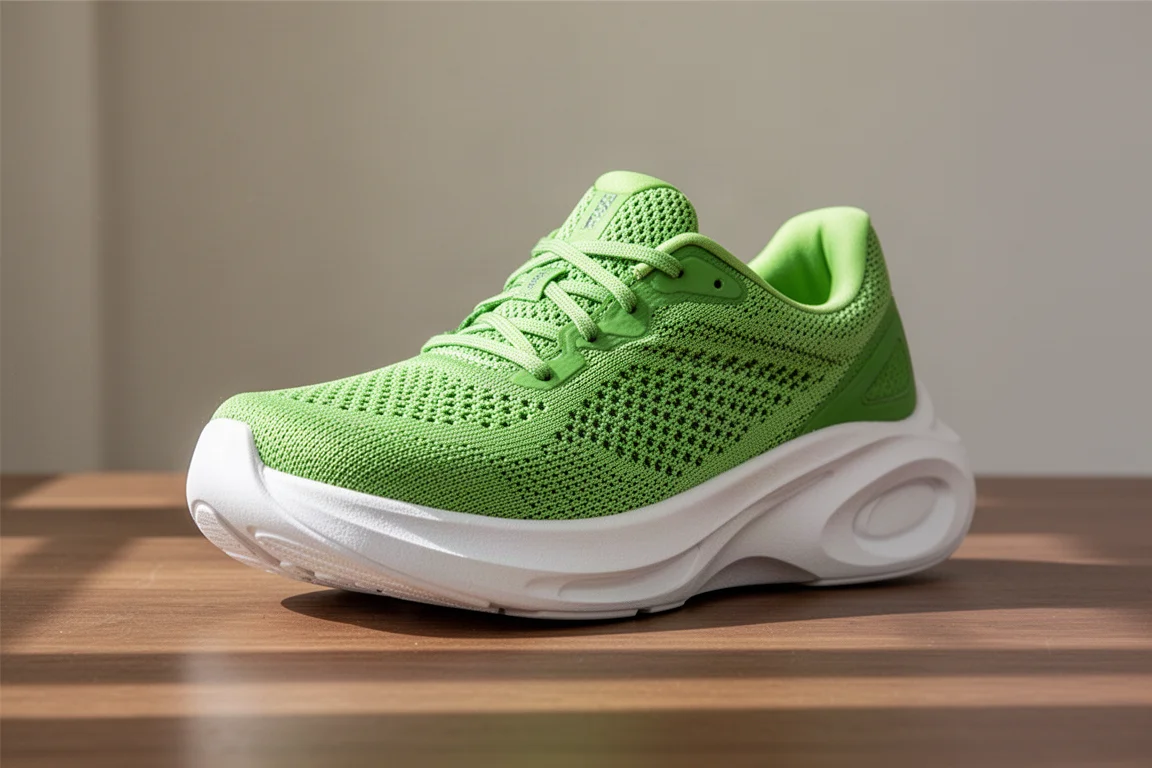
The Saucony Triumph 20 and 21 are heavily discounted as newer versions arrive, with the 21 commonly around $100 to $120 and the 20 having dipped as low as $60 to $70 before being liquidated. With about 350 miles on a test pair, it is a versatile shoe with a tall stack, nice pep when picking up the pace, and a resilient foam that holds up well on back-to-back days and double runs. It is slightly less stable than the Novablast at the heel, so if stability is a priority, pay the extra for the Novablast; otherwise the Triumph is a great long-run and everyday option.
Best for Walking and Bigger Runners: Brooks Ghost Max
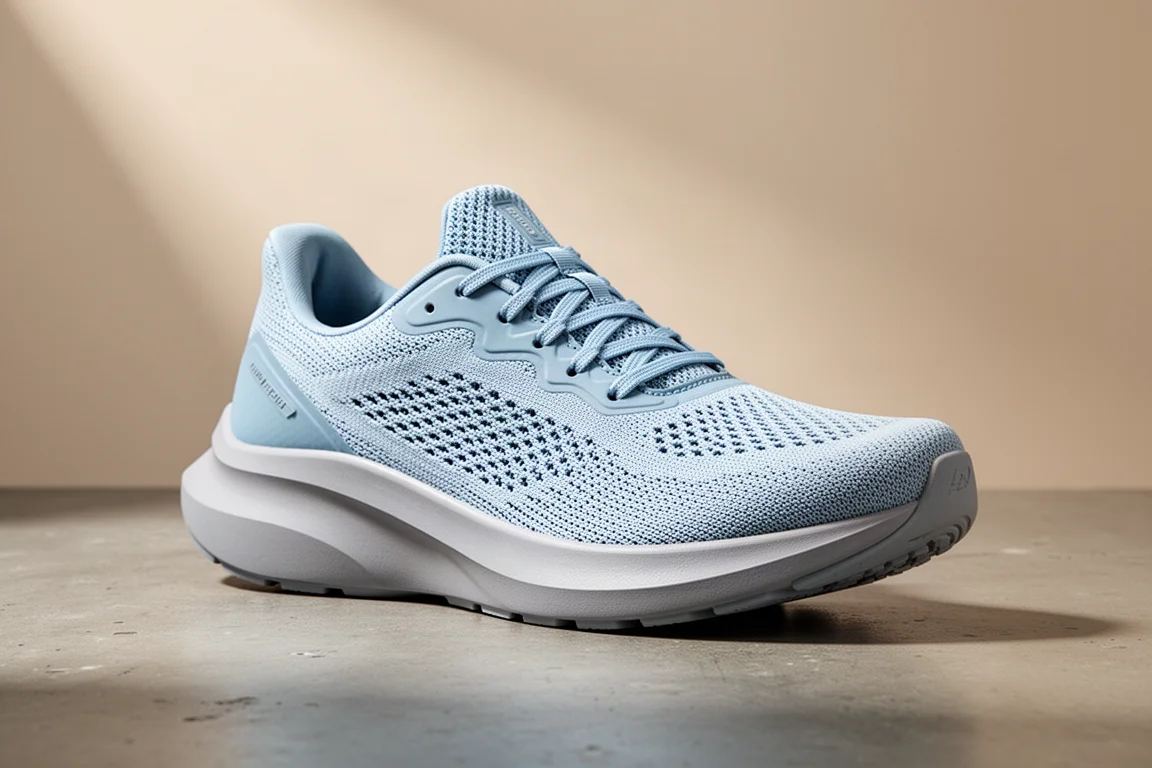
For a running-and-walking habit, returning from injury, or simply a shoe that feels great all day, the Brooks Ghost Max is hard to beat. Out of dozens of shoes tested this year, nothing matched it for walking. It has a tall stack of foam, a curved platform that tips you along as you walk, and it comes in monochrome colorways that work well for people who spend long hours on their feet at work.
It is also the standout daily trainer for bigger runners. Some shoes feel too soft and others too firm; the Ghost Max lands in the sweet spot, with foam that compresses just the right amount. Many larger runners report exactly the same experience. It is comfortable enough for lighter jogs and everyday easy runs, with more forefoot support and robustness than the Vomero 17. At around $150, it is worth the price without hunting for a deal alternative.
Budget Pick: Nike Pegasus 39
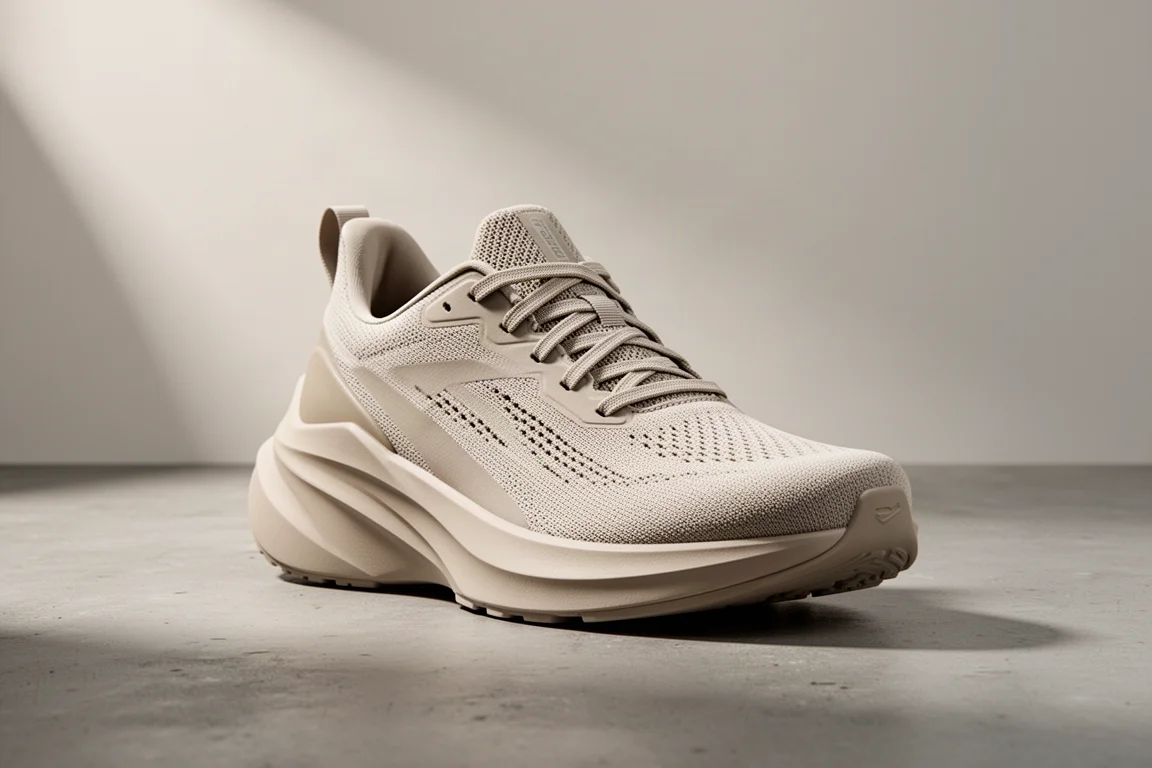
If you want the cheapest genuinely good running shoe out there, the Nike Pegasus 39 is it. With the newer versions already on shelves, the 39 can be found for as little as around $60 in online deals. It is not as plush or comfortable as the other shoes on this list, but it is a solid, dependable trainer that has handled half marathon workouts and runs up to 10 miles, and it would hold up fine for a marathon if you wanted it to. It is also a huge upgrade from old worn-out shoes or hiking boots, and it is available everywhere online.
Buying Advice
If you can afford $140, pick the shoe on this list that matches your situation: the Supernova Rise for all-around comfort and versatility, the Vomero 17 for durability and an easy daily ride, the Rebel V4 for lighter and faster mixed training, the Novablast 4 for marathon training, the Ghost Max for walking and bigger runners, or the Nimbus 25 if you just want maximum softness on a budget. If you would rather spend less, the Pegasus 39, Vomero 17 on sale, Mach 5, Nimbus 25, and Triumph 21 are all excellent deals in the $60 to $125 range.
And remember: the best shoe to start running in is the one you already own. Gear should never be the barrier. Upgrade once the habit sticks.
Conclusion
Every shoe here solves a specific beginner problem, from coddling comfort to marathon-ready protection, and all of them have real mileage behind them. Match the shoe to how you actually plan to run, grab a few good pairs of socks, and let the gear support the habit rather than define it.
Further reading
Related Reviews

Running Shoes
Best Road-to-Trail Running Shoes: Three Versatile Options for Mixed Terrain
A practical guide to three road-to-trail running shoes that handle both pavement and mild trails, with clear strengths and trade-offs for different runner types.

Running Shoes
Best Running Shoes for Achilles Tendonitis: Three Options Explained
Three running shoes with different heel drops and support features designed to help reduce Achilles tendon pain during walking and running.

Running Shoes
Best Running Shoes for Women: Five Top Choices Ranked
A ranked guide to five women's running shoes, from versatile daily trainers to high-performance racing options, with real strengths and trade-offs for each.