Running Shoes
Best Running Shoes for Your First Marathon: Daily Trainers, Speed Shoes, Long Run Picks and Race Day Options
Nine tested shoes for a first marathon block, sorted into daily trainers, speed workout shoes, long run shoes and carbon race shoes, with clear guidance on which pace range each one suits.
Introduction
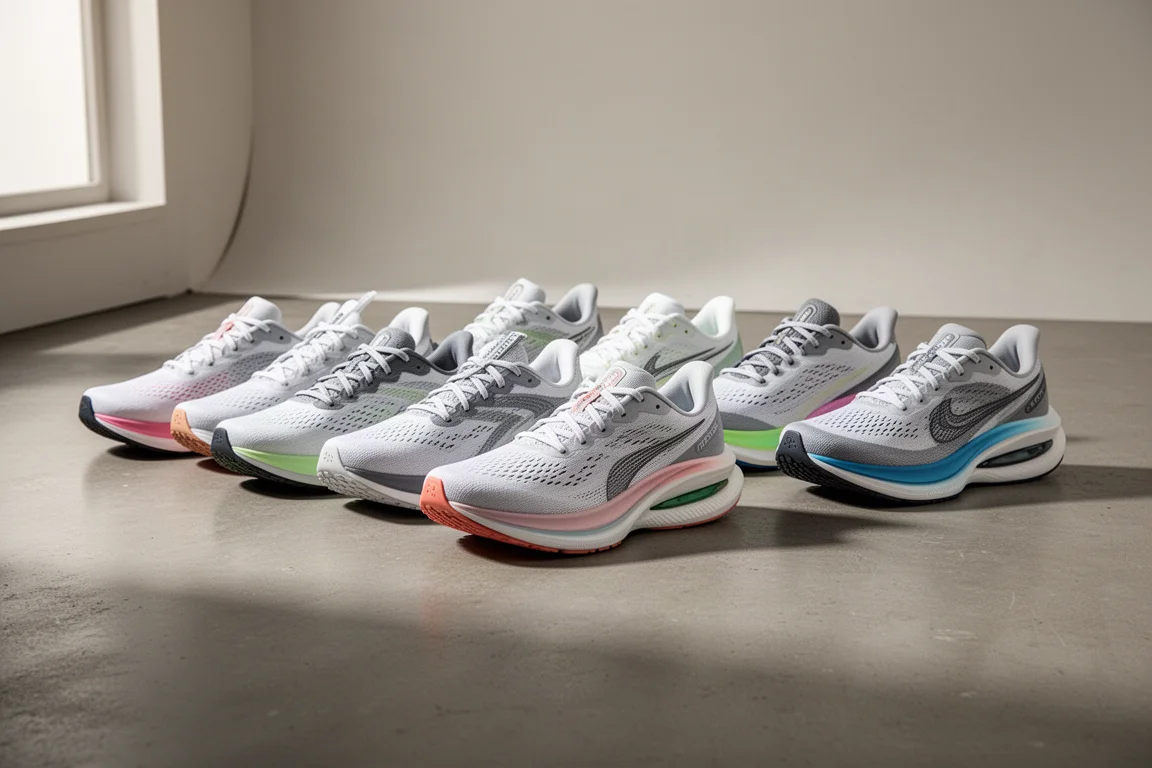
If you are training for your first marathon, you need more than one shoe. A solid rotation covers four roles: a comfortable daily trainer for stacking miles, a speed shoe for workouts, a protective long run shoe, and a race day shoe that helps you hold goal pace. This guide walks through nine tested options across those categories, with notes on fit, feel and who each shoe suits best.
Daily Trainers
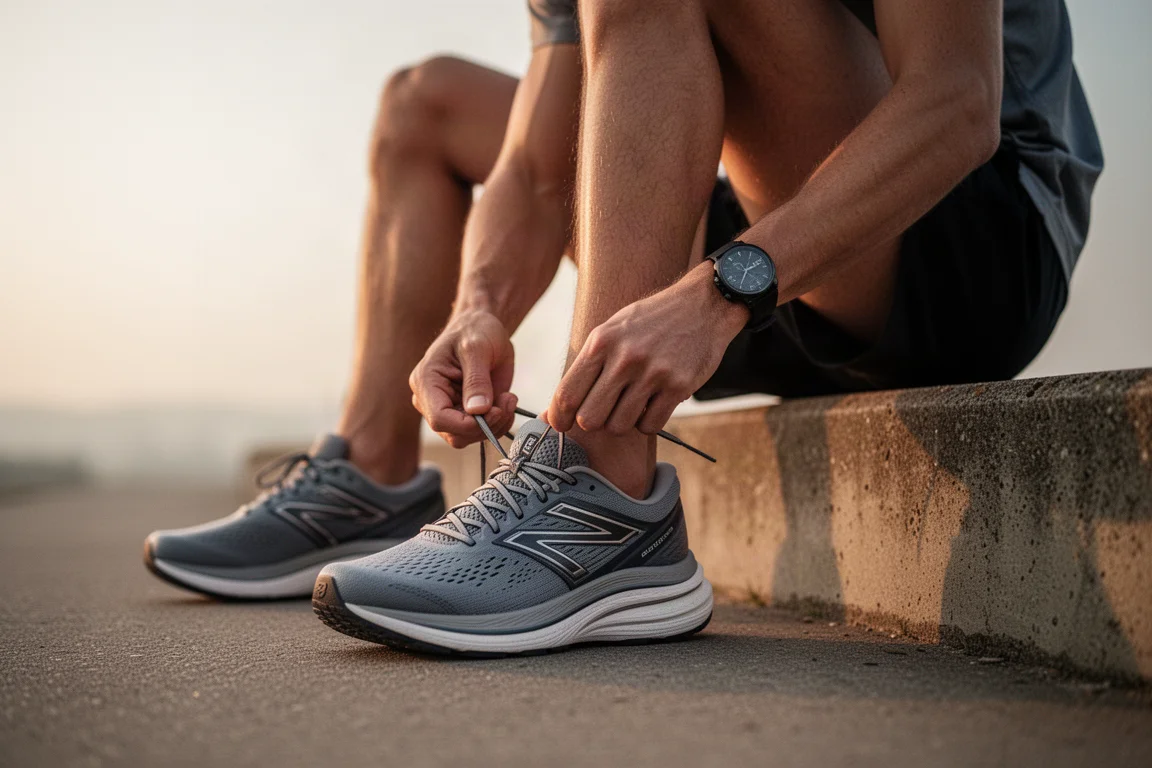
A daily trainer is the shoe you can theoretically use for any run. During marathon training it should be the most comfortable shoe in your rotation, because the times get longer, the pace slows down, and running-specific stress adds up. You do not want your everyday shoe to be the fastest and most aggressive option, especially if you are transitioning from running for fitness to structured training.
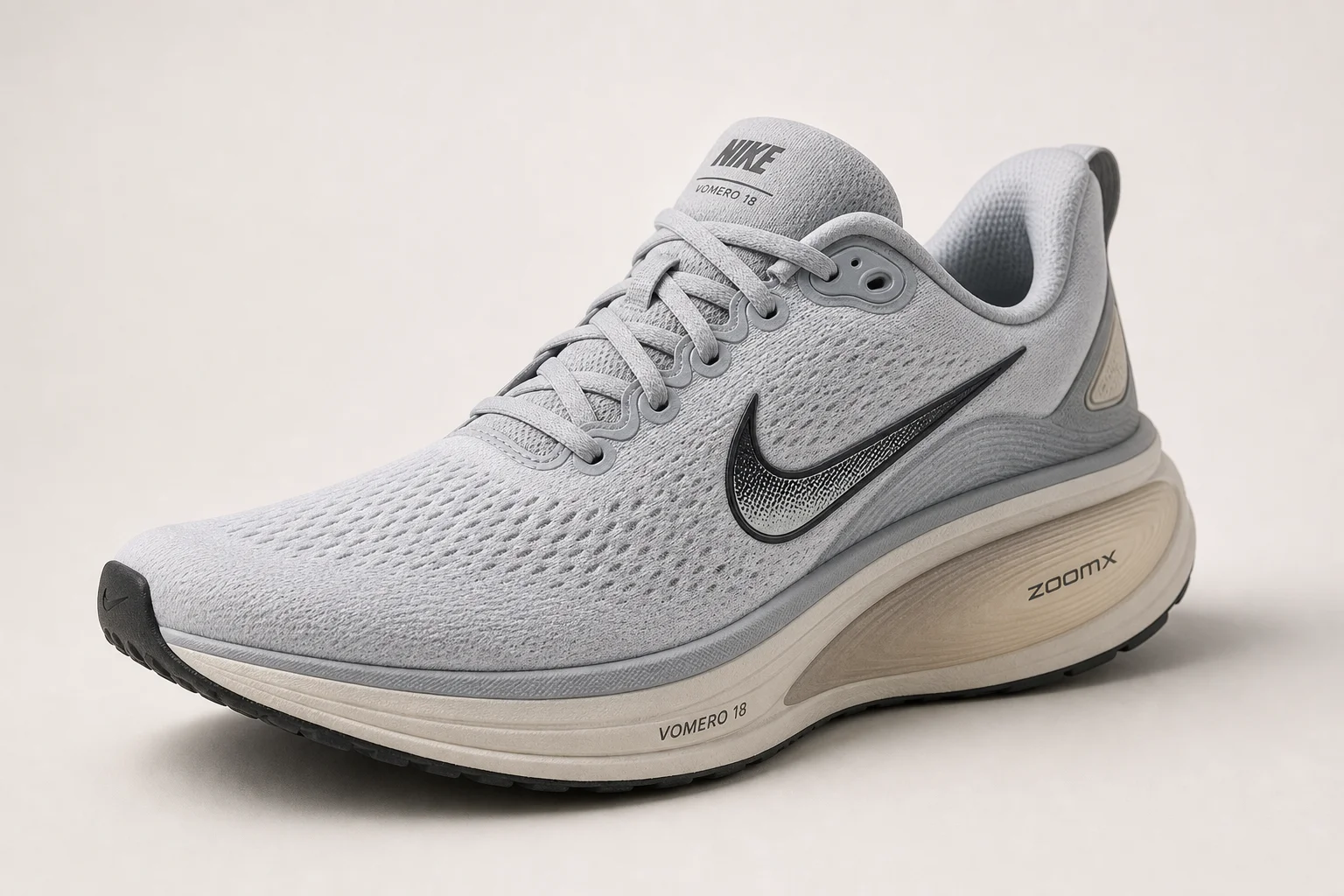
Nike Vomero 18
The Nike Vomero 18 is one of the most comfortable shoes on the market. At $155, you get two types of foam: ReactX on the bottom and ZoomX on top. This is not a crazy bouncy or exciting shoe, but it is highly comfortable with a great step-in feel and lots of padding in the upper. It is excellent up to 45 minutes to an hour, which is exactly where most of your building-block runs sit during a marathon block. It also has generous rubber coverage front and back for durability. It is not particularly lightweight, but for stacking daily miles, that does not matter.
Asics Novablast 5
If you want something still comfortable but slightly faster, the Asics Novablast 5 fits. It is a lot lighter than the Vomero 18 and has more pep, with a landing zone that feels more optimal in the forefoot than the rear. The price was raised to $150, still a decent deal compared to other shoes. It is one of the most popular shoes on the market for a reason: bouncy, fun and battle-tested. Downsides: some people find it not cushioned enough in the forefoot, it can compress a lot, and it can occasionally feel choppy from heel to forefoot. If you like a shoe that encourages you to pick up the pace by 10 to 15 seconds per mile, this is a great pick.
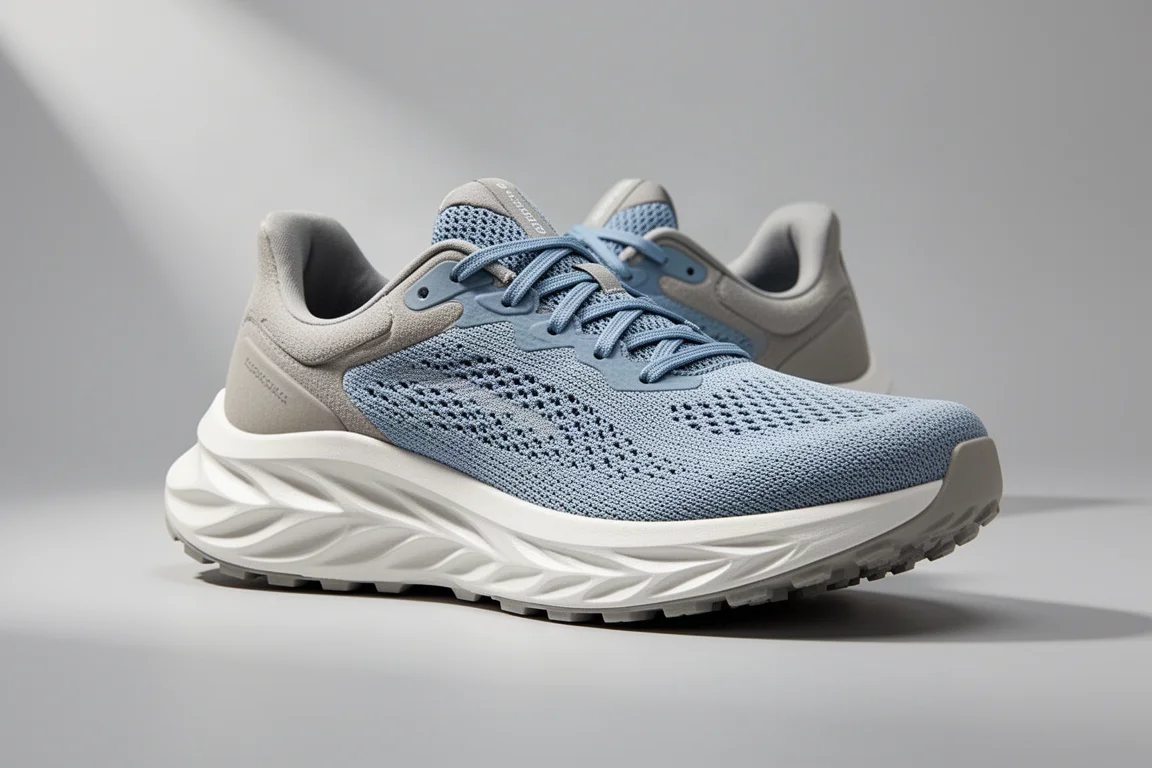
Salomon AeroGlide 3
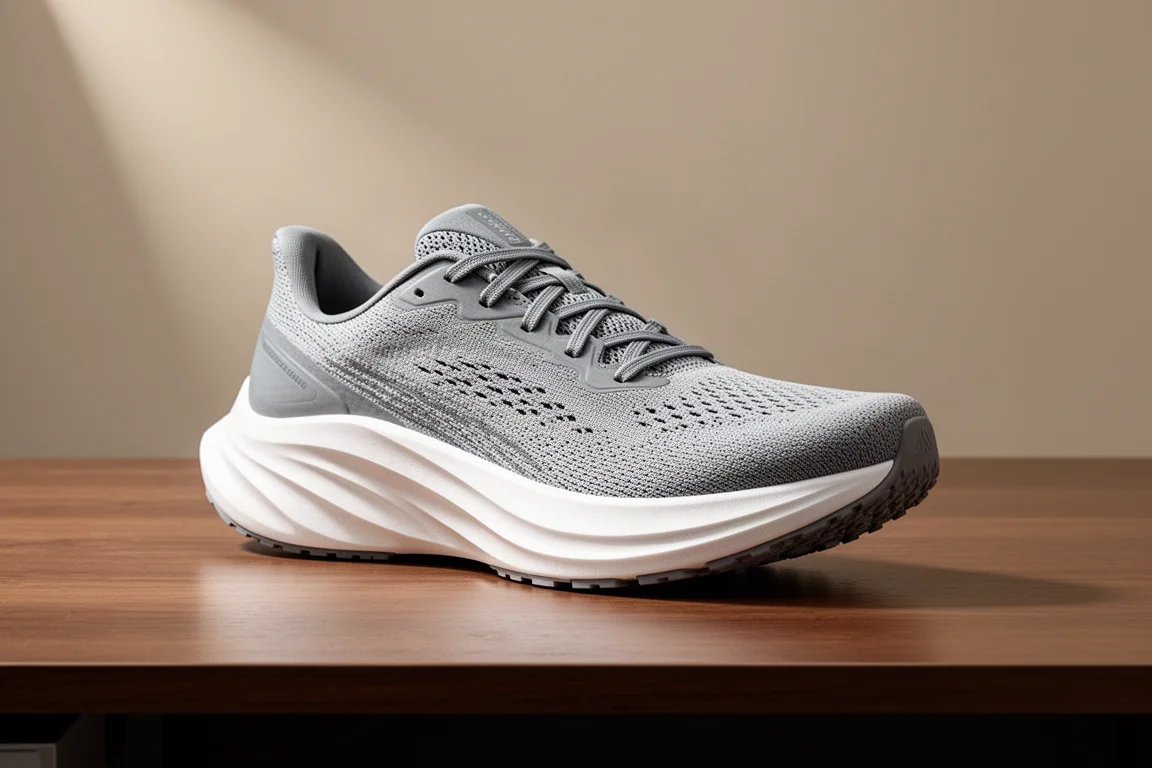
The Salomon AeroGlide 3 threads the two together. Combine the lightweight bounce of the Novablast with the comfort and cushion of the Vomero and you get something close to this: my current favorite daily trainer. It is bouncy with great cushion, very lightweight for the stack you get above 40mm in the heel, and it does not feel like a big heavy shoe. The foam does not fatigue, making it an absolute mileage eater for long runs, pace pickups and strides. The upper is forgiving; some people find it fits a touch big, and narrow-footed runners may want to go half a size down. One caveat: aggressive forefoot strikers who land directly on the full rubber strip under the front may not get the same bounce, in which case the Novablast 5 is the better choice. For the vast majority of runners, this shoe lands in the Goldilocks zone, handling relaxed cruising and faster paces down to around 6:20 to 6:30 per mile.
Speed Training Shoes
For your first marathon you will run a few types of speed workouts: shorter intervals like 200m or 400m repeats and strides to build running economy, tempo runs at threshold or marathon pace, and dedicated marathon pace runs. Most first-time marathoners land in the 3:30 to 5 hour range, running speed work between roughly 6:00 and 9:00 per mile. The two shoes below are designated speed training shoes rather than carbon-plated racers, so they trade some firmness and bite for comfort and flexibility.
Saucony Endorphin Speed 5
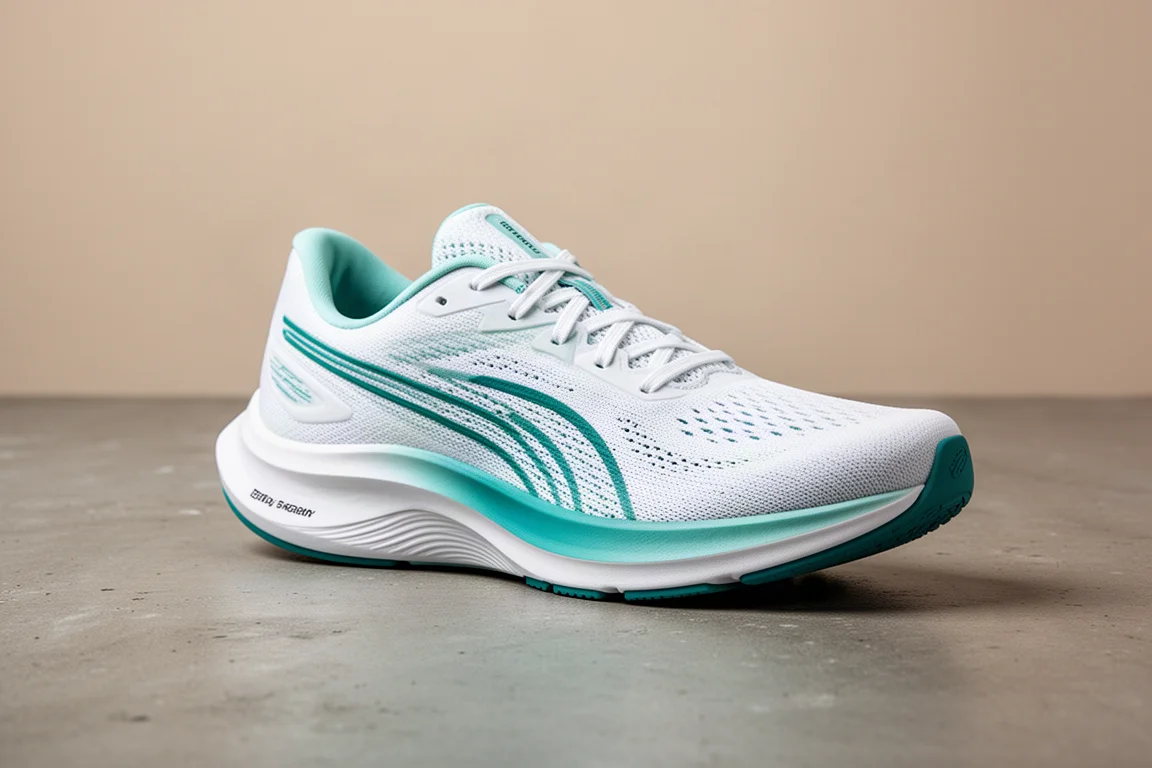
The Saucony Endorphin Speed 5 costs $175 and delivers 100% PWRRUN PB race foam. It threads the line between daily trainer and speed shoe. If you are a smaller runner, less powerful, or you find plates too harsh and rigid, this is a great option, and at slower workout paces of 9 to 10 minutes per mile it offers more than enough bounce and pop. Larger, harder-wearing runners (200 pounds and up) have reported it feels too soft and mushy in the forefoot, and this series historically has not been the most durable for powerful runners despite added rubber. It shines as a tempo shoe, locking you into a rhythm right around 6:50 to 7:00 pace, and it stood up well to a 20-mile day in testing.

Long Run Shoes
Long runs are the backbone of marathon training. You might start at 6 to 8 miles and progress toward 2 hours, frequently stacking 14 to 16 mile runs. You want protection, comfort and stability above all.
Puma MagMax
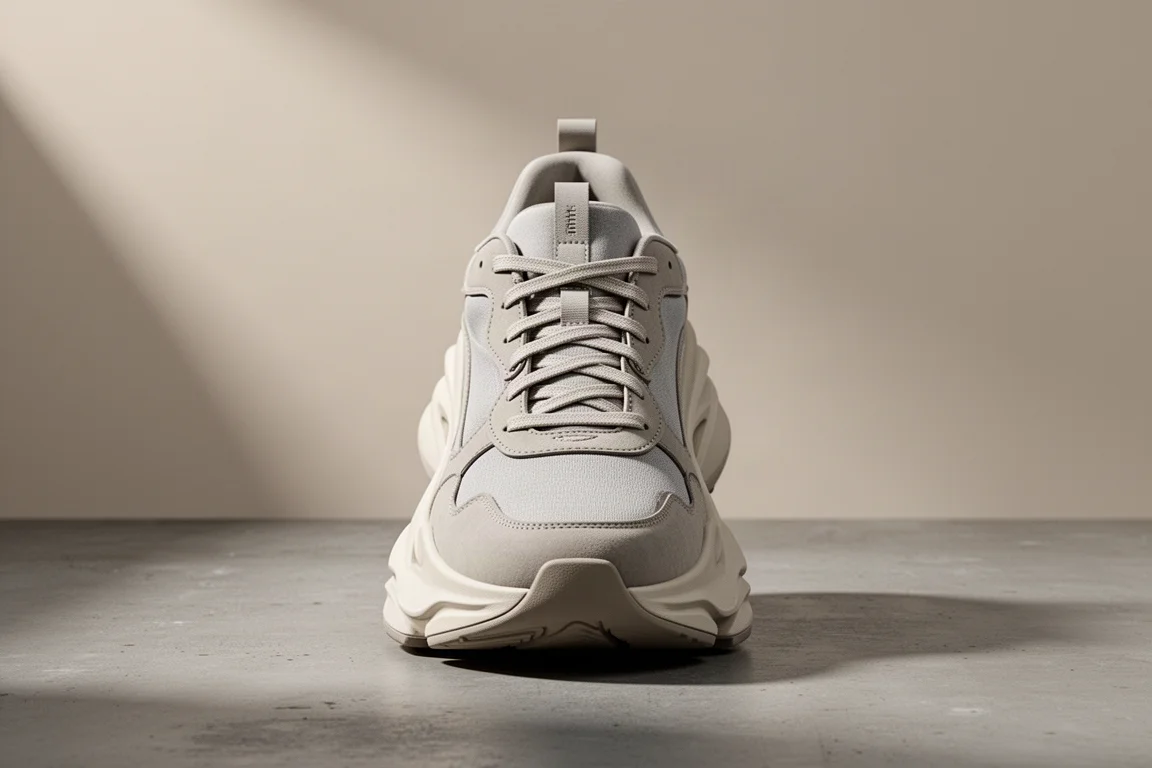
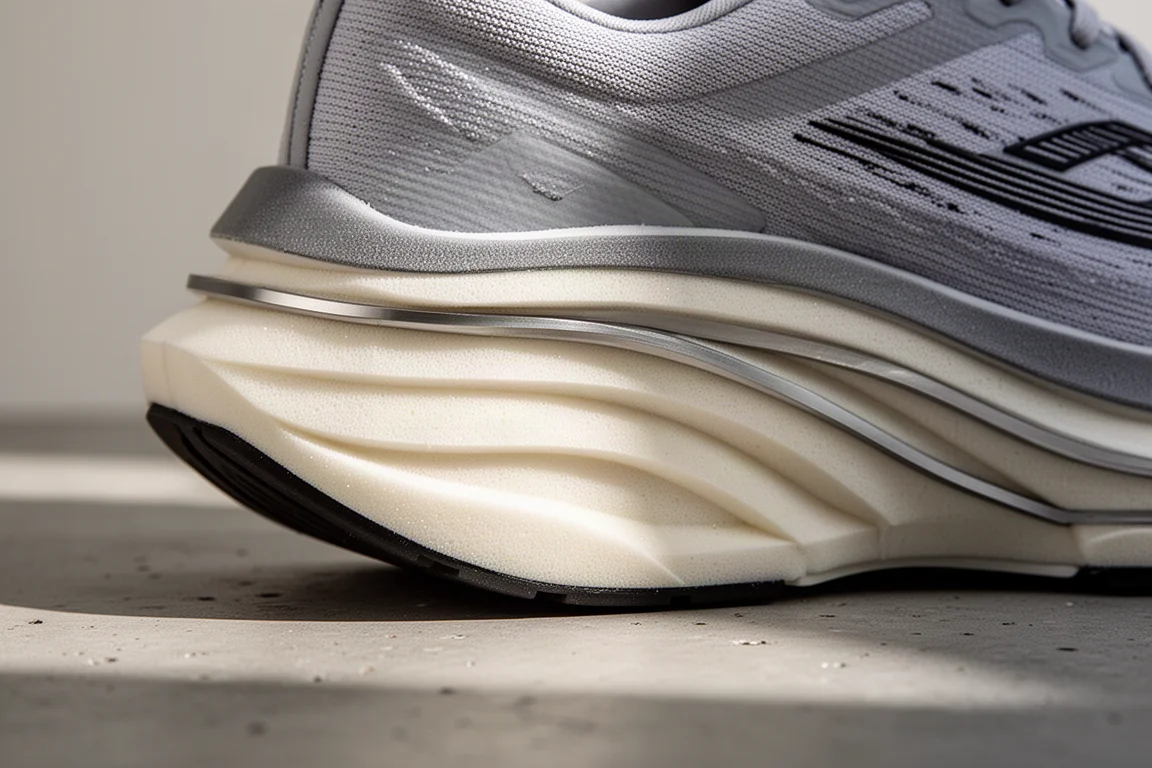
The Puma MagMax is the top long run recommendation and one of the highest-mileage shoes in recent testing at 200 miles. It is a big shoe with no plate, but the foam responds really well without being too soft and mushy, especially for runners who put down a lot of power. The bounce and assistance are excellent, and the wide base makes it super stable over long time on foot. At around 315 grams it is heavier than a race shoe or daily trainer, but the comfort, balance and protection outweigh the weight. The catch: it makes little sense on a short jog, and it can feel too big and firm for smaller runners or anyone who dislikes a lot of stack.
Mizuno Neo Vista 2
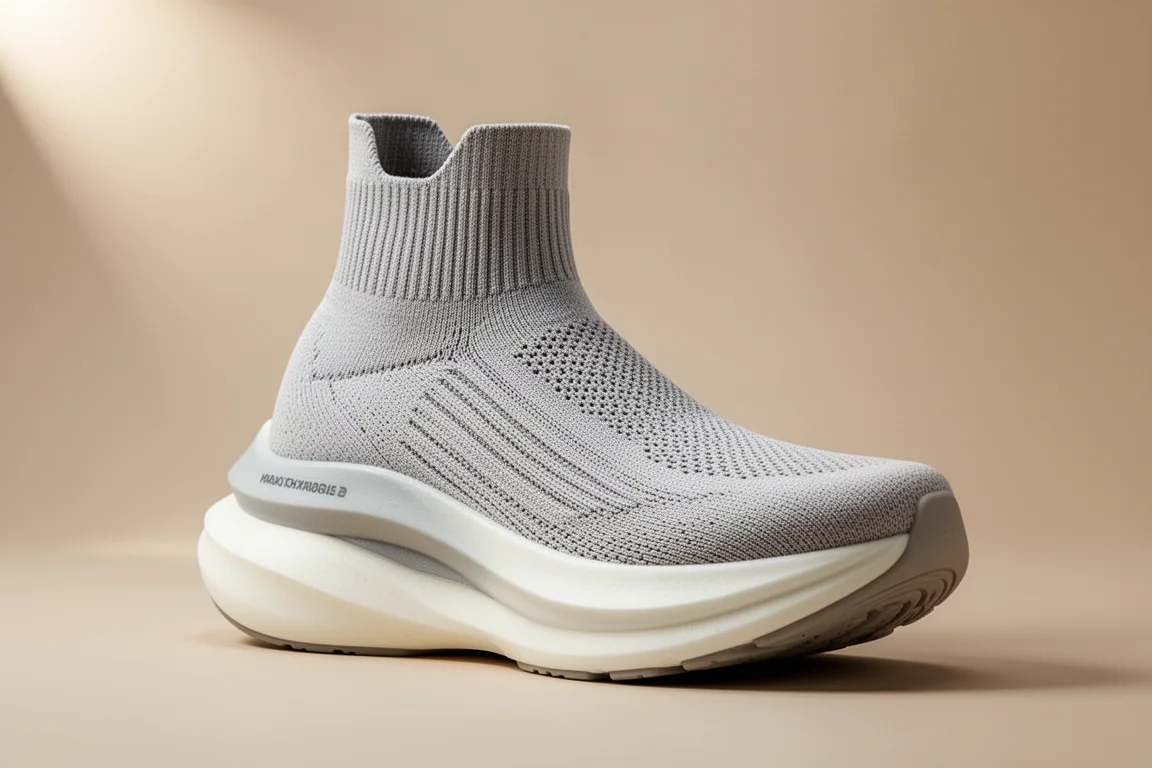
The Mizuno Neo Vista 2 is probably the most overlooked shoe of 2025. It is very soft, bouncy, comfortable and smooth, and it disappears on foot. It is roughly 50 grams lighter than the MagMax and softer, yet not too soft for bigger runners, so it threads the needle well. The upper is lightweight and breathable with a booty construction that locks down the heel, making it a great summer option. Structurally, it uses softer foam on top, a plastic plate in the middle purely to stabilize the big stack, and firmer training foam on the bottom. It is not a fast shoe: at 6 to 8 minute paces and faster it feels big and bulky. But for 4-plus hour marathoners who value comfort over speed, it could even serve as a marathon shoe, and it is excellent for 9 to 10 minute tempo work.

Brooks Hyperion Max 3
The Brooks Hyperion Max 3 sits on the line between daily trainer, speed shoe, long run shoe and race shoe. You get a ton of stack, foam and protection, plus a smooth rocker profile that makes it a genuinely fast shoe, with new bouncy DNA Gold foam. A tester in a prototype program has logged over 500 miles on a pair, so durability should be strong. It handles nearly any run type, but every run in it tends to turn into a tempo effort; a first 10-mile run quickly dropped to 6:00 pace. The main flaw is a cutout in the midsole that can create odd pressure in the forefoot and make the shoe feel more aggressive. If you race in it, runners at 3:45 to 4 hours and slower are the best fit, ideally paired with a comfort-oriented daily trainer like the Vomero or AeroGlide.
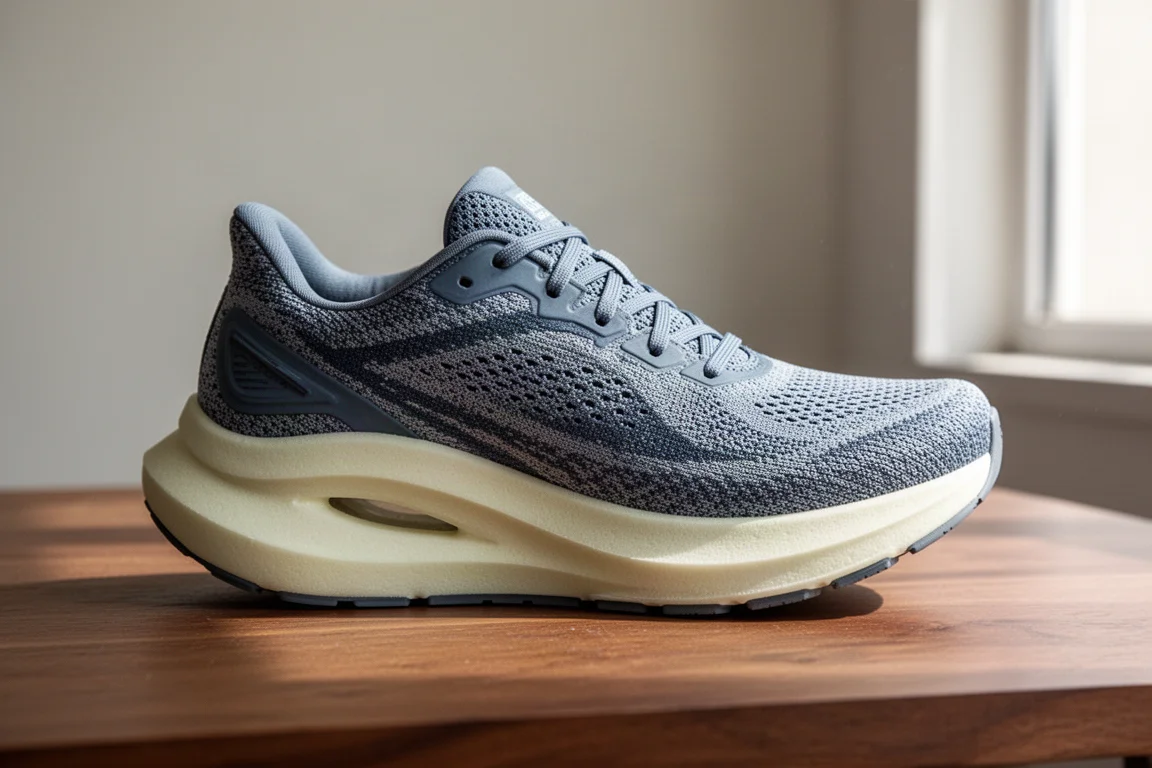
Race Day: Carbon Plate Shoes
Carbon-plated race shoes are the real deal for race day. The good news for first-timers: the picks below are durable enough that you can train in them without worrying about burning through the foam before the start line.
Puma Deviate Nitro Elite 3
The Puma Deviate Nitro Elite 3 is the top pick for first-time marathoners on value, comfort, price and versatility. At $230 it undercuts a category where many shoes now run $260 to $300, and it is simply a better shoe than many of them. It takes some time to break in and is not too soft, sitting in the Goldilocks zone with decent stability from its wide rear and firmer foam. Because it is durable, you can race in it and also use it for tempo and interval workouts. The Puma grip rubber on the outsole grips the ground very well. It performs well across a wide range of paces, making it the smarter choice for the 3:30 to 4 hour crowd.
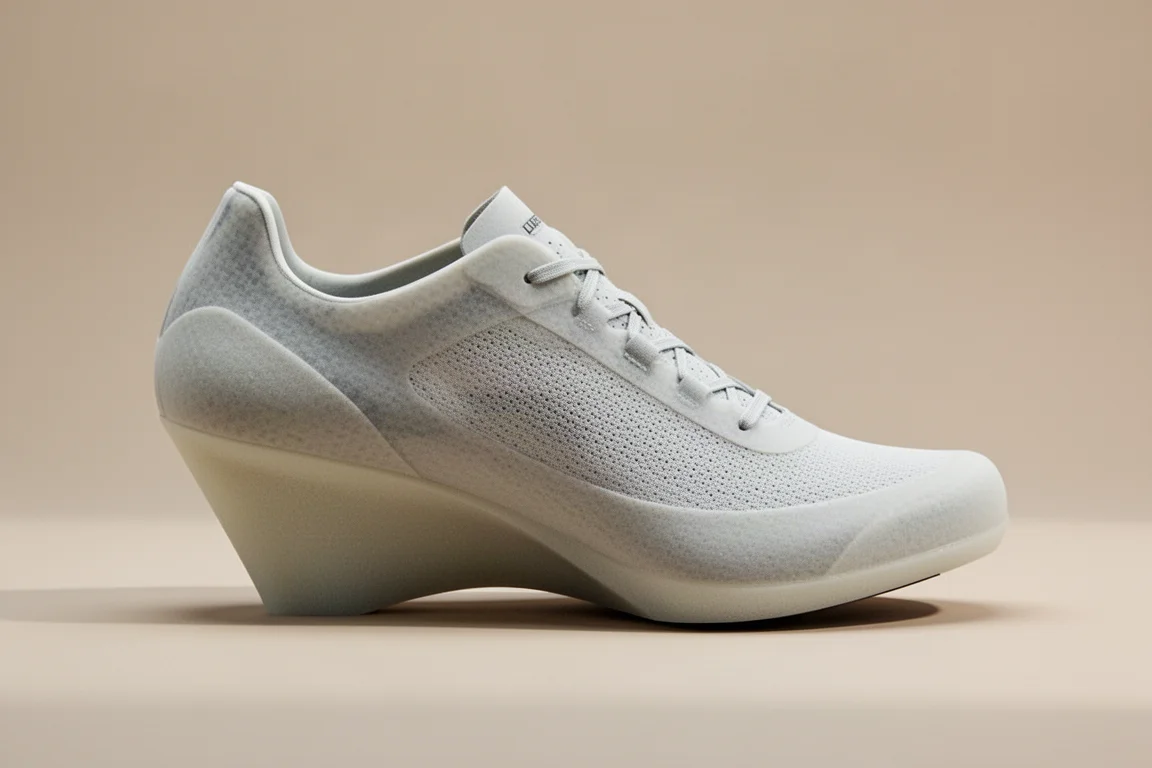
Nike Alphafly 3
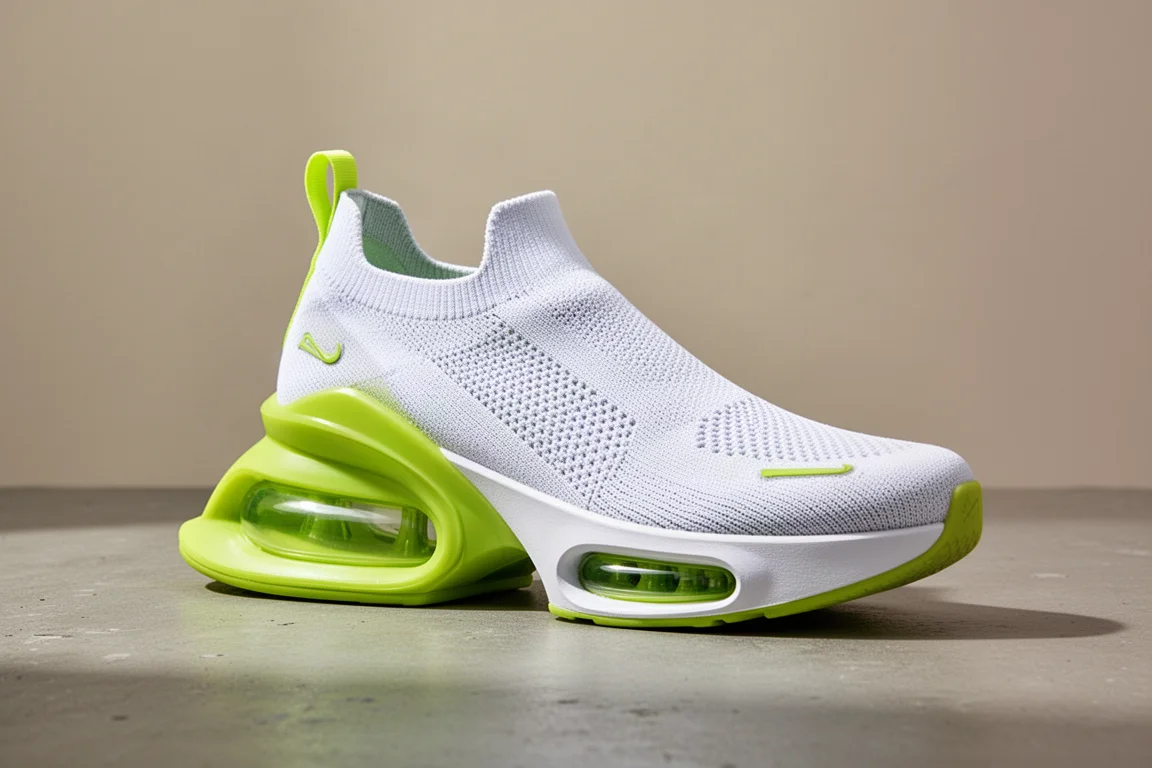
No marathon list is complete without the Nike Alphafly 3. It is one of the highest-mileage race shoes in recent testing, with 200-plus miles across two pairs. The standout is how much foam you get, with huge stack in the forefoot, a protective ride and great bounce from the Air Pods underfoot, plus a wide base for stability. It is definitely an aggressive shoe, and it has felt more approachable as the miles have added up, but for most first-timers something more comfortable is the wiser call. If you are going for a fast race below about 3:30, this or the Deviate Nitro Elite 3 is your best bet. Between the two, the Alphafly feels more aggressive and more optimal for outright speed.
Buying Advice for First-Time Marathoners
A few parting tips beyond the shoes. Get good sleep and skip late nights before long runs. Refuel properly in summer heat, and up your carb intake overall: being underfueled is the number one enemy of marathon training. Do not run too hard too frequently. It is better to show up slightly undertrained than overtrained for your first race, so if a planned tempo run does not feel right, cut it down or move it. If you have gotten to this stage and you are evaluating shoes and running the workouts, you do not have a commitment problem. Give yourself permission to scale back occasionally, because you can always run that 20-mile long run again next week if you are healthy.
Conclusion
Match the shoe to the job: Vomero 18 for comfort, Novablast 5 for a faster daily feel, AeroGlide 3 for the best of both, Endorphin Speed 5 for softer speed work, MagMax and Neo Vista 2 for long run protection, Hyperion Max 3 for versatility, and Deviate Nitro Elite 3 or Alphafly 3 for race day depending on your pace goals. Build your rotation around those roles and your first marathon block will feel a lot more manageable.
Further reading
Related Reviews

Running Shoes
Best Road-to-Trail Running Shoes: Three Versatile Options for Mixed Terrain
A practical guide to three road-to-trail running shoes that handle both pavement and mild trails, with clear strengths and trade-offs for different runner types.

Running Shoes
Best Running Shoes for Achilles Tendonitis: Three Options Explained
Three running shoes with different heel drops and support features designed to help reduce Achilles tendon pain during walking and running.

Running Shoes
Best Running Shoes for Women: Five Top Choices Ranked
A ranked guide to five women's running shoes, from versatile daily trainers to high-performance racing options, with real strengths and trade-offs for each.